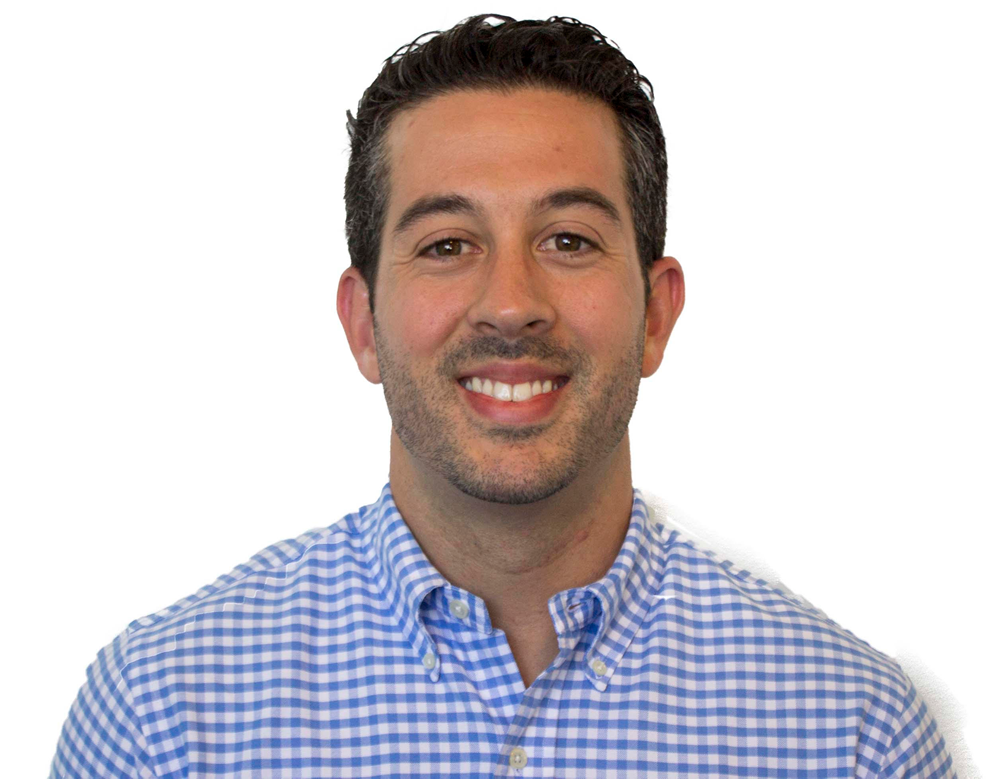
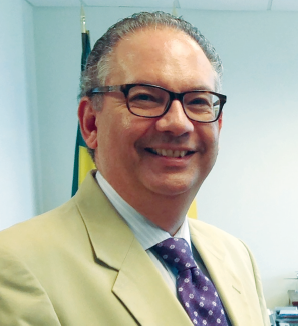
Stronger ties: Brazil’s Consul General to Miami Ambassador Helio Ramos discusses the increasing importance of the Miami-Brazil link in commerce, culture and investment

Stronger ties: Brazil’s Consul General to Miami Ambassador Helio Ramos discusses the increasing importance of the Miami-Brazil link in commerce, culture and investment

Invest: Miami speaks with Miami Ambassador Helio Ramos

How significant is trade between Brazil and Miami?
Brazil ranks second in imports tonnage at PortMiami, accounting for 206.29 million tons in 2013, with imports varying from commodities – stone, earth, wood, ceramic products, leather – and manufactured items, representing a total import value of $3.29 billion for the Miami Customs District, which includes. PortMiami accounts for $709.65 million of Brazil’s exports in 2013, thus Brazil ranks fifth in terms of value exported, with top exports being machinery, electrics, plastics, optics, medical equipment and vehicles. Trade between Brazil and the Miami Customs district has grown by over 50 percent since 2011, setting a record for the fourth straight year in 2013. Brazil is Florida’s number one trade partner, and PortMiami plays a major role in maintaining its position.
How has the Brazil-Miami connection influenced other aspects of Miami-Dade’s economy?
Florida remains a top international tourist destination for Brazil, receiving 54 percent of all Brazilians visiting the U.S. Miami-Dade County captures 70 percent of Brazilian tourist expenditures in the state, totaling  $2.38 billion, with 755,550 Brazilian tourists spending $1.68 billion in shopping, dining and entertainment in 2013.
Brazilian investments in Florida real estate are significant, with the median value of property purchased averaging $457,000. The majority of buyers purchase real estate for second home purposes instead of investment returns, with 82 percent of real estate acquisitions by Brazilians in Florida are done in cash.
Miami is of particular importance for Brazilian companies attempting to internationalize their organizations in the U.S., particularly small to medium-sized companies. Among the leading Brazilian businesses in Miami-Dade County are Odebrecht Construction, Embraer Aviation Co., Bauducco Foods Inc., Taurus Inter-national Manufacturing Inc., Banco do Brasil Americas, 3G Capital (which owns, for example, Burger King Corporation), Giraffas Restaurants and Shrimp House.
What challenges lie ahead for Brazil-Miami relations?
Two areas of negotiation between Brazil and the U.S. pose challenges in furthering trade, commercial and tourism ties between the two countries, with great consequence for Miami-Dade County. One is the final phase of the “open skies agreement,” which would remove caps on the number of flights that can travel between the two countries. Another concerns the lifting of visa requirements for Brazilians to the U.S. Current rules dissuade Brazilians from visiting the U.S. because the application process is costly: the application fee is high; interview turnaround times can take up to four months; and there are costs related to domestic travel and accommodation to visit one of the few U.S. consulates in Brazil.

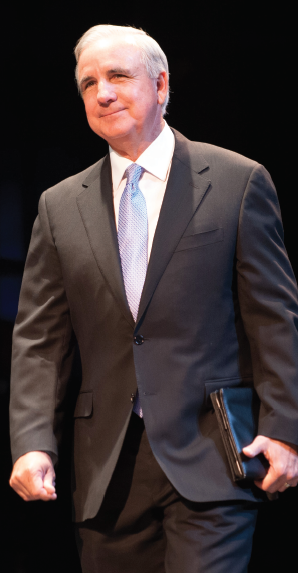
The way forward: Miami-Dade County Mayor Carlos A. Gimenez discusses the progress and challenges in modernizing government and diversifying the economy

The way forward: Miami-Dade County Mayor Carlos A. Gimenez discusses the progress and challenges in modernizing government and diversifying the economy

Invest: Miami speaks with Mayor of Miami-Dade County, Carlos A. Gimenez


You have supported major projects like the renovation of the Miami Beach Convention Center, a Major League Soccer stadium, and SkyRise Miami. What commonality do these projects share? 

Those are only some of the projects we have supported. They are hot topics for the day, but nowhere close to be-ing representative of what this administration is about.


How then would you characterize the types of projects you support? How do they reflect your strategic vision for progressing this community?

A great example is eMerge Americas, a five-day tech conference hosted in Miami. We’ve supported eMerge from the very beginning and we’re one of its prime sponsors. We want to place Miami-Dade County on the technology map. We want Miami to be a tech hub – we want to create something called Tech Beach or Tech 305. We want to be the place for those looking to establish a technology company that looks towards Latin America or South America to come to. We want to be where Latin America, Central America and the Carib-bean look to see what’s new in technology. Moreover, developing a tech hub will support job creation.


One key challenge facing Miami-Dade is weak economic diversification. What are some others, and how is the county addressing them?

Diversifying the economy is one of my priorities – and it doesn’t just mean supporting technology; it involves promoting a wide range of economic sectors and businesses so we reduce our dependence on tourism or finance. The consequence of not having a diversified economy was that we saw a lot of our bright young minds leave Miami because they didn’t have opportunities here.

Technology is illustrative of this. We graduate thou-sands of students in computer science. If we don’t have a solid, technology-based industry here in Miami, then these graduates will go elsewhere to find jobs. This is why we support initiatives like eMerge and Venture Hive. We were the first to put money into Venture Hive because we want entrepreneurs here. We want the next Facebook or Microsoft to be created in Miami-Dade, and for them then to base their corporate headquarters here.

Another challenge is transportation. We need to establish linkages between downtown, Miami Beach, and our western suburban areas such as Kendall. There is also a need for alternative modes of transportation, which is why I strongly support app-based services like Uber and Lyft, which are not yet legal here, but should be this year.


Is more county funding being put toward growing emerging industries, or is it mostly supporting traditional sectors like tourism, real estate and finance?

We are not going to turn our backs on tourism, real estate or finance. In fact, we want to enhance those industries. However, we are not content with having our economy be just about those things. We need to diversify.

For instance, we just awarded Naeem Khan, the international fashion designer, a grant and a lease on a county-owned building on the Miami River to help him move his entire operation from New York City to Miami. Once he’s here, other top designers will see how successful they can be in Miami, and they will come here too.  We would like Miami-Dade to be a top international fashion destination and this is the first step.

We have also incentivized a new movie studio – the first in Miami-Dade County – in North Miami. It’s a $30 million project set on 160 acres. The company has promised to build a state-of-the-art aquatic production facility, but also a production studio, because although there is a lot of filming that happens in Miami-Dade – the sun and quality of light is different here – many times these companies go elsewhere for post-production. We wanted to have a studio here so they didn’t have to leave. This is just one aspect of our efforts to retain our brightest minds and create jobs for all the residents of Miami-Dade County.


What have been some of the county’s initiatives when it comes to promoting job growth?

My top initiative is Employ Miami-Dade. It targets some of the hardest-hit areas for unemployment or underemployment. Community groups knock on doors and inform residents about job opportunities in industries like construction and hospitality, for which training would be provided. Through this program, we’re investing in the sweat equity of going door-to-door, identifying potential workers, training them, and getting them jobs.

The private sector, in particular the construction companies, have bought in. When we have had construction booms like we have today, we have had to import labor from around the state and the country. There’s no rea-son to import labor when we have plenty of workers here. If we can give them solid, well-paying jobs, get them out of poverty, and get them to be productive members of society, it’s good for business, it’s good for them, and it’s good for the entire community.


While Miami has an abundance of luxury residential developments, what can be done to bring about more affordable and attainable housing options?

Eventually, the luxury market will dry up – the market will have a self-correction. Affordability is very much linked to jobs, which is crucial to establishing a middle class. When you establish a solid middle class that can afford decent housing, the market will be there. The private sector always has a way of coming around if there’s a profit to be made, and if there is a group of folks that has money and is willing to spend it for good housing, there will be houses available to them

Another avenue is through public-private partnerships (PPPs). We recently announced the Liberty Square Rising Project, which involves a $74 million commitment from the county to leverage several hundred million from the private sector. This is the largest project the Department of Public Housing and Community Development has taken on. The goal is to revitalize the county’s oldest housing project – over 700 residential units, on 50 acres, in an area with the highest crime rates – and, in the process, generate over 2,200 jobs and around $285 million in economic impact.


How has Miami-Dade County worked towards mod-ernizing and streamlining government?

Within Miami-Dade County, there are 34 self-governing municipalities. The county oversees transportation, the airport and the seaport, as well as most of the water and sewer infrastructure.

Improving cooperation between the county and the cities has been an area of focus for my administration. For instance, we are working together with the different cities to create forms that can be used with both the cities and the county so there is no duplication of procedures. We’re working with cities to create one-stop shops, or even no-stop shops, where forms can be completed electronically without having to go to a city, then the county. The cities’ customers and residents are also county customers and residents. We want to make engagement with local government as easy as possible, with the least amount of red tape, for our 2.6 million residents.

 

Attracting investors

Attracting investors

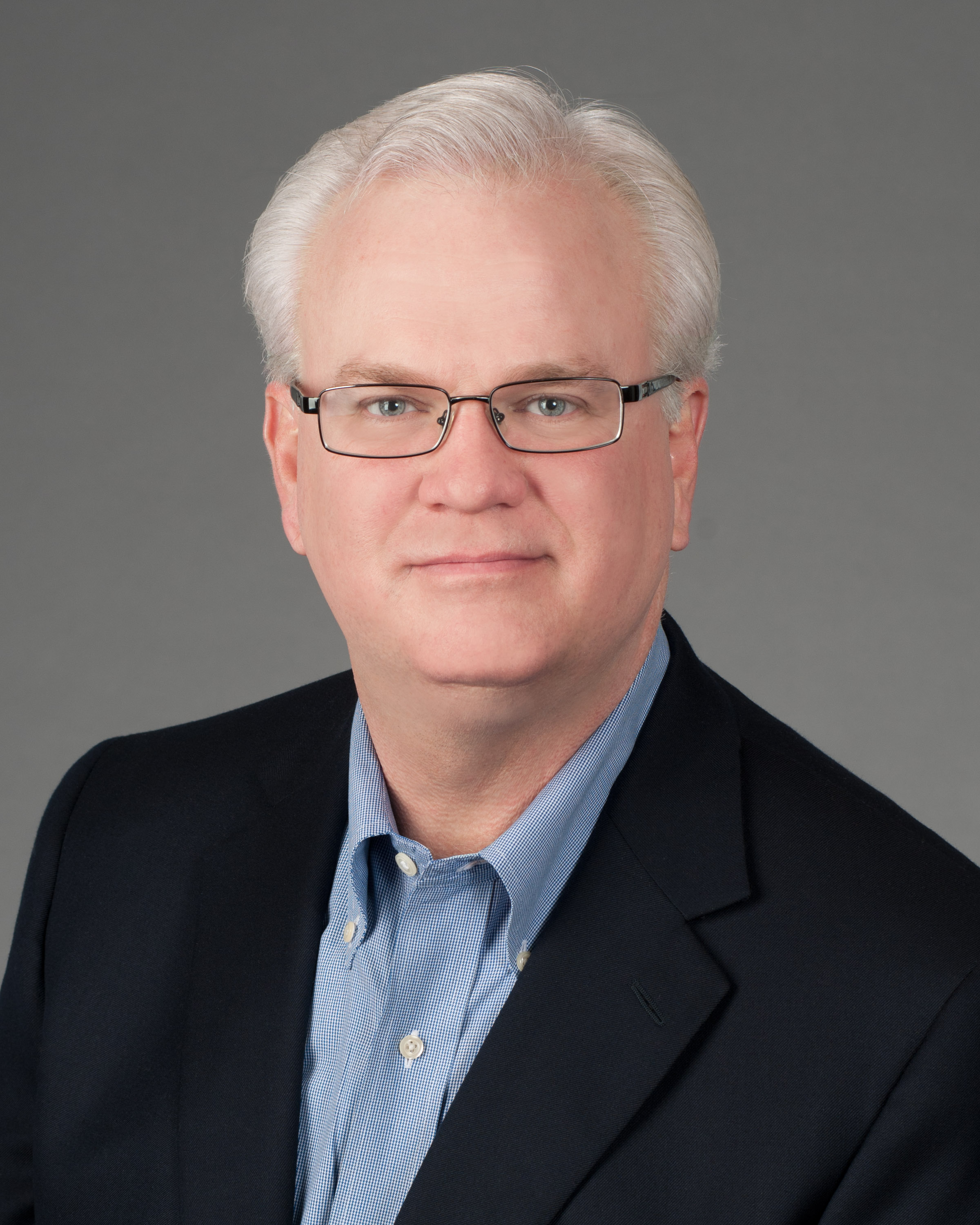
Invest: Miami speaks with Larry K. Williams, Former President & CEO, The Miami-Dade Beacon Council

The Beacon Council is dedicated to growing and sustaining Miami-Dade’s rich and diverse economy, supporting businesses small and large alike in reaching their goals. As Miami-Dade County’s official economic development partner, we will continue to strive to advance the community’s objectives and will continue to do so with our strong collaboration with the Miami-Dade County, education, business and civic leaders.
People think Miami-Dade is just a tourist destination, and while we do have a great luxury brand, we are so much more. We have a vibrant business community, with a diversified economy imbued with an entrepreneurial spirit. While small and medium enterprises (SMEs) are the backbone of this community, many of our homegrown companies have be-come large, multinational firms. Burger King grew up here, as did Ryder and Perry Ellis.
Miami-Dade is on track to rival international cities like Singapore, Dubai and Barcelona. Our diverse mosaic of people and cultures attracts international investors, whether they are seeking real estate acquisitions or startup opportunities. We saw strong growth in our seven target industries in 2014, especially trade and logistics. Growth in all sectors has been driven in part by Miami-Dade’s position as a crossroads to the world, with access to and influence coming not only from Latin America, but also Europe – especially Spain. With the expansion of the Panama Canal, we are seeing more attention from Asia as well.
Besides being an affordable place to do business, with a favorable tax environment, one of Miami-Dade’s greatest assets is its wealth of talent. While it may not be widely known, we are a great college town, and local institutions like Miami Dade College, Florida International University, University of Miami, Barry University, St. Thomas University and Florida Memorial University are all centers of innovation. The future is bright for Miami-Dade County as it evolves from a Latin American gateway to a global business hub with the right talent, the best location, and a growing tech, entrepreneurial and innovation ecosystem.

Expanding to new frontiers

Expanding to new frontiers

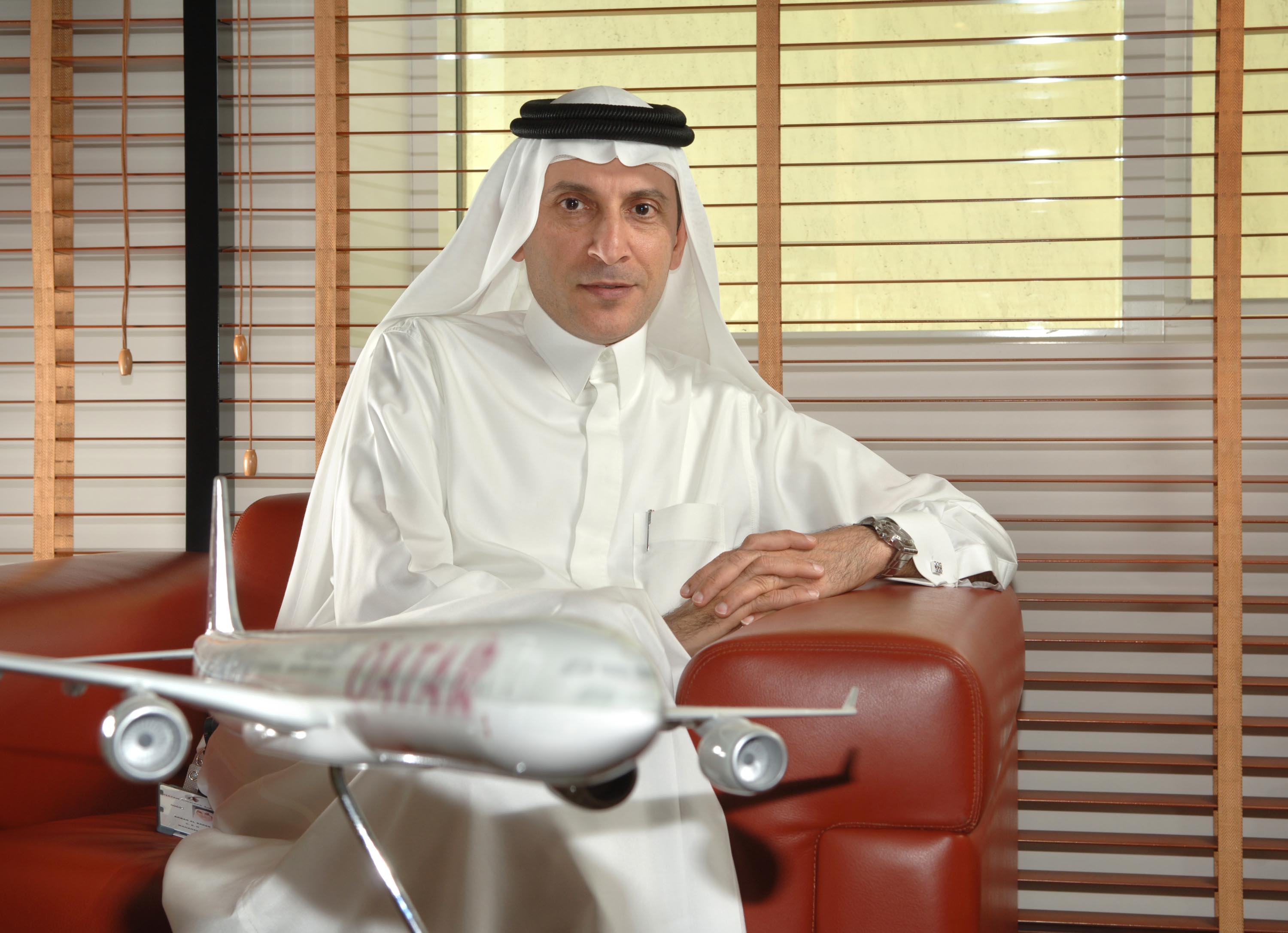
Invest: Miami speaks with Akbar Al-Baker, CEO, Qatar Airways

Miami-Dade County holds a crucial space in both the U.S. and global travel markets. Its aviation industry is evolving to bring more passengers into and out of Miami International Airport (MIA), with improved operations and safety, and a focus on delivering a higher standard of service to the global traveler, both business and leisure. In fact, MIA is recognized worldwide as the crossroads of many diverse cultures and the increase in long-haul international air travel the airport has had improves growth potential across different economic sectors. Based on these factors, we look at Miami, in particular MIA, as the right partner to grow with.
Today, Qatar Airways is the only direct access to the Middle East that Miami-Dade County and Florida have. Our world travelers are very curious about Miami and have always been fascinated with its vibrant lifestyle and rich culinary, musical and cultural traditions. Our first year servicing MIA has been very successful. As a result of strong demand, we have decided to increase the frequency of flights from five times a week to daily scheduled service after just one year of operations.
Qatar Airways is heavily invested in Miami, as are other Qatari companies. We have strong partnerships with the travel, trade and marine industries, and support overall tourism efforts in South Florida. The Doha-Miami connection is thriving, and not from tourism alone. Growing linkages in art, fashion and a burgeoning international business community make this route a dynamic one. We have already seen that both cities have a strong appetite to learn from and share with one another. Some of the areas of mutual interest include luxury travel and tourism, entertainment and hospitality.
In 2014, Florida had a record year in tourism revenue, and new connections that bridge the East and West have contributed to this. As Latin America continues to elevate its global profile, Miami’s close ties with that region will become more important. The world wants to visit Miami and providing passengers access to this city, not only as a destination, but as a portal to Latin America and the Caribbean, increases both fascination and revenue.

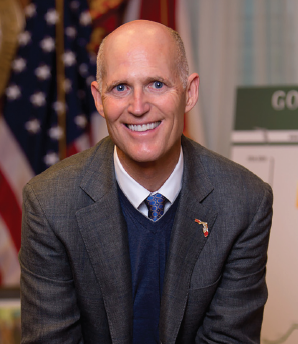
Big investments: Florida Governor Rick Scott discusses Miami-Dade’s economic significance and the impact large public investments will have on the county

Big investments: Florida Governor Rick Scott discusses Miami-Dade’s economic significance and the impact large public investments will have on the county

Invest: Miami speaks to Florida State Governor, Rick Scott


How do the public and private sectors work together to advance growth in counties like Miami-Dade?
In Florida, government is always doing business with the private sector. We have Enterprise Florida, an organization that promotes economic development in the state and that is funded by both public and private dollars. Some of the major infrastructure projects in Miami-Dade, like the PortMiami Tunnel or the Deep Dredge Project, are conducted through public-private partnerships (PPPs). The private sector undertakes considerable risk to complete these projects on time and on price, which has led to better outcomes. Moreover, the Florida State Legislature passed a bill in 2013, which streamlines the procedures and expands the opportunities for PPPs to other areas, such as higher education.
What is the state’s strategy to ensure that transportation infrastructure keeps pace with rapid growth, especially in Miami-Dade? 
Today we have the largest transportation budget in the state’s history – over $10 billion. We are investing where we are seeing growth. For instance, we are putting massive dollars into our ports and PortMiami is the biggest beneficiary of that. Moving forward we must continue investing in airports and seaports because that is how people first enter our state. We are already the number-two state in the U.S. for trade infrastructure.
Given Miami-Dade’s cultural and geographical proximity to Cuba, do you foresee increased economic opportunities in light of the recent thaw in the U.S.-Cuba relations?I think it would be a mistake right now to stop the embargo. I am optimistic that someday the Castro brothers will not be in power and we will see freedom and democracy there, and at that point, we will see opportunities evolve for Floridians to do business in Cuba, and vice versa. Until then, I don’t think much will happen until we have a regime that believes in freedom and democracy.
What is your medium-term outlook for Miami-Dade?
Miami-Dade is doing really well in a number of areas, for instance, trade, education and professional services. In the last 12 months, the county added 42,000 jobs and brought unemployment down to 5.8 percent. Miami is also an important destination for tourism, which is still our largest industry in Florida. Tourism generates tens of thousands of jobs and contributes 24 percent to our sales tax.
I am very optimistic about the future of Miami-Dade. It is a very exciting economy. People from around the world want to live there, to visit there and do business there.  Miami speaks a lot of languages and it is clearly one of the best melting pots in the world. These factors will help Miami to continue its growth.

Bringing benefits of Short Term Rentals to the communities

Bringing benefits of Short Term Rentals to the communities

Invest: Miami speaks with Tom Martinelli, Public Policy Director, Florida, Airbnb


Interview

To what extent does Airbnb produce economic benefits to communities in which you operate?

We look at it from two angles: from the host perspective and from the guest perspective. From the guest perspective, this is an incredible benefit to them because they are able to have choices. At the end of the day, they put the value on the product. From the host perspective it is even better, because now they are able to optimize their asset. There are other companies that optimize services and time, but we optimize what is often one’s greatest assets: their home. A specific segment of the population that benefits from Airbnb are empty nesters, senior citizens sand those on fixed income. As it relates to our Seniors, they are not only staying active, which is important considering what we know about the effects of isolation, but they are also gaining a revenue stream. Airbnb not only produces an economic impact, but also a societal one. We are very proud of this.


Miami ranks in Airbnb’s top five markets in the U.S., behind New York, Los Angeles, San Francisco and Boston. What has been the company’s strategy to achieve such an impressive growth? What are the main differences in terms of market performance between Miami-Dade and the other top markets?

I don’t think it has as much to do with what Airbnb has done, rather it is a testament to the great community and destination that is Miami. According to the last census, we have 800 people a day moving into Florida, in net terms. Those are the ones moving in permanently. We are breaking tourism records every single quarter. And as much as I would love to take credit for that, the credit goes to South Florida and, in particular, the Greater Miami Conventions and Visitors Bureau (GMCVB), which ensures national and international visibility through their marketing efforts. We have amazing weather, the best beaches in the world and great food. There is no reason not to come to Florida 12 months of the year.  We are the Gateway to the Americas.  If you’re flying in from Europe, Africa, South America, North America, or anywhere else, you’re going to stop in Miami. And we have options for everyone’s tastes and purpose – whether you’re traveling for business and need wifi and a printer, or you are in need of medical assistance and must be close to your hospital, we offer all the options. With such affordable rooms offered on Airbnb, who is not going to want to stay an extra couple of days?


Some cities across the U.S. have embraced the short-term rental service, while others have fought Airbnb head on. How is Airbnb finding Miami-Dade to do business when it comes to regulation?

Miami-Dade has 34 municipalities. When you look across the county, there are some cities that are excited about it, while other cities that simply don’t know about us. When we came to Florida, we came to educate, advocate and make sure that the communities came out benefiting from Airbnb. There is a lot of educating to do. Airbnb is part of the new economy, and as the communities learn about home sharing, I am confident they will be more comfortable with it. That is why we are not rushing. We want to do the right thing, which is paying our taxes, and have common sense regulations that ensure our host are operating safely, legally and fairly. We have had very important meetings with municipal authorities across the county because we want them to look at us as a partner.


How has Airbnb impacted an already competitive hotel market in Miami-Dade?

The GMCVB produces a report where they describe the state of the market. And their numbers are growing. This supports our position that we are not taking a piece of their pie. Instead, we are making the pie bigger.


What can be done to avoid speculation in Airbnb? What has been the impact of this speculation on gentrification effects?

We have to look at it in a case-by-case base scenario. Every city has its regulations. However, it is also true that the studies show that short-term rentals have very little impact to the affordability of housing. Even so, in the cases where there has been speculation, we need to work with the authorities and the communities so this doesn’t become an issue. However, when we think about Florida, we know that second homes are part of the fabric and tradition of our State since the days of Henry Flagler.


Strong fundamentals fueling growth in Miami’s financial industry

Strong fundamentals fueling growth in Miami’s financial industry

Invest: Miami speaks with Abel Iglesias, President and CEO, Professional Bank


How has Professional Bank evolved since its opening in 2008?

Professional Bank opened in 2008, right in the middle of the financial crisis. Despite the economic downturn, the timing was actually advantageous for us. As financial institutions were inward-looking, spending time and money cleaning their balance sheets, we were one of the few banks that were able to increase our activity by taking an outward-looking approach. We did not take on any bad loans or take on any toxic assets, but rather grew strong accounts enabling us to be highly rated by Bauer.

We began our journey as a full service commercial banking institution that caters to the professional community. However, we have evolved to also include residential lending, construction and commercial real estate financing, commercial business financing and SBA lending. Today, we are at roughly $400 million in assets with a diversified portfolio of assets. Technology, an area that we heavily invest in, has played an important role in leveraging our bank and has enabled us to cater to a growing number of clients with fewer offices. That said, we are planning to open a Palm Beach branch by summer 2017 and are actively looking at other markets in South Florida.

Which business lines are expected to rise faster in South Florida in the upcoming years?

Despite a strong dollar and the headwinds we are currently facing in Latin America, Miami continues to offer a strong business environment with expectations of growth in 2017. Our main growth driver in South Florida, commercial real estate, will continue to be a part of every community bank’s product set in Miami.  One area in this space that will continue to grow and do well will be construction loans for the middle market homes. We see a lot of opportunity in areas like West and South Miami-Dade. On the other hand, high rise condominium construction that you see predominantly in Downtown and Brickell is starting to see some saturation, and, therefore, we will start to see some pull back on lending activity in those markets.

As Miami businesses continue to grow and expand, we see great opportunity in commercial lending. SBA lending is at an all-time high and we anticipate this will continue to grow in 2017.

Lastly, we just recently opened our insurance agency and are quite excited and optimistic about growing this business in 2017.

What are the expectations of the performance of the mortgage lending segment in Miami-Dade County and South Florida for 2017?

Mortgage lending is an area where Professional Bank has done exceptionally well. Even so, I like to say that we are cautiously optimistic as the rates are increasing. While homes priced under a million dollars are doing very well and are expected to continue to do so, rising rates, higher inventories and a stronger dollar have caused a slowdown in the upper end of the market.

We are carefully watching the bond market, observing capital flow out of the bond market and into equities, which forces interest rates upwards. This is important as we don’t know how much higher rates will grow. This ultimately affects how many people will be able to afford mortgages. However, by historical standards, rates continue to be very low, and if people are in the position to purchase a home, this is still the right time to do so.

We are very bullish on bank profits as they are poised to do well with the anticipated Fed increases. Banks may see an increase in their profit margins, which would be good news for the sector.  This might cause an increase in M&A activity, as investors will be willing to pay greater multipliers now that banks’ profits are expected to rise.

What is the impact and challenges of the current regulatory framework on South Florida’s banking industry?

One item the banking industry anticipates is the possibility of some regulatory relief in the near future. Modifying the Dodd-Frank Act would be very welcomed by the banking sector as a whole, and by smaller- and medium-sized institutions in particular. Dodd-Frank has some good aspects, but it has also been very onerous on the residential lending front. We would like to see some common-sense modifications to diminish the difficulties associated with compliance. Unintended consequences and costs occur because of these difficulties, such as the distortion in the burden of compliance between big banks and small banks. The former has armies of people working on compliance, the latter does not.

In 2015, Florida banks grew loans at more than twice the average percentage growth of other U.S. financial institutions. What are the main differences in such growth for the different type of institutions?

With over 1,000 people coming to our state a day, Florida is one of the fastest growing states in the country. This fuels our economy. This has benefited the banking industry because, as the economy expands, so does the banking sector. In South Florida in particular, the resurgence of real estate values has fueled a lot of our growth. International banks have seen a slowdown due to currency devaluations, a strengthening dollar, regulations and socio-political issues they are currently facing in areas like Latin America.

Domestically, the banking industry overall has cleaned up their balance sheets, building strong reserves, allowing them to be more aggressive in business. However, in general terms, the current banking growth has not been accompanied by an increase in nonperforming loan thus far, so it is safe to say that what we are seeing is healthy growth.

Taking into account that the banking industry is quickly embracing technological advances, what are the main challenges and opportunities regarding security?

Cyber security is one of the main subjects that concern every bank. We can never be ‘too safe’ because there are always new ways of experiencing attacks and new threats. This is why investment in software security is a top priority not only for us but also for every bank. Small- and medium-sized banks have an advantage over big banks because security issues are handled by third party, specialized professionals that produce state-of-the-art security systems designed specifically for the bank. Larger banks struggle with this because of their size. Another challenge is the possibility of a high-tech game changer in the banking industry, like Uber has been to the transportation business. That being said, it is also important to underline the fact that technological advances have allowed us to grow exponentially with a smaller footprint. To be able to operate in Miami with only two branches is something that I find remarkable.

For more information on Professional Bank, visit their website at: www.professionalbankfl.com

Baby-boomers and international clients are increasing the demand for CFP services

Baby-boomers and international clients are increasing the demand for CFP services

Invest: Miami speaks with Andrew Carillo, President, Barnet Capital Advisors

What have been the most important milestones of 2016?

In 2016, we grew our client base substantially. Our assets have more than doubled. At the beginning of the year, we were handling $12 million, and now we are handling approximately $27 million. We have continued to focus on our performance and try to deliver the best value to our clients. International demand has been key to achieve such growth, specifically the fact that many Venezuelans have been seeking a safe haven for their assets in Miami. We are not seeing as many people from other countries coming in similar immigration waves.

As the Fed raises interest rates, how does this affect long-term and short-term investment opportunities?

The Fed’s raising interest rates will create a transfer from debtors to savers. This can put downside pressure on real estate and stocks, but I highly doubt they will raise rates much due to this fact.

If the Fed were to raise rates substantially, a long term real estate buying opportunity could be created if prices were to come down. Then, yield on income property (unsure of written text). Considering the affordability of real estate combined with higher rates, it’s likely that rates will not increase much more for the time being.

Additionally, if they raise rates, bonds are more attractive.

How would you comment on the Miami-Dade CFP firm environment?

It is a very competitive environment, with a lot of financial service firms in the area and a lot of baby-boomers reaching retirement age. However, I believe that is the normal situation in this industry, whether you are in Tampa, New York or Miami.

Looking into the medium term, what are Barnett’s plans for Miami-Dade?

We will continue to look after our clients and our strategies while focusing on delivering what our clients are expecting from us. Florida has a great competitive advantage in the sense that there is no state income tax. New York and California have been loosing a lot of businesses because they don’t have this competitive advantage. On the other hand, the growth fundamentals are really solid, not only for Miami, but for Florida in general. If policy focuses on fostering growth and creating more job opportunities, at the end of the day, that is going to benefit the economy as a whole, causing the state’s revenues to grow. This is a much better approach than the typical increase in tax rates, which affect business activities and aggregate demand and, therefore, in the long term it also harms tax revenues, which is the opposite effect than the one pursued.

To find out more about Barnett Capital Advisors, visit their website: http://www.barnettcapitaladvisors.com/

Brickell’s Expanding Luxury Hospitality Offerings

Brickell’s Expanding Luxury Hospitality Offerings

Invest: Miami speaks with Thomas Medding, Senior Vice President, sbe and SLS Brickell

December 2016

What were the main factors behind the decision of investing in Brickell?

Firstly, this project helped us partner with The Related Group, which is extremely important here in Miami and are amazing partners to have. Second, Brickell itself is an amazing location. It has been very intriguing to us all because we could just see the potential ad up-and-coming investments. Across the country, sbe is known for is investments in revitalization of locations. Where other people have backed off, we have always pioneered. Lastly, this is a project that allows us to move into the residential segment.


The first time the company does a residential project is in Miami, What were the main factors behind this decision?

The space of the residences and the workplace is usually too far away from where everything else happens. We wanted to bring the luxury boutique filed to the residence and, this way, allow the condos to share all the wonderful amenities of the hotels. We can delivery 360-degree services to the residence. For example, we offer preferred reservations to all our hotels’ restaurants, full access to the beach and special tickets to events.

What is the uniqueness of Miami as an investment destination in comparison to the other markets you are present in? What are its main opportunities and challenges?

The main opportunity in Miami is its proximity to other countries and the fact that is growing very fast. If you look back 12 years, for example, you would see that if the inventory grew, the demand for such inventory also grew, although with a lag of a few months. Also, in the past four years, Miami has become not only a secondary city but rather it has gained the potential to become a primary city on its own very soon, if it is not already one. The main challenge is the scarcity of qualified personnel. However, if you invest carefully and continuously on human capital, as well as put effort on choosing and retaining the right people, this can be solved.


With more and more hotels opening up in Miami and Airbnb becoming more widespread, how is competition affecting the market?

I think Airbnb fulfills a need. And while there is a market for it, it is not for everybody. Unfortunately, there are no numbers to rely on.,however, it is evident that they have taken a significant chunk out of the hotel market. The way we address it is through our offerings. Airbnb rentals don’t have access to the amenities we can offer. Also, there is a safety aspect, although this last issue could be solved with proper regulation. Speaking of competition amongst hotels in general, is has been very standard. We all compete against each other and it has never been a problem as long as there are no price wars because, at the end of the day, no one wins when that sort of competition is unleashed. In a highly competitive market such as this one is where you can see the advantages of having full integrated services in hotels such as ours, because it has a much more competitive structure.


To find out more:

http://slshotels.com/brickell/?utm_source=bing&utm_medium=cpc&utm_campaign=brand