Orlando Welcomes Mixed-use University City

by Sara Warden
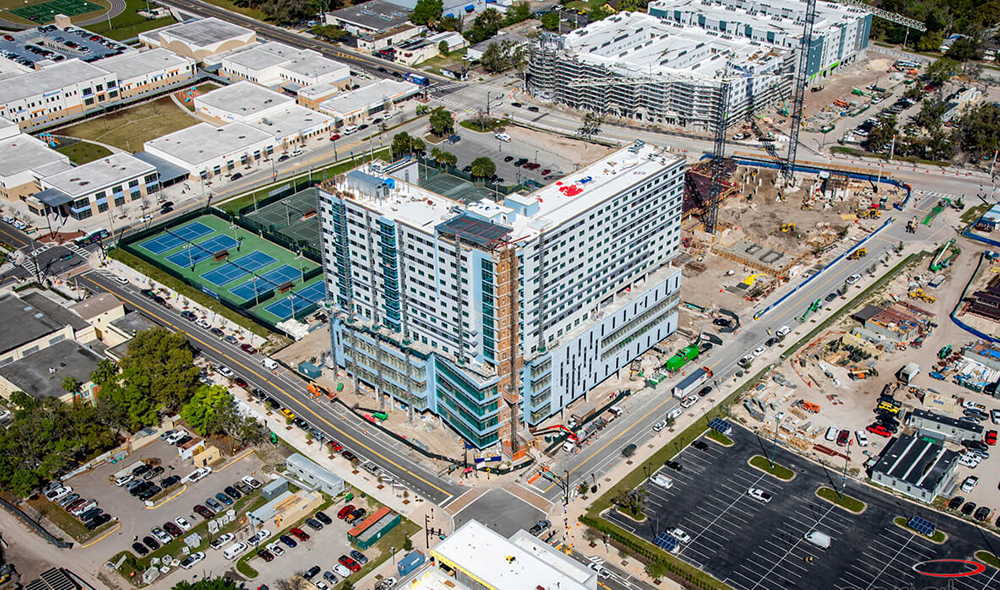
2 min read July 2019Right now, students all over the world are enjoying a long summer break. But when summer ends in the fall, 7,700 UCF and Valencia College students will be returning to classes at a new state-of-the-art 68-acre development called Creative Village.

A $1-billion public-private partnership, Creative Village is designed to become a minicity in the heart of Orlando’s downtown. The campus will host more than 20 UCF academic programs, including communication, digital media, legal studies, healthcare technology and healthcare management. Valencia College will offer programs in digital media, health information technology, culinary studies and hospitality.

The centerpiece of the campus will be the Dr. Phillips Academic Commons, designed by architects Robert AM Stern and SchenkelSchultz. UK-based contractor Skanska is responsible for the development of the $66 million building. The 580-space, four-story, $14.6 million parking garage will be installed with license plate recognition technology and electric charging stations. State-of-the-art student accommodation will be provided by Ustler Development and DEVEN in the form of UnionWest, a 15-story building with over 600 beds and retail spaces.

The new campus has been in the works for the last four years but it is not just students who should be interested in the development. For local companies, the business of education can be a lucrative one. Not only will Creative Village host the campus, but it will eventually become a massive mixed-use district with 1.2 million office spaces, 1,500 residential units and 225 hotel rooms.

According to the Assistant Vice President of the new campus, Mike Kilbride, the goal was to offer students integration, convenience and walkability. “You go to the legal studies example and we’re just a five-, six-minute walk to the courthouse. So, students have the opportunity to intern while they’re in their courses,” he told Click Orlando.

Sunrail and Lynx buses have established a partnership with the campus, allowing students and staff to ride free of charge. “That allows students with their student IDs to ride Lynx buses for free, so there’s a lot of great options for our students and faculty and staff to connect with this campus if they want to leave their car at home,” Kilbride said.

As the campus becomes more walkable, the need for convenient retail outlets becomes more pressing. According to Wells Fargo research, the average spend of students per year on basics like accommodation, books, transport, clothes and food comes to around $14,960. When considering the students alone, that’s a $150-million gold mine for local vendors just waiting to be tapped into.

Just last week, UCF Downtown announced sushi restaurant Vera Asian would be joining the ranks of Dunkin’, Qdoba, Subway and many more as vendors at the campus. The development will also generate jobs for hundreds more custodial workers, security guards, maintenance workers, IT support workers and others.

“We’re not just talking about transforming a city, we’re talking about transforming lives,” said City Commissioner Regina Hill, who represents west downtown Orlando, at a meeting with the Florida Board of Governors.

“It’s terribly exciting to have 7,000 students in our downtown. That’s going to change the complexion of downtown forever for the better,” Orlando Mayor Buddy Dyer told News 6.

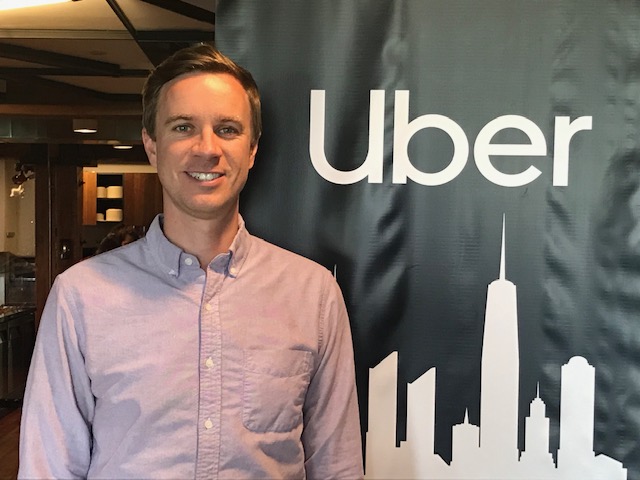
Spotlight on: Chad Dobbs, General Manager for Pennsylvania, Uber

Writer: Yolanda Rivas

2 min read JULY 2019 — Ride sharing is here to stay. Although the concept is not new, it has gained significant popularity over the last few years. According to Statista, a survey indicated that 36% of 11,000 participants in the U.S. used ride sharing services in 2018, an increase from 15% in 2015. Our ‘Spotlight on’ for this week, Uber’s general manager for Pennsylvania Chad Dobbs, shared with Invest: Philadelphia the latest highlights and growth areas for the company in the region. 

What were some highlights that Uber saw in the region during the past 12-18 months?

We rolled out Express POOL, which is a new version of Uber POOL. This new shared ride option allows passengers to get more affordable rides by taking a short walk to a spot along the route to meet their Uber, and joining other users with similar routes — which makes ridesharing more efficient. We also made significant progress on our wheelchair accessibility, through a partnership with MV Transportation, to get more wheelchair accessible vehicles on the road and massively improve the reliability of that service. Finally, we launched Uber Rewards in late 2018, which is a loyalty program for riders. Whether you’re using Uber as a rider or to get food you can accumulate points and unlock special features on the Uber app.

What are the main growth drivers for Uber in Philadelphia?

In Philadelphia and other similar-size cities, our fastest growth areas are typically outside of the core. We’re excited to bring portable options to places that are not traditionally served by public transportation, and need a quick, reliable and cheap alternative. Outside of our ride program, we’re expanding the Uber concept as a platform and joining other transportation modes. For example, we recently launched a transit planning pilot program in Denver with the local transit system. The biggest opportunity for growth is around this concept that Uber is a platform and a way to get from point A to point B, but not necessarily in the back of a car. That part of the business has grown substantially over 2018 and is continuing to grow.

What are you doing to grow and improve the driver side and experience in the city?

We’re sitting in our Greenlight Hub facility, which is a physical location where drivers can come to receive in-person support with the on-boarding process. It’s very important for us to make sure the drivers have the support they need. We have also launched a number of different tools over the last 18 months to improve the drivers’ experience. For example, we had our 180 Days of Change campaign to make substantial improvements to our product based on the feedback of our local and national drivers. 

To learn more about our interviewee, visit:

Uber: https://www.uber.com/

No Slowdown in Sight for Miami Construction

By Yolanda Rivas

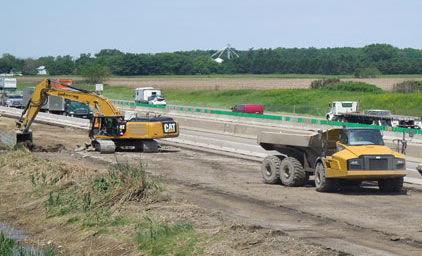
2 min read JULY 2019— Employment in the U.S. construction sector continued to trend upward last month, with the addition of 21,000 new jobs, according to data from the U.S. Bureau of Labor Statistics (BLS). The strength in the sector, reflected also in the latest Miami regional data, suggest the industry is not slowing as quickly as projected.

According to the most-recent BLS data for Miami, the construction industry added 5,100 jobs in May, a 3.7% year-on-year increase and above the 2.8% national figure for that month. The numbers aren’t surprising, given the amount of development in the Miami area.

“What has been impressive to me over the last year is the number of projects we have under construction,” Andrew Burnett, senior principal at Stantec Architecture, told Invest:. “We have around 26 to 30 projects that are either in construction or looking to start construction next year. A large percentage of them are mixed-use residential, and we’re not only providing architecture and interior design services but often engineering and MEP (Mechanical, Electrical and Plumbing) as well.”

As stated in Invest: Miami 2019, residential development remains the top driver of construction in Miami. Although there has been a slight slowdown in the condo market, some experts expect the strong performance to continue.

“I see the right projects and developments continuing to thrive,” Manny Varas, president and CEO of MV Group, told Invest:. “Buyers are taking their time to make better decisions. They’re seeking out developers with strong track records as well as the quality of interiors and finishes that they’re looking for and can count on,” he said.  

In 2018, Miami ranked among the Top 10 U.S. metropolitan areas for commercial and multifamily construction starts, according to Dodge & Data Analytics. The construction in Miami’s residential real estate is characterized by the trend of continued foreign investment in high-profile luxury condos.

Another area with strong demand is infrastructure construction, according to Luis Lugo, Hill International’s senior vice president and regional manager for the Southeast U.S. and Latin America. For example, Miami International Airport and Fort Lauderdale International Airport, will soon start major expansion and modernization projects and the Miami-Dade Transit SMART program is expected to start construction activity soon. 

“We also do a lot of work with the hospitality industry. We’re building about a dozen hotels throughout the region. That’s a big market for us, and it’s a space in which we excel,” Lugo said. 

Despite speculation about a national economic slowdown, the outlook for Miami’s construction sector is positive. “The market will continue to be strong. A little slowdown is expected, but construction is going to pick up in 2019 and beyond,” Lugo said. 

To learn more about our interviewees, visit their websites:

Stantec Architecture: https://www.stantec.com/en/services/architecture-interior-design 

MV Group: https://www.mvgroupusa.com/ 

Hill International: https://www.hillintl.com/en 

No Stopping Tampa Tourism Rocket

Max Crampton-Thomas

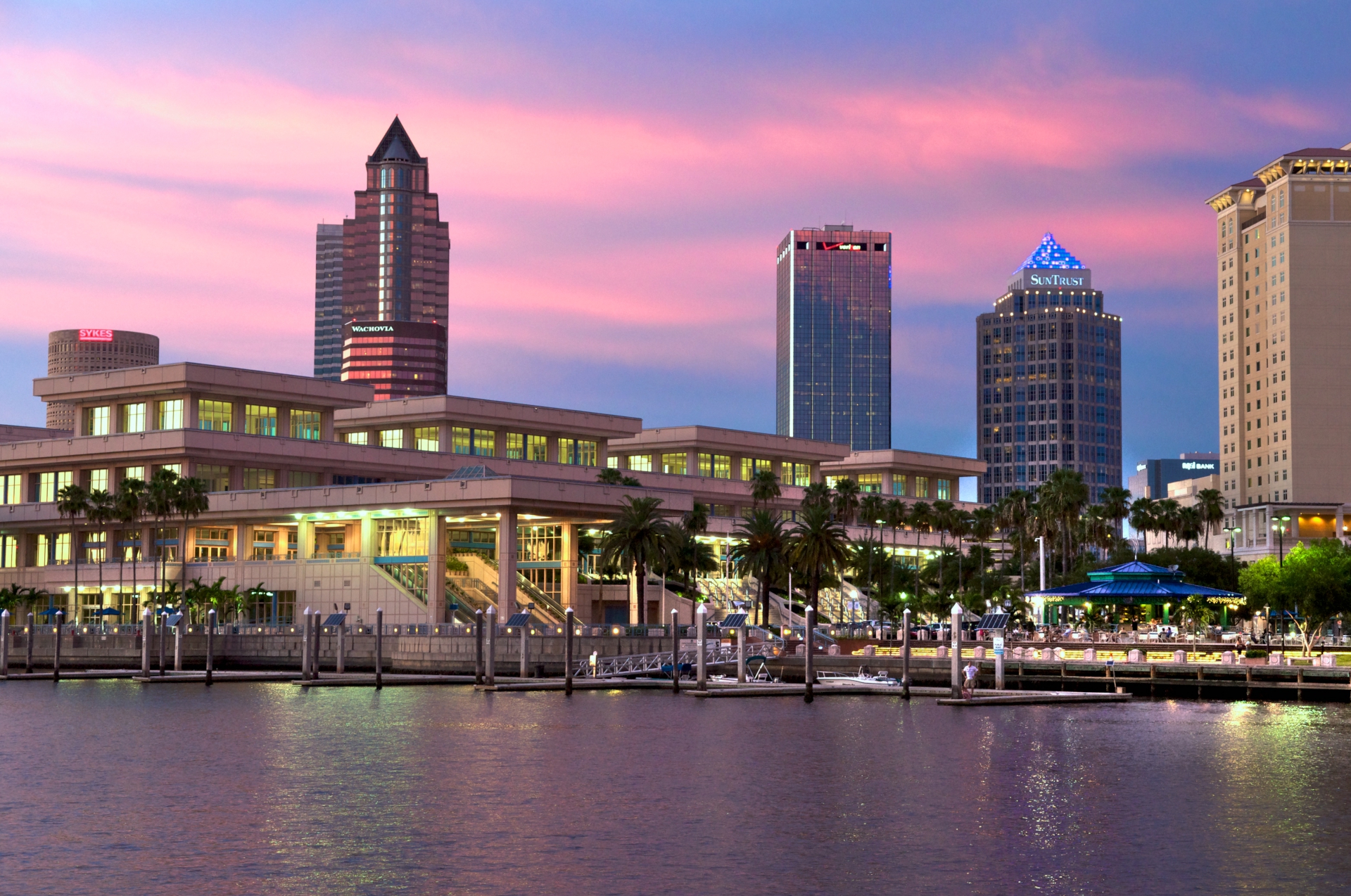
2 minute read July 2019 — Quite often when the city of Tampa Bay is mentioned it is in the context of how rapidly the area is growing both in population and economically. The boom Tampa Bay is experiencing can be attributed to a great many things, including a bustling tech sector, a revolutionary healthcare market and first-class educational institutions. Perhaps most influential in all this growth, however, has been the economic rocket that is the city’s tourism sector. Tourism in Tampa Bay has steadily risen year after year, and with events like Super Bowl LV and Wrestlemania 36 on the horizon, that trend shows no signs of slowing down.

The spike in tourism to the region has not been by chance. Rather, it can be attributed to the focused and deliberate efforts made by local businesses, government and community organizations. Invest: Tampa Bay recently spoke with Santiago Corrada, the president and CEO of Visit Tampa Bay, about the record year the city had in 2018. “We had an incredible end to the 2018 calendar year. It was another record-setting year for hotel revenue, which is phenomenal given that we have had record-setting years every year since 2014. We ended 2018 at $673.5 million in hotel taxable revenue, which was almost 5% higher than the previous year at $644 million. This is important for us because anytime a county hits $600 million in taxable revenue, it is granted the designation of a high-impact tourism destination. We have been able to reach that designation for two years in a row, and this year was even more important because our county commission just approved a rise in the tourism tax from 5% to 6%, which is the highest that any county can collect.” The growth in tourism throughout Tampa Bay also has a spillover effect. As demand increases and new attractions open they bring with them fresh job opportunities for local residents.

To sustain momentum and build on these milestones, Corrada says that attracting new hotels to the city makes sense. “There are certain big-name, five-star brands we do not have in Hillsborough County, and as the business plan makes sense to add these properties then we will. These new properties will yield different business groups and markets for the region. We have to continue to capitalize when we have an opportunity to expand our reach, refresh our brands and to always have something new to bring visitors back,” Santiago told Invest. “That’s why new developments like the Tampa Riverwalk are so important, why food halls are so important and why Busch Gardens updating and adding its roller coasters is significant because it gives people a reason to want to come back to Tampa Bay. Sustainability in this industry has to do with still being aggressive and still going after it.”

Tampa Bay is quickly becoming a premier, must-visit destination in Florida. Tourism in the city of Tampa Bay shows no signs of slowing down, and due to the efforts of organizations like Visit Tampa Bay will likely reach new heights in 2019. 

To learn more about our interviewees, visit their websites:

https://www.visittampabay.com/

Spotlight on: George Cretekos, Mayor, City of Clearwater

Writer: Max Crampton-Thomas

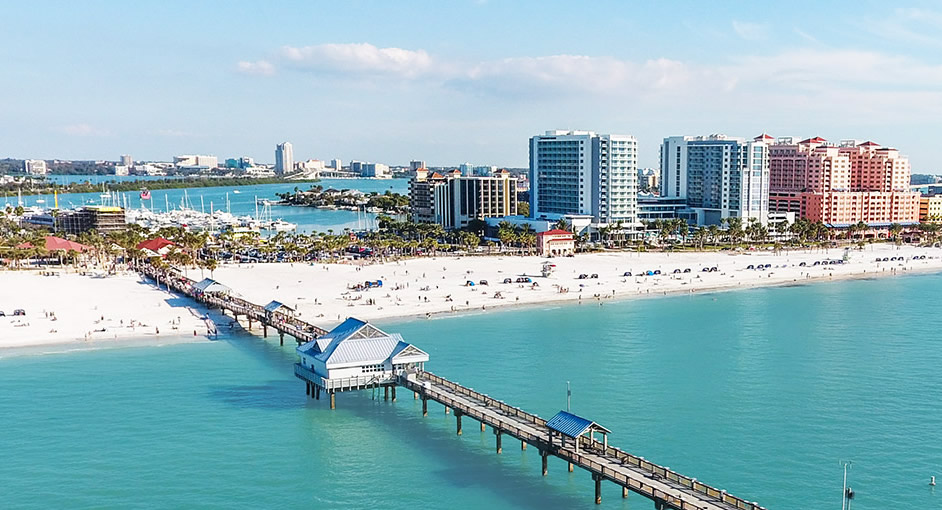
2 min read JULY 2019 — For the second year in a row, Tripadvisor awarded Clearwater  the distinction of having the best beach in the country. This comes as no surprise to the city’s 115,000 residents, who have long been stewards of their environment. With the population in the Tampa Bay region growing, that stewardship becomes even more important. 

Invest: Tampa Bay recently sat down with Mayor George Cretekos, who is on the verge of completing his second term. He discussed how the city is handling population growth, the challenges associated with it and how residents are at the forefront of environmental sustainability in Clearwater. 

How are Clearwater residents supporting environmentally sustainable practices? 

As I complete my second term, I appreciate how our residents and businesses have, on their own initiative, promoted sustainability and environmental stewardship.  Before there had been any talk about governments banning single-use plastics in the region, Clearwater’s businesses had started their own programs to stop using plastic straws. It is now common to find many restaurants in Clearwater that do not offer plastic straws or styrofoam to-go containers. This is a testament to how our residents are promoting sustainability and being good stewards of the environment.

How is the region handling the recent increase in population growth?

The region must have smart growth to make sure we are not only taking care of the environment, but also guaranteeing accessibility for our residents and visitors. We continually hear that we have traffic problems and at certain times of the year those problems can be exasperating. The population in this region needs to adapt to using alternatives like public transportation, which can be a better option than building more roads. We should model our transportation efforts to be like that of other major cities where reliable public transportation is an alternative.

What are the biggest challenges facing the city of Clearwater? 

Transportation and affordable housing are the two biggest concerns for the Tampa Bay area. A large percentage of the employees in Clearwater does not live in the city; if we can help provide affordable housing for these employees then the transportation problems could be eased. These individuals would not have to commute long distances into Clearwater, which in turn would help clear a significant amount of congestion on the roadways and emissions. My fellow mayors in the Tampa Bay region have realized that we may be separated by a body of water, but that doesn’t mean that our interests don’t run parallel. When one city does well then we all do well, so we should be working together to solve these issues.

To read more about our interviewee, visit: 

https://www.myclearwater.com/home


Atlanta Takes Novel Approach to Walkability

By Sara Warden

July 2019

2 min read July 2019 — Atlanta has not been known for its walkability. According to the Walk Score – a score that determines how pedestrian-friendly a city is – Atlanta ranks 21st among large US cities with a score of 49 out of 100. That is well below No. 1 New York City, which scored 89. But as the host of the 2019 Super Bowl earlier this year, the Georgia city took ownership of its connectivity issues and now has ambitious new plans.


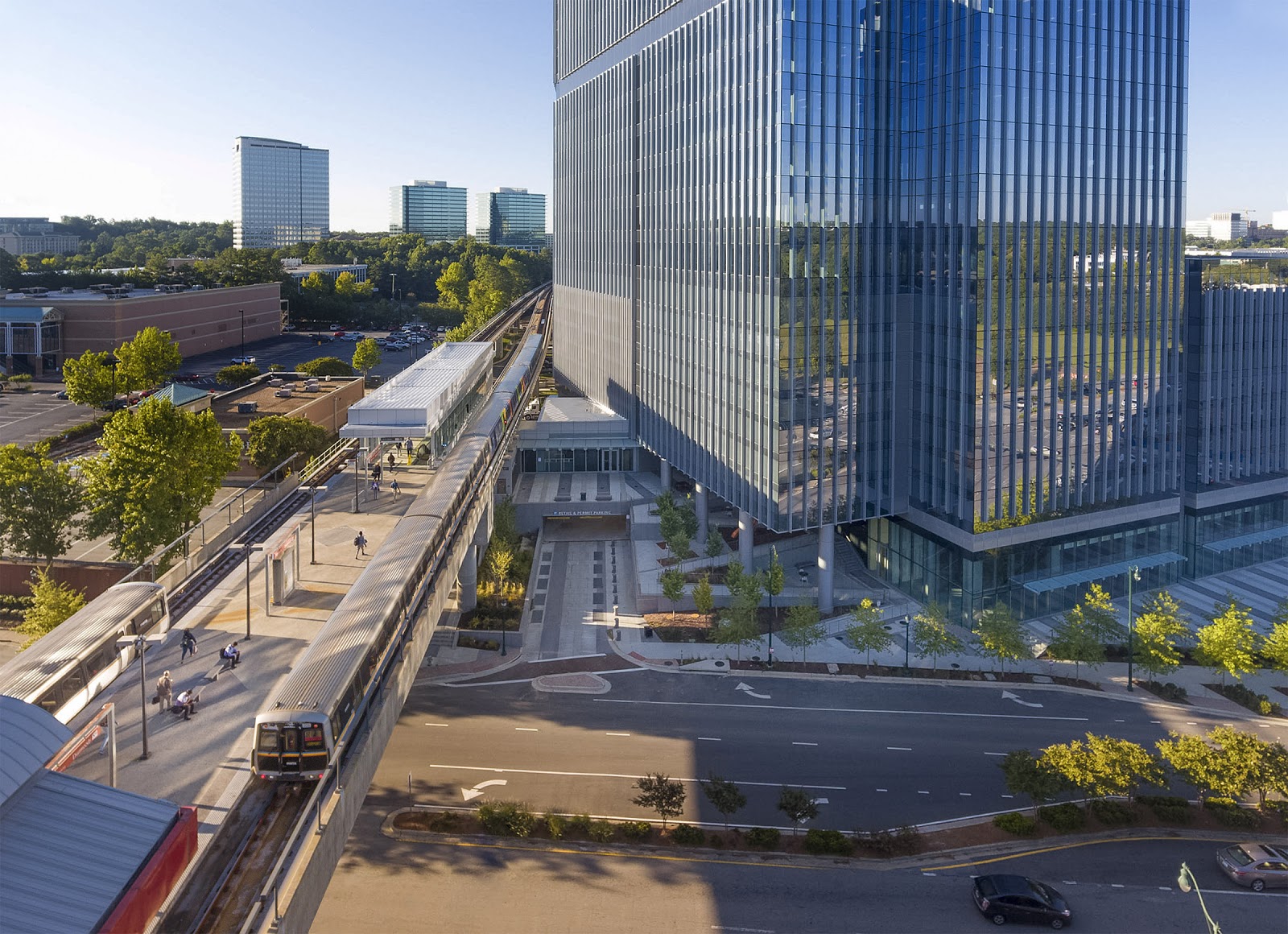
Although most sports arenas are located a fair way outside a city’s core due to obvious space constraints, the 62,350-square-foot Mercedes-Benz Stadium is located just a 20-minute walk from downtown Atlanta. The stadium is within walking distance of 10,000-plus hotel rooms and 10 major attractions, which was a huge added value for the NFL when selecting its host city.

“One of the things that has made this Super Bowl special is just how walkable and compact this town is,” Peter O’Reilly, NFL senior vice president of events, told Saporta Report. “People are able to move so easily throughout the campus. It is as compact a Super Bowl campus as we have seen in recent years.”

But while the Super Bowl was a resounding success, Atlanta’s walkability is still a controversial topic. Problems plagued the Northside Drive pedestrian bridge, built specifically to safely connect the city’s downtown with the stadium. The bridge’s costs spiralled and ultimately, its usefulness was limited because it had to be closed to the general public during the Super Bowl due to safety concerns.

Atlanta Mayor Keisha Lance Bottoms says she knows there is more opportunity. “We are getting better by the day,” she told Saporta Report. “While we haven’t always been considered a pedestrian-friendly city, whenever you have an event downtown, we have a walkable area.”

In April, the Atlanta City Council adopted a resolution to become a participating jurisdiction in the Atlanta Regional Commission’s Livable Centers Initiative feasibility study for the AeroATL Greenway Development Plan. The Atlanta mayor’s office pledged $20,000 to support the 1-mile pilot project, an amount that will be matched by each participating jurisdiction. The developers Aerotropolis Atlanta Community Improvement Districts (AACID) and Aerotropolis Atlanta Alliance pledged $80,000. 

If all goes to plan, this will pave the way for a 48,000-acre greenway, which will cost anywhere between $100,000 to $5 million per mile, funded 70% by the government and 30% by the private sector.

“This initiative will begin the process of connecting the City of Atlanta to surrounding cities and the world’s busiest airport by way of greenway,” District 11 Councilwoman Marci Collier Overstreet said in a press release.

The plan will be interlinked with Atlanta’s Transportation Plan, adopted by the City Council in 2018, which prioritizes the construction of high-quality sidewalks and bike infrastructure to facilitate access to transportation, retail, and the community.

At the moment, the initiatives are in their infancy, but Atlanta increasingly is recognizing a need to connect in a more innovative way. Hartsfield-Jackson is the busiest airport in the world, with more than 107 million passengers in 2018, and with the Greenway Development Plan, it will soon be one of the most accessible by bike.

“The AeroATL Greenway Plan supports the ability to bike to schools or jobs, walk to downtown restaurants and shops, and – most uniquely – bike directly to the airport for a trip,” says the plan’s executive summary.

To find out more, visit the below:

City of Atlanta: https://www.atlantaga.gov/

Atlanta Regional Commission: https://atlantaregional.org/

Hartsfield-Jackson International Airport: https://www.atl.com/

Spotlight on: William Burns, Tax Office Managing Partner, BDO

By Yolanda Rivas

2 min read JULY 2019 — Accountants and financial professionals play an important role in the global economy and business model, taking on an array of roles within organizations in all industries. According to the Bureau of Labor Statistics the employment of accountants and auditors is projected to grow 10 percent from 2016 to 2026, faster than the average for all occupations. 

Accountants can bring a significant perspective of the economy and industries growth. Our ‘Spotlight on’ for this week brings a perspective of what are the industries looking for in regards to advisory and how the local accounting companies impact the labor pool.

BDO offers a wide range of services including advisory, audit/assurance and tax services. Which are most in demand in Philadelphia?  

The core services that we provide in Philadelphia are audit and tax, which is where we are seeing the most demand. Our recent acquisition of AC Lordi will allow us to bolster what we can do regarding advisory and scale us up to the next level. We have seen an increase in demand for our services from healthcare, life sciences, and manufacturing and distribution. In addition, we have seen an influx of people reaching out for advice regarding maximizing the benefits of tax reform. We expect to see an increased demand for advisory services related to tax reform, especially surrounding Opportunity Zones.

What are BDO’s efforts to recruit talent from the local pool?

Six years ago, BDO merged a select group of geographically close practices, retiring a number of partners and ushering in a new class. We now find ourselves in a position where we can grow exponentially in one of the largest markets in the country. Our focus on targeted growth means we are constantly adding talent as we look to expanding our tax specialties.

There is always a hunt for qualified talent. To combat that, we try to over-hire at the entry level. Turnover in our industry is relatively high and by attracting more students at the front end we have more opportunity to offer them higher positions when people decide to leave. We have partnerships with local universities and we recruit on a regional and national level. We also have a program to identify and attract students to the region from all over the nation.

What Impact does technology have on the accounting and financial sectors?

Technology has a huge impact on how we operate, since most of what we do is software driven. Data analytics is making us more efficient and many firms are using it as a tool within their audit and tax practices. Those firms that aren’t focused on using and developing technology are going to lag behind.

To learn more about our interviewee, visit:

https://www.bdo.com/about/us-locations/philadelphia-office 

Philly Life Science Leaders Boosting Infrastructure, Partnerships

by Yolanda Rivas


2 min read July 2019 — With more than 800 related companies and a rich network of health and education systems, the life sciences sector in Greater Philadelphia is growing at a steady pace. All the activity is driving local organizations to develop new infrastructure and local partnerships to cater the burgeoning segment. One prime example: uCity Square 

“There’s nothing like it right now in the Philadelphia region,” Steve Zarrilli, president and CEO of the University City Science Center, told Invest:. A community for entrepreneurs and innovators, uCity Square is an example of the recent efforts to connect businesses, residents, institutions and innovators to form a growing hub in Philadelphia.“Spark Therapeutics and Invisible Sentinel are two of the companies located in University City, and we recently announced that Amicus Therapeutics is creating one of its research centers here as well. These and other companies at uCity Square will play a significant role in the growth of Philadelphia’s life sciences sector,” Zarilli said. 

More than 80 percent of all companies in the life sciences industry have a presence in the Greater Philadelphia region. As stated in Invest: Philadelphia 2019, health-focused sectors provided an economic impact of $88.5 billion for Pennsylvania in 2016 and an economic output of $24.6 billion total between 2011 and 2016 for the Greater Philadelphia region.

Numerous research, biotech and medical devices organizations contribute to the role of life sciences as a key player in Philadelphia’s economy. The pharmaceutical company GlaxoSmithKline (GSK) is an example of that impact, with more than 3,400 people employed at its Upper Providence research and development facility. According to GSK Vice President of Medicine Opportunities Research Unit David Payne, the site is the company’s hub for pharmaceutical R&D in the United States, and represents 40% of its global pharmaceutical R&D workforce. 

As part of its efforts to contribute to the local life sciences sector, GSK continues to look for partnerships and alliances. “We want our U.S. R&D hub at Upper Providence to be a magnet for talented scientists, researchers and physicians. This is a great research center for innovators to build their careers. Every function required in the ‘molecule to medicine’ journey is represented at our hub, providing opportunities for employees to broaden their R&D knowledge and enable career progression and diversification,” Payne said.

Besides the demand for qualified professionals, there is also a need for infrastructure development to support the region’s scientists, entrepreneurs and life sciences companies. As Zarrilli explains, the Science Center’s goal is “to build an additional 3 million square feet of office, lab, residential and retail space over the next seven to 10 years, to further define the leading-edge community we envision at uCity Square. We will do our part to help make Philadelphia a leader in gene therapy and other areas of life sciences.”

As the growth in Philadelphia’s life sciences sector continues, it will impact different areas and draw more entrepreneurs and companies to the region. According to Zarrilli, the advances in the life sciences arena, especially in therapeutics, will lead to additional advancement in areas such as medical devices and digital health. “Life sciences is clearly the strongest area of innovation in Philadelphia, but it will spawn activity in other areas that are complementary.”  

To learn more about our interviewees, visit their websites:

University City Science Center: https://sciencecenter.org/ 

GlaxoSmithKline: https://us.gsk.com/en-us/ 

uCity Square: https://ucitysquare.com/ 

Spotlight On: Dr. Winnifred McPherson, Director & CEO, Virtue Medical Staffing Services, LLC

By Max Crampton-Thomas

July 2019

2 min read  — The staffing industry is a multi-billion dollar market that quite often flies under the radar, but its impact and contribution to the overall economy should not be understated. With almost 17 million temporary and contract employees being hired by American staffing companies, this industry is vital to not only a sustainable economy but also to the country’s growing workforce. Staffing companies service a variety of markets including I.T., advertising, and perhaps most important healthcare. 

Although they are a relatively new staffing agency in the market, Broward County based Virtue Medical Staffing Services LLC has big plans to quickly expand their footprint within South Florida’s healthcare industry. Invest: Greater Fort Lauderdale spoke with Dr. Winnifred McPherson, CEO of Virtue Medical Staffing Services LLC and discussed the keys to success and plans to expand within the staffing industry.  

What is the key to success in the staffing industry? 

“In this type of business you have to have employees who meet the demands of your clients, and because the unemployment rate is so low in South Florida for medical professionals, we have to find these quality candidates wherever we can. We cannot be confined to only looking for those who have years of experience, and we must look to our recently graduated or graduating students in the area. As a staffing agency, we do not ever like to say that we do not have anybody for a position. We try our best to be proactive in making sure there is always a candidate ready to go.”

How do you plan to grow your business into the future? 

“We hold two licenses that let us service a larger audience. The first is a nurse registry license that allows our employees to work in Broward and Palm Beach counties, both in medical facilities as well as homes. Then we have a Health Care Services Pool license that allows us to work anywhere in the state of Florida but only in a facility. Our plan is to keep expanding further north, and the Health Care Services Pool license will allow us to do that. To be successful in staffing, we have to be both flexible and have the ability to work anywhere that has demand.”

Where are you currently finding the most demand for your services? 

“Right now, the majority of our demand is in elderly care. We have corporate hospice clients, so a large portion of our business and workforce is in hospice care. We are striving to attract both corporate and private clients. Private clients will normally require full-time care because they may be living alone or with a family member who cannot be home all the time to take care of them. We also target senior living communities, and we will speak with these homeowners associations to let them know that we are an asset they can depend on.” 

To learn more about our interviewees, visit their websites:

http://www.virtuemedicalstaffing.com/