A Touchdown for the Community


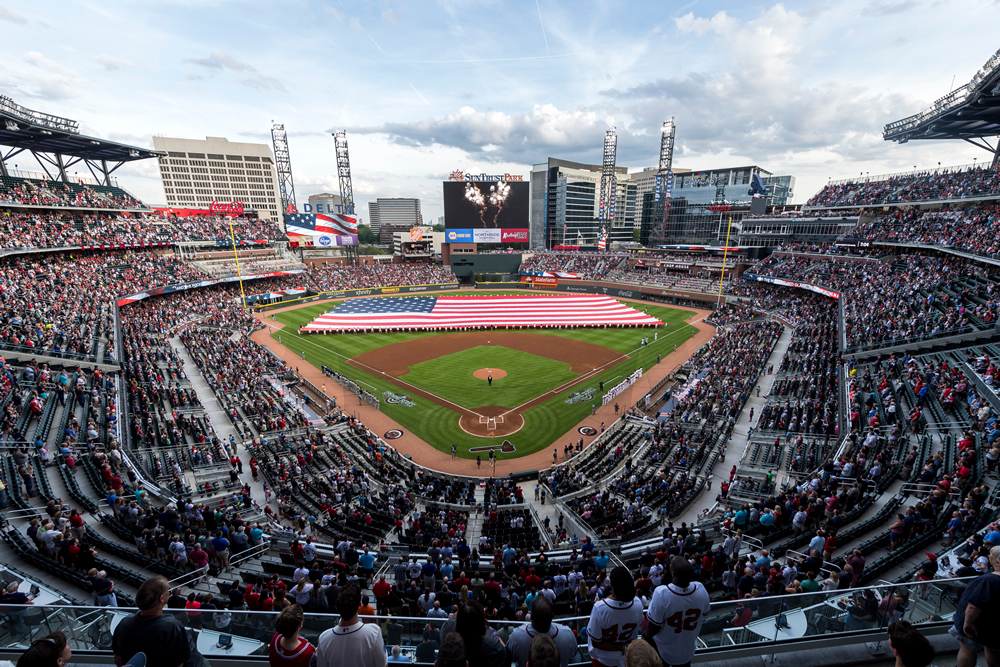
January 2018 — In 2017, the Mercedes-Benz Stadium and SunTrust Park — the new homes of the Atlanta Falcons and the Atlanta Braves, respectively — were both successfully completed, not to mention the major upgrades underway at Philips Arena, home to the Atlanta Hawks. Not only do these investments benefit the sports teams these stadiums house, but also they have a profound impact on the surrounding communities.


The inaugural Chick-fil-A Kickoff Game at the Mercedes-Benz Stadium alone generated $62.5 million in economic impact for Atlanta. The stadium is predicted to have an annual economic impact of between $80 million and $120 million. The construction of SunTrust Park created 5,200 jobs and generated $235 million in earnings. Now that the ballpark is complete, it is estimated to have an annual economic impact of $200 million. Focus: Atlanta spoke with a number of leaders in the city’s sports industry to gain insights on how investment in these stadiums is benefiting the community. Here’s what they said:

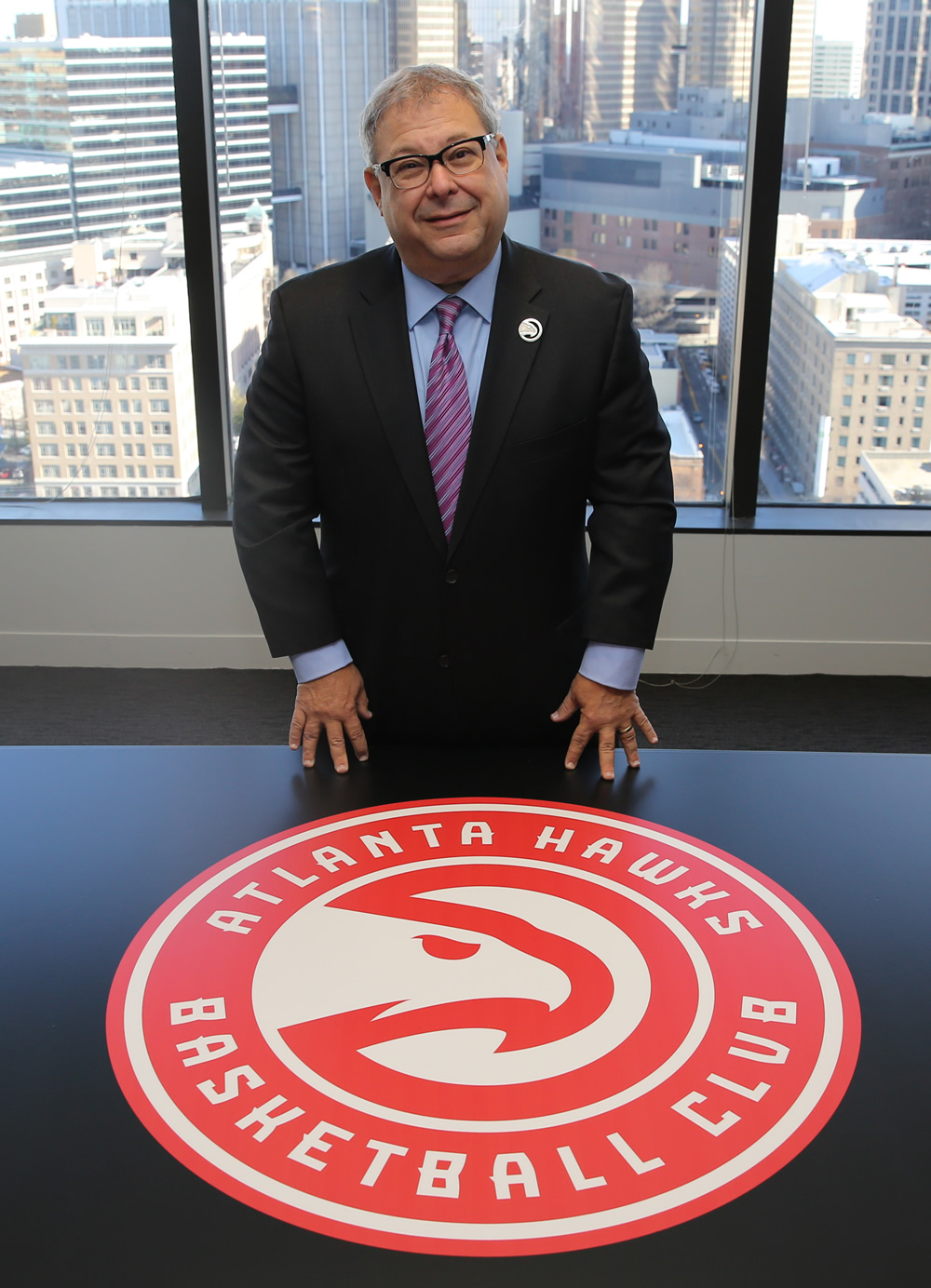
Steve Koonin, CEO, Atlanta Hawks

“We have an emphasis on sports, but Philips Arena is town hall for Atlanta. It holds nearly 200 events per year and was the sixth-busiest arena in the first half of 2017 for the U.S. It is the 20th busiest in the world. The continuing diversity of entertainment options that take place in downtown Atlanta and our building really are the cornerstones for entertainment in the city. We are well underway with an extensive $192.5-million arena transformation that will catapult the level of our fan experience, creating an even more engaging and connected environment for today’s fan.”
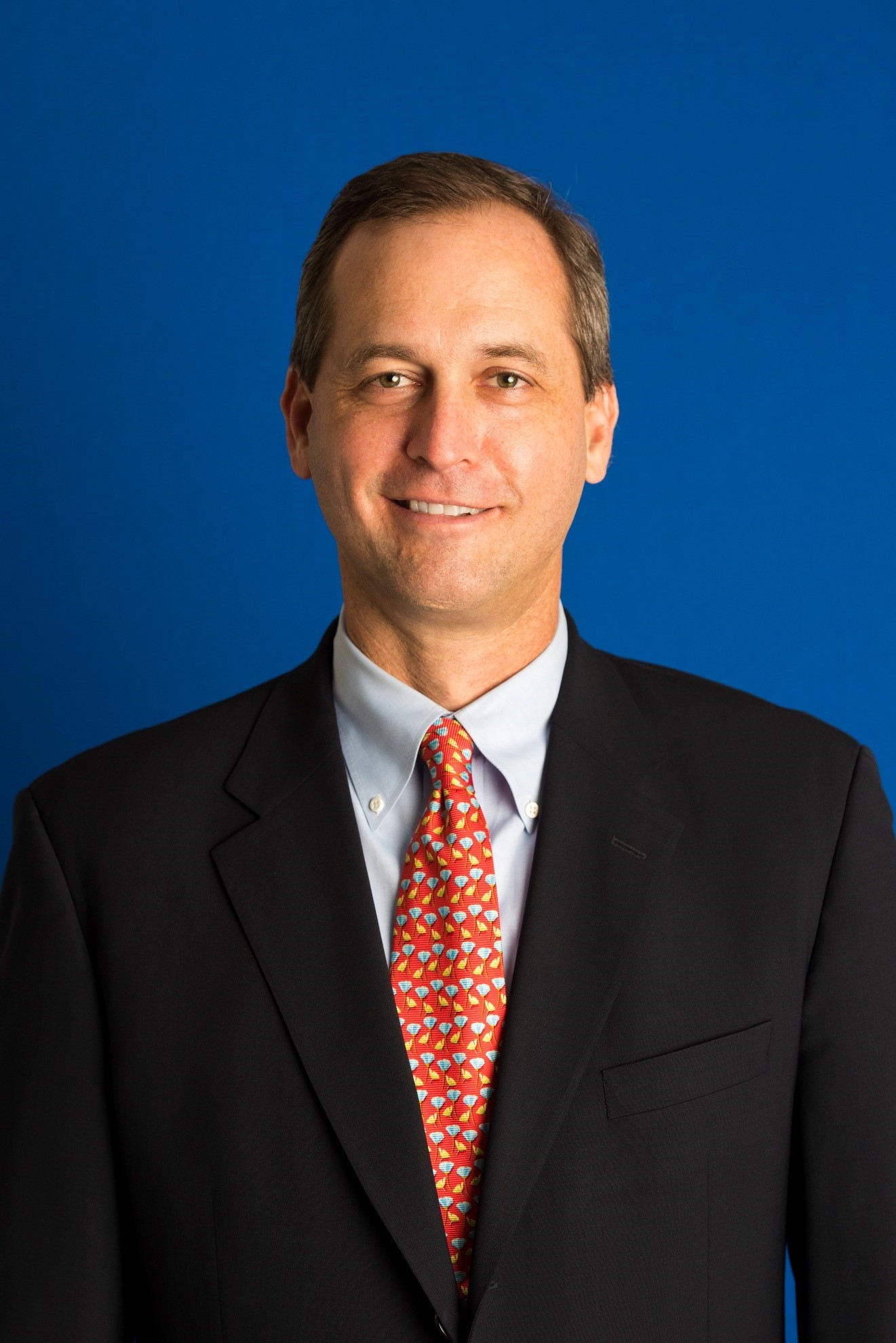
Derek Schiller, President, Business, Atlanta Braves

“We opened the doors to SunTrust Park on April 14, and so far we’ve had an enormous economic impact on this entire region, this entire community, as well as the value of the Braves franchise. We’ve become a catalyst for this part of Atlanta, which sits within the Cumberland Community Improvement District. This part of Atlanta has certainly benefited as a result of the Braves coming to SunTrust Park, as well as our Battery Atlanta development. It took a project like this that somewhat galvanized the entire submarket together and created a destination offering, not only for the Cumberland submarket, but really for Atlanta as well as the Southeast.”

Rich McKay, President and CEO, Atlanta Falcons

“Stadiums do not on their own create economic impact beyond the construction aspect, which is big of course. The construction of the stadium brought jobs, but we also wanted to make sure that it kept on having an impact on the West Side even after the project finished. For Arthur Blank, the stadium is not a five- or ten-year commitment, it’s a lifetime commitment, and we can use the stadium as a catalyst to try to bring a lot of other people along with us, such as corporate sponsors, and to help the local community.”

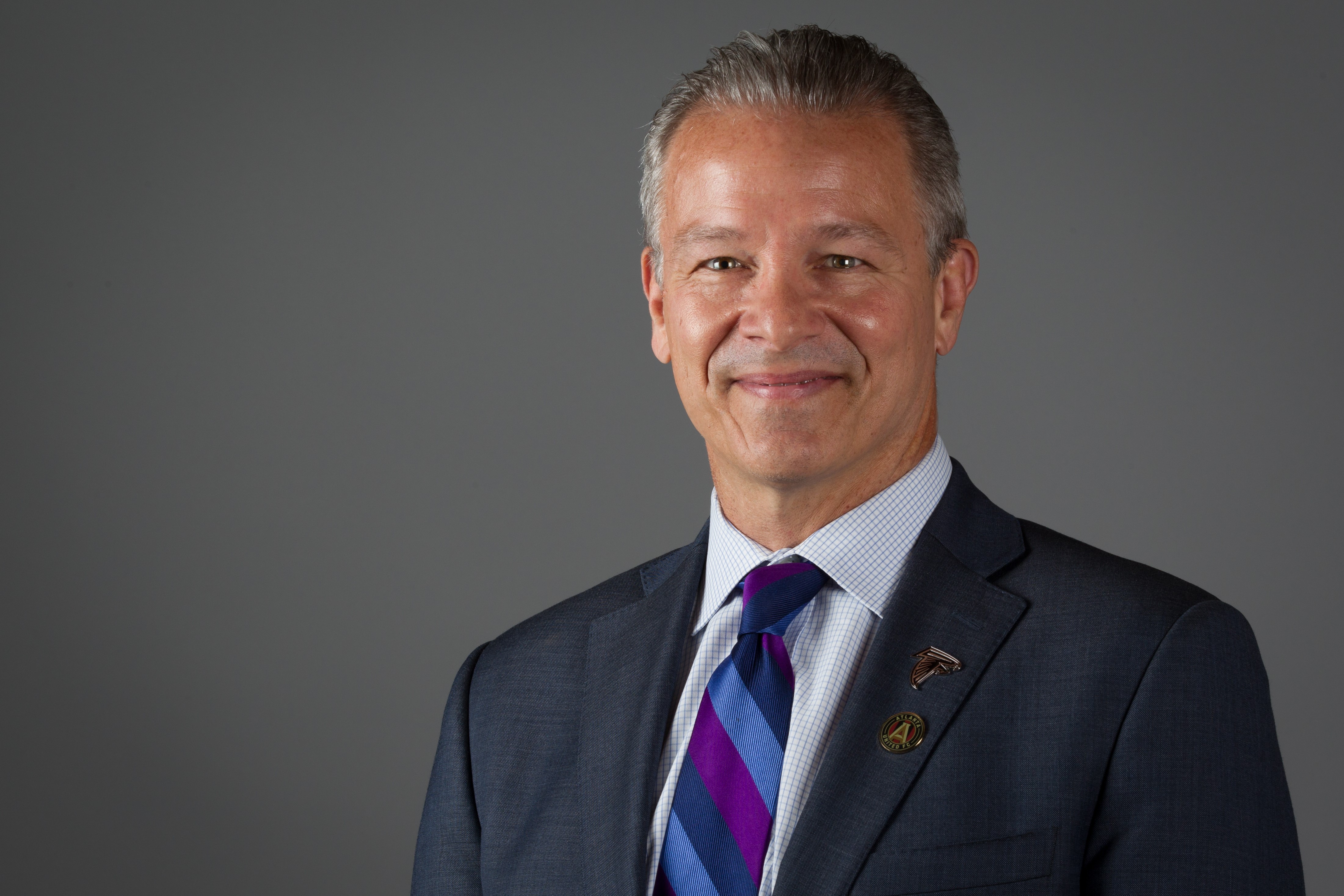
Stephen Cannon, CEO, AMB Group

“If you look at the level of sports investment that’s happened in 2017 in the City of Atlanta, it’s unparalleled. Nowhere else in the country are there two major stadium projects underway — SunTrust Park together with the Mercedes-Benz Stadium — not to mention the commencement of a major upgrade of Phillips Arena. The level of investment is in the billions. AMB Group is a major piece of that, but it’s not just us. That kind of commitment to investment makes Atlanta a more attractive place to live and to work. For example, the decision for Mercedes-Benz to move to the city was based on talent, the dynamic growth that’s going on in the city and the quality of life. All these items add up to corporations making the decision to relocate.”

Scott Jenkins, General Manager, Mercedes-Benz Stadium

“Working with local partners has been a great experience because it is positive to have people who own those businesses invested in Atlanta as part of the construction. It is important to be invested in the community. We had an equal business opportunities goal of 31 percent of the construction going to minority- and female-owned businesses. In fact, we managed 36 percent, so that was a huge success in promoting disadvantaged local businesses. We’re a part of the Westside Works Programme, which is putting a lot of people to work from the neighborhood. We’ve trained about 500 people over the past three years, many of them in construction, and a lot of them working on this job. Our food and beverage program has also had a lot of students. These programs make a real impact on people’s lives.”
To find out more about our interviewees above, visit their websites at:

Atlanta Hawks: http://www.nba.com/hawks/
Atlanta Braves: https://www.mlb.com/braves
Atlanta Falcons: http://www.atlantafalcons.com
AMB Group: http://blankfamilyofbusinesses.com/company/amb-group/
Mercedes Benz Stadium: http://mercedesbenzstadium.com
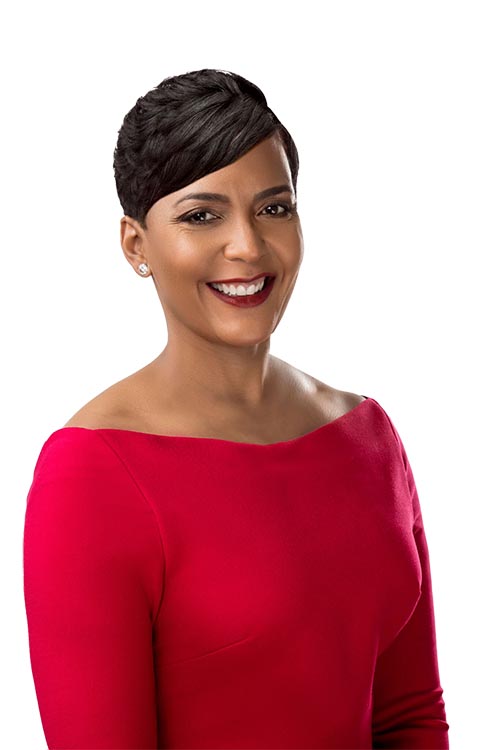

Keisha Lance Bottoms Calls for “One Atlanta”

January 2018 — After a December recount confirmed her win of the mayoral seat over Mary Norwood by a narrow margin, Keisha Lance Bottoms has officially been sworn in as the 60th mayor of Atlanta. At 1:00 p.m. on Tuesday, January 2, 2018, Bottoms was inaugurated at the Martin Luther King Jr. International Chapel at Morehouse College. She is officially the second woman and the first Atlanta public school graduate to serve as mayor of the City of Atlanta.

Earlier in October 2017, former Mayor Kasim Reed endorsed Keisha Lance Bottoms and declared her the best candidate of the 13 other hopefuls vying for the position. Given her past involvement and experience working with the city, Bottoms was clearly a strong choice.

Before running for mayor, Bottoms represented the District 11 on the Atlanta City Council, earning her seat in 2009. During her time on the council, she achieved the goal of a 2,000-officer sworn force in the Atlanta Police Department and helped grow the city’s reserves from $7.4 million to over $170 million in seven years. From 2015 to 2017, she also served as executive director of the Atlanta Fulton County Recreation Authority, which maintains public facilities like Phillips Arena and Zoo Atlanta. Under her leadership, the AFCRA completed the $350 million redevelopment of Turner Field, home to the Atlanta Braves.


As mayor, Bottoms has a few more priorities in mind. In her inaugural speech, she stressed the importance of investing in becoming “One Atlanta” by overcoming challenges and putting aside differences of race, gender, religion, sexual orientation and culture. She claims that we must keep Atlanta moving forward by leaving no one behind, and she plans to achieve this by prioritizing affordability and equity in her agenda. Bottoms intends to unveil a $1 billion affordability plan — the largest investment in affordable housing in the city’s history— in the coming months in order to ensure more equity within the city.

At her inauguration, Mayor Bottoms also stated that elected officials must re-inspire confidence in city government. She aims to do this by creating an ethics and transparency reform plan. Her emphasis on transparency within city government is evident on her campaign page, where she has made public her tax returns for the past eight years.

Because Atlanta is diverse in all forms, another one of Mayor Bottoms’ priorities is to continue to build up the police force and reform the criminal justice system in order to foster respect between officers and neighborhoods. Her target is to grow the force during her role as mayor.

Under her leadership, Mayor Bottoms will continue to provide transit options for working families and build on the largest expansion of MARTA in its history. She looks forward to working with state and regional partners to identify ways to expand transit throughout the metro area. She stresses the importance of expanding transit options since so many families in Atlanta depend on it — not to mention that it would reduce traffic on the city’s notoriously congested roads.

At the forefront of her agenda, though, is education. Education is the key to achieving “One Atlanta,” according to Mayor Bottoms. She believes high-quality education should be accessible to everyone, not just the rich. Eliminating the gap in schooling across neighborhoods would not only help educate the future generations of Atlanta but would also remove educational barriers for many students who might not otherwise have the opportunity to excel academically.

Accessible and affordable education promotes respect among young people, and since increased education has been shown to lower crime, it addresses many issues facing the criminal justice system at their root. Part of Mayor Bottoms’ plan to improve education is the creation of a city-wide college savings accounts, which would increase the chances of giving every child an opportunity for higher education.

Mayor Bottoms closed her speech by talking about “Atlanta magic.” By fostering an undivided and more equitable city, she plans to continue the legacy of the leadership that preceded her in order to create a better Atlanta in the years to come.


Visit the City of Atlanta website here: https://www.atlantaga.gov/

Immerse Your Senses with Us at Pulse: Late Night at the Movies

We would like to invite you as our guests to a very special event. Invest: Miami is partnering with Friends of New World Symphony for Pulse (the NWS fabulous lounge-meets-orchestra concept). Enjoy a cinematic spectacular featuring a dazzling musical fusion from your favorite soundtracks. Pulse: Late Night at the Movies is the last Pulse of the season, so don’t miss out!

Before the concert, join us for a special VIP cocktail with Friends of NWS in the beautiful Rooftop Garden (7:00 p.m. – 8:45 p.m.). Enjoy complimentary cocktails, light bites, great company and glorious views of Miami Beach.


Date: Friday, January 19, 2018

Time: 7:00 p.m. VIP Pre-Party   9:00 p.m. Pulse Concert

Location: New World Center (500 17th Street, Miami Beach)

Featuring artists: Dean Whiteside, conductor, Dude Skywalker, DJs, Sam Hyken, composer

We have a limited number of complimentary tickets, so please e-mail Christina Morales at cmorales@capitalaa.com by January 16 to reserve your tickets (two total).


For more information on the New World Symphony, visit their website at: http://www.nws.edu/

Fad or Future? Deciphering Cryptocurrency

January 2018 — A one-bedroom penthouse condo with bay views in Miami was listed on Redfin in early December. What makes this listing newsworthy is that the seller is only accepting Bitcoin as payment.

Most of us recognize Bitcoin as the first and most well-known cryptocurrency. Since its inception seven years ago, it has been making waves — tidal waves, some might say. Its value surged 1500 percent against the dollar in 2017 as it gained popularity among both Wall Street and real estate investors. Still, there are many skeptics who warn that Bitcoin is entirely speculative and that where there is a steep rise, there must also be a steep fall.

Whatever your feelings about this “money of the future,” 2017 was the year Bitcoin and other cryptocurrencies joined the global financial system. It looks like they’re here to stay — and no longer just as the de facto currency of cybercrime.

As Miami gears up to host the North American Bitcoin Conference, hailed as the “most important blockchain conference of the year,” on January 18-19, 2018, Invest: Miami decided to take a closer look at what this buzzworthy yet nebulous concept of cryptocurrency is exactly.

In the simplest terms, cryptocurrency is “virtual” money created from code whose economy is monitored by blockchain technology — basically, entry into a public ledger through a process called mining — rather than by a central server. Think of a database whose entries are limited, must be verified and can’t be changed unless specific conditions are met.

Money, after all, is all about verified entry into some kind of database of accounts, balances and transactions. Just look at your bank account.

With a limited and controlled supply, cryptocurrencies are not changeable by governments, banks or any other centralized institution, so they’re secure from political influence. They’re not subject to inflation; rather, their value is preserved and often even increases over time. Proponents laud cryptocurrency for its security, stability and deflationary quality even as critics denounce it for these very same things.

While it is unlikely that cryptocurrencies will replace cash anytime soon (unless you’re looking to buy that Miami penthouse, of course), Bitcoin has been steadily gaining investor approval. Today, this “digital gold” has a total value of $9 billion, but it also has a precarious relationship with volatility. Only time will tell whether there is a cryptocurrency bubble — and whether that bubble will burst.

Arts and Culture Heat Up Miami

December 2017 — A couple of things usually come to mind when thinking about Miami: beaches and nightclubs. The Magic City has always been known for attracting tourists seeking  warmth and a fun time. However, Miami has been drawing a new type of visitor over the past few years. Specifically, luxury tourism has boomed in the city due to Miami’s growing reputation as an arts and culture mecca.

More private jets fly into Miami for Art Basel than for the Super Bowl, and Art Basel has a continuously greater economic impact on Miami every year. According to the Greater Miami Convention and Visitors Bureau, hotel occupancy rises by 30,000 on days when Basel is going on, which increases December occupancy rates from 75 percent to 100 percent. This has an economic impact of $13 million a year on the region.


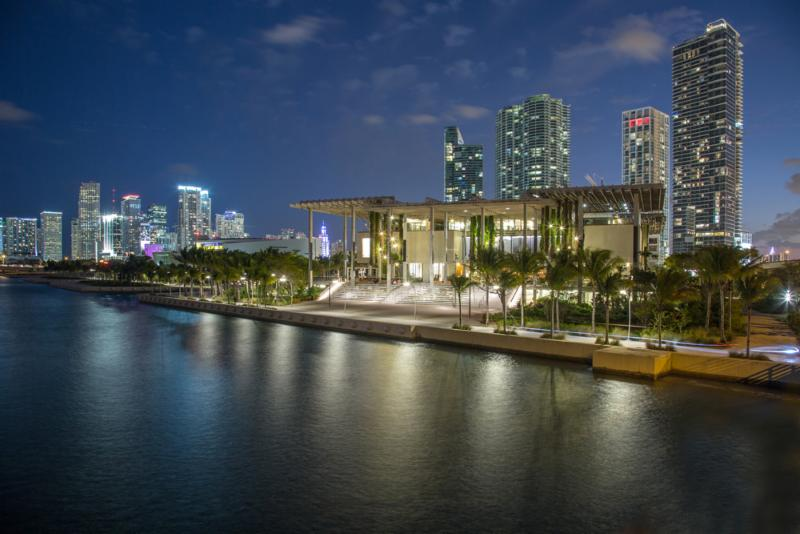
The Pérez Art Museum at dusk

Art Basel is not the only event bringing in luxury travelers, though. With growing arts districts like Wynwood and the Design District and the recent completions of museums like the Pérez Art Museum and the Frost Museum of Science, Miami is on its way to becoming a true arts and culture capital.

Invest: Miami spoke with a few tourism industry leaders in Miami to get their insights. Here is what they said:


William Talbert III, President & CEO, Greater Miami Convention and Visitors Bureau

“Art Basel Miami Beach marked the beginning of Greater Miami as a luxury destination. The show is arguably the number one contemporary art event in the world today. The Miami Beach Convention Center houses about $4 billion of art during the event. It is an event that indicates that we are, indeed, a luxury destination. Miami is a luxury destination, ranked in the top domestic markets based on hotel inventory. In 2016, we were in the top-five tourist destinations in terms of revenue, which reflects the luxury segment. Much of this is due to the strategy of year-round tourism — with each of the four quarters of the year having about the same number of visitors. Spending increases a little during certain periods, such as during the summer months of July and August, when it is winter in the southern hemisphere.”

Franklin Sirmans, Director, Perez Art Museum Miami

“One of the most important trends has been the evolution of Miami as a year-round destination for arts and culture. There was a time when one talked about an “arts season,” but over the years an explosion in the Miami arts scene has led to Miami-Dade being a must-visit location to see important work by a variety of artists throughout the year. One example of this is PAMM’s first major exhibition focused on Jean-Michel Basquiat’s notebooks that ran from August until mid-October. The beautifully organized retrospective of this very important artist and accompanying interactive gallery was well received by visitors and journalists alike during a time that was once considered “out of season.” Miami has indeed become a global arts capital.”

Frank Steslow, President, Phillip and Patricia Frost Museum of Science

“There is a long-term vision to broaden our scope and partner with the other cultural entities in Miami to create larger, inter-organizational events. The relocation of the Frost Museum to downtown has added to what is becoming a museum campus, together with the Perez Art Museum of Miami, the Arsht Center, American Airlines Arena and even the Children’s Museum on Jungle Island. All of these institutions come together geographically and create valuable critical mass that positions us as not only a focal point of Miami but also a cultural hub within the city as well as the region.”

Howard Herring, President, New World Symphony

“New World Symphony is proud of its educational and artistic contributions to this community.  Alongside that work, it is a catalyst for an emerging philanthropic culture. Miami might be ahead of other 21st-century cities in reimagining the impact of philanthropic investment in cultural programs. Traditional philanthropy calls for generous support for the gap between earned revenue and the cost of artistic endeavors. Just now in Miami, donors are becoming investors in art forms and institutions, realizing the work of artists and institutions has direct impact on the economic sustainability and social viability of the community.”

To find out more about our interviewees above, visit their websites at:

GMCVB: http://www.miamiandbeaches.com

Perez Art Museum: http://pamm.org

Frost Museum of Science: https://www.frostscience.org

New World Symphony: https://www.nws.edu

Construction Workers Wanted

December 2017 — From January 2015 to January 2016, construction costs in Atlanta increased by 3.8 percent, which is higher than the national average of 1 percent. Meanwhile, Metro Atlanta has an all-time low vacancy rate of 7.2 percent. While demand for real estate in Atlanta is increasing due to the influx of young entrepreneurs, the labor pool for construction companies is continuously shrinking. In fact, a 2017 Georgia Construction Outlook Survey reported that 87 percent of companies surveyed said that recruiting and training qualified individuals was their biggest business challenge. Another report produced by CBRE shows that the number of construction workers shrunk by 20 percent as of 2016. Inevitably as demand increases, so does rent. And a decreasing labor supply only spurs these increasing prices.

 Nevertheless, the Atlanta real estate market is thriving. While prices continue to rise, demand has not yet been stifled.

 Focus: Atlanta spoke with a number of business leaders in the real estate and construction industries of Atlanta to get their insights. Here is what they said:


Bob Mathews, President and CEO, Colliers International Atlanta

“One of the issues in construction today is availability of workers. Labor costs have driven up prices substantially. We are not going to see a lot of new product built unless we see a demand that is willing to pay the costs plus a return. Office rents have climbed to over $40 per square foot per year for new product in the Atlanta market.”

Alex Chambers, Regional Vice-President, KDC Real Estate Development

“Rising costs are a huge issue caused by the workforce being short of labor. A lot of areas have become more competitive, and it’s another reason that built-to-spec is becoming the norm. Because construction costs are driving the prices up, companies want to make quicker decisions and get more for their money.”


Jenni Bonura, Managing Partner, Harry Norman Realtors

 “A lot of builders are finding that the cost of labor and land are significantly high. The Federal Reserve has said that Atlanta has some of the best prices in the nation as far as lots available and the price of those, but those are not in the Midtown, Buckhead or Alpharetta type of areas. The lenders are starting to loosen up, but it hasn’t happened enough to meet the demand that currently exists.”

To find out more about our interviewees above, visit their websites at:

Colliers: http://www.colliers.com/en-us/atlanta

KDC Real Estate Development: https://kdc.com

Harry Norman Realtors: http://www.harrynorman.com


The sun shines on Miami’s startup scene

Invest: Miami speaks to local market experts

December 2017 – South Florida’s startup scene is exploding. From the healthcare sector to aviation to the banking industry, locals and newcomers alike are looking to the area to invest in startups.

The Kauffman Foundation’s 2017 Index of Startup Activity ranked Miami as the number one metro area in the U.S. for business creation. Many young and entrepreneurial minds are moving into the Magic City. A lot of activity is emerging, especially with the recent growth trends in the health tech sector and the popularity of co-working spaces. Specifically in the healthcare sector, institutions are heavily injecting money to invest in these innovative health tech startups. But that’s not the only sector with a lot of new activity heating up.

Invest: Miami spoke with a number of experts within the South Florida market to take the temperature of the region’s startup scene. Here’s what they said:


Humberto Alexander Lee, Managing Director, Tesser

“Large healthcare organizations, both providers and payers, are meeting the challenges of driving innovation by directly investing and acquiring healthcare startups. Healthcare IT startups, whose entire scope is to drive the development of new technology in the healthcare sector, understand that they must show a significantly higher ROI than the traditional leading solution providers. This creates a symbiotic relationship in which startups have access to distribution and strategic resources, while health organizations can focus on patient satisfaction and corporate mandates, resulting in a partnership that delivers results in terms of quality of service, patient satisfaction and costs”


Ian Herman, Chairman & CEO, Ibis Airlines

“South Florida’s consistent economic growth and Governor Scott’s promotion of aviation as one of the state’s top priorities is encouraging a lot of new activity in the local aviation sector.”


Bob Zangrillo, Chairman & CEO, Dragon Global

“Magic City represents a project that will create and support new jobs for the area surrounding the development rather than just targeting tourists. We are currently going through a phase of adaptive reuse and moving in hundreds of technology employees, which will help create a tech hub. Together with attracting high-tech tenants, Magic City will also draw from Miami’s growing creative arts, culture and entertainment sphere.”


Israel Velasco, Florida Region Executive, Popular Community Bank

“There are organizations here designed specifically to support and aid startup activity. These incubators assist in the creation of startups in order to foster entrepreneurship in Miami, whether it’s tech driven or in another industry.”


Michael Finney, CEO, Miami-Dade Beacon Council

“There is a young and thriving entrepreneurial culture in Miami-Dade. The county has great assets such as the University of Miami’s Life Science and Technology Park, which is also the home of the Cambridge Innovation Center. The Kauffman Foundation has recognized Miami as a major entrepreneurial hub in its Index of Entrepreneurship.”


George Cuesta, CEO, Cuesta Construction

“The U.S. is missing out on a big opportunity to encourage new entrepreneurialism via the skilled trades. Construction is a great example of a rare industry configuration in which individuals very often begin as laborers and later move on to becoming entrepreneurs and creating their own businesses.”

To find out more about our interviewees above, visit their websites at:

Tesser: http://tesserhealth.com

Ibis Airlines: http://ibisairlines.com

Dragon Global: http://www.dragonglobal.com

Popular Community Bank: https://www.popularcommunitybank.com

Miami-Dade Beacon Council: http://www.beaconcouncil.com

Cuesta Construction: http://cuestaconstruction.com

Miami’s Party for the Arts

On Monday night, it felt good to go crazy,” wrote art blogger Jordan Levin. She was talking about Bringing Art to Life, a night of free performances at the Pérez Art Museum Miami, Frost Science  Museum and Knight Plaza, where more than 3,500 attendees celebrated the transformative energy of the arts in Miami.

The party marked the 10th anniversary of the Knight Arts Challenge, which this year gave $7.8 million to recipients in four U.S. cities for their innovative ideas on engaging and enriching communities through the arts. Miami had 43 winners of a collective $2.5 million award across an impressive range of ideas, mediums and cultures, with a particular focus on black culture, history and experience. And noteworthy this year was the selection of 25 arts champions: civic and arts leaders who were each given $10,000 in Knight Foundation funds to direct to local artists or arts organizations of their choice.

The artists were stars for the night, enjoying the spotlight right at the center of the city’s glittering arts scene. The eclectic mix of people ranged from humorist Dave Barry to New World Symphony’s Howard Herring to drag queens in bright sequins. Thousands mingled on the terraces and plazas surrounding PAMM and Frost Science, enjoying bands, DJs, dancers, poetry and projections.

Although Art Basel tends to get all the credit for positioning Miami as an arts hub, the Knight Foundation has unequivocally been a key driver. For more information, visit the Knight Foundation website at www.knightfoundation.org/10.