Mutual Benefits

Christian Fischer of Georgia-Pacific on giving back to community


How Metro Atlanta has developed to become a home for major firms, which then give back to the community

Capital Analytics speaks with Christian Fischer, President and CEO of Georgia-Pacific
Focus: Atlanta, Atlanta’s first and only yearly, in-depth business guide was released in November of this year. The report gives a comprehensive insider perspective on the ongoing success story that is Atlanta. The region’s top leaders from business and government share their insights on what is driving the city’s growth and in what direction Metro Atlanta is moving. Job growth, a robust startup environment and cross-sector investments in city improvements that increase the quality of life are all highlighted as factors underlying the success of Atlanta in continuing to attract new businesses and retain long-time economic staples.

One such local icon featured in the Focus: Atlanta is Christian Fischer, President and CEO of Georgia-Pacific, with whom Capital Analytics met to discuss these topics and more.

What can Atlanta do to encourage continued growth?

Georgia-Pacific employs approximately 3,000 people in Downtown, so we’re supportive of investments that make the city safer, cleaner, more modern and appealing. Specifically, improving public education and our public transportation system are areas we need to continue to tackle. These improvements are not only good for us as a major employer, but they help sustain local businesses and attract new business and investors.

How has Georgia-Pacific capitalized on partnerships within Atlanta?

As a member of the Metro Atlanta Chamber board for many years, we’ve been an active part of the issues and initiatives that have improved our city’s quality of life – from education to infrastructure. We also have collaborated with other businesses recently on an exciting new accelerator program called Engage Ventures, which helps entrepreneurial companies with their go-to-market strategies. Georgia-Pacific is one of the founding partners, along with several Fortune 1000 brands based in Atlanta who are contributing capital, expertise, time and resources. Georgia-Pacific has committed $1.5 million to the fund, which is worth a total of $15 million.

How can the private sector best engage with the community in Atlanta?

Anything that we or other companies can do to give back and contribute to the well-being of our community is imperative – strong communities make life better for everyone. Georgia-Pacific has been a longtime supporter of initiatives that address critical areas such as affordable housing, community and public safety, arts and culture, and youth enrichment. Just a few of the worthy organizations we support that work tirelessly in these endeavors include the Center for Civil and Human Rights, Atlanta Habitat for Humanity, Youth Entrepreneurs and United Way of Greater Atlanta. In our 35 years in this city, we’ve seen many positive transformations right outside our windows at Georgia-Pacific Center. We’re proud to have been actively involved in Atlanta’s progress over the years. The city is experiencing a renaissance, with growth in areas such as the educational sector and the BeltLine, but progress will need to be supported and sustained. As a company, we are also excited by positive growth in the business community and efforts to attract entrepreneurs and startups to the city. While we have a lot of work to do on areas like public transportation and more affordable housing options, we remain optimistic and committed to keeping Atlanta the top international city that it is.

Find out more information about Georgia-Pacific at www.gp.com
 

Capital Analytics returns to Miami

Following the successful completion of Invest: Greater Fort Lauderdale/Broward County 2017 and Focus: Atlanta First Edition, Capital Analytics has returned to its flagship project and home base to undertake the fourth edition of its Miami publication. The new publication comes after the well-received Invest: Miami 2017.

For the new edition Capital Analytics will again be talking to leaders throughout the economy about the key issues impacting Miami-Dade County. The team will be talking to banking and financial institutions about the effect that the increases in the fed rate have had on the market, as well as the growing wealth management sector that is attracting high net worth individuals from across the country and abroad.

The team will be talking to major universities, the Miami college system and other important institutions about how the education and private sectors, along with local government, are working together to ensure that those entering the local workforce have the right skills for economic development in the area. Central to this will be analysis of the One Community, One Goal project, a five-year strategic economic development plan led by The Beacon Council which targets the development of seven high-potential industries. Creative design, hospitality and tourism, information technology, international banking and finance, life sciences and healthcare, trade and logistics and aviation have all been identified as key areas where educators can make a difference.

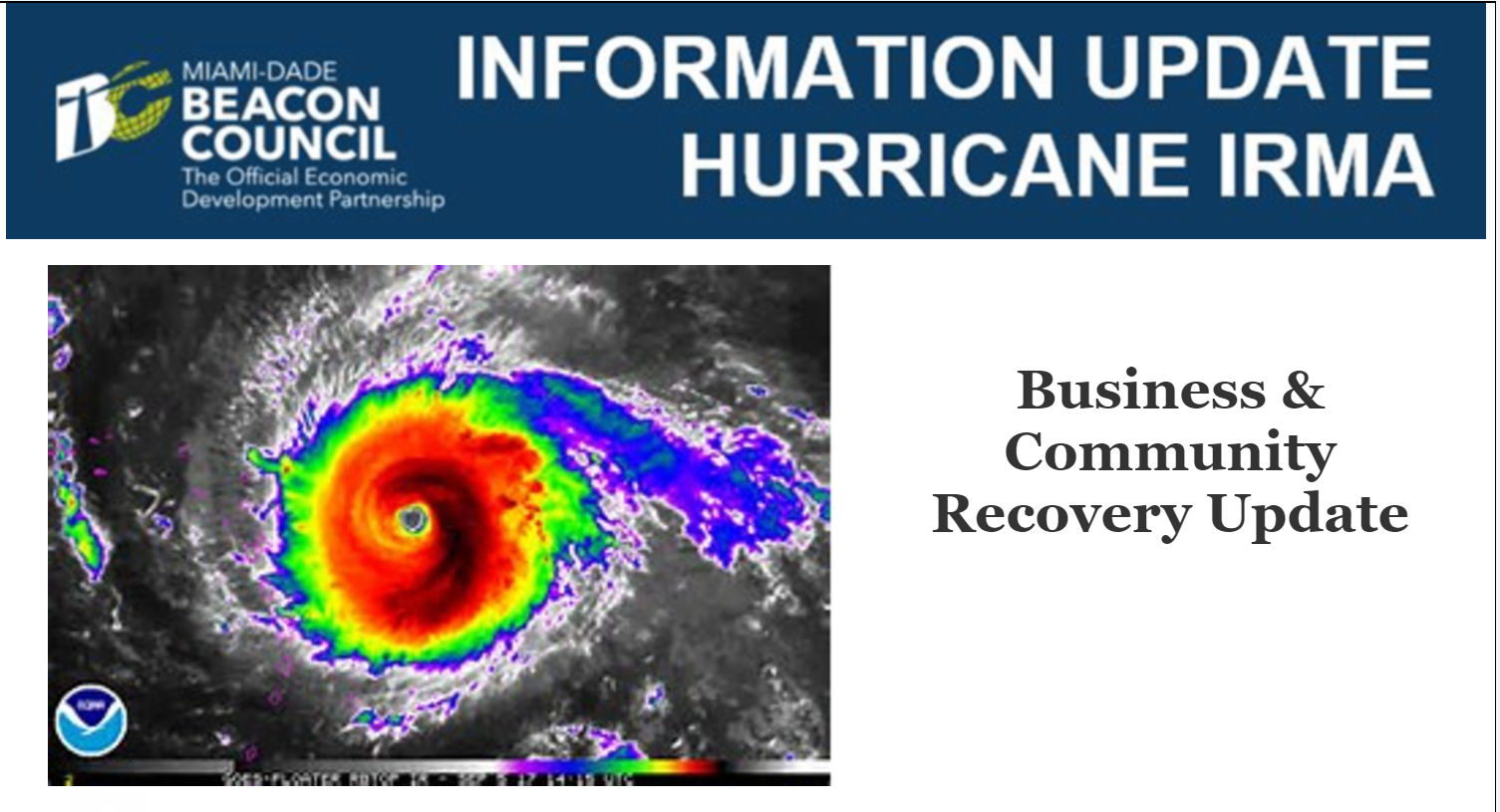
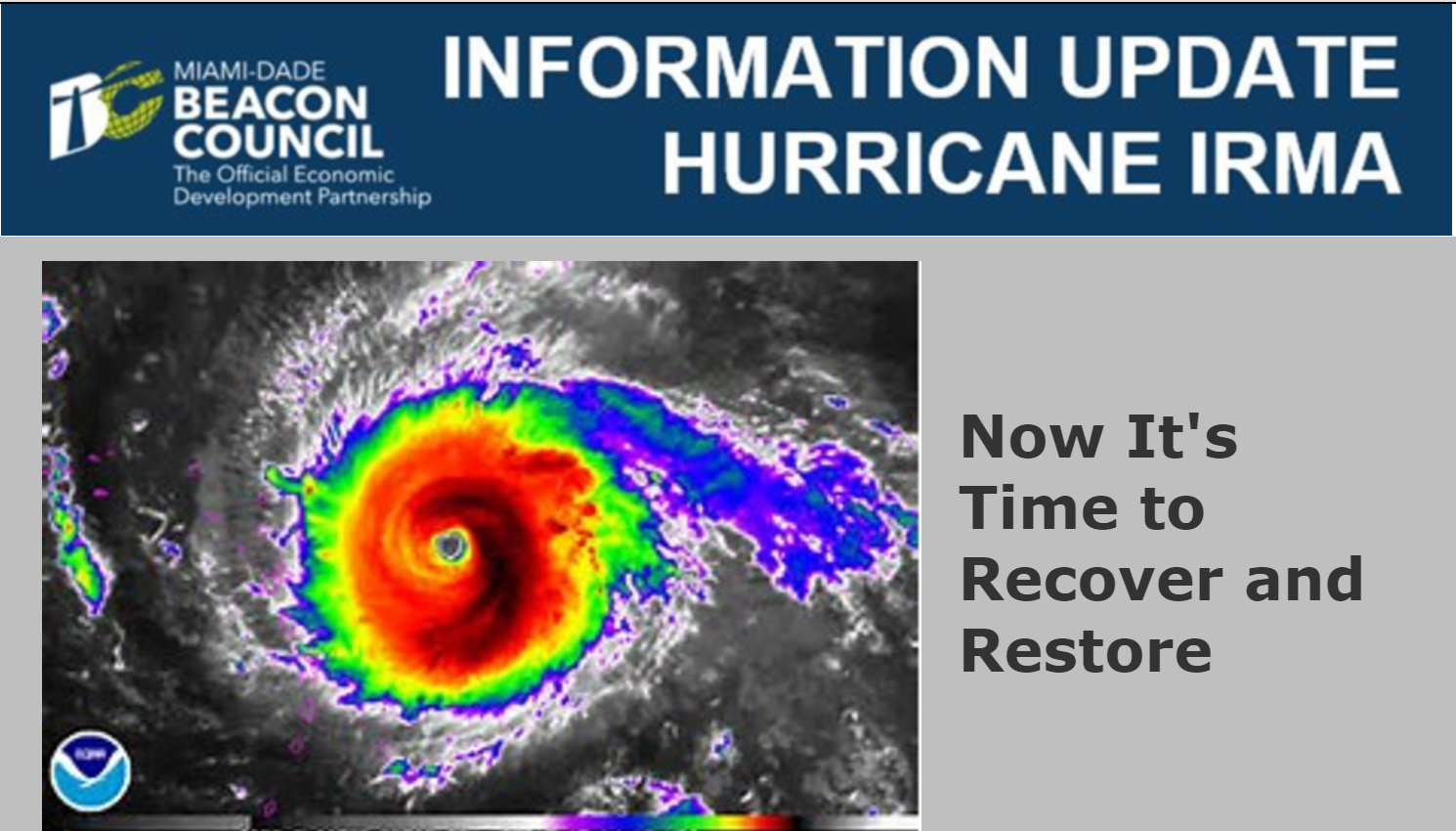
The Capital Analytics team enters the Miami market following Hurricane Irma, one of the strongest hurricanes on record. The anticipation of the coming destruction in early September led to 13 counties in the South Florida region issuing mandatory or voluntary evacuation orders that affected some 1.3 million people. Irma was eventually downgraded to a Category 4 hurricane by the time it hit Miami, and although winds reached up to 185 miles per hour in some places, South Florida did not experience the worst impacts.

In the days after the hurricane, municipalities and utility companies quickly launched into action. There were an estimated 3 million cubic yards of debris in Miami-Dade, and power was lost to an estimated 6 million people across the Southeast of Florida.

Beyond the ongoing clean-up and restoration efforts, questions have been raised about how Hurricane Irma will impact the economy. It is an issue that Capital Analytics has also been raising with companies and other institutions in the area. The overall feeling is that despite the severity of the storm, Miami-Dade has a robust infrastructure and is used to extreme weather events.

“With a hurricane you have time to prepare and you can board up your house. If you own a house in Miami, it should be insured and it should be up to code. If you are up to code, then you do not have much to worry about. Even though it was one of the worst storms we’ve seen in a long time, there has not been any major damage,” Jose Parrilla, president & CEO of InvestQuest Partners told Capital Analytics.

Real Estate is an important sector in Miami, with many people moving to the area to enjoy the superior living conditions. Understandably, there has been considerable concern regarding the prospect that buyers and renters would be put off by recent events and that construction might slow down. Yet the area’s preparedness and the preparation done before the hurricane hit have signaled that meteorological threats should not be a deterrent.

“South Florida is always going to be a desirable area to live in. Regardless of Irma or any of the other hurricanes we have to deal with, we haven’t seen anything slow down,”  Jaime Saavedra, vice president and business manager of Turner Construction told Capital Analytics.

Other sectors, such as the vibrant tourism industry have also shown optimism and resilience.  “Hurricane Irma obviously had an impact on tourism, but it did not devastate Miami the way that Houston was affected by Hurricane Harvey. We had a different situation here, as we were back up and running in just a few days. We came up with the hashtag #MiamiNow to communicate to the world that we are open for business as usual,” William Talbert III, president & CEO of the Greater Miami Convention & Visitors Bureau, told Capital Analytics.

Altogether, the Capital Analytics team has re-entered a Miami-Dade market showing optimism and enthusiasm. The coming months will be as exciting and stimulating as previous projects, and Invest: Miami 2018 promises to be the best edition yet. Major events are shaping up for 2018 to be a year of landmark announcements in Miami.


Greater Fort Lauderdale’s global potential highlighted at Invest: Greater Fort Lauderdale/Broward County 2018

FOR IMMEDIATE RELEASE

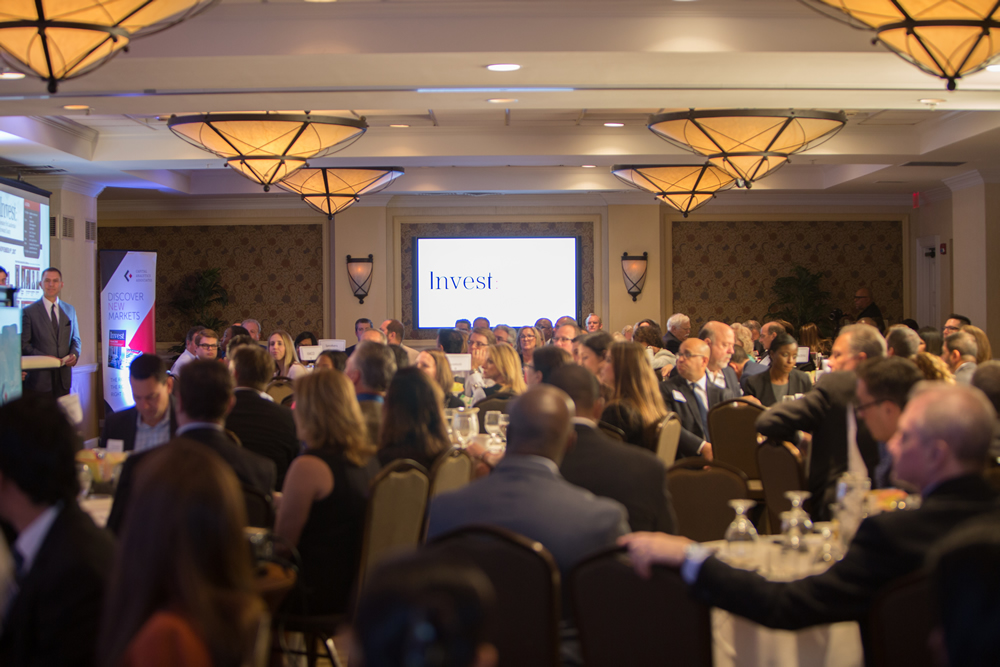
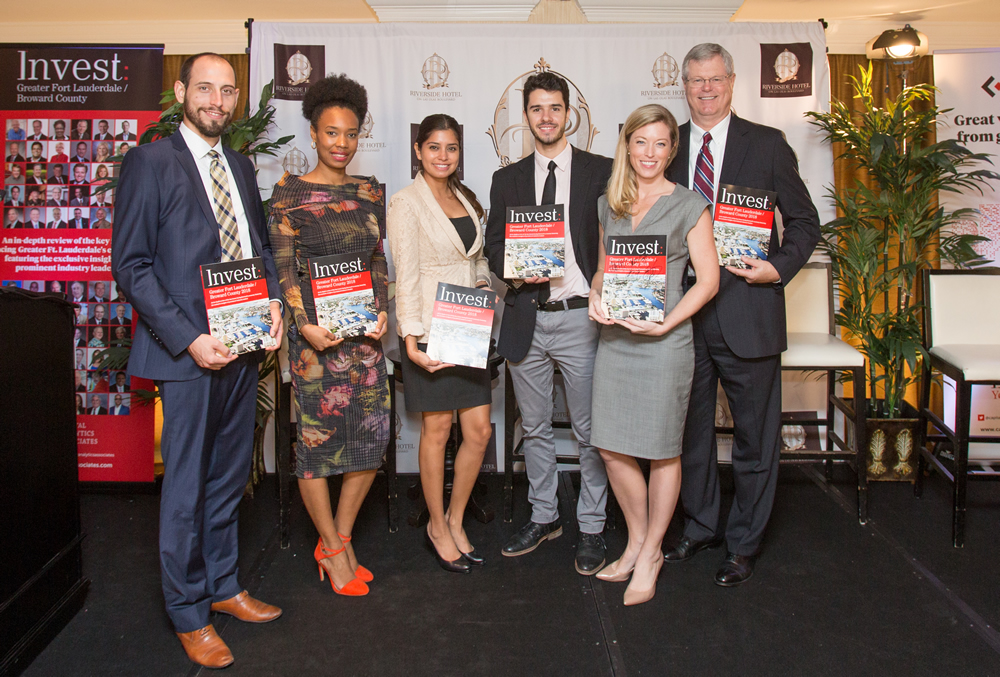
Fort Lauderdale, FL – November 9, 2017 – Greater Fort Lauderdale’s international potential, growing infrastructure and vibrant economy are some of the focal points in the first edition of Invest: Greater Fort Lauderdale/Broward County from Capital Analytics. The official launch of the publication took place on November 8 at the Riverside Hotel in downtown Fort Lauderdale. The yearly business guide reviews the business climate of Greater Fort Lauderdale, analyzing Broward’s top industries and interviewing leading local CEOs. The 140 plus page report offers a comprehensive yet concise view of the county’s ever-diversifying economy.

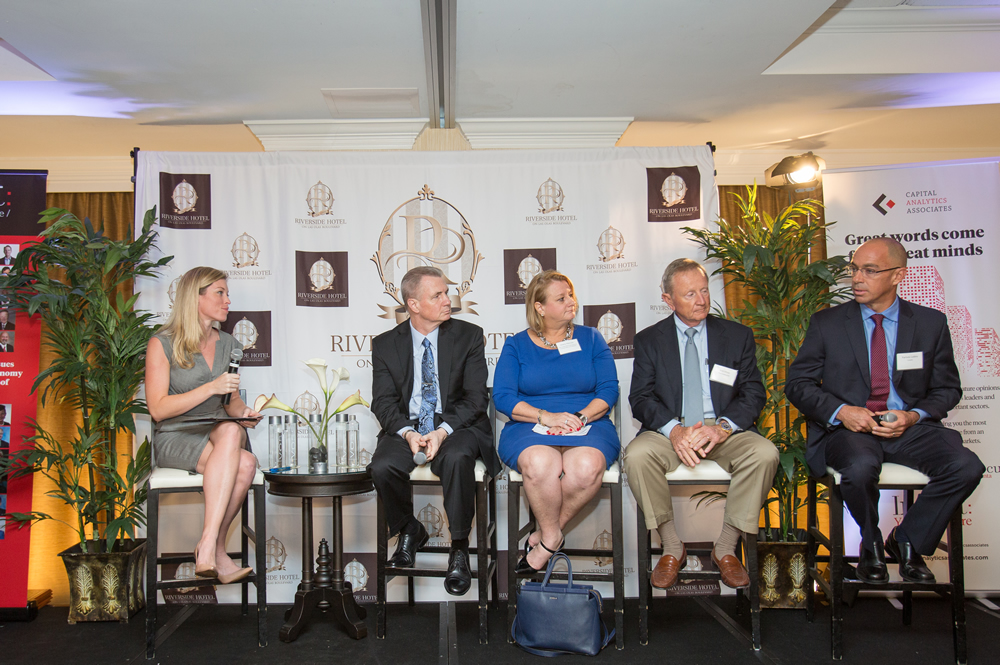
Following a short networking breakfast, Capital Analytics hosted two discussion panels that went in depth into discussing the key issues currently facing the Broward County economy. The first panel discussed increasing urbanization and the future of Broward County. The panel was moderated by Rebecca Bratter, managing shareholder of GreenspoonMarder, and panelists were James Donnelly, chairman of the Broward Workshop and founder & CEO of the Castle Group, David Martin, president of Terra Group, Cressman Bronson, regional president for PNC and David Coddington, vice president of business development for the Greater Fort Lauderdale Alliance. David Martin laid out a vision for how trends in urban living in South Florida are leading to massive mixed-use projects such as Pembroke Pines City Center. James Donnelly relayed key findings from the Broward Workshop’s skills gap analysis of the local workforce and ways that they are working with the business community and education sector to close these gaps. Cressman Bronson furthered the emphasis on improving education, pointing to the higher net returns on investment in early childhood education. David Coddington underlined the competitive advantages of Greater Fort Lauderdale’s business environment and how the Alliance is  working to attract new businesses such as Amazon to establish local operations.

The second panel discussed the state of Broward County’s infrastructure and was moderated by Capital Analytics’ president Abby Melone. Panelists were Diana Alarcon, director of the Fort Lauderdale Department of Transportation and Mobility, Patrick Collins, general manager of Crowley, Mark Gale, CEO of Fort Lauderdale-Hollywood International Airport and Bob Moss, chairman & CEO of Moss & Associates . Mark Gale and Patrick Collins pointed to the massive capital expenditure programs taking place at the airport and seaport as signs of the growing strength of Broward County’s infrastructure. Bob Moss commented on how such infrastructure investments such the airport and seaport expansion projects as well as the new Brightline are driving the local construction market. Meanwhile, Diana Alarcon gave a detailed insider’s perspective on where the county’s transit infrastructure is headed to meet the needs of a growing population.

The event was attended by hundreds of high-level guests and officials from some of Broward County’s key industries and economic institutions.

Abby Melone, president of Capital Analytics, explained, “Following our three successful Invest: Miami publications, it seemed only natural to expand our report into equally exciting markets in Florida. Greater Fort Lauderdale offers a range of opportunities for businesses and residents alike with its amazing geography and superior transport connections. We see a great deal of commitment to development across all economic sectors.”


About Invest: Greater Fort Lauderdale/Broward County

Invest: Greater Fort Lauderdale/Broward County is an in-depth economic review of the key issues facing Greater Fort Lauderdale’s economy featuring the exclusive insights of prominent industry leaders.  Invest: Greater Fort Lauderdale/Broward County is produced with two goals in mind: 1) to provide comprehensive investment knowledge on Broward County to local, national and international investors, and 2) to promote Broward as a place to invest and do business.

The book conducts a deep dive into the top economic sectors in the county including real estate, construction, utilities and infrastructure, transportation and aviation, marine and logistics, banking and finance, health, education, sports, and arts, culture and tourism. This year’s publication will also go in-depth into the City of Pembroke Pines and the City of Dania Beach. The publication is compiled from insights collected from more than 100 economic leaders, sector insiders, political leaders and heads of important institutions. It analyzes the leading challenges facing the market, as well as covers emerging opportunities for investors, entrepreneurs and innovators.

A copy can be purchased for $159 at www.capitalanalyticsassociates.com/shop


We would like to thank our event sponsors:

Greater Fort Lauderdale Alliance www.gflalliance.org

Garda World www.Garda.com
GreenspoonMarder www.gmlaw.com
Las Olas Company www.thelasolascompany.com
PNCBank www.pnc.com
Riverside Hotel www.riversidehotel.com
US Gas & Electric www.usgande.com

Atlanta’s global potential highlighted at Focus: Atlanta

Atlanta, GA – November 2, 2017 – The official launch of Capital Analytics annual business review, Focus: Atlanta took place on November 2 at the Hilton Downtown. The yearly business guide reviews the business climate of metro Atlanta, analyzing the area’s top industries and interviewing leading local CEOs. The 160 plus page report is Atlanta’s first comprehensive yet concise view of the region’s ever-diversifying economy.

Following a short networking breakfast, Kasim Reed, mayor of Atlanta, gave a keynote address that highlights some of the major achievements of Atlanta’s economy over the past 12 months. “Despite economic recessions and financial struggles, Atlanta has never been more economically healthy and its future never so bright,” he said. This was followed by two panels discussing some of the key issues currently facing the area.

The two panels discussed major themes currently dominating Atlanta’s economy. The first panel discussed Atlanta’s growing international reach. The panel was moderated by David Lanier, managing director of CBRE Atlanta, and panelists were Roosevelt Council, general manager of Hartsfield-Jackson International Airport, Hala Moddlemog, president and CEO of Metro Atlanta Chamber, and Steve Koonin, CEO of the Atlanta Hawks. Roosevelt commented on the airport’s five runways’ ability to maintain a plane arriving or departing every 1.5 minutes, enabling ease of business travel. Moddlemog furthered Roosevelt’s thoughts by pointing out that Georgia’s effective tax rate i s80% while Texas’s is 94%. To paint that picture further, Koonin recounted how it is six times more expensive to run a music studio in NYC than Atlanta.

The second panel discussed Atlanta’s growth as a technology hub. The panel was moderated by John Wright, managing partner of Northwestern Mutual, and panelists were Larry Williams, CEO of the Technology Association of Georgia, Barry McCarthy, executive vice president and Head of Network and Security Solutions of First Data, and Jeffrey Stepakoff, Executive Director of the Georgia Film Academy. Unique developments within technology, fintech and film are propelling Atlanta to the foreground, McCarthy pointing out that Atlanta is the world’s sleeping giant for payments and transactions. Williams looked at Atlanta in the historical sense and how Atlanta has intentionally enabled the city’s strengths to grow and prosper.

The event was attended by over 200 high-level businessmen, consul generals and city officials from some of Atlanta’s key industries and economic institutions.

Abby Melone, president of Capital Analytics, said, “Metro Atlanta is an exciting market for the region and has an impressive global impact. It is also striking how committed and enthusiastic leaders from across all economic sectors are. Capital Analytics is very excited to be launching our first Atlanta edition, and we look forward to coming back next year.”

The books are sold at $159 for a physical copy and $129 for digital.


Space and power: Dallas’s strength in the data center industry

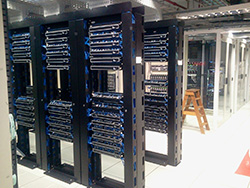
November 2017 – As cloud computing matures and companies of all sizes have increasing IT needs, data centers have become big business. These vast warehouses full of networks of processors are used for the remote storage, transmitting and processing of data. As of October 2017, there are 56 data centers in the Dallas-Fort Worth area, the third highest in the nation behind New York City, with 97 and Washington D.C. with 77, but beating San Jose, CA with 51.


Dallas’s strength as a hub for data centers can in part be traced back to the mid-1990s, when Texas became the center for a new fiber-optic network for the U.S. designed to help county-wide telecommunications networks. The robust telecoms infrastructure combined with ready access to power bought advantages when retrofitting a number of empty building in Dallas during the 2000s. The State of Texas has an independent energy grid, creating an extra level of security for companies worried about power black- and brown-outs, such as the 2003 East Coast blackout. Dallas’s central position in the country also means low latency on data transfer for nation- and world-wide companies.

Real estate and electricity prices both offer good value for companies looking to the county for their data needs. Texas produces more energy than any other state in the U.S., according to the U.S. Energy Administration Agency, and JLL Research in 2016 claims that the average cost of energy was $0.054 per kilowatt-hour in Dallas, compared with $0.12 in the San Francisco Bay area and $0.052 in Northern Virginia, furthering this point.

Due to the nature of the market, data centers are measured in power capacity. As of March 2017, total inventory in the Dallas-Fort Worth market is 208 MW, according to CBRE. This makes it the second largest market in the U.S. by capacity, behind Northern Virginia, with 557 MW, and ahead of Chicago, with 192 MW. According to the Data Center Frontier report published in 2016, the market in Dallas-Fort Worth is growing at 20 MW per year.

As of the second half of 2017, there are 10 major data center projects in the Dallas-Fort Worth area. In October, T5 Data Centers opened a new 156,000-square-foot data center on its Plano campus in Collin County, adding 10.75 MW of capacity and bring the total campus capacity of up to 28.75 MW. Also in October, Dallas-based IT real estate company CyrusOne broke ground on a 66-acre project in Allen, Collin County. It will be the first data center in a three-part project that will result in a campus of 1 million square feet with a total capacity of 100 MW.

“The Dallas-Fort Worth Metroplex has always been a strong market for CyrusOne, and we continue to see growing demand from customers to scale with us. Allen is a business-friendly community, and its proximity to Dallas makes it an ideal site for our new state-of-the-art data center campus,” said John Gould, executive vice president of global sales for CyrusOne in a press release.

The Dallas-Fort Worth area is already home to Facebook’s $1-billion data center, which opened in May 2017. The company is already expanding by an extra 100 acres, with construction costing a further $267 million. In August, Digital Realty Trust announced the first phase of a three phase $1 billion data campus on a 47.5-acre piece of land in Garland. When complete the project will bring capacity of 150 MW. The area is already home to a 388-million, 200-000-square-foot data center that was opened in the first of 2017 by RagingWire Data Centers. Also the first part of a three-phase investment, when complete the $1-billion campus will have 80 MW of capacity. Other companies with completed or planned data facilities in the Dallas-Fort Worth market include Skybox Data Centers, RagingWire and Digital Realty.

The first half of 2017 saw investment worth $18.2 billion in the U.S. data center market, according to CBRE. The need for greater storage, more complex data processing solutions and greater security concerns have led to a larger number of companies are migrating to cloud-based IT solutions. Faster and more reliable internet connections mean that off-site data-servers are often the most cost-effective and practical options for companies of all sizes. All this suggests that the data center market is far from peaking. Dallas is well positioned to make the most of the potential.


Latin lives

Governor Rick Scott talks about the Latin America Summit

Hosted by the Governor of Florida, Rick Scott, the 2017 Latin American Summit on October 2 in Miami will bring together leaders from the region to discuss important issues such as human rights, democracy and ensuring economic prosperity. The summit focuses on Florida’s relationship with the region and will help to build and solidify partnerships between the two areas. Governor Scott spoke to Capital Analytics about the summit:

What is the main focus of the summit?

This summit seeks to address two key areas: trade and democracy. We will have a variety of people from both Latin America and the U.S. speaking to address how these two themes are ultimately intertwined. When we have strong democracy, we have strong trade partners.

If you look at Latin America and compare some of the more recent challenges we have seen, and how it has affected Florida’s economy, you get widely different stories. Take the difference between Venezuela and Argentina. Venezuela was once a huge trade partner of ours, but now, under Maduro, our trade had drastically decreased. Then you consider Argentina and President Macri’s transition to power. Florida is experiencing an increase in trade. Democracy in Latin America is a big deal for our country, but even more so to Florida as trade often comes here first.

But it is also about bringing businesses together to network and create more even business. Aside from the one-day conference’s agenda, we will be coordinating lunches and dinners for more intimate and targeted networking opportunities.

How will the Summit address regional challenges like the situations in both Venezuela and Cuba?

The summit will facilitate a dialogue and enable key leaders to talk about where we as a region are and where we need to go.

The Trustees of the Florida State Board of Administration (SBA) unanimously approved my proposal to prohibit the State of Florida from doing business with any organization that supports the Maduro regime. As Floridians and Americans, we are against the brutal treatment of the Venezuelan people. We must look to do anything we can to support freedom and democracy, and that is what this summit intends to support.

It was important for me that we address what is happening in Venezuela at the summit particularly because a lot of people in Florida are from Venezuela, and they have family that are in Venezuela still.  They’re struggling and not getting the materials or medicine they need. Additionally, it’s important to the world economy that we continue to promote democracy, and the summit seeks to do this.

What does hosting this type of conference in the State of Florida say about its position as a leader in the region?

We are a leader for Latin America and I hope will continue to be. We are one of the largest trade partner to many countries in the region, and many Latin Americans live, own property and work in Florida. From my position as governor, I have the opportunity to serve in one of the fastest growing states in the country. It has cut taxes while increasing revenue, has unparalleled job growth and has an education sector that is becoming increasingly competitive. All this enables us to be a strong model of democracy, business growth, prosperity and more for the region at large.

Some of the confirmed speakers include:

Congresswoman Ileana Ros-Lehtinen, Florida’s 27th Congressional District
Congressman Lincoln Diaz-Balart, Florida’s 21st Congressional District
Congressman Mario Diaz-Balart, Florida’s 25th Congressional District
Congressman Francis Rooney, Florida’s 19th Congressional District
Donna Hrinak, President, Boeing Latin America
Archbishop Thomas Wenski, Metropolitan of the Province of Miami
Emilio T. González, Ph.D., Director and Chief Executive Officer, Miami-Dade Aviation Department.
Paul F. Browning, President and Chief Executive Officer, Mitsubishi Hitachi Power Systems Americas (MHPS-AMER), Inc.
Romaine Seguin, President, UPS Americas Region
Paulo Cesar de Souza e Silva, CEO, Embraer S.A
Susan Segal, President and CEO, Americas Society/Council of the Americas
Marcelo Mindlin, Chairman and CEO, Pampa Energía S.A.
Juan M. Kuryla, Port Director and CEO, PortMiami

You can find out more information:

http://www.flgov.com/2017/07/24/governor-scott-to-host-2017-latin-american-summit/

State and Federal Disaster Loan Programs Now Available to Florida Businesses Impacted by Hurricane Irma

Brought to you by the Beacon Council

The Miami-Dade Beacon Council, the official economic development partnership, is working closely with public and private sector leaders to help Miami-Dade’s business community recover and get back to work as soon as possible. We are working with our partners including the Small Business Administration, Federal Emergency Management Agency, Florida Department of Economic Opportunity, Small Business Development Center and others to:

1) assess damage to businesses and evaluate needs;
2) provide information on available resources;
3) facilitate connections to service providers.

The Council is using its Banking & Finance Committee to provide coordinated resources and outreach to businesses seeking loans in the wake of Hurricane Irma. Also, the Small Business Committee is meeting next week to hear directly from community partners and bankers about next steps to ensure communication and resources continue to flow.

Florida Small Business Emergency Bridge Loan Program
Governor Rick Scott has activated the Florida Small Business Emergency Bridge Loan Program to provide short-term, interest-free loans to businesses damaged by the storm.
Administered by the Florida Department of Economic Opportunity (DEO) in partnership with the Florida SBDC Network and Florida First Capital Finance Corporation (FFCFC), the Florida Small Business Emergency Bridge Loan helps businesses bridge the gap between the time damage is incurred and when a business secures other financial resources, including payment of insurance claims or longer-term Small Business Administration loans. Up to $10 million has been allocated for the program.
Under the program, eligible small businesses in all 67 Florida counties with two to 100 employees may apply for short-term, interest-free loans for $1,000 to $25,000 for 90 or 180-day terms. To be eligible, a business must have been established prior to September 4, 2017, and demonstrate economic injury or physical damage as a result of Hurricane Irma.
Apply for the Florida Emergency Bridge Loan program. The deadline to apply is October 31, 2017.
Business Damage Assessment Survey
DEO is assessing the damage caused by the storm. Small businesses that have incurred losses due to Hurricane Irma are asked to complete a Business Damage Assessment Survey. The survey will help the State Emergency Response Team determine the needs and level of assistance for impacted businesses. Take the survey.
Federal Assistance
Following President Trump’s major disaster declaration, impacted businesses may now apply for low-interest loans through the U.S. Small Business Administration.
Through the declaration, businesses and nonprofits in Broward, Charlotte, Clay, Collier, Duval, Flagler, Hillsborough, Lee, Manatee, Miami-Dade, Monroe, Palm Beach, Pinellas, Putnam, Sarasota and Saint Johns counties are eligible for both Physical and Economic Injury Disaster Loans from the SBA.

In adjacent counties, small businesses and most private non-profit organizations are eligible to apply only for SBA Economic Injury Disaster Loans: Alachua, Baker, Bradford, Desoto, Glades, Hardee, Hendry, Highlands, Marion, Martin, Nassau, Okeechobee, Pasco, Polk, and Volusia in Florida.

Business Physical Disaster Loan Program
Business Physical Disaster Loans are intended to help repair or replace disaster-damaged property. Businesses and nonprofit organizations may apply for up to $2 million to repair or replace property, including real estate, equipment, inventory, machinery, and other business assets.
Economic Injury Disaster Loan Program
Businesses in qualifying adjacent counties may apply for up to $2 million for working capital through the SBA Economic Injury Disaster Loan program. The Economic Injury Disaster Loan program provides working capital loans to help small businesses, small agricultural cooperatives, small businesses engaged in aquaculture, and most private, nonprofit organizations meet financial obligations and operating expenses through the disaster recovery period.
Interest rates are as low as 3.305 percent for businesses and 2.5 percent for nonprofit organizations. The SBA customizes loan amounts and terms up to a maximum of 30 years for each applicant.
Applicants may also be eligible for a loan amount increase up to 20 percent of their physical damages to protect property from future damage, including adding a safe room or storm shelter.

To Apply for Physical and Economic Injury Loans
Businesses must first register with the Federal Emergency Management Agency (FEMA) at www.disasterassistance.gov or call the toll-free helpline at 800-621-3362. Those who use 711-Relay or Video Relay Services should call 800-621-3362 (800-462-7585 TTY).

Upon registration with FEMA, businesses may apply for a disaster loan a number of ways:
• Submit an online application at https://disasterloan.sba.gov/
• Download an application from www.sba.gov/disaster and submit to a SBA disaster recovery center or mail to U.S. Small Business Administration, Processing and Disbursement Center, 14925 Kingsport Road, Fort Worth, TX 76155;
• Visit a SBA recovery center for one-on-one assistance; or
• Visit their local Florida SBDC for assistance.
The filing deadline to return applications for physical property damage is November 9, 2017. The deadline to return economic injury applications is June 11, 2018.
Florida SBDC Network Stands Ready to Assist
As a principal responder in the state’s Emergency Support Function for Business and Industry, the Florida SBDC Network stands ready to assist businesses with disaster loan applications and with other post-disaster challenges.

“The recovery efforts from Hurricane Irma will take some time, however, the SBA’s implementation of disaster assistance in the impacted areas will help usher along the process,” said South Florida District Director Francisco “Pancho” Marrero. “As soon as it’s clear to do so, I encourage everyone in the listed counties to complete their respective damage assessments and after completing FEMA disaster requirements, apply for assistance from the SBA’s Disaster Assistance Center.”
The Florida SBDC Network supports disaster preparedness, response, recovery, and mitigation through its Business Continuation Services. As part of the network’s service offering, the Florida SBDC will also be deploying its Mobile Assistance Centers (MACs) into affected communities to deliver small business owners on-site assistance with loan applications and with other post-disaster challenges. The Florida SBDC is working with state and federal officials to determine the MACs’ locations and will release that information soon.
For questions about the Emergency Bridge Loan Program, the U.S. SBA Physical and Economic Injury Loan Programs, and how the Florida SBDC can help, please contact the Florida SBDC Network at (850) 898-3489 or Disaster@FloridaSBDC.org. The phone line will be answered during regular business hours; all voice mails and emails will be responded to within 24 hours.

HURRICANE IRMA RESTORATION INFORMATION UPDATE

Brought to you by the Beacon Council

In the aftermath of Hurricane Irma, this edition of The Miami-Dade Beacon Council’s (MDBC) weekly newsletter has been abbreviated in order to concentrate on information the business community can use in its recovery from the storm.
The first step in any recovery process should be to download a business-oriented recovery guide. The MDBC, Small Business Development Center (SBDC) and Miami-Dade County have combined their knowledge to develop a one-stop Disaster Recovery tool kit for Florida businesses recovering from Irma.
The kit includes contact and other information about organizations and agencies that have now been activated to provide crisis support to local businesses.
Process for Seeking Assistance
Damage Assessment Survey & Bridge Loan Resources
The Department of Economic Opportunity (DEO) damage survey is now active. Businesses are encouraged to complete the damage assessment survey.. The survey assists theState with determining which resources should be deployed to properly assist businesses following the storm. We encourage you to do this as soon as you can since the information shared on this survey will determine the amount allocated for Bridge Loans in Miami-Dade.
Once the damage is determined, the Small Business Development Center (SBDC) will make the bridge loan application form available online to local partners and businesses. Additional information about the Florida Small Business Emergency Bridge Loan Program can be found at www.floridadisasterloan.org.
The SBDC loan committee then actives a process where it reviews the applications and recommend loan decisions. Florida First Capital (FFC) reviews the SBDC committee recommendations to finalize payments. The FFC then issues payment information and SBDC disburses funds to loan recipients.
Additional Details and Resources:
•          Bridge Loan – up to $25,000, term up to 6 months, 0% interest, no payment until end of loan term;
•          SBA Loan – up to $2 million, term up to 30 months, interest rate 3% to 8%, physical and economic damage;
•          FEMA – resources will be communicated by DEO if a disaster plan/allocation has been assigned.
 As we have mentioned in previous communiques, bridge loans are intended to be temporary funds to keep your business operational until a more permanent funding source can be secured.
The SBA loans were put in place as a lower rate long term lending option for businesses to consider.
Banks are also options that should be considered. Steve Leth, Miami-Dade Beacon Council’s Banking & Finance Committee Chair said, “we extend our support to our community’s businesses. Please know that our doors are open to assist with business recovery efforts in the aftermath of Hurricane Irma.”
In case you have questions about filling out the survey or requesting a bridge loan, call 305-468-5842 or Email: esf-18@miamidade.gov