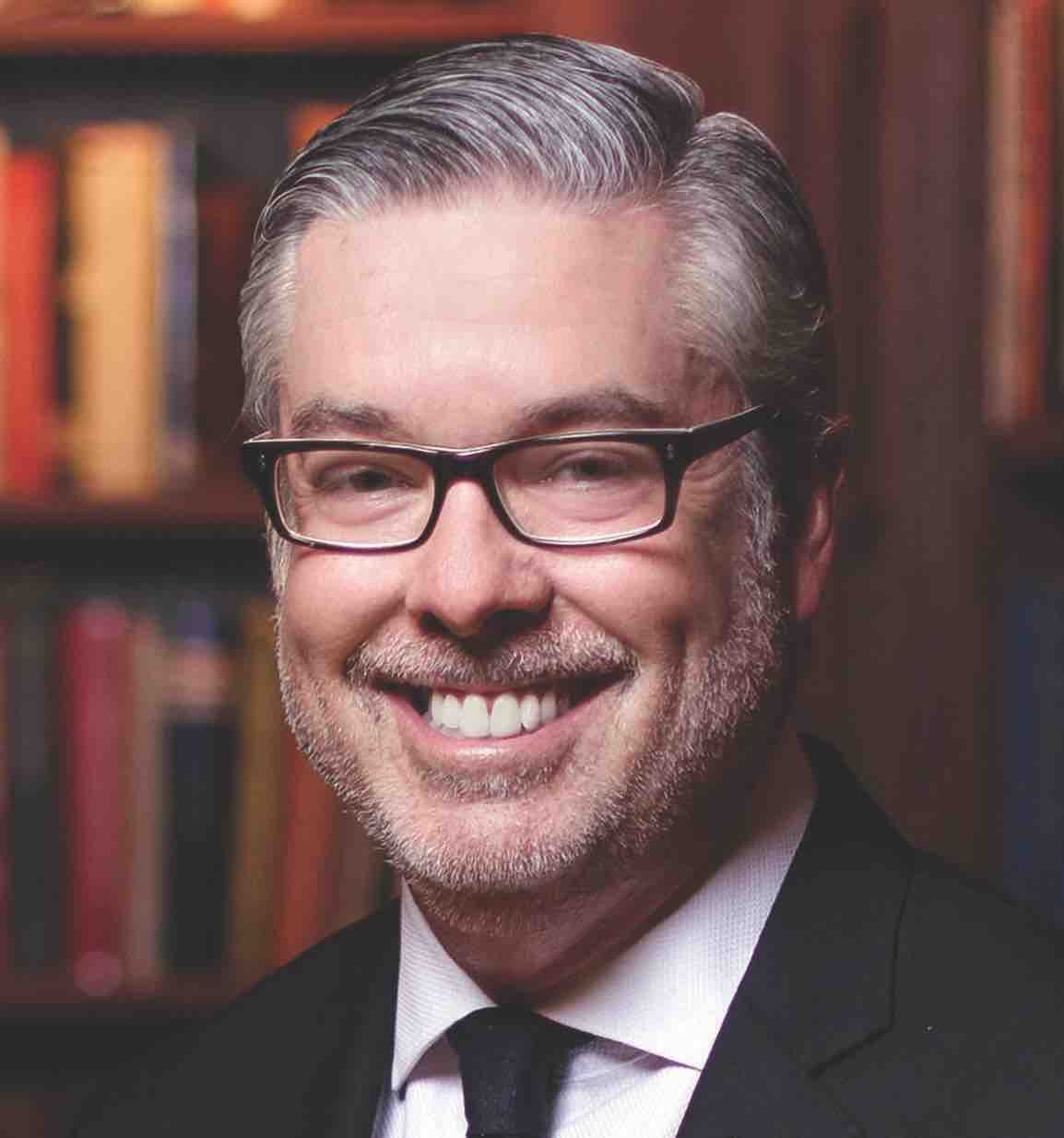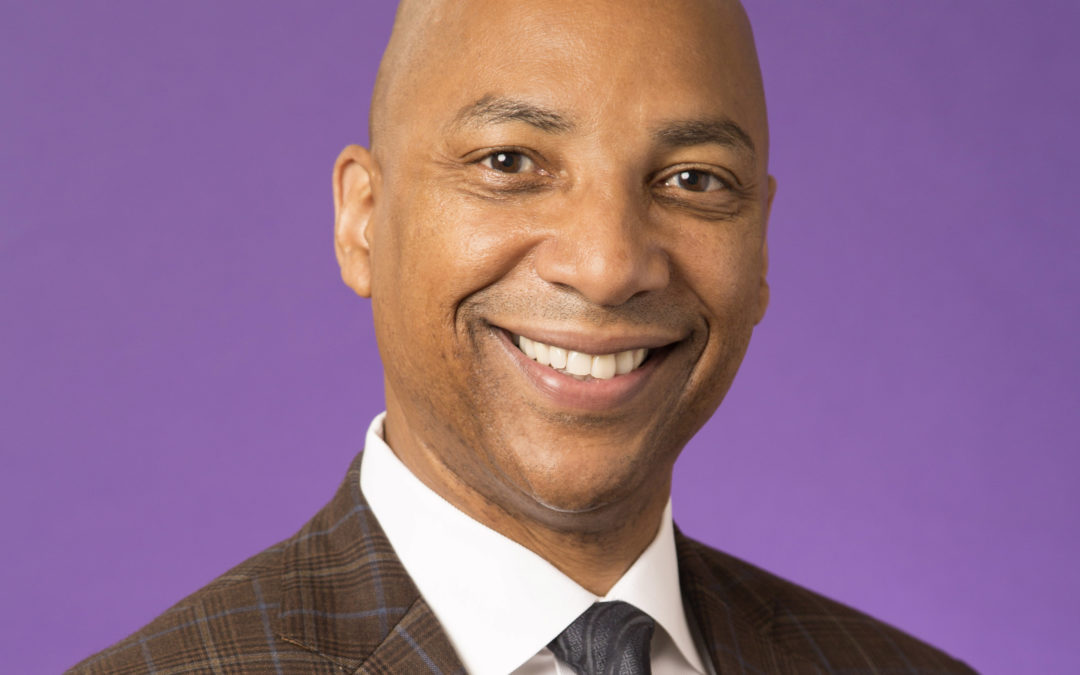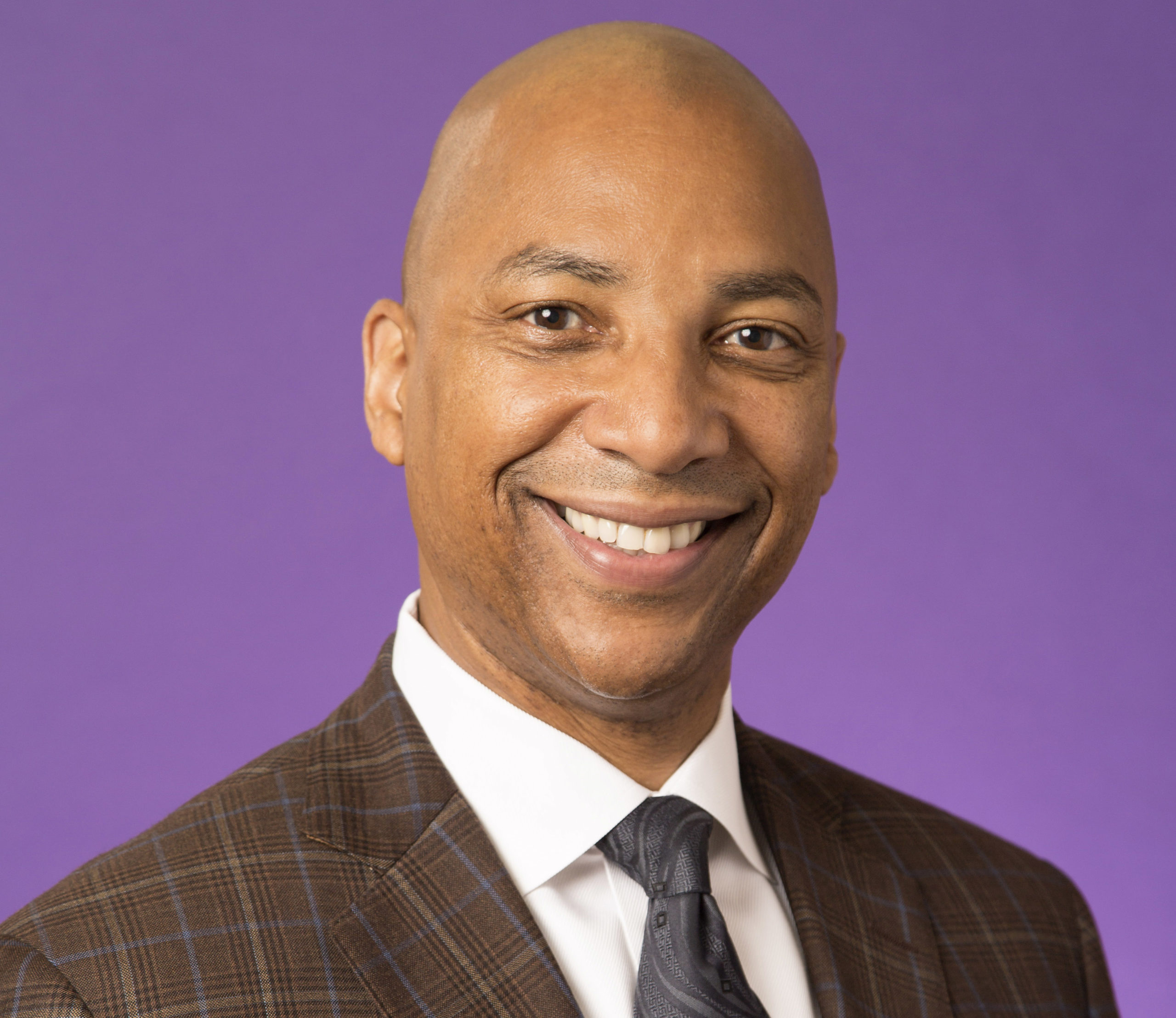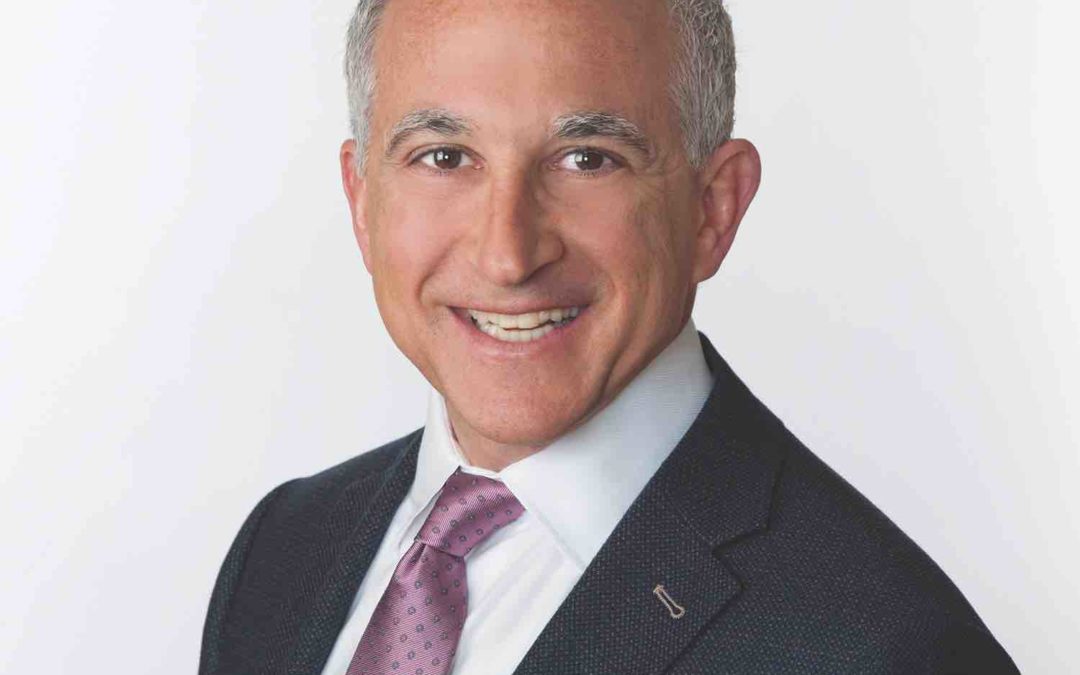
Spotlight On: Michael Pallozzi, President, HFM Investment Advisors, LLC

Spotlight On: Michael Pallozzi, President, HFM Investment Advisors, LLC

By: Felipe Rivas
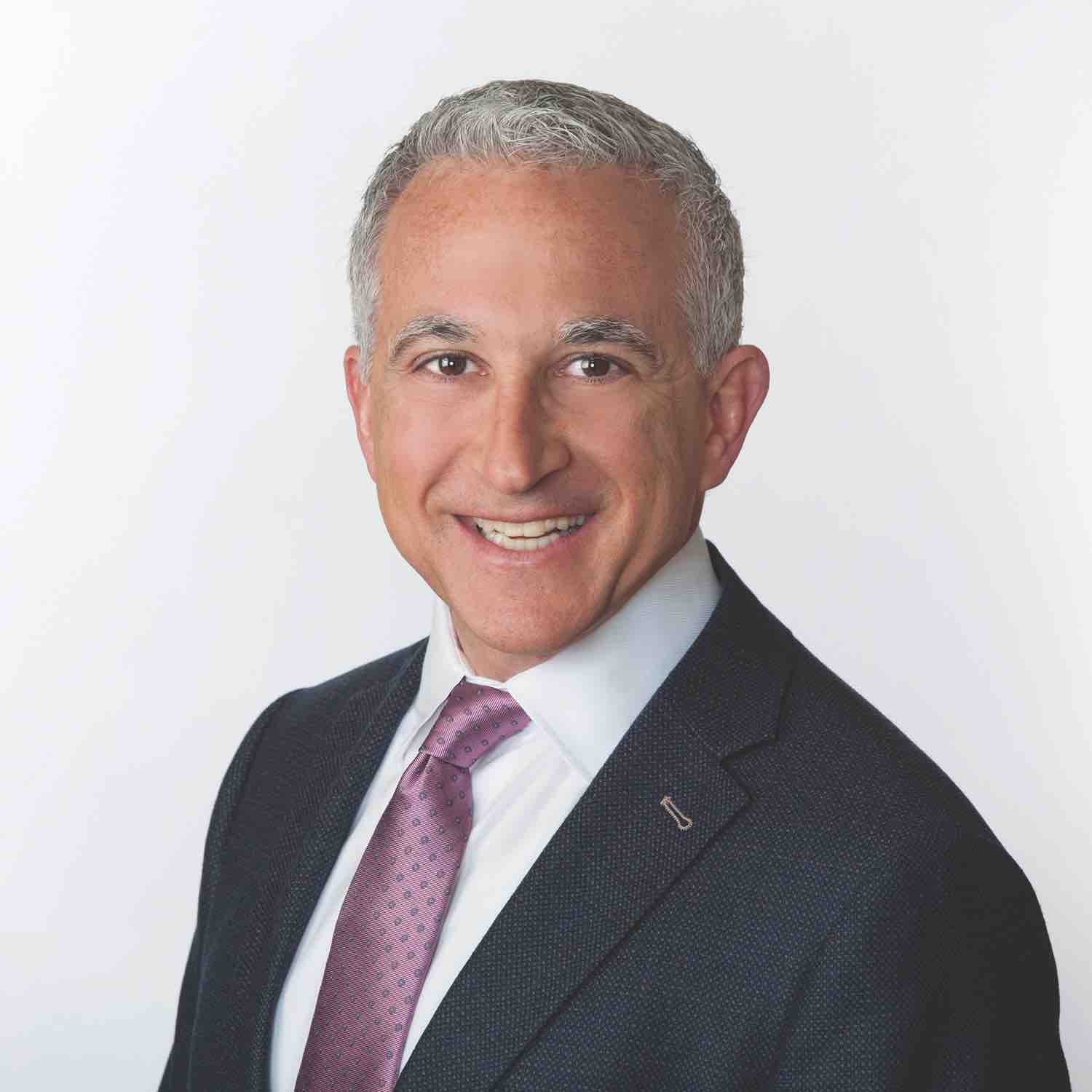
2 min read May 2020 — HFM Investment Advisors has been advising South Jersey and the Greater Philadelphia region residents on financial and investment planning since 1989.  Last year was a banner year for the company in terms of team growth. HFM President Michael Pallozzi talks with Invest: about trends in retirement planning and how technology has significantly changed the way the firm does business. 

What does HFM’s R.I.C.H. approach mean for the firm and its clients?

We strive to develop a deep, meaningful relationship with all of our clients to help their family or their business, and that’s what the “R” stands for: relationship building. “I” is to inspire our clients to think outside the box and what’s important to them, such as their financial situation, legacy or succession plan. “C” is to help compose a meaningful plan. Everything we do for our clients revolves around their personalized action plan. The “H” is for “holding you accountable.” We want to hold our clients accountable to their goals, objectives and action plans, and we ask that they also hold us accountable for what we promised. 

HFM’s biggest differentiator is our value proposition and the way that we work with our clients. At most firms, advisers work as a solo with their clients, so clients usually have only one person to talk to. At HFM, we are team-oriented around our R.I.C.H. process, so all our clients work with our entire team.


What are the benefits of being located in South Jersey?

Gloucester County has one of the fastest-growing business communities in South Jersey, and being located here represents a great advantage. We are strategically located on Rowan Boulevard in the heart of Rowan University. We also sublet space to the Gloucester County Chamber of Commerce, which provides us great visibility in the market. Similarly, the South Jersey region provides access to multiple sectors like education, health, logistics and consulting organizations. Many local, regional and international companies are starting to call Gloucester County their home. 


What are the most notable changes in South Jersey’s investment management and financial services industry?

The biggest change has been the reduction in cost and improved technology within the investment platform offerings. With the rise of technology platforms in our industry, we’ve been able to offer more investment choices and provide more financial planning services at a substantially lower cost. I believe we are ahead of the curve for firms like ours in South Jersey. We are in the process of a major change in 2Q20 for all of our clients’ investment choices through the use of a new technology platform. This will potentially save our clients an average of 25-35% on their investment-related expenses. Technology is also allowing us to provide additional financial planning services in a more impactful and efficient way. 


What are some trends in retirement planning and investment management?

401(k) retirement planning is a growing part of our practice. We focus a majority of time in two areas. First is protecting the plan sponsors, who are typically the owners of the companies and usually the human resources managers. With the recently implemented SECURE Act, there are a lot of fiduciary and compliance rules that can trip up business owners with the Department of Labor. We proactively work with them and their third-party administrator (TPA) to keep them updated on the rules that apply specifically to them. 

The second area is focused on helping the employees of our clients. We provide an employee experience that focuses on educational workshops, one-on-one meetings and personalized retirement plan projections.


To learn more about our interviewee, visit: 

https://www.hfmadvisors.com/

Charlotte begins reopening process, Altanta ramps up COVID-19 testing

Charlotte begins reopening process, Altanta ramps up COVID-19 testing

By: Felipe Rivas

2 min read May 2020—Southeast metro areas like Charlotte and Atlanta have been a popular destination for families, businesses and large corporations looking for affordability, dynamic business fundamentals and a high quality of life. In the landscape of the coronavirus, much of the national attention was placed on the Southeast in late April as Georgia Gov. Brian Kemp led the nation in the reopening timeline, terms and guidelines. Following Georgia’s example, North Carolina Gov. Roy Cooper announced Tuesday the loosening of his stay-at-home and transition into phase one of his economic recovery plans effective Friday, May 8. 


“COVID-19 is still a serious threat to our state, and Phase 1 is designed to be a limited easing of restrictions that can boost parts of our economy while keeping important safety rules in place,” Gov. Cooper said in a press release. As of May 5, Mecklenburg County, where Charlotte is located, reported more than 1,700 residents have tested positive for the novel coronavirus and 52 deaths due to COVID-19, according to Mecklenburg County Public Health. “This is a careful and deliberate first step, guided by the data, and North Carolinians still must use caution while this virus is circulating,” Cooper said

Gov. Cooper’s orders remove the distinction between essential and non-essential businesses. Retail businesses are allowed to open at 50% capacity and must follow strict health guidelines and best practices, such as social distancing, perform frequent cleanings, provide hand sanitizer when available, and screen workers for symptoms. The order also allows people to leave their homes for commercial activity at any business that is open, bringing potential economic activity to small businesses that were shuttered during March and April. “We must continue to protect our families and neighbors as we take this cautious step forward,” Secretary of the NC Department of Health and Human Services Dr. Mandy Cohen said. “When you leave your home, follow the three W’s: Wear a face covering, wash your hands, and wait six feet apart.”  

Days into phasing the reopening of the Georgia economy, health, university, local and state officials are ramping up COVID-19 testing in the Peach State. On April 30, the state reported conducting over 20,000 tests, a single-day record for COVID-19 testing, according to the governor’s office. “Thanks to Georgia’s partnership with our university system, the private sector, and local public health officials, we ended April by setting a single-day testing record, reporting over 20,000 tests on April 30 alone,” Gov. Kemp said. “This is great progress for our state, but we refuse to rest on our laurels. In the days ahead, we will continue to increase access to coronavirus testing across Georgia.”

In March, the state of Georgia announced partnerships with the University System of Georgia, Georgia Public Health Laboratory and Emory University to process over 3,000 samples a day.  Since that time, Georgia, a state with large rural areas, has partnered with companies like CVS, Walgreens, Walmart and eTrueNorth to launch drive-thru testing sites throughout metro Atlanta and deploy mobile testing units to areas with limited access, according to the governor’s office. “We have the capacity, we have the bandwidth, and now we need the patients,” Kemp said. He encourages residents who are experiencing symptoms as well as asymptomatic medical and frontline workers to schedule a COVID-19 screening and visit one of the state’s more than 50 active testing sites if necessary. “We will continue to work diligently to innovate and increase testing in Georgia, and together, we will win this fight,” Kemp said.


To learn more, visit:

https://governor.nc.gov/news/governor-cooper-announces-modified-stay-home-order-and-transition-phase-1-easing-restrictions

https://www.mecknc.gov/news/Pages/Mecklenburg-County-COVID-19-Data-for-May-3.aspx

https://gov.georgia.gov/press-releases/2020-05-01/georgia-sees-banner-week-covid-19-testing


Spotlight On: Kenneth Rosenfield, Managing Partner, Rosenfield & Company PLLC

Spotlight On: Kenneth Rosenfield, Managing Partner, Rosenfield & Company PLLC

By: Max Crampton-Thomas

2 min read May 2020 — In a crowded accounting and consulting services marketplace, it can be hard to differentiate from the masses. Kenneth Rosenfield, managing partner of Rosenfield & Company PLLC, is accomplishing this by putting a greater investment into his people and by creating a culture that is strong enough to be listed among the “Best Places to Work” for CPA firms last year. He also speaks to his firm’s adaptability as being key to navigating the COVID-19 pandemic, and while most businesses have seen a major slowdown in activity, his firm is experiencing an influx of demand as it works to process SBA loans for its clients.


How is the Orlando market conducive to your firm’s success? 

 Orlando’s economy has been doing really well and has been a great place to work. The workforce is plentiful and the universities here are fantastic. We are lucky to have access to the largest university  in Florida, which has been really great for recruiting to our firm. UCF has been fantastic to work with. The manufacturing industry, which is one of our core industries, has been doing really well in Orlando as well. A lot of people have the perception that Orlando is Disney World, but that is actually the third-largest industry in this region behind healthcare and manufacturing. We are big in the automotive retail industry, and Central Florida is the third-largest automotive market in the country. We have a variety of car dealerships in Orlando, including some of the largest in the country, which are all clients of ours, and is one reason our headquarters is located in Orlando. The automotive retail sector is usually the first to go into a recession and the first to come out of it. 


In searching for a new office space, what have you identified in regard to vacancies in the Downtown area?

 Downtown is challenged due to the consolidation of space. There are a lot of vacancies in Downtown Orlando. A lot of this is caused by banks and law firms downsizing in that area. I’m not sure what the exact cause is because everybody seems to be doing well. I believe this could be because the thought process has changed. Everyone used to want a big office, but now everyone is going more toward a collaborative workspace, which takes up a lot less space. That has created a big hole in the market and it has caused the rate per square foot to come down. So much space is now available.


How do you remain competitive with firms of your size and the larger national firms? 

 We compete with the big national firms for staff and clientele. We have to offer the same level and more creative types of compensation while also offering a completely different work atmosphere that those firms don’t supply. We also have to be different from all the firms our size and price competitive with the large firms. Ultimately, this leads us to making a greater investment in our people. We don’t have the “grind them up and chew them out” environment that the big firms have. We also have made the investment with the local colleges to acquire the best available interns. We have to maintain a really great intern program that allows them to do exciting things and also receive practical work experience. If you don’t provide that environment, you won’t get to participate in that talent pool. Having a great work environment leads to more productivity and ability to serve our clients better. We are really proud to have won, Best Places to Work for CPA firms last year. We also invested heavy into technology over the years, and we are much more efficient than our competitors in serving our clients. 


How has the COVID-19 pandemic affected your operations? 

 Today, we are extremely inundated with processing SBA loans for our clients. Other people had also heard about us doing this, so if they are big enough we have algorithms to figure out the best method to accomplish this. We then put together loan packages and submit them to the banks. We have already completed over 150 of them and these are big SBA loans valued at over half a million dollars, at least. Tax filings were pushed back, so we are still working on those but not as much as we are working on these SBA loans. We also do SEC work, so we have a lot of quarterly and annual filings coming up that we are still working on. Our audit team is very busy. We are going to see a lot of merger and acquisition activity in the coming months, which we are also proficient at. 


To learn more about our interviewee, visit: 

https://www.rosenfieldandco.com/

Spotlight On: Catherine Stempien, President, Duke Energy Florida

Spotlight On: Catherine Stempien, President, Duke Energy Florida

By: Max Crampton-Thomas

2 min read April 2020 — Duke Energy is among the largest electric power holding companies in the United States. In March, as the COVID-19 pandemic caused a virtual economic shutdown, Duke Energy took its own measures to alleviate the stress for customers, announcing it would not suspend customers’ power during the course of the pandemic. President Catherine Stempien discusses the region’s energy needs during the crisis and the impact from the virus, and its own transition to remote work.


How have both shelter-in-place measures and reduction of business activity impacted the region’s energy needs?


It’s too early to understand the full impact of the coronavirus on our business operations. However, there are a few things that are obvious given the current circumstances. More energy is being consumed by residential customers and less in the commercial spaces – especially hotels and the tourism industry. For our residential customers, keeping the power on is more important than ever. We know business owners are operating from home, employees are working remotely and many are teaching their children at home as well. Even a brief interruption can cause a huge disruption to what some customers may feel is an already stressful situation.

Right now, we are focused on continuing to deliver the reliable power customers and communities need while helping to protect the health and safety of those we serve and our employees.

I am proud of the work our 3,800 Duke Energy Florida employees do to make sure our customers’ lights stay on, our hospitals are powered up and important food supplies stay cooled. Now more than ever, we feel a heightened sense of urgency because our customers and communities are counting on us to deliver the reliable service they expect. That’s why you will see us out in communities, continuing to respond to power outages and completing essential work.  

Duke Energy works with local Emergency Operation Centers to develop a critical customer list that includes hospitals, emergency rooms and other medical facilities. We have proactively been checking the feeders – which are the backbone of our system – to be sure these critical lines have reduced risk of an outage impacting the critical facilities that our customers need. 

To protect the communities we serve, we’re asking our essential workers in the field or operating power plants to maintain safe distances and use enhanced protective gear. If they need to interact with a customer, they will follow strict CDC guidance, which we are closely monitoring for developments.  

We are also implementing worker screening measures (including temperature checks), enforcing social distancing, restricting certain areas of power plants, increasing CDC disinfectant cleanings between and during work shifts, staggering start times, adding physical barriers, placing some workers on-call and having others work remotely, and implementing a no-visitors policy.  

Our business continuity plans have contingencies to sequester certain employees at plant sites and other critical facilities, however we are not sequestering employees at this time.

We want our customers to know Duke Energy is working hard 24/7 to deliver this essential service during this critical time.


Duke Energy temporarily suspended disconnections for nonpayment and waived late payment fees effective March 21. How has the community since responded to this initiative? 

Many of our customers are facing economic challenges. We want to help relieve the financial burden on our communities. In mid-March, the company stopped service disconnections for unpaid bills and waived returned check and late payments fees for all customers. On April 28, The Florida Public Service Commission approved our plan to significantly reduce customers’ bills for the May 2020 billing cycle by giving the annual fuel savings in a single bill. Traditionally, these fuel savings would be refunded over the following year. A typical residential customer will see a decrease of nearly 21% on May’s bill. Commercial and industrial customers will see significant savings ranging from approximately 20% to 45%.  

However, hot weather and additional time at home, can mean more energy consumption and could result in higher bills. We strongly encourage customers to use many of the tools we provide to help them manage their usage and to pay what they can to avoid building up a large balance that may be harder to pay off later. If customers are struggling to pay bills, we have a variety of programs to help, including our Florida Energy Neighbor Fund duke-energy.com/FLNeighbor, or please contact us at duke-energy.com. For those who are fortunate enough to be in a position to give, we would ask you to consider a donation to the Energy Neighbor Fund. The dollars go to agencies that help customers pay any utility bill.

The Duke Energy Foundation also announced $1 million in COVID-19 response and education grants. The company’s $450,000 COVID-19-related grants address immediate social service and hunger relief needs resulting from the virus pandemic. In addition, the Duke Energy Foundation recently granted $550,000 to 22 Florida-based organizations to support energy, engineering and environmental educational initiatives. Given the COVID-19 crisis, the Foundation has also provided each organization with the option to use the funds to address unforeseen operational challenges.


What has the transition to remote work been like for Duke Energy?

Our IT team has taken steps to expand our bandwidth and prepare our technology systems, including adding more remote connections and conference line capacity.  Corporate-wide, we have been able to support approximately 18,000 employees working remotely, that includes 90% of our call center staff. We’ve been using new technologies to keep in touch and stay connected. 

Scammers target victims year-round but often hit hardest when people are vulnerable. So, we’ve seen an increase in phishing scams, in addition to phone scams targeting our customers. Be aware of scammers, threatening disconnection of service and asking for immediate payment over the phone. Duke Energy never asks for personal information over the phone or demands payment using money orders or gift cards. And remember, Duke Energy has stopped service disconnections for unpaid bills.

We are already evaluating the best way to transition back into our more traditional workplace, but also evaluate what we’ve learned. We do measure, for example, our customer care center call response performance. There have been some areas such as the call center, that have stood out as doing extraordinarily well during these challenging times. We have a lot to evaluate and consider as we move forward. Each situation may be different and require a different response in the future. There will be great lessons learned, both to replicate and improve, that we’ll take away from this response.


How do you see the Florida region emerging from this pandemic?

I am on the Florida Governor’s Re-Open Florida Task Force Industry Working Group Related to Administrative, Education, Information & Technology, Manufacturing, Mining, Utilities and Wholesale. We are working closely with the Governor’s Office to consider the best ways to reopen Florida and its businesses. The task force is focusing on short-, medium- and long-term plans. There are multiple groups made up of local and state elected members, as well as business representatives working on a plan. Our goal is to determine how this will be accomplished with the health and safety of Floridians as the priority.


To learn more about our interviewee, visit: 

www.duke-energy.com

Spotlight On: John Fry, President, Drexel University

Spotlight On: John Fry, President, Drexel University

By: Max Crampton-Thomas

2 min read April 2020 — As the COVID-19 pandemic took hold across the United States, educational institutions suddenly were faced with the need to move online. Drexel University President John Fry outlines his school’s experience, expectations for commencement ceremonies and how Drexel is helping medical professionals and the public to fight the outbreak.

How have you seen the faculty and student body handle the transition to all online classes and education? 

The hallmark of the spring quarter and semester at Drexel University has been the shift to online instruction for undergraduate, graduate and professional students, with an option to choose pass / no pass over traditional grading. Given mere weeks to prepare, our faculty and instructional technology team have done transformative work — enabling professors to conduct more than 3,200 course sessions that, prior to the COVID-19 pandemic, would have been taught face-to-face in a classroom or lab setting. We saw a remarkably smooth virtual classroom experience for thousands new to this form of instruction, with positive feedback from students and faculty; and more than 100 laptops loaned out by the Drexel information technology department to students, faculty and professional staff to support their studies, teaching, research and administration while away from the campuses. In addition, our faculty have offered help and best practices to their colleagues while working on their own courses.

What efforts and initiatives are coming from Drexel University in regard to aiding medical professionals and the public in the fight against COVID-19? 

Drexel’s Rapid Response Research and Development Fund was created to support urgent action, launching more than a dozen projects focused on health-related research and development. The work supported by this fund runs the gamut, from producing new medical masks and face shields, to creating a new app to track infections, to vaccine-related research and chronicling the mental health impacts of the pandemic. In addition, we have offered rooms in two of our residence halls for doctors, nurses and other health-care personnel working in the Philadelphia area who wish to remain close to their hospitals.


How will the university handle graduation this year for those students who are slated to graduate at the end of the spring semester? 

We certainly are not going to let the pandemic prevent us from celebrating achievement. A university-wide commencement, along with one for the Drexel University Thomas R. Kline School of Law, will likely be held in the fall. Our College of Medicine isn’t waiting: Its virtual graduation ceremony will take place Friday, May 29, with planning help from student representatives from the MD program and the Graduate School of Biomedical Sciences and Professional Studies. Our College of Medicine Commencement speaker and honorary degree recipient will be Katherine A. High, MD, co-founder, president and chief scientific officer of Spark Therapeutics.

What is your message for the university’s student population and faculty who are sheltering in place and waiting for a return to normalcy?

The devastating and sweeping impact of the coronavirus pandemic has left no one untouched. At the same time, I am confident that the Drexel community is navigating the challenges and opportunities presented by the pandemic with increasing success. In that spirit, I want to encourage our students and faculty to focus as much as possible on all that is positive about our response to this extraordinary period in our history.  

To learn more about our interviewee, visit: 
https://drexel.edu/

Spotlight On:  Larry Rice, President, Johnson & Wales University – North Miami

Spotlight On: Larry Rice, President, Johnson & Wales University – North Miami

By: Max Crampton-Thomas

2 min read April 2020 —Like all educational institutions, Johnson & Wales University – North Miami has turned to the online universe to deliver its programs amid the containment measures for COVID-19. President Larry Rice discusses the transition to online and what the future could look like in a post-COVID-19 world.


How have the faculty and student body handled the transition to all online classes?  

Our faculty and staff have had to adapt to moving to virtual teaching during periods of crisis due to hurricane shutdowns that we have experienced in prior years. I must say that past campus preparations did not sufficiently help us in specifically anticipating the unforeseen issues resulting from having to transition to a fully virtual delivery format during a pandemic. Unlike with previous hurricanes, which required us to transition to virtual instruction, we could not predict the swiftness and fluidity of the changing dynamics of this pandemic. Therefore, our transition was peppered with heightened anxiety on all sides – parents, students, faculty and staff. However, together, we managed through those issues and were able to move all academic courses to our virtual platform. The university’s academic technology and instructional design department assisted faculty in adapting course material to the virtual environment. Since our students are conditioned to learn and acquire knowledge through hands-on applications, group collaborations and team-based projects, the transition to online learning was their greatest challenge. I am proud of how our students were able to make the necessary adjustments in such a short period of time, and I am especially proud of how our faculty and staff were able to meet this challenge in ways that can only be commended.


What unforeseen challenges did this present for the university and how did you mitigate those challenges? 

The greatest challenge was to ensure the safety and well-being of our resident students, 10% of whom are international students who were away from their families during what could best be described as the greatest crisis in their young adult lifetime. Managing the fear and anxiety of our students in the midst of ever-changing information concerning what we were facing was surely the greatest challenge. Initially, our message to students was that we were moving all academic classes to virtual environments, out of an abundance of caution and we would follow CDC, state, and local guidelines while continuing to house students on campus. 

This quickly changed to sharing with our students that to ensure the safety and well-being of our residences, we would need students to plan for a transition from the residence hall to a return home to be with their families. All but 19 of our 700+ resident students were able to return home to their families. JWU launched a taskforce of staff members to assist students who needed assistance with flights, ride-share transportation, buses, or gas cards. Any student who was unable to travel home or was from a country to which it was not safe to travel, was welcomed to stay at JWU, and the campus provided room and daily meals for those students. 


As higher education adjusts to the current situation, what opportunities and innovation do you see carrying over post-COVID-19?  

I believe that this crisis has provided all of higher education several teachable moments that we can learn from. Certainly, our dependence on face-to-face interactions has changed, and we must adapt. Having virtual, blended, and multiple other learning options available to students will become the norm. I foresee that the average classroom experience will shift to maximizing technology to allow for physical classroom instruction while simultaneously providing a remote live-streaming interactive option for students who are uncomfortable with a face-to-face interaction following this pandemic. I believe more time will be invested in moving that classroom experience beyond the physical walls, regardless of discipline, especially for more challenging curricula that require labs and hands-on activities. Prior to COVID-19 this was a nice thought, post-COVID-19, these curricular changes will become necessary and standard. 


How does the university plan on handling graduation this year for those students who are slated to graduate at the end of the spring semester?

The university has postponed the May 23 commencement ceremony. Our plan is to host a ceremony for students only on Aug. 22 while providing a live streaming service for families to watch from their homes and any students wishing to be recognized during the ceremony but who do not wish to attend physically. We anticipate that all 2020 graduates will also have the option of participating in the May 2021 commencement ceremony.  


What would your message be to the university’s student population and faculty that is sheltering in place and waiting for a return to normalcy?

Be strong and stay safe JWU Wildcats. We are making preparations for your return once the stay-at-home guidelines are relaxed and the CDC, state, and local agencies feel confident that you will be safe in returning to school.


To learn more about our interviewee, visit: 
 

 https://www.jwu.edu/


Spotlight On: Clay Worden, Office Managing Partner, RSM US LLP

Spotlight On: Clay Worden, Office Managing Partner, RSM US LLP

By: Max Crampton-Thomas

2 min read April 2020 — Accounting and consultancy firm RSM’s Orlando practice had little problem migrating its operation to remote after the COVID-19 pandemic hit the state. The company’s managing partner for the Central Florida city’s practice, Clay Worden, shares his views on how his company and small business will adapt and learn from the contingency.

What specific markets does your Orlando office focus on?

Hospitality and real estate are key components of the Central Florida economy, and we spend quite a bit of energy serving these sectors. Food and beverage is also an important sector for us. Agriculture is one of the key economic drivers in the state and we serve a lot of Ag-based organizations.


We also serve SEC clients, nonprofit organizations and manufacturing companies. Our tax practice is incredibly robust and growing. We seem to be firing on most cylinders.


Which area of your practice has seen the largest demand in recent years?

We are seeing a lot of demand related to digital transformation. Organizations, even before the COVID-19 situation, are looking at their systems, especially their legacy systems and saying, “Hey, is this the platform that is going to get us where we need to be?” From a technology consulting standpoint, I think that is one of the areas where we’ve had some exponential growth.


Another area where we continue to see organizations focusing on is the internal audit and risk advisory functions. When the economy is robust and companies are generally profitable, they want to make sure their systems, controls and policies are functioning as designed to safeguard their assets.


What challenges has the firm faced in dealing with the effects of the COVID-19 pandemic?

We recognize that our younger folks embrace technology and want to use technology. With that in mind, our audit practice and consulting practice has been primarily remote for the past several years. We visit clients and still have to access systems and software to be able to work, but we were pretty much prepared for the fact that we might not be at the office and prepared to work from home.


Our tax practice was traditionally people going to the office and to some client locations, so it was important to have the technology that provides them with access and to give them the tools they need, which included a little more bandwidth in the system to get to their tools. We started that process and were quickly able to get it to them. For us, it really hasn’t changed much. You still have access to all the data and everything we need to serve our clients.


One of the opportunities that we are seeing from this is that we are helping businesses access the stimulus that is being offered, making sure they qualify, follow the rules, and are taking advantage of the tax benefits that are available today. We’ve quickly mobilized people who are or are becoming experts in helping clients navigate these government programs.


Another area where we are seeing some changes is travel. We were to hold a firmwide leadership meeting with about 100 firm leaders going to Chicago in April. Instead, we held that meeting virtually. From my perspective it was very effective. We missed the reception and cocktail hour to talk face to face with some of our colleagues we have not connected with for a while, but in terms of disseminating information and communicating, it was very effective.


What is your outlook for the Orlando area in the near term?

My cup is always half full. I am confident that our firm and Orlando, Florida, and the country as a whole will come out of this stronger and more equipped than we were going in.


I think that certainly the pain is going to be probably worse, and longer, than most people would like. When you live in Central Florida, which is primarily built on hospitality and entertainment, I don’t know how quickly people are going to hop back on a plane and come right back.


I do have some serious concerns for the smaller businesses. I don’t know that the smaller businesses, like restaurants, have the capital to withstand being with limited customers for an extended period of time. Big and small,  companies are going to have to rethink how they do business in the future.


To learn more about our interviewee, visit: 

https://rsmus.com/

Spotlight On: William Pate, President and CEO, Atlanta Convention & Visitors Bureau

Spotlight On: William Pate, President and CEO, Atlanta Convention & Visitors Bureau

By: Max Crampton- Thomas

2 min read April 2020 — As the full wrath of the COVID-19 pandemic strikes the country, tourism is among the worst-hit sectors. Atlanta Convention & Visitors Bureau President & CEO William Pate calls the impact “unprecedented” and points to an expected 95% drop in business in May. Pate outlines the actions the bureau is taking to help businesses in the sector and also provides his outlook for the second half of the year.   


In comparison to where the numbers were last year, what have you seen in terms of drop off from the COVID-19 pandemic on the tourism and hospitality community in the region?

The hospitality industry is on the front line of those affected financially, and the impact is unprecedented. We experienced a 70% reduction in business in March and expect a 95% reduction in April and a 95% reduction in May. Smith Travel Research estimates hotel occupancy in the city of Atlanta for March was 33 percent, compared to 81 percent in March 2019 and March 2018. Destinations across the country are seeing similar downtrends or worse. Our priority is now on recovery. Atlanta Convention & Visitors Bureau is laser-focused on making sure our city’s hospitality industry comes back strong so we are able to spread the economic benefit throughout the city as quickly as possible.

How is your organization working to assist the tourism sector in mitigating the challenges and impact felt from the COVID-19 pandemic?

Many of our 850 members are facing extreme financial challenges. We have aggregated online resources on Atlanta.net designed to help them along with their employees. These include fundraising efforts on behalf of employees in our industry as well as restaurants that are providing pickup and delivery services. For locals and visitors, we list attractions offering virtual experiences as well as updates on event cancellations and venue closures.

How quickly do you believe the tourism and hospitality industry in Atlanta will be able to recover from this pandemic? 

Atlanta has a strong convention calendar in the second half of this year, and our sales team is actively working with the staff at Georgia World Congress Center to optimize space and bring additional meetings to the city. It is difficult to forecast how quickly travel will rebound. This is an unprecedented situation, and the length of this event and the rate at which people will travel again and attend conventions remains to be seen. Atlanta is a very attractive destination for travelers though, and we continue to see substantial activity in booking meetings and conventions over the next five years.


To learn more about our interviewee, visit:
 

https://www.atlanta.net/acvb/


Spotlight On: Tony Jenkins, Market President – Central Florida, Florida Blue

Spotlight On: Tony Jenkins, Market President – Central Florida, Florida Blue

By: Max Crampton-Thomas

2 min read April 2020 — Florida Blue is part of the Blue Cross and Blue Shield Association, providing insurance products to individuals and businesses. Market President – Central Florida Tony Jenkins told Invest: about the company’s actions to tackle the COVID-19 crisis, assistance for policyholders and its experience holding virtual job fairs during the pandemic.

What accommodations to your network of primary care doctors and specialists did you have to make to handle the influx of patients due to the COVID-19 outbreak? 

Our network of providers has quickly adapted to offer more virtual care options to their patients during the COVID-19 health crisis. This allows individuals to chat with their doctor in the safety of their own home. 


Florida Blue has taken several measures to increase virtual care options for our members. We added free access to Teladoc for our Medicare Advantage members, and we’ve waived the Teladoc copay for all Affordable Care Act members and most employer group plan members. Teladoc provides 24/7 bilingual virtual care via phone, video or mobile app. 


We also are allowing our primary care doctors and specialists, including behavioral health providers, to treat patients virtually at their normal office visit rates during the crisis. We’re even allowing those with our Florida Blue Dental plans to seek emergency virtual care from a dentist at no cost. 


Sanitas Medical Centers, which exclusively serves Florida Blue members, has designated select facilities as sites for patients with respiratory issues while other sites are treating other health concerns to reduce the chance of exposure of patients who need to seek care for non-respiratory issues. Sanitas is also providing free bilingual virtual care to its current patients via its mySanitas Chat website and mobile app. 


Our GuideWell Emergency Doctors, which provide high-acuity urgent care, are also offering virtual visits via phone or video. They will even come out to your car and administer testing in their parking lot, so you do not have to enter the clinic. 


What kind of out-of-pocket cost waivers have you implemented as a result of the coronavirus?

In addition to waiving copays for Teladoc sessions during the crisis, we waived cost-sharing through June 1 for any members who must undergo treatment for COVID-19 for our Affordable Care Act, Medicare Advantage and other individual plans (excluding Medicare Part D drug plans), as well as all fully insured employer group health plans. We also are waiving cost-sharing for medical testing for COVID-19. 


Tell us about your initial investment of $2 million to address urgent health and safety needs in communities across Florida. What is the vision for this initiative?

Florida Blue made an initial investment of $2 million to address food security for seniors and children, support hourly workers, behavioral health needs and other crisis priorities in local communities. $500,000 was set aside specifically to support Central Florida communities. 


With those funds, we’ve provided 300,000 meals to Second Harvest Food Bank, donated $75,000 to senior organizations across the region offering Meals on Wheels and other in-home support to seniors, and funded free childcare at the two area YMCAs for the children of healthcare workers, first responders and other essential frontline workers. We also worked with four Central Florida school districts to ensure children will continue to receive free meals while they are taking classes from home, in addition to supporting crisis relief funds for our local United Way chapters, which are aiding our neighbors in need. 


How is the company dealing with the transition to remote work?

Our IT team did a phenomenal job ramping up quickly so we could transition more than 95 percent of our workforce across the nation to work remotely. We have only a few hundred individuals who are working on site in an office or medical clinic because they serve essential roles that cannot be performed elsewhere. We’ve taken extra precautions to address their health and safety. 


We asked a lot of our employees with this transition and they showed unbelievable resilience as some had to adapt to working from home for the first time or sharing a makeshift workstation with their spouse or child. 


Despite all the added obstacles, our team has truly stepped up and is delivering on our mission to help people and communities achieve better health. They continue to be innovative and adaptable to ensure we’re keeping our members at the center of everything we do.  


You recently held a virtual job fair. What was that experience like? 

We are currently hosting virtual job fairs for roughly 300 Member Care Specialist roles here in Orlando and across the state. These roles have a unique teacher-like schedule where employees get three months of paid leave with full benefits during the summer months. Training for these roles will get underway in mid-June. 


We have transitioned all our recruiting and hiring to virtual meetings and interviews right now. We have several other positions open in several fields, including IT, analytics, sales, Medicare, training and more. 


To learn more about our interviewee, visit: 
https://www.floridablue.com/