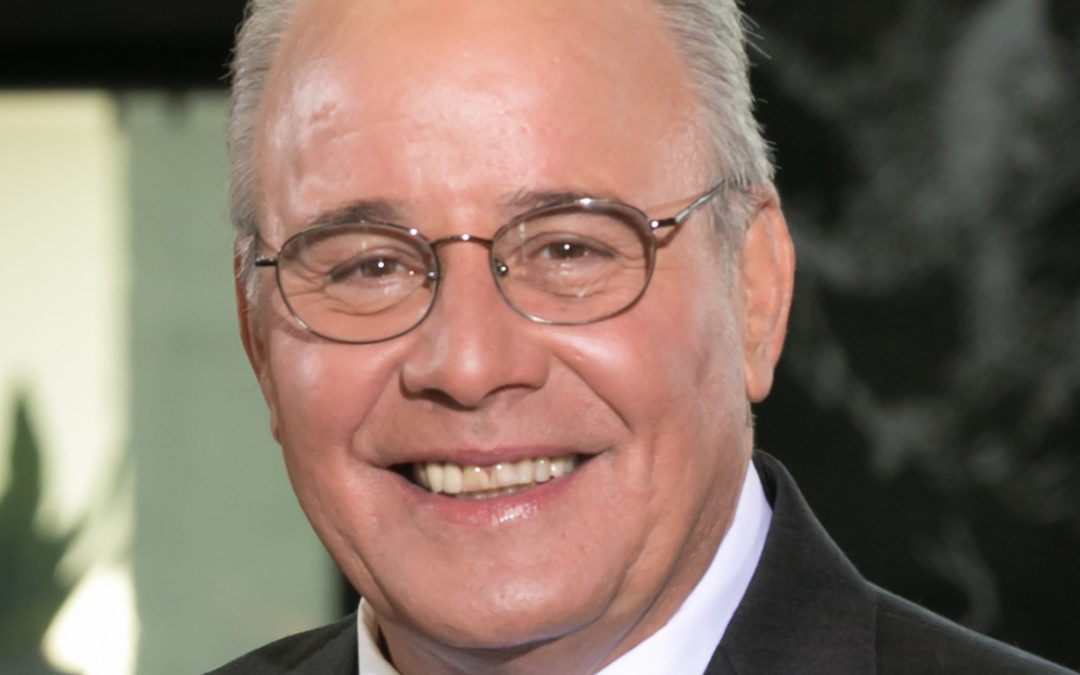
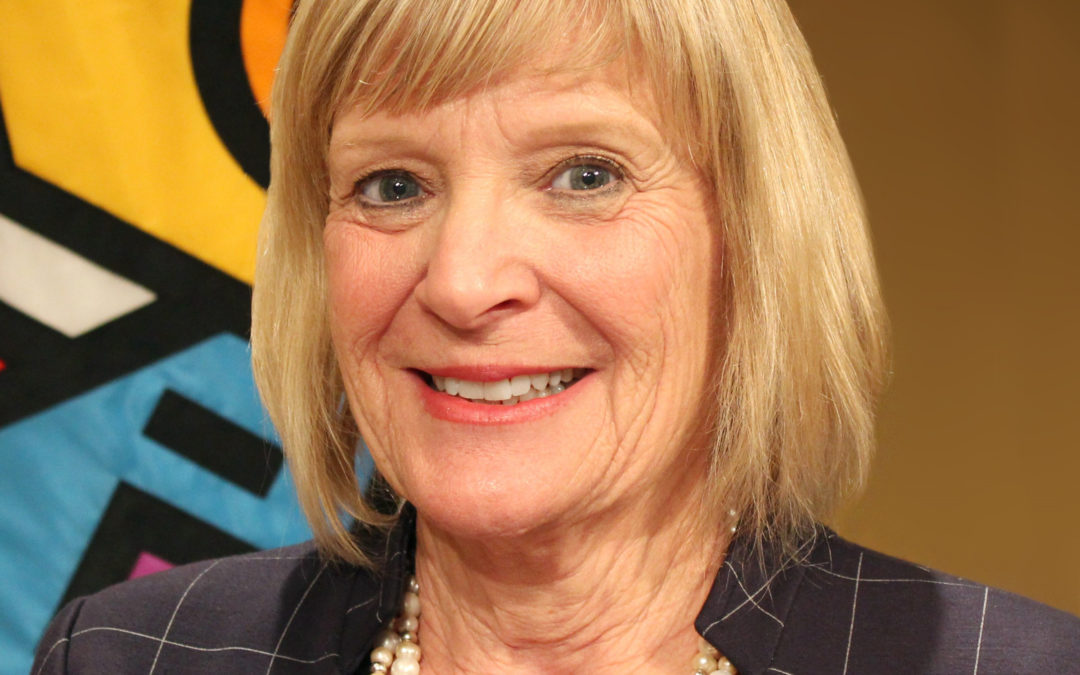
Spotlight On: Saad Ehtisham, President, Novant Health Greater Charlotte Market & Novant Health Presbyterian Medical Center

By: Max Crampton-Thomas

2 min read April 2020 —Novant Health is an integrated nonprofit organization with 15 medical centers and more than 1,600 physicians in almost 700 locations. President of Novant Health Greater Charlotte Market and Novant Health Presbyterian Medical Center Saad Ehtisham told Invest: about the group’s approach to the COVID-19 pandemic and how it is minimizing risk to patients and healthcare staff.

What accommodations is Novant Health making to handle the influx of patients due to the COVID-19 outbreak? 

Novant Health excels at being change-ready and resilient in the ever-changing world of healthcare. From the onset of COVID-19, we began assessing our readiness. Our emergency management and clinical teams have been hard at work, building on our existing plans to make sure we’re ready to manage any and all scenarios that could come with an influx of COVID-19 cases in our communities. 

At Novant Health, we made the decision to cancel elective and non-time-sensitive procedures to minimize risk to patients and our team members, conserve PPE (personal protective equipment) and be mindful of future capacity needs. We’ve also made investments to greatly increase our bed capacity across the system. As part of our commitment to patient safety, we diversify and routinely monitor our supply chain in order to be prepared and meet the needs of our patients and team members. In anticipation of a surge, our supply chain and emerging infectious diseases teams doubled down.

Outside of managing our acute care capacity, we’ve prepared for an influx of patients who need screening, testing and treatment in our ambulatory clinics, as well. Novant Health proactively stood up screening centers, respiratory assessment centers and mobile health units across our markets. This ensures we are able to test and treat, as clinically necessary, people outside of our hospitals and ensure beds are available for those who need higher levels of care.

We’re confident that we are prepared and well-equipped to safely care for our community.

How can the community best assist local healthcare providers in this time of need?

The best thing the community can do for us right now is stay home, if and when they can, and practice physical and social distancing. This will help us further flatten the curve to ensure we won’t experience a surge of patients all at once or a resurgence if we ease up on social distancing. 

If someone thinks they may have symptoms of the coronavirus or have been exposed, it’s best to first take our online assessment, call their healthcare provider, or call our 24/7 helpline 877-9NOVANT for advice on care and how to be treated. This will help us ensure only those who meet guidelines for further evaluation and testing are routed to the most appropriate venue of care, which in turn reduces risk of exposure to our team members, the community and helps us conserve valuable resources.

We each have a responsibility to do what we can to care for ourselves, our families and our neighbors. Continue to wash your hands, stay informed, stay calm, and stay home. 

What would your message be to the local community that is sheltering in place and waiting for a return to normalcy?

First and foremost: Thank you. From the #ThankYouNH posts to the purple ribbons tied around your mailboxes – we see you and we thank you. We understand this is a time of stress and uncertainty for many in our communities. This new normal is not easy, with social and economic impacts being felt deeply by many. Yet, staying-at-home, if and when you can, and practicing physical distancing is quite literally saving lives. It’s helping to ensure that those who do get sick, and not just with the coronavirus, will be able to get the care they need. So when you’re getting a little stir crazy, just try to remember why it is we’re doing what we’re doing, together, and I encourage all of us to hang in there. 

If at the end of this we look back and see that the number of cases and deaths are lower than the models predicted, that’s a good thing. It means the policies put in place and the actions taken by our communities worked to beat the coronavirus. This was not for nothing.

Where can the community go to find more resources to support your efforts or learn more about what you are doing?

At Novant Health, we are humbled by the outpouring of support from our community in our fight against the coronavirus outbreak. So many people – from all over – are reaching out to see how they can contribute and, truly, no contribution is too small. To support our efforts, visit novanthealth.org/giving. 

For up-to-date information and resources, visit novanthealth.org/coronavirus. I also encourage everyone to visit healthyheadlines.org where you’ll find truly remarkable stories about our team members who are fighting this virus on the frontlines. You can also join the conversation by following @NovantHealth on your social channels.

To learn more about our interviewee, visit: 

https://www.novanthealth.org/


South Jersey and Philadelphia transition into online learning

South Jersey and Philadelphia transition into online learning

By: Max Crampton-Thomas

2 min read April 2020 —Jefferson Health is a multistate, nonprofit health system, including teaching hospitals, centered in Philadelphia. CEO Dr. Stephen Klasko details how earlier actions helped its hospitals get ahead of the COVID-19 pandemic in terms of preparation. Klasko also outlines the actions he would like to see from the state and federal governments to deal with the fallout from the pandemic.

What accommodations have you made to handle the influx of patients due to the COVID-19 outbreak? 

No one was totally ready for this pandemic, but Jefferson Health – all 14 hospitals – had a head start in preparing because of two initiatives. More than 10 years ago, Jefferson infectious disease doctor Edward Jasper started leading pandemic drills, and he stockpiled a supply of PPEs (personal protective equipment). In fact, we even sent PPEs to New York City in the early days of the crisis. Second, in 2014, we invested heavily in telehealth, launching JeffConnect, which immediately connects patients by video-call to an emergency department physician. As a result, we didn’t have to rebuild our system when calls went from 50 a day to more than 3,000 a day. Telehealth handled the first wave of the crisis, allowing us to support COVID-19 patients at home, as well as help thousands of people who were sick but not with COVID-19.

How are you working to ensure that patients and healthcare professionals alike are maintaining a safe environment?

Jefferson Health moved very quickly to a “universal masking” policy, requiring all staff to wear masks at work, even if their patients were COVID-negative. We were one of the first hospital systems to adopt universal masking, exactly to ensure we protect our own staff. We were in close contact with our colleagues in Italy, who told us that proper protection for staff dramatically cuts transmission within a hospital. 

Because we were prepared, we are able to allow a loved one to attend our patients during end of life situations, even for COVID-positive patients. We even allow a loved one to attend labor and delivery for a birth. This requires a full procedure of having a nurse escort to attend the loved one. We did this because of the long-term psychological trauma of unresolved grief when families are unable to say goodbye in person. 

How can the community best assist the local healthcare providers in this time of need?

The first answer is the critical one: Do not spread the illness. Our frontline staff are working horrendous hours attempting to save the lives of vulnerable patients. They are isolating themselves from their own children and families in order not to spread the virus. Do not increase their already heavy workload by getting sick yourself. 

But there are also vulnerable populations who need our help. The virus is disproportionately hitting places of congregate living – that includes retirement homes and communities. It is disproportionately hitting people who are poor. And the consequences of staying home are hitting people with medical needs all across society, from uninsured women who cannot get prenatal care, to older people on dialysis. In each case, there is specific advice, which may just be to give money to help not-for-profits that are providing assistance to the poor. 

What is your message to the local community that is sheltering in place and waiting for a return to normalcy?

Many of us are concerned that people with urgent medical issues are delaying treatment plans, not collecting medications, not seeking help. Please tell your family and friends: Do not delay getting help for cardiac and stroke issues. Do not delay taking medications. Stay on your cancer treatment regimen, and if you have the opportunity to join an advanced protocol or clinical trial, you should do that. Very important: Use telehealth to get mental health support if you need it. It may take more work today than it did last year, but please get the help you need. 

Do you feel you are receiving enough state and federal support and what more is needed? 

I believe Congress should immediately convene a COVID Commission along the lines of the 9/11 Commission – it is that serious. We need immediate changes to policy to enhance innovation to fight the immediate threat, but we also need to review the financial implications of this fight for hospitals, and we need to figure out how to ensure the next pandemic doesn’t create a health and economic crisis of this magnitude. On my list of things we need: Immediate access to the internet for all citizens, not just those who can afford a data plan. We need the federal government to lead preparation for surge capacity for intensive care, responding to any crisis. We need to prepare to offer health insurance after massive layoffs. And we need to evaluate the ethics of how we pay for healthcare to ensure equity for disadvantaged communities. 

To learn more about our interviewee, visit: 
https://www.jeffersonhealth.org/index.html

https://www.jefferson.edu/

Spotlight On:  Grant Cornwell, President, Rollins College

Spotlight On: Grant Cornwell, President, Rollins College

By: Max Crampton-Thomas

2 min read April 2020 — Rollins College is a 135-year-old private liberal arts institution. President Grant Cornwell discusses how the school has adapted in the face of the COVID-19 pandemic and how faculty and staff are adjusting to the crisis, including moving to a fully online delivery of courses and one on one meetings. 

How has the transition to all online classes and education been for your university, both for students and faculty?  


In early March, Rollins started making plans to shift to virtual, synchronous teaching. Our faculty and staff immediately switched gears, canceling many spring break plans to modify their lesson plans and maximize utilization of WebEx, the internet-based meeting platform the College adopted campus-wide.  By the start of remote classes on March 23 they were fully prepared to support our students.

I have been so impressed by our creative, innovative and resilient faculty and staff who are committed to providing our students with the best and most meaningful education, even under these exceptional circumstances. Across the board, departments have stepped up to serve our students from afar. Our librarians serve as consultants, our tutors are demonstrating their online coaching skills at our Writing and Tutoring Center, one-on-one office hours are being conducted via WebEx, our health center has transitioned to telemedicine and counseling – and the list goes on and on. The Rollins community has confronted this challenge by conceiving and executing innovative approaches that continue our educational mission. 

The feedback from students has been largely positive. They are doing their part to complete the semester remotely and are eager to learn more about COVID-19 from all aspects so that they can contribute to solutions. 


How is the university working to assist the student body and faculty in mitigating the challenges and impact from the COVID-19 pandemic?  

Our Endeavor Center for Faculty Development has been working closely with our IT department to ensure that everyone has the resources they need to both teach and learn in this new environment. 

Our communication channels are open and transparent as the pandemic evolves. We created and continually update an FAQ on the College’s COVID-19 response webpage to help address questions from our various audiences and stakeholders. Regular updates are communicated through newsletters to students, faculty and staff, parents, alumni and others.  

At first, the information was largely operational, demonstrating the proactive steps we were taking to ensure the health and safety of our community. As we have stabilized and successfully developed new systems for operating remotely, we are also sharing the positive stories about the contributions the Rollins community is making to help others navigate the negative effects of COVID-19. 


Do you feel higher education is receiving enough state and federal support in this time of need?  What can the state and federal governments be doing better in this regard?  

We are grateful for the funds dedicated to higher education from the CARES Act.  Every bit is helpful as colleges and universities look to deal with budget challenges. State-funded institutions already receive government funding and that’s certainly acceptable as that is their operating model. What’s important, however, is that private colleges and universities are like private business. We run our institutions based on private revenue and, ideally, that should be accounted for if there is a future funding bill from the federal government.


As higher education adjusts to the current situation, what opportunities and innovation do you see carrying over post-COVID-19?  

This experience has emphasized that we can indeed deliver our mission to our students in a new way. In fact, remote classes should be made available to those who are ill or unable to attend a class for other reasons. Post-COVID-19, our culture will need to change to make remote accommodations for those who are vulnerable or ill.

Because the Rollins mission is so focused on community engagement, we are finding other ways to help our communities not only during these difficult days of isolation but in the future, as our country recovers. The tenets of a Rollins education community engagement, responsible leadership and global citizenship  are needed now more than ever.  


What would your message be to the university’s student population and faculty that is sheltering in place and waiting for a return to normalcy? 

Stay calm, stay home and carry on. We all have to do our part to keep moving forward to the best of our ability. Finish the semester strong and find ways to be a light to others. Keep in your sights the Rollins motto, FIAT LUX, “Let there be light.” 

To learn more about our interviewee, visit: 
https://www.rollins.edu/

Spotlight On: Gregory Sorensen, Executive Vice President and Chief Medical Officer, Tower Health

By: Max Crampton-Thomas

2 min read April 2020 — Tower Health is a regional, integrated healthcare provider/payer system that oversees six acute care hospitals and other entities serving 2.5 million people. Executive Vice President and Chief Medical Officer Gregory Sorensen told Invest: what Tower is doing to handle the influx of COVID-19 patients, the community’s role in fighting the virus and his message to the community.

What accommodations is your hospital making to handle the influx of patients due to the COVID-19 outbreak? 

We monitor our bed capacity hourly. The elimination of elective surgeries and the general decline in routine demand for care has reduced normal bed demand and is freeing up beds for possible use by COVID-19 patients. We will also coordinate bed capacity among Tower hospitals.

How is your hospital working to ensure that patients and healthcare professionals alike are maintaining a safe environment?

Safety for our employees and patients is our top priority. Like other healthcare providers, Tower Health is working very hard to manage and conserve our supplies of masks, eye protection, disinfecting wipes, gowns, and other materials related to controlling the spread of COVID-19. Our normal production sources and distribution channels have been interrupted, just as they have for every hospital in the country. While our inventories are not at normal levels, with careful management we believe we can meet current needs. We are working to acquire additional supply. We are implementing a number of strategies, including sharing supplies across Tower Health facilities; gathering supplies from shuttered outpatient clinical areas and getting them to the hospitals; and identifying alternative sources for supplies. 

How can the community best assist local healthcare providers in this time of need?

We have been gratified by the many offers from area businesses, organizations, and individuals to donate supplies and we are accepting contributions of specific items. More information is available on our web site.

What would your message be to the local community that is sheltering in place and waiting for a return to normalcy?

We encourage all members of the public to adhere to the guidance of the governor and the PA Department of Health on sheltering at home, practicing social distancing and practicing infection prevention. These steps will reduce the spread of COVID-19, which protects the community and helps ensure the safety of our healthcare team and the patients relying on us for care. Our team at Tower Health is committed and prepared to care for our communities through this pandemic. The public can contribute meaningfully to this effort by remaining at home to prevent the spread of the virus.  

Do you feel you are receiving enough state and federal support for items you are in need of? What can these entities be doing better? 

Our public health officials at the local, state and federal levels are working hard to keep the public safe during an unprecedented situation. We support their efforts and are grateful for their dedication, perseverance and leadership. 

To learn more about our interviewee, visit: 

https://www.towerhealth.org/

Spotlight On: Harvey Kesselman, President, Stockton University

Spotlight On: Harvey Kesselman, President, Stockton University

By: Max Crampton-Thomas

2 min read April 2020 —  As COVID-19 jolted all sectors of the economy, education institutions had to find a way to continue delivering education to their students. Stockton University President Harvey Kesselman described to Invest: the school’s online mobilization and what inspirations the institution is taking from this unprecedented crisis.

How has the transition to all online classes and education been for your university, both on the student side as well as faculty? 

It certainly was a challenge to move every course online in a matter of days, and to do it with most of the faculty and staff working remotely themselves. But everyone rose to the challenge. Our IT department, in particular, did outstanding work to make sure all of our technology needs were met, and assisting faculty, staff and students with any questions or problems they had. Faculty were creative in adapting their classes to ensure students still got a complete educational experience. 

Do you feel higher education is receiving enough state and federal support in this time of need? 

Right now, the government has to focus on the pandemic, as it should. Moving forward, we recognize that budgets will be tight, but we hope that there will be some recognition of the crucial work colleges and universities did to ensure students could continue their educations, and will continue to do so in the future. Many families have not been working, and financial aid at both the state and national level will be increasingly important.

As higher education adjusts to the current situation, what opportunities and innovation do you see carrying over post-COVID-19? 

The current situation has inspired faculty and staff to learn new technologies and be creative in how they use them. They are exploring new ways to connect beyond the classroom. They are hosting virtual book readings, lectures and movie discussions. They are using teaching methods and tools that could still enhance their lessons, even after students return to campus. 

To learn more about our interviewee, visit: 
https://stockton.edu/

Spotlight On: Patti Garrett, Mayor, City of Decatur

Spotlight On: Patti Garrett, Mayor, City of Decatur

By: Max Crampton- Thomas

2 min read April 2020 — The city of Decatur is among the many cities across the United States dealing with the COVID-19 pandemic. Decatur Mayor Patti Garrett discusses her city’s efforts to assist the business community and residents in this time of crisis, including the provision of loans to small businesses and an information pipeline for the community.


How is the local governance working to assist the business community in mitigating the challenges and impact felt from the COVID-19 pandemic? 

Our Community and Economic Development department has initiated a strategic marketing campaign, highlighting businesses such as restaurants and fitness facilities with links to their websites and information. You can find some examples on Instagram: https://www.instagram.com/visitdecaturga/

We also have developed an interactive map showing which businesses are open, such as restaurants that are open for take-out or curbside pick-up and retail locations with on-line ordering. Our Downtown Development manager is checking in almost daily with businesses, holding a Zoom call with retailers and a separate call with restaurants. We also have developed a webpage with resources for businesses: https://www.decaturga.com/ed/page/covid-19-resources-decatur-businesses

In addition, we have now established a small-business loan program with $400,000 from the city budget. Businesses can find more information at our website: https://decatur.civicweb.net/document/3216

What efforts is the city making in terms of assisting those residents who have become recently unemployed? 

The city has extended the grace period for city taxes to July 15 with no penalties or interest. More information on that is available here: https://decatur.civicweb.net/document/3218

Do you feel the city’s efforts toward mitigating the challenges caused by this pandemic are receiving enough state and federal support? 

Georgia cities are asking for additional assistance for cities of all sizes in the 4th Supplemental Aid Package. Our revenue streams and budgets will all be significantly impacted and we are asking for Congress to approve emergency appropriations for direct local budget relief for cities of all sizes. While private sector businesses can qualify for tax credits for wage expenses, the city is continuing to pay employees who are not able to work, such as school-crossing guards, without the same benefits afforded to the private sector.

How can the community best assist the city’s efforts in this time of need? 

We ask that citizens be patient and know that the city is committed to providing high-quality essential services. Support local businesses; practice physical distancing but not “social” distancing – stay in touch with family, friends and neighbors. Residents can also show their appreciation of the city’s front-line employees, including sanitation workers, firefighters and police officers. This can be done with a simple smile, wave or thank you.

What would your message be to the local community that is sheltering in place and waiting for a return to normalcy?

We are a resilient and resourceful community. It’s important to follow the rules as we move through this together. We are #DecaturStrong.

To learn more about our interviewee, visit:

https://www.decaturga.com/


Spotlight On: Stephanie Freeman, President & CEO, Dunwoody Perimeter Chamber

Spotlight On: Stephanie Freeman, President & CEO, Dunwoody Perimeter Chamber

By: Max Crampton- Thomas

1 min read April 2020 — Dunwoody, a city in DeKalb County and a northern suburb of Atlanta, has faced the same challenges as other cities fighting the COVID-19 pandemic. Stephanie Freeman, president and CEO of Dunwoody Perimeter Chamber, whose goal is to advance economic prosperity, relayed to Invest: the chamber’s efforts to assist the business community through this unprecedented crisis.


How is your organization working to assist the business community in mitigating the challenges and impact felt from the COVID-19 pandemic? 


At this time of social distancing, the Dunwoody Perimeter Chamber is working diligently to be the steady voice of reason and reassurance for all businesses and the entire community. While our normal plan of work may be on hold, we are here to help businesses during this time of crisis. As they work to thrive during the current economic conditions, we are here for them; providing education, assistance, resources, and if needed a confidential outlet in which to discuss the future. We have developed a web page, are communicating daily with our members, and have developed an Engage Dunwoody Facebook group encouraging the entire community to communicate during this time. 


Do you feel the business community is receiving enough state and federal support? 

While the business community is receiving support from both the state and federal governments, the guidelines and regulations are ever changing. As this pandemic and its affects continue to vary, this is somewhat expected; however, businesses and community leaders look forward to a time when standards become more finalized. 


How can the local community best assist your efforts in this time of need? 

During this time, the local community may best assist the Dunwoody Perimeter Chamber by communicating their specific needs. While we can’t fix all issues, we are here to provide resources and advocate on behalf of the business community.


To learn more about our interviewee, visit: 

 

https://www.perimeterchamber.com/


Taking the lead: Atrium Health mobilizes to combat COVID-19

Taking the lead: Atrium Health mobilizes to combat COVID-19

By: Felipe Rivas

Executive Vice President and Chief Physician Executive Scott Rissmiller details Atrium Health’s handling of the COVID-19 outbreak

Charlotte, often described as the crown jewel for economic activity in North Carolina, has been greatly impacted by COVID-19. Located in Mecklenburg County, the city known for its bustling business district and active nightlife, has embraced the various shelter-in-place measures ordered by state and local governments. Atrium Health, the county’s largest employer, is a not-for-profit that operates hospitals, free-standing emergency departments and urgent care centers. The health system has taken the lead in handling the impact of the coronavirus by anticipating the impact of the pandemic and making the needed adjustments to treat the residents of Mecklenburg County and beyond. Executive Vice President and Chief Physician Executive Scott Rissmiller details Atrium Health’s handling of the COVID-19 outbreak, including its innovative use of “virtual hospitals.”

What accommodations is Atrium Health making to handle the influx of patients due to the COVID-19 outbreak? 

While these are unprecedented times, we have had pandemics before and we prepare for them continuously. When we first saw that COVID-19 would become an issue in the United States, we immediately began mobilizing our teams to get us ready with extra supplies, develop alternate staffing plans and make accommodations for needed space. 

One of the more innovative ways we’re doing that is the Atrium Health COVID-19 Virtual Hospital. Patients whose condition allows for it can be given some mobile monitoring equipment, which allows them to remain in the comfort of their own home. We can still keep tabs on all of their vitals and have frequent touch points with them, just as we would if they were in the hospital itself. This goes a long way toward preventing additional spread, conserving personal protective equipment and freeing up additional bed space. 

We stopped doing non-essential surgeries a few weeks ago, which has also enabled us to reallocate staffing and free up additional space. All in all, we’ve identified ways to expand our patient capacity by roughly 50 percent, as we anticipate a surge of patients in April and May, which is why the stay at home directives are so important for people to observe. 

How can the community best assist the local healthcare providers in this time of need?

At Atrium Health, we have received such an outpouring of support during this pandemic. People are lining up to help make masks; they’re developing new innovations to solve problems, like using 3D printers to create face shields or repurposing a brewery to make hand sanitizer. It’s truly inspiring. We need more blood donations. Food donations are appreciated. There are many ideas about how people can be part of the community-wide effort to combat COVID-19 on our website.

Probably the biggest thing that every man, woman and child can do for us is to stay home; follow the stay at home directives. What we don’t want to see is the hospital systems in our area becoming overwhelmed with patients. The “flatten the curve” principles are absolutely what’s needed to keep the numbers of patients more manageable. This also gives us more time to see if there are medicines or vaccines that are found to be effective, and it’s possible that summertime weather may also be able to help slow down the spread. We don’t know that yet, but we believe it’s in everyone’s best interests to limit the spread now to give us the best chance to get things back under control and return to whatever normal may look like going forward. 

What would your message be to the local community that is sheltering in place and waiting for a return to normalcy?

First and foremost – do it. Please. The shelter in place has to apply to everyone for it to work. You may not get sick, or maybe get a mild case, but the person you infect may not be so lucky. That’s true even if you’ve touched something and then open the door at the grocery store. The grandmother who comes in right after you may pick up the virus from what you last touched. This virus spreads very easily, so avoid going out in public unless it’s absolutely necessary and, as simplistic as it sounds, wash your hands often. It works. 

Finally, if you are in medical distress, call 9-1-1. But if you are feeling ill, try a virtual visit before going to the hospital. It avoids you spreading what you have and helps prevent you from catching something else. If you have any type of respiratory illness and need to be seen in person at a clinic, urgent care or the emergency room, please call ahead so the healthcare workers can be ready to best assist you and limit your exposure to others. 


Spotlight On:  Babette Hankey, President & CEO, Aspire Health Partners

Spotlight On: Babette Hankey, President & CEO, Aspire Health Partners

By: Max Crampton-Thomas

2 min read April 2020 — Aspire Health Partners is Florida’s largest behavioral health nonprofit. Here, President and CEO Babette Hankey discusses the organization’s surge planning and its efforts to ensure the safety of its workforce in the face of the COVID-19 outbreak that has gripped the world. 

What accommodations is your system making to handle the influx of patients due to the COVID-19 outbreak? 

We have established Surge Plans for all of our campuses, and have made sure that every campus, team member, and individual unit is trained, prepared and equipped to absorb any surge of patients we may experience. We have isolation capacity on every unit and have identified additional units that can be used if necessary. We are also partnering with others within the community for contingency planning. 


How is Aspire Health working to ensure that patients and healthcare professionals alike are maintaining a safe environment?

The health, well-being and safety of our patients and team members are of paramount importance. We have established a single point of access for each of our facilities. We are screening everyone that enters, and only patients receiving services and staff providing those services are allowed access to our facilities. Additionally, we have initiated tele-health, tele-medicine, tele-group and tele-visit services throughout our system of care wherever appropriate to maintain social and physical distancing. We have established enhanced Infection Control processes and have established daily updates that are communicated to all staff.   Personal Protection Equipment (PPE) is provided to our staff when warranted and as new information is released from the WHO, the CDC and the DOH protocols are updated as necessary.   


How can the community best assist the local healthcare providers in this time of need?

Obviously, stay at home, practice standard precautions, and don’t go out (self-quarantine) if you are sick or have any symptoms of COVID-19 or the flu. It is important that we all stay connected for maintaining positive mental health.  Call your family, friends and neighbors and check on them. Make the connection, even if it can’t be physical. Let them know you care. Listen to them. If you begin to experience problems, physical or emotional, reach out to your healthcare provider or to a company like Aspire that has trained professionals 24/7 to assist with anxiety, depression and other feelings of despair. Aspire has a dedicated COVID-19 line for people to call: 407.875-3700 and push 2. Together, we will get through this.


What would your message be to the local community that is sheltering in place and waiting for a return to normalcy?

First and most importantly, I encourage all those who can to please stay home and adhere to the stay at home orders issued by our governor. If we all adhere to that, we can flatten the curve.  Secondly, stay informed, but don’t obsess on the news coverage. Take care of yourself, your family and your neighbors, both physically and emotionally. Take time to de-stress by walking, exercising and spending time with your family, while ensuring that all CDC guidelines of social distancing are being followed. We are all in this together and we will get through this together. We will be a stronger community in the end.


Do you feel you are receiving enough state and federal support for items you are in need of? What can the state and federal governments be doing better in this regard?

The state and federal government are doing their best to assist. We understand that this is something we have never seen before and are learning together in these unprecedented times.  While resources are limited, all levels of government have demonstrated a high level of commitment to ensuring that all available resources are tapped and committed to this effort. Our greatest challenge, which is nationwide, is having adequate PPE for our front-line healthcare workers. Our community is responding by making masks for our team members, for which we are forever grateful. As we see increased cases and have to quarantine our staff and patients, we are looking at ways to have a healthy workforce so that we can continue to meet the needs of some of our most vulnerable citizens at a time when they need us the most. 


It is imperative that we fight this as a united front and recognize the efforts that are being made throughout our nation as we navigate through these uncharted times. It is important that our leaders acknowledge the public’s heightened level of anxiety, provide reassurance and consistent messaging.  Prioritizing getting supplies, getting people well, back to their daily lives and back to work is our common goal and working together, as communities, states and a nation we will achieve this. The efforts at hand are about saving lives and coming together for a healthy and stronger community and nation.  


To learn more about our interviewee, visit: 

https://aspirehealthpartners.com/