Spotlight On: Joe Devine, Executive Vice President and Chief Experience Officer, Jefferson Health

Spotlight On: Joe Devine, Executive Vice President and Chief Experience Officer, Jefferson Health

By: Max Crampton- Thomas
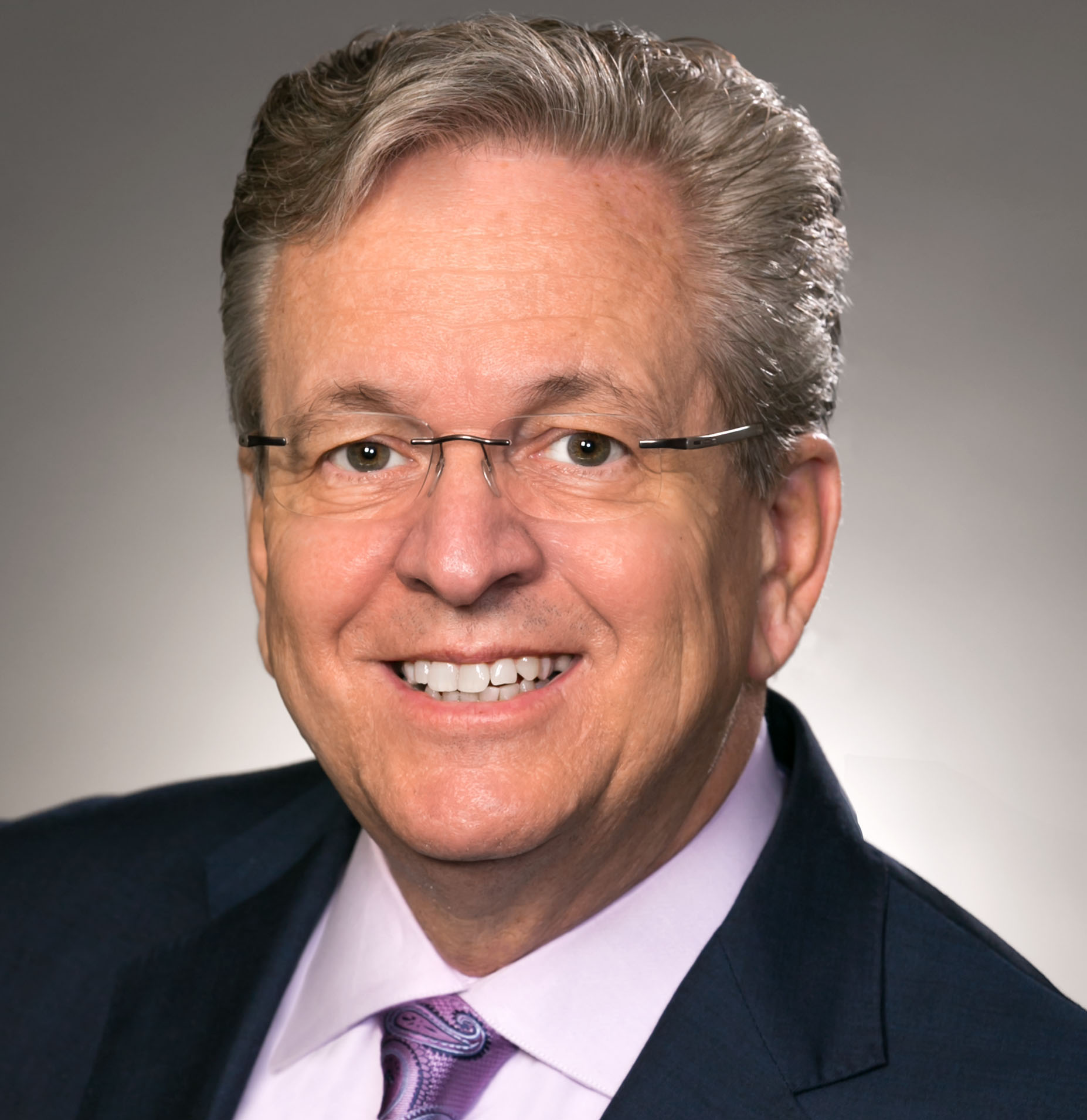
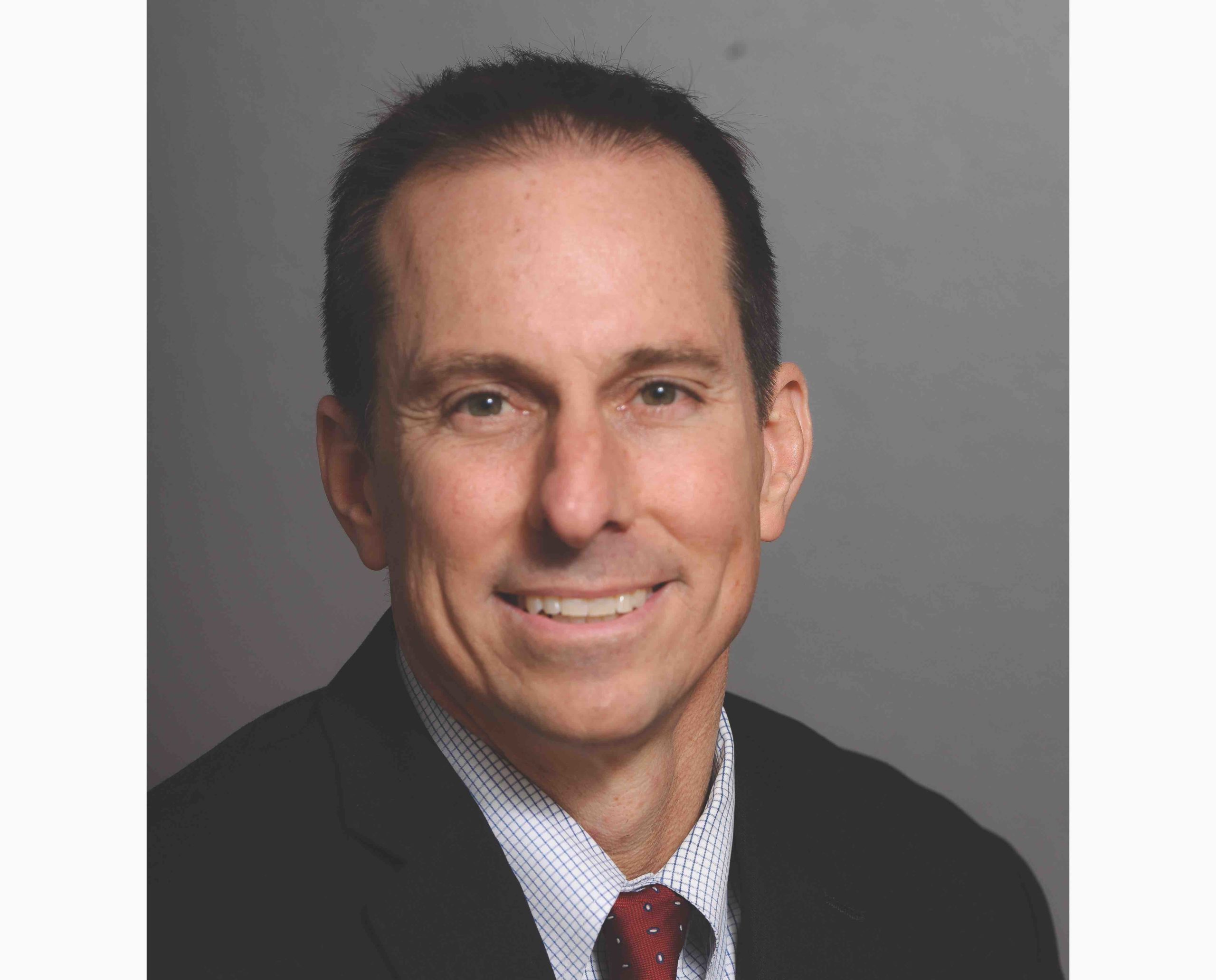
2 min read March 2020 — The healthcare industry is poised to revolutionize how it cares for its patients through cutting-edge technology, at a time when a transition toward outpatient services is further consolidating. Executive Vice President and Chief Experience Officer at Jefferson Health Joe Devine discusses with Invest: the priorities for the group amid these new trends. 


How does Jefferson Health stand out from other healthcare players in the region?

We have a seamless care system in the region. Our location in South Jersey is less than 17 miles from the main Thomas Jefferson University Hospital in Philadelphia. We also provide services in South Jersey that have historically only been provided by Jefferson in Philadelphia, such as Magee Rehabilitation, which recently opened a service at our Cherry Hill hospital. Our technological innovations and telehealth are also sizable differentiators. Jefferson is a truly focused clinical academic medical center that combines teaching and medical care. In New Jersey, we are a teaching hospital for the Rowan University School of Osteopathic Medicine, as well as a training location for the Jefferson University Physician Assistant program. 


In what ways has technology disrupted the healthcare industry?

Technology is so advanced and outstanding that it works extremely well. For example, we have a neural flow program for patients with mental health issues that helps us with their evaluation. We also have implemented home-monitoring care technology that improves access, and we have succeeded in advancing our linear accelerator when it comes to treating cancer patients, an area that is more precision-driven. The cost of such technology is higher, but we do not transfer that cost to our patients. We are working on ways to inject further efficiencies in the process to continue providing benefits to our patients, including our telehealth program (JeffConnect), 3D mammography, 3D ultrasound, and other advancements like ABUS (Advanced Breast Ultrasound System). These have gone through substantial technological improvements, which are critical in the delivery of care. Technology will continue to be at the forefront of what we do, combined with the important humanistic aspect of providing care. We are also bolstering our smartphone app platforms to improve communication and follow-up processes with our patients. JeffConnect enables patients to receive personalized healthcare through their smartphone or computer. 


How is Jefferson Health tackling the local community’s health issues?

Every three years, we are required to undertake a community health needs assessment. What is great about this initiative is that all hospitals in Camden County work with the Departments of Health to shed light on the key health categories in which we should invest. In 2017, for example, it was primarily diabetes. We created a medical school and a district program with a comprehensive diabetes management program for Medicaid recipients, powered by telehealth services and coupled with a robust home care component. It helped improve patients’ health while minimizing their hospital visits. We are looking to continue providing innovative services, while at the same time contributing to building an effective population health model, as healthcare transitions more into outpatient services. As shown from the most recent community health needs assessment, the priority continues to be tackling metabolic diseases. We have a robust diabetes education program, as well as a very successful bariatric surgery program to assist with those needs.


How does Jefferson Health contribute to local efforts to reduce the disparities in care access?

For years, we have had family health centers, which in yesterday’s terminology were called clinics. We have two robust centers, one in Washington Township, Gloucester County, that offer comprehensive internal medicine, pediatrics and OB/GYN services. The other center is located near our Stratford hospital to service the Camden County community. We see a minimum of 20,000 patients a year in those facilities. The purpose of those centers is to serve the underserved.

We also have a partnership in South Jersey with the Food Bank of South Jersey. Any one of our 5,200 employees in New Jersey can participate in some way with the Food Bank. We encourage donations four times a year. It is tied to the health of people we serve.


What are the fastest-growing areas of care and service in the South Jersey region?

End-stage renal disease is more prominent throughout this nation for a lot of different reasons. We started a dialysis program in 1992 to attend to this growing issue with a single, six-bed station. We now have 55 stations. In this market alone, there are more than 200 stations nationwide. It is something we need to address. A close second is the opioid crisis. We do see patients come back multiple times. Unless you have the right post-care model, you cannot treat this illness. Unfortunately, it is growing. Third, is cancer care. This area is becoming increasingly robust with procedures like genetic testing and screening. We are working to put models in place so that when a patient is diagnosed with cancer, we look at the entire family. 


What is your outlook for South Jersey’s healthcare sector for 2020?

The sector in New Jersey continues to grow. We have some great hospitals here. Having served as board chair of the New Jersey Hospital Association in 2019, I can attest to these outstanding facilities. By 2025, it is likely we will see the consolidation of close to five healthcare systems across the whole region. We are going to continue to expand and develop a model that provides the ability for patients to have choices and become part of our network. We are working to become the most patient-centric organization in healthcare in the region. 


To learn more about our interviewee, visit: 

https://newjersey.jeffersonhealth.org/


GFL Businesses Adapt as Coronavirus Threat Looms for US

GFL Businesses Adapt as Coronavirus Threat Looms for US

By: Sara Warden

2 min read March 2020 — Businesses across South Florida have been hit by the impact of the Coronavirus pandemic, as the government issued new advice urging people to stay home if possible. Drastic measures have been taken to prevent the further spread of the virus, but some Fort Lauderdale companies are taking the crisis in stride.


Fort Lauderdale made the decision to close all public beaches, bars, nightclubs and restaurants. All meetings of city boards and committees have been postponed until the end of March at the earliest. Only essential businesses such as pharmacies and grocery stores are excluded from the measures. The TSA reported that one of its agents at the Fort Lauderdale-Hollywood Airport tested positive for the virus, bringing the tally to two officers across the state.

“We have to do everything possible to minimize crowds and unfortunately, our beautiful beaches must be part of that plan,” said Fort Lauderdale Mayor Dean Trantalis to South Florida Business Journal. “I want to be clear that this is not an overreaction, but a way for us to help stop further cases of COVID-19 in our community.”

With the measures set to last until April 12, one of the biggest concerns for Fort Lauderdale residents – and for people all over the world – is of a potential shortage in supplies of essentials such as canned goods, medicine and toilet paper. 

As the virus response ramped up, Postmates and Walgreens announced an expansion of their partnership to allow customers to order Walgreens pharmacy goods through Postmates and have them delivered to their doors. The service was piloted in New York six months ago but its ramp up to cover a handful of cities including Fort Lauderdale comes at an opportune time to allow citizens to comfortably practice social distancing. 

Businesses are urging employees to work from home, but are threatened by a drop in productivity. Some forward-thinking businesses had already made preparations, having monitored the unfolding situation from its roots in China’s Wuhan region in December. Davie-based Bankers Healthcare Group implemented home office last Friday after extensive testing of its digital systems. 

“We’ve been preparing for this transition for more than a month, checking and testing our systems to ensure we could continue to do business as usual,” co-founder Eric Castro told South Florida business Journal. “We don’t anticipate any challenges or disruption to our business, and are confident we will not lose productivity.”


To learn more, visit:

https://www.broward.org/Airport/Pages/default.aspx

https://postmates.com/

https://www.walgreens.com/

https://bankershealthcaregroup.com/


For up-to-date advice on the Coronavirus response, you can check the CDC website here.  For Florida-specific information, click here 

Spotlight On: Mike Allen, President, Barry University

Spotlight On: Mike Allen, President, Barry University

By: Max Crampton-Thomas

2 min read March 2020 — Higher education must consistently and constantly look to innovation and diversification in order to differentiate and remain a top option for incoming students. Mike Allen, the first lay president of Miami’s Barry University, discusses how the school fosters a more diverse environment by attracting students from many different backgrounds, as well as working closely with the private sector to insert its students naturally into the workforce.


 What are Barry University’s top near-term priorities?

 If there is one area that’s really driven my time, energy and priorities, it’s our external presence as a university. This is a really impressive university in terms of our faculty, what we teach, how we teach it and the quality of experience that our students have, but not nearly enough people know about us, about how special this place is.

We have 65,000 living alumni, and they are not nearly as connected to the university as we would like them to be. That is unusual, because every time I meet some of these alumni, they are so passionate about their school, they more than like it, they love it. They had a great experience and they are excited and want to be involved, but we just haven’t had that presence out there.

Another aspect of that is our role in South Florida. Barry University is a really important part of the South Florida community. The educational institutions are pivotal to South Florida’s economy and to its families. We are working hard to increase our visibility in the South Florida community. 


How does Barry University insert itself into South Florida’s larger higher education environment?

One of the big misperceptions about Barry University and other schools like Barry, particularly in South Florida, is who we serve. People tend to think that, because we are a private institution, our students tend to be very well off financially. Certainly, some of them are, but by and large, we serve some of the most financially disadvantaged students in South Florida.

That does not say anything about their abilities. They are talented and prepared, eager to learn and bright students, but they don’t always have the financial means to fund college for themselves. We’ve become very affordable as an institution. One of the most irrelevant figures out there these days is the sticker price of admission. One hundred percent of our students get some degree of financial aid. In fact, a heavy majority of our students receive a substantial discount on their tuition, and it has become very affordable because of that.

With that, we are also able to serve one of the most diverse populations of college students that you’ll see anywhere in the country. That is a source of great pride for us. As a result, our students learn so much more than just what we teach them in the classroom. They learn from the person to their right and their left, from their roommates, because everyone is coming from such a different place.


How is Barry preparing students to enter a more demanding workforce?

One of the things that we really try to emphasize here is experiential learning. Here in Miami, I’ve been really impressed with the intentionality by which the universities and business leaders work together. I give a lot of credit to the Greater Miami Chamber of Commerce, the Beacon Council, the Executive Roundtable, among others, for a great dialogue between higher ed, industry and nonprofits about universities doing a better job in meeting the needs of employers. That is really critical to what we do.

We have a program called SMIF, the Student Managed Investment Fund, which is a group of students, led by one of our faculty members, that invests a portion of the university’s endowment. They invest almost a million dollars of our endowment every year, working alongside our investment committee and our board of trustees, as well as our professional advisers. Their earnings have mirrored or have been better than our professional advisers and this year we allocated them another $100,000 because it fits our needs in every way possible. 

We also have a really impressive media lab. The field of communications is another example of people in a liberal arts setting who want the foundations of theory but at the same time they want to be broadcasters, they want to be on the radio, on TV, reporting the news. Our media lab has a live studio, and it serves not just the “talent” folks, but also the control-room folks, putting programs on the air.

We also received a $650,000 grant from the National Science Foundation for STEM education. It provides scholarship support for students to major in STEM areas here, with the goal of increasing degree completion for low-income, high-achieving undergraduates.


To learn more about our interviewee, visit: 

https://www.barry.edu/


Spotlight On: Michael Chin, General Manager and Regional Director for Eden Roc Miami Beach/Nobu Hotel Miami

Spotlight On: Michael Chin, General Manager and Regional Director for Eden Roc Miami Beach/Nobu Hotel Miami

By: Max Crampton-Thomas

2 min read March 2020 — The hospitality market in Miami-Dade may have started to feel a level of oversaturation but the market overall is still at an advantage in comparison to other large markets across the nation due to location and a friendly tax environment, Michael Chin, general manager and regional director for Eden Roc Miami Beach/Nobu Hotel Miami Beach, told Invest:. He also discussed embracing the sharing economy as an alternative rather than increased competition in the market and the difference in demographics that options like this attract. 


With new entries into the region, do you believe the hospitality market in Miami-Dade is nearing a level of oversaturation?  


Miami is in a position where some hospitality entities feel a level of oversaturation, but I don’t think we are in that kind of market yet, especially when compared to markets like New York, Chicago, Los Angeles or Las Vegas. We have a mix of boutique and local hotels, and we are starting to see developments for the larger hotels coming into the area. This includes the expansion of some larger properties in the Downtown  and Brickell areas. The demand is still there in regard to new hotels in Miami-Dade.


What is the biggest advantage to your location in Miami Beach? 


Our biggest advantage in regard to where we are located is right out our back doors: the beach. The number of properties that have direct beach access is what people come to South Beach for. Right now, some of the hotels, like in Downtown Miami, aren’t as attractive to certain visitors coming to Miami because they don’t want to be in an urban area. They do not want to just see the water, they want to be at the water. This is why our location on the beach is probably our biggest attraction for new guests. We also have an advantage thanks to our offerings in comparison to our neighbors. We thrive off of the proximity to the Fontainebleau. We may not have the capability to have a nightclub on our premises like the surrounding hotels, but the people who come in here and visit us prefer us as an alternative place to go to eat and have a different type of experience.


How do you view newer entries into the hospitality market like Airbnb and the sharing economy? 


My background comes from a corporate hospitality structure and we addressed the issue of the sharing economy on a corporate level years ago. Since then, my stance really has not changed. We cannot view services like Airbnb as competition, they are simply just an alternative. The consumer is going to stay where they want to stay. If their preference is to have longevity and a lot of space, then they are going to choose an option like Airbnb because it is something that they will not get in a hotel. People who stay at hotels, stay based on what they are looking for. Today, the demographics related to age, income and food preferences are going to determine where a person stays more than the price of a hotel or its location. The hospitality industry has corporate executives who sit in a room and  determine how they are going to capture every type of traveler out there and how they are going to define every generation, demographic and region to find a suitable hotel choice for them. At a hotel like ours, travelers are going to stay here because they want the features of convenience in regard to housekeeping, room service, amenities and entertainment. Hotels have the consistency value. You have expectations when you stay in a hotel. There are a lot of factors that go into why a person picks and chooses where they want to stay but it all comes down to preference. 


How does the hospitality sector in Miami have an advantage over other large markets across the nation? 


People still want to go to places like Orlando, Dallas or Las Vegas, but every city has its issues, whether that’s overtaxation like in California or overpopulation like in New York. We have the opportunity to attract those tourists to a new market like Miami that doesn’t have these issues. It is about us getting out there to advertise Miami as a viable option to host both tourists and business travelers. Events like the Super Bowl help strengthen this idea.


To learn more about our interviewee, visit: 

https://www.edenrochotelmiami.com/


Miami’s Events Calendar Rocked by Coronavirus Concerns

Miami’s Events Calendar Rocked by Coronavirus Concerns

By: Sara Warden

2 min read March 2020 — Sunshine, beaches, cruises, outdoor festivals … this is Florida’s bread and butter. But what happens when a global health crisis crosses international borders? Miami’s tourism industry is now finding out.


When the novel Coronavirus (Covid-19) outbreak began spreading in China at the end of January, there was very little overseas impact and China seemed to bear the brunt of the outbreak, shutting down logistics and imposing quarantines. But as cases began popping up globally, with Italy, Iran and Southeast Asian countries particularly affected, governments started to take action. The tourism industry, as a result, is suffering. The United States currently has 140 active cases of the virus, with 11 deaths, and officials confirmed two cases in Florida on Sunday. 

Florida very much intends to maintain open borders and air travel. Two of its economic strengths are international trade, with 40% of all U.S. exports to Latin America passing through Florida, and tourism, which added an estimated $111.7 billion to the state’s economy in 2016.

Already, Miami is feeling the impact of the outbreak. This week, the city was meant to host Zendesk Relate, a 2,300-attendee conference at Miami’s conference center held by San Francisco-based customer-service software company Zendesk. But the company announced the event’s cancellation on Monday, on the same day American Airlines suspended its Miami-Milan service as the number of active cases in Italy ballooned to 2,706, with 107 deaths registered.

Another event impacted by the virus is the annual Ultra Music Festival, which organizers have reportedly postponed – potentially for a year, according to the Miami Herald. The electronic dance event typically attracts 55,000 people per day and the 2020 edition is due to be held on Bayfront Park. With tickets starting at around $300 and going up to $1,500, the impact of cancellation would be significant. “I agreed with the decision to postpone it,” City Commissioner Manolo Reyes told the Miami Herald. “And now I’m worried about the Calle Ocho Festival,” referring to the Latin music festival scheduled for March 15 in Little Havana.

Some conference organizers and attendees are attempting to postpone events until May, when there is hope the virus will be contained. But Florida Gov. Ron DeSantis is less optimistic about the impact on Florida, predicting more cases will emerge shortly.

The Medical Affairs Professional Society is scheduled to host a conference on March 9-11 but has already experienced some cancellations, according to CEO Travis Hege. The conference is still going ahead as scheduled, he told the Miami Herald. “Any deaths in Florida or outbreak in Florida is the biggest thing we are monitoring,” he said. “We’re continuing to monitor the latest developments. Otherwise, we will be proceeding as planned.”

And while cancellations of events like Zendesk Relate are not ideal, this is far from the biggest event Miami is due to hold this year. Art Basel may or may not take place in June after the Hong Kong edition was canceled and Miami Pride events will take place at the end of March and beginning of April.

But Miami-Dade Mayor Carlos Gimenez said Tuesday there is no need to cancel major events, and instead there needs to be a specific focus on protecting the elderly and vulnerable populations. “We will step up and make sure that those elderly get those services,” he told Local 10. He added that arriving visitors will be more thoroughly screened and that residents should “live your normal life (and) take just common-sense precautions.”


To learn more, visit:

https://www.zendesk.com

https://www.artbasel.com/miami-beach

https://ultramusicfestival.com/

https://www.miamiandbeaches.com/event/miami-beach-pride/2188

https://carnavalmiami.com/events/calle-ocho/ 

https://www.miamidade.gov/global/government/mayor/home.page

https://www.medicalaffairs.org/


Florida leaders monitor COVID-19

Florida leaders monitor COVID-19

By: Felipe Rivas

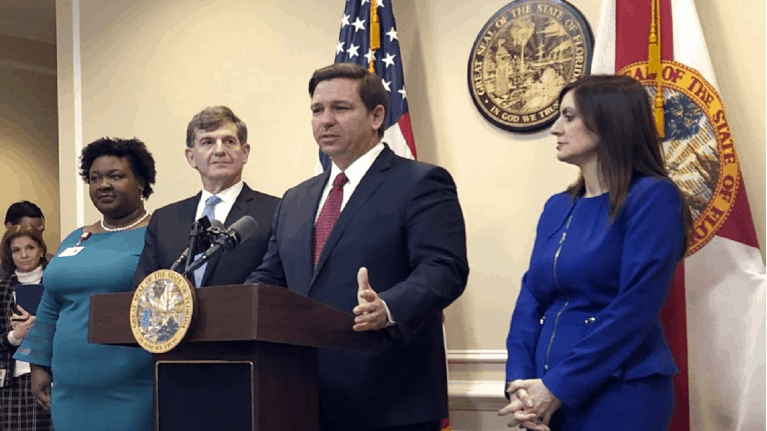
2 min read March 2020As an increasing number of countries experience outbreaks of the coronavirus, or COVID-19, Florida leaders are urging residents to stay calm despite two confirmed cases in the Sunshine State. Florida Gov. Ron DeSantis this week announced the Centers for Disease Control and Prevention (CDC) confirmed two people in Manatee and Hillsborough counties having tested positive for COVID-19, the Palm Beach Post reported. “Despite these cases, the overall immediate threat to the public remains low,” DeSantis said, according to the newspaper. State Surgeon General Dr. Scott Rivkees advised residents to stay calm. “You can go about your normal business,” he said. 


As of Tuesday, there have been 124 confirmed COVID-19 cases in the United States, according to the Johns Hopkins University Center for Systems Science and Engineering. While there have been no confirmed cases in Palm Beach, the county and municipalities are monitoring the situation closely. Town of Palm Beach officials, fire rescue personnel and law enforcement have been actively monitoring developments related to the Coronavirus since it was first discovered in Wuhan, China, the town of Palm Beach said in a press release.

The town of Palm Beach public safety personnel have reviewed and adjusted their emergency response plans in full compliance with CDC and the Florida Department of Health (FDOH) recommendations, and are prepared to handle any potential coronavirus impact in our community should it occur, the municipality announced. 

Currently, Palm Beach County schools function as normal, though the district is ramping up its cleaning methods in all schools, the Palm Beach Daily News reported. The district is buying additional bleach and wipes to disinfect surfaces throughout the school system. The cleaning initiative will be re-evaluated at the end of March “to determine if continued intensive cleaning is warranted,” the newspaper reported.

In its risk assessment, the CDC reports that most people in the United States will have little immediate risk of exposure to the virus. The COVID-19 virus is not spreading widely in the United States; however, updates are to follow, the CDC reported. There is no vaccine, so prevention is the best approach, the town of Palm Beach advised. The town recommended residents to wash hands often, avoid the touching of eyes, nose, and mouth as much as possible, and to seek out the flu shot if not done already, among other precautions.


To learn more, visit:

https://townofpalmbeach.com/CivicAlerts.aspx?AID=1204

https://www.cdc.gov/coronavirus/2019-ncov/summary.html

Spotlight On: Lynda Remund, President & CEO, Tampa Downtown Partnership

Spotlight On: Lynda Remund, President & CEO, Tampa Downtown Partnership

By: Max Crampton-Thomas

2 min read March 2020 — A downtown is the city’s core and ultimately the face of any given region, so it is important to ensure that it is as strong as possible, said Lynda Remund, president and CEO of the Tampa Downtown Partnership during a conversation with Invest:. Consistent reinvestment and place-making are major keys in unlocking the full potential of what the Downtown Tampa area can be, she said.


How important is a strong downtown to the economic growth of Tampa Bay? 


If you go to any city in the United States or around the world, you will see that a strong downtown is their central core and is really the face of that region. I believe it is very important that we have that strong city center. Downtown Tampa is growing by leaps and bounds and we are excited about that. A quick look around Tampa reveals that the Downtown area is not only growing but so are the outskirts and the suburbs. This is apparent when looking at areas like Midtown and projects like those in West Shore. We are proud that Downtown is such a strong center for our city, but happy to see that the region is developing as well.


What is the Tampa Downtown Partnership’s role in developing the Downtown area? 


We do a lot of place-making in Downtown Tampa, and it is really about creating a space for people to gather and make things happen. For example, our ambassador program, which is like a concierge on the street, helps with things like directions and restaurant suggestions. The participants are feel-good ambassadors who can talk to visitors, residents and workers who are Downtown and make sure they are happy and having a good experience. We also have our litter patrol out on the street to ensure our beautification efforts are being met. We advocate for transportation solutions for the Downtown, like safer streets, pedestrian crosswalks, wayfinding signage and anything else that is going to make a person’s experience better.


One of our top priorities is reinvesting into the Downtown area. We are looking at getting involved in some small-scale capital improvement projects. We will be reinvesting in a couple of small projects that will help pedestrian safety in regard to signage, lighting and aesthetics for the Downtown. Downtown is probably the safest place in the whole city and we are working to make it even safer. We are also bringing the International Downtown Association Conference here in October 2020. That is an audience of about 1,000 people from around the world, consisting of planners, elected officials, architects and business leaders. All of these experts will be here to share best practices and we are excited to receive them.


How important is smart growth to the development of Downtown Tampa?


Smart growth is vitally important to the Downtown region. Having a strong city center is the basis for any successful city. Tampa is now being recognized as a top spot not only in Florida, but in the nation. We have hundreds of new residents moving into this region everyday. Our statistics show that housing in Downtown alone has increased 219% in the last 11 years. I believe the growth that is happening now is sustainable growth, and I do not believe that is going to change. There are more cranes Downtown than ever before and new businesses are continuously moving in here. People are making the investment into Tampa and especially Downtown. 


What would you identify as the biggest challenge facing economic development in this region?


One of our biggest challenges in this region is obviously transportation, so having a commuter system in place will help to mitigate this issue. We often hear from big companies that are looking to move here or even conventions hoping to come here that they are looking for a place where people are able to move around easily. We are starting to provide more of these options, but we have so much more work to do to become a more viable option for people.


To learn more about our interviewee, visit: 

https://www.tampasdowntown.com/

Spotlight On: Michael Hendricks, Office Managing Partner Tampa, Frazier & Deeter

Spotlight On: Michael Hendricks, Office Managing Partner Tampa, Frazier & Deeter

By: Max Crampton-Thomas

2 min read February 2020 — Recent advancements in technology, economic uncertainty and the constantly changing needs of businesses and individuals alike have resulted in the accounting world having to expand its offerings into a multitude of advisory services. Invest: spoke with Michael Hendricks about how Frazier and Deeter, a nationally recognized CPA and advisory firm, is adapting to these changes. He also spoke about the need to attract and retain talent in an increasingly competitive talent market, and how his firm is going the extra step to make sure this young talent feels that they can have an impact on the business regardless of their tenure. 


Why is an office in Tampa Bay conducive to the overall success of the business? 


We have been in the marketplace now for five years. When identifying new opportunities, we look for areas where middle-market companies may be under-served. What attracted us to Tampa Bay was really the growth that the region has been experiencing over the past decade. We love the demographics of the region and the industries this area focuses on. We really look to get involved with the real estate, technology, distribution and manufacturing marketplaces. 


How have you seen the accounting industry evolve with recent advancements in technology?


I believe our industry is evolving quite a bit, to the point where we are going to see many tax and audit services going the way of artificial intelligence. Everything is going to be a little bit more competitive when it comes to pricing, so new ventures like consulting, back office, cybersecurity, data analytics and other consultative services is where I believe we will see our industry grow. We have been investing a lot of time into this.


What efforts have been put forth to help retain young professionals in your business? 


We have tried to keep the younger generation engaged in the business by setting up roundtable discussions and giving them a voice to present concerns to management. Every year, we pick out 10-15 individuals from our senior and supervisor levels and give them a chance to voice concerns and present ideas that they think can help resolve these issues. This activity offers an opportunity for them to grow. They are able to come to the board of partners and talk to them as a united voice. This is an ongoing process and every year we have a new group assembled. We think it is a great way to have the younger generations engage with the firm’s leadership group in a comfortable setting. The conversation can sound negative on the surface, but really it’s a great way for people to talk about what we could do better as a company. I find if you give employees at all levels a voice, they feel more invested and more ingrained in the culture, rather than just being another number in an organization.


What would you identify as the most daunting issue for your industry? 


The one issue that we consistently hear in our industry relates to talent acquisition and retention. I believe this is changing. We see a lot of students from Florida universities deciding to move to the Tampa Bay region after graduation. One of our most successful recruiting tactics has been finding people who want to live in a place like Tampa Bay but who aren’t already here. Of our last 10 hires, four have come from out of market. We offer a lifestyle in this region that is still not on everyone’s radar, and as more people find out about it, they love what it has to offer.


How can a firm like yours remain on a sustainable growth path in the case of another economic downturn? 


Planning in advance and smart decision-making is the best way to handle another economic downturn. We always look to hire good people and we will never turn down a good person if we think there is a fit. We also know our business. We are able to adapt with the range of services that we offer to our clients. We become engaged with our clients, we know the services we are offering and how they help our clients. We have to convey the value that we offer, and as long as we are doing that we should be able to withstand any downturn.


To learn more about our interviewee, visit: 

https://www.frazierdeeter.com/


Face Off: How local chambers of commerce are responding to the region’s population growth

Face Off: How local chambers of commerce are responding to the region’s population growth

By: Yolanda Rivas

2 min read February 2020 — Both the number of visitors to Orlando and its population are on the rise. The Invest: team spoke with Betsy Gardner Eckbert, president and CEO of the Winter Park Chamber of Commerce, and Andrew Cole, president and CEO of the East Orlando Chamber of Commerce, about their latest efforts to respond to the local growth and the challenges their chambers face.

Andrew Cole

How is the community responding to the region’s visitor growth?

Betsy Gardner Eckbert: The Winter Park Chamber of Commerce started several efforts to target and reach international guests. The second-biggest group of visitors that we receive in Winter Park is international. Half of the international visitors we received two years ago were coming from the United Kingdom. To respond to that demand we put together our Tourism Task Force, which created a business plan through destination marketing efforts, and as a result we had a 560 percent increase in traffic to our website from people from the U.K. We increased by 86 percent the traffic of people from the U.K. through the door of our Welcome Center. We will continue to expand our reach to international guests from different countries as well, including Canada and Brazil. 

Andrew Cole: We’re anticipating having almost 2 million people in Orange County by 2030. I think that speaks volumes, and we’re preparing for that population growth. Our transportation infrastructure is being enhanced, Virgin Trains is making its way into Orlando, the Orlando International Airport is building a new terminal, and our local governments are looking at additional transportation solutions and housing affordability issues. Businesses are expanding, creating new jobs, such as Universal Studio’s new Epic Universe theme park, Disney’s continued growth of their parks, and the Creative Village in Downtown Orlando is an innovation district for high-tech, digital media and creative companies providing new opportunities. Tourists and visitor numbers continue to increase providing plenty of opportunities for businesses to thrive. It’s exciting to know that businesses that are here and those relocating here have opportunities to grow and expand their footprint in Orlando.

Betsy Gardner Eckbert

What are some challenges for your chamber?

Eckbert: One of the challenges for our members is attracting and retaining the appropriate talent. To support them, we launched a pilot program to identify talented professionals — mostly women with impressive degrees who have stayed home to raise a family. Our program helps them get back into the workplace. Through this pilot return-to-work program we placed 83 percent of the participating women within six months in local and global companies. We are very excited to have the ability to furnish our members with a talent base of people who are reliable and have the skills and talents they are looking for. 

Cole: One of our biggest challenges is making sure that we have smart growth in that we’re looking at all aspects of the impact any new development will have on the area. We also have the battle between people who want to stay rural and those who want to see development. As long as we can plan smart growth, continue to address our challenges and remain forward thinking, I know Orlando will continue to be the place to be.

To learn more about our interviewees, visit:

Winter Park Chamber of Commerce: https://winterpark.org/ 

East Orlando Chamber of Commerce: https://www.eocc.org/