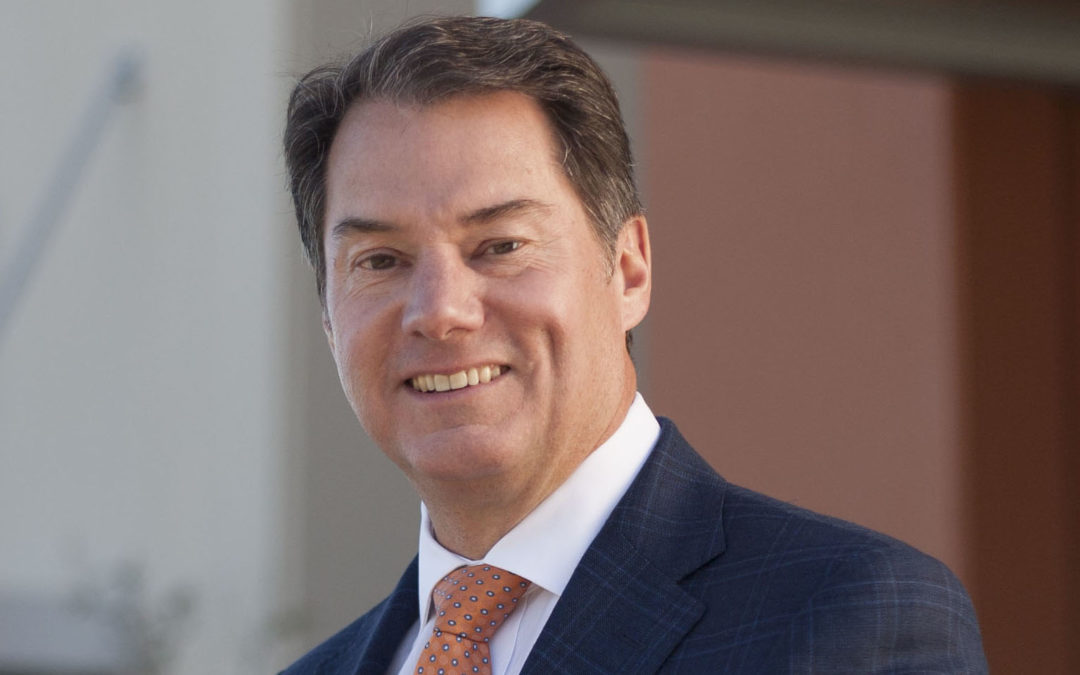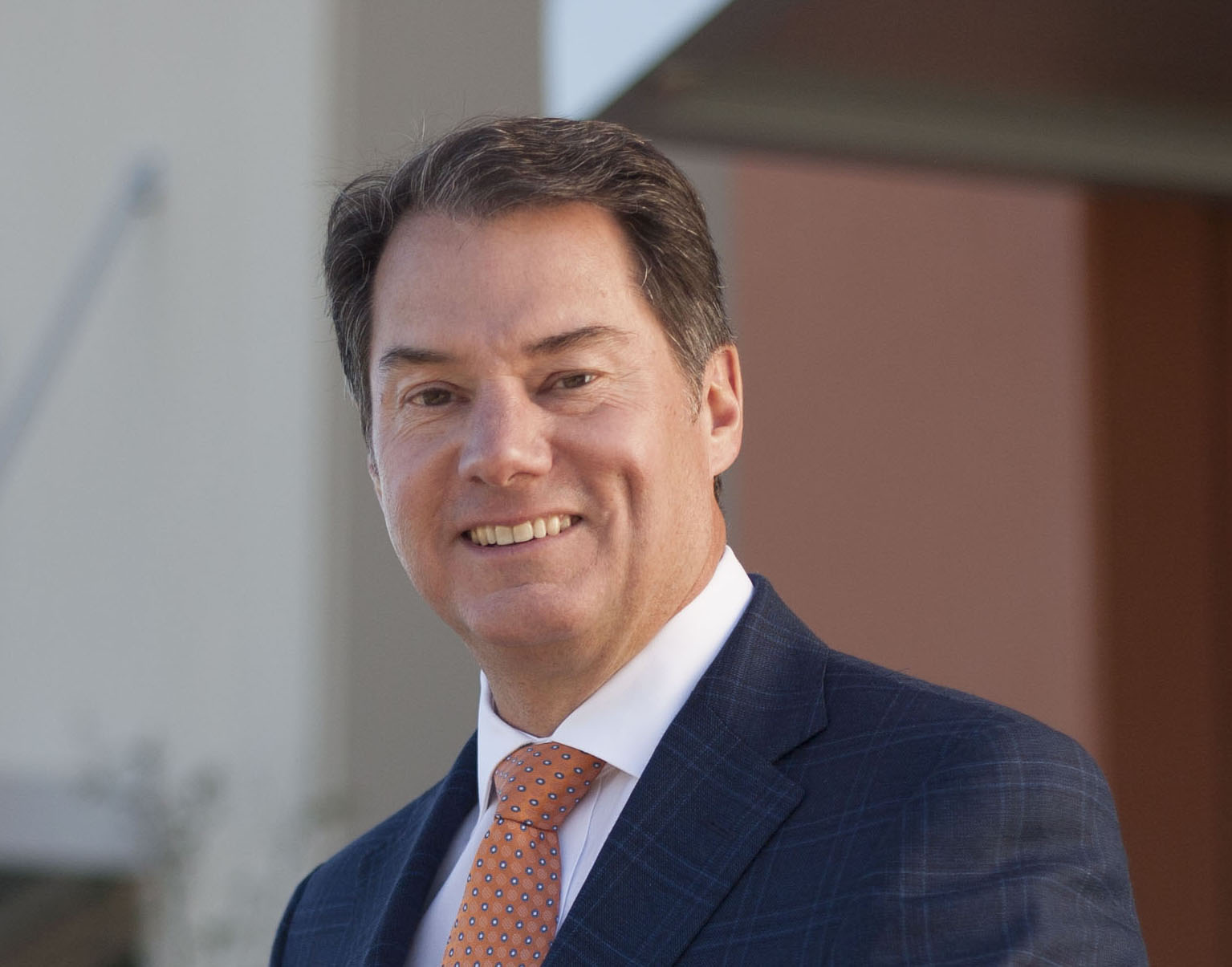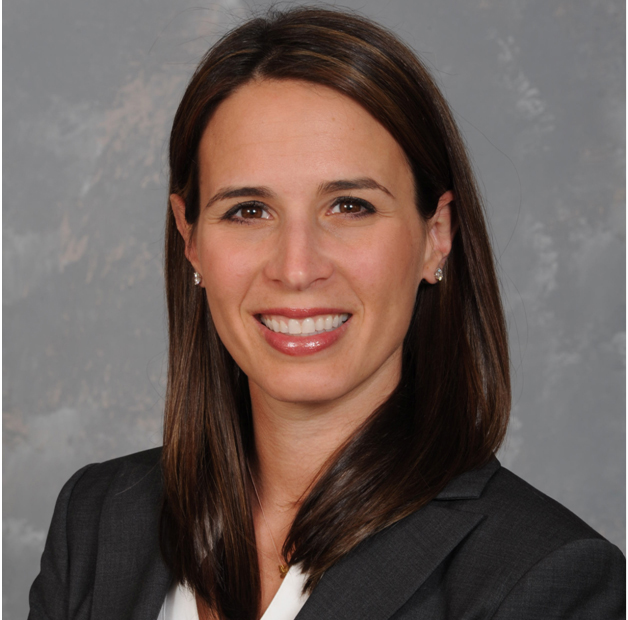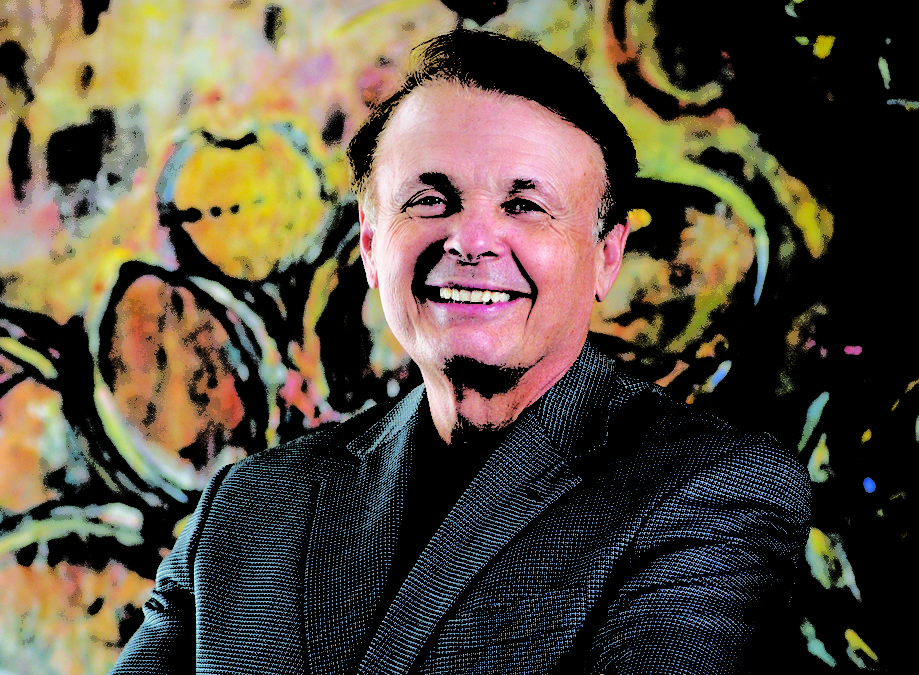
Spotlight On:  Babette Hankey, President & CEO, Aspire Health Partners

Spotlight On: Babette Hankey, President & CEO, Aspire Health Partners

By: Max Crampton-Thomas
2 min read April 2020 — Aspire Health Partners is Florida’s largest behavioral health nonprofit. Here, President and CEO Babette Hankey discusses the organization’s surge planning and its efforts to ensure the safety of its workforce in the face of the COVID-19 outbreak that has gripped the world. 

What accommodations is your system making to handle the influx of patients due to the COVID-19 outbreak? 

We have established Surge Plans for all of our campuses, and have made sure that every campus, team member, and individual unit is trained, prepared and equipped to absorb any surge of patients we may experience. We have isolation capacity on every unit and have identified additional units that can be used if necessary. We are also partnering with others within the community for contingency planning. 


How is Aspire Health working to ensure that patients and healthcare professionals alike are maintaining a safe environment?

The health, well-being and safety of our patients and team members are of paramount importance. We have established a single point of access for each of our facilities. We are screening everyone that enters, and only patients receiving services and staff providing those services are allowed access to our facilities. Additionally, we have initiated tele-health, tele-medicine, tele-group and tele-visit services throughout our system of care wherever appropriate to maintain social and physical distancing. We have established enhanced Infection Control processes and have established daily updates that are communicated to all staff.   Personal Protection Equipment (PPE) is provided to our staff when warranted and as new information is released from the WHO, the CDC and the DOH protocols are updated as necessary.   


How can the community best assist the local healthcare providers in this time of need?

Obviously, stay at home, practice standard precautions, and don’t go out (self-quarantine) if you are sick or have any symptoms of COVID-19 or the flu. It is important that we all stay connected for maintaining positive mental health.  Call your family, friends and neighbors and check on them. Make the connection, even if it can’t be physical. Let them know you care. Listen to them. If you begin to experience problems, physical or emotional, reach out to your healthcare provider or to a company like Aspire that has trained professionals 24/7 to assist with anxiety, depression and other feelings of despair. Aspire has a dedicated COVID-19 line for people to call: 407.875-3700 and push 2. Together, we will get through this.


What would your message be to the local community that is sheltering in place and waiting for a return to normalcy?

First and most importantly, I encourage all those who can to please stay home and adhere to the stay at home orders issued by our governor. If we all adhere to that, we can flatten the curve.  Secondly, stay informed, but don’t obsess on the news coverage. Take care of yourself, your family and your neighbors, both physically and emotionally. Take time to de-stress by walking, exercising and spending time with your family, while ensuring that all CDC guidelines of social distancing are being followed. We are all in this together and we will get through this together. We will be a stronger community in the end.


Do you feel you are receiving enough state and federal support for items you are in need of? What can the state and federal governments be doing better in this regard?

The state and federal government are doing their best to assist. We understand that this is something we have never seen before and are learning together in these unprecedented times.  While resources are limited, all levels of government have demonstrated a high level of commitment to ensuring that all available resources are tapped and committed to this effort. Our greatest challenge, which is nationwide, is having adequate PPE for our front-line healthcare workers. Our community is responding by making masks for our team members, for which we are forever grateful. As we see increased cases and have to quarantine our staff and patients, we are looking at ways to have a healthy workforce so that we can continue to meet the needs of some of our most vulnerable citizens at a time when they need us the most. 


It is imperative that we fight this as a united front and recognize the efforts that are being made throughout our nation as we navigate through these uncharted times. It is important that our leaders acknowledge the public’s heightened level of anxiety, provide reassurance and consistent messaging.  Prioritizing getting supplies, getting people well, back to their daily lives and back to work is our common goal and working together, as communities, states and a nation we will achieve this. The efforts at hand are about saving lives and coming together for a healthy and stronger community and nation.  


To learn more about our interviewee, visit: 

https://aspirehealthpartners.com/

Spotlight On: Reginald Blaber, Executive Vice President and Chief Clinical Officer, Virtua Health

Spotlight On: Reginald Blaber, Executive Vice President and Chief Clinical Officer, Virtua Health

By: Max Crampton-Thomas

2 min read April 2020 — Virtua Health is an award-winning nonprofit health system that provides a complete spectrum of advanced and accessible healthcare services. Executive Vice President and Chief Clinical Officer Reginald Blaber discusses the efforts at Virtua’s hospitals to fight the COVID-19 outbreak, including the formation of a dedicated team to battle the pandemic.


What accommodations are your hospitals making to handle the influx of patients due to the COVID-19 outbreak? 

Virtua Health has formed a team representing all divisions of our workforce that is dedicated to preparing for and responding to the COVID-19 outbreak. As a comprehensive healthcare system with more than 280 locations, Virtua has considerable flexibility in our ability to re-allocate resources. 


Virtua’s ICU footprint is likely to grow in the weeks ahead. We have close to 1,500 licensed beds among our five hospitals, and we are examining various configurations to ensure we can meet the need as the number of COVID-19 cases continues to grow. 


Virtua has also created temporary respiratory triage centers to support three of its emergency departments (ED). These centers are not specifically for testing for COVID-19, but help triage people who present to the ED with symptoms of respiratory illness, such as cough, sore throat or fever. Two of these centers are in tents outside Virtua Memorial and Virtua Voorhees hospitals. The auditorium inside Virtua Our Lady of Lourdes Hospital has been repurposed for this function, as well. Additional triage centers may be established at other Virtua sites, as needed. 

How is your system working to ensure that patients and healthcare professionals alike are maintaining a safe environment?

Virtua’s many classes and programs have migrated to online formats. This includes bariatric support, prenatal education and our cancer survivorship series. We believe it is vital to keep connected with our community, even if we can’t be in the same room. 


Of course, many hospital departments and services must carry on regardless of the virus. Virtua maintains its commitment to support all people who turn to us for care. As an example, we will still deliver dozens of babies every week, but we have established new protocols to help ensure those families have a safe, personalized and positive experience.


Given the widespread transmission of COVID-19 in our community and the many unknowns about this new virus, we have begun providing a face mask for all Virtua colleagues – clinical and nonclinical – working in our hospitals, patient care settings and physician offices. This includes our home-care providers. We hope that by making face masks available to every employee, we can alleviate some of the anxiety among both our staff and patients. 


Virtua’s supply chain team has worked tirelessly with both our traditional vendors and new connections to ensure sufficient supplies of masks and other PPE. Virtua has also received donated supplies from area businesses, which is greatly appreciated. We recognize that the supplies of masks and other PPE remain finite, and we are committed to being good stewards of these vital resources.

How can the community best assist the local healthcare providers in this time of need?

The best thing people can do for local healthcare providers is to help slow the spread of the virus. Therefore, we implore everyone to follow all the recommended precautions, including staying home and social distancing, abiding by travel restrictions, and keeping at least six feet or more from those you encounter. Also, make sure to wash your hands frequently, especially when returning home from outside, or use hand sanitizer when soap and water are unavailable. 


Virtua Health also asks the people of South Jersey to identify ways they can support the healthcare workers in their lives, such as assisting with chores or meal preparation. However, please be sure to remain physically distant (at least six feet apart) when providing such assistance. For instance, you could prepare a meal in your own home, and then leave it on the healthcare worker’s front porch. 

What would your message be to the local community that is sheltering in place and waiting for a return to normalcy?  

We would tell our community to remain calm and to know that by staying home, they help to improve the overall outcome of this crisis. In a time when the world beyond the front door feels out of control, it’s important to take things day by day and focus on the things you can control.

Do you feel you are receiving enough state and federal support for items you are in need of? What can the state and federal governments be doing better in this regard? 

Collaboration is essential during this national crisis, and Virtua Health is an active participant in the conversations happening on local, regional and state levels. No one could rightly say they were completely prepared for this outbreak, but as a health system, we maintain long-standing plans for 

disasters and emergencies, including pandemics. Our employees have trained for these scenarios, and they have demonstrated that they are prepared to guide our community through difficult and complicated times. They are often thought of as heroes, and I can’t think of a better word to describe them.

To learn more about our interviewee, visit: 

www.virtua.org/

Spotlight On: Dixieanne James, President & COO, Einstein Medical Center Philadelphia

Spotlight On: Dixieanne James, President & COO, Einstein Medical Center Philadelphia

By: Felipe Rivas

2 min read April 2020 — Einstein Medical Center Philadelphia is part of the Albert Einstein Healthcare Network, a nonprofit organization operating in the state of Pennsylvania. President and COO Dixieanne James discussed Einstein’s actions during the COVID-19 pandemic, including the network’s effort to ensure a safe environment and what the community can do to help during this time of crisis.


What accommodations is Einstein making to handle the influx of patients due to the COVID-19 outbreak?

Einstein activated our Incident Command Center very early in this outbreak and worked quickly to develop protocols around patient care, procurement of personal protective equipment and employee health among many others. During our work related to COVID-19, we have designated COVID-19-specific care units; developed detailed surge plans that include identifying and converting procedural areas into inpatient acute capacity, including short procedure units (SPU), post-anesthesia recovery area (PACU, Cath lab, endoscopy), cross training and redeploying staffing, including nursing, physicians and clinical technicians, and emergency department rapid assessment plans with additional surge tent capacity; installation of several additional negative pressure rooms; advanced renting and purchasing of additional equipment, including beds, monitors and ventilators; expanding to the extent possible PPE inventory (gloves, gowns, masks); and investing in new equipment and infrastructure to perform in-hospital COVID-19 l testing capacities.

How is the network working to ensure that patients and healthcare professionals alike are maintaining a safe environment?

We have established several policies to help ensure the safest environment possible for our staff and patients. These include: no visitor policy; all employee facemask policy with continually evolving guidelines; daily temperature screening for all visitors and staff; employee and patient COVID-19 testing in our practices; ongoing and real-time adjustment to practice/care recommendations based on guidance and safety updates from CDC and DOH; and additional cleaning, disinfecting and wipe downs in high traffic areas. 

How can the community best assist local healthcare providers in this time of need?

First, we ask that everyone stay home and stay healthy. Social distancing is critically important to help bend the curve.  We also encourage everyone to donate PPE when possible and look for opportunities to give blood through the Red Cross.

What is your message to the local community that is sheltering in place and waiting for things to return to normalcy?

We all have a big part to play.  The community’s part is to continue to stay home while our caregivers work each day to provide care to those in need. If we all do our part, we’ll get through this together and normalcy will return. We are incredibly resilient but it’s important that we wait until we can safely return things to normal. 

To learn more about our interviewee, visit: 

https://www.einstein.edu/

Spotlight On: Charles Muracco, CEO & Principal Consultant, CLM Advisors

Spotlight On: Charles Muracco, CEO & Principal Consultant, CLM Advisors

By: Felipe Rivas

2 min read April 2020 — Accounting and financial services are a market sector that has been on a steady growth trajectory for years, and with this growth comes a significant increase in competition and the need to differentiate. Charles Muracco, CEO and principal consultant at CLM Advisors, understands this and has evolved his firm into a pure consultancy. During his discussion with Invest:, he talked about his company’s mission, demand growth and his firm’s adaptability to dealing with the challenge of skilled labor. 


How do you differentiate your firm in a crowded marketplace? 

We are a boutique consulting firm that helps businesses with their long-term goals. Although our roots are in accounting services, we have gotten to the point where we rarely talk about tax or compliance with our clients. We focus on helping business owners think about where they want to take their business in the long term. We build businesses by creating their financial road map. We have evolved into a pure consultancy firm. Five years ago, our largest client was in the $35-million range, with the average in the range of $2 million to $5 million. Today, our largest client does $135 million in revenue, and our average is $25 million to $30 million.

Our mission is to help the economy one business at a time, by helping businesses and individuals to be fiscally responsible and understand the importance of a good fiscal strategy. We work our way back to a profit model, and then we build a series of financial projections based on a specific goal. Through this process, we can drive down metrics in every area and connect every aspect of the business to drive it to the long-term goal. 


What is one trend you have observed in recent years that you are currently navigating? 

The economy has improved in South Jersey over the last few years. Businesses are growing, but there’s always a big fear of taking risks. That is a trend we continue to see when it comes to investments and business expansion. In our approach, we devise profitability models and compare that information with what is actually going on in our client’s businesses to make sure they can make informed decisions.


In what sectors do you see the most demand for your services? 

We have a small concentration in the service industries and have been increasing our concentration in distribution companies. We are seeing growth in the construction, healthcare, retail, wholesale, and B2B types of businesses. We are seeing growth across the board, especially because we bring an outsider perspective to the companies we serve. Since we do not focus on just one industry, we are able to provide support to a variety of different types of businesses.


 What is the biggest challenge facing the firm? 

Our biggest challenge has been trying to recruit from among traditional CPAs. CPAs have been conditioned to think historically, and we’ve flipped the traditional model, using the historical information to look forward. We need professionals who have the discipline to dive deep into the numbers. Traditional CPAs are the best at that. It has been a real challenge to get these professionals to understand our business model. As a result, we have been developing our model mostly with younger professionals. In South Jersey, the biggest challenge is the labor pool. Younger professionals are leaving the state, and we need to find a way to retain them and attract more talent to the region.


To learn more about our interviewee, visit: 

https://www.clmadvisors.net/

Spotlight On: Steven McCraney, President & CEO, McCraney Property Company

Spotlight On: Steven McCraney, President & CEO, McCraney Property Company

By: Yolanda Rivas

2 min read April 2020 —  The strength of the commercial real estate sector relies on the major roadways that run in and around Orlando, Steven McCraney told Invest:. He also notes that the location of Orlando is a great anchor to position his business as it provides ease of access to everywhere the company needs to be, as well as how the primary growth of his company has clearly been the warehouse and distribution space. 

How connected is the strength of the commercial real estate market to the major roadways in Orlando? 

The strength of the commercial real estate sector relies on the major roadways that run in and around Orlando. The last 50 years in Florida were all about the I-95 corridor, from Jupiter to Coral Gables. If you were to drive that route today there is not an available parcel of land on the roadway. We believe the next 50 years for Florida are going to be primarily focused on the I-4 corridor, from Tampa Bay to Lakeland to Orlando and onto Daytona Beach. While Daytona has not started to pop yet, the thing that we know is that there are two major roadways in Daytona, I-4 and I-95, which leads us to believe that it will be a good market at some point in the near future.


Why is Orlando the most ideal location for your operations? 

The Orlando economy continues to thrive. It’s attracting new residents, it’s generating new jobs and the increased interest is driving industrial users into the market because of the ability to distribute out of the state of Florida from the region on a one-day basis. We relocated to Orlando because the area places us right in the middle of the state. We operate throughout the Southeast and Orlando, which anchors us in the middle of everywhere that we need to be. It also provides the ability to move easily throughout the Southeast because of the region’s dynamic airport.


In regard to your business operations, where have you seen the most growth?

We are industrial developers. That is our mainstay and focus. This is complemented by third-party property management. As of late, the growth has clearly been the warehouse and distribution space. The total industrial space in Orlando is 123 million square feet, which breaks down into roughly 100 million square feet of warehouse distribution, 13 million square feet of manufacturing and the remainder is made up of office, flex space and distribution product. Here’s what we know: warehouse is the new retail. If a person is ordering online, whether it’s products,  clothing or food, the merchandise is likely not coming from a store, it is almost certainly coming from a warehouse. This is attributed to e-commerce growth and third-party logistics. Over the next few years, we are going to see the markets continuing to change and expand. From an industry perspective, I believe we have a trajectory that is at least 15 years long. While the product may continue to change, that product is coming from somewhere and that somewhere is a warehouse. As social distancing is ever more important and various markets are now under a “shelter in place” order, it is clear that suppliers, like Amazon, are still delivering essentials through package products to each and every home.


What market trends have had an effect on your business? 

We are always looking for ways to leverage technology in our business. Whether it’s roofing systems, lighting or super-flat floors, we want a logistics facility to be plug and play for a customer. The biggest challenge in recent years is rising costs. This can be broken down into the rising labor cost and the cost of materials. For example, the cost to build out a 1,500-2,000-square-foot office space within a warehouse space today can easily run around $250,000. That number exceeds $100 per square foot. At the same time, we have seen strong rent growth and because of that we have been able to keep pace. As we presently enter an economic downturn due to this pandemic, one would expect the cost of goods – both labor and material – will correct. Most of us in the industry went through the last recession and we know how debilitating it was. Moving forward, we have to be cautiously optimistic as we enter this challenging economic cycle and be mindful of our leverage, occupancy, quality of tenancy and our construction exposure.  


To learn more about our interviewee, visit: 

https://www.mccraneyproperty.com/

Spotlight On: Kate Saft, Partner, Greenspoon Marder

Spotlight On: Kate Saft, Partner, Greenspoon Marder

By: Max – Crampton Thomas

2 min read March 2020 — As the epicenter of the tourism and hospitality industries, Orlando affords many opportunities for businesses within those sectors and also to the service businesses outside those sectors. During her discussion with Invest:, Kate Saft, a partner with Greenspoon Marder, spoke on the opportunities the Orlando area affords her firm, the benefits of technology and how the COVID-19 crisis is affecting business as usual. 

How has the COVID-19 pandemic affected your firm? 

 We have seen consistent delays and pauses in our financing and real estate deals as a result of the COVID-19 pandemic. Some clients are anxious to complete as many pending transactions as possible given the uncertainty of what is ahead.  Others are seeing deals in which they can be competitive in light of the interest rate drop. We do anticipate some logistical issues, particularly in-person closings, which is why online notarizations are helpful.


How does the Orlando region provide opportunity for the firm? 

Orlando is the epicenter for the tourism and hospitality industries, including, specifically, the timeshare industry. Our Orlando office focuses heavily on representing timeshare clients, hotel operators and real estate developers, and that representation has led to many legal opportunities for Greenspoon Marder. 

Within the hospitality industry there are a plethora of legal issues that arise, including real estate transactional matters, marketing matters, lending and securitization transactions, consumer litigation, employment litigation, commercial litigation, and regulatory matters under various state and federal acts, including but not limited to the Fair Debt Collection Practices Act (FDCPA), the Telephone  Consumer Protection Act (TCPA), the Fair Credit Reporting Act (FCRA) and the Fair Labor Standards Act (FLSA). 

Our firm was founded with a focus on the core practice areas of real estate litigation. We have seen demand for those practices increase, not only throughout Central Florida but across the United States. We are pleased to be able to meet the needs and demands of our clients in these areas. We are consistently looking to expand our real estate, timeshare, corporate and litigation practice areas, not only in Orlando but on a national level, as well.


Is there any particular legislation that you are keeping a close eye on in 2020?

We are closely monitoring two Telephone Consumer Protection Act (TCPA) petitions pending in the Supreme Court that challenge the constitutionality of the TCPA. In particular, there is a petition pending that questions whether a single call necessarily results in injury that is concrete for the purposes of Article 3 standing and a petition that questions whether the restrictions on using an automated telephone dialing system or an artificial, pre-recorded voice violate the First Amendment. We are very interested in the results of these petitions and how they will affect our hospitality clients.


How does new technology benefit your practice and the legal sector overall? 

Technology makes it easier for us to connect with clients and reach potential new ones. All of our employees, from partners down to staff members, have access to virtual connections to safely access our clients’ information anytime and anywhere. We hold regular meetings through video conferences, sharing our expertise, so other attorneys are aware of the practice areas within our firm. In that way, we are able to utilize the specialties of all our attorneys to assist clients who present a diversified set of legal needs.

To learn more about our interviewee, visit: 

https://www.gmlaw.com/

Spotlight On: Larry Thompson, President, Ringling College of Art and Design

Spotlight On: Larry Thompson, President, Ringling College of Art and Design

By: Max Crampton-Thomas

2 min read March 2020 — While all higher education institutions operate with the purpose of preparing students for future lifelong careers, Ringling College of Art and Design is also working to shatter the myth of the starving artist, school President Larry Thompson told Invest:. He also spoke about the increased student interest in offerings from the school, positioning the college for future long-term success and identifying the issues that need to be addressed in higher education. 


What was one of the major successes for the college in 2019?

In December 2019, we opened the Sarasota Art Museum, which is a part of Ringling College. It is built on the site of a historic high school from 1926 located right in the middle of Sarasota. We took it over because the school system was trying to find a use for it and we were looking for space for a museum. We were able to turn it into a contemporary art museum and a space for continuing studies and lifelong learning. This project has been a long time in the making, so we are quite pleased to have this as part of our campus.

Where are you seeing the most growth in terms of student interest? 

We have seen growth in our virtual reality major and have launched a new major in entertainment design. We are also seeing a huge increase in the number of students who are interested in the Collaboratory. The idea of the Collaboratory is to help our students get real-world experience working with real-world clients. We invite clients to the institution and put together teams of students who work to help solve some of the problems that clients might be having. It is a wonderful tool for the clients, and it’s great for the students because they are getting to work with real people. The projects they are working on also have true meaning. I like to tell people that one of the great advantages for our students is that it helps with the recent college graduate dilemma: They can’t get a job if they don’t have experience, but they can’t get experience if they don’t have a job. The Collaboratory gives them that experience.

How is the college working to change the perception of art as a career? 

As an art and design college, we are fully committed to shattering the myth of the starving artist. Too many people have this feeling that art and design are more of a hobby than a career and that there are no real careers out there. This has never been true and it is certainly not true in today’s society. We focus on making certain that our students, when they graduate, have great careers. Over 100 national and international companies recruit here. These are corporations like Apple, Google, Pixar and Disney. The world has changed so much, having become a much more visual world. This has created more opportunities than ever before for artists and designers.

How are you positioning the college for future long-term success? 

We have to look at what the future holds, especially in this age of artificial intelligence (AI). AI is just in the early stages but many different jobs are going to be eliminated once it takes off. We also need to be looking at where the economy is headed. Everyone needs to be positioned for the next stage, which we are calling the Creative Age. In history, we have had the Agricultural Age, the Industrial Age and the Technology Age. The Creative Age is next because creativity is going to become one of the most essential skill sets people are going to need for success in the future. I believe this is already starting to be recognized on a global scale.

What do you view as the most significant challenges facing higher education? 

There are numerous challenges facing higher education, especially private nonprofit institutions. The whole basis for the business model needs to be rethought and recreated in some manner because being so tuition-dependent is not sustainable over the long term. Tuition is at such a high level that it is almost out of reach for many people, which leads to a huge issue with students having the ability to attend a school like ours. We are doing many things to mitigate this, such as offering financial aid and scholarships, which are among our greatest fundraising needs. Every college is trying to solve the problem of the business model.


To learn more about our interviewee, visit: 

https://www.ringling.edu/

Spotlight On: Joe Devine, Executive Vice President and Chief Experience Officer, Jefferson Health

Spotlight On: Joe Devine, Executive Vice President and Chief Experience Officer, Jefferson Health

By: Max Crampton- Thomas

2 min read March 2020 — The healthcare industry is poised to revolutionize how it cares for its patients through cutting-edge technology, at a time when a transition toward outpatient services is further consolidating. Executive Vice President and Chief Experience Officer at Jefferson Health Joe Devine discusses with Invest: the priorities for the group amid these new trends. 


How does Jefferson Health stand out from other healthcare players in the region?

We have a seamless care system in the region. Our location in South Jersey is less than 17 miles from the main Thomas Jefferson University Hospital in Philadelphia. We also provide services in South Jersey that have historically only been provided by Jefferson in Philadelphia, such as Magee Rehabilitation, which recently opened a service at our Cherry Hill hospital. Our technological innovations and telehealth are also sizable differentiators. Jefferson is a truly focused clinical academic medical center that combines teaching and medical care. In New Jersey, we are a teaching hospital for the Rowan University School of Osteopathic Medicine, as well as a training location for the Jefferson University Physician Assistant program. 


In what ways has technology disrupted the healthcare industry?

Technology is so advanced and outstanding that it works extremely well. For example, we have a neural flow program for patients with mental health issues that helps us with their evaluation. We also have implemented home-monitoring care technology that improves access, and we have succeeded in advancing our linear accelerator when it comes to treating cancer patients, an area that is more precision-driven. The cost of such technology is higher, but we do not transfer that cost to our patients. We are working on ways to inject further efficiencies in the process to continue providing benefits to our patients, including our telehealth program (JeffConnect), 3D mammography, 3D ultrasound, and other advancements like ABUS (Advanced Breast Ultrasound System). These have gone through substantial technological improvements, which are critical in the delivery of care. Technology will continue to be at the forefront of what we do, combined with the important humanistic aspect of providing care. We are also bolstering our smartphone app platforms to improve communication and follow-up processes with our patients. JeffConnect enables patients to receive personalized healthcare through their smartphone or computer. 


How is Jefferson Health tackling the local community’s health issues?

Every three years, we are required to undertake a community health needs assessment. What is great about this initiative is that all hospitals in Camden County work with the Departments of Health to shed light on the key health categories in which we should invest. In 2017, for example, it was primarily diabetes. We created a medical school and a district program with a comprehensive diabetes management program for Medicaid recipients, powered by telehealth services and coupled with a robust home care component. It helped improve patients’ health while minimizing their hospital visits. We are looking to continue providing innovative services, while at the same time contributing to building an effective population health model, as healthcare transitions more into outpatient services. As shown from the most recent community health needs assessment, the priority continues to be tackling metabolic diseases. We have a robust diabetes education program, as well as a very successful bariatric surgery program to assist with those needs.


How does Jefferson Health contribute to local efforts to reduce the disparities in care access?

For years, we have had family health centers, which in yesterday’s terminology were called clinics. We have two robust centers, one in Washington Township, Gloucester County, that offer comprehensive internal medicine, pediatrics and OB/GYN services. The other center is located near our Stratford hospital to service the Camden County community. We see a minimum of 20,000 patients a year in those facilities. The purpose of those centers is to serve the underserved.

We also have a partnership in South Jersey with the Food Bank of South Jersey. Any one of our 5,200 employees in New Jersey can participate in some way with the Food Bank. We encourage donations four times a year. It is tied to the health of people we serve.


What are the fastest-growing areas of care and service in the South Jersey region?

End-stage renal disease is more prominent throughout this nation for a lot of different reasons. We started a dialysis program in 1992 to attend to this growing issue with a single, six-bed station. We now have 55 stations. In this market alone, there are more than 200 stations nationwide. It is something we need to address. A close second is the opioid crisis. We do see patients come back multiple times. Unless you have the right post-care model, you cannot treat this illness. Unfortunately, it is growing. Third, is cancer care. This area is becoming increasingly robust with procedures like genetic testing and screening. We are working to put models in place so that when a patient is diagnosed with cancer, we look at the entire family. 


What is your outlook for South Jersey’s healthcare sector for 2020?

The sector in New Jersey continues to grow. We have some great hospitals here. Having served as board chair of the New Jersey Hospital Association in 2019, I can attest to these outstanding facilities. By 2025, it is likely we will see the consolidation of close to five healthcare systems across the whole region. We are going to continue to expand and develop a model that provides the ability for patients to have choices and become part of our network. We are working to become the most patient-centric organization in healthcare in the region. 


To learn more about our interviewee, visit: 

https://newjersey.jeffersonhealth.org/


Spotlight On: Mike Allen, President, Barry University

Spotlight On: Mike Allen, President, Barry University

By: Max Crampton-Thomas

2 min read March 2020 — Higher education must consistently and constantly look to innovation and diversification in order to differentiate and remain a top option for incoming students. Mike Allen, the first lay president of Miami’s Barry University, discusses how the school fosters a more diverse environment by attracting students from many different backgrounds, as well as working closely with the private sector to insert its students naturally into the workforce.


 What are Barry University’s top near-term priorities?

 If there is one area that’s really driven my time, energy and priorities, it’s our external presence as a university. This is a really impressive university in terms of our faculty, what we teach, how we teach it and the quality of experience that our students have, but not nearly enough people know about us, about how special this place is.

We have 65,000 living alumni, and they are not nearly as connected to the university as we would like them to be. That is unusual, because every time I meet some of these alumni, they are so passionate about their school, they more than like it, they love it. They had a great experience and they are excited and want to be involved, but we just haven’t had that presence out there.

Another aspect of that is our role in South Florida. Barry University is a really important part of the South Florida community. The educational institutions are pivotal to South Florida’s economy and to its families. We are working hard to increase our visibility in the South Florida community. 


How does Barry University insert itself into South Florida’s larger higher education environment?

One of the big misperceptions about Barry University and other schools like Barry, particularly in South Florida, is who we serve. People tend to think that, because we are a private institution, our students tend to be very well off financially. Certainly, some of them are, but by and large, we serve some of the most financially disadvantaged students in South Florida.

That does not say anything about their abilities. They are talented and prepared, eager to learn and bright students, but they don’t always have the financial means to fund college for themselves. We’ve become very affordable as an institution. One of the most irrelevant figures out there these days is the sticker price of admission. One hundred percent of our students get some degree of financial aid. In fact, a heavy majority of our students receive a substantial discount on their tuition, and it has become very affordable because of that.

With that, we are also able to serve one of the most diverse populations of college students that you’ll see anywhere in the country. That is a source of great pride for us. As a result, our students learn so much more than just what we teach them in the classroom. They learn from the person to their right and their left, from their roommates, because everyone is coming from such a different place.


How is Barry preparing students to enter a more demanding workforce?

One of the things that we really try to emphasize here is experiential learning. Here in Miami, I’ve been really impressed with the intentionality by which the universities and business leaders work together. I give a lot of credit to the Greater Miami Chamber of Commerce, the Beacon Council, the Executive Roundtable, among others, for a great dialogue between higher ed, industry and nonprofits about universities doing a better job in meeting the needs of employers. That is really critical to what we do.

We have a program called SMIF, the Student Managed Investment Fund, which is a group of students, led by one of our faculty members, that invests a portion of the university’s endowment. They invest almost a million dollars of our endowment every year, working alongside our investment committee and our board of trustees, as well as our professional advisers. Their earnings have mirrored or have been better than our professional advisers and this year we allocated them another $100,000 because it fits our needs in every way possible. 

We also have a really impressive media lab. The field of communications is another example of people in a liberal arts setting who want the foundations of theory but at the same time they want to be broadcasters, they want to be on the radio, on TV, reporting the news. Our media lab has a live studio, and it serves not just the “talent” folks, but also the control-room folks, putting programs on the air.

We also received a $650,000 grant from the National Science Foundation for STEM education. It provides scholarship support for students to major in STEM areas here, with the goal of increasing degree completion for low-income, high-achieving undergraduates.


To learn more about our interviewee, visit: 

https://www.barry.edu/