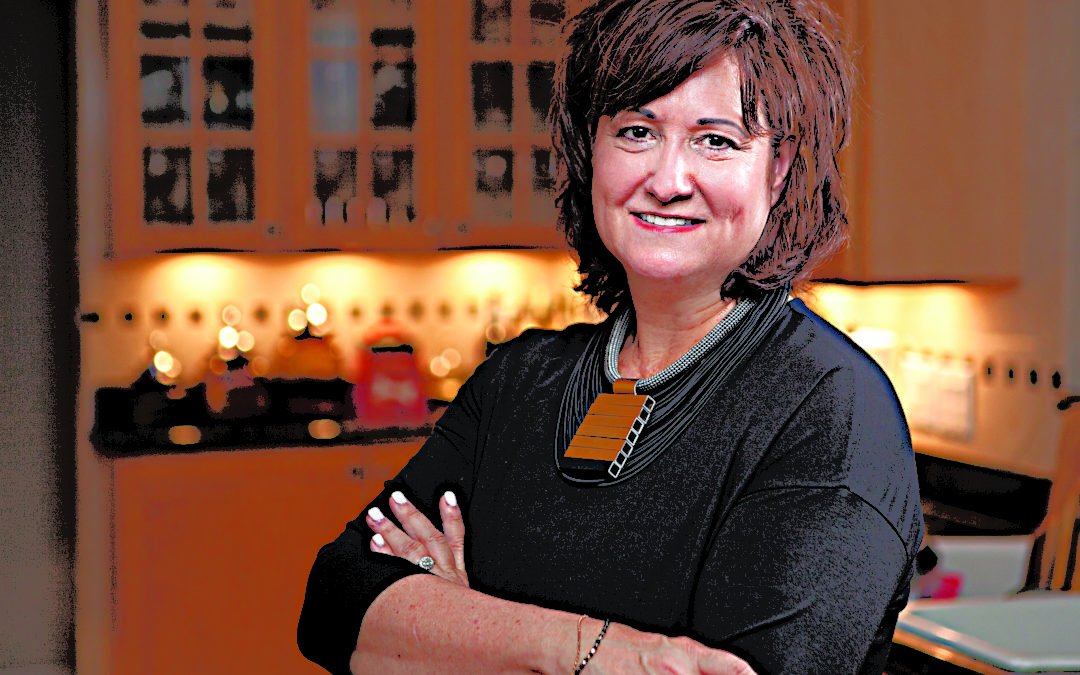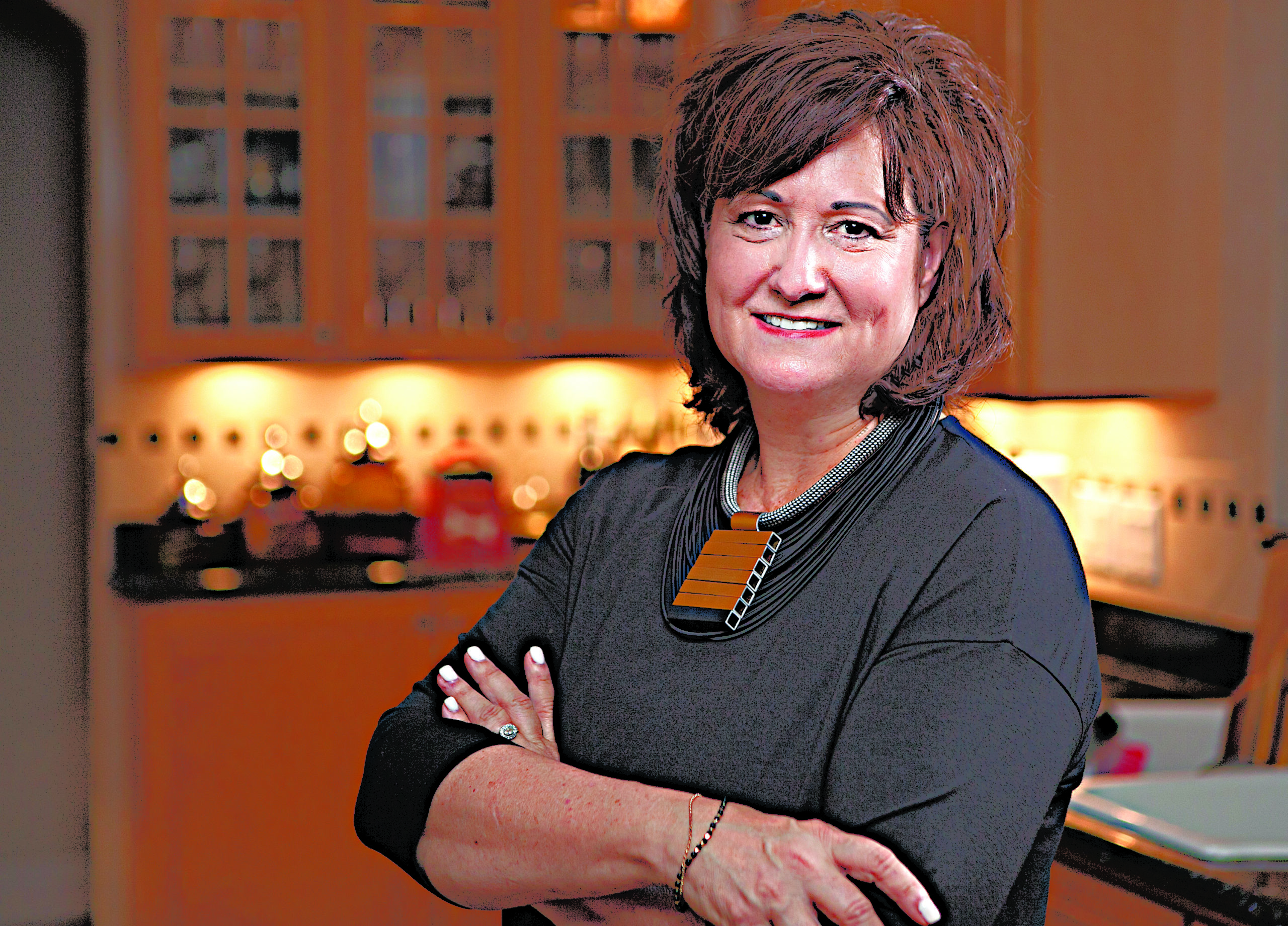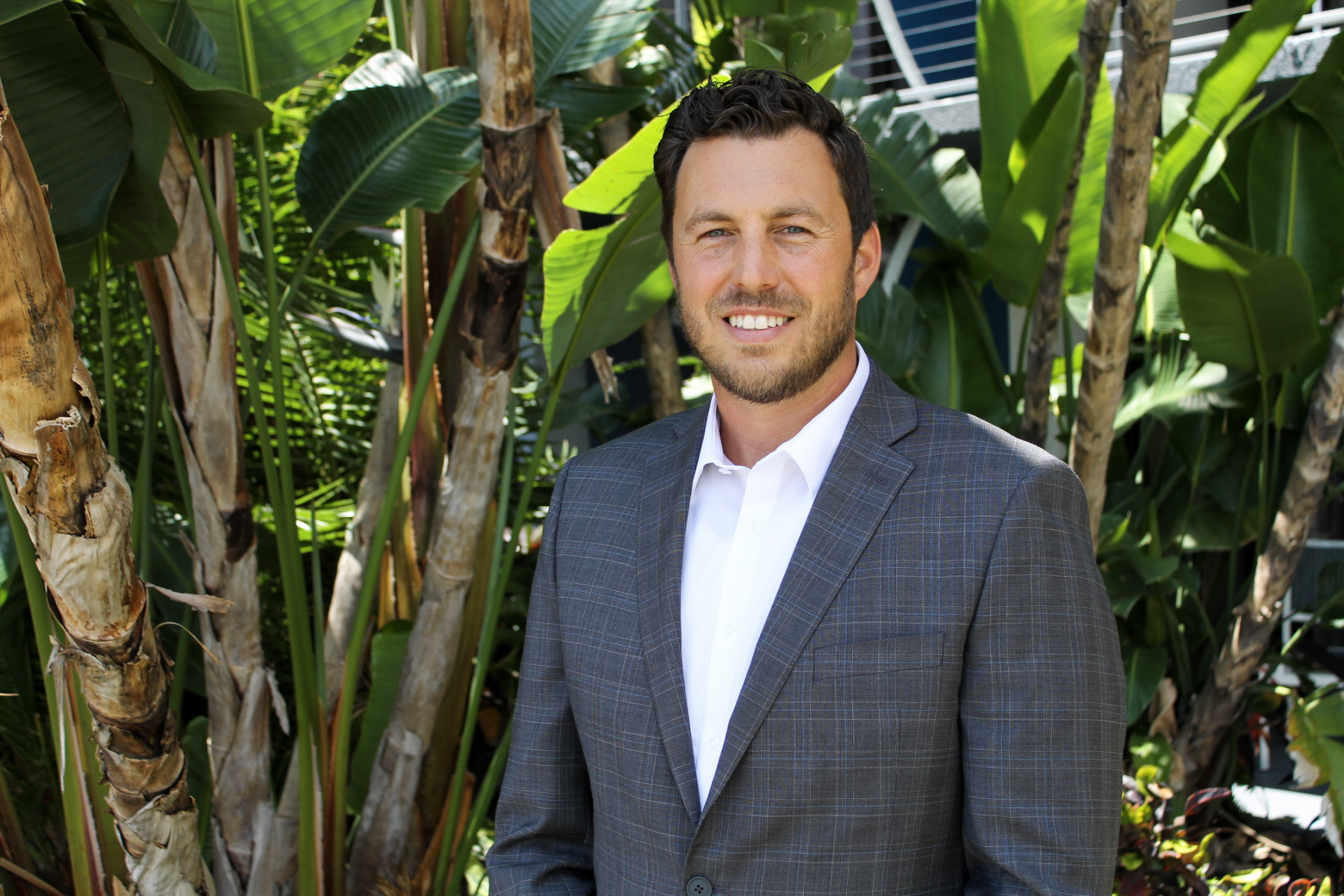
Spotlight On: Michael Chin, General Manager and Regional Director for Eden Roc Miami Beach/Nobu Hotel Miami

Spotlight On: Michael Chin, General Manager and Regional Director for Eden Roc Miami Beach/Nobu Hotel Miami

By: Max Crampton-Thomas
2 min read March 2020 — The hospitality market in Miami-Dade may have started to feel a level of oversaturation but the market overall is still at an advantage in comparison to other large markets across the nation due to location and a friendly tax environment, Michael Chin, general manager and regional director for Eden Roc Miami Beach/Nobu Hotel Miami Beach, told Invest:. He also discussed embracing the sharing economy as an alternative rather than increased competition in the market and the difference in demographics that options like this attract. 


With new entries into the region, do you believe the hospitality market in Miami-Dade is nearing a level of oversaturation?  


Miami is in a position where some hospitality entities feel a level of oversaturation, but I don’t think we are in that kind of market yet, especially when compared to markets like New York, Chicago, Los Angeles or Las Vegas. We have a mix of boutique and local hotels, and we are starting to see developments for the larger hotels coming into the area. This includes the expansion of some larger properties in the Downtown  and Brickell areas. The demand is still there in regard to new hotels in Miami-Dade.


What is the biggest advantage to your location in Miami Beach? 


Our biggest advantage in regard to where we are located is right out our back doors: the beach. The number of properties that have direct beach access is what people come to South Beach for. Right now, some of the hotels, like in Downtown Miami, aren’t as attractive to certain visitors coming to Miami because they don’t want to be in an urban area. They do not want to just see the water, they want to be at the water. This is why our location on the beach is probably our biggest attraction for new guests. We also have an advantage thanks to our offerings in comparison to our neighbors. We thrive off of the proximity to the Fontainebleau. We may not have the capability to have a nightclub on our premises like the surrounding hotels, but the people who come in here and visit us prefer us as an alternative place to go to eat and have a different type of experience.


How do you view newer entries into the hospitality market like Airbnb and the sharing economy? 


My background comes from a corporate hospitality structure and we addressed the issue of the sharing economy on a corporate level years ago. Since then, my stance really has not changed. We cannot view services like Airbnb as competition, they are simply just an alternative. The consumer is going to stay where they want to stay. If their preference is to have longevity and a lot of space, then they are going to choose an option like Airbnb because it is something that they will not get in a hotel. People who stay at hotels, stay based on what they are looking for. Today, the demographics related to age, income and food preferences are going to determine where a person stays more than the price of a hotel or its location. The hospitality industry has corporate executives who sit in a room and  determine how they are going to capture every type of traveler out there and how they are going to define every generation, demographic and region to find a suitable hotel choice for them. At a hotel like ours, travelers are going to stay here because they want the features of convenience in regard to housekeeping, room service, amenities and entertainment. Hotels have the consistency value. You have expectations when you stay in a hotel. There are a lot of factors that go into why a person picks and chooses where they want to stay but it all comes down to preference. 


How does the hospitality sector in Miami have an advantage over other large markets across the nation? 


People still want to go to places like Orlando, Dallas or Las Vegas, but every city has its issues, whether that’s overtaxation like in California or overpopulation like in New York. We have the opportunity to attract those tourists to a new market like Miami that doesn’t have these issues. It is about us getting out there to advertise Miami as a viable option to host both tourists and business travelers. Events like the Super Bowl help strengthen this idea.


To learn more about our interviewee, visit: 

https://www.edenrochotelmiami.com/



Spotlight On: Lynda Remund, President & CEO, Tampa Downtown Partnership

Spotlight On: Lynda Remund, President & CEO, Tampa Downtown Partnership

By: Max Crampton-Thomas

2 min read March 2020 — A downtown is the city’s core and ultimately the face of any given region, so it is important to ensure that it is as strong as possible, said Lynda Remund, president and CEO of the Tampa Downtown Partnership during a conversation with Invest:. Consistent reinvestment and place-making are major keys in unlocking the full potential of what the Downtown Tampa area can be, she said.


How important is a strong downtown to the economic growth of Tampa Bay? 


If you go to any city in the United States or around the world, you will see that a strong downtown is their central core and is really the face of that region. I believe it is very important that we have that strong city center. Downtown Tampa is growing by leaps and bounds and we are excited about that. A quick look around Tampa reveals that the Downtown area is not only growing but so are the outskirts and the suburbs. This is apparent when looking at areas like Midtown and projects like those in West Shore. We are proud that Downtown is such a strong center for our city, but happy to see that the region is developing as well.


What is the Tampa Downtown Partnership’s role in developing the Downtown area? 


We do a lot of place-making in Downtown Tampa, and it is really about creating a space for people to gather and make things happen. For example, our ambassador program, which is like a concierge on the street, helps with things like directions and restaurant suggestions. The participants are feel-good ambassadors who can talk to visitors, residents and workers who are Downtown and make sure they are happy and having a good experience. We also have our litter patrol out on the street to ensure our beautification efforts are being met. We advocate for transportation solutions for the Downtown, like safer streets, pedestrian crosswalks, wayfinding signage and anything else that is going to make a person’s experience better.


One of our top priorities is reinvesting into the Downtown area. We are looking at getting involved in some small-scale capital improvement projects. We will be reinvesting in a couple of small projects that will help pedestrian safety in regard to signage, lighting and aesthetics for the Downtown. Downtown is probably the safest place in the whole city and we are working to make it even safer. We are also bringing the International Downtown Association Conference here in October 2020. That is an audience of about 1,000 people from around the world, consisting of planners, elected officials, architects and business leaders. All of these experts will be here to share best practices and we are excited to receive them.


How important is smart growth to the development of Downtown Tampa?


Smart growth is vitally important to the Downtown region. Having a strong city center is the basis for any successful city. Tampa is now being recognized as a top spot not only in Florida, but in the nation. We have hundreds of new residents moving into this region everyday. Our statistics show that housing in Downtown alone has increased 219% in the last 11 years. I believe the growth that is happening now is sustainable growth, and I do not believe that is going to change. There are more cranes Downtown than ever before and new businesses are continuously moving in here. People are making the investment into Tampa and especially Downtown. 


What would you identify as the biggest challenge facing economic development in this region?


One of our biggest challenges in this region is obviously transportation, so having a commuter system in place will help to mitigate this issue. We often hear from big companies that are looking to move here or even conventions hoping to come here that they are looking for a place where people are able to move around easily. We are starting to provide more of these options, but we have so much more work to do to become a more viable option for people.


To learn more about our interviewee, visit: 

https://www.tampasdowntown.com/

Spotlight On: Michael Hendricks, Office Managing Partner Tampa, Frazier & Deeter

Spotlight On: Michael Hendricks, Office Managing Partner Tampa, Frazier & Deeter

By: Max Crampton-Thomas

2 min read February 2020 — Recent advancements in technology, economic uncertainty and the constantly changing needs of businesses and individuals alike have resulted in the accounting world having to expand its offerings into a multitude of advisory services. Invest: spoke with Michael Hendricks about how Frazier and Deeter, a nationally recognized CPA and advisory firm, is adapting to these changes. He also spoke about the need to attract and retain talent in an increasingly competitive talent market, and how his firm is going the extra step to make sure this young talent feels that they can have an impact on the business regardless of their tenure. 


Why is an office in Tampa Bay conducive to the overall success of the business? 


We have been in the marketplace now for five years. When identifying new opportunities, we look for areas where middle-market companies may be under-served. What attracted us to Tampa Bay was really the growth that the region has been experiencing over the past decade. We love the demographics of the region and the industries this area focuses on. We really look to get involved with the real estate, technology, distribution and manufacturing marketplaces. 


How have you seen the accounting industry evolve with recent advancements in technology?


I believe our industry is evolving quite a bit, to the point where we are going to see many tax and audit services going the way of artificial intelligence. Everything is going to be a little bit more competitive when it comes to pricing, so new ventures like consulting, back office, cybersecurity, data analytics and other consultative services is where I believe we will see our industry grow. We have been investing a lot of time into this.


What efforts have been put forth to help retain young professionals in your business? 


We have tried to keep the younger generation engaged in the business by setting up roundtable discussions and giving them a voice to present concerns to management. Every year, we pick out 10-15 individuals from our senior and supervisor levels and give them a chance to voice concerns and present ideas that they think can help resolve these issues. This activity offers an opportunity for them to grow. They are able to come to the board of partners and talk to them as a united voice. This is an ongoing process and every year we have a new group assembled. We think it is a great way to have the younger generations engage with the firm’s leadership group in a comfortable setting. The conversation can sound negative on the surface, but really it’s a great way for people to talk about what we could do better as a company. I find if you give employees at all levels a voice, they feel more invested and more ingrained in the culture, rather than just being another number in an organization.


What would you identify as the most daunting issue for your industry? 


The one issue that we consistently hear in our industry relates to talent acquisition and retention. I believe this is changing. We see a lot of students from Florida universities deciding to move to the Tampa Bay region after graduation. One of our most successful recruiting tactics has been finding people who want to live in a place like Tampa Bay but who aren’t already here. Of our last 10 hires, four have come from out of market. We offer a lifestyle in this region that is still not on everyone’s radar, and as more people find out about it, they love what it has to offer.


How can a firm like yours remain on a sustainable growth path in the case of another economic downturn? 


Planning in advance and smart decision-making is the best way to handle another economic downturn. We always look to hire good people and we will never turn down a good person if we think there is a fit. We also know our business. We are able to adapt with the range of services that we offer to our clients. We become engaged with our clients, we know the services we are offering and how they help our clients. We have to convey the value that we offer, and as long as we are doing that we should be able to withstand any downturn.


To learn more about our interviewee, visit: 

https://www.frazierdeeter.com/


Spotlight On: Catherine Stempien, President, Duke Energy Florida

Spotlight On: Catherine Stempien, President, Duke Energy Florida

By: Max Crampton-Thomas

2 min read February 2020 — Duke Energy Florida is not just increasing the amount of renewable power it is offering customers, with several solar plants coming online, it is also looking to harden its grid to protect it from increasingly harsh storms in the southern United States, as well as in cutting-edge “self healing” technology to reduce the impact of outages, according to Catherine Stempien, the company’s president.


 What advances have been made regarding the company’s clean energy projects in the region?


We are still in the process of building 700 megawatts of solar in our system and that will be completed by 2022. We are making significant progress on that. We are either operating or in the construction phase for about half of those megawatts. We brought two new solar plants online in December, at Lake Placid and Trenton, and we have two being completed in the first half of this year in Fort White and DeBary, with two others just announced in North Florida.


The other area where we have really made progress is in battery storage. We have said that we are going to build 50 megawatts worth of battery projects, and we have made announcements for three of these projects located in Trenton, Cape San Blas and Jennings. The battery charges when the sun is up and when the sun is down the battery discharges that energy. But batteries can do much more for our system. We have been testing a lot of cases for battery use, and the projects that we are going to be doing will help improve reliability for our customers, giving them more reliable power.


How is the company ensuring customers get the energy they need?


Our customers want power, and they want that power to stay on 24/7. We are midway through deploying our self-healing grid technology. About 50% of Pinellas County is covered by this technology now. If you think about the electric grid as a highway system, when you have a traffic jam somewhere in that system you want Waze or Google Maps to redirect you around that traffic jam. The grid works the same way: if we have an outage, or a tree falls down on a line, you want to be able to redirect the power around that problem to make sure that people get their energy. This technology does that automatically. We have sensors and communications devices all over our grid that automatically reroute the power and minimizes the problem, reducing the number of customers impacted. People might see a one-minute outage and then it will go back up again. In 2019, 150,000 outages did not happen because our system was able to reroute power, and that prevented 10 million minutes of customer interruptions. 


Why is Duke Energy pushing forward with sustainable power solutions?


Duke Energy Corp, of which we are a part, decided it was going to push itself and target climate goals that we are going to hold ourselves to. By 2030, we want to reduce our carbon footprint by 50% from 2005, and by 2050 we want to be at net zero. Duke Energy Florida is going to be an important part of the enterprise goal. We have a line of sight on how we are going to meet the 2030 goal, but we don’t have an exact line of sight into how we are going to do it by 2050. We need certain technologies to advance faster, and we need the regulators to come along with us. We believe you have to set yourself aspirational goals.


How much should companies involve themselves in sustainability efforts?


Over the last number of years, we have seen an increase in the intensity and the characteristics of storms hitting the United States. Florida is at a higher risk of getting hit by those storms. We believe we need to plan for storm events. In 2018, two major storms hit our service territory, one in Florida and one in North Carolina. Hurricane Michael was a Category 5 storm that devastated the areas it hit. We had to completely rebuild the distribution system and 34 miles of transmission lines. But it left pretty quickly. 


Another storm, Hurricane Florence, hit the Carolinas. It was a water storm that stalled over the eastern part of North Carolina and dumped rain for days, causing extreme flooding, which makes it difficult to access substations and lines. It is hard to predict these kinds of events, so we are looking to constantly improve our response, making sure we have the right crews, with the right equipment, available to restore power.


The Florida legislature recognized these challenges and passed legislation in 2019 to encourage utilities to invest in hardening their grids for storms. It cleared the regulatory path for us to work on storm hardening, from making poles stronger, undergrounding certain parts of the grid, and replacing lattice towers with monopole towers. All of this work is part of a 10-year plan to harden our system so we are prepared.


To learn more about our interviewee, visit: 

https://www.duke-energy.com/home


Spotlight On: Bill Cronin, President & CEO, Pasco EDC

Spotlight On: Bill Cronin, President & CEO, Pasco EDC

By: Max Crampton-Thomas

2 min read February 2020 — Successful economic development is a product of consistent improvement of the current situation of a region and consideration of what the long-term future could hold for that same region. In Florida’s Pasco County, economic developers are thinking about what is to come and how to create a sustainable economic growth environment by helping startups get off the ground while training a competitive workforce, taking advantage of the state’s first-rate education system. In a conversation with Invest:, President and CEO for the Pasco EDC Bill Cronin discussed these initiatives and actions at length. 


 How is Pasco County working to push forward economic development?


We want to make sure we have a good mix of both office and industrial investments in the county since large industry has a different multiplier because it attracts suppliers and others that the office investments do not. We are one of the only Economic Development Organizations to own and operate our own business incubators. These two incubators offer countywide programming, where you don’t necessarily have to be in that co-working space to take advantage of the curriculum that we offer for startups, and even for companies that are going into their second phase.


We offer micro loans through that program, and we have a regional license for CO.STARTERS, which is a curriculum that we use for startups and next-generation companies. We also use those incubators as a soft-landing place for our international FDI prospects. While many of our competitors in economic development are going after these large, established companies that have 100-200 employees, we work with them, but also with the company that says, “Hey, I just want to start sales with one or two people,” and we let them use our incubators as a landing place to get them started.


All areas, whether it is entrepreneurship, land development and making sure we have enough product, our buildings and sites, workforce development in the county as a whole — all of those are now part of the strategic plan, but also with a sense of innovation and smart growth that is interwoven through those protocols. They are verticals in our strategic plan, such as innovation and technology. When we look at a collision between areas, such as logistics and IT, or life sciences or agriculture and IT, life sciences and distribution, all of these can be tied together through innovation and smart growth.


How are you ensuring that your workforce is being trained to survive the changing economic environment?


There is a lot of confusion right now with some of these rapid changes in technology and business models. That also applies to the industries we focus on. Probably 80% to 90% of our workforce is being trained for jobs that do not yet exist. How do we make sure we are prepared for that? We started to hear this theme about competitiveness and we are making sure we have fertile conditions for that type of growth in the future. We may not know everything but what we do know is that we’ve got to be ready and have the right conditions for these things to be deployed.


How are you looking at sustainability regarding the county’s economic growth?


We need to make sure that when it comes to jobs and recruitment, we are creating jobs for everybody. If you put too much emphasis on high-impact jobs alone, they won’t trickle down by themselves. You still need to make sure that every single layer of the economy and socio-economic strata has the right jobs for the right people. That is important because if you don’t do that then people will have to move away, and we will have to import talent to some extent.


In the last couple of years, Florida has been among the leading destination states for migration. We are looking at around 180 people a day coming into this region, and the state sees around 1,300 people a day. With that many people moving in, our business community has been able to take their pick of all the people coming in, and in times of low unemployment it is usually hard to find talent. You have to steal it from someone else or grow it internally. But because of interstate migration, we have been at full employment for a long time now and we still have access to talent. That’s because all these people are moving here everyday. The reason they are moving here is because things are not as good somewhere else, or they prefer it here. We have to make sure that our environment continues to be better than that of our competitors, and that we provide a good tax environment, which we have. We are also the fastest-growing region in the United States and the largest consumer market in the Southeast. You see a lot of that migration because of things like that, and because of quality of life and education. Our state university system is now No. 1 in the nation.


To learn more about our interviewee, visit: 

http://pascoedc.com/


Spotlight On: Silvana Capaldi, Founding Chair, Alliance of Merger & Acquisition Advisors of Tampa Bay

Spotlight On: Silvana Capaldi, Founding Chair, Alliance of Merger & Acquisition Advisors of Tampa Bay

By: Max Crampton-Thomas

2 min read January 2020 — The long-term success of any economy is predicated on both organic growth and consistent M&A activity within the business community. Founding Chair of the Tampa Bay Chapter of the Alliance of Merger & Acquisition Advisors Silvana Capaldi believes the Tampa Bay Region is booming with new opportunities for business deals and the business experts she represents are there to help business owners and investors make the most of their businesses.


What is happening in the Tampa Bay Region market that makes it attractive for an advisory body such as the Alliance to decide to set up shop here?


According to the Census Bureau, Tampa Bay is one of the fastest-growing areas in the United States, which is great for our local businesses, businesses relocating here and startups. We have an enthusiastic entrepreneurial spirit and a very strong, engaged business community. Our support system and services for our young, innovative business startup space continues to grow. We want to see businesses thrive and our goal is to provide education and resources to business owners and business professionals.  Business owners are reluctant to attend events for fear of being bombarded with people selling to them. It is our mission to provide a venue where they can hear local business owners share their lessons learned and showcase the talent pool of experts in our community: investors, business leaders, organizations and mentors who are invested in Tampa Bay.  


Have you seen a significant uptick in M&A activity in the region?


With our favorable economic condition, availability of bank loans and private equity accessibility, we have seen an increase in M&A activity. For example, ConnectWise acquired companies and then sold to a private equity group, while PGT Innovations acquired NewSouth Window Solutions.  

We see companies looking for strategic growth through M&A. They may be looking to gain market share, expand talent pool, gain resources or eliminate competition.   

In addition, the benefactors of the M&A deal now have capital to reinvest. These business owners are experienced people feeding back into the entrepreneurial ecosystem, building companies that will one day sell again.


Where are you seeing the most demand for the services the Alliance provides?


The Alliance is both an educational and resource platform for business owners. We want business owners to have an understanding of the options they have, whether they are selling their business, passing the business to family or employees, or growing their business with an investor. So often we hear from business owners stating that they were unaware of options available to them when deciding to exit. We engage speakers with the business owner in mind. 


What is the value added by the professional services you offer in facilitating business deals?


There are so many moving parts in a business deal. We provide valuable resources and have a network of professional experts to work with the business owner to maximize valuation and expose them to the right opportunities.


Companies that have approached a transaction intermediary, hoping to sell their businesses, are often turned away for not being “market ready.” Those that go to market sell for a lower value. Then there are deals that fall apart when they get to the due diligence. I worked as a consultant for an insurance agency and the owner claimed he was 100% owner. Through the due diligence process, the client neglected to share that there were two family members who had ownership in the company.


Business owners often think that their business is worth more, only to be disappointed at the number after the valuation. That’s when a professional can come in and suggest adjustments that would increase the value. For example, the buyer may want to know what prospects are in the pipeline, projected future sales, reports or what CRM they are using.  Not having that information or tools can decrease the value of the company.


What is your view of the Tampa Bay Area market in the near term?


This is an exciting time for Tampa Bay. We will continue to attract businesses that want to relocate here,  and companies that are being formed. Business owners that have exited their businesses are reinvesting into companies. Our entrepreneurial ecosystem will continue to draw young innovators. The University of Tampa’s John P. Lowth Entrepreneurship Center, a partner of the Alliance, is committed to helping innovative startups gain traction, which equates to continually drawing and retaining entrepreneurs. Tampa Bay communities will continue to invest in an already exceptional entrepreneurial ecosystem, allowing Tampa Bay to become recognized as the place to invest.


To learn more about our interviewee, visit: 

https://www.amaaonline.com/tampa-bay-chapter/


Spotlight On: Stan Lifsey, Co-Owner, The Current Hotel

Spotlight On: Stan Lifsey, Co-Owner, The Current Hotel

By: Max Crampton-Thomas

2 min read January 2020 — In 2020, creating experiences and innovation are two of the main keys to success in the hospitality industry. Stan Lifsey, the co-owner of The Current Hotel, recognized this and used it to help develop one of the newest hotel offerings in the Tampa Bay region. After receiving an initial positive reception, Lifsey is looking to continue capitalizing on the momentum while also pushing the hotel’s innovative approach to hospitality as customer demands continue to change. 


 How are visitors and residents in the Tampa Bay community reacting to the newest addition to the hotel scene? 


We wanted to take advantage of our strategic location on the water, so all 180 rooms have a waterfront view. We also wanted to partner with the best local brands in Tampa Bay and feature them, along with other local artists, in our hotel. This hotel is a one of a kind product and in a one of a kind location. We have been open for a short while, but so far we are very happy with how we have been received by the local community and the visitor turnout to the hotel. The customer feedback from both locals and visitors has been extremely positive, especially regarding the unique brand and design we have brought to Tampa Bay. We built this hotel with the idea to break the mold and cookie-cutter box that the hospitality sector in this region seemed to be stuck in with regards to architecture, interior design and concept.


Do you believe the demand curve will support the multiple new hotels coming online this year in the region? 


I believe the demand curve will be able to support all the new hotel inventory coming online, but that is with a caveat. I’d be interested to see how many of the current deals actually end up being built because of rising construction costs. Construction costs are at an all-time high, construction labor is incredibly tight and land is expensive. We were fortunate enough to have built when we did, but this market is becoming increasingly challenging. It requires a lot of equity to get these deals done and built.


Having all this new supply of rooms in the market is providing positive momentum and growth to the Tampa Bay Region and certainly makes entities like Visit Tampa Bay and the Tampa Bay Sports Commission’s jobs a little easier. Being able to offer this type of innovative product that is coming online really speaks to the evolution of the Tampa Bay hospitality market. We have been an undervalued market for quite a while, but with all the free press that Tampa Bay is receiving thanks to massive development’s like Water Street Tampa, it is driving more people into the region, which increases the demand for more hotels. All of which is ultimately great for the economy of the entire region.


How have you seen the hospitality industry adapt to changing customer demands? 


The overall hospitality market is moving more toward unique guest experiences. Guests want a different vibe and experience whenever they visit a new hotel. This is where the hospitality market is going not only for leisure travelers but also for corporate travelers. The upfront cost may be more to developers and owners but on the back end, your rate and the desire of people wanting to frequent your hotel is much greater.


The idea when building this hotel was that we didn’t want to adapt to anything. We wanted to be  contrarian and blaze our own path. When we started this whole process, we had to engage a branding company and we went through about nine months of branding. Current was not just something that we landed on. The Current name is to do with the fact that we are on the water. It is also a nod to our wave ceiling inside the hotel lobby rotating art gallery and that we want to always be current and innovative in our approach. We always want our brand to shine through in everything we do, which ultimately benefits the customer experience.


To learn more about our interviewee, visit: 

https://www.marriott.com/hotels/travel/tparo-the-current-hotel-autograph-collection/


Spotlight On: Shaun Kwiatkowski, General Manager, The Godfrey Hotel and Cabanas Tampa

Spotlight On: Shaun Kwiatkowski, General Manager, The Godfrey Hotel and Cabanas Tampa

By: Max Crampton-Thomas

2 min read January 2020 — The hospitality industry in Tampa Bay welcomed several new hotel offerings into the marketplace in 2019, and 2020 is going to see the introduction of even more inventory. Invest: spoke to Shaun Kwiatkowski, the general manager of one of the newest offerings to the Tampa Bay region, The Godfrey Hotel and Cabanas Tampa.  Besides a bountiful 2019, Kwiatkowski also spoke about the importance and benefits of operating as an independent brand in a market that is saturated with corporate offerings, as well as his view on the impact of the sharing economy in the Bay. 


How would you describe The Godfrey’s performance in 2019? 


In 2019, we enjoyed the continued market penetration of our brand. We are still pretty new and usually the ramp-up period for a hotel brand in this market can take up to five years to really penetrate and become established, especially a new, independent hotel like The Godfrey. We do not have the Marriott or the Hilton behind us, so we have to rely on a lot of specific strategies to execute. We feel that we have been able to penetrate the market effectively in a short period of time. We have had a lot of growth, which we measure by ADR growth. We had almost double-digit ADR growth last year, which equates to RevPar growth in the hotel’s revenue results. We’re very thankful and proud that we have been able to grow that ADR a little bit faster than the market as a whole. When you look at the Tampa Bay market this past year, occupancy rates had stayed pretty much flat, but I believe that has a lot to do with the additional room supply coming into the market. 


How has operating as an independent brand been beneficial and a challenge to the hotel? 


Being an independent brand can create benefits, but there are also challenges to that. As the business and the industry have evolved, demand has changed and today, many people want something different from the corporate type of hotel. Not to take anything away from those brands, but people do want to have the unique and fun experience that an independent brand can provide, similar to our food and beverage experience in WTR Pool & Grill. That is exactly who we are. If we look at the market as a whole, we are starting to see some of those big-name brands evolve into a more independent style. We are seeing those independent, millennial-focused brands growing in popularity, especially in this area.


A big challenge for us across the industry is employee retention and finding the right talent. We drive employee retention through the culture that we create within the hotel. If we find a good employee, we reward them and we guide them through their career. When we are looking at recruiting people to fill our open positions, it is more about the person than their skills. I can teach you most of the skills to be a front desk agent or to be a server, but I can’t teach you to smile. I can’t teach you to be positive and warm. This means we always have to be in our recruiting mindset and look for those individuals who have the hospitality spirit.


How has the sharing economy impacted your business, if at all? 


In regards to the impact from the sharing economy and things like Airbnb, there’s enough room for everyone to play, from our perspective. The Godfrey has not seen a major impact from the sharing economy. If the average person does a normal search of Airbnbs in this region, there is not as large an inventory as you might find in Boston or Chicago. That being said, when we look at what Airbnb is doing and the future of their booking channel, that is something that’s on our radar. If there is an opportunity there that works for us, we are going to investigate it and see if there is enough return on investment to try and implement something similar.


To learn more about our interviewee, visit: 

https://www.godfreyhoteltampa.com/


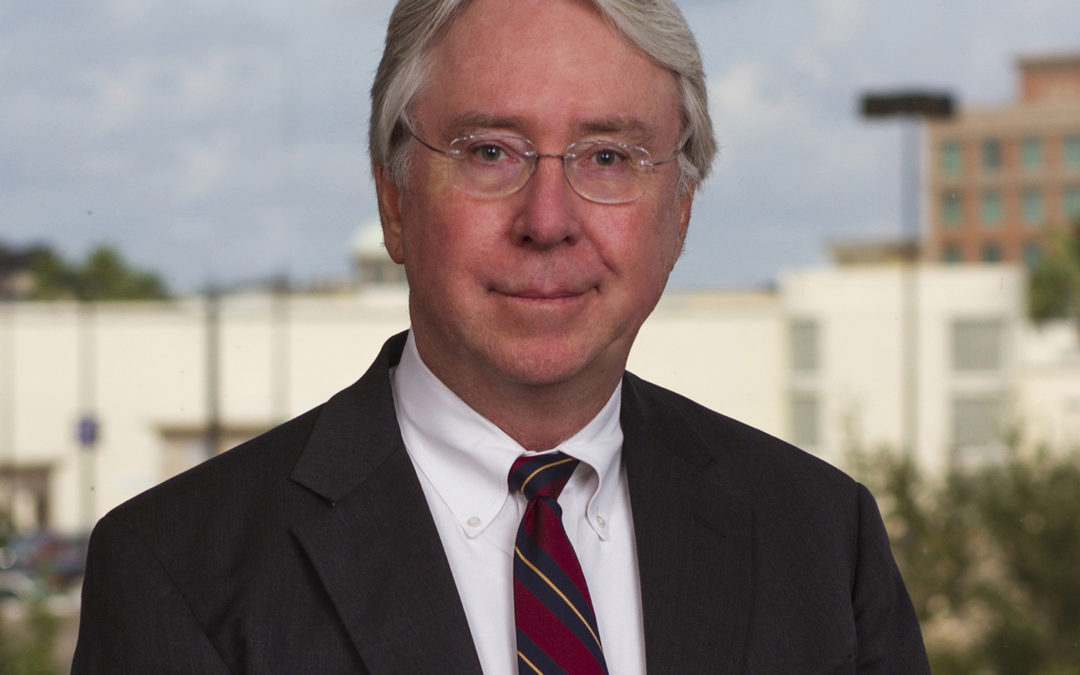
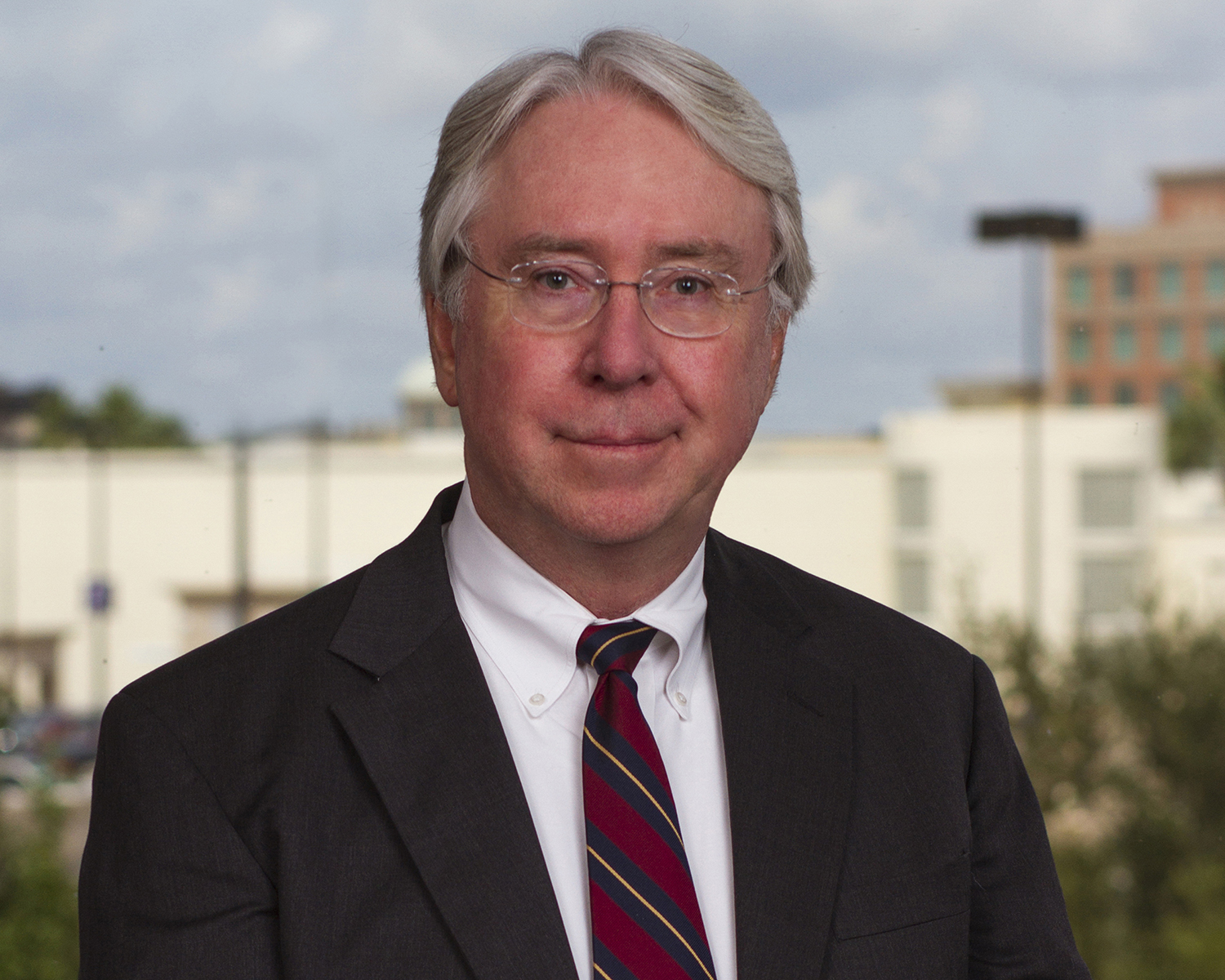
Spotlight On: Alan Higbee, Managing Partner, Shutts & Bowen

Spotlight On: Alan Higbee, Managing Partner, Shutts & Bowen

By: Max Crampton-Thomas

2 min read January 2020 — Expertise on the local market is a must in the legal sector, especially within the competitive landscape of the Tampa Bay region. Understanding the nature of the business community within the region and the apparent challenges are keys to a successful practice. Shutts & Bowen law firm’s Managing Partner Alan Higbee discusses the benefits of having specialized practices in the Tampa Bay area, as well as how to deal with economic cycles and not lose talent in the process.


Why is Tampa Bay a good location for a firm such as Shutts & Bowen?


A full service firm like ours has experience in many areas, including some areas that are not necessarily customary for this market, such as our experience in international trade and transactions, experience with large industrial companies and experience representing large and small federal government contractors. Interestingly, the demand for these specialty practices is actually pretty high in this market. Such specialties have often been sourced from larger markets in the past. In our experience, businesses in this market are generally very happy to see that these specialty resources are available here to help and that they don’t have to look to other markets such as Washington, D.C., or New York.  For areas like federal government contractors, it makes sense to have that expertise here. I believe Florida is the third-largest market for federal contracting in the country and we are sitting outside the doors of MacDill Air Force Base, which has virtually every federal agency you can name, from all the defense agencies and divisions to the IRS. 


How does the firm take part in the business brought to the Tampa Bay Area by new companies and startups?


Startup businesses in the Tampa Bay area come in many varieties, but some of the most promising are often spinoffs: people who have had very successful careers in larger businesses and have decided to go out on their own. Many of these companies have a need for legal services in areas of high specialization, such as healthcare, technology and government contracting. We also see an awful lot of companies that are relocating some kind of division or business unit, or their entire U.S. operations, to this market and, candidly, besides being a pretty sophisticated business center, this area is also a pretty nice place to live.


In the market for legal services, we also see an increasing need for trusted advisers. Lots of lawyers can tell you what the law is, but very few have the industry and business experience to also tell you what you probably should do and should not do. Lawyers who have seen the good, the bad and the ugly in a particular industry or business segment and can tell clients, “we’ve seen this movie before and we know how it ends,” are extremely valuable to their clients and are in greater demand than ever before. 


What are the top challenges for the legal profession in the area?


The tightness of the labor pool is difficult, there is no question about that. It is certainly a major challenge for us. The other challenge is the general expansion of the needs of the market. We are becoming more sophisticated. When I moved here in 1980, the needs of this legal community were really pretty basic. In 2019, the businesses in this market are extremely sophisticated and that means their problems and issues are also very sophisticated. I think law firms generally need to consider developing or acquiring some of the specialty areas that are not necessarily indigenous to the Tampa Bay area. Acquiring such specialists can be hard. We have to go out and convince them that they will have enough work here.


How would a legal firm such as Shutts & Bowen deal with a potential economic downturn?


Things always happen in cycles. Like any business, we have to be prepared to handle those cycles. You have to position yourself to be adaptable and flexible, to learn to change what you are doing when necessary and to be able to pick up different kinds of work in the down cycle and be able to look outside your box to keep your talent busy. The down cycles are actually the best times to hire talent, because if your platform is doing well and you are able to find talent on other platforms that are doing well personally while their current platforms are struggling, you have a unique chance to capture that talent.


After every down cycle there is an up cycle. If you failed to keep your talent pool, and were not able to keep the collective resources and experience that you had, you start at a huge disadvantage when the market goes back up. On the other hand, if you are able to keep your talent pool intact through a down cycle, you generally have a huge advantage when the market recovers.


To learn more about our interviewee, visit: 

https://shutts.com/