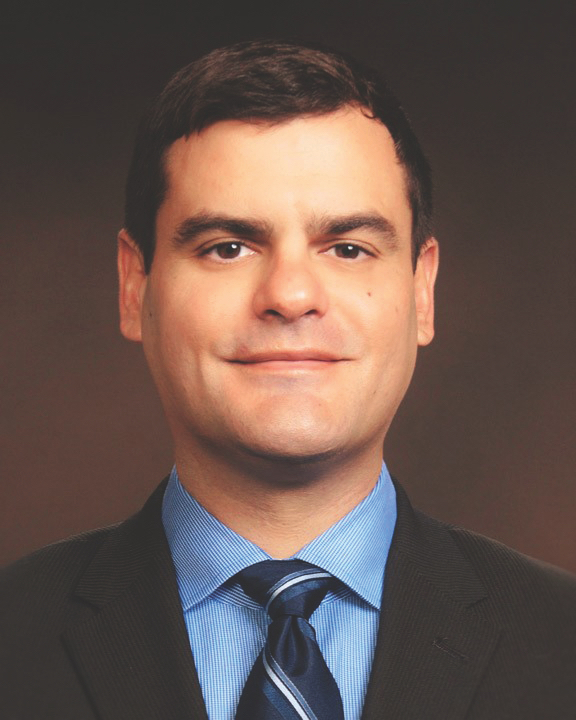
Spotlight On: Hala Sandridge, Shareholder and Tampa Co-Office Head, Buchanan Ingersoll and Rooney PC
Writer: Max Crampton-Thomas

2 min read August 2019 — Demand in most job sectors ebbs and flows with the economy. One sector that seemingly goes against this narrative and remains relatively consistent is the legal industry. As a new generation makes its way into the field, law offices are having to prepare for the next wave of legal professionals. Invest: Tampa Bay recently spoke with Hala Sandridge, shareholder and Tampa co-office head for Buchanan Ingersoll and Rooney PC. She spoke about her firm’s approach to talent retention and attraction, the red-hot market for young legal talent and what the next year will hold for the legal sector in Tampa Bay.
How is the firm preparing for the next generation of legal professionals?
Every company has to manage their external and internal sustainability, with a focus on the next generation of the workforce to optimize for long-term success. We at Buchanan are continuously building that next generation of attorneys who are going to continue the work of the senior leaders after they retire. We have strong succession plans in place as well as various programs that help those who are not yet at the partner level to become stronger in their practice, better at business development and immersed in the business of our clients.
I have noticed that many law firms do not plan for the future workforce and for the retirement of their more senior partners. It is crucial for business continuity to have attorneys trained and ready to pick up responsibilities and relationships. The next generation needs to be ready to sustain the growth that the company has accomplished and continue to take advantage of this market. When our attorneys are near retirement age, we have a conversation with them to make a plan for their retirement. We require our attorneys to take on these young people and integrate them with their clients so that the relationship continues smoothly after they have left.
What is the state of the job market for law students nearing graduation?
The job market for law students has seen a bit of fluctuation over the past several years and right now there are many opportunities for fresh law school graduates. Three years ago, we were not hiring too many law students shortly after graduation, but that has changed. We have hired a number of past summer associates upon their graduation and continue to seek out talented graduates. I cannot say enough great things about this next generation. They have their heads on straight, are incredibly goal-oriented and are willing to learn.
What does the next year look like for Tampa Bay’s legal sector?
I believe that the market is going to stay hot for the next year. However, in the event that there is an economic slowdown, many of us in the legal sector, including Buchanan will continue to do well as we thrive in a down market too. As a successful law firm we must stay nimble, so when the market changes we are prepared. For example, we have a nationally-recognized bankruptcy group whose work tends to increase during economic downturns, while other attorneys who typically perform transactional work use their market knowledge to advise on bankruptcy work. The key for any successful law firm is to diversify your staff and not have all your eggs in one basket.
To learn more about our interviewee, visit: