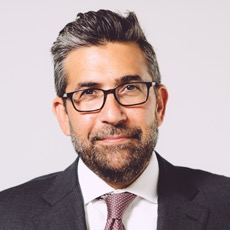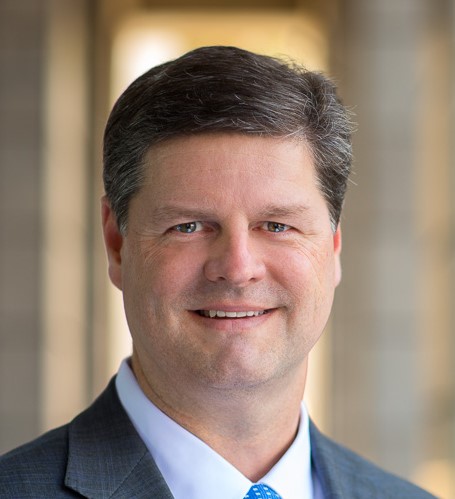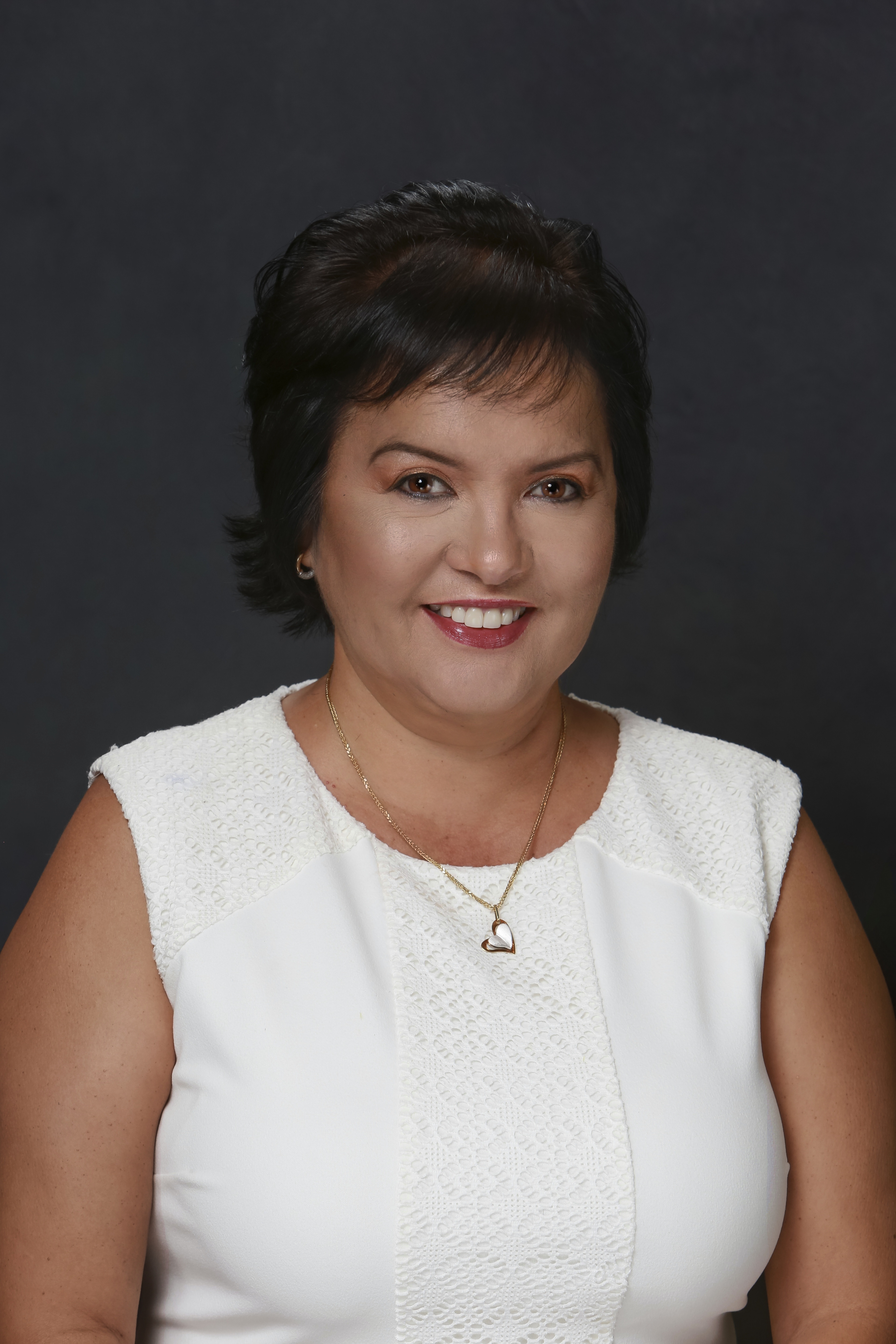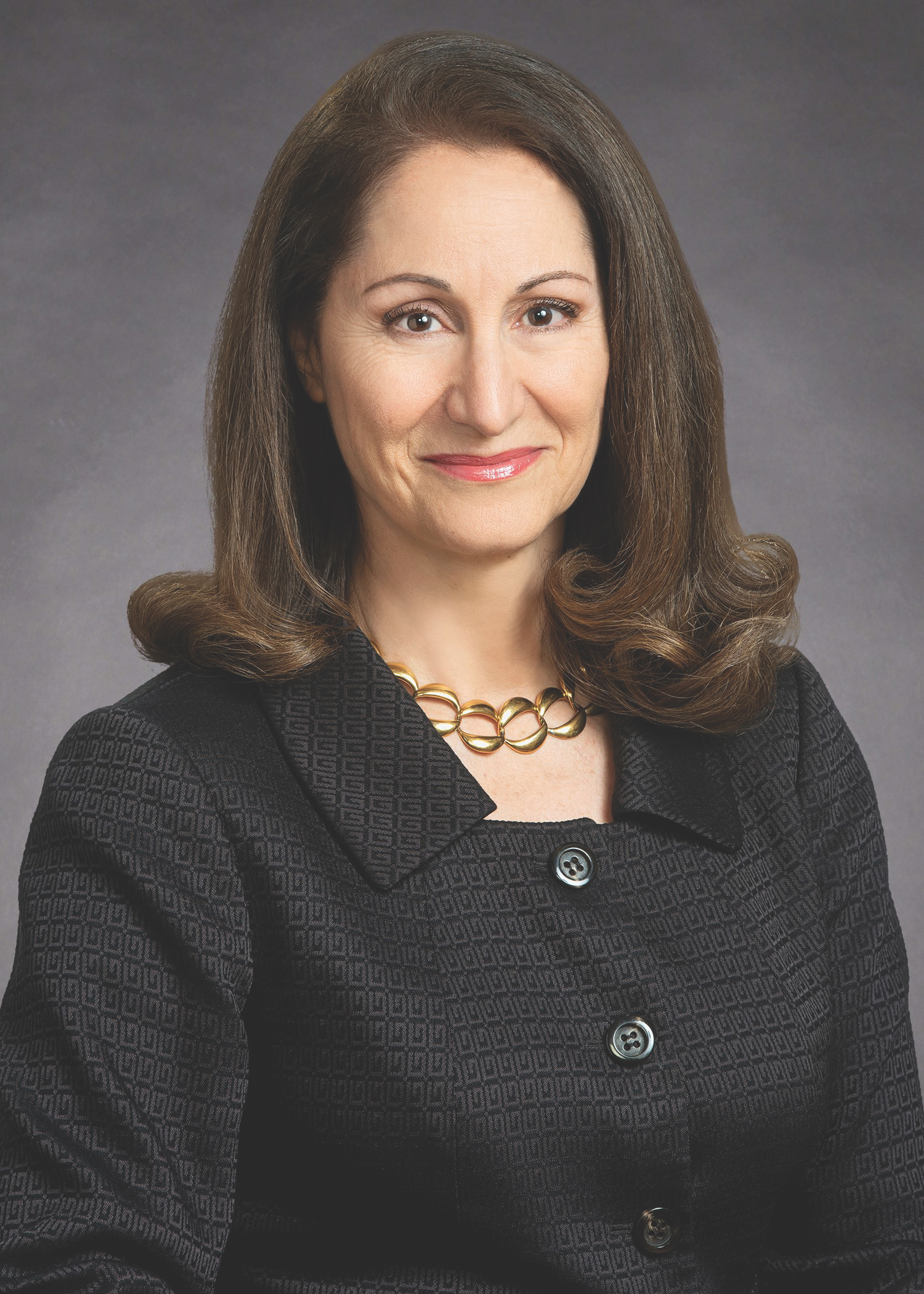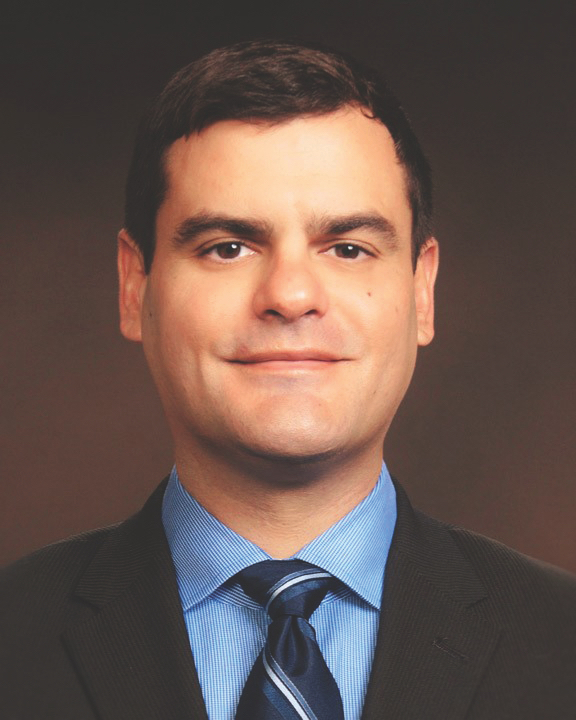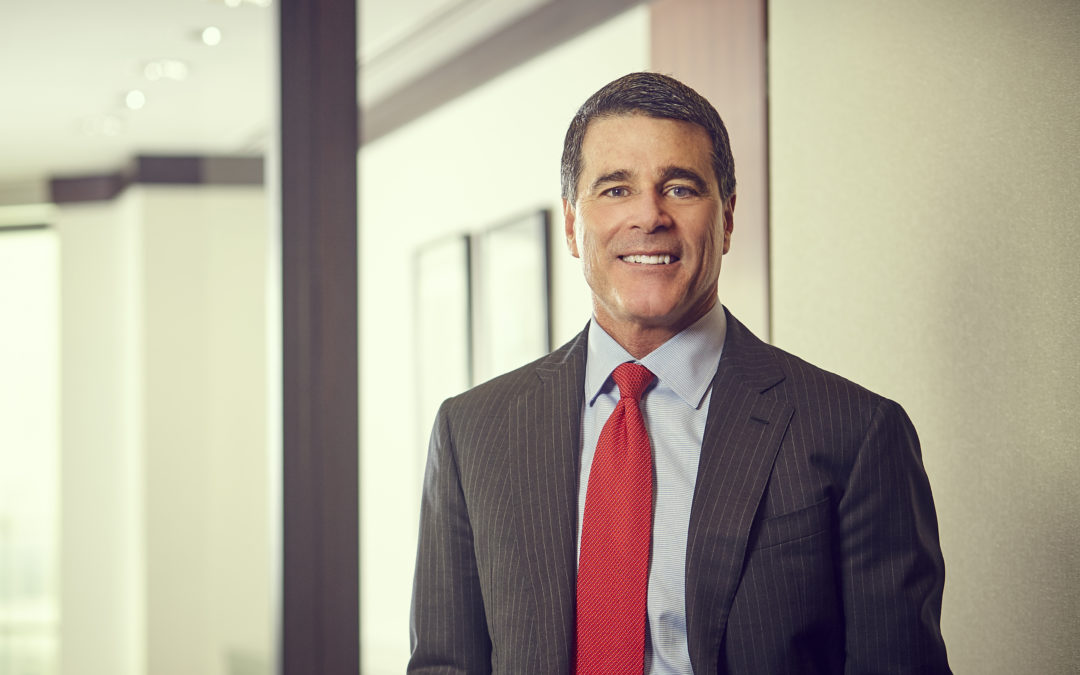
Spotlight On: Bill Schifino, Tampa Office Managing Shareholder, Gunster

Spotlight On: Bill Schifino, Tampa Office Managing Shareholder, Gunster

By: Max Crampton-Thomas
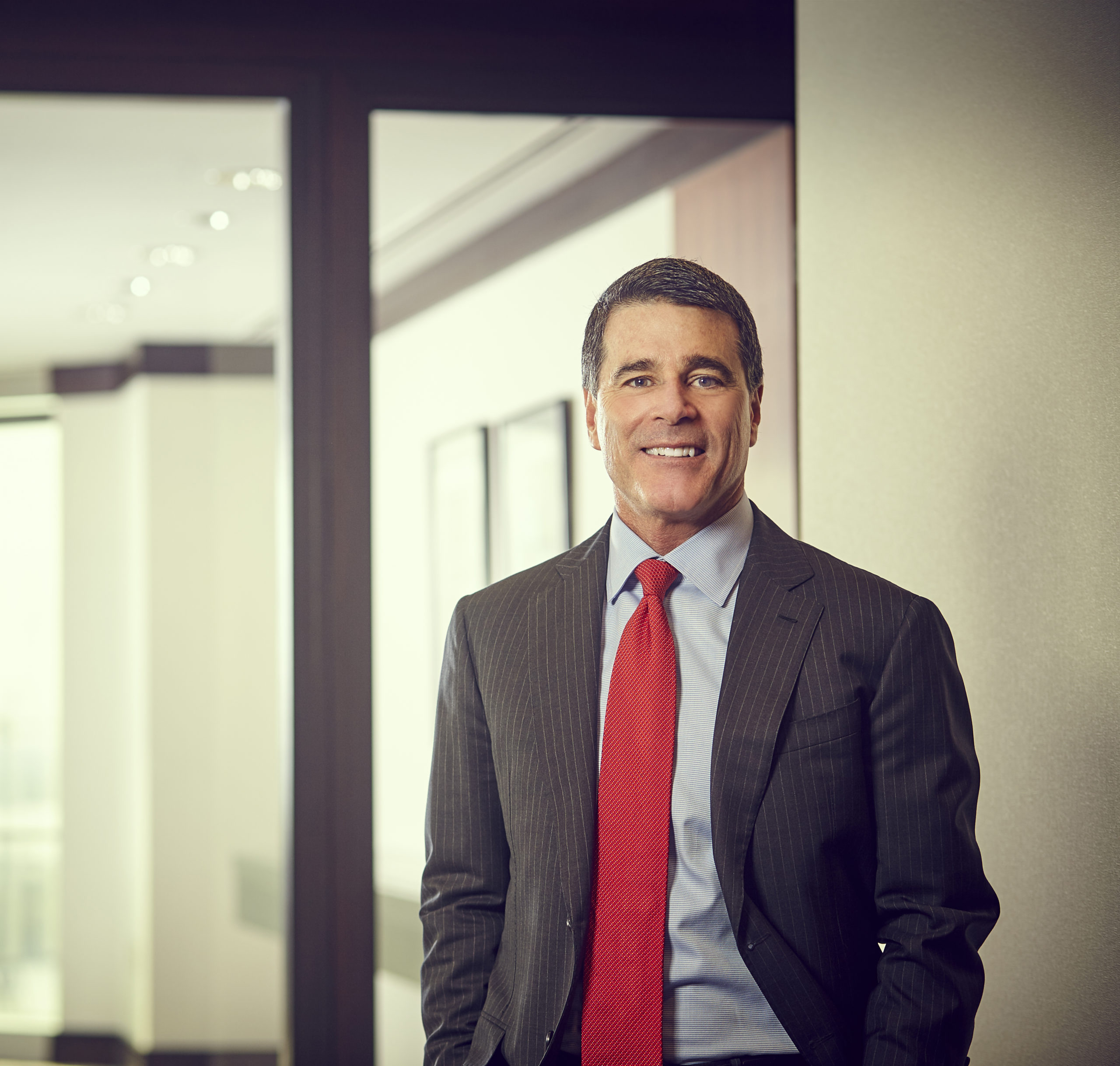
  2 min read December 2019 — A greater number of law firms in the Tampa Bay market may be a concern to some but for firms in the Tampa Bay region, these new legal-focused businesses are welcomed. Bill Schifino, the managing shareholder for Gunster’s Tampa Office, believes there is plenty of work for quality law firms throughout the region and that the collaborative environment between the various firms in Tampa Bay is a benefit to both his office’s practice and its clients. 


 Do you believe there is enough work to meet the increased supply of law firms in the region?


There is plenty of legal work in Tampa Bay for quality law firms and competent lawyers. I have been in this marketplace for 33 years, and the way law firms interact with one another has relatively remained the same. The law firms in this region play well together, and we refer work back and forth to one another because we sometimes have inherent conflicts in our cases. For example, if there is a business litigation case that involves multiple parties and the lawyer can’t represent them all, that lawyer will call other lawyers who may have been on the other side in a similar case in the past but who are capable and competent. So while I may have a case where I’ll see a credible law firm on the other side, one day they may be joining with me to help defend another group on a different case. 


How does Gunster’s statewide presence benefit your clients? 


One of Gunster’s attractions for me was the fact that I can offer my clients statewide coverage in all of the key markets. When I have a client with an issue, whether it be in Fort Lauderdale, Miami or Jacksonville, we can make sure they are covered because we have 200-plus lawyers around the state. It also helps that we have some of the best and brightest lawyers Florida has to offer. If I have a client with an issue-based question, and I do not have the talent here in Tampa to address it, I can consult someone from one of our other offices who has expertise in this area. This is how we handle all of our clients’ needs. Gunster also is a big believer in their lawyers serving their community, which is why you will see the firm extremely active in our respective markets.


How important is being a steward of one’s community to the success of a law firm? 


A law firm cannot attract the right talent without a commitment to community service, service to the profession and pro bono work. It is critically important that we as professionals give back to those less fortunate. Within the Florida Bar, a big focus is access to justice. In the criminal justice system, if you’re indigent then you are constitutionally entitled to a public defender, but what if you are someone that just really cannot afford a lawyer and are on the cusp of being below the poverty level? What happens if that person all of a sudden has a traumatic event in their life, and cannot get free legal service? We need to address how we as a profession can make certain that those people are being taken care of. The Florida Bar works extremely hard at addressing this issue, along with lawyers providing millions of dollars in pro bono hours to those in need throughout their community.


To learn more about our interviewee, visit: 

https://www.gunster.com/


Spotlight On: Tansy Jefferies, Principal, International Tax Services, RSM US LLP

Spotlight On: Tansy Jefferies, Principal, International Tax Services, RSM US LLP

By: Max Crampton-Thomas

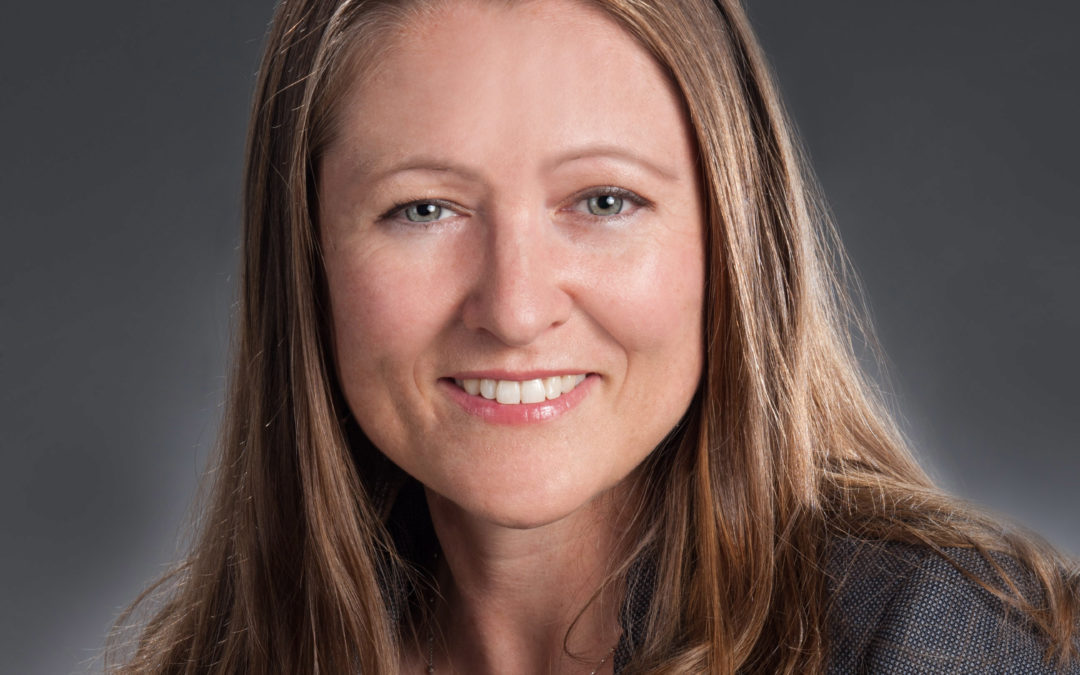
2 min read November 2019 — In today’s tight labor market, companies are feeling the pressure more than ever to stand out as leaders both in their industry and in their community. This includes efforts to promote diversity and inclusion within their organizations. Tansy Jefferies, principal for international tax services at RSM US LLP, spoke with Invest: about how RSM is leading the way in shattering the gender barriers in the accounting industry with 30 percent female ownership within the company, and the firm’s efforts to empower their employees with constant investment into enhancing the employee experience. 


How is RSM tackling gender challenges in the accounting industry?


We are proud to report that RSM in South Florida is leading the charge and breaking the proverbial glass ceiling with 30 percent female ownership in an industry where the average is approximately 16 percent. RSM places a high emphasis on coaching and mentoring our high-performing women to retain and accelerate them into leadership positions. We also want to increase diversity and inclusion more broadly throughout our organization. Culture, diversity and inclusion are strategic business drivers and have shown to be great catalysts for business growth. Our mission is to be the first choice adviser to middle market companies globally and to do that, we need a workforce that is as diverse as our clientele. This is the best way to truly deliver the power of being understood. 


How is RSM finding the talent it needs, given the county’s low unemployment rate?


We have found that our focus on culture, diversity and inclusion has also differentiated us from other firms when it comes to recruiting and retaining talent. RSM places a great deal of emphasis on delivering the power of being understood, not only to our clients but to our people as well. Through the RSM talent experience, we empower each other to enhance our value and build successful careers. We build rich, enduring relationships based on a profound understanding of each other, our goals and our aspirations. Because when we feel truly understood, we are empowered to move forward with confidence, both personally and professionally. RSM is constantly enhancing the talent experience by investing in and implementing new training, tools and resources. Specifically related to recruiting, we align with the State’s top universities to bring students into our internship programs. We also drive recruitment through diverse professional organizations, such as the National Association of Black Accountants (NABA) and the Association of Latino Professionals for America (ALPFA), which aligns with our goals of building a diverse workforce for the future.


In what areas is RSM seeing the greatest demand for its services?


As a specialist in transfer pricing, I have seen an uptick in services that affect multinational, middle market organizations. From tax reform to changes across the broader global tax landscape, there has been a significant impact on international companies. We have also seen a rise in enquiries from investors on the tax programs related to Opportunity Zones. On the assurance side, there have been increased activities related to implementing the new revenue recognition and lease accounting standards for public, private and government entities. Our financial advisory services practice has also been growing, as the economic outlook makes it a favorable market for buying and selling businesses. As for RSM’s consulting services, our cybersecurity, blockchain, infrastructure, managed IT services, and risk consulting practices are all growing at a rapid pace.


What is enticing investors into the Broward market?


South Florida is an enticing climate for a multitude of reasons, including the federal tax changes and incentives that have fostered an interest from our clients determined to keep jobs and intellectual property in the United States. One of the usual challenges for inbound foreign investors is understanding the complexity of U.S. tax law, because of the different layers of taxation at the federal, state and local levels. Fortunately, for businesses seeking relocation into Broward County, those layers are not quite as complex as in other parts of the country, which makes Broward a favorable option. From an economic perspective, Broward has a high quality of life, strong economic growth, and is dedicated to investing in infrastructure and the community, all of which are great reasons for businesses to invest in our community. 


To learn more about our interviewee, visit: 
 

https://rsmus.com/

Face Off: Two Legal Leaders on Growth, Talent and Tech

Face Off: Two Legal Leaders on Growth, Talent and Tech

By: Max Crampton-Thomas

4 min read November 2019 Seemingly every industry in the Tampa Bay region is firing on all cylinders as the area continues to exceed expectations in terms of economic growth. In concurrency with this growth is increased demand from businesses and individuals for legal services and counsel. Law firms in the region have taken notice and are acting swiftly to establish or reestablish themselves as prominent figures in this space. Invest: spoke with Michael Lundy, the managing and founding partner of Older, Lundy & Alvarez, and Kevin Johnson, a shareholder of Johnson Jackson, about the role of Tampa Bay in their businesses, navigating the lingering challenge of labor and the importance of technological advancements in the legal sector. 


How is the setting of Tampa Bay conducive to your business and legal practice?

Michael Lundy: The Tampa Metro Area is growing rapidly in about every sector. I think that the local political climate is conducive to this growth. We are seeing development driven by businesses that want to operate in Tampa, as well as an influx of outside capital investment from sophisticated sources that see the area as ripe for growth. It seems as though all the pistons are firing at the same time.

My personal practice is marital and family law, but Older, Lundy & Alvarez handles real estate transactions and litigation, commercial litigation, tax work and corporate counsel. With so much local development and population growth, we have benefited greatly because there is a higher demand for the many services that we provide. It is our goal to provide legal services for every aspect of one’s life, or what we call “the ultimate representation.”

Kevin Johnson: For our business, Tampa is a great location for a multitude of reasons. One is that it is extremely easy to reach the entire state from this region. We are only a couple hours from Naples, Jacksonville and Tallahassee. We also have a terrific airport. Most significant would be the strong business climate in the region. Tampa has done a lot of things well over the last 20 years in regards to establishing a conducive environment for businesses in the region. We have been lucky because this city has had a string of progressive and insightful mayors who have gone to great lengths to really improve the business environment. 

Has your firm been challenged in navigating the tight labor pool for legal professionals in the region? 

Lundy: Recruiting talent has not been a challenge. We have been able to recruit incredible lawyers. Tampa has a large pool of amazing legal talent. Tampa is a great place to live. It is an area that has had undervalued real estate, especially in the Downtown area, and that has attracted a lot of development. There has been a steadily growing young population. It has become a city where we talk about technology all the time. Local leadership has had a great positive impact in the area as well. The county commissioners and past and present mayors have had their eyes on the future and have worked very hard to develop a true vision for Tampa. Also, we do not have an income tax in the state of Florida, which is an attractive factor on top of all the amenities Tampa has to offer.

Johnson: The labor pool for legal staff is tight, but we are happy with the people we have on our team. We have found that there are good people out there who you can hire, but there is obviously a lot of competition for them. As a smaller firm, we have to work harder to find those right people, and it really depends on finding the right recruiter to help with that process. It is also very much about the type of work environment we can offer potential candidates. Culture is truly the big driver behind this. We made a commitment to create the kind of culture where people would enjoy working for us. Not only do we offer competitive pay and good benefits, but they also have a lot of freedom in terms of being flexible with their work time to meet family obligations. We also offer legal staff the opportunities to learn and grow so that they can adapt to new skills and new positions. It is all about creating an environment where people really enjoy coming to work and where work doesn’t feel like a job.

How important is new technology to the future success of the legal sector in Florida? 

Lundy: We have embraced technology. We are completely electronic, especially in our research and court filing. We are also all mobile and can work remotely when needed. We embraced technological improvements faster than other law firms and will continue to do so. It will be interesting to see how artificial intelligence will change law practices. Historically, the manner in which legal services were delivered has been very old school, but that is changing.

Johnson: The Florida Bar has been quite progressive when it comes to technology. The Florida Bar is really taking a leadership role and we are seen as the national leader in introducing lawyers to new technology and helping them deal with the effects as technology takes over their practices. We are fortunate to have such a progressive Bar in that respect. Our Supreme Court also has done a good job of trying to figure out where our rules should be so that it is easier for us to deal with the challenges that we face as lawyers. These elements combined make Florida a pretty good environment to practice in.

To learn more about our interviewees, visit:

https://www.olalaw.com/

https://www.johnsonjackson.com/


Philly Legal: These Sectors Are on the Right Side of the Law

by Yolanda Rivas

2 min read SEPTEMBER 2019 — Over the last few years, Philadelphia’s legal sector has seen a steady flow of law firms entering the market as well as local firms expanding in and outside the region. As the market gets more concentrated, many firms are betting on key growth areas to expand their practices. 

According to Invest: interviews with leading legal voices in the Philly area, health and life sciences, technology, real estate and finance are some of the sectors keeping attorneys busy. With a diverse business ecosystem in Philadelphia, firms like Zarwin Baum DeVito Kaplan Schaer Toddy, P.C. are experiencing high demand in commercial business, especially in the areas of banking, leasing, real estate financing and real estate development.

“We also have seen growth in our employment practices area, in part due to the #MeToo movement, which is generating many more workplace claims. Commercial litigation is also a growth area for us,” Mitchell Kaplan, managing shareholder at Zarwin Baum, told Invest:. “But we are currently seeing the most growth in our data privacy and cyber-liability department. That department gets involved in the training of businesses to prevent data leaks and breaches. We provide training, prevention and breach response,” Kaplan said. 

Similarly, St. Louis-based Armstrong Teasdale LLP is growing its intellectual property presence in Philadelphia as a result of the increasing demand in technology litigation around the country. “Intellectual property services, whether it be trademark, patents or copyrights, are required by any business. We support our clients with many trademark and retail issues. For example, in the science, healthcare and pharmaceutical fields, we do a lot of patents and protection of intellectual property. There is high demand for intellectual property services in Philly,” Armstrong Teasdale’s Eastern U.S. Partner and Leader Richard Scheff said in an interview with Invest:. 

According to an article from The Legal Intelligencer, Pennsylvania-based firms saw demand growth of 2.6 percent last year, slightly above the industry average of 2.3 percent. One of the benefits of Philadelphia’s legal sector is the presence of 20 Fortune 500 companies and over 75 Fortune 1000 companies. 

Besides technology and intellectual property services, financial institutions and real estate companies are particularly robust areas for Philadelphia’s legal sector. “Blank Rome’s Real Estate and Financial Services practices are very strong, particularly in Philadelphia. Both continue to be core areas of our law firm with a strong national presence,” Alan J. Hoffman, chairman at Blank Rome LLP, told Invest:.

Finance and technology also form part of Duane Morris LLP’s Top 5 sectors in terms of revenue and areas of focus. “About 85% of our revenue is in the following industries: financial institutions, health and life sciences, technology and telecommunications, infrastructure (including construction and energy) and finally, retail and consumer products. Those areas are our focus across the firm and in Philadelphia, which is our largest office with over 200 lawyers,” Matthew Taylor, chairman & CEO at Duane Morris LLP, told Invest: 

Citi Private Bank Law Firm Group’s Q2 2019 report projects a good year in 2019 relative to earlier post-recession years, although it will be a challenge for the industry to see a repeat of 2018’s strong performance.


To learn more about our interviewees, visit:

Zarwin Baum DeVito Kaplan Schaer Toddy, P.C.: https://www.zarwin.com/ 

Armstrong Teasdale LLP: https://www.armstrongteasdale.com/ 

Blank Rome LLP: https://www.blankrome.com/ 

Duane Morris LLP: https://www.duanemorris.com/ 

Spotlight On: Roxana Scaffidi, CEO and Owner, Florida Accounting & Advisers

By Max Crampton-Thomas


2 min read August 2019 — There are multiple factors that attract people to Florida, including wonderful weather, a growing economy, an ecosystem that is conducive to successful businesses and perhaps most attractive, the tax climate. After the passage of the sweeping tax reform known as the Tax Cuts and Jobs Act of 2017, the tax climate in Florida only became more attractive to both people and businesses looking to relocate. Now, almost a year and a half since the reform has been in effect, there is a greater need for proficient accountants and financial professionals to help navigate this legislation. Invest: Palm Beach spoke with Roxana Scaffidi, CEO and owner of Florida Accounting & Advisers about how the new tax code is affecting people’s lives, the key to success within the accounting and financial world, and how she created a successful business in Palm Beach County. 

How have you seen the tax reform affect people’s lifestyle? 

The new tax code has really changed people’s lives, and we are now seeing certain individuals immigrating to Florida because of the business opportunities that the state offers and its quality of life. High income tax states include New York, California and Massachusetts, and those are the people coming here. To qualify for Florida’s tax benefits you must be a legal resident here, which means six months and one day of residency. Under the new tax laws, individuals are capped at $10,000 as a deduction for their state income taxes, personal property taxes and their sales tax. In addition, if they have a large mortgage on their house, the new tax code only allows them to deduct interest up to $750,000.


What is the key to success in this industry? 

The key in this industry is to be proactive rather than reactive. We observe what’s going on in the world today with the national and world economies. Everything is changing and as it changes you start to see more vacancies in areas where there used to be none. This is demonstrated with how Amazon has essentially killed a lot of the big-chain retail stores. To succeed in today’s market you need to stay on top of emerging trends and you can’t be afraid to point out these things.


To what do you credit the success of your business in Palm Beach County? 

When I started this company I knew that to run a successful business I needed to not only have a great product but also to always remain community-minded. As the 2018 Small Business of the Year recipients, I realized quickly that Boca Raton is very business and community-minded, so it was the perfect place to set up my business. I set out to build this business based on my values, knowing that those same values would translate to trust among our clients. In this business there is nothing more important than having your clients’ full support and trust.


To learn more about our interviewee, visit:

https://www.fl-accounting.com 

Spotlight On: Hala Sandridge, Shareholder and Tampa Co-Office Head, Buchanan Ingersoll and Rooney PC

Writer: Max Crampton-Thomas

2 min read August 2019 — Demand in most job sectors ebbs and flows with the economy. One sector that seemingly goes against this narrative and remains relatively consistent is the legal industry. As a new generation makes its way into the field, law offices are having to prepare for the next wave of legal professionals. Invest: Tampa Bay recently spoke with Hala Sandridge, shareholder and Tampa co-office head for Buchanan Ingersoll and Rooney PC. She spoke about her firm’s approach to talent retention and attraction, the red-hot market for young legal talent and what the next year will hold for the legal sector in Tampa Bay.

How is the firm preparing for the next generation of legal professionals? 

Every company has to manage their external and internal sustainability, with a focus on the next generation of the workforce to optimize for long-term success. We at Buchanan are continuously building that next generation of attorneys who are going to continue the work of the senior leaders after they retire. We have strong succession plans in place as well as various programs that help those who are not yet at the partner level to become stronger in their practice, better at business development and immersed in the business of our clients.


I have noticed that many law firms do not plan for the future workforce and for the retirement of their more senior partners. It is crucial for business continuity to have attorneys trained and ready to pick up responsibilities and relationships. The next generation needs to be ready to sustain the growth that the company has accomplished and continue to take advantage of this market. When our attorneys are near retirement age, we have a conversation with them to make a plan for their retirement. We require our attorneys to take on these young people and integrate them with their clients so that the relationship continues smoothly after they have left. 

What is the state of the job market for law students nearing graduation? 

The job market for law students has seen a bit of fluctuation over the past several years and right now there are many opportunities for fresh law school graduates. Three years ago, we were not hiring too many law students shortly after graduation, but that has changed. We have hired a number of past summer associates upon their graduation and continue to seek out talented graduates. I cannot say enough great things about this next generation. They have their heads on straight, are incredibly goal-oriented and are willing to learn. 

What does the next year look like for Tampa Bay’s legal sector? 

I believe that the market is going to stay hot for the next year. However, in the event that there is an economic slowdown, many of us in the legal sector, including Buchanan will continue to do well as we thrive in a down market too. As a successful law firm we must stay nimble, so when the market changes we are prepared. For example, we have a nationally-recognized bankruptcy group whose work tends to increase during economic downturns, while other attorneys who typically perform transactional work use their market knowledge to advise on bankruptcy work. The key for any successful law firm is to diversify your staff and not have all your eggs in one basket.


To learn more about our interviewee, visit:

https://www.bipc.com/

Spotlight On: Drew Melville, Real Estate and Land Use Attorney, Melville Law, P.A.

By Max Crampton-Thomas


2 min read August 2019 — South Florida’s economic boom has resulted in increased migration to the area, a rise in small businesses and most significantly, an abundance of real estate and transit development projects. While these development projects are a positive sign that the economy is thriving, they are also associated with a litany of legal paperwork, proceedings and barriers as well as the negative side effects for the environment in South Florida. Invest: Greater Fort Lauderdale recently spoke with Drew Melville, real estate and land use attorney for Melville Law, P.A. He spoke about some of the more negative side effects from this increased development in South Florida, how Broward County should be an example in regards to environmental sustainability and his outlook for the next year given the region’s growth.

What has been one of the most significant negative effects of increased development in South Florida? 

Our mission statement has always been about redeveloping the urban corridors and preserving rural and agricultural lands in Florida, which are dwindling. We are losing farmers, and wilderness land as well. The whole concept of putting highways in places where there is nothing but agricultural land is terrible and only caters to specific groups of large landowners. This issue is so much bigger than the interests of a couple of large, rural landowners, and I am hoping Florida moves past the never-ending sprawl development. 

How should Broward County be viewed in regards to environmental sustainability? 

The biggest challenge for South Florida is environmental sustainability. Many people from all over the world are investing in this high-growth area, and we have to hope that they are not only investing in developing here but also in the sustainability and resilience of the area. Broward is very forward thinking and environmentally conscious, and the county should be looked to as an example for some of these areas that are developing without regard to the effect they are having on the environment. 

What is your outlook for Broward County over the next year? 

“Fort Lauderdale is still growing, and there are a ton of projects in the approval process. The city is also growing while preserving its history and keeping its historic buildings intact, which is great for the community and our identity. There are also a lot of towns around Broward that have Opportunity Zones and they are trying to capitalize on them now. I’d like to see more development along the Dixie corridor in Pompano and Deerfield. It would also be great to see more food operators in areas that are considered “food deserts,” which is defined as more than a mile stretch without an option for healthy food.”


To learn more about our interviewee, visit:

https://www.melville.law/