Spotlight On: Ian Richman, Senior Managing Director | Southern New Jersey, Colliers International

Spotlight On: Ian Richman, Senior Managing Director | Southern New Jersey, Colliers International

By: Yolanda Rivas

2 min read March 2020 — The Southern New Jersey region’s low real estate costs and strategic location near major highways is bolstering demand in the industrial market. Ian Richman, senior managing director in the Southern New Jersey at Colliers International, specializes in the leasing and sale/acquisition of commercial and industrial properties in Southern New Jersey. In a recent interview with Invest:, Richman shared the trends in the market and the possible disruptions that could take place in the face of COVID-19.  

How are you preparing to face a possible economic downturn?

We haven’t seen signs of a slowdown yet. Construction is still going on and demand has been outpacing supply to an extent. But with the development of COVID-19, we are expecting to see disruptions in the supply chain and people are starting to get nervous about the impact on the economy. Companies that import raw materials or have their products manufactured in China or elsewhere overseas expect to see a lag in production, delay in delivery or in the extreme case, a stoppage of manufacturing in certain factories altogether. This is uncharted waters and a global pandemic will have ripple effects throughout all industries, not just real estate. 


How strong is the industrial market in South Jersey?

The demand in the industrial market has continued to increase over the last 12 months. One of the biggest drivers has been our rental rates and sale prices on a price per square foot basis relative to neighboring areas such as Northern New Jersey and the New York metropolitan area. A significant part of our activity has been coming down the New Jersey Turnpike from these northern-based tenants, owner-user purchasers and investors. 


What market trends are emerging?

The Philadelphia Port is one of the largest, if not the largest, food port in the country. We see a lot of demand from food-related companies looking for warehouse/distribution facilities or manufacturing facilities. This is not a new trend but rather one sector that has been increasingly growing from a demand perspective in Southern New Jersey. Additionally, the overall demand for warehouse space has continued to remain strong, especially with the uptick in e-commerce and the expectation by the consumer to have goods in their hands as quickly as possible. When Amazon Prime was introduced, two days for delivery seemed fast and quickly became the norm. We are now finding that next-day delivery, if not same-day delivery, is an integral part of the supply chain That is driving a lot of companies to look for warehouse space in South Jersey. 


The new speculative and build-to-suit development in our market has been mostly in the northern parts of Burlington County and the southern parts of Gloucester County, 


How do you expect the market to evolve in the near future?

We expect more companies to continue to consider South Jersey as a home. The prices are what is really driving most of the activity and that is a trend that we will continue to see. We are now seeing a lot of multi-generational family-owned real estate companies starting to sell some of their properties to more institutional owners. We are also seeing the presence of more institutional owners and large regional owners with real estate holdings in our market. Some of that is attributed to the development of large distribution centers and some of this is attributed to the merger and consolidation of ownership groups. 


To learn more about our interviewee, visit:

Colliers International: www.colliers.com


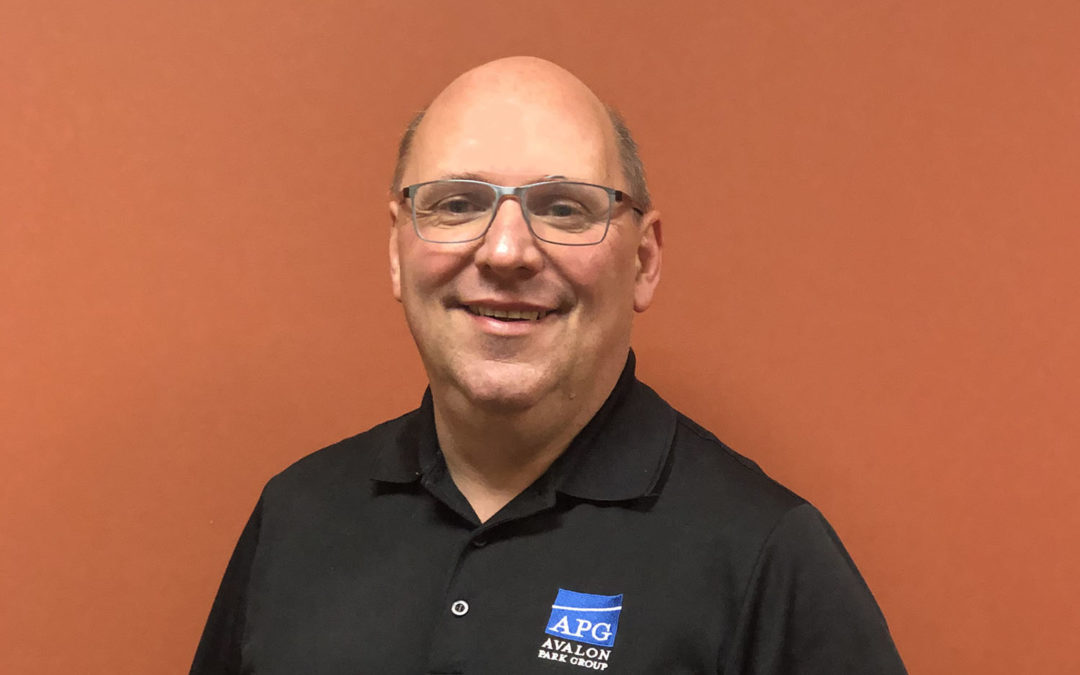
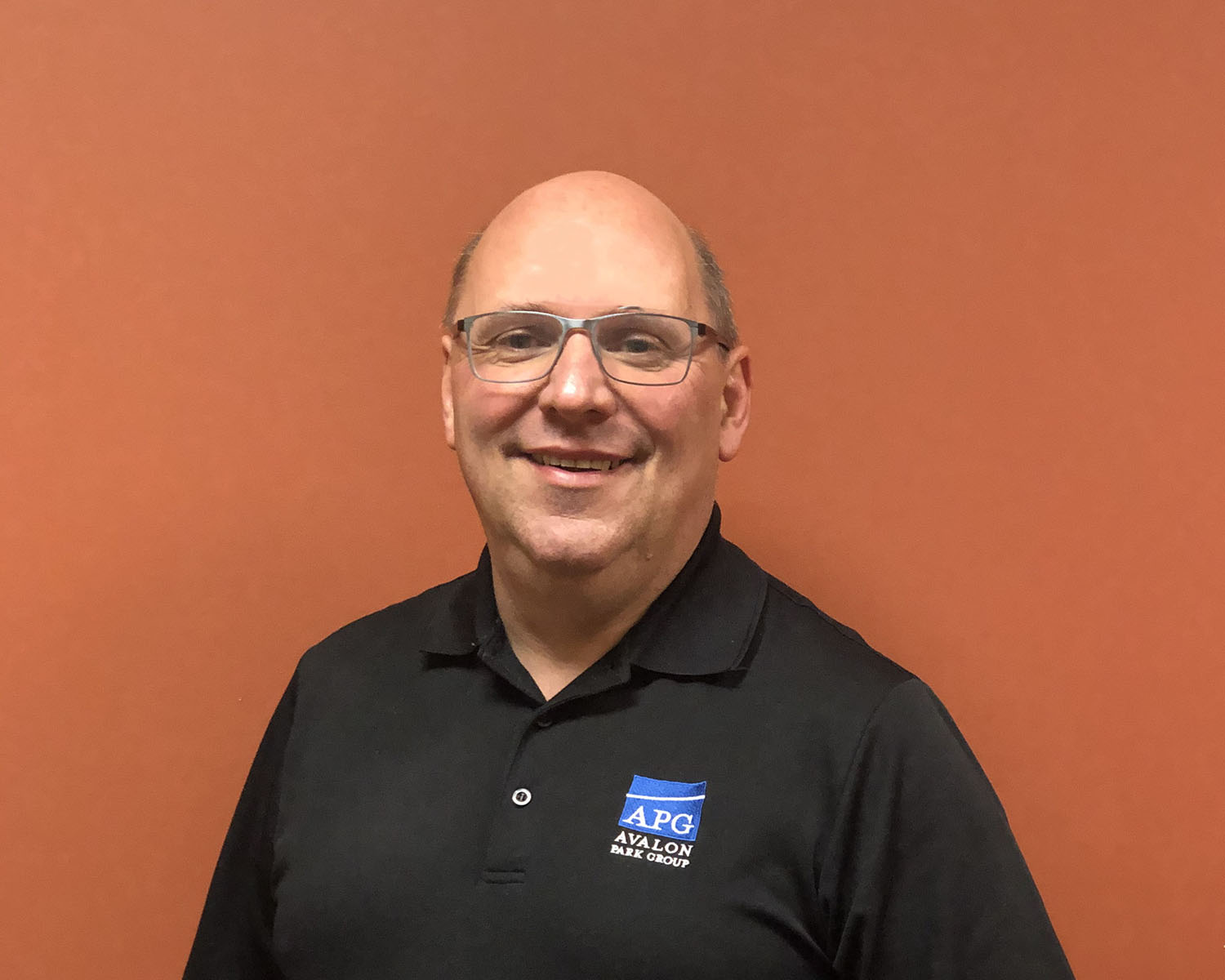
Spotlight On: Beat Kahli, President and CEO, Avalon Park Group

Spotlight On: Beat Kahli, President and CEO, Avalon Park Group

By: Felipe Rivas

2 min read February 2020 — The Sunshine State has been a beacon of light for companies and families wishing to live, learn, work and play under the sun. Much of the population growth happening in Florida is concentrated in Central and South Florida. Compared to South Florida, the Orlando market still has land to develop and has done a great job in diversifying its economy, Avalon Park Group CEO Beat Kahli told Invest: Orlando. The group is developing four projects spanning from Tampa to Daytona Beach and focusing on mixed-use communities where residents can live, learn, work and play.  

How would you describe the strength of the real estate market in Orlando today?

Orlando has a high level of infrastructure, with the Orlando International Airport, the Orange County Convention Center, University of Central Florida and a broad job base. The level of infrastructure compared to the pricing on real estate is one of the biggest advantages in the area. If you compare Orlando to other markets like South Florida and New York, Orlando still has land. While we still have a lot of land available, Orlando has done a great job in diversifying its economy. The I-4 corridor is key to the region’s growth and I see Orlando and Tampa growing together. 


What are your most significant projects in Central Florida?

We have four large projects in the I-4 corridor between North Tampa, Orlando, Daytona Beach and Tavares. We have over 20,000 residential units and those projects are all at different stages. Our Avalon Park Orlando project is 99% completed. For this project, we focused first on young families. We have 10,000 students stationed in our school district and thousands of homes already built. The community is a great place to live, learn, work and play with a variety of apartments, single homes, town houses, schools and about 150 businesses.  


What are some trends in Orlando’s real estate market?

People are interested in mixed-use development communities where you can live, learn, work and play. Building smaller homes is another trend, especially due to their affordability. People are getting smaller homes with higher upgrades in design and finishes. The most important change is toward live, learn, work, play communities and the quality of life these present. Co-working spaces are also a trend and we have already started to include these types of spaces in our communities. 


What is your outlook for Orlando’s real estate sector in the next year?

We have done a much better job after the Great Recession. When I look back on the last decade of recovery, I’m very positive about Central Florida for the next 20 years. However, we expect the real estate sector to stabilize within the next two years. Central Florida has attractive prices, and its diversified economy provides great opportunities for real estate investments.  


To learn more about our interviewee, visit: 

https://www.avalonparkgroup.com/team/

Spotlight On: Patrick Mahoney, Principal, President & CEO, NAI Realvest

Spotlight On: Patrick Mahoney, Principal, President & CEO, NAI Realvest

By: Yolanda Rivas

2 min read February 2020 — Orlando’s real-estate scene has witnessed major changes as people look more for destination experiences and after Amazon changed the rules of retail. While some regions within Orlando are running out of development land, Patrick Mahoney, principal, president and CEO of NAI Realvest, is convinced there is still room for growth.

How has real estate demand evolved in Orlando?

The changes in retail are the talk of the town. We work with Planet Fitness among several other retailers that are marketed as destinations. You still see the national value tendency with examples like HomeGoods and T.J.Maxx. Similar businesses are still coming in and leasing space. Forever 21’s bankruptcy filing had more to do with overleverage. It was more about debt rather than retail. There are certain malls, such as Fashion Square Mall, where a complete redo is scheduled. In these cases, the anchor tenants are likely not going to stay, to the benefit of a more multifamily, mixed-used project. The other extreme is the strip malls: small clothiers that focus primarily on making sure they are in the right location. Park Avenue and Winter Garden are good examples of that. An increasing number of these small boutique clothiers are going to have a small store presence but will start selling online.


What advice would you give small retailers to thrive in this market?

It boils down to a two-pronged approach. First, demographics. Remain aware of changes within the demographics around their location and adapt to those changes. Second, plan the required resources ahead of time to weather such changes and make the best use of the available land and redevelop the property. 


What primary challenges is your business facing?

The first thing that comes to mind is competition. There is virtually no barrier to entry when it comes to obtaining a real estate license. The spectrum goes from a residential broker dipping its pen in commercial while working from home with no overhead, to groups like us with lots of overhead and a fully-staffed office, and finally the multibillion-dollar competitors that we compete with, such as CBRE. To maintain a sharp edge, we engage in a continuous improvement process, embracing new technology. We invest in the latest software and research tools. As members of NAI Global, we can compete with multibillion-dollar real estate companies on either a national or global stage. Because we are locally owned, we have greater local knowledge and flexibility in the marketplace than our large competitors do. We have the best of both worlds: being able to compete with either the big and small real estate firms. 


Financing also remains an issue. Coming out of the last recession we learned who to approach, depending on the property type and what we are trying to accomplish. Increasingly, we are turning to private rather than bank debt. Banks usually are on the fence over lending on land. 


Manpower is another challenge. I would consider Orlando a zero percent unemployment market. Whether it is salespeople, administrative help or maintenance engineers and property management, finding talent is difficult. 


What is your outlook on commercial real estate in Orlando?

We remain quite bullish about the market, particularly Florida and Central Florida. We are positive that 2020 will be another solid year as there are no variables telling us otherwise. Recruiting is at the top of our list. Our operational focus will remain centered on delivering excellence for our clients, our brokers and property owners through continual improvements. We do not skimp on our resources and invest in the best software available to manage our properties, such as Yardi. We are implementing the tip of the iceberg. We will also continue to guarantee we are as financially secure as possible through solvent debt levels. 


To learn more about our interviewee, visit:

NAI Realvest: http://www.naiglobal.com/members/nai-realvest-maitland-orlando-area

Spotlight On: Leor Hemo, Founder & Managing Principal, Vantage Real Estate Services

Spotlight On: Leor Hemo, Founder & Managing Principal, Vantage Real Estate Services

By: Yolanda Rivas

2 min read January 2020 — Real estate investors from high-valuation areas like New York, North Jersey, Texas and California are bringing considerable activity to the Southern New Jersey region due to its affordability, according to Leor Hemo, founder and managing principal of Vantage Real Estate Services. The Invest: team recently interviewed Hemo about the strengths, challenges and areas of growth in South Jersey’s real estate market. 


 What unique investor opportunities does South Jersey offer?

South Jersey geographically is positioned to attract not only investors but also companies that require space, such as those in logistics, transportation and warehousing. South Jersey has the land mass to allow for large-scale, industrial developments. I-95 and or I-295 and the New Jersey Turnpike connect to New York, Washington, D.C., Maryland, and further down to the Southern states. Comparatively, the eastern Pennsylvania and Philadelphia markets lack this land mass. With the national economy so strong, low interest rates and small business confidence up, we are experiencing an influx of small businesses leasing office space. There has even been increased activity in the retail world in the past few years. Retail space is being occupied by service providers, such as healthcare and financial services. There is a soaring demand for large-scale developments for multifamily projects in South Jersey. 


What is the landscape for healthcare real estate?

The large healthcare systems are taking over the traditional family practices and specialties. Dental specialists and oral surgeons are active in starting new practices or expanding them. The same can be said for physical therapists and chiropractors. These specialty practices are growing and fueling a large demand for space. By the nature of their business, chiropractors, physical therapists and dentists are always interested in retail space for visibility and exposure purposes.


What challenges do you face in South Jersey?

The biggest challenge is the bureaucracy from our local governments, as well as the tax burden on businesses and individuals. Real estate taxes are still the No. 1 issue for property owners and businesses because of the impact on rents. Some regulations in place are hampering business and growth.


What is your outlook for the company and the market?

In terms of Vantage Real Estate, we just opened a new office in Philadelphia. It is a market we are rapidly growing into. We are also expanding our services portfolio: We have expanded our services and specialties and offer healthcare real estate, business brokerage, investment sales and multifamily as well. If the economy does well, South Jersey will do well, provided the regulatory framework remains unrestrictive. 


To learn more about our interviewee, visit:

Vantage Real Estate Services: https://www.vantageres.com/ 


Spotlight On: Scott Lyons, Business Unit Leader, SE Region DPR Construction

Spotlight On: Scott Lyons, Business Unit Leader, SE Region DPR Construction

By: Yolanda Rivas

2 min read January 2020— DPR Construction is leading the charge in delivering large construction projects faster and with better quality by employing prefabrication solutions and utilizing their own self-perform crews to put the work in place. Central Florida Business Unit Leader Scott Lyons discusses the prospects for the construction industry in Central Florida.

What has been the impact of DPR moving into Downtown Orlando and what opportunities are you finding there that promoted the move?


We moved Downtown in October 2018, which helped us combine two existing DPR Orlando offices into one. There is a great vibe Downtown, and many of our business partners and clients are now our next-door neighbors. This has been a path to strengthening our connections to the local business community with close proximity for lunch meetings or spending time with people in-person. Our new space was designed to host large groups, with a large training room and 10 conference rooms.


Our Orlando office is one of the largest for DPR, in terms of square footage, which provides us with the unique ability to host meetings for our national and regional teammates. Providing our visitors with walking-distance access to some of the city’s best restaurants and venues means they get the very best of what Orlando has to offer and DPR gets to contribute to the economic success of our Downtown district. We just fell in love with the Downtown vibe, it is where the energy is.


What are the most relevant projects DPR is working on in the region? 


We are finishing the KPMG Learning & Innovation facility, which will be completed by the end of 2019. It is the largest project being built by DPR in the Southeast this year. KPMG performed a lot of due diligence in choosing Orlando and the Lake Nona area and it has been one of the more rewarding, incredibly designed and fastest projects for us in a long time. Mega projects are historically tough to execute on time and on budget in the Central Florida area since finding enough skilled craftsmen to build these projects can be a challenge. However, our collaborative approach with the client and the design team plus integrating a lot of prefabricated components into the design has allowed the project to be built at a very good pace. This was truly a collaborative effort and success on behalf of our entire team, including the designer and our owner. KPMG is a huge regional project and a huge win for the city.


What are the clearest trends in construction in the Orlando area in recent years? 


At DPR, we are very passionate about driving forward the concept of prefabrication in our construction projects. There are multiple reasons for this. There is a shortage of skilled construction workers, so prefabrication decreases the demand for workers onsite and when you prefabricate components they are usually of a higher quality and safer generally, resulting in a better product for the client. For the KPMG project, we prefabricated 800-bathroom pods. We built them in a factory here in Orlando, called SurePods, and the quality was beyond anything we could get building them in place. It changed the dynamic of how the project was executed, resulting in a faster speed-to-market with fewer people needed on the project. Prefabrication is the way of the future for construction and DPR is well-positioned to lead this trend.


What other advanced technologies are you employing in your work? 


We are believers in technology where we can find a great use for it, and where it adds immediate value. We beta test a lot of ideas and technology, apps and software, and generally settle quickly on things that help the client or our people. One is laser scanning. We use it before rebuilding a client’s existing space, like a corporate office, to create a digital model that captures the exact reality of the designed space.


We are also working in partnership with Reigl to utilize LiDAR technology and bring some of their technology into the vertical construction market. It is a drone-borne scanning technology that flies over an existing site, scans it and provides the contours of the land, so you can see elevation changes and other useful data. A civil engineer can take that data to minimize how much dirt is moved around, for example. This type of real-world use of technology on our projects keeps us nimble. We are innovating in ways that not only change the landscape for the construction industry, they are helping our client successfully expand their products into new markets. 


What kinds of projects are in greatest demand in the Orlando area? 


The attractions companies have very robust plans for the next few years and we also see healthcare companies continuing to invest in their existing and new facilities. We also believe that advanced manufacturing will play an increased role in the Orlando economy as well, so we’re also keeping close tabs on those upcoming projects.


To learn more about our interviewee, visit:

DPR Construction: https://www.dpr.com/ 

Spotlight On: Michael Feuerman, Senior Vice President & Managing Director, Berger Commercial Realty

Spotlight On: Michael Feuerman, Senior Vice President & Managing Director, Berger Commercial Realty

By: Max Crampton-Thomas 

2 min read January 2020 — The commercial real estate market in Palm Beach County has drawn major interest and investment over the past several years. In 2019, the market has remained strong and looks to remain steadfast on this positive track into 2020. Invest: spoke with Michael Feuerman, senior vice president and managing director for Berger Commercial Realty’s Palm Beach Office, about what he has observed in the market over the last year and why the region has become so attractive for development in the commercial real estate space. 


What were the company’s highlights from the past year? 


The last year has been productive for us. We hired two new brokers, one in Broward and one in Palm Beach, and we’re continuing to add to our portfolio. Right now we have about 7.5 million square feet of commercial property under management, and roughly 6.5 million square feet listed.


What makes this region a compelling area for investment?


South Florida in general is a cosmopolitan region. In Palm Beach County, we have a population close to 1.5 million. The workforce is just under half of that. That’s a good population size with a solid workforce. Palm Beach also has a substantial office market at around 55.6 million square feet and an industrial market around 62 million square feet, but our rents are lower than our neighbors to the south.


In which sectors are you seeing the most growth in Palm Beach County? 


The medical industry has grown substantially in the Palm Beach area and as a result, many of my clients are in the healthcare sector and looking to expand their footprint. Another trend we’re seeing is that office users are needing more efficient spaces, or smaller office spaces that can fit the same or more people comfortably. Because these are usually the same buildings with the same structural footprint, parking has become a challenge. Rideshares, autonomous vehicles, public transportation and parking decks are all floated as possible solutions for this.


To learn more about our interviewee, visit their website:

https://www.bergercommercial.com/


Spotlight On: Sean Beuche, Regional Manager, Marcus & Millichap

Spotlight On: Sean Beuche, Regional Manager, Marcus & Millichap

By: Yolanda Rivas

2 min read December 2019 — 2019 was a steady year for Philadelphia’s commercial real estate. The market’s affordability, the city’s position as a logistics hub and its attractive environment for startups has driven strong demand. One of the areas seeing a high amount of activity is King of Prussia. Commercial real estate firm Marcus & Millichap recently relocated to the area, attracted by the growth in the region. Regional Manager Sean Beuche discussed with the Invest: team the neighborhoods seeing the most growth in commercial real estate and his outlook for the sector as we enter 2020. 

Marcus & Millichap relocated its Wynnewood location to King of Prussia. What makes that community attractive?

This relocation highlights our commitment to the area and our optimism about the local economy. The construction and new development activity going on in the King of Prussia market is very attractive. Numerous businesses and baby boomers are moving to the area, where there is more land available, beautiful housing stock, good school districts and less traffic congestion.  King of Prussia is a nexus of a variety of different interstates and that strategic location amid emerging growth and development is much more desirable for us. In addition, we are expanding in a nicer Class A office space that provides our clients and agents with a much brighter and enjoyable place to do business.


Which areas are the fastest-growing for commercial real estate in Philadelphia?

We’re seeing fast appreciation in the Point Breeze market, while Fishtown and Kensington have been hot for some time. We are also seeing numerous investments in areas further along the Main Line region. The Lehigh Valley and Central PA markets are both driving a lot of new investors into Pennsylvania. As the yields continue to deliver in some of these secondary and tertiary markets, investors want to move outside of areas where they’re getting squeezed by some popularity. There is a bit of a ripple effect being created by the economy being strong for a long time, and many of the investments that have been made or taken in these core markets are pushing investors further out. 


What is your outlook for Philadelphia’s real estate sector over the next 12-18 months?


The outlook is positive. There is uncertainty from a political standpoint, we are dealing with some of the trade wars and we are very interested in seeing where that shakes out. We focus on private and middle market clients and, in times of uncertainty, we provide them with market research about existing opportunities. From an income standpoint, rents in the Center City market and many of our urban infill markets are pushed up, and we would need to see some relevant margin changes in household income to afford a greater rent increase. Our clients are seeing strong fundamentals in the main groups that we focus on, which are multifamily, industrial, office and retail. As that financing loosens up and remains affordable, deals are very quickly moving off our shelves and into the hands of investors.


To learn more about our interviewee, visit:

Marcus & Millichap: https://www.marcusmillichap.com/ 


Spotlight on: Adam Mullen, Market Leader, Greater Philadelphia Region, CBRE

Spotlight on: Adam Mullen, Market Leader, Greater Philadelphia Region, CBRE

By: Yolanda Rivas

One of the main drivers of Philadelphia’s economy is the real estate industry, attractive for its affordable prices, advantageous location and the Pennsylvania I-78/I-81 Corridor. A recent report from commercial real estate firm CBRE showed the corridor saw a total of $132 million in capital investment during Q3 2019. In an interview with Invest:, Adam Mullen, CBRE’s market leader for the Greater Philadelphia region, discussed the areas seeing the most growth in Philly’s commercial real estate and what is spurring growth in the market.


What are the lines of business seeing the most growth or demand in Philadelphia today?

It is hard to understate the momentum we are witnessing in the industrial and logistics space. The shift to e-commerce and modernized supply chains have not only created one of the largest warehouse distribution markets in the world in our backyard, the Pennsylvania I-78/I-81 Corridor, but demand continues to be robust for Philadelphia’s industrial properties. A variety of users, including retailers and third-party logistics companies, are driving demand so they deliver goods to consumers more efficiently than ever before. 

At the same time, the local retail market is as vibrant as it has been in years. Philadelphia is at the top of everyone’s list as a major gateway market in the retail space. We have the largest mall on the East Coast, the King of Prussia Mall, which is a prime example of the consumption activity in our region. Also, the food and beverage sector is one of our leading sources of demand, not only in the suburbs and shopping centers, but also in Downtown Philadelphia. Due to the opportunity we see in the retail market, we have had an extreme focus on our retail business in Philadelphia, doubling down on our investments over the last few months. 

We can’t overlook the dynamism in Philadelphia’s office market. Our Downtown office market is larger, in terms of square footage, than Downtown Los Angeles or Downtown Houston, and we are seeing considerable demand from not only tenants but also investors, particularly from Asia and the Middle East. 

Finally, we continue to watch the rise of the multifamily market in the region. Due to low interest rates and a plentitude of available debt capital, the demand for multifamily assets in greater Philadelphia has exploded over the past few years. 

What are the major drivers of growth for Philadelphia’s real estate sector?

The local economy is very strong and is being driven notably by the “eds and meds” segment, which has a unique presence in the Philadelphia region. Not only do the local educational and health services institutions have a huge effect on the economy and are growing rapidly, but they also represent the largest share of our employment base. Consequently, this concentration of talent has created a boom in the local life sciences industry, which is experiencing rapid growth, notably in central Philadelphia where most of the region’s major academic and healthcare institutions are clustered and spurring innovation and new companies. Not incidentally, we are seeing the highest office rents we have ever seen in Center City, and also experiencing a significant uptick in office tenants relocating to Downtown Philadelphia.

To learn more about our interviewee, visit:

CBRE: http://www.cbre.us/people-and-offices/corporate-offices/philadelphia 

Spotlight on:Flint McNaughton, CEO & Founding Partner, SunCap Property Group

Spotlight on:Flint McNaughton, CEO & Founding Partner, SunCap Property Group

By: Felipe Rivas

The Charlotte Metro Area offers access to capital, a talented and growing workforce, and an affordable cost of living. As a result, many companies and new residents are flocking to the region. Developers, however, must navigate the area’s competitive climate and tackle rising construction costs to materialize their projects. In an interview with Invest: Charlotte, SunCap Property Group CEO Flint McNaughton talks about the trend of companies relocating their headquarters to the area, the challenges for developers, and the outlook for the region amid continued growth.

What impact has the millennial workforce had on the region?

Companies continue to focus on recruitment and retention of millennials because they are a big and growing workforce. Many companies are adjusting their work schedules and environments to recruit and accommodate them. Many millennials are looking for lifestyle choices that provide flexibility. I think apartment life enhances that flexibility and is a major reason for the consistent positive absorption we have seen in the multifamily sector. In my opinion, there will continue to be growth in that area.

What are some challenges facing the commercial real estate development industry?

The biggest challenge today in the commercial real estate development industry is the rising cost of construction and land and how that affects underwriting. As costs rise, so must rents. When markets were trying to recover from the recession, contractors remained aggressive in their bidding and costs remained low. They were trying to keep the lights on. However, as the market recovered and their pipelines became full again, the aggressive bidding began to wane. Many contractors can pick and choose their projects now. In a hot Charlotte market, costs of labor and materials are up.  

What is driving the region’s headquarters relocation culture?

Labor is a big concern for companies coming to the region. South End has been a robust and interesting story for Charlotte. It’s where the millennials and younger crowds want to go. When companies compete for employees, particularly the millennial generation, many of the companies find a competitive advantage by co-locating where those folks live. If you can live, work and play in an environment like South End, it checks a lot of boxes, and gives companies a competitive advantage over those located in  smaller, less “amenitized” submarkets. 

The headquarters relocation trend happening in the Charlotte Metro Area is largely driven by a number of positive attributes. Probably the biggest driver is the cost of living in the area, which is significantly less expensive than the other major markets. The region has a large well-diversified workforce, land, access to capital through its banks, and it is a great place to raise a family. When you can attract and retain young talent, it is a boom across industries and sectors, and I don’t think that will change in the near future.  

What is the outlook for the region heading into 2020?

The different headquarter relocations to the Charlotte area serve as big milestones as to how the city is doing. From a macroeconomic perspective, the area has experienced tremendous, positive and sustained growth. The area has its challenges, but overall Charlotte is very healthy. 

I’m bullish on Charlotte and believe this wave of momentum will continue. One of our biggest challenges will be investing in infrastructure to keep pace with that growth. Our roads, hospitals and education systems in particular will have to keep pace with that growth. The private sector will also have to get involved in upward mobility initiatives and be actively involved in the community to help the less fortunate move forward. We have to be smart, disciplined and fair about how we grow.

To learn more about our interviewee, visit: https://www.suncappg.com/