Spotlight On: Mark Hardy, Vice President & Regional Manager, Universal Engineering Sciences

Spotlight On: Mark Hardy, Vice President & Regional Manager, Universal Engineering Sciences

Writer: Max Crampton-Thomas
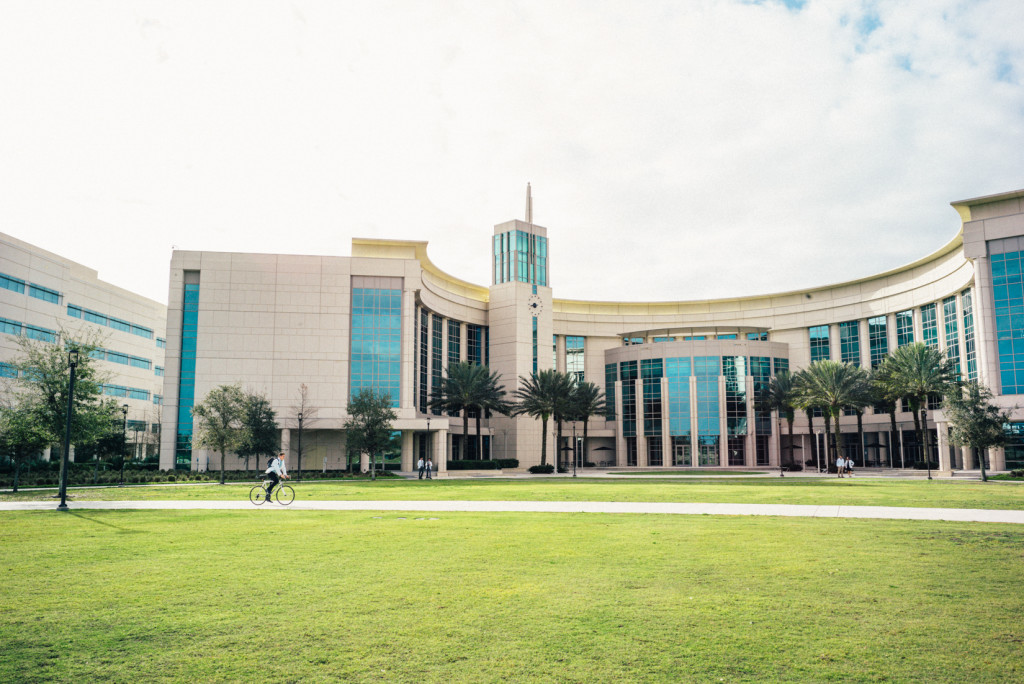
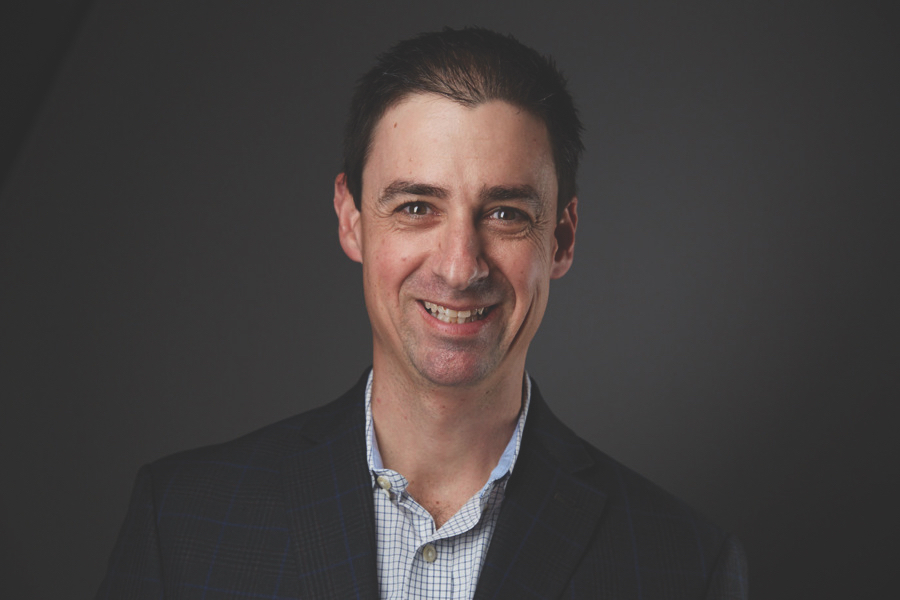
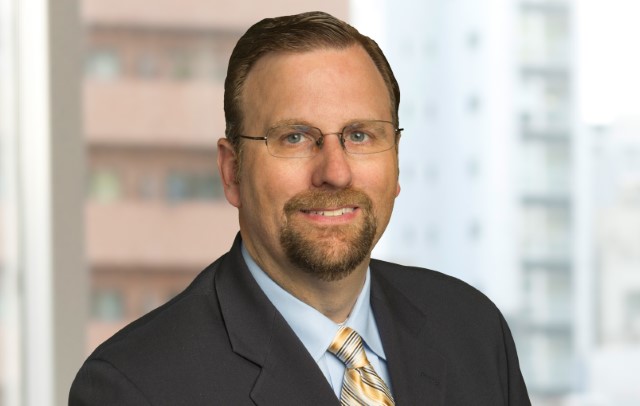
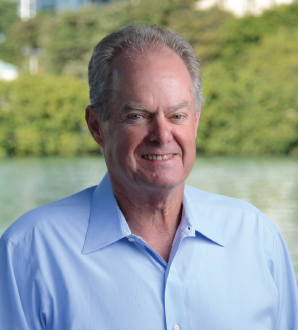
2 min read August 2019 — Growth in the Tampa Bay construction industry has not only benefited construction and real estate development companies in the area, it has also been a massive plus for engineering firms. Quality development and construction is dependent upon the availability of highly professional and proficient engineers, and demand can quickly outweigh supply. Invest: Tampa Bay recently sat down with Mark Hardy, vice president and regional manager for Universal Engineering Sciences’s Tampa Bay office. Among the many topics covered, Hardy discussed the growth in demand for building inspection services, a growing focus on environmental sustainability and what the next year will hold for his office.

Which of your services are seeing the most growth in demand? 

We are seeing tremendous growth in demand for our building inspection services. A new law signed by Gov. DeSantis, allows companies like ours to provide plan review and inspections that municipalities would normally conduct. While the private provider option has been available since 2002, the new law reduces the time frame and cost that this would normally entail. As a private firm we can help accelerate the process during a time when municipalities are overwhelmed.


How much of a focus is environmental sustainability to your clients? 

As new projects get underway, they are hitting some roadblocks because they are infringing on wetlands. We have hired an individual who specializes in wetlands and endangered species so we can better assist clients in finding the balance between being able to do a new development and still remain cognizant of those environmental areas. Another area where we are seeing a lot of expansion is renewable energy projects, like solar farms; we are getting frequent calls to provide expertise on how to get them planned and constructed.


What does the next 12 months look like for your office? 

We have a lot of projects on the books that haven’t started yet but are on the horizon for the new year. This includes a new performing arts center and new contracts with Pasco County Schools, Hillsborough County Public Schools and Hillsborough County for infrastructure improvements. This year, we surpassed 100 employees at this office and we will look to build off that momentum. The remainder of 2019 and 2020 are shaping up to be really great years for the company.


To learn more about our interviewee, visit:

https://universalengineering.com/

The Future is Now for FATVillage

By Max Crampton-Thomas


3 min read August 2019 — Fort Lauderdale’s FATVillage makes up for what it lacks in size with a treasure trove of arts, cultural and technological offerings. Founded in the late 1990s by Doug McCraw, the four-block historic warehouse district has developed into an arts hub to rival the most established arts districts in South Florida. While the area was originally founded as a way to rally philanthropic support around the artistic community in Fort Lauderdale, it is now transitioning into the premier destination for artists, small-business owners, technologists and arts enthusiasts.

The emergence of FATVillage has been a thoughtful and deliberate process of encouraging smart development that never diverts from the emphasis on art as the main part of the neighborhood’s DNA. This stands true for the introduction of more mixed-use development into the area, as McCraw highlighted in a recent interview with Invest: Greater Fort Lauderdale, discussing how that development is not only a new concept but also positively affecting the surrounding neighborhoods. “FATVillage has consistently been a significant economic driver in the Broward County region. It has acted not only as an arts community but also as a nucleus for a lot of the development in Flagler Village. What we are doing in terms of using art as a driver of mixed-use development is still a new concept, and not many developers are integrating product development with a creative community in the same way that we are,” McCraw told Invest. 

He also acknowledged that while FATVillage is undergoing a transition to focus on developing its status as an economic driver in the region, the reason for the district’s success has been the deliberate and careful process of deciding who can lease inside the area. “FATVillage is at a transition point. We are very focused on developing FATVillage to make it a treasure for Fort Lauderdale. We have aggregated various types of coworking spaces with different disciplines, all of which are major components of FATVillage. We have a curated process and we do not just lease to the first person who walks in the door. Our focus on art as an integrated part of the DNA of FATVillage makes us a unique component of Fort Lauderdale’s culture,” McCraw said

Helping to achieve this vision for the future of FATVillage, while also remaining true to its arts identity, is Urban Street Development, which has been involved with the district from the beginning. Invest: recently had a conversation with the Co-Founder Alan Hooper about what the next phase of development for FATVillage will look like. “In August, we intend to deliver a plan that will take the FATVillage Art District in downtown Fort Lauderdale into an exciting era that will combine food with art and technology (FAT) and develop a neighborhood where people and businesses of all sizes can find a place to live, create, collaborate, and socialize. The 5- acre-plus plan fully embraces the arts and elevates the opportunities for artists and creative businesses alike. Positioned inside the downtown core, the Opportunity Zone, and a block from Brightline, the options for community building are endless,” Hooper told Invest:. “We want to help FATVillage evolve into the place it should be. A place that is attractive to creative businesses while maintaining the artists who made us a well-known destination. We want to build some affordable housing for artists and local creative people, as well as really cool workspaces for start-up businesses that might represent art in another way, through video or audio, the art of the word, or the art of food. A place like this will be very attractive to businesses that benefit from hiring within a congregation of talent. In the end, we are creating a village that all people can grow with, be a part of and enjoy.” 

Arts and culture is a major key in Florida’s economy, and even more so in Broward County. Areas like FATVillage play a vital role in keeping arts in the county, and acting as a significant economic driver for the region. FATVillage has long been an attractive destination in Fort Lauderdale, but it is now on the cusp of a major transition into a true arts and economic staple in Broward County. 


To learn more about our interviewees, visit:

https://www.fatvillage.com/

http://www.urbanstreetdevelopment.com/

Orlando at the Cutting-Edge of Biotech Investment

by Sara Warden

2 min read August 2019 — The global biotechnology market is expected to exceed $775 billion by 2024, according to a new research report by Global Market Insights. With this amount at stake, it is little wonder Orlando is not allowing the opportunity to attract biotechnology companies pass it by.

Florida is the eighth-largest biotechnology R&D state in the United States, with over 260 biotech companies. According to a research paper by Man-Keun Kim and Thomas R. Harris on the clustering effect in the US biotechnology industry, some of the most important factors in forming a cluster include average payroll and overall education level in the region.

Orlando is addressing all these areas to attract biotech giants to the city and surrounding areas.

One example: In 2005, the University of Central Florida (UCF) received a $12.5 million donation from the Tavistock Group to build the UCF College of Medicine at Lake Nona, just south of Orlando Airport. The Orlando community matched the donation, which was in turn matched by a government grant, taking the total investment in the campus to over $100 million.

The new college broke ground in 2007, and the school announced that each of the 41 charter students would be awarded a full $40,000 four-year scholarship. The program attracted 4,300 applicants and the class members had the highest MCAT and GPA scores in the state. The campus continues to expand, now including the medical school’s new 170,000-square-foot medical education facility, as well as its new 198,000-square-foot Burnett Biomedical Sciences building. 

UCF has continued to make partnerships with renowned medical organizations to bolster the campus’ facilities. The College of Medicine is now partnered with Sanford-Burnham Medical Research Institute, Veterans Affairs Medical Center and Nemours Children’s Hospital, one of the nation’s largest paediatric health systems.

An economic impact study found that the College of Medicine and Lake Nona’s medical city could create more than 30,000 local jobs, have an economic impact of $7.6 billion and generate nearly $500 million in additional tax revenues for the state.

“I do believe this is a good thing for our community as we endeavor to really diversify our economy with high-wage jobs,” Orange County Mayor Jerry Demings said in an interview with the Orlando Sentinel.

With talent at their fingertips, it is little wonder that leading biotechnology companies are flocking to the city. Most recently, biotech firm Amicus Therapeutics announced Lake Nona to be the frontrunner in a new 18-acre site in which it planned to invest $150 million.

Originally, the company planned to create 300 jobs paying an annual average of $69,670, not including benefits. This prompted the government to offer a sizeable benefits package to tempt the company to settle in the southeast Orlando site.

The government offered a 25% tax break and property tax exemptions over a period of seven years, which would save the company about $1.5 million. Additional state incentives totaled $240,000, with Orlando contributing up to $1,200 per job created. There are additional provisions to increase the tax rebate if the company’s investment exceeds $148.85 million.

“Orlando continues to be one of the sites we are considering, and the availability of tax and other incentives, as well as access to a rich talent pool, are important factors in our ultimate site-selection decision,” company spokeswoman Sara Pellgrino told the Orlando Sentinel.

The company has since changed tack, concentrating more in curative gene therapies, which would limit job numbers. “A gene-therapy facility would require less space and less personnel than a biologic drug-manufacturing plant,” Orange County Economic Development Director Eric Ushkowitz told the Orlando Sentinel. However, under the new proposal, the average salary would rocket to around $100,000.

A formal decision hasn’t been made on whether or not Amicus will have an office in Lake Nona but there are plenty of other biotechnology companies racing for their spot in the scientific hub. Newly-established startups include Aviana Molecular Technologies, which is developing a smartphone-enabled biosensor capable of detecting certain proteins that indicate infectious diseases. Also at the site is SynapCyte, a company that is developing patented technologies to treat Alzheimer’s and Parkinson’s disease through stem cell regeneration.

“This is the place to be if you want to be involved with life sciences,” said the site’s Manager Jim Bowie to life sciences publication BioFlorida.


Spotlight On: Brian Kornfeld, President and Co-Founder, Synapse

Writer: Max Crampton-Thomas

2 min read August 2019 — The growth of Tampa Bay’s entrepreneurial ecosystem is a testament to the boom of innovation, collaboration and economic rise that the region is experiencing. The key to keeping this growth sustainable comes down to multiple factors, including attracting more venture capital into the region, improving connectivity between startups and the continuous marketing of Tampa Bay as the place to start a business. One of the leading forces behind Tampa Bay’s entrepreneurial ecosystem is a nonprofit 501(c)(3) organization known as Synapse. Invest: Tampa Bay recently sat down with President and Co-Founder of Synapse Brian Kornfeld to discuss how the organization is attracting and retaining quality talent, how their program Synapse Connect will help to improve connectivity between entrepreneurs, the key to attracting more venture capital to Tampa Bay and the challenges still facing the startup community.

How is Synapse working to help retain quality talent in the Tampa Bay workforce ecosystem?

Talent is one of the most important focus areas for Synapse because talent attraction and retention in Florida are vital to our future. Synapse helps to tell the top stories of growth and success on a statewide and national level. This helps to ensure people know about all the great things happening in Tampa Bay. We enable connections between talent, startups, and companies through our Synapse Summit, Synapse Challenges, and the Synapse Connect digital platform. By enabling the right stories and the right connections to take place, people can truly see a bright future in Tampa Bay.

How is Synapse Connect helping to connect entrepreneurs and bring their ideas to life?

When we first started Synapse, the idea was this platform that has become Synapse Connect. The thought of running a conference was not even on our radar, so it is interesting that our conference is what we are now best known for while Connect is still up and coming. The goal is that in the future Synapse Connect will be at the center of Florida’s innovation community. It will be the logical first step when somebody joins the innovation community, so they can find what they need or share what they have. We feel it will be vital because the geographic regions in Florida are so separate. If we can shrink the state virtually than we can help people find the right resources no matter where they may be physically located. 

What is the key to attracting venture capital to Tampa Bay?

Steve Case, founder of AOL, noted that 75% of venture capital is spent in San Francisco, New York, and Boston. That is three markets receiving 75% of all available venture capital in this country, while the state of Florida only sees 3% of all venture capital. One of the main reasons we do not see more venture capital across the state is because we do not have the volume and critical mass of startups quite yet. This will change in Florida as we are starting to see more people rapidly getting into the startup and innovation worlds. As more quality companies build and grow, we will see more money put to work.  Organizations like Florida Funders are doing a great job as the leading edge and thinking differently on investing, helping to enable and encourage more of the state’s accredited investors to get involved.

What is the most notable challenge facing the startup and entrepreneurial community in Tampa Bay?

Part of the challenge with the startup community in Tampa Bay is trying to find our identity. We are pretty wide in terms of the different industries that we are trying to service, but we need to focus our efforts on being great in just a couple areas. This will allow us to be an inch wide and a mile deep. We have core leading industries, such as cybersecurity, digital health, and financial tech. We need to continue to play to our strengths. Startup companies also need to be educated on how to build for a customer’s needs, to solve a problem and learn how to create a product better than their competitors. After these companies have mastered this, then they can learn how to grow and scale. 


To learn more about our interviewee, visit:

https://synapsefl.com/

Technology Shaping Healthcare Sector in Miami

By Yolanda Rivas

2 min read JULY 2019 — The health sector in Miami, already known for its positive outcomes, is banking on innovation and technology to keep its high ranking as a healthcare provider. Artificial intelligence, telemedicine, virtual reality, electronic medical records, digitized healthcare and blockchains are some of the advances that are transforming the industry. 

The Renfrew Center of Florida is among the local institutions integrating virtual therapy to improve access for patients. Virtual healthcare allows patients to communicate with out-of-town healthcare providers without the necessity of traveling. It represents a more affordable and convenient way to receive care. 

“Virtual therapy is an area of significant growth in the mental health field that allows us to reach people who live in areas where there aren’t therapists or treatment facilities for eating disorders,” Gayle Brooks, chief clinical officer at The Renfrew Center, told Invest:. 

The center recently launched a telehealth therapy group in Florida, which provides support to anyone in the state who is struggling with any eating disorder. “This program works for two types of people: those who come into that group and discover that they need a higher level of care, or those who use it as a tool for their continuing care after they receive a higher level of treatment,” Brooks explained. 

According to a Deloitte survey, 58–69% of physicians expect to increase their use of technology. Tenet Health’s Miami-Dade Group CEO Jeffrey Welch, in an interview with Invest:, emphasized the importance of technology to provide faster and more effective solutions that can lead to healthier individuals living in healthier communities. 

“Every one of our hospitals in the area has at least one robot that can be used for thoracic general surgery, gynecological and colorectal procedures,” Welch said. “The goal is to utilize technology to provide minimally invasive treatment options that can reduce recovery time and get people their lives back, so they can do what they love,” he added.

Accenture’s Digital Health Tech Vision 2019 report showed that 94% of healthcare executives say that the pace of innovation in their organization has accelerated over the past three years due to emerging technologies.

Health institutions, like Miami Jewish Health Systems, are also integrating innovative programs to improve the delivery of care. The Florida PACE Centers (Program of All-Inclusive Care for the Elderly) is an example of how a diverse and innovative program can keep people out of institutions. 

“Miami Jewish Health has a reputation for being innovative in the delivery of healthcare for the elderly. Our PACE centers, which are responsible for the delivery of all primary, acute, long-term care and supportive services, continue to grow and expand,” Jeffrey Freimark, CEO of Miami Jewish Health Systems, told Invest:. 

Miami Jewish Health also has a major project underway called the S. Donald Sussman EmpathiCare Village, which will be wildly innovative in terms of its free-range open-living environment for patients with neurocognitive disorders.

According to Deloitte’s Healthcare and Life Sciences Predictions 2020 the top external factors that will shape the sector are: more informed and demanding patients, new business models due to digitized medicine, wearables and mHealth applications, Big Data and the influence of technology and science in regulations and patient safety. 

To learn more about our interviewees, visit:

The Renfrew Center: http://renfrewcenter.com/locations/non-residential/coconut-creek-fl 

Tenet Health Miami-Dade Group: https://tenetflorida.com/ 

Miami Jewish Health: https://www.miamijewishhealth.org/ 

Spotlight on: William Burns, Tax Office Managing Partner, BDO

By Yolanda Rivas

2 min read JULY 2019 — Accountants and financial professionals play an important role in the global economy and business model, taking on an array of roles within organizations in all industries. According to the Bureau of Labor Statistics the employment of accountants and auditors is projected to grow 10 percent from 2016 to 2026, faster than the average for all occupations. 

Accountants can bring a significant perspective of the economy and industries growth. Our ‘Spotlight on’ for this week brings a perspective of what are the industries looking for in regards to advisory and how the local accounting companies impact the labor pool.

BDO offers a wide range of services including advisory, audit/assurance and tax services. Which are most in demand in Philadelphia?  

The core services that we provide in Philadelphia are audit and tax, which is where we are seeing the most demand. Our recent acquisition of AC Lordi will allow us to bolster what we can do regarding advisory and scale us up to the next level. We have seen an increase in demand for our services from healthcare, life sciences, and manufacturing and distribution. In addition, we have seen an influx of people reaching out for advice regarding maximizing the benefits of tax reform. We expect to see an increased demand for advisory services related to tax reform, especially surrounding Opportunity Zones.

What are BDO’s efforts to recruit talent from the local pool?

Six years ago, BDO merged a select group of geographically close practices, retiring a number of partners and ushering in a new class. We now find ourselves in a position where we can grow exponentially in one of the largest markets in the country. Our focus on targeted growth means we are constantly adding talent as we look to expanding our tax specialties.

There is always a hunt for qualified talent. To combat that, we try to over-hire at the entry level. Turnover in our industry is relatively high and by attracting more students at the front end we have more opportunity to offer them higher positions when people decide to leave. We have partnerships with local universities and we recruit on a regional and national level. We also have a program to identify and attract students to the region from all over the nation.

What Impact does technology have on the accounting and financial sectors?

Technology has a huge impact on how we operate, since most of what we do is software driven. Data analytics is making us more efficient and many firms are using it as a tool within their audit and tax practices. Those firms that aren’t focused on using and developing technology are going to lag behind.

To learn more about our interviewee, visit:

https://www.bdo.com/about/us-locations/philadelphia-office 

Miami Banks Leading Tech Charge

By Yolanda Rivas

July 2019

2 min read  — Advances in technology are having a dramatic influence in the banking sector across the globe. Innovations are impacting the delivery of products and services, making the banking process faster, easier and more reliable. Customer satisfaction and increased competition are driving the tech push, and there is more on the horizon.

“We are changing our core banking system and investing more than $25 million to make that change. It’s an important step for us because we know technology will be the driving force to our growth in the future,” Fernando Beyruti, CEO of Itau Private Bank, told Invest:. 

An article from Bank Innovation explains that banks are spending more than $100 million to replace their aging core systems. Advances in blockchain technology, IoT, fintech, online banking and robotics have helped many financial institutions improve efficiency and accessibility. 

The investment isn’t just to make banking easier now, it is also part of the future. Technology is an integral part of City National Bank’s five-year plan. “We will invest over $15 million in digital transformation for the organization. This will ensure that we continue to be innovative as well as impactful through improving our client experience,” President and CEO Jorge Gonzalez told Invest:.  

Many financial institutions are also partnering with financial technology (fintech) groups to improve their offerings. According to a 2017 report from multinational professional services network PwC, 82% of financial leaders expect to increase fintech partnerships in the next three to five years. 

Cybersecurity and fraud detection are other areas where technology is playing a key role. “When we invest in technology we are also investing in strengthening our cybersecurity,” Gonzalez stated. The investment is not just in the technology, but also in bringing in the right people who have the experience and talent to be able to instill their knowledge throughout the organization,” he said. 

In that regard, First American Bank recently created a senior-level position — information security officer — whose role is to train employees and allocate resources in preparation for possible cyberattacks. “Security threats are on the rise, forcing us to be mindful that our information can be compromised at any time. Through back-room investments and increased training, we are taking the necessary precautions to reduce risk by educating our employees as well as our customers,” Brian Hagan, Florida Market President for First American Bank, told Invest:. 

Although technology adoption can be a challenge for some financial institutions, especially smaller banks that do not have the financial capacity to keep up with the latest innovations, ultimately it can provide a cost-savings. “I think all of us as a banking community in Miami are saddled with compliance concerns. But I think that, with technology, those kinds of costs can be reduced gradually while still maintaining the kind of vigilance that we have to have. There’s a good opportunity for our industry here,” G. Frederick Reinhardt, Chairman and CEO of Brickell Bank, stated in an Interview with Invest:. 

To learn more about our interviewees, visit their websites:

Itau Private Bank: http://www.itauprivatebank.com/

City National Bank: https://www.citynationalcm.com/home/home 

First American Bank: https://www.firstambank.com/personalbanking/ 

Brickell Bank: https://brickellbankmiami.com/ 

PwC: https://www.pwc.com/ 

Bank Innovation: https://bankinnovation.net/ 

Orlando Communications Pick Up Pace With 5G

by Staff Writer

2 min read July 2019 — For a fast-moving business, it’s all about fast-moving data. These days, one millisecond can mean the difference between being the market leader and being a late mover. Big Data allows companies to analyze huge quantities of data in seconds, but it also requires substantial internet speeds. And with 5G networks able to provide download speeds 20 times faster than 4G, it’s no wonder Orlando is carving out its piece of the pie.

Earlier this year, AT&T announced that Orlando would be among the eight U.S. cities to roll out its new 5G technology. Let’s be clear: this isn’t just about getting a crystal-clear cell phone signal or being able to download a 1.25GB movie in one second. The actual implications of 5G are huge.

“5G is a real revolution. Connectivity will become a platform and no longer a pipeline [making it] possible to get everything online all the time and all the applications up into the cloud,” said Ken Hu, Huawei’s rotating chairman, at the company’s analyst summit in April. “Eventually the technology will help us to create a brand-new seamless experience between [the] online and offline [worlds].”

Nearly 50% of respondents to a recent McKinsey Analytics survey say analytics and Big Data have fundamentally changed business practices in their sales and marketing functions. According to an Accenture study, 79% of enterprise executives agree that companies that do not embrace Big Data will lose their competitive position and could face extinction while 83% have pursued Big Data projects as a competitive advantage.

“The vast majority of our economy is not actually tourism; we’re really high-tech,” said Orlando Mayor Buddy Dyer in an interview with Bloomberg. “We’re biomedical, we’re digital media; we’re focused on the other parts of Orlando as well.”

Orlando’s unmatched human capital is one of the reasons why tech companies are establishing operations in the state, one of which is Luminar Technologies, an autonomous-vehicle testing facility. “It’s like the Silicon Valley of lidar (Light Detection and Ranging),” said Scott Faris, Luminar’s chief business officer in an interview with Forbes. “The density of folks here that understand things like lasers and computer modeling is higher than certainly anywhere else in North America, and maybe even the world.”

To take advantage of the city’s emerging tech opportunities, Orlando needed to kick up the connectivity a notch. One of the ways it was able to vie for the coveted pilot 5G program was a complete overhaul of its zoning ordinances to simplify the process for companies like AT&T. “We have truly embraced the notion of being one of the first cities with 5G so we have changed our permitting process related to that,” said Dyer. “We set up a process where we can pre-approve all the types of applications or installations they may have.”

Ultimately, the city’s businesses will reap the benefits of the 5G transformation, said Wilson Chow, head of global technology, media and telecommunications at PwC in an interview with South China Morning Post. “Data is king. [When companies] digitize their processes and transactions, they can then derive more value from their data. 5G will provide the backbone for the proliferation and development of these digital journeys for many corporations.”

Growing a tech hub

Growing a tech hub

Medina CapitaManaging Partner and eMerge Americas Conference creator Manuel D. Medina discusses Miami’s budding tech industry

What were the origins of eMerge Americas and the movement to build a tech hub in Miami?

The idea grew out of my frustrations in running a publicly traded tech company, Terremark, headquartered in Miami, but the city not getting any respect when it came to technology. Miami is the capital of everything having to do with Latin America, except technology. We determined that a major event, modeled after South by Southwest (SXSW) in Austin, would be the best way forward to promote the tech potential and opportunities that exist here – just look at what Art Basel did for arts and culture in Miami. This conference, however, is just one part of a greater strategy, which has the following four pillars: education; incubators and accelerators; funding mechanisms; and an employment base. These are the four essential components to a healthy tech ecosystem.

What are some of the tech trends in and related to Latin America? How do these impact Miami? 

There is greater mobile penetration in Latin America than in the U.S., which makes mobile technology a key growth area in the region, as are cyber security and cloud products, or “agile IT.” Miami is well positioned to benefit from the growth of Latin America’s tech industry, and the increasing international interest the region has generated. We are seeing an insatiable appetite for the transfer of technology into Latin America from abroad, as well as a desire to import technology developed in Latin America to the U.S. For legacy companies – the IBMs and HPs of the world – the explosion in the development of innovative technologies in Latin America presents new opportunities for their business.

What factors inform Miami’s potential to become a tech hub, specifically a tech hub for Latin America?

Miami houses the Network Access Point (NAP) of the Americas, through which 95 percent of the Internet traffic between Latin America, North America and Europe passes. There are 170-180 carriers amalgamated in this facility, and that is a feature that sets Miami apart from a connectivity standpoint. Miami also has a strong bilingual base, which is increasingly important for developing technology ties with Latin America and attracting Latin American capital.

With regard to funding, eMerge Americas is working to recruit more venture capitalists (VCs) to Miami. What has been the progress to date?

The success of eMerge Americas, which saw more media impressions in its first year than SXSW, has been eye-catching for Silicon Valley and East Coast VCs. We are also capitalizing on the presence of family offices here in Miami, many of whom were previously investing almost exclusively in real estate, but are now providing seed money for a number of tech ventures and talented entrepreneurs.