Miami’s Top 5 Fantastic Food Festivities

Miami’s Top 5 Fantastic Food Festivities

By: Max Crampton Thomas
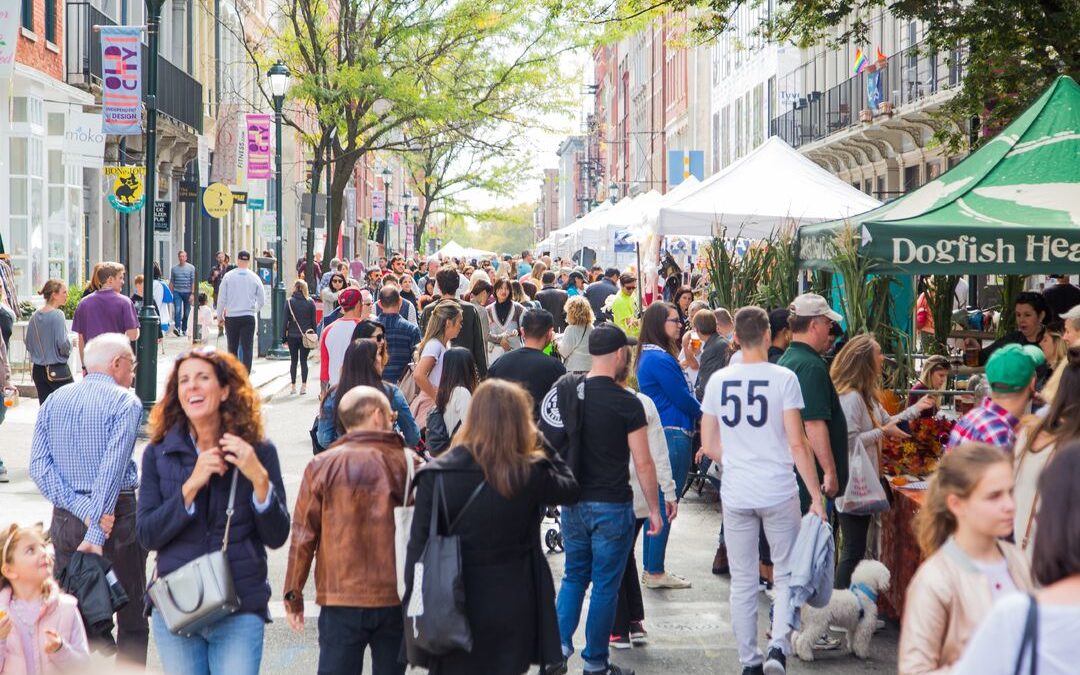
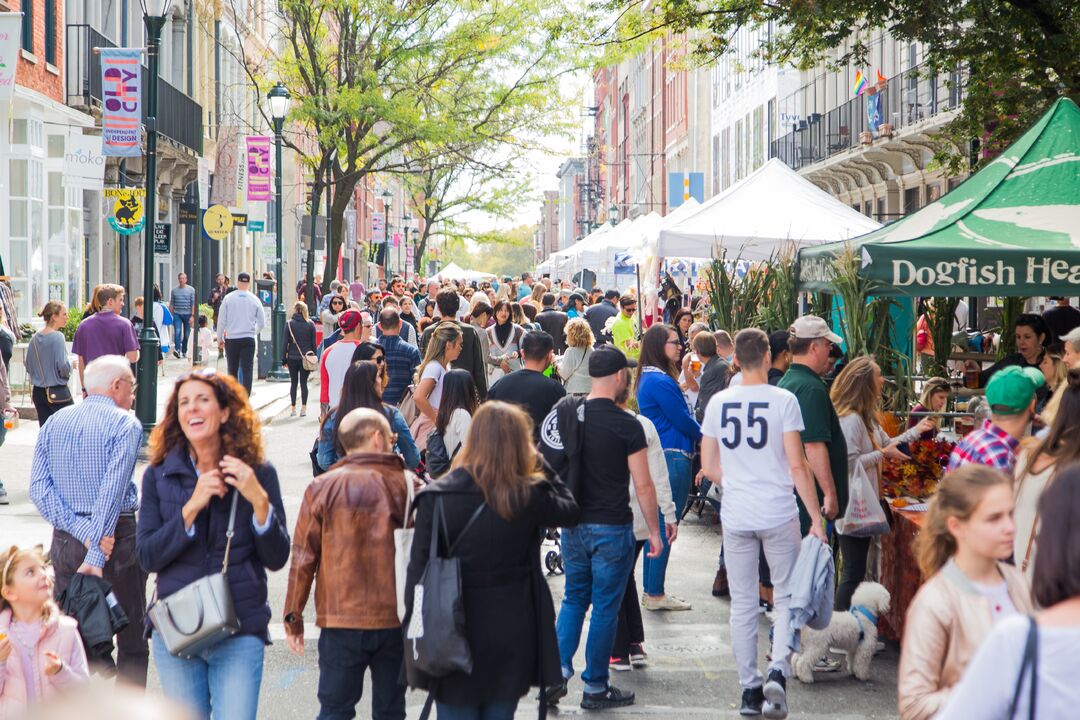
4 min read February 2020 This weekend on Miami Beach there are guaranteed to be three things – food, wine and good times. While this is the recipe for most memorable times had in one of Miami’s top tourist destinations, this weekend in particular is heightened by the annual The Food Network & Cooking Channel South Beach Wine & Food Festival. In most markets, a festival like this would be an outlier as the premier food and beverage event for that year, but Miami is not most markets. The fact is, Miami-Dade is home to an onslaught of premier food and beverage festivities that would make any culinary connoisseur’s mouth water. Invest: explores five of the top foodie festivities in the Miami-Dade region. 

South Beach Seafood Festival  

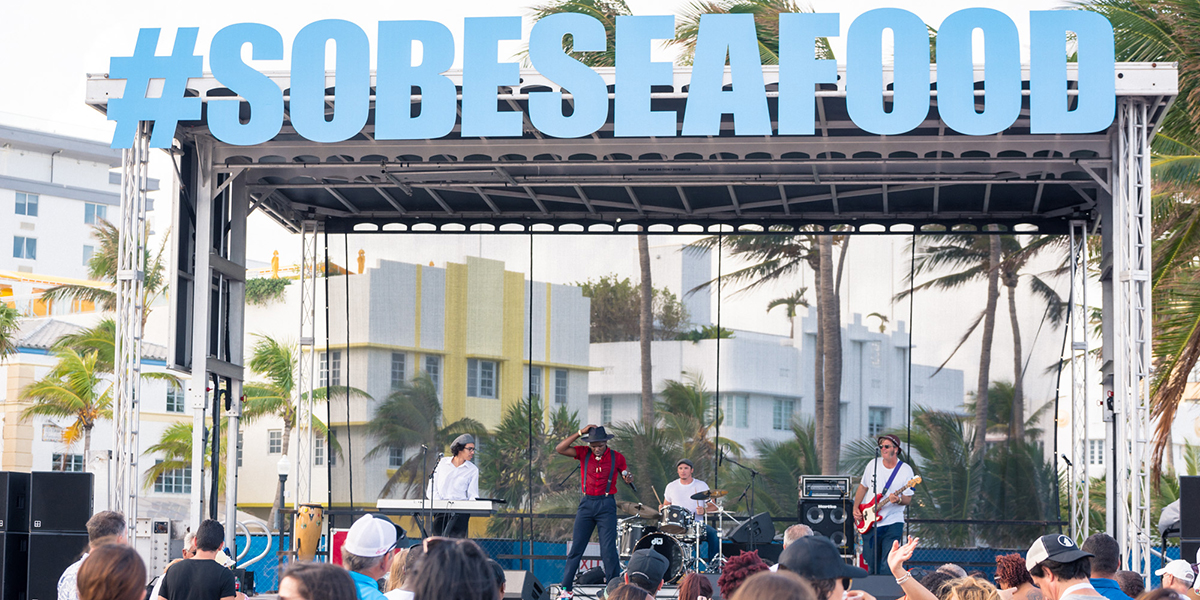
To be considered a Top 5 Speciality Festival by USAToday, listed by Forbes as a Top 5 thing to do in fall and recognized by Travel Channel as the best seafood festival in the United States is no small accomplishment. This four-day festival features three nights of culinary events that lead up to the ultimate seafood festival experience. These preliminary events include an exclusive VIP experience, An Evening at Joe’s, brought to life by food from the historic Joe’s Stone Crab, a cocktail hour-type event called Crabs, Slabs and Cabs featuring Surf N Turf favorites paired with various cabernets, and finally the VIP Chef Showdown, which showcases 14 of the best local chefs cooking up their greatest culinary creations. All of these lead into the big event on the fourth day that spans over four blocks of Miami Beach, features 30 bars, music, culinary demonstrations and enough delicious seafood to please the over 15,000 attendees. This event takes place from Oct. 21-24, 2020. 

For more, visit: https://sobeseafoodfest.com/


Seed Food & Wine Week 

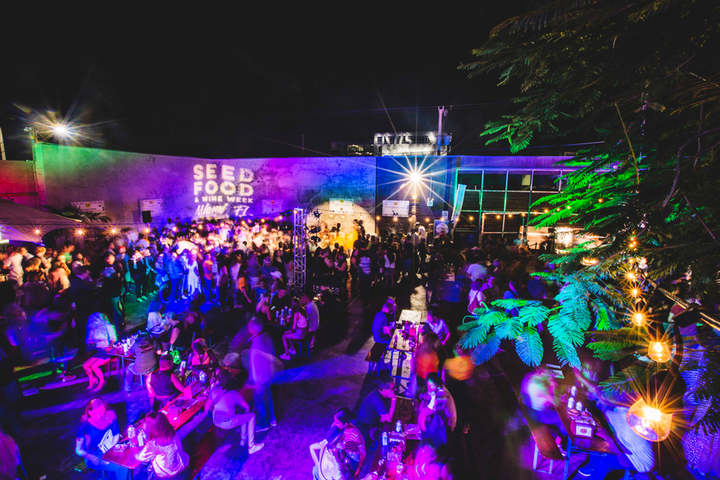
Plant-based diets may not be for everyone, but this four-day event features culinary dishes and experiences that could make even the most devout carnivores consider incorporating more meat-alternatives into their meal plan. Spanning the course of four days, this event touts itself as more of an experience than just a festival as it features a plant-based burger battle, a plant-based pitch off, taco tailgate party, rise and shine yoga experience and meditation, and finally the big event: Seed Festival Day Tasting Village. This vegan-inspired week is also unique in that its events are not centralized and take place in various spots around Miami-Dade, including Wynwood and Downtown Miami. The event runs from Nov. 7-10. 

To learn more, visit: https://www.seedfoodandwine.com/
Doral Food & Wine Festival 

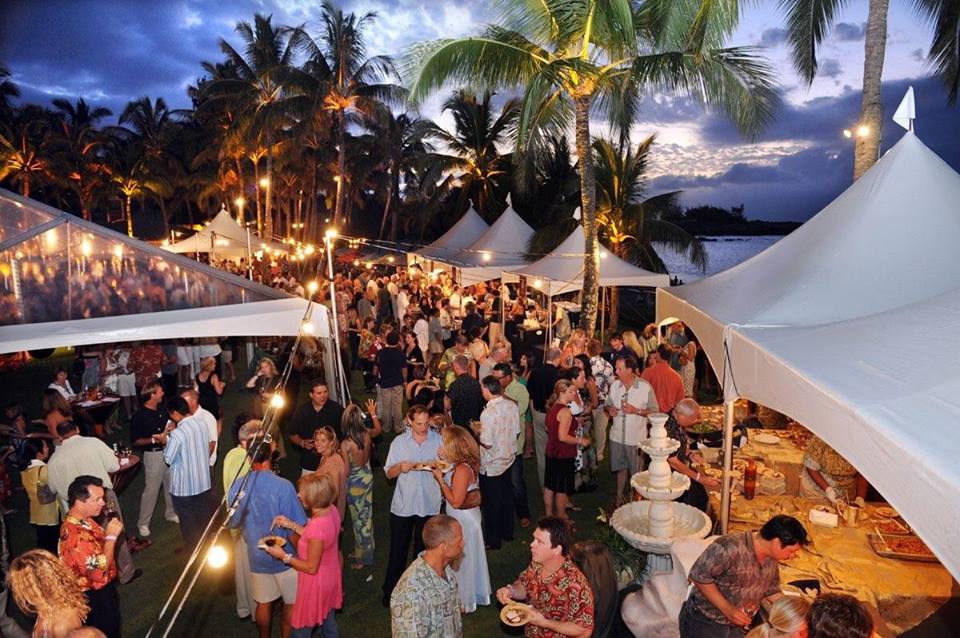
This food and wine festival is going on its fourth year, and while the event has grown significantly since its inception in 2016, this year promises to be bigger, better and even tastier. Over the course of two days, families are encouraged to come out to Doral Central Park and experience live entertainment and live cooking demonstrations. While wine may be in the title, the event is geared toward the entire family, with free entry for kids and an entire area, referred to as the Kids Zone, dedicated to fun activities and games for the little ones. Taking place over March 21 and 22, this year’s event looks to attract over 10,000 people. 

For more, visit: https://doralfoodandwinefestival.com/
South Florida’s Taste of the Nation

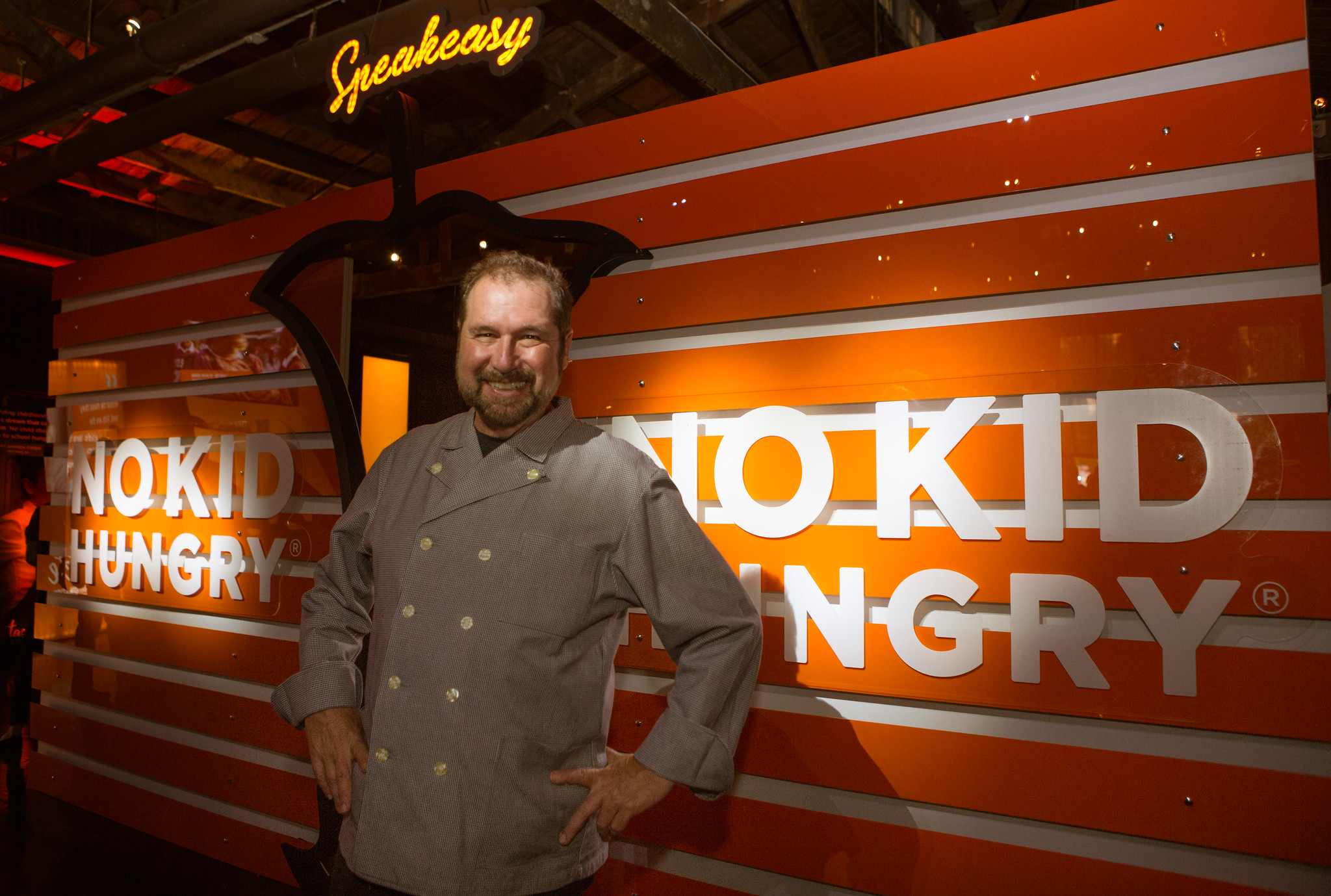
This culinary adventure is a one-night experience that is not only delicious and fun, it also supports a great cause. Described as an elegant evening with some of South Florida’s greatest chefs and mixologists, Taste of the Nation offers guests a chance to try food and drinks from over 50 different South-Florida based restaurants and bars. While normally the best parts of these events are the food and drink, it is actually the impact of dollars collected from the night that is most significant as 100% of local proceeds support the No Kid Hungry campaign’s work to bring an end to childhood hunger in Florida. The event takes place the night of May 16, 2020. 

For more information, visit: https://events.nokidhungry.org/events/south-floridas-taste-nation/
The Food Network & Cooking Channel South Beach Wine & Food Festival (SOBEWFF) 

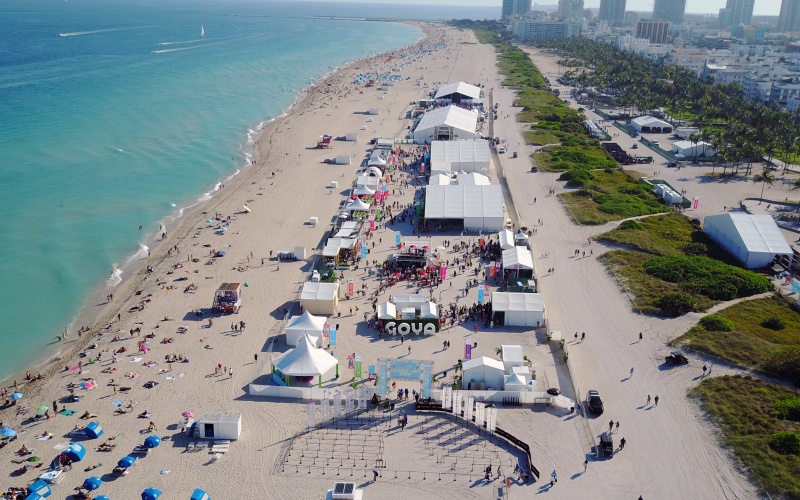
SOBEWFF is a five-day gathering of “who’s who” in the culinary world, over 100 different festival events and over 65,000 people in total attendance. This world-renowned festival has an event for everyone, from the casual food and wine fan to the highest class of food critic. While many of these events could be considered the “big event,” perhaps most well-known is the Goya Foods’ Grand Tasting Village showcasing offerings from more than 50 restaurants and a variety of wines and spirits as well as a closing cooking demonstration by well-known celebrity chef Guy Fieri. The festival is in full swing Feb.19-23. 

To learn more, visit: https://sobewff.org/

Tourists, Flight Availability Underpin MCO’s Record Growth

Tourists, Flight Availability Underpin MCO’s Record Growth

By: Sara Warden

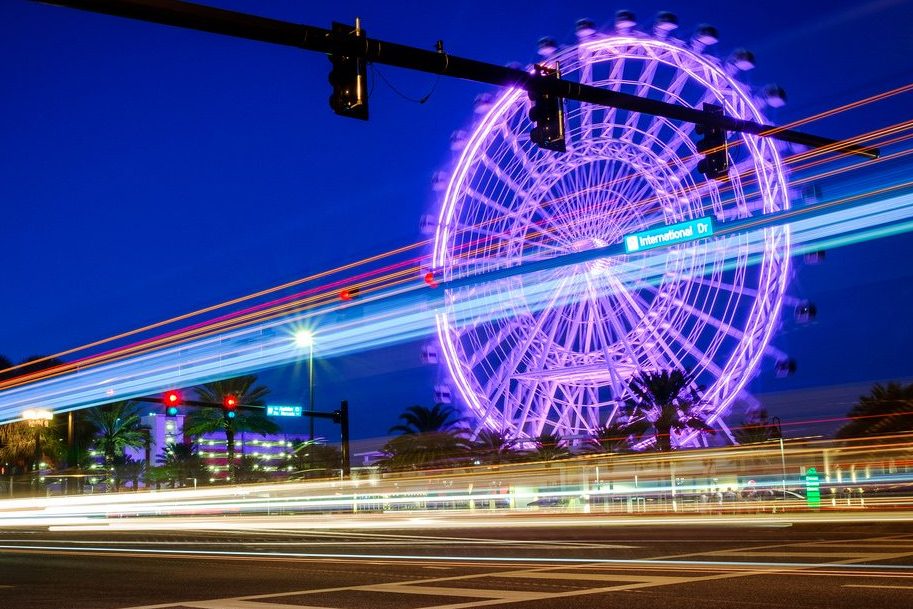
2 min read February 2020 — Orlando’s tourism industry is going from strength to strength, generating $75.2 billion from 75 million people in 2018. The industry’s success at drawing in new customers benefits almost every other industry in the region, not least aviation. In 2019, Orlando International Airport experienced a record-breaking year, welcoming 50.6 million passengers – a 6.1% increase on the previous year.

“Orlando lnternational’s growth in 2019 is due to a combination of factors,” said Phil Brown, CEO of the Greater Orlando Aviation Authority (GOAA) in a press release. “A strong Central Florida economy, continued innovative attractions being unveiled by the local theme parks, increased air service to new markets around the world and more seats coming into the area all equal record traffic at MCO.”

Currently, 38 airlines operate flights out of Orlando International, and in 2019 seat capacity was increased by 5.9% — around another 3.25 million seats. Most of this growth was generated by Spirit and Frontier, two budget airlines that continue to expand in Orlando. Spirit Airlines announced this month that it would expand the frequency of 16 routes from Fort Lauderdale-Hollywood International Airport and Orlando International Airport in 2020.

“Florida is very important to Spirit Airlines, and we are going to keep growing in the state we call home,” said John Kirby, Vice President of Network Planning for Spirit, in a statement. “As the only major airline headquartered in the Sunshine State, Spirit Airlines continues to add new destinations and more nonstop service to meet the needs of Florida’s growing economy.”

And 2020 is shaping up to be an equally exciting year. According to GOAA, there will be 39 new destinations launched from airlines including Air Canada, Westjet, JetBlue, Emirates, Delta and Virgin Atlantic over the course of the year.

The first half of 2020 is full of exciting new attractions such as Mickey and Minnie’s Runaway Railway at Disney’s Hollywood Studios and Hagrid’s Magical Creatures Motorbike Adventure at the Wizarding World of Harry Potter. Cirque du Soleil is also stopping by to perform Drawn to Life, which is sure to make 2020 a year to compete with its predecessor.

And Universal Orlando Resort is planning a new theme park resort, plunging billions of dollars into 700 acres on Universal Boulevard for its Epic Universe. The park is set to integrate the traditional theme parks and rides, as well as hotels, restaurants and other entertainment facilities. “Our vision for Epic Universe will build on everything we have done and become the most immersive and innovative theme park we have ever created. It is an investment in our business, industry, team members and our community,” said Universal Parks & Resorts Chairman and CEO Tom Williams at the unveiling of the project last August.

Orlando International is growing to accommodate this influx of tourists, with $4 billion in construction projects in the pipeline. The new $2.1 billion South Terminal is now 45% complete, will add 19 gates and is scheduled to open by 2021.


To learn more, visit:

https://orlandoairports.net/

https://www.spirit.com/

https://www.universalorlando.com/web/en/us

The Real Winner in Super Bowl LIV

The Real Winner in Super Bowl LIV

By: Max Crampton Thomas

2 min read February 2020 Over the course of last week the excitement for Super Bowl LIV was palpable throughout Miami-Dade County, which was not surprising with over 200,000 people visiting South Florida to watch the Kansas City Chiefs take on the San Francisco 49ers. Ultimately the Chiefs came from behind to snatch their first Super Bowl title in 50 years. While the final numbers aren’t yet in, the early indications suggest another winner from the NFL championship: Miami-Dade County.

 The expected economic impact for the Miami-Dade area when the final numbers are reported from the past week’s events? $500 million. This would be a significant boost from Miami’s last Super Bowl (XLIV) in 2010, which generated $234 million for the region, and the 2007 Super Bowl (XLI), which accumulated $463 million in economic impact.  

The stellar financial results are thanks to well-thought-out events and years of deliberate planning by local leaders and organizations, like the Super Bowl Host Committee. Events like Miami Beach’s Super Bowl Experience and Bayfront Park’s Super Bowl Live were glowing examples of why this Super Bowl was a major win for Miami-Dade. 

Equally impressive was the windfall from “free publicity” that was afforded to Miami, thanks to media coverage of the game and the surrounding large-scale events. In fact, according to the South Florida Business Journal, during a panel discussion on Feb. 3 between local leaders for Super Bowl LIV at the University of Miami’s Carol Soffer Indoor Practice Facility, Miami Super Bowl Host Committee Chairman Rodney Baretto said the figure related to free publicity would be “in excess of $200 million” for Miami-Dade. 

This Super Bowl also provided an opportunity to some of the smaller, local businesses in the region through the Business Connect program. This program afforded close to 300 South Florida-based minority-owned businesses with vendor contracts in order to help in supplying their services and products for the events happening in the region and on the day of the game. 

Another opportunity resulting from Super Bowl LIV was the Super Bowl Legacy Grant Program. This program consisted of the NFL Foundation donating $1 million to the host city, which was then supplemented by funding from the Miami Dolphins and the Miami Super Bowl Host Committee, bringing the grand total to $2.4 million. The money has since been distributed to five capital improvement initiatives throughout the South Florida area. These include new lighting for Bayfront Park in Miami, new synthetic turf for Gwen Cherry Park and a new Outdoor Fitness Zone for Plantation Heritage Regional Park in Broward County. 

One of the biggest winners from the Super Bowl events was the hospitality sector in Miami-Dade and Broward County. With room rates in the Downtown Miami and Brickell areas ranging anywhere from $500 to $5,000, the Super Bowl provided local hotels with an opportunity that couldn’t be missed. The South Florida region was prepared for this onslaught of new guests into the area, with more than 10,000 new rooms being added since the last Super Bowl in 2010. 

While the Chiefs may be walking away the official winners of Super Bowl LIV, Miami-Dade and the South Florida region are the true beneficiaries of a job well done. 

To learn more visit: 

https://www.miasbliv.com/


The Peach State’s tourism industry is thriving

The Peach State’s tourism industry is thriving

By: Felipe Rivas

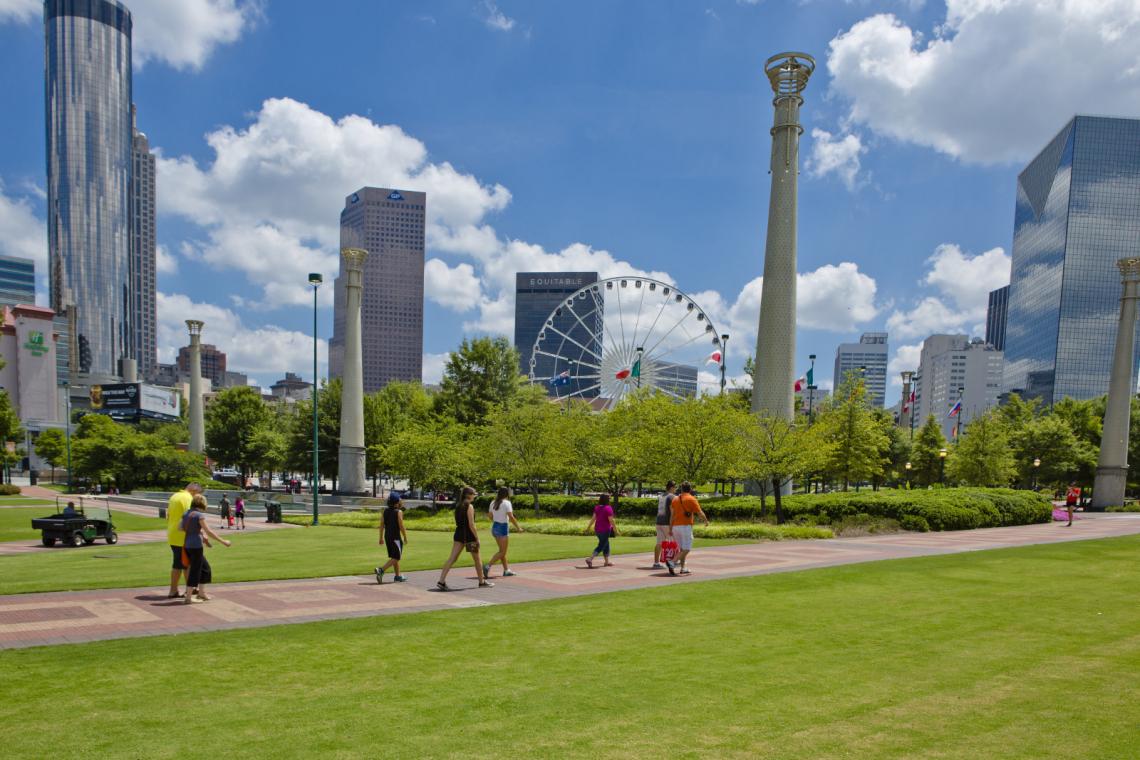
2 min read February 2020 — Florida has the beaches, Pennsylvania has the Pocono Mountains, and California has the movie studios. Looking for a place where you can experience all three attractions and still get a taste of southern hospitality? The Peach State is your best bet and the tourism statistics prove it. Georgia welcomed more than 111 million international and domestic visitors in 2018, a record-breaking year for the state’s tourism industry, Gov. Brian Kemp and economic development leaders announced in January during the annual Tourism, Hospitality and Arts day at the Georgia State Capitol.

Explore Georgia, the state tourism office within the Georgia Department of Economic Development, calculated that visitors spent close to $40 billion in communities throughout the state and supported 478,000 jobs. The billions in tourism-related expenditures generated $3.4 billion in state and local tax revenue.

“As visitors continue to discover Georgia’s unexpected destinations that range from the North Georgia Mountains to Cumberland Island, our economy continues to grow, new jobs are created, and our communities thrive,” said Pat Wilson, commissioner of the Georgia Department of Economic Development. Without the jobs created by the tourism industry, Georgia’s unemployment rate would be 10%, nearly twice as high as the record-low average, Explore Georgia said in a press release. 

The announcement follows Georgia’s consecutive recognition as the best state to do business by different business publications, solidifying the Peach State’s live, work and play attraction. “The tourism, hospitality, and arts industries are constantly propelling our state’s places, culture, stories, and people to the forefront – showing the world why Georgia is the best place to vacation, live, and do business,” Wilson said. 

To learn more, visit:

Exploregeorgia.com

Spotlight On: Stan Lifsey, Co-Owner, The Current Hotel

Spotlight On: Stan Lifsey, Co-Owner, The Current Hotel

By: Max Crampton-Thomas

2 min read January 2020 — In 2020, creating experiences and innovation are two of the main keys to success in the hospitality industry. Stan Lifsey, the co-owner of The Current Hotel, recognized this and used it to help develop one of the newest hotel offerings in the Tampa Bay region. After receiving an initial positive reception, Lifsey is looking to continue capitalizing on the momentum while also pushing the hotel’s innovative approach to hospitality as customer demands continue to change. 


 How are visitors and residents in the Tampa Bay community reacting to the newest addition to the hotel scene? 


We wanted to take advantage of our strategic location on the water, so all 180 rooms have a waterfront view. We also wanted to partner with the best local brands in Tampa Bay and feature them, along with other local artists, in our hotel. This hotel is a one of a kind product and in a one of a kind location. We have been open for a short while, but so far we are very happy with how we have been received by the local community and the visitor turnout to the hotel. The customer feedback from both locals and visitors has been extremely positive, especially regarding the unique brand and design we have brought to Tampa Bay. We built this hotel with the idea to break the mold and cookie-cutter box that the hospitality sector in this region seemed to be stuck in with regards to architecture, interior design and concept.


Do you believe the demand curve will support the multiple new hotels coming online this year in the region? 


I believe the demand curve will be able to support all the new hotel inventory coming online, but that is with a caveat. I’d be interested to see how many of the current deals actually end up being built because of rising construction costs. Construction costs are at an all-time high, construction labor is incredibly tight and land is expensive. We were fortunate enough to have built when we did, but this market is becoming increasingly challenging. It requires a lot of equity to get these deals done and built.


Having all this new supply of rooms in the market is providing positive momentum and growth to the Tampa Bay Region and certainly makes entities like Visit Tampa Bay and the Tampa Bay Sports Commission’s jobs a little easier. Being able to offer this type of innovative product that is coming online really speaks to the evolution of the Tampa Bay hospitality market. We have been an undervalued market for quite a while, but with all the free press that Tampa Bay is receiving thanks to massive development’s like Water Street Tampa, it is driving more people into the region, which increases the demand for more hotels. All of which is ultimately great for the economy of the entire region.


How have you seen the hospitality industry adapt to changing customer demands? 


The overall hospitality market is moving more toward unique guest experiences. Guests want a different vibe and experience whenever they visit a new hotel. This is where the hospitality market is going not only for leisure travelers but also for corporate travelers. The upfront cost may be more to developers and owners but on the back end, your rate and the desire of people wanting to frequent your hotel is much greater.


The idea when building this hotel was that we didn’t want to adapt to anything. We wanted to be  contrarian and blaze our own path. When we started this whole process, we had to engage a branding company and we went through about nine months of branding. Current was not just something that we landed on. The Current name is to do with the fact that we are on the water. It is also a nod to our wave ceiling inside the hotel lobby rotating art gallery and that we want to always be current and innovative in our approach. We always want our brand to shine through in everything we do, which ultimately benefits the customer experience.


To learn more about our interviewee, visit: 

https://www.marriott.com/hotels/travel/tparo-the-current-hotel-autograph-collection/


Spotlight On: Shaun Kwiatkowski, General Manager, The Godfrey Hotel and Cabanas Tampa

Spotlight On: Shaun Kwiatkowski, General Manager, The Godfrey Hotel and Cabanas Tampa

By: Max Crampton-Thomas

2 min read January 2020 — The hospitality industry in Tampa Bay welcomed several new hotel offerings into the marketplace in 2019, and 2020 is going to see the introduction of even more inventory. Invest: spoke to Shaun Kwiatkowski, the general manager of one of the newest offerings to the Tampa Bay region, The Godfrey Hotel and Cabanas Tampa.  Besides a bountiful 2019, Kwiatkowski also spoke about the importance and benefits of operating as an independent brand in a market that is saturated with corporate offerings, as well as his view on the impact of the sharing economy in the Bay. 


How would you describe The Godfrey’s performance in 2019? 


In 2019, we enjoyed the continued market penetration of our brand. We are still pretty new and usually the ramp-up period for a hotel brand in this market can take up to five years to really penetrate and become established, especially a new, independent hotel like The Godfrey. We do not have the Marriott or the Hilton behind us, so we have to rely on a lot of specific strategies to execute. We feel that we have been able to penetrate the market effectively in a short period of time. We have had a lot of growth, which we measure by ADR growth. We had almost double-digit ADR growth last year, which equates to RevPar growth in the hotel’s revenue results. We’re very thankful and proud that we have been able to grow that ADR a little bit faster than the market as a whole. When you look at the Tampa Bay market this past year, occupancy rates had stayed pretty much flat, but I believe that has a lot to do with the additional room supply coming into the market. 


How has operating as an independent brand been beneficial and a challenge to the hotel? 


Being an independent brand can create benefits, but there are also challenges to that. As the business and the industry have evolved, demand has changed and today, many people want something different from the corporate type of hotel. Not to take anything away from those brands, but people do want to have the unique and fun experience that an independent brand can provide, similar to our food and beverage experience in WTR Pool & Grill. That is exactly who we are. If we look at the market as a whole, we are starting to see some of those big-name brands evolve into a more independent style. We are seeing those independent, millennial-focused brands growing in popularity, especially in this area.


A big challenge for us across the industry is employee retention and finding the right talent. We drive employee retention through the culture that we create within the hotel. If we find a good employee, we reward them and we guide them through their career. When we are looking at recruiting people to fill our open positions, it is more about the person than their skills. I can teach you most of the skills to be a front desk agent or to be a server, but I can’t teach you to smile. I can’t teach you to be positive and warm. This means we always have to be in our recruiting mindset and look for those individuals who have the hospitality spirit.


How has the sharing economy impacted your business, if at all? 


In regards to the impact from the sharing economy and things like Airbnb, there’s enough room for everyone to play, from our perspective. The Godfrey has not seen a major impact from the sharing economy. If the average person does a normal search of Airbnbs in this region, there is not as large an inventory as you might find in Boston or Chicago. That being said, when we look at what Airbnb is doing and the future of their booking channel, that is something that’s on our radar. If there is an opportunity there that works for us, we are going to investigate it and see if there is enough return on investment to try and implement something similar.


To learn more about our interviewee, visit: 

https://www.godfreyhoteltampa.com/


Face Off: The Sunshine City’s Future Shines Bright

Face Off: The Sunshine City’s Future Shines Bright

By: Max Crampton-Thomas


4 min read January 2020 Deliberate, calculated and fast-moving are just a few of the ways to describe the economic growth happening in the city of St. Petersburg. Long known as the “Sunshine City,” St. Pete has developed into an economic and arts and culture powerhouse within the Tampa Bay Region. This is in large part thanks to efforts by a motivated business community and community leaders. Invest: spoke with two of the prominent figures in the St. Pete community about their organization’s efforts to maximize the potential of their city. J.P. DuBuque, the president of the St. Petersburg Area Economic Development Corporation, and Alison Barlow, the executive director of the St. Pete Innovation District, also discussed their view of the future and the challenges that await. 


How are you working to promote economic expansion in St. Petersburg?

J.P. DuBuque: As an EDC, our primary role is to help grow jobs in the St. Petersburg area. One way we can contribute to that is by attracting new companies into our community. The most effective means of doing this is by telling our story, and to tell the story we have to know what the story is. This means we have to understand what our local community looks like. We are spending a good bit of time focusing on our local community to really understand the targeted industries that we want to enhance and grow. We are working with groups like the data analytics community and marine science community to best understand their needs. This in turn relays to us where the opportunities lie to attract new businesses to the region. Apart from this, we spend a lot of time out of the market, meeting with individual companies and other markets to tell them the great story of doing business in St. Petersburg. Sometimes this is through coordinated business development missions, while other times it is by leveraging non- economic-development-related conferences like South by Southwest or through focused sales development efforts.

Alison Barlow: The entrepreneurial ecosystem and talent development are two big areas of focus for us. We are doing a program called Innovation Scholars, which provides unique job shadowing opportunities for first-year students at USF St. Petersburg. We have already paired 39 students with companies in the Innovation District and around Downtown. We are also exploring ways to incubate more marine technologies, such as sensors, drones and ROVs, as well as encouraging the link between marine and life sciences.

As part of our efforts to attract businesses and talent to the district, we offer a variety of office space types. We are also focusing on connecting people who are located near the St. Pete Innovation District and making them part of the district. We are supporting the creation of social spaces by encouraging restaurants and retailers to come to the area. We are also supporting the full range of housing, from fully-assisted affordable housing to workforce, multifamily and luxury condos.

From your perspective, what is one of the most significant challenges for economic growth in St. Petersburg?

DuBuque: The biggest challenge for us is perception versus reality, and I believe this is a statewide challenge. When you look at what people think regarding some of the things that are necessary to build a successful business, and a successful quality of life, there are some perception challenges for Florida. The perception that Florida is not a good business environment, and that our school systems are not up to par are a real challenge. The perception, and reality, of Florida’s lack of mass transit is a real issue that needs to be overcome. When we have an opportunity to show folks what the reality is, they are typically pleasantly surprised.

Barlow: We are leading conversations with local health institutions about how changes in our oceans have an impact on our people. Human and ocean health are becoming much more related. For example, last year we had a significant red tide, and while the marine scientists were looking at the causes that were making it worse and the impact on marine life, the physicians in our area were seeing an uptick in asthma issues due to the airborne aspect of red tide.

We have some of the best sea level rise experts in St. Petersburg. It is encouraging to see the progress of their research looking at temperature fluctuation, the infiltration of bacteria and nutrients in the water that is contributing to algae blooms such as blue-green algae and red tide. They are turning this deep research into practical knowledge for the community. 

What has you excited for the future economic growth in St. Petersburg?  

DuBuque: It is important to remember that growth is necessary for us to move forward as a society. If we are not growing as individuals and as a community, then we are actually moving backward. That said, the level of proactivity from the Economic Development Corporation allows us to select the types of businesses that we want to really bring here. That in and of itself will help move us forward. We also have a full community commitment to the Grow Smarter Strategy, which gives us a common road map for every person in the economic development game. Those things allow us to maintain the culture and character of St. Petersburg while still moving forward. The worst thing that we could do is to kill the golden goose, which for us is the vibrancy, authenticity, arts, creativity, innovation and “funk” of St. Pete.

Barlow: We are excited about our progress on our smart city project. The St. Pete Innovation District is partnering with Spectrum and US Ignite to test concepts around smart city technology to improve the lives of the people in our community. It is also a chance for us to try sensor technology and think about what it would mean for educational and workforce opportunities. We are getting closer to installing four smart light poles on the University of South Florida St. Petersburg campus that will have power, internet and the ability to host environmental and traffic sensors.

To learn more about our interviewees, visit:

https://stpeteinnovationdistrict.com/the-district/

https://stpeteedc.com/


New inventory, worldwide recognition to expand Philly’s hospitality in 2020

New inventory, worldwide recognition to expand Philly’s hospitality in 2020

By: Yolanda Rivas

2 min read January 2020 — Philadelphia’s hospitality industry welcomed a variety of hotels and restaurants in 2019, and the new year will see that growth continue. The city’s expanding and diversifying hotel inventory is a trend that even industry leaders are keeping an eye on.

“We are closely monitoring the impact of additional supply entering the market in 2020, and continue to ensure we are providing our guests with a unique and personal experience that helps to create the loyalty we know will keep our valued guests staying with us year after year, as the options in our city continue to expand,” Michael Roberts, area general manager at The Windsor Suites Philadelphia told Invest:.

Philadelphia’s growing business community has presented a variety of opportunities for the city’s hospitality sector. According to Visit Philadelphia President and CEO Jeff Guaracino, cities around the world are looking at private and public investments made in Philadelphia and how they’ve positively impacted the city’s tourism ecosystem.

“Recently, we’ve seen enhancements to the city’s historical, cultural and dining options, the Pennsylvania Convention Center and to our stadiums in South Philadelphia. These are just a few examples, but they show us how appealing our city’s product is when viewed holistically,” Guaracino said in an interview with Invest:

Another fact that can have a positive impact in the City of Brotherly Love’s hospitality sector is its recognition as one of the top destinations to visit in 2020 by National Geographic. Philadelphia was one of only two U.S. destinations (alongside the Grand Canyon) among the 25 must-see destinations and travel experiences in this year’s list of the Best Trips to take. “We’re thrilled that Philadelphia is featured so prominently and beautifully in this influential publication that we know drives travel decisions,” said Visit Philadelphia’s Guaracino in a written statement. 

In 2018, the Greater Philadelphia region marked its ninth consecutive year of record visitation and the highest number of passengers through Philadelphia International Airport since 2008, according to Guaracino. 

“The city is fairly evenly split in thirds between corporate, leisure and group business. We value each, and are always working to develop each segment. The type of traveler segment that is most prevalent does vary throughout the year. We experience the same variations in the business cycle,” said Roberts. 

Philadelphia’s new hotel inventory for 2020 includes: 

  • Canopy by Hilton Philadelphia Center City opening in May 2020
  • W Hotel opening June 2020
  • Element Hotel Philadelphia opening June 2020
  • The Hyatt Centric Hotel opening June 2020
  • River House at Odette’s opening June 2020
  • Live! Casino & Hotel Philadelphia opening December 2020


To learn more about our interviewees, visit:

The Windsor Suites Philadelphia: https://www.thewindsorsuites.com/ 

Visit Philadelphia: https://www.visitphilly.com/ 


No Lull for Football Fans in Tampa Bay

No Lull for Football Fans in Tampa Bay

By: Max Crampton-Thomas

2 min read January 2020 If the last few weeks in the Tampa Bay region have felt like a nonstop marathon of events and gatherings, that’s because it has been. While the region has been celebrating the multiple holidays and enjoying the dozens of holiday happenings around the area, there have also been some significant sporting milestones, specifically in the world of football. As the season closes for the NFL in Tampa Bay, another one begins for the new XFL and the beginning of 2020 also marked another successful bowl game in the Bay. 


The end of the NFL 2019 regular season was lamented by a 28 to 22 Buccaneers loss to the Atlanta Falcons in overtime. While it was not the season Bucs fans were hoping for, it did leave some room for hope in the next season as well as some shining moments that will be enshrined in Buccaneers history. This season saw the complete dominance of what could possibly be the best wide receiver duo in the NFL, Buccaneers Mike Evans and Chris Goodwin. Between them they had almost 2,500 receiving yards, 17 touchdowns and they were both chosen to represent the NFC in the Pro Bowl. 

Then there is the curious case of the Buccaneers starting quarterback Jameis Winston, who was just the eighth quarterback in NFL history to throw for over 5,000 passing yards in a season, becoming the passing yards leader for the 2019 season. This in itself should be a huge advantage on the resume of the quarterback, who was playing for a new contract this season, but that same resume for this year is marred with a new NFL record – Winston is the first quarterback to throw for 30 passing touchdowns and 30 interceptions in a single season. So while head coach Bruce Arians has a lot of positives on the offensive side heading into his first offseason with the Bucs, there are some significant decisions to be made this offseason in regards to the future face of the franchise. 

Jan. 1 not only marked the beginning of the new decade, it was also the day to catch the annual Outback Bowl held at Raymond James Stadium. The bowl game, which has been played in Tampa Bay since 1986, is a staple in the community and receives support from some of the largest local institutions like Pilot Bank and Visit Tampa Bay. The game itself saw the #18 ranked Minnesota Golden Gophers take on the #12 ranked Auburn Tigers in what was an exciting game through all four quarters. While both teams jumped out to strong starts in the first quarter, Minnesota capitalized on the momentum by scoring 14 in the 2nd quarter and ultimately Auburn was never able to make a push to get ahead. With Auburn trailing for the rest of the game, the final score resulted in a 31 to 24 victory for the Minnesota Golden Gophers. 

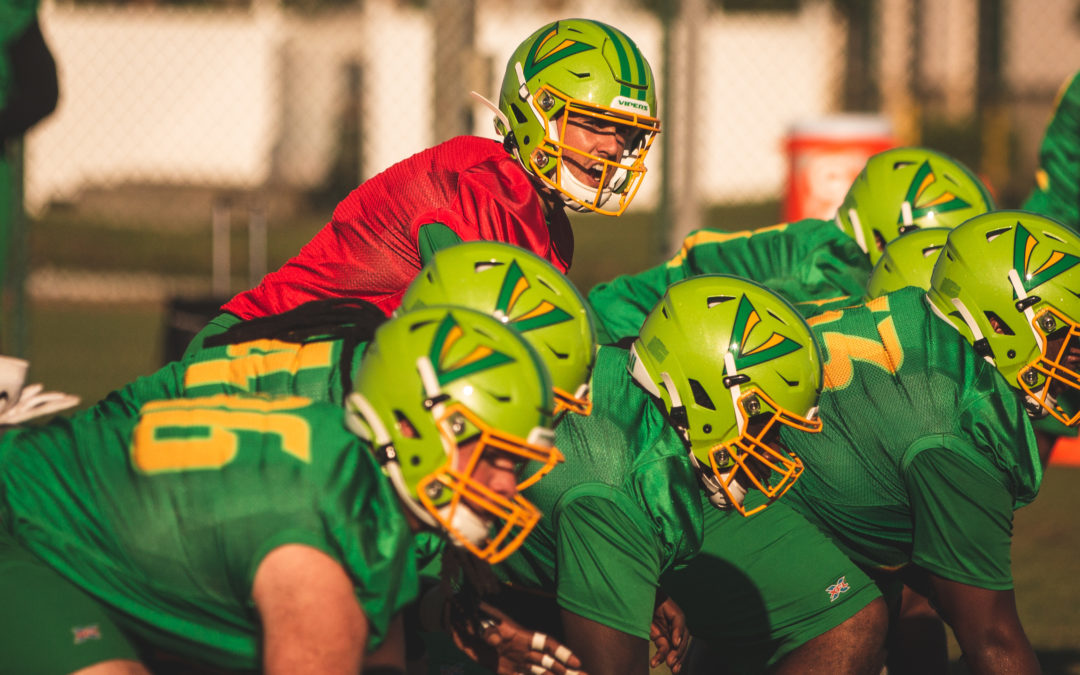
With the end of the Bucs season and the passing of another Outback Bowl, the Tampa Bay region would normally go into a football lull, but thanks to the introduction of a new XFL team, the Tampa Bay Vipers, there will be no shortage of football to enjoy. Invest: recently spoke with the president of the Tampa Bay Vipers, Josh Bullock, about the process of bringing this team to the region and why Tampa Bay is perfectly suited for another football franchise. “The process of bringing this team to Tampa Bay has been exciting, intense and rewarding. Thankfully, we have great leadership, both in the region and throughout the league, starting with the chairman of the XFL, who gave us the time and resources to build this league the right way,” Bullock stated. “We anticipate playing a fast, fun style of professional football at Raymond James Stadium for Tampa Bay fans. I believe Tampa Bay is perfectly suited for this XFL team because of the great sports fans we have throughout our community. There are many entertainment options available and our community will continue to gravitate to products that are enjoyable, engaging and offered at an affordable price. That is exactly what the XFL is going to provide.”

Football fans won’t have to wait long to start enjoying everything the XFL promises to provide as the first game is slated for Sunday, Feb. 9, against the New York Guardians. The team’s home opener at Raymond James Stadium is scheduled for Saturday, Feb 22, versus the Houston Roughnecks. 

To learn more about our interviewee, visit:

https://www.xfl.com/en-US/teams/tampa-bay