Record Numbers Flock to Philly, Again

by Yolanda Rivas
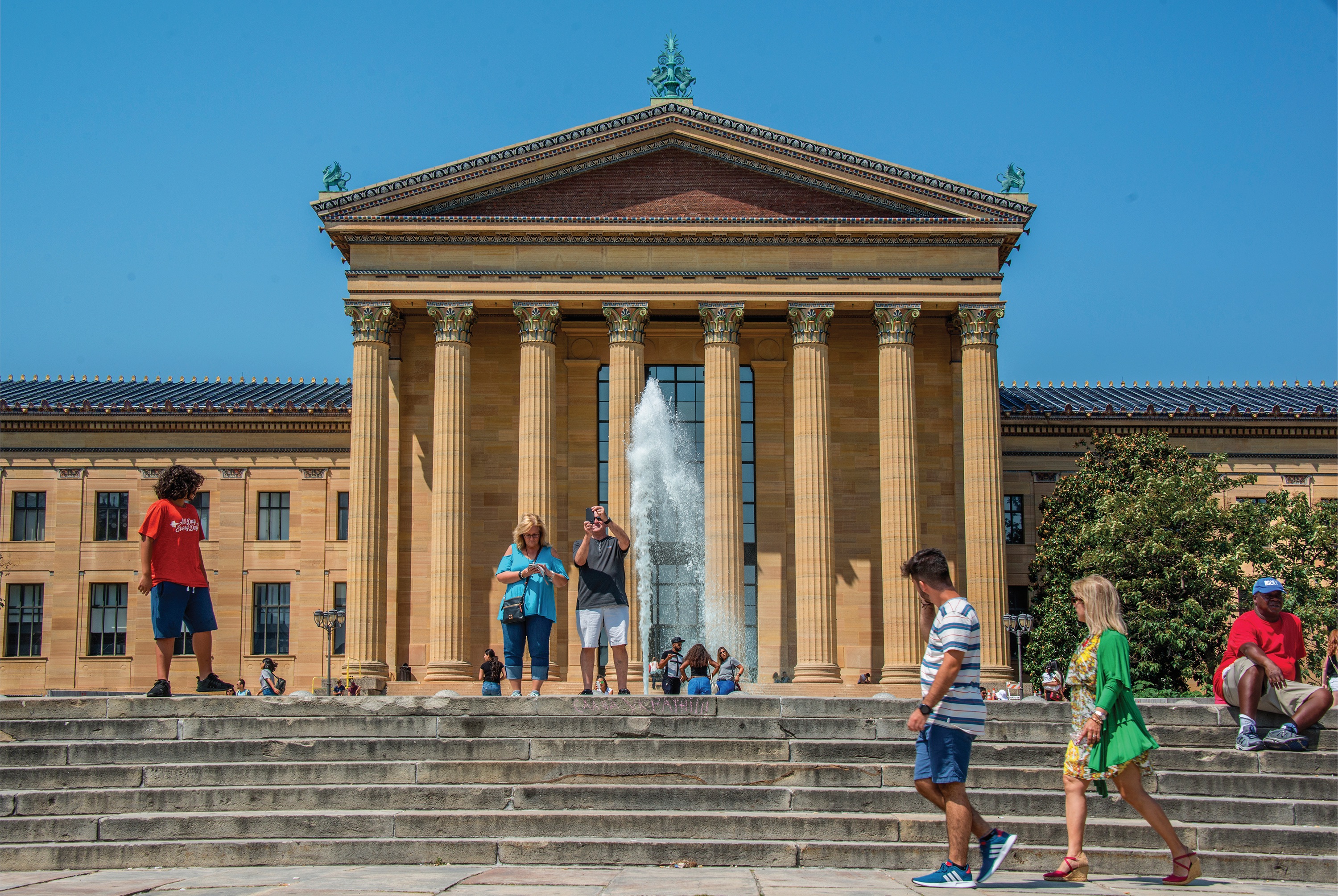
 

2 min read AUGUST 2019 — Greater Philadelphia experienced its ninth straight year of record tourism in 2018. Public and private organizations in the sector are making multiple efforts to elevate tourism to the city and maintain its record-setting pace. 

Enhancements to the city’s historical, cultural and dining options, such as the Pennsylvania Convention Center, the stadiums in South Philadelphia, the Philadelphia Museum of Art renovations and a number of new hotels on the horizon are some of the examples of improvements to the city’s offerings. 

“We’re working on a partnership to significantly grow our brand globally while also making a further commitment in Philadelphia with a new project that will dramatically enhance the architectural canvas for residential real estate,” Larry Korman, president of luxury extended-stay brand AKA Hotel Residences, told Invest:. 

Philadelphia’s weekend occupancy rate remains in the low- to mid-90%, also record highs, as the city of brotherly love attracts both business and leisure travelers. Local hotels, such as the Cambria Hotel Philadelphia Downtown, are committed to highlighting and complementing the communities where they operate through area-inspired decor and modern design.  

“We have locally commissioned art in our hotel, and since we sit on the Avenue of the Arts, our decor is themed with a nod to arts and music. We sourced most of the art and decor from local artisans, vendors and companies to ensure that we are supporting the community in every way possible,” Jerry Rice, General Manager at Cambria Hotel Philadelphia Downtown, said in an interview with Invest:.

To meet the demands of those who want a unique and intimate experience, some local brands are making the transition to boutique hotels. That is the case of former Courtyard by Marriott, which has been reborn as The Notary Hotel. According to the hotel’s general manager, Jim McSwigan, some of the elements of renovation include reimagined rooms, public workspaces for guests, a new shower experience in all rooms and a modern fitness center. 

“We have maintained an element of history with 1920s-inspired decor and furnishings, while introducing a modern feel. We offer the latest and greatest when it comes to providing guests with a great space, not only for business meetings, but for social events, weddings and any type of celebration,” McSwigan said.  

Another main driver for visitors and a key economic developer is the arts sector, and Philadelphia’s world-class music institutions are putting the city in the global spotlight. Such is the case of Opera Philadelphia and its Festival O, for example, which has had a  local, national and international impact. David Devan, general director and president of Opera Philadelphia, pointed out in an interview with Invest: the importance of the festival in creating local, enlarged artistic partnerships and developing a new, mostly young audience. “That is the biggest impact; we now have more customers than five years ago. We work with Visit Philadelphia, PHL Convention and Visitors Bureau, and other agencies that promote the city and create local pride,” he said.

“Because we do so much new work, what we are doing is affecting the field of opera nationally in terms of the field celebrating and participating in contemporary art activity. Internationally, we have become recognized as one of the most innovative opera companies in the United States,” Devan stated.

This year, Philly’s official tourism marketing agency VISIT PHILADELPHIA is focusing on opportunities in the multicultural market, specifically Latinx, LGBTQ and African American audiences. 


To learn more about our interviewees, visit:

AKA Hotel Residences: https://www.stayaka.com/ 

Opera Philadelphia: https://www.operaphila.org/ 

Cambria Hotel Philadelphia Downtown: https://www.choicehotels.com/pennsylvania/philadelphia

The Notary Hotel: https://www.marriott.com/hotels/travel/phlak-the-notary-hotel-autograph 

VISIT PHILADELPHIA: https://www.visitphilly.com/


Universal’s Epic Orlando Investment

by Sara Warden

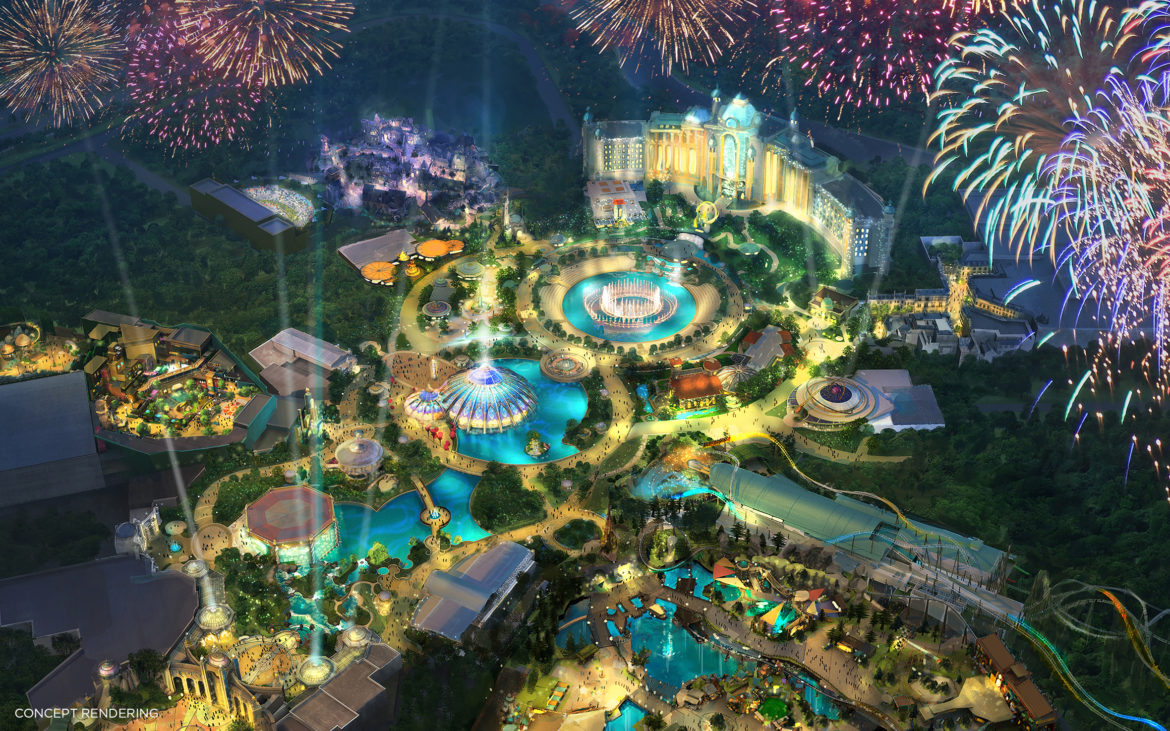
2 min read AUGUST 2019 – The theme park industry in Orlando is about to get an Epic addition. Comcast NBCUniversal, parent company of Universal Studios, announced a fourth theme park to add to its Orlando portfolio. Although it is keeping its cards close to its chest, the company has made no secret of the significant economic opportunities Epic Universe will open up for the entire state of Florida.

“Our new park represents the single-largest investment Comcast NBCUniversal has made in its theme park business and in Florida overall,” said Brian L. Roberts, chairman and CEO of Universal’s parent company Comcast Corporation.  “It reflects the tremendous excitement we have for the future of our theme park business and for our entire company’s future in Florida.”

According to the World Travel & Tourism Council, for every $1 spent on travel and tourism, $3.2 are returned to the economy. An economic impact study for Universal conducted by UCF economics professor Sean Snaith found that construction of the new park alone will inject around $11.5 billion in direct and indirect economic benefit into the Florida economy.

In particular, Universal will fund 50% of the Kirkman Road extension, which will allow access to the area where the new park will be located. “The Kirkman extension will improve transportation through a busy and growing portion of our county and open up the entire area for additional development, including an important expansion of our Convention Center,” said Orange County Mayor Jerry Demings.

According to research by WeSwap, the average daily spend by real travellers in Orlando comes in at around $144 per day, with $52 spent on eating out, $66 on entertainment, $27 on transport and $43 on shopping.

Although no concrete details have been announced on capacity, the new park will be built on a 750-acre site. As of July 2019, the current Universal theme park covered 840 acres, meaning this new development has the potential to almost double the theme park’s current 75-million capacity.

Taking just a conservative estimate of an additional 25 million visitors per year, that’s still a whopping $3.6 billion in income for the park. According to Universal, it contributes more than $302 million in annual state and local taxes, a number that will nearly double when the new theme park opens.

Universal Orlando’s combined direct and indirect economic benefit to the Florida economy since Universal Studios opened in 1990 is $73 billion, and the industry continues to grow. In 2018, the theme park segment of Comcast’s balance sheet came in at $5.7 billion, up 4.4% on 2017.

The direct investment being made by Universal is substantial in itself, but the knock-on effects for the economy are undeniable. The new theme park will increase the 25,000-strong staff at the theme park by another 14,000, significantly boosting quality of life and opportunities in the area and allowing the region to flourish.

“The investment Universal is making in our community and the benefit all of us will see is substantial,” said Demings. “This will benefit nearly every segment of our economy, from tourism to high-tech.”

Orlando Welcomes Mixed-use University City

by Sara Warden

2 min read July 2019Right now, students all over the world are enjoying a long summer break. But when summer ends in the fall, 7,700 UCF and Valencia College students will be returning to classes at a new state-of-the-art 68-acre development called Creative Village.

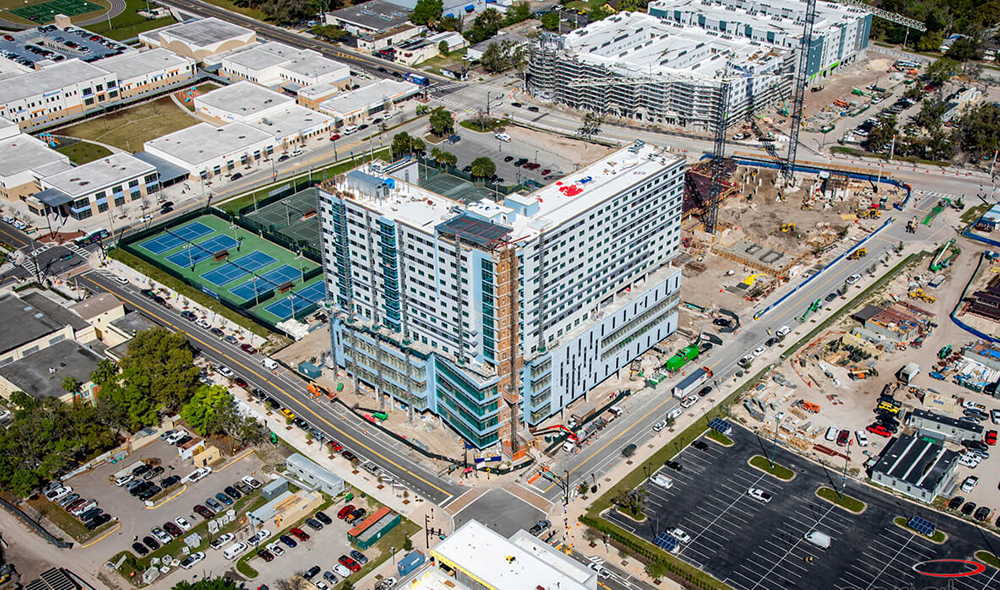
A $1-billion public-private partnership, Creative Village is designed to become a minicity in the heart of Orlando’s downtown. The campus will host more than 20 UCF academic programs, including communication, digital media, legal studies, healthcare technology and healthcare management. Valencia College will offer programs in digital media, health information technology, culinary studies and hospitality.

The centerpiece of the campus will be the Dr. Phillips Academic Commons, designed by architects Robert AM Stern and SchenkelSchultz. UK-based contractor Skanska is responsible for the development of the $66 million building. The 580-space, four-story, $14.6 million parking garage will be installed with license plate recognition technology and electric charging stations. State-of-the-art student accommodation will be provided by Ustler Development and DEVEN in the form of UnionWest, a 15-story building with over 600 beds and retail spaces.

The new campus has been in the works for the last four years but it is not just students who should be interested in the development. For local companies, the business of education can be a lucrative one. Not only will Creative Village host the campus, but it will eventually become a massive mixed-use district with 1.2 million office spaces, 1,500 residential units and 225 hotel rooms.

According to the Assistant Vice President of the new campus, Mike Kilbride, the goal was to offer students integration, convenience and walkability. “You go to the legal studies example and we’re just a five-, six-minute walk to the courthouse. So, students have the opportunity to intern while they’re in their courses,” he told Click Orlando.

Sunrail and Lynx buses have established a partnership with the campus, allowing students and staff to ride free of charge. “That allows students with their student IDs to ride Lynx buses for free, so there’s a lot of great options for our students and faculty and staff to connect with this campus if they want to leave their car at home,” Kilbride said.

As the campus becomes more walkable, the need for convenient retail outlets becomes more pressing. According to Wells Fargo research, the average spend of students per year on basics like accommodation, books, transport, clothes and food comes to around $14,960. When considering the students alone, that’s a $150-million gold mine for local vendors just waiting to be tapped into.

Just last week, UCF Downtown announced sushi restaurant Vera Asian would be joining the ranks of Dunkin’, Qdoba, Subway and many more as vendors at the campus. The development will also generate jobs for hundreds more custodial workers, security guards, maintenance workers, IT support workers and others.

“We’re not just talking about transforming a city, we’re talking about transforming lives,” said City Commissioner Regina Hill, who represents west downtown Orlando, at a meeting with the Florida Board of Governors.

“It’s terribly exciting to have 7,000 students in our downtown. That’s going to change the complexion of downtown forever for the better,” Orlando Mayor Buddy Dyer told News 6.

No Stopping Tampa Tourism Rocket

Max Crampton-Thomas

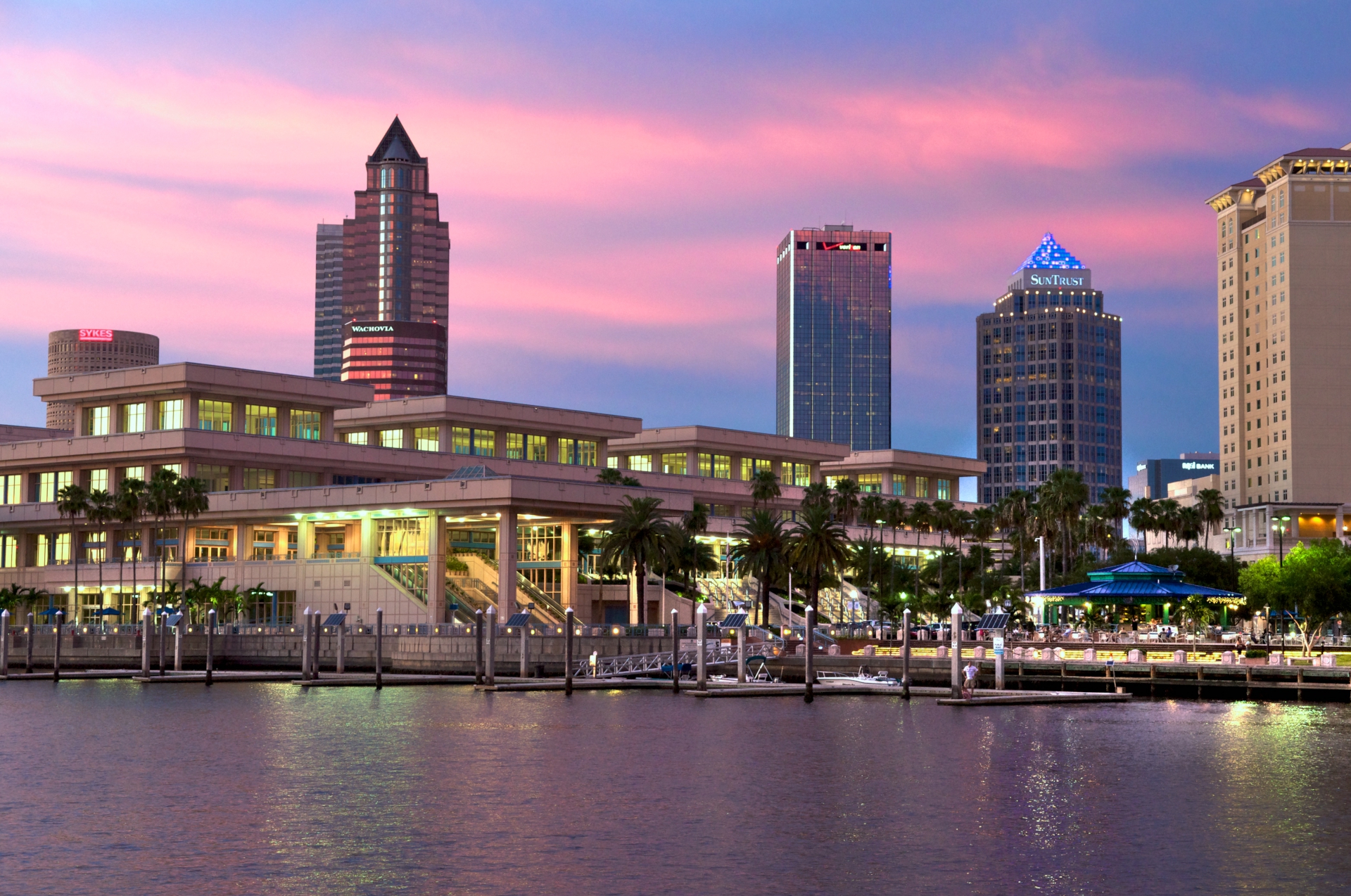
2 minute read July 2019 — Quite often when the city of Tampa Bay is mentioned it is in the context of how rapidly the area is growing both in population and economically. The boom Tampa Bay is experiencing can be attributed to a great many things, including a bustling tech sector, a revolutionary healthcare market and first-class educational institutions. Perhaps most influential in all this growth, however, has been the economic rocket that is the city’s tourism sector. Tourism in Tampa Bay has steadily risen year after year, and with events like Super Bowl LV and Wrestlemania 36 on the horizon, that trend shows no signs of slowing down.

The spike in tourism to the region has not been by chance. Rather, it can be attributed to the focused and deliberate efforts made by local businesses, government and community organizations. Invest: Tampa Bay recently spoke with Santiago Corrada, the president and CEO of Visit Tampa Bay, about the record year the city had in 2018. “We had an incredible end to the 2018 calendar year. It was another record-setting year for hotel revenue, which is phenomenal given that we have had record-setting years every year since 2014. We ended 2018 at $673.5 million in hotel taxable revenue, which was almost 5% higher than the previous year at $644 million. This is important for us because anytime a county hits $600 million in taxable revenue, it is granted the designation of a high-impact tourism destination. We have been able to reach that designation for two years in a row, and this year was even more important because our county commission just approved a rise in the tourism tax from 5% to 6%, which is the highest that any county can collect.” The growth in tourism throughout Tampa Bay also has a spillover effect. As demand increases and new attractions open they bring with them fresh job opportunities for local residents.

To sustain momentum and build on these milestones, Corrada says that attracting new hotels to the city makes sense. “There are certain big-name, five-star brands we do not have in Hillsborough County, and as the business plan makes sense to add these properties then we will. These new properties will yield different business groups and markets for the region. We have to continue to capitalize when we have an opportunity to expand our reach, refresh our brands and to always have something new to bring visitors back,” Santiago told Invest. “That’s why new developments like the Tampa Riverwalk are so important, why food halls are so important and why Busch Gardens updating and adding its roller coasters is significant because it gives people a reason to want to come back to Tampa Bay. Sustainability in this industry has to do with still being aggressive and still going after it.”

Tampa Bay is quickly becoming a premier, must-visit destination in Florida. Tourism in the city of Tampa Bay shows no signs of slowing down, and due to the efforts of organizations like Visit Tampa Bay will likely reach new heights in 2019. 

To learn more about our interviewees, visit their websites:

https://www.visittampabay.com/

Orlando No. 1 for 4th of July

by Staff Writer

2 min read July 2019As the 4th of July vacation fast approaches, many Americans are ready to start their engines and hit the highways for the holidays. Right on time, the American Automobile Association (AAA) has released its ranking of the most popular destinations this year, and Orlando tops the list. The city beat out global tourist stalwarts, including Rome and Paris. When it comes to summer vacation, here’s what makes Orlando a standout.

Location, Location, Location

Located in the middle of the state, Orlando is remarkably well-connected. It is linked to North Carolina by I-95, and to Atlanta and Tennessee by I-75. Even visitors from as far off as Dallas can sail down the I-20 and arrive to Orlando in 17 hours. Gas prices are low heading into the US “driving season,” with average prices down on the same time last year.

For those who prefer to leave the car at home, Orlando boasts three international airports. Orlando International alone has over 2,700 domestic flights per week.

Park Life

Once tourists arrive, they have a plethora of destinations to choose from, but the top attractions are its iconic theme parks. Orlando is host to Disney’s Magic Kingdom, Universal Island of Adventure, Sea World, Legoland and many more. The 2018 Theme Index shows that Orlando plays host to seven of the Top 10 theme parks globally, with combined foot traffic of over 83 million people. In an industry expected to be worth $70.83 billion by 2025, this 4th of July is likely to provide a significant cash injection to the city.

Shop ‘Til You Drop

One of the best-loved traditions for visitors to Orlando is the shopping experience. The city has a whole host of shopping opportunities and even Disney aficionados can find a customized experience in Disney Springs. Florida Mall and The Mall at Millenia offer traditional shopping experiences, while Orlando Premium Outlets at Vineland Avenue and International Drive are the places to snap up a bargain. If you’re feeling more folksy, take a stroll down the local boutiques of Winter Park Avenue or go on a culinary tour at the East End Market.

Visitors to counties in Central Florida pay more than $5 billion each year in state and local taxes, accounting for roughly half of all sales tax revenue. This money is then used to build up the region’s entertainment, restaurants and tourist attractions.

Culture Vultures

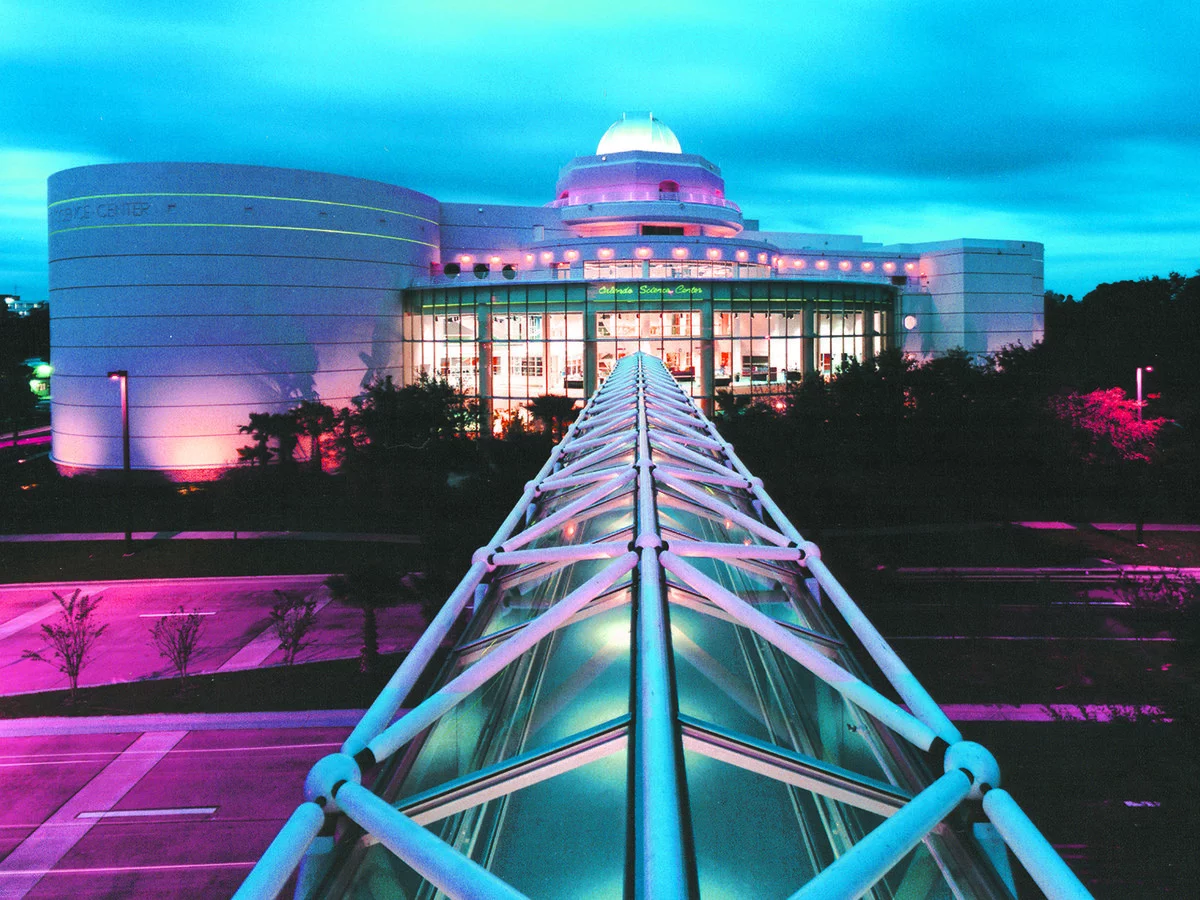
Even though Orlando is known for its theme parks, there is a lot more to see and do in the city. The Orlando Science Center is a must for science buffs, with its interactive exhibits and planetarium shows. For a more tranquil day, visit the Henry P. Leu Gardens on the picturesque banks of Lake Rowena. If you don’t quite want to tear yourself away from the stores, try the Charles Hosmer Morse Museum of American Art, where among the exhibits you can find an extensive Tiffany & Co. collection.

Back to Nature

In Orlando, you can take the time to zoom around The Everglades in an airboat, catching glimpses of alligators and other wildlife that live in the swamp. Or, if you actually want to jump in, try the freshwater springs of Blue Spring State Park, just an hour’s drive away from the city center. Here, you can enjoy swimming, snorkelling and scuba diving or jump on a boat tour.

If you don’t want to go so far afield, the Lake Eola park, conveniently situated in downtown Orlando, is a 23-acre playground complete with a sprawling lake, amphitheater, playground and a famous fountain. It’s a place to escape from the hustle and bustle of the city while never having to leave the shadow of the skyline. In 2013, the park was expanded to the southeast as part of Project DTO – Mayor Buddy Dyer’s drive for a more liveable downtown area.

“Today our downtown is a vibrant and dynamic center, economic engine and cultural destination with a charm and character all its own,” said Orlando Mayor Buddy Dyer in his annual State of Downtown address.

Above all, Orlando is a destination for all the family, which is a key reason it comes out on top this 4th of July. 

For more information, visit the websites below:


American Automobile Association (AAA) https://autoclubsouth.aaa.com/

Disney’s Magic Kingdom https://disneyworld.disney.go.com/destinations/magic-kingdom/

Florida Mall https://www.simon.com/mall/the-florida-mall

Henry P. Leu Gardens https://www.leugardens.org/

International Drive https://www.internationaldriveorlando.com/

Lake Rowena https://www.orlando.gov/Parks-the-Environment/Directory/Lake-Rowena-Park

Legoland https://www.legoland.com/

Orlando Premium Outlets at Vineland Avenue https://www.premiumoutlets.com/outlet/orlando-vineland

Orlando Science Center https://www.osc.org/

Sea World https://seaworld.com/

The Mall at Millenia https://www.mallatmillenia.com/

Universal Island of Adventure https://www.universalorlando.com/web/en/us/theme-parks/islands-of-adventure

Hard Rock Hotel Ready to Play New “Guitar”

By staff writer

June 2019

2 min. read

The sky is truly the limit for Seminole Hard Rock Hotel and Casino’s $1.5 billion expansion, which is epitomized by the new 450-foot guitar-shaped hotel that residents of Broward County have seen rise from the ground over the past two years. The sprawling resort is set to open on Oct. 24, 2019.

The hotel will house three towers: the world’s first guitar-shaped building, with 638 luxury rooms; the Oasis Tower, which will consist of 168 luxury rooms overlooking a new “Bora Bora Experience” pool-lagoon area; and the classic Hard Rock Hotel that is a long-established staple in South Florida. This resort is shaping up to be unique in many aspects, including the size of the over 800 new rooms at 515 square feet, a significant upgrade from the average industry standard of 400 square feet.

The resort’s new amenities rival that of any luxury resort found in places like Las Vegas or Dubai. Guests will have access to the private “Bora Bora Experience” that is reminiscent of the region for which it is named, including private villas, personal butler service and a pool-lagoon landscape. The resort will also offer a new 42,000 square foot space that includes a 3,200 square foot fitness center, salon, barber shop, and countless spa services. The primary staple of the Seminole Hard Rock Hotel is its casino, which is also undergoing some major renovations and upgrades with the addition of 200 table games, 3,100 slot machines and a newly constructed 45-table poker room. Finally, the new 6,500-seat Hard Rock Live venue is expected to draw tourists and musical acts alike to the South Florida region. The venue will be kick-started a day after the grand opening with an inaugural concert by Maroon 5.

The massive expansion is already having a positive economic impact on the South Florida region. The resort has been in the process of hiring over 1,200 new employees for full-time, part-time and on-call positions, while the expansion required over 2,000 construction employees. The almost completed guitar-shaped tower is already a landmark on the South Florida skyline and is attracting more attention to the city of Hollywood, where the resort is located.

Long a major economic driver in Broward County, the refurbished Seminole Hard Rock Hotel and Casino is ready for its debut and set to play a major role in all of South Florida.

For more information on Seminole Hard Rock Hotel and Casino visit:

https://www.seminolehardrockhollywood.com/


Cruising ahead 

Cruising ahead 

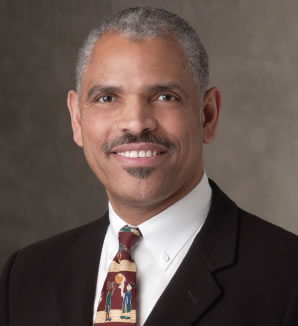
Carnival Corporation President and CEO Arnold Donald describes growth trends in the cruising industry and the advantages of being headquartered in Miami-Dade

What are the growth trends for Miami-Dade cruising?
In 2014, 22.1 million people worldwide took a cruise – representing a 4-percent growth over 2013 – and this figure is expected to reach 23 million in 2015. Carnival Corporation ships carried nearly half of all global cruising traffic in 2014, while the company saw 25 percent growth over the previous year. Miami-Dade drives much of the cruise activity in Florida – the cruising center of the U.S., with 14.1 million revenue passengers (7 million individuals). PortMiami’s $2 billion long-term masterplan to expand cruising facilities will only support that growth. The port broke a world record in fiscal year 2014, processing approximately 4.8 million multi-day cruise passengers.  In fiscal year 2015, the port expects to welcome 34 total ships from 15 cruise brands, which is an increase from 2014. With an increasingly global cruise market, the port’s expansion will help to keep some of the biggest ships across the industry home ported in Miami.
 
Carnival Corporation’s global headquarters are in Mi-ami-Dade. What are the advantages that this confers?
The advantages are numerous, including great weather, leading port operations, a solid customer base and close proximity to the Caribbean – by far the largest cruise market in the world. South Florida, therefore, enjoys a big advantage in its proximity and ease of access to one of the most beautiful parts of the world, with amazing itineraries and destinations.
PortMiami is one of the finest cruise ports in the world, with seven cruise terminals, on-port parking for drive-in customers and drop-off in front of each port for those arriving by taxi, shuttle or limo. Terminals D and E, each of which are 105,000-square-foot ultra-modern, three-story structures, can accommodate travelers sailing on some of the Carnival Corporation’s biggest ships. As part of the recent agreement Carnival Cruise Line signed with PortMiami to keep ships there through 2028, Miami-Dade County agreed to spend up to $10 million upgrading Carnival’s port terminals.
 
How do you see the cruise industry evolving?
With such a small percentage of the world’s population who has cruised, there is a tremendous opportunity available with first-time cruisers. About 50 percent of our addressable market has never cruised and 75 percent of that will consider cruising in the next five years. Attracting new cruisers to our industry – especially more socially conscious travelers and millennials – is the next big opportunity for all of us. The chief competition for cruising is land-based vacations, so as we better communicate our overall value, we can convince more new cruisers to vacation with us and exceed their every expectation when they are onboard.

Destination luxury 

Destination luxury 

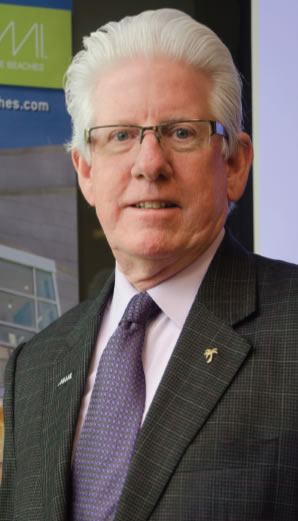
Greater Miami Convention & Visitors Bureau (GMCVB) President and CEO William D. Talbert III discusses the growth of luxury tourism in Miami

What are the key trends in Miami tourism today?
Today Miami is one of the top luxury destinations in the world, which we couldn’t have said in the past, when we were just a local vacation spot. Miami is now in the same league as other global cities – London, Paris, Sydney, and Tokyo. With all the high-end hotels and the infrastructure we’ve developed – the cultural facilities, the airlift – we can support the growth in this segment. The advantage of being a luxury destination is that it makes us recession-proof; the luxury consumer travels during tough times, they shop and dine, so even when there is an economic downturn this segment continues to flourish.
 
Tell us about the profile of the luxury traveler. From which countries are they arriving?
We saw a record 14.5 million visitors in 2014. In 2013, for the first time in our history, we had more international visitors than domestic. No other city in the U.S. can say that. Those international visitors represented 70 percent of the visitor spend, while 96 percent of our visitors come by air. A third of all of our customers come from Latin America, with Brazil as our number one international market. It took Brazil 25 years to be-come our first billion-dollar international market, and within four years it will likely double to $2 billion.
Miami’s international community is a great attraction for foreign visitors and enhances the cultural offering. For instance, during the 2014 World Cup, Miami was one of the few cities in the world where you could find restaurants, bars and clubs, representing each of the nations competing in the Cup. During the event, in Miami, you could find match-viewing parties being hosted by Argentine grills, German and British pubs, Italian and Colombian restaurants.
 
In which markets does the GBCVB conduct outreach to attract more visitors to Miami?
We have offices in 46 cities around the world, including  India and China. In terms of opening new offices, we are looking to the Middle East, possibly Doha, Qatar. Doha allows us to better connect with Asia. Qatar Airways, which recently started direct flights to Miami, connects to 11 cities in India and seven in China. We are also presently working to establish relationships with other international carriers, including Emirates and Japan Airlines.
 
How do you balance the needs of the luxury segment with the affordable tourism market?
We focus on luxury, but the developments around town are quite diverse. You can never have too many luxury brands, but you are also seeing that different mid-range brands are coming in. The luxury segment drives the rest of the local tourism industry. People want to go where the rich and famous are, whether it’s movie stars, professional athletes, or captains of industry, so luxury becomes an important aspect of attracting all visitors to Miami.
 
How is the GMCVB working to promote the meetings, incentives, conferencing and exhibitions (MICE) segment?
We have staff dedicated to promoting the MICE market and that is also thanks to the growth in luxury tourism. New high-end hotels are be-ing constructed, such as SLS Lux and the EAST – both located in Brickell – and they will further add to the existing luxury hotel offerings in Miami.
We are also the exclusive sales agent for the Miami Beach Convention Center, which is currently undergoing renovation and expansion to foster more business tourism for the destination.
 
What are some of the greatest challenges facing Miami’s tourism sector today?
Streamlining procedures. Since 96 percent of our visitors come by air, we need to make it easier and more efficient for them to get to, from and through the airport. I’m referring here to the customs process. If a tourist is visiting from, say, Qatar, when he arrives to Miami, he has been on a plane for 15 hours. To spend that much time on a flight to come to a luxury destination, and have to then spend an additional two to three hours being processed at customs is not beneficial for the Miami brand, or brand USA for that matter.
We are continuously working with the U.S. government to address this matter, in particular how to improve staffing. Miami International Airport (MIA) has recently purchased automatic passport control (APC) equipment, which helps speed things up tremendously.
 
How would you comment on the quality of customer service within tourism and hospitality?
Tourism is the number one employer in this city, so jobs are very much at the center of what this industry is all about. To maintain our status as a top global destination, we constantly need to work on our customer service. Five years ago, the GMCVB implemented a number of initiatives intended to improve the quality of service in tourism-related industries.
We have a program, Miami Begins With Me, established in partnership with the Miami Dade College Center for Service Excellence, which provides service training to individuals and organizations. We partnered with MIA to establish the Miami Begins with Me Customer Service Training Institute at the airport to provide training for taxi drivers and airport employees.
 Customer service remains a key challenge for us because there is such a large transient population in Miami. On the other hand, the fact that we have so many five-star hotels and establishments means that those businesses set a precedent for service quality that trickles down to the rest of the sector.
 
Beyond the nightclubs and beaches, what are some emerging tourist attractions within Miami?
What is great about Miami is the city is constantly evolving. It is no longer all about South Beach, although the beaches are still a significant draw for tourists. Today we have places like Midtown, the Design District and Wyn-wood, neighborhoods that were previously warehouses and industrial lots, being converted into edgy, artistic hubs. These have become new attractions, not just for tourists, but also for locals, affirming Miami’s niche as an ideal place to live, work and play.
We are witnessing the re-emergence of a great downtown, with new buildings under construction and a rich offering in terms of dining, shopping, arts and entertainment, as well as our diverse heritage neighborhoods. What we must realize is this is not a zero-sum game. As new developments crop up, Miami’s attraction as a destination builds and the pie just keeps expanding for all involved.