Students face remote learning in return to school

Students face remote learning in return to school

By: Beatrice Silva

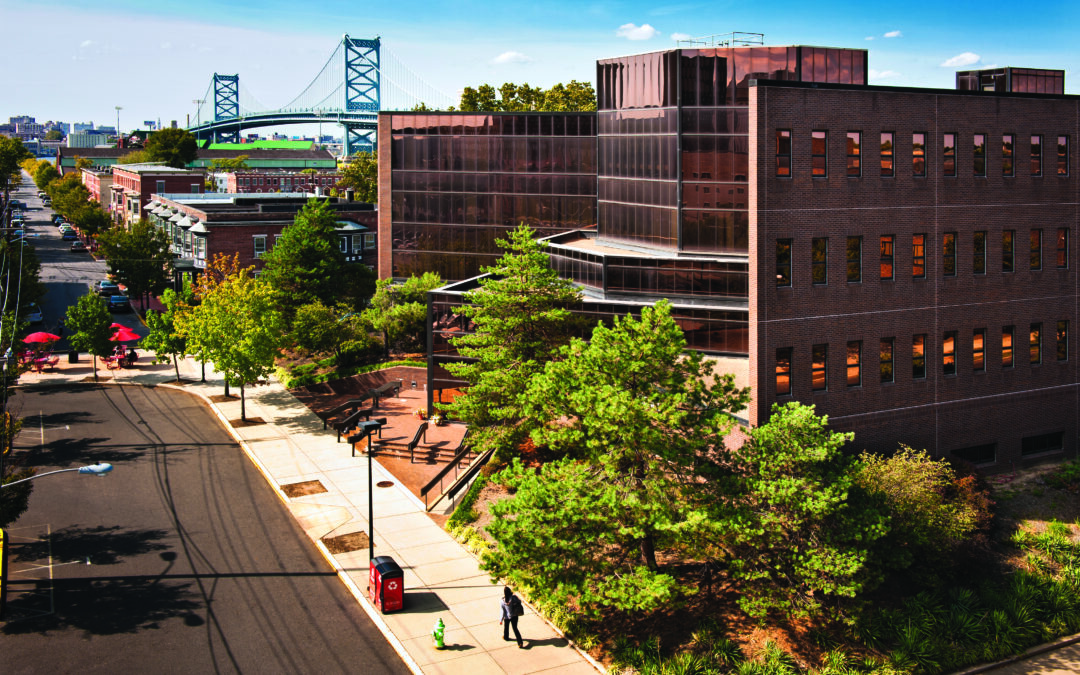
3 min read August 2020 — As COVID-19 cases continue to rise, so does the number of universities keeping their physical doors shut this school year. The University of Notre Dame Princeton University, and Rutgers-Camden Business School are just some of the institutes that announced their decision to go fully online. 

Just as businesses needed to pivot during the pandemic and subsequent recession, educational institutions also had to find a way to adapt. “It is an unprecedented event that took us all by surprise,” Dean Monica Adya of Rutgers-Camden Business School told Invest: South Jersey. “We established a COVID-19 task force that includes all of my cabinet members, to look at how to proceed. One of the first things we did was to look at our emergency management plan that tackles infectious diseases, among other things. We focused on operational and communication measures. The former is relative to academic and business continuity. As Gov. (Phil) Murphy enacted the executive order stating that no one was to come to campus, we moved to an online format for all classes. Fortunately, several of our programs were already entirely online. Many of our students were already taking a combination of online and in-class programs, making them familiar with the online platform. We are sparing no resources or action plans to make sure our students get through this semester. We are also launching discussions about recovery, how we are going to help people who are out of work to get back into the workforce, and what specific programs and certificates they will require for that to happen in the shortest of terms.” 

Most students experienced a taste of distant learning back in April when schools were forced to close after lockdowns were issued across the United States. However, that doesn’t make it any easier for undergraduates, postgraduates, and faculty members to pick up where they left off. “We had some challenges on the student side because many students, although we think of them as a digital generation, had difficulty making the switch to online learning.  We’ve worked through much of this but it took some time,” Mike Mittelman, president of Salus University, told Invest: Philadelphia.

Innovation and technology play a huge role in how higher education continues to operate. Virtual learning experiences have replaced physical classrooms and face to face lectures. The new format has left some students feeling overwhelmed and quite frankly ripped off. At Rutgers University, more than 30,000 people have signed a petition started in July calling for an elimination of fees and a 20 percent tuition cut, according to The New York Times

Student housing is another topic of debate in the education community. While some institutional leaders don’t believe it’s safe, others argue that students don’t have anywhere else to go.  Schools, like The University of Pennsylvania and Temple University, are allowing a limited number of students back on their grounds but under strict conditions. Most schools that are letting students live in dorm rooms or attend in-person classes are actively enforcing social distancing, face masks and have provided COVID-19 tests. At Drexel University, international students or students who are experiencing financial hardships will be the only ones allowed to live on campus. 

Along with the many challenges the pandemic caused, it also created new opportunities. COVID-19 pushed educational institutions out of their comfort zones. To stay in business, universities adapted to new technologies and even formed a few alliances along the way. “This whole industry has shifted very, very quickly, so that shows that there’s flexibility, it shows that there’s resilience,” John Fry, president of Drexel University, told the Philadelphia Business Journal. “Those adaptations are incredibly valuable assets and institutions should hold on to that and not say, ‘Once this is over, we can go back to the way it was.’ Going back to the way it was, I think, is not a good idea.” 

Tampa Bay’s ingenuity and innovation in face of adversity highlighted second annual launch conference

Tampa Bay’s ingenuity and innovation in face of adversity highlighted second annual launch conference

By: Max Crampton Thomas

FOR IMMEDIATE RELEASE 

August 21, 2020

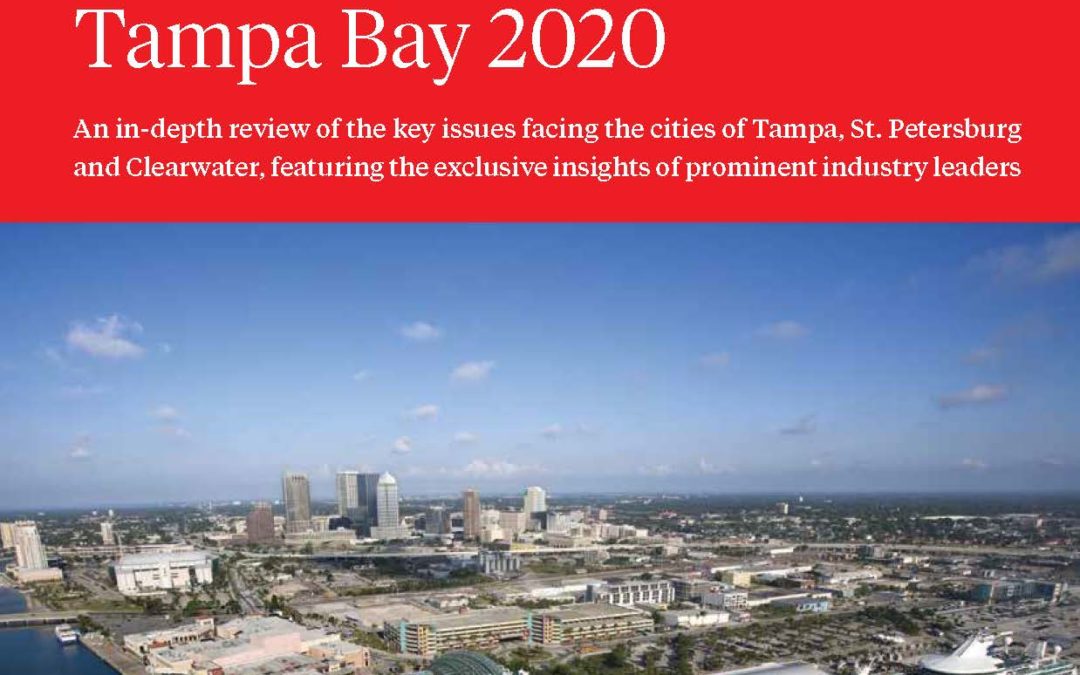
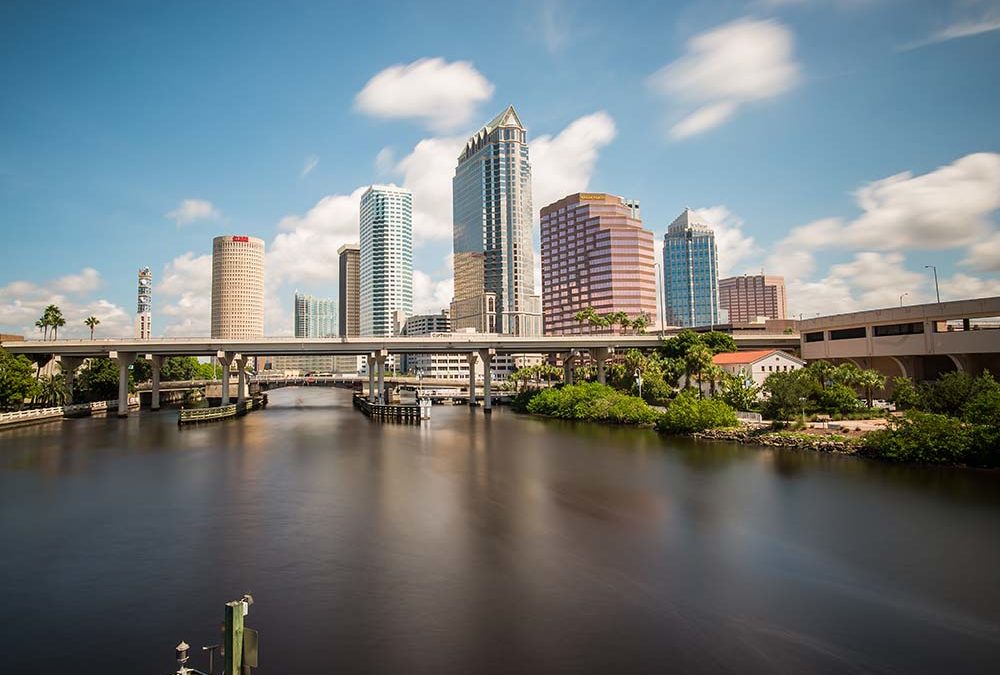
Tampa Bay’s economic resilience in the face of unprecedented challenges and innovation stemming from the pandemic highlighted the launch of the second edition of Invest: Tampa Bay 2020.


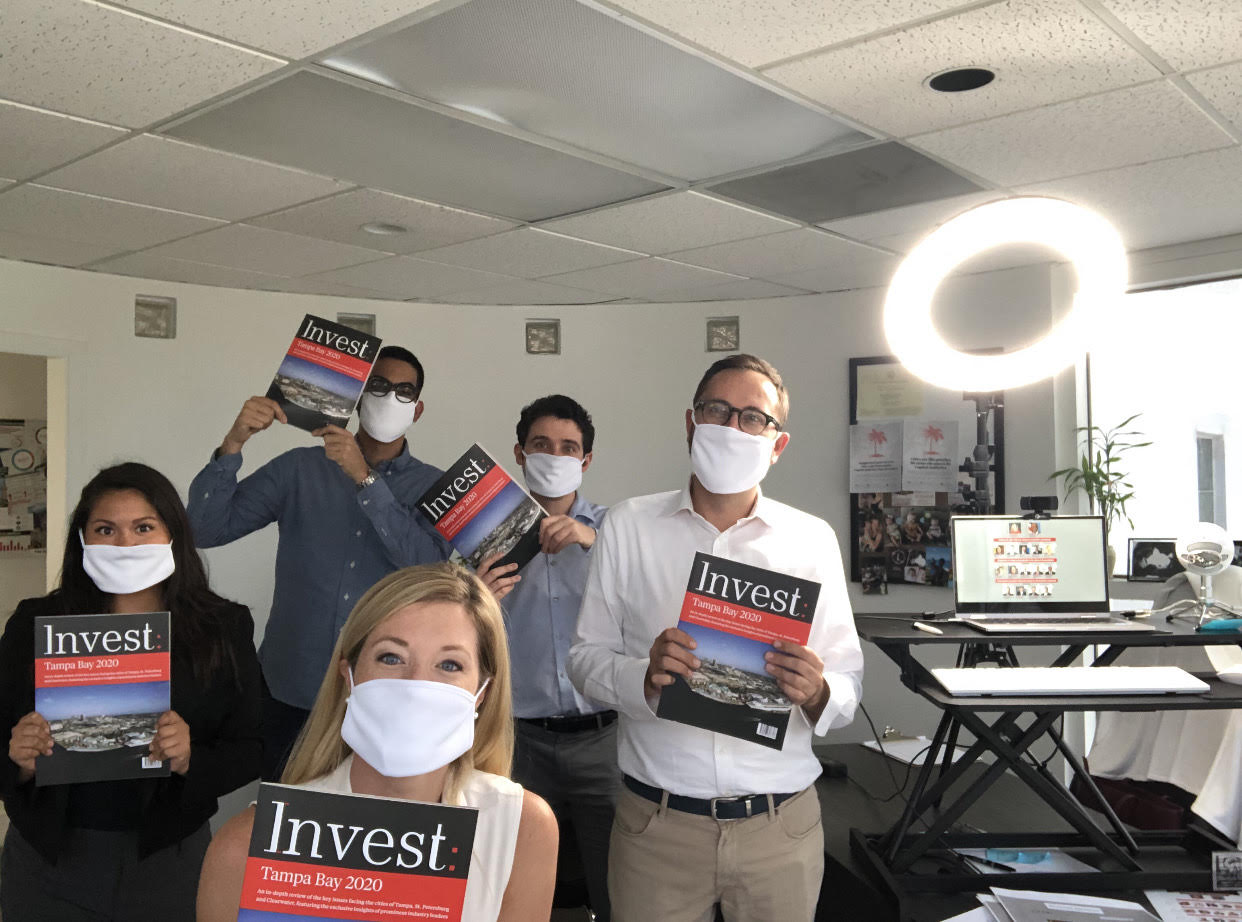
Tampa Bay, FL – In this time of uncertainty, it has never been more important to showcase the strength and overall resilience of the local community and economy. On Thursday, integrated media platform Capital Analytics provided an opportunity to shed light on the challenges and opportunities in the region as it launched its 156-page analysis Invest: Tampa Bay 2020 with a virtual launch conference held via Zoom Webinar.

The 2020 edition of Invest: Tampa Bay highlights the region of Tampa Bay, including both Hillsborough and Pinellas counties, as well as a special focus chapter on the city of Clearwater. The in-depth and well-researched economic analysis also highlights business opportunities that exist for investors, entrepreneurs and innovators within the Tampa Bay region despite the harsh economic climate resulting from the COVID-19 pandemic. Some of the opportunities spotlighted throughout the publication include Tampa Bay’s healthcare market that has made significant strides to establish this region as one of the preeminent medical hubs in Florida. The region’s real estate market is also covered in great detail as new developments continue to rise from the ground despite major roadblocks caused by the ongoing COVID-19 pandemic, a true testament to the thoughtful and strategic planning by the sector’s leaders. The publication also dives into the banking and finance sector, which has remained strong while also aiding the local business community through this unprecedented time. 

The launch conference was the first that Capital Analytics has held in virtual forum, and by all it was a resounding success, reflecting the get-it-done character of the region. “When I think of our global readership and the Tampa Bay business community’s lean-in attitude over the past couple of months, it’s a testament to the ingenuity and collaborative spirit of the Tampa Bay community,” said Capital Analytics’ CEO Abby Melone in her opening remarks. “Rather than shelter in place and do nothing, we sheltered in place and did plenty to promote community and push our business forward despite the challenges. Businesses across the Tampa Bay region are being innovative and embracing technology as they pivot from a pre-pandemic to a post-pandemic world.”  The event featured three robust panel discussions and ended with a thoughtful closing keynote speech by Pinellas County Commissioner Kenneth Welch.

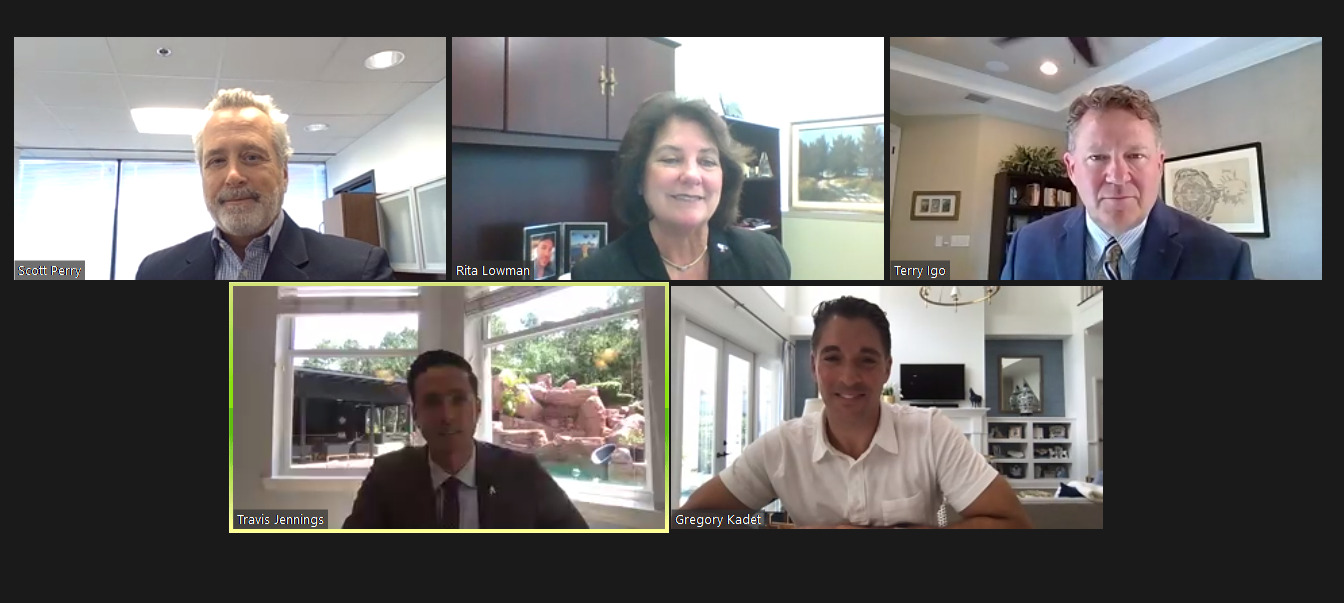
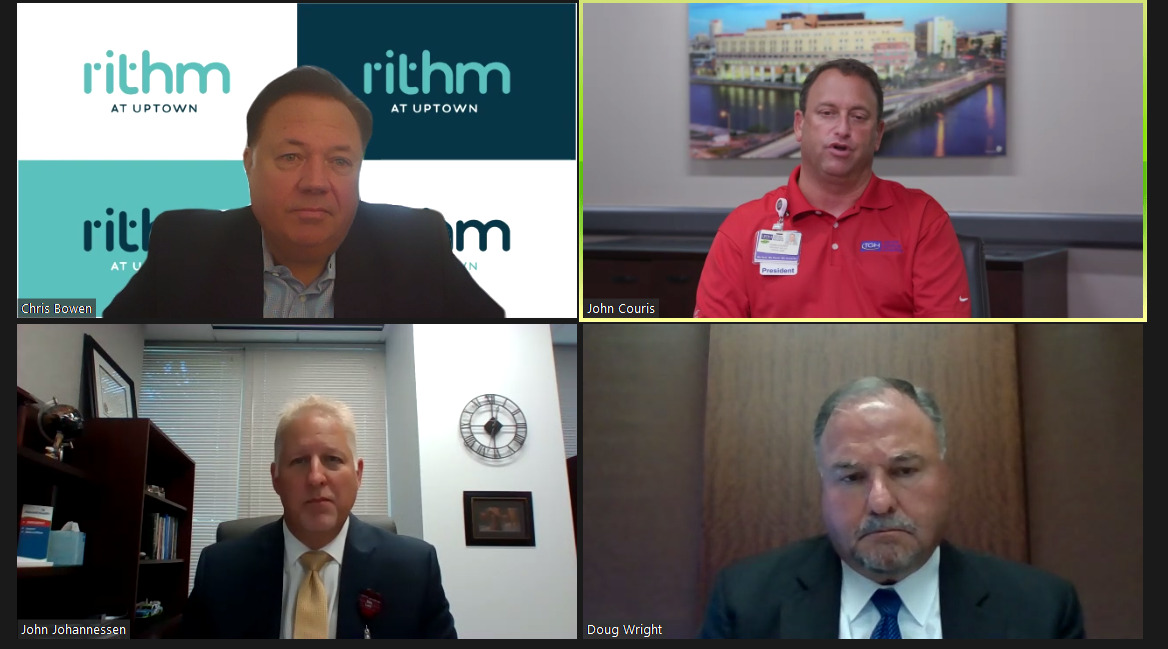
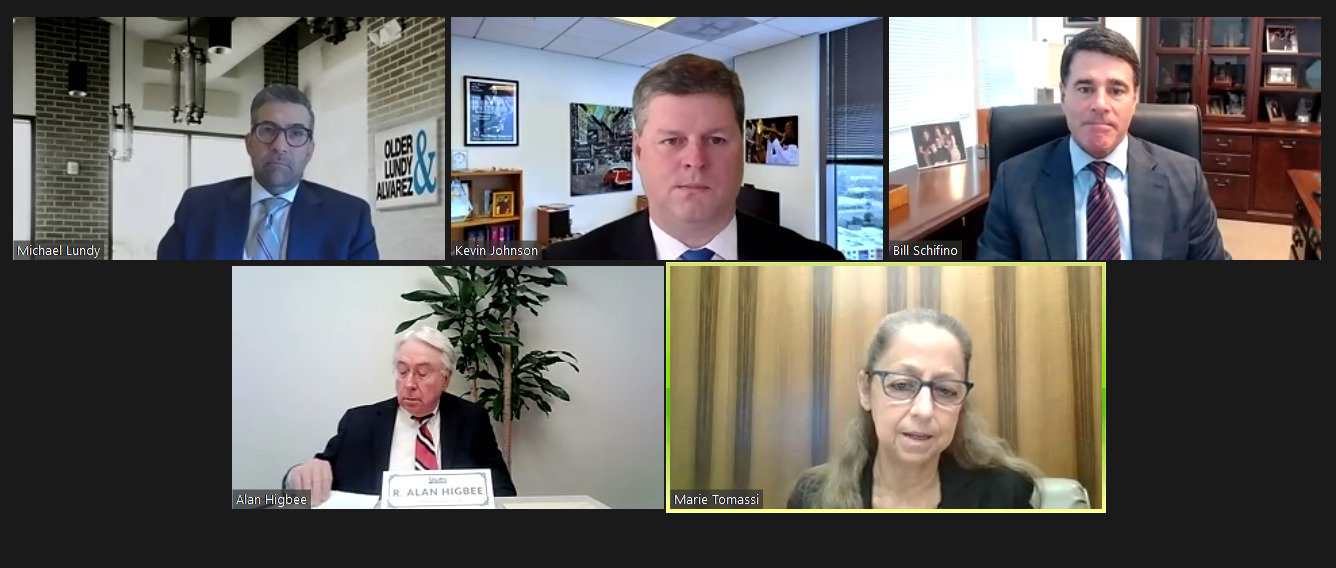
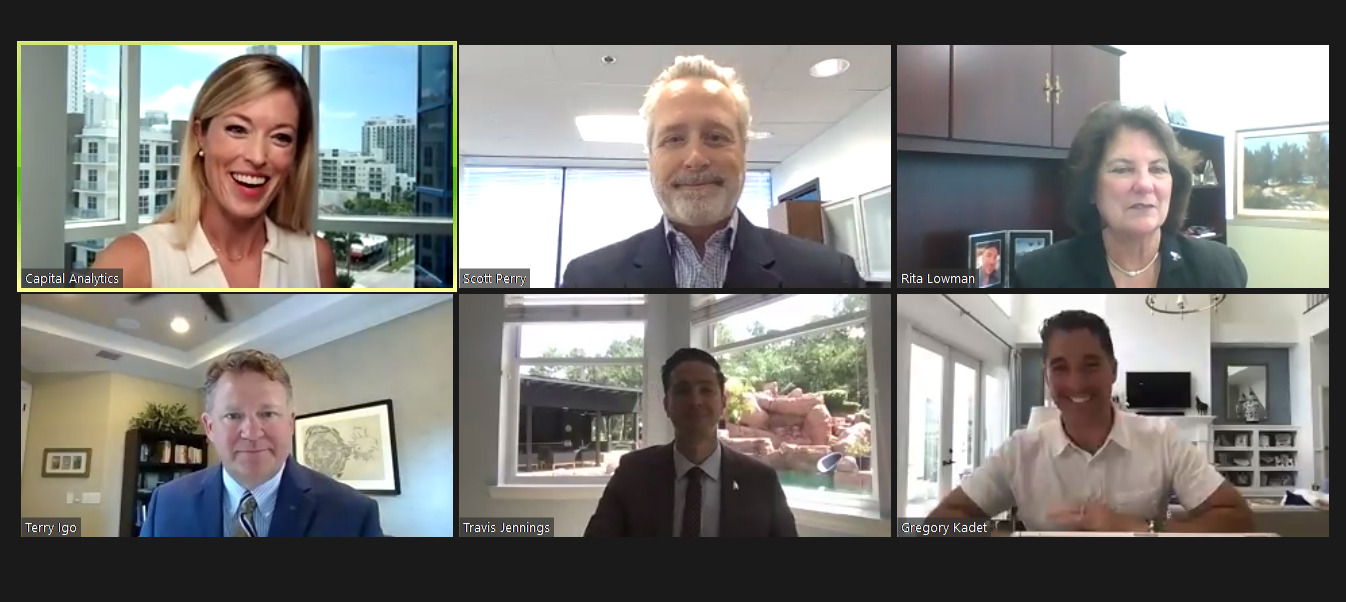
All three panels addressed the current economic climate as well as prevailing themes currently dominating the Tampa Bay region’s economy: finance and banking in the time of a pandemic, adaptation and transformation for the legal sector, and innovation within the business community stemming from the current crisis. Gregory Kadet of UBS Global Wealth Management U.S., Terry Igo of the Tampa Bay Trust Company, Scott Perry of AmeriLife Group and Travis Jennings of Finance Cape all participated in the panel, “Making the right financial choices amid economic uncertainty.” Rita Lowman of Pilot Bank moderated. The second panel, “Adaptation for legal professionals in the wake of the pandemic,” featured Marie Tomassi of Trenam Law, William Schifino of Gunster, Michael Lundy of Older, Lundy and Alvarez and Alan Higbee of Shutts and Bowen. The moderator was Kevin Johnson of Johnson Jackson. The final panel, “Crisis breeds innovation: What this means for the business community,” consisted of John Couris of Tampa General Hospital, John Johannessen of AdventHealth and Douglas Wright of Holland & Knight. The moderator for this panel was Christopher Bowen of RD Management. 

Over 450 high-level guests and officials from Tampa Bay’s key industries and economic institutions tuned into the event via Zoom Webinar. For those who missed the event or would live to revisit some of the highlights from the day, please visit: https://www.youtube.com/watch?v=le35fKJv4Lo&feature=youtu.be

“The value of Invest: Tampa Bay is that it brings us together to listen, to learn, to collaborate and to build a stronger, more resilient and prosperous Tampa Bay,” remarked Commissioner Welch in his closing keynote speech. 

***

About Capital Analytics & Invest: Tampa Bay

Capital Analytics is an integrated media platform that produces in-depth business intelligence through its annual print and digital economic reviews, high-impact conferences and events and top-level interviews via its video platform, Invest: Insights.

Invest: Tampa Bay is an in-depth economic review of the key issues facing Tampa Bay’s economy, featuring the exclusive insights of prominent industry leaders. Invest: Tampa Bay is produced with two goals in mind: 1) to provide comprehensive investment knowledge on the Tampa Bay region to local, national and international investors, and 2) to promote Tampa Bay as a place to invest and do business.

The book conducts a deep dive into the top economic sectors in the county, including real estate, construction, utilities and infrastructure, transportation and aviation, banking and finance, legal, healthcare, education, and arts, culture and tourism. The publication is compiled from insights collected from more than 200 economic leaders, sector insiders, political leaders and heads of important institutions. It analyzes the leading challenges facing the market, and uncovers emerging opportunities for investors, entrepreneurs and innovators.

For more information, contact: 

Max Crampton-Thomas, Content Manager, 305-523-9708 Ext: 233
Spotlight On: Jenni Bonura, President & CEO, Harry Norman, REALTORS®

Spotlight On: Jenni Bonura, President & CEO, Harry Norman, REALTORS®

By: Felipe Rivas 

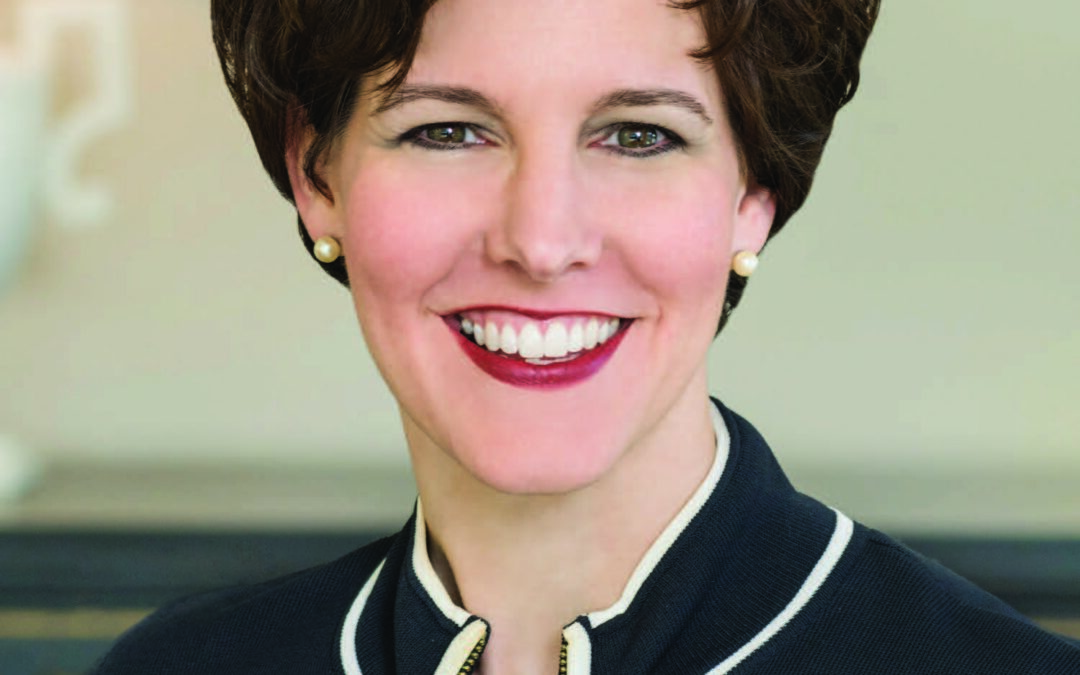
2 min read August 2020Atlanta’s solid pre-COVID real estate fundamentals are placing the city on a swift and steady road to recovery. Jenni Bonura, President and CEO of Harry Norman, REALTORS®, shares her opinion on what awaits Atlanta from the perspective of a nine-decade real estate heavyweight.

How did Harry Norman, REALTORS® tackle the transition to the COVID-19 landscape?

In 2020, Harry Norman, REALTORS® celebrates its 90th anniversary. The market in Atlanta has been great for several years and continues to be so, even in 2020. We continue to break records despite the challenging environment. In 2019, we broke  sales records several months back-to-back. We also broke some average sales price records. In July 2020, we exceeded another pending-sales volume record, our highest July in the nine decades of our company. Atlanta is a highly desirable place to be, especially compared to other large cities, for a myriad of reasons. We have launched several new initiatives in the last several months, which make us stand out and are propelling us ahead of our competitors. One is a marketing automation tool that drives speed-to-market. It provides marketing assets on-demand and enables us to promote our homes digitally. In a market where there is low inventory, it has been a game-changer for our agents and our seller-clients as well. We also launched a multi-channel media campaign in  2020, across TV, Print, digital and social media, focusing on our expertise and first-class service. The company also launched an exclusive app that is similar to a dating app in that we match up the needs of buyers and sellers. 

What are the fastest-growing neighborhoods in the area?

We are seeing the second-home market explode. People want a change of scenery. One of the beautiful things about Atlanta is that you can drive an hour or two and you are in the mountains, feeling the beauty of nature and disconnected from the city. We have seen in the Blue Ridge, Blairsville and Lake Rabun areas significant positive adjustments in that sense. It is affecting our metro clients. The areas of Gwinnett and Cobb are definitely booming, population-wise. Suburbia is harder to pinpoint as an actual trend but people are already leaning in the direction of wanting a house in the suburbs with more acreage for space and privacy. With the current low interest rates, there is an increase in buying power for larger properties.

Would you say transit hubs and the BeltLine foster in-town development? 

The BeltLine will always be attractive. Part of it is the beauty of nature available and the convenience of amenities, restaurants, ease of access to work, all at your fingertips. Coupled with the beautiful outdoors, the connectedness of neighborhoods, it adds significant variety and interest. Even if transit hubs with COVID-19 hit the pause button, there will always be a desire for people to want to make it easy to hop on and explore other parts of the city and yet have those amenities right at home. Our urban core is performing well and our suburban periphery is performing solidly as well. That is why Atlanta is overall performing great in the South in general. Based on the stats, as far as pending sales, the South is the only geography in the country that is on the plus side so far. 

What is your take on new construction during this time?

Closings outpaced starts from June to August 2020 compared to the same period in 2019. That speaks volumes because in new homes, the inventory is less than it was last year. That remaining inventory is on its way to disappear fairly quickly. Even if the exact checklist a buyer may have is not fully met with the inventory that exists, a lot of builders are looking to pivot quickly. Some of the trends the virus brought to light are making them adjust their plans to reflect some of those changes. 

What are Harry Norman, REALTORS® priorities toward 2021? 

We are keeping an eye on ongoing trends. We want to be able to pivot quickly. The beauty of our company is that we are very much in tune with buyer needs and seller preferences. It helps us advise our new home builders and developers with highly granular boots-on-the-ground information. It also provides our agents an advantage when it comes to marketing, which obviously benefits our sellers. We are making a point of capitalizing on the virtual offerings we have, while looking for opportunities to help provide inventory and to educate sellers on how to best position their homes. The key to what we are going to see in the next few months is appreciation remaining slow and steady, probably ending at 4 percent for 2020, which will be mirrored in 2021 or at least in the year’s first half. Demand will continue to outpace supply but not necessarily at the same rate. We will move toward a more balanced market. 

To learn more about our interviewees, visit:https://www.harrynorman.com/employees/1235-Jenni-Bonura

Technical college system major component of Georgia’s business climate

Technical college system major component of Georgia’s business climate

By: Felipe Rivas

2 min read August 2020 For the better part of the last decade, the Peach State has consistently ranked as the best state to do business year after year, a feat largely driven by Georgia’s robust higher education institutions and the state-funded technical college system. The Technical College System of Georgia (TCSG) is the state government agency overseeing Georgia’s 22 technical colleges. As the country slides into a pandemic-led recession, the system remains keen on solidifying Georgia’s workforce, while helping companies land the talent needed to thrive in a volatile economy. 

Georgia’s track record for attracting new industries and companies is largely a result of the state’s pro-business landscape, geographical location and proximity to other key markets, and efforts to nurture a market-ready workforce. The system’s mission is to build a well-educated, globally competitive workforce through technical education, adult education and customized training for Georgia’s businesses and industries. “We provide Georgians with the education and training that will lead directly to a career that is in demand,” Technical College System of Georgia Commissioner Greg Dozier told Focus: Atlanta. “Our colleges work hand in glove with local industry to understand their workforce needs and offer programs that meet those needs.”

According to the National Skills Coalition, 54% of Georgia’s jobs are considered “middle skill,” or jobs that require more than a high-school diploma, but less than a four-year degree, Dozier said. However, only 42% of Georgians are trained to this level. “We are laser-focused on closing this middle skills gap.”

The system is in constant communication with businesses and industry leaders across Georgia, and has close partnerships with companies across different sectors, such as Mercedes Benz, Kubota, King’s Hawaiian Rolls and KIA Motors Manufacturing Georgia. Via its Georgia Quick Start program, the system provides free workforce training for companies considering relocating to Georgia or expanding in Georgia. And market-ready talent is among the top necessities for companies wishing to relocate or expand in the Peach State. “We are at the table with the Department of Economic Development when meeting with companies that are considering Georgia as their new home,” Dozier said. “Businesses want to know how they’ll have a steady pipeline of skilled talent. That’s what we do.” Through these conversations the system can then develop training programs tailored to the businesses’ needs and expectations. “We went through this process with KIA, which now manufactures its Telluride, Sorento and Optima automobiles about 80 miles southwest of Atlanta,” Dozier said. 

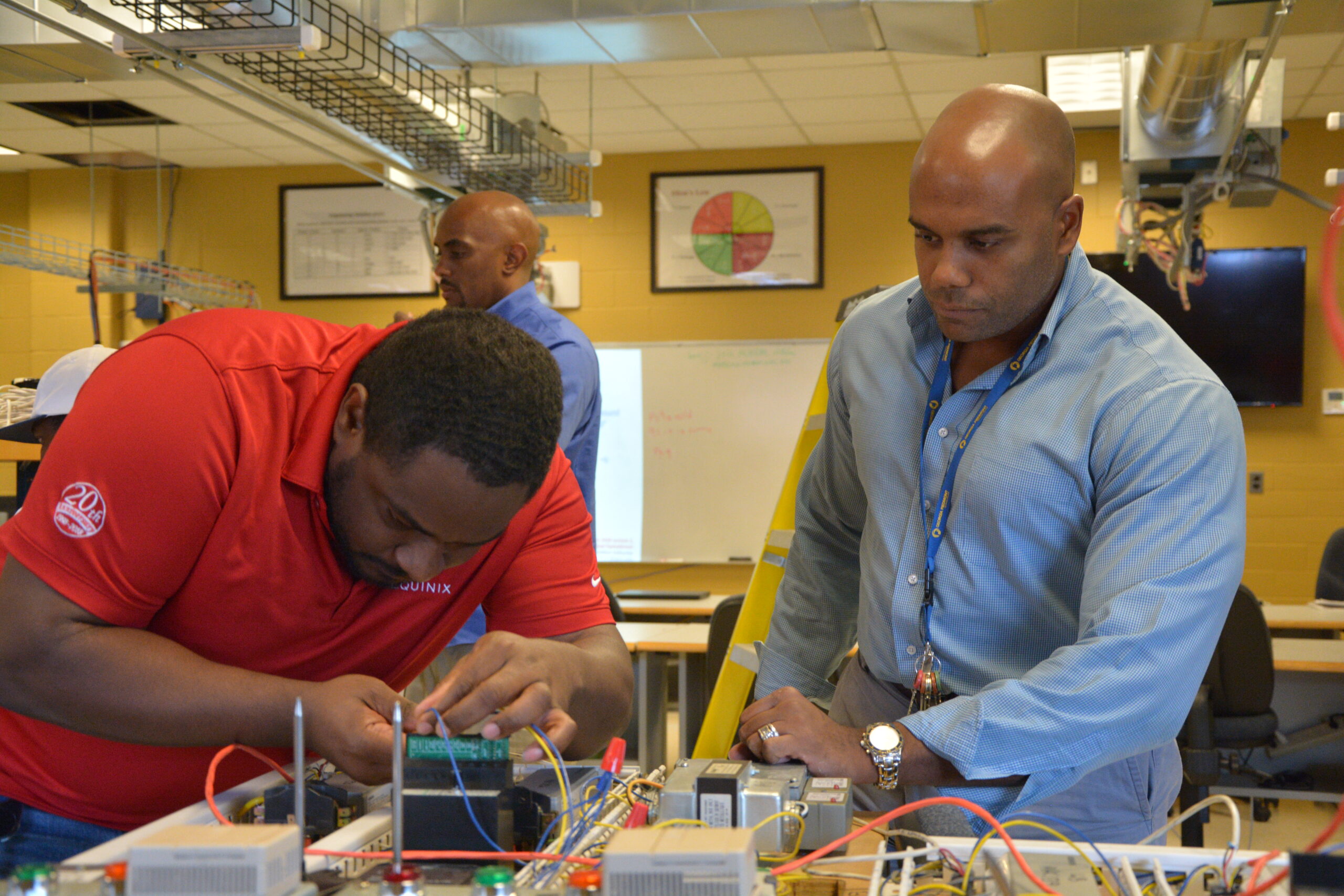
Serving counties such as DeKalb, Newton and Rockdale, Georgia Piedmont Technical College is part of the Technical College System of Georgia and provides education for the three-county service area, mostly in the metro Atlanta region. “Across the counties we serve, companies come to us with their recruitment needs and it is our role as a technical college to ensure we have programs that support those jobs,” Georgia Piedmont Technical College President Tavarez Holston told Focus: Atlanta. Though the impact of the coronavirus has squeezed the education sector and the economy at large, Holston says the college remains keen on equipping the local workforce with in-demand skills and training. “As we look at the current environment, there are signs of life in the economy, and we want to make sure we remain relevant in producing a workforce that meets the needs of our counties. Even though COVID-19 has changed the way we do business, we are still getting calls from our industry partners that require training delivered virtually,” he said.  


Healthcare and tech-based training are among the most popular offerings at Georgia Piedmont Technical College. “There are two careers that seem to be gaining a great deal of traction, one of which is healthcare. We train essential frontline workers and we are proud to be part of that,” Holston said. “Another popular course is in manufacturing, which can be attributed partly to the rise of e-commerce. We are getting many requests for training in automation, programmable logic control and advanced manufacturing.”


While the ramifications of the coronavirus are likely to shape the future of business and education, leaders are optimistic that Georgia’s workforce will continue to meet the needs of employers and industries. “Our colleges have done a great job of preparing for in-person reopening following guidelines set by the CDC and GPH,” Dozier said. “I think there will be great needs with economic upticks in various industries across Georgia. As the economy comes back, the needs that TCSG satisfies for businesses and the community will make a difference. Georgia has been named the No. 1 state in the nation to do business seven years in a row. We will continue to build on the legacy Georgia has made for itself as the No. 1 state for business by providing a skilled workforce. The prospects for the state are extremely positive.”

After an overnight transition to remote learning in the spring, Georgia Piedmont Technical College aims to accommodate students’ needs further come the fall semester. “We have always done online and distance learning. But we have realized that we need to be more flexible and accommodating for our students,” Holston said. “We still have to think about the highest quality education we can provide during a pandemic. When the shelter in place order came down, we immediately started putting together an intensive two-year program that could be done in a year, with the reasoning that people at home have more time at their disposal.”


To learn more about our interviewees, visit:

https://tcsg.edu/

https://www.gptc.edu/

Delray Beach: a city in transition

Delray Beach: a city in transition

By: Felipe Rivas

2 min read August  2020 Months into the coronavirus landscape, the pandemic continues to accelerate change across the world. In Palm Beach County, the city of Delray Beach already had its eyes set on the future even before Covid-19 began changing the local environment. And though the city has not been immune to the squeezing and contracting of the economy resulting from the pandemic, key construction projects and infrastructure improvements, as well as recent vulnerability studies, have Delray Beach ready to come out of this crisis better than before. 

“2019 was a transition year for the city. We moved from one city manager to an interim manager and finally, we hired a second one.” Delray Beach Mayor Shelly Petrolia told Invest: Palm Beach. “We remained in good hands though and we are in good shape,” she said. 

Through its leadership transition, the city concluded a couple of city studies, a vulnerability study and a sea wall study, that will be “instrumental for us going forward,” Petrolia said. 

“Tides are rising around us and water is becoming a real issue. We also undertook several infrastructure studies to get a sense of the state of our pipes, our seawalls and the stormwater drainage system throughout the city. These critical works shed light over where our vulnerabilities lie, which we are addressing.” The city is looking at a $400-million investment to address the vulnerabilities highlighted by these studies. “The water issue we are dealing with is not expected to come as a tidal wave. Rather, it is a slow but progressive issue. It is rising and invading our well systems, pushing further west underground in the aquifers. The more we know, the more we can deal with the issues over time,” she said. 

Known for its tourism, hospitality, and service industries, the local economy has taken major blows due to the coronavirus pandemic. However, construction projects are ongoing, highlighting consumer and developer confidence in the city. “We have been blessed to have so much building going on, with people interested in coming into our city and developing,” Petrolia said. “We are under construction in several areas of our city. One of the largest areas currently under construction is the Atlantic Crossing building. The building industry is keeping a lot of people afloat and in business at a time when most people are unable to continue doing business. We are in tremendously good shape, and primed to come out of the post-COVID-19 starting blocks in a great way.”

Along with city leadership, the Delray Beach Community Redevelopment Agency (CRA) has led efforts to beautify and redevelop parts of the city while providing support to the local business community and residents. A focus of the CRA is the Northwest-Southwest neighborhood, which lies in a federally-designated Opportunity Zone.”We have the land and are open to working with a third party to develop it,” Executive Director Renee A. Jadusingh told Invest: Palm Beach.

“In this area, we want to have a continuation of Downtown from I-95 all the way to the beachfront. That is a shared goal between the Chamber of Commerce, the city commissioners and the CRA. We provide resources to help small businesses grow, including funding, help with business plans, research, investment guidance and grant and federal funding applications,” she said.

To help local businesses during the pandemic, especially those in the service industry, the city has allowed more spaces to be geared specifically toward food pick-up, loosened strict signage standards, and waived parking meter charges. Similarly, the CRA set up its COVID-19 Resource Programs page that details help for both businesses and residents, including access to different loan programs, rent support and food and nutrition services.

For the rest of the year, the priority for the city is to get through COVID-19 and “see how much retention rate we can hold onto,” Petrolia said. “It is critical to look at the businesses that we have and figure out how we can help them survive. It is also important to continue to attract businesses looking to relocate to Delray Beach. As we move further down the road, we will surely see new businesses springing up, and new ways of doing business too.” 

For more information, visit:

https://delraycra.org/covid19/#1586292030990-8feb8057-18da 

https://www.delraybeachfl.gov/


Delray Beach: a city in transition

Financial recovery for businesses and individuals in Charlotte

By: Felipe Rivas

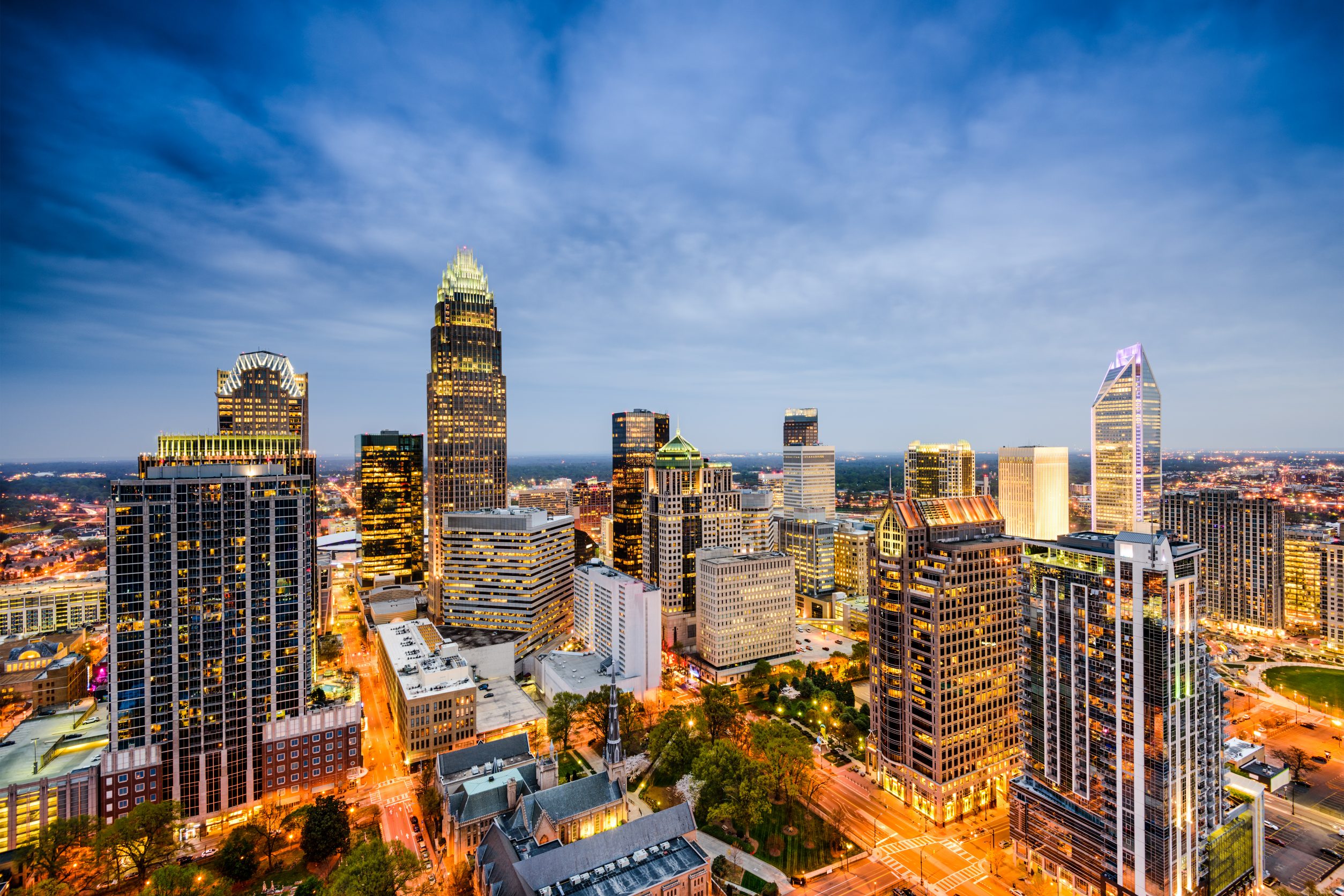
2 min read August 2020 As the summer wanes, Queen City businesses and residents face major challenges related to personal finances and overall financial recovery. With back-to-school season and the November elections looming, uncertainty in an already volatile economic cycle will remain a constant for the rest of the year. 

The Paycheck Protection Program, or PPP loans, has been a major support for local businesses. Data released by the Small Business Administration show that almost 19,000 Charlotte businesses tapped into these resources, the Charlotte Observer reported in July. As a major banking hub, Charlotte’s banking sector plays an important role in the Queen City’s financial recovery. With major institutions such as Truist, Wells Fargo and Fifth Third Bank calling Charlotte home, or having a considerable presence in the region, Charlotte is poised to weather the pandemic-related economic challenges, much like it did during the Great Recession. 

Currently, Charlotte remains in the Safer At Home Phase 2, as Gov. Roy Cooper extended the phase another five weeks in an effort to decrease COVID-19 numbers as students and staff prepare for back-to-school season. Mecklenburg County had reported more than 22,000 cases and 226 deaths as of the beginning of August, according to the Johns Hopkins University Covid-19 Status Report. “Other states that lifted restrictions quickly have had to go backward as their hospital capacity ran dangerously low and their cases jumped higher. We will not make that mistake in North Carolina,” Cooper said in a press release. “In keeping with our dimmer switch approach with schools opening, and in order to push for decreasing numbers, which will keep people healthier and boost our economy, North Carolina will remain paused in Safer At Home Phase 2 for 5 weeks.”

Balancing health and safety with goals for opening the economy has proved to be a precarious task for state and municipal governments across the country. While businesses have measures such as PPP loans, embattled residents laid off by the impact of the pandemic have to rely on local and national governments to help make ends meet. Gov. Cooper has been vocal about urging the national government to extend unemployment benefits as the talks for more stimulus packages continue. “The additional $600 a week unemployed workers have received from the Federal Pandemic Unemployment Compensation program has been a lifeline for struggling families and communities over these past few months,” Cooper said in a press release. “But unless the federal government acts quickly, these benefits will expire and many people will be without money they need to pay bills and provide for their families. I am urging Congress to do the right thing for the health of our families and the health of our economy by extending this critical program.” 

In an effort to help North Carolinians find employment in this current economic cycle, the governor’s office created NCcareers.org, an integrated career information system that offers residents ways to explore careers and job opportunities during the pandemic. “North Carolinians need resources to navigate the quickly changing job market,” Cooper said in a press release. “The new NCcareers.org helps people research the education and training options that lead them to find good, high-paying jobs available right now across our state.”

During these uncertain times, sound insights and collaboration between the public and private sectors will be pivotal in ensuring financial recovery for both businesses and residents. To learn more about financial recovery in Charlotte, register now for the Invest:Charlotte 2020 Virtual Launch Conference. The conference takes place on Sept. 10 at 11:30 a.m. The virtual conference will feature two robust panels, including “Financial recovery for businesses and individuals in the wake of a pandemic,” moderated by Stuart Goldstein, managing partner Charlotte Office, Cadwalader, Wickersham & Taft LLP and featuring Truist Metrolina Regional Charlotte President Heath Campbell, Fifth Third Bank  Mid-Atlantic President Lee Fite and Wells Fargo Managing Director and Senior Economist Mark Vitner.


To learn more, visit:

https://governor.nc.gov/news/students-return-school-north-carolina-remain-paused-phase-2

https://governor.nc.gov/news/north-carolina-introduces-new-nccareersorg


Delray Beach: a city in transition

Brightline and Virgin sever rail ties

By: Beatrice Silva

2 min read August 2020 — Brightline is passing on Virgin Trains. On Aug. 7, the high-speed passenger train operator announced that it would not be rebranded as Virgin Trains USA and would continue its operations under Brightline LLC. The withdrawal represents a sudden and apparently astringent end to the link between Brightline and Virgin Group. 

Brightline originally announced its strategic partnership with billionaire Richard Branson, founder of the Virgin Group, two years ago. Brightline quickly welcomed this new partnership and underwent a complete makeover. Virgin Trains USA was officially supposed to debut its rebranding transformation this summer. However, COVID-19 related issues looks to have stopped the deal dead in its tracks. 

Originally, the relationship seemed like a match made in transit heaven. Branson and his team have carved out a successful enterprise in the transportation and hospitality industry with a fleet of carriers ranging from airplanes to cruise ships. “It’s already a very good experience,” Branson told the South Florida Business Journal in 2019. “We just need to sprinkle a bit of magic dust over it. We need to make sure the two hours, 45 minutes to Orlando is magical, and we are used to doing that in the UK, where we have longer train journeys.” 

Unfortunately, that seamless experience of having guests fly in on Virgin Atlantic then transported on a Virgin Train to their Virgin Voyage will have to be postponed. Branson’s lucrative business, like many others in the hospitality industry, came to a halt as a result of the pandemic. To make matters worse, Brighline’s 2019 passenger count was less than half what it projected and its revenue was less than a fifth of its expectations, according to The Palm Beach Post. The future of Virgin Atlantic Airways remains uncertain after the airline filed Chapter 15 bankruptcy earlier this week. 

Brightline, however, seems to be moving along. Its current routes consist of Miami, Fort Lauderdale and West Palm Beach. Progress also continues to be made on its fourth station in Florida at the Orlando International Airport. Operations are scheduled to begin sometime in 2022. There has also been talk of building additional stations in Aventura and Boca Raton. 

The Miami-Dade County Commission was negotiating terms regarding proposed stations with Virgin Trains USA but it’s unclear whether the county will agree to a new county commuter service. “We really need to think about what is the future of transit and how people will get around this town…” Mayor Carlos Gimenez told The Real Deal in June. “We may have as many of 20 to 30 percent of people working out of their homes.” How Brightline’s withdrawal from its Virgin deal will impact the commission’s decision remains unknown.

Although the future of the Brightline expansion may be up in the air, if more stations do pop up it could leave a positive impact on the local economy. Brightline’s expansion could bring over 5,000 jobs on average per year after rail-line construction is complete through 2021 and have a $6.4 billion direct economic impact to Florida’s economy over the next eight years, according to Washington Economics Group, Inc. 

Delray Beach: a city in transition

South Jersey, Philly Industrial real estate a hotbed for investors

By: Beatrice Silva

2 min read August 2020 — Even before the pandemic, billions of consumers had already been shopping on e-commerce sites like Amazon for years. But the pandemic is accelerating the platform’s growth as more and more people pivot away from physical stores. Shoppers say that there is something extremely gratifying about clicking a button and having a product delivered to their door the very next day. That’s music to the ears of those in the industrial real estate segment, as companies see an increasing need for distribution space.

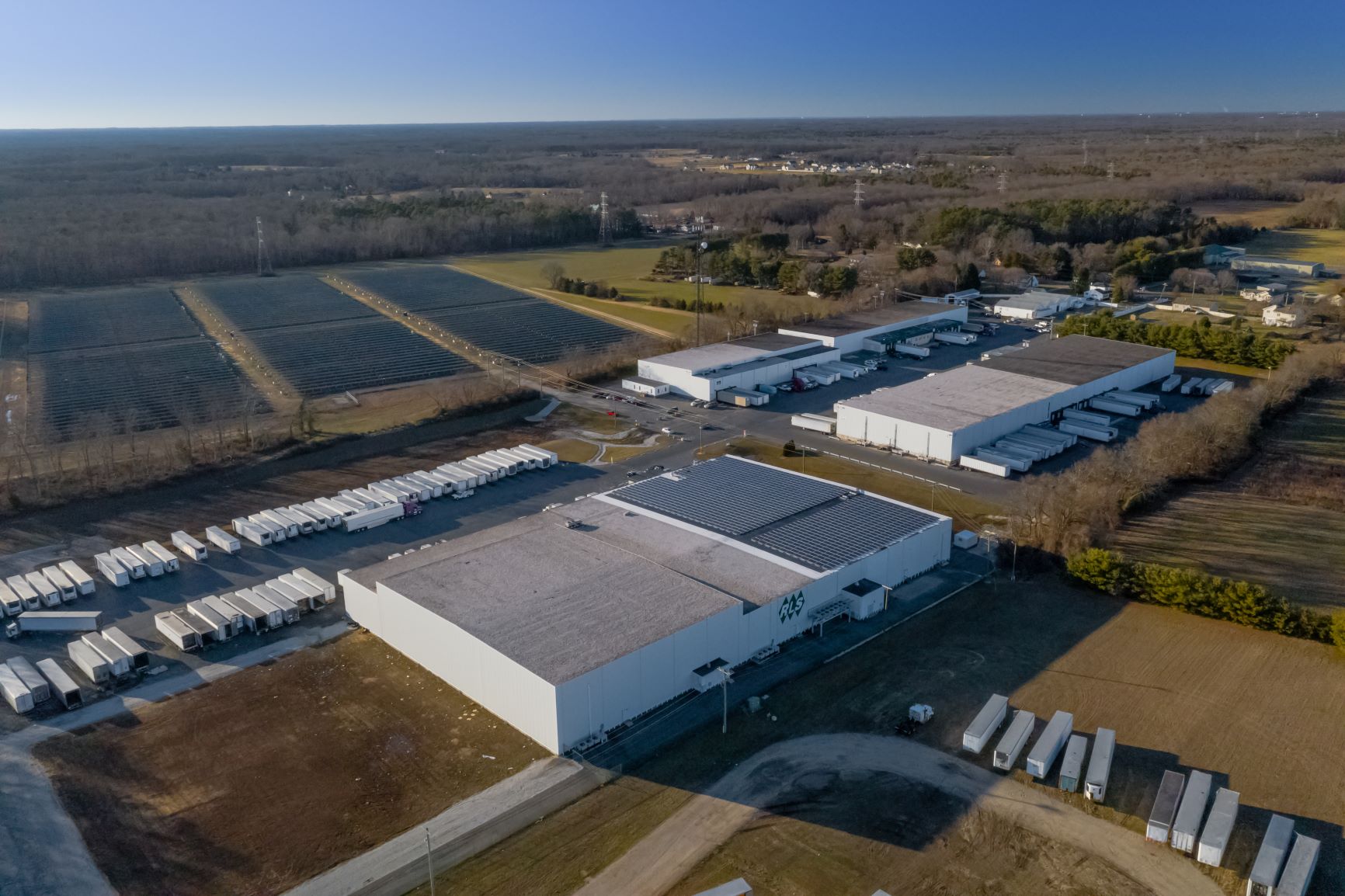
When COVID-19 started to rapidly spread around the world, digital buying was no longer just a trend but a necessity. U.S. online sales grew 76% in June, reaching $73.2 billion that month, according to Digital Commerce 360. As a result, industrial real estate became even more of a hotbed for investment. Warehouses and distribution centers provide companies like Walmart and Target the local space they need to get purchase orders out to their customers quickly and efficiently.

To offer consumers fast shipping, a large majority of the industrial real estate is located near key transportation hubs like seaports, highways, railroads and airports. That’s one of the reasons why a handful of out-of-state investors like Peter Lewis, president and founder of Coastal Realty LLC, have started building their industrial portfolios in the Northeast. Lewis explained to the Philadelphia Business Journal why his firm has increased their industrial properties in South Jersey: “These middle-market companies are going to start transitioning to becoming much more sophisticated online,” he said. “They have to. What that means is they’re going to require more warehousing, which is what our property offers. I continue to see a real demand for warehousing in densely populated areas. It’s going to be all the way from the 4 million-square-foot guys to the 2,500-square-foot guys,” said Lewis. Coastal Realty recently teamed up with Walton Street Capital to buy a 32-building industrial portfolio in Pennsauken. 


South Jersey and Philadelphia are lucrative areas because of their unique placement between Washington and New York. “The overall demand for warehouse space has continued to remain strong, especially with the uptick in e-commerce and the expectation by the consumer to have goods in their hands as quickly as possible. When Amazon Prime was introduced, two days for delivery seemed fast and quickly became the norm. We are now finding that next-day delivery, if not same-day delivery, is an integral part of the supply chain that is driving a lot of companies to look for warehouse space in South Jersey. The new speculative and build-to-suit development in our market has been mostly in the northern parts of Burlington County and the southern parts of Gloucester County,” Ian Richman, senior managing director of Southern New Jersey Colliers International, told Invest: South Jersey 2020. 

As long as there is a continued increase in consumer spending, the demand for retail space and other commercial activities like distribution centers, in theory, should rise. 

To learn more, visit: 

https://www2.colliers.com/en

Delray Beach: a city in transition

Adaptation, innovation are the new normal for legal professionals

By: Max Crampton-Thomas

2 min read August 2020 In the span of just a couple of months, the COVID-19 pandemic has impacted, in some form or fashion, every sector of the economy in the United States. In fact, Dori Foster-Morales, current president for the Florida Bar, was recently quoted as saying, “Everyone’s lives have changed, and anyone who says it hasn’t just doesn’t get it. I look at it like we’re in a tunnel, and we have to figure out a way to get out of it.” 

The idea of adaptation is nothing new for the legal sector as over the last decade it has seen an uptick in its professionals embracing the benefits newer technologies and innovations can bring to their operations. With the onslaught of challenges caused by the pandemic, it has become a necessity for legal professionals to quickly embrace innovation and truly adapt to an uncertain landscape. 

One of the most significant changes for legal professionals, and most business sectors for that matter, was the swift adaptation that had to happen to a work from home environment. While some in the legal world may have viewed this as just a temporary measure during this time of pandemic, the reality is beginning to set in that this may not be just a temporary solution for some. In an article posted by Law.com, it discusses how the idea of remote work as it pertains to the legal profession may have seemed like a foreign concept even a year ago but now has become a viable and workable option for the future thanks to technology platforms like Zoom. Video conferencing platforms have quickly become the norm for legal teams to collaborate, communicate and in some cases even conduct depositions using this technology. Technologies like Docusign, which had already been in use by the legal world, have expanded their solutions to include options like online notarization. While this technology had been available prior to COVID-19, the forced adaptation caused by work from home measures has seen the legal sector begin a transformation that, prior to the pandemic, may have taken years and is now coming to fruition in mere months. 

Technological embrace has not been the only adaptation from the legal community, as this time has given firms the opportunity to evaluate their teams, understand their clients’ changing needs and ultimately refocus some of their practice groups to engage and prepare to handle issues stemming from the pandemic. In an interview with Abovethelaw.com, Mark W. Brennan, lead innovation partner at Hogan Lovells, spoke on this type of adaptation as well as the opportunity to continue to strengthen communication efforts between a firm and its clients. “Communication throughout this pandemic is absolutely critical — and so is the strength of your culture,” Brennan said. “We are keeping a steady flow of information to our clients and our people to explain how our response is evolving. These efforts include keeping our clients informed on the latest developments affecting their business, as well as keeping our people informed about our firm and ways to stay safe.”

In the Tampa Bay region, a variety of firms have taken heed of this opportunity for adaptation, with some already refocusing parts of their practice to prepare for what they are imagining could be an influx of demand for legal services as it pertains to bankruptcy, business restructurings, M&A activity and other challenges associated with the pandemic. 

To learn more about how the legal sector is adapting to this changing environment, register now for the Invest: Tampa Bay 2020 Virtual Launch Conference. The conference, which takes place on Aug. 20 at 11:30 a.m., will feature three robust panels, including a legal panel moderated by Kevin Johnson, managing partner of Johnson Jackson, with panelists Marie Tomassi, managing shareholder and president of Trenam Law; Michael Lundy, managing shareholder of Older, Lundy and Alvarez; Bill Schifino, managing partner of Gunster; and Alan Higbee, managing partner of Shutts & Bowen. 


To learn more, visit: