Spotlight On: Sandi Bargfrede, Managing Partner, ACRE Commercial Real Estate

Spotlight On: Sandi Bargfrede, Managing Partner, ACRE Commercial Real Estate

By: Max Crampton-Thomas

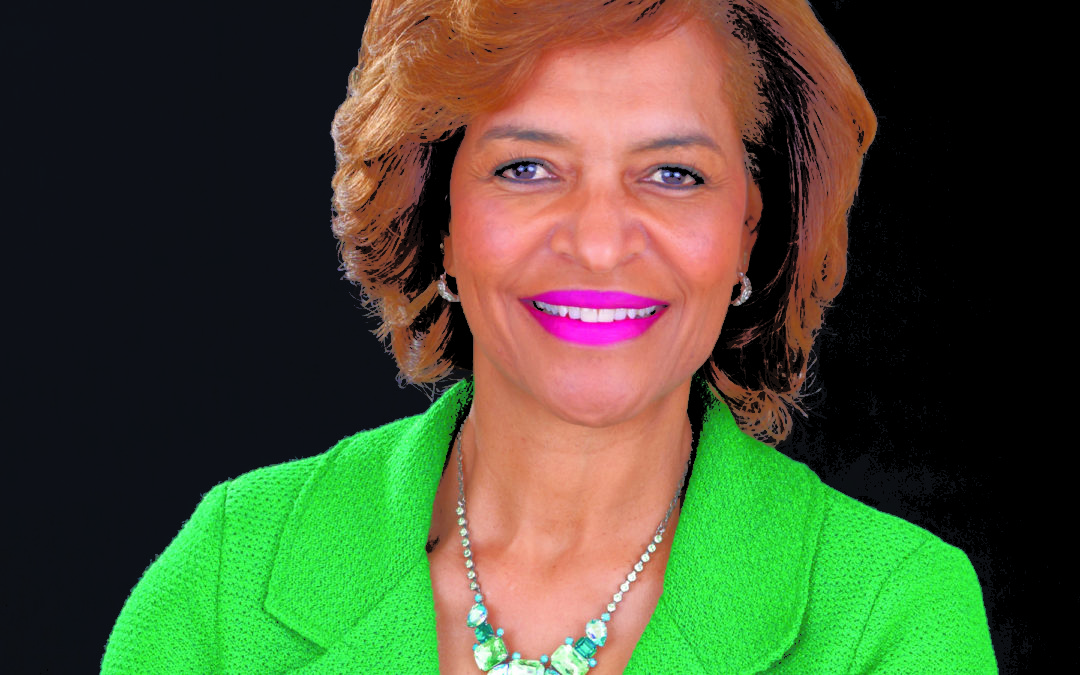
2 min read May 2020 — The real estate market will know a before and after COVID-19 as soon as activities resume. Sandi Bargfrede, managing partner of ACRE Commercial Real Estate, talks to Invest: about what to expect from Orlando’s market as the pandemic unfolds. 


How did ACRE Commercial Real Estate close 2019? 

2019 was a stellar year as not only did we see a tremendous increase in volume, but we also saw an impressive uptick in new retail concepts entering the Central Florida/Orlando market. ACRE specializes in retail third-party leasing, property management and tenant representation and we had never seen such a stronger increase in all aspects of our business than we did in 2019. In addition to strong growth in tenant representation, in the last year we also secured a significant stronghold in the Downtown and surrounding area in the mixed-use sector. 

How does your company capitalize on being an all-female commercial real estate firm? 

Women provide a different perspective on retail as we are typically the shoppers and we usually plan the family social activities. We are able to use this to our advantage as we can bring a different point of view to a project. ACRE did not set out to be an all-female firm. That said, we are all-female-owned but we are always open to hiring exceptional professionals, male or female. My business partner and I have been in this business for 20-plus years each and we have witnessed the industry evolve with more 

professional women entering the historically male-dominated field now more than ever. We believe this trend will continue and we will continue to provide the required mentorship platform for all in the business looking to thrive. 

What unique business opportunities does Orlando offer to your business and operations? 

Seventy-two million people per year visit Orlando, bolstering a strong service and hotel industry, where retail spaces are required to provide for these visitors. The retail opportunities are therefore exponential. We are seeing a significant wave of people moving here due to recent job growth figures, with close to 12 percent overall job growth in Orlando itself. With all of this growth, we are seeing a surge in new development from shopping centers to urban mixed-use communities. These new developments provide ACRE the opportunity to use our experience to work with developers before they break ground. Utilizing our extensive background in leasing, tenant representation and development allows us to create a project with not only the proper infrastructure but also the ability to create the synergistic tenant mix required for a project to be successful for the retailer and developer alike. 

What is your assessment of Orlando’s commercial real estate market? 

It is very strong as there are many vibrant areas that are growing in the Metro Orlando market, such as Hamlin, Lake Nona, Apopka, Clermont and downtown to name a few. We are seeing a housing boom in Orlando and these areas are all creating retail destinations for services and amenities along with community-driven gathering spaces for their residents and visitors. 

How has the COVID-19 outbreak altered the Central Florida real estate market? 

We do not believe it will resemble the 2008 crash, especially if we can get back to work sooner than later. It will definitely change the landscape considering the ever-changing social distancing guidelines and measures. These will certainly have a lasting effect on retail and restaurant margins. However, it will also open the door for reinvention and creativity toward preservation. 

We have always been outside-the-box thinkers. Recession-proof and Amazon-resistant have been part of our vocabulary and now we added pandemic and social distancing to the mix. We will find new ways to create tenant mixes that reflect the changes in our “new normal.” We offer consulting and advisory services to our clients and believe these services will be more valuable than ever to assist with navigating this new unknown landscape together. We have always treated our projects like they are our own and will continue to do so. 

What is your outlook for 2020-21? 

There will be a slight correction in the retail portion of the commercial real estate landscape. This will translate into greater inventory of second generation space available, which will most likely result in a reduction of rental rates until the absorption of inventory is stabilized. We do have a positive outlook as we head into 2021 and businesses start to recover. That said, it is difficult to predict as the COVID-19 effect is still unknown. All in all, we believe there is room for a fast recovery and in the end, Orlando will be stronger than before. 


To learn more about our interviewee, visit: 

https://www.acrefl.com/

Spotlight On: Michael Pallozzi, President, HFM Investment Advisors, LLC

Spotlight On: Michael Pallozzi, President, HFM Investment Advisors, LLC

By: Felipe Rivas

2 min read May 2020 — HFM Investment Advisors has been advising South Jersey and the Greater Philadelphia region residents on financial and investment planning since 1989.  Last year was a banner year for the company in terms of team growth. HFM President Michael Pallozzi talks with Invest: about trends in retirement planning and how technology has significantly changed the way the firm does business. 

What does HFM’s R.I.C.H. approach mean for the firm and its clients?

We strive to develop a deep, meaningful relationship with all of our clients to help their family or their business, and that’s what the “R” stands for: relationship building. “I” is to inspire our clients to think outside the box and what’s important to them, such as their financial situation, legacy or succession plan. “C” is to help compose a meaningful plan. Everything we do for our clients revolves around their personalized action plan. The “H” is for “holding you accountable.” We want to hold our clients accountable to their goals, objectives and action plans, and we ask that they also hold us accountable for what we promised. 

HFM’s biggest differentiator is our value proposition and the way that we work with our clients. At most firms, advisers work as a solo with their clients, so clients usually have only one person to talk to. At HFM, we are team-oriented around our R.I.C.H. process, so all our clients work with our entire team.


What are the benefits of being located in South Jersey?

Gloucester County has one of the fastest-growing business communities in South Jersey, and being located here represents a great advantage. We are strategically located on Rowan Boulevard in the heart of Rowan University. We also sublet space to the Gloucester County Chamber of Commerce, which provides us great visibility in the market. Similarly, the South Jersey region provides access to multiple sectors like education, health, logistics and consulting organizations. Many local, regional and international companies are starting to call Gloucester County their home. 


What are the most notable changes in South Jersey’s investment management and financial services industry?

The biggest change has been the reduction in cost and improved technology within the investment platform offerings. With the rise of technology platforms in our industry, we’ve been able to offer more investment choices and provide more financial planning services at a substantially lower cost. I believe we are ahead of the curve for firms like ours in South Jersey. We are in the process of a major change in 2Q20 for all of our clients’ investment choices through the use of a new technology platform. This will potentially save our clients an average of 25-35% on their investment-related expenses. Technology is also allowing us to provide additional financial planning services in a more impactful and efficient way. 


What are some trends in retirement planning and investment management?

401(k) retirement planning is a growing part of our practice. We focus a majority of time in two areas. First is protecting the plan sponsors, who are typically the owners of the companies and usually the human resources managers. With the recently implemented SECURE Act, there are a lot of fiduciary and compliance rules that can trip up business owners with the Department of Labor. We proactively work with them and their third-party administrator (TPA) to keep them updated on the rules that apply specifically to them. 

The second area is focused on helping the employees of our clients. We provide an employee experience that focuses on educational workshops, one-on-one meetings and personalized retirement plan projections.


To learn more about our interviewee, visit: 
https://www.hfmadvisors.com/

Spotlight On: Michael Praeger, CEO and co-Founder, AvidXchange

Spotlight On: Michael Praeger, CEO and co-Founder, AvidXchange

By: Felipe Rivas

2 min read May 2020Charlotte-based AvidXchange is looking to reduce paper for middle-market companies by providing a full suite of accounts payable and payment automation solutions to businesses across the country, a trend that might have been accelerated by measures taken around the COVID-19 pandemic, said CEO Michael Praeger in an interview with Invest:Charlotte. 

 What service is AvidXchange providing to the market?

AvidXchange automates the accounts payable and payment process for middle-market companies, eliminating the paper invoice and paper check. We are primarily focused on the United States, with a growing presence in Canada. 

Imagine the impact in the current transition to a work from home environment when you realize that you don’t have an automated process for your accounts payable and to pay your bills. There are a lot of companies that still have paper checks, with pre-printed check stacks, and you can’t send a person home with a pre-printed corporate check stack. 

The current situation has been a catalyst in terms of new customers wanting to adopt our technology and existing customers trying to get everything implemented as fast as they can. Suppliers that have historically been receiving paper checks from their payment network are raising their hands and saying they want electronic payments.

We have five core verticals: real estate, HOA or homeowners’ associations, and financial services, where we have over 2,000 banks that use our services platform to manage their internal accounts payable and pay their own bills. Then it’s construction, which has done really well in recent years, and our newest vertical in healthcare facilities and social services.


How would you describe the evolution of the tech sector in Charlotte as compared to other, better-known tech hubs?

When we founded AvidXchange 20 years ago, there was a small and passionate group of entrepreneurs in Charlotte who really wanted to build a more entrepreneurial ecosystem, particularly around technology, and adapt a lot of the companies that supported the banks. Most of the technology in Charlotte around that time was supporting the banking or the energy sectors. We started growing and gaining traction by staying focused on developing our AP automation solutions, and today we are the largest software company in Charlotte.

In terms of our evolution, our rapid growth began in 2011-2012. There were two catalysts for that. One was that we are a software as a service, cloud-based technology platform. Up until then, companies were really hesitant to adapt cloud-based technology for financial applications. The mindset was to run these services internally, behind a firewall. And then we had the growth of companies like Salesforce and Concur that created momentum and customers started becoming comfortable. 

We then added payments to our existing accounts payable solution. We were growing at 15% to 20% annually up until 2012, and since then, we’ve averaged around 40% growth per year. That is a reflection of the growth of Charlotte, but also of the general marketplace adopting our technology.


Are the schools and universities in the region meeting the challenge of training the talent companies like AvidXchange need?

It is really interesting because one of the first things discussed about Charlotte is that all of the other tech centers are really anchored by a university or college research system, and Charlotte does not have that. That is true historically, but one of the things that this COVID-19 dynamic is showing us is that you don’t necessarily need people physically together in a lab or research environment to drive innovation. You have to be in an environment that supports innovation, and I think Charlotte and North Carolina have that. The region does not have that deep research presence in the city itself, but when you look at the whole North Carolina ecosystem, between the research triangle and what UNC Charlotte is doing around analytics and Big Data, positioning itself as an analytics center for the university, there are really good things happening.

How are your services received in the market?

Our main presence in terms of customer concentration is around the major centers of employment in the United States. We have customers in all 50 states and over 6,000 in total nationwide. As I mentioned, this has been our eighth consecutive year of averaging 40% growth, which provides some insight on adoption. It is currently estimated that 60% to 70% of middle-market companies still process paper invoices, so we’re still in the very early days of that adoption curve.

I think the COVID-19 crisis is going to act as a catalyst event where we see companies deciding to automate to avoid future business continuity issues around how they pay bills.

To learn more, visit: https://www.avidxchange.com/


Spotlight On: Ava Parker, President, Palm Beach State College

Spotlight On: Ava Parker, President, Palm Beach State College

By: Felipe Rivas

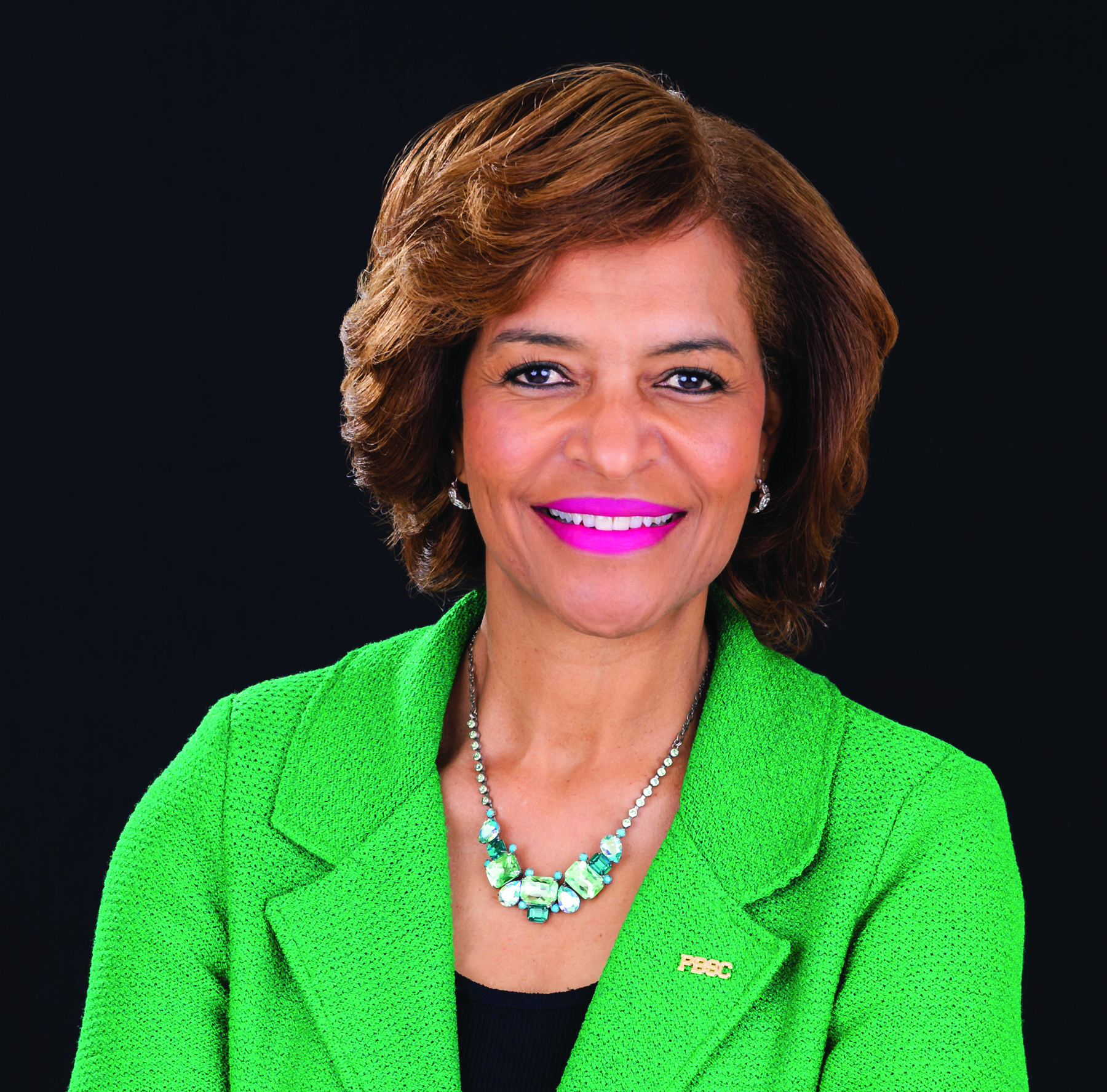
2 min read May 2020 — Palm Beach State College succeeded in transferring most of its programs to a remote format to deal with the COVID-19 pandemic that hit the world early in 2020. The college is preparing the next generation of business leaders and frontline workers with business programs, health sciences career tracks, and fire and law enforcement among its most popular offerings. In an interview with Invest: Palm Beach, college President Ava Parker discussed the school’s most popular programs, its role as a stepping stone to a better life for students, and its stress on academic focus.


What are the most popular programs for the college?

As a state college, 60% of our students come here to earn an Associate in Arts (A.A.) degree and transfer to our bachelor’s programs or to a university bachelor’s program, most frequently in the state. Most of our students want to transfer to Florida Atlantic University or the University of Central Florida. Florida International University and the University of Florida are also top choices. 

In our A.A. pathway, many students want to go into business. Our entrepreneurship A.A. and bachelor’s degree tracks are popular, as is getting the business foundation needed to transfer to a university’s program.

Another popular area is health sciences. Many of our students are the first in their families to go to college, so for them, they are thinking about where they have seen people succeed, which people have improved their economic condition because of their chosen profession. Many of our students go into health sciences because that is an area where they can always find a job. The fields that are popular include dental hygiene, nursing, ophthalmic medical technology, respiratory care and radiography. Those are Associate in Science degree programs that many of our students see as opportunities to move from a lower socioeconomic status to the middle class. Most years, 100% of our ophthalmic graduates are placed right away, including at the Bascom Palmer Eye Institute, where we have a tremendous partnership. Our respiratory care graduates are picked right up once they pass their national boards, as are the radiography and dental hygiene graduates. And of course, our longest waiting list is for nursing. We are a sought-after solution for students, and also hospitals and doctors’ offices, because they understand that our program is rigorous and turns out great nurses. We also have bachelor’s programs in nursing and cardiopulmonary sciences for nurses and respiratory therapists who want to advance.

Our fire, law enforcement and corrections academies are also very popular. Many of our citizens rely on these programs as the primary route to entering those public safety fields. 

How does the college help students update skills to transfer to other institutions? 

Our bachelor’s degree programs are a fast lane. When I shake hands with students who are graduating with our bachelor’s degrees, most of them are in their 30s. They are folks who already have a job, and they found their way to us because they were sitting at work, and there was an HR announcement about a job opportunity that required a bachelor’s degree. 

We are ideal for those people because they can continue to work at their jobs, and they can come to us in the evenings or attend online to earn those additional credentials. We also can do that at a reasonable cost. 

How are your trade programs structured?

Regarding our trade programs, we are the workforce solution for adults in Palm Beach County. We see that as a hallmark of what we do as an institution for people who enjoy working with their hands, or people who want a shorter term of study and come out ready for work. We have long waiting lists for many of our trade certificate programs, which prepare students to become welders, HVAC technicians, machinists, low voltage technicians, electricians, automotive, diesel and marine service technicians as well as cosmetologists and barbers. Our Engineering Technology and Electrical Power Technology A.S. degree programs are producing much-needed technicians to support the manufacturing, aerospace and electrical power generation industries. In fact, graduates of PBSC trade programs can be found throughout the county, contributing to its growth and innovation. 

How is COVID-19 shaping the educational landscape?

I am concerned every day about students withdrawing. Our spring break was the first week of March, and I recall having the first conversation with my leadership team about us preparing for COVID-19. I never would have guessed that a month later most of my staff would be working from home, as well as all of our instruction happening remotely. My biggest worry, because we were able to successfully transfer most of our programs to a remote format, was related to our firefighter and police academies, because our instructors, who are first responders out there at work dealing with the situation, were not available to instruct our students. It was also considered a liability to have our Emergency Medical Technician (EMT) program students out there in the hospitals doing their clinical rounds, as well as our nursing students. The hardest thing has been stressing to our students to remain focused on their academic trajectory. Some of them did not have the devices to actually make the transition, so we had to go and look throughout the college for every laptop available for our students to check out, because it is really difficult to do your homework from your phone.

To learn more about our interviewee, visit: https://www.palmbeachstate.edu/
Georgia nurtures positive business activity despite pandemic

Georgia nurtures positive business activity despite pandemic

By: Felipe Rivas

2 min read May 2020 — The COVID-19 pandemic has upended the national economy since its arrival in early March. As the phased opening of the local and national economies begins, states are looking to safely move past the outbreak that shuttered businesses, halted economic activity and sent unemployment rates soaring. Though March and April were characterized by challenging economic times for the nation, Georgia’s diverse business foundation proved to be resilient in the face of pandemic-related adversity. From distribution giant Amazon to local, highly-technical operations expanding in the Peach State, the region celebrated continuous business wins in a time marked by uncertainty and shelter-in-place measures.  

As e-commerce continues to boom, Amazon looked to expand its footprint in Georgia and fully take advantage of the state’s robust distribution infrastructure. In late April, the retailer announced plans for a new fulfillment center planned for Appling, in Columbia County. The new, multilevel operations facility will feature innovative Amazon robotics technology and create 800 full-time jobs, while marking the largest investment of its kind in Columbia County.

“Amazon’s continued investments in Georgia are a testament to all that our state can offer, including the logistics and top-notch workforce needed for their growing global business,” Gov. Brian Kemp said. Amazon employs more than 3,500 full-time employees in Georgia and has existing operations in Jefferson, Braselton, Lithia Springs, East Point, Kennesaw, Macon, and Union City. “I could not be more proud to welcome them to the Central Savannah River Area, and I am excited for the hardworking Georgians who will benefit from this new operation,” Kemp said. 

Amazon leaders touted Georgia’s workforce as a major contributor to its success in the region. “We are proud to continue our investment in Georgia with great jobs and a new, state-of-the-art fulfillment center in Columbia County to serve our customers across the state,” said Robert Packett, regional director of Amazon operations. “The Peach State and its incredible workforce have been vital to our ability to provide great selection, competitive prices and the Prime services we know our customers love. We are excited to create 800 new full-time jobs, with industry-leading pay and benefits on Day One, in the community.”

In similar fashion, local biotechnology company RWDC Industries announced in May a $260-million expansion of its operations into Athens-Clarke County, slated to create some 200 jobs. Founded in an innovation lab at the University of Georgia in 2015, RWDC Industries has emerged as a global leader in developing cost-effective alternatives to single-use plastics. “RWDC Industries is a perfect example of Georgians’ creative approach to solving problems and finding great success, thanks in part to state resources like our public university system,” Gov. Kemp said. RWDC will expand into an existing 400,000-square-foot facility in Athens. 

This announcement comes as consumer demand for sustainable alternatives to plastic continues to grow. RWDC Industries is a biotechnology company that develops innovative and cost-effective biopolymer material solutions, including polyhydroxyalkanoate (PHA). PHA is fully biodegradable and can be used as a substitute for plastic in a wide range of daily, single-use consumer goods, from straws to utensils to cups and plates to lids.

“We are excited to see RWDC expand its operations in Athens and add a substantial number of new well-paying jobs,” said Athens-Clarke County Mayor Kelly Girtz. “Athens is the home of the University of Georgia, and we have a long record of supporting innovation and industry. Like communities across America and the world, we want to see a reduction in plastic pollution, and we have high hopes that RWDC, with the help of the Athens community at their new facility, will be able to solve that problem.”


To learn more, visit:

https://gov.georgia.gov/press-releases/2020-04-27/amazon-announces-new-fulfillment-center-creating-800-new-jobs-columbia

https://gov.georgia.gov/press-releases/2020-05-05/rwdc-industries-invest-260-million-athens-clarke-county-expansion-create

https://gov.georgia.gov/press-releases/2020-05-08/1-roof-trusses-plans-17-million-investment-130-jobs-decatur-county

https://gov.georgia.gov/press-releases/2020-05-05/sk-innovation-begin-construction-second-georgia-battery-facility-july

https://gov.georgia.gov/press-releases/2020-04-29/batter-foods-invests-34m-fulton-co-waffle-plant-creates-162-jobs


Pennsylvania ready for a partial reopening; Philly, New Jersey not there yet

Pennsylvania ready for a partial reopening; Philly, New Jersey not there yet

By: Felipe Rivas

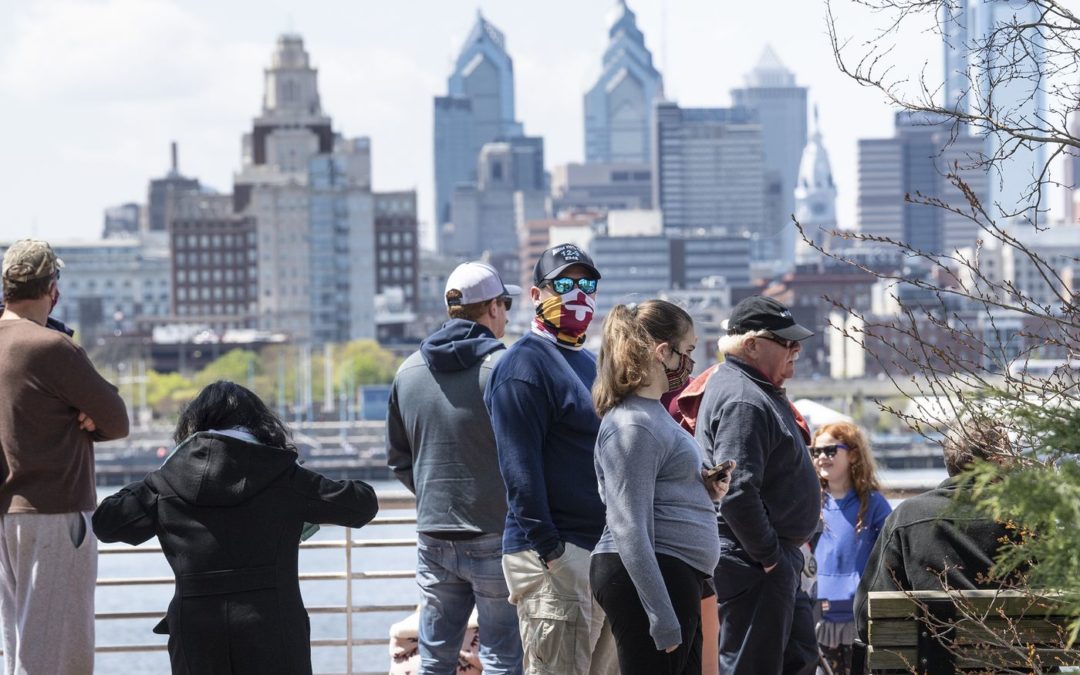
2 min read May 2020 — Along the East Coast, states are phasing in the reopening of their respective economies after weeks of economic inactivity as a result of the coronavirus. In the Northeast, Pennsylvania is the latest state to begin the battle of balancing public health and economic recovery by partially opening 24 counties along the northwest and north-central regions of the state beginning Friday. Most notable during this process, Philadelphia County, a major economic driver for the state and its most populous county, will remain shut down. Across the Delaware Valley, New Jersey remains in a health battle as Gov. Phil Murphy extended his shelter in place order for another 30 days.

“Over the past two months, Pennsylvanians in every corner of our commonwealth have acted collectively to stop the spread of COVID-19,” Gov. Tom Wolf said in a press release. “We have seen our new case numbers stabilize statewide and while we still have areas where outbreaks are occurring, we also have many areas that have few or no new cases.” The 24 counties reopening on Friday are Bradford, Cameron, Centre, Clarion, Clearfield, Clinton, Crawford, Elk, Erie, Forest, Jefferson, Lawrence, Lycoming, McKean, Mercer, Montour, Northumberland, Potter, Snyder, Sullivan, Tioga, Union, Venango and Warren. These counties were deemed ready to move to a reopening because of low per-capita case counts, the ability to conduct contact tracing and testing, and appropriate population density to contain community spread, according to the governor’s office.

Philadelphia Mayor Jim Kenney says he’s “not going to sacrifice people’s lives” in reopening the city too soon during the COVID-19 pandemic, according to local news sources. Kenney said there is no timetable as to when the city will open. “You can’t set a timeline. The timeline is what the virus dictates. We certainly have targeted things we’d like to see happen, but unless the data indicates that it’s safe, then it’s not safe,” Kenney said, according to CBS 3 Philly. 

Gov. Wolf urged citizens to adhere to all social distancing and health guidelines. “Every human-to-human contact is a chance for the virus to spread, so more contacts mean a higher likelihood of an outbreak,” Wolf said. “If we see an outbreak occur in one of the communities that has been moved to yellow, we will need to take swift action, and revert to the red category until the new case count falls again. So, Pennsylvanians living in a county that has been moved to the yellow category should continue to strongly consider the impact of their actions.”

In New Jersey, Gov. Murphy erred on the side of caution, as the state continues to deal with the COVID-19 pandemic. “I want to make it absolutely clear that this action does not mean that we are seeing anything in the data which would pause our path forward, and it should not be interpreted by anyone to mean we are going to be tightening any of the restrictions currently in place. These declarations, unless extended, expire after 30 days,” Murphy said. 

No formal timeline was given as to when the economy will reopen. In the meantime, Murphy urged residents to continue to observe all social distancing and health guidelines. “If this extension of the public health emergency signals one thing, it is this: we can’t give up one bit on the one thing that we know that is working in this fight, social distancing,” Murphy said. “Remember, in the absence of either a vaccine, or proven therapeutics for COVID-19 specifically, our only cure is social distancing, covering our faces, washing our hands with soap etc. And we know, by the way, that the effort of millions in this state is working. We have made enormous strides, folks, unlike any American state. Let’s keep it that way.”


To learn more, visit: https://www.governor.pa.gov/newsroom/gov-wolf-announces-reopening-of-24-counties-beginning-may-8/

https://www.nj.gov/governor/news/news/562020/approved/20200506c.shtml

Charlotte begins reopening process, Altanta ramps up COVID-19 testing

Charlotte begins reopening process, Altanta ramps up COVID-19 testing

By: Felipe Rivas

2 min read May 2020—Southeast metro areas like Charlotte and Atlanta have been a popular destination for families, businesses and large corporations looking for affordability, dynamic business fundamentals and a high quality of life. In the landscape of the coronavirus, much of the national attention was placed on the Southeast in late April as Georgia Gov. Brian Kemp led the nation in the reopening timeline, terms and guidelines. Following Georgia’s example, North Carolina Gov. Roy Cooper announced Tuesday the loosening of his stay-at-home and transition into phase one of his economic recovery plans effective Friday, May 8. 


“COVID-19 is still a serious threat to our state, and Phase 1 is designed to be a limited easing of restrictions that can boost parts of our economy while keeping important safety rules in place,” Gov. Cooper said in a press release. As of May 5, Mecklenburg County, where Charlotte is located, reported more than 1,700 residents have tested positive for the novel coronavirus and 52 deaths due to COVID-19, according to Mecklenburg County Public Health. “This is a careful and deliberate first step, guided by the data, and North Carolinians still must use caution while this virus is circulating,” Cooper said

Gov. Cooper’s orders remove the distinction between essential and non-essential businesses. Retail businesses are allowed to open at 50% capacity and must follow strict health guidelines and best practices, such as social distancing, perform frequent cleanings, provide hand sanitizer when available, and screen workers for symptoms. The order also allows people to leave their homes for commercial activity at any business that is open, bringing potential economic activity to small businesses that were shuttered during March and April. “We must continue to protect our families and neighbors as we take this cautious step forward,” Secretary of the NC Department of Health and Human Services Dr. Mandy Cohen said. “When you leave your home, follow the three W’s: Wear a face covering, wash your hands, and wait six feet apart.”  

Days into phasing the reopening of the Georgia economy, health, university, local and state officials are ramping up COVID-19 testing in the Peach State. On April 30, the state reported conducting over 20,000 tests, a single-day record for COVID-19 testing, according to the governor’s office. “Thanks to Georgia’s partnership with our university system, the private sector, and local public health officials, we ended April by setting a single-day testing record, reporting over 20,000 tests on April 30 alone,” Gov. Kemp said. “This is great progress for our state, but we refuse to rest on our laurels. In the days ahead, we will continue to increase access to coronavirus testing across Georgia.”

In March, the state of Georgia announced partnerships with the University System of Georgia, Georgia Public Health Laboratory and Emory University to process over 3,000 samples a day.  Since that time, Georgia, a state with large rural areas, has partnered with companies like CVS, Walgreens, Walmart and eTrueNorth to launch drive-thru testing sites throughout metro Atlanta and deploy mobile testing units to areas with limited access, according to the governor’s office. “We have the capacity, we have the bandwidth, and now we need the patients,” Kemp said. He encourages residents who are experiencing symptoms as well as asymptomatic medical and frontline workers to schedule a COVID-19 screening and visit one of the state’s more than 50 active testing sites if necessary. “We will continue to work diligently to innovate and increase testing in Georgia, and together, we will win this fight,” Kemp said.


To learn more, visit:

https://governor.nc.gov/news/governor-cooper-announces-modified-stay-home-order-and-transition-phase-1-easing-restrictions

https://www.mecknc.gov/news/Pages/Mecklenburg-County-COVID-19-Data-for-May-3.aspx

https://gov.georgia.gov/press-releases/2020-05-01/georgia-sees-banner-week-covid-19-testing


Florida reopens: phase one of governor’s COVID-19 recovery plan in effect

Florida reopens: phase one of governor’s COVID-19 recovery plan in effect

By: Felipe Rivas

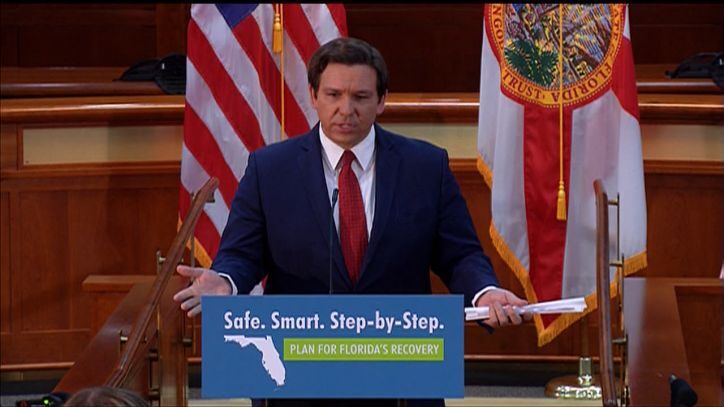
2 min read May 2020After weeks of shelter-in-place measures and business closures, the Sunshine State will begin the reopening process, as phase one of Gov. Ron Desantis’ recovery plan goes into effect. On Monday morning, as the governor’s stay-at-home order officially ended, the Safe. Smart. Step-by-Step. Plan for Florida’s Recovery plan began throughout the state. The plan allows certain businesses to reopen under specific restrictions and social distancing guidelines. The reopening plans do not yet apply to South Florida however, mainly Palm Beach, Broward and Miami-Dade counties, where most of the state’s confirmed COVID-19 cases are located. Shelter-in-place measures and business closures remain in place in those three counties. 


 Under phase one of the recovery efforts, restaurants may offer outdoor seating with six feet between tables and indoor seating at 25% capacity. Retailers may also operate at 25% of indoor capacity. Schools will remain with remote learning and all visits to senior living facilities are prohibited. Businesses such as bars, gyms and personal care services will remain closed as well, and it is unclear as to when they may open. 

Additionally, hospital systems can now resume elective surgeries, a major source of revenue for those facilities. Medical professionals throughout the state touted the recovery plan’s data-driven approach while prioritizing the health and wellness of Floridians. “Now, it’s time to reopen,” Tampa General Hospital President and CEO John Couris said in a press release.  “[Gov. Desantis] is taking a measured approach to reopening our state and getting people back to work while considering the health and wellness of those who are most vulnerable,” Couris said in a press release. In Orlando, Dr. Sunil Desai, president of Orlando Health Medical Group, echoed that sentiment. “Orlando Health fully supports Gov. DeSantis’ plan for incrementally reopening Florida,” Desai said in a press release. “Since early April, we have experienced a consistent downward trend in the number of cases of COVID-19 patients requiring hospitalization. Orlando Health has always remained committed to caring for the Central Florida community in a safe and compassionate way.”

For Miami-Dade, Broward and Palm Beach counties, three of the state’s most populous counties, a phased reopening of the economy may still be a few weeks away. For these counties, travel and tourism dollars, the service economy and international investment make up a substantial part of the local economy, all of which were disrupted by travel bans, shelter-in- place measures and shuttered business activity. However, though South Florida has been one of the hardest-hit areas by the COID-19 pandemic, the three county mayors believe their respective counties will be ready for a safe, efficient and phased reopening of their local economies.

“The past few months have been challenging, but Floridians have answered the call as they always do,” Palm Beach County Mayor David Kerner said in a press release. “Thanks to their efforts to help flatten the curve of COVID-19, we are well-positioned for the next steps to slowly reopen the state.” Broward County, in similar fashion, was projecting a severe impact from the pandemic, yet through swift action and close monitoring of cases, the county is preparing for the reopening of its economy. “While Broward County was projected to become one of the worst affected areas by this pandemic, we have been able to avoid this by using a data-driven and methodical approach to combating COVID-19,” Broward County Mayor Dale Holness said in a press release. “The leadership and residents of Broward County are united in this effort. Gov. DeSantis has been a strong partner in this fight and I look forward to continuing to work with him and leaders across the county and state as we strive to get things back to normal and emerge stronger than before.” Much like Palm Beach and Broward counties, Miami-Dade County also has felt the economic impact of more than six weeks of shelter-in-place measures, but county leaders continue to consult with local leaders and medical professionals and believe the county is ready for a phased reopening of its economy. “There’s no denying the negative economic impacts that COVID-19 has had on our county and our entire state,” Miami-Dade County Mayor Carlos Gimenez said. “However, thanks to the hard work of so many Floridians, we have made great progress in flattening the curve, and we continue to consult with health and medical experts to protect our residents. We are ready to begin reopening through a safe and thorough approach.”


To learn more about the  Safe. Smart. Step-by-Step. Plan for Florida’s Recovery, visit:

https://www.flgov.com/wp-content/uploads/covid19/Taskforce%20Report.pdf


Spotlight On: Kenneth Rosenfield, Managing Partner, Rosenfield & Company PLLC

Spotlight On: Kenneth Rosenfield, Managing Partner, Rosenfield & Company PLLC

By: Max Crampton-Thomas

2 min read May 2020 — In a crowded accounting and consulting services marketplace, it can be hard to differentiate from the masses. Kenneth Rosenfield, managing partner of Rosenfield & Company PLLC, is accomplishing this by putting a greater investment into his people and by creating a culture that is strong enough to be listed among the “Best Places to Work” for CPA firms last year. He also speaks to his firm’s adaptability as being key to navigating the COVID-19 pandemic, and while most businesses have seen a major slowdown in activity, his firm is experiencing an influx of demand as it works to process SBA loans for its clients.


How is the Orlando market conducive to your firm’s success? 

 Orlando’s economy has been doing really well and has been a great place to work. The workforce is plentiful and the universities here are fantastic. We are lucky to have access to the largest university  in Florida, which has been really great for recruiting to our firm. UCF has been fantastic to work with. The manufacturing industry, which is one of our core industries, has been doing really well in Orlando as well. A lot of people have the perception that Orlando is Disney World, but that is actually the third-largest industry in this region behind healthcare and manufacturing. We are big in the automotive retail industry, and Central Florida is the third-largest automotive market in the country. We have a variety of car dealerships in Orlando, including some of the largest in the country, which are all clients of ours, and is one reason our headquarters is located in Orlando. The automotive retail sector is usually the first to go into a recession and the first to come out of it. 


In searching for a new office space, what have you identified in regard to vacancies in the Downtown area?

 Downtown is challenged due to the consolidation of space. There are a lot of vacancies in Downtown Orlando. A lot of this is caused by banks and law firms downsizing in that area. I’m not sure what the exact cause is because everybody seems to be doing well. I believe this could be because the thought process has changed. Everyone used to want a big office, but now everyone is going more toward a collaborative workspace, which takes up a lot less space. That has created a big hole in the market and it has caused the rate per square foot to come down. So much space is now available.


How do you remain competitive with firms of your size and the larger national firms? 

 We compete with the big national firms for staff and clientele. We have to offer the same level and more creative types of compensation while also offering a completely different work atmosphere that those firms don’t supply. We also have to be different from all the firms our size and price competitive with the large firms. Ultimately, this leads us to making a greater investment in our people. We don’t have the “grind them up and chew them out” environment that the big firms have. We also have made the investment with the local colleges to acquire the best available interns. We have to maintain a really great intern program that allows them to do exciting things and also receive practical work experience. If you don’t provide that environment, you won’t get to participate in that talent pool. Having a great work environment leads to more productivity and ability to serve our clients better. We are really proud to have won, Best Places to Work for CPA firms last year. We also invested heavy into technology over the years, and we are much more efficient than our competitors in serving our clients. 


How has the COVID-19 pandemic affected your operations? 

 Today, we are extremely inundated with processing SBA loans for our clients. Other people had also heard about us doing this, so if they are big enough we have algorithms to figure out the best method to accomplish this. We then put together loan packages and submit them to the banks. We have already completed over 150 of them and these are big SBA loans valued at over half a million dollars, at least. Tax filings were pushed back, so we are still working on those but not as much as we are working on these SBA loans. We also do SEC work, so we have a lot of quarterly and annual filings coming up that we are still working on. Our audit team is very busy. We are going to see a lot of merger and acquisition activity in the coming months, which we are also proficient at. 


To learn more about our interviewee, visit: 

https://www.rosenfieldandco.com/