South Jersey and Philadelphia transition into online learning

South Jersey and Philadelphia transition into online learning

By: Max Crampton-Thomas
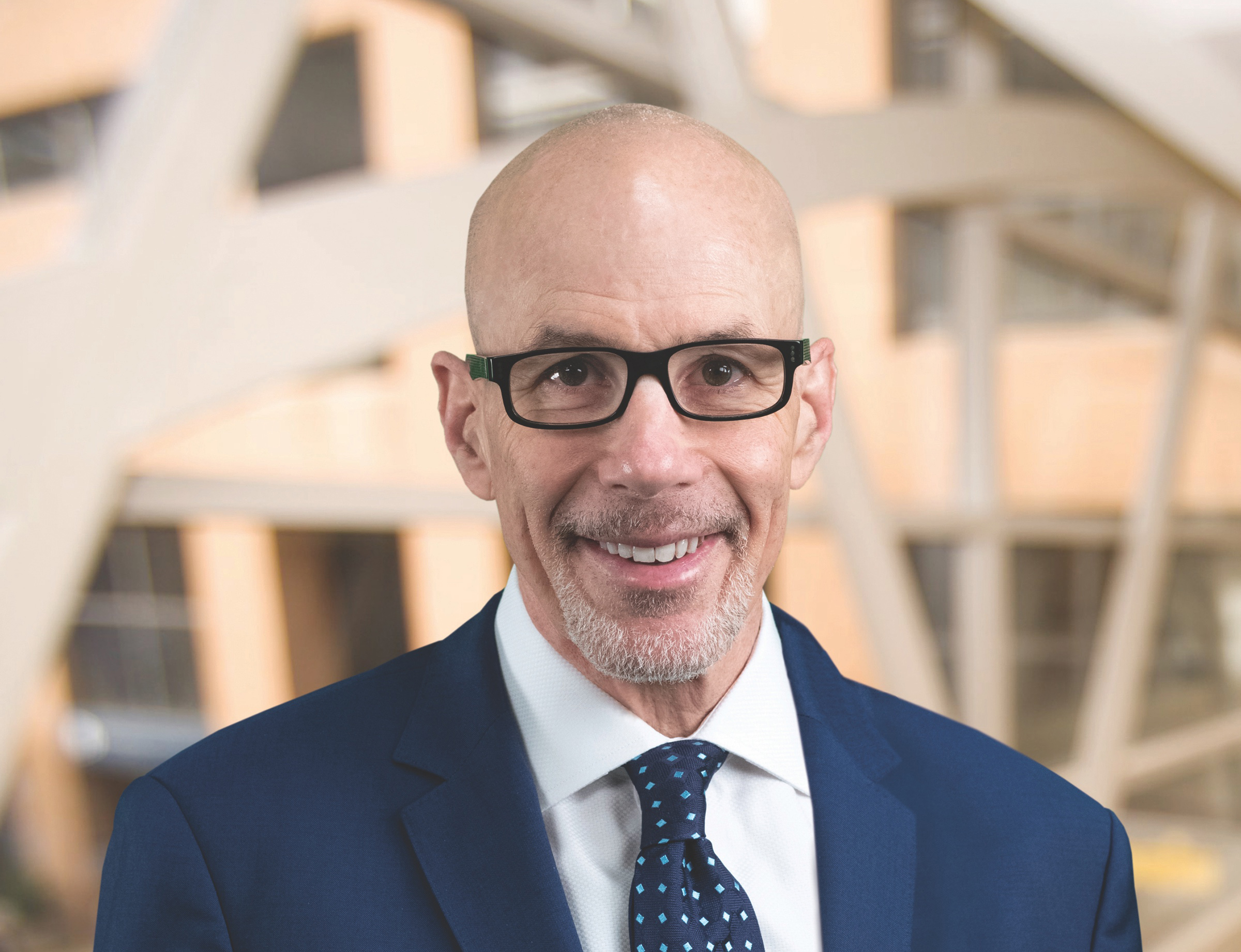
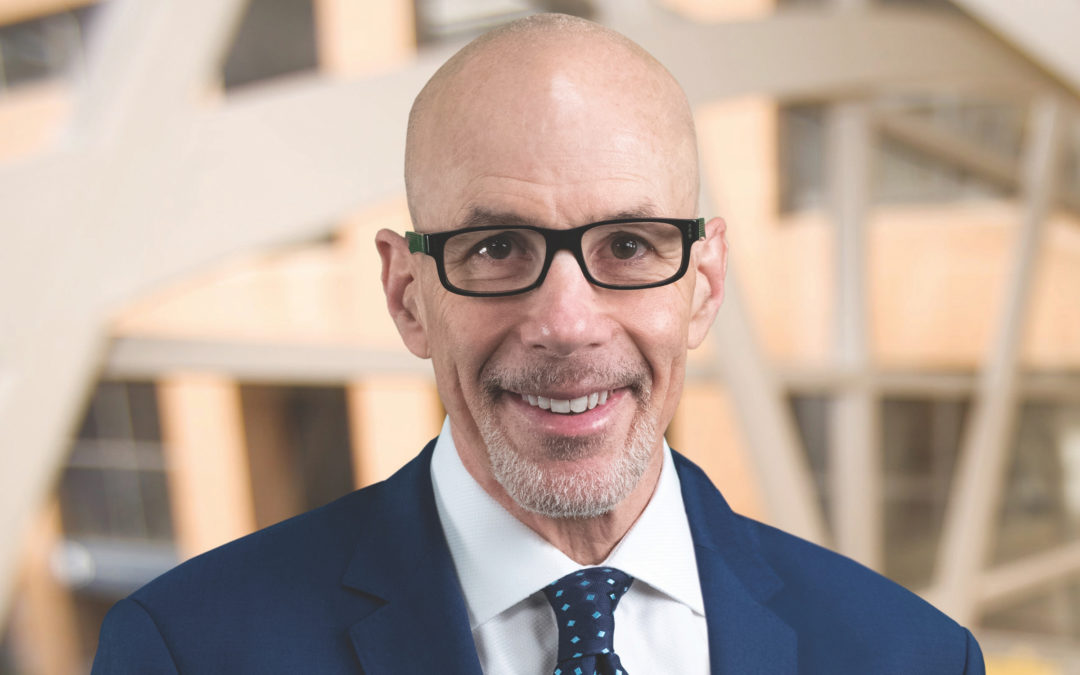
2 min read April 2020 —Jefferson Health is a multistate, nonprofit health system, including teaching hospitals, centered in Philadelphia. CEO Dr. Stephen Klasko details how earlier actions helped its hospitals get ahead of the COVID-19 pandemic in terms of preparation. Klasko also outlines the actions he would like to see from the state and federal governments to deal with the fallout from the pandemic.

What accommodations have you made to handle the influx of patients due to the COVID-19 outbreak? 

No one was totally ready for this pandemic, but Jefferson Health – all 14 hospitals – had a head start in preparing because of two initiatives. More than 10 years ago, Jefferson infectious disease doctor Edward Jasper started leading pandemic drills, and he stockpiled a supply of PPEs (personal protective equipment). In fact, we even sent PPEs to New York City in the early days of the crisis. Second, in 2014, we invested heavily in telehealth, launching JeffConnect, which immediately connects patients by video-call to an emergency department physician. As a result, we didn’t have to rebuild our system when calls went from 50 a day to more than 3,000 a day. Telehealth handled the first wave of the crisis, allowing us to support COVID-19 patients at home, as well as help thousands of people who were sick but not with COVID-19.

How are you working to ensure that patients and healthcare professionals alike are maintaining a safe environment?

Jefferson Health moved very quickly to a “universal masking” policy, requiring all staff to wear masks at work, even if their patients were COVID-negative. We were one of the first hospital systems to adopt universal masking, exactly to ensure we protect our own staff. We were in close contact with our colleagues in Italy, who told us that proper protection for staff dramatically cuts transmission within a hospital. 

Because we were prepared, we are able to allow a loved one to attend our patients during end of life situations, even for COVID-positive patients. We even allow a loved one to attend labor and delivery for a birth. This requires a full procedure of having a nurse escort to attend the loved one. We did this because of the long-term psychological trauma of unresolved grief when families are unable to say goodbye in person. 

How can the community best assist the local healthcare providers in this time of need?

The first answer is the critical one: Do not spread the illness. Our frontline staff are working horrendous hours attempting to save the lives of vulnerable patients. They are isolating themselves from their own children and families in order not to spread the virus. Do not increase their already heavy workload by getting sick yourself. 

But there are also vulnerable populations who need our help. The virus is disproportionately hitting places of congregate living – that includes retirement homes and communities. It is disproportionately hitting people who are poor. And the consequences of staying home are hitting people with medical needs all across society, from uninsured women who cannot get prenatal care, to older people on dialysis. In each case, there is specific advice, which may just be to give money to help not-for-profits that are providing assistance to the poor. 

What is your message to the local community that is sheltering in place and waiting for a return to normalcy?

Many of us are concerned that people with urgent medical issues are delaying treatment plans, not collecting medications, not seeking help. Please tell your family and friends: Do not delay getting help for cardiac and stroke issues. Do not delay taking medications. Stay on your cancer treatment regimen, and if you have the opportunity to join an advanced protocol or clinical trial, you should do that. Very important: Use telehealth to get mental health support if you need it. It may take more work today than it did last year, but please get the help you need. 

Do you feel you are receiving enough state and federal support and what more is needed? 

I believe Congress should immediately convene a COVID Commission along the lines of the 9/11 Commission – it is that serious. We need immediate changes to policy to enhance innovation to fight the immediate threat, but we also need to review the financial implications of this fight for hospitals, and we need to figure out how to ensure the next pandemic doesn’t create a health and economic crisis of this magnitude. On my list of things we need: Immediate access to the internet for all citizens, not just those who can afford a data plan. We need the federal government to lead preparation for surge capacity for intensive care, responding to any crisis. We need to prepare to offer health insurance after massive layoffs. And we need to evaluate the ethics of how we pay for healthcare to ensure equity for disadvantaged communities. 

To learn more about our interviewee, visit: 

https://www.jeffersonhealth.org/index.html

https://www.jefferson.edu/

Florida Polytechnic University navigates through COVID-19

Florida Polytechnic University navigates through COVID-19

By: Max Crampton- Thomas

2 min read April 2020As the coronavirus reduced daily activity to only essential services, educational institutions were forced to transition at a moment’s notice into a virtual setting as shelter-in-place measures and social distancing became commonplace. Entire curriculums, testing, labs, and even physical education in some cases, transitioned into an online classroom setting as teachers and students of all grade levels resumed their education under the COVID-19 pandemic. 


These risk-management decisions stressed and challenged the infrastructure of universities, colleges, and schools throughout the nation, while at the same time creating opportunities for innovation in the educational landscape. Although fully online classes are a temporary measure to slow the spread of COVID-19, and as local, state and national governments consider what a reopened economy may look like, educational systems alike are being forced to mitigate the challenges and innovate their educational practices and offerings via learning innovation and digitalization.

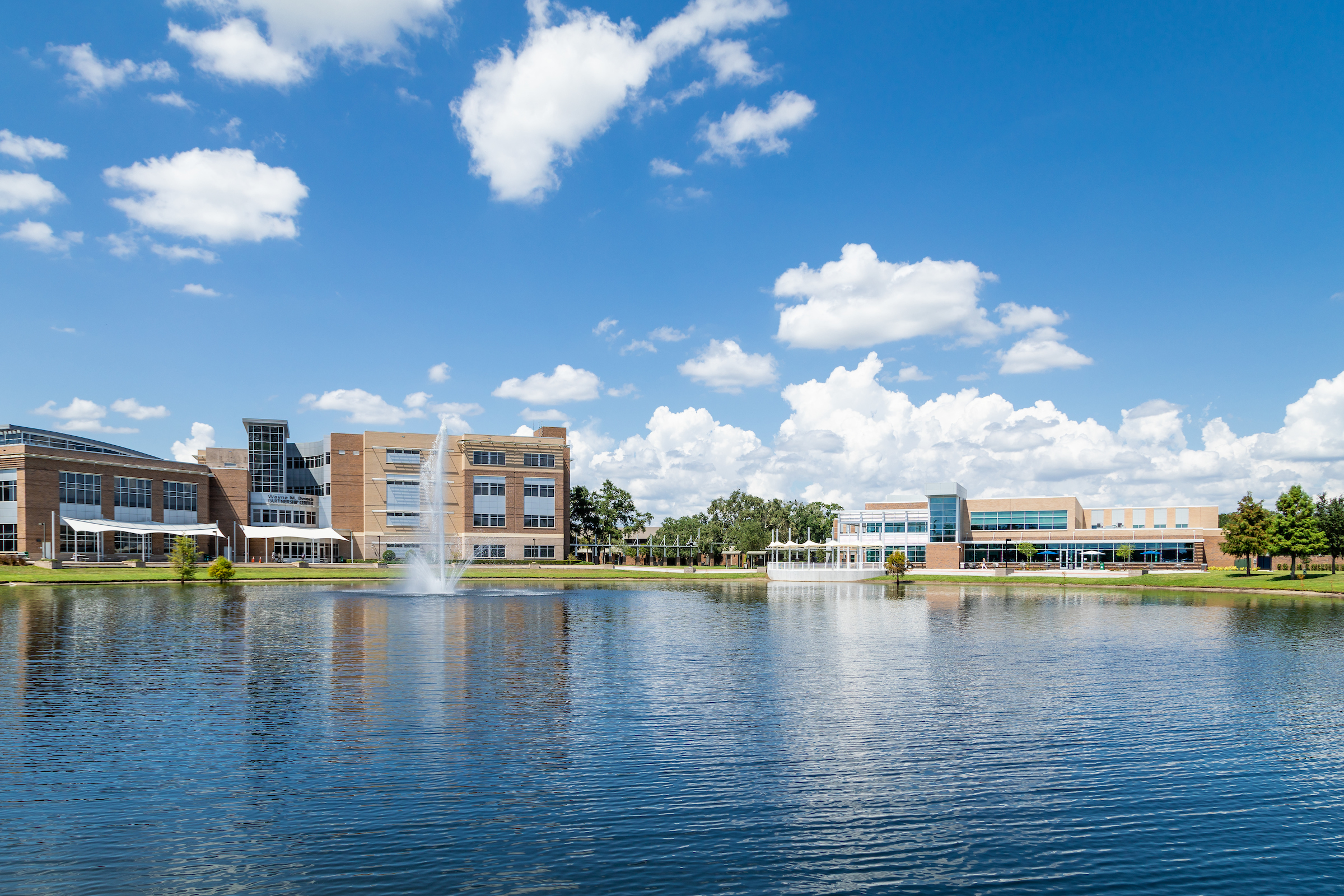
In Lakeland, Florida Polytechnic University, an institution solely focused on STEM education, pivoted to online learning quickly and carefully. “We made the transition much faster than anyone could have imagined. As a new university, we did not have an infrastructure in place for online classes, but nonetheless we were able to make the transition,” President Randy Avent told Invest: Insights via a virtual interview. “The biggest challenge was getting into a flow and using the software. We had to make a number of software purchases and get them running and get the student integrated. By far and large, it is going  much better than we expected,” he said. 

Under a COVID-19 landscape, tuition-dependent institutions are among the most vulnerable as students are liable to put their education plans on pause as they grapple with loss of employment and income. Colleges and universities with strong endowments and alumni contributions will likely survive the impact of COVID-19, but declines in revenue and increases in costs will likely loom for the coming academic years. Declining revenues could stifle innovation as institutions reprioritize budgets and offerings. 

However, a life post-COVID-19 may be ripe with opportunities for innovation and further streamlining of classes. COVID-19 helped destigmatize fully online learning. Moving forward, educational leaders will likely see online education as more than a source for extra revenues. Instead, online education will likely become an integral part of institutional resilience and academic continuity. Educational institutions will have to rethink how they plan for, fund, and market online learning. More unified institutions will emerge from the coronavirus pandemic, as online courses and student support functions become more centralized and integrated into existing academic structures and processes. 

For Florida Polytechnic University, there is an opportunity to use blended learning to teach a mixture of hard and soft skills, while also innovating their lab offerings. As part of their strong STEM curriculum, the university places a keen focus on teaching students a mixture of leadership skills that include communication, collaboration, and reliability that are desirable to employers, Avent said. “With this abrupt move to remote instruction, I think that we are exploring how we do all those things. One of the things that we also have as an engineering school is labs, and labs are very hard to do remotely,” he said. “It is one of those things that is forcing us to do blended models, where we do some instruction online and some instruction face to face. I think innovation is on how you do labs online and teach those leadership skills.”

Additionally, it is possible that online learning goes truly global as colleges and universities expand their student base to allow for more international students who may never see the inside of a physical campus. 

The lasting impact of COVID-19 to the educational sector remains to be seen. For the time being, it is likely that students will finish the spring semester and potentially the 2019-2020 school year from the comfort of their homes. As educators prepare for summer and fall semesters, they will have to contend with the challenges and opportunities of educating students in a post-COVID-19 world.       

To learn more about our interviewees, visit:https://floridapoly.edu/ 

To see the full interview with Florida Polytechnic University President Randy Avent, visit: 

https://www.youtube.com/watch?v=R22lng9yxAc&feature=emb_title

https://live.capitalanalyticsassociates.com/invest-insights/

South Jersey and Philadelphia transition into online learning

South Jersey and Philadelphia transition into online learning

By: Felipe Rivas

2 min read April 2020As the coronavirus reduced daily activity to only essential services, educational institutions were forced to transition at a moment’s notice into a virtual setting as shelter-in-place measures and social distancing became commonplace. Entire curriculums, testing, labs, and even physical education in some cases, transitioned into an online classroom setting as teachers and students of all grade levels resumed their education under the COVID-19 pandemic. 

These risk-management decisions stressed and challenged the infrastructure of universities, colleges, and schools throughout the nation, while at the same time creating opportunities for innovation in the educational landscape. Although fully online classes are a temporary measure to slow the spread of COVID-19, and as local, state and national governments consider what a reopened economy may look like, educational systems alike are being forced to mitigate the challenges and innovate their educational practices and offerings via learning innovation and digitalization.

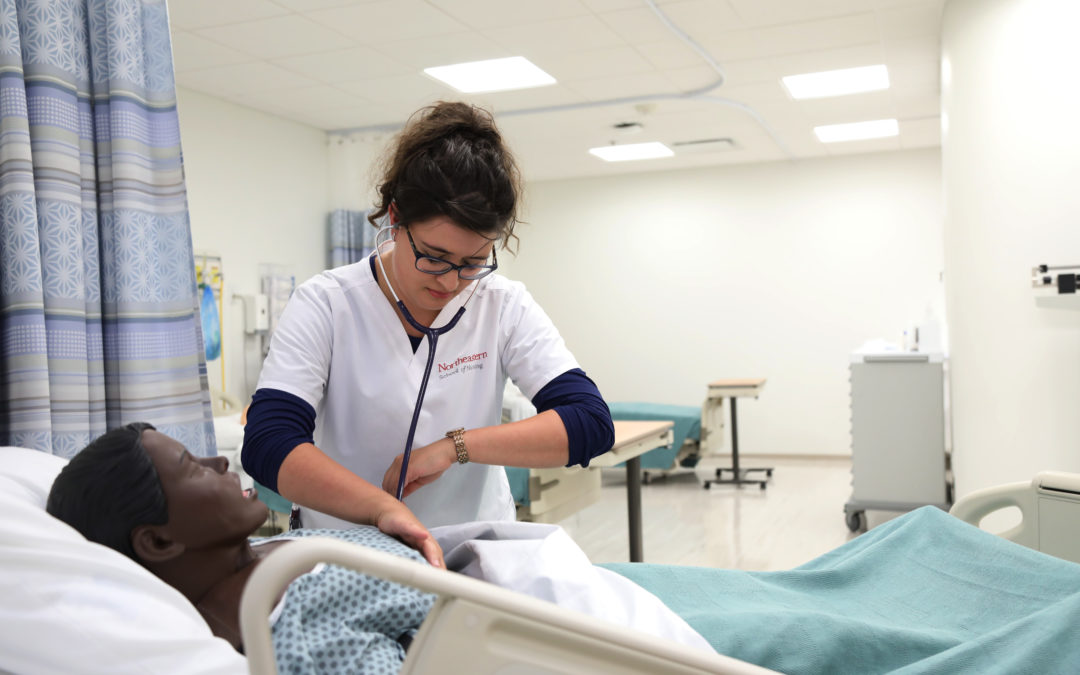
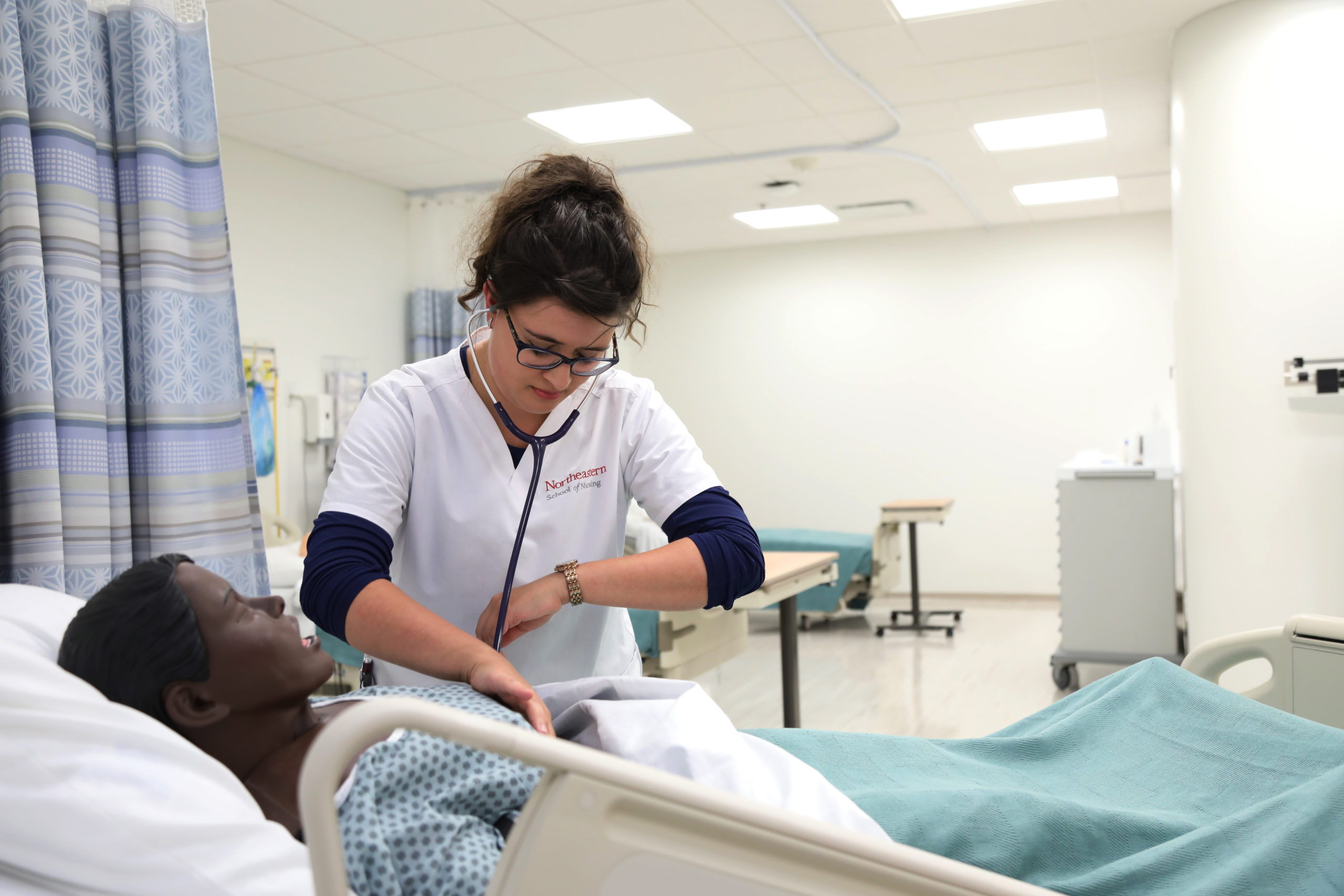
In the Philadelphia region, Neumann University transitioned quickly into an online learning setting thanks to close to two years of prior preparation. For the last 24 months, the university has been expanding its online and remote learning capabilities, President Chris Domes told Invest: Insights in a virtual interview. “Our faculty were well-prepared. Our students work off of their devices and their phones, they already live in a virtual world socially, and now they get to live in a virtual world academically,” Domes said. In similar fashion, in New Jersey, the Rutgers School of Nursing–Camden, was preparing for a shift in the educational landscape as early as February. In February, the university created an emergency operation center as part of its risk-management strategy, school of nursing Dean Donna Nickitas told Invest: Insights in a virtual interview. “By the time we got to spring break, we knew we were going to have to make some quick changes,” Nickitas said. The nursing school quickly notified students if they needed resources like computers, webcams, and access to remote learning software.

Under the COVID-19 landscape, tuition-dependent institutions are among the most vulnerable as students are liable to put their education plans on pause as they grapple with loss of employment and income. Colleges and universities with strong endowments and alumni contributions will likely survive the impact of COVID-19, but declines in revenue and increases in costs will likely loom for the coming academic years. Declining revenues could stifle innovation as institutions reprioritize budgets and offerings. 

However, a life post-COVID-19 may be ripe with opportunities for innovation and further streamlining of classes. COVID-19 helped destigmatize fully online learning. Moving forward, educational leaders will likely see online education as more than a source for extra revenues. Instead, online education will likely become an integral part of institutional resilience and academic continuity. Educational institutions will have to rethink how they plan for, fund, and market online learning. More unified institutions will emerge from the coronavirus pandemic, as online courses and student support functions become more centralized and integrated into existing academic structures and processes. 

After student outreach efforts, Neumann University found that close to 80 percent of its students were adjusting well to the remote learning setting. The university is working to assist all of its students with resources like tutoring, student engagement activities, counseling, and more. The feedback gathered from students will help determine what innovations and changes the institution needs to make for the future, according to Domes. “We are getting initial feedback from our students and are utilizing that to help us understand that moving forward if we remain in this status for some time what are we learning and how might we make this more appropriate for students in the future so that we make sure we are adapting along the way,” he said. For Rutgers School of Nursing–Camden, the school is preparing to continue to groom the next generation of nurses and healthcare professionals. “What we have learned is that we need to be prepared, Nickitas said. Though summer and fall enrollments figures will likely fall due to the COVID-19 pandemic, Nickitas hopes the essentiality of nurses and healthcare professionals will motivate more students to explore a career in medicine. “I do hope that because of the kind of publicity that TV stations and media are giving nurses, that people understand not only what nurses do, but what they know. Hopefully, that will resonate with some individuals and inspire them to say, ‘I want to make a difference, that is what I want to do.’”

Additionally, it is possible that online learning goes truly global as colleges and universities expand their student base to allow for more international students who may never see the inside of a physical campus. 

The lasting impact of COVID-19 to the educational sector remains to be seen. For the time being, it is likely that students will finish the spring semester and potentially the 2019-2020 school year from the comfort of their homes. As educators prepare for summer and fall semesters, they will have to contend with the challenges and opportunities of educating students in a post-COVID-19 world.       

To learn more about our interviewees, visit:

https://nursing.camden.rutgers.edu/

https://www.neumann.edu/

To see our full interview with the education leaders and more, visit:

 https://www.youtube.com/watch?time_continue=42&v=V9oL3kIX-NI&feature=emb_title

https://www.youtube.com/watch?v=q8wU5yYFccw&feature=emb_title

https://live.capitalanalyticsassociates.com/invest-insights/

COVID-19 making innovation a must for educators

COVID-19 making innovation a must for educators

By: Felipe Rivas

2 min read April 2020As the coronavirus reduced daily activity to only essential services, educational institutions were forced to transition at a moment’s notice into a virtual setting as shelter-in-place measures and social distancing became commonplace. Entire curriculums, testing, labs, and even physical education in some cases, transitioned into an online classroom setting as teachers and students of all grade levels resumed their education under the COVID-19 pandemic. 

These risk-management decisions stressed and challenged the infrastructure of universities, colleges, and schools throughout the nation, while at the same time creating opportunities for innovation in the educational landscape. Although fully online classes are a temporary measure to slow the spread of COVID-19, and as local, state and national governments consider what a reopened economy may look like, educational systems alike are being forced to mitigate the challenges and innovate their educational practices and offerings via learning innovation and digitalization.

In Orlando, Seminole State College of Florida was able to make the transition into a fully online learning setting effectively because its student body and faculty were already familiar with online and remote learning. Prior to the COVID-19 outbreak and shelter in place measures, the college was well-positioned for the quick change of events, President Georgia Lorenz told Invest: Insights in a virtual interview. “About 53 percent of our students were already taking at least one online course as part of their schedule. The vast majority of our students at some point of their academic career have had familiarity with our online learning managing system,” she said. Many of the campus based classes use the same learning management system to enhance and support the learning process, making the transition easier to handle for faculty and students. Additionally, the college also quickly transitioned its library, student support systems, and other resources online to maximize the learning experience during a time of abrupt changes. “It’s been a lot of work and I give a lot of credit to our faculty, students and all of our staff for making this change very quickly.” 

In the COVID-19 landscape, tuition-dependent institutions are among the most vulnerable as students are liable to put their education plans on pause as they grapple with loss of employment and income. Colleges and universities with strong endowments and alumni contributions will likely survive the impact of COVID-19, but declines in revenue and increases in costs will likely loom for the coming academic years. Declining revenues could stifle innovation as institutions reprioritize budgets and offerings. 

However, a life post-COVID-19 may be ripe with opportunities for innovation and further streamlining of classes. COVID-19 helped destigmatize fully online learning. Moving forward, educational leaders will likely see online education as more than a source for extra revenues. Instead, online education will likely become an integral part of institutional resilience and academic continuity. Educational institutions will have to rethink how they plan for, fund, and market online learning. More unified institutions will emerge from the coronavirus pandemic, as online courses and student support functions become more centralized and integrated into existing academic structures and processes. 

At Seminole State College of Florida,  “students are appreciating the e-services and online learning capabilities,” Lorenz said. “We are continuing to innovate and fine-tune as we move forward, but it seems to be working really well for a good portion of our students and staff.”

In terms of lasting innovation, it is possible that online learning goes truly global as colleges and universities expand their student base to allow for more international students who may never see the inside of a physical campus. 

The lasting impact of COVID-19 to the educational sector remains to be seen. For the time being, it is likely that students will finish the spring semester and potentially the 2019-2020 school year from the comfort of their homes. As educators prepare for summer and fall semesters, they will have to contend with the challenges and opportunities of educating students in a post-COVID-19 world.       

To learn more about our interviewee, visit: https://www.seminolestate.edu

To view the interview with Seminole State College of Florida President Georgia Lorenz, visit: https://www.youtube.com/watch?time_continue=6&v=MhowKRH4dkY&feature=emb_title

https://live.capitalanalyticsassociates.com/invest-insights/

Spotlight On:  Grant Cornwell, President, Rollins College

Spotlight On: Grant Cornwell, President, Rollins College

By: Max Crampton-Thomas

2 min read April 2020 — Rollins College is a 135-year-old private liberal arts institution. President Grant Cornwell discusses how the school has adapted in the face of the COVID-19 pandemic and how faculty and staff are adjusting to the crisis, including moving to a fully online delivery of courses and one on one meetings. 

How has the transition to all online classes and education been for your university, both for students and faculty?  


In early March, Rollins started making plans to shift to virtual, synchronous teaching. Our faculty and staff immediately switched gears, canceling many spring break plans to modify their lesson plans and maximize utilization of WebEx, the internet-based meeting platform the College adopted campus-wide.  By the start of remote classes on March 23 they were fully prepared to support our students.

I have been so impressed by our creative, innovative and resilient faculty and staff who are committed to providing our students with the best and most meaningful education, even under these exceptional circumstances. Across the board, departments have stepped up to serve our students from afar. Our librarians serve as consultants, our tutors are demonstrating their online coaching skills at our Writing and Tutoring Center, one-on-one office hours are being conducted via WebEx, our health center has transitioned to telemedicine and counseling – and the list goes on and on. The Rollins community has confronted this challenge by conceiving and executing innovative approaches that continue our educational mission. 

The feedback from students has been largely positive. They are doing their part to complete the semester remotely and are eager to learn more about COVID-19 from all aspects so that they can contribute to solutions. 


How is the university working to assist the student body and faculty in mitigating the challenges and impact from the COVID-19 pandemic?  

Our Endeavor Center for Faculty Development has been working closely with our IT department to ensure that everyone has the resources they need to both teach and learn in this new environment. 

Our communication channels are open and transparent as the pandemic evolves. We created and continually update an FAQ on the College’s COVID-19 response webpage to help address questions from our various audiences and stakeholders. Regular updates are communicated through newsletters to students, faculty and staff, parents, alumni and others.  

At first, the information was largely operational, demonstrating the proactive steps we were taking to ensure the health and safety of our community. As we have stabilized and successfully developed new systems for operating remotely, we are also sharing the positive stories about the contributions the Rollins community is making to help others navigate the negative effects of COVID-19. 


Do you feel higher education is receiving enough state and federal support in this time of need?  What can the state and federal governments be doing better in this regard?  

We are grateful for the funds dedicated to higher education from the CARES Act.  Every bit is helpful as colleges and universities look to deal with budget challenges. State-funded institutions already receive government funding and that’s certainly acceptable as that is their operating model. What’s important, however, is that private colleges and universities are like private business. We run our institutions based on private revenue and, ideally, that should be accounted for if there is a future funding bill from the federal government.


As higher education adjusts to the current situation, what opportunities and innovation do you see carrying over post-COVID-19?  

This experience has emphasized that we can indeed deliver our mission to our students in a new way. In fact, remote classes should be made available to those who are ill or unable to attend a class for other reasons. Post-COVID-19, our culture will need to change to make remote accommodations for those who are vulnerable or ill.

Because the Rollins mission is so focused on community engagement, we are finding other ways to help our communities not only during these difficult days of isolation but in the future, as our country recovers. The tenets of a Rollins education community engagement, responsible leadership and global citizenship  are needed now more than ever.  


What would your message be to the university’s student population and faculty that is sheltering in place and waiting for a return to normalcy? 

Stay calm, stay home and carry on. We all have to do our part to keep moving forward to the best of our ability. Finish the semester strong and find ways to be a light to others. Keep in your sights the Rollins motto, FIAT LUX, “Let there be light.” 

To learn more about our interviewee, visit: 

https://www.rollins.edu/

Spotlight On: Gregory Sorensen, Executive Vice President and Chief Medical Officer, Tower Health

By: Max Crampton-Thomas

2 min read April 2020 — Tower Health is a regional, integrated healthcare provider/payer system that oversees six acute care hospitals and other entities serving 2.5 million people. Executive Vice President and Chief Medical Officer Gregory Sorensen told Invest: what Tower is doing to handle the influx of COVID-19 patients, the community’s role in fighting the virus and his message to the community.

What accommodations is your hospital making to handle the influx of patients due to the COVID-19 outbreak? 

We monitor our bed capacity hourly. The elimination of elective surgeries and the general decline in routine demand for care has reduced normal bed demand and is freeing up beds for possible use by COVID-19 patients. We will also coordinate bed capacity among Tower hospitals.

How is your hospital working to ensure that patients and healthcare professionals alike are maintaining a safe environment?

Safety for our employees and patients is our top priority. Like other healthcare providers, Tower Health is working very hard to manage and conserve our supplies of masks, eye protection, disinfecting wipes, gowns, and other materials related to controlling the spread of COVID-19. Our normal production sources and distribution channels have been interrupted, just as they have for every hospital in the country. While our inventories are not at normal levels, with careful management we believe we can meet current needs. We are working to acquire additional supply. We are implementing a number of strategies, including sharing supplies across Tower Health facilities; gathering supplies from shuttered outpatient clinical areas and getting them to the hospitals; and identifying alternative sources for supplies. 

How can the community best assist local healthcare providers in this time of need?

We have been gratified by the many offers from area businesses, organizations, and individuals to donate supplies and we are accepting contributions of specific items. More information is available on our web site.

What would your message be to the local community that is sheltering in place and waiting for a return to normalcy?

We encourage all members of the public to adhere to the guidance of the governor and the PA Department of Health on sheltering at home, practicing social distancing and practicing infection prevention. These steps will reduce the spread of COVID-19, which protects the community and helps ensure the safety of our healthcare team and the patients relying on us for care. Our team at Tower Health is committed and prepared to care for our communities through this pandemic. The public can contribute meaningfully to this effort by remaining at home to prevent the spread of the virus.  

Do you feel you are receiving enough state and federal support for items you are in need of? What can these entities be doing better? 

Our public health officials at the local, state and federal levels are working hard to keep the public safe during an unprecedented situation. We support their efforts and are grateful for their dedication, perseverance and leadership. 

To learn more about our interviewee, visit: 

https://www.towerhealth.org/

Spotlight On: Harvey Kesselman, President, Stockton University

Spotlight On: Harvey Kesselman, President, Stockton University

By: Max Crampton-Thomas

2 min read April 2020 —  As COVID-19 jolted all sectors of the economy, education institutions had to find a way to continue delivering education to their students. Stockton University President Harvey Kesselman described to Invest: the school’s online mobilization and what inspirations the institution is taking from this unprecedented crisis.

How has the transition to all online classes and education been for your university, both on the student side as well as faculty? 

It certainly was a challenge to move every course online in a matter of days, and to do it with most of the faculty and staff working remotely themselves. But everyone rose to the challenge. Our IT department, in particular, did outstanding work to make sure all of our technology needs were met, and assisting faculty, staff and students with any questions or problems they had. Faculty were creative in adapting their classes to ensure students still got a complete educational experience. 

Do you feel higher education is receiving enough state and federal support in this time of need? 

Right now, the government has to focus on the pandemic, as it should. Moving forward, we recognize that budgets will be tight, but we hope that there will be some recognition of the crucial work colleges and universities did to ensure students could continue their educations, and will continue to do so in the future. Many families have not been working, and financial aid at both the state and national level will be increasingly important.

As higher education adjusts to the current situation, what opportunities and innovation do you see carrying over post-COVID-19? 

The current situation has inspired faculty and staff to learn new technologies and be creative in how they use them. They are exploring new ways to connect beyond the classroom. They are hosting virtual book readings, lectures and movie discussions. They are using teaching methods and tools that could still enhance their lessons, even after students return to campus. 

To learn more about our interviewee, visit: 
https://stockton.edu/

Spotlight On: Patti Garrett, Mayor, City of Decatur

Spotlight On: Patti Garrett, Mayor, City of Decatur

By: Max Crampton- Thomas

2 min read April 2020 — The city of Decatur is among the many cities across the United States dealing with the COVID-19 pandemic. Decatur Mayor Patti Garrett discusses her city’s efforts to assist the business community and residents in this time of crisis, including the provision of loans to small businesses and an information pipeline for the community.


How is the local governance working to assist the business community in mitigating the challenges and impact felt from the COVID-19 pandemic? 

Our Community and Economic Development department has initiated a strategic marketing campaign, highlighting businesses such as restaurants and fitness facilities with links to their websites and information. You can find some examples on Instagram: https://www.instagram.com/visitdecaturga/

We also have developed an interactive map showing which businesses are open, such as restaurants that are open for take-out or curbside pick-up and retail locations with on-line ordering. Our Downtown Development manager is checking in almost daily with businesses, holding a Zoom call with retailers and a separate call with restaurants. We also have developed a webpage with resources for businesses: https://www.decaturga.com/ed/page/covid-19-resources-decatur-businesses

In addition, we have now established a small-business loan program with $400,000 from the city budget. Businesses can find more information at our website: https://decatur.civicweb.net/document/3216

What efforts is the city making in terms of assisting those residents who have become recently unemployed? 

The city has extended the grace period for city taxes to July 15 with no penalties or interest. More information on that is available here: https://decatur.civicweb.net/document/3218

Do you feel the city’s efforts toward mitigating the challenges caused by this pandemic are receiving enough state and federal support? 

Georgia cities are asking for additional assistance for cities of all sizes in the 4th Supplemental Aid Package. Our revenue streams and budgets will all be significantly impacted and we are asking for Congress to approve emergency appropriations for direct local budget relief for cities of all sizes. While private sector businesses can qualify for tax credits for wage expenses, the city is continuing to pay employees who are not able to work, such as school-crossing guards, without the same benefits afforded to the private sector.

How can the community best assist the city’s efforts in this time of need? 

We ask that citizens be patient and know that the city is committed to providing high-quality essential services. Support local businesses; practice physical distancing but not “social” distancing – stay in touch with family, friends and neighbors. Residents can also show their appreciation of the city’s front-line employees, including sanitation workers, firefighters and police officers. This can be done with a simple smile, wave or thank you.

What would your message be to the local community that is sheltering in place and waiting for a return to normalcy?

We are a resilient and resourceful community. It’s important to follow the rules as we move through this together. We are #DecaturStrong.

To learn more about our interviewee, visit:

https://www.decaturga.com/


Spotlight On: Stephanie Freeman, President & CEO, Dunwoody Perimeter Chamber

Spotlight On: Stephanie Freeman, President & CEO, Dunwoody Perimeter Chamber

By: Max Crampton- Thomas

1 min read April 2020 — Dunwoody, a city in DeKalb County and a northern suburb of Atlanta, has faced the same challenges as other cities fighting the COVID-19 pandemic. Stephanie Freeman, president and CEO of Dunwoody Perimeter Chamber, whose goal is to advance economic prosperity, relayed to Invest: the chamber’s efforts to assist the business community through this unprecedented crisis.


How is your organization working to assist the business community in mitigating the challenges and impact felt from the COVID-19 pandemic? 


At this time of social distancing, the Dunwoody Perimeter Chamber is working diligently to be the steady voice of reason and reassurance for all businesses and the entire community. While our normal plan of work may be on hold, we are here to help businesses during this time of crisis. As they work to thrive during the current economic conditions, we are here for them; providing education, assistance, resources, and if needed a confidential outlet in which to discuss the future. We have developed a web page, are communicating daily with our members, and have developed an Engage Dunwoody Facebook group encouraging the entire community to communicate during this time. 


Do you feel the business community is receiving enough state and federal support? 

While the business community is receiving support from both the state and federal governments, the guidelines and regulations are ever changing. As this pandemic and its affects continue to vary, this is somewhat expected; however, businesses and community leaders look forward to a time when standards become more finalized. 


How can the local community best assist your efforts in this time of need? 

During this time, the local community may best assist the Dunwoody Perimeter Chamber by communicating their specific needs. While we can’t fix all issues, we are here to provide resources and advocate on behalf of the business community.


To learn more about our interviewee, visit: 
 

https://www.perimeterchamber.com/