GFL Businesses Adapt as Coronavirus Threat Looms for US

GFL Businesses Adapt as Coronavirus Threat Looms for US

By: Sara Warden

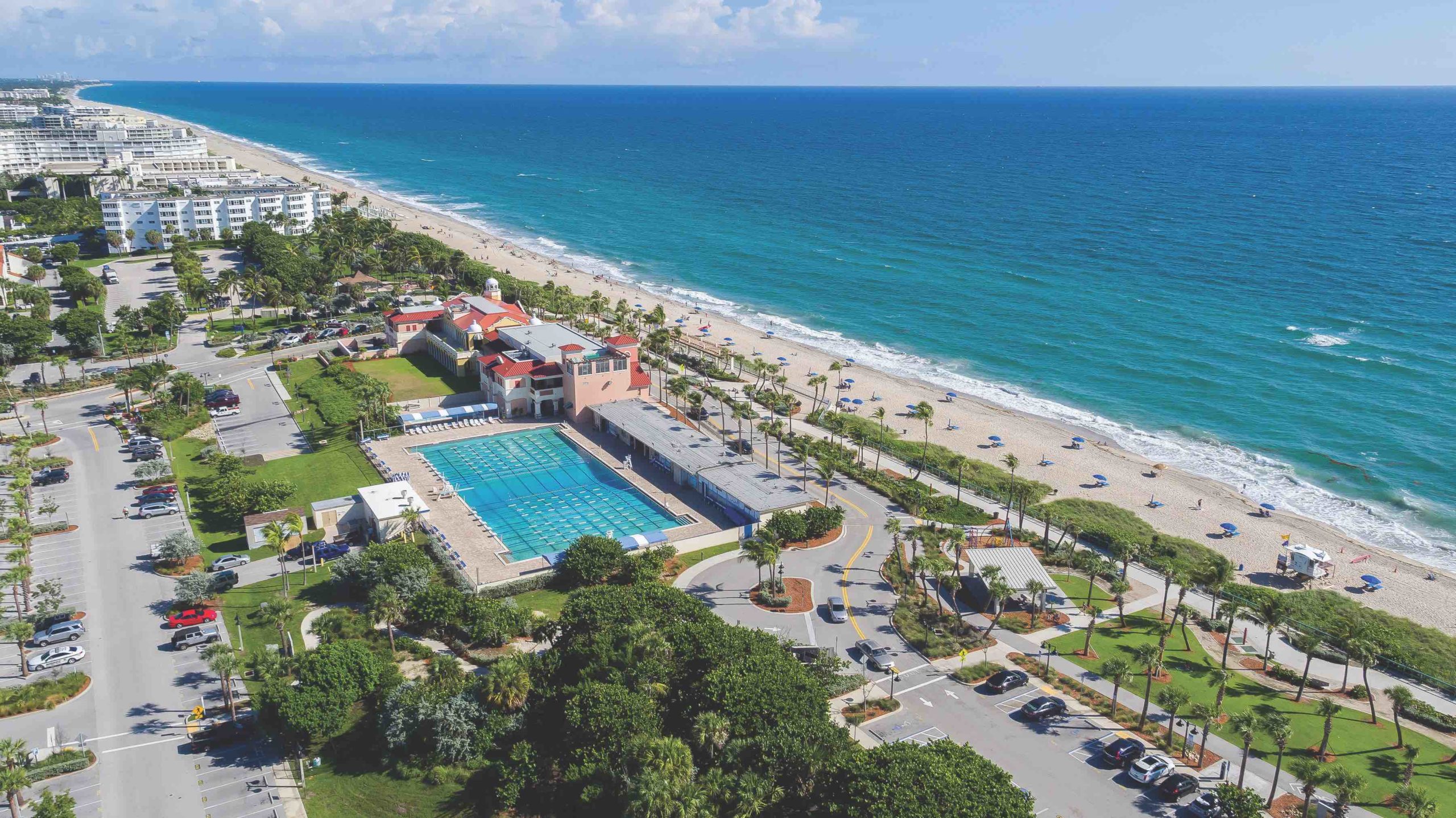
2 min read March 2020 — Businesses across South Florida have been hit by the impact of the Coronavirus pandemic, as the government issued new advice urging people to stay home if possible. Drastic measures have been taken to prevent the further spread of the virus, but some Fort Lauderdale companies are taking the crisis in stride.


Fort Lauderdale made the decision to close all public beaches, bars, nightclubs and restaurants. All meetings of city boards and committees have been postponed until the end of March at the earliest. Only essential businesses such as pharmacies and grocery stores are excluded from the measures. The TSA reported that one of its agents at the Fort Lauderdale-Hollywood Airport tested positive for the virus, bringing the tally to two officers across the state.

“We have to do everything possible to minimize crowds and unfortunately, our beautiful beaches must be part of that plan,” said Fort Lauderdale Mayor Dean Trantalis to South Florida Business Journal. “I want to be clear that this is not an overreaction, but a way for us to help stop further cases of COVID-19 in our community.”

With the measures set to last until April 12, one of the biggest concerns for Fort Lauderdale residents – and for people all over the world – is of a potential shortage in supplies of essentials such as canned goods, medicine and toilet paper. 

As the virus response ramped up, Postmates and Walgreens announced an expansion of their partnership to allow customers to order Walgreens pharmacy goods through Postmates and have them delivered to their doors. The service was piloted in New York six months ago but its ramp up to cover a handful of cities including Fort Lauderdale comes at an opportune time to allow citizens to comfortably practice social distancing. 

Businesses are urging employees to work from home, but are threatened by a drop in productivity. Some forward-thinking businesses had already made preparations, having monitored the unfolding situation from its roots in China’s Wuhan region in December. Davie-based Bankers Healthcare Group implemented home office last Friday after extensive testing of its digital systems. 

“We’ve been preparing for this transition for more than a month, checking and testing our systems to ensure we could continue to do business as usual,” co-founder Eric Castro told South Florida business Journal. “We don’t anticipate any challenges or disruption to our business, and are confident we will not lose productivity.”


To learn more, visit:

https://www.broward.org/Airport/Pages/default.aspx

https://postmates.com/

https://www.walgreens.com/

https://bankershealthcaregroup.com/


For up-to-date advice on the Coronavirus response, you can check the CDC website here.  For Florida-specific information, click here 

Spotlight On: Mike Allen, President, Barry University

Spotlight On: Mike Allen, President, Barry University

By: Max Crampton-Thomas

2 min read March 2020 — Higher education must consistently and constantly look to innovation and diversification in order to differentiate and remain a top option for incoming students. Mike Allen, the first lay president of Miami’s Barry University, discusses how the school fosters a more diverse environment by attracting students from many different backgrounds, as well as working closely with the private sector to insert its students naturally into the workforce.


 What are Barry University’s top near-term priorities?

 If there is one area that’s really driven my time, energy and priorities, it’s our external presence as a university. This is a really impressive university in terms of our faculty, what we teach, how we teach it and the quality of experience that our students have, but not nearly enough people know about us, about how special this place is.

We have 65,000 living alumni, and they are not nearly as connected to the university as we would like them to be. That is unusual, because every time I meet some of these alumni, they are so passionate about their school, they more than like it, they love it. They had a great experience and they are excited and want to be involved, but we just haven’t had that presence out there.

Another aspect of that is our role in South Florida. Barry University is a really important part of the South Florida community. The educational institutions are pivotal to South Florida’s economy and to its families. We are working hard to increase our visibility in the South Florida community. 


How does Barry University insert itself into South Florida’s larger higher education environment?

One of the big misperceptions about Barry University and other schools like Barry, particularly in South Florida, is who we serve. People tend to think that, because we are a private institution, our students tend to be very well off financially. Certainly, some of them are, but by and large, we serve some of the most financially disadvantaged students in South Florida.

That does not say anything about their abilities. They are talented and prepared, eager to learn and bright students, but they don’t always have the financial means to fund college for themselves. We’ve become very affordable as an institution. One of the most irrelevant figures out there these days is the sticker price of admission. One hundred percent of our students get some degree of financial aid. In fact, a heavy majority of our students receive a substantial discount on their tuition, and it has become very affordable because of that.

With that, we are also able to serve one of the most diverse populations of college students that you’ll see anywhere in the country. That is a source of great pride for us. As a result, our students learn so much more than just what we teach them in the classroom. They learn from the person to their right and their left, from their roommates, because everyone is coming from such a different place.


How is Barry preparing students to enter a more demanding workforce?

One of the things that we really try to emphasize here is experiential learning. Here in Miami, I’ve been really impressed with the intentionality by which the universities and business leaders work together. I give a lot of credit to the Greater Miami Chamber of Commerce, the Beacon Council, the Executive Roundtable, among others, for a great dialogue between higher ed, industry and nonprofits about universities doing a better job in meeting the needs of employers. That is really critical to what we do.

We have a program called SMIF, the Student Managed Investment Fund, which is a group of students, led by one of our faculty members, that invests a portion of the university’s endowment. They invest almost a million dollars of our endowment every year, working alongside our investment committee and our board of trustees, as well as our professional advisers. Their earnings have mirrored or have been better than our professional advisers and this year we allocated them another $100,000 because it fits our needs in every way possible. 

We also have a really impressive media lab. The field of communications is another example of people in a liberal arts setting who want the foundations of theory but at the same time they want to be broadcasters, they want to be on the radio, on TV, reporting the news. Our media lab has a live studio, and it serves not just the “talent” folks, but also the control-room folks, putting programs on the air.

We also received a $650,000 grant from the National Science Foundation for STEM education. It provides scholarship support for students to major in STEM areas here, with the goal of increasing degree completion for low-income, high-achieving undergraduates.


To learn more about our interviewee, visit: 

https://www.barry.edu/


Face Off: Understanding Unforeseen Change

Face Off: Understanding Unforeseen Change

By: Max Crampton- Thomas

4 min read March 2020 With the global economy in a state of flux caused by COVID-19, it is important that both the community and industry leaders work together to not only flatten the curve of coronavirus but also help to understand its impact on the various sectors of the economy. It is just as vital to continue looking to the future, post-COVID-19, at what other continuing or emerging trends could have an impact on a specific industry throughout 2020 and beyond. In regard to real estate, Invest: Miami spoke with two of the region’s industry leaders in real estate, David Diestel, regional president, south for FirstService Residential, and Michael Fay, principal and chairman of the U.S. Capital Market Executive Committee for Avison Young. While they work in two seperate areas of real estate, both discuss how the coronavirus has affected their industry, other factors that will continue to spur change and trends they are keeping a close eye on in 2020. 

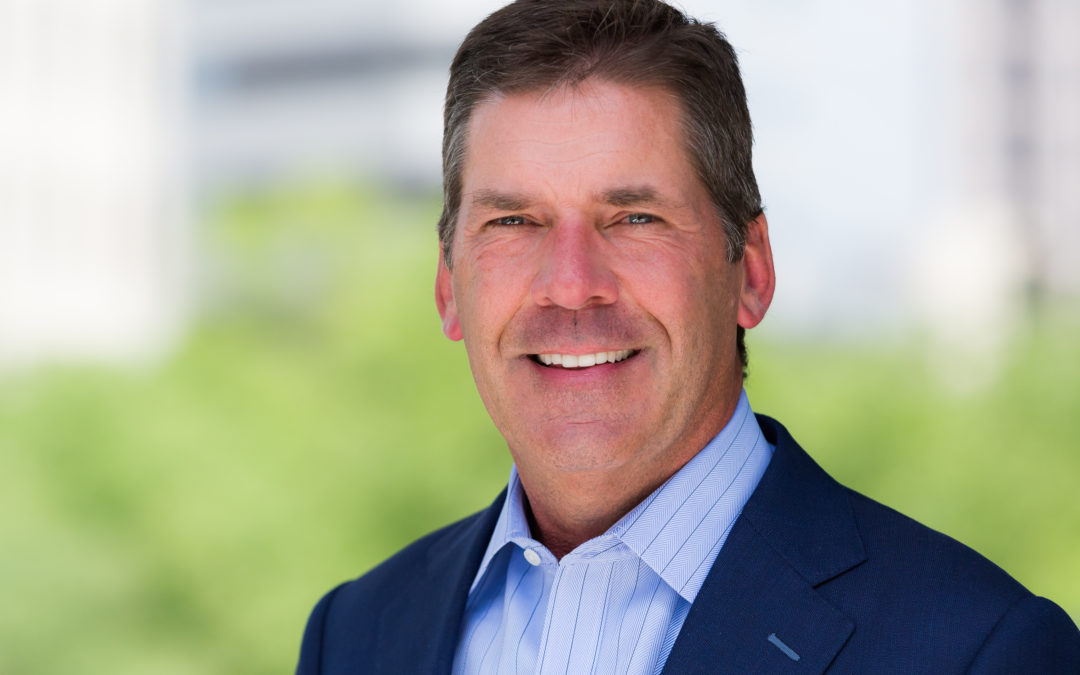
David Diestel 

How is the coronavirus outbreak impacting your industry?

Dave Diestel: The outbreak of the coronavirus has brought the country to a screeching halt. I don’t know if anyone was prepared for something of this magnitude that has impacted basically every industry. As the leader in property management in North America, it’s our job to provide support to the board members and residents of the communities we manage. We immediately formed task forces throughout the organization, continuously monitored reliable information from the CDC, World Health Organization, as well as local authorities and health agencies. And the key to our support: communication. On everything from preventing the spread of the virus to working with boards to enhance cleaning and sanitation at our properties to working with attorneys to discuss any change in community rules and regulations. This situation has helped cement the importance of communication during a crisis – to report facts and to keep people calm. And to let our customers know that we’re in this together.

Michael Fay: We are such an international city at this point that we need to look at how we fit on the geopolitical stage, as well as how the virus will shape how we live in the future. We are always looking at the Latin-American influence within our market, as well as the European, Asian and Canadian influences, given Miami has become such a major, global city. When I first did this interview, the COVID-19 virus was just an Asian problem and not a global pandemic.  I truly believe the two asset classes that will provide opportunity and stability as we move through this will be real estate and well-positioned stocks. With Miami being such a global city, and having been through many other crises, we tend to bounce back quickly with resilience. We will continue to see strength in the multifamily sector as well as the industrial sector as we understand new, global supply chain issues. Retail and hotel will see weakness as we move through this pandemic and new way of life for the foreseeable future. There is more capital in the marketplace overall, outside of opportunity funds, with lots of mezzanine equity, loans and regular equity creating a sizable amount of capital. The interest rate environment we are in is the lowest we have seen in the United States. Distressed will have a new meaning.  

Michael Fay

What other factors will continue to spur or change your market’s growth? 

Diestel: The demographic shift in this region is challenging our communities to keep up with the times. New owners and residents are challenging those communities to invest more in technology and in amenities. People are looking for investment back into their community,  and also looking for investment into community spaces. These demographics do not just want the standard gym or card room, they want thoughtful programming, focusing on wellness and convenience. One of the drivers of real estate values ultimately comes down to a building’s reputation. When people feel good about living where they live, realtors know people feel good about it and there is a great sense of community. This all drives property values up.

Fay: I’ve been in this business for 36 years. When it’s good, it’s good for everybody, but when it’s bad, it’s great for us. We are highly cognizant of inflexions and disruptions in the marketplace. We built a major business on understanding the bad times better than the good times. We understand how to operate in a bad market better than others. Anybody can be good in a winning streak. Year in, year out, decade after decade, issue after issue, we spot early, watch early and see how things are going. In my own opinion, we will be seeing a recession; however, I believe it will be short-lived because of the strength of the economy going into the crisis.  On the negative side, we saw a 14% rise in the homeless population in 2019. The lion’s share of this increase is coming in from other cities in the Midwest. Absent thoughtful solutions, it can really hurt the city. Also, we need to take care of our environment. Global warming is a slippery slope if we do not understand it and deal with it by making rash decisions. Sea rise needs to be studied further. If we have any narrative of investors, owners or companies leaving Miami due to sea rise, our city will have a major issue. We need to think about ways to mitigate it and work around it. 

What is a trend in your industry that you are keeping a close eye on moving forward? 

Diestel: Short-term rentals are a hot topic throughout Miami, especially in Miami Beach. It’s also constantly talked about in the Florida legislature. Investors are looking to own real estate with the purpose of using it as a short-term rental. Innovations like Airbnb aren’t going away. In fact, communities built for short-term rental are starting to pop up. We are actually in talks to manage two of these types of properties. This is a trend that will continue to evolve. Some cities are not quite there yet in terms of understanding it. We are very active in Tallahassee because there are bills being introduced in regard to short-term rentals. Our position, as both FirstService Residential and as the industry, is to allow the homeowner association the right to govern as they were set up to do. We are educating the legislature and are working to help protect the rights of an individual community.

Fay: The Opportunity Zones will come into much more focus in 2020, and we will gain a real understanding of how it fits into the market. In 2019, many guidelines and an interpretation of the tax code were not available. When Opportunity Zones were laid out initially, they were based on basic census tracking, with governors approving wherever that might be. Several developers were left in the dark and as a result, lots of Opportunity Zone funds slowed raising capital given the uncertainty. There is a lot more clarity now, which is key. The new guidelines issued will have much more effect going forward and an increase of funds and transactions.

To learn more about our interviewees, visit:

https://www.fsresidential.com/corporate

https://www.avisonyoung.com/

Spotlight On: Renee Jadusingh, Executive Director, Delray Beach CRA

Spotlight On: Renee Jadusingh, Executive Director, Delray Beach CRA

By: Felipe Rivas

2 min read March 2020The Delray Beach Community Redevelopment Agency (CRA) was established by the City Commission in 1985 to guide the city in its redevelopment efforts. The purpose of the CRA is to revitalize the physical environment and the economy of the Community Redevelopment Area. The CRA’s activities are designed to solve the underlying problems of slum and blighted conditions through planning, redevelopment, historic preservation, economic development and affordable housing.

What is the key characteristic for a successful CRA?

Communication is a very important component for investment. We need to communicate what we have done and where we are going to attract the right investment. A focus for us on a city level is the Northwest-Southwest neighborhood, which is an Opportunity Zone. We have the land and are open to working with a third party to develop it. In this area, we want to have a continuation of Downtown from I-95 all the way to the beachfront. That is a shared goal between the Chamber of Commerce, the City Commissioners and the CRA. We provide resources to help small businesses grow, including funding, help with business plans, research, investment guidance and grant and federal funding applications.

How do you balance support for small businesses with trying to attract bigger companies to the area?

As a CRA, we have programs that are available for businesses that want to renovate or relocate into the area. We provide funding for up to a year to help businesses with their rent, which encourages people to come to our district. We have programs to renovate structures through investment funds. We also acquire property to turn around to developers through an RFP process such as 4th and 5th Delray and the Fairfield Inn, which is a land-lease with an option to purchase.

How are you avoiding the pitfalls that come with gentrification, such as affordable housing and connectivity?

Affordable housing is a big part of our mission. We have always worked with the community land trust, which the CRA and the city created to help with affordable housing issues. The city has a workforce housing ordinance that provides a density bonus for developers that provide housing for certain income levels. We have a 7-acre redevelopment project taking place in the Northwest-Southwest area, which is taking advantage of that density bonus. As a CRA, we are in the process of building 30 single-family homes in this neighborhood.

In the commercial segment, we are looking at building out two spaces. One is a property we purchased in 2018. At first, we allocated it to housing but we realized there was more of a need for office space and changed directions. The top floor will be a coworking space with some individual offices, hot desks and a shared desk area. The ground floor will be traditional office space and perhaps a restaurant. If we own this, we can control the rent, which will help companies grow, but at some point, this would be turned over to a management company. We are open to opportunities for partnerships in the meantime.

The other project is a vacant piece of land on Southwest 5th Avenue, which is a historic business district that thrived in the 1950s among the African American population. Our focus is to bring back activity into that corridor. We are in the design phase to build a two-story office space in the building and this could be an investment opportunity for a third party. The Arts Warehouse is in the Arts Alley area, and we renovated this into an arts incubator, so we have about 15 artists renting small spaces at a rate of $2.50 per square foot. There is also a gallery in this space where people can apply to display their work. We are also putting about $2 million into the ground infrastructure in the Arts Alley district.

How are you attracting young entrepreneurs, especially in the tech sector, to Delray Beach?

The kind of investments we are making on Northwest 5th Avenue demonstrates that. One is a coworking space and we also are renovating a more modern-looking building. If they come to us, we direct them to the right avenues to encourage their ideas. But ultimately, after the business plan, they need a place to go, and that’s where the CRA comes in. The 7-acre project requires that at least three business spaces are used for locals, so we can keep encouraging local young businesses to grow and thrive. The Arts Warehouse is not a traditional gallery and is definitely a novel concept.

We invest a lot of money with the city to do the underground, which is not necessarily an attractive investment, but it is necessary. The infrastructure has to be there to support the growth of an area. To help encourage businesses, we contribute that development, otherwise it may fall to the developer. This is our way of encouraging businesses to come here.

What are some of your main goals for 2020?

The investment in the Northwest-Southwest corridor is our most important project. We are also investing in a park where famous tennis players, such as the Williams sisters, trained. To date, we have invested about $3 million in a $25 million project that is intended to concentrate activity in this area. 

To learn more about our interviewee, visit: https://delraycra.org/

Stay hopeful: Handling coronavirus-related stress in Palm Beach County

Stay hopeful: Handling coronavirus-related stress in Palm Beach County

By: Felipe Rivas

2 min read March 2020 — With constant updates on the coronavirus and its impact on the United States, social media posts displaying frenzied buying, and closure of schools and other municipal buildings, it is easy to stress and feel coronavirus-related anxiety. As you monitor the news for the latest coronavirus developments in Palm Beach County, here are a few ways to make daily life under this changing landscape more bearable.

Try that new restaurant you were craving, via takeout or delivery of course

Many states and municipalities are enforcing early curfews or closing dine-in options altogether in the midst of the coronavirus. However, that does not mean you have to forego that delicious entree or amazing dessert you were craving. Go ahead and treat yourself to succulent food by perusing the different delivery options UberEats, Grubhub, and Delray’s own Delivery Dudes have to offer. Delivery Dudes and the like offer favorite, local restaurant options to enjoy if you are shacked up with the little ones and their homework duties, or neck deep with remote work.     

Go out for a beach walk

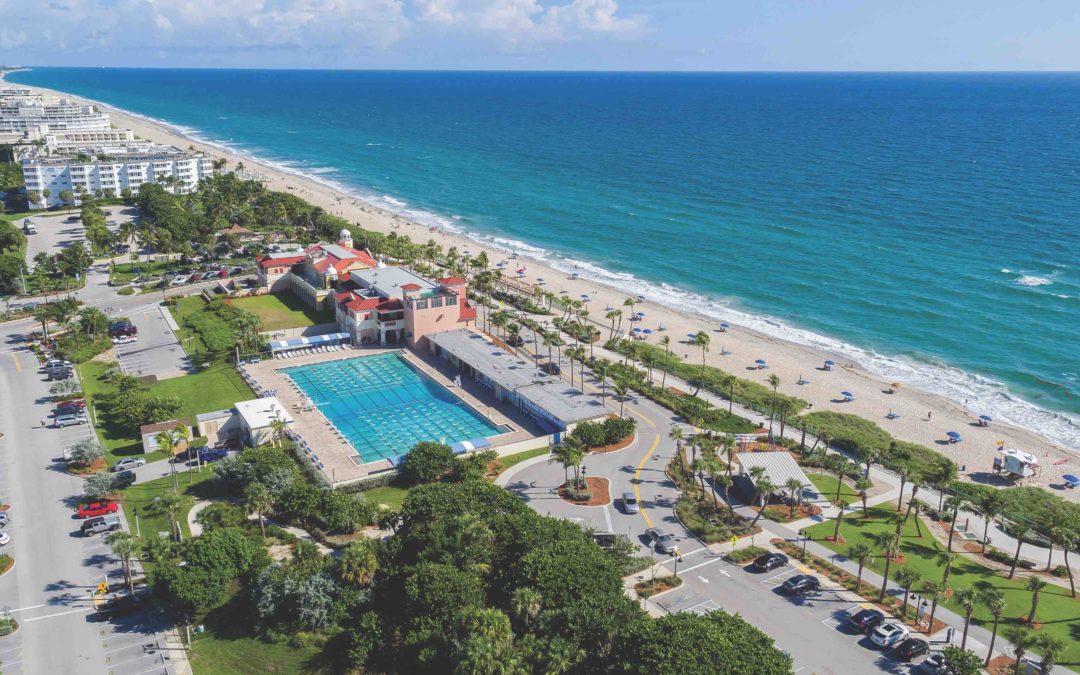
As government leaders encourage social distancing, this may be the best time to get in touch with nature and disconnect from the stress brought on by the coronavirus talks. MacArthur Beach State Park in North Palm Beach is the perfect place to stay six feet away from people and then some. Though events have been canceled, the park remains open until further notice and is encouraging beach walks. Dip your feet in the sand, stretch, and breathe in the Palm Beach air as you take a mental break from the news and other worries. 

Connect with others

In this particularly stressful period, it is easy to sulk and retreat from others, especially with talks of self-isolation and quarantine. However, the Substance Abuse and Mental Health Services Administration (SAMHSA) recommends to use this time to reach out to others who may also feel stressed and anxious due to the coronavirus pandemic. The administration recommends that reaching out to those you trust is one of the best ways to reduce anxiety, depression, loneliness and boredom during the possibility of social distancing, quarantine and isolation. SAMHSA recommends to use telephone, email, text or email messaging, as well as Skype and other video conferencing services to stay in touch with loved ones and friends. The administration recommends to maintain a hopeful and positive attitude during this time and to consider keeping a journal to write down grateful and positive thoughts. 

Family staycations:

Staycations have been part of the social conscience for some years, and now is the time to perfect the coveted family staycation. Use this time to have some fun with the entire family as schools and workplaces transition into online classes and remote work. Come up with an after-dinner family movie list or interactive project. Maybe it’s time to dust off those boardgames or old books littering the garage, and why not do some spring cleaning while you’re at it. Perhaps a family dance-off or storytelling competition could help break the monotony of being indoors and bring the family closer together. Try it out. With so much time indoors, it is the perfect time to enjoy family time in a totally new fashion. 

To learn more, visit: 

https://deliverydudes.com/

https://www.macarthurbeach.org/

https://store.samhsa.gov/system/files/sma14-4894.pdf

For up-to-date advice on the Coronavirus response, you can check the CDC website here.  For Florida-specific information, click here

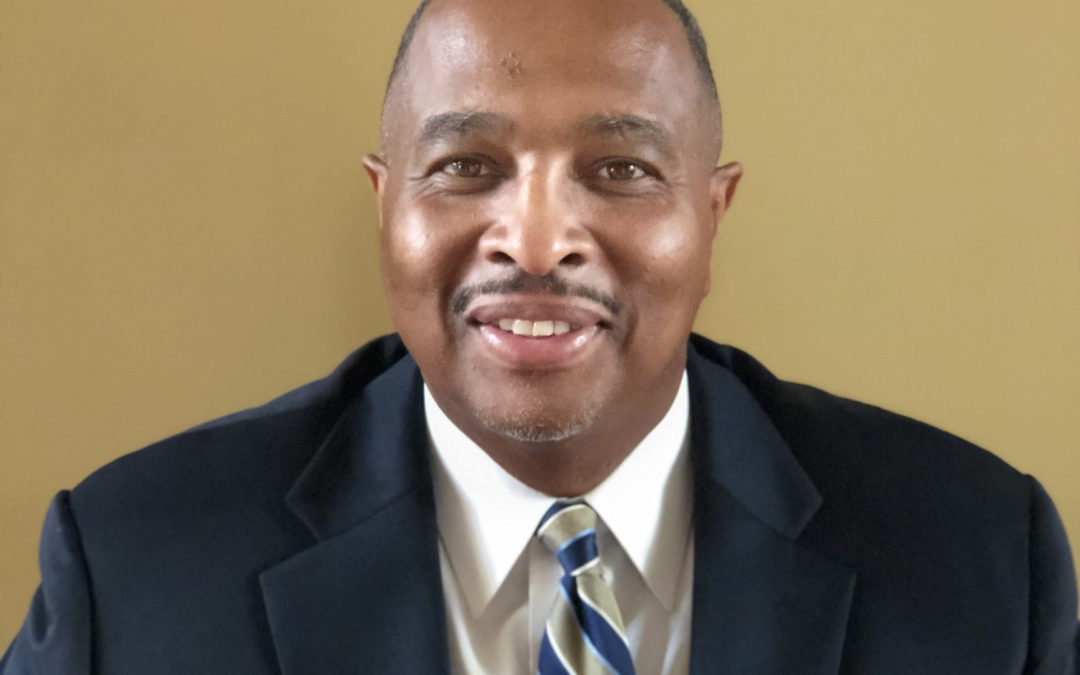
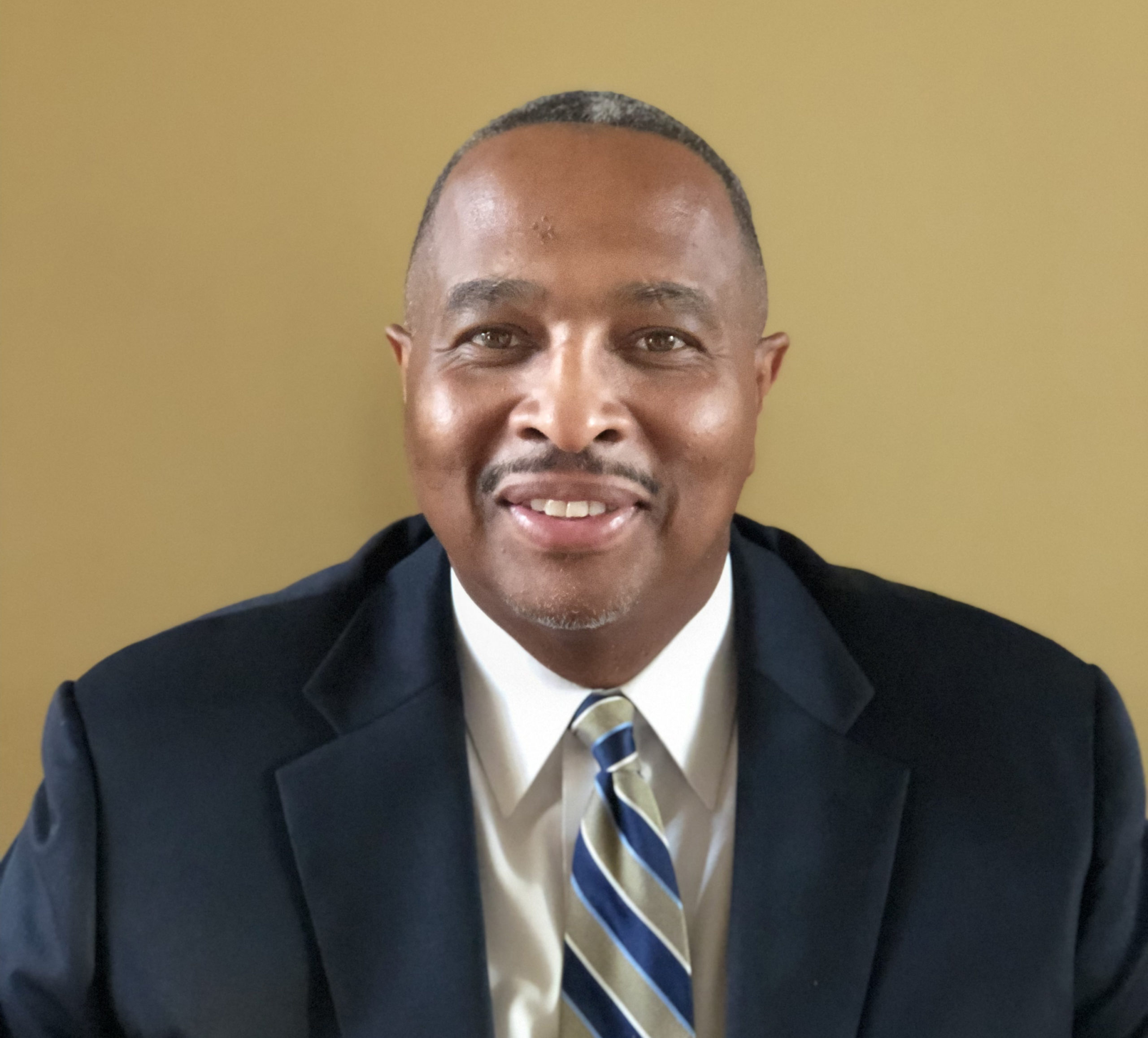
Spotlight On:  Arnold Johnson, Market Director – Banking, Chase Bank

Spotlight On: Arnold Johnson, Market Director – Banking, Chase Bank

By: Yolanda Rivas

2 min read March 2020 — Chase is the U.S. consumer and commercial banking business of JPMorgan Chase & Co., a leading global financial services firm. Chase serves nearly half of America’s households with personal banking, credit cards, mortgages, auto financing, investment advice, small business loans and more. The bank began expanding into the Delaware Valley in 2018, opening its first local branch in Camden. Chase’s Delaware and South Jersey Market Director Arnold Johnson spoke with Invest: about the bank’s expansion efforts in the region, why Chase is unique and some of the challenges facing the banking sector.

What is the status and impact of your expansion effort in the South Jersey region?

One of our main efforts in the region is making sure we are opening enough branches to support the community. In the past year, we have opened four new branches: Camden, Cinnaminson, Mount Laurel and Marlton. We are excited to be expanding in Southern New Jersey and our fifth location, in Cherry Hill, is scheduled to open this summer. From a performance standpoint, we’ve been doing very well. The community has received us well and we are glad to be taking care of all their financial needs. 


Is there anything different or new about these new branches?

The branches we are building, as we expand, have a home feeling. For example, we have a living room-style setting in each branch’s lobby. We have digital technology, which provides Wi-Fi, charging stations, and enhanced ATM machines both inside the lobby and at standalone locations. One of our goals is to make sure that we are talking about our digital opportunities, so that people know we facilitate the tools for customers to experience the total digital power of Chase. 


What makes Chase unique?

We are focusing on providing a holistic approach to our customers. We offer expertise within the branch in the whole life cycle of a customer. We are able to take care of basic checking and credit card needs, but also holistic needs, whether it’s retirement, buying a home, small business or learning about the financial aspects of life. For example, we offer Chase Chats, which are Chase-led conversations held in our branches on a variety of topics, especially financial health. We’ll do them in every Chase branch in 2020, across the country, including right here in Southern New Jersey. The Chase Chats allow our customers to visit us and learn about banking and how to help make the most of their finances. It’s an example of one of the things we always offer: education. By helping customers from a financial and educational standpoint, we are able to build solid relationships with the communities we serve. 


What are some challenges in banking?

Some of the challenges that banks may see in their brick and mortar locations would be traffic coming into the branch. For Chase, we really utilize technology within the branch to help make sure we’re helping all of our customers as efficiently and effectively as possible. As an example, our enhanced ATMs can perform close to 70% of routine transactions. Our Associate Bankers are always on-hand to help customers however they would like to transact. Whether that’s helping them open an account digitally, or processing a traditional transaction at the window, we want our customers to know they can come in and be serviced the way they prefer to be serviced. That’s why it’s such a big deal for us to be increasing our presence in South Jersey. We were not local before, so many of our clients had a particular product with us, like a credit card. Now that we have a physical presence in the region, we want our customers and prospective customers to know that we are here as your local bank. Our challenge is to get the message out, let the communities know that we are open and help them understand that we can serve all of their financial needs.


To learn more about our interviewee, visit:

Chase Bank:  https://www.chase.com/ 


Spotlight On: Darryl Dewberry, CEO, The Spectrum Companies

Spotlight On: Darryl Dewberry, CEO, The Spectrum Companies

By: Felipe Rivas

2 min read March 2020 Charlotte has recently become the new headquarters for several national corporations, with tech giant Honeywell and online lender Lending Tree among those moving into the city. Goodwill on the part of the city’s officials and private sector leaders has allowed the city to promote itself more aggressively in recent years. In an interview with Invest: Charlotte, The Spectrum Companies CEO Darryl Dewberry talks about infrastructure challenges and reimagining affordable housing to make it happen.

What is making Charlotte a more attractive city for company relocations?

Over the last few years, several elements have come together to make Charlotte an even more attractive city to live and work and to help promote Charlotte in a more powerful way that includes surrounding counties as one unified region. The Charlotte Regional Business Alliance brings the region together in a new way from an economic standpoint. Charlotte Center City Partners has made changes that expanded its reach outside the CBD to both the south and north. The latest game-changer was the city creating a group headed by Tracy Dodson as an assistant city manager to focus on coordinating the private and public sectors in the recruitment of new companies to our city. 


How do you work the mixture of new-from-scratch to refurbishing older structures when looking at one of your projects?

It depends on where you are. Charlotte is not blessed with a lot of what I call the “brick and beam” stock, those older industrial buildings such as in south of Market in San Francisco that have been reimagined without being torn down. Charlotte’s South End has some of those authentic buildings, but most of what we’ve had to do as a community is create that. It takes a lot of imagination and a commitment to quality, but we are creating environments that have a soul, even without the benefit of those original brick-and-beam buildings. And while this poses some unique challenges, we’ve been successful in developing mixed-use neighborhoods and projects that have a great energy and synergy that attracts people and companies. 

Spectrum is in the mixed-use, multifamily residential and office business. We also do some hospitality. What we have found to be most powerful is bringing together multiple uses such as hospitality, office, retail, multifamily and other combinations. It makes it more complex, and it takes longer, but if you do it right and create synergies, you create soul. The projects change lives by creating special places, which is the mission behind everything we do.


What strategies are being put in place in the city to promote affordable housing?

We need a more comprehensive plan that brings together the public and private sectors locally and at the state level to address our critical lack of affordable housing. We’ve been talking as a community about building 300 truly affordable housing units a year, but we need more supply than that. The public-private effort that has raised more than $100 million for affordable housing is a good start, but it is not going to go that far.


What challenges could Charlotte start facing as it continues to grow?

Charlotte has to make sure it does not become complacent. We have transformed our public sector, adding a lot more perspectives than we had 10 years ago. It causes some friction, but overall, everybody works together really well. There is a lot of collaboration and different perspectives coming together as the community becomes more diverse, and this is producing ideas and developments that are more dynamic and attractive long term.

One of our biggest challenges is to make sure that we have the infrastructure in place: water, sewer service, electricity, and services in general. That is an area where our community has done a great job relative to competitor locations.

Another challenge, on a regional basis, is transportation. People talk about affordable housing, which is a serious need in every community, but you have to be able to get people to and from their jobs as well. We really need to step on the accelerator on developing the east-west light rail Silver Line, which would dramatically increase access to jobs. We also want to make sure that we continue to invest in our airport, which continues to be one of Charlotte’s primary economic drivers because it can easily take people anywhere in the world. 


To learn more about our interviewee, visit: https://www.spectrumcos.com/


Coronavirus: Gov. Roy Cooper declares state of emergency

Coronavirus: Gov. Roy Cooper declares state of emergency

By: Felipe Rivas

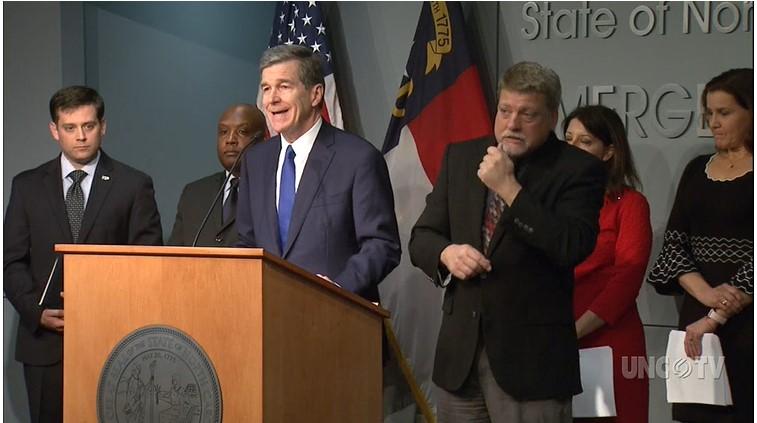
2 min read March 2020 — There are now seven confirmed coronavirus cases in North Carolina, prompting Gov. Roy Cooper to declare a state of emergency as leaders and health officials deal with the coronavirus outbreak. Of the seven people who have tested positive for COVID-19, six are from Wake County and one is from Chatham County, according to health officials. The declaration activates the Emergency Operations Center to facilitate the purchase of medical supplies, protect consumers from price gouging, and increase county health departments’ access to state funds. 

“The health and safety of North Carolinians is our top priority. We are taking the necessary steps to ensure that North Carolina is prepared and responding to this virus, and this order helps us do that,” Cooper said in a press release. “Though we are still in the early stages in North Carolina, time is a valuable resource and we must work together to slow the spread while we can.”

There are 120,944 global COVID-19 cases as of Wednesday morning, with 1,039 cases reported in the United States, according to the Center for Systems Science and Engineering (CSSE) at Johns Hopkins University. However, at this time, the risk to the general public in North Carolina is low, Mecklenburg County reported. 

As of Wednesday, Charlotte-Mecklenburg Schools is suspending all travel. The travel limitations apply to district-sponsored trips of any kind for staff or students. “The safety and care of our school family is my top priority as superintendent,” said CMS Superintendent Earnest Winston in a press release. “In situations like these, we come to a deeper understanding of how closely connected we are, and I thank you for your help in our efforts to be prepared.” 

Cleaning standards are being reinforced at schools and office buildings, while families are encouraged to keep children at home if they are sick, the school system reported. 

Similarly, American Airlines, the main carrier at Charlotte Douglas International Airport, also implemented travel limitations, cutting domestic and international flights due to decreased travel demand following the proliferation of COVID-19 cases globally. American Airlines will reduce domestic capacity in April by 7.5 percent and reduce international capacity for the summer peak by 10 percent, including a 55 percent reduction in trans-Pacific capacity. The airline is also suspending flights from CLT to Rome (FCO) and Milan (MXP), as there are over 10,000 confirmed COVID-19 cases in Italy, according to the Center for Systems Science and Engineering. 


To learn more, visit:

 https://www.mecknc.gov/news/Pages/Update-on-Novel-Coronavirus.aspx

https://governor.nc.gov/news/governor-cooper-declares-state-emergency-respond-coronavirus-covid-19

https://www.arcgis.com/apps/opsdashboard/index.html#/bda7594740fd40299423467b48e9ecf6

http://news.aa.com/news/news-details/2020/American-Airlines-Update-on-China-Flights-OPS-DIS/default.aspx


Philly’s venture funds capitalize on momentum

Philly’s venture funds capitalize on momentum

By: Sara Warden

2 min read March 2020 — According to a recent report by the Philadelphia Alliance for Capital and Technologies (PACT) and Pitchbook, Philadelphia’s 2019 venture investment of $2.5 billion puts the city in seventh place nationally as a VC giant. And as more and more funding flows into Philadelphia, venture capital investment shows no sign of slowing down.


In 2019, 225 deals were recorded in Philadelphia, totaling just over $2.5 billion, up just slightly in number of deals since 2018, but notably, deal value has skyrocketed. In 2018, Philly’s VC deals were worth just under $1.5 billion. Across all stages, median deal values have increased, with angel and seed investment in 2019 coming in at a median $1.2 million compared with $600,000 in 2018, early VC doubling to $3.8 million from $1.9 million in 2018 and late VC reaching $7.5 million from $4.2 million in 2018.

The most active investor is Ben Franklin Technology Partners of southeastern Pennsylvania, according to the report, having funded 356 deals. It is a leader in seed capital investments with over $200 million invested over 35 years, launching over 2,000 companies. It is not just volume that counts, but also value. In a record for a Philly-based company, the largest funding round in 2019 was for food delivery service goPuff, which raised $750 million.

But despite this momentum, Philadelphia still has a way to go before it can catch up to VC hubs such as San Francisco, the report says. “Deal size inflation for Philly—though broadly consistent with the YoY persistence of rising valuations across the US—has yet to push median deal sizes to levels reached elsewhere,” the report said. “For example, the median for an early-stage deal in Philadelphia was $3.8 million—roughly half the US median.”

So what are Philadelphia investors doing about it? One lawyer, Ajay Raju, is setting up three new VC funds in the city to capitalize on its success. “There is no shortage of talented founders with great ideas and road maps who are designing the future,” he told the Philadelphia Inquirer. The three companies – 215 Capital, Backswing Ventures and Togo Ventures – will target different investors and aim funds at different sectors. 

215 Capital will be an exclusive, subscription-only Series A pledge fund with just 100 investors and a focus on technology, whether in software as a service or real estate technology. Togo Ventures will focus on the pharma industry, from digital health to clinical trials. And Backswing will be “sector agnostic” to bridge the gap for anything in between. 

“We are geography-agnostic and return-devout,” Raju told the Inquirer in an interview, but admitted that Philadelphia has plenty of opportunities ripe for investment and entrepreneurs hungry for capital to realize their ideas. “Philly’s innovation ecosystem needs capital and plenty of it,” he said.


To learn more about our interviewees, visit:

https://www.sep.benfranklin.org/

https://gopuff.com/home

https://www.215capital.com/

https://www.backswingventures.com/

https://philadelphiapact.com/

https://pitchbook.com/