Palm Beach Returning to its Gaming Roots

Palm Beach Returning to its Gaming Roots

By: Sara Warden

2 min read February 2020 — IBM developed the first PC in Boca Raton and now the city is making a new effort to bring back the gamers. In 2021, Misfits Gaming Group will consolidate its North American presence with a new, $1.35-million, 18,000-square-foot headquarters in Boca Raton, Florida.


The Misfits organization owns teams that compete in League of Legends, CounterStrike: Global Offensive, Overwatch, Hearthstone: Heroes of Warcraft and Super Smash Bros. Founded in 2016, Forbes estimates the company’s value at $120 million and global esports revenues are estimated at $1.1 billion in 2019.

The Misfits Gaming Group will set up two Florida-based franchised esports teams, the Florida Mayhem and Florida Mutineers, through which it will run several large-scale esports events throughout the year, in addition to college tournaments and community events. These events can rake in millions, with eye-watering prize money. The winners of the Dota 2 esports tournament walked away with over $3 million each, as did the 2019 winners of the Fortnite World Cup. In comparison, the 2019 winners of Wimbledon, Novak Djokovic and Simona Halep, took home $2.9 million each.

One of the reasons Misfits chose Boca Raton for its new HQ is the business-friendly environment Florida provides – not to mention the generous tax breaks provided by the authorities. Local and state authorities will provide over $200,000 in grants and tax refunds in exchange for creating 30 new jobs with average salaries of $95,000.

“[Misfits] falls within a targeted industry sector for not only our county efforts, but state efforts as well,” said Kelly Smallridge, president and CEO of the Palm Beach County Business Development Board in an interview with Esport Observer. “Also, the fact that the jobs are high paid, much higher than the average of the county, which is $53,000.”

Florida is a surprisingly logical state in which to expand an esports empire. According to Enterprise Florida, the state has the nation’s third-largest tech industry and is a leader in high-tech employment, ranking No. 1 in the Southeast. Florida’s universities are one of the region’s largest producers of STEM graduates – in fact it is one of the largest generators of graduates entirely. And West Palm Beach has one of the highest concentrations of IT employees in the state.

The state is also a pioneer in connectivity, essential for any industry built around fast internet connections. The state has 61,000 total fiber miles, the third-most extensive statewide network in the United States. It also has 275 data center locations, the fourth-highest density among all U.S. states. 

Misfits certainly sees this potential in Florida, and in November launched a $10 million esports and gaming incubator and seed fund. “As the first esports and gaming-focused startup incubator and seed fund offering the resources of our caliber in North America, our goal is to create infrastructure for supporting and developing emerging business talent,” said Ben Spoont, CEO and Co-Founder of Misfits Gaming Group in a press release. “We want to help invest in the kind of ideas that will move our industry forward.”

To learn more, visit:

https://misfitsgaming.gg/ 

https://www.ibm.com/

https://www.bdb.org/

https://www.epicgames.com/fortnite/competitive/en-US/events/world-cup

Pharmacies Going the Extra Mile in Philadelphia

Pharmacies Going the Extra Mile in Philadelphia

By: Sara Warden

2 min read February 2020 — According to research from the University of Texas, 13-27% of ER visits in the United States could be managed in physician offices, clinics, and urgent care centers, generating $4.4 billion in annual savings for the health system. As the population grows and hospitals become saturated, Philadelphia’s private sector innovation is helping to lift the burden.

Last month, pharmacy giant CVS launched 13 HealthHUBs across Philadelphia and South Jersey, with the goal of offering patients a broader range of health services than are normally available in pharmacies. “The purpose of this model is to put patients at the center of their care,” said Anthony Riccardo, regional director for CVS Pharmacy, at the launch of the Folsom HealthHUB in the Delaware County branch. “Customers tell us they want local access to convenient, personalized and integrated healthcare. Our HealthHUB locations do just that — helping to elevate the store into a community-based healthcare destination.”

CVS leverages its impressive countrywide coverage on the front lines to bring additional services to the community, decreasing the probability that symptoms will worsen and lessening the burden on secondary healthcare providers. The services provided range from counseling patients with chronic conditions, to smoking cessation plans and health screenings, with a focus on addressing potential problems before they arise.

The company is not the only business in the private sector that sees the potential pharmacies can contribute to the healthcare sector. Last month, Philadelphia also welcomed Medly Pharmacy, a company that is tackling inefficiencies in pharmacy operations through an app and service platform that simplifies the process of filling a prescription.

Although the main draw of the store is its online platform, the company’s co-founder, Chirag Kulkarni, recognizes the need to also have a physical store established in the city. “I can say 99% of our customers have never walked into our pharmacy,” he said in an interview with Philadelphia Business Journal. “But it’s critical from a brand perspective to have a pharmacy a person can go into if they wanted. There is a level of trust in medicine, and with a pharmacy having that brick and mortar location brings legitimacy.”

So why are these companies attracted to Philadelphia? For Medly, the city has proximity to its key markets in New York and New Jersey and a similar level of population density, making it a logical choice for expansion. The median age in Philadelphia is also 34.3, and with a younger population also comes the desire for new technological advances to make everyday life more convenient. “Our research found that from a geographic viewpoint, Philadelphia is very similar to where we operate now in that it has high concentrations of population in certain areas,” he said. “We also saw a strong need for something like what we offer.”


To learn more, visit:

https://www.utexas.edu/

https://www.cvs.com.html

https://www.medlypharmacy.com/


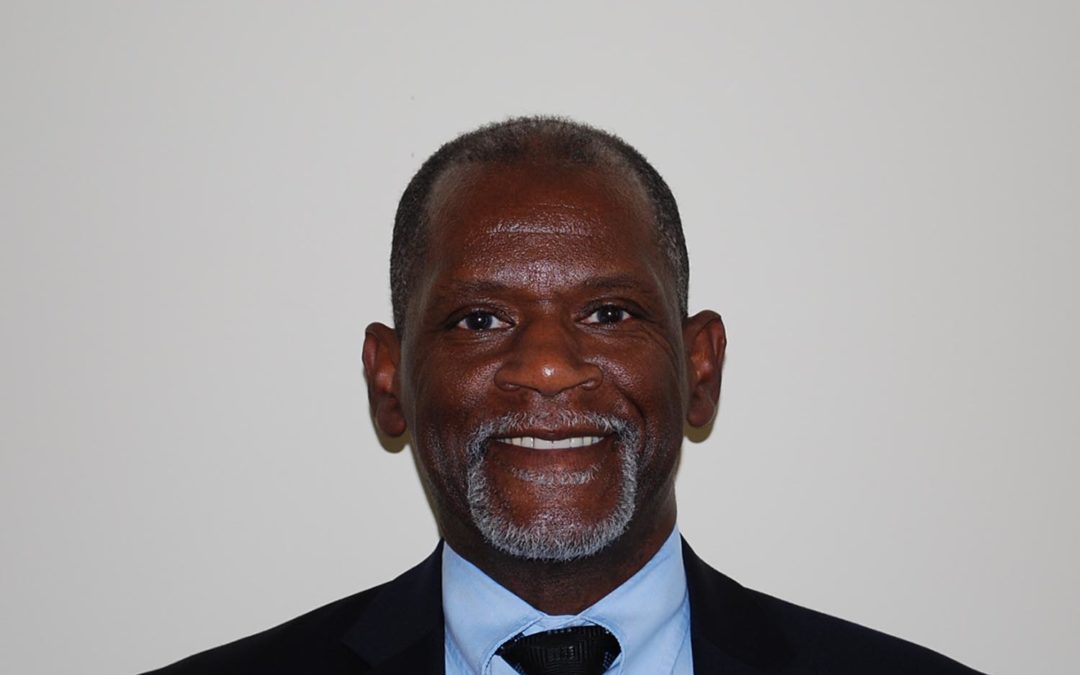
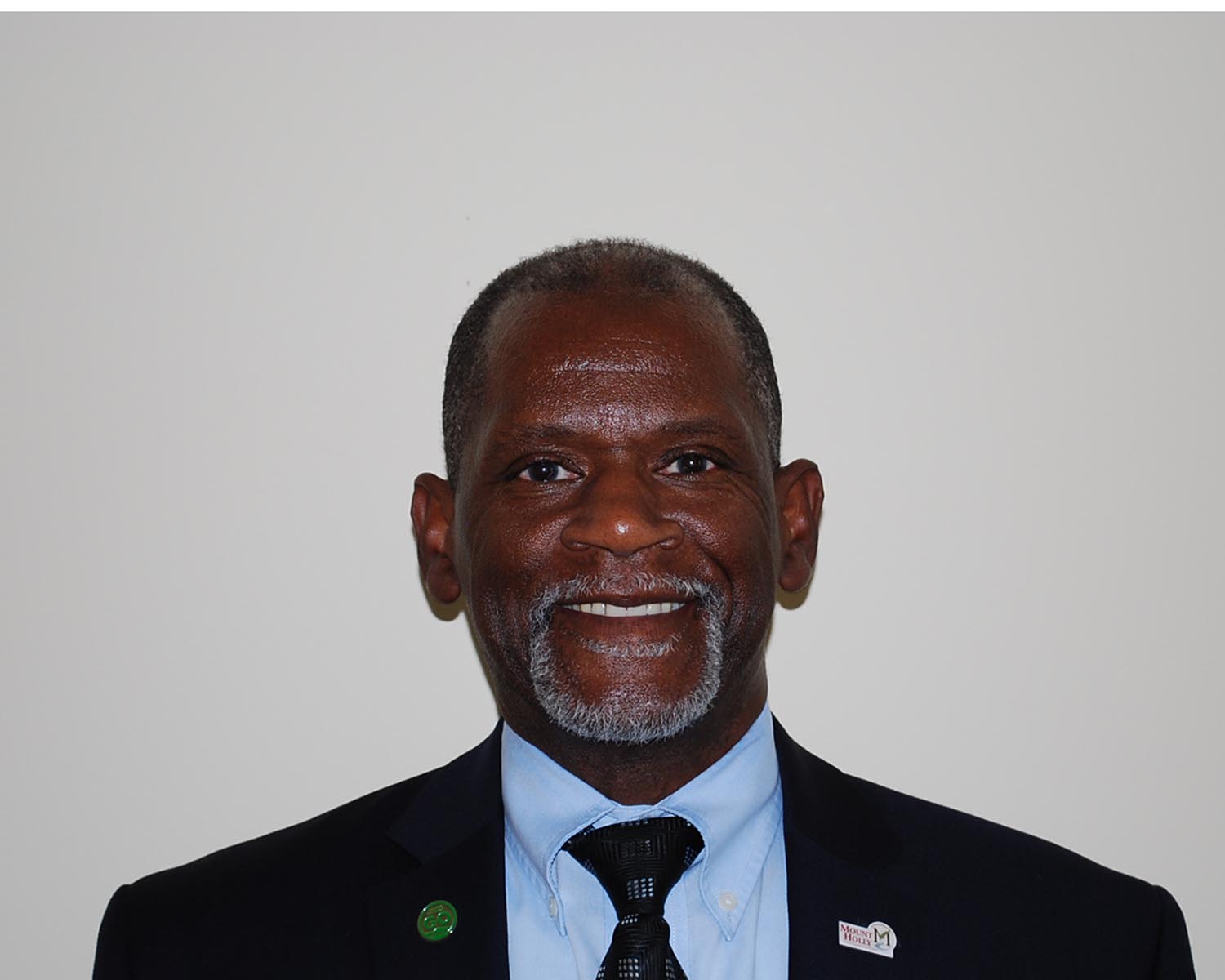
Spotlight On: Danny Jackson, City Manager, City of Mount Holly

Spotlight On: Danny Jackson, City Manager, City of Mount Holly

By: Felipe Rivas

2 min read February 2020 — Situated west of the Catawba River, the city of Mount Holly in Gaston County is known as one of the best bedroom communities in the Charlotte Metro Area. The city is experiencing residential growth as it aims to be a place where families can live, work and play. Its proximity to the Charlotte Douglas International Airport and to I-485 are great assets that will serve as a catalyst for the city’s growth, City Manager Danny Jackson told Invest: Charlotte. As part of its vision plan, the city is expanding its water and sewage systems and preparing its workforce for future tech-based jobs, Jackson said. 

How has Mount Holly grown in the last few years?

Mount Holly is in a great location. It is in proximity to Charlotte and the Charlotte Douglas International Airport. Interstate-485 has spurred development and as a result people have been discovering Mount Holly, as manifested by our population growth. These factors have been the genesis of our growth. We have been seen as a bedroom community for a number of years. Through our vision plan, we have launched efforts to make Mount Holly a place where residents can live, work and play. 


How is the city preparing for future growth?

Based on the growth that we are experiencing, people are approaching us for development opportunities, primarily residential and some commercial. Within that process, the infrastructure is constructed by the developers, then they turn it over to us for perpetual management. Sometimes, we add to existing projects to accommodate future growth. Also, we have connected our water and sewage plan to the city of Charlotte across the Catawba River to increase our capacity to accommodate future growth. Additionally, all of our local chambers of commerce have been working together to bring businesses to Mount Holly and boost the economy. It has been a good, collective effort. We believe we have the elements to support businesses. Not everyone wants to have the hustle-and-bustle of the large jurisdiction. We are not that, but yet we are close to one as well.  


What does the city’s updated vision plan entail?

In 2019, Mount Holly adopted its updated vision plan for the next 10 to 15 years. At the forefront of that plan is economic development, job growth and a diverse tax base. These are the nuts and bolts of it in terms of growth in the Gaston County region. I think the main sector growing in the region is technology. That is where the emphasis will be for this region, and with that comes the education component that is being addressed in Gaston County. Workforce development is a key component of this. We are making sure that our employee base is prepared for the next level of tech-based jobs that are coming to the area.


How is the city preparing itself in the event of a future economic downturn?

We have been working on worst-case scenarios. In 2008, the nation experienced an economic downturn, but Mount Holly continued to grow. Construction was still happening and people were moving to the city. I expect the same in case of another economic downturn. Our infrastructure is such that we are prepared for growth. We have done what we believe we need to do to stay economically sound, such as updating the vision plan and expanding our water and sewage systems. I think we have all of these mechanisms to continue to grow and grow positively.”  


To learn more about our interviewee, visit: https://www.mtholly.us/

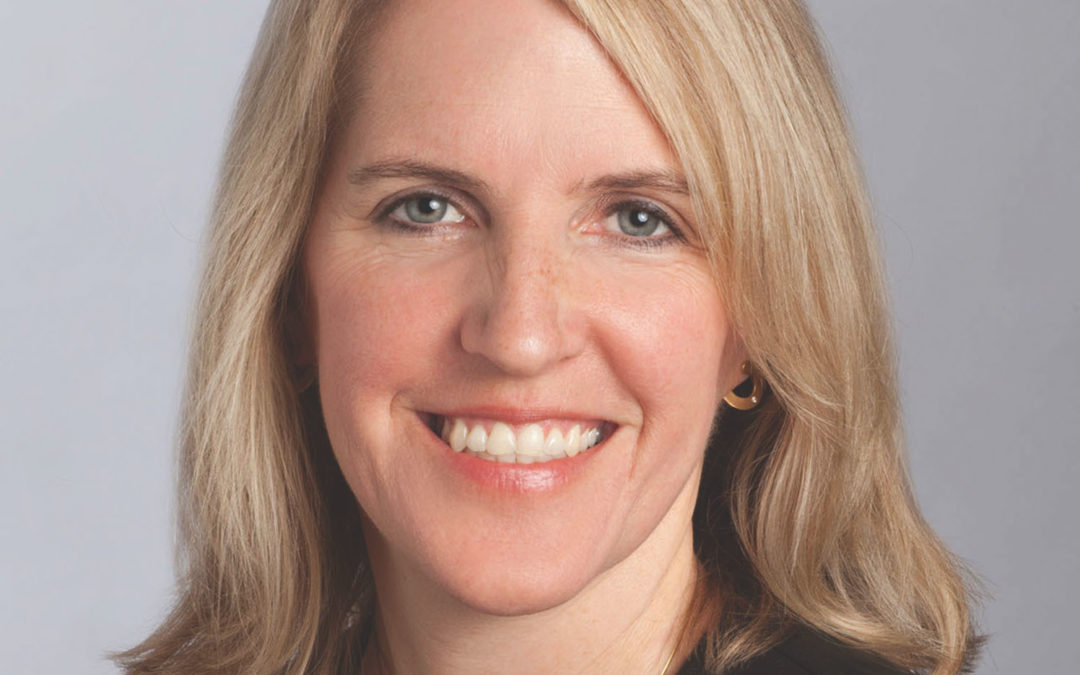
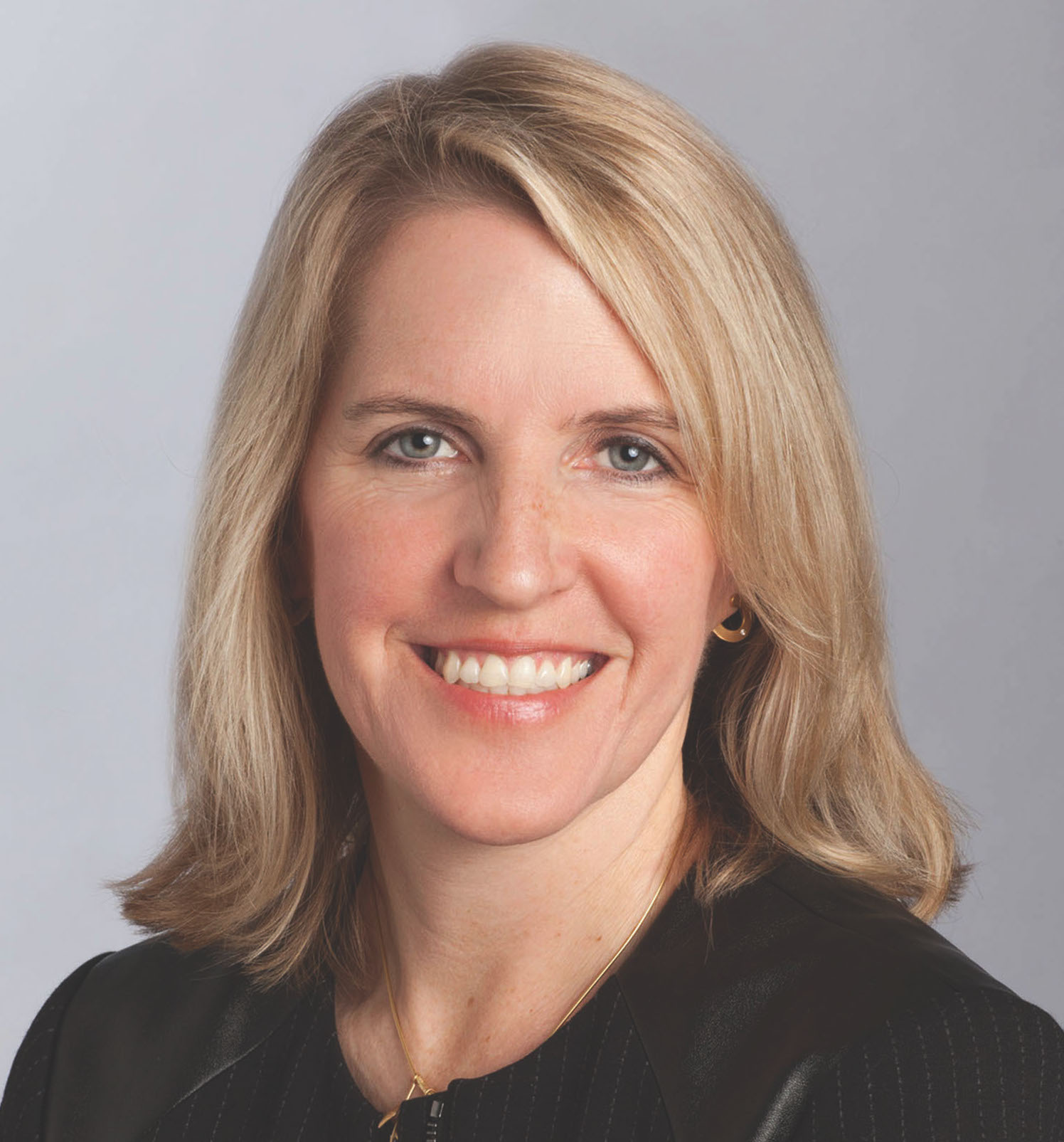
Spotlight On: Catherine Stempien, President, Duke Energy Florida

Spotlight On: Catherine Stempien, President, Duke Energy Florida

By: Max Crampton-Thomas

2 min read February 2020 — Duke Energy Florida is not just increasing the amount of renewable power it is offering customers, with several solar plants coming online, it is also looking to harden its grid to protect it from increasingly harsh storms in the southern United States, as well as in cutting-edge “self healing” technology to reduce the impact of outages, according to Catherine Stempien, the company’s president.


 What advances have been made regarding the company’s clean energy projects in the region?


We are still in the process of building 700 megawatts of solar in our system and that will be completed by 2022. We are making significant progress on that. We are either operating or in the construction phase for about half of those megawatts. We brought two new solar plants online in December, at Lake Placid and Trenton, and we have two being completed in the first half of this year in Fort White and DeBary, with two others just announced in North Florida.


The other area where we have really made progress is in battery storage. We have said that we are going to build 50 megawatts worth of battery projects, and we have made announcements for three of these projects located in Trenton, Cape San Blas and Jennings. The battery charges when the sun is up and when the sun is down the battery discharges that energy. But batteries can do much more for our system. We have been testing a lot of cases for battery use, and the projects that we are going to be doing will help improve reliability for our customers, giving them more reliable power.


How is the company ensuring customers get the energy they need?


Our customers want power, and they want that power to stay on 24/7. We are midway through deploying our self-healing grid technology. About 50% of Pinellas County is covered by this technology now. If you think about the electric grid as a highway system, when you have a traffic jam somewhere in that system you want Waze or Google Maps to redirect you around that traffic jam. The grid works the same way: if we have an outage, or a tree falls down on a line, you want to be able to redirect the power around that problem to make sure that people get their energy. This technology does that automatically. We have sensors and communications devices all over our grid that automatically reroute the power and minimizes the problem, reducing the number of customers impacted. People might see a one-minute outage and then it will go back up again. In 2019, 150,000 outages did not happen because our system was able to reroute power, and that prevented 10 million minutes of customer interruptions. 


Why is Duke Energy pushing forward with sustainable power solutions?


Duke Energy Corp, of which we are a part, decided it was going to push itself and target climate goals that we are going to hold ourselves to. By 2030, we want to reduce our carbon footprint by 50% from 2005, and by 2050 we want to be at net zero. Duke Energy Florida is going to be an important part of the enterprise goal. We have a line of sight on how we are going to meet the 2030 goal, but we don’t have an exact line of sight into how we are going to do it by 2050. We need certain technologies to advance faster, and we need the regulators to come along with us. We believe you have to set yourself aspirational goals.


How much should companies involve themselves in sustainability efforts?


Over the last number of years, we have seen an increase in the intensity and the characteristics of storms hitting the United States. Florida is at a higher risk of getting hit by those storms. We believe we need to plan for storm events. In 2018, two major storms hit our service territory, one in Florida and one in North Carolina. Hurricane Michael was a Category 5 storm that devastated the areas it hit. We had to completely rebuild the distribution system and 34 miles of transmission lines. But it left pretty quickly. 


Another storm, Hurricane Florence, hit the Carolinas. It was a water storm that stalled over the eastern part of North Carolina and dumped rain for days, causing extreme flooding, which makes it difficult to access substations and lines. It is hard to predict these kinds of events, so we are looking to constantly improve our response, making sure we have the right crews, with the right equipment, available to restore power.


The Florida legislature recognized these challenges and passed legislation in 2019 to encourage utilities to invest in hardening their grids for storms. It cleared the regulatory path for us to work on storm hardening, from making poles stronger, undergrounding certain parts of the grid, and replacing lattice towers with monopole towers. All of this work is part of a 10-year plan to harden our system so we are prepared.


To learn more about our interviewee, visit: 

https://www.duke-energy.com/home


Spotlight On: Michael Cioce, President, Rowan College at Burlington County

Spotlight On: Michael Cioce, President, Rowan College at Burlington County

By: Yolanda Rivas

2 min read February — Rowan College at Burlington County looks out for its students and has established several partnerships with the private sector to ensure a smooth transition from the classroom to the workplace. Still, shrinking birthrates on the East Coast present a challenge to remain competitive in the state, according to Michael A. Cioce, president of Rowan College at Burlington County.


What are the main qualities that distinguish Rowan College from other institutions in the region?

Access and affordability are built into the DNA of the institution. We have no direct competition within our county boundaries, but the state of New Jersey unfortunately has challenges. Many of our students have been recruited by Pennsylvania, New York and Delaware, among others, and it puts the responsibility on us to deliver a high-quality educational experience. 


We have approximately 9,000 students in any given semester, which makes us a medium-sized institution. Despite that number, my cabinet, my deans, directors and I all know our students. You are not going to come here and just be a transaction, and that matters to students because they have options and alternatives. We have competitors encroaching on our front door. Online education has grown exponentially over the last 20 years, so students can go wherever they want and I think that value that the personal connection provides differentiates us from many larger institutions.


In tandem with that, we have linkages directly into our local workforce, which assists students in gaining entry into the workforce.


What are the college’s most in-demand programs and courses?

Anything related to the health sciences sector. Our nursing program has a waiting list, and demand greatly outpaces available seats. Part of that is that students know they are going to be employed upon graduation. Our partnership with Virtua Health System, one the region’s largest healthcare employers, is amazing. Our students are not going to graduate with us simply saying, “good luck.” Through our workforce development programs and partnerships, such as that with Virtua and other employers, our students are getting real on-the-ground training that allows them to cross seamlessly into a job. Many of our students are offered employment prior to graduation.


We partnered with an economic analytics firm to conduct an economic impact study that uncovered three prongs where this institution drives value to the area. First, obviously, is training the students locally. They are coming to our campus, living nearby, buying food at local restaurants and working here. Second, as an employer. We employ over a thousand people in any given year, probably more than that. We are not the size of Virtua, but we are not a Mom and Pop store. Third is alumni: students who trained here, stayed here, and are also going to be champions of this institution. That is sort of our hat trick that scores big for the region. The report determined that RCBC’s economic impact on the Burlington County regional economy is $504.9 million in a year. 


What are the main challenges facing both Rowan College and the education system at large in South Jersey?

The birth rate has declined over the last 20 years and as a sector that is heavily reliant on high-school graduates, the enrollment curve is going to be challenging over the next couple of years. This is something that is larger than the college and the county, it is actually affecting the entire East Coast. As a community college, we enroll many adult students and we are not entirely reliant on that 12th-grade population. We have a higher percentage of adult learners than our peers, which gives us a little bit of a buffer, but the overall trend, is definitely going to be a challenge because as the main pool of students shrinks, there is going to be increased competition for them.


To learn more about our interviewee, visit:

Rowan College at Burlington County: https://www.rcbc.edu/ 


Small business, commercial and construction lending drive strong growth for South Jersey banks

Small business, commercial and construction lending drive strong growth for South Jersey banks

By: Yolanda Rivas

2 min read February 2020 — The Southern New Jersey region is mainly driven by the healthcare, education and retail sectors, but small businesses remain key cogs in the region’s economic machinery. Their financial needs are among the busiest service areas for lenders along with commercial and construction lending, according to local banking leaders who spoke with Invest: South Jersey.


Small businesses represent growth opportunities for South Jersey financial institutions, as evidenced by the robust professional sector in the region that continues to grow rapidly as more individuals start their own businesses. 

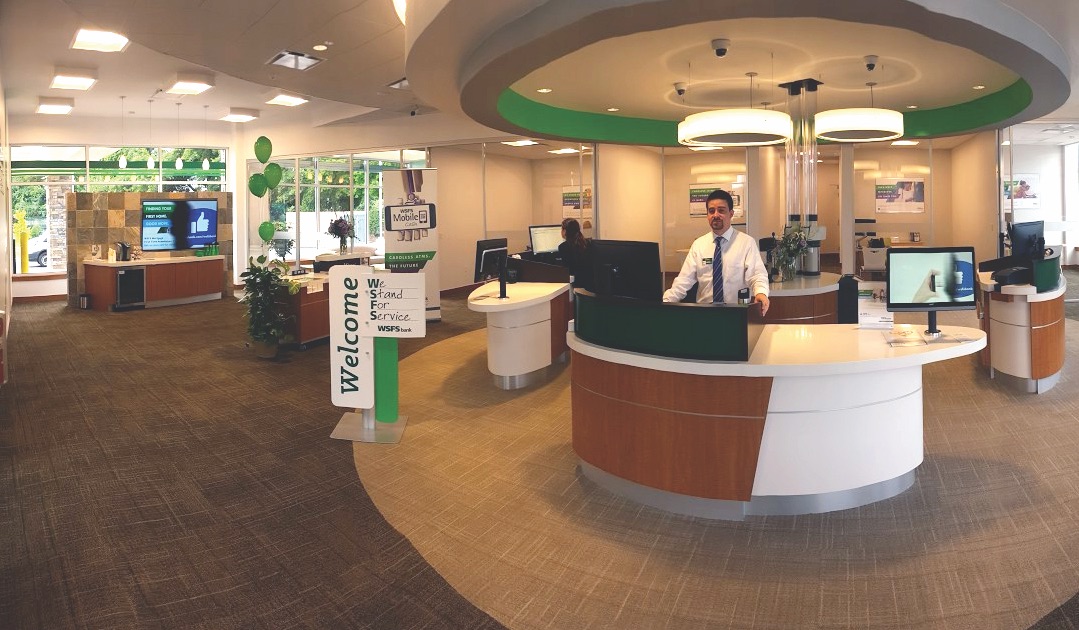
WSFS Bank has about 50,000 primary core customers in South Jersey, with millennials being its second-largest demographic. Phil Corradino, Senior Vice President and New Jersey Regional Director at WSFS, is focusing on growing alongside millennials as they launch their own companies, purchase their first properties and start their families. 

“In terms of small business, we feel that we’re in a great growth position. The small-business sector went through a very difficult period from 2008 and onward, even as recently as 2015, but now you see a lot of small business growth and lending, especially in South Jersey. We’ve put dedicated lenders in place at the local level to serve these business owners, and it’s their mission to be there to help educate them, with roundtables, focus groups and networking events.”

Louisville, Kentucky-based Republic Bank has consistently been a top small-business lender in the region over the last few years and is also experiencing growth in that segment. “We focus on small businesses because South Jersey is known for its mom and pop shops. We promote our commercial customers and make donations to help attract consumers to their businesses and support their growth. We don’t limit our services to just one industry or type of business, we try to serve every business and prospect in any industry,” said Joe Tredinnick, market president at Republic Bank.

Financial institutions are positive about the near-term growth outlook for the small-business segment.”The small-business potential and growth that I believe we are going to see over the next three to five years in South Jersey is going to be monumental, and WSFS is excited to be in the middle of it,” Corradino stated.

According to Parke Bank President and CEO Vito S. Pantilione, its construction lending product is enjoying strong demand in the Philadelphia and South Jersey areas. “It is a very attractive product, especially because many banks have discontinued this banking product. Even though the regulations for construction lending have become much more stringent, our structure allows us to handle it because we are well-capitalized and we have the experience and expertise,” said Pantilione.  

Most recently, the bank has also seen an increased demand further north, in the Bronx and Brooklyn areas of New York City. “We carefully entered the Bronx and Brooklyn markets and now have multiple multifamily projects and commercial loans in these areas,” he said. 

Similarly, New Jersey-based OceanFirst Bank is seeing fast growth in its commercial lending activities. Vincent D’Alessandro, OceanFirst’s southern region president, said the bank’s growth has been driven by its talented commercial relationship managers. “Our business customers have a specifically assigned relationship manager who focuses on those businesses. Our expansive growth has enabled our relationship managers to dive deeper into businesses that they may not have been able to tap into before, in providing more sophisticated products and services.” 


To learn more about our interviewees, visit:

Parke Bank: https://www.parkebank.com/ 

OceanFirst Bank: https://oceanfirst.com/ 

WSFS Bank: https://www.wsfsbank.com/ 

Republic Bank: https://www.myrepublicbank.com/ 


Spotlight On: Diane H. Crews, President & CEO, Orlando Sanford International Airport

Spotlight On: Diane H. Crews, President & CEO, Orlando Sanford International Airport

By: Yolanda Rivas

2 min read February 2020 — Since 1971, the Orlando Sanford International Airport (SFB) has been fulfilling its mission to bring convenient air travel to passengers and economic value to Central Florida. Today, SFB is one of the fastest-growing airports in North America, and it’s undergoing an expansion effort that will be completed late this year. SFB’s President and CEO, Diane H. Crews, spoke to the Invest: team about their recent accomplishments. 

What is the status of the renovation project, and what changes are being implemented?

Our terminal expansion project is on schedule for completion in the fourth quarter of 2020. Basically, we are taking the existing footprint of the airport and making it more efficient and user-friendly for passengers and staff alike. Also, we are continuing to grow, and we know that maybe 10 years down the road we will need a new terminal building, but in the meantime, we need to facilitate our ongoing growth so we are adding four new gates and related improvements. For example, we are consolidating screening into one location, creating more way-finding signage and pathways to help passengers get to their destinations with more ease, adding more bathrooms and baggage belts, and even changing the façade of the airport to include an extended canopy to keep people out of the rain. We want our visitors to always feel comfortable while they travel. Our airport code is SFB, which we have adopted as a motto to mean Simpler, Faster, Better. It is important that the changes we’re making reflect this ideology. That’s what sets us apart. 

To what do you attribute the significant passenger growth you have been experiencing?

I attribute the passenger growth to increased public awareness, getting the word out and letting people know we are here and that we offer over 75 nonstop destinations. The growth of the region has had a significant impact as well. We bring our passengers an easy and convenient experience overall, and that is very appealing. The Orlando Sanford International Airport has been used mostly for leisure travel, especially because our flights do not have the frequency that business travelers need. However, that is starting to change. We are seeing more business travel, and we are going to be working toward increasing that component of our operation. 

What has been the impact of your rebranding and new website?

The primary emphasis for the airport’s rebranding and new website was to modernize our appeal and accessibility. Based on the feedback we have received thus far, we have hit a homerun in both areas. The focus on travel convenience and a myriad of affordable and diverse travel opportunities showcased via an updated, mobile-friendly website has proven to be a winning combination. 


To learn more about our interviewee, visit:

Orlando Sanford International Airport: https://flysfb.com/ 

Fort Lauderdale Doing Wellness Well

Fort Lauderdale Doing Wellness Well

By: Sara Warden

2 min read February 2020 — A study from the Macrothink Institute suggests that 8.7% of all payroll costs are tied to absenteeism, and when the bottom line is at stake, this makes business owners sit up and pay attention. This is perhaps the biggest reason why the global wellness industry has blown up in recent years and is now worth $4.5 trillion, according to the Global Wellness Institute.


When thinking of wellness, often fitness comes to mind. But wellness is an overarching industry that encompasses various sectors, including personal care, beauty and anti-aging; healthy eating, nutrition and weight loss; fitness and preventive medicine. The U.S. ranks No. 1 globally for its wellness industry, at a value of $52.5 billion.

One novel technology in the wellness industry is cryotherapy. It may sound like a technology of the future but iCRYO Cryotherapy is a leading company in the field, offering services that include whole body cryotherapy, cryo facials, infrared saunas, IV infusions, compression therapy, body sculpting, and localized cryotherapy. Launched in October 2015, the company now has an estimated annual revenue of $11.4 million.

iCRYO has 11 branches across New York, South Carolina, Alabama, Florida, Kansas and Texas, with another 12 coming soon. The Fort Lauderdale location will celebrate its grand opening next week, on Feb. 22.

It’s another in the series of developments as Fort Lauderdale quickly jumps on the wellness bandwagon. In fact, at the end of this month, the Riverside Hotel on Las Olas Boulevard will host the Employee Wellness Summit for Legal and Professional Services, a 1.5-day event that attracts sponsors such as insurance provider Cigna and healthcare company Optum.

FINN Partners, a public relations company with offices in Fort Lauderdale, also recently launched the FINN Wellness Collaborative, an initiative to elevate brands that support employee and consumer wellness. “Brands are seeking to secure a value-based loyalty connection to their customers,” said Cathy Chon, managing partner of CatchOn Communications, a FINN Partners affiliate, in a press release. “From safer home-cleaning products to clean-beauty cosmetics to sustainable fashion, consumers are making wellness a decision at check-point – and these brands need to be recognized for their contributions toward personal care and wellness.”

A 2016 Gallup poll showed that highly engaged workplaces can claim 41% lower absenteeism, 40% fewer quality defects, and 21% higher profitability. And in a period of extremely low unemployment, companies need to offer greater flexibility to retain the best talent, as 54% of office workers reported in the poll that they’d leave their job for one that offers flexible work time and 53% of employees say work-life balance and personal well-being are “very important” to them when considering a new job post.

“This new global data stream is meant to encourage business leaders and policymakers to see physical activity as a comprehensive sector, and one that’s critical in supporting lifestyles that are crucial to good health,” said Ophelia Yeung, one of the co-authors of the Global Wellness report.

To learn more, visit:

http://en.macrothink.org/

https://globalwellnessinstitute.org/

https://icryo.com/

https://www.riversidehotel.com/

https://www.catchonco.com/

https://www.finnpartners.com/

https://employeewellnesssummit.com/

https://www.gallup.com/home.aspx

Spotlight On: Dan Rajkowski, Chief Operating Officer, Charlotte Knights

Spotlight On: Dan Rajkowski, Chief Operating Officer, Charlotte Knights

By: Felipe Rivas

2 min read February 2020 — The Queen City is teeming with sports activity. It is host to NASCAR, the NBA and NFL, and closed the decade with a new MLS team. Not too far behind stand the Charlotte Knights, the region’s minor league baseball team. The Knights have led the country in fan attendance four out of the six years they have played in Charlotte. The loyal fan base and consistent attendance numbers can be attributed to affordable ticket prices, a family environment, and a centrally located ballpark, Chief Operating Officer Dan Rajkowski told Invest: Charlotte. For 2020, the Knights plan to host several Republican National Convention-related events and concerts to maximize the use of their ballpark.   

How has the local sports scene evolved in the last few years?

We have had tremendous success in Charlotte since we opened in 2014. We have led the country in minor league attendance four out of the six years we have been here. We are in a vibrant and growing market with a youthful demographic. Coming into the market from South Carolina, and bringing another 650,000 people into Center City, is creating tourism for different parts of the county. The Charlotte Knights produce an economic impact of close to $50 million a year. The region has NASCAR, NBA, NFL, major golf tournaments, other minor league teams, and now professional soccer. Charlotte has created a great hotbed for professional sports, while amateur sports are also enjoying growth. All this is largely thanks to the initiatives of city and hospitality leaders. They are very aggressive in trying to get sports teams to the region and making sure they stay


What are the benefits of being located in Center City?

Our ballpark is gorgeous. There are very few ballparks that have our skyline view, and fans can easily get to the park. Our affordability is important, especially in minor league baseball. While there are many options for fans, with different levels of ticketing, with us, they can get a ticket for $10 or $12 and enjoy the game. Some major league sports games are not as affordable as minor league baseball. We offer a great product that is not necessarily driven by wins or losses. We drive our fan base by promoting the experience, whether it be through a fireworks show, giveaways or on-field contests. We try to create an atmosphere of nine innings of fun. Being located in Center City, with its vibrancy, and the population base that is in this core, as long as you provide a good product people will continue to come. 


How are you collaborating with the local business community?

We are heavily involved with the business community as all sports teams in the city are. Charlotte has a tremendous business community. There are several organizations that work closely to improve the city and the business community gets that. We are fortunate to have wonderful corporate leaders across sectors that step forward when there are initiatives out there that relate to the community. We feel we need to be active in the community. That means donating time, money and resources. We have the ability to bring underprivileged kids to the ballpark and give them a great experience with professional athletes. As a sports organization, you have to position yourself to make an impact in the community that other people may not be able to make.


What can fans expect from the Charlotte Knights in 2020?

We have 70 games a year. We also host college baseball games. In 2020, we will host the ACC baseball tournament. This year, we will host a number of events related to the Republican National Convention. In the fall, we plan to host a few concerts as well. We will continue to improve our brand and keep prices affordable. We want to be creative, but always give people three hours of a fun experience.” 


To learn more about our interviewee, visit: https://www.milb.com/charlotte-knights