Face Off: The growth of Gaston County

Face Off: The growth of Gaston County

By: Felipe Rivas

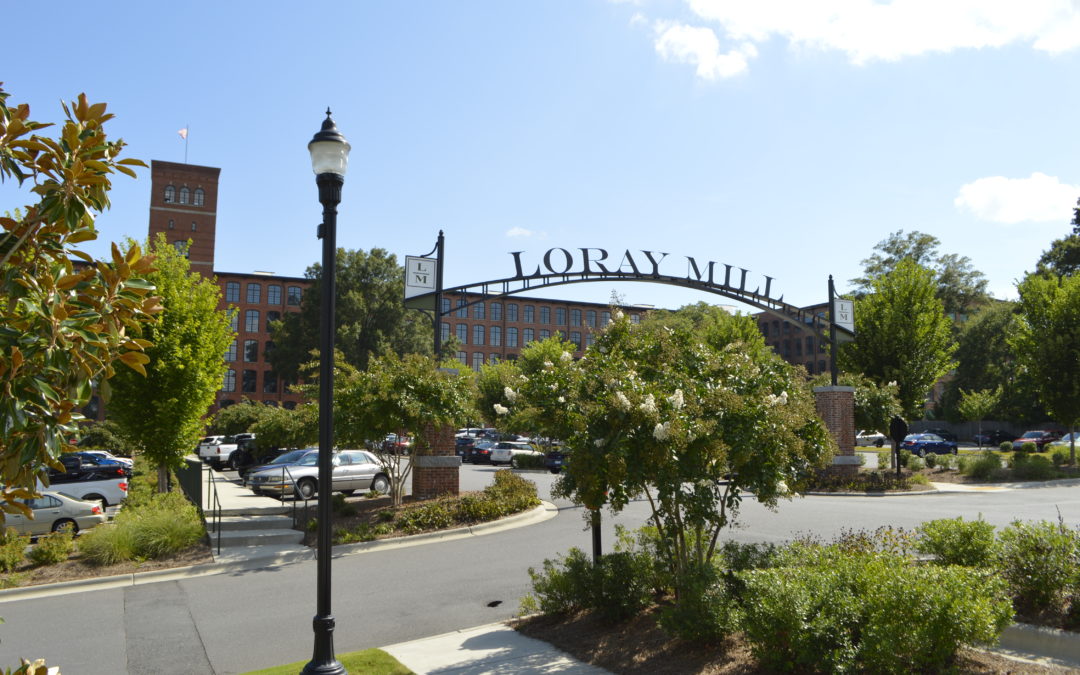
2 min read January 2020 — In the last few years, Gaston County, located an hour away from the Queen City, has greatly benefited from the activity happening in Mecklenburg County. As a result, Gaston County, home to cities like Gastonia and Mount Holly, is experiencing growth in its residential, commercial and industrial sectors. Its proximity to the Charlotte Douglas International Airport and available land make it a suitable place for businesses and new residents to settle in and still tap into the energy of nearby Charlotte. In an interview with Invest: Charlotte, city of Gastonia Mayor Walker E. Reid and Mount Holly Mayor Bryan Hough talk about how their perspective cities are adapting to the growth, changes in infrastructure, and their vision for their cities moving forward. 


What areas are witnessing growth in your cities?


Walker E. Reid: Residential is growing in the southeast part of the city. It is an area we invested in a while back in hopes of developing it. As we speak, 411 single-family homes are being built within Nolen Farm. Also, we are going to bolster the zone’s water infrastructure and improve the sewage system. Eastridge Mall is in the process of being revitalized as well. For this project, some investors are willing to inject between $100 million and $150 million. It will include apartments and an aquatic center. We are working on the details of traffic patterns in and out of the mall. We are also working with the Transportation Commission to get the Silverline light rail into Gaston County.


Bryan Hough: We are one of the closest cities to the Charlotte Douglas International Airport. Our proximity to the airport provides an opportunity for travelers and professionals to see Mount Holly and take an interest in the city. They’ll see that we have a small town atmosphere but can take advantage of a large place like Charlotte and the amenities they provide. The exposure the airport provides is good for job growth and opportunities for commercial growth. For 2020, we expect to see more investment coming to Mount Holly. We are going to see additional growth in both residential and commercial. We also plan to expand the greenway system. Our arts community has been blossoming and we expect it to continue to grow. 
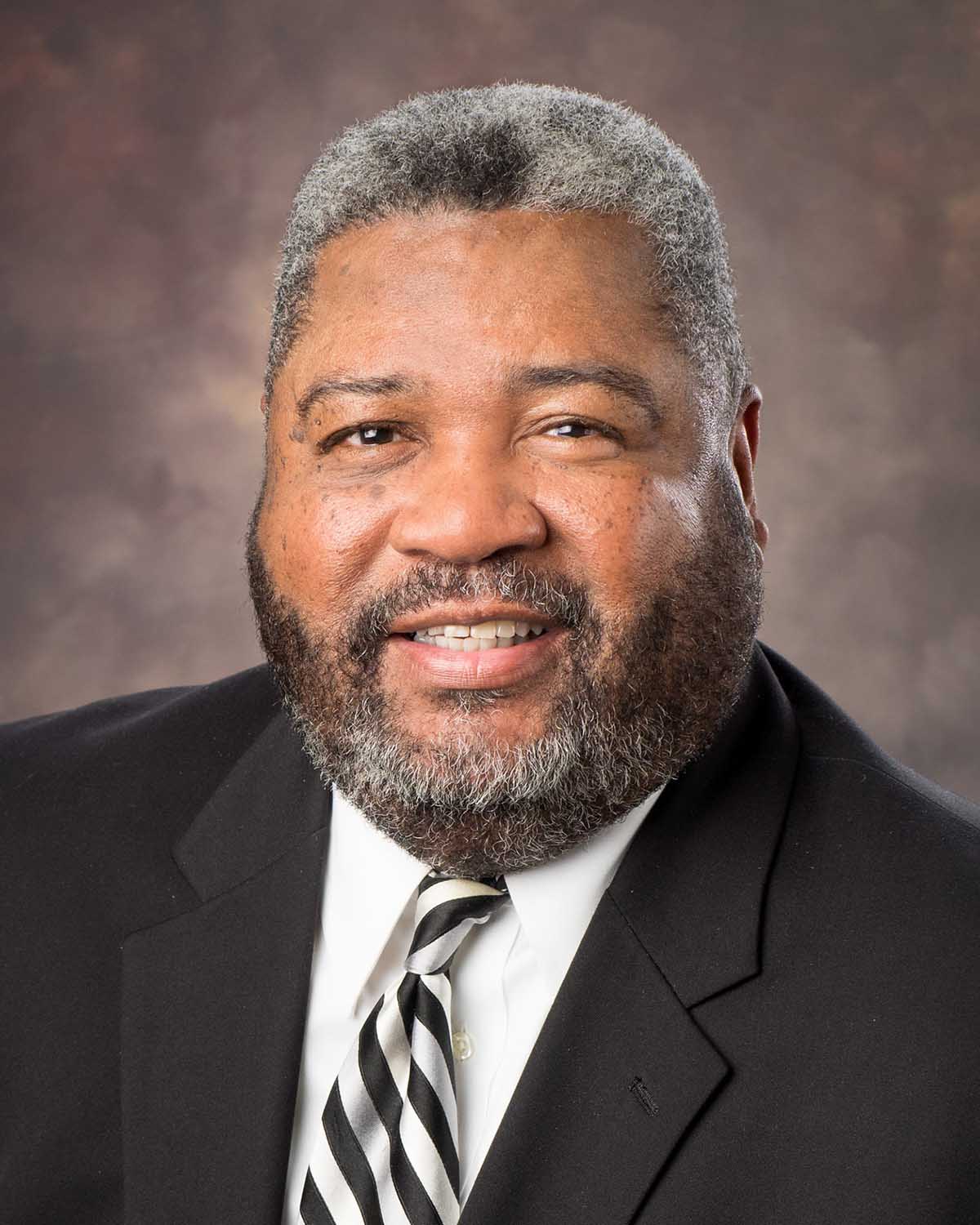
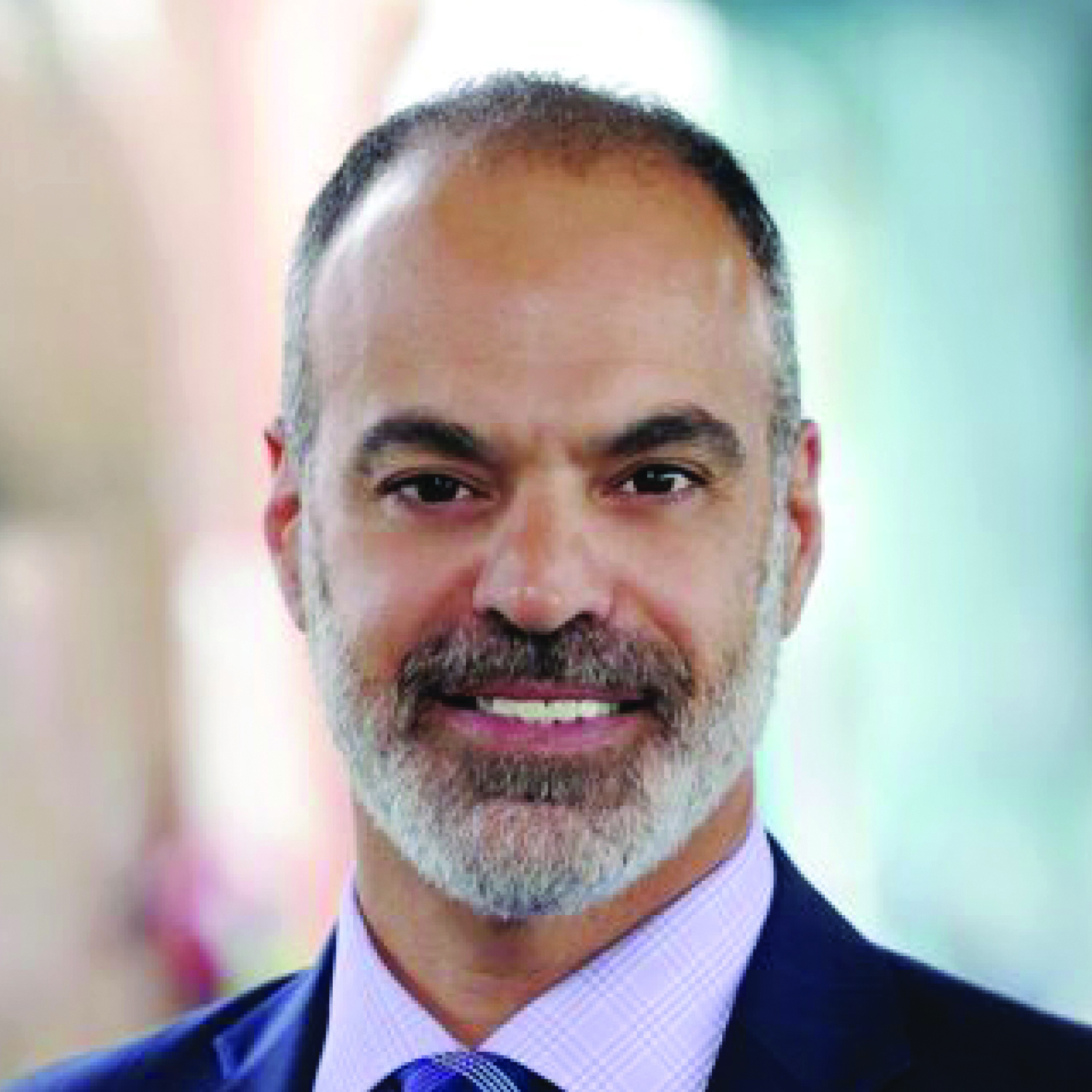
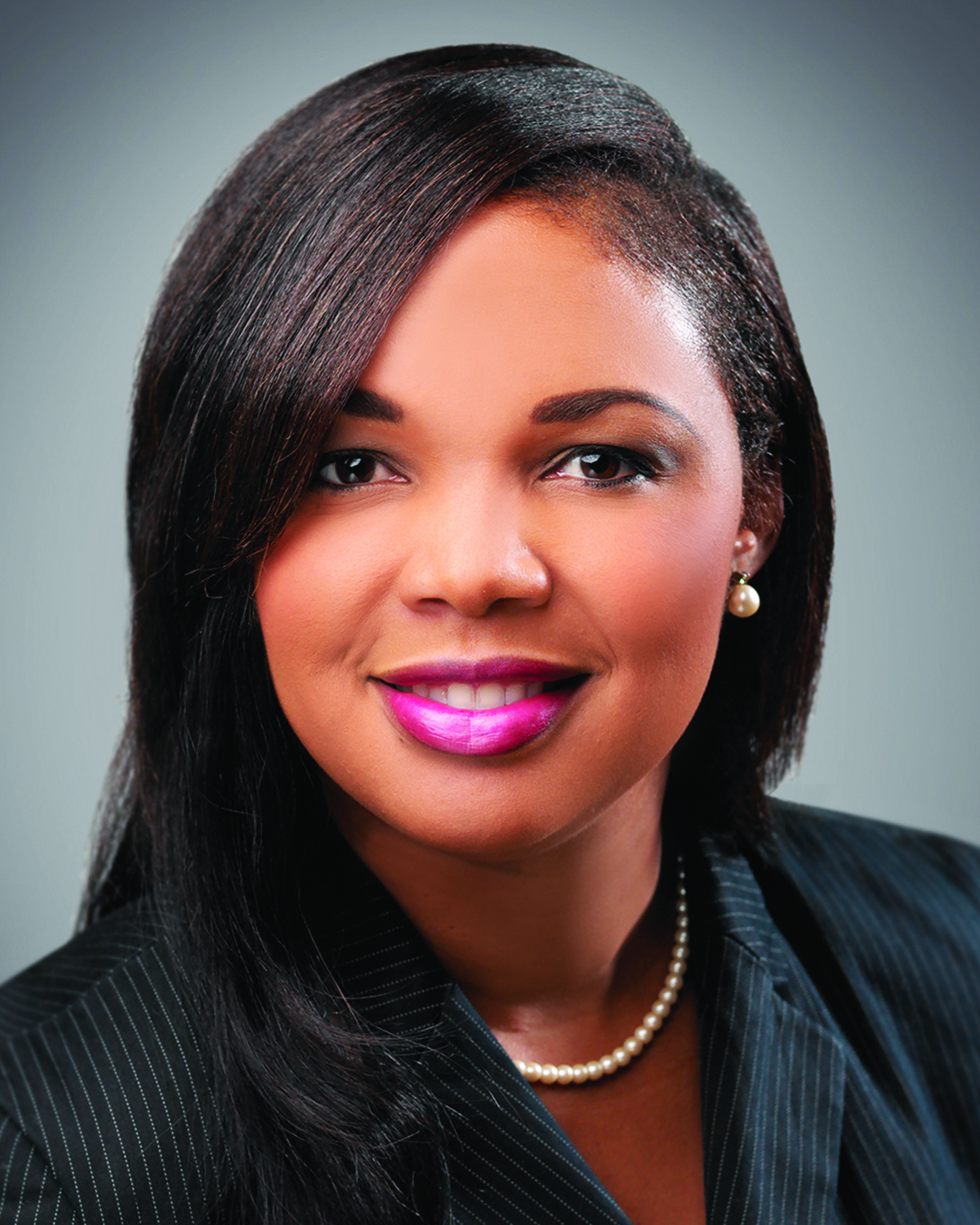
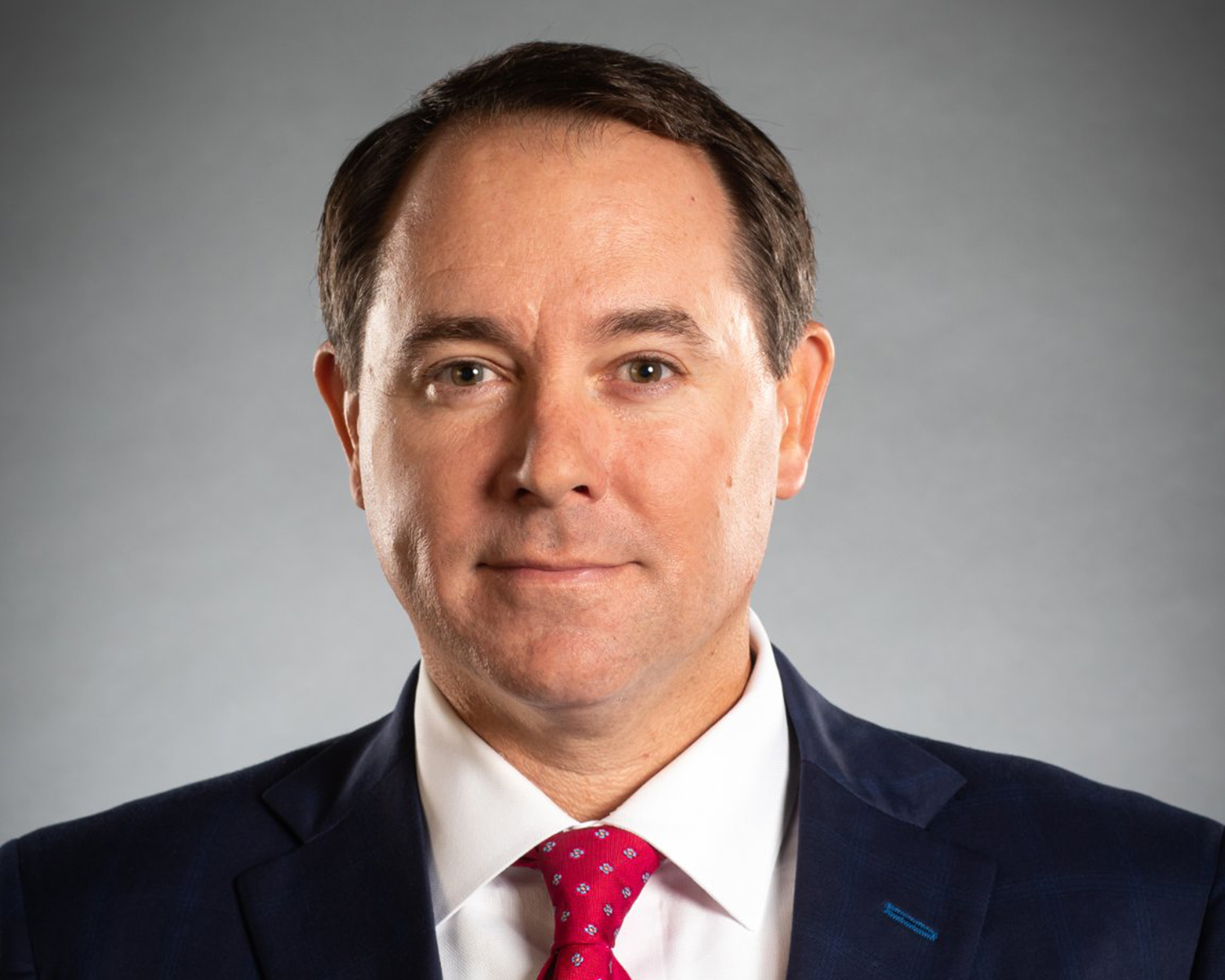
Walker E. Reid

How is the local infrastructure dealing with the region’s growth?


Reid: The county was traditionally and primarily focused on the textile industry. When those businesses and jobs were lost, we had to adapt to find our next business niche, which turned out to be infrastructure. Now, we sell water to municipalities in Gaston County as well as in Clover, South Carolina. We also provide water, sewage and electricity services. The Gastonia Technology Park is a great testament to our diversification efforts. Businesses from all over the world have come to Gaston County to capitalize on this park. It has 24-hour uninterrupted power. We have a qualified workforce, training facilities and the infrastructure to assist new businesses looking to set up shop in Gastonia.


Hough: “Mount Holly, located in Gaston County, is home to 16,000 residents. In the past year, we have seen a lot of investor interest and development in Mount Holly. Investors in the manufacturing and distribution sectors are interested in development opportunities. We have a new hotel being built on the edge of our city, off of Interstate 85, which is connected to Charlotte, and is 10 minutes away from the Charlotte Douglas International Airport. Our economic development department created a strategic vision plan based on significant economic input that highlights the attributes of Mount Holly, and provides investment information for businesses that want to bring their operations to the area. We work with the Gaston County Economic Development Commission to attract and retain large commercial companies. We want to make investment information accessible to investors.  
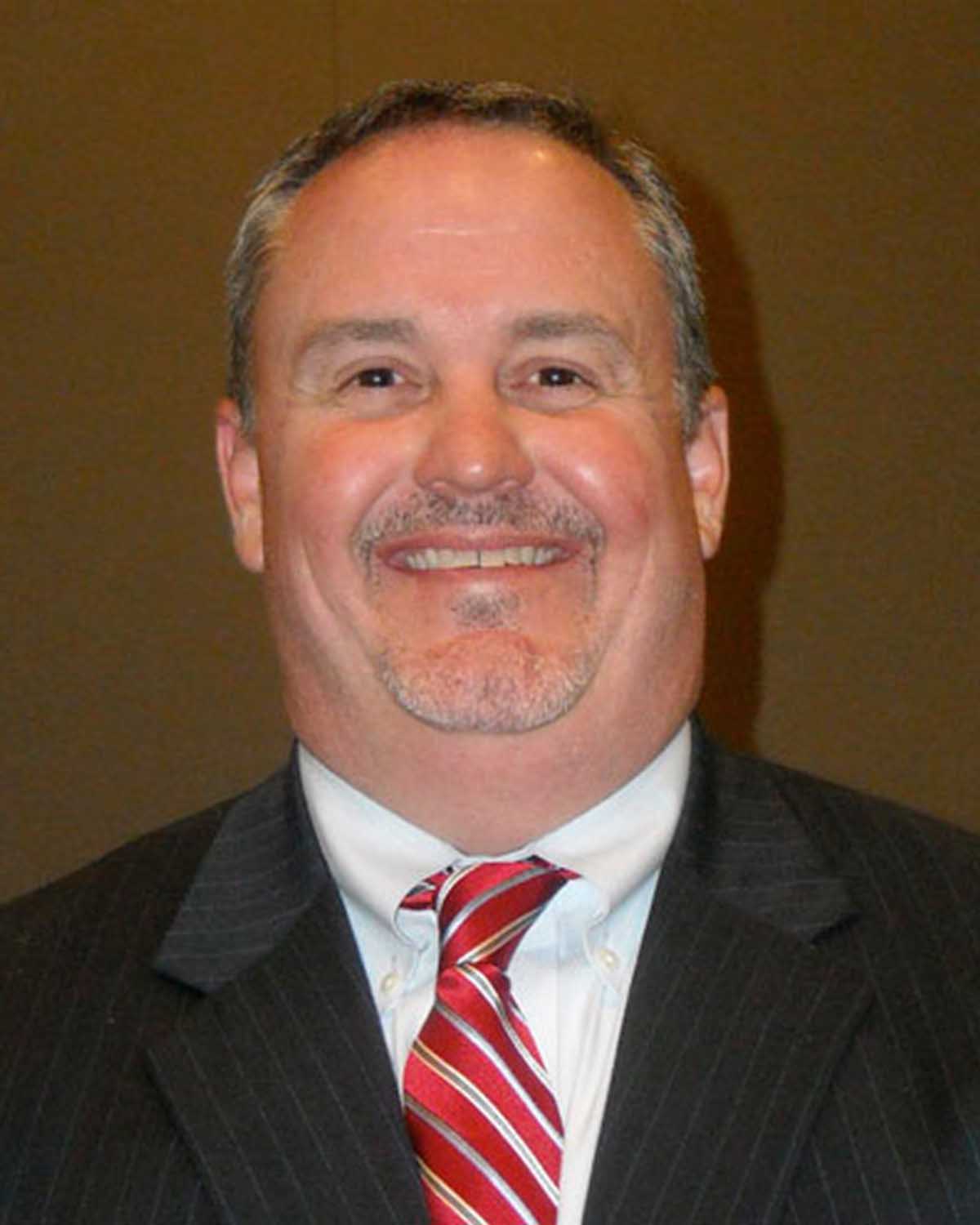
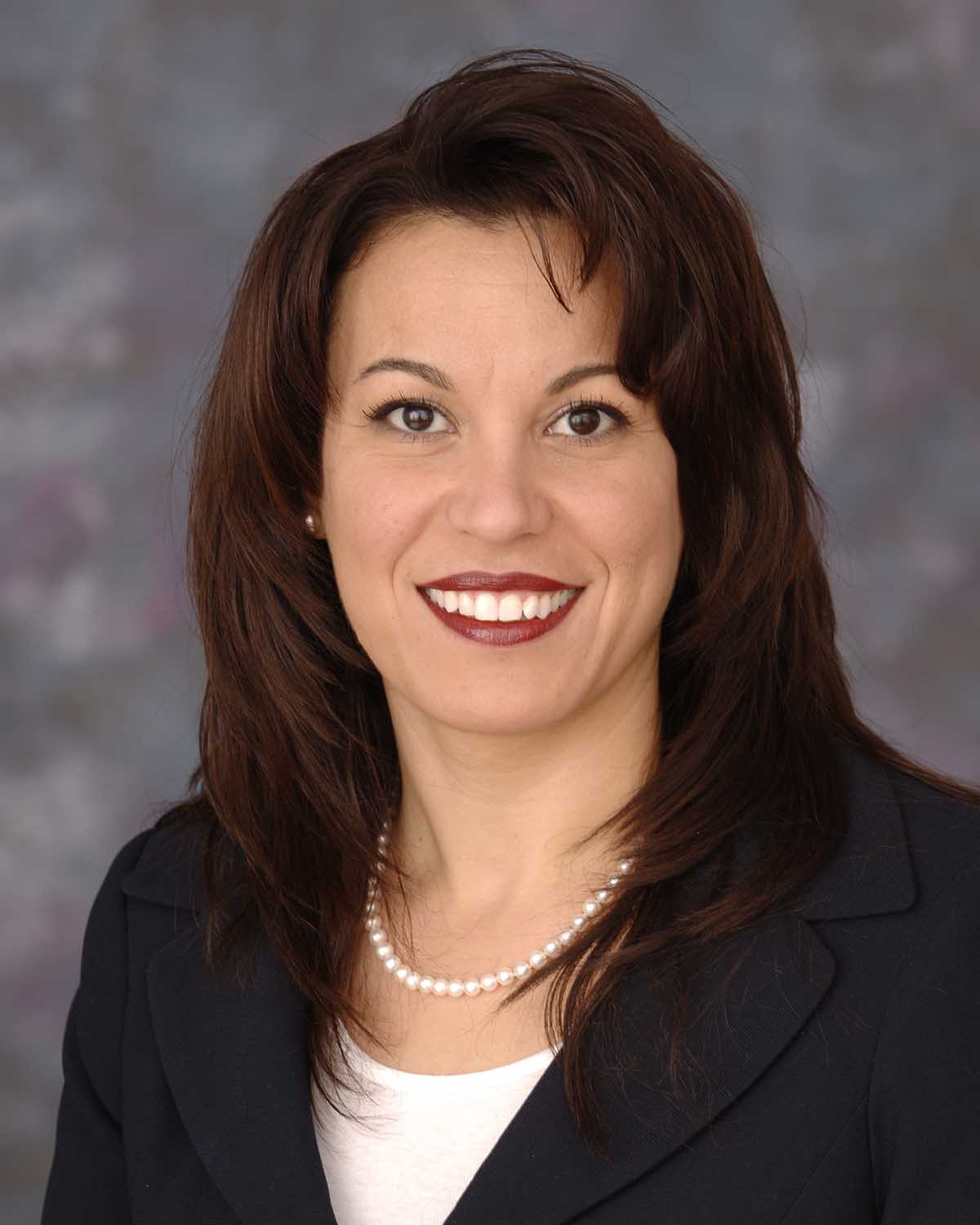
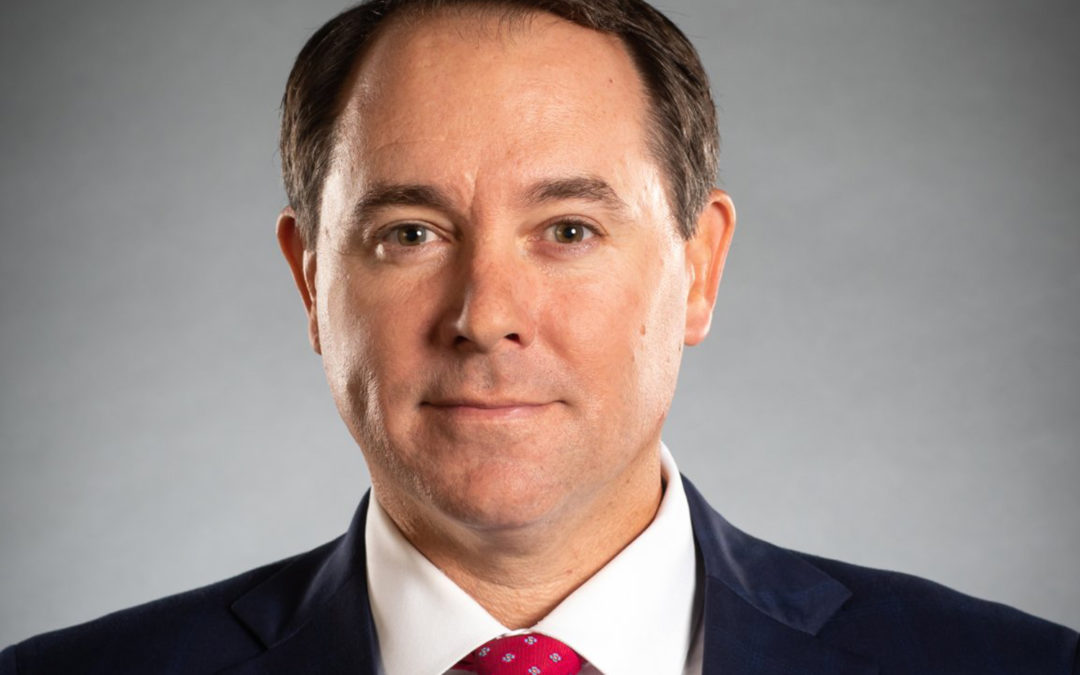
Bryan Hough

As mayor, where do you see your city heading in the future?


Reid: We have set some very aggressive goals related to our infrastructure, healthy communities, good government, economic vitality, our community identity, and for the safety of our community. In the coming years, we will continue to build on our momentum of growth and entrepreneurship. We also must continue to bring everyone to the table because we are a diverse city. One other goal that I would like to see the city work toward is for more diversity and inclusion. I want to put more emphasis on getting our residents from different cultures and different age groups involved in our city’s future – to build a sense of belonging and bring everyone together. Let’s hear more and different voices. I want the city of Gastonia to become the best city we can possibly be. Considering we are between Charlotte and Atlanta, we have a lot to offer.


Hough: Quality of life has been a key focus for the city. We want to be connected to the Catawba River via a greenway system that we are developing. We will have around 9 miles of greenway development near the river and 200 acres have been preserved for eco-tourism, such as canoeing and kayaking. We will have a bridge near the Dutchman’s Creek greenway area that will help with development near the river. The greenway system will stretch from I-85 to Highway 16 once it is completed. Mount Holly is home to very active residents who like to swim, bike and kayak. We want to connect with nature, which is part of our logo. That is our niche in the Charlotte Metro Area.

To learn more about our interviewees, visit:

https://www.cityofgastonia.com/

https://www.mtholly.us/

Spotlight On: Leor Hemo, Founder & Managing Principal, Vantage Real Estate Services

Spotlight On: Leor Hemo, Founder & Managing Principal, Vantage Real Estate Services

By: Yolanda Rivas

2 min read January 2020 — Real estate investors from high-valuation areas like New York, North Jersey, Texas and California are bringing considerable activity to the Southern New Jersey region due to its affordability, according to Leor Hemo, founder and managing principal of Vantage Real Estate Services. The Invest: team recently interviewed Hemo about the strengths, challenges and areas of growth in South Jersey’s real estate market. 


 What unique investor opportunities does South Jersey offer?

South Jersey geographically is positioned to attract not only investors but also companies that require space, such as those in logistics, transportation and warehousing. South Jersey has the land mass to allow for large-scale, industrial developments. I-95 and or I-295 and the New Jersey Turnpike connect to New York, Washington, D.C., Maryland, and further down to the Southern states. Comparatively, the eastern Pennsylvania and Philadelphia markets lack this land mass. With the national economy so strong, low interest rates and small business confidence up, we are experiencing an influx of small businesses leasing office space. There has even been increased activity in the retail world in the past few years. Retail space is being occupied by service providers, such as healthcare and financial services. There is a soaring demand for large-scale developments for multifamily projects in South Jersey. 


What is the landscape for healthcare real estate?

The large healthcare systems are taking over the traditional family practices and specialties. Dental specialists and oral surgeons are active in starting new practices or expanding them. The same can be said for physical therapists and chiropractors. These specialty practices are growing and fueling a large demand for space. By the nature of their business, chiropractors, physical therapists and dentists are always interested in retail space for visibility and exposure purposes.


What challenges do you face in South Jersey?

The biggest challenge is the bureaucracy from our local governments, as well as the tax burden on businesses and individuals. Real estate taxes are still the No. 1 issue for property owners and businesses because of the impact on rents. Some regulations in place are hampering business and growth.


What is your outlook for the company and the market?

In terms of Vantage Real Estate, we just opened a new office in Philadelphia. It is a market we are rapidly growing into. We are also expanding our services portfolio: We have expanded our services and specialties and offer healthcare real estate, business brokerage, investment sales and multifamily as well. If the economy does well, South Jersey will do well, provided the regulatory framework remains unrestrictive. 


To learn more about our interviewee, visit:

Vantage Real Estate Services: https://www.vantageres.com/ 


Spotlight On: Julie Kleffel, EVP, Community Banking Executive, Seacoast Bank

Spotlight On: Julie Kleffel, EVP, Community Banking Executive, Seacoast Bank

By: Yolanda Rivas

2 min read January 2020 — Mergers and acquisitions are a trend in the banking industry. A little over a year after Seacoast Bank expanded its presence in the Central Florida area, through the acquisition of First Green Bank, Julie Kleffel, executive vice president and community banking executive at Seacoast Bank, spoke with Invest: about the impact of the merger.

What were some highlights for Seacoast Bank in Orlando over the last 12 to 18 months?

The most exciting highlight we had in the Orlando market was the acquisition of First Green Bank, which added significant customers and team members to our Orlando group, as well as the company at large. But the primary focus was in the Orlando metropolitan statistical area (MSA). As a result of that acquisition, as well as our organic growth strategy, Seacoast is now the No. 1 Florida-based company in the Orlando MSA by way of deposits. 

Highlight No. 2 is that this is the fastest-growing market among all the MSAs that Seacoast serves across the diverse state of Florida. The dynamic growth and diversification of the Orlando economy has been beneficial to the bank’s overall growth, which has also improved our ability to invest in our community. Seacoast also was recently named by Forbes 100 as one of the fastest-growing companies in the world as measured by growth in revenues, profits, and stock return. We are very proud of that because it is not just about growth but about profitable growth that we’re returning to shareholders.


How do you plan to incorporate First Green’s environmental initiatives into Seacoast? 

Seacoast has been very focused on its promise to invest in you and your community, and this initiative aligns with that purpose. Probably, the biggest pillar is offering financing to consumers and businesses to instal solar panels to provide sustainable energy. Because we’re a bigger institution now, we were able to extend the solar panel loan program and make it easier for customers. We were able to give them access to capital faster by using some of our technology platforms. As well, First Green offered charging stations for hybrid and electric vehicles at their branch locations. We have expanded this program and are working now with some local partners to continue expanding it. The response has been very positive, and we look forward to doing the same across the state. We have also started recycling at our Orlando branches by partnering with local municipalities.


To learn more about our interviewee, visit:

Seacoast Bank: https://www.seacoastbank.com/ 

Face Off: Osceola County Cities Sharpening Economic Growth Plans

Face Off: Osceola County Cities Sharpening Economic Growth Plans

By: Yolanda Rivas

2 min read January 2020 — Amid the growth in Orlando’s economy and population, local cities are emphasizing the unique characteristics of their respective business communities. The city of Kissimmee is taking advantage of its aviation industry, while the city of St. Cloud is looking to expand its experiential and entertainment retail offer. The Invest: team spoke with Belinda Ortiz Kirkegard, economic development director at the city of Kissimmee, and Antranette Forbes, St. Cloud’s economic development manager, about their efforts to grow their economies while taking care of their existing businesses. 

What are the key industries for the city’s economy?

Belinda Ortiz Kirkegard: Aviation is a growing industry in Kissimmee, as the city owns a general aviation airport, Kissimmee Gateway Airport. This airport is predominately the airport of choice for corporate jets or private plane owners arriving to go to the Orange County Convention Center or a Central Florida theme park. Kissimmee Gateway Airport is also a relief airport for Orlando International (OIA), providing services for noncompatible OIA uses.  Additionally, understanding the value of high-wage aviation jobs, the city launched its Aerospace Advancement Initiative to attract companies to our airport. A recent Florida Department of Transportation study showed our airport yields a direct annual economic impact of $190 million. In the last seven years, the airport has grown by over 300 jobs.

Another growing field in Kissimmee is the medical sector. The city of Kissimmee is home to two strong, growing hospitals, AdventHeath-Kissimmee and Osceola Regional Medical Center. Combined, these hospitals have invested over $300 million in campus expansions or are growing their service lines. To capitalize on that growth, the city launched its Kissimmee Medical Arts District, providing economic development incentives specifically to attract more physicians and medical companies to the area. When new medical companies enter the market, they provide new job opportunities, but it also results in more medical services available to residents. It’s a win-win.   

Antranette Forbes: Retail and professional services are our key industries. In fact, 35% of our business is service-oriented. In the medical industry, St. Cloud Regional Medical Center is our largest nongovernmental employer. They have over 500 employees and the majority are in medical or medical-related professions. We also have a large population of dentists. From a business recruitment standpoint, that is a great opportunity for medical device providers, assisted living facilities and other related companies.

We are focusing on diversifying our retail footprint. We are looking to attract experiential and entertainment retail. We have places to shop and eat, and now we are focusing on providing options to play. We also need more diversity in our industrial sector. While we may not have a high amount of space to do industrial, we do have talent who can perform in the sector.

How do you support the interests of residents, while focusing on expanding the city’s business community?

Ortiz Kirkegard: Meeting the needs of our residents is always at the forefront of economic development. Programs are designed to attract companies that provide high-value, high-wage jobs to the community. As our economic development program has evolved, so have the job opportunities, and that helps advance our household income levels. Additionally, the evolution of the program has worked toward diversifying our economy by no longer being solely tourism centric with jobs circling retail and hospitality. Although tourism will always be at the heart of Central Florida, diversifying industries increases our economic resilience.  

Forbes: We are implementing numerous strategies to diversify our economy. We have over 1,300 registered businesses in St. Cloud. Over 35 percent of those are home-based businesses. These types of businesses are an important contributor to our economy. These “mom and pop” types of companies are a major focus for us. We are looking to move them out of their homes and into office or storefront space. By helping them to reach that next level, these are the businesses that will be hiring more employees and supporting our growth.

To learn more about our interviewees, visit:

City of Kissimmee: https://www.kissimmee.org/government/economic-development/economic-development-office 

City of St. Cloud: http://stcloud.org/926/Economic-Development 

Philadelphia Building on Life Sciences Success

Philadelphia Building on Life Sciences Success

By: Sara Warden

2 min read January 2020 — Last March, Philadelphia came in at an impressive eighth in CBRE’s ranking of top life sciences markets. Now, almost a year on, the city’s life sciences industry shows no sign of losing momentum – in fact, it is gathering speed.

Last week, the Philadelphia Science Center announced it would award $200,000 each to three Philadelphia-based researchers to develop their early-stage concepts for cancer treatment and diagnosis. The individuals – Ian Henrich, a postdoctoral researcher at the Children’s Hospital of Philadelphia; Emily Day, a bioengineer at the University of Delaware; and Haim H. Bau, a professor of mechanical engineering at the University of Pennsylvania – are developing novel technologies to progress the understanding, detection and prevention of cancers, HIV and sickle cell disease.

This strong focus as a city on the importance of cutting-edge research is one factor that attracts multi-million-dollar companies from around the United States to invest in Philadelphia, which in turn attracts auxiliary services such as specialized logistics and software companies. Digital marketing firm Imre Health, which represents AstraZeneca’s diabetes and respiratory portfolios, announced its decision to establish an office in Philadelphia late last year for just that reason.

“We have carved out a niche at Imre, redefining the patient and HCP experience through digital channels, and Philadelphia is the [ripest] with that kind of talent even compared to New York,” Imre’s President and Partner Jeff Smokler told PR Week. “We view this Philadelphia office as a major tool to help us manage growth and ensure that we’re keeping pace with service needs and requirements. We see the Philadelphia office as dousing the industry with more gasoline.”

But the real test of the success of any company is its ability to list on a stock exchange. In 2019, three of Philadelphia’s life science companies went public, raising nearly $200 million in IPOs. Arch Street-based biotech company Cabaletta Bio raised $74.8 million. Galera Therapeutics, which is developing a treatment that reduces harmful effects that stem from radiation therapy, raised $60 million, with an option for investors to purchase an additional 750,000 shares. And in November, Tela Bio, a surgical reconstruction company developing novel material for tissue reinforcement, raised $52 million in exchange for the 4 million shares it leveraged.

It doesn’t stop there. In October, Anpac Bio, a Chinese bio-medical science company, chose Philadelphia for its US headquarters and second clinical laboratory. “We are very excited to be moving forward with our U.S. corporate headquarters and laboratory in Pennsylvania. The state has a mature life sciences ecosystem and a supportive startup environment that will allow our U.S. business to lay the foundation for future success,” said Shaun Gong, Anpac’s U.S. president, in a press release.

To learn more, visit:

https://sciencecenter.org/

https://www.cbre.com/

https://imre.com/health/

https://cabalettabio.com/

https://www.galeratx.com/

https://www.telabio.com/

https://www.anpacbio.com/


Spotlight On: Shaun Kwiatkowski, General Manager, The Godfrey Hotel and Cabanas Tampa

Spotlight On: Shaun Kwiatkowski, General Manager, The Godfrey Hotel and Cabanas Tampa

By: Max Crampton-Thomas

2 min read January 2020 — The hospitality industry in Tampa Bay welcomed several new hotel offerings into the marketplace in 2019, and 2020 is going to see the introduction of even more inventory. Invest: spoke to Shaun Kwiatkowski, the general manager of one of the newest offerings to the Tampa Bay region, The Godfrey Hotel and Cabanas Tampa.  Besides a bountiful 2019, Kwiatkowski also spoke about the importance and benefits of operating as an independent brand in a market that is saturated with corporate offerings, as well as his view on the impact of the sharing economy in the Bay. 


How would you describe The Godfrey’s performance in 2019? 


In 2019, we enjoyed the continued market penetration of our brand. We are still pretty new and usually the ramp-up period for a hotel brand in this market can take up to five years to really penetrate and become established, especially a new, independent hotel like The Godfrey. We do not have the Marriott or the Hilton behind us, so we have to rely on a lot of specific strategies to execute. We feel that we have been able to penetrate the market effectively in a short period of time. We have had a lot of growth, which we measure by ADR growth. We had almost double-digit ADR growth last year, which equates to RevPar growth in the hotel’s revenue results. We’re very thankful and proud that we have been able to grow that ADR a little bit faster than the market as a whole. When you look at the Tampa Bay market this past year, occupancy rates had stayed pretty much flat, but I believe that has a lot to do with the additional room supply coming into the market. 


How has operating as an independent brand been beneficial and a challenge to the hotel? 


Being an independent brand can create benefits, but there are also challenges to that. As the business and the industry have evolved, demand has changed and today, many people want something different from the corporate type of hotel. Not to take anything away from those brands, but people do want to have the unique and fun experience that an independent brand can provide, similar to our food and beverage experience in WTR Pool & Grill. That is exactly who we are. If we look at the market as a whole, we are starting to see some of those big-name brands evolve into a more independent style. We are seeing those independent, millennial-focused brands growing in popularity, especially in this area.


A big challenge for us across the industry is employee retention and finding the right talent. We drive employee retention through the culture that we create within the hotel. If we find a good employee, we reward them and we guide them through their career. When we are looking at recruiting people to fill our open positions, it is more about the person than their skills. I can teach you most of the skills to be a front desk agent or to be a server, but I can’t teach you to smile. I can’t teach you to be positive and warm. This means we always have to be in our recruiting mindset and look for those individuals who have the hospitality spirit.


How has the sharing economy impacted your business, if at all? 


In regards to the impact from the sharing economy and things like Airbnb, there’s enough room for everyone to play, from our perspective. The Godfrey has not seen a major impact from the sharing economy. If the average person does a normal search of Airbnbs in this region, there is not as large an inventory as you might find in Boston or Chicago. That being said, when we look at what Airbnb is doing and the future of their booking channel, that is something that’s on our radar. If there is an opportunity there that works for us, we are going to investigate it and see if there is enough return on investment to try and implement something similar.


To learn more about our interviewee, visit: 

https://www.godfreyhoteltampa.com/


Face Off: The Sunshine City’s Future Shines Bright

Face Off: The Sunshine City’s Future Shines Bright

By: Max Crampton-Thomas


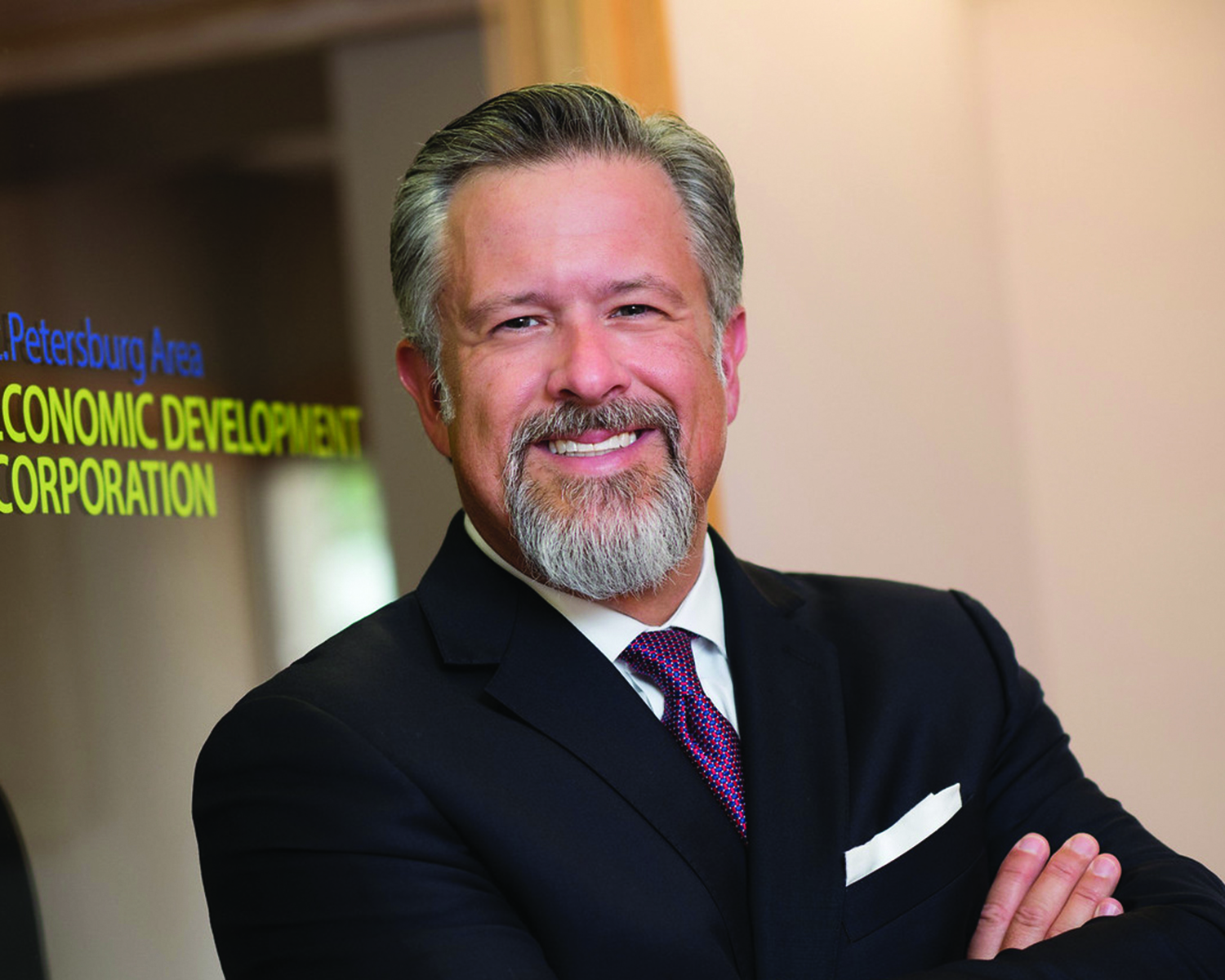
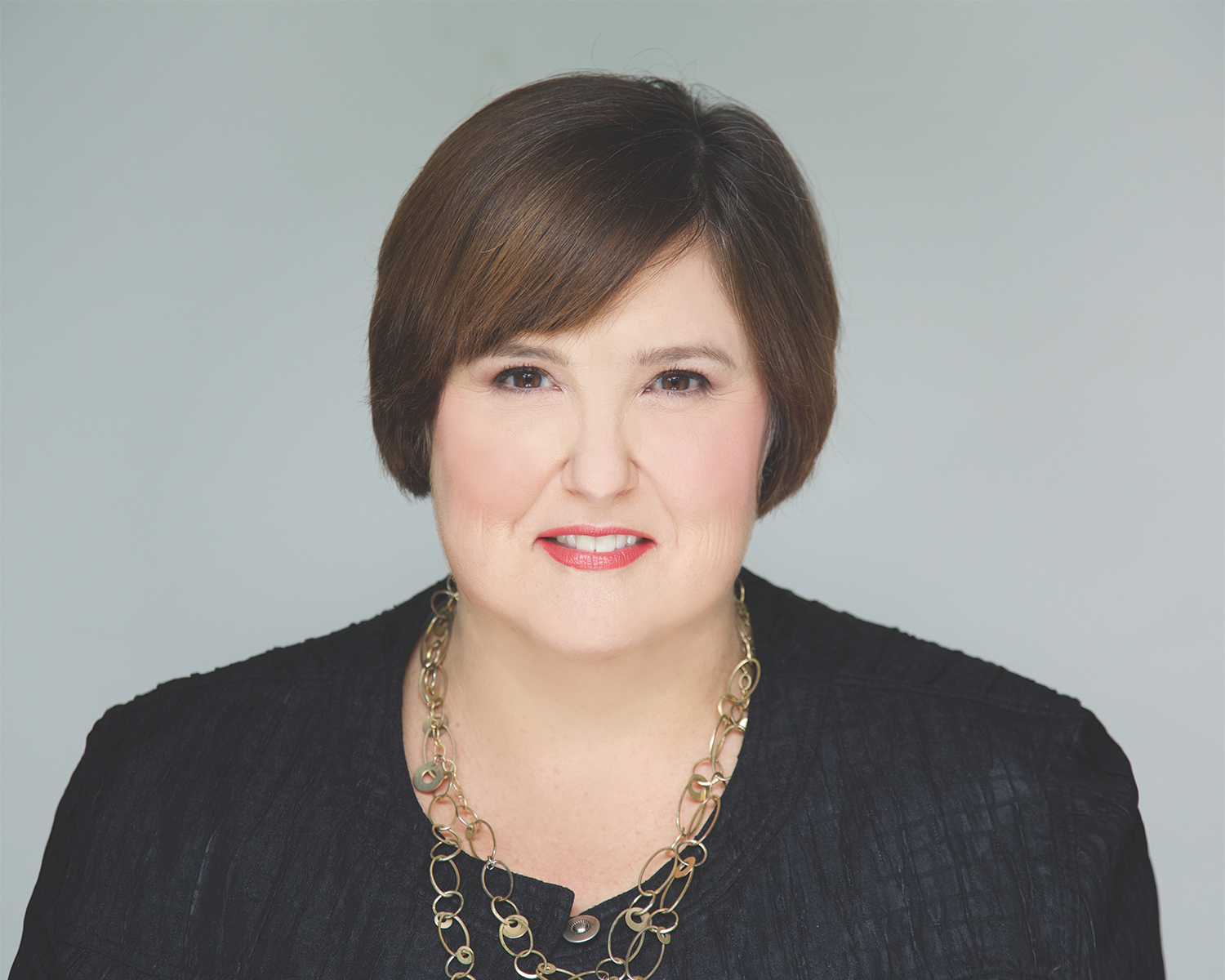
4 min read January 2020 Deliberate, calculated and fast-moving are just a few of the ways to describe the economic growth happening in the city of St. Petersburg. Long known as the “Sunshine City,” St. Pete has developed into an economic and arts and culture powerhouse within the Tampa Bay Region. This is in large part thanks to efforts by a motivated business community and community leaders. Invest: spoke with two of the prominent figures in the St. Pete community about their organization’s efforts to maximize the potential of their city. J.P. DuBuque, the president of the St. Petersburg Area Economic Development Corporation, and Alison Barlow, the executive director of the St. Pete Innovation District, also discussed their view of the future and the challenges that await. 


How are you working to promote economic expansion in St. Petersburg?

J.P. DuBuque: As an EDC, our primary role is to help grow jobs in the St. Petersburg area. One way we can contribute to that is by attracting new companies into our community. The most effective means of doing this is by telling our story, and to tell the story we have to know what the story is. This means we have to understand what our local community looks like. We are spending a good bit of time focusing on our local community to really understand the targeted industries that we want to enhance and grow. We are working with groups like the data analytics community and marine science community to best understand their needs. This in turn relays to us where the opportunities lie to attract new businesses to the region. Apart from this, we spend a lot of time out of the market, meeting with individual companies and other markets to tell them the great story of doing business in St. Petersburg. Sometimes this is through coordinated business development missions, while other times it is by leveraging non- economic-development-related conferences like South by Southwest or through focused sales development efforts.

Alison Barlow: The entrepreneurial ecosystem and talent development are two big areas of focus for us. We are doing a program called Innovation Scholars, which provides unique job shadowing opportunities for first-year students at USF St. Petersburg. We have already paired 39 students with companies in the Innovation District and around Downtown. We are also exploring ways to incubate more marine technologies, such as sensors, drones and ROVs, as well as encouraging the link between marine and life sciences.

As part of our efforts to attract businesses and talent to the district, we offer a variety of office space types. We are also focusing on connecting people who are located near the St. Pete Innovation District and making them part of the district. We are supporting the creation of social spaces by encouraging restaurants and retailers to come to the area. We are also supporting the full range of housing, from fully-assisted affordable housing to workforce, multifamily and luxury condos.

From your perspective, what is one of the most significant challenges for economic growth in St. Petersburg?

DuBuque: The biggest challenge for us is perception versus reality, and I believe this is a statewide challenge. When you look at what people think regarding some of the things that are necessary to build a successful business, and a successful quality of life, there are some perception challenges for Florida. The perception that Florida is not a good business environment, and that our school systems are not up to par are a real challenge. The perception, and reality, of Florida’s lack of mass transit is a real issue that needs to be overcome. When we have an opportunity to show folks what the reality is, they are typically pleasantly surprised.

Barlow: We are leading conversations with local health institutions about how changes in our oceans have an impact on our people. Human and ocean health are becoming much more related. For example, last year we had a significant red tide, and while the marine scientists were looking at the causes that were making it worse and the impact on marine life, the physicians in our area were seeing an uptick in asthma issues due to the airborne aspect of red tide.

We have some of the best sea level rise experts in St. Petersburg. It is encouraging to see the progress of their research looking at temperature fluctuation, the infiltration of bacteria and nutrients in the water that is contributing to algae blooms such as blue-green algae and red tide. They are turning this deep research into practical knowledge for the community. 

What has you excited for the future economic growth in St. Petersburg?  

DuBuque: It is important to remember that growth is necessary for us to move forward as a society. If we are not growing as individuals and as a community, then we are actually moving backward. That said, the level of proactivity from the Economic Development Corporation allows us to select the types of businesses that we want to really bring here. That in and of itself will help move us forward. We also have a full community commitment to the Grow Smarter Strategy, which gives us a common road map for every person in the economic development game. Those things allow us to maintain the culture and character of St. Petersburg while still moving forward. The worst thing that we could do is to kill the golden goose, which for us is the vibrancy, authenticity, arts, creativity, innovation and “funk” of St. Pete.

Barlow: We are excited about our progress on our smart city project. The St. Pete Innovation District is partnering with Spectrum and US Ignite to test concepts around smart city technology to improve the lives of the people in our community. It is also a chance for us to try sensor technology and think about what it would mean for educational and workforce opportunities. We are getting closer to installing four smart light poles on the University of South Florida St. Petersburg campus that will have power, internet and the ability to host environmental and traffic sensors.

To learn more about our interviewees, visit:

https://stpeteinnovationdistrict.com/the-district/

https://stpeteedc.com/


Broward County’s Economic Growth, Sustainability and Key Sectors to Highlight Launch of Invest: Greater Fort Lauderdale 2020

    January 21, 2020

Dale V.C. Holness, Mayor of Broward County, will give the keynote address at the launch of Capital Analytics’ third publication focusing on Greater Fort Lauderdale. 

Broward County, FL – Broward County’s booming real estate market, powerhouse tourism sector and burgeoning startup ecosystem are just some of the focal points of the third edition of Invest: Greater Fort Lauderdale from Capital Analytics. The 2020 edition highlights the region of Greater Fort Lauderdale, including Fort Lauderdale, Plantation, Dania Beach and Hollywood, with a special focus chapter on the City of Tamarac. 

Invest: Greater Fort Lauderdale is an in-depth economic analysis that highlights business opportunities for investors, entrepreneurs and innovators in the Broward County area. These include Broward County’s commercial real estate market that remains one of the hottest in Florida, as well as the region’s residential real estate market that is attracting a variety of demographics, from millennials to retirees. Marine & Logistics are also covered in detail as the county remains the dominant force in this sector with the trade powerhouse that is Port Everglades and the city of Fort Lauderdale retaining its title as the yachting capital of the world. The publication also dives into the construction and infrastructure sectors as the economic growth for both remains strong while mitigating the effects of rising sea levels is now a top priority. 

The official launch of the publication will take place on Thursday, Jan. 30, at the Riverside Hotel. Following a short networking breakfast, Dale V.C. Holness, Mayor of Broward County, will give a keynote address that underscores some of the major achievements of Broward County’s economy over the past 12 months. This will be followed by two robust panel discussions.

The panels will address major themes currently dominating Broward County’s economy: construction and real estate development, and corporate and personal financial sustainability. Alan Hooper of Urban Street Development, James Fox of Maddox Group, Brad Meltzer of Plaza Construction and Gerald Stryker of John Knox Village will participate in the panel, “Sustainable Growth in Broward’s Construction & Real Estate Development.” Philip Rosen of Becker will moderate. The second panel, “Corporate and Personal Financial Sustainability for 2020,” will feature Tony Coley of Truist, Jeffery Klink of Valley National Bank and Michael Balter of Marcum LLP. The moderator will be Jack Miller of Capital Analytics. 

The event will be attended by hundreds of high-level guests and officials from Broward County’s key industries and economic institutions. 

“The Broward County market has not only shown unprecedented growth over the last decade but it also presents an opportunity for national and international investors alike,” said Abby Melone, president of Capital Analytics. “Broward County has been one of the strongest and most interesting market choices for our company due to this economic growth. We will be releasing our next South Florida title, Invest: Miami and Invest: Palm Beach  in Q3 of 2020.”  

***

About Invest: Greater Fort Lauderdale

Invest: Greater Fort Lauderdale is an in-depth economic review of the key issues facing Greater Fort Lauderdale’s economy, featuring the exclusive insights of prominent industry leaders. Invest: Greater Fort Lauderdale is produced with two goals in mind: 1) to provide comprehensive investment knowledge on Broward County to local, national and international investors, and 2) to promote Broward County as a place to invest and do business.

The book conducts a deep dive into the top economic sectors in the county, including real estate, construction, utilities and infrastructure, transportation and aviation, banking and finance, legal, healthcare, education, and arts, culture and tourism. The publication is compiled from insights collected from more than 200 economic leaders, sector insiders, political leaders and heads of important institutions. It analyzes the leading challenges facing the market, and uncovers emerging opportunities for investors, entrepreneurs and innovators.


For more information, contact: 

Max Crampton-Thomas

Content Manager 

305-523-9708 Ext: 233


Spotlight On: Heath Campbell, Metrolina Regional President Charlotte, Truist

Spotlight On: Heath Campbell, Metrolina Regional President Charlotte, Truist

By: Felipe Rivas

2 min read January 2020 — In December, the banking industry welcomed the nation’s sixth-largest commercial bank as the merger between BB&T and SunTrust was completed to create Truist Financial Corporation. The organization chose Charlotte as its headquarters to begin the new enterprise. The region’s banking legacy, strong financial service workforce and diversifying economy helped solidify Charlotte as Truist’s official headquarters. In an interview with Invest: Charlotte, Truist Metrolina Region President Heath Campbell talks about the factors that brought Truist to the region, the meshing of the BB&T and SunTrust cultures moving forward, and how Truist plans to tap into Charlotte’s financial services workforce.   


What factors led to the selection of Charlotte as the location for Truist’s headquarters?


BB&T has a great heritage in Winston-Salem in the same way that SunTrust does in Atlanta, however our leaders, in the true spirit of a merger of equals, selected a new city in which to base Truist.


Charlotte was a natural choice. Both BB&T and SunTrust had operations here, and it is one of the world’s top financial centers and an emerging fintech hub, with access to incubator and accelerator programs, data science and education programs. The area has the second-largest population of financial services professionals behind New York City. Charlotte also sees more than 33,000 newcomers each year, attracted by career opportunities, diverse living options and a favorable cost of living.


How will the cultures of BB&T and SunTrust mesh as Truist establishes itself in the market?

There are not a lot of mergers of equals because they are hard to pull off. The cultures of the organizations need to be compatible – and they were with BB&T and SunTrust. While we have different practices, we shared a very similar vision, mission and values. We took different strategic paths in how we went to market, but what we stood for was very similar. As Truist, we are doubling down on our community bank philosophy. We are building a client-centric business model. BB&T and SunTrust had complementary strengths. For instance, SunTrust built an investment banking platform that was unparalleled and BB&T had a strong legacy in community banking and insurance. We are combining those strengths to benefit the clients and communities we serve.           


How will Truist tap into Charlotte’s financial services workforce?


I’m particularly proud that when we announced this merger, we not only committed to being best in class for our clients, but recognized that our teammates are at the heart of great client experiences. Truist is a dynamic place to work, offering industry-leading benefits and opportunities for all sorts of professional positions, including insurance, investments, and core banking.


We’re making our mark on the industry by offering a strong benefits programs and great opportunities to build careers, a total rewards program to attract and retain the best talent: the unusual combination of offering both industry-leading 401(k) matches and a pension plan to most teammates; industry-leading time off programs to ensure maximum flexibility in planning life events; and financial wellness programs.


There is also a place for those interested in computer science and engineering. We are creating an Innovation and Technology Center in Charlotte that will be dedicated to the ongoing enrichment of client experiences. The Innovation and Technology Center will focus on optimizing technology to serve our clients at every interaction, whether it takes place in a branch, over the phone or through a digital channel. The Technology and Innovation Center will also focus on equipping teammates with solutions to deliver personal touch and care to clients. We see this combination of technology and personalization as vital to ensuring clients’ trust and confidence in the security, simplicity and convenience of our services.


To learn more about our interviewee, visit :https://www.truist.com/