Spotlight On: Les Vail, CEO & President, Gloucester County Chamber of Commerce

Spotlight On: Les Vail, CEO & President, Gloucester County Chamber of Commerce

By: Yolanda Rivas
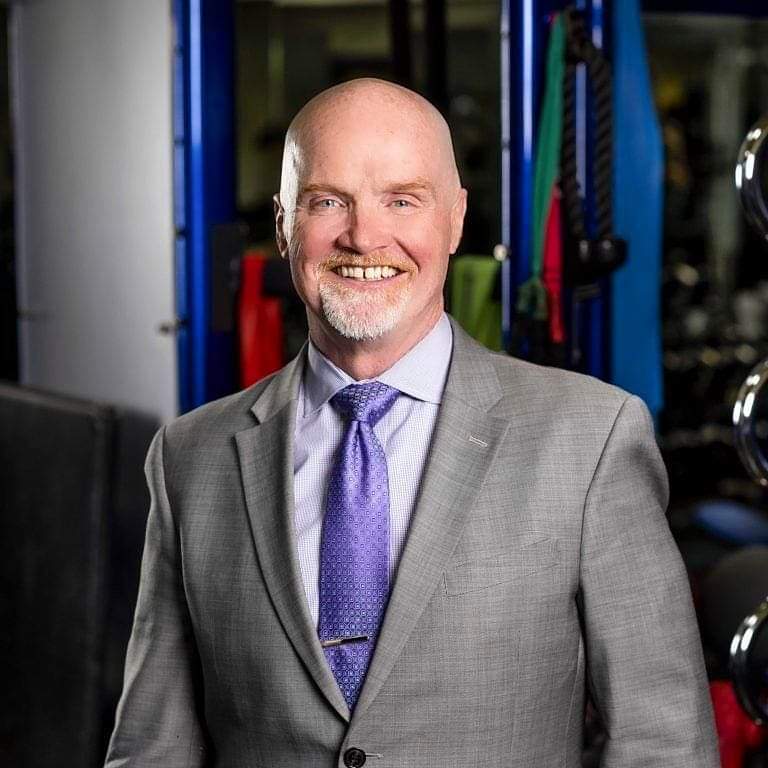
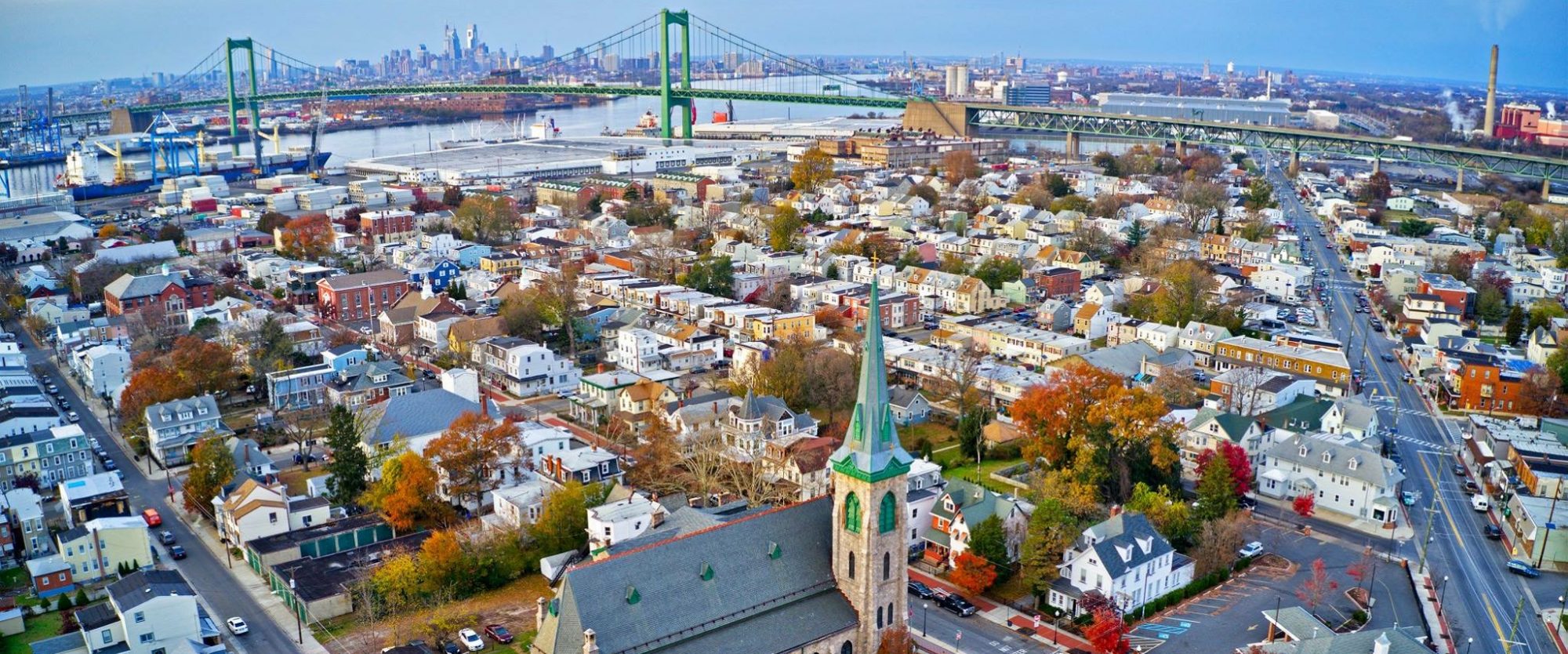
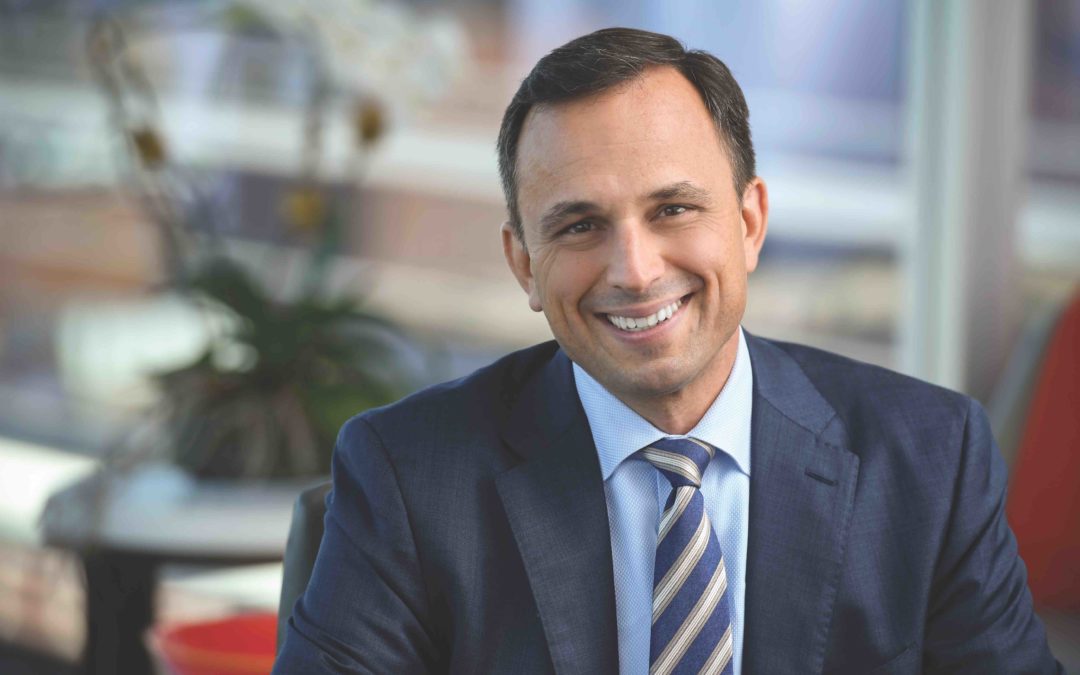
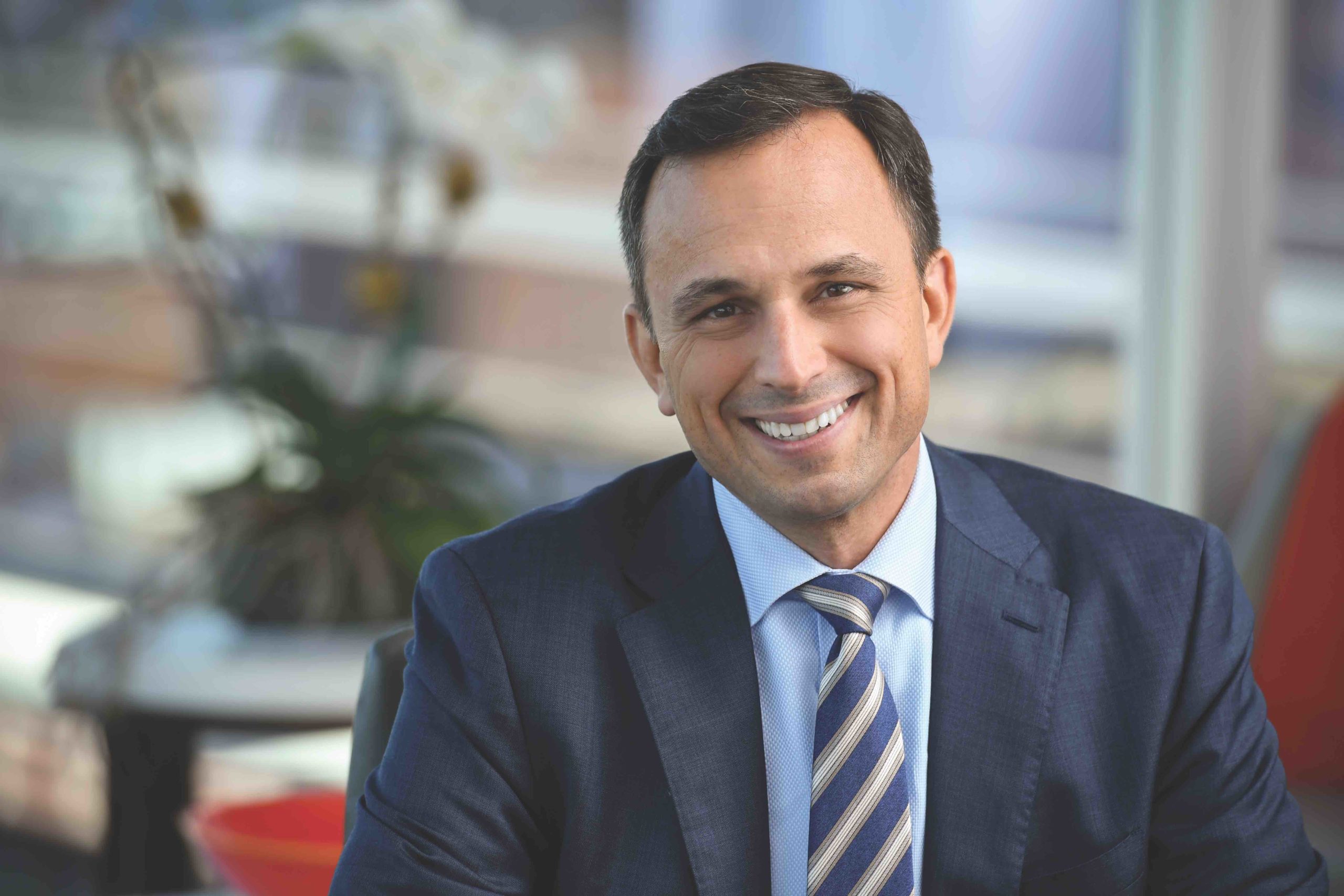
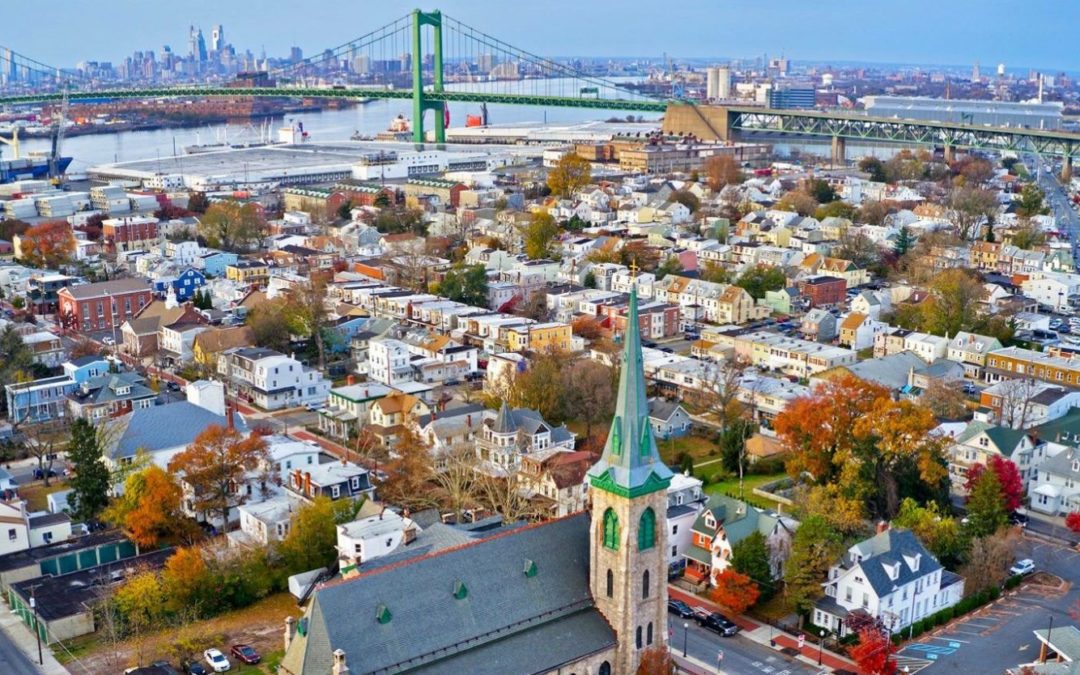
2 min read January 2020— The Gloucester County Chamber of Commerce’s focus on business development and education has positioned it as the fifth-largest chamber in the state of New Jersey. The chamber’s partnerships with local county colleges and universities have been key for businesses and the local workforce. Les Vail, president and CEO of the chamber, discussed with Invest: the different ways the chamber is promoting Gloucester County as an economic engine in the region.


 What have been some of the highlights for the Gloucester Chamber of Commerce over the past 12 months?


We have been making a concerted effort over the past year to improve branding and marketing to ensure that our message reaches as many people as possible. We initiated a partnership with Rowan College of South Jersey that provides around 30 percent discounts on degree tuition fees for any of our employees and members. We are already seeing that initiative bearing fruit, with over 12,000 unique visits per week across our social media platforms and a significant uptick in returns on our email blasts.


How is the chamber working to promote South Jersey as a catalyst for economic development in the tri-state area?


We have grown to become the fifth-largest chamber in the state with almost 1,000 members, and a big reason for that success is our focus on business development. We act as the middleman to help companies and executives connect with each other. Our efforts on education are also vital. We firmly believe that economic development starts with educating the workforce, as this is what attracts new businesses to the region. 


Manufacturing, for example, has a great need for employment. Gloucester County is the fifth-largest region in the country for food manufacturing. The sector offers competitive wages, but it is struggling to find sufficient numbers of skilled workers, not only for now but for the future. The industry does not necessarily require a college degree, but usually requires some form of certification. That’s where our partnerships with local county colleges can have an important impact. We listen to the business community and we support them in their efforts to increase the number of qualified workers for this industry.


What kinds of businesses are you trying to attract to the Gloucester County region?


We are not known as a technology hub, but we have a research institution and two medical schools that are contributing in this area. So we are looking to attract technology-based industries that can offer competitive wages. We have the land capacity and infrastructure in place to attract these businesses.


What are the main challenges facing businesses in the county?


Workforce is still the main issue. We need more plumbers, electricians and carpenters. Manufacturing businesses and refineries, despite offering attractive salaries, are struggling to find their future workforce. It is important to change the mindset of young people today and to let them know that not every career requires a college degree. We need to find people without college degrees and include them in the workforce by giving them valuable skills that contribute to the economy. This process starts in high school, so it is encouraging to see institutions like Gateway Regional High School offering guidance and advice on potential career paths to students from an early age.


To learn more about our interviewee, visit:

Gloucester County Chamber of Commerce: https://www.gc-chamber.com/


Spotlight On: Les Vail, CEO & President, Gloucester County Chamber of Commerce

Gloucester County Emerges as the Jewel in South Jersey’s Crown

By: Sara Warden

2 min read January 2020 — In a roundtable published in Forbes this week, the magazine’s Real Estate Council made a definitive ranking of the 14 Up-and-Coming Real Estate Locations to Watch. Coming in at No. 13 was none other than South Jersey’s very own Gloucester County. “For the most inspired growing area, look to Gloucester County in South Jersey!” said panelist Nancy Kowalik, owner of Nancy Kowalik Real Estate Group. 


But why is this county gentrifying so quickly? According to Kowalik, it’s because Gloucester County has everything. “Located close to the city and the shore, we have green spaces, room to breathe, wineries, a quaint Downtown and bike paths,” she said. “It’s all here, and that’s why world-class Rowan University is growing. A new 1,000-bed, state-of-the-art hospital is opening, too.”

The hospital to which she is referring is the Inspira Medical Center Mullica Hill, 465,000-square-foot development over 100 acres with 210 private rooms, a maternity center and 62-room emergency department. The project, the county’s first new hospital in almost 45 years, was built with raised funds of $23 million, a campaign that took just seven months to reach its target.

“This is a tremendous day for South Jersey, Gloucester County and our health system,” John DiAngelo, Inspira Health’s CEO and president, said at the hospital’s ribbon-cutting ceremony in December. “With this new hospital, our commitment to providing exceptional care for our community, in our community, reaches a new level. We are excited to bring the latest in healthcare to the people of Gloucester County and surrounding communities.”

As far as the university expansion, one of the main developments has been the $400 million, 26-acre Rowan Boulevard project. 

As well as the healthcare sector and academia, Gloucester County is also proving to be attractive for the private sector, and has become somewhat of a home to craft breweries. The most recent addition is Core3Brewery, a new player that joins the ranks of Human Village Brewing Co. in Pitman, Eight & Sand Beer Co. in Woodbury, Cross Keys Brewing Co. in Williamstown and Death of the Fox Brewing Company in Clarksboro. 

“We were really drawn to the way they are building up the area around the college and definitely see the positive direction the area is moving in,” Krystle Lockman, owner of Axe and Arrow Microrewery, told South Jersey Business Journal. “It’s great to be on the ground floor of this redevelopment project in an area we have so many ties to.”

And Core3’s owner, Lawrence Price, told South Jersey Business Journal that the ease of doing business in the county will only contribute to its continued growth. “[The borough] has been so supportive and helpful and business friendly. Everything they could do to help us, they did,” he said. “Mayor Tom Bianco has always been upfront with us and in the mix of things, stopping by at least once or twice a week to see how things are going and if there is anything he can do.”


To learn more, visit:

https://www.nancykowalik.com/

http://www.inspirahealthnetwork.org/mullicahill

https://www.rowan.edu/

http://www.core3brewery.com/

https://axeandarrowbrewing.com/


Spotlight On: Daryl Tol, President & CEO, AdventHealth — Central Florida Division

Spotlight On: Daryl Tol, President & CEO, AdventHealth — Central Florida Division

By: Yolanda Rivas

2 min read January 2020 — The increase in free-standing healthcare locations across the nation continues to be a great part of many healthcare institutions’ renovation efforts. Faith-based, nonprofit organization AdventHealth has been expanding its free-standing locations in response to this trend. AdventHealth is also re-designing its system to adjust to the diverse population moving to Florida. President and CEO of AdventHealth’s Central Florida Division Daryl Tol spoke with Invest: about the network’s efforts to respond to national and local trends. 

What are the fastest-growing areas of service and care in Orlando?


There are several. One is the free-standing emergency room. We have added quite a number of free-standing locations with doctors and emergency services in areas of need, instead of having to build a whole hospital. We are growing our academic work around community cancer research. The cardiovascular institute is seeing high demand as well. We are also redefining our primary care model to include virtual care, which will allow patients to connect via video or text messages with their doctor.

What has been the impact of the healthcare industry as a dominant growth driver in the region?


If you look at Florida, and Central Florida in particular, growth is happening here in a significant way. We are managing a considerable line of growth in the senior and multicultural population. People from all kinds of backgrounds are moving into the state. We are responding to that in the way we design our system. We provide care for seniors and for people from all kinds of different backgrounds to communicate more clearly, enhance translation services and build locations in new communities, including communities of need that haven’t had healthcare historically. We believe our network should be accessible to everybody.


What are some of Advent Health’s strategies for innovation in providing quality care and patient experience?


The Center for Genomic Health is an important effort. It will focus on personalization around the patient’s personal profile. It will help us understand which medications and types of treatments work better for each person and identify risk factors. We can start really investing in each patient’s particular needs. A second effort is putting technology in the hands of consumers through our mobile app, which will launch its 2.0 version this year. It will alert people about care that is needed, help them in the scheduling of certain services and create price transparency. We have also launched a command center — the largest of its kind in the nation, both in size and scope of operations — where artificial intelligence will be used to provide the best care in how people get to our locations.


We’re a significant leader in robotic surgery. For a long time, our Nicholson Center has been a training center for robotic surgery. We have a number of robots there that surgeons use to perform surgery. In 2018, we were the first to purchase and perform a procedure with a new robot. We see robot technology improving, and we’re on the leading edge of that work as well.


To learn more about our interviewee, visit:

AdventHealth: https://www.adventhealth.com/hospital/adventhealth-orlando 

New inventory, worldwide recognition to expand Philly’s hospitality in 2020

New inventory, worldwide recognition to expand Philly’s hospitality in 2020

By: Yolanda Rivas

2 min read January 2020 — Philadelphia’s hospitality industry welcomed a variety of hotels and restaurants in 2019, and the new year will see that growth continue. The city’s expanding and diversifying hotel inventory is a trend that even industry leaders are keeping an eye on.

“We are closely monitoring the impact of additional supply entering the market in 2020, and continue to ensure we are providing our guests with a unique and personal experience that helps to create the loyalty we know will keep our valued guests staying with us year after year, as the options in our city continue to expand,” Michael Roberts, area general manager at The Windsor Suites Philadelphia told Invest:.

Philadelphia’s growing business community has presented a variety of opportunities for the city’s hospitality sector. According to Visit Philadelphia President and CEO Jeff Guaracino, cities around the world are looking at private and public investments made in Philadelphia and how they’ve positively impacted the city’s tourism ecosystem.

“Recently, we’ve seen enhancements to the city’s historical, cultural and dining options, the Pennsylvania Convention Center and to our stadiums in South Philadelphia. These are just a few examples, but they show us how appealing our city’s product is when viewed holistically,” Guaracino said in an interview with Invest:

Another fact that can have a positive impact in the City of Brotherly Love’s hospitality sector is its recognition as one of the top destinations to visit in 2020 by National Geographic. Philadelphia was one of only two U.S. destinations (alongside the Grand Canyon) among the 25 must-see destinations and travel experiences in this year’s list of the Best Trips to take. “We’re thrilled that Philadelphia is featured so prominently and beautifully in this influential publication that we know drives travel decisions,” said Visit Philadelphia’s Guaracino in a written statement. 

In 2018, the Greater Philadelphia region marked its ninth consecutive year of record visitation and the highest number of passengers through Philadelphia International Airport since 2008, according to Guaracino. 

“The city is fairly evenly split in thirds between corporate, leisure and group business. We value each, and are always working to develop each segment. The type of traveler segment that is most prevalent does vary throughout the year. We experience the same variations in the business cycle,” said Roberts. 

Philadelphia’s new hotel inventory for 2020 includes: 

  • Canopy by Hilton Philadelphia Center City opening in May 2020
  • W Hotel opening June 2020
  • Element Hotel Philadelphia opening June 2020
  • The Hyatt Centric Hotel opening June 2020
  • River House at Odette’s opening June 2020
  • Live! Casino & Hotel Philadelphia opening December 2020


To learn more about our interviewees, visit:

The Windsor Suites Philadelphia: https://www.thewindsorsuites.com/ 

Visit Philadelphia: https://www.visitphilly.com/ 


Equestrian Festival Leads the 2020 Palm Beach Sports Charge

Equestrian Festival Leads the 2020 Palm Beach Sports Charge

By: Sara Warden

2 min read January 2020 — Horses are big business in Florida, which boasts the third-highest horse population nationwide behind only Texas and California. The state is home to half a million horses and the horse-riding industry pulls in an estimated $6.5 billion annually.


 This week, Palm Beach County welcomes the Winter Equestrian Festival – 12 weeks of elite competition ending on March 29. The contest attracts a diverse set, aged between 2 and 70, among them some of the most talented Olympians, adult amateurs, juniors and children from 52 countries. But many of these competitors have something in common: deep pockets.

The show-jumping prizes are often lucrative, and the Winter Equestrian Festival will award millions of dollars in total purse money to victors. But this is partly a reflection on the initial outlay to participate. “Only the wealthiest of families can afford to break into the sport. Today, prized horses can cost hundreds of thousands of dollars. The cost of maintaining a horse can easily reach tens of thousands of dollars a month,” according to Business Insider.

The Equestrian Festival is not the only sporting event Palm Beach residents can look forward to this year. Coinciding with the festival is the Palm Beach International Polo Season, held at the International Polo Club Palm Beach. Although a typically exclusive sport, this festival offers fun for all budgets, with tickets starting at just $10. Also on offer for those who want to splash out are Champagne brunches, ride simulators and introductory lessons starting at $100 each.

Palm Beach County will also welcome another elite sport this month: the Gainbridge Ladies Professional Golf Association (LPGA), with a purse of $2 million. Pro golfers are expected to descend on Palm Beach County to witness the three-day event beginning Jan. 23. “Expect the Olympics, expect to see the best young female golfers at the prime of their career, come from all over the world. We’ll have 29 different countries teeing it up here when we play in January,” Mike Whan, Commissioner of the LPGA told CBS 12 News.

Other sporting events in the first quarter include the start of baseball’s spring training. The World Series champion Washington National’s first spring training game will be against the Houston Astros, the team they faced in the World Series, on Feb. 22. Palm Beach County is proving it is entering the big leagues with this range of heavy-hitting events.

“We’re just trying to put a spotlight on this incredible run of sports that will impact Palm Beach County in so many ways. It’s great entertainment for our local residents in our community to a huge economic and tourism benefit that will be delivered through Palm Beach County through sports,” said George Linley, Executive Director of the Palm Beach County Sports Commission, to CBS 12 News.


To learn more, visit:

https://www.palmbeachsports.com/

https://www.lpga.com/

https://ipc.coth.com/

https://pbiec.coth.com/


Spotlight On: Alan Higbee, Managing Partner, Shutts & Bowen

Spotlight On: Alan Higbee, Managing Partner, Shutts & Bowen

By: Max Crampton-Thomas

2 min read January 2020 — Expertise on the local market is a must in the legal sector, especially within the competitive landscape of the Tampa Bay region. Understanding the nature of the business community within the region and the apparent challenges are keys to a successful practice. Shutts & Bowen law firm’s Managing Partner Alan Higbee discusses the benefits of having specialized practices in the Tampa Bay area, as well as how to deal with economic cycles and not lose talent in the process.


Why is Tampa Bay a good location for a firm such as Shutts & Bowen?


A full service firm like ours has experience in many areas, including some areas that are not necessarily customary for this market, such as our experience in international trade and transactions, experience with large industrial companies and experience representing large and small federal government contractors. Interestingly, the demand for these specialty practices is actually pretty high in this market. Such specialties have often been sourced from larger markets in the past. In our experience, businesses in this market are generally very happy to see that these specialty resources are available here to help and that they don’t have to look to other markets such as Washington, D.C., or New York.  For areas like federal government contractors, it makes sense to have that expertise here. I believe Florida is the third-largest market for federal contracting in the country and we are sitting outside the doors of MacDill Air Force Base, which has virtually every federal agency you can name, from all the defense agencies and divisions to the IRS. 


How does the firm take part in the business brought to the Tampa Bay Area by new companies and startups?


Startup businesses in the Tampa Bay area come in many varieties, but some of the most promising are often spinoffs: people who have had very successful careers in larger businesses and have decided to go out on their own. Many of these companies have a need for legal services in areas of high specialization, such as healthcare, technology and government contracting. We also see an awful lot of companies that are relocating some kind of division or business unit, or their entire U.S. operations, to this market and, candidly, besides being a pretty sophisticated business center, this area is also a pretty nice place to live.


In the market for legal services, we also see an increasing need for trusted advisers. Lots of lawyers can tell you what the law is, but very few have the industry and business experience to also tell you what you probably should do and should not do. Lawyers who have seen the good, the bad and the ugly in a particular industry or business segment and can tell clients, “we’ve seen this movie before and we know how it ends,” are extremely valuable to their clients and are in greater demand than ever before. 


What are the top challenges for the legal profession in the area?


The tightness of the labor pool is difficult, there is no question about that. It is certainly a major challenge for us. The other challenge is the general expansion of the needs of the market. We are becoming more sophisticated. When I moved here in 1980, the needs of this legal community were really pretty basic. In 2019, the businesses in this market are extremely sophisticated and that means their problems and issues are also very sophisticated. I think law firms generally need to consider developing or acquiring some of the specialty areas that are not necessarily indigenous to the Tampa Bay area. Acquiring such specialists can be hard. We have to go out and convince them that they will have enough work here.


How would a legal firm such as Shutts & Bowen deal with a potential economic downturn?


Things always happen in cycles. Like any business, we have to be prepared to handle those cycles. You have to position yourself to be adaptable and flexible, to learn to change what you are doing when necessary and to be able to pick up different kinds of work in the down cycle and be able to look outside your box to keep your talent busy. The down cycles are actually the best times to hire talent, because if your platform is doing well and you are able to find talent on other platforms that are doing well personally while their current platforms are struggling, you have a unique chance to capture that talent.


After every down cycle there is an up cycle. If you failed to keep your talent pool, and were not able to keep the collective resources and experience that you had, you start at a huge disadvantage when the market goes back up. On the other hand, if you are able to keep your talent pool intact through a down cycle, you generally have a huge advantage when the market recovers.


To learn more about our interviewee, visit: 

https://shutts.com/


Spotlight On: Douglas Smith, Charlotte Market Executive, First Bank

Spotlight On: Douglas Smith, Charlotte Market Executive, First Bank

By: Felipe Rivas

2 min read January 2020  — After its recent acquisition of Carolina Bank, regional North Carolina financial player First Bank wants to keep its focus on the smaller side of business finance. The bank is relying on a combination of market expertise and speedy response to cater to companies with revenues up to $100 million that could fall through the cracks of larger, national institutions, First Bank Charlotte Market Executive Douglas Smith told Invest: Charlotte 


What have been the main impact from the 2017 acquisition of Carolina Bank?


Carolina Bank was a $700-million to $750-million bank at the time of acquisition, so it was not insignificant from a balance sheet perspective. That operation has had a high impact. We had an opportunity to relocate some of our operations people from Troy, North Carolina, to Greensboro, which has had a positive economic impact there. Carolina Bank was dominant in real estate and we have been able to capitalize on its market share in Greensboro. We were also able to keep some very good bankers from the Carolina Bank team, and hired really good team members with experience in the Commercial and Industrial (C&I) business since the acquisition.


Which niche is First Bank trying to fill within the Charlotte market?


In 2017, there were five banks headquartered out of Charlotte and now there is one, Bank of America. The landscape has changed a lot. Most regional and national banks are swimming upstream from a client perspective. They are looking more for midmarket clients with half a billion dollars in revenue or higher. Our opportunity is with operating companies that have $5 million to $100 million in revenue. I think there is a void there, not just in banks but also regarding the expertise of bankers in that market. Other regional banks offer business banking or a smaller commercial focus, but I don’t think they have our background or our emphasis on commercial banking. We also have a lot of knowledge in commercial real estate and look for project opportunities ranging in size from $2 million to $25 million. 


As a community bank, we have the opportunity to be nimble and quick in our decision-making. We make sure that we have a credit partner in every metropolitan market and we always have a treasury management product officer in every major market, providing all the commercially-relevant pieces that you need to offer quick answers, go to market together and have quick engagement. If we get a full financial package on a prospect, we can have a term sheet in our prospect’s hands within two or three business days. We have heard stories that in the regional bank space, some banks can take four to five weeks to put a term sheet in the hands of a prospect. That speaks to a client.


Which financial services are most in demand by your clients?


Aside from commercial, the mortgage space is hot right now, given where interest rates are. For a while, we were slowing down on refinances but I think that even those people who refinanced two years ago now see that rates could have dropped to 1% or 1.5%, and they are back at play in the market. Acquisition activity is still decent, but the rates environment is definitely driving a lot of activity to the mortgage side. We have a Small Business Administration (SBA) division, which does very well for us from a fee income perspective.


The retail group has also done a great job. We hired a team within the last 18 months that is focused on the oversight of the retail function. Our First at Work product provides the employees of new commercial clients with benefits like free checking, free closing on loans, discounted prices and general financial wellness seminars for their employees. That has been a very meaningful deposit-gathering tool for us. 


What programs are you supporting at the community level to educate the public?


We focus on supporting anything regarding youth education. We try to help with math education, for example, and we put a great emphasis on kids in less developed suburbs of Charlotte who need financial assistance with school supplies. As kids get older, we also look for opportunities to help with financial literacy, making sure that high-school kids understand what a credit card is, what a checkbook is, and making sure to foster the right kinds of behaviors.


What is the near-term business outlook for the city and the bank?


I would like to believe that the lion’s share of the M&A activity in the community banking space is slowing down, just because there are fewer of our types of banks out there. Because there has been so much consolidation in the community banking space, the North Carolina commissioner of banking has been a little bit more generous with the issuance of charters, which offers opportunities for new capital groups to buy charters. As a result, I think we are again building up that base of true, smaller community banks that would be $100 million to $500 million in size, and the community needs that. 


To learn more about our interviewee, visit: https://localfirstbank.com/


Spotlight On: Douglas Smith, Charlotte Market Executive, First Bank

Local leaders optimistic amid Charlotte’s latest jobs ranking

By: Felipe Rivas

2 min read January 2020   — The Queen City closed out the decade as one of the hottest markets in the nation, especially in the southeast. Millennials, Fortune 500 companies, and even a new soccer team want to be fully established in Charlotte and tap into its growth. And while the region offers a robust, tech- and financial services-savvy workforce, and is steadily diversifying its economy, a new report puts Charlotte in the middle of the pack for best cities for jobs in 2020. However, local market leaders across industries say job opportunities will remain sustainable for 2020, especially in the technology, law, and real estate sectors.


A new report by WalletHub puts Charlotte at No. 104 on its ranking of “2020’s Best Cities for Jobs.” The personal finance website compared more than 180 U.S. cities across 31 indicators of job-market strength, such as employment growth and monthly average starting salary. Scottsdale, Arizona, took the top spot, and Detroit, Michigan, came in last at No. 182. Other major North Carolina metros received mixed reviews, with Raleigh cracking the Top 50 at No. 48, and Fayetteville listed before Detroit at No. 181. Though the report listed Charlotte as middle of the pack for jobs compared to other cities, the technology, law and real estate sectors will continue to provide opportunities for the region’s workforce, local leaders say.  


Charlotte is quickly becoming a tech town, as evidenced by the different tech-based companies that relocated to the region in the latter half of the last decade. “In the Charlotte market, the technology talent pool is growing at a rapid pace, largely driven by companies like Red Ventures, LendingTree, and AvidXchange,” JLL Market Director Chase Monroe told Invest: Charlotte. “There has been a need for high-tech talent. Locally, there has been investment in the school system to drive technological education.” Charlotte’s banking legacy, coupled with the fintech that is coming out of the banking system, is also fueling the technology sector and driving talent to the Queen City, Monroe said. “Those factors have allowed Charlotte to be a top recruiter for multiple tech-based opportunities across industries. Recruiting and retention of talent has been a huge factor in the Charlotte Metro Area.” 


Similarly, the legal sector has evolved with the growth of the city and has a positive outlook heading into the new decade. “I don’t see anything but good things for the legal profession here,” Poyner Spruill Partner Tate Ogburn told Invest: Charlotte. “Charlotte has grown for the two decades that I have lived here, and I don’t see that dramatically changing.” The legal needs of companies evolve with the economic diversification and growth of the region, which creates opportunities for legal professionals, he said. “It is still a place where people want to be and there are more opportunities with new and more sophisticated companies coming in for the legal sector to continue growing. There are a lot of opportunities in terms of new clients and people, and different types of work as well,” Ogburn said. 


Real estate and development provide investor confidence and opportunities for the workforce as Charlotte continues to grow. “I’ve been at this for 40 years and the real estate market in Charlotte is the strongest, most robust I’ve ever seen,” Northwood CEO Ned Curran told Invest: Charlotte. He highlighted the growth of the residential, industrial and commercial sectors. “Residential leads the way. It has not slowed like in other cities. Distribution and manufacturing continue to grow, and we have a unique distribution hub of state highways and rail networks associated with the airport. The office sector has trailed a little, but in recent years it has been catching up, which is a reflection of job growth,” he said. Curran expects the growth to continue during an election year and beyond while expressing confidence in the region and its economic diversification, which will allow the region to be better prepared in the event of an economic downturn, he said. “We will continue to grow across all sectors. We continue to diversify our economy, which only gives us greater strength. When there is a downturn in the economy, not everybody suffers. Some have disadvantages, some have advantages, but we are all components of an economic system and with our great diversity, we will be able to weather it better.”


To learn more about our interviewees, visit: 

https://wallethub.com/edu/best-cities-for-jobs/2173/#methodology

https://www.us.jll.com/en/locations/southeast/carolinas

https://www.poynerspruill.com/

https://www.northwoodoffice.com/


Spotlight On: Scott Lyons, Business Unit Leader, SE Region DPR Construction

Spotlight On: Scott Lyons, Business Unit Leader, SE Region DPR Construction

By: Yolanda Rivas

2 min read January 2020— DPR Construction is leading the charge in delivering large construction projects faster and with better quality by employing prefabrication solutions and utilizing their own self-perform crews to put the work in place. Central Florida Business Unit Leader Scott Lyons discusses the prospects for the construction industry in Central Florida.

What has been the impact of DPR moving into Downtown Orlando and what opportunities are you finding there that promoted the move?


We moved Downtown in October 2018, which helped us combine two existing DPR Orlando offices into one. There is a great vibe Downtown, and many of our business partners and clients are now our next-door neighbors. This has been a path to strengthening our connections to the local business community with close proximity for lunch meetings or spending time with people in-person. Our new space was designed to host large groups, with a large training room and 10 conference rooms.


Our Orlando office is one of the largest for DPR, in terms of square footage, which provides us with the unique ability to host meetings for our national and regional teammates. Providing our visitors with walking-distance access to some of the city’s best restaurants and venues means they get the very best of what Orlando has to offer and DPR gets to contribute to the economic success of our Downtown district. We just fell in love with the Downtown vibe, it is where the energy is.


What are the most relevant projects DPR is working on in the region? 


We are finishing the KPMG Learning & Innovation facility, which will be completed by the end of 2019. It is the largest project being built by DPR in the Southeast this year. KPMG performed a lot of due diligence in choosing Orlando and the Lake Nona area and it has been one of the more rewarding, incredibly designed and fastest projects for us in a long time. Mega projects are historically tough to execute on time and on budget in the Central Florida area since finding enough skilled craftsmen to build these projects can be a challenge. However, our collaborative approach with the client and the design team plus integrating a lot of prefabricated components into the design has allowed the project to be built at a very good pace. This was truly a collaborative effort and success on behalf of our entire team, including the designer and our owner. KPMG is a huge regional project and a huge win for the city.


What are the clearest trends in construction in the Orlando area in recent years? 


At DPR, we are very passionate about driving forward the concept of prefabrication in our construction projects. There are multiple reasons for this. There is a shortage of skilled construction workers, so prefabrication decreases the demand for workers onsite and when you prefabricate components they are usually of a higher quality and safer generally, resulting in a better product for the client. For the KPMG project, we prefabricated 800-bathroom pods. We built them in a factory here in Orlando, called SurePods, and the quality was beyond anything we could get building them in place. It changed the dynamic of how the project was executed, resulting in a faster speed-to-market with fewer people needed on the project. Prefabrication is the way of the future for construction and DPR is well-positioned to lead this trend.


What other advanced technologies are you employing in your work? 


We are believers in technology where we can find a great use for it, and where it adds immediate value. We beta test a lot of ideas and technology, apps and software, and generally settle quickly on things that help the client or our people. One is laser scanning. We use it before rebuilding a client’s existing space, like a corporate office, to create a digital model that captures the exact reality of the designed space.


We are also working in partnership with Reigl to utilize LiDAR technology and bring some of their technology into the vertical construction market. It is a drone-borne scanning technology that flies over an existing site, scans it and provides the contours of the land, so you can see elevation changes and other useful data. A civil engineer can take that data to minimize how much dirt is moved around, for example. This type of real-world use of technology on our projects keeps us nimble. We are innovating in ways that not only change the landscape for the construction industry, they are helping our client successfully expand their products into new markets. 


What kinds of projects are in greatest demand in the Orlando area? 


The attractions companies have very robust plans for the next few years and we also see healthcare companies continuing to invest in their existing and new facilities. We also believe that advanced manufacturing will play an increased role in the Orlando economy as well, so we’re also keeping close tabs on those upcoming projects.


To learn more about our interviewee, visit:

DPR Construction: https://www.dpr.com/