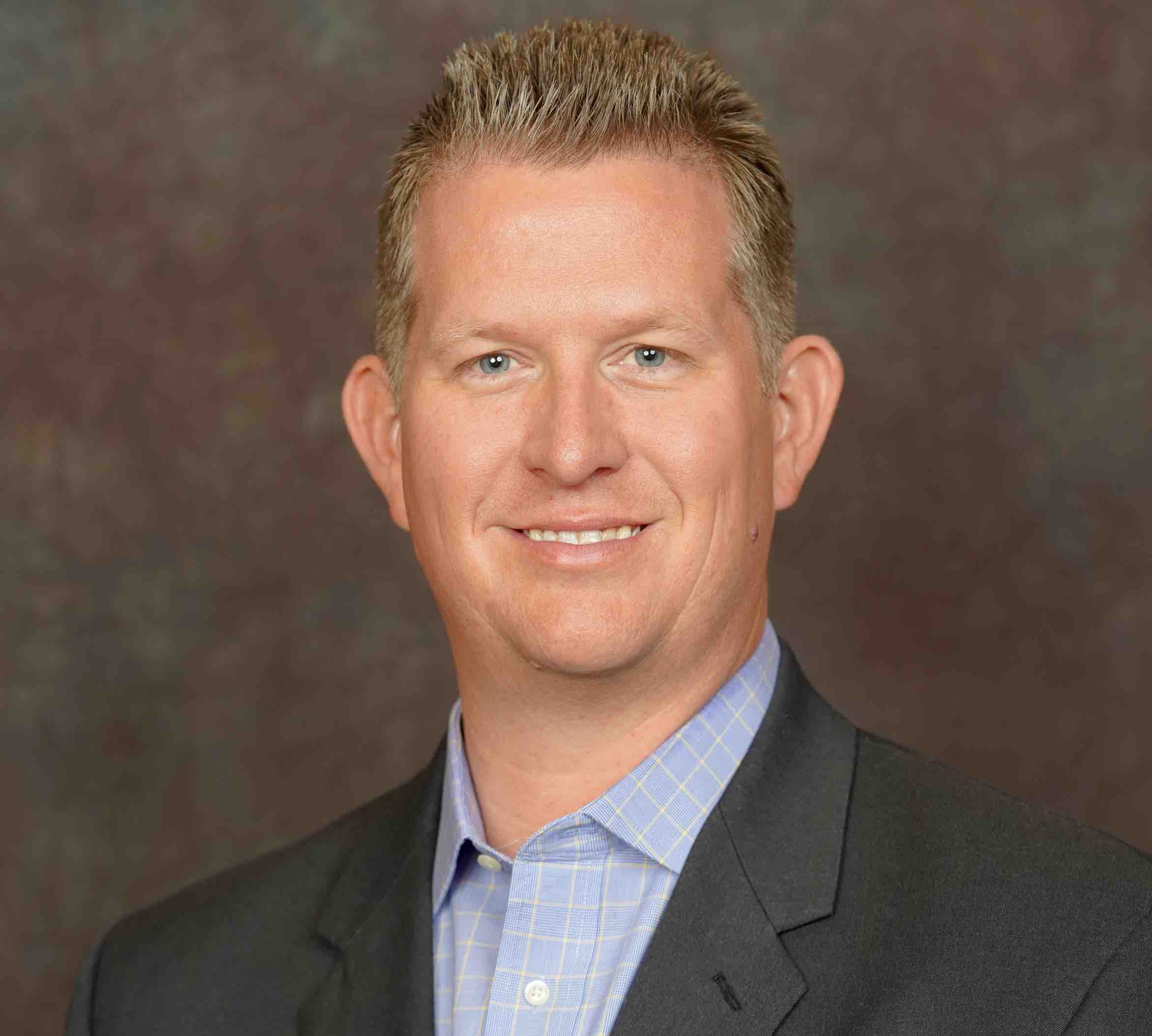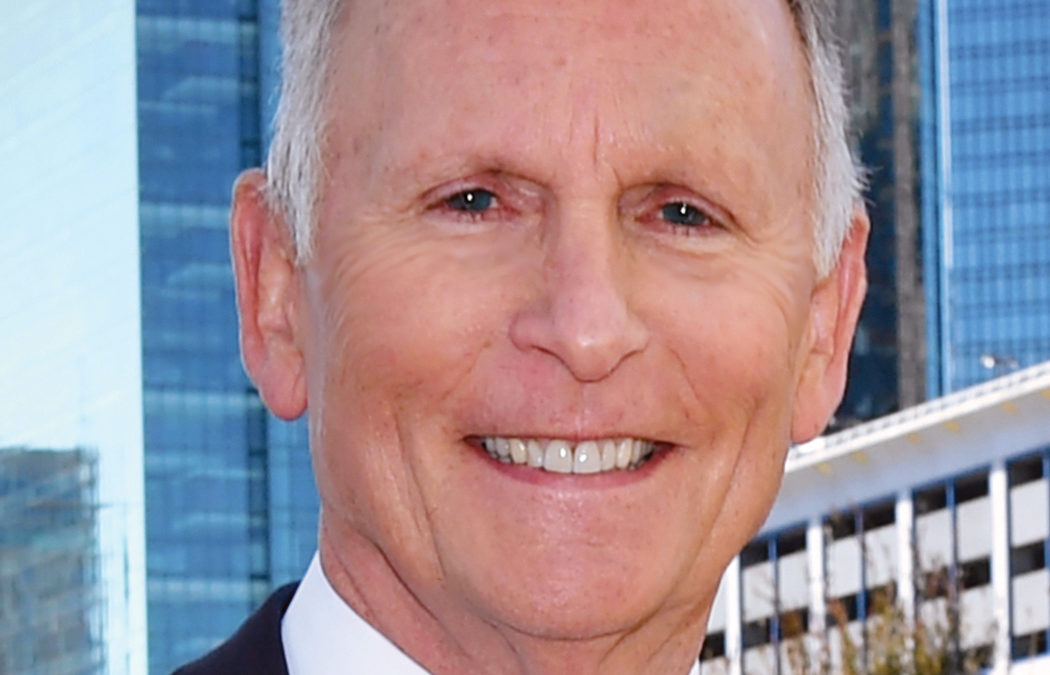
Spotlight On: Bill Schifino, Tampa Office Managing Shareholder, Gunster

Spotlight On: Bill Schifino, Tampa Office Managing Shareholder, Gunster

By: Max Crampton-Thomas
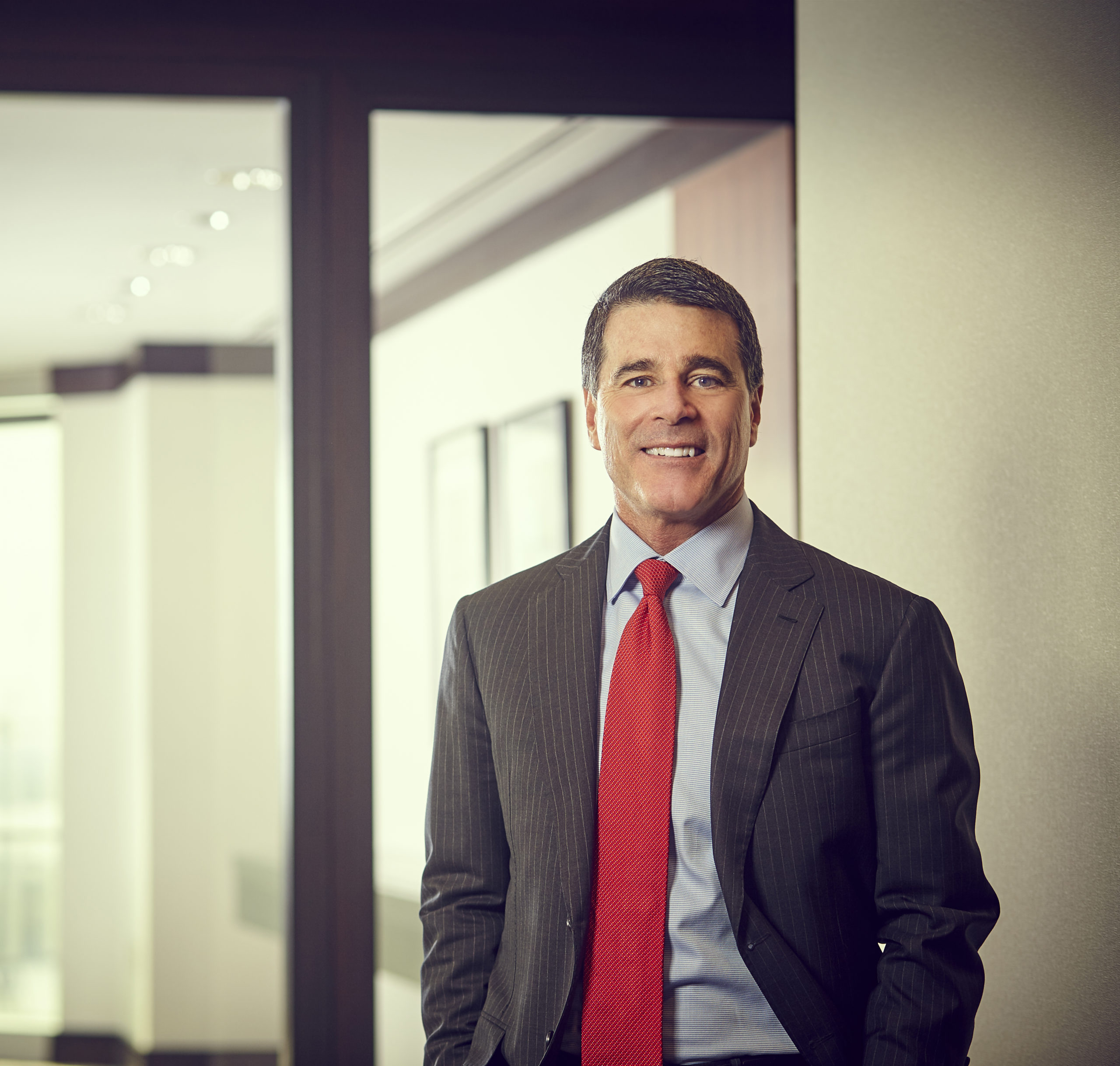
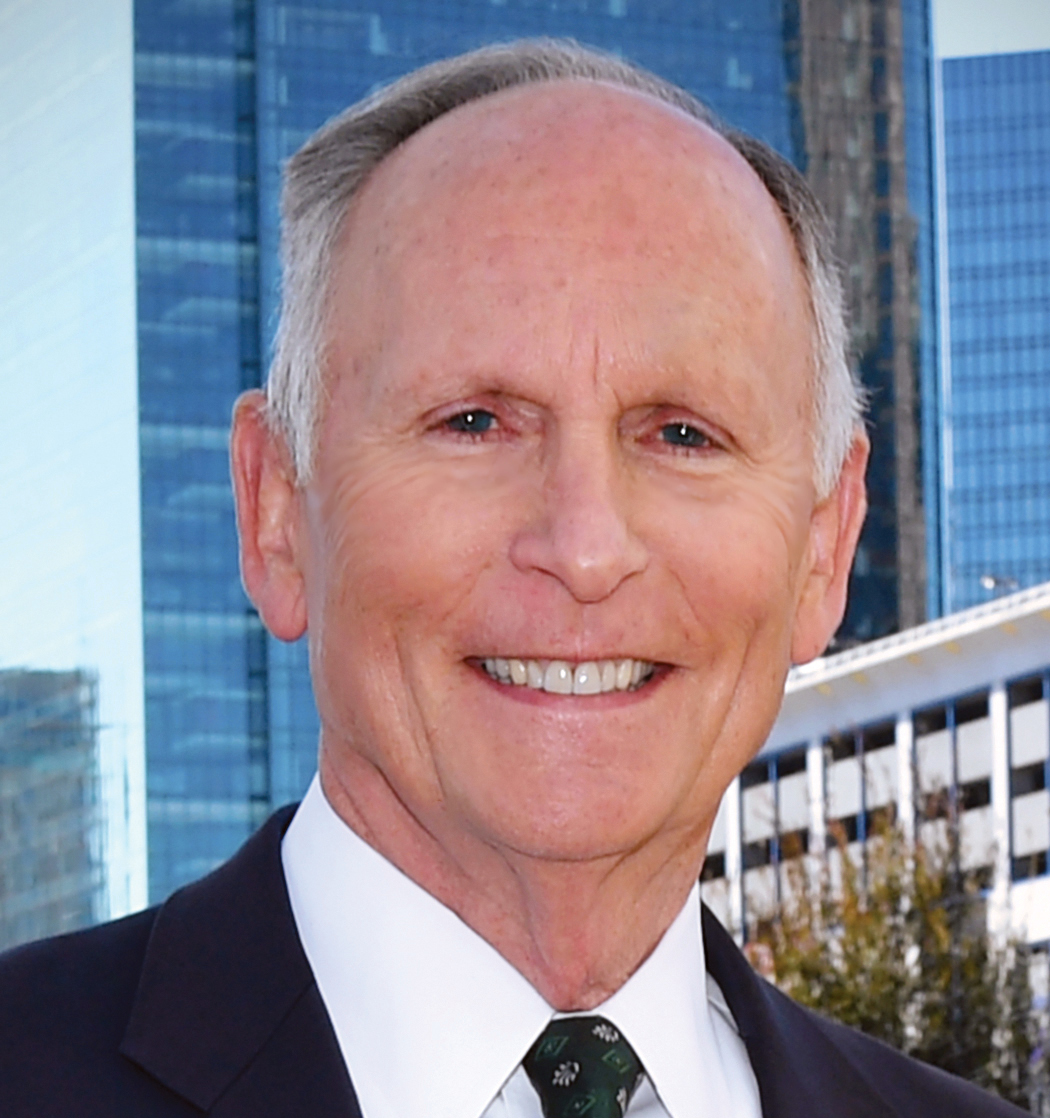
  2 min read December 2019 — A greater number of law firms in the Tampa Bay market may be a concern to some but for firms in the Tampa Bay region, these new legal-focused businesses are welcomed. Bill Schifino, the managing shareholder for Gunster’s Tampa Office, believes there is plenty of work for quality law firms throughout the region and that the collaborative environment between the various firms in Tampa Bay is a benefit to both his office’s practice and its clients. 


 Do you believe there is enough work to meet the increased supply of law firms in the region?


There is plenty of legal work in Tampa Bay for quality law firms and competent lawyers. I have been in this marketplace for 33 years, and the way law firms interact with one another has relatively remained the same. The law firms in this region play well together, and we refer work back and forth to one another because we sometimes have inherent conflicts in our cases. For example, if there is a business litigation case that involves multiple parties and the lawyer can’t represent them all, that lawyer will call other lawyers who may have been on the other side in a similar case in the past but who are capable and competent. So while I may have a case where I’ll see a credible law firm on the other side, one day they may be joining with me to help defend another group on a different case. 


How does Gunster’s statewide presence benefit your clients? 


One of Gunster’s attractions for me was the fact that I can offer my clients statewide coverage in all of the key markets. When I have a client with an issue, whether it be in Fort Lauderdale, Miami or Jacksonville, we can make sure they are covered because we have 200-plus lawyers around the state. It also helps that we have some of the best and brightest lawyers Florida has to offer. If I have a client with an issue-based question, and I do not have the talent here in Tampa to address it, I can consult someone from one of our other offices who has expertise in this area. This is how we handle all of our clients’ needs. Gunster also is a big believer in their lawyers serving their community, which is why you will see the firm extremely active in our respective markets.


How important is being a steward of one’s community to the success of a law firm? 


A law firm cannot attract the right talent without a commitment to community service, service to the profession and pro bono work. It is critically important that we as professionals give back to those less fortunate. Within the Florida Bar, a big focus is access to justice. In the criminal justice system, if you’re indigent then you are constitutionally entitled to a public defender, but what if you are someone that just really cannot afford a lawyer and are on the cusp of being below the poverty level? What happens if that person all of a sudden has a traumatic event in their life, and cannot get free legal service? We need to address how we as a profession can make certain that those people are being taken care of. The Florida Bar works extremely hard at addressing this issue, along with lawyers providing millions of dollars in pro bono hours to those in need throughout their community.


To learn more about our interviewee, visit: 

https://www.gunster.com/


Face Off: Hot Hotel Market to Remain Steadfast Into 2020

Face Off: Hot Hotel Market to Remain Steadfast Into 2020

By: Max Crampton-Thomas

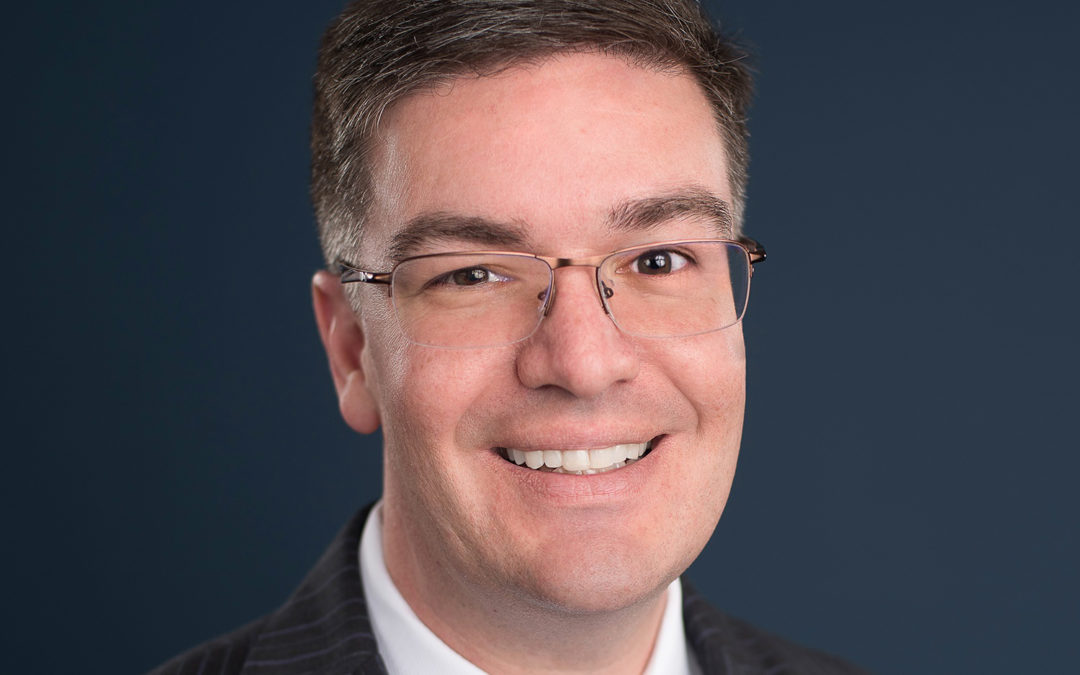
4 min read December 2019 Hospitality may be one of the most competitive industries in Florida, and in an economically thriving region like Tampa Bay the competition is only heightened. To rise to the top of this crowded market takes leadership that not only understands the local market and can easily adapt to change, but can also create a work culture that attracts the best and brightest. Invest: explored what it takes to be successful in this market with the general managers for two of the region’s most highly regarded hotels, Kevin Scott with The Epicurean Hotel and David Rowland with The Westshore Grand.

How do you ensure you are attracting and retaining the highest quality employees?

David Rowland: When we hire what we call our associates, we do not hire based on technical ability. We hire friendly individuals who we can train on the technical aspects. Every associate meets with me and usually I only ask them a couple of personality-based questions, like what they do for fun or about their worst day at work and how they overcame it. This is first and foremost a customer service business and you must have a personality that fits that.

Kevin Scott: Employee turnover in this industry is an ongoing challenge that does not have a clear-cut resolution, especially in Tampa where new hotels and restaurants are opening on a weekly basis. Our key to navigating this issue is to ensure that we create a safe environment where employees are encouraged to speak their minds, give feedback and relay their input without the threat of it affecting their jobs. We work to empower our leaders to lead by example and foster great relationships between their departments. We are also in a sweet spot because we are a midsized hotel with a staff that consists of around 150 people, which means that if one person suddenly calls off or quits, it is not the end of the world.

Do you believe the demand curve will stay strong enough to support the new inventory of hotels coming online in the region?

Rowland: I do, because the market is so strong right now. Tampa Bay is a great area and it is still growing rapidly. The airport is consistently ranked among the Top 5 airports in the United States, and the international hub that they are building is going to bring even more business into the region. We are a city where you can host massive meetings, relocate large businesses into and start a business within. The ability to get in and out of the city quickly is also a significant factor in keeping this new supply sustainable. Tampa has done a good job of making sure the infrastructure and the supply of hotel and businesses is grown at the same pace. The only danger is a hotel worrying about all the new supply so they drop their rates just to be competitive. If one person does that, it causes a ripple effect in the industry where we now all have to drop our prices.

Scott: Tampa as a market needs more hotel rooms to attract bigger conventions that bring more people to town. The challenge is that we are capped off at a certain number right now, which limits how many people we can bring into the city, but with so many new hotel rooms coming into the market in the next year or so, there is an opportunity to steal some share from Orlando, Miami and Fort Lauderdale for these conventions. It is the perfect time to capitalize on this opportunity; the updated urban planning is now in play, and the city has never been laid out better than it is now.

How is your hotel primed for continued growth within the region?  

Rowland: We are a part of the Marriott Tribute Portfolio, which is considered its luxury tier, but we get to act as an independent boutique hotel. The hotel has 325 rooms, over 15,000 square feet of meeting space and 14 meeting rooms where people can work, network and convene. We are known for having the flexibility to tailor events in our event space to a customer’s needs. The nice part about being independent is we have a lot of leeway and wiggle room to do what we want to make our customers’ meetings the most successful they can be. We are also very fortunate that we sit inside the Urban Center building. We are the primary hotel for the over 2,000 tenants that rent office space in the building.

Scott: To stay economically sustainable in this business, especially in the instance of another recession, we focus on attracting more groups and business travel. We want people to be aware of our offerings whether they are our neighbors in Tampa or looking for a destination from across the country. Our advantages are that we are centrally located, and people will always love food and wine. Even in a recession, wine, beer and alcohol are always in demand, so we are ready to ride that wave when it happens. Overall, we feel strong about where the Epicurean stands as a hotel and historical landmark that Tampa can be proud of.

To learn more about our interviewees, visit:

https://epicureanhotel.com/

https://westshoregrand.com/

Philly Bets Big on Biotech

Philly Bets Big on Biotech

By: Sara Warden

2 min read December 2019 — The biotech industry is unlike almost any other. Companies spend billions of dollars in drug development that can end in failure, generate little to no revenue but can still be worth billions of dollars. According to Toptal Finance, almost 80% of the companies listed on the Nasdaq Biotech Index (NBI) – around 150 – have no earnings, but they represent over $250 billion in market capitalization.

The average venture investment in biotech has more than doubled over the past decade, from $4.6 billion in 2005 to $12.9 billion in 2015. Why? Because when a biotech company wins, it wins big. And Philadelphia is one of the cities channeling its energies into attracting biotech investment.

“In general, we are punching below our weight,” said Dean Miller, the president of the Philadelphia Alliance for Capital and Technologies (PACT), during the Regional Biotech Conference hosted by the Pennsylvania Biotechnology Center last month.

In 2018, Philadelphia made it into the Top 10 ranking in the country in terms of most venture capital deals completed with 214, amounting to around $1.4 billion. During the first nine months of 2019, the number stood at 178. About 80% of VC is from other regions, said Miller, but “that’s not a big thing because capital is portable,” he added.

But Miller believes the $50 million Hatch BioFund life science incubator, established in July, will turn that trend around and allow Philadelphia-based companies to invest more in life sciences. “Entrepreneurs selected for the investment program will have the opportunity to be part of a highly successful ecosystem of support, resources, collaboration and knowledge sharing. We have tremendous talent and knowledge in our network, and are excited to bring the ideas and science that are incubating to the forefront of the life sciences industry,” said Vladimir Walko, CEO of Hatch Management, in a press release.

Another factor that boosts the sector is the fact that more and more companies are moving to the city daily as they can see the benefits it provides as a biotech hub. The latest to move to Philadelphia is Diverse Biotech, a biopharmaceutical company developing cannabidoil therapeutics for hard-to-treat cancers, including basal cell carcinoma, pancreatic cancer and glioblastoma.

The Pennsylvania Biotechnology Center, which opened in 2006, is one of the primary reasons why the company decided to make the move. Already home to a network of around 50 biotechnology, pharmaceutical and medical devices companies, Stella Vnook, Diverse Biotech’s CEO, said in an interview with the Philadelphia Business Journal that the center is “truly a tremendous scientific community and a perfect place for Diverse Biotech to continue its growth journey.”

Bradley Campbell, president and chief operations officer of Philadelphia-based Amicus Therapeutics, said innovation, talent and like-minded companies make the city one of the best places to set down roots for biotech companies. “We could’ve gone to Silicon Valley or to Cambridge, anywhere in the world really, but it was clear to us that we needed to be near the momentum, that spark of innovation, the entrepreneurship, the acquisitions, the medical centers — Penn, Temple, and Drexel, all right here in Philadelphia,” he told Philly Mag. “Being in proximity to so much innovation has been amazing for us.”

To learn more, visit:

https://www.toptal.com/finance

https://philadelphiapact.com/

http://www.pabiotechbc.org/

https://hatchbiofund.com/

https://diversebiotech.com/

https://www.amicusrx.com/

Art Basel: Miami Art Week Brings the City to a Standstill

Art Basel: Miami Art Week Brings the City to a Standstill

By: Sara Warden

2 min read December 2019 — Art Basel is in to town. When Swiss art dealers Ernst Beyeler, Trudl Bruckner and Balz Hilt began the show in Basel, Switzerland, in 1970, it was a cult hit. As the art fair gained momentum over the years it added two additional venues – Hong Kong and Miami Beach. Now, Art Basel Miami Beach brings the city to a standstill.


Started in 2002, the Miami Beach show itself draws in 70,000 visitors per year, 4,000 artists and over 250 of the world’s leading galleries participate. For those galleries accepted to exhibit in the main Art Basel space at the Miami Beach Convention Center, the cost starts at $100,000. Miami Beach also attracts over 20 satellite fairs, and there is so much art buzz around town during the dates that the week is now known as Miami Art Week. Tickets are available at $65 a pop, but for many, that’s a steal to access so many world-class artists all in one place.

Art Basel has played a significant role in democratizing access to these works of art and providing exposure for up-and-coming artists. In the 1980s, for example, the global art world was but a tiny network. “We knew every collector in the world then. Ninety percent of them were in New York or Germany,” collector Don Rubell told The New York Times. But now, times have changed. “Miami is not just bikinis and muscles anymore.”

UBS and Art Basel research shows that the global art market hit $63.7 billion in sales in 2017, with the United States the largest market, accounting for 42 percent. Art Basel Miami is responsible for about 10 percent of domestic sales, Alexander Forbes, executive editor of the art news website Artsy, told Marketplace. “$2 billion to $3 billion worth of art is usually on view,” he said.

Rubell and his wife Mera were instrumental in convincing Art Basel to set up shop in Miami in the early 2000s and the family collection now occupies a whopping 100,000-square-foot campus in Allapattah, which they purchased for $4 million. At the same time the Rubells purchased the plot, they bought a neighboring piece of land for $8.6 million.

According to Esther Park, a regular on the Miami art scene, Miami has just the right features to make it a haven for an event like Art Basel. “Miami was always going to blow up eventually,” she told Miami New Times. “It’s just that Basel propelled it.”

Samuel Keller, Art Basel’s director, acknowledged in an interview with The New York Times that Miami was a risky choice, but that it had all the ingredients for success. “Here there is a huge potential, economically but also culturally,” he said, calling the city “the gateway to Latin America, a melting pot of minorities from European to Jewish to gay.”

The four-day extravaganza attracts the most prestigious art buyers from all over the world, who enjoy splashing out. The trade fair has partnered with several major hotels in the area to offer preferential rates for attendees, but to stay in The W South Beach, The Standard Spa, Miami Beach or Nautilus by Arlo, prices still start at $422 per night and go right up to $1,650.

To learn more, visit:

https://www.artbasel.com/

https://rfc.museum/about-us

https://www.artsy.net

https://www.ubs.com/ 

https://www.miamibeachconvention.com/


Spotlight On: Philip Dubois, Chancellor, UNC Charlotte

Spotlight On: Philip Dubois, Chancellor, UNC Charlotte

By: Felipe Rivas

2 min read December 2019 — Philip Dubois has announced he will step down as UNC Charlotte’s chancellor in June 2020 after nearly 15 years on the job. In an interview with Invest: Charlotte, he discussed the advances made by the university, once “Charlotte’s best kept secret,” to improve recognition and enrollment as well as involvement with the business community, from business incubators to bringing the city’s light rail directly to the campus.

What strategies did you implement to increase the school’s visibility in the Charlotte area and how did they work out? 

I have always viewed the business community and the nonprofit community as incredible resources for the university because they are a source of employment for our graduates, an opportunity for internships for our students, and they have research challenges that the university can help them with. Our institutional mission states that we are committed to helping the region solve a variety of problems, whether, in the words of our mission statement, they are “cultural, economic, educational, environmental, health or social” in nature. I felt that we weren’t taking full advantage of being in Charlotte. We did seem to be the best kept secret in Charlotte.

The first thing I did was to create a university relations and community affairs division. The second strategy was for myself to become physically visible in the city’s activities, so I ended up on most of the economic development boards. We also invested a good deal in branding and marketing, which ended up producing the slogan, “Stake Your Claim,” reflecting the fact that the community needed to own the university in the same way that the university was a partner to the city. That branding was launched over a decade ago and it has recently been updated with the tag, “We Are All Niners.” A fourth strategy was to connect the university physically, and the opportunity arose with the light rail. We decided to bring the light rail to the campus because unless it actually came on the physical campus, and not merely adjacent to a city street, the federal government would not provide the matching 50% funds for construction. The construction of the Center City building nine years ago was another large factor.


What has helped the university increase its enrollment alongside the growth of the city?

I have always thought that Charlotte was under-resourced in terms of higher education. When I arrived here, we enrolled 20,700 students. You could add Queens University, Davidson College, Johnson C. Smith University, and several others and we probably still would have been serving 30,000 students in terms of total educational horsepower, and we were the only public research university. We completed a couple of enrollment studies and concluded that we could be 35,000 students strong by 2020 without working too hard. But, because of the Great Recession, we had to slow our enrollment growth as we lost $55 million in recurring appropriations during that time. We couldn’t take all the students without the additional resources. But once we were past the recession, we invested in our enrollment management, established a big, ambitious, gaudy goal, and  began to grow rapidly again. One of the things that happened is that private real estate developers bought up all the property around the university because they knew we were going to be growing. We basically fed the construction of a massive amount of student housing within a mile of campus that we didn’t have to build ourselves.


What has been the driver behind capital expenditures for the university? 

A growing university has many needs, including new academic buildings, student support facilities, residence halls and dining centers, recreation amenities like intramural fields and recreation centers, and an expanded array of intercollegiate athletic facilities, as well as parking decks. We have constructed all of those things, expending over $1.2 billion on major construction and renovation since  2005.

Several of these projects were strategically important on the academic side and in solidifying our relationship with the business community. UNC Charlotte Center City was No. 1. We added a bio informatics building that turned out to be important with the development of the North Carolina Research Campus in Kannapolis. We also built a university-industry partnership building that we call PORTAL, an acronym for Partnership, Outreach, and Research to Accelerate Learning. The reason for calling it that was to signal to the business community that if they wanted to connect with the university, this was the entry point. We relocated to this building a pre-existing business incubator, located five miles from the main campus in the University Research Park, and rebranded the services it provided to budding entrepreneurs as Ventureprise and relocated our technology transfer offices as well. Our goal was to have a “one-stop shop” for entrepreneurs in Charlotte.  

That was and is a strategically important connector with the business community. We funded that facility using our federal indirect cost revenues for the first time. These are the reimbursements we get from the federal government for doing research, about 50 cents on the dollar. We funded that building using 30-year bonds serviced by that stream of revenue.

The most recent academic building for which we pushed very hard in 2016 was the passage of the Connect NC bond measure, which brought us our new $90-million science building. It is under construction and will be ready for the class of fall 2021.


To learn more about our interviewee, visit: https://www.uncc.edu/
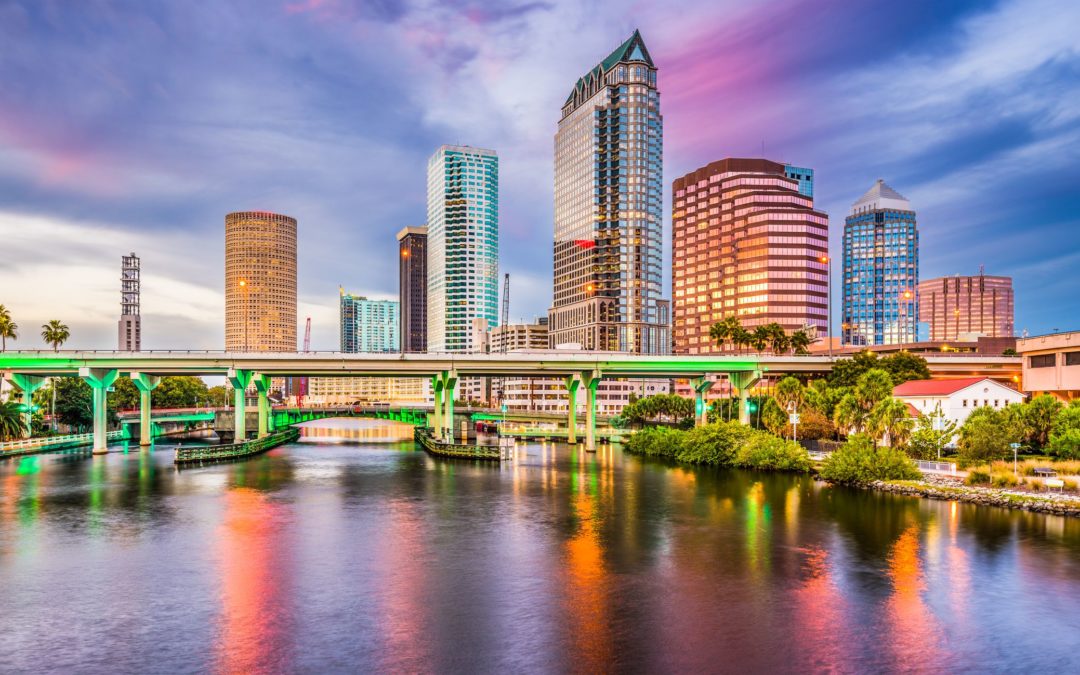
Capital Analytics Shines a Spotlight on South Jersey


Invest: South Jersey to highlight key investment opportunities in the city 

December 2019

Seasoned media firm Capital Analytics has chosen South Jersey as the next destination to launch a focused annual report on investment opportunities offered by the city. Invest: South Jersey will bring together key industry leaders across the public and private sectors to provide commentary on South Jersey’s rise as an attractive investment destination in recent years.

Entering its sixth year publishing the highly praised flagship project Invest: Miami, Capital Analytics identified South Jersey as the next key market in its portfolio of annual economic reports. This newest edition will focus on the growing importance of South Jersey as a business hub and spotlight opportunities for investment.

Capital Analytics’ successful Invest: Miami venture allowed it to establish footholds in Atlanta, Greater Fort Lauderdale, Philadelphia, Tampa Bay, Palm Beach, Charlotte and Orlando, and the company has high expectations for its South Jersey undertaking.

Invest: South Jersey will complement the Invest: Philadelphia publication, shining a light on an integral part of the region’s greater economic ecosystem. With a rich history and diversity and a unique and strong local culture, South Jersey plays a vital role in manufacturing, logistics, education and services,” said Jack Miller, Regional Director at Capital Analytics.

The Capital Analytics team has already started laying the groundwork for Invest: South Jersey and is looking forward to replicating its success in other markets, speaking to high-profile executives and leaders of key organizations in the area. This will be the most comprehensive independent report available on South Jersey’s vibrant business climate, seen through the eyes of those at the forefront.

New Jersey’s Gross Domestic Product (GDP) per capita is expected to reach $62,891 by 2022. South Jersey has a high level of education, with 40 higher education institutions, meaning new high-paying jobs in tech and science are opening up. Add to that a local government that understands the importance of attracting investment and South Jersey is the perfect place for investors to focus their attention. 

“At Capital Analytics, we are excited to begin conducting interviews and compiling research on the South Jersey market in anticipation of the first edition of Invest: South Jersey,” said Miller. “We look forward to discussing the many efforts of both the public and private sectors to reinvigorate the area, attract business and investment and bring awareness to exciting developments in South Jersey.”

Capital Analytics produces in-depth business intelligence with a focus on providing comprehensive investment knowledge on markets within the United States for the domestic and global business community. Over a six-month research period, it meets with more than 200 top political, commercial and industry leaders to deliver targeted information, in-depth analyses and strategic insights to the global business community on economic trends and investment opportunities.

Its first publication, Invest: Miami, has a global readership and includes among its readers top executives working in real estate, finance, technology, trade and logistics, health, hospitality and others. Books are distributed locally, nationally and globally to trade and investment boards, executives of Fortune 500 companies, institutional investors, consulates and embassies, hedge funds, leading chambers and associations, as well as high-level summits and conferences.


For more information contact 

contact@capitalaa.com

TEL: 305-523-9708

Our Picks: 5 fun things to do in Orlando on Thanksgiving

Our Picks: 5 fun things to do in Orlando on Thanksgiving

By: Yolanda Rivas

2 min read November 2019— There are a few debates around Florida being home to the first Thanksgiving dinner. Some believe it was hosted in St. Augustine in September 1565, when Spanish and Timucuan tribesmen shared a meal that is considered the first community act of religion and thanksgiving. Others believe that the first Thanksgiving was celebrated in 1564 near Jacksonville, when Frenchmen established a colony and were welcomed by Timucuans. Truth or not, what is sure is that Orlandoans celebrate Thanksgiving in many diverse and fun ways. These are our Top 5 picks of fun activities to do in Orlando this Thanksgiving weekend. 


 Turkey trots

There are a few turkey trots in Orlando this week. What a fun, family-friendly and different way to enjoy Thanksgiving activities! This is also a nice way to give back to the community and support fellow citizens. Seniors First Turkey Trot 5k at Lake Eola and Avalon Park Foundation 5k Turkey Trot are some of the most anticipated turkey trots in the area. Seniors First’s trot has become one of the oldest and largest 5k fun runs in Orlando, attracting over 5,000 runners. It benefits Seniors First Programs like Meals on Wheels, In-Home Care and others. The proceeds from the Avalon Park trot will benefit neighborhoods, community organizations and the underserved in surrounding neighborhoods. 

Harry P. Leu Gardens

If you are looking for a more calm experience, Leu Gardens will be open on Thanksgiving Day. It will feature The Nature of the Game exhibit, which is a fun interactive exhibit of life-size games with a twist, as described on their website. The location is comprised by a 50-acre botanical garden, including a butterfly garden, a tropical rainforest, and what is considered Florida’s largest formal rose garden. The garden and the historic Leu House Museum were donated to the City of Orlando in 1961 by Harry P. Leu and his wife, Mary Jane. 

Theme park celebrations

As Thanksgiving marks the start of the Christmas season in Orlando, theme parks have numerous events to enjoy the magic of the holidays. From live entertainment to unique international cuisine options to shows featuring animation characters, theme parks kick off the start of the Christmas season in a big way. You wouldn’t want to miss the spectacular decorations and Christmas lights that attract thousands of visitors every year. 

Light up UCF

Running through Sunday, Jan. 5, Light Up UCF offers activities for all ages. This year’s festival features an ice rink, a world-class choreographed light show, free holiday movies, live entertainment, rides like the Ferris wheel, Light Up Express kids train, and a carousel. The festival takes place at Addition Financial Arena in a family-oriented atmosphere. 

Thanksgiving dining

As the No. 1 Thanksgiving traveling destination in the country, you have plenty of options to taste a wide variety of local and international plates. Whether you’re staying in the International Drive tourism district, near the theme parks or looking for a destination experience, there are great restaurants with Thanksgiving dining options to pick from. Universal CityWalk, Disney Springs, ICON Park and nearby towns Winter Park and Mount Dora are spots with a number of restaurants in one place. 

To learn more, visit:

Seniors First Turkey Trot 5k: https://www.trackshack.com/event/240 

Avalon Park Foundation 5k Turkey Trot: https://downtownavalonpark.com/event/2019-turkey-trot/ 

Harry P. Leu Gardens: https://www.leugardens.org/leu-gardens-is-open-thanksgiving-day-2/ 

Light Up UCF: http://www.lightupucf.com/ 


Spotlight On: Kevin Miller, President & CEO, Addition Financial

Spotlight On: Kevin Miller, President & CEO, Addition Financial

By: Yolanda Rivas

2 min read November 2019 — As the banking sector gets more concentrated, some financial institutions are implementing rebranding efforts to meet the demands of customers and keep up with the latest innovations and technologies. Addition Financial recently went through a rebranding effort and is now focusing on expanding its footprint. President and CEO Kevin Miller shared the financial institution’s latest updates with Invest: Orlando. 


What has been the impact of rebranding as Addition Financial?

In the last year we have made multiple changes, the biggest being our transition from a federal charter to a state charter. The state of Florida has a business-friendly environment and they were able to offer us some additional regulatory flexibility, for example a much larger territory and additional flexibility in the way we conduct our business and investments. We changed our name from Central Florida Educators Federal Credit Union to Addition Financial. We have also been expanding our footprint and recently acquired a small bank. These efforts have been part of our focus on expanding our presence throughout Central Florida.


We are focusing on our name change and rebranding effort to make it clear that more people can join the credit union. The rebranding has been positive, we have more people joining us and our new message, image and culture have been well-received. We have been in Orlando for more than 80 years. We have a great relationship with the community, which is vibrant and growing at a rapid pace. The diversity of culture in Orlando, provides us with numerous opportunities to continue our expansion and reach more people. 


What differentiates Addition Financial from the competition?

As a credit union, we are a not-for-profit financial institution, which means that our motivations are different than the for-profit institutions. A differentiator for us is our focus on the community and our educational ties. When we interact with our members we focus on the educational aspect. We support education and we also make sure that we educate people about financial literacy. We partner with K-12 schools in Orange, Osceola and Seminole counties and we have student-run branches in some high schools in each of those counties. We train the students to run the branch and teach financial literacy to their peers. We also have a program to educate college students on meeting their unique financial needs. In addition, we are working on housing affordability with these partners. We partnered with the districts to create a custom program to help teachers live in the communities where they work. 


What are some notable changes in Orlando’s banking and finance sector over the last few years?


A lot of the people who come into our branches are surprisingly young. The younger generations are looking for consulting and advisory types of services, while the older generation comes to our branches mostly for transactions. In terms of services, we have seen an uptick in small business demand. We focus on smaller businesses that maybe don’t feel like they have enough size or capital to go to some of the larger financial institutions. Lending is at an all-time high for us. We are seeing a lot of refinancing, especially with interest rates being so low.


To learn more about our interviewee, visit:
Addition Financial: https://www.additionfi.com/ 


Top 5 Thanksgiving ‘To Do’s’ in the Bay

Top 5 Thanksgiving ‘To Do’s’ in the Bay

By: Max Crampton-Thomas

4 min read November 2019 Thanksgiving season has once again descended upon the Tampa Bay region. While the holiday is traditionally known for the three F’s, food, family and football, there are other options available to those in the Tampa Bay region who are looking to break traditions and start new ones. These options range from activities that will help work up an appetite for the big meal to options that completely change course from the normal fixings of a Thanksgiving meal. Invest: explores five of the best alternatives for those looking to shake up their Thanksgiving experience.

 Turkey Trots

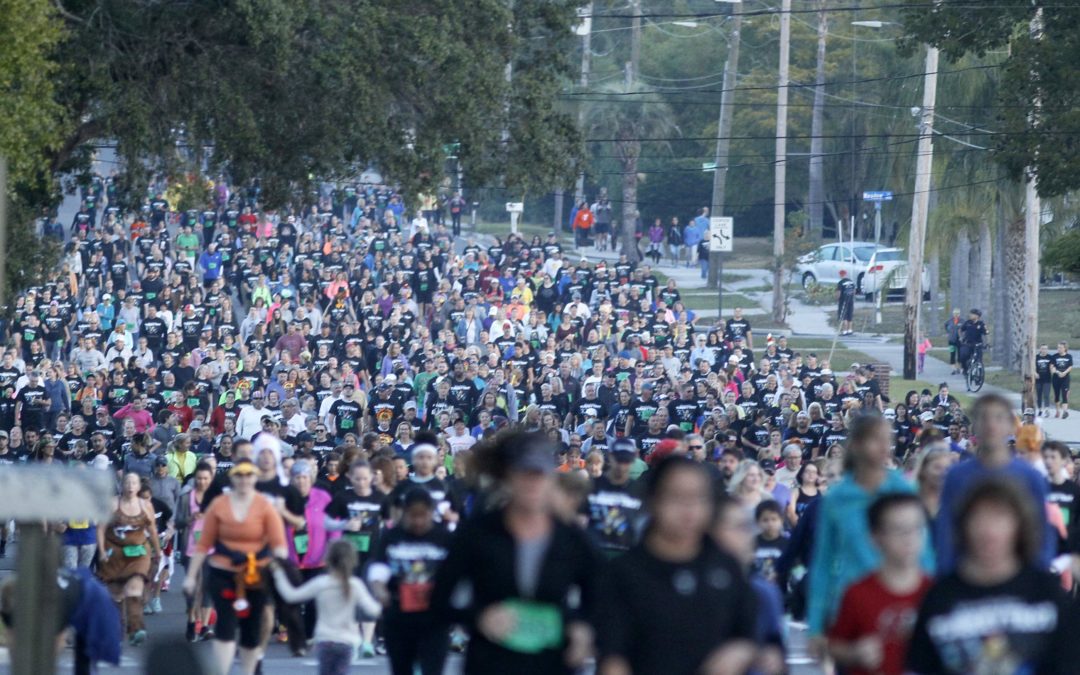
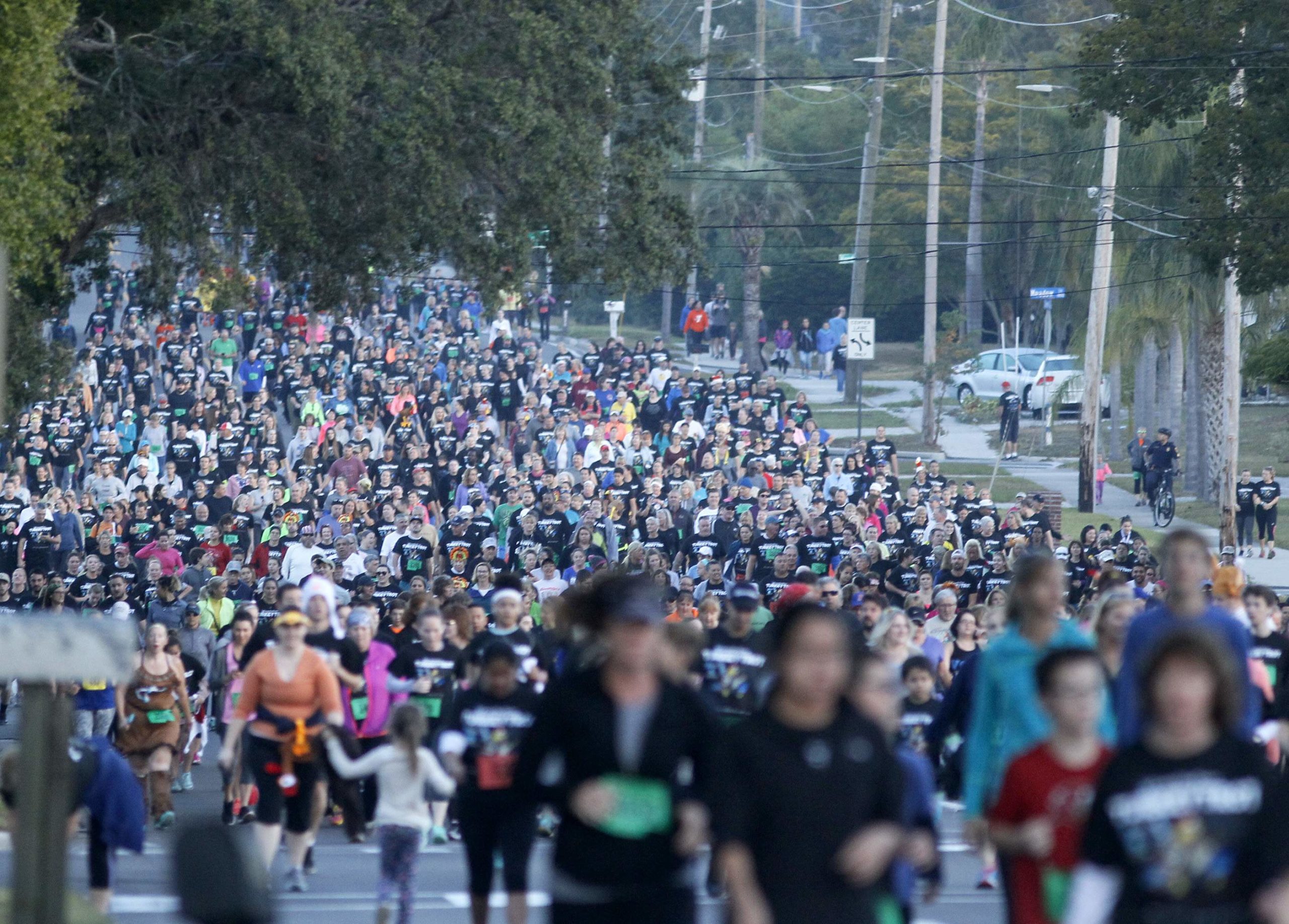
A traditional Thanksgiving meal is known for two things: oversupply and overconsumption. There may be no better way to prepare the body for this endeavour than participating in one of the variety of “turkey trots” and “fun runs” available to the public on Thanksgiving Day. These exercise-driven events include the Goody Goody Turkey Gobble, which starts at 7 a.m. in front of the Amalie Arena and features options like a 5K, 8K or 1-mile course to be walked or ran. There is also the Clearwater-based Tampa Bay Times Turkey Trot, which has become the largest running event in the Tampa Bay area with an annual average of participation from over 17,000 runners. 


Thanksgiving Cruises

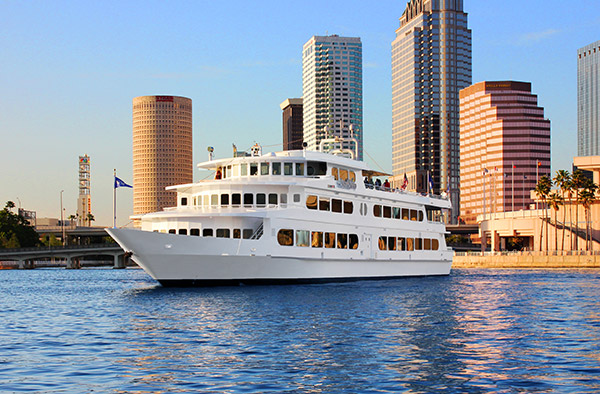
Breaking tradition can be difficult, but a Thanksgiving dinner on a yacht may make that change a bit easier to digest. The company Yacht StarShip offers an opportunity to feast on traditional Thanksgiving foods in a completely nontraditional fashion. With options to sail in either Clearwater or Tampa, the promise of no meal preparation or cleanup, and the chance to truly relax for the holiday, a yacht cruise for the night could be a welcomed change from the norm. 

To read more, visit: https://www.yachtstarship.com/event/thanksgiving-cruises/

Wonderland Of Lights And Santa’s Village

Besides being a day to enjoy a nice meal with family, for some, Thanksgiving also signifies the official countdown to Christmas Day. In the Tampa Bay region, residents can begin this countdown with a visit to the Wonderland Of Lights And Santa’s Village. This holiday theme park becomes available to the public Thanksgiving Day and runs until Jan. 5. Theme park visitors can partake in the amusement rides, camel rides, over a mile of light displays and everything else this park has to offer. This is a great option for those looking to not completely break tradition, as the park offers the opportunity to enjoy all its amenities at night, giving time for the traditional Thanksgiving meal at home beforehand. 

For more, visit: www.thewonderlandoflights.com/

13th Annual ThanksVegan Feast

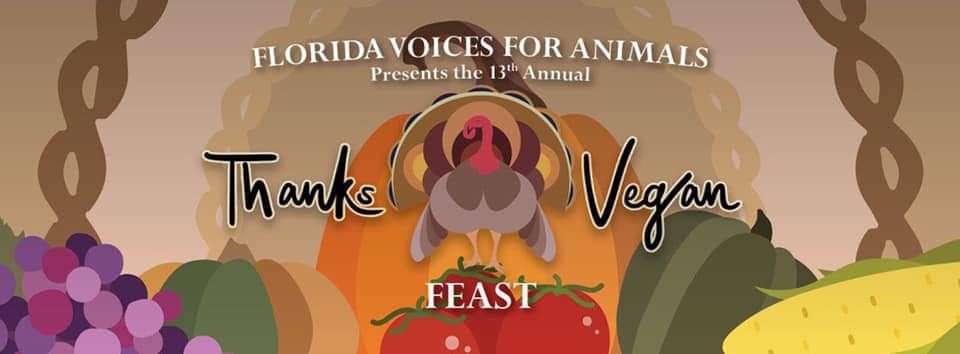
It may be a holiday best known for a feast centered around poultry, but that does not mean that there aren’t options in the region for those who prefer veggies over meat. For the last 13 years, Florida Voices for Animals has been holding their annual ThanksVegan Feast that features zero animal products or byproducts. Held at the Unitarian Universalist Church of Tampa, this potluck dinner encourages those attending to bring a vegan dish to contribute to the holiday feast. The event runs from 1:30 p.m.-5:30 p.m. and includes a raffle with prizes. 

For more information, visit: https://www.floridavoicesforanimals.org/thanksvegan

Black Friday Shopping

While technically starting the day following Thanksgiving, some Black Friday deals become available to the public the night of the 28th. For some, it has become a tradition to go straight from their Thanksgiving meal to waiting overnight in lines that sometimes stretch multiple blocks, all with the intention of cashing in on mega savings. Thankfully for the residents of Tampa Bay, the region not only offers access to all of the big box retailers, it is also home to a variety of world-class shopping malls like International Plaza and Bay Street, Hyde Park Village and many others.