Can Demand Meet Supply?

Can Demand Meet Supply?

By: Max Crampton-Thomas
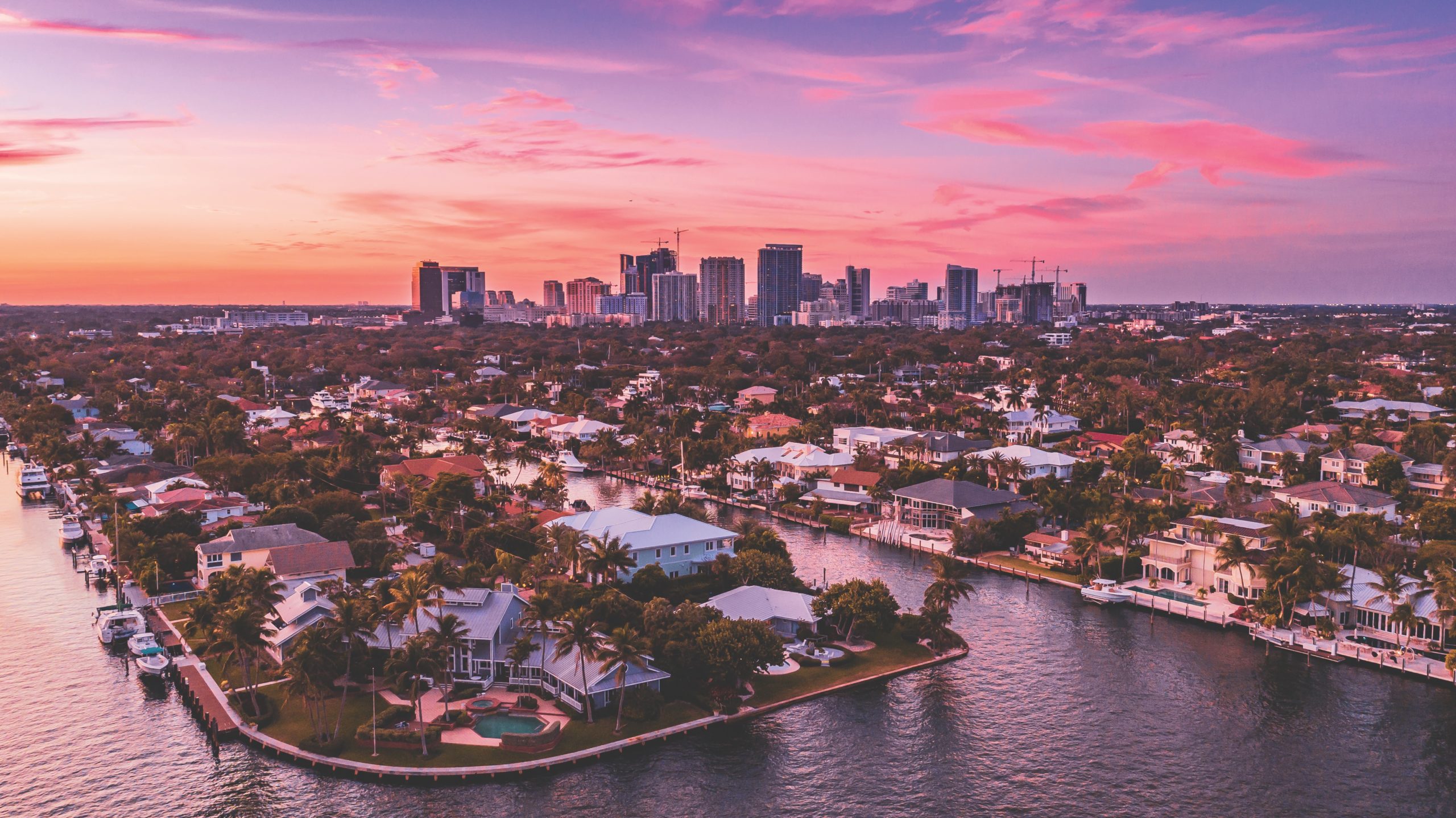
2 min read November 2019 — 4,500. That is the number of new hotel rooms expected to come online between now and 2024. This additional inventory will be on top of the 34,000 existing rooms already available in Broward County. New hotel developments and renovations like the opening of the Conrad Fort Lauderdale Beach, the $1.5 billion expansion of the Seminole Hard Rock Hotel and Casino and the upcoming addition of the Omni Hotel & Resorts as part of the massive expansion happening at the Greater Fort Lauderdale/Broward County Convention Center, are all contributing factors to this significant increase in hotel room supply. The question now is whether demand in Broward County will match this increase in supply?


To begin to answer this question, it is important to understand how the hospitality sector in Broward has evolved over the years. Invest: spoke with Heiko Dobrikow, the general manager for one of the oldest and most successful hotels in the county: the Riverside Hotel located on Las Olas Boulevard. He discussed how the transformation of the sector was the result of deliberate action from past leaders. “Going back to the 1980s, we were the spring break capital of the world. The leadership then, the mayor and the business community, got together to make the city a little bit more upscale. Suddenly, the mom-and-pop hotels that we had on the beach became the Ritz Carlton, the Marriott, the Atlantic, and now we have a Four Seasons coming. Those are monumental changes. It speaks much to the change in the business environment that has transpired in Fort Lauderdale,” said Dobrikow.

Year after year the tourism sector in Broward County has hit record highs, which is a direct reflection of the over $3 billion dollars spent in capital improvements to the Fort Lauderdale-Hollywood International Airport in an effort to increase passenger traffic. All of this has had the biggest impact on investment and development within the hospitality sector. Dobrikow discussed the direct correlation between the growth of the airport and the hospitality industry. “We see growth mainly via the airport. In the last 12 months, the airport received 36.6 million customers, a growth of 5.6%. Of that traffic, 27.7 million were domestic customers. International passenger growth was almost 9%. It has been a tremendous driver for us. It gives investors looking to build hotels in Fort Lauderdale comfort knowing that there is more growth coming. We have a pipeline of about 45 new hotels in Broward County.”

The growing influx of tourists into the county, and the expected arrival of fans to world-renowned events like the Fort Lauderdale International Boat Show and the coming Super Bowl LIV, indicate that demand will in fact meet the new supply of hotels rooms. But increased supply also means increased competition for the already established hotels that could ultimately lead to a significant decrease in rates across the board. Although this bodes well for consumers, it does not for hotels in the county. A potential economic downturn is another cloud on the horizon. The key for hotels is having the ability to adapt to a changing landscape within hospitality. “In the next year, I think our occupancy levels will remain flat, and the hotels will be very competitive in terms of rates in Broward County. Some of the hurricanes affected us, but we have recovered. Demand growth could be about 8-8.5%. We see an economic slowdown in the near future, and I am convinced that 2021 will be a slower year for us, with a dip in occupancy. We are planning a room renovation for that year, knowing that it is going to be a slower time,” Dobrikow told Invest:. 

While all indicators point to enough demand in the current market for an increased supply of hotel rooms, it will be something to keep a close eye on as we enter 2020 and beyond. 

To learn more about our interviewee, visit:

https://www.riversidehotel.com/

Spotlight On: Ruby Wake, Vice President, Tampa Bay Latin Chamber of Commerce

Spotlight On: Ruby Wake, Vice President, Tampa Bay Latin Chamber of Commerce

By: Max Crampton-Thomas

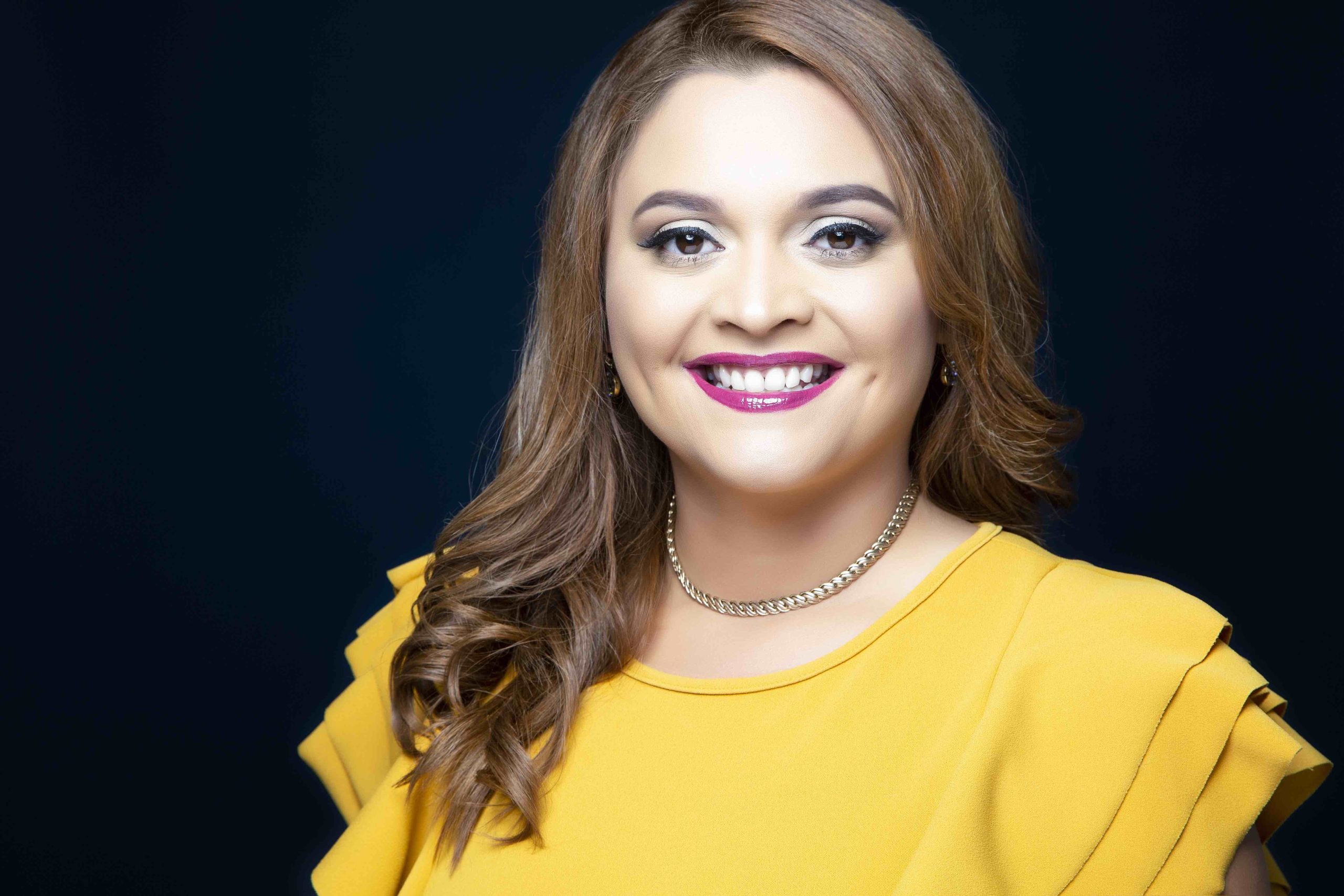
2 min read November 2019 — At first glance it may seem that there are more than enough chambers and business organizations in the Tampa Bay region to service the needs of the business community. The newest entry into the market, the Tampa Bay Latin Chamber of Commerce, would beg to differ. Created with the goal of promoting and aiding new and established Latino and Hispanic organizations in the region, the new chamber is looking to make a quick and significant impact within Tampa Bay. Chamber Vice President Ruby Wake spoke with Invest: about its mission, Tampa Bay as an emerging international hub of business activity and how the chamber will be addressing the greatest needs for this sector of businesses. 


How did the Latin Chamber of Commerce come to fruition? 

We noticed that there was a gap between the various Latino and Hispanic organizations. In this region, we have amazing organizations that cater to small businesses and startups by providing them with legal and accounting services, but there is no organization that caters to the professional services industry or the technology-driven industries. This was one of our main rationales for wanting to create this new chamber. We are in the process of developing a chamber that brings more than just monthly meetings and luncheons. We want to develop a chamber that is going to facilitate and assist in the development of new industries and companies within Tampa Bay. To accomplish this, we have created a board of directors that is very diverse, ranging from attorneys, to public administrators, to news anchors, with the purpose of figuring out what we can do for the Latino business community within Tampa Bay. 

How is Tampa Bay establishing itself as a hub for international business? 

Tampa Bay is going to continue to emerge as a hub for both national and international businesses due to our location and easy access to economic essentials. We have our ports and we are centrally located in Florida. We also have a booming economy, and we are slated to surpass New York City from a population density standpoint, which is amazing. Being in Florida also means that we are close to our Central and South American counterparts and having that access gives us the ability to introduce industries from different parts of the world.

What is the greatest need from the Latin business community to help grow their businesses? 

We have noticed a lack of education from a financial standpoint. Unfortunately, most Latinos are not instilled with financial literacy at a young age. Even for those individuals with a higher education, it is not something that is taught in most universities, colleges or even in graduate schools. Programs are starting to emerge for high-school students, which is great, but what about adults who are already working full time in an industry or starting a business? These professionals have questions related to things like obtaining additional funding, creating a succession plan for their businesses or expanding on an already amazing business structure. How can they create an adequate business plan and then pitch that business plan to a potential loan officer or an investor, when they lack the education and resources? While, we contribute $300 billion to our nation’s economy, our businesses remain stagnant for the most part because of a lack of funding and a lack of education related to obtaining this funding. It is a vicious cycle that we are hoping to break.

How will the chamber assist in promoting Latino businesses and residents in Tampa Bay? 

We hope to assist with the disparity by establishing two accelerator programs and a Latino leadership program. One accelerator will be a technology accelerator that will be hosted in conjunction with Tampa Bay Wave and the second accelerator will be a professional services accelerator. The Latino leadership program will assist Latinos who are interested in becoming involved in the political arena. We hope that by providing these additional resources, we will propel not only the Latin community within Tampa Bay, but Tampa Bay in general.


To learn more about our interviewee, visit: 

https://www.linkedin.com/company/tampa-bay-latin-chamber-of-commerce/