How Orlando is improving its transportation infrastructure through technology

How Orlando is improving its transportation infrastructure through technology

By: Beatrice Silva
2 min read  — Public transportation is a vital contributing element to urban sustainability. Practical transportation networks that integrate public travel can help lower a city’s per capita carbon footprint. It also makes metropolitan areas more livable by easing commute times and expanding accessibility. Over the last few decades, technology has played a critical role in the evolution of transportation. Transportation technologies most often tackle challenges involving alternative fuels, demographic shifts, traffic analytics, safety and security. 


Almost 300,000 people live in Orlando and an estimated 75 million people visit the city every year, according to Visit Orlando. These figures are just part of the reason why Orlando has issues with its transportation system. Among companies tackling these challenges is Omnimodal LLC, an interdisciplinary team of mobility tech experts that has created smart mobility management solutions to ease congestion by helping to make public transportation easier to navigate. 


“Let’s say you live over by Orlando Health, but you work in Winter Park. You have to take a bus or catch a bike share to get to the [train] station. You’re having to possibly download the Lynx bus tracker app. You have to download whatever scooter or bike-share app you want to use. Then you have to download the SunRail app. They all possibly have separate payment interfaces as well. The future here is how do we integrate things to let folks download whatever app they want? Let’s allow the data to flow and have interoperable payment options, so folks use what’s going to work best for them. Otherwise, you have 16 apps on your phone that you’re kind of playing bingo with to figure out,” David Thomas Moran, CEO of Omnimodal LLC, told Orlando Business Journal.

Beep, a driverless and electric shuttle, is another company making big changes within Orlando’s transportation industry. The company uses key hardware and software to enhance safety, sustainability and mobility. Not having a human driver may seem like something out of a science fiction novel, but it is actually quite common and effective. Beep believes that its technology eliminates human error when it comes to driving. The shuttle is equipped with scanners, sensors and cameras that make its reactions similar to a human driver but without having to worry about the human distractions. As for sustainability, it’s electric-powered motor makes it extremely environmentally friendly. “Look at the passenger count we had, which was 14,000 riders, equivalent to 7,000-9,000 cars off the road. That starts to show the impact these vehicles can have in not only eliminating road congestion and removing or reducing parking requirements but also impacting safety,” Joe Moye, CEO of Beep, told Orlando Business Journal. 


As transportation continues to be transformed, safety will always be a top priority. Autonomous vehicles will reduce the reality of human error which is the cause of 85% of all accidents on roadways. Improved safety is a result when combined with a reduction of cars on the roadways due to this mobility service, according to Beep’s Mobility Platform. 


Undoubtedly, technology will continue to impact the way people commute. Today, travelers are demanding more and more mobility alternatives. A city’s sustainability relies deeply on the different ways it’s able to offer transportation for its community. To ensure a region’s success and growth, metropolitan areas must continue to find more effective solutions to increase the overall quality of their transportation services.

 

Capital Analytics Highlights South Jersey’s Business Growth

Capital Analytics Highlights South Jersey’s Business Growth

Invest: South Jersey offers economic insight in a time of uncertainty

July 6, 2020

FOR IMMEDIATE RELEASE


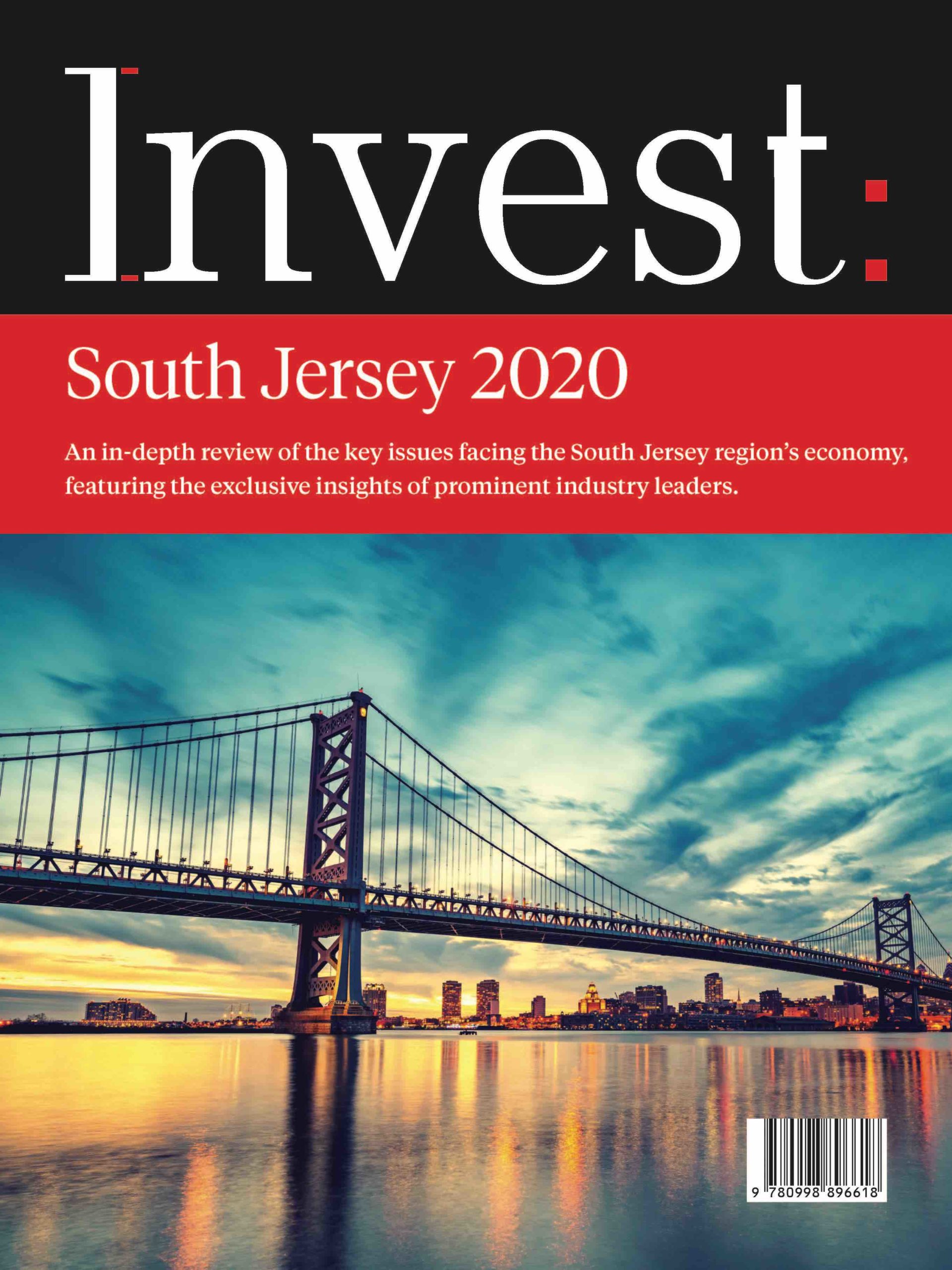
CHERRY HILL, NJ – Capital Analytics’ in-depth research into the South Jersey market has never been more important. Invest: South Jersey, one of an annual series of business reports, offers comprehensive business intelligence during a time of economic uncertainty. Invest: South Jersey dives into the top economic sectors in the county, including real estate, construction, utilities and infrastructure, transportation and aviation, banking and finance, legal, healthcare, education, and arts, culture and tourism. The publication features exclusive insights from industry leaders, sector insiders, political officials and heads of important institutions. It analyzes the leading challenges facing the market and uncovers emerging opportunities for investors, entrepreneurs and innovators.

“South Jersey was an important expansion for us because it is a unique and dynamic area that functions with the greater Philadelphia region. Our South Jersey expansion showcases how metro areas are more than just cities, but rather a diverse ecosystem made up of many companies, locations and environments. Despite the challenges put upon us by COVID-19, Capital Analytics remains steadfast in our purpose: to deliver in-depth business intelligence through its print and digital platforms. Now more than ever, information is not only necessary, it is vital,” said Abby Melone, President and CEO of Capital Analytics. 

Over seven months, the Capital Analytics team conducted extensive research and interviewed over 200 high-profile industry leaders such as; Steve Sweeney, New Jersey’s Senate President, Marty Small, Mayor of Atlantic City and Michael Snyder, Director of Operations for Visit South Jersey. Through their research, the Capital Analytics team identified significant business insights that will serve as important knowledge benchmarks for investors, entrepreneurs and innovators. The publication is the first and most comprehensive report on South Jersey’s vibrant business climate, as seen through the eyes of those at the forefront of their sectors.

“Over the course of our seven-month research period, we were given the ability to truly peel back the curtain and discover what has gone into making South Jersey the hotbed for investment that it has become. What we found was that this economy has not only flourished thanks to cross-sector collaboration but also because of thoughtfully calculated community efforts to raise South Jersey’s status as a preeminent destination for both economic and social prosperity,” said Max Crampton-Thomas, Regional Editor of Capital Analytics. 


About Capital Analytics:

Capital Analytics produces in-depth business intelligence with a focus on providing comprehensive investment knowledge on markets within the United States for the domestic and global business community. Over a seven-month research period, it meets with more than 200 top political, commercial and industry leaders to deliver targeted information, in-depth analyses and strategic insights to the global business community on economic trends and investment opportunities.

Its first publication, Invest: Miami, has a global readership and includes among its readers top executives working in real estate, finance, technology, trade and logistics, health, hospitality and others. Books are distributed locally, nationally and globally to trade and investment boards, executives of Fortune 500 companies, institutional investors, consulates and embassies, hedge funds, leading chambers and associations, as well as high-level summits and conferences.


For more information contact 

Max Crampton-Thomas 

Regional Editor

mcthomas@capitalaa.com

TEL: 305-523-9708 ext 233

Face Off: Miami-Dade ripe with opportunity

Face Off: Miami-Dade ripe with opportunity

By: Max Crampton Thomas

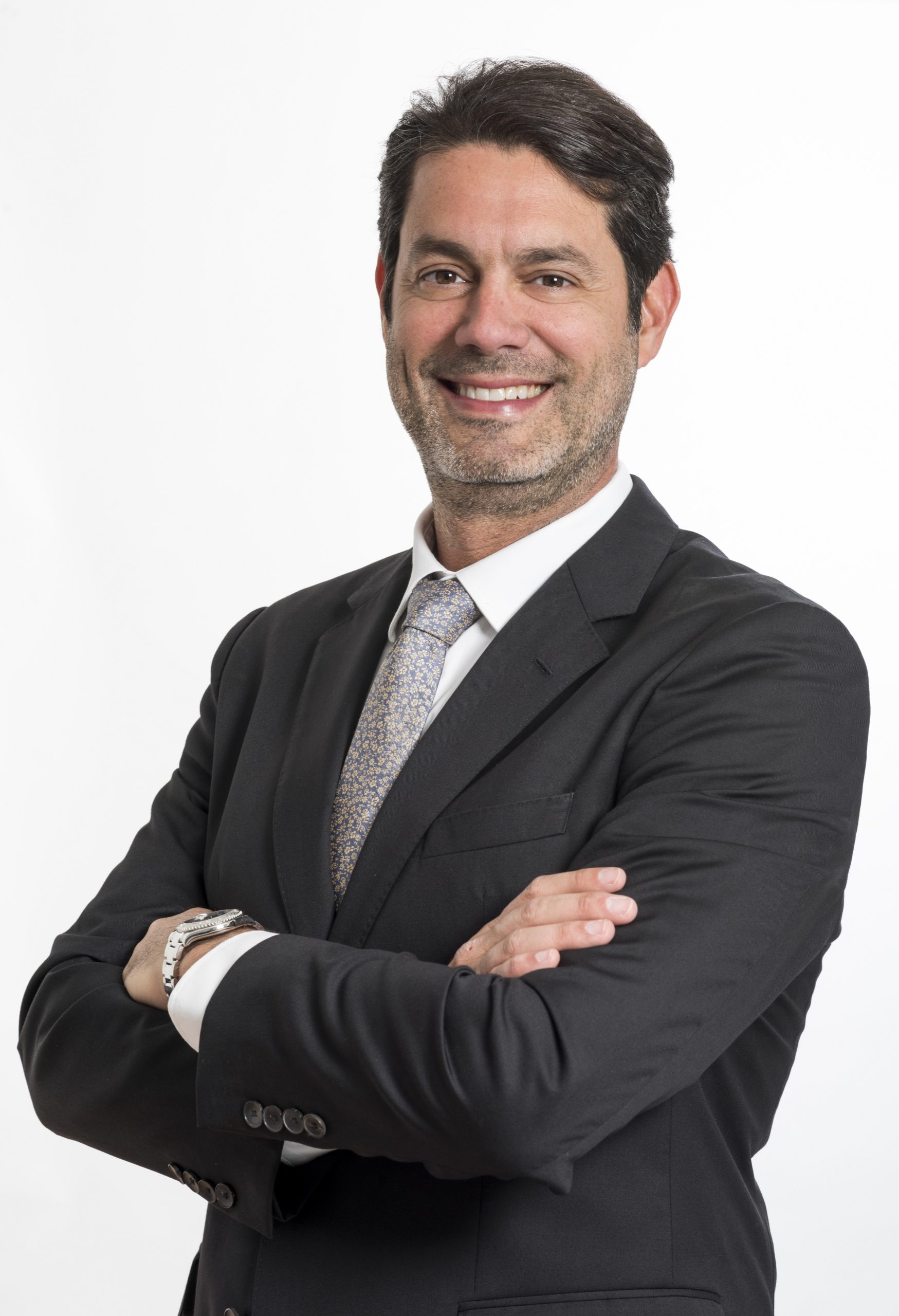
4 min read July 2020 While the ongoing pandemic has been nothing short of a gut punch to what was set up to be another monumental year for economic growth, real estate development and investment has continued to adapt and move forward through a somewhat uncertain landscape. Invest: recently spoke with two Miami-Based leaders within these spaces. Real estate investor Jeronimo Hirschfeld, chairman, founder and CEO of One Real Estate Investment (OREI), and commercial real estate developer Bernardo Rieber, president and CEO of Rieber Developments, both spoke to the immediate effect and changes the pandemic has created for their projects and industry, as well as why they continue to believe in the Miami-Dade marketplace regardless of the roadblocks thrown up by COVID-19. 

What advantages does the Miami marketplace offer to your business operations?

Bernardo Rieber: I think that Miami is one of the greatest cities in the world. I travel a lot, especially in recent years, and it is hard to find a city like Miami where everything works. It’s new, beautiful, with great weather most of the year. People are amazing, and the properties in general are still less expensive than in other major urban centers. The airport is one of the top in the nation and they have done a great job of expanding to meet the need. I think that Miami will continue to grow. Money will continue to be invested here.

In the commercial segment, I also see a strong market, for several reasons. In particular, more and more people are moving to South Florida. It might be because of low taxes, and the fact that it is becoming more of a global city, compared to 40 years ago when it was beaches and malls. Now, we are a culinary center, with new cultural centers, museums, a lot of great things happening. People move here from the East Coast, from South America and Europe. There are a lot of young professionals in areas such as Brickell. There is great demand for offices because a lot of international companies in the financial world are doing business here.

But there has also been a situation related to traffic, in which smaller municipalities, like Aventura, have been developing more commercial infrastructure to accommodate the people who live there and don’t want to commute into Downtown Miami. More offices are needed, and that’s fueled the market. In my particular case, as I am a developer of mostly medical spaces, I see Miami as a tremendous hub for medical tourism. I am right next to the Aventura Hospital and Medical Center, which is a level two trauma center, with 500 beds. I am finishing an extended stay hotel next door, and a total of 80,000 square feet of offices.

Jeronimo Hirschfeld:  In today’s market, especially in the asset class that OREI operates in, which is multifamily, I believe there are going to be many opportunities here. In previous years, there were a lot of developers and investors deploying money into these investments, but as more uncertainty surrounding the real estate sector becomes apparent, opportunities begin to arise for firms like One Real Estate Investment.  What we are seeing today is that these investors are now realizing that their strategy and their returns are not what they expected, so they are turning around and selling.

Bernardo Rieber

Jeronimo Hirschfeld


Multifamily assets are commonly tiered in A, B, C, and D categories based on the asset, location, and tenant base. In the market where I play, which is typically workforce housing in the B+ to C+ space, the assets tend to have a level of insulation from macro market drivers and economic factors. This is because when there’s a crisis and we see unemployment increase, many people begin to downsize to a living space that is more economically practical and feasible. So, when looking in multifamily real estate, you’ll see renters that were previously paying $4,000 in rent coming down to $3,000, and so on. Looking at the assets I invest in, the rents average between $750 and $1,200. These assets tend to perform in times of crisis because, as I mentioned, when people adjust their lifestyle, rent is usually a major expense that can be altered. As individuals who were once living in the Class A and B apartments begin to see a decrease in income, they will make the shift to a B or C class apartment. Ironically, I’ve seen the occupancy of my properties across the board tends to increase during a crisis between 1 to 2% because in addition to the individuals downsizing, many tenants who currently reside at our properties work blue collar jobs that aren’t drastically affected by a downturn. We feel very good about where we sit and what we are doing. Our competitive advantage is showcased through finding the right opportunity, taking advantage of the right deals and making sure we put the appropriate debt structure in place. Multifamily is an asset that sustains itself and performs very strongly during these times.


Where do you see the real estate market in Miami going over the next couple of years?

Rieber: We are mostly focused now on selling office condominiums in the medical sector, and there’s been a great response. We are sold out at our project Ivory 214 and we broke ground on our 12|12 Aventura mixed-use development in early 2020. We demolished the previous structure, prepared the land, started piling, and we are now about to start the foundations. We are on schedule to be up and running by the first quarter of 2022. Of course, since the COVID-19 situation began, we have had to adjust our sales process, but we continue to have interest in our offering and I expect to fully rebound.

Hirschfeld: In terms of neighborhoods, Wynwood is pretty hot, and you have nearby Allapattah, which is also a growing area with a lot of opportunities. It is still industrial, but as population and developments move up north, all these industrial neighborhoods will start changing into places where people are going to be living, playing and working. That’s what we saw with Wynwood. OREI is still very much in acquisition mode, as we are consistently sourcing new deals, while bringing in new equity groups and private investors who are interested in the multifamily space. 

How has the fallout from the COVID-19 pandemic altered your developments at least for the near term?

Rieber: It’s been a shock from a business perspective. We are monitoring the situation daily. Of course, there have been ripple effects because Miami-Dade County’s building department closed, and you cannot call for inspections, which you need to continue building, and permits are delayed, but everyone is powering through and adjusting as best as possible during this unprecedented time. I truly believe that this short-term pain does not compare to the long-term potential of this community. 

Hirschfeld: (With  more people working from home in the future) there are a lot of things that we are implementing. We are implementing USB outlets in new projects, to make sure people can connect their devices directly. We are also implementing smart thermostats that you can control remotely through your phone, making it more efficient because you can set it up to emit minimal power every time you leave and to start cooling five, 10 minutes before you return to the apartment. In our Wynwood project, we have a large bike space at the street level.

To learn more about our interviewees, visit:

http://www.rieberdevelopments.com/

https://www.onerealestateinvestment.com/

Palm Beach County shows patriotic spirit this Fourth of July

Palm Beach County shows patriotic spirit this Fourth of July

By: Felipe Rivas

2 min read July  2020 — Is COVID-19 casting a dark shadow on your Fourth of July weekend plans? Every year Floridians eagerly look forward to Independence Day for peak summer fun, beach and outdoors activities, and family cookouts. However, the rising number of coronavirus cases have prompted Palm Beach County officials to again place the beaches on lockdown in an effort to curb further spikes in infections at a time when many residents were expecting to enjoy time by the water. Along with beach closures, many fan favorites and fireworks displays also erred on the side of caution to prevent more cases of COVID-19. 

Though celebrating the nation’s birthday looks entirely different this year, there are a slew of in-person and virtual events for the entire family to enjoy. Here is a list of activities we are looking forward to in Palm Beach County during the Independence Day weekend. 

Catch some waves at Rapids Water Park

 Bummed that you can’t catch some waves at the beach this Fourth of July weekend? Then spending a lazy day at Rapids Water Park’s lazy river is a great alternative. The Riviera Beach water park, known for its colorful, thrilling slides and family/friendly water attractions, will be open for business this summer following all guidelines and cleaning standards, of course. “I thank you for your patience as we work through the many new challenges this pandemic has presented. We are excited to reopen and provide an entertaining break from the day-to-day world,“ General Manager Bryan Megrath wrote on the park’s website. Tickets must be purchased in advance and the park will feature extended hours from 9 a.m. to 7 p.m.

For more information, vist: https://www.rapidswaterpark.com/covid-19-safety/

West Palm Beach’s surprise fireworks show

Those wishing to see traditional fireworks shows will have to hang out in the city of West Palm Beach and look very closely skyward once night settles. The city’s traditional fireworks show will not launch near Flagler Drive as usual, but instead from two undisclosed locations north and south of the city, wowing families socially distancing at home. “While some will be able to see the fireworks from their home, all residents will be able to view them by tuning into WPBF 25’s Project CommUNITY: Fireworks From Home at 9:00 p.m. on July 4,” the City of West Palm Beach wrote on its website.

For more information, vist :https://www.wpb.org/government/community-events/community-events/4th-on-flagler

Gardens 2 Go Drive-Thru Market

Feeling lethargic after a good Fourth of July family cookout? Head over to Palm Beach Gardens to access fresh produce, meats, dairy and more while helping local vendors in the process. Every Sunday, local Palm Beach Gardens residents can get ahead on their grocery shopping from the comfort of their own cars by visiting Gardens 2 Go Drive-Thru Market. “Gardens 2 Go will provide residents and visitors with a safe and socially-distanced way to access quality produce, bread, coffee, eggs, meat, seafood, dairy and cheese from local vendors,” the city wrote on its website. 


For more information, visit: https://www.pbgfl.com/1067/Gardens-2-Go?fbclid=IwAR2eTUe4tcd4u90VfvyRBjniUdqqFwWsduqX9lewWMbLDDmAEegeK5K2YlU

Virtual trivia 

Want to flex your knowledge of American history as you celebrate the nation’s birthday? Delray Beach has you covered. The city of Delray Beach will host two trivia games set to challenge even the smartest of history buffs. “Your knowledge of Delray Beach and America will be tested. Each game will consist of two rounds of questions (one round on Delray Beach and one round on America) with 20 questions in each round. You earn more points the faster you answer correctly,” the city of Delray Beach wrote on its website. Games are free to enter and family-friendly. Players are playing for bragging rights and a gift card. Game 1 and 2 begin at 2 p.m. and 7 p.m., respectively, on July 4. 

For more information, visit: https://www.delraybeachfl.gov/our-city/things-to-do/4th-of-july

Fourth of July weekend in the Queen City

Fourth of July weekend in the Queen City

By: Felipe Rivas

2 min read July 2020Independence Day traditionally marks the peak of summer travel, events and large gatherings. This year, however, Fourth of July festivities have been significantly reduced or moved to the digital landscape for families to enjoy from the comfort and safety of their homes due to the coronavirus pandemic.

Among the cancellations is The Charlotte Knights’ annual fireworks show over Independence Day weekend. However, not all celebrations have been dampened by the virus. From interactive conversations to races and, of course, fireworks, the Queen City will feature a few in-person events mixed with a large offering of virtual spectacles that will surely foster the patriotic spirit in these uncertain times. Here is our pick of the different in-person and virtual events happening over the Indepence Day weekend. 

Fourth of July Celebration at U.S. National Whitewater Center 

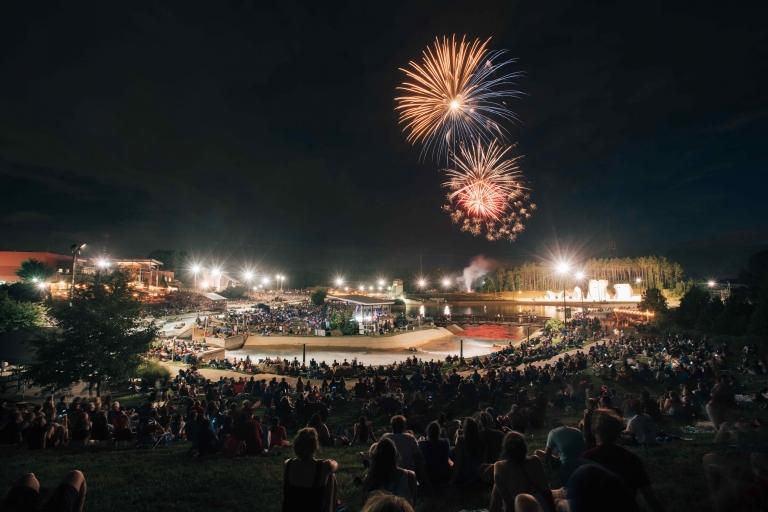
Described as a “summer classic,” the U.S National Whitewater Center will feature a two-day Fourth of July Celebration with plenty of opportunities to enjoy the festivities and keep socially distant. The festival will feature live music, various yoga practices, Battle Royale SUP Sprint, and two days of fireworks overlooking the world’s largest man-made whitewater river, the center wrote on its website. The celebration is free to attend, open to the public, and does not require tickets.

To learn more, visit: https://usnwc.org/relax/festivals/fourth-of-july-celebration/

Gastonia Grizzlies Baseball Game and Fireworks Show

Those wishing to enjoy nine innings of baseball, hot dogs and fireworks can head over to the City of Gastonia on Friday, July 3, for a night of Independence Day celebrations. Dubbed as the “the best fireworks in town at the greatest show in town,” the event is a great place to stretch your legs over the Fourth of July weekend. 

To learn more, visit: https://gastoniagrizzlies.com/schedule/

Park National Bank American 4 Miler

Those wishing to maintain their fitness routine before tackling the celebratory burgers, hotdogs and chips customary of Fourth of July celebrations can enjoy an in-person or virtual 4-mile race. The Park National Bank American 4 Miler is an on-site or virtual run on Friday, July 3 that sets the tone for the rest of the Independence Day weekend. The on-site race will conclude with live music, but there will be no in-person awards ceremony, according to organizers. The cost ranges from $24-$27 and there will be no race-day registration.

To learn more,  visit: https://runsignup.com/Race/NC/Charlotte/American4MilerpresentedbyFamousToastery

Independence Day at the Charlotte Museum of History 

For history buffs and parents looking for daily learning activities, The Charlotte Museum of History will host virtual Independence Day festivities starting June 29 through July 4. The museum’s website offers new resources ready to teach and entertain its audience each day throughout the Independence weekend. Activities are free of charge but registration is needed. 

To learn more,  visit: https://charlottemuseum.org/digital/

Virtual Family Dinner

Use this holiday break to bring the family together virtually. Much like work video calls, schedule a family video call at dinner time to unite family members scattered by social distance and travel restrictions. Though it may be hard to pass the potato salad across a video conference call, it is easy to enjoy a virtual family dinner filled with laughs and smiles. Food always brings people together, use this Independence Day to recreate the Fourth of July weekend you had in mind at the start of 2020.

How South Jersey is celebrating the 4th of July during the pandemic

How South Jersey is celebrating the 4th of July during the pandemic

By: Beatrice Silva 

2 min read – Celebrating Independence Day is a big deal for most Americans. The Fourth of July officially became a national holiday in 1870. Then in 1941, a provision was expanded, making it a paid day off for all federal employees. People across the nation celebrate by setting off fireworks, watching parades, and having casual BBQs with their friends and family. This year however, festivities are going to look a lot different due to the constantly evolving COVID-19 virus. 

South Jersey skies will sparkle slightly less than they have in previous years, as most towns have canceled their usual spectacles. However, that doesn’t mean the holiday is completely up in smoke. There are still quite a few CDC-regulated activities you can enjoy that will keep you safe while satisfying your patriotic urges. Invest: South Jersey explores five of the top things to do this Fourth of July weekend during a pandemic. 

Middle Township Fireworks 

Mayor Tim Donohue let freedom ring when he decided to reverse his decision to cancel this year’s fireworks display. The town’s annual celebration will be held at dusk on Saturday, July 4 and gates will open one hour before start time. People are encouraged to wear masks and practice social distancing. The fireworks will also be streamed on the Middle Township Facebook page for anyone who wants to enjoy the festivities from the comfort of their home. 

For more information visit: https://www.facebook.com/photo.php?fbid=10217619152931637&set=a.1465495198362&type=3

Burlington County Virtual Contests 

Bordentown Township, Medford and Riverton have all canceled their fireworks celebrations. However, county officials are still encouraging their residents to hold family picnics on their lawns or driveways at 4 p.m. on the Fourth of July. They hope these festivities will help unite their community while still practicing safe social distancing. Officials also announced that they will be holding virtual house decorating, patriotic costumes and pet pageant contests. Contestants are asked to submit photographs of their entries. The winners will be announced on riverton4thofjuly.com, Facebook, and Instagram. 

For more information visit: https://www.riverton4thofjuly.com/covid

Ocean Gate 4th of July Parade

On June 20, Ocean Gate borough took to Facebook to announce that it will still be hosting its annual July Parade. Registration for the parade opens at 8 a.m. on July 4, at Adrian Hall. Try to come early because only a limited number of people will be allowed into the building at one time. The July Parade begins at 10 a.m. on Ocean Gate Avenue. To encourage social distancing, the parade route will be extended this year.

For more information visit: https://www.jerseyfamilyfun.com/event/independence-day-parade-oceangate/

North Wildwoods Family Parade, Kite-Flying Competition and more 

A few towns in Cape May County have canceled their celebrations but not Wildwoods. Independence Day Family Parade will begin at 9 a.m. at 9th and Atlantic Avenue in North Wildwoods. A barbeque will then be held from 3 p.m. to 7 p.m. for a minimum donation of $8. Fourth of July fireworks will be held on the beach at Rio Grande Avenue. Since the fireworks can be viewed from almost anywhere on the Wildwoods Boardwalk, visitors have been encouraged to enjoy the show from a distance. Anyone who is participating in the celebrations is required to follow CDC regulations. 

For more information visit: https://wildwoodsnj.com/events-calendar/?month=7-2020

Virtual Fourth of July Festivities

Celebrating a holiday from the comfort of your home has its perks, especially during these unprecedented times. For starters, you won’t have to worry about parking or overpriced drinks if you are hosting a small gathering at your house. Also, a majority of cities across the country are streaming their festivities live so anyone can join the fun no matter where you are. For example, viewers will be able to watch Houston’s “Shell Freedom Over Texas” at 8 p.m. Eastern on ABC12.com. The show will include performances by the Houston Symphony and country singer Pat Green. To make your at-home experience even more thrilling, try setting off a few fireworks from your backyard or get creative and decorate your front porch. We’re sure the neighborhood will enjoy your efforts as well.  

Real estate development is booming in Fort Lauderdale

Real estate development is booming in Fort Lauderdale

By: Beatrice Silva 

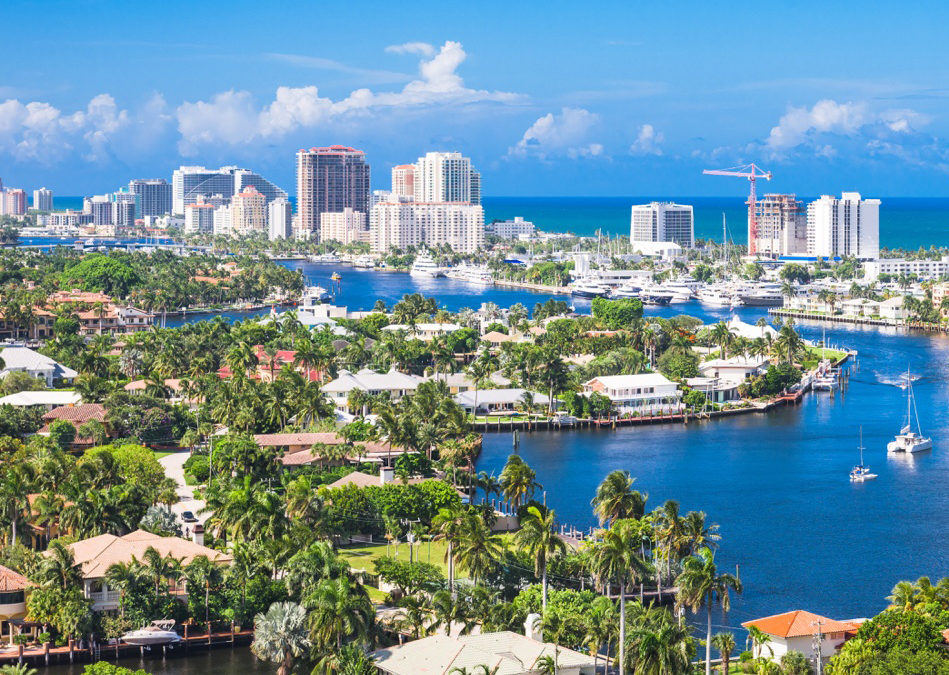
2 min read –  Real estate development in Fort Lauderdale is getting a jolt of confidence despite the lingering impact of COVID-19. On March 24, a majority of businesses were forced to shut down after Gov. Ron DeSantis announced a statewide shelter-in-place order. However, construction companies, hospitals, grocery stores, gas stations and other essential businesses were allowed to carry on with work as usual.


Florida is just one of several states that allowed construction to continue despite nationwide shutdowns. Similar to many other regions in the area, development is a vital part of Fort Lauderdale’s economy. The construction industry is projected to have the largest industry increase in employment from 2014 to 2024, according to the U.S. Bureau of Labor Statistics. 

A strong signal of the confidence in the market is a recent move by Oko Group, an international real estate development firm founded by Vladislav Doronin. It is the first company to close a large deal since the beginning of COVID-19. The firm recently purchased 6.68 acres of land east of the county courthouse in Downtown Fort Lauderdale for $62.59 million. “Oko Group is excited to expand its portfolio of South Florida real estate with the acquisition of a mixed-use development site in the heart of Fort Lauderdale’s urban core,” the developer said in a statement reported by South Florida Business Journal. “The Oko Group team, led by Doronin, now looks forward to working with the city of Fort Lauderdale to finalize plans for an exceptional development that will help to further transform the Downtown district while adding significant amenities for nearby residents and businesses.”

The majority of developments in the pipeline for Fort Lauderdale will most likely be residential. Retail and office real estate have proven themselves to be the weakest sectors in the market during the pandemic. “Prior to COVID-19, South Florida’s real estate sector was very strong, propelled by the demand and low interest rates. I think the commercial office market may see a bit of a correction. So many people are working from home and I imagine that most of them are going to continue to do that the rest of the year. I think business owners are getting more comfortable allowing their employees to work remotely. So far, the industrial and residential markets have proven themselves to be the strongest sectors in the real estate industry during the pandemic. I don’t think we’ll see any correction there. Currently, at Touchstone Webb Realty Company, we are watching retail and commercial as we move forward. We think it is going to take a good year before we see this sector begin to correct. We are still purchasing industrial and flex spaces for our clients,” Susan Thomas, president of Touchstone Webb Realty Company, told Invest: Palm Beach.

As Thomas mentioned, CDC regulations like social distancing have compelled more people to want to work from home. As a result, business owners could require less office space. Fairfield Cypress Creek is just one example of this trend. The new mixed-use project is currently underway between 6500 and 6520 N. Andrews Ave. The land which was originally occupied by office buildings will now hold 295 residential units, shops and restaurants. A new downtown could be another exciting project on the horizon for Broward County. Broward is recruiting a large company to relocate to the 140 acres next to the Everglades in Sunrise. “It’s one of the last few pieces you could make a statement. We really want to market this site internationally, not just nationally,” County Manager Bertha told the Sun Sentinel. 


A deeper look into how Philadelphia’s economy is recovering

A deeper look into how Philadelphia’s economy is recovering

By: Beatrice Silva

2 min read – Philadelphia is the seventh-largest metropolitan area in the United States. Its diverse population, affordable rents and urban atmosphere make it an ideal location for entrepreneurs to open up shop. So much so, that small businesses make up 99.7% of its economy, according to the U.S. Small Business Administration Office of Advocacy. The city was on a strong growth course before COVID-19. However, that all came tumbling down when all non-essential businesses were ordered to shut down in Pennsylvania on March 19. 


In an effort to limit the damage to the national economy, the federal government rolled out the Coronavirus Aid and Economic Security (CARES) Act on March 27. Part of the act, a loan called the Paycheck Protection Program, has played a particularly important role in Philadelphia’s recovery. The program set aside $349 billion for small business loans intended to help them stay afloat and keep their people employed during the pandemic. Within weeks, the federal aid was exhausted and small businesses were once again left with uncertainty. A second glimmer of economic hope presented itself  when Gov. Tom Wolf allowed Philadelphia to transition into the yellow phase of his recovery plan on June 5. Stay-at-home orders were lifted and in-person retail was again allowed. Despite rising coronavirus cases, most businesses were eager to open their doors under regulated CDC guidelines. 

Two weeks into Philadelphia’s reopening a new obstacle landed in the city’s lap. Some businesses experienced looting and vandalism due to nationwide protests in the wake of the killing of George Floyd, a black man who died after a Minneapolis police officer kneeled on his neck for nine minutes. On June 11, Philadelphia announced a new grant and loan program for small businesses affected by the COVID-19 shutdown and damages from recent lootings. The Restart PHl Loan Fund from the Philadelphia Industrial Development Corp. will be primarily for minority-owned businesses in low-income areas. The $3 million in loans to small businesses can cover costs for things like inventory, technology, staffing and employee training. Philadelphia also announced a $1.4 million “Restore and Reopen Program,” which will provide grants to independently-owned businesses that have suffered from property damage.

“These efforts are intended to provide equitable and immediate relief to ensure our small businesses can sustain themselves and return in a manner that allows them to thrive,” said Philadelphia Mayor Jim Kenney in a statement. 

It may be too early to tell how the region’s economy will fare as it heads into a post-COVID-19 landscape. However, there is one sector that is expected to thrive as a result of all of this. Now more than ever before technology has proven to be a vital aspect of everyday life. One key advantage the industry has is the ability to have its employees work remotely, unlike retail and food services. The tech sector could even play an essential role in igniting the reconstruction of the local economy, according to the Greater Philadelphia Economy League.

 

The Post-Pandemic City

The Post-Pandemic City

By: Abby Melone, President & CEO, Capital Analytics

It’s a truism in today’s hyper-connected world that people go where the jobs are, more so now than ever before. But what happens when your job suddenly can be done from anywhere?


The 19th century ushered in the first and second Industrial Revolutions that saw more and more people move to urban environments, precisely because that’s where the jobs were. In the United States, the rise of manufacturing opened a new world of employment possibilities, pushing people from the farm to the factory. It’s a push that in one way or another continued into the 20th and 21st centuries. The result is seen today in the population densities that cram big cities from coast to coast, border to border.

According to the United Nations’ World Urbanization Prospects report and the website Our World in Data, the world crossed over in 2007. That’s the fist year the number of people living in urban areas rose above the number living in rural areas (3.35 billion versus 3.33 billion). In the United States, around 82.3% of the population lives in urban areas, according to the World Bank. Growth trajectories project a steady increase in urbanization as far out as 2050. 

Today, the millennial generation is changing the character of urbanization by spearheading the live-work-play ethos. This generation prefers to skirt the traffic jams and live and play near where they work. The goal to have it all close by has given rise to the mixed-use building concept that puts everything – your living options, your entertainment choices and your shopping – all in one convenient location, which preferably, is near your workplace. 

It also means we are all living closer to each other in smaller and smaller spaces. That seemed to suit a lot of people just fine. Then the COVID-19 pandemic happened, and all of sudden, none of that seemed fine at all.

The pandemic resulted in shelter-in-place orders that forced people to live 24 hours a day in their homes while also working from their home offices, if they had one, or their kitchen tables if they didn’t. The very idea of needing to go somewhere else to do your job turned out to be not so much of a necessity after all. In just a few months, priorities appear to have shifted. Now, many of us seem to crave space, the great outdoors, and we seem to be split 50-50 on whether we want to continue working from home, wherever we choose that to be, or prefer an official office setting, mostly for the socializing.

There is little doubt that the world has changed as a result of the pandemic. Most experts are puzzling on whether that change will last and just what our cities will look like as a result. The fact is, though, that change was already in play before COVID-19 hit.

My company focuses on nine major U.S. markets like Orlando, Miami, Atlanta and Philadelphia. We talk to industry and political leaders to understand the issues their communities face to gauge the direction in which they are moving. Today, everyone is talking about the pandemic’s impact on the retail sector, for example. Yet, e-commerce was already a thing before COVID-19. In 2019, a record 9,800 stores were shuttered, according to a Bloomberg report, with 25,000 closures expected in 2020 due to the coronavirus impact, the report said, citing Coresight Research. Yes, that’s a devastating impact, but the pandemic really has only accelerated the pace of implementation. It pushed more people online immediately, but those people were likely headed there anyway.

Many of the leaders we have spoken with during the pandemic agree that retail and commercial real estate was already undergoing a slowdown as industrial space to accommodate last-mile delivery for the Amazons of the world was booming. Many expect this trend will continue.

More importantly, what the pandemic has done has caused a rethink of priorities among individuals and it is this impact that will likely shape the post-pandemic city. Living in lockdown awakened people to the “smallness” of their space, forced on them by a combination of convenience and higher and higher housing prices in big cities. The median listing price for a home in Miami-Dade, for example, was $465,050 in May compared to the average U.S. listing price of $329,950, according to the Federal Reserve Bank of St. Louis. Interestingly, population growth in Miami-Dade was already slowing as more people moved out, with escalating living costs among the factors. With the pandemic highlighting the risks of living so close together, will more people decide that farther away is not only cheaper, but safer?

Big city living will change in the post-pandemic world as social distancing forces “people places” like gyms and restaurants to accommodate lingering fears from the virus. Tens of thousands of small businesses have already closed down for good, clearly altering the very unique characteristics of cities that attracted people in the first place.

The biggest impact, however, will be on how – and where – jobs are done. Remote working is hear to stay in some form or another. Like the industrial revolutions of the 18th and 19th centuries, people will always go where the jobs are. For many, those jobs will now be done from home, which means that home can be virtually anywhere. It creates choice like never before, and this will dramatically alter the character, although not likely the course, of urbanization. That’s an important difference. 

Big cities have seen the ebbs and flows of population growth before and will likely see them again. Through it all, they have more often thrived than not. The post-pandemic city may look and feel a bit different – the way condo units are built, for example, may change to accommodate working from home, while adding elements like air filters to battle any future virus outbreak – and there may even be a greater push to the suburbs in the short term. Overall, however, continued urbanization likely will remain on the cards. If we’re lucky, there may just be a little more distance between all of us.