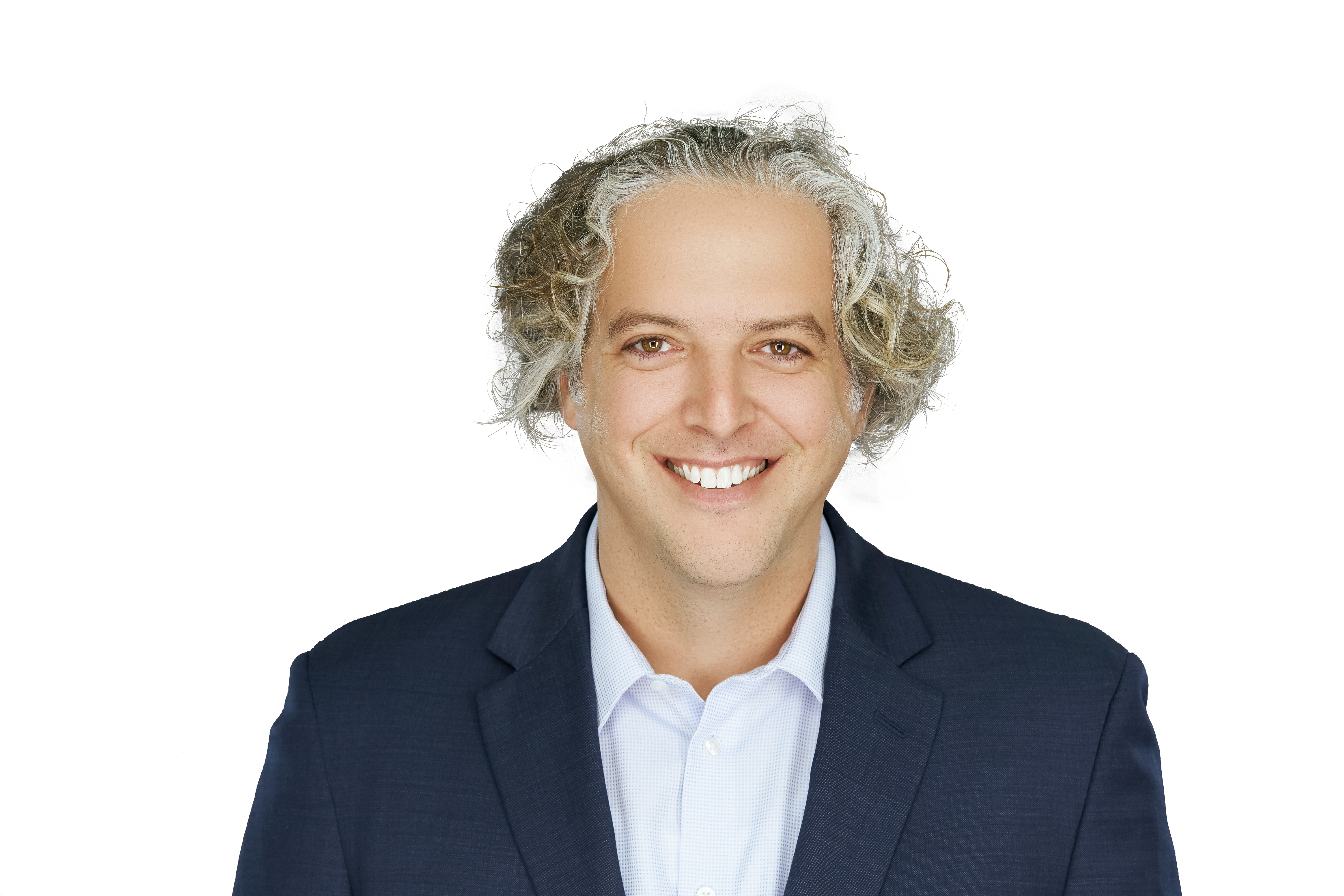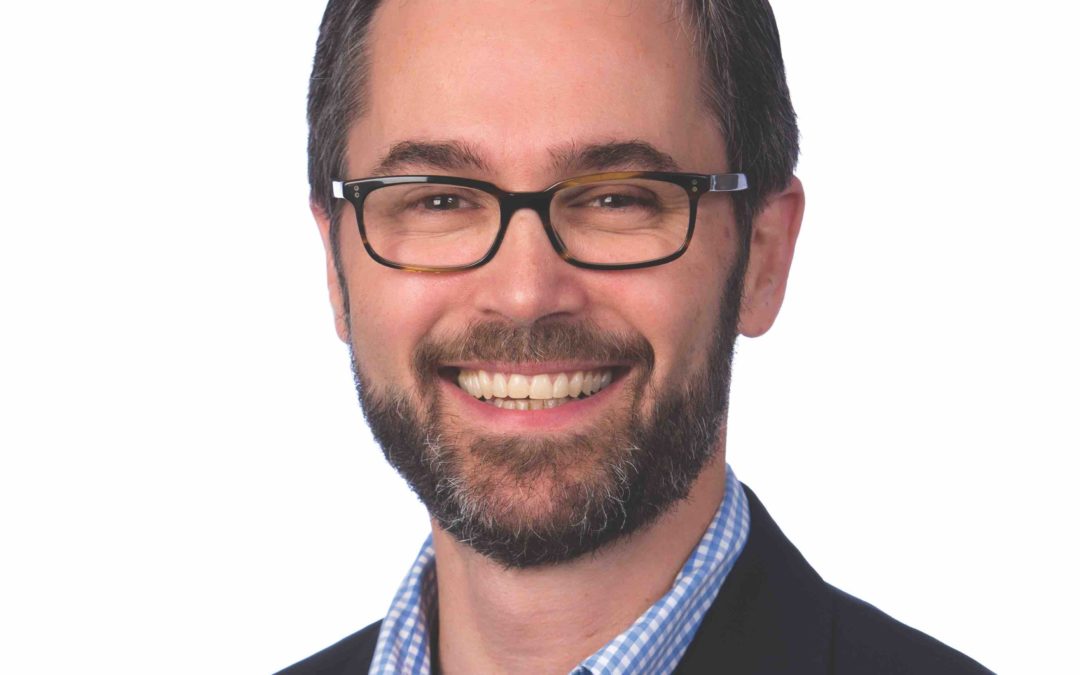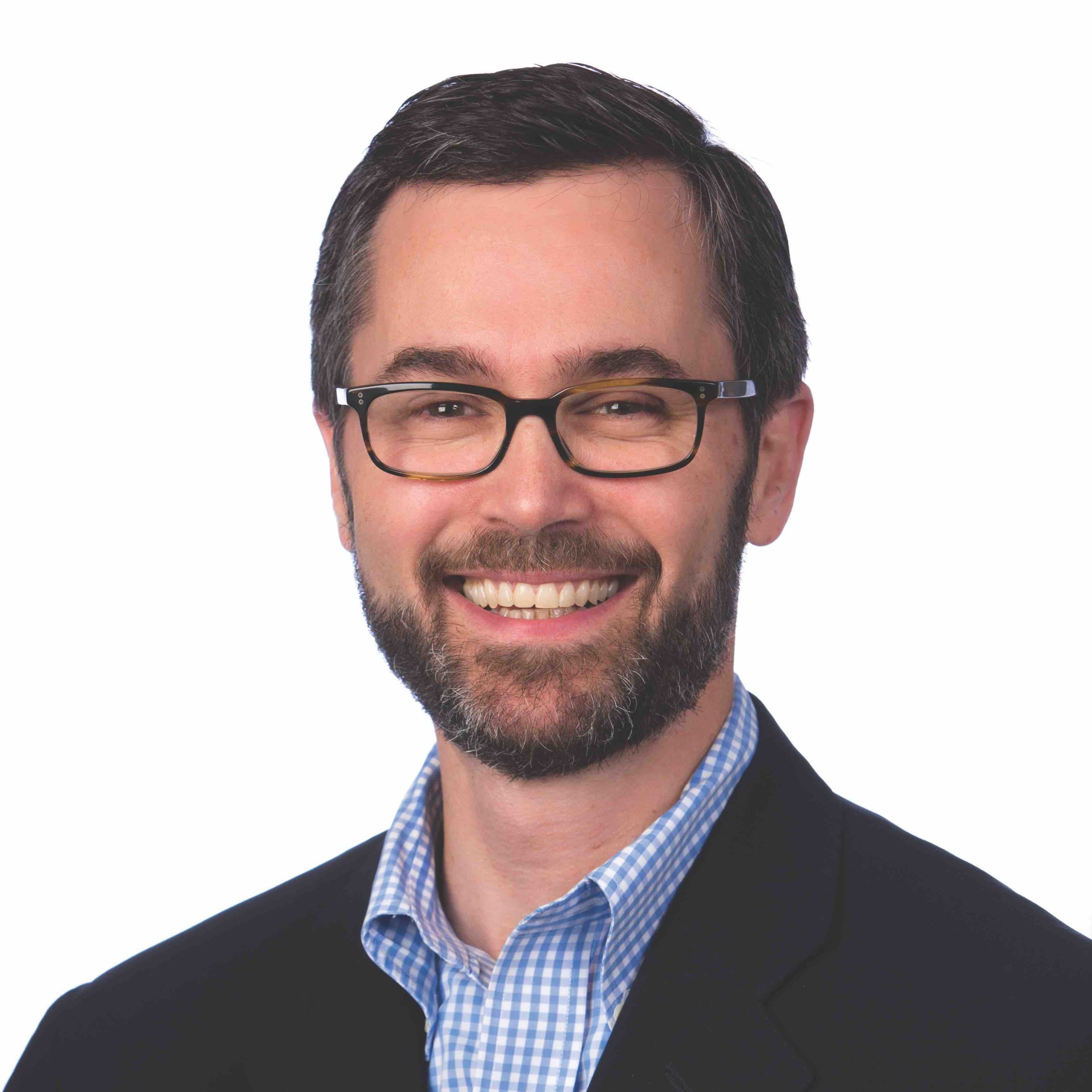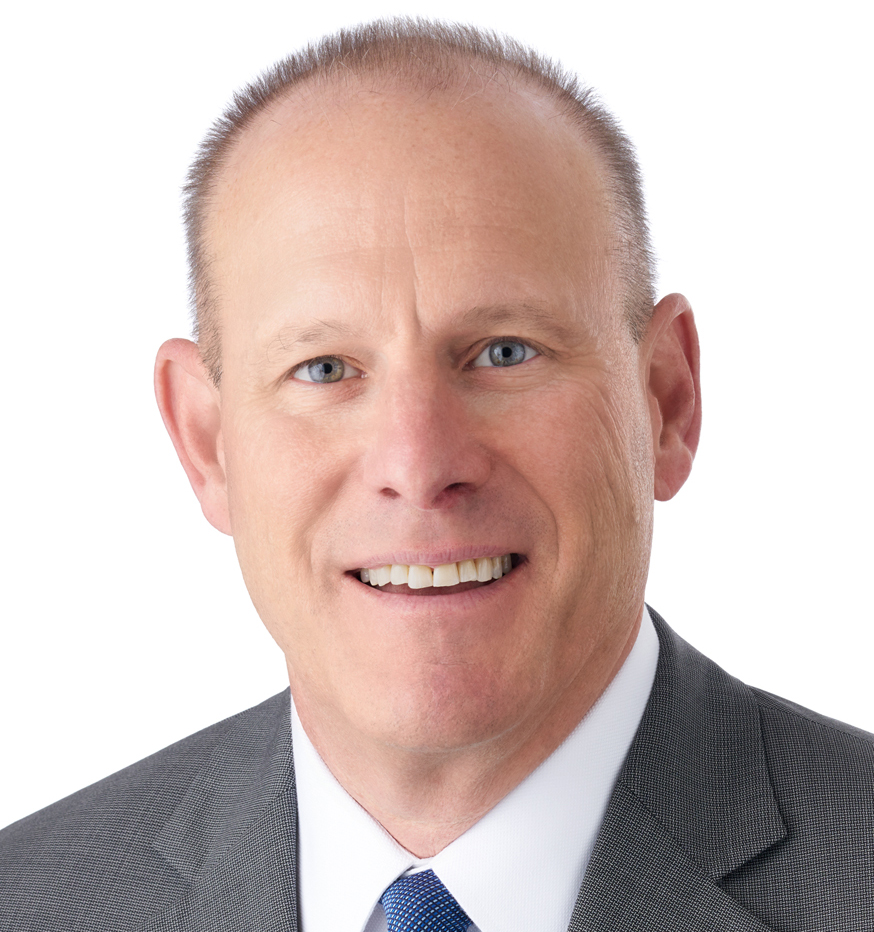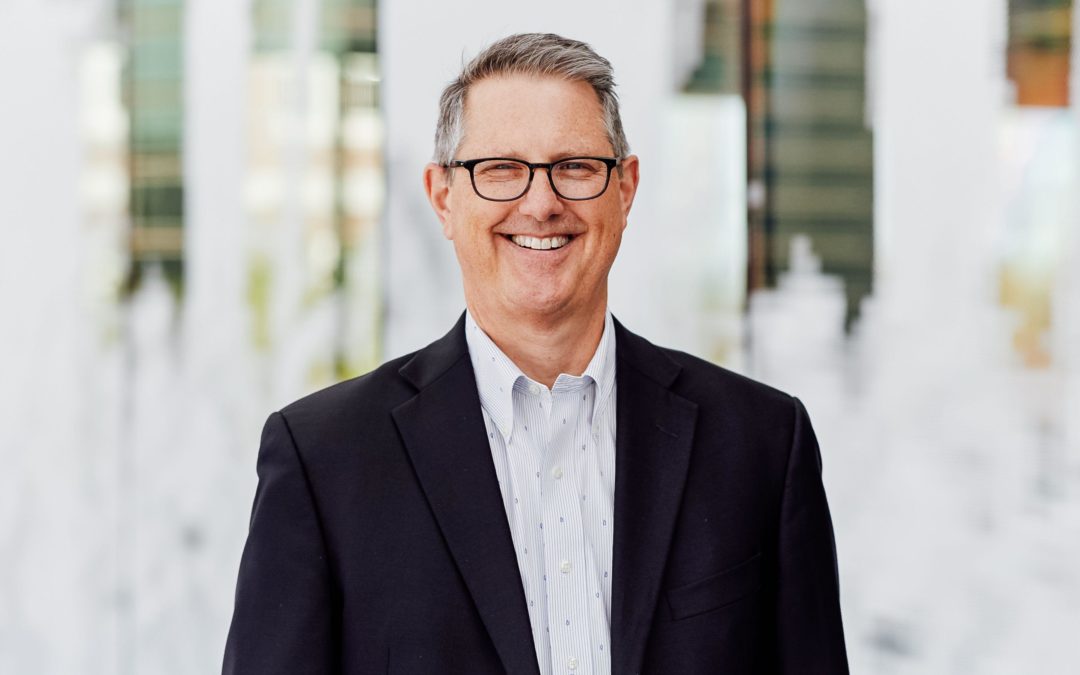
Spotlight On: David Dymecki, Managing Director, Perkins and Will

Spotlight On: David Dymecki, Managing Director, Perkins and Will

By: Felipe Rivas
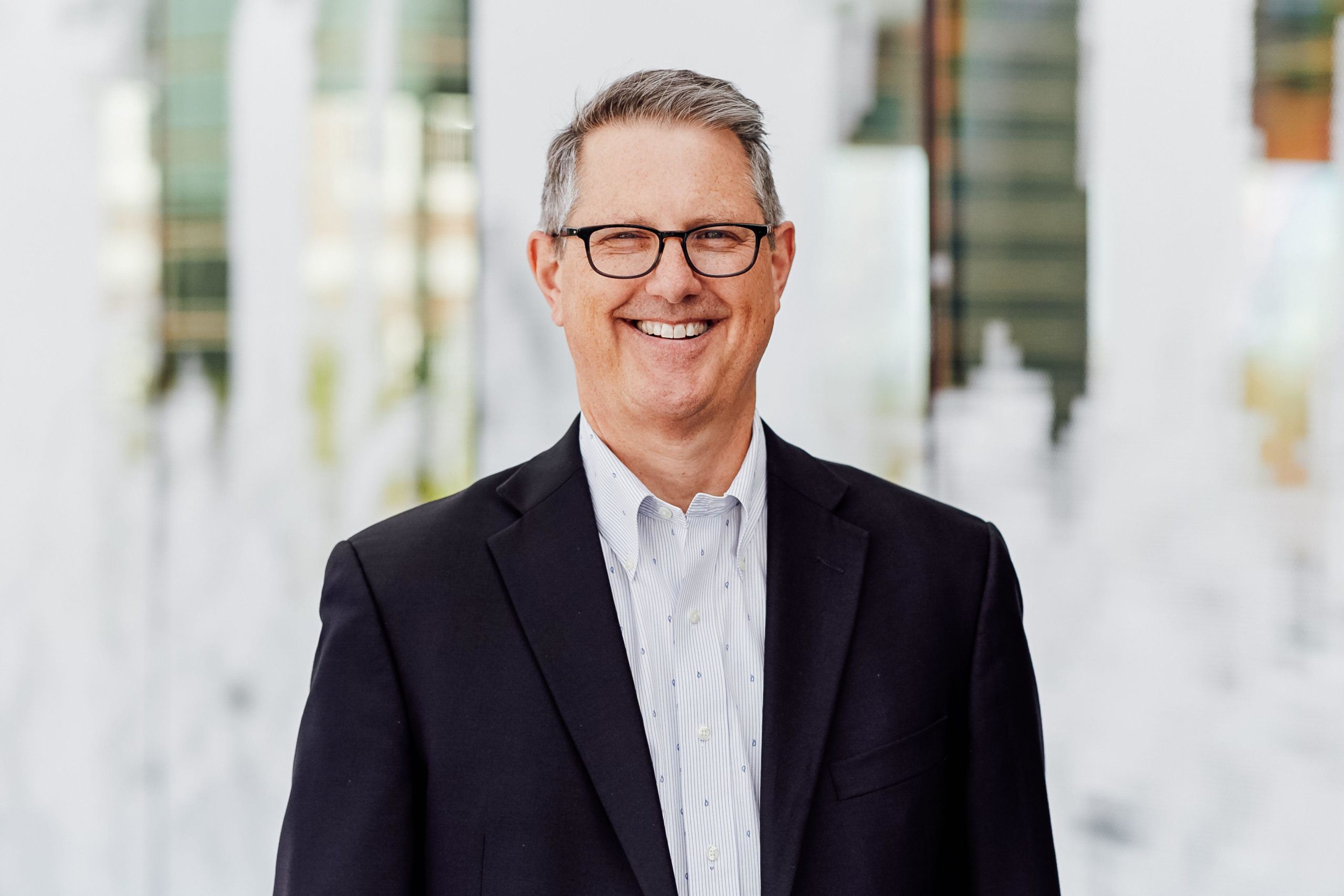
2 min read June 2020Architectural design studio Perkins and Will’s Atlanta office is keeping busy with work in the city’s many Opportunity Zones, and sees a growing tendency toward mixed-use facilities combining pre–COVID 19 entertainment and hospitality, retail, commercial and sports and recreation/fitness, Managing Director David Dymecki said in an interview with Focus: Atlanta. 


How would you describe your smart development approach to your products?

The way we approach development in the city and the region is through four major focus areas. A focus on the local context in each of our projects. Whether it’s Downtown, Westside or Buckhead, place and context is always at the forefront of our minds. A focus on people and experience: human-centered design with deliberate strategies and solutions focused on program, scale, and materials. A focus on living design: work that is inclusive, sustainable, resilient, regenerative, and addresses the well-being of the community. A focus on partnership: we are first and foremost partners with our clients and the cities in which we work; we are strategic thinkers, designers, and implementers. 


Focusing on these four areas has served us well before and during this COVID 19 environment, where our approach as always has been one of renewal and regeneration. This focus has served our clients, our communities, and our cities well. With a simplified language and visual communications tools, our approach makes these complex, interdependent issues easier to understand and implement.


Furthermore, our experience on a range of project types and design scales allows us to bring together diverse points of view to bring forth the appropriate big ideas, special details and long-range solutions. Our systems thinking has allowed us to be agile to address the design or the process that needs to change based on the impacts of the COVID-19 pandemic. 


Our work includes community-enhancing projects of adaptive re-use and mixed use, which incorporate residential, office, retail, hospitality, transportation and even learning, health, sports and recreation. We are still seeing growth in Atlanta in these community-focused projects. 


What is the studio’s approach to sports architecture?

We’ve been fortunate to grow a thriving national sports practice. My background has always been in sports architecture, focused primarily on the collegiate marketplace. We started the practice 10 years ago and have grown our sports and recreation practice nationally and internationally. We consistently rank among the Top10 sports/recreation/entertainment firms in the country.


Regionally, our Atlanta and Denver studios are working with the city of Savannah to design a new mixed-use entertainment venue. In addition to the arena, we’re working with city leadership to master plan Savannah’s Canal District, an exciting opportunity to re-vitalize an historic part of the city. Closer to Atlanta, we’ve recently completed a new wellness center for Piedmont Healthcare System. 


One trend we’re experiencing in the marketplace locally, regionally and nationally is the integration of healthcare, recreation, collegiate and professional sports, and well-being;  partnerships between healthcare, professional sports, colleges and universities, and cities. We see this as a growing market, a trend that will continue in the future.


What development advantages come from Opportunity Zones in the area?


Established in 2017, Opportunity Zones are a community and economic development tool that aim to drive long-term private investment into underserved communities throughout the country. The program works to encourage developers to invest in local business, real estate and development projects in exchange for a reduction in their tax obligations. Atlanta has more than 25 Opportunity Zones, many of them are in the south and western portions of the city. As strategists and designers, we’re active in a few of the zones across the city, helping our clients realize positive impacts for our local communities and developer clients. We’ve also created partnership opportunities for our university and developer clients to achieve multidimensional impacts that benefit both “town and gown.” These areas of the city are poised for investment, long-term growth, community engagement, and will be catalysts for change.


After the COVID-19 crisis is over, do you see changes to the way you do your work in terms of hygiene measures, social distancing and the like?


I believe we will learn a lot about flexibility, agility, working from home and work-life balance in the upcoming months. We are going to evaluate the needs related to workspace, learning environments, retail, hospitality, transportation, and public infrastructure and amenities. How people get to and from work, in and out of our urban centers or attend sporting events will change in the short term and long term. I believe we’ll see a renewed entrepreneurial spirit, and new business ventures as a result of social distancing and COVID-19. We’re excited about the future impact design and our profession will have on new ideas and initiatives. 


COVID-19 is not the first global pandemic, it’s the just the first of modern society. We’ve packed rapid transformational ideas into the past 10 weeks that in the past has taken 10 years. A few transformations rising are to the top of our business: flexibility and overlay planning. Large sporting venues and events have been addressing flexibility and overlay for years. When you design the overlay, you’re designing the venue for everyday use, but you’re also planning for the two to four weeks of overlay features and program to accommodate the media, a larger influx of fans, expanded retail and hospitality, and back of house service. You’re designing flexibility and agility for everyday, gameday, and special events. I believe we’ll see a similar approach to other buildings, such as learning environments, retail, cultural venues and commercial real estate.


I doubt we’ll redesign every building, it’s not feasible or affordable, nor entirely relevant to how people will use and occupy space in the long term. I think we are going to look at the overlay scenario. What we’re hearing from clients in several markets is to not over-correct based on the current health situation.

To learn more about our interviewee, visit: https://perkinswill.com/person/david-dymecki/



Spotlight On: Andrew Burnett, Senior Principal, Stantec

Spotlight On: Andrew Burnett, Senior Principal, Stantec

By: Max Crampton-Thomas

2 min read June 2020 —Global design and engineering firm Stantec likes to think beyond traditional traits to focus on building communities,  Senior Principal Andrew Burnett told Invest: Miami in an interview. The company goal is to deliver continuity while protecting diversity and creative thinking. Stantec calls it “cultural resilience.”


What recent Stantec landmarks in the Miami-Dade region would you like to share? 

Recent landmark projects in full swing include Wynwood Square, a 12-story mixed-use facility that includes apartments and retail space; the 30-story YotelPAD Miami condo and hotel project under construction; and a 43-story Luma tower in Miami’s Worldcenter. And there are a lot of new projects to be announced soon and currently coming on board. Each asset within our portfolio contributes to our growth in the creative services space, beyond architecture and interior design, but also engineering and resilience. We think beyond traditional physical traits and focus on how our vast team builds our communities and what we create so there is continuity in our lives and the spaces we inhabit and to ensure that we protect diversity and creative thinking. We call it cultural resilience. 

How has your emphasis on cultural resilience unlocked your success? 

From a business perspective, a model that focuses on a single person is inherently limited to that individual. Whereas a business with tremendous expertise and resources in multiple channels, like Stantec, focuses on collaboration and the bandwidth to achieve more. When we empower people and foster collaboration, we are able to affect more positive change, get more involved in opportunities and better affect our clients’ bottom line. 

How would you rate local industry efforts on environmental resilience? 

There is a significant level of agreement across the industry related to what we are facing and where we need to go. It is only a matter of how and there are varying perspectives to harness. Our government agencies, utilities, partners, clients, insurance agencies and lenders all commonly understand the need to mitigate prevalent risks and maintain our quality of life. There is power in the collective movement and I am optimistic about our future and path. 

What opportunities and innovations can we expect from the post-COVID-19 period? 

There is a shift of trust and working in a different way. It may pose opportunities to bring in industry experts who normally could not access a project in South Florida. Now, they can have an influence and we can tap into knowledge we may not have been able to tap into before. Companies can even attract a different type of workforce that we could not attract before by operating with new flexibility. Also, we take proximity for granted and do not always make the best use of our time because of it. When it is an amenity or a luxury, you make better use of it. 

What will 2020-21 look like for Stantec and Miami-Dade? 

We have been quite busy, which is a reflection of the busy private development market. Projects are moving forward and the entire development community is gearing up for when the play button is pressed. In 2009, during the H1N1 outbreak, we established a pandemic committee, granting us an effective way to respond quickly to the pandemic and set up a remote work setting. Fast forward to today: Our productivity levels have allowed us to meet established deadlines and keep projects moving forward, continuing business as usual. Our current outlook for 2021 does not project significant levels of interruption. We want to continue to support that in any way we can. 

To learn more, visit: 

https://www.stantec.com/en


South Florida real estate leaders analyze opportunities in current economic cycle

South Florida real estate leaders analyze opportunities in current economic cycle

By: Felipe Rivas

Virtually every sector of the economy has been pinched, crushed, or depleted by the initial impact of conducting business during the coronavirus landscape. Months into the “new normal,” industries and businesses have had to adapt operations to cope with COVID-19 related challenges. While many businesses remain embattled by the current economic cycle, innovation and opportunity are beginning to rise from the initial shocks of the novel coronavirus. 


In South Florida, a region hit particularly hard by coronavirus, real estate professionals are closely monitoring the impact of COVID-19 to the market while analyzing current and future opportunities. “Simply put, the South Florida industrial real estate market is healthy, even in the midst of a global pandemic,” Miami Cushman & Wakefield Managing Partner Gian Rodriguez told Invest: Miami. When you factor in the scarcity of developable industrially-zoned land, a growing population, single-digit vacancy rates, steady air and sea cargo volumes from our ports, as well as positive lease absorption of industrial product, it’s no wonder the major institutional owners and occupiers have a large stake in our market,” he said. These factors coupled with demand for e-commerce provide opportunities for distribution, logistics and warehousing subsectors in Miami-Dade County. “With the onset of COVID-19, we’ve only seen an increase in demand for well-located distribution space, further spurred-on by stay-at-home mandates which have only bolstered online orders.  Just take a look around, there are UPS, FedEx, DHL and Amazon trucks rolling down our streets almost on an hourly basis, and each one of those come from a warehouse within our market,” Rodriguez said. 

New construction will likely experience a growth in demand as population growth continues in South Florida and residents settle into the suburbs and other communities away from the downtown areas. “While we are only in the early innings of the COVID-19 impact on real estate, we are following several trends closely. New construction may have an advantage over existing, as residents will likely equate “new” with “clean and safe,” Lesley Deutch, principal with John Burns Real Estate Consulting in Palm Beach, told Invest: Palm Beach. “We are also anticipating a trend we call ‘the Great American Move.’  For safety reasons, financial prospects, life change improvements, personal comfort, or employment, we expect a surge in household and business relocations that will provide new strategic opportunities for the real estate market,” she said. This trend will likely create opportunities for real estate developers, investors and home builders. “New construction can incorporate technology such as air purification and touchless lighting which will appeal to future residents. A stronger focus on health and wellness will translate into new housing product with better home offices or private workspaces in apartments, flexibility for multigenerational living, private outdoor space, and a preference for functionality over design appeal in the home,” she said.   


To learn more about our interviewees, visit: https://www.realestateconsulting.com/

https://www.cushmanwakefield.com/en/united-states/people/gian-rodriguez


Spotlight On: Angelo Bianco, Managing Partner; Crocker Partners

Spotlight On: Angelo Bianco, Managing Partner; Crocker Partners

By: Felipe Rivas

2 min read June 2020Shrinking office space has led companies to focus more on the rehabilitation and renovation of Palm Beach’s office space. Angelo Bianco, managing partner of Crocker Partners, walks Invest: through the main trends in the office niche, how it imbues sustainability and resilience into its projects and why Boca Raton is the buoyant business center it is today.


What is your take on the evolution of the office sector in Palm Beach?

Palm Beach County’s office market has not changed as much as others. Office users by and large have not changed. Even considering new trends such as co-working spaces, it makes up a small fraction of our portfolio. We have observed tenants in Palm Beach County making an effort to reduce their square footage per employee, parallel with technological advances. The need for law firms to have file storage, for instance, has declined dramatically. We still see the desire for private offices and a significant portion of traditional office use. Some companies have switched to open offices, but the pendulum is swinging back even faster now due to the pandemic. The trend to create more private offices and more square feet per employee will offset the impact from the other trend we expect following the coronavirus crises: more telecommuting. Although technology has changed the need for space, the human condition has not changed. People still appreciate privacy and separation from their co-workers.  

What primary factors explain these preferences?

Our Palm Beach portfolio consists of 3 million square feet of office space. Most of our tenants have renovated their space over the past 10 years. Even though firms have grown since the 2008 crisis, their footprint has not gotten larger than it used to be because they use the same office space much more efficiently. Shortly before the coronavirus crisis, we reached the point where employment gains fueled by the longest economic expansion in our history backfilled the space lost during that last downturn.

We are on the cusp of a new disruption with the COVID-19 pandemic. The good news for office landlords is that tenants have already reduced their space needs per employee significantly and during this past economic expansion have not taken additional space for growth. Although some office tenants will be significantly impacted by the pandemic, office tenants and their landlords should be in a good position to weather this storm.

How do you view the residential and industrial sectors?

During the first 10 years of our company’s existence, we developed and invested in many property types: hotels, multifamily, retail, office and industrial. Over the years, we specialized in office buildings primarily and although our business has done quite well as a result, the over concentration in one product type has prevented us from participating in the significant growth experienced in multifamily and industrial property over the last 10 years, particularly in Palm Beach. Despite the recent impact on the multifamily market, we believe that this sector will continue to benefit from the constant inflow of people moving into the area who require housing. This is the same reason that we are bullish on industrial. The Southeast region of the United States is an area that continues to see fast-paced growth in employment and population so investing in front of that is critical. 

What is your assessment of the up-and-coming Boca Raton market?

Boca Raton is by far the biggest employment base in the county. It dwarfs any other market. If you took all the office space in West Palm Beach and doubled it, you would still fall short of where Boca Raton is positioned. It has been a business hub for decades and will continue to be an attractive place for companies to headquarter. The quality of life is phenomenal, plus it has an unparalleled access in Palm Beach County to an incredibly well-educated, well-informed workforce. This is part of the reason we have been headquartered there for 35 years.

What is Crocker Partners’ outlook for 2020?

2020 is going to be a muted year. Any noncritical, ongoing investment project is likely to be delayed until 2021. Everything has stopped dead in its tracks due to the COVID-19 outbreak. Regardless of when businesses restart, it takes time to remobilize, meaning projects will not realistically recommence any sooner than 4Q20. The delay will be made worse by the fact that everyone will want to restart their projects at the same time. By Q121, we expect to be back to business as usual. We expect to spend much of the remainder of 2020 focusing on ensuring a safe workplace environment for our tenants. In April, we formed a Remobilization Task Force headed by our director of construction and development and consisting of senior regional managers in consultation with our vendors and contractors to review and implement governmental and industry guidelines and evaluate best practices and potential capital improvements to facilitate a healthy work environment. We are also in the process of hiring a full-time director of environmental health who will absorb the responsibilities of the Remobilization Task Force on a permanent basis and research and implement physical changes and protocols with the hope of making our buildings the paragon of environmentally health and safety in the industry.

To learn more about our interviewee, visit: https://crockerpartners.com/


Spotlight On: Tom Slagle, CEO, Rasmussen College

Spotlight On: Tom Slagle, CEO, Rasmussen College

By: Max Crampton Thomas

2 min read June 2020 —With a history spanning more than 119 years, Rasmussen College is well-positioned and experienced in adjusting to unforeseen circumstances like the current pandemic the world is working to eradicate. CEO Tom Slagle spoke to Invest: Orlando about the school’s advantage as a leader in online education for over 20 years. He also spoke about the school being welcomed by the community in Orlando as one of the newest entrants into the local higher education sector. 


How is Rasmussen College positioned in Florida?

Rasmussen has been around since 1900. Rasmussen College acquired Webster College with campuses in Holiday and Ocala, Florida, in 2004. These campuses were merged into the Rasmussen College system in 2007. Later, the college expanded into Fort Myers, Tampa and Orlando. Overall, we have campuses in six states and a national online team serving more than 17,000 students. Healthcare education is a strength for the college, particularly licensure-required fields such as nursing. We are the largest producer of ADN (first licensure) nurses in the country and also offer a bachelor’s (BSN) and master’s in nursing (MSN) and soon a doctoral (DNP). We pride ourselves on providing affordable degrees and a student support network with individualized services. Our primary target market is the adult learner seeking to advance or change their career, more so than the traditional high-school graduate. 


What role does the school play in the Orlando education sector?

We are excited about our new campus in Orlando. We believe we pinpointed some real gaps in the local education market. Our healthcare portfolio is a great fit, and our offerings in business, technology and social services are also in strong demand. The opportunity to provide affordable and relevant credentials that employers are seeking from graduates is where we excel. Our goal is always to be deeply engaged in the communities in which we live and work, this is why we believe in our local campus network. Our programs offer tremendous flexibility with many fully online, but they also provide the campus-based learning environments necessary for labs and simulations. We have been welcomed by the employer community in Orlando and have developed strong relationships with the local healthcare institutions, which support our graduating students with employment opportunities. We want Orlando to become one of our larger campuses in Florida over the next three to five years.


How has COVID-19 impacted the college?

We have been an online leader in education for almost 20 years, so we know how to educate students in an online environment. It is not always simple to incorporate the proper content, curriculum, experience and assessment criteria on a digital platform, but fortunately, we have a lot of experience in that field. As an example, all of our nursing simulation, which typically takes place on campus or at clinical sites, was moved to an online environment, allowing no disruption to our nursing students’ educational journey or graduation. Also, we have seen that individuals displaced by the current environment want to build on their knowledge and competencies to better prepare themselves for the current and future workforce. We made the decision to support our communities by providing our eRasmussen Professional Certificates portfolio (eRasmussen.com) at no cost. We’ve had nearly 9,000-course registrants for the professional certificates so far. We have also sought ways to support our communities by donating much of our PPE to local healthcare organizations to ensure their readiness during this pandemic.


Which industries are driving the strongest demand for educational programs in Orlando right now?

Healthcare is probably top of the list, but we are also seeing strength in areas like technology and other business-related programs. Many applicants are looking for short-term certification to improve their options once they rejoin the workforce. Our Early Childhood Education portfolio also continues to perform well. Our model allows us to serve a segment of the population that has traditionally been underserved by other institutions. We are tremendously optimistic about the breadth of opportunities in the Orlando market.


What does the future hold for Rasmussen College in Florida?

With the economy potentially moving into a short-term recession, education tends to be countercyclical. As individuals are out of work, they look for ways to position themselves in a competitive market with enhanced skills to get a better job. There are also many people looking to make career changes, and we can help with that and make our local communities stronger. Our enrollment rate has continued to grow, and we believe that demand for our programs will remain strong given the unique experience Rasmussen provides our students. 


To learn more about our interviewee, visit: 

https://www.rasmussen.edu/


Spotlight On: Rodger Levenson, Chairman, President & CEO, WSFS Bank

Spotlight On: Rodger Levenson, Chairman, President & CEO, WSFS Bank

By: Max Crampton Thomas

2 min read June 2020 — For 188 years, WSFS has served its community by staying true to its values and managing for the long term.  Ultimately, the true measure of the value of any company is how it responds during periods of adversity. WSFS Bank moved to a work from home and drive-through model during the COVID 19 pandemic to continue supporting its customers. It also involved itself deeply in federal aid programs, such as the PPP for small businesses, while looking forward to a reactivating economy, according to CEO Rodger Levenson in an interview with Invest:.

What have the last 12 months been like for WSFS in the Philadelphia region?

In March of 2019, we closed the acquisition of Beneficial Bank, which was a huge milestone for us. It marked our significant entry into the Philadelphia border region. This was followed by a well-done, award-winning marketing campaign that introduced the WSFS brand to the community in a thought-provoking way, sharing our nickname, which was really consistent with the way that Philadelphians view banks and where it is very hard to differentiate yourself.


We married all that with Beneficial and what they brought to the community. We waited until six months after the close to do the systems and branding conversion because we thought it was important to allow ourselves some time to get customers, associates and the community acclimated to our name and become familiar with us. We thought that because of the size of this market, there was value in taking some time.


At the same time, and as part of the Beneficial combination, part of the strategic rationale was to start in a significant way to really deal with the trend in banking over the last few years, which is this shift away from physical delivery channels like branches and more into digital channels – a trend that has been accelerated by the current environment. We used cost savings to invest heavily in our technology overhaul. Not that we had an offering that was lagging behind our competitors, but we saw the need to move faster than we had in the past.


What has been the bank’s strategy to adapt to the situation stemming from the COVID-19 pandemic?

The company has done well. We are serving our customers, we are supporting each other, we are supporting the community. Like everybody else, we’ve had some challenges through this environment, but I would tell you that we are managing through this very well. We are really pleased at how the company pivoted and adjusted how we do things.


I think this is a by-product or a combination of some good planning resulting from our business continuity plans. We clearly had not planned for an extended scenario or a pandemic, but we had plans in place, we had groups that had done offsite, remote workdays and things like that to be prepared. When we made the decision on March 16, to work from home, it was certainly an adjustment, but we weren’t starting from scratch.


On the retail office side, it was not a hard decision to go to drive-thru only. We saw that it was clear that we were dealing with a major health situation and the safety and well-being of our customers and associates; that was our No. 1 priority. We made the call and we went from 90 branches to 72, which were those that had drive-thru capabilities. After a few weeks of that, seeing our customers’ increased use of different channels like mobile, and to keep our associates safe, we adjusted even that footprint. We put together a different model in which our associates who were working at those locations, instead of working a five-day week, started working on four-day on, four-day off teams.


How involved is the bank in federal aid initiatives such as the Paycheck Protection Program (PPP)?

We were really pleased to be a participant in the PPP program from the Small Business Administration and serve our customers. When the dust settles from this program, we will have processed just about 5,000 loans and just a little bit under a billion dollars. 


At the end of the day, that’s almost a billion dollars that we put into the regional economy. If you look at the spreadsheets and the people who received those loans, many were $10,000 to $25,000. These were real people who were in need, who did not have the resources that other people had. Hopefully, a lot of it will be forgiven. We did that whole loan program with everybody working from home and more than 200 associates working seven days a week.


What role will the bank, and the sector in general, play in reactivating the economy?

I think the banking community is really doing everything possible to support our customers and get them through this really difficult stage to bridge them into what hopefully will be the opening up and recovery in the second half of the year.


As things move forward and we open up our ability to continue to support those customers with additional lending requests, among others, we are going to do everything we can to support them and the community. We moved $3 million into the WSFS Foundation, which supports nonprofits in the region, and we did that because so many of those nonprofits are struggling right now. I think that is the beauty of the community banking model.


To learn more about our interviewee, visit: 

https://www.wsfsbank.com/

Peach State leaders analyze current market opportunities

Peach State leaders analyze current market opportunities

By: Felipe Rivas

2 min read June 2020 — Virtually every sector of the economy has been pinched, crushed, or depleted by the initial impact of the coronavirus pandemic. Months into the “new normal,” industries and businesses have had to adapt operations to cope with COVID-19-related challenges. While many businesses remain embattled by the current economic cycle, innovation and opportunity are beginning to rise from the initial shocks of the novel coronavirus.

 In the Peach State, a region known for its sound business environment and one of the first states to reopen its economy, leaders across economic sectors in Atlanta are analyzing the opportunities and possible innovations created as a result of the virus outbreak. For the legal industry, an industry already comfortable with remote work prior to COVID-19, technology is at the forefront of the evolution of the sector’s business model and best practices. “I believe that remote depositions, virtual oral arguments, and maybe even some virtual trials are here to stay,” Holland & Knight Immediate Past Executive Partner J. Allen Maines told Focus: Atlanta. “These new technologies are easy to arrange and the cost-benefit analysis is pretty compelling for implementation, although It may still be necessary to have an in-person interview in order to size up the credibility of key witnesses. The virus has forced law firms to accelerate their adoption of technology and training,” he said. As businesses and law firms embrace the benefits of balancing in-person and remote work, it is likely the need for office space will change as well. “Currently, law firms can do everything electronically and remotely. I would expect law firms will not use the amount of office space that was customary in the past,” Maines said.   

The coronavirus landscape may possibly have positive residual effects related to work-life balance for lawyers and the way in which law firms think about pro bono work. “Hopefully, one permanent change will be a focus on the well-being of lawyers, which has been real positive during this time,” Maines said. “Another positive that has emerged has been an even greater pro bono assistance to the underserved and vulnerable communities. A lot of our clients have employees in the gig and hospitality industry and it has been rewarding to help them get through this period.”

Similarly, for Atlanta’s construction sector, some projects were halted as a result of the initial COVID-19-related shocks, while other projects continued a successful trajectory. “The COVID-19 crisis was completely unpredictable, which has caused significant disruption to the economy,” DPR Construction Business Unit Leader Chris Bontrager told Focus: Atlanta. “We have continued to see success in the healthcare sector through March and April but some of the private commercial work has been put on hold. So far, we have weathered the storm very well,” he said. DPR has been running multiple scenarios to account for the current volatile economic cycle. “No one knows the true impact of COVID-19. Relatively speaking, the Southeast is doing well. The market was very strong prior to COVID-19 and our industry was deemed essential from day one in the Georgia market. We have had some projects that we were unable to start but we have not had any ongoing projects that were shut down,” Bontrager said. “It feels like most contractors will maintain a positive year for 2020 due to a strong backlog going into this recession and the construction community won’t truly feel the recession until the first half of 2021. If the project owners move forward with current plans, we will finish the year at or just below our current business goals.”


To learn more, visit: https://www.hklaw.com/en/professionals/m/maines-j-allen

https://www.dpr.com/company/leadership/chris-bontrager


Spotlight On: Tim Perry, Managing Partner, North American Properties

Spotlight On: Tim Perry, Managing Partner, North American Properties

By: Felipe Rivas

2 min read June 2020—The new real estate landscape will belong to those companies who find value through innovation, differentiation and that are ready and able to provide safe environments for their guests. Tim Perry, managing partner of North American Properties, provides the details of how the company is tackling development, leading the community out of isolation, and where it sees opportunity for future investment.


How is your “Smart Development” concept influencing projects across Atlanta’s real estate landscape?

North American Properties began to retool our approach to property operations during our reprogramming of Atlantic Station, a 138-acre mixed-use development in Atlanta that was once on the “death watch” list of many real estate pros. We deployed a hospitality-focused approach, implemented a strategic remerchandising plan and created a heavily activated environment for guests to enjoy. Through trial and error, we curated a robust and mixed-use experience that resonated with the community and turned around the property. We even trademarked the term ExperienceMaker™ to refer to the concierge and operations team that delivered this intrinsic sense of place and belonging to guests – we became stewards of the community’s asset. We were able to deploy this same formula at Avalon in a nationally recognized way and found that the street level activation was only part of it – the ancillary developments were a large contribution to the overall success of a mixed-use destination. Whether working in an office, living in a residential unit, or staying in the hotel, each component contributed to the greater effect, and rent reflected 40%-plus above market. 

We are now deploying this same concept at Colony Square in Midtown Atlanta, and Newport on the Levee in Newport, Kentucky. Colony Square will feature the first dense infill theater in the market along with a nationally renowned operator launching a Food Hall. In Newport, amid the leasing angst created by COVID-19, we signed eight leases while on quarantine and opened the Bridgeview Box Park, a colorful, open-air box park featuring local restaurants and retailers, on the Ohio River at the beginning of the summer. Elements like these are not just for our guests, but drive the desire to live near and work near the amenity-rich “Smart Development.”


How is your company tackling ground-up developments?

Residential fundamentals are strong, both in single family with low rates and with multifamily as the trend continues to slowly move toward rent vs own. We will see how the long-term effects of density affect in-town locations, but we are very optimistic on close suburbs where the cost can be reduced. The COVID-19 effect also has turned some landlords of office/retail properties into land sellers of portions of their site for residential, due to lease encumbrances that are expiring or businesses not opening following the pandemic. Commercially, we are seeking existing assets that are mixed-use, or can be turned into a mixed-use development. For example, a surface-parked suburban office project may present an opportunity to add neighborhood amenity retail, residential, hospitality, and at a lower basis than ground-up development of the entire property. It is the community that has to accept the project, so we are being selective. 


What is your assessment of the CARES Act?

Small businesses lead the country out of tough economic times – they are nimble, creative, and entrepreneurial at heart. The initial PPP program was really beneficial to small businesses, and was a very creative way of using businesses to essentially put unemployment checks into people’s hands until the program changed and midsized businesses no longer were able to gain that access and employees found themselves in a long queue for unemployment. Having said that,  the SBA was trying to find a few solutions for millions of business problems and not all fit, so I applaud the states for letting small businesses reopen to find millions of solutions for the millions of problems. Every industry will be impacted with unemployment over 20% but capital injections into small business will lead us out again.  


How is your company tackling the COVID-19 outbreak?

Safety is our first concern, and several weeks before any municipal restrictions were announced, we formed a task force called “Better Together” in order to focus on each property, the unique challenges with each, and our own office staff for a safe re-entry into an open economy. While sanitization and masks were the easy conclusions, our team also researched and invested in virus-killing UV lights, security enforcement of social distancing, forced flow for pedestrian traffic, and an enhanced code of conduct such that every guest feels welcome.   


What are North American Properties’ expectations in Atlanta toward 2021?

Innovate and differentiate. There are great assets with unrealized potential that may or may not trade at a discount the market wants but have ample return to invest at values that are still accretive to opportunistic investors. The capital stockpile in the market will be rewarded by smart buys sooner rather than cheap buys later.


To learn more about our interviewee, visit:https://www.naproperties.com/leaders/tim-perry/


Philadelphia steadily rising from COVID-19 challenges

Philadelphia steadily rising from COVID-19 challenges

By: Max Crampton Thomas

2 minute read: June 2020 — Virtually every sector of the economy has been pinched, crushed, or depleted by the initial impact of the coronavirus pandemic. Months into the “new normal,” industries and businesses have had to adapt operations to cope with COVID-19-related challenges. While many businesses remain embattled by the current economic cycle, innovation and opportunity are beginning to rise from the initial shocks of the novel coronavirus, while community leaders help others navigate through the CARES Act and the loan forgiveness process.

In the Delaware Valley, a region severely affected by the effect of COVID-19, leaders have methodically looked at ways to foster innovation in the face of the pandemic. For the real estate sector, the virus outbreak accelerated change in business practices and stress-tested the supply chain of businesses in the region. “We now feel threatened that the supply chain outside, and even inside, the United States is not dependable and will need to be more flexible,” Colliers International Philadelphia President and CEO Douglas Sayer told Invest: Philadelphia. “Accordingly, there will be an increase in manufacturing domestically, creating a greater demand for production and storage space as well as e-commerce distribution centers,” he said. The coronavirus even reversed years-long trends in the commercial and industrial real estate sector. “In the pre-2000 economy, a significant portion of the industrial inventory was repurposed for multifamily and retail. Now, we have reversed course by taking underperforming malls and strip centers and repurposing them for industrial, residential and medical uses.” 

The City of Brotherly Love has long been a thriving hub for the medical and life science industry. The virus could potentially create more demand for medical office and manufacturing space while creating opportunity for medical companies looking to settle in the region and for developers, Sayer said. “COVID-19 has also accelerated medical research. In certain areas, such as gene cell therapy, there has been a shortage of space, and only more recently has this space attracted developer interest,” he said. “In one instance, we were endeavoring to locate space for one of our clients locally and ended up sourcing the space in Raleigh. As a result of the shortage of R&D and process manufacturing space, we would anticipate more will continue to be developed.”

While some leaders pivot their focus to account for innovation and marketplace opportunities, others are helping businesses navigate through the CARES Act provisions and the coming loan forgiveness program. Accounting firm EisnerAmper was ahead of the curve by stress-testing its technology and remote work capabilities weeks before shelter-in-place measures took full effect, Partner In Charge Paul Dougherty told Invest: Philadelphia. “We immediately created a COVID-19 response team that quarterbacks the different elements of the issues presented by the crisis, including the tax and stimulus aspects. And we did significant outreach to our clients via webinars, blogs and articles, e-blasts, podcasts, and so forth. To some extent, we’ve become experts on these Small Business Administration (SBA) loans,” he said. In a time where banks are stressed and overwhelmed with the related CARES ACT provisions and the Paycheck Protection Program, EisnerAmper is using its technology dexterity to help banks and business owners calculate loan forgiveness figures. “The banks are under a tremendous amount of stress because a loan recipient must determine the amount of forgiveness within eight weeks after receiving the loan. The banks have given out many thousands of loans, and they don’t necessarily have the staff to process all of that work in a timely fashion,” Dougherty said. “Our firm has worked with a technology company on a product that can input data from the customer and calculate the amount of loan forgiveness, which we can then provide to the banks.” 

To learn more, visit: 

https://www2.colliers.com/en

https://www.eisneramper.com/