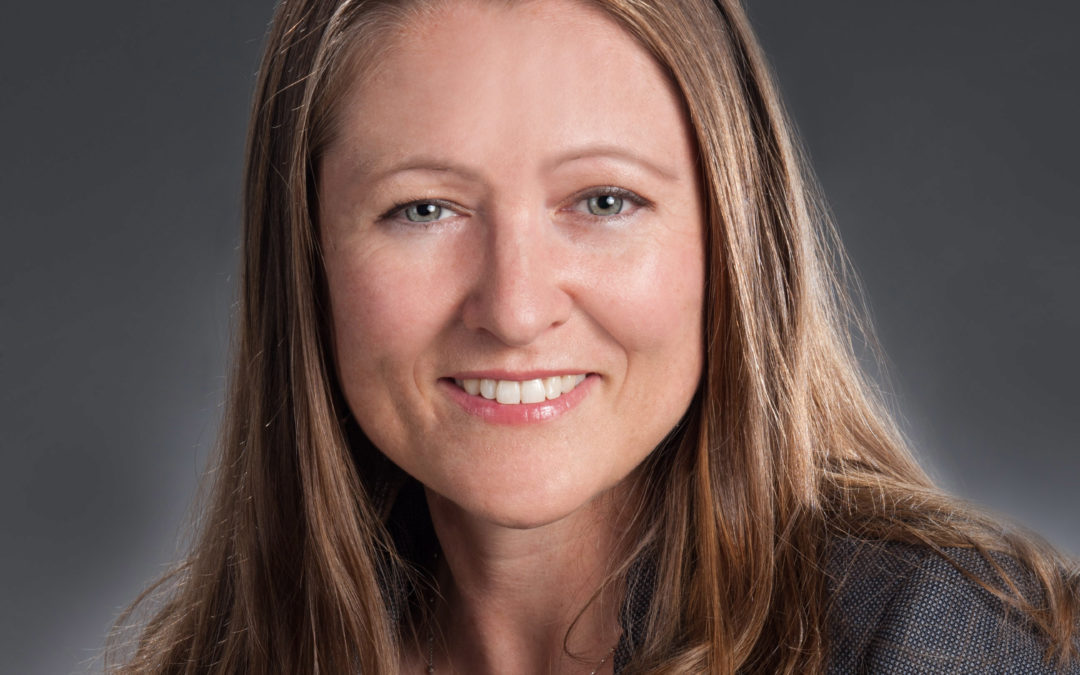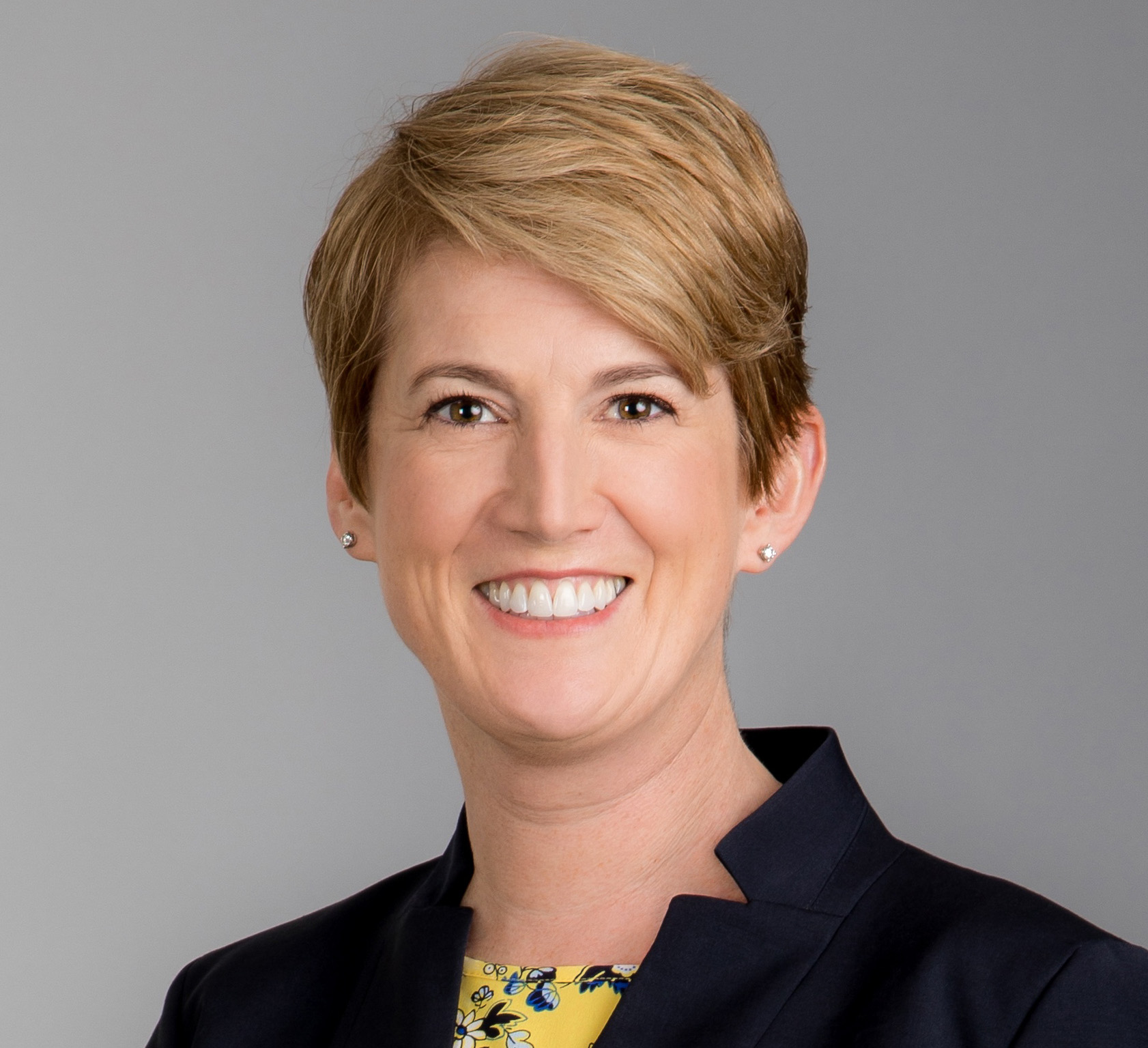
Spotlight On: Sam Miles, First Senior Vice President, Central Florida Regional President, Valley Bank

Spotlight On: Sam Miles, First Senior Vice President, Central Florida Regional President, Valley Bank

By: Yolanda Rivas
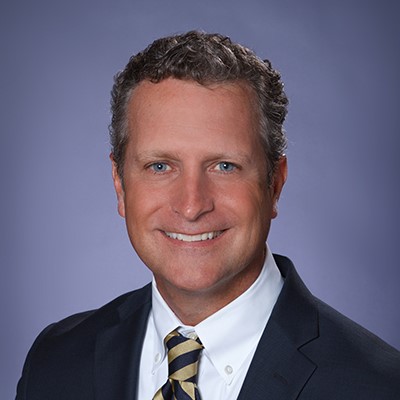
2 min read November 2019 — Central Florida’s economic growth has driven many financial institutions to rebrand and adjust to the latest innovations and client needs. That is the case of Valley Bank. In a discussion with Invest:, First Senior Vice President Sam Miles, who oversees the regional bank’s Orlando and Jacksonville markets, addressed trending business areas for the bank, the impact of its Professionals Group and the bank’s branch rebranding effort. 


Which of the bank’s lending areas are seeing the most demand?


Our largest piece of business revolves around commercial real estate financing. There is a significant amount of capital being invested in real estate in Central Florida. As an example, there are 38 new multifamily projects either under construction or in the planning stages that represent $1.7 billion in investment. That growth, combined with strong employment, is creating high demand for residential developments, and we are very active in multifamily construction lending. In the last year, we also expanded our SBA team to help address the small-business lending market in Orlando. We have a full array of professionals in place with expertise in residential lending and SBA lending to complement our commercial real estate and C&I teams. 

What are your expectations for the relaunched Professionals Group? 

With the relaunching of the Professionals Group we’re trying to reach an affluent population that we haven’t specifically targeted previously. The Professionals Group is a team of commercial lenders dedicated to customizing products and services for any 

group of professionals, including doctors, attorneys, accountants and centers of influence operating throughout our bank’s footprint. It can be a wonderful source of referrals and, by establishing relationships with these professional groups, we will be able to drive new business.


How is Valley Bank improving customer experience? 


We are in the process of rebranding and redeveloping our branches to make them more user friendly. Clients will no longer have the traditional walk-in when they visit our branches. We are providing a modern feel with a warm and welcoming setting. Each branch that we are building now is going to have that model. We are also refurbishing existing branches to fit a more modern and welcoming environment. These new branches fit the trend of people wanting a different, fast-paced environment. 


How does Valley Bank give back to the Orlando community? 


We’ve played a big part in LIFT Orlando, and the redevelopment of the West Lakes area. We have been heavily involved in financing the projects there that are revitalizing that community. That is a wonderful community effort and we’re proud to play a part in it. Our team also spends a lot of time in the community with local groups such as The Ronald McDonald House, Second Harvest Food Bank and The Coalition for the Homeless. We provide paid days off to encourage our employees to volunteer and give back to the communities where we serve. 


To learn more about our interviewee, visit:

Valley Bank: https://www.valley.com/

 

ConectaLATAM – Digital Transformation & Innovation

ConectaLATAM – Digital Transformation & Innovation

Capital Analytics is proud to sponsor with ConectaLATAM

Date: December 4-5
Location: Mayfair Hotel & Spa Miami, FL
CONECTA Latam | December 4 - 5 - Miami
Caribbean, Central and South America Summit
Speakers confirmed
How to reinvent a growth model for the Telco Industry?
  Digital Transformation
• Network Transformation
• B2B opportunities
• AI
• Data and IoT drive
• Preparing for 5G
• The role of NFV and SDN

  • Big Data and Analytics
• Future of Carriers and anticipating Scenarios
• How is Society Seeking Digital Services
• Blockchain
• BSS / OSS Implementation
• FTTH

 
Networking coffee break, lunch and cocktail dinner!
Para más informaciones acerca de agenda: renata.covos@conecta-latam.com Para más informaciones acerca de opciones de patrocinio y branding: raquel.freitas@conecta-latam.com
www.conecta-latam.com/latam
Sponsors and Partners
Spotlight On: Liz Babson, Director, Charlotte Department of Transportation

Spotlight On: Liz Babson, Director, Charlotte Department of Transportation

By: Felipe Rivas

2 min read November 2019 — As Charlotte continues to grow, the Department of Transportation is looking at ways to improve and innovate its transportation system. The department has been keen on leveraging capital investment with private development to build a safe transportation network for drivers, cyclists and pedestrians. Safety is a top priority for the department heading into 2020, said Liz Babson, director of the Department of Transportation, in an interview with Invest: Charlotte.    

How has Charlotte’s transportation system kept up with economic growth in the past decade?


“Charlotte, like other major cities, is experiencing economic growth and is seeing the effects of that in its transportation system. We have seen congestion increase throughout the community. The city must look at multiple ways to solve and manage its transportation system. We put a lot of investment in transit and other transportation improvements and continue to manage  congestion. In the last decade, we have seen a shift in the way we look at transportation investment throughout the city, not just on the transit side but making sure we are connecting our networks, such as our walkways and bikeways, and giving people a choice when they travel throughout the city. We are making a major shift from traditional roadway projects and single occupancy vehicles.”  


What is the state of the transportation system in Charlotte?


“In the last few years, the state legislature was changed to reprioritize transportation investment throughout North Carolina. As a result, there is a tremendous amount of investment at the state level that is coming to Charlotte. Some $3.2 billion in state transportation investment is earmarked for this city. Those are projects that will improve the freeway systems throughout North Carolina. As your capacity increases in those facilities, it gives people more travel options to use Charlotte’s surface streets for local, short trips. We then have more capacity at the surface street level to improve the transportation system for cyclists and pedestrians.”  


How is the Department of Transportation working with the private sector to speed up projects in Charlotte?


“We work to find ways to align our capital investment to where we know new development or redevelopment is happening. The Camp North End project north of Uptown and the River District are good examples where we anticipated the type of development and redevelopment we want to see happen and set aside capital investment dollars to partner up with investors and developers. It allows us to see projects developed quicker. The challenge is finding equitable and balanced ways to do that. We have always tried to be strategic with our partnerships; sometimes the private side is faster and more efficient.”    


How is the Department of Transportation working with the community as Charlotte continues to grow?


“We are developing our 2040 Comprehensive Plan. We are engaging the community, elected officials and private partners in a way that we have not done before to look at how we want to grow as a community and how we will do that. We are engaging the community as we have those conversations, so they can understand the challenges and how we can work together as we head into the future. We are having those tough conversations in a meaningful way. This is an important undertaking for the city. It will be transformational for the city from an organizational structure and how we do our work and engage the community.” 


How is the Department of Transportation using technology to improve transit operations?


“We have close to 850 traffic signals and close to 350 miles of fibers that communicate with 90% of those signals. From one central location, we can change signal timing for the entire city. That fiber infrastructure also manages our traffic camera system, which is comprised of around 450 cameras located throughout the city. It’s a shared system. We work very closely with the police and fire departments. Together we can make on the spot decisions that improve emergency response times and help get the roads cleared faster when there are bigger problems. We have the infrastructure in place to test and implement new smart traffic technologies. We are looking at the possibility of leveraging the connected traffic system with people’s smartphones to share information from the traffic signal operations with pedestrians who want to know when the bus is coming or commuters who want to know when the traffic lights will change. Those are the kinds of things we are starting to look at.”  


What are the Department of Transportation’s priorities heading into 2020?


“We are working to do road projects that are transformational, as well as small, safety improvements to expand our safe and efficient transportation system for our cyclists and pedestrians. We are a Vision Zero city and are working toward no deaths or serious injuries on our streets by 2030. The goal allows us to take a data-driven approach when it comes to capital investments. We are continuously looking for opportunities to leverage private development with capital investment to build a safe transportation network. There is a real intentional focus to improve the safety of our cyclists and pedestrians.”  


To learn more about our interviewee, visit: https://charlottenc.gov/Transportation/

Tyler Perry’s new 330-acre film compound is the largest in the nation

Tyler Perry’s new 330-acre film compound is the largest in the nation

By: Felipe Rivas

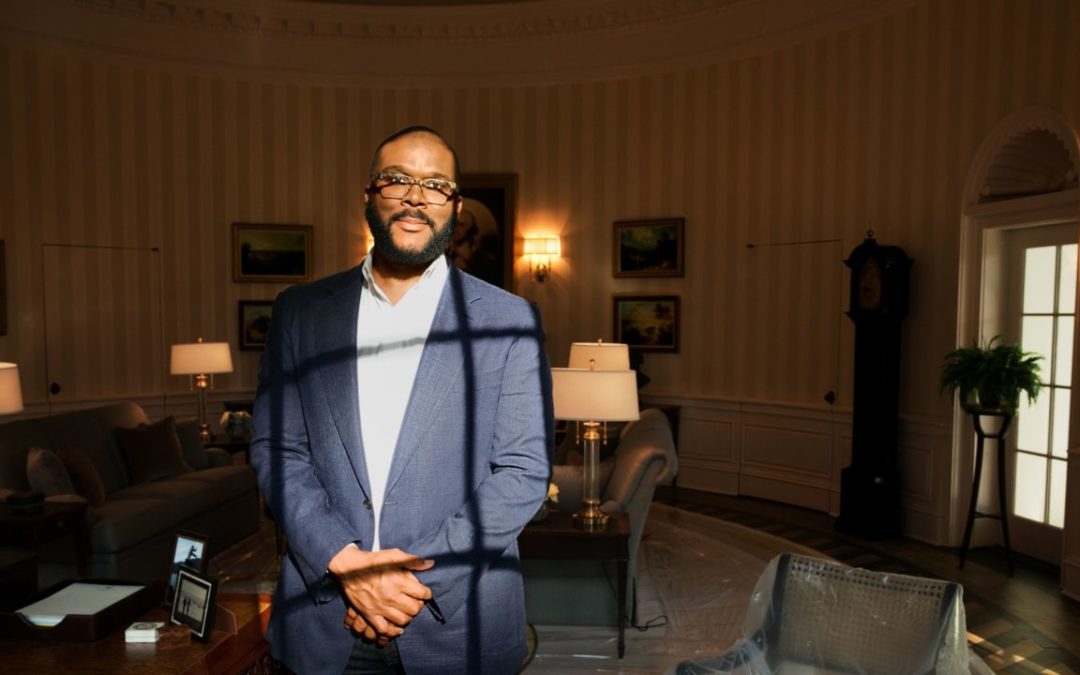
2 min read November 2019 — Hollywood and the movie industry have enjoyed a symbiotic relationship since the days of Charlie Chalpin, Humphrey Bogart and Bela Lugosi. However, in the 21st century, multi-hyphenate film mogul, Tyler Perry, has been keen on proving that successful movie production outside of California is possible. In October, Perry unveiled his new 330-acre Tyler Perry Studios, built on the grounds of Fort McPherson in Atlanta, a former military base in Atlanta that Perry purchased in 2015. While the state of Georgia has consistently attracted new movie and TV productions to the region via tax incentives, the man behind Madea’s crazy family adventures has been busy on and off the camera promoting Georgia and the Atlanta Metro Area as a venue for productions of all sizes. Now, with his new studio in full swing, Perry has a new base to challenge Hollywood for the audience’s attention, praise and profit. 

Tyler Perry Studios is the largest film production studio in the nation. It also makes Perry the first African-American to have sole ownership of a major film production studio. “We are a major player in film and television, and now we have the facilities to rival Hollywood – so come, bring your productions,” Perry told Atlanta Business Chronicle in late September. Georgia’s current tax credit system, in which studios can earn up to 30% tax credits on total production costs, has led to a boom in movie business in the region. It estimated that Georgia’s film and television industry generated close to $2.7 billion in economic impact in 2018 with over 300 productions in the region.  


It is likely that you have seen a show or movie shot in Perry’s former studio, also in Atlanta. Several top productions have used his facilities to wow audiences, including Marvel’s “Black Panther,” AMC’s “The Walking Dead,” and “Pitch Perfect 3,” aside from Perry’s bevy of brand-name shows and movies. The new studio features 12 state-of-the-art sound stages, 200 acres of picturesque green space, over 40 Victorian style homes and even a replica of the White House. Perry, who is an avid lover of architecture, still has 200 acres of space to continue to build elaborate stages suitable for any type of production. 


Perry’s most recent productions, “The Oval” and “Sistas,” have drawn over 3.3 million viewers at night on BET+, the network’s streaming platform. In October, along with the grand opening of his studio, Perry announced two more series are set to premiere in BET+ in 2020. Fans can add the new series “Bruh” and “Ruthless” to their watch list sometime in the new year. Aside from being a world-class movie production site, the new studio will also serve as host to global events, concentrating the world’s eyes on the Atlanta Metro Area. 


To learn more about our interviewee, visit:  https://tylerperrystudios.com/

Spotlight On: Tansy Jefferies, Principal, International Tax Services, RSM US LLP

Spotlight On: Tansy Jefferies, Principal, International Tax Services, RSM US LLP

By: Max Crampton-Thomas

2 min read November 2019 — In today’s tight labor market, companies are feeling the pressure more than ever to stand out as leaders both in their industry and in their community. This includes efforts to promote diversity and inclusion within their organizations. Tansy Jefferies, principal for international tax services at RSM US LLP, spoke with Invest: about how RSM is leading the way in shattering the gender barriers in the accounting industry with 30 percent female ownership within the company, and the firm’s efforts to empower their employees with constant investment into enhancing the employee experience. 


How is RSM tackling gender challenges in the accounting industry?


We are proud to report that RSM in South Florida is leading the charge and breaking the proverbial glass ceiling with 30 percent female ownership in an industry where the average is approximately 16 percent. RSM places a high emphasis on coaching and mentoring our high-performing women to retain and accelerate them into leadership positions. We also want to increase diversity and inclusion more broadly throughout our organization. Culture, diversity and inclusion are strategic business drivers and have shown to be great catalysts for business growth. Our mission is to be the first choice adviser to middle market companies globally and to do that, we need a workforce that is as diverse as our clientele. This is the best way to truly deliver the power of being understood. 


How is RSM finding the talent it needs, given the county’s low unemployment rate?


We have found that our focus on culture, diversity and inclusion has also differentiated us from other firms when it comes to recruiting and retaining talent. RSM places a great deal of emphasis on delivering the power of being understood, not only to our clients but to our people as well. Through the RSM talent experience, we empower each other to enhance our value and build successful careers. We build rich, enduring relationships based on a profound understanding of each other, our goals and our aspirations. Because when we feel truly understood, we are empowered to move forward with confidence, both personally and professionally. RSM is constantly enhancing the talent experience by investing in and implementing new training, tools and resources. Specifically related to recruiting, we align with the State’s top universities to bring students into our internship programs. We also drive recruitment through diverse professional organizations, such as the National Association of Black Accountants (NABA) and the Association of Latino Professionals for America (ALPFA), which aligns with our goals of building a diverse workforce for the future.


In what areas is RSM seeing the greatest demand for its services?


As a specialist in transfer pricing, I have seen an uptick in services that affect multinational, middle market organizations. From tax reform to changes across the broader global tax landscape, there has been a significant impact on international companies. We have also seen a rise in enquiries from investors on the tax programs related to Opportunity Zones. On the assurance side, there have been increased activities related to implementing the new revenue recognition and lease accounting standards for public, private and government entities. Our financial advisory services practice has also been growing, as the economic outlook makes it a favorable market for buying and selling businesses. As for RSM’s consulting services, our cybersecurity, blockchain, infrastructure, managed IT services, and risk consulting practices are all growing at a rapid pace.


What is enticing investors into the Broward market?


South Florida is an enticing climate for a multitude of reasons, including the federal tax changes and incentives that have fostered an interest from our clients determined to keep jobs and intellectual property in the United States. One of the usual challenges for inbound foreign investors is understanding the complexity of U.S. tax law, because of the different layers of taxation at the federal, state and local levels. Fortunately, for businesses seeking relocation into Broward County, those layers are not quite as complex as in other parts of the country, which makes Broward a favorable option. From an economic perspective, Broward has a high quality of life, strong economic growth, and is dedicated to investing in infrastructure and the community, all of which are great reasons for businesses to invest in our community. 


To learn more about our interviewee, visit: 


https://rsmus.com/

Face Off: Education Updates to Keep Feeding Orlando’s Growing Job Market

Face Off: Education Updates to Keep Feeding Orlando’s Growing Job Market

By: Yolanda Rivas

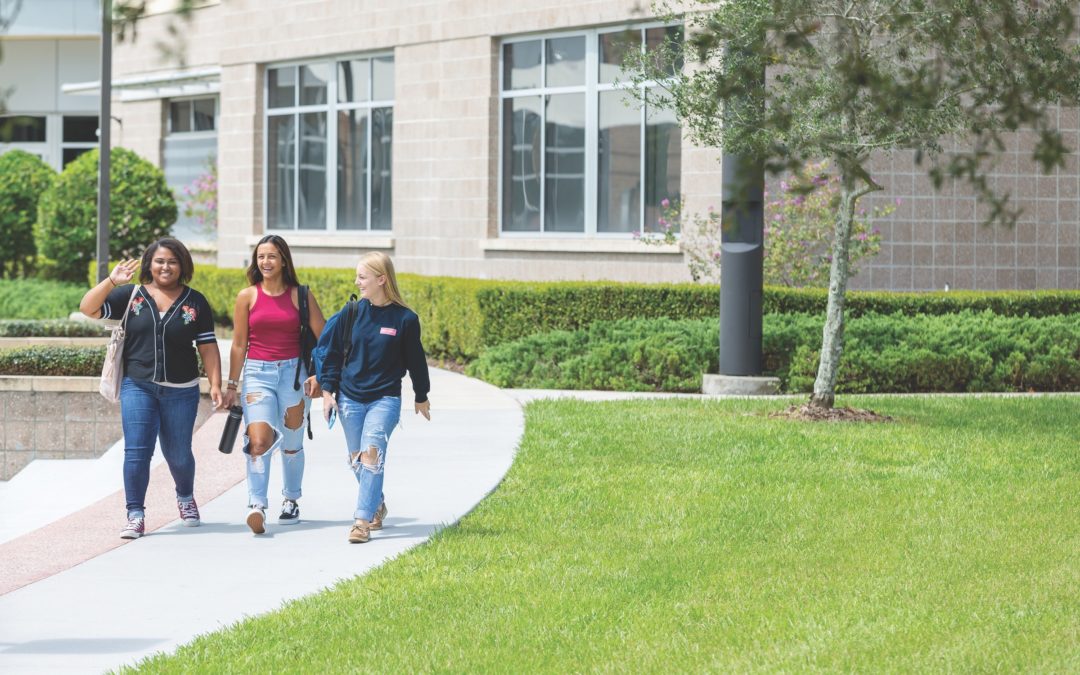
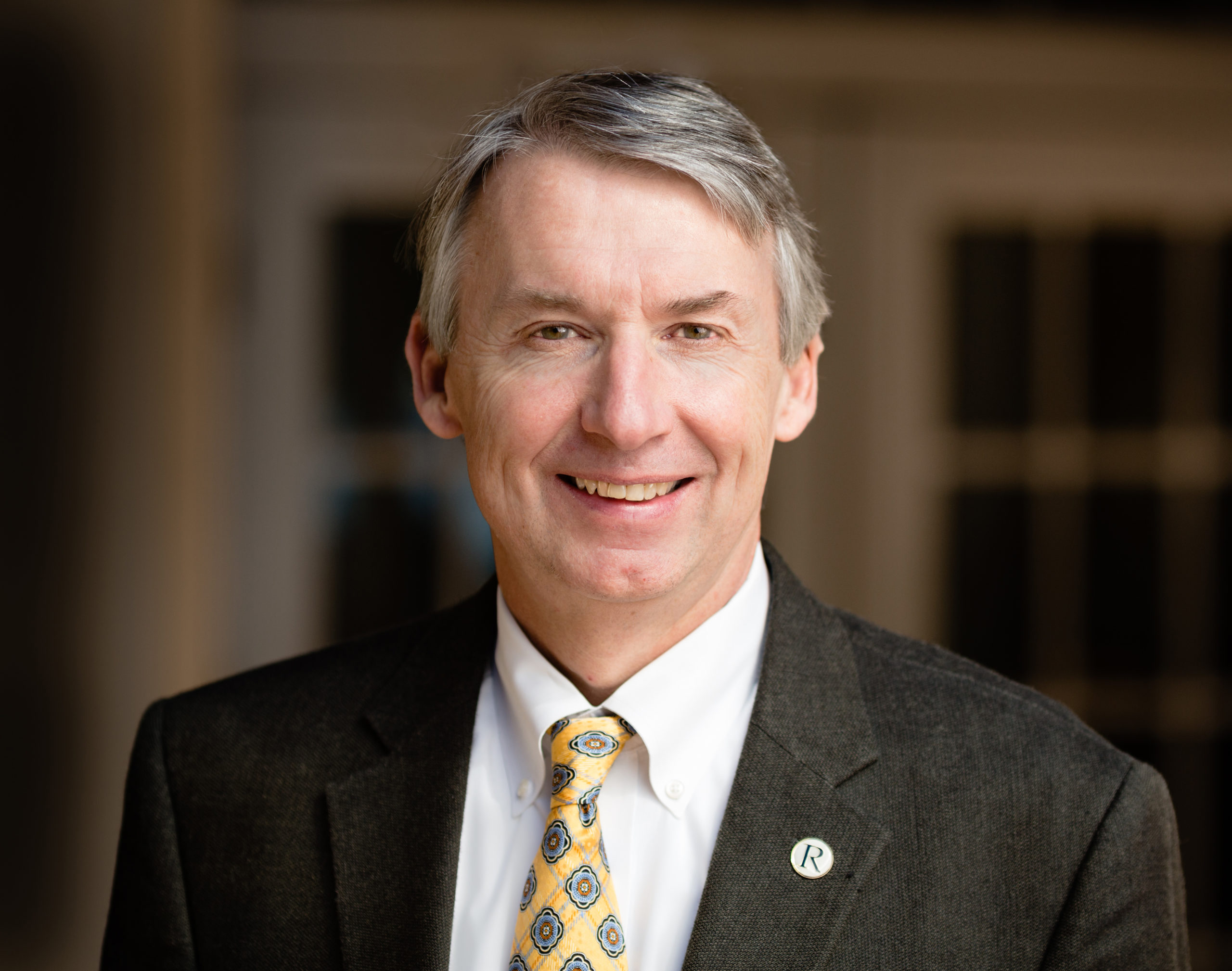
2 min read November 2019— Orlando has ranked among the country’s fastest-growing job markets for several years and it is also ranked by Forbes as the No. 3 city for future job growth. To continue its recognition as a great job market, there is a need for qualified talent with the necessary skills for the jobs of tomorrow. Invest: Orlando recently spoke with leaders of two major colleges in the area: Grant Cornwell, president of Rollins College, and Georgia Lorenz, president of Seminole State College of Florida, to learn about the efforts to feed the local talent pipeline.

What academic programs are seeing the most demand?

Grant Cornwell: Overall, we’re seeing increasing demand for our future-proof brand of liberal arts education. In terms of majors, our most popular programs include biology, communication studies, psychology, and our three undergraduate business degrees: business management, international business, and social entrepreneurship. That last one, social entrepreneurship, is one of our fastest-growing majors, and it was the first program of its kind to earn accreditation from AACSB International, which is the gold standard for business education. It teaches students how to apply business skills and entrepreneurial thinking and action to tackle social and environmental problems around the world. That is very appealing to this generation of students who want the tools to solve some of the global challenges that they’re inheriting and who want to make a positive impact in their lives and careers. 

Georgia Lorenz: Healthcare in general is one of the fastest-growing areas. As the Central Florida region continues to grow, there is a need for an additional 1,000 bachelor’s degree-trained nurses each year for the next decade. Our bachelor’s degree in health sciences is also experiencing great demand because it prepares students for a variety of health-related careers. We also launched our hospitality management program in fall 2019, to meet the high demand for restaurant and hotel management professionals. In the area of technology, our mechatronics and robotics program continues to expand. We want our students to be able to adapt as the industry changes. In spring 2020, we’re going to start a new focus area in simulation, which is a huge industry in Central Florida. Another area of growth for us is cybersecurity, which leads to great job opportunities. 

What are you efforts to attract and retain talent in Orlando?

Georgia Lorenz: First and foremost, the tremendous population and economic growth in Orlando represents an incredible opportunity for our students and graduates. At Rollins, we’re preparing graduates who are not only uniquely prepared to thrive in this dynamic economy right away but are also ready to help Orlando reach even greater heights through lifelong leadership. Second, Orlando’s growth is providing our students more and more opportunities to put their ideas to work in the world. Every semester, our students gain professional experience through internships at some of the world’s most innovative companies and organizations right here in Central Florida — from ALDI and NASA to Universal and The Walt Disney Co. Rollins’ also boasts some of the best community-engagement programs and initiatives that you’ll find at any college anywhere in the country. Every single day, our students partner with local and national organizations to create positive change in our community. In the process, they not only learn the importance of engaged citizenship but also develop experience that will give them a competitive advantage in the job market.

Grant Cornwell: Research has shown that the better education ecosystem a region has, the more likely they are to attract new businesses and retain the businesses that are already in the area. Seminole State continues to work closely with Seminole County Public Schools to create pathways for our students throughout their school careers and into higher education. As the population and the business community grow, we will need more professionals in a number of industries. And we are making sure we provide the talent to these new and emerging areas to help with the social and economic infrastructure of Central Florida. We are using technological advances to serve our students more effectively. We’re always looking for new software or innovations to better serve our students. Every program at Seminole State has an advisory board, made up of local business leaders and faculty members, to ensure that we’re preparing our graduates for the jobs of tomorrow. We also prepare students with hands-on learning experiences through internships and work-based problem solving to give them real world experiences with the latest technologies before they graduate. That’s something that distinguishes a Seminole State educational experience from many other institutions.

To learn more about our interviewees, visit:

Rollins College: https://www.rollins.edu/

Seminole State College of Florida: https://www.seminolestate.edu/


Miami Dominates in Innovative Coworking Real Estate

Miami Dominates in Innovative Coworking Real Estate

By: Sara Warden

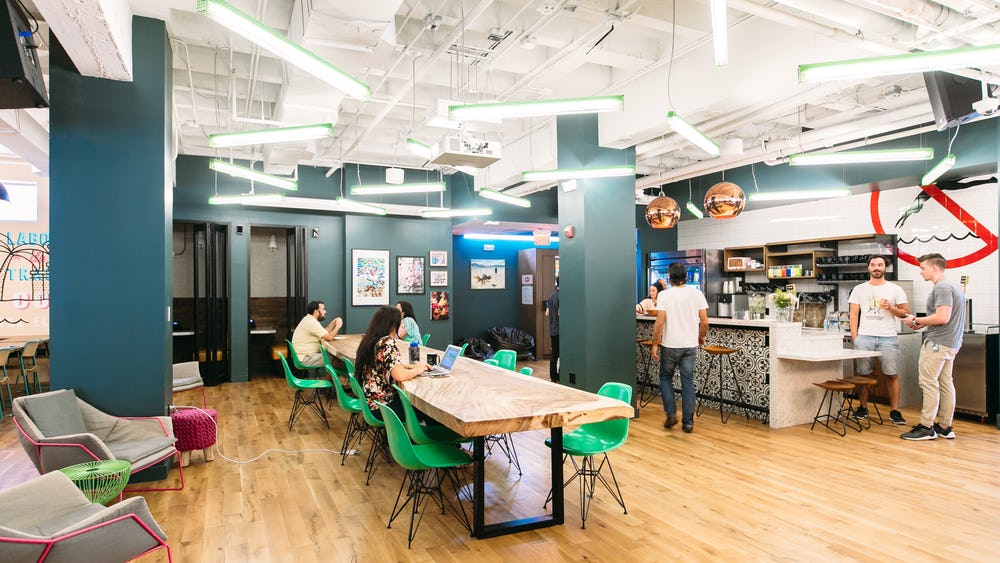
2 min read NOVEMBER 2019 — The traditional office space is changing fast. Hot-desking came first, and now with more pressure to recruit highly skilled personnel, workers are increasingly able to command perks such as home office and telecommuting. According to Fundera, telecommuting has grown by 40% in the last five years and employers offering the benefit save around $44 billion per year in total. The drive to home office also created a new real estate niche – coworking spaces – and that niche is now driving real estate growth in Miami.

“Coworking tenants continued to dominate absorption activity in Miami for the second quarter in a row as they continue to lease significant footprints in buildings throughout the market. Out of the seven largest lease transactions year-to-date, five were coworking tenants, with WeWork leading the number of coworking companies,” said Donna Abood and Michael Fay, Principals and Managing Directors-Miami at Avison Young in an article written for Rebusiness Online.

According to a special report by Yardi Matrix, coworking spaces accounted for one-third of leases over the last 18 months. Miami comes in third in terms of metros with most shared space as a percentage of real estate stock, at 3.5% –behind only Manhattan and Brooklyn. In the last 10 months, Miami has added around 1.1 million square feet of coworking spaces.

But one of the most highly-leveraged companies in the coworking arena is WeWork, a company that underwent a failed IPO attempt in the last year and wiped out around 80% of its value in the process. The company stretched itself too far, playing the Amazon tactic of taking on huge losses to undercut and wipe out the competition, but without having Amazon’s clout.

Alan Patricof, chairman emeritus of venture capital firm Greycroft and an early backer of Apple, does not believe the coworking space is a bad idea, but rather that WeWork simply bit off more than it could chew. “If you want to be a publicly traded company, you should act like a public company,” Patricof said in an interview with TechCrunch in September, adding that the board members “were all seeing the pot at the end of the rainbow.”

But the global value of coworking spaces is estimated at $26 billion, with growth of 6% expected in the United States to 2022 and 13% elsewhere. Despite WeWork’s errors in judgement, the market is there for a $49 billion valued unicorn, and Miami offers huge opportunities to those investing in the right way. According to Pandwe Gibson, founder and president of EcoTech Visions, a coworking space for manufacturing businesses, these spaces need to be constantly offering the next new thing. 

“Entrepreneurs in America don’t just need a WeWork. They don’t just need a desk. Entrepreneurs want to make stuff,” she told Moguldom. The Miami-based startup has 52,000 square feet of space and approximately $3.2 million in public and private investment to scale the business, while it carries out its first raise.

It doesn’t stop with manufacturing space. ShareMD recently spent $33.15 million to purchase a building in South Miami and one in Coral Gables in which to set up co-working spaces for doctors. “Because of the demographics in Florida, we are aggressively trying to expand in the metropolitan areas,” said Easton & Associates Vice President Elliot LaBreche, representing ShareMD in the deal in an interview with The Real Deal.

The attraction of this concept is accessibility to a doctor without the pressure to sign new clients, LaBreche added. “If you have a doctor, and their primary practice is in Fort Lauderdale, but they have some patients in Miami and West Palm, but not enough patients to support their practice, they can join the ShareMD network and use our offices as satellite offices.”


To learn more about our interviewees, visit:

https://www.avisonyoung.com/

https://www.yardimatrix.com/

https://www.wework.com/en-GB

https://www.greycroft.com/

http://ecotechvisions.com/

https://wesharemd.com/

http://theeastongroup.com/about/


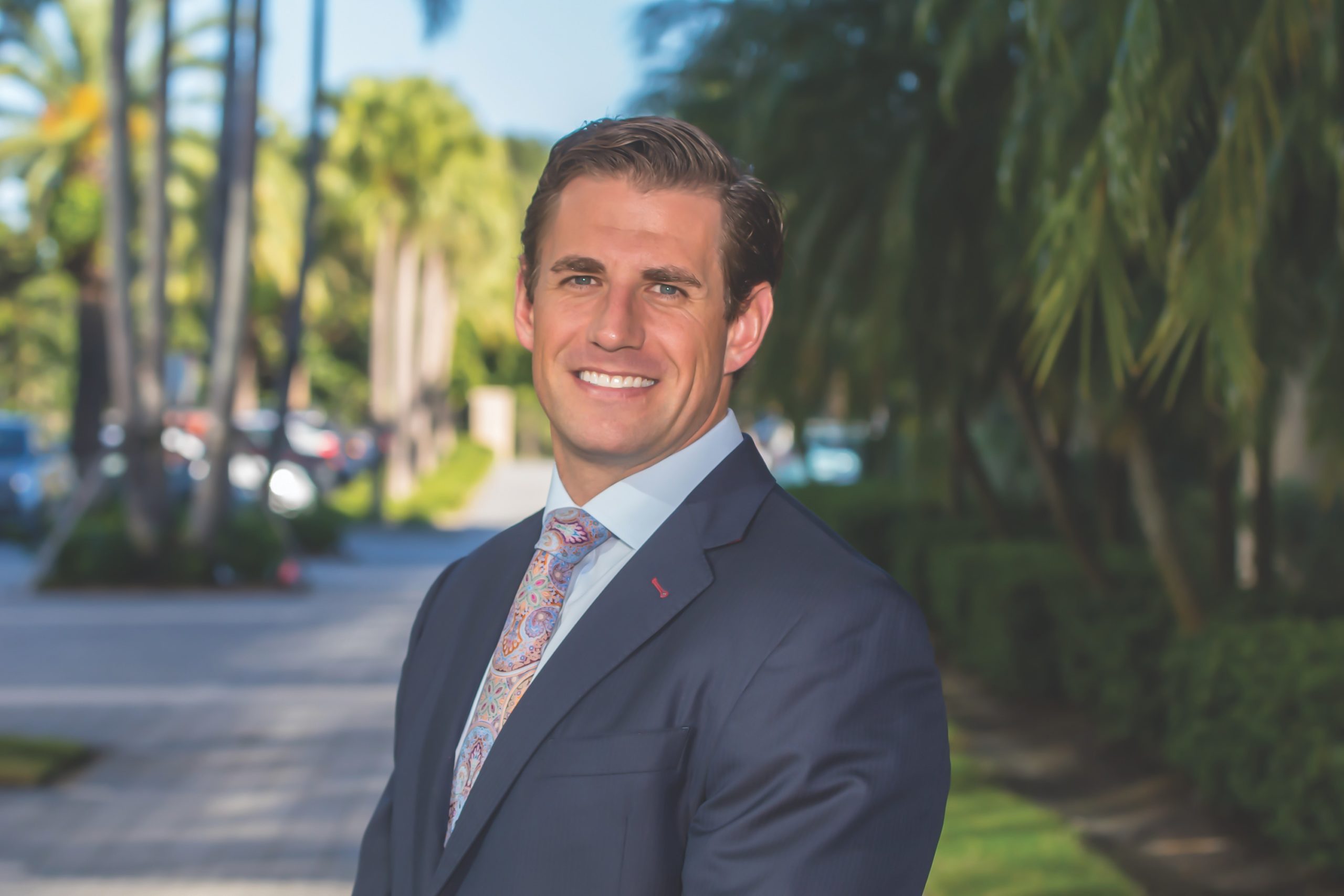
Spotlight On: Matt Crum, Executive Vice President, FrankCrum

Spotlight On: Matt Crum, Executive Vice President, FrankCrum

By: Max Crampton-Thomas

2 min read November 2019 — Achieving longevity in any marketplace is difficult. That level of difficulty increases significantly when an area is growing and competition is introduced on a frequent basis. The solution to continuing to remain a leader is the flexibility to evolve with a customer’s needs, as well as having the ability to quickly switch gears in terms of focus for the business. Matt Crum, the executive vice president for Clearwater-based FrankCrum, understands these concepts, an understanding that has contributed to 38 years of success for his family’s business. 


 To what do you attribute the company’s longevity in this market? 


Change is inevitable in any business and I believe part of the reason we have been successful over the years is our acceptance and embrace of change. The company started as a staffing firm in 1981, opened what is the professional employer organization (PEO) a few years later, and we now have an insurance carrier, insurance agency and a managing general agency all under the FrankCrum flag. We understand that to remain relevant, we must continue to evolve with our customer’s needs. Something that has remained the same since we’ve been in business is our value system. Our three brand pillars are integrity, prosperity and affinity and those ideals are extended to all of the stakeholders in our business.

What benefits have been afforded to FrankCrum remaining a privately held business all these years? 

Tampa Bay, and specifically Clearwater, is more of a regional business hub as compared to some of the other, large markets in the Southeast. While there is a national company presence in the region, there are not a lot of big companies headquartered here. Being a privately held business allows us the autonomy to make decisions on a different time horizon than publicly traded or private equity-owned businesses. We can make an evaluation without having to consider what our shareholders are going to say or how the quarterly results are going to be affected. It lends itself to longer term thinking, clearly focusing on what is important and executing.

How has the location of Clearwater been beneficial to the success of FrankCrum? 

Being in the Clearwater/Tampa Bay region has been a huge benefit to our business. It is a fantastic market as the cost of living is pretty low, there is easy access to the No. 1 beach in the country, there are major market sports teams and the region really has everything that any other major market in the country has. The friendly tax environment for individuals and companies makes it easier to compete on a national level, especially when we are competing against the companies based in more expensive, higher tax environments. This location also helps in recruiting people who live in those environments. The idea of paying less in taxes and living in a great area is attractive to them. 

What lessons did you learn from the last financial crisis and how do they apply now? 

As a professional employer organization (PEO), we offer payroll processing, HR services and consulting, tax and benefits administration, and workers’ compensation and risk management to our customers.  Prior to the financial crisis, we were more specialized, focusing on specific industry segments. This was good while it lasted but hit us pretty hard during the recession. It forced us to look closely at our processes and our service offering. We realized we needed to invest pretty heavily in technology and personnel to expand our potential customer base and prepare for growth as the economy turned around. It turned out to be a successful strategy because we’ve experienced very solid growth over the last eight to nine years.  Our business benefits from the strength in the labor market and rising wages. As competition increases for talent, businesses need to improve their benefit offering so they often turn to a PEO. As they grow, especially into other states, we help them stay in compliance with state and local laws. 


To learn more about our interviewee, visit: 

https://www.frankcrum.com/