Solar: The Ray of Light in Miami’s Clean Energy Bid

Solar: The Ray of Light in Miami’s Clean Energy Bid

By Sara Warden

2 min read October 2019 — This month, youth climate advocates came together around the world to highlight the global climate emergency, and Miami Beach listened. The city declared its own climate emergency in response and vowed to prioritize climate change on its agenda.

“We are so proud of the youth leaders and their allies who worked hard to make this declaration a reality. We hope the city of Miami Beach will continue this leadership trend by taking concrete action to reduce emissions, like transitioning to 100% clean and renewable energy,” Emily Gorman, a representative for environmental group Sierra Club, told the Miami Herald.

The city has dabbled in renewable energy over the years but certain technologies, like wind, are simply not viable. Land is becoming more expensive, meaning there are few options for wind power developers to install turbines in a cost-effective way. Miami Beach has access to the sea, but offshore wind turbines would be vulnerable to hurricane activity off the Gulf Coast, which could ultimately be more costly for the city. Hydro energy has been generated by Florida for decades in the city of Tallahassee, but now solar power undercuts it economically and the city proposed the closure of one of its two plants in 2017 due to inefficiencies.

Now, developers in The Sunshine State, are focusing on the shining beacon of hope for renewable energy policies: solar power. Initial outlay for solar energy in Miami-Dade is still relatively expensive, coming in at between $11,645 and $15,755, equating to around $2.74/W. But Miami’s privileged position means it has on average 248 sunny days per year, compared with the national average of 205, meaning its residents can reap greater rewards from solar power.

Major U.S. utility Florida Power & Light Company (FPL) is taking advantage of the opportunity to transition to renewables by launching the FPL SolarTogether initiative. “Based on the substantial interest and support that we’ve received on this innovative, voluntary and affordable program from such a diverse array of customers, community partners, businesses, local governments and national clean energy advocacy groups, we’re confident that the time is right for this program,” said Eric Silagy, president and CEO of FPL, to Renewable Energy Magazine.

In the largest community solar program nationwide, FPL SolarTogether will expand solar energy access across Florida by investing in the installation of almost 1,500MW of solar energy across 20 solar plants. FPL will offer access to its solar energy at a fixed monthly subscription cost and credits will be added to bills over the life of the plants. The utility expects most customers will receive a higher bill initially, which will reduce over three to five years and a full payback will be seen within seven years. 

The program could generate up to $249 million in net savings for FPL customers, according to the utility. But the main benefit of the program is democratization of access to solar energy, since not all citizens have the resources to install their own solar panels given the still-pricey initial outlay. “FPL SolarTogether is designed to remove many of the financial burdens associated with private solar generating systems while also providing direct savings in the form of bill credits, making it an affordable option for any customer. Participants could also utilize the program to meet state and federal sustainability goals,” said the utility in a press release.


To learn more about our interviewees, visit:

https://www.fpl.com/

https://www.sierraclub.org/


Spotlight On: Daniels Ikajevs, Chairman, The Ring Workspaces

Spotlight On: Daniels Ikajevs, Chairman, The Ring Workspaces

Writer: Max Crampton-Thomas

2 min read October 2019 — As the need for office space continues unabated, innovative solutions like coworking spaces are rising to fill the gap. One such coworking space is The Ring, which is a state-of-the-art co-working space with an emphasis on health and wellness. It is based in Downtown Clearwater. The Ring held its grand opening on April 26 and is home to over 70 companies across the Tampa Bay area, with about 110 people coming to the space on a daily basis. Invest: spoke with Daniels Ikajevs, chairman of The Ring Workspaces, about his innovative approach to office space, its collaboration with Harvard University and why Clearwater is the perfect location for The Ring Workspaces. 

Why was it important to construct The Ring to WELL standards? 

WELL standards are still fairly new, but they are becoming more commonplace. There is some similarity with LEED building standards, but WELL is more human-centric, and it looks at what is important for people inside the physical space, such as quality of the air, nutrition inside the space, access to daylight, biophilia and other health and wellness-related aspects. It also focuses on everything that LEED emphasizes, like quality of the materials, energy efficiency, and so forth. There is only one WELL-certified co-working space in the world and that is in Boston. We are in the process of getting our certification, and unlike in Boston where they have silver-level certification, we are going for the platinum level. 

What are some ways The Ring is working to help promote and foster the startup and tech ecosystem in the region? 

One of the ways we are doing this is through a collaboration The Ring entered with Harvard University T.H. Chan School of Public Health to pilot their innovation and sustainable technology program in Tampa Bay. This will be the first U.S.-based location for this program. It will happen over the course of two years, and will consist of a first and second round in which the university professors will teach young startups how to bring their ideas into reality. They will provide a blueprint on what investors are looking for when they go out and try to raise money. At the end of the program, people who are successful in funding their ideas will receive a certificate of completion from Harvard University T.H Chan School of Public Health. 

How is Clearwater the perfect match for a coworking space like The Ring?

When we were looking at locations for The Ring, we looked at what makes Clearwater a more attractive market for startups. Clearwater offers lower real estate costs in comparison to similar Tampa and St. Petersburg markets. We are geared more toward the startup culture, and because the cost of doing business in Clearwater is less than anywhere else in Tampa Bay, we thought we could use this environment to attract more startups. As a startup you try to save money every step of the way until you reach the maturity stage of the business, so real estate is one of the biggest values that Clearwater can offer. The overall business environment in Clearwater is also in line with the four principles of The Ring, which are health, innovation, sustainability and productivity.

What does the future of coworking spaces look like? 

Coworking spaces will continue on an upward trend, especially as more startups emerge all around the Tampa Bay region. In this fast-moving business environment it is very difficult for these startups to predict the amount of space they will need in the near future, so coworking spaces like The Ring that offer flexible memberships where these businesses can upgrade or downgrade with ease are a huge benefit. Flexibility is key for startups, which is why big players in the coworking space, like Spaces, are expanding quickly to address the growing demand. It will also be interesting to see how the coworking concept works in a down market, as this has not been properly tested yet. There is no doubt in my mind that there will be a down market in real estate in the near future, so we will pay special attention to see how this market adjusts and operates when this happens. 


To learn more about our interviewee, visit: 

http://theringworkspaces.com/


Top 5 Family-Friendly Destinations in the Tampa Bay Region

Top 5 Family-Friendly Destinations in the Tampa Bay Region

Writer: Max Crampton-Thomas

4 min read October 2019 With almost 1,000 people moving into Florida every day, the appeal of the state is quite apparent. From our favorable tax climate to ideal weather and everything in between, Florida is the hotspot in the southeast. The Tampa Bay region has been a beneficiary of this population boom, as represented in the more than 51,000 people that moved into the region last year. One of the major appeals for Florida, and more specifically the Tampa Bay MSA, is the welcoming, family-friendly environment that has been cultivated throughout the state. Supporting this are the multitude of family-friendly activities and destinations available throughout the region. With so much choice, Invest: thought it would be fun to narrow it down. Here are five of the best family-friendly destinations in the Tampa Bay region.

Florida State Fairgrounds

Known for their title event, the Florida State Fair, the Fairgrounds are also a destination for festivals, trade shows, conventions and outdoor shows. The 12-day Florida State Fair is the premier family-oriented event in the Tampa Bay region. The emphasis on family fun is cultivated in the Fair’s various offerings like rides, animal interactions, fair food, and activities and shows for children. Cheryl Flood, executive director for the Florida State Fair, spoke to Invest: about just how significant this family-friendly event is to the region. “We are known for our 12 days of family fun during the annual state fair festivities, when families from across the state gather to celebrate agriculture, education and community. Annually, we boast 500,000 visitors who generate over $152 million dollars in sales throughout the state of Florida. The Florida State Fair is the first state fair of the year throughout the entire country. As a result, we set the trends of what the fair industry and fairgoers can expect nationally. We think of ourselves as a catalyst for innovation within this niche industry.”

For more information on the next Florida State Fair & the Fairgrounds visit: https://www.floridastatefair.com/

Museum of Science and Industry

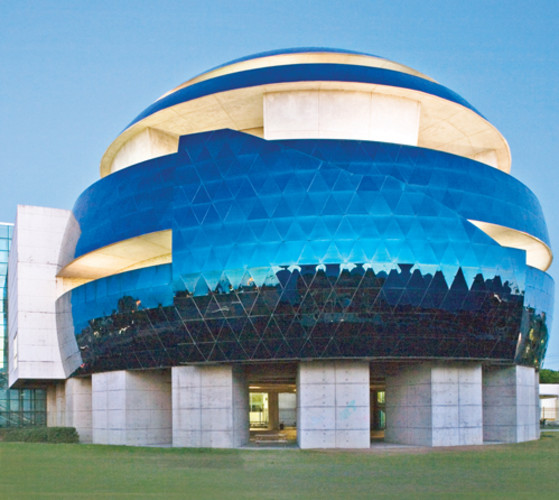
Tampa’s Museum of Science and Industry (MOSI) is not the typical museum destination that some may be accustomed to. Instead of taking a more traditional approach to teaching principles of STEM and STEAM, this museum prides itself on being a scientific playground that offers more than 100 different hands-on activities for parents and children alike. The museum was not always known for its innovative approach, but after a restructuring and renovation in November 2017, they have been working to change that narrative. Julian Mackenzie, president and CEO of MOSI, elaborated on this deliberate effort, “In our second year of ‘new MOSI,’ after the completion of our restructuring and renovation in November of 2017, our reputation in the community was re-established. Prior to our reopening, the venue had a reputation for outdated exhibits that in some cases just simply didn’t work as they should. Our main focus for MOSI since then has been to re-engage the community with expanded participation in popular public events. In this fashion, it put our No. 1 asset in full view, that being our staff and the passion they have for making science real for all ages and demographics. Also, it has been about the exhibit path experience. Guests can now count on a dynamic experience at MOSI with hands-on activities and exhibits that not only function as they should, they also entertain, educate and inspire.”

To see all of MOSI’s offerings visit: https://www.mosi.org/

Glazer Children’s Museum 

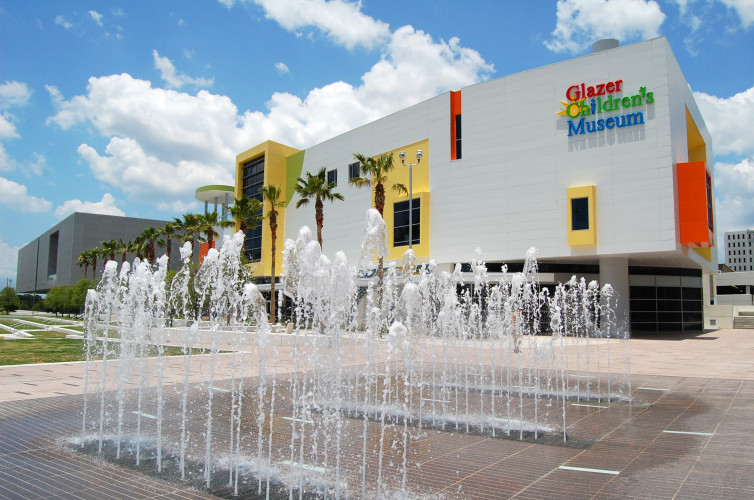
The Glazer Children’s Museum is a prime example of a family-friendly destination that is using innovation and inclusivity to rise above the variety of options in the region. The museum, which saw its third-busiest year on record in 2018, understands the importance of being a viable option for all different types of families and children. Sarah Cole, the president and CEO of Glazer Children’s Museum, expounded upon this to Invest:. “At the Glazer Children’s Museum, we believe that all children deserve the opportunity to play with purpose. We strive to provide accessible and inclusive programs, events, and exhibits to serve the diverse needs of our guests. For families with special needs, we offer programs like our monthly Sensory-Friendly Sunshine Sundays and Autism-Friendly Camps. When families visit the museum, they have access tools, from an experience book to plan their visit to sound-blocking headphones, sensory kits, accessibility chairs, and more. We are proud to be designated an Autism-Friendly business for eight years running through the Center for Autism and Related Disabilities and we were recently named Employer of the Year by the Mayor’s Alliance for People With Disabilities.”

For more on Glazer Children’s Museum visit: https://glazermuseum.org/

Clearwater Marine Aquarium

In the case of the Clearwater Marine Aquarium, being a family-fun destination is only part of who they are. The Aquarium, which was the backdrop for the films Dolphin Tale 1 & 2, serves as both a family-friendly destination to observe marine life in an interactive and educational manner as well as a marine research and rehabilitation sanctuary. They are currently under major construction as they work to not only improve their facilities for guests but also for their marine rescue and rehabilitation efforts. Frank Dame, executive vice president and chief operating officer for Clearwater Marine Aquarium, spoke to Invest: about what could be expected from the new facilities, “When we open the doors to our new facility, sometime next year, we are going to have almost four times the guest space we have now. We are also building five new dolphin pools. Currently, between all our facilities we have about 985,000 gallons of water, and these five new dolphin pools will add another million and a half gallons. We are really ramping up our ability to rescue more animals and provide a better living environment for our dolphins, as well as drastically improve the guest experience.”

To read more about Clearwater Marine Aquarium’s aquatic initiatives visit: https://www.seewinter.com/

Clearwater Beach

To be named the No. 1 beach in the country is no small accomplishment, so the significance of Clearwater Beach being dubbed this title two years in a row by TripAdvisor cannot be understated. From in-water activities to fun festivals to simply sunbathing on the white sands, this family-friendly destination has something for everyone to enjoy. Sights are now set on retaining this title for the foreseeable future, and Frank Dame of the Clearwater Marine Aquarium weighed in on how to best accomplish this. “We need to focus on maintaining our recognition as the No. 1 beach in the nation, and we can’t accomplish this by just promoting ourselves as No. 1. The mission now is to make us the No. 1 beach because we are ocean-friendly. We can do this by eliminating trash and doing things like stopping the use of single-use plastics,” he told Invest:. 

For more on the #1 Beach in the nation visit: https://www.visitstpeteclearwater.com/communities/clearwater-beach

Spotlight On: Jeffrey Mylton, Charlotte Market President, HomeTrust Bank

Spotlight On: Jeffrey Mylton, Charlotte Market President, HomeTrust Bank

By Felipe Rivas

2 min read October 2019 — The Charlotte Metro Area is home to a plethora of banks and financial institutions. While local and nationally-recognized banks provide similar services, many residents prefer to go to a local bank for their banking needs. HomeTrust Bank is a local bank keen on providing personalized service to its clients.  In an interview with Invest: Charlotte, HomeTrust Bank Charlotte Market President Jeffrey Mylton talks about the advantages of local banks, the challenges they face, its relationship with the local business community and the outlook for Charlotte’s banking sector.  

How would you describe the bank’s trajectory since entering the Charlotte market five years ago?

It has been a nice steady climb. We have added new relationship managers who are more in line with midmarket-type lending. We’ve also added several new divisions, one of which is equipment finance and the other is our SBA division, as well as a larger, more robust residential mortgage area. Two of the three divisions are headquartered here, as opposed to our headquarters in Asheville, so the bank realizes where a lot of the growth will come from over time.

What advantages does the Charlotte market provide over bigger national banks?

I would say a lot of customers are looking for personalized service. Just about every big bank has small business lending somewhere else. You come to them locally, but the approval process is out of the market. We provide the speed, flexibility, and personal service that a big bank can’t provide.


What will your partnership with fintech company AvidXchange accomplish?

A client that would take advantage of AvidXchange would have to be processing a lot of transactions. That’s more of a middle-market company, which is the type of company we are seeking in that middle-market segment where we would like to be more prominent. It’s a way to get our name out and have people realize our capabilities are just as good as the bigger banks.

What are the greatest challenges facing community banks in Charlotte?

A lot of community bank growth has been done by boosting the balance sheet with real estate. I think everybody understands you have to be diversified. You have to have a deposit base in order to lend. Real estate’s great, but you can’t do everything with real estate. There are so many more business opportunities for a bank when it is servicing business customers. 

As this market grows, people are looking for a bank that can satisfy their needs. Other than a few things that a big bank does, such as mergers and acquisitions, we can do what they can do. Most of the time we can provide it either more efficiently or less expensively.

We’ve seen just about all but about two community banks disappear here in Charlotte, but you’re also seeing big growth in credit unions. I think the reason that they’re becoming so active is because of the void of community banks. People would rather deal with a personal relationship where somebody locally cares. Big banks don’t provide that. So you’re seeing us thrive as one of the few left, as well as the credit unions.

How can regulators or economic engines like the Charlotte Regional Business Partnership help address some of those challenges?

They are directing attention to a need. They’re attracting customers and business to the city, which gives us an opportunity to do business. When those companies come here, they are looking to work with someone that actually works and makes decisions locally. Many large banks don’t make business decisions here.

How is HomeTrust responding to the emerging millennial market and the demands of this generation?

Whether it’s remote data capture, creating our app so you can do all your banking services on your phone, or Popmoney, where you can transfer money between different accounts, those are all things that can continue to evolve. And as they evolve we continue to make sure we have what we need to be competitive.

What’s your outlook for the finance sector in Charlotte and what emerging businesses are you involved with?

There are so many multifamily projects being done. Opportunities are there for all residents of these multifamily projects to be banking customers. We aim to serve all customer segments, millennials to retirees, as well as small to middle-market companies.

As for emerging businesses, we have relationships with quite a few of these types of companies. Those that are involved in cloud computing, data centers, and related businesses in fiber optics. Technology and digital businesses just keep changing, but we’re active on all fronts. We have quite a few cloud computing-related businesses.


To learn more about our interviewees, visit: 

https://www.htb.com/

Atlanta’s Entertainment Pull Buoys Hospitality Industry

Atlanta’s Entertainment Pull Buoys Hospitality Industry

By Sara Warden


2 min read October 2019 — With 130 new hotel constructions planned across Metro Atlanta, the city now ranks fifth in the country for new hotel construction. The momentum generated from this year’s Super Bowl seems to have continued as the city now looks to attract other major sporting events, such as World Cup 2026 after it made the shortlist as a potential host city.

“Atlanta’s standing as a preferred site for major sporting events has been enhanced by the 2017 opening of the state-of-the-art, $1.6-billion Mercedes-Benz Stadium, as well as the opening of SunTrust Park and the conversion of Turner Field into the new Georgia State Football Stadium,” said a report by the Hotel Valuation Index (HVI).

And Atlanta doesn’t just draw visitors for sporting events. Hotels are now incorporating convention centers as standard to provide the greatest value to customers. “In recent years, the city’s large amount of meeting and event space at competitive price points has advanced Atlanta’s position in citywide convention cycles and has improved the city’s standing in relation to other large convention markets,” said the HVI report. “Increasing convention demand will continue to be supported by the ongoing $55-million expansion of the Georgia World Congress Center (GWCC) and the 2019 announcement of a 1,000-room Signia Hilton convention hotel to be located adjacent to the GWCC.”

Of the 107 projects tracked by real estate firm CBRE, 15 are located in downtown Atlanta, 14 are in Gwinnett County, 11 are in Cobb County and a further 13 are located along the corridor of the GA-400 freeway.

As the competition heats up, hotels need to evaluate their offering to ensure they are in the best position to attract new clientele. Most recently, luxury hotel chain Kimpton jumped on the bandwagon and partnered with developer Portman Holdings and leading hospitality firm IHG to build new properties in Atlanta and Houston. The 216-room Kimpton Buckhead hotel is slated to open in the second half of 2020 and will feature a restaurant and bar, courtyard, private pool and a rooftop lounge.

“We’re thrilled to expand our presence with a second Kimpton hotel in the Atlanta market,” Mike DeFrino, Kimpton Hotels & Restaurants’ CEO, said in a statement. “The partnership with Portman Holdings allows us the perfect opportunity to bring Kimpton to the stylish Buckhead neighborhood and to continue consolidating our presence in the Southeast at-large.”

Developers in Buckhead also are targeting what they describe as the hotel market’s “white space,” or those customers willing to pay $250-300 per night for a room. While luxury hotels in Atlanta command an average of $227 per night, other neighborhoods can attract rates of more than $350 per night. “So, the white space occurs between that $350 and the $225 rate that is prevalent in all of the other hotels in Buckhead,” Regent Partners President Reid Freeman told Bisnow. “There’s $125 worth of white space that no one is capturing.”

Next month, the company is expected to break ground on a $90 million boutique hotel in the Buckhead Village district, to be operated by Thompson Hotels. Buckhead is also a target for Songy Highroads, which is planning a $75 million Hyatt boutique hotel targeted to millennials. “The experiential factor is becoming more prominent. You have different segments of travelers, from millennials to people aging into retirement. They are looking for an experience and place that is a reflection of the surrounding community,” Songy Highroads CEO David Songy told Bisnow.

To learn more about our interviewees, visit:
https://www.hvs.com/article/8460-2019-european-hotel-valuation-index

https://www.cbre.us/

https://www.ihg.com/kimptonhotels/hotels/us/en/reservation

https://www.regentpartners.com/

https://www.portmanholdings.com/

https://www.thompsonhotels.com/

http://songyhighroads.com/

https://www.gwcca.org/georgia-world-congress-center/

https://www.hilton.com/en/signia-hilton/

A Show 60 Years in the Making

A Show 60 Years in the Making

By Max Crampton-Thomas

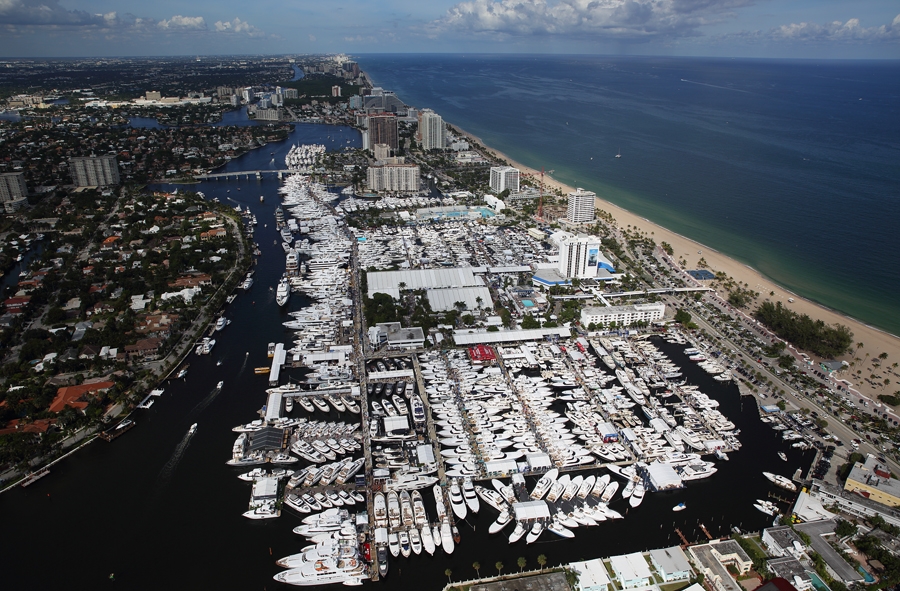
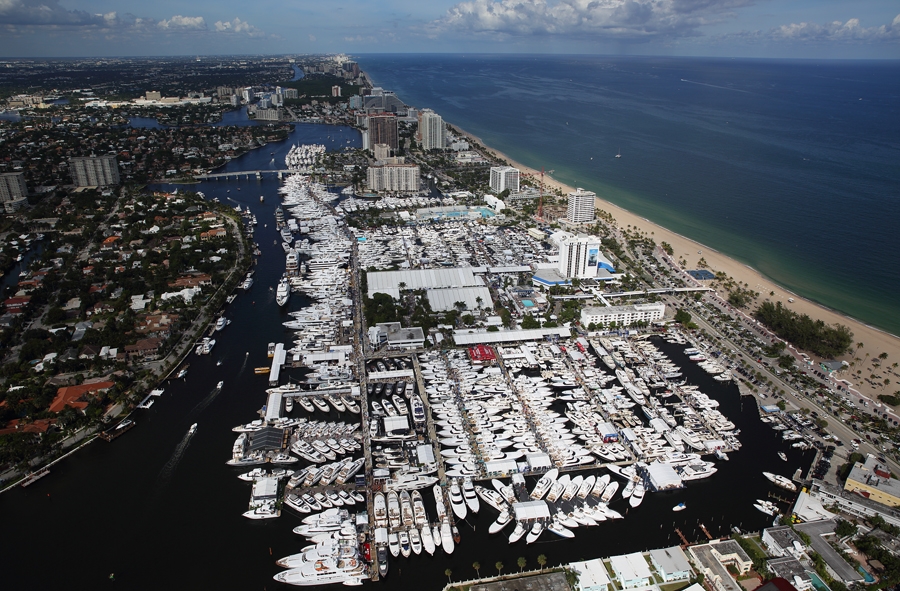
 2 min read October 2019 — Oct. 30 to Nov. 3 are probably the most important couple of days for the city of Fort Lauderdale and for Broward County. Over the course of these five days, the city opens its doors to over 110,000 boating enthusiasts from around the world representing over 50 countries, all here for the purpose of attending the Fort Lauderdale International Boat Show. While this event is always a highlight for the year, this year has special meaning: it’s the 60th anniversary for the Boat Show.

The success and longevity of the event comes as no surprise as Fort Lauderdale has been dubbed the “Yachting Capital of the World” with its economic roots deeply cemented in the marine industry. This event is not just a chance for visitors to see these boats up close and personal; it serves primarily as a platform for yacht brokers and various other exhibitors to showcase their marine products and services. 

The economic benefits to the region brought on by a boat transaction cannot be understated, and were highlighted by Paul Flannery, executive director for the International Yacht Brokers Association, when he spoke to Invest:. “A boat is an economic engine for the community. When a boat comes to a community, 10% of the value of that boat is injected into the local economy on a yearly basis. When there is a transaction involving a boat, an additional 13% of the value of that boat is injected into the local economy in the first year after the sale,” Flannery explained. He continued: “When a person wants to sell their boat, then we need to make sure they know that there is no better place to do business than South Florida, the yachting capital of the world. The impact of that boat sale happening in South Florida benefits the local economy through the yacht broker and marina owner, as well as all the people engaged in that transaction.”

The show this year will not only feature the debut of the show’s largest megayacht, Madsummer, it will also include the 2nd Annual Sunset Soiree and Yacht Chef Competition, a superyacht village and a mansion yacht. Perhaps most unique about this year’s event is the FLIBS 4 Bahamas initiative that will be in support of the Bahamas relief efforts in the Abacos and Grand Bahama, two of the islands devastated by Hurricane Dorian. The proceeds from both the raffle of a Pioneer Sportfish 180 and the Yacht Chef Competition will be going directly to charities working on hurricane relief for the islands.

With more than $4 billion worth of product on display at the Boat Show, the event has not only become a staple for the South Florida community, but the global marine community as well. The event is owned by the Marine Industries Association of South Florida, whose CEO and President Phil Purcell perfectly summarized to Invest: just how important the Boat Show is to the region. “We are the refit and repair capital of the world, the yachting capital of the world. When you think of Fort Lauderdale International Boat Show’s impact on the state of Florida, it generates an $857 million economic impact, with 110,000 visitors from 52 countries around the globe. Keep in mind that $100 million a day changes hands in sales during the five days of the show. The marine industry has an economic value to Broward County of $8.9 billion.”

To learn more about our interviewees, visit:

https://www.flibs.com/en/home.html

https://www.miasf.org/

https://iyba.yachts/

Spotlight On: Asi Cymbal, President & Owner, Cymbal Developmentf

Spotlight On: Asi Cymbal, President & Owner, Cymbal Developmentf

By Max Crampton-Thomas

2 min read October 2019 — Fort Lauderdale’s real estate development market is in its prime and if there was ever a time to capitalize on that, it’s now. The successful developers are those who truly understand the market, can create an innovative product and have the foresight to protect themselves if this hot market goes cold. Asi Cymbal is the president and owner of Cymbal Development, a development and construction company that is working on a new innovative development along the water called Marina Lofts. Cymbal discusses the key differences he has identified in Broward and Miami-Dade’s real estate development markets, market trends and how vital the financing market is to how real estate development performs. 

What can be expected for your development of Marina Lofts? 

We have a significant interest in Downtown Fort Lauderdale, and we own a six-acre site along the water where we are building The Marina Lofts. We brought in Bjarke Ingels, an amazing architect, to design the project. Marina Lofts will be a multi-use project with residential, marine and retail, and a possible hotel and condo component as well. We have waited for the market to come to us, and we believe this is happening now with all the activity that is happening south of the river. It is primarily a rental market on the river and we think there is an opportunity to create something spectacular and cost-efficient along the waterfront.

How do the markets in Miami-Dade and Broward County differ? 

Miami and Broward are quite different, although they are so close in proximity. Fort Lauderdale strives to be a city that seems closer in line to the bigger cities in the Midwest, while Miami strives to be a city that is more closely aligned with Eastern cities like New York. They have slightly different demographics as well, but both are attractive cities in different ways, which I believe adds to their appeal for various types of renters or buyers. An issue we are dealing with in both places is construction costs, and we are emphasizing efficiency in design more than ever. To be successful in these markets, we need to be a lot more cost-conscious than we have been in the past.


Where do you see development trends gravitating as we move into 2020? 

There will continue to be strong demand for multifamily units. I believe retail will take a hit even though there are some interesting innovations happening in that space. There is an opportunity for growth in office space and there is more of an emphasis on an environmentally friendly product. Our housing tenants expect to see more of this emphasis, so we do design with an eye toward energy conservation, green efficiency and things of that sort that appeal to this demographic. Overall, we are cautiously optimistic through 2020, and our company will remain in significant expansion mode.


How dependent is real estate development on the financing market? 

The financing market helps check the type of real estate product and the quantity of product being developed in South Florida. Regulation is a lot more strict today than it was right before the Great Recession. Having a stronger financial backing for projects is what keeps the region from over-building and there is a lot more hesitation and thought going into what is developed in South Florida. During the Great Recession, we saw opportunities to develop, but it was difficult to find financing. By the time we were mid-cycle everyone wanted to finance, but the opportunity was diminished. Now, we are toward the end of the cycle and there is financing, but you need to create your own opportunities.


To learn more about our interviewee, visit: 


http://cymbaldevelopment.com/

Charlotte Rising to Tech Challenge Related to Emerging Workforce

Charlotte Rising to Tech Challenge Related to Emerging Workforce

By Felipe Rivas

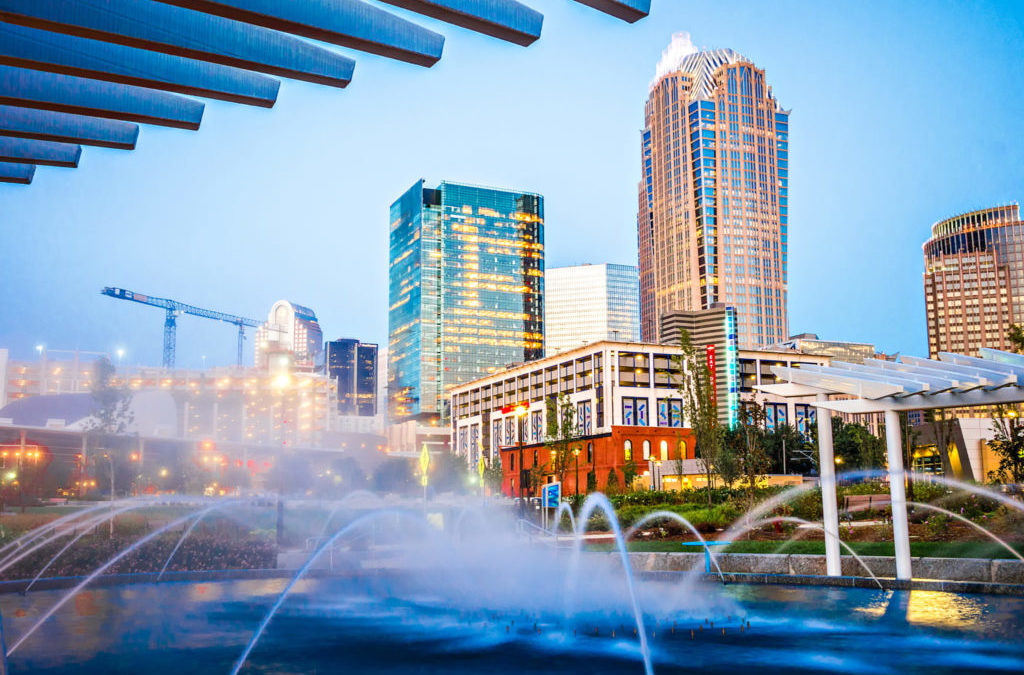
2 min read October 2019 – The business world was abuzz earlier in October when American conglomerate Honeywell broke ground on its new global headquarters at Legacy Union in Uptown Charlotte. Honeywell, a diversified engineering and technology giant, is the latest example of a large company flocking to the Queen City looking to expand and grow, and local leaders are doing their part to ensure success. As the economy in the Charlotte Metro Area continues to diversify, educational and economic development leaders are working to equip the workforce to thrive in the tech-based jobs coming to the area.  

Historically, Charlotte has been the second-largest banking capital of the United States, but that is broadening, said Queens University of Charlotte President Daniel Lugo. “The most exciting part is the growth of the technology sector. Charlotte is a hotbed for technology right now,” Lugo told Invest: Charlotte. “Those with strong technical skills, with an understanding of how to use data in powerful ways, how to visualize data, and how to use data to predict outcomes are going to have huge advantages,” he said. 

The university is placing a keen emphasis on producing talent that has a robust understanding of coding and data analytics. “The city and area is creating tech jobs at double the national rate and we want to be at the forefront of working with those businesses,” Lugo said. 

That means taking a community-first approach in its efforts to empower talent with tech-based skills. Its program, Digital Charlotte, aims to reduce the area’s digital divide by connecting community members to the internet and increasing their web literacy. “We are perfectly positioned to be the preeminent private university of the city and of this region, building a talent pipeline to meet the needs of a growing city’s changing economy,” Lugo said.   

In Gaston County, 30 minutes away from Charlotte, economic development leaders are already experiencing spillover from Charlotte’s growth and preparing its workforce for incoming manufacturing and tech-based jobs. “For Gaston, it’s all about the Charlotte market, tapping into it and knowing what their needs are,” said Gaston Regional Chamber CEO Steve D’Avria.

“The biggest set of industries coming in are the advanced manufacturing sectors because our labor is more affordable,” D’Avria told Invest: Charlotte.       

The chamber is focusing on education by supporting accelerated college programs for Gaston County’s high-school students, as well as programs at Gaston College centered on business and information technology career tracks and certificates. “Education has been one of our focuses,” D’Avria said.  

Connecting students and workers to jobs to practice their tech skills while they are in school is another chamber priority. “Around 60% of our members are small businesses, so we’re a connector of resources in the community,” D’ Avria said. “We’re also expanding into the co-working space in Gastonia. In Belmont, we have a program called Gaston Tech Works, and it’s all technology-focused.”


To learn more about our interviewees, visit:

https://www.queens.edu 

 http://www.gastonchamber.com

Miami BIDs Put Customer First, Profits Later

Miami BIDs Put Customer First, Profits Later

By Sara Warden

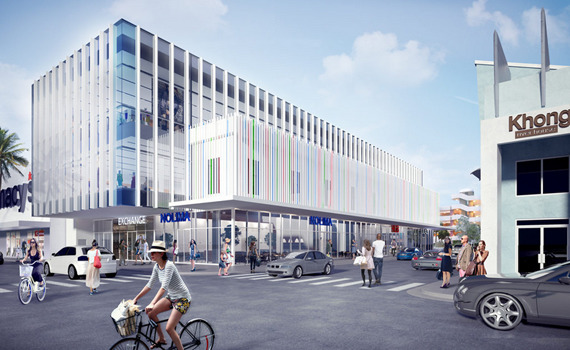
2 min read October 2019 — As commercial real estate evolves and retail stores move online, Miami’s authorities are addressing vacancy rates with an innovative business improvement district (BID) program that unites private business and local store owners to take back Main Street.

A BID is a legal mechanism that has successfully been put in place in Miracle Mile, Coconut Grove, Lincoln Road and Wynwood, and most recently was established in South Miami. The South Miami BID provides a budget of $200,000 annually to provide services to businesses and commercial properties that include “enhanced safety, marketing, advocacy, promotions, and maintenance,” which are provided by the City Commission in addition to basic services.

Lincoln Road is one BID that, rather than focusing on vacancy rates, is focusing on creating a community for the public to attract foot traffic to the area. “I look at Lincoln Road differently,” said Lyle Stern, a member of the Board of the Lincoln Road BID to RE: Miami Beach. “I’m trying to encourage all of us who live in Miami Beach to look at Lincoln Road differently.” He believes that vacancy rates are the concern of individual property owners and that by creating an attractive environment, people will come.

Despite a significant hole being created right in the middle of Lincoln Road by the collapse of shopping giant Forever 21, the BID is planning a $67 million makeover, with Miami Beach authorities contributing to the cost of construction. The private business owners in the area will foot the bill for the promotional events by increasing their own taxes.

The idea behind the BID is not directly to attract investment to a given area, but to nurture the area so that investment comes as an added bonus. The Wynwood BID has taken a look at what the public really wants, and one of its priorities was to re-open the beloved shuttered O Cinema. “O Cinema is a cultural icon in South Florida and a home for independent cinema,” said Albert Garcia, chairman of the Wynwood BID to the Miami Herald. “We were just as blindsided by the news of their closing as everyone else. As a long-time property owner in Wynwood as well as a member of the BID, it was important to me to see how we could keep O Cinema here.”

As the age of e-commerce dawns, BIDs are a way for traditional store owners to tune into the desires of the public, who now want more than just a traditional shopfront. Not only is investment being made in the community, but new business models are emerging that evolve with real demand.

“Nespresso has a very successful store on Lincoln Road,” Stern said to RE: Miami Beach. “As a company they’ve decided they don’t need cafés in the stores. They’re expensive and you have to maintain employees.” Instead, Lincoln Road’s Nespresso is downsizing from 4,500 square feet premises to 2,500 square feet, but staying on the same street, allowing it to maximize its value and provide its customers what they really want.


To learn more about our interviewees, visit:

https://www.southmiamifl.gov/563/Business-Improvement-District-BID

https://lincolnrd.com/lrbid/

https://wynwoodmiami.com/