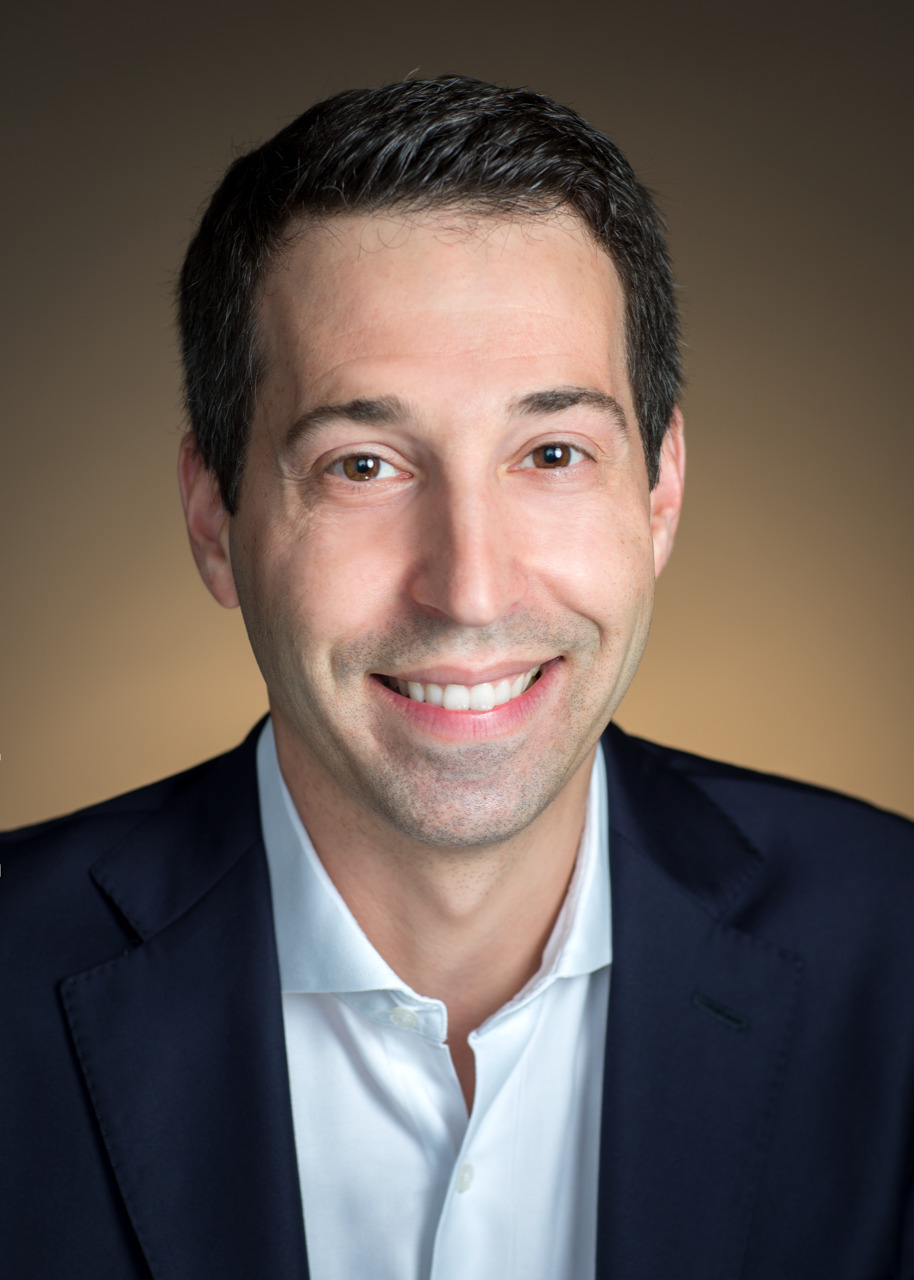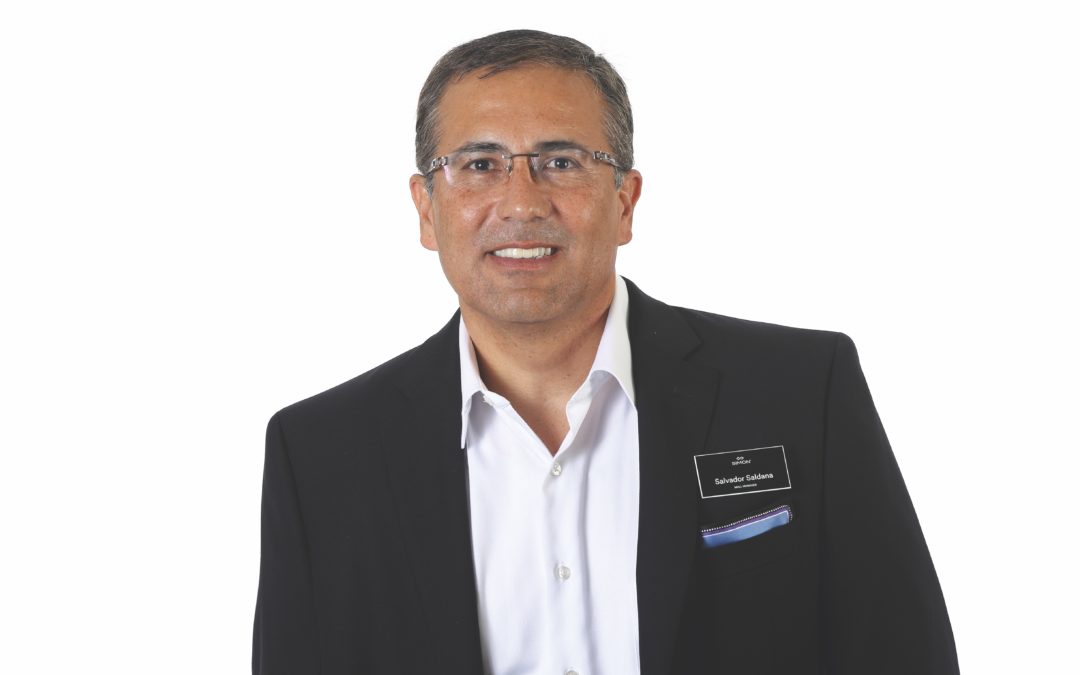
Spotlight On: Sal Saldana, General Manager, Town Center at Boca Raton

Spotlight On: Sal Saldana, General Manager, Town Center at Boca Raton

By Max Crampton-Thomas
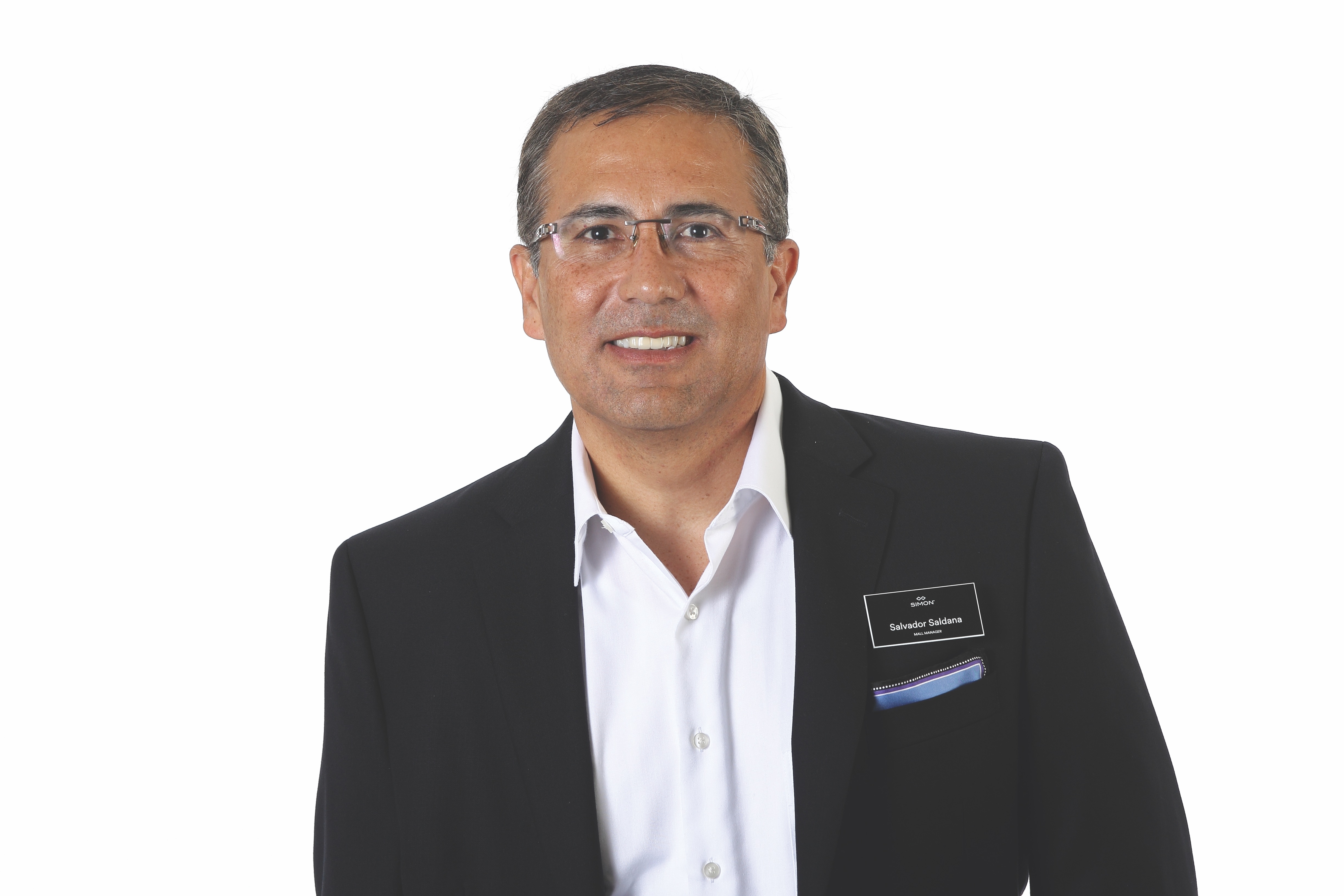
 

2 min read October 2019The world is changing rapidly thanks to technology. For certain segments of business this means changing with the times or risk falling into obscurity. The traditional mall has become one of these segments, and with the rising popularity of e-commerce, the need for innovation is at an all-time high. One of the malls that recognized this early on was Town Center at Boca Raton, whose General Manager Sal Saldana spoke to Invest: about the mall’s successful longevity in the market, how it is handling the challenge of evolving customer demands and how it is innovating its business model to become much more than just a shopping center. 

How is Town Center at Boca Raton a staple for Palm Beach County? 

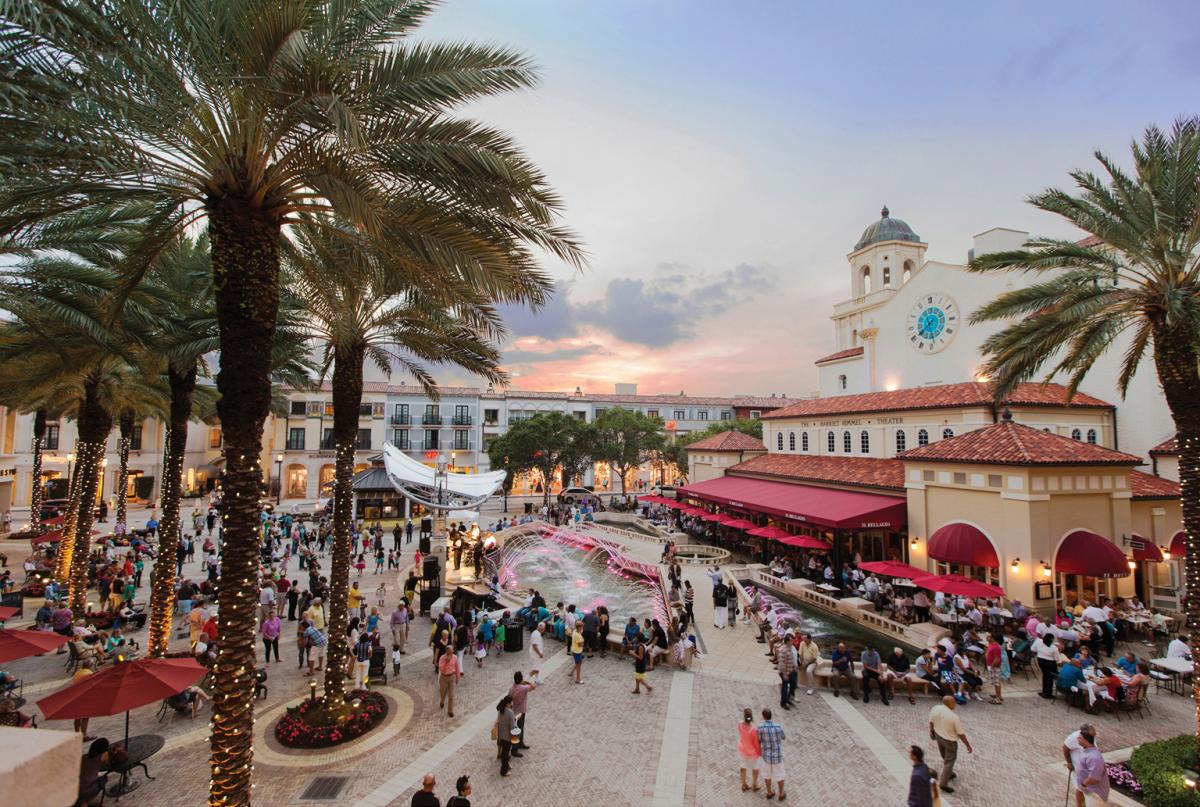
This mall is a regional shopping center that is owned by Simon Property Group. It has been in the Palm Beach County area for a number of decades, and over that period of time there has always been an emphasis on making sure it always meets the quality and brand recognition of Boca Raton and Palm Beach County. The mall is an extension of Boca Raton, which is known for its beauty, quality of life and wealth. It also has an international flavor because it houses some of the most widely recognized and regarded retail shops. Overall, the mall is an important asset to the community, and will continue to be for the foreseeable future. 

What has been the key to Town Center’s longevity and success in the wake of an e-commerce-centric world? 

Simon Property Group is an amazing company and has a phenomenal group of shopping centers nationwide. We have been able to really cater to the community and meet its needs and demands from a domestic and international standpoint. We also have the resources to continue improving our operations and attractions. What we do is make sure that we are meeting and surpassing the expectations of a traditional mall. We maintain a very high standard of what we are because we are not only a shopping center, we are also an entertainment destination. 

What challenges is Town Center facing, and how are you mitigating those challenges? 

We are always looking to see how we can improve customer experience, and in this business there is the challenge of keeping up with the times while making sure that we meet customers’ demands. Our competition now comes in many forms, whether that is the internet or a direct competitor in the region. We always want to be projecting new and improved, and this isn’t always necessarily a challenge, but more of an opportunity. To be successful, we have to have a team that is always thinking of what we can do next to make sure that we are staying ahead of the curve. For instance, we are adding a 1,600-square-foot recreational space called PLAY that will feature a combination of seating and interactive play elements inspired by local waterways and waterfronts. Everybody that we work with has to be on the same team and have a philosophy of approaching this shopping center as a five-star resort.


To learn more about our interviewee, visit:

https://www.simon.com/mall/town-center-at-boca-raton

Top 5 Tourism Drivers for The Palm Beaches

Top 5 Tourism Drivers for The Palm Beaches

By Max Crampton-Thomas

4 min read October 2019 —  With more than 8 million visitors to Palm Beach County in 2018, it’s no secret that tourism is the driving force behind the economy in The Palm Beaches. Last year, these visitors generated $7.4 billion in economic impact and are the reason for over 70,000 tourism jobs. While the appeal of a relaxing beach vacation may seem like the obvious tourist magnet, there are so many different and unique facets of the county that drive the economic behemoth that is the tourism sector. Here is the Invest: Top 5 tourism drivers for The Palm Beaches

BEACHES

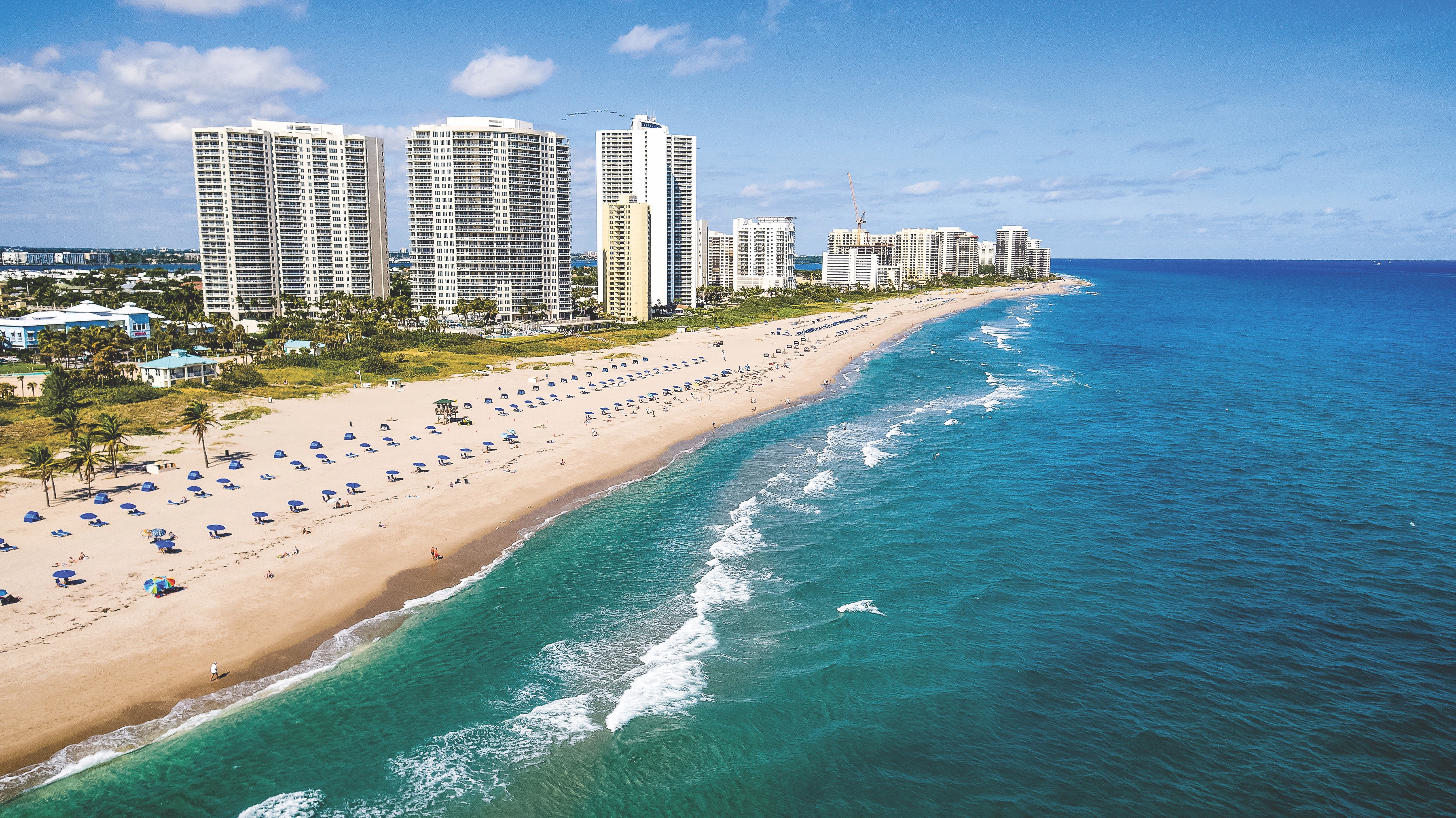
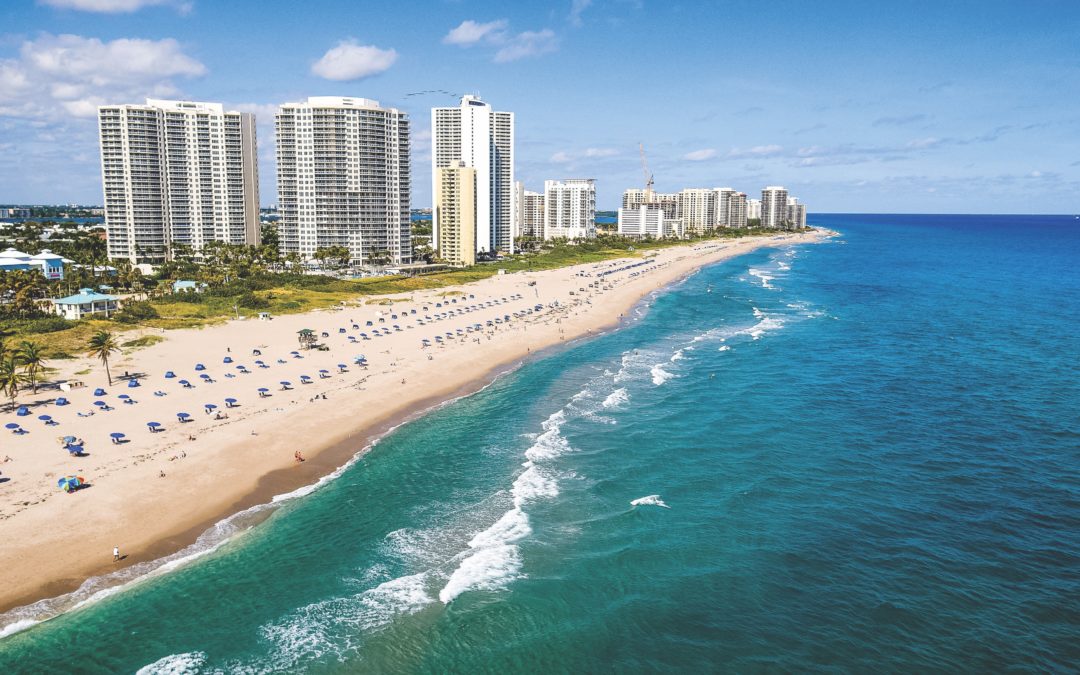
Palm Beach County is bordered by 47 miles of Atlantic coastline that offer some of the state’s most attractive beaches. These include Boynton Beach Ocean Park, Coral Cove Park, Juno Beach Park and many more, with a large portion of these beaches offering resort amenities and marine activities. The Palm Beach County coastline was also nicknamed Florida’s Gold Coast after gold was recovered from Spanish galleons that sank off its shores. A fitting nickname for beaches that are like gold to the Florida economy. Invest: spoke with Jorge Pesquera, president and CEO of Discover The Palm Beaches, who touched on the importance of the beaches to the tourism industry in the county. “Leisure remains the most crucial tourism driver for The Palm Beaches, with meetings and conventions continuing to gain momentum. Within the leisure tourism market, our beaches are the biggest draw for not only those seeking to relax and rejuvenate, but also those interested in activities such as boating, fishing, scuba diving, kayaking and paddleboarding,” Pesquera told Invest:. 

You can learn more about the county’s best beaches here: https://www.thepalmbeaches.com/blogs/best-beaches-are-palm-beaches

ARTS & CULTURE

Home to cultural institutions like the Kravis Center for the Performing Arts, The Palm Beaches are an arts and culture hub that drives many cultural travelers to the area. Invest: discussed with Judith Mitchell, CEO for the Kravis Center, how this increased interest from out-of-town visitors has positively affected her business as well as those in the surrounding area. “Our strong programming and marketing teams ensure that we continue to bring the best of Broadway and other diverse performances that attract audiences from outside the state and from cities north and south of the Center. In 2018-2019, the Center saw an increase in out-of-county audience members by nearly 50%. This also has a positive economic impact on the surrounding hotels, restaurants and shops as these nonresident guests choose to dine, shop and stay overnight before or after attending a performance.” 

For more on the various arts and culture destinations in the county, visit: https://www.palmbeachculture.com/

SPORTS

For an area that doesn’t have a major professional sports franchise, the county’s tourism market has a strong driver in the sports tourism market. It helps that among Palm Beach County’s various monikers, one of the titles held most proudly is “The Golf Capital of Florida,” boasting more than 150 public and private golf courses. It also doesn’t hurt that Major League Baseball teams, namely the Houston Astros, Washington Nationals, Miami Marlins and St. Louis Cardinals, call Palm Beach County their home during spring training. For those who prefer alternative sports, The Palm Beaches are also the location of polo and equestrian events, including a variety of International Polo Club tournaments. 

Interested in learning more about sports offerings in The Palm Beaches? Visit: https://www.palmbeachsports.com/

ECO-TOURISM

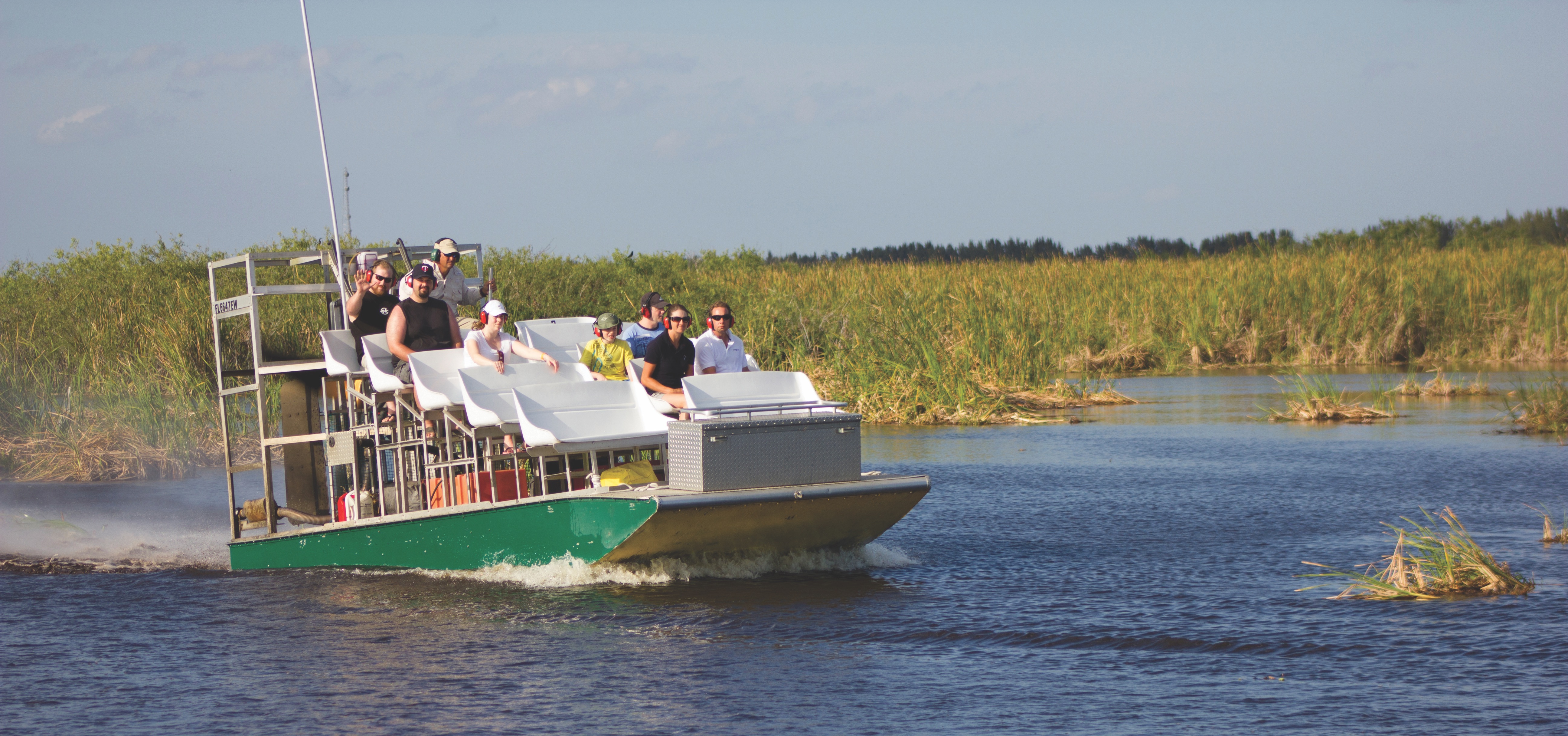
When a county boasts 110 parks and recreation facilities paired with 35 natural areas that make up more than 31,000 acres of environmentally sensitive lands, it is bound to attract eco-tourists. This form of tourism may seem obscure from an outside perspective, but it not only can provide visitors with a memorable experience, it also provides health benefits as well. Invest: recently sat down with Deborah Drum, department director of Palm Beach County Environmental Resources Management, who spoke to this tourism driver and its benefits. “We have conducted economic studies of our natural areas. We have over 300,000 visitors just to the natural areas in our county. These are remote areas that offer more passive types of recreation, including hiking, fishing or bird-watching. We have done a study with the University of Florida on this passive connection and we have determined that these visitors are coming for that purpose. There have also been a number of studies about the connection between mental health and time spent in natural areas or spent outside. There is a positive relationship between the reduction in mental health issues with more time spent out in nature,” Drum explained. 

Check out more on Palm Beach County’s Natural Areas Map: http://discover.pbcgov.org/erm/Pages/Natural-Areas-Map.aspx

MEETINGS & CONVENTIONS

There is a direct correlation between the increase in business tourism to The Palm Beaches and the economic and business growth that the county is enjoying. The beneficiaries from this driver of tourism are a wide range of business types, from hotels to restaurants and even retail. Discover The Palm Beaches’ Pesquera highlighted just how significant this is to the tourism market. “On the meetings front, we’ve seen a 567-percent increase over the last several years in groups booked at the Palm Beach County Convention Center. Unlike our good friends in Miami and Fort Lauderdale — where there is a clear and established epicenter of tourism activity — The Palm Beaches are truly a collection of midsize to small cities and towns that altogether deliver an exceptional vacation or meeting experience,” Pesquera told Invest:.

For more on this and the tourism industry in Palm Beach County, visit: 

www.thepalmbeaches.com/

It’s Go Big or Go Home for Miami’s OZs

It’s Go Big or Go Home for Miami’s OZs

Writer: Sara Warden

2 min read October 2019- When the Opportunity Zones (OZs) were created by the federal government in the 2017 Tax Cuts and Jobs Act, they were focused on 8,764 across the 50 states covering almost 35 million Americans. The program was designed to direct investment to regions with an average poverty rate over 32%, compared with the national average of 17%.

“We anticipate that $100 billion in private capital will be dedicated toward creating jobs and economic development in Opportunity Zones,” said US Treasury Secretary Steve Mnuchin in a press release. “This incentive will foster economic revitalization and promote sustainable economic growth, which was a major goal of the Tax Cuts and Jobs Act.”

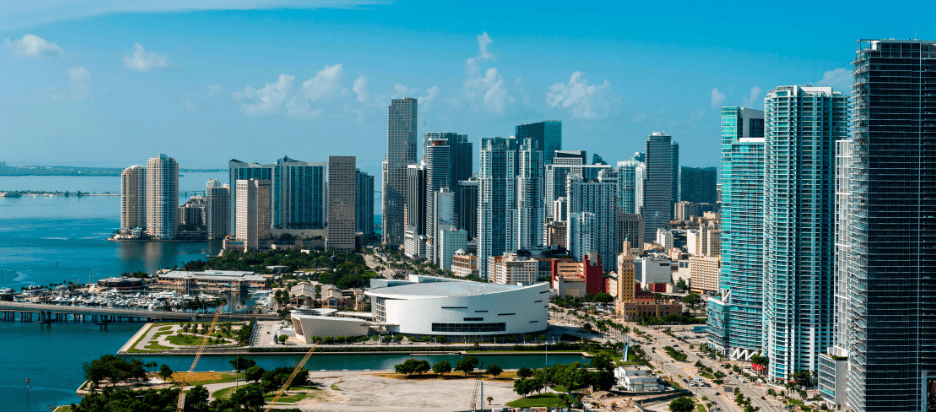
Florida is home to 427 of these OZs and Miami-Dade houses 68 of them. “The creation of these new Opportunity Zones provides new investment opportunities for some of Miami’s economically distressed areas,” said Michael Finney, president and CEO of the Miami-Dade Beacon Council, in another press release. “This means greater consideration will be given to investing and providing jobs in areas of the county where they are needed most.”

The program works on the basis of deferral of taxes until either the property is sold or Dec. 31, 2026, whichever comes first. Investors can claim a 15% tax reduction if they invest over the entire 10-year period.

But the program is still new, and many investors are struggling to work out the best way to obtain returns. “Every real estate developer in the country is trying to figure out their Opportunity Zone strategy,” Reid Thomas, principal at NES Financial, told the Miami Herald. “Some are deciding it’s not worth the hassle, (and) that they’re not going to bother doing this kind of development.”

But those that do bet are betting big. Developer Russell Galbut closed a deal for the final piece of acreage from Northeast 29th to 32nd streets, and Northeast Second Avenue to Biscayne Boulevard. The $4.9 million purchase of 2901 Northeast Second Avenue brings Galbut’s total investment in the project to over $37 million. The site will house a major mixed-use development built by Galbut’s company Crescent Heights. It plans to build 800 residential units and use over 600,000 square feet for retail and office space.

Galbut told Miami-based real estate magazine The Real Deal that the OZ incentive was “some of the smartest legislation that has come out of Congress in a long time,” adding that his company is buying properties in all markets across the OZs.

But some investors saw the virtues in the Miami real estate market before the OZs arrived, and now there’s an added bonus to their investments. Developer BH3 invested $60 million in a retail and showroom and the space happened to be placed in one of Miami’s OZs. “The fundamentals, economics, and merits must stand on their own, whereby the tax benefits are purely an added bonus. A bad deal with good tax benefits is still a bad deal,” Greg Freedman, principal and founder of BH3, told the Miami Herald.

Although some are sceptical that the OZs will provide tangible benefits to anyone other than the investors, Neisen Kasdin, managing partner at law firm Akerman LLP, told the Miami Herald the zones are still in their infancy. “At the end of the day, these neighborhoods will benefit the most when people invest money in them,” he said. “Whether it’s a real estate development, or a capital-intensive project or businesses…You have to start with the assumption that investment in neighborhoods [that have] only seen disinvestment is a good thing.”


To learn more about our interviewees, visit their websites: 

https://www.miamigov.com/Home

Rays’ Sights Set on Game 5

Rays’ Sights Set on Game 5

Writer: Max Crampton-Thomas

2 min read October 2019 Tampa Bay can be called a lot of things: a tech hub, a thriving economic ecosystem, an arts and culture destination. After last night’s 4-1 win over the Houston Astros, let’s add the true epicenter of baseball in the state of Florida. Now only one win away from advancing to the American League Championship Series, the Tampa Bay Rays are looking to capitalize on the momentum of this successful season. 

Before the 2019 season began, expectations were tempered. The Rays entered the season with the second-worst fan attendance in Major League Baseball, the lowest player payroll at about $60 million and having not reached the postseason since 2013 when they lost to the Boston Red Sox in the American League Division Series. These factors coupled with the ongoing trouble of finding the right location in the Tampa Bay region for their new stadium, left most fans wondering what this season might hold in store. 

It was not all bad though, as there were quite a few positives entering the season, including having three Rays players listed among Sports Illustrated’s Top 100 MLB players of 2019. These players were Blake Snell, Charlie Morton and Tommy Pham, who had the first home run of the game against the Astros last night. Even with the uncertainty swirling around their future home in the region, there was a shared desire expressed by the team to keep Tampa Bay their base for the long term. Brian Auld, the club’s president, expressed this desire to Invest: when he spoke with us earlier in the season. “We’ve been forthright with the community that we want to be here in Tampa Bay for generations to come. That’s the most important thing to us at this moment. It’s also what keeps me up at night because in order to make that happen we will need a new facility,” Auld told Invest:. He continued: “Tropicana Field is among the oldest facilities in all of Major League Baseball, especially without major renovations. We have to figure out where we can put a new ballpark and how we’re going to fund it in such a way that our attendance increases and we become more of a sustainable enterprise.”

Fast forward to the end of the regular season, and the Rays would finish with a record 96 wins against 66 losses. This would be enough to propel them into the Wild Card game against the Oakland Athletics at the A’s home field. The game itself scored record-setting attendance for a wild card game with over 54,000 people. The Rays would ultimately parlay their success from the regular season into a dominant 6-1 win over the A’s. 

After last night, the series against the Astros, who are only two years removed from winning the 2017 World Series, is tied 2-2. While this series started with the Rays giving up the first two games to the Astros, they have swung the momentum and are coming off back-to-back wins to even the series. Sights are now set on a winner take all Game 5 to be played on Oct. 10. The winner of this series will face the New York Yankees in the American League Championship Series. 

No matter the outcome, this is a season that the Tampa Bay Rays can look back on with pride. They have not only exceeded expectations and provided a glimpse into what promises to be a great future, but have also brought excitement back to baseball in Florida. 

To learn more about our interviewee, visit:

https://www.mlb.com/rays

Spotlight On: Brian Katz, CEO & Founder, Katz Capital

Spotlight On: Brian Katz, CEO & Founder, Katz Capital

Writer: Max Crampton-Thomas

2 min read October 2019 —There has never been a more perfect time to invest in Tampa Bay then the present. With seemingly all sectors of the economy in expansion mode, it is not a surprise that both foreign and domestic investment has been streaming into the Bay area at a rapid rate. Invest: Tampa Bay spoke with Brian Katz, the CEO and founder of Katz Capital whose business is headquartered in Tampa Bay  and focused on investing in the real estate and financial services sectors. Katz covered the advantages of being headquartered in the region, keeping his company’s growth sustainable and what makes Tampa Bay resilient in the face of real estate market changes.  

What makes Tampa Bay a conducive environment for your business? 

From a pricing standpoint, although nationally we are in a low interest rate environment, Tampa relative to Orlando, South Florida or places like Atlanta is still an affordable market. My personal feeling is that we are soon going to have negative interest rates. Six months ago, the collective mindset was that we would be in a rising rate environment, but that is simply not the case. A good analogy for what Tampa Bay is in terms of the scope of the market is that the region is a value stock. As a real estate and financial services private equity firm, this is a really great time for us to be in this market.

How does a business like Katz Capital sustain its growth in Tampa Bay’s business environment? 

Our various businesses employ different investment strategies for us to be able to remain sustainable. When I think of being an investor, I view the business world in terms of hunting and farming, so psychologically I am more of a farmer and all of these businesses are my crops that I can reap the benefits of on a regular basis. The problem with a hunter mentality is you can get the big kill, but it can be a long time before getting another kill, which is risky. To remain sustainable in this business environment, it’s better to diversify your business so that you’re not reliant on one source of income.

How susceptible is Tampa Bay to fluctuations in the real estate market? 

The fact that real estate pricing in Tampa is still relatively attractive versus other markets, I believe insulates Tampa Bay to a degree from real estate sector cycles and general market cycles. This is the opposite of South Florida, where there tends to be more dependency on these market cycles. When the South Florida market is hot, there is tons of money pouring in and prices push up. Although it’s increasingly on investors’ radar, Tampa Bay still has a lower modulation in these cycle waves. The big concern is that asset values keep rising. If we look at real estate development in the region, land values are up, labor costs are up and material prices are up. That means to achieve the same return for the amount of risk an investor is taking, you have to raise the exit price. This is going to be one constraint that Tampa Bay is going to face, and will have to figure out how to navigate that. 


To learn more about our interviewee, visit:
https://katzcapital.com/

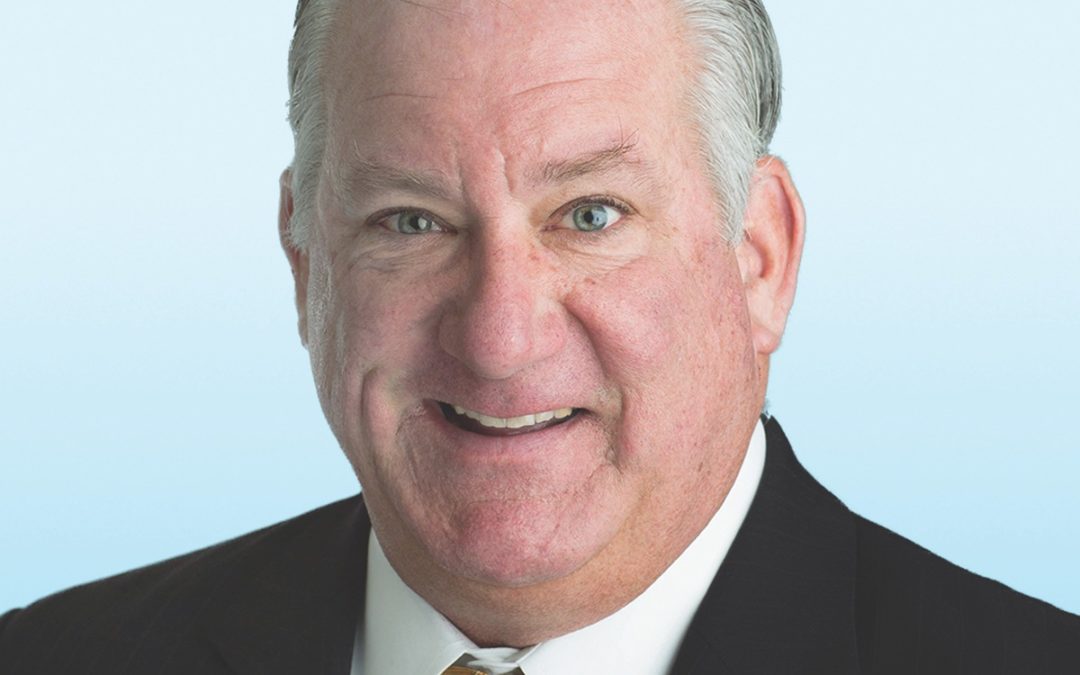
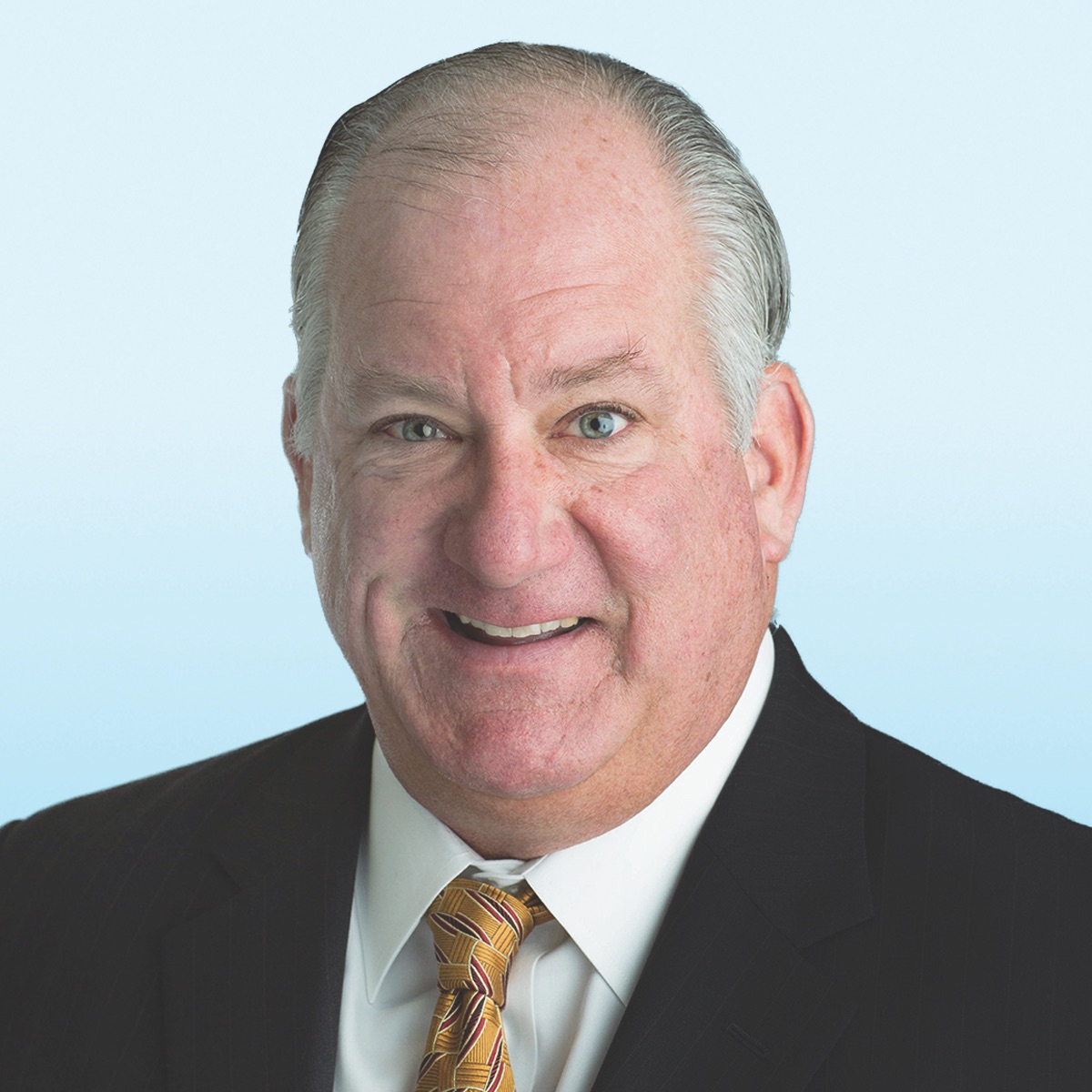
Spotlight On: Tim Pulte, Senior Executive Vice President, Colliers International

Spotlight On: Tim Pulte, Senior Executive Vice President, Colliers International

Writer: Yolanda Rivas

2 min read October 2019 — Collier’s Philadelphia delivers a full range of services to commercial real estate occupants, owners and investors throughout the tri-state region. Senior Executive Vice President Tim Pulte joined Colliers’ senior leadership team in 2017, bringing more than 31 years of experience in corporate operations, corporate real estate, transaction management and facility management. The Invest: Philadelphia team recently spoke with Pulte about the company’s plans for growth and how it serves local and foreign investors. 

2 min read OCTOBER 2019 — Collier’s Philadelphia delivers a full range of services to commercial real estate occupants, owners and investors throughout the tri-state region. Senior Executive Vice President Tim Pulte joined Colliers’ senior leadership team in 2017, bringing more than 31 years of experience in corporate operations, corporate real estate, transaction management and facility management. The Invest: Philadelphia team recently spoke with Pulte about the company’s plans for growth and how it serves local and foreign investors. 


What are the benefits of being located in Philadelphia?

As a global company, we have offices all over North America and abroad. Because of this, we’re able to service our clients no matter where their requirements are, both inbound and outbound. For example, if a company is coming in from Mexico, we can help them. Conversely, we can send a deal to Mexico and know it’s going to be taken care of. Philadelphia’s a great location for us. We’re close to other large markets and have access to our international markets as well. We have a very strong industrial base in our clientele. We have long-standing relationships with multiple manufacturing companies throughout the Colliers network. For example, we’ve worked with Philadelphia-based company Cardone to secure locations throughout the United States. We also helped NFI secure locations in Canada and the UK. 


What type of investment is the Philadelphia market seeing?

We’ve started seeing an increase in foreign investment come into the Greater Philadelphia market. It has mostly been asset-driven as opposed to geographically-driven, so it’s really dependent on what investors are looking for. We’ve seen a lot of investment in the industrial space recently; markets such as Philadelphia have become more appealing to investors, both foreign and domestic, because of the higher rate of return. For this reason, we’re seeing a lot of buyers from New York. We’ve also seen a lot of international investors buying companies here in the Philadelphia market. We’ve represented quite a few in the industrial space. 


How does Colliers International plan to grow in the Philadelphia region?

We have six offices in the region: Harrisburg; Allentown; Conshohocken; Center City,  Philadelphia; Mount Laurel, New Jersey; and Wilmington, Delaware. In all our offices we handle office, industrial, retail, property management and landlord representation. We’re trying to grow those areas across all our offices in the region. We’re looking to capitalize on established relationships while building new ones, especially in strategic areas where we can grow — and from an international standpoint as well. The new federal Opportunity Zones will be interesting, and we hope to see some growth in the market from those. There are some very strategic areas in Philadelphia, like the corridor leading up Broad Street toward Temple. It’ll be exciting to see what happens in those areas. 


To learn more about our interviewees, visit their websites:


Colliers International: https://www2.colliers.com/en/United-States/Cities/Philadelphia 


Spotlight On: Kevin Rogers, Regional President, Seaside National Bank & Trust

Spotlight On: Kevin Rogers, Regional President, Seaside National Bank & Trust

By Max Crampton-Thomas

2 min read October 2019 — Seaside National Bank & Trust may be considered a newer entry into the market, having first opened its doors in 2006, but since then it has become a prominent force in the banking community. Invest: Greater Fort Lauderdale recently spoke with Kevin Rogers, the regional president of Seaside National Bank & Trust’s South Florida operations. During the discussion, he spoke on the importance of cybersecurity to a bank like Seaside, how Seaside handles the challenge of competition in South Florida and his approach to finding the right employee candidates. 

How are you protecting your clients in regards to cybersecurity? 

Cybersecurity is a huge topic, not only at our bank, but also across the financial services industry. We tell our people all the time that we’re a small bank, and if we took a $2 million to $3 million hit it would substantially hurt us. Our people are on guard every minute. We have an incredible onboarding process, and we not only know who we’re banking with, but we also know who are clients are dealing with as well. If you ask what keeps me up at night more so than hitting balance sheet goals, it’s cybersecurity and being hit with a loss.

The amount of money that the bank spends on cybersecurity is incredible, but you have to stay ahead of the game. We conduct a lot of training on the subject. I even do a communication call twice a month with our South Florida employees, and one of the main topics is cybersecurity. We want to make sure that everybody is on guard, that they know who their clients are and that they’re asking the right questions. You have to ask the tough questions to make sure you protect the bank.


What is the biggest challenge in the market for a small to midsize bank like Seaside, and how do you overcome it?

I think the biggest challenge is always going to be the competition. Banks of our size do not have the brand recognition that a Bank of America does, so the question is how do we sell Seaside Bank? We have to go out and talk to our clients about who we are and what we specialize in. We drive home the fact that we are able to provide the same products and services that the big banks do but in a community bank setting. We’ve taken a lot of clients away from these big banks. If you look at what’s going on in the big banks right now, it’s all about sales process management and managing their people to numbers that, a lot of the time, mean selling products and services that the clients really don’t need. We don’t subscribe to this notion and instead focus more on listening to our clients and making sure that they get what they want and need. We’re not for everybody; there will never be a time when you’ll see a Seaside branch on every street corner like you do Bank of America. If a customer is looking for that then we’re not the bank for them. If they’re looking for a single point of contact to deal with on a consistent basis then we are a perfect bank for them.


How difficult is it to find professional, hard-working talent in the Palm Beach County market? 

It is very hard, and I find that I’m always looking for people. I’m constantly asked the question when I’m out at a meeting or at a networking event, “Are you looking for bankers?” I always say, “I’m never looking, but I’m always looking” because I’m trying to find the right person who will fit into our culture. 

It’s also very hard to recruit a good banker who is working at a big bank because they already have an established book of business and a continuous flow of referrals. At a smaller bank like ours we don’t have that, and you have to be an aggressive calling officer and business developer to be able to be successful here. We have to be careful about whom we hire because we don’t want to set anybody up to fail. Some of the best people I’ve recruited are from big banks and who want to try something else because they’re at a  time in their lives when they want to scale down. A smaller bank like ours is attractive to these people because of our incentive plan and how we operate.

To learn more about our interviewee visit: 

https://www.seasidebank.com/

How Broward is Solving its Transportation Troubles

How Broward is Solving its Transportation Troubles

By Max Crampton-Thomas

4 min read October 2019 —  For over a century, the car has been America’s top transportation choice when getting from point A to point B. As the population in the United States has grown exponentially year over year, so has the dependency on these vehicles, which has led to worsening transportation issues like congested roads, air pollution, traffic accidents and in some cases fatalities. Throughout South Florida, in this case Broward County, the negative effects of the population’s dependency on single-occupancy vehicles are rampant throughout the region. While these issues pose a major challenge to Broward, there is hope as the younger generations are looking to avoid the stress of car ownership, and many community leaders and organizations are making a push toward better mass transit and alternative transportation options.

While these are not all new ideas, in the last couple of years the emphasis for Broward has become truly exploring and executing these ideas. This starts with the  30-year Penny For Transportation Surtax that was passed last November and is set to generate billions of dollars toward improving transportation and mass transit options throughout the county. Invest: recently spoke with Monica Cepero, deputy county administrator for Broward County, who discussed what the community could expect from the revenues generated by the tax. “This sales tax is set to generate about $16 billion over the next 30 years, and will be used in the more immediate future to improve and modernize public transit services. Our long-term plan for those funds is focused on creating connectivity, extending roadway capacities, multimodal improvements and improving transportation facilities and service.”

Invest: also spoke with Gregory Stuart, executive director of Broward MPO, about the near-term changes that could be expected from the revenues collected from the tax. “Realistically, the immediate changes aren’t going to result in construction; we are focusing on enhancing the traffic signalization program. This includes a coordination between the traffic lights, people’s vehicles and installing smart communication equipment. Another immediate change that has happened already but which we’re not going to notice for about another year, is the county transit agency’s purchase of another 130 buses. Considering they are operating a fleet of about 300 buses right now, this is a one-third expansion and a significant increase in the bus system,” he told Invest:

While the tax is going to be a huge benefit for transportation in the region, a change in mindset is another factor impacting how people get around. One option is the Tri-Rail, which is celebrating its 30th year servicing the South Florida community. Tri-Rail Executive Director Steven Abrams spoke about how it is benefiting from the changing mindset toward mass transit in the area. “South Florida is a tourist and service-related economy, and these individuals, like waiters or construction workers, cannot work from their homes. We have people coming from all over the world who are used to rail transportation in their countries, and they are feeding into our system. Our roads are also just becoming so congested. It used to be that our ridership would principally, and almost exclusively, fluctuate with gas prices, but now that  gas prices are stable and dropping, we still have people riding our system because ultimately it is the overabundance of cars on the road that is urging them to seek alternative transportation.”

Abrams also spoke to how Tri-Rail has improved and updated its operations over the years to encourage use by a larger population. “Over those 30 years, we have improved our service, added more trains, added weekend and holiday service and added connections to the three airports. We are a transportation system that has become popular over time and we have really embedded ourselves in the tri-county area.” 

The other popular train in South Florida is also the newest mass transit option for the region, Virgin Trains USA. Running through the three counties of Miami-Dade, Broward and Palm Beach, the train is looking toward the future by connecting the three counties with Orlando and an eventual Tampa Bay stop as well. 

Patrick Goddard, president for Virgin Trains USA, discussed with Invest: how it wants to be a catalyst for transit change in South Florida. “We are reinventing train travel in America, so there are always going to be challenges, but none that we have not been able to overcome so far. The advent of this project has awakened a desire and a curiosity within the municipalities to recognize the full potential for mass transit in South Florida. We are solving the challenge in Florida of medium-haul travel. Airlines take care of long trips, while rideshare, motorized scooters and buses take care of short ones. There has always been this gap with the 200- to 300-mile distances that are too short to fly and too long to drive. By introducing an option like this, it encourages people to leave their cars at home and start using a more environmentally sustainable means of transit.” 

A key factor in remaining economically sustainable is having good transportation and mass transit options. As Broward County continues to develop into an economic powerhouse so to must its transportation, and with changing mindsets and push from community leaders the future looks bright. 

To learn more about our interviewees, visit:

https://www.tri-rail.com/

http://www.browardmpo.org/

https://www.gobrightline.com/

https://www.broward.org/

Healthcare Sector Rapidly Expanding in Orlando

Healthcare Sector Rapidly Expanding in Orlando

Writer: Yolanda Rivas

2 min read October 2019 — Orlando’s population has increased rapidly over the last few years, making it one of the fastest-growing metro areas in the United States. As the city continues to grow, local healthcare organizations are immersed in numerous expansion and improvement efforts.


The region’s main health providers have been expanding their partnerships, free-standing emergency rooms (ER), specialized centers and hospitals. The Invest: team recently met with Daryl Tol, president and CEO of AdventHealth Central Florida Region, who pointed out some of the fastest-growing areas of service and care in Orlando. 

“We have added quite a number of free-standing locations with doctors and emergency services in areas of need, instead of having to build a whole hospital. We are growing in our academic work around community cancer research. The cardiovascular institute is seeing high demand as well. We are also redefining our primary care model to include virtual care, which will allow patients to connect via video or text messages with their doctor,” Tol said.  

AdventHealth opened the Waterford Lakes ER on Sept. 27, which is its fourth free-standing ER in the area. The hospital also announced plans to build an 18,400-square foot, 24-bed hospital-based emergency department in Port Orange for adults and children, and has the Oviedo ER set to open in the next few weeks. AdventHealth has also partnered with​​ Moffitt Cancer Center to improve cancer care and establish a clinical research facility and chemotherapy/immunotherapy infusion program at AdventHealth Celebration.

Orlando Health is also deploying a high amount of capital in expansions and new developments. The $3.8 billion not-for-profit healthcare organization recently opened Orlando Health Emergency Room and Medical Pavilion – Lake Mary. The 25-room ER can manage a majority of emergencies, from minor trauma to broken bones. The adjacent medical pavilion will offer several specialties including, pulmonology, pediatrics, obstetrics and gynecology, urology, orthopedics, general surgery, cardiology, and cardiac rehab. The second phase of this campus is already in development with the construction of a hospital expected to begin in the spring of 2020. Orlando Health has a total of six free-standing ERs either under construction or completed in Central Florida. 

The community-based network of hospitals also opened the Orlando Health UF Health Cancer Center last summer, bringing advanced cancer treatment to residents of Osceola County.

Tennessee-based healthcare provider HCA Healthcare also opened its third free-standing ER in Millenia on Sept. 18. According to an Orlando Business Journal article, HCA plans to build a 12-bed emergency department in Davenport, which is expected to open in 2020. HCA has also partnered with the University of Central Florida to build the UCF Lake Nona Medical Center, which is expected to open in the fourth quarter of 2020. 

As Orlando’s population continues to rise and the healthcare sector remains highly competitive, it is expected to continue to see a high amount of healthcare-related construction and development in the region. 

To learn more about our interviewees, visit:

AdventHealth: https://www.adventhealth.com/ 

Orlando Health: https://www.orlandohealth.com/ 

HCA Healthcare: https://hcahealthcare.com/