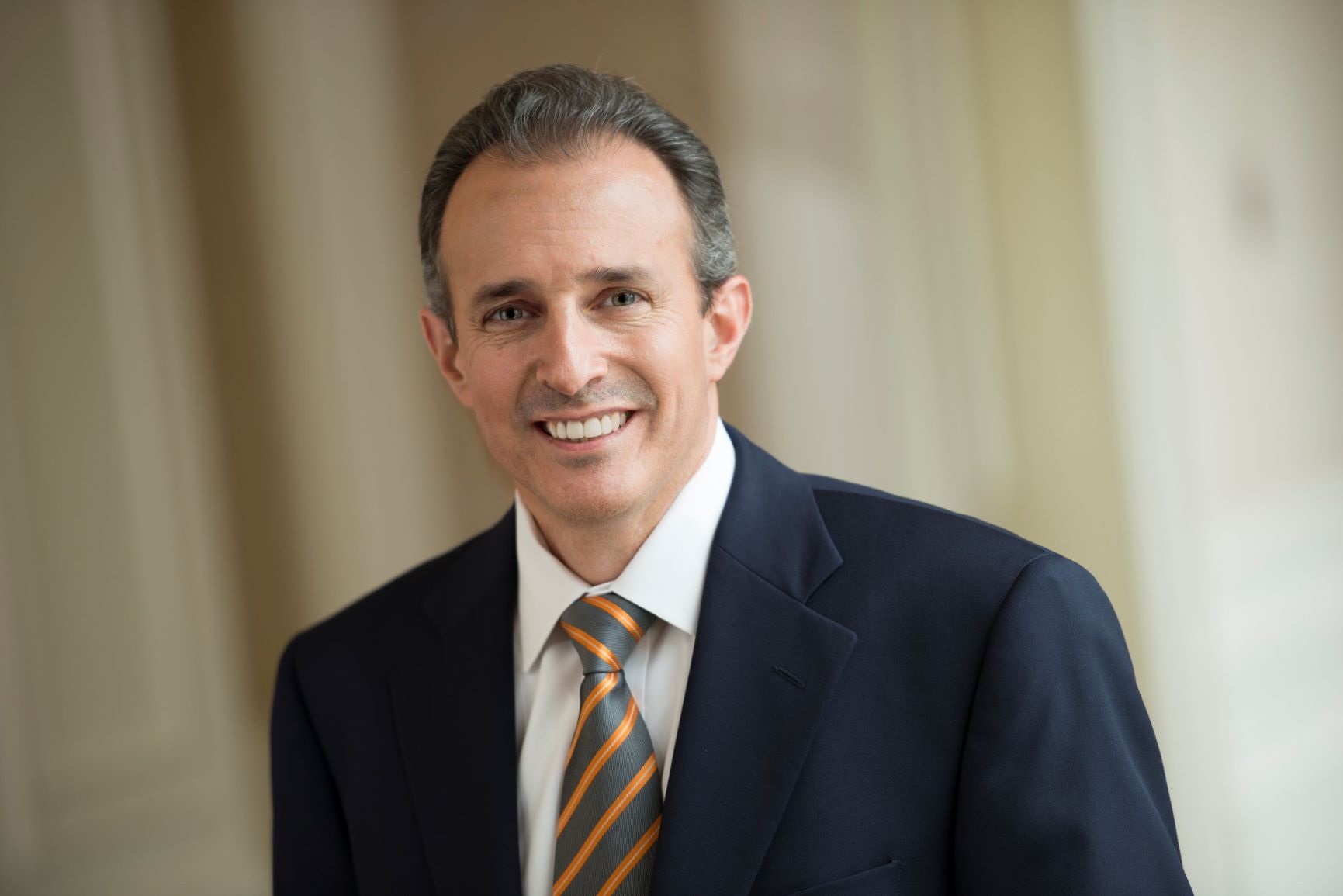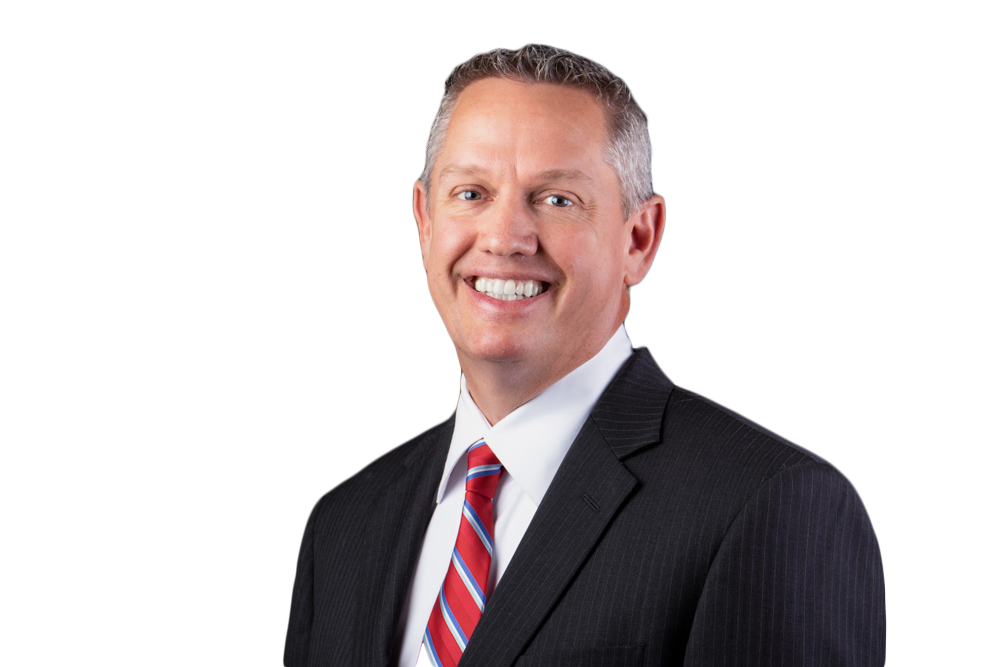
Spotlight On: John Crossman, CEO, Crossman & Company

Spotlight On: John Crossman, CEO, Crossman & Company

Writer: Yolanda Rivas

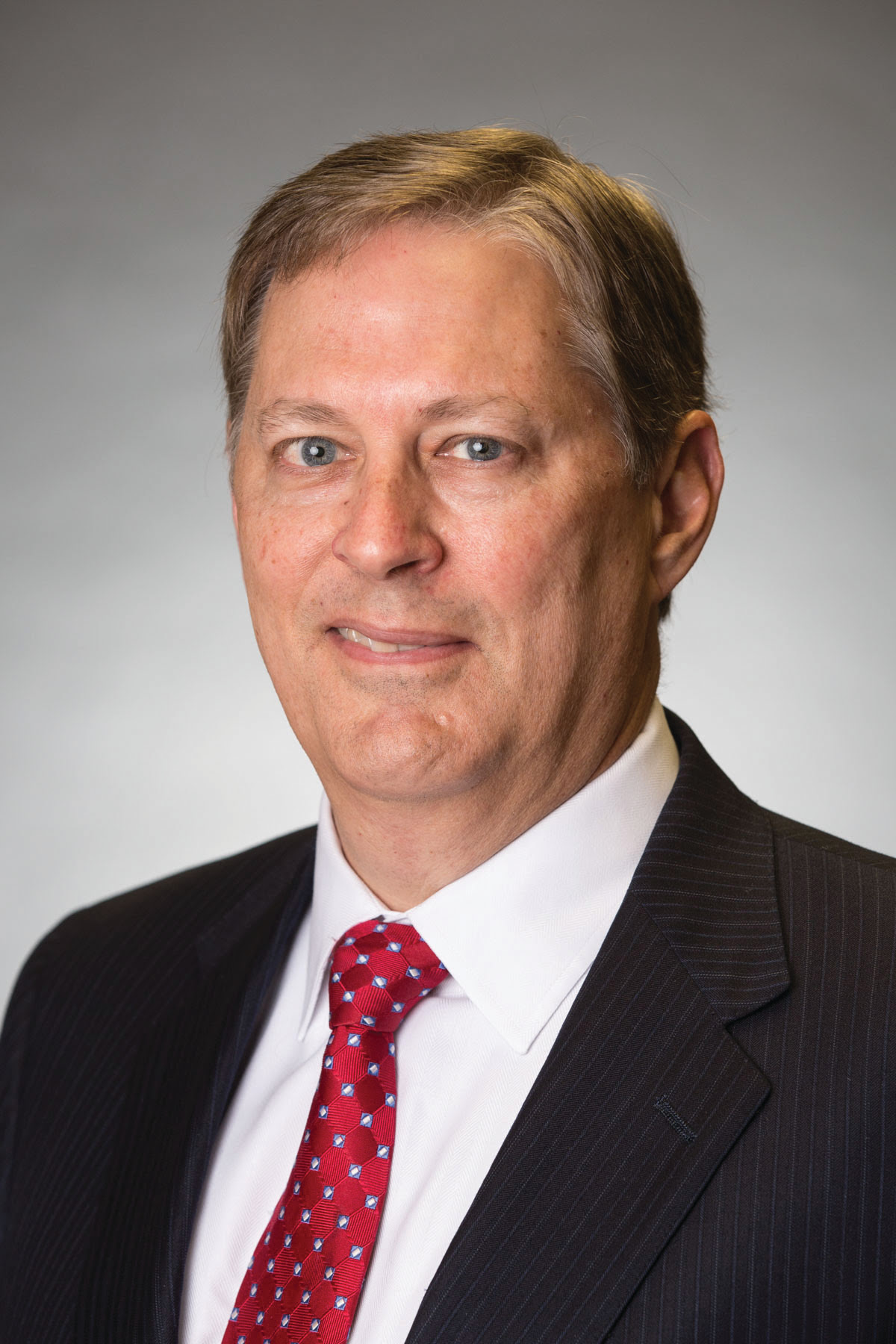
2 min read October 2019 — The retail sector has remained steady in Orlando over the last few years. Far from affecting physical stores, e-commerce has contributed to the growth of many businesses and the retail market. Crossman & Company is a commercial real estate firm focused on serving retail landlords exclusively throughout the Southeast. CEO John Crossman spoke recently with the Invest: team about the performance of the Orlando and Central Florida retail sector and its latest trends. 


What are some trends and advantages of Orlando’s retail sector?


Retail is interesting in that it follows growth from other market sectors. When you look at the real estate industry, typically jobs lead, then housing and then retail. When you look at a market, there are two specific factors to consider in terms of retail performance: the number of people moving and vacationing in the area. If those two numbers are up, then there will probably be an up retail market. In Orlando, those numbers keep going up and the retail market is doing very well. In central Florida, we have healthy demographic growth and a big tourism industry that is making the retail sector substantially bigger. Orlando has one of the highest timeshare markets in the world and the exponential factor of tourist retail is amazing. 


There is also what we call “the halo effect,” which happens when an online retailer opens physical stores and, most times, their online sales go up. Similarly, when an online retailer closes physical stores, their online sales go down. When customers buy something online and return it to a physical store, they typically end up spending more money in the store. In the Orlando area, we’re not seeing people radically closing stores. We are seeing a combination between their physical and online presence. 


What areas of Orlando are seeing the most demand in retail real estate?


The areas that are closest to the I-4 corridor have typically done well. As more beltways have been added over the years, that has spurred additional growth. Submarkets like Oviedo, Lake Mary, Clermont and Kissimmee have done well, too, due to their proximity to the corridor’s beltways. I don’t think you can talk about Orlando’s retail without talking about Lake Nona. There’s no doubt that that area has a major significance. Retail activity starts with jobs, then residential and retail, and there are numerous jobs and growth in Lake Nona. In the tourism area, some significant deals were closed recently, specifically on International Drive and Disney. Disney Springs and Park Avenue Winter Park are some of the best retail experiences in Orlando. 


What are some challenges facing the retail real estate industry in Orlando?


The retail industry overall is doing well. Yet, it’s very dynamic and it can become overwhelming. The industry has significantly changed so much and now is more similar to that old school, post-1950s retail, where retail surrounded a property that was growing up in a certain area. We used to talk about mixed-use developments, but now we have the mixing of uses in developments. Now, you can have a retailer, medical providers, educational institutions, religious organizations and a different mix of tenants in the same place. That makes for healthier retail, but it also can be complicated due to the many dynamics in the same place. Another challenge is technology, augmented reality, and the rapid pace of innovation. We need to get together as an industry to explore the future impact of new technologies in the retail sector.   


To learn more about our interviewees, visit:

Crossman & Company: https://www.crossmanco.com/

Spotlight On: Chuck Cross, Executive Vice President & Commercial Banking Executive, Seacoast Bank

Spotlight On: Chuck Cross, Executive Vice President & Commercial Banking Executive, Seacoast Bank

By Max Crampton-Thomas


2 min read October 2019 – With over 30 years in the banking industry, Chuck Cross has witnessed seismic changes in the way the banking sector conducts business. Currently serving as the executive vice president and commercial banking executive for Seacoast Bank, Cross has a unique perspective on the prominent growth of the banking sector in the past couple of years. He recently sat with Invest: Palm Beach to discuss how Seacoast has sustained continuous growth, why the business ecosystem in Palm Beach County is a benefit for banks and some of the reasons he attributes to the overall growth of Palm Beach County. 

How has Seacoast Bank sustained continuous growth? 

Seacoast Bank has been growing organically by hiring people and building relationships with customers since the recession, but we augment that organic growth with strategic M&A activity as well. We acquired Palm Beach Community Bank in November 2017, expanding our branch locations in the county from three to five and getting access to new customers. We also have  two commercial offices in the market, which is another catalyst for growth.


Why is Palm Beach County a conducive business environment for the banking sector? 

From a macro perspective, when you have a half million people relocating to Florida and a good amount of that coming to Palm Beach County, it drives the kind of growth we hope to see for the next couple of years. From a financial services perspective, Palm Beach is a great place to be operating and providing service.

Palm Beach County has really grown over the past decade. Dense population provides great opportunities for banks. Palm Beach is growing like the whole state of Florida is growing. Everyone wants to move to Florida either for the weather or for some of the changes in the tax reform, and people have always wanted to retire here. Palm Beach also has great infrastructure in terms of education. In addition, there’s a lot of oceanfront property that attracts high-net-worth individuals, which in turn attracts retail, recreation and service jobs.


To what do you attribute the growth of the local economy in Palm Beach County?

The Business Development Board of Palm Beach County has done a great job of attracting a lot of wealth management and private equity firms where the owners can live on the island and operate their companies from there. In the northern part of the county, there are also some aerospace companies, and there are healthcare technology companies like Max Planck and Scripps that are providing higher-level jobs as well. Hopefully this will help attract other types of high-level businesses.


To learn more about our interviewee, visit:

https://www.seacoastbank.com/

Business is Booming for Deerfield Beach

Business is Booming for Deerfield Beach

By Max Crampton-Thomas

2 min read September 2019 — When discussing growth in Broward County, the conversation would typically center around the economic hub that is the city of Fort Lauderdale. While it may be the most universally recognized city in Broward, it is certainly not the only one in the county experiencing an economic boom.

Located at the northernmost point of Broward County is Deerfield Beach, a city whose growth cannot be understated or overlooked. Home to over 80,000 individuals, this beach community has capitalized on the economic prosperity and ever-increasing migration of individuals to the South Florida region. Invest: Greater Fort Lauderdale spoke with Bill Ganz, the mayor of Deerfield Beach about the city’s major developments in the last year. “We have had a lot of growth in the city in the last 12 months, including over 11,000 building permits that total nearly a billion dollars in new construction. We have new residential developments under construction from some of the top developers in the area, such as Lennar, Toll Brothers, Ram Realty and Weingarten Realty. One of the finest organizations in Broward County is also located in our city, JM Family Enterprises. They are working on a $176 million expansion of their corporate headquarters,” he told Invest:. 

The growth of Deerfield has not just been predicated on the development of new construction projects for the private sector. The city has recognized the importance of reinvesting in itself to better serve its residents. This is apparent in the ongoing construction of a new 12,000-square-foot community center, which is a revitalization of the old Tigner Community Center. When completed, it will be one of the largest community centers in Deerfield Beach. 

Successful economic growth of an area in Broward County is also dependent on addressing future threats to that growth. Ganz made a point of talking to Invest: about how the city is addressing the looming threat of sea level rise and its efforts toward environmental resilience. “We have been working on these issues for several years, starting with the West Wellfield project, which helps to solidify the water system in Deerfield Beach, so we are much better protected against salt water intrusion. We have taken the initiative to become LEED certified with some of our city projects that have recently finished, including the new pier and facilities on the beach.” 

He continued to speak on how he hopes Deerfield will serve as a positive example on these issues for other areas of Broward County. “We have a new Siemens Energy Efficiency Program that we hope can be used as an example for other municipalities to address these issues. The city has also been working on an Emergency Preparedness and Response Plan. We don’t want to just talk about sea level rise, but really address it from a safety standpoint, especially in the event of another hurricane.” 

The advancement of Deerfield Beach has not been by chance, and can be attributed to well-thought-out and deliberate initiatives and actions taken by the city’s public and private sectors. There is a recognition that to sustain the economic growth, the city must continue to present unique opportunities to businesses in the area. 

One of the ways the city is doing this is by recognizing the need to retain a strong workforce within the city, as highlighted by Ganz: “We want to make sure that we provide them with a wide variety of opportunities, not just entertainment, but business opportunities as well. We also are trying to make sure that we are appealing to all generations of the workforce. One of the ways we hope to accomplish that is with some of the new residential construction that is being built. We have worked with these developers to make sure they are keeping the new buildings attractive to all segments of the workforce in the city. We are also fortunate to have the most beautiful beaches in all of Broward County, and these people can really take advantage of this being a nautical destination.” 

While it has been a successful year for the city, local government and the business community will continue to focus on sustaining this growth for the foreseeable future. 

To learn more about our interviewee, visit:

http://www.deerfield-beach.com

ATLNext Targets New Heights

By Sara Warden


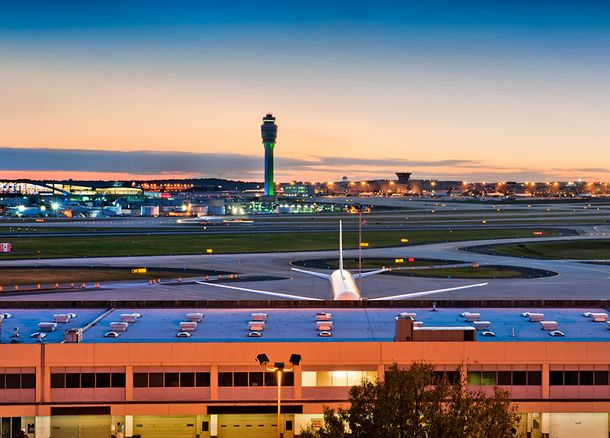
2 min read SEPTEMBER 2019 For the 21st consecutive year, Atlanta’s Hartsfield-Jackson Airport was named the world’s busiest airport this month. With passenger traffic of over 107 million in 2018, the airport continues to serve as a major economic driver of the city. Capital Analytics took a closer look at the characteristics that make the airport the world’s transport hub.

ATL is the state of Georgia’s largest employer, generating 63,000 direct on-site jobs and creating an estimated $34.8 billion economic impact for Metro Atlanta – or almost 7% of total state GDP. The 47,000-acre Hartsfield-Jackson facility has 263 concessions, 193 gates, seven concourses, five runways and the tallest control tower in North America, coming in at 121m.

“It’s a complex operation,” Airport General Manager John Selden told How Stuff Works. “One little piece going astray can cause massive chain-reaction ramifications. To keep the complexity of this operation running smoothly, it takes a village.”

But to keep operations running smoothly, the airport must constantly keep up with growing passenger numbers through more and more expansions. “As you look at passenger flow over time, it’s always trying to eliminate the bottleneck,” Tom Nissalke, the airport’s assistant general manager of planning told How Stuff Works. “Sometimes, when you fix one bottleneck then it’s another bottleneck somewhere else.” 

In 2016, the Hartsfield-Jackson Airport unveiled ATLNext, a $6 billion capital investment in the continuous expansion of existing infrastructure. By 2022, a total of $1.9 billion is to be invested in the modernization of the central passenger terminal, which will include aesthetic renovations that involve landscaping and lighting, as well as the extension of Concourse T to add five new gates and the addition of 10 new gates to Concourse G.

To accommodate growing air traffic, $1.3 billion will be invested in airfield upgrades that include a sixth runway, slated to be completed by 2034. Investments in auxiliary services such as parking and a mixed-use hotel and office space development are also planned. Air cargo facility upgrades will come in at around $200 million.

“The infrastructure has to keep up with the growth,” Selden said to Reporter Newspapers. “We cannot turn into [New York’s secondary airport] LaGuardia. My goal and my team’s goal is to do everything we can to work with everybody that we need to [in order to] ensure that Hartsfield-Jackson is not a limiting factor on the growth of the Atlanta region.”

The investment is a joint venture between the public and private sector. A consortium of three companies – CH2M Hill (since acquired by Jacobs), RohadFox and Parsons Transportation Group – won the contract to carry out the ambitious expansion. Overall, PPPs are an innovative idea in airport projects, but could be the future, allowing the public sector to free up funds for other priorities. “I think we’ll see other examples where other companies get involved. And gradually, familiarity builds, and it won’t seem outlandish at some later date when the subject of the whole airport comes up,” said Robert Poole, director of transportation policy at Reason Foundation, in an interview with the Atlanta Journal-Constitution.


To learn more about our interviewees, visit:

http://next.atl.com/

https://reason.org/

http://www.rohadfox.com/

http://www.jacobs.com/ 

https://www.parsonsgroup.co.uk/

Miami Working to Solve Affordable Housing-New Talent Conundrum

Miami Working to Solve Affordable Housing-New Talent Conundrum

Writer: Sara Warden

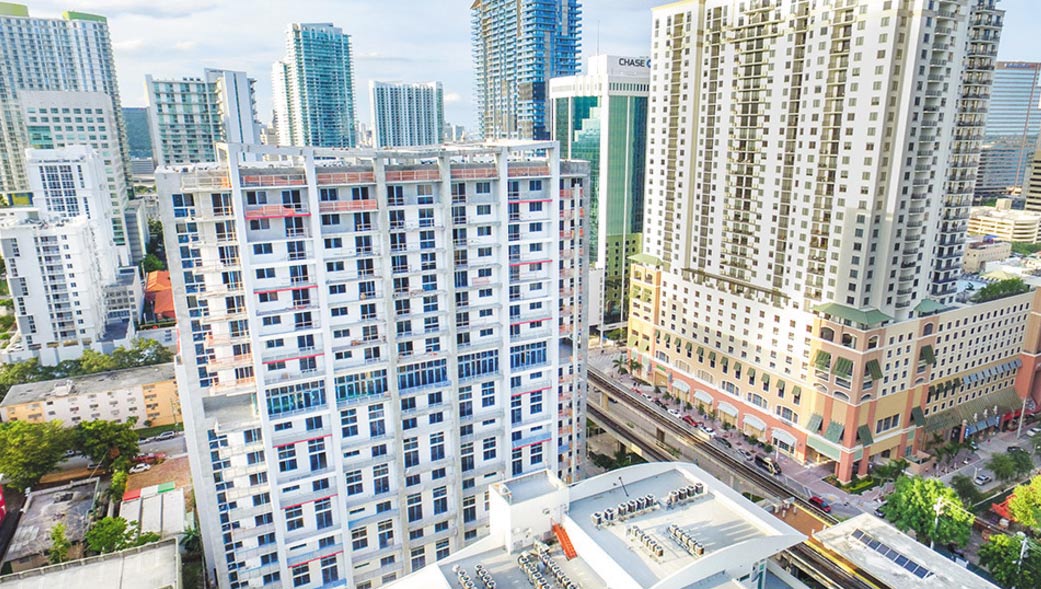
2 min read September 2019 As business hubs grow, the private sector must attract more talent to the area. But the Catch 22 for the government is that, as more people come, the more neighborhoods gentrify and the less affordable housing is available. Given this reality, how can Miami’s thirst for new talent be maintained? Through inventive new tax incentives, according to the city and state governments.

Since 2012, Miami-Dade’s population has been growing at a steady rate of about 1% per year, but the cost of living in Miami is well above the national average. According to Best Places, which ranks U.S. cities in relation to a national average of 100, Florida scores 110.9 and Miami 137.1. The cost of housing in Miami is by far the biggest expense, coming in at a whopping 174.3 to the US average of 100.

The median home cost in the United States is $219,700, while in Florida it is $225,200 and in Miami the number stands at just over $350,000. But Miami’s GDP is projected to stay strong, with GDP per capita set to increase to $49,293 by 2022 from today’s $48,601 despite a steadily growing population.

One reason for this is the state of Florida’s attractiveness as a workplace. It has a 6% sales tax on items bought, but there is no personal income tax on earnings, although federal income taxes still apply. However, this means that a Floridian earning $30,000 per year would not owe any of this to the state in personal income tax, while a New Yorker earning $30,000 per year would take home around $28,837 per year after paying state income taxes.

Florida’s corporate income tax rate also comes in at the lower end of the scale, especially in comparison to other major cities. At just 5.5%, it is lower than New York at 6.5%, California at 8.84% and Illinois at 9.5%. “Hedge funds and finance firms in places like New York, Chicago and California are feeling the burden of operating in high-tax states,” said Nitin Motwani, managing director of Encore Housing Opportunity Fund, to the New York Post.

This seems to be one reason why billionaire investor Carl Icahn this month announced his company would be moving from New York to Miami. But more than this, over half of his employees decided to move with the company, receiving a $50,000 relocation benefit each.

Icahn’s company will be moving to Magic City, in Little Haiti. As the name would suggest, the area was built on an influx of immigrants and refugees coming from Haiti in the 1970s. Now, with the $1 billion Magic City development, the neighbourhood is gentrifying fast. “Even if Magic City did not come today, the pace of gentrification is so rapid that our people will not be able to afford homes here anyways,” Marleine Bastien, a community organizer, told CNN. “Magic City is not the government. Affordable housing policies have to come from the government.”

Miami’s Mayor Francis Suarez is facing the issue head on. He championed the $400 million Miami Forever bond, designed to make Miami living sustainable. “We actually created in our first tranche of Miami Forever, a sustainability fund for people to renovate their homes so that they can stay in their properties rather than having to sell their properties,” he told CNN. So far $15 million has been allocated to these purposes.

Another development is a public-private partnership between Pinnacle Housing Group and the government to build Caribbean Village in South Miami Heights, which will have 123 units for older residents, with rents ranging from $420 to $1,070 per month. The need for that housing is more acute today than ever, and it’s exciting to be delivering Caribbean Village to the residents of South Miami-Dade County,” said David Deutch, co-founder and partner at Pinnacle, to Miami Today News.

To learn more about our interviewees, visit:

https://carlicahn.com/

https://www.encorecm.com/

https://www. pinnaclehousing.com/

https://www.miamigov.com/Government/City-Officials/Mayor-Francis-Suarez

Face Off: The Bay’s Banking Bosses

Face Off: The Bay’s Banking Bosses

Writer: Max Crampton-Thomas

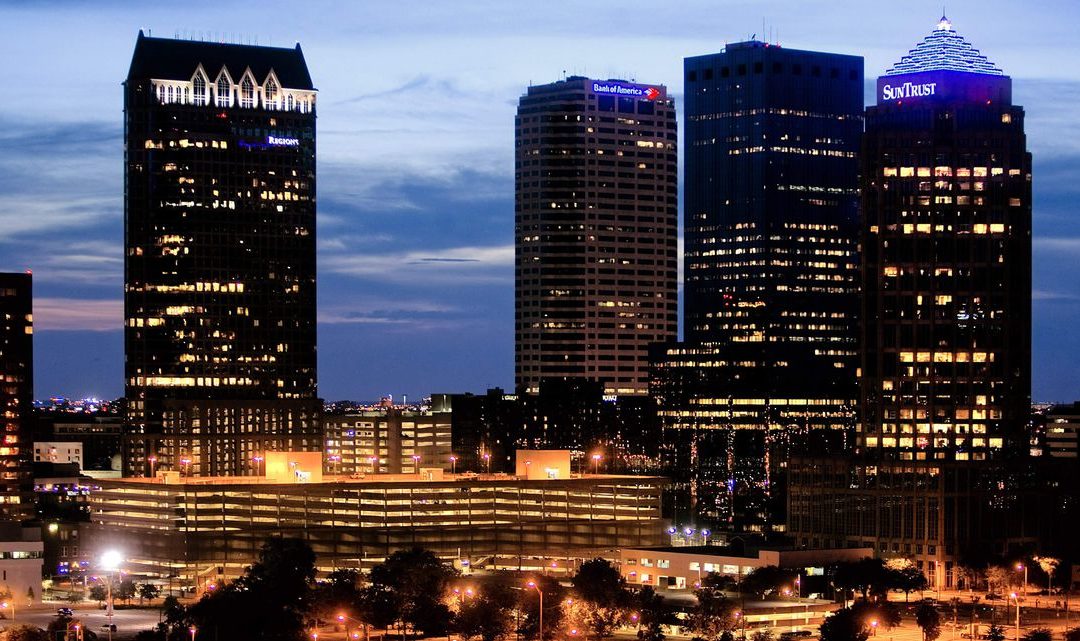
4 min read September 2019 The health of the banking sector is a great way to gauge the overall health of the economy, so when the banking sector is prospering it is normally on par with a healthy economy. This remains true in Tampa Bay as the local economy has been experiencing a long and healthy growth that is also shared by the banking sector in the region. Invest: Tampa Bay recently spoke with David Call, Florida regional president of Fifth Third Bank, and Allen Brinkman, region president for Seacoast Bank, two of the premier banks in the Tampa Bay region. Discussions with both banking institutions covered their view of the current state of the market in Tampa Bay, how emerging technologies are impacting their banking practices, and ways to keep growth in the sector and Tampa Bay sustainable for the future.

What is your view of the local market in light of the burgeoning economy in the region?

David Call: Everything is moving at a fast pace in the Tampa Bay region, and from my perspective there is not one particular sector or segment of the market that is doing better than another. Our bank has five lines of business in the region: commercial, small business, retail, wealth and mortgage. All five of those lines are doing well and we are still seeing strong momentum. We have seen this growth for the last four years, and while we are prepared for any kind of slowdown, we haven’t seen any sign of that for the near future.

Allen Brinkman: As long as the economy does well and as the spirit of Tampa Bay continues to rise, the market will remain prosperous. There is a growing sense of pride in the city. This pride is creating opportunities for new businesses to start, established businesses to expand and investments into the business market to remain lucrative. It has been a great market for quite some time, and outside of a global economic issue, Tampa Bay is going to continue to do well. I believe that even if the global economy slows down, Tampa Bay is somewhat insulated because it is a place that people want to be, for both a younger and older demographic. There is almost nowhere else in Florida that is as cost-effective, beautiful and offers as many cultural and economic opportunities as Tampa Bay.

With the prominence of emerging technologies in the financial sector, how can banks find the balance to still deliver a personal experience?

Call: Technology has not taken the place of our physical centers, but everything that we do around technology has definitely taken off. Whether that is depositing a check or checking an account balance, all of these uses are being adopted at a much quicker pace than how technology was adopted in the past. That being said, we believe at least 60% of our clients still want to come to a branch and bank with a human being. That does not mean that they do not want technology, because they do, so it is a balancing act. We are still building branches in the state of Florida, and we will have more branches in the Tampa Bay area too. We want to offer all these various channels for people to use because ultimately we need to stay in line with the voice of the customer and keep them at the center of what we do.

Brinkman: The online and digital experience is more of a convenience vehicle than it is an alternative to all banking. Simple transactions like depositing a check or finding a branch can be accomplished with technology,  but more complicated transactions are usually going to involve an interaction with a banker. Banks are somewhat of a commodity today, and the only way to set yourself apart from other banks is by the advice you give. Our bankers are trained and spend a lot of time on their consultative approach. For example, in the past, we knew that the mortgage business was about borrowing as much as you could to get the biggest house, and hopefully everything worked out. Today, bankers give a little more advice and guidance on what is a responsible financial decision for a customer to make. This type of personal interaction could not be accomplished by technology.

What are some ways to keep banking sector growth and that of Tampa Bay sustainable and recession resilient?

Call: When we adapt to this influx (of high-net-worth investors), it has a positive affect on our business, and this is true for all of Tampa Bay, not just our bank. There are a lot of businesses and people bringing money to Tampa Bay because they see the growth. Outside investment is a huge part of keeping this growth sustainable because we need an infrastructure that matches the influx of people coming to Tampa Bay. In regards to our bank, we are investing our time and resources into making sure that we are a part of the change so we can help our communities thrive.

Brinkman: We are quite conservative in terms of our approach to lending, which some could misinterpret as not offering loans. However, we do offer loans just as much as most banks, we just tend to be conservative in how we advise our customer. Our bankers sit down with customers to understand why they need a loan, what the purpose is and inform the customer of whatever risk elements are out there that they may not have thought of. When a loan is done with Seacoast, a relationship is formed. We make the decision jointly versus just providing a loan that may not be right for the customer. Our role as a bank is to protect the customer, which creates a greater sense of responsibility to really develop a product that’s customized to their needs. If there is another recession, we believe we will fair well because of this practice.

To learn more about our interviewees, visit:

https://www.seacoastbank.com/

https://www.53.com/

Spotlight On: Randy Avent, President, Florida Polytechnic University

Spotlight On: Randy Avent, President, Florida Polytechnic University

Writer: Max Crampton-Thomas

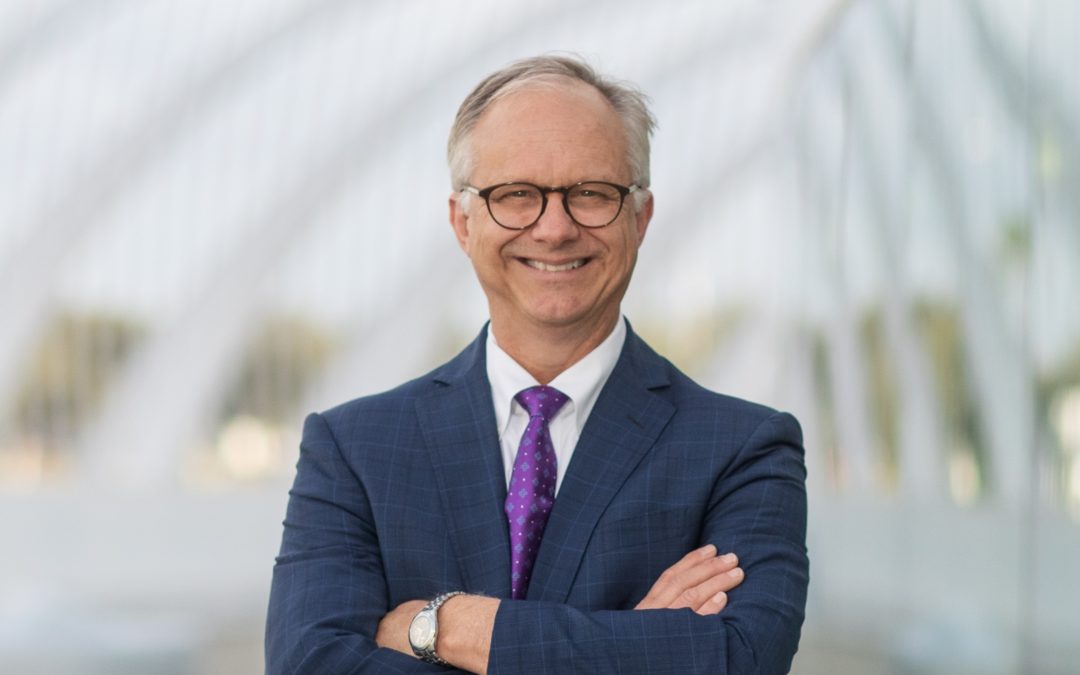
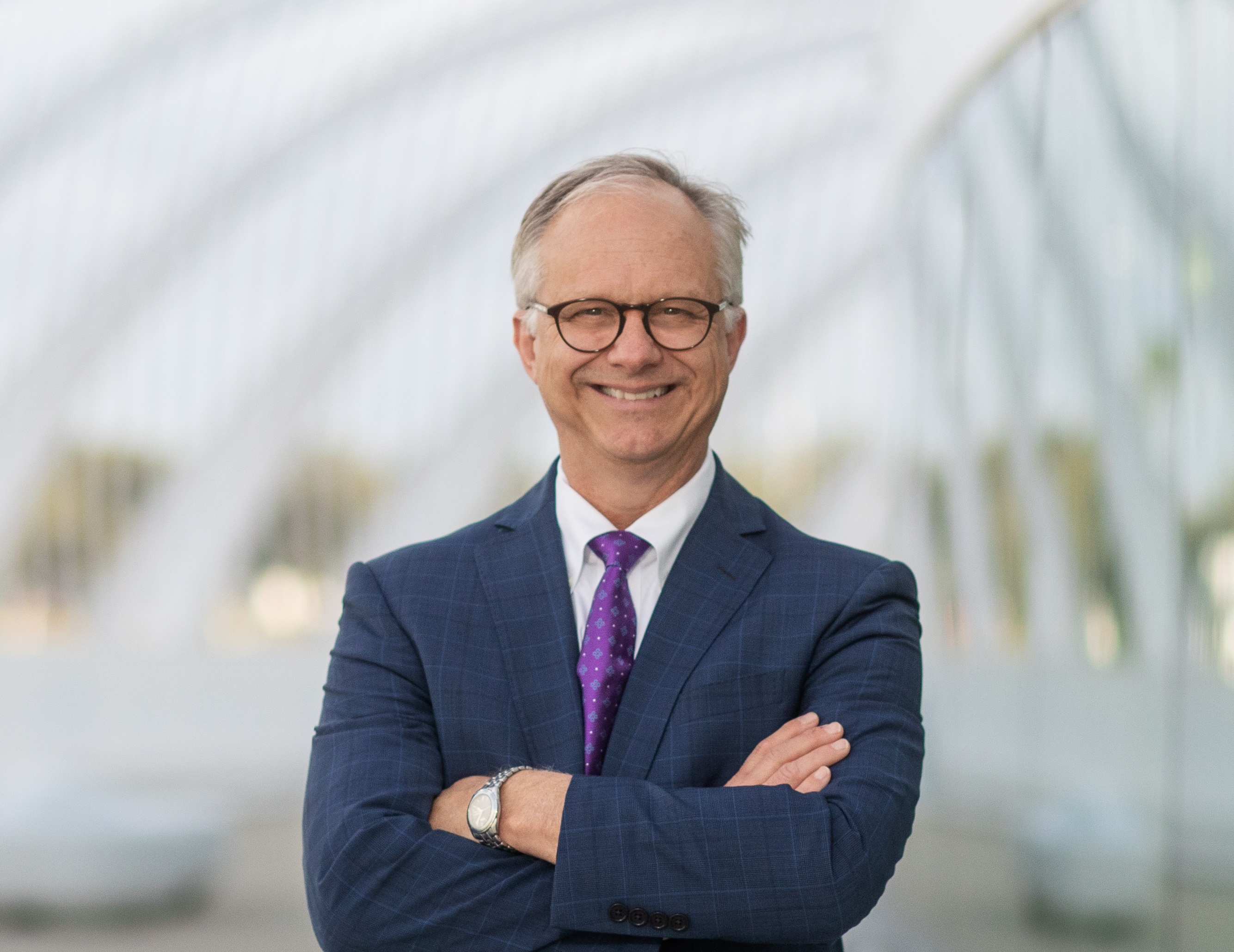
2 min read September 2019 — The Tampa Bay region is home to a slew of world-class and innovative higher education universities, the newest being Florida Polytechnic University located in Lakeland, Florida. This innovative university has quickly become a training ground for the future technical workforce in Florida. Invest: Tampa Bay recently sat with Randy Avent, the founding president for Florida Polytechnic University who expressed his excitement about the possibilities for the university. During the course of his interview, he spoke about how Florida Polytechnic is playing a major role in the economic development of Polk County, the greatest challenge facing the school and what the near-future will look like for the university.

How is Florida Polytechnic University a key to economic growth in Polk County? 

Technical research universities have a tremendous influence on growing the economies in the areas that surround them, and that is what we plan to do for Polk County and the entire state of Florida. Economic growth begins by creating high-skilled, high-wage, high-tech jobs and you do that through excellence in education. Each of these jobs is accompanied by several midwage positions that support it, which ultimately leads to a stronger overall economy. Companies want to be located near universities known for producing graduates in high-demand fields with low supply. They feed from this pipeline of high-technology talent that is ready to lead in industry and to create the next innovations that will disrupt the status quo. 


What is the biggest challenge facing the university? 

As a new university, there are always challenges. The day we opened the university we had a full student body and were doing $30 million dollars worth of business. The university is still a startup because we are only six years into this and most universities have been around for more than 50 years. It will take time for the dust to settle and one challenge will be to continue attracting students who can be successful in a curriculum like this. We want to retain high-quality students in Florida by offering them a curriculum that is different from the institutions they’re looking at out of state. We are also an attractive option because only 11% of our students are graduating with debt and the average debt is only $7,000. 


What is on the horizon for the university? 

We will continue growing and developing our curriculum. We are very fortunate that we were able to hire the provost from Colorado School of Mines, which USA Today ranked as the No. 1 engineering school three years in a row. He has led an effort to rebuild and grow the curriculum, and that includes making sure that it meets national standards. We are also hoping to break ground on the new Applied Research Center where we will continue to grow our research efforts. In the past, we grew the student body extraordinarily fast as part of our startup, and we have been trying to catch up on growing the faculty body. We are focusing less on growing the class now and more on shaping it and that has allowed us to catch up with faculty hiring. We also want to continue building our graduate program because a graduate program is the lifeblood of a research university, so that is an area that we will be focusing on as well. 


To learn more about our interviewee, visit:

https://floridapoly.edu/

Spotlight On: HBK CPAs & Consultants, James Bartolomei, Principal

Writer: Yolanda Rivas

2 min read SEPTEMBER 2019 — Technology is disrupting every industry in the world. From healthcare to banking and finance, numerous companies are reinventing themselves to be at the forefront of technology and innovation. In the accounting and finance segments, these innovative tools are rapidly transforming customer experience and data management. The Invest: Philadelphia team recently sat down with HBK CPAs & Consultants Principal James Bartolomei to get his insights about the performance of Philadelphia’s financial sector.

In what ways is technology disrupting the accounting and finance industry?

Technology is disrupting every industry. Innovation and technology allow companies to get creative and find ways to improve processes and, more importantly, customer experience. The biggest challenge faced by the financial industry is to improve customer experience while protecting sensitive data. To assist our clients in this area we recently developed a cybersecurity offering, which has been well-received. 

With the rapid and dynamic change in technology, businesses can be eliminated and displaced very quickly today. This represents a big challenge as the value one thought was built up in their business could vanish. This is why it is vitally important for business owners to build wealth both inside and outside their businesses. Our firm combines tax and accounting services with our wealth management services to help deliver on this objective and minimize risk for our clients.

What are the services and industries where you’re seeing the most demand?

We have seen increased demand from clients looking for our advice about the effects of the federal tax reform, especially because of the substantial changes in the privately-held business area. Clients are concerned that their accountants and tax advisers fully understand the new tax law and how it impacts them. There are significant changes to the way small businesses are taxed under this new law.

Philadelphia’s real estate and biotech sectors are growing. We have numerous clients in the real estate sector and we have seen a substantial uptick in activity and development, especially in rental properties. In the biotech sector, we have seen a high amount of activity in the medical technology segment.

What is your outlook for Philadelphia’s accounting and finance sectors?

We are continuing to see growth in the Philadelphia market. We are relatively new to the market and we are expanding our client base and attracting good, young talent. We have hired a number of recent college grads over the last two years with great results. Philly is one of the strongest and youngest markets in the United States and the outlook is great for HBK and the local financial services sector. 


To learn more about our interviewees, visit:

HBK CPAs & Consultants:  https://www.hbkcpa.com/

Business is Booming for Deerfield Beach

Business is Booming for Deerfield Beach

By Max Crampton-Thomas

2 min read September 2019 — When discussing growth in Broward County, the conversation would typically center around the economic hub that is the city of Fort Lauderdale. While it may be the most universally recognized city in Broward, it is certainly not the only one in the county experiencing an economic boom.

Located at the northernmost point of Broward County is Deerfield Beach, a city whose growth cannot be understated or overlooked. Home to over 80,000 individuals, this beach community has capitalized on the economic prosperity and ever-increasing migration of individuals to the South Florida region. Invest: Greater Fort Lauderdale spoke with Bill Ganz, the mayor of Deerfield Beach about the city’s major developments in the last year. “We have had a lot of growth in the city in the last 12 months, including over 11,000 building permits that total nearly a billion dollars in new construction. We have new residential developments under construction from some of the top developers in the area, such as Lennar, Toll Brothers, Ram Realty and Weingarten Realty. One of the finest organizations in Broward County is also located in our city, JM Family Enterprises. They are working on a $176 million expansion of their corporate headquarters,” he told Invest:. 

The growth of Deerfield has not just been predicated on the development of new construction projects for the private sector. The city has recognized the importance of reinvesting in itself to better serve its residents. This is apparent in the ongoing construction of a new 12,000-square-foot community center, which is a revitalization of the old Tigner Community Center. When completed, it will be one of the largest community centers in Deerfield Beach. 

Successful economic growth of an area in Broward County is also dependent on addressing future threats to that growth. Ganz made a point of talking to Invest: about how the city is addressing the looming threat of sea level rise and its efforts toward environmental resilience. “We have been working on these issues for several years, starting with the West Wellfield project, which helps to solidify the water system in Deerfield Beach, so we are much better protected against salt water intrusion. We have taken the initiative to become LEED certified with some of our city projects that have recently finished, including the new pier and facilities on the beach.” 

He continued to speak on how he hopes Deerfield will serve as a positive example on these issues for other areas of Broward County. “We have a new Siemens Energy Efficiency Program that we hope can be used as an example for other municipalities to address these issues. The city has also been working on an Emergency Preparedness and Response Plan. We don’t want to just talk about sea level rise, but really address it from a safety standpoint, especially in the event of another hurricane.” 

The advancement of Deerfield Beach has not been by chance, and can be attributed to well-thought-out and deliberate initiatives and actions taken by the city’s public and private sectors. There is a recognition that to sustain the economic growth, the city must continue to present unique opportunities to businesses in the area. 

One of the ways the city is doing this is by recognizing the need to retain a strong workforce within the city, as highlighted by Ganz: “We want to make sure that we provide them with a wide variety of opportunities, not just entertainment, but business opportunities as well. We also are trying to make sure that we are appealing to all generations of the workforce. One of the ways we hope to accomplish that is with some of the new residential construction that is being built. We have worked with these developers to make sure they are keeping the new buildings attractive to all segments of the workforce in the city. We are also fortunate to have the most beautiful beaches in all of Broward County, and these people can really take advantage of this being a nautical destination.” 

While it has been a successful year for the city, local government and the business community will continue to focus on sustaining this growth for the foreseeable future. 

To learn more about our interviewee, visit:

http://www.deerfield-beach.com