Tackling Affordable Housing in the Bay

Tackling Affordable Housing in the Bay

Writer: Max Crampton-Thomas
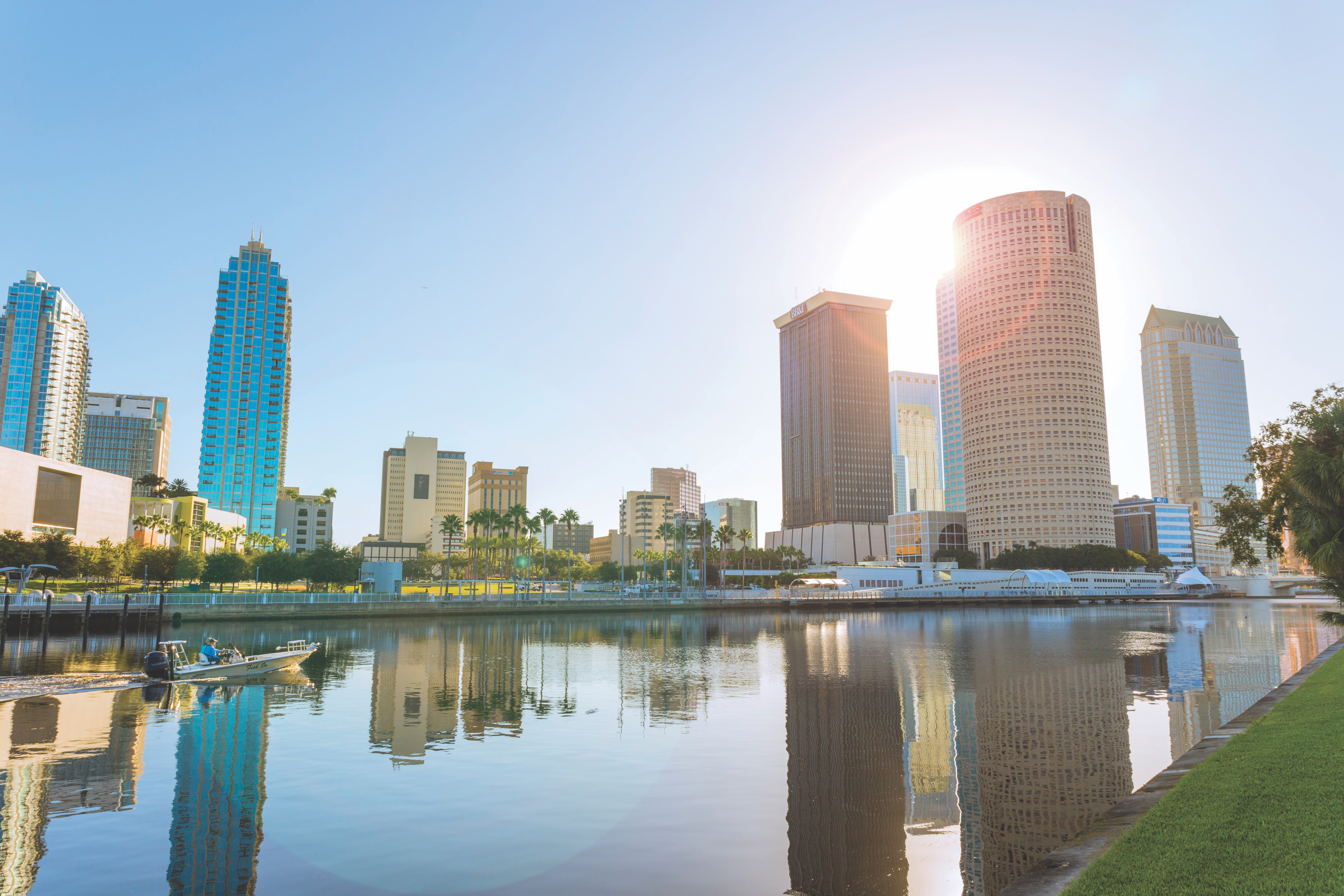
2 min read August 2019   Growth in the Tampa Bay region has been twofold, with a  significant boom in the economy and the population. As the population grows so does the need for more affordable housing options in the region. While there has been a notable increase in the development of luxury apartments and multifamily units, which are popping up all over Downtown, there is a notable deficit of affordable housing options. Mayor Jane Castor, her administration and community organizations like the Tampa Housing Authority recognize that they must work together to find- a solution for this problem.

Since her election in April, Mayor Castor has identified access to affordable housing solutions as one of her top priorities, as noted when she spoke with Invest:. “In reality, the most pressing issues in our community are transportation, affordable housing and workforce development.” She has since taken action to address the housing issue with the recent formation of the Affordable Housing Advisory Team as part of her “Transforming Tampa’s Tomorrow” transition. The role of the advisory team will be to ensure home ownership for all residents in Tampa regardless of economic status. It  will be one of five advisory teams guiding the mayor’s strategic vision for addressing key issues in Tampa Bay. 

One of the members of the Affordable Housing Advisory Team is Leroy Moore, the senior vice resident and chief operating officer for the Tampa Housing Authority. The Authority is not only focused on providing housing assistance to low-income residents. Its role has evolved over the years to better address the affordable housing issue in the region. Invest: recently spoke with Moore, who discussed how the Authority is addressing this need. “The Housing Authority has evolved to not only manage affordable housing, but also to redevelop this housing into real estate that functions as more than just a roof over someone’s head. We consistently ask ourselves what else does a community need? A community needs jobs, quality food and transportation accessibility, which brings in the need for collaboration with transportation agencies in the region. We can meet the needs of the community by developing housing, especially affordable and attainable housing, around accessible transit options. Great transit translates into better housing costs.” 

The Authority’s actions to tackle affordable housing include the redevelopment of a 28-acre superblock of public housing that will be known as the Encore District. In his discussion with Invest:, Moore spoke about the Authority’s approach to this development and how it differs from the original construction., “Seventy-five years ago, the Tampa Housing Authority developed a 28-acre superblock of public housing on the doorstep of what is now Downtown. Seventy-five years later, we are redeveloping that site and realizing that its potential today is far greater than what was ever imagined back then. Instead of just having a 28-acre single-use affordable housing community, we now have 12 city blocks of diverse development called the Encore District.” He continued: “Encore will be a LEED Gold neighborhood development community. All the buildings have a commitment to be LEED Silver or higher. We replaced the affordable and workforce housing and increased the number of affordable units on that exact same footprint. We are also adding other uses like hotels, museums, schools, market-rate housing and grocery stores all within the same 28-acre area.”

The need for more affordable housing is not an issue that will resolve itself and will only continue to manifest into a larger challenge as the population in Tampa Bay grows. The solution is not clear-cut, but community leaders like Mayor Castor and Moore are working to find actionable answers.  

To learn more about our interviewees, visit:

https://www.tampagov.net/


https://www.thafl.com/

Spotlight on: David Devan, General Director & President, Opera Philadelphia

Spotlight on: David Devan, General Director & President, Opera Philadelphia

Writer: Yolanda Rivas

2 min read AUGUST 2019 — Philadelphia is characterized by its diversity and rich history, which are reflected in its broad historical and arts and culture offerings, two of the city’s major tourism drivers. Among the organizations responsible for putting the City of Brotherly Love in the national and international spotlights is Opera Philadelphia, which has committed to embracing innovation and developing opera for the 21st century. Its innovative programming and world-class presentations have been recognized in the United States and around the world. In this week’s Spotlight On edition, the general director and president of Opera Philadelphia, David Devan, shares the organization’s latest accomplishments and future projects with Invest: Philadelphia. 


What were some highlights for Opera Philadelphia over the last year?

Opera Philadelphia has been exceeding sales goals with shows like last winter’s A Midsummer Night’s Dream and 2018’s Carmen, and I think we are doing that because we’re attracting a younger demographic. Our Festival O19 is loaded with innovation, which is our norm. We have two world premieres: Denis & Katya, which is about two young teenagers’ interaction with social media at difficult times in their lives, and Let Me Die, which combines death sequences drawn from the canon of tragic opera, along with original narratives and music. We are also doing Opera on the Mall, which broadcasts performances from Opera Philadelphia on Independence Hall, among other events.


What impact has Festival O had since it was launched?

Festival O has had a local, national and international impact. Locally, it has animated the city and has enlarged artistic partnerships. We are now working with all sorts of arts organizations as part of the festival. It has also developed a new audience, mostly young. That is the biggest impact; we now have more customers than five years ago. We work with Visit Philadelphia, PHL Convention and Visitors Bureau, and other agencies that promote the city and create local pride. Because we do so much new work, what we are doing is affecting the field of opera nationally in terms of the field celebrating and participating in contemporary art activity. Internationally, we have become recognized as one of the most innovative opera companies in the United States. That is evidenced by our winning the FEDORA-GENERALI Prize for Opera and the important nominations that we receive from the International Opera Awards.

What is the role of arts, and particularly Opera Philadelphia, as an economic driver and job creator for the region? 

Arts in general play a vital role in economic development. They have a wide ripple effect and help brand the city. Tourism is one of the largest economic activities in any city. People travel because of arts and culture, so Opera Philadelphia is trying to celebrate that and become a tastemaker where people come to touch the future of that musical expression. We believe that will have a long-term impact. Over the last three years, we have seen growth in our out-of-town business. We are about to launch a national council because we have many people who live outside Philadelphia and are visiting with the purpose of attending Festival O. We are creating social situations and other arts experiences for our visitors so they can be part of an international community that is coming to experience Philadelphia.

To learn more about our interviewees, visit:
Opera Philadelphia: https://www.operaphila.org/  

Banks increasing support for Philly’s growing small businesses sector

Banks increasing support for Philly’s growing small businesses sector

Writer: Yolanda Rivas

2 min read AUGUST 2019 — The economic environment in Philadelphia, with many world-class educational and healthcare institutions, a diverse population and affordable rents, represent an ideal space for entrepreneurs to start their small or medium-size businesses. At the heart of the small-business community is an industry that plays an essential role: banking.


Many Philadelphia banking leaders say they have seen increased demand for lending and other services from small businesses. “Philadelphia has long been home to successful small businesses, but in recent years the collaboration between the public, private and nonprofit sectors is spurring a new level of growth,” Robert Kane, market president at KeyBank, told Invest:. 


According to Kane, KeyBank ranks 13th among more than 1,800 SBA lenders nationally. In the last five years, the bank has loaned more than $1.13 billion to small businesses across its footprint.  

Similarly, Philadelphia is one of the largest portfolios in BB&T’s footprint for small business. In an interview with Invest:, Regional President Greater Delaware Valley/Lehigh Valley Region for BB&T Travis Rhodes explained that the number of small business clients the bank is serving in Philadelphia is disproportionately larger than any other market in BB&T’s footprint. As a result, it created the “Bank on Your Success” initiative, which is directed to this community. 

“This free financial knowledge program helps entrepreneurs begin to understand the value of an income statement, a balance sheet and other banking basics. When they begin to think about their kind of profitability, how to manage their short-term assets, receivables and inventory, this education is essential. That education is ultimately what prepares somebody to be able to withstand or to handle the next downturn, because it helps them understand the levers of a company,” Rhodes said. 

Some of the biggest challenges small businesses face are improving cash flow, reducing operating costs, improving financial wellness, balancing growth with quality and hiring and retaining talented employees. To help mitigate those challenges, Keybank has developed Key@Work, which is a comprehensive, no-cost employee financial wellness program. 

“We also have a program, Key4Women, that supports the financial progress of women in business. It’s a great program, offering mentorship opportunities, access to capital and professional development,” Kane said.  

The small-business sector also helps banks to maintain a local presence. “We have small-business relationship managers who know the people in the community and become the point of contact for growing their small-business loans. Business sales also come with a lot of deposits, and that’s been a very healthy growth vehicle for us over the last couple of years,” Rodger Levenson, CEO of WSFS Bank, said in an interview with Invest:. 

Small businesses also have a significant impact on Philadelphia’s employment. According to the Pew Charitable Trusts’ Philadelphia 2019: State of the City report, about 26% of private sector employees in the Philadelphia region worked in small businesses in 2017, a number that was typical for the comparison regions. Also, 17% of Philadelphia employees worked in firms with fewer than 19 employees, second-highest behind the Boston region.

“Small business continues to be the primary generator of jobs and economic activity, not just in Philadelphia but in our entire region. And we see significant growth in our small-business lending activity over the next few years,” Levenson said.  


To learn more about our interviewees, visit:
KeyBank: https://www.key.com/small-business/index.jsp 

BB&T: https://www.bbt.com/small-business.html 

WSFS Bank: https://www.wsfsbank.com/Small-Business 

Lights, Cameras … Showcasing Miami’s Rich Movie History

Lights, Cameras … Showcasing Miami’s Rich Movie History

Writer: Yolanda Rivas

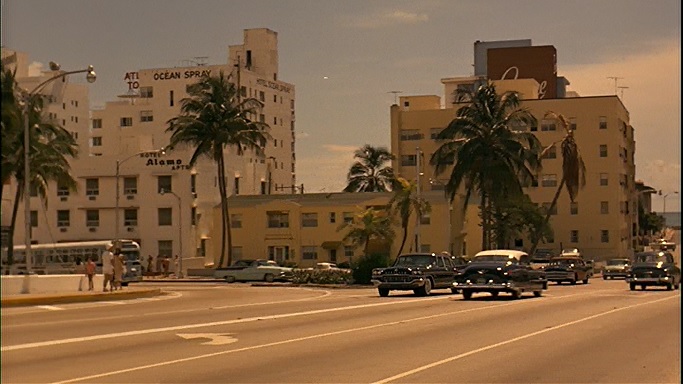
2 min read AUGUST 2019— Miami’s beautiful beaches, art-deco buildings and culturally diverse neighborhoods have been the setting for numerous movies and TV shows over the years. To showcase the city’s history in the film industry, Miami Beach recently launched its “Filmed on the Beach” interactive portal.

The digital film tour webpage features an in-depth look at the movies and shows shot on the island through the years. The portal features maps of South Beach, Mid Beach and North Beach that indicate locations where movies, TV shows and music videos have been shot. 

“We want our residents to better connect to our city’s history as well as inspire future filmmakers to follow in some of the famous footsteps,” Matt Kenny, the city’s director of tourism and culture, stated in a press release. “The interactive tool will be monumental in doing so and reminding individuals why Miami Beach was, and still remains, a cultural icon on the silver screen,” he said. 

Users can explore the locations, types of films and fun facts about each production by scrolling through key points of the city, marked with stars, on the interactive maps. South Beach is the neighborhood with the highest number of productions. This internationally recognized neighborhood has had a total of 32 productions.

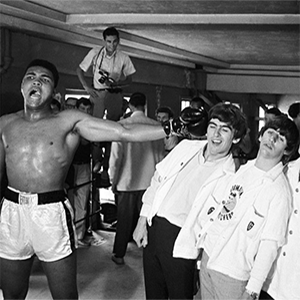
In 1964, international attention descended on South Beach with Muhammad Ali’s famous 5th Street Gym and his upset victory over Sonny Liston at the Miami Beach Convention Center. Among the 1960s shoots that stand out are The Jackie Gleason Show TV series and the filming of Elvis Presley’s Clambake. In the 1980s, South Beach and Ocean Drive were transformed into magnets for film, advertising, fashion, art and culture with shows such as Miami Vice

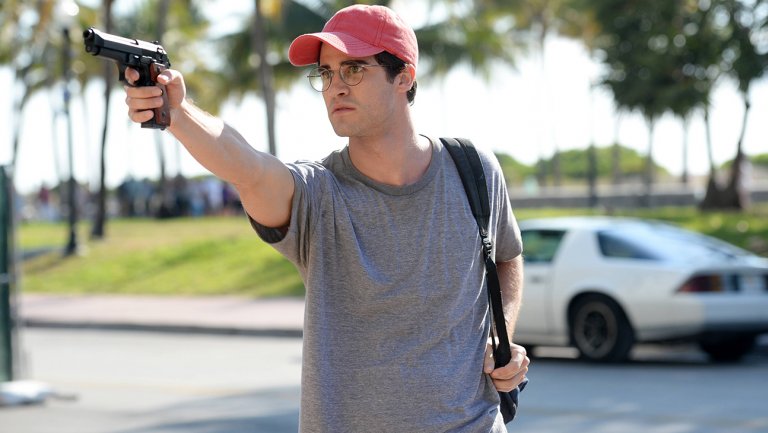
Hollywood’s love for South Beach continued with movies such as Scarface, The Birdcage, the Bad Boys trilogy, TV shows such as The Assassination of Gianni Versace, Burn Notice and Marvelous Mrs. Maisel and numerous music videos.


Distinguished by its luxury hotels, Mid Beach has also been the setting for several films. Many of these notable movies took place around the Fontainebleau Miami Hotel, which according to Filmed on the Beach was the favorite hang-out of Frank Sinatra and served as the backdrop for his 1960 television special. The iconic scene of the golden-painted Bond Girl in 1964’s Goldfinger movie and scenes from Scarface and The Bodyguard were also filmed in the Fontainebleau. 

Last but not least, the beautiful North Beach, which is often a place to get away from the noise of South Beach, has attracted many movies and music video producers as well. Among the most iconic films recorded in the area: The Godfather II. The Beatles’ live performance on The Ed Sullivan Show was also shot here. According to Filmed on the Beach website, it is said that the Beatles spent eight days a week in Miami Beach. Bad Boys III, Bay Watch and music videos from the Jonas Brothers and Pitbull are some of the recently recorded productions in the area. 

To maintain this rich history of the local film industry, Miami’s Film Production Grant Program is offering grants for at least nine feature films, music videos, television shows, documentaries, short films and web series who choose to shoot in Miami Beach.  


To learn more about our interviewees, visit:

Filmed on the Beach:http://www.mbartsandculture.org/filmed-on-the-beach/ 

City of Miami Beach: https://www.miamibeachfl.gov/ 

Miami Beach Arts & Culture: http://www.mbartsandculture.org/ 

Film Production Grant Program: https://filmiamibeach.gosmart.org/ 

Spotlight On: Steven Abrams, Executive Director, South Florida Regional Transportation Authority/Tri-Rail

By Max Crampton-Thomas


2 min read August 2019 — Transportation is a hot topic issue throughout South Florida, and as the population in the region continues to grow so do the challenges. While the roads seemingly become more congested every week, there is a significant emphasis on using other forms of transit. For 30 years, Tri-Rail has been one of the leading alternative forms of transit for visitors and residents of South Florida alike. Invest: Greater Fort Lauderdale recently had the chance to sit down and speak with Steven Abrams, the Executive Director for the South Florida Regional Transportation Authority, which is the governing body that operates and oversees Tri-Rail. Abrams discussed Tri-Rail’s longevity in the South Florida Community, how it is working in tandem with Virgin Trains USA (formerly Brightline), the ways in which it is using technology to improve operations and what is contributing to the steady uptick in ridership.

What has contributed to Tri-Rail’s longevity in the South Florida community? 

This year is Tri-Rail’s 30th anniversary. Tri-Rail started as a traffic mitigation project along I-95 while 95 was being widened, but it was supposed to be a stop-gap until the completion of the project. Thirty years later, it is still thriving. Over those 30 years, we have improved our service, added more trains, added weekend and holiday service and added connections to the area’s three airports. We are a transportation system that has become popular over time and we have embedded ourselves in the tri-county area.

How are you working with Virgin Trains USA to improve rail transportation in the community? 

We have a collaborative relationship with Brightline, and we anticipate that it will only be a benefit to both services. Brightline is geared more toward the tourism population, whereas Tri-Rail transports 15,000 riders a day to work and school. Our riders mainly consist of clerical workers, blue-collar workers, construction workers and students. It is a different market than Brightline, but we work very closely together and hope to be able to feed each other’s passengers into our system. We are far along on plans to enter Brightline’s downtown Miami station. The platform has been constructed, and we are just waiting on the approval for its Positive Train Control system. Positive Train Control is a safety system that was mandated by the federal government for all railroads in the country. Once Brightline’s system has been certified, we can apply to be a tenant on its system and continue our existing service and extend up to about half of our trains into downtown Miami. We are hopeful that this will occur in the near future.

How is Tri-Rail using new technology to improve operations and the safety of its passengers?

We are installing a Positive Train Control system that adds an extra level of safety on what is already a safe system. The National Safety Council did a survey and concluded that you are more likely to die of radiation or from a cataclysmic storm than you are being a passenger on a train. The Positive Train Control system is required by the federal government, and we anticipate that it will add that extra measure of safety in terms of avoiding oncoming collisions. If the train is going too fast, the system will automatically slow it down. We do not have many curves on our system, so this is probably more of a benefit for trains up north where there are hills and curves. Nonetheless, we will be able to stop the train should it exceed speed limits.

What factors are behind the steady increase in Tri-Rail’s ridership? 

There are three reasons and two are, in a way, related. South Florida is a tourist and service-related economy, and these individuals, like waiters or construction workers, cannot work from their homes. We have people coming from all over the world who are used to rail transportation in their countries, and they are feeding into our system. Our roads are also just becoming so congested. It used to be that our ridership would principally, and almost exclusively, fluctuate with gas prices, but now that  gas prices are stable and dropping, we still have people riding our system because ultimately it is the overabundance of cars on the road that are urging them to seek alternative transportation.


To learn more about our interviewee, visit:


https://www.tri-rail.com/

The Future is Now for FATVillage

By Max Crampton-Thomas


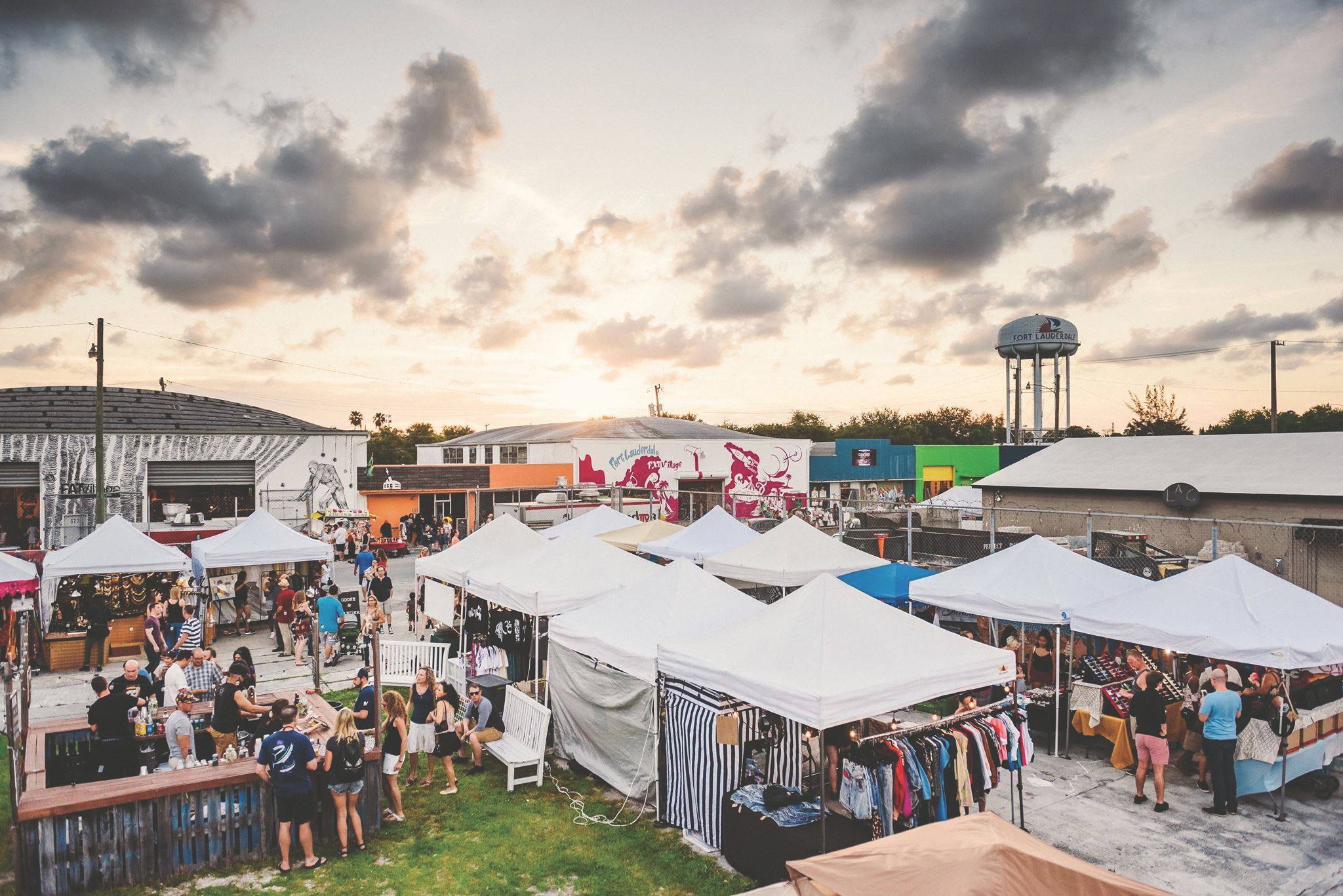
3 min read August 2019 — Fort Lauderdale’s FATVillage makes up for what it lacks in size with a treasure trove of arts, cultural and technological offerings. Founded in the late 1990s by Doug McCraw, the four-block historic warehouse district has developed into an arts hub to rival the most established arts districts in South Florida. While the area was originally founded as a way to rally philanthropic support around the artistic community in Fort Lauderdale, it is now transitioning into the premier destination for artists, small-business owners, technologists and arts enthusiasts.

The emergence of FATVillage has been a thoughtful and deliberate process of encouraging smart development that never diverts from the emphasis on art as the main part of the neighborhood’s DNA. This stands true for the introduction of more mixed-use development into the area, as McCraw highlighted in a recent interview with Invest: Greater Fort Lauderdale, discussing how that development is not only a new concept but also positively affecting the surrounding neighborhoods. “FATVillage has consistently been a significant economic driver in the Broward County region. It has acted not only as an arts community but also as a nucleus for a lot of the development in Flagler Village. What we are doing in terms of using art as a driver of mixed-use development is still a new concept, and not many developers are integrating product development with a creative community in the same way that we are,” McCraw told Invest. 

He also acknowledged that while FATVillage is undergoing a transition to focus on developing its status as an economic driver in the region, the reason for the district’s success has been the deliberate and careful process of deciding who can lease inside the area. “FATVillage is at a transition point. We are very focused on developing FATVillage to make it a treasure for Fort Lauderdale. We have aggregated various types of coworking spaces with different disciplines, all of which are major components of FATVillage. We have a curated process and we do not just lease to the first person who walks in the door. Our focus on art as an integrated part of the DNA of FATVillage makes us a unique component of Fort Lauderdale’s culture,” McCraw said

Helping to achieve this vision for the future of FATVillage, while also remaining true to its arts identity, is Urban Street Development, which has been involved with the district from the beginning. Invest: recently had a conversation with the Co-Founder Alan Hooper about what the next phase of development for FATVillage will look like. “In August, we intend to deliver a plan that will take the FATVillage Art District in downtown Fort Lauderdale into an exciting era that will combine food with art and technology (FAT) and develop a neighborhood where people and businesses of all sizes can find a place to live, create, collaborate, and socialize. The 5- acre-plus plan fully embraces the arts and elevates the opportunities for artists and creative businesses alike. Positioned inside the downtown core, the Opportunity Zone, and a block from Brightline, the options for community building are endless,” Hooper told Invest:. “We want to help FATVillage evolve into the place it should be. A place that is attractive to creative businesses while maintaining the artists who made us a well-known destination. We want to build some affordable housing for artists and local creative people, as well as really cool workspaces for start-up businesses that might represent art in another way, through video or audio, the art of the word, or the art of food. A place like this will be very attractive to businesses that benefit from hiring within a congregation of talent. In the end, we are creating a village that all people can grow with, be a part of and enjoy.” 

Arts and culture is a major key in Florida’s economy, and even more so in Broward County. Areas like FATVillage play a vital role in keeping arts in the county, and acting as a significant economic driver for the region. FATVillage has long been an attractive destination in Fort Lauderdale, but it is now on the cusp of a major transition into a true arts and economic staple in Broward County. 


To learn more about our interviewees, visit:

https://www.fatvillage.com/

http://www.urbanstreetdevelopment.com/

Orlando at the Cutting-Edge of Biotech Investment

by Sara Warden

2 min read August 2019 — The global biotechnology market is expected to exceed $775 billion by 2024, according to a new research report by Global Market Insights. With this amount at stake, it is little wonder Orlando is not allowing the opportunity to attract biotechnology companies pass it by.

Florida is the eighth-largest biotechnology R&D state in the United States, with over 260 biotech companies. According to a research paper by Man-Keun Kim and Thomas R. Harris on the clustering effect in the US biotechnology industry, some of the most important factors in forming a cluster include average payroll and overall education level in the region.

Orlando is addressing all these areas to attract biotech giants to the city and surrounding areas.

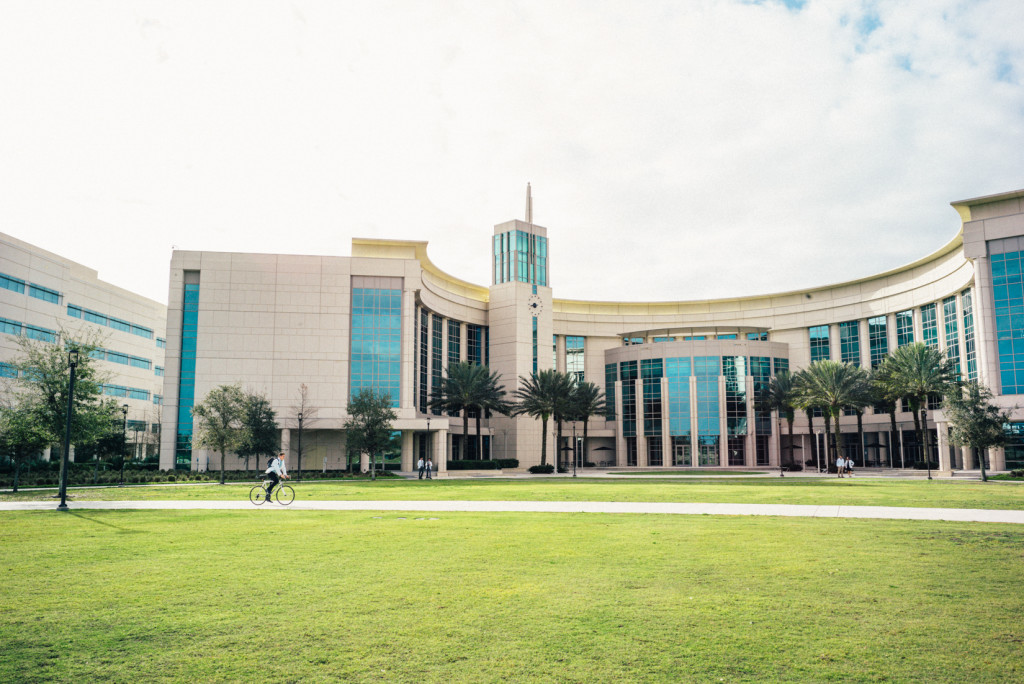
One example: In 2005, the University of Central Florida (UCF) received a $12.5 million donation from the Tavistock Group to build the UCF College of Medicine at Lake Nona, just south of Orlando Airport. The Orlando community matched the donation, which was in turn matched by a government grant, taking the total investment in the campus to over $100 million.

The new college broke ground in 2007, and the school announced that each of the 41 charter students would be awarded a full $40,000 four-year scholarship. The program attracted 4,300 applicants and the class members had the highest MCAT and GPA scores in the state. The campus continues to expand, now including the medical school’s new 170,000-square-foot medical education facility, as well as its new 198,000-square-foot Burnett Biomedical Sciences building. 

UCF has continued to make partnerships with renowned medical organizations to bolster the campus’ facilities. The College of Medicine is now partnered with Sanford-Burnham Medical Research Institute, Veterans Affairs Medical Center and Nemours Children’s Hospital, one of the nation’s largest paediatric health systems.

An economic impact study found that the College of Medicine and Lake Nona’s medical city could create more than 30,000 local jobs, have an economic impact of $7.6 billion and generate nearly $500 million in additional tax revenues for the state.

“I do believe this is a good thing for our community as we endeavor to really diversify our economy with high-wage jobs,” Orange County Mayor Jerry Demings said in an interview with the Orlando Sentinel.

With talent at their fingertips, it is little wonder that leading biotechnology companies are flocking to the city. Most recently, biotech firm Amicus Therapeutics announced Lake Nona to be the frontrunner in a new 18-acre site in which it planned to invest $150 million.

Originally, the company planned to create 300 jobs paying an annual average of $69,670, not including benefits. This prompted the government to offer a sizeable benefits package to tempt the company to settle in the southeast Orlando site.

The government offered a 25% tax break and property tax exemptions over a period of seven years, which would save the company about $1.5 million. Additional state incentives totaled $240,000, with Orlando contributing up to $1,200 per job created. There are additional provisions to increase the tax rebate if the company’s investment exceeds $148.85 million.

“Orlando continues to be one of the sites we are considering, and the availability of tax and other incentives, as well as access to a rich talent pool, are important factors in our ultimate site-selection decision,” company spokeswoman Sara Pellgrino told the Orlando Sentinel.

The company has since changed tack, concentrating more in curative gene therapies, which would limit job numbers. “A gene-therapy facility would require less space and less personnel than a biologic drug-manufacturing plant,” Orange County Economic Development Director Eric Ushkowitz told the Orlando Sentinel. However, under the new proposal, the average salary would rocket to around $100,000.

A formal decision hasn’t been made on whether or not Amicus will have an office in Lake Nona but there are plenty of other biotechnology companies racing for their spot in the scientific hub. Newly-established startups include Aviana Molecular Technologies, which is developing a smartphone-enabled biosensor capable of detecting certain proteins that indicate infectious diseases. Also at the site is SynapCyte, a company that is developing patented technologies to treat Alzheimer’s and Parkinson’s disease through stem cell regeneration.

“This is the place to be if you want to be involved with life sciences,” said the site’s Manager Jim Bowie to life sciences publication BioFlorida.


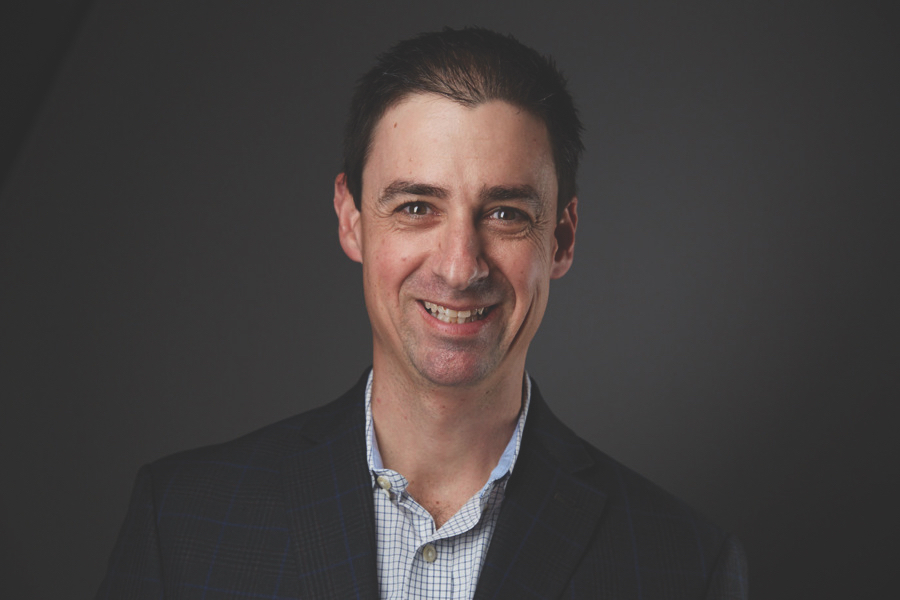
Spotlight On: Brian Kornfeld, President and Co-Founder, Synapse

Writer: Max Crampton-Thomas

2 min read August 2019 — The growth of Tampa Bay’s entrepreneurial ecosystem is a testament to the boom of innovation, collaboration and economic rise that the region is experiencing. The key to keeping this growth sustainable comes down to multiple factors, including attracting more venture capital into the region, improving connectivity between startups and the continuous marketing of Tampa Bay as the place to start a business. One of the leading forces behind Tampa Bay’s entrepreneurial ecosystem is a nonprofit 501(c)(3) organization known as Synapse. Invest: Tampa Bay recently sat down with President and Co-Founder of Synapse Brian Kornfeld to discuss how the organization is attracting and retaining quality talent, how their program Synapse Connect will help to improve connectivity between entrepreneurs, the key to attracting more venture capital to Tampa Bay and the challenges still facing the startup community.

How is Synapse working to help retain quality talent in the Tampa Bay workforce ecosystem?

Talent is one of the most important focus areas for Synapse because talent attraction and retention in Florida are vital to our future. Synapse helps to tell the top stories of growth and success on a statewide and national level. This helps to ensure people know about all the great things happening in Tampa Bay. We enable connections between talent, startups, and companies through our Synapse Summit, Synapse Challenges, and the Synapse Connect digital platform. By enabling the right stories and the right connections to take place, people can truly see a bright future in Tampa Bay.

How is Synapse Connect helping to connect entrepreneurs and bring their ideas to life?

When we first started Synapse, the idea was this platform that has become Synapse Connect. The thought of running a conference was not even on our radar, so it is interesting that our conference is what we are now best known for while Connect is still up and coming. The goal is that in the future Synapse Connect will be at the center of Florida’s innovation community. It will be the logical first step when somebody joins the innovation community, so they can find what they need or share what they have. We feel it will be vital because the geographic regions in Florida are so separate. If we can shrink the state virtually than we can help people find the right resources no matter where they may be physically located. 

What is the key to attracting venture capital to Tampa Bay?

Steve Case, founder of AOL, noted that 75% of venture capital is spent in San Francisco, New York, and Boston. That is three markets receiving 75% of all available venture capital in this country, while the state of Florida only sees 3% of all venture capital. One of the main reasons we do not see more venture capital across the state is because we do not have the volume and critical mass of startups quite yet. This will change in Florida as we are starting to see more people rapidly getting into the startup and innovation worlds. As more quality companies build and grow, we will see more money put to work.  Organizations like Florida Funders are doing a great job as the leading edge and thinking differently on investing, helping to enable and encourage more of the state’s accredited investors to get involved.

What is the most notable challenge facing the startup and entrepreneurial community in Tampa Bay?

Part of the challenge with the startup community in Tampa Bay is trying to find our identity. We are pretty wide in terms of the different industries that we are trying to service, but we need to focus our efforts on being great in just a couple areas. This will allow us to be an inch wide and a mile deep. We have core leading industries, such as cybersecurity, digital health, and financial tech. We need to continue to play to our strengths. Startup companies also need to be educated on how to build for a customer’s needs, to solve a problem and learn how to create a product better than their competitors. After these companies have mastered this, then they can learn how to grow and scale. 


To learn more about our interviewee, visit:

https://synapsefl.com/

Spotlight On: Roxana Scaffidi, CEO and Owner, Florida Accounting & Advisers

By Max Crampton-Thomas


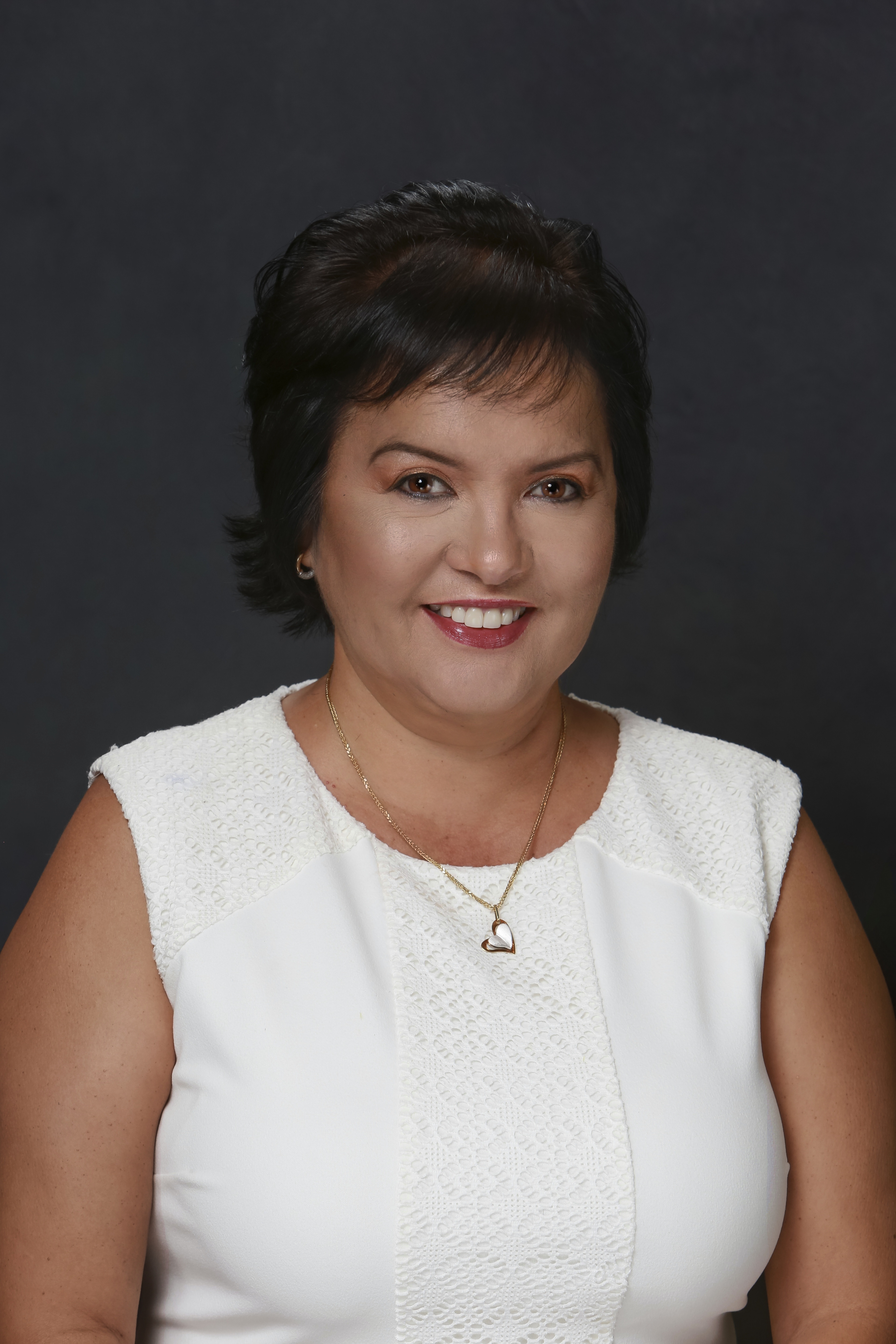
2 min read August 2019 — There are multiple factors that attract people to Florida, including wonderful weather, a growing economy, an ecosystem that is conducive to successful businesses and perhaps most attractive, the tax climate. After the passage of the sweeping tax reform known as the Tax Cuts and Jobs Act of 2017, the tax climate in Florida only became more attractive to both people and businesses looking to relocate. Now, almost a year and a half since the reform has been in effect, there is a greater need for proficient accountants and financial professionals to help navigate this legislation. Invest: Palm Beach spoke with Roxana Scaffidi, CEO and owner of Florida Accounting & Advisers about how the new tax code is affecting people’s lives, the key to success within the accounting and financial world, and how she created a successful business in Palm Beach County. 

How have you seen the tax reform affect people’s lifestyle? 

The new tax code has really changed people’s lives, and we are now seeing certain individuals immigrating to Florida because of the business opportunities that the state offers and its quality of life. High income tax states include New York, California and Massachusetts, and those are the people coming here. To qualify for Florida’s tax benefits you must be a legal resident here, which means six months and one day of residency. Under the new tax laws, individuals are capped at $10,000 as a deduction for their state income taxes, personal property taxes and their sales tax. In addition, if they have a large mortgage on their house, the new tax code only allows them to deduct interest up to $750,000.


What is the key to success in this industry? 

The key in this industry is to be proactive rather than reactive. We observe what’s going on in the world today with the national and world economies. Everything is changing and as it changes you start to see more vacancies in areas where there used to be none. This is demonstrated with how Amazon has essentially killed a lot of the big-chain retail stores. To succeed in today’s market you need to stay on top of emerging trends and you can’t be afraid to point out these things.


To what do you credit the success of your business in Palm Beach County? 

When I started this company I knew that to run a successful business I needed to not only have a great product but also to always remain community-minded. As the 2018 Small Business of the Year recipients, I realized quickly that Boca Raton is very business and community-minded, so it was the perfect place to set up my business. I set out to build this business based on my values, knowing that those same values would translate to trust among our clients. In this business there is nothing more important than having your clients’ full support and trust.


To learn more about our interviewee, visit:

https://www.fl-accounting.com