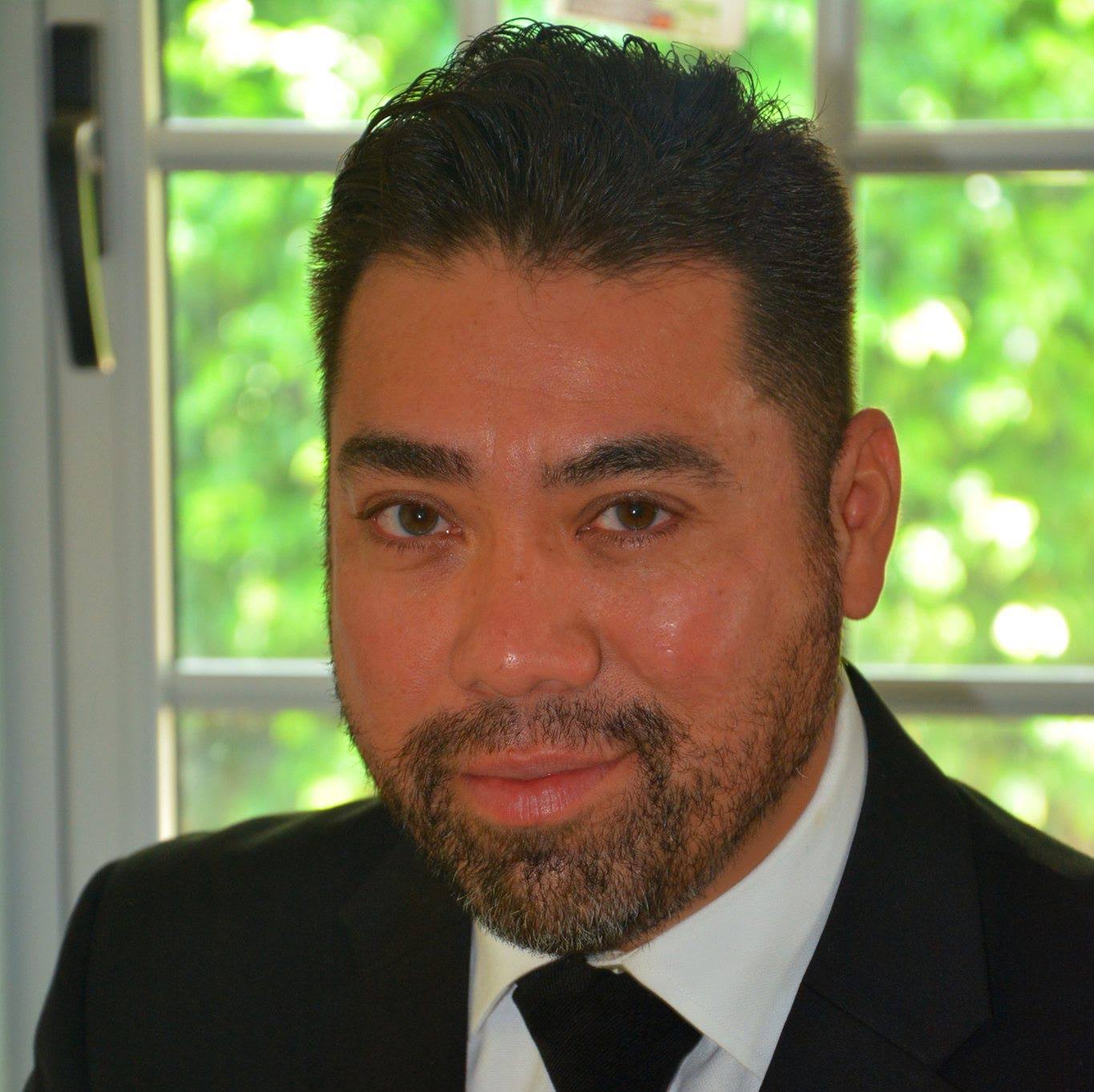
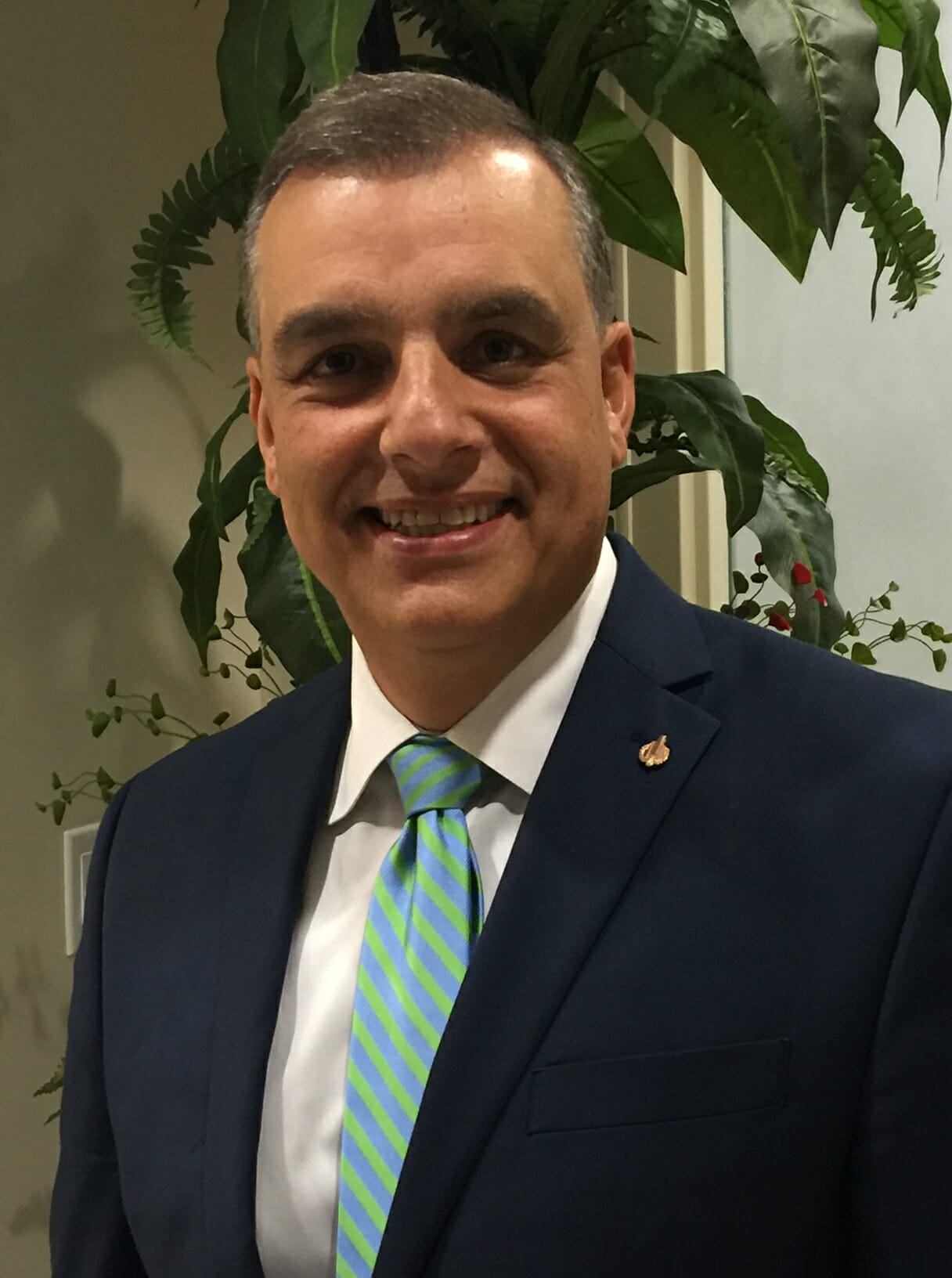
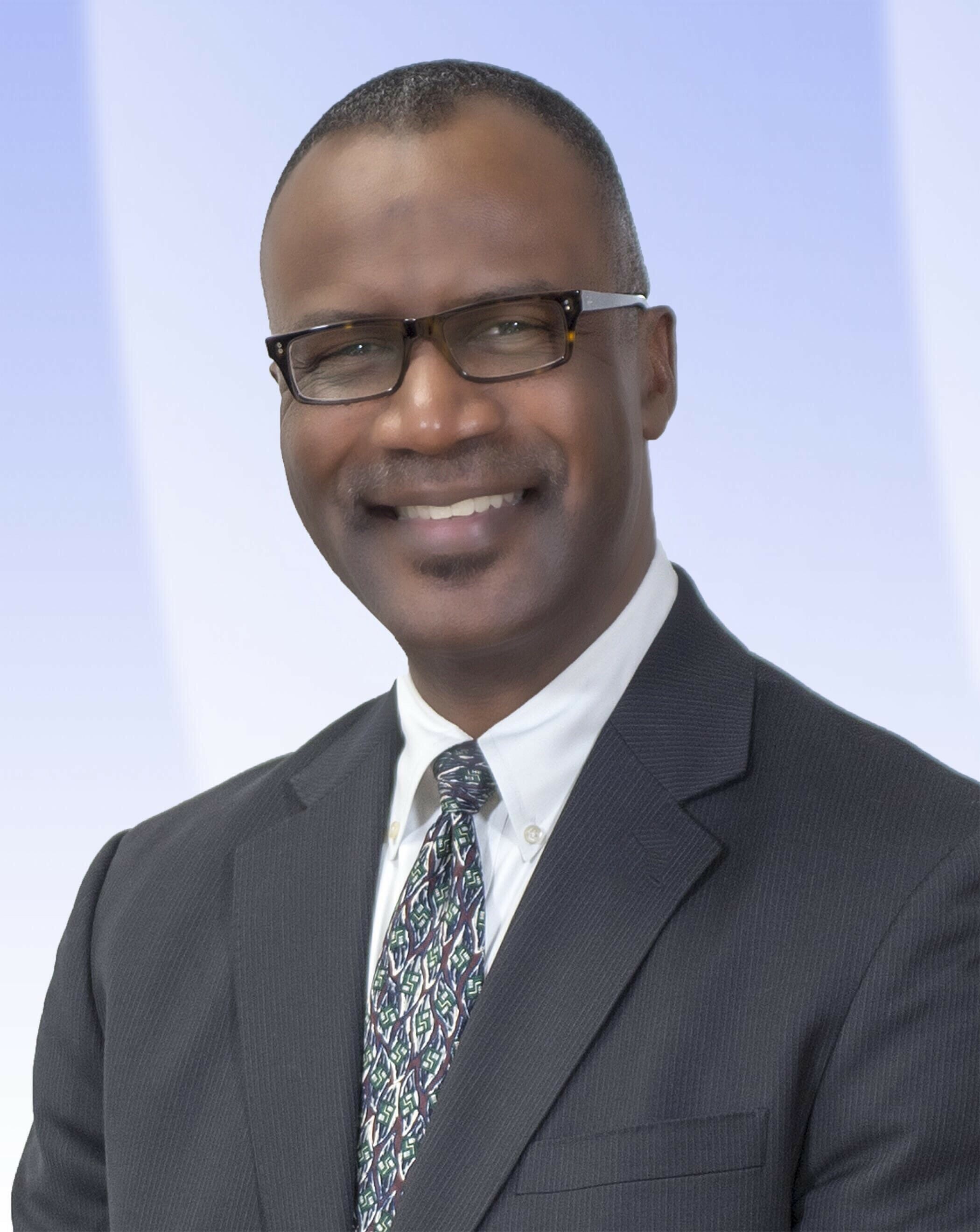
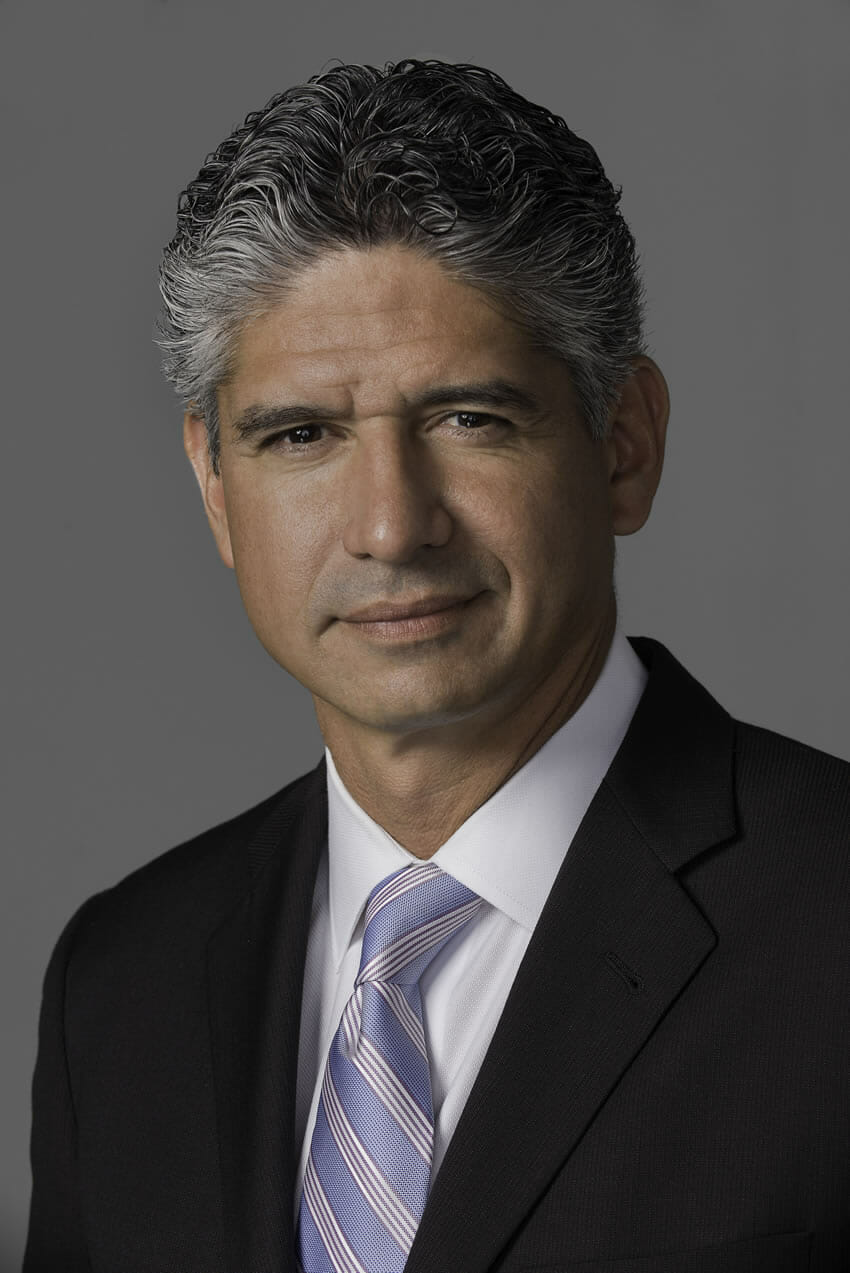
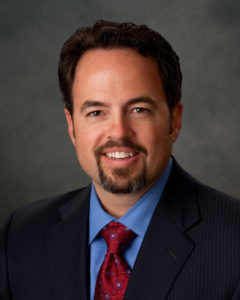
Invest: Miami speaks with Jason Barker, President, ChenMed


What business advantages do you enjoy from your home base in Miami Gardens?

Our headquarters location is perfect. We are where several highways come together. Because of this, we have easy access to our clinics both north and south. Plus, the busy highway system gives us great visibility. Thousands of potential customers drive past ChenMed every day. We also benefit from a diverse and excellent talent pool with competencies in healthcare. Our centers are multilingual and multicultural, effectively serving, Cuban, Haitian, and African-American patients in convenient neighborhood locations. Our centers are not located in high-rent areas. So, we can focus more resources on serving patients; and can continually test and refine innovative approaches to care. Ours is a culture of love, accountability and passion. Our physicians annually see fewer than 400 patients on average, intentionally. As a result, our physicians frequently see patients up to 12 times per year. Because our patient panels are one-fifth as large as the national average, our doctors nurture outstanding relationships with each of their patients. Better physician/patient relationships, combined with onsite specialists, laboratory tests, medication delivery, and courtesy transportation really make Chen Senior Medical Centers special places – especially for seniors living with major and complex health challenges.

How do technology innovations improve your patient care?

Our nimble IT company, ChenTech, is constantly improving our electronic health records system and other end-to-end technologies designed specifically for medical practices that deliver value-based care. We leverage technology to empower ChenMed doctors, so they can continuingly help patients achieve better health outcomes. ChenTech offers custom services like Silicon Valley – all to help doctors stay focused on patients and best practices.

Invest: Miami speaks with Monsignor Franklyn M Casale, President, St. Thomas University


Miami Gardens faces challenges, but we are working with the community. We have many initiatives in both the public and charter schools here, and use state and federal grants to increase educational success. We also have important programs at St. Thomas University (STU) that are geared toward helping mature students who want to begin or complete a college education. We have developed many of our new programs based on what The Beacon Council, the County’s business development agency, has identified as target industries through their One Community One Goal Initiative. To best serve the employment market, we have added market-ready programs in cybersecurity and big data, along with expanded nursing and health sciences offerings. There has been a significant expansion of our business advisory board, and we have a president’s advisory board made up of mostly business people and people who are related to the different fields in each one of our schools. Additionally, we are proud that over 1,200 of our students in our undergraduate, graduate and law programs are Miami-Dade natives. The government has to remain involved in supporting higher education, especially if it is going to be more accessible. We cannot do it ourselves, especially as private independent institutions. Money is not wasted in higher education at STU. We are constantly looking at our finances in order to offer the best for our students. We need to ensure that people appreciate what we are doing and make funds available. The business community also needs to be slightly more forthcoming, not only with resources, but also with opportunities. We have wonderful higher education institutions in this community, and local businesses need to embrace this. They need to consider our institutions while recruiting. The trustees and friends of STU are very generous. We actually have scholarship funds that are entirely created through donations and private foundations. That is how we are able to help provide support for many students. The state and federal governments provide some funding, but it is not enough.

Invest: Miami speaks with Roslyn Clark Artis, President, Florida Memorial University


From an education standpoint, what are the main challenges to prepare the workforce for an ever-changing job market?

We need to focus on the technology and innovation sector, which is the significant driver of today’s global economy. We must be particularly mindful of South Florida’s needs. High demand areas like aviation and cyber security require a talent pipeline.

How can universities better connect academia with industry to best facilitate praxis?

Florida Memorial University received a significant grant from the Lilly Endowment and the United Negro College Fund. When we were writing for the grant, there was a planning phase where we met with local industry leaders on campus to talk about what they want to see in graduates, what the current market demands were and the skill sets that industries are looking for. Our faculty members then submitted ideas to better connect academia with the needs of industry. The results have been incredible and give us confidence that we are equipping our students for the jobs the market is demanding.

What are the main efforts being done to ensure the affordability of higher education in South Florida?

I am proud to say that we are the least expensive private institution in the State of Florida. We are trying to keep our costs fat because we understand the difficulties that our population has when it comes to being able to afford higher education. This is why for the past four years our costs have not increased.

How does Miami Gardens factor into the equation?

Miami Gardens is a uniquely strong location. The mayor and members of the city council have taken important steps to seek out new opportunities and investments as well as attract new businesses to the city. The stadium is creating job growth, technology firms are investing in the area and schools are opening. You quickly realize that Miami Gardens is full of opportunities.

Invest: Miami speaks with Cameron D. Benson, City Manager, City of Miami Gardens


At one time, the city owned more than 60 acres of land. The philosophy during that time was that by maintaining ownership of the land, the city would control the type of development on the sites. However, I look at it differently. My approach is that by controlling zoning and to some degree the land use, the city can encourage the best development for not only city-owned properties but also for those owned by the private sector. This allows us to attract the right companies and investors to help the city grow in the best way possible. We’ve made changes throughout the city to encourage more investment. One area in particular is the adoption of the Entertainment Overlay District (EOD) along the NW 27th Avenue Corridor. The purpose of the EOD is to encourage various uses, such as movie theaters, hotels, restaurants, retail, commercial and mixed-use opportunities. The $60-million General Obligation Bond (GOB) voted for by city residents has been a tremendous selling point to the private sector looking for opportunities. Once private investors know public investment is being pumped into a community their interest grows, and they are more inclined to invest in the vision regarding those communities. The GOB has sent a positive message to the business and residential communities that the city is willing to take the lead in making investments in its own neighborhoods. This approach has led to attracting more investment opportunities in our city, proving private dollars truly follow public dollars. We have two large tracts of land that are going through a transformation. Both will have a positive impact on our tax revenues for years to come. Finally, we constantly review and restructure the fees that investors pay to the city to ensure they are comparable with other cities. This encourages those who might want to make improvements to their facilities and, of course, for the larger scale developments.

In the zone

How strategic city planning is helping Miami Gardens grow its economy

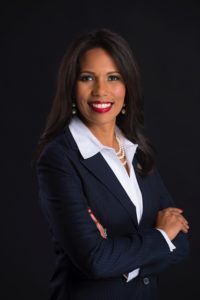
Oliver G. Gilbert Mayor – City of Miami Gardens


What has been the city’s steps to improve development?

While the City of Miami Gardens was created in 2003, it had evolved in an unplanned way. There was neither a central commercial area nor a stream of commerce unique to this area. For this development, we needed control over the largest piece of property, taxpayer or economic generator, but we were the only city in Miami-Dade County that didn’t have any zoning or building control over Hard Rock Stadium. Miami-Dade had that control. We eventually started a series of discussions and we were able to come to an agreement and now share control and we’re the primary voice in what goes there. Having control is important because we are going to develop this area in a way that meaningfully affects how services are provided and what people can do in the city. The latter is the one that transforms the city into a community. We have seen community involvement in the referendum on the stadium. We are now working with Calder Race Course Casino to the north. We are decoupling the racing and gambling. Calder sits on 170 acres of land, and if we decouple the racing from the casino, they can have the casino without expanding gambling, and we can develop the area around it into a place where people can spend money. It will create jobs, improve the tax base, improve the general quality of life and decrease traffic. One way to improve traffic is by having restaurants, shopping and movie theaters closer to where people live. We are developing businesses by helping them to function more effectively. Hard Rock Stadium was a part of that and now we are moving on to Calder. My message is “I’ll be as fast as you are, and make it as easy as I can. What I need you to do is come here and make your money but provide services in a way that creates an added bonus for the people who live here and creates a reason for other people to visit.”

What is being done to attract business?

One of the things that is interesting is that a lot of major commercial corridors in this area were zoned for residential uses, so we changed that and added things like an entertainment overlay that allowed more uses. That means that when you bring your business here, you have more money. You can incentivize people to do things because people act in their own interest. You find a way to make your interests match theirs. The back part of Calder has now been rezoned to part commercial and part industrial. This is because we want to build an office park back there. We can keep the front edge for retail. Property developer Bridge has a huge site that used to be a landfill. We are working with them to transform that into a modern industrial park so that we can bring in more businesses.

Talent development

How Florida International University is nurturing students to create the best opportunities

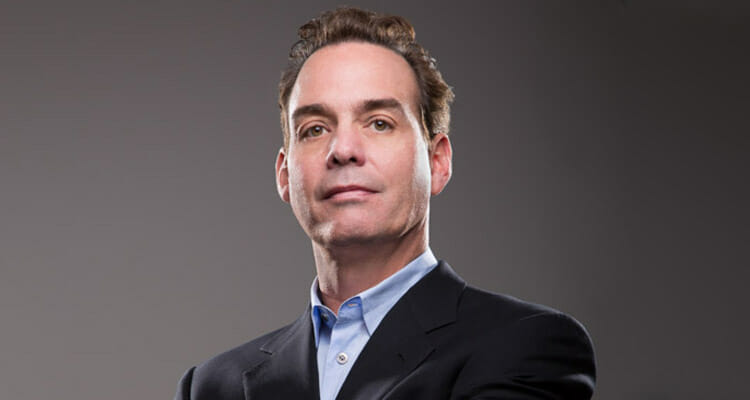
Mark Rosenberg President – Florida International University
 

What policies could be implemented so as to further expand research?

We have to find a way to incentivize faculties to be more innovative and creative. That involves giving them a significant part of the revenue created by anything they might invent. Great faculties also need great graduate students, and they need postdoctoral scholars. Postdoctoral scholars are individuals who have got their PhD, but are willing to work as assistants to professors who have already been on the field for a long time.

What are the main challenges to remaining leaders in research? What differentiates the facilities of Florida International University facilities from others?

The main challenge is to continue to maintain the talent here and to continue hiring great professionals. The facilities are critical because advanced research is expensive we need great facilities. We are fortunate that the state has been willing to invest in science and laboratories, as well as engineering laboratories, at Florida International University (FIU). We have been able to double our research since 2009. In 2016, Forbes named us as one of the top large companies to work for in the U.S. We were ranked 64, with more than 5,000 employees, and were ranked second in Florida.

How can the universities better connect academia with industry?

You have to look at what we’ve done with The Beacon Council with the One Community, One Goal initiative where, of seven sectors, we identified six and developed a plan to work directly with industry. Secondly, we are in discussions with The Beacon Council’s advisory group, academia and the business community to determine how we can collaborate. Third, is that we set up the talent development network, which is a portal providing internships for students to work in industry. Industry often claims that we aren’t responsive to their needs but it’s a shared responsibility because the occupational spectrum is so specific and so detailed that it’s hard to believe that industry thinks that we could produce specialists for each of the specializations that they have in their respective company. The Talent Development Network, which isn’t just FIU, has placed over 200 students in careers. All of the institutions of higher learning in Miami-Dade County working together assure that students can understand what their career is going to look like and that they are going to have a potential opportunity with a company. The company can train students and they can come back and take full-time positions. The national data is that 65 percent of students who take internships eventually work with the same company at a salary premium of $12,000 to $13,000.

The sun shines on Miami’s startup scene

Invest: Miami speaks to local market experts

December 2017 – South Florida’s startup scene is exploding. From the healthcare sector to aviation to the banking industry, locals and newcomers alike are looking to the area to invest in startups.

The Kauffman Foundation’s 2017 Index of Startup Activity ranked Miami as the number one metro area in the U.S. for business creation. Many young and entrepreneurial minds are moving into the Magic City. A lot of activity is emerging, especially with the recent growth trends in the health tech sector and the popularity of co-working spaces. Specifically in the healthcare sector, institutions are heavily injecting money to invest in these innovative health tech startups. But that’s not the only sector with a lot of new activity heating up.

Invest: Miami spoke with a number of experts within the South Florida market to take the temperature of the region’s startup scene. Here’s what they said:


Humberto Alexander Lee, Managing Director, Tesser

“Large healthcare organizations, both providers and payers, are meeting the challenges of driving innovation by directly investing and acquiring healthcare startups. Healthcare IT startups, whose entire scope is to drive the development of new technology in the healthcare sector, understand that they must show a significantly higher ROI than the traditional leading solution providers. This creates a symbiotic relationship in which startups have access to distribution and strategic resources, while health organizations can focus on patient satisfaction and corporate mandates, resulting in a partnership that delivers results in terms of quality of service, patient satisfaction and costs”


Ian Herman, Chairman & CEO, Ibis Airlines

“South Florida’s consistent economic growth and Governor Scott’s promotion of aviation as one of the state’s top priorities is encouraging a lot of new activity in the local aviation sector.”


Bob Zangrillo, Chairman & CEO, Dragon Global

“Magic City represents a project that will create and support new jobs for the area surrounding the development rather than just targeting tourists. We are currently going through a phase of adaptive reuse and moving in hundreds of technology employees, which will help create a tech hub. Together with attracting high-tech tenants, Magic City will also draw from Miami’s growing creative arts, culture and entertainment sphere.”


Israel Velasco, Florida Region Executive, Popular Community Bank

“There are organizations here designed specifically to support and aid startup activity. These incubators assist in the creation of startups in order to foster entrepreneurship in Miami, whether it’s tech driven or in another industry.”


Michael Finney, CEO, Miami-Dade Beacon Council

“There is a young and thriving entrepreneurial culture in Miami-Dade. The county has great assets such as the University of Miami’s Life Science and Technology Park, which is also the home of the Cambridge Innovation Center. The Kauffman Foundation has recognized Miami as a major entrepreneurial hub in its Index of Entrepreneurship.”


George Cuesta, CEO, Cuesta Construction

“The U.S. is missing out on a big opportunity to encourage new entrepreneurialism via the skilled trades. Construction is a great example of a rare industry configuration in which individuals very often begin as laborers and later move on to becoming entrepreneurs and creating their own businesses.”

To find out more about our interviewees above, visit their websites at:

Tesser: http://tesserhealth.com

Ibis Airlines: http://ibisairlines.com

Dragon Global: http://www.dragonglobal.com

Popular Community Bank: https://www.popularcommunitybank.com

Miami-Dade Beacon Council: http://www.beaconcouncil.com

Cuesta Construction: http://cuestaconstruction.com

Embracing globality

How University of Miami is capitalizing on the county’s unique location

Dr. Julio Frenk President – University of Miami


What is the main role of University of Miami as an institution within Greater Miami?

This university was opened only 29 years after the City of Miami was founded. The founders realized, as early as 1925, that the city needed a higher education center. We have developed a hemispheric strategy, which has five pillars. First, we need to study the hemisphere. By this, I mean the entire continent from Canada to the southern parts of Latin America. Because our hemisphere is the New World, you cannot understand it without also understanding the Old World, emphasizing a global perspective. Our advantage in Miami is that we are truly a cross road between the cities of the Americas. To better study the hemisphere, we have created the University of Miami Institute for Advanced Study of the Americas. The second pillar surrounds education exchange. We want to take education exchange to a whole new level, and for this, we have created the Hemispheric University Consortium where students will be able to move around universities and get credits for the courses they take. The third pillar is research. We already have an extensive and vast network of very talented researchers. The fourth is technological innovation. By partnering with businesses, government and civic organizations in Miami-Dade and South Florida, we can become the most comprehensive research university of the region. And the last pillar is healthcare. Our aim is to expand our already vast amount of patients and forge strategic and collaborative arrangements.

What are the main challenges in preparing today’s youth for an ever-changing job market?

Our success will be measured in how well we prepare our students for the rapid changes they will face in the labor market. Our graduates are entering a labor market that has never changed as fast as it is doing so right now. This is mostly because of advances in automation and artificial intelligence. This means that machines will displace plenty of jobs, but it also means that an important number of new jobs will be created. Some studies show that children entering elementary school this year will, by the time they graduate, work in jobs that don’t exist today. The way to address this is to have a university with an open architecture that allows people to enter as many times as they need to keep themselves updated. In addition to developing certain specific skills in specific areas, we also develop cross-cutting competencies that have to do with critical thinking, creativity, good communication skills, emotional intelligence and entrepreneurship.

Miami’s Party for the Arts

On Monday night, it felt good to go crazy,” wrote art blogger Jordan Levin. She was talking about Bringing Art to Life, a night of free performances at the Pérez Art Museum Miami, Frost Science  Museum and Knight Plaza, where more than 3,500 attendees celebrated the transformative energy of the arts in Miami.

The party marked the 10th anniversary of the Knight Arts Challenge, which this year gave $7.8 million to recipients in four U.S. cities for their innovative ideas on engaging and enriching communities through the arts. Miami had 43 winners of a collective $2.5 million award across an impressive range of ideas, mediums and cultures, with a particular focus on black culture, history and experience. And noteworthy this year was the selection of 25 arts champions: civic and arts leaders who were each given $10,000 in Knight Foundation funds to direct to local artists or arts organizations of their choice.

The artists were stars for the night, enjoying the spotlight right at the center of the city’s glittering arts scene. The eclectic mix of people ranged from humorist Dave Barry to New World Symphony’s Howard Herring to drag queens in bright sequins. Thousands mingled on the terraces and plazas surrounding PAMM and Frost Science, enjoying bands, DJs, dancers, poetry and projections.

Although Art Basel tends to get all the credit for positioning Miami as an arts hub, the Knight Foundation has unequivocally been a key driver. For more information, visit the Knight Foundation website at www.knightfoundation.org/10.