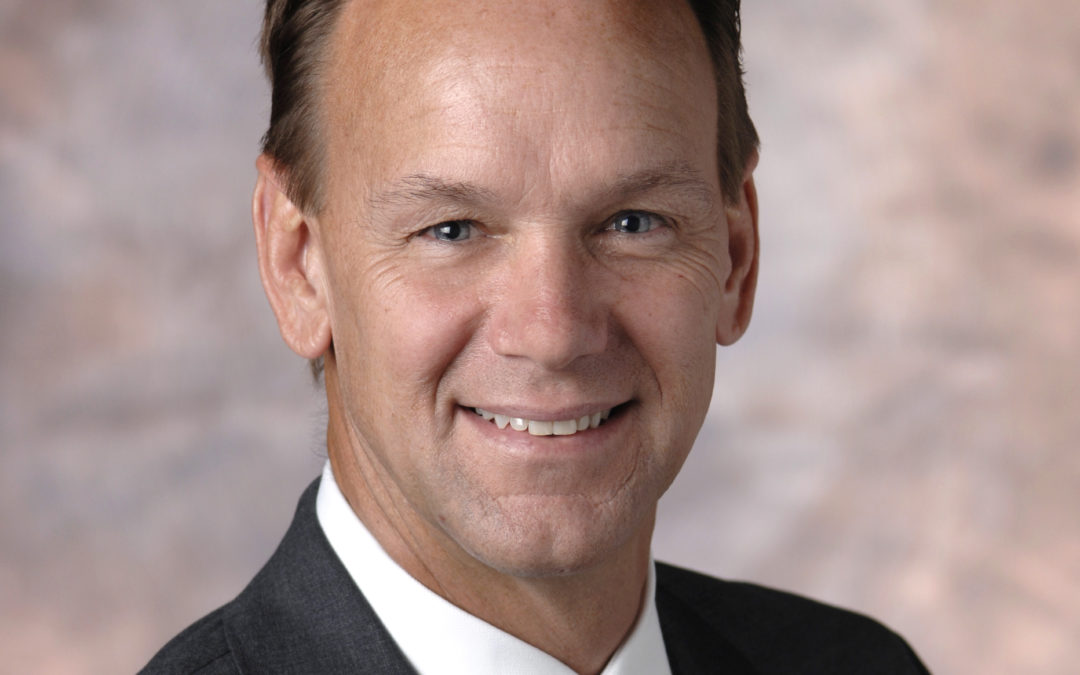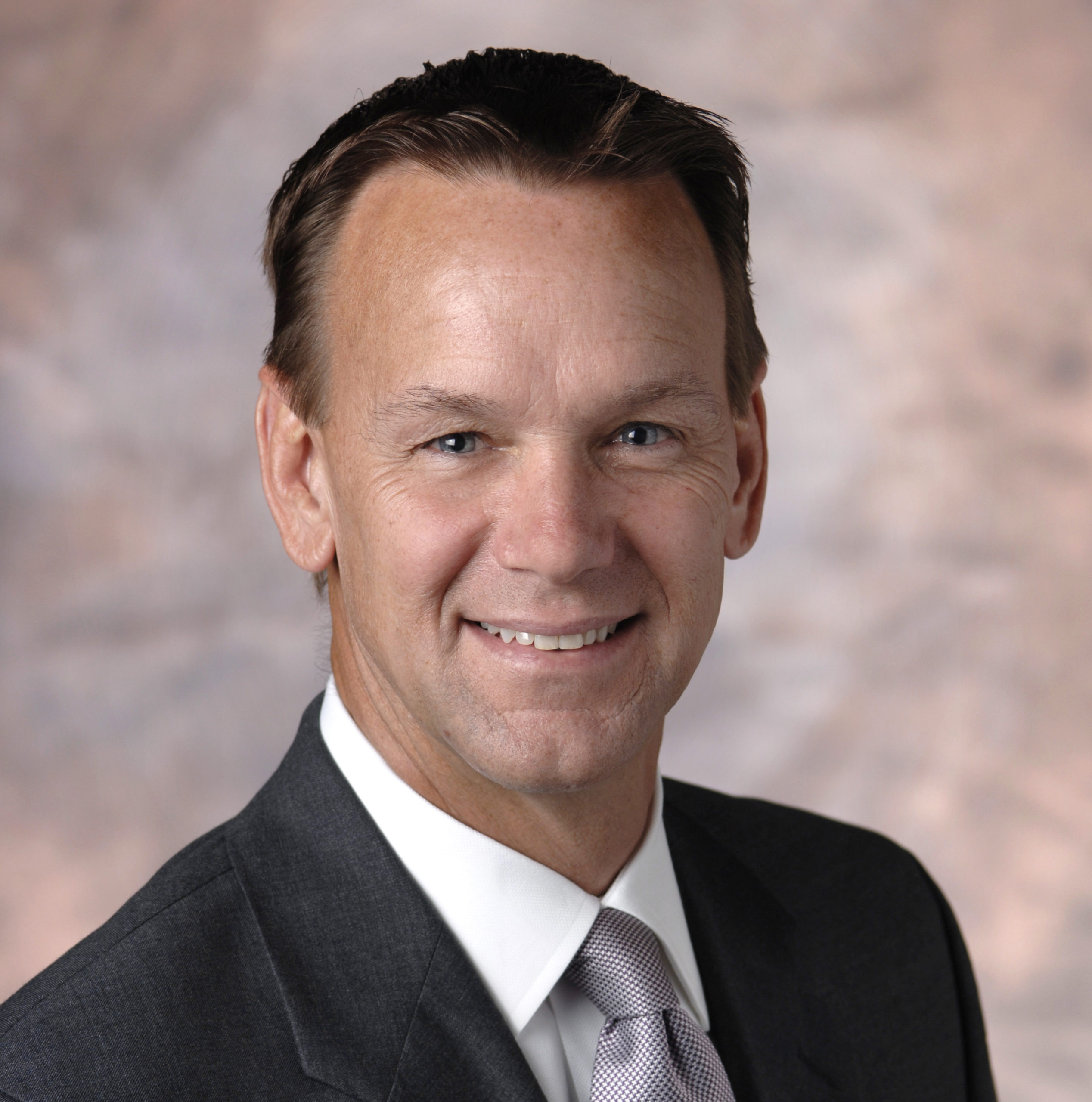
Spotlight On: Daryl Tol, President & CEO, AdventHealth — Central Florida Division

Spotlight On: Daryl Tol, President & CEO, AdventHealth — Central Florida Division

By: Yolanda Rivas

2 min read January 2020 — The increase in free-standing healthcare locations across the nation continues to be a great part of many healthcare institutions’ renovation efforts. Faith-based, nonprofit organization AdventHealth has been expanding its free-standing locations in response to this trend. AdventHealth is also re-designing its system to adjust to the diverse population moving to Florida. President and CEO of AdventHealth’s Central Florida Division Daryl Tol spoke with Invest: about the network’s efforts to respond to national and local trends. 

What are the fastest-growing areas of service and care in Orlando?


There are several. One is the free-standing emergency room. We have added quite a number of free-standing locations with doctors and emergency services in areas of need, instead of having to build a whole hospital. We are growing our academic work around community cancer research. The cardiovascular institute is seeing high demand as well. We are also redefining our primary care model to include virtual care, which will allow patients to connect via video or text messages with their doctor.

What has been the impact of the healthcare industry as a dominant growth driver in the region?


If you look at Florida, and Central Florida in particular, growth is happening here in a significant way. We are managing a considerable line of growth in the senior and multicultural population. People from all kinds of backgrounds are moving into the state. We are responding to that in the way we design our system. We provide care for seniors and for people from all kinds of different backgrounds to communicate more clearly, enhance translation services and build locations in new communities, including communities of need that haven’t had healthcare historically. We believe our network should be accessible to everybody.


What are some of Advent Health’s strategies for innovation in providing quality care and patient experience?


The Center for Genomic Health is an important effort. It will focus on personalization around the patient’s personal profile. It will help us understand which medications and types of treatments work better for each person and identify risk factors. We can start really investing in each patient’s particular needs. A second effort is putting technology in the hands of consumers through our mobile app, which will launch its 2.0 version this year. It will alert people about care that is needed, help them in the scheduling of certain services and create price transparency. We have also launched a command center — the largest of its kind in the nation, both in size and scope of operations — where artificial intelligence will be used to provide the best care in how people get to our locations.


We’re a significant leader in robotic surgery. For a long time, our Nicholson Center has been a training center for robotic surgery. We have a number of robots there that surgeons use to perform surgery. In 2018, we were the first to purchase and perform a procedure with a new robot. We see robot technology improving, and we’re on the leading edge of that work as well.


To learn more about our interviewee, visit:

AdventHealth: https://www.adventhealth.com/hospital/adventhealth-orlando 

Spotlight On: Mike Schultz, President & CEO – West Florida Division, AdventHealth

Spotlight On: Mike Schultz, President & CEO – West Florida Division, AdventHealth

By: Max Crampton-Thomas

4 min read December 2019 — AdventHealth promotes a model of healthcare based on prevention and promotion of healthier lifestyles to help keep a lid on the rising costs of medical attention. The organization is also trying to make use of technology to make it easier for patients to access healthcare even from their cellphones and make educated decisions about their wellness, said President and CEO of the West Florida Division Michael Schultz.


What has been AdventHealth’s key focus over the last year?


We worked to rebrand our healthcare business, including a name change to AdventHealth. The change was focused on bringing a new definition to healthcare. Historically, providers have been in the business of fixing health, but our philosophy is to maintain health and prevent episodes that could have been avoided through a healthy lifestyle.


Along with our rebranding as AdventHealth, we introduced the tagline, “Feel Whole,” which clearly illustrates our intent to promote a healthier lifestyle. We have been successful in the Tampa Bay market with respect to building a solid brand. Our expansion and acquisition projects are geared toward better covering the expanse of growth in the Tampa Bay market. We have a variety of things going on, from projects being completed or in the process of starting. We have also added to our list of assets, acquiring a couple of hospitals in Dade City and Ocala. 


We are also looking into partnerships to bring healthcare to the home. I believe that is the way of the future for the delivery of healthcare because you can do so many things now with high-speed Wi-Fi that helps patients avoid unnecessary trips to the hospital to get diagnosed and treated.


Why has your organization decided to focus on preventative healthcare?


One of the key aspects of preventive healthcare is our model of never discharging a patient. Historically, hospitals wheel out their patients and wave goodbye to them. We have taken the stance that we don’t ever want to discharge a patient. A visit may end, but we connect with our patients before they leave any of our facilities and ask them if we can assist them through the next level of care. That may be a follow-up visit, a better dietary regimen or access to medication. We offer 95% of our 200,000-plus annual patients access to care navigation and a large percentage of our patients accept the offer. That is a way of making sure they don’t go home and start repeating the same actions that brought them to the hospital in the first place. This helps with maintaining health, reducing cost of healthcare and gets us in a space where we are directly connected to the patient. 


We have been intentional in making sure our consumers have a wide variety of access to different sites of service based on cost. This allows them to make the smart decision and not go to an emergency room for a simple cough that could be treated at a physician’s office or an Urgent Care Center. We want to be transparent about the cost of healthcare so that consumers can make educated decisions regarding their medical needs.


We also are careful about marketing our different levels of care. One of the biggest initiatives we have begun to promote is connecting to our consumers via the way people get connected today, through their smartphones. We offer an app that helps you understand where you should and should not go for cost-effective care. We are hoping that through these types of apps we can better educate people to make decisions based on their condition and financial resources.


What challenges emerge from providing healthcare to diverse demographics, younger and older populations?


In many markets in and around Tampa Bay we are seeing a more elderly population moving in. Retirees are starting to discover the beauty of Tampa Bay. But in general Tampa Bay is a fast-growing, diverse community and it is a large geographic area. The key to addressing the healthcare needs of the diverse demographics is to ensure close to home access points, and the ability to connect anytime, anywhere.


We also believe we need to make every effort to make healthcare more affordable. Perhaps the way of the future is to help change the reimbursement model.  Currently, you pay when you are sick; a health system is incentivized to provide services to get you well. What if we changed that? For example: a health system might get $10,000 a year regardless if you are well or sick. If you get sick, and it costs the health system $25,000 to take care of you, it loses money. If the Health System keeps you well, and able to keep medical costs at $5,000 because it was proactive in looking out for your wellness, the system makes money.  


If we are going to help solve the cost problem in healthcare, we are going to have to work on aligning incentives around health.


How is the organization coping with the challenges of recruiting new healthcare talent?


First, there is a nursing shortage. At any given time, we have around 800 open positions at our seven facilities in the greater Tampa Bay market. It is difficult, particularly in Tampa, to recruit nurses because the sector is growing and there are many providers. We have developed partnerships with a number of schools to ensure that their nursing students have an opportunity to rotate through our facilities. We also have a partnership with Lincoln Memorial University and opened a nursing school at the AdventHealth Tampa campus. We started late in 2017 and our first class graduated in 2018.


Regarding the physician population, we have determined that there will be a supply shortage in the very near future. In this area, too, we have partnerships with several schools to make sure their students can do their rotations through our facilities, so they get exposed to us during their education and perhaps be invited to come work with us.


To learn more about our interviewee, visit: 

https://www.adventhealth.com/


Healthcare Sector Rapidly Expanding in Orlando

Healthcare Sector Rapidly Expanding in Orlando

Writer: Yolanda Rivas

2 min read October 2019 — Orlando’s population has increased rapidly over the last few years, making it one of the fastest-growing metro areas in the United States. As the city continues to grow, local healthcare organizations are immersed in numerous expansion and improvement efforts.


The region’s main health providers have been expanding their partnerships, free-standing emergency rooms (ER), specialized centers and hospitals. The Invest: team recently met with Daryl Tol, president and CEO of AdventHealth Central Florida Region, who pointed out some of the fastest-growing areas of service and care in Orlando. 

“We have added quite a number of free-standing locations with doctors and emergency services in areas of need, instead of having to build a whole hospital. We are growing in our academic work around community cancer research. The cardiovascular institute is seeing high demand as well. We are also redefining our primary care model to include virtual care, which will allow patients to connect via video or text messages with their doctor,” Tol said.  

AdventHealth opened the Waterford Lakes ER on Sept. 27, which is its fourth free-standing ER in the area. The hospital also announced plans to build an 18,400-square foot, 24-bed hospital-based emergency department in Port Orange for adults and children, and has the Oviedo ER set to open in the next few weeks. AdventHealth has also partnered with​​ Moffitt Cancer Center to improve cancer care and establish a clinical research facility and chemotherapy/immunotherapy infusion program at AdventHealth Celebration.

Orlando Health is also deploying a high amount of capital in expansions and new developments. The $3.8 billion not-for-profit healthcare organization recently opened Orlando Health Emergency Room and Medical Pavilion – Lake Mary. The 25-room ER can manage a majority of emergencies, from minor trauma to broken bones. The adjacent medical pavilion will offer several specialties including, pulmonology, pediatrics, obstetrics and gynecology, urology, orthopedics, general surgery, cardiology, and cardiac rehab. The second phase of this campus is already in development with the construction of a hospital expected to begin in the spring of 2020. Orlando Health has a total of six free-standing ERs either under construction or completed in Central Florida. 

The community-based network of hospitals also opened the Orlando Health UF Health Cancer Center last summer, bringing advanced cancer treatment to residents of Osceola County.

Tennessee-based healthcare provider HCA Healthcare also opened its third free-standing ER in Millenia on Sept. 18. According to an Orlando Business Journal article, HCA plans to build a 12-bed emergency department in Davenport, which is expected to open in 2020. HCA has also partnered with the University of Central Florida to build the UCF Lake Nona Medical Center, which is expected to open in the fourth quarter of 2020. 

As Orlando’s population continues to rise and the healthcare sector remains highly competitive, it is expected to continue to see a high amount of healthcare-related construction and development in the region. 

To learn more about our interviewees, visit:

AdventHealth: https://www.adventhealth.com/ 

Orlando Health: https://www.orlandohealth.com/ 

HCA Healthcare: https://hcahealthcare.com/