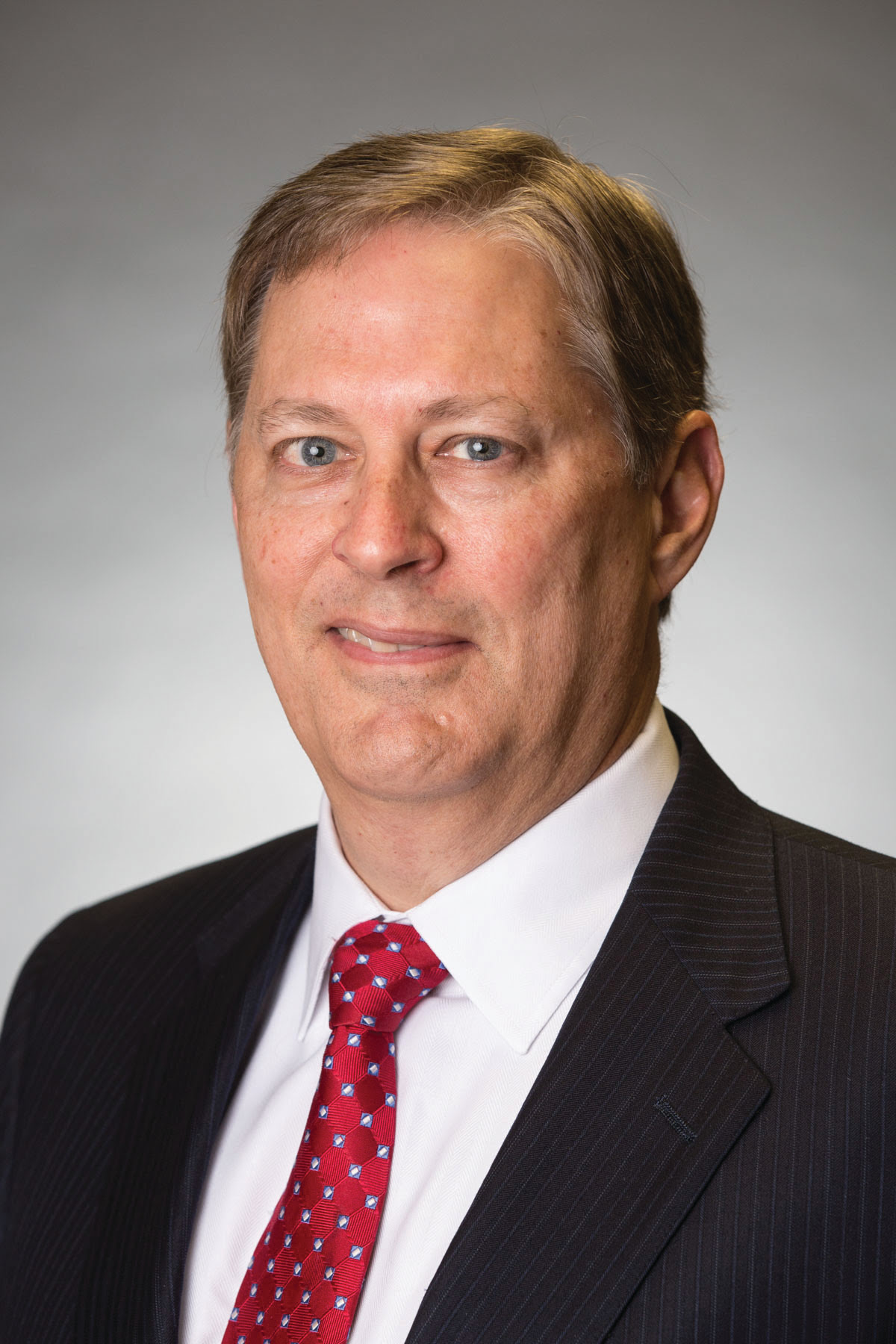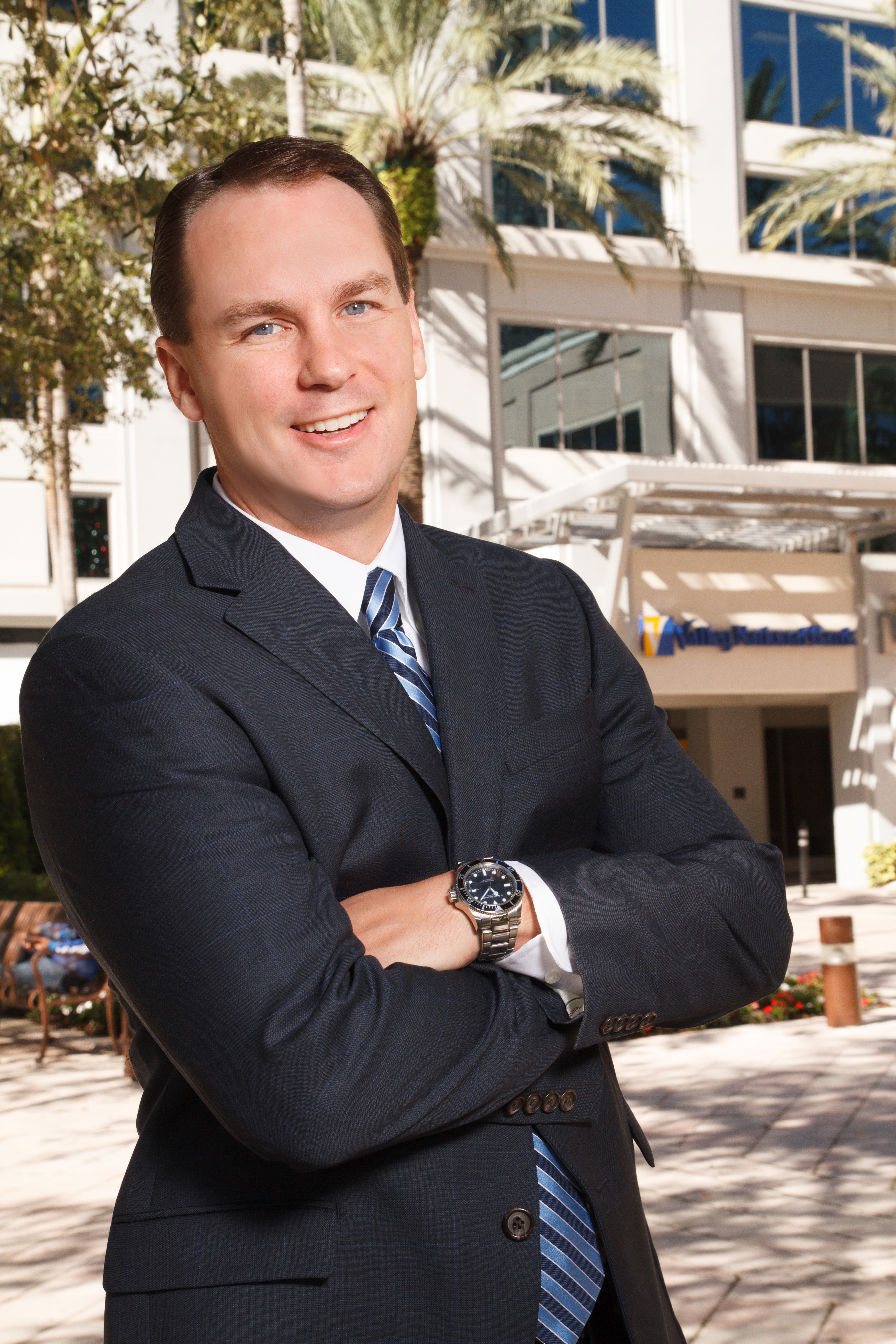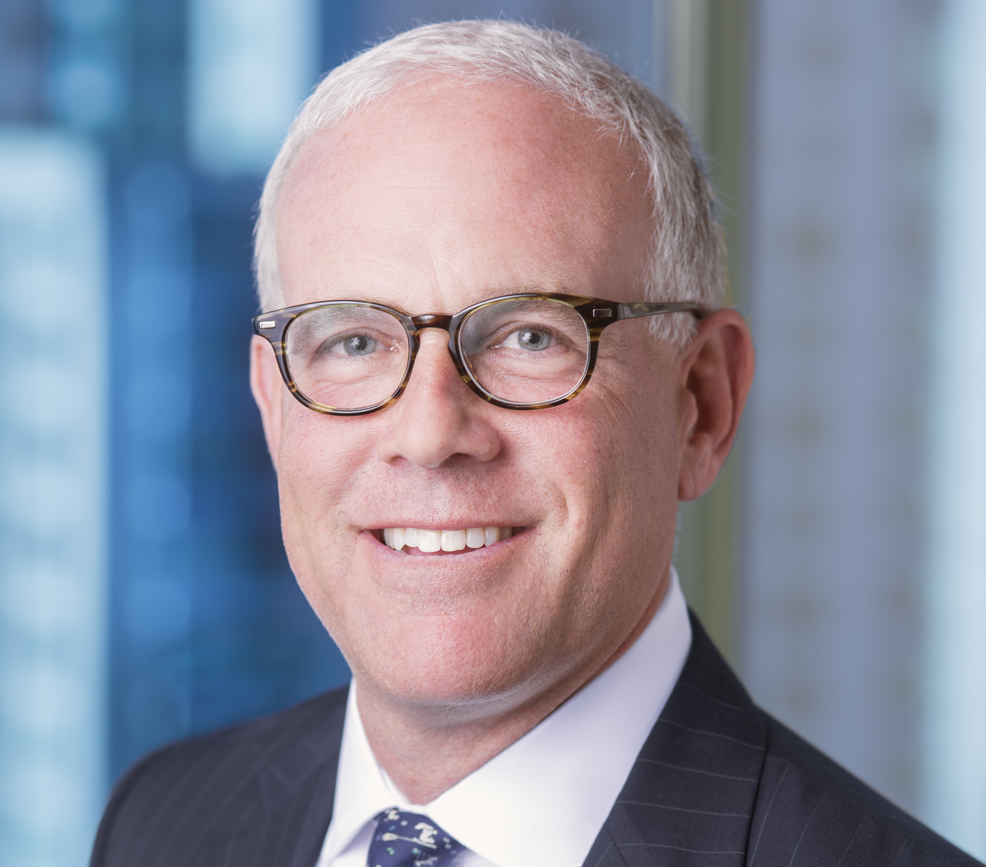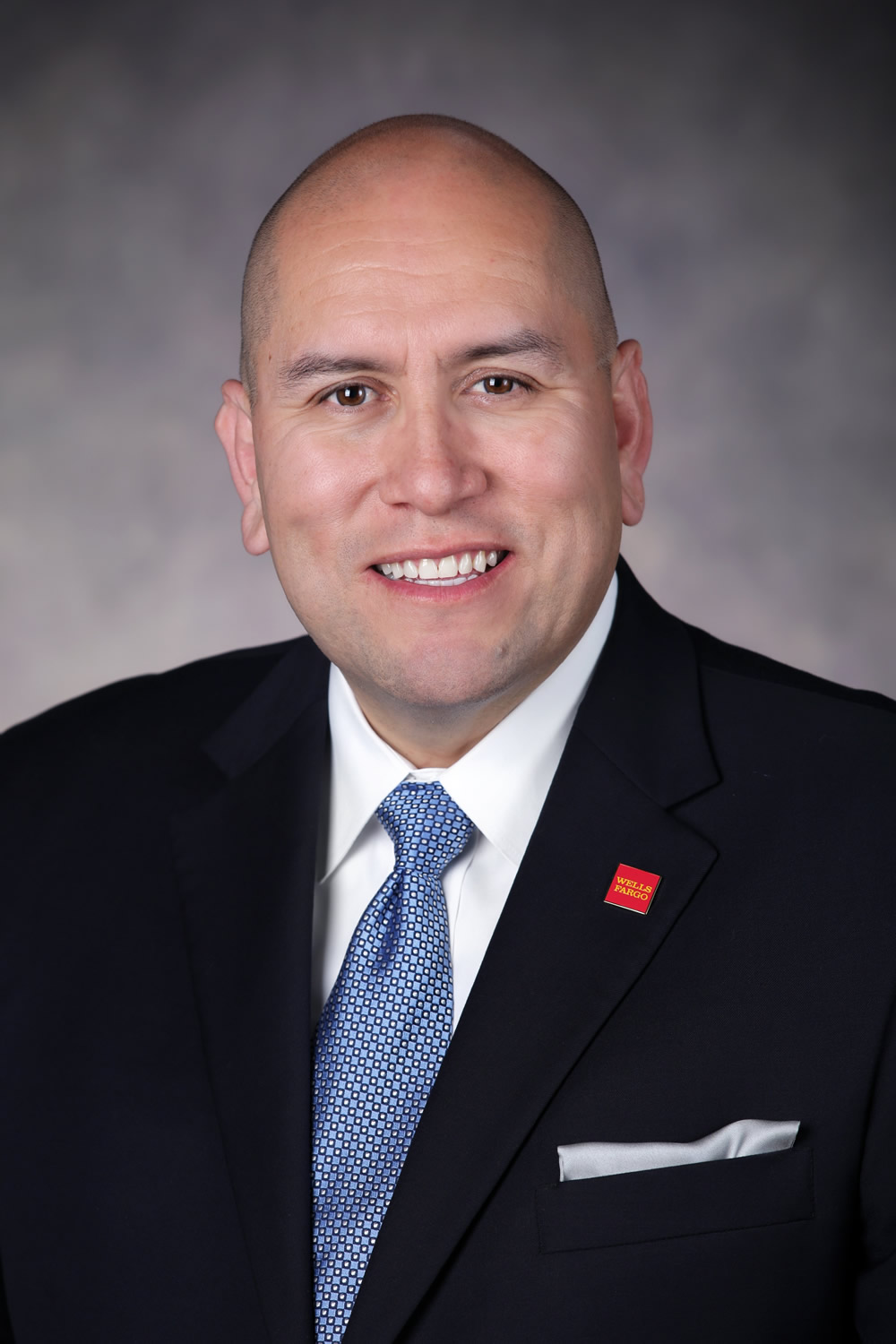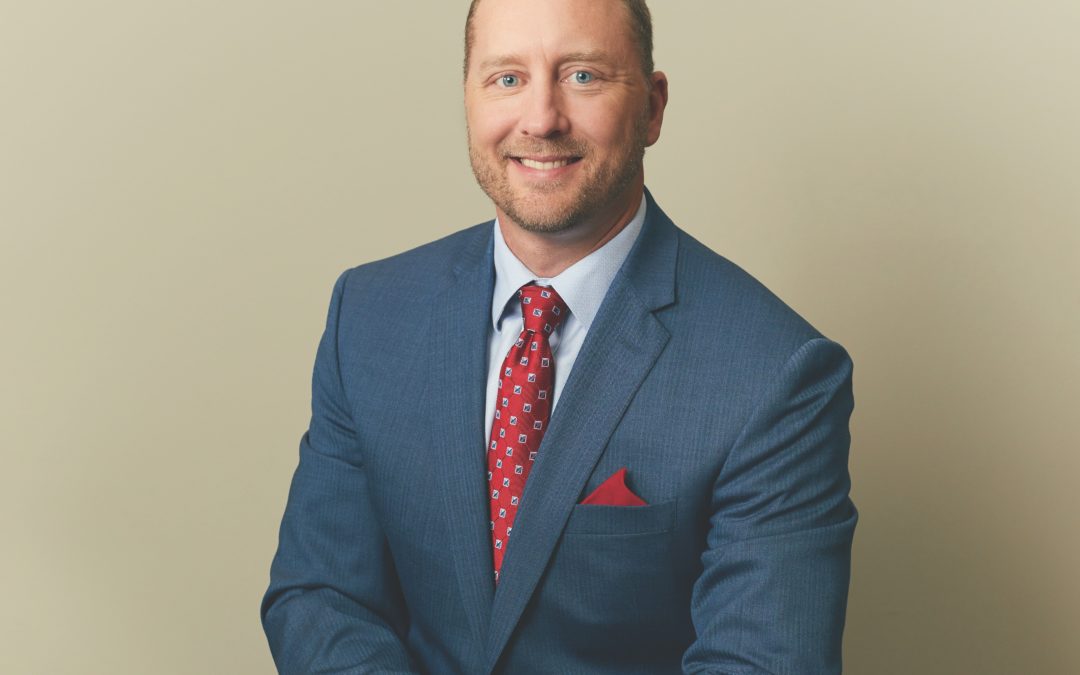
Spotlight On: David Druey, South Florida Regional President, Centennial Bank

Spotlight On: David Druey, South Florida Regional President, Centennial Bank

By: Max Crampton-Thomas
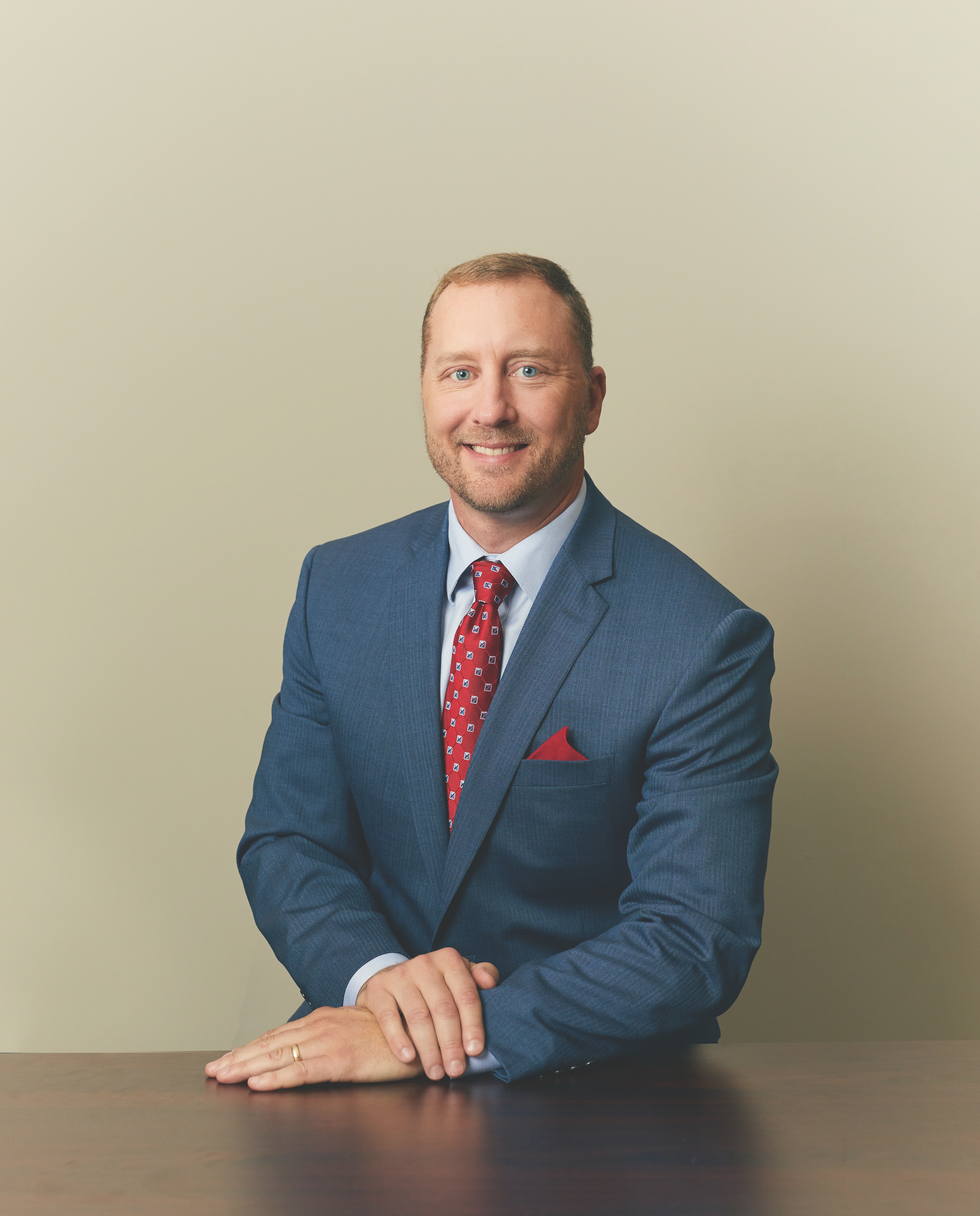
2 min read October 2019 — Connectivity to the community is the key differentiator when it comes to the variety of banks in the region, David Druey, South Florida regional president for Centennial Bank, told Invest:. He also raised some significant points about determining the right talent fit for a role in his bank, and how millennials could benefit from understanding and appreciating the significant advantages that having a human relationship with their bank can bring. 


How does your bank differentiate itself in a crowded financial market? 

Whether it is a large, regional, super-regional or community bank, the key difference is the connectivity the bank has to the community. Typically, larger banks have a tendency not to focus on small business. They look for large corporations that take out massive loans. They underserve the communities that they have branches in and use their branches for deposit gathering rather than actually servicing the customer’s needs on both the loans and deposits sides. While we are a $15 billion organization, we have allowed each branch to go with what I call their bend, which is allowing them to do the kind of work that they will succeed in. For instance, if there is a need for construction lending in their market, then they should be doing construction lending. This allows our branches to be in the markets on a much more granular level, and not a large-scale or silo level like some of the other larger banks.

How do you determine the right talent to hire from a tight labor pool? 

Talent must have the finesse to understand financial statements, business models, clients, people and be good enough to get all the details correct in order to have loan documentation approved. There is a very small group of people who can do this job extremely well, and those who do it well are in high demand. The key is to court them to come work for you, and entice them to come over based on whatever it is that they are not getting at their current institution. When identifying these people, we also look at their reputation and overall if they are a high-quality individual. 

Have you observed any significant changes in demand for your services with the influx of millennials into South Florida?

Millennials have a tendency to do everything on their phone, which is fine and we appreciate that technology, but they are missing out on the human component of a banking relationship. Having a relationship with one’s bank is vitally important to their financial well-being. When that relationship solely exists on technology, there is no connection with the financial institution. Millennials are missing out on the connectivity and relationships with banking professionals that could ultimately help them with whatever they may need. The positive trend we are observing is that as these millennials age, they are starting to realize that to start a business or buy a home they need to have some connectivity and relationship with their bank. They are migrating more toward having relationships with financial advisers and banks because they need them as a service provider.

Due to the strict regulatory banking environment, have you seen a trend of people looking at more nontraditional lenders?

In South Florida, we are always competing against two things, cash and nontraditional financing. South Florida has quite a few nontraditional financing options, but these options typically charge for the nontraditional financing through fees and a higher interest rate. This idea is comparable to the convenience store versus a chain grocery-store mentality. A convenience store may be easier to access but you will pay $6 for a gallon of milk, while a chain grocery store may be a bit more effort to access but will result in a savings of $2 for the same product. The same idea applies for lending from a traditional source like a bank versus a nontraditional lender.


To learn more about our interviewee, visit: 

 

https://www.my100bank.com/

Spotlight On: Kevin Rogers, Regional President, Seaside National Bank & Trust

Spotlight On: Kevin Rogers, Regional President, Seaside National Bank & Trust

By Max Crampton-Thomas

2 min read October 2019 — Seaside National Bank & Trust may be considered a newer entry into the market, having first opened its doors in 2006, but since then it has become a prominent force in the banking community. Invest: Greater Fort Lauderdale recently spoke with Kevin Rogers, the regional president of Seaside National Bank & Trust’s South Florida operations. During the discussion, he spoke on the importance of cybersecurity to a bank like Seaside, how Seaside handles the challenge of competition in South Florida and his approach to finding the right employee candidates. 

How are you protecting your clients in regards to cybersecurity? 

Cybersecurity is a huge topic, not only at our bank, but also across the financial services industry. We tell our people all the time that we’re a small bank, and if we took a $2 million to $3 million hit it would substantially hurt us. Our people are on guard every minute. We have an incredible onboarding process, and we not only know who we’re banking with, but we also know who are clients are dealing with as well. If you ask what keeps me up at night more so than hitting balance sheet goals, it’s cybersecurity and being hit with a loss.

The amount of money that the bank spends on cybersecurity is incredible, but you have to stay ahead of the game. We conduct a lot of training on the subject. I even do a communication call twice a month with our South Florida employees, and one of the main topics is cybersecurity. We want to make sure that everybody is on guard, that they know who their clients are and that they’re asking the right questions. You have to ask the tough questions to make sure you protect the bank.


What is the biggest challenge in the market for a small to midsize bank like Seaside, and how do you overcome it?

I think the biggest challenge is always going to be the competition. Banks of our size do not have the brand recognition that a Bank of America does, so the question is how do we sell Seaside Bank? We have to go out and talk to our clients about who we are and what we specialize in. We drive home the fact that we are able to provide the same products and services that the big banks do but in a community bank setting. We’ve taken a lot of clients away from these big banks. If you look at what’s going on in the big banks right now, it’s all about sales process management and managing their people to numbers that, a lot of the time, mean selling products and services that the clients really don’t need. We don’t subscribe to this notion and instead focus more on listening to our clients and making sure that they get what they want and need. We’re not for everybody; there will never be a time when you’ll see a Seaside branch on every street corner like you do Bank of America. If a customer is looking for that then we’re not the bank for them. If they’re looking for a single point of contact to deal with on a consistent basis then we are a perfect bank for them.


How difficult is it to find professional, hard-working talent in the Palm Beach County market? 

It is very hard, and I find that I’m always looking for people. I’m constantly asked the question when I’m out at a meeting or at a networking event, “Are you looking for bankers?” I always say, “I’m never looking, but I’m always looking” because I’m trying to find the right person who will fit into our culture. 

It’s also very hard to recruit a good banker who is working at a big bank because they already have an established book of business and a continuous flow of referrals. At a smaller bank like ours we don’t have that, and you have to be an aggressive calling officer and business developer to be able to be successful here. We have to be careful about whom we hire because we don’t want to set anybody up to fail. Some of the best people I’ve recruited are from big banks and who want to try something else because they’re at a  time in their lives when they want to scale down. A smaller bank like ours is attractive to these people because of our incentive plan and how we operate.

To learn more about our interviewee visit: 

https://www.seasidebank.com/

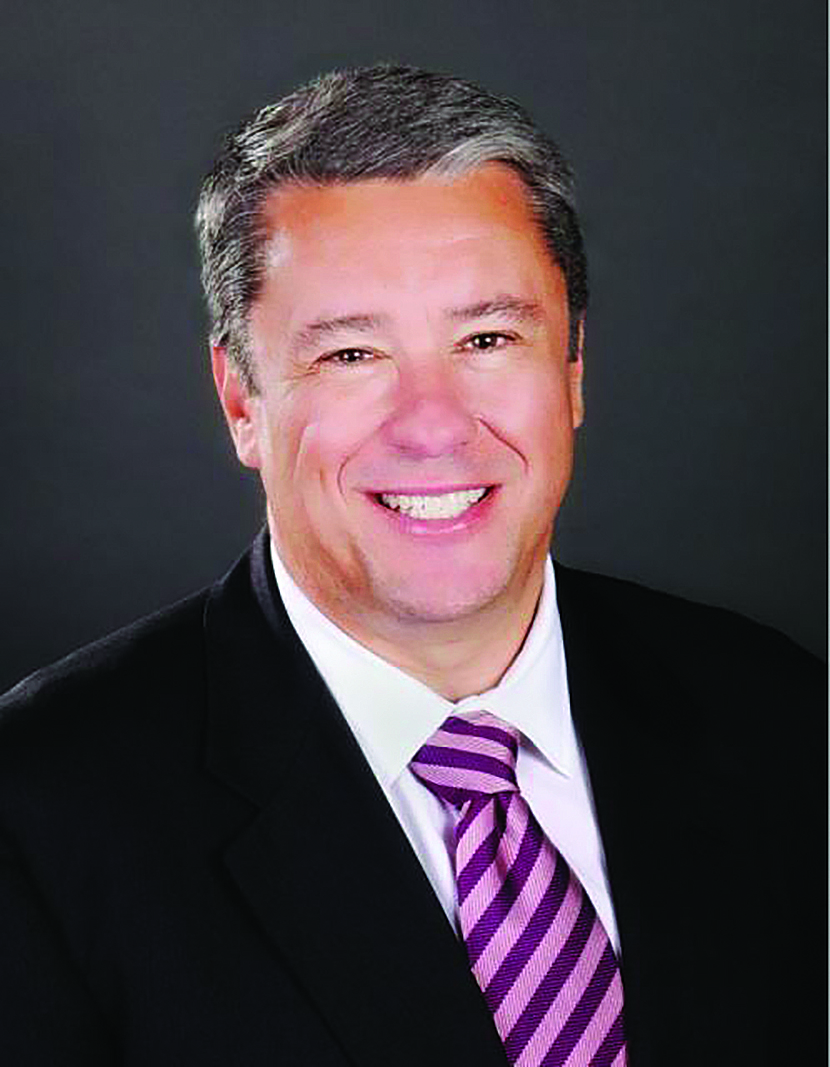
Spotlight On: Chuck Cross, Executive Vice President & Commercial Banking Executive, Seacoast Bank

Spotlight On: Chuck Cross, Executive Vice President & Commercial Banking Executive, Seacoast Bank

By Max Crampton-Thomas


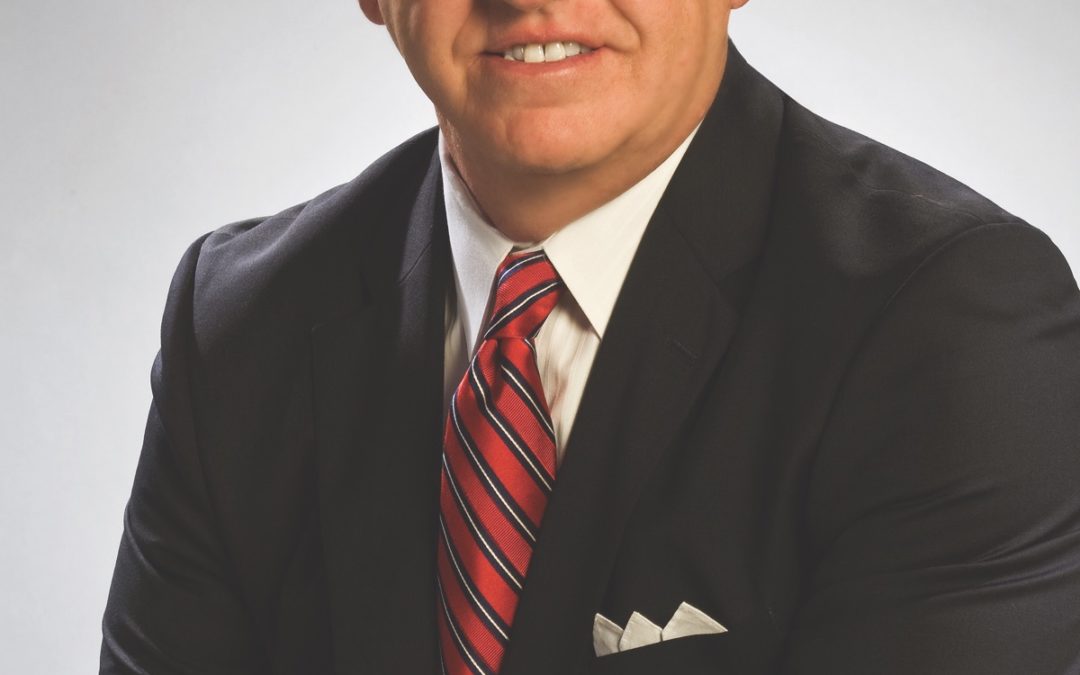
2 min read October 2019 – With over 30 years in the banking industry, Chuck Cross has witnessed seismic changes in the way the banking sector conducts business. Currently serving as the executive vice president and commercial banking executive for Seacoast Bank, Cross has a unique perspective on the prominent growth of the banking sector in the past couple of years. He recently sat with Invest: Palm Beach to discuss how Seacoast has sustained continuous growth, why the business ecosystem in Palm Beach County is a benefit for banks and some of the reasons he attributes to the overall growth of Palm Beach County. 

How has Seacoast Bank sustained continuous growth? 

Seacoast Bank has been growing organically by hiring people and building relationships with customers since the recession, but we augment that organic growth with strategic M&A activity as well. We acquired Palm Beach Community Bank in November 2017, expanding our branch locations in the county from three to five and getting access to new customers. We also have  two commercial offices in the market, which is another catalyst for growth.


Why is Palm Beach County a conducive business environment for the banking sector? 

From a macro perspective, when you have a half million people relocating to Florida and a good amount of that coming to Palm Beach County, it drives the kind of growth we hope to see for the next couple of years. From a financial services perspective, Palm Beach is a great place to be operating and providing service.

Palm Beach County has really grown over the past decade. Dense population provides great opportunities for banks. Palm Beach is growing like the whole state of Florida is growing. Everyone wants to move to Florida either for the weather or for some of the changes in the tax reform, and people have always wanted to retire here. Palm Beach also has great infrastructure in terms of education. In addition, there’s a lot of oceanfront property that attracts high-net-worth individuals, which in turn attracts retail, recreation and service jobs.


To what do you attribute the growth of the local economy in Palm Beach County?

The Business Development Board of Palm Beach County has done a great job of attracting a lot of wealth management and private equity firms where the owners can live on the island and operate their companies from there. In the northern part of the county, there are also some aerospace companies, and there are healthcare technology companies like Max Planck and Scripps that are providing higher-level jobs as well. Hopefully this will help attract other types of high-level businesses.


To learn more about our interviewee, visit:
https://www.seacoastbank.com/

Face Off: The Bay’s Banking Bosses

Face Off: The Bay’s Banking Bosses

Writer: Max Crampton-Thomas

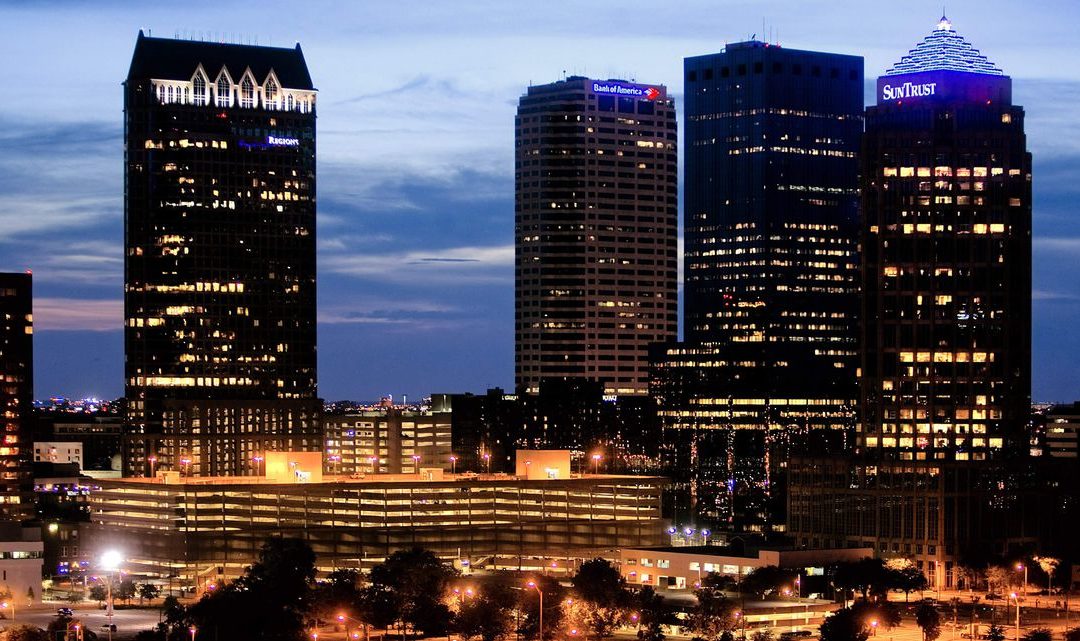
4 min read September 2019 The health of the banking sector is a great way to gauge the overall health of the economy, so when the banking sector is prospering it is normally on par with a healthy economy. This remains true in Tampa Bay as the local economy has been experiencing a long and healthy growth that is also shared by the banking sector in the region. Invest: Tampa Bay recently spoke with David Call, Florida regional president of Fifth Third Bank, and Allen Brinkman, region president for Seacoast Bank, two of the premier banks in the Tampa Bay region. Discussions with both banking institutions covered their view of the current state of the market in Tampa Bay, how emerging technologies are impacting their banking practices, and ways to keep growth in the sector and Tampa Bay sustainable for the future.

What is your view of the local market in light of the burgeoning economy in the region?

David Call: Everything is moving at a fast pace in the Tampa Bay region, and from my perspective there is not one particular sector or segment of the market that is doing better than another. Our bank has five lines of business in the region: commercial, small business, retail, wealth and mortgage. All five of those lines are doing well and we are still seeing strong momentum. We have seen this growth for the last four years, and while we are prepared for any kind of slowdown, we haven’t seen any sign of that for the near future.

Allen Brinkman: As long as the economy does well and as the spirit of Tampa Bay continues to rise, the market will remain prosperous. There is a growing sense of pride in the city. This pride is creating opportunities for new businesses to start, established businesses to expand and investments into the business market to remain lucrative. It has been a great market for quite some time, and outside of a global economic issue, Tampa Bay is going to continue to do well. I believe that even if the global economy slows down, Tampa Bay is somewhat insulated because it is a place that people want to be, for both a younger and older demographic. There is almost nowhere else in Florida that is as cost-effective, beautiful and offers as many cultural and economic opportunities as Tampa Bay.

With the prominence of emerging technologies in the financial sector, how can banks find the balance to still deliver a personal experience?

Call: Technology has not taken the place of our physical centers, but everything that we do around technology has definitely taken off. Whether that is depositing a check or checking an account balance, all of these uses are being adopted at a much quicker pace than how technology was adopted in the past. That being said, we believe at least 60% of our clients still want to come to a branch and bank with a human being. That does not mean that they do not want technology, because they do, so it is a balancing act. We are still building branches in the state of Florida, and we will have more branches in the Tampa Bay area too. We want to offer all these various channels for people to use because ultimately we need to stay in line with the voice of the customer and keep them at the center of what we do.

Brinkman: The online and digital experience is more of a convenience vehicle than it is an alternative to all banking. Simple transactions like depositing a check or finding a branch can be accomplished with technology,  but more complicated transactions are usually going to involve an interaction with a banker. Banks are somewhat of a commodity today, and the only way to set yourself apart from other banks is by the advice you give. Our bankers are trained and spend a lot of time on their consultative approach. For example, in the past, we knew that the mortgage business was about borrowing as much as you could to get the biggest house, and hopefully everything worked out. Today, bankers give a little more advice and guidance on what is a responsible financial decision for a customer to make. This type of personal interaction could not be accomplished by technology.

What are some ways to keep banking sector growth and that of Tampa Bay sustainable and recession resilient?

Call: When we adapt to this influx (of high-net-worth investors), it has a positive affect on our business, and this is true for all of Tampa Bay, not just our bank. There are a lot of businesses and people bringing money to Tampa Bay because they see the growth. Outside investment is a huge part of keeping this growth sustainable because we need an infrastructure that matches the influx of people coming to Tampa Bay. In regards to our bank, we are investing our time and resources into making sure that we are a part of the change so we can help our communities thrive.

Brinkman: We are quite conservative in terms of our approach to lending, which some could misinterpret as not offering loans. However, we do offer loans just as much as most banks, we just tend to be conservative in how we advise our customer. Our bankers sit down with customers to understand why they need a loan, what the purpose is and inform the customer of whatever risk elements are out there that they may not have thought of. When a loan is done with Seacoast, a relationship is formed. We make the decision jointly versus just providing a loan that may not be right for the customer. Our role as a bank is to protect the customer, which creates a greater sense of responsibility to really develop a product that’s customized to their needs. If there is another recession, we believe we will fair well because of this practice.

To learn more about our interviewees, visit:

https://www.seacoastbank.com/

https://www.53.com/

Big Banks’ Long-Term Investment Vision for Charlotte

Big Banks’ Long-Term Investment Vision for Charlotte

Writer: Sara Warden

2 min read AUGUST 2019 — Charlotte has long been the eastern hub of Bank of America (BofA) and is one of the headquarters of Wells Fargo. But this year it has been attracting attention from the third bank belonging to the Big Four, which together hold around 45% of total U.S. deposits. JP Morgan Chase announced earlier this year that it will add up to 21 branches in Charlotte in the next three years.


“We’ve been serving the Carolinas for more than a decade and opening branches allows us to lend to more consumers and small businesses, and offer good paying jobs,” Thasunda Duckett, CEO of Chase Consumer Banking, said in a press release.

JP Morgan Chase will be entering a market where many are seeing huge potential. In April this year, U.S. Bank announced it will open 10 branches in the city by 2020. The bank, which emerged from the $66 billion merger between BB&T and SunTrust, will also be headquartered in Charlotte.

Despite Wells Fargo and BofA controlling around 89% of the area’s deposits, the new entrants seem confident there will be a big enough piece of the pie for them to get their teeth into. “This expansion marks a major milestone for our firm by allowing us to serve more customers, small businesses and communities across the country,” said Duckett. “To us, this is so much more than building branches. This is about new customer relationships, better access to credit and local jobs.”

Charlotte is home to 425 corporate headquarters in the finance industry. At 2.5%, the city has the lowest corporate tax rate in the country. For three years consecutively, North Carolina’s annual residential growth has exceeded 100,000 people.

“I don’t think there’s any industry that’s having an easy time staffing with the kind of human capital that they need, so one of North Carolina’s biggest advantages right now continues to be population growth,” says Christopher Chung, CEO of the Economic Development Partnership of North Carolina told WeWork publication FiveThirtyEight.

Charlotte’s finance industry is the second-largest banking hub in the country behind only New York City, with banks holding more than $2.3 trillion in assets. The city has added more than 200,000 jobs since 2001.

“We’ve built a great city that helps companies attract and retain today’s best talent,” Frances West, business recruitment and retention leader in Charlotte’s Economic Development Office, said to FiveThirtyEight. “Where we are today is not by happenstance and where we will be in 10 years is not by happenstance — it’s all by intentional growth.”

And the financial institutes have Charlotte in their crosshairs for the long run. U.S. Bank announced it reached an agreement with the city’s authorities this month to be the lead sponsor of a delayed pedestrian bridge project that connects Charlotte’s uptown and South End. U.S. Bank will contribute $1 million to the $11 million infrastructure project.

“Bridging the gap between uptown and South End will provide additional connectivity for residents, workers and guests, while further knitting together two of our great urban neighborhoods,” Michael J. Smith, CEO of Charlotte Center City Partners, said in a press release.


To learn more about the companies mentioned, visit:

https://www.charlottecentercity.org/

https://charlotteregion.com/eco-dev/charlotte-regional-business-allianceeconomic-development/

https://edpnc.com/

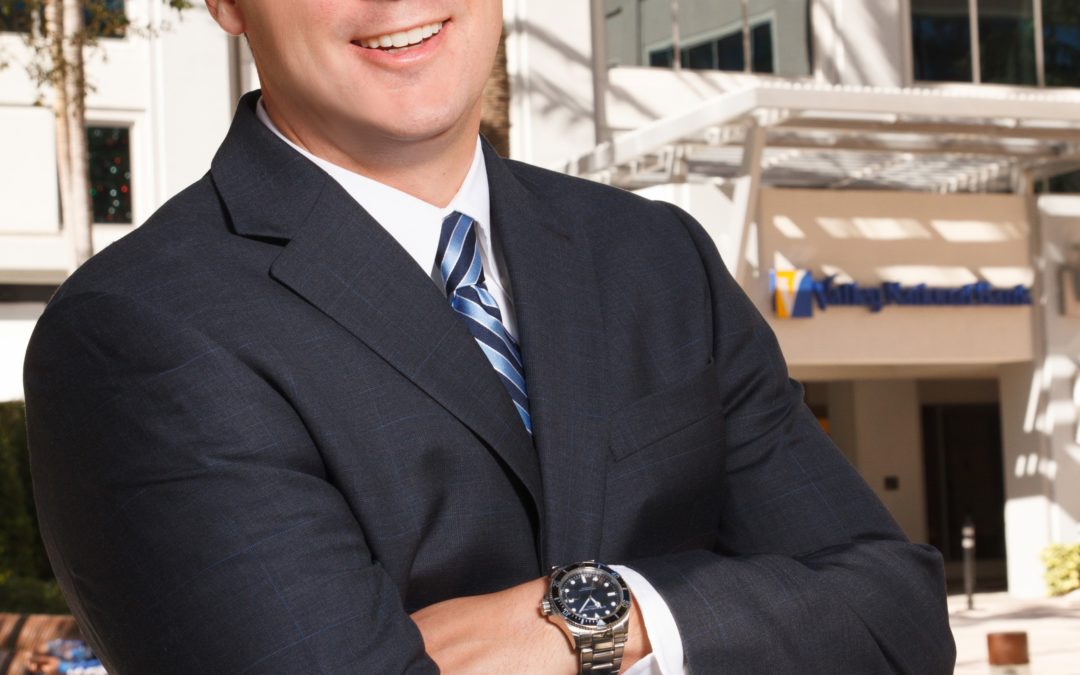
Spotlight On: Jeffery Klink, First Senior Vice President & Southern Florida Regional President, Valley Bank

Spotlight On: Jeffery Klink, First Senior Vice President & Southern Florida Regional President, Valley Bank

By Max Crampton-Thomas


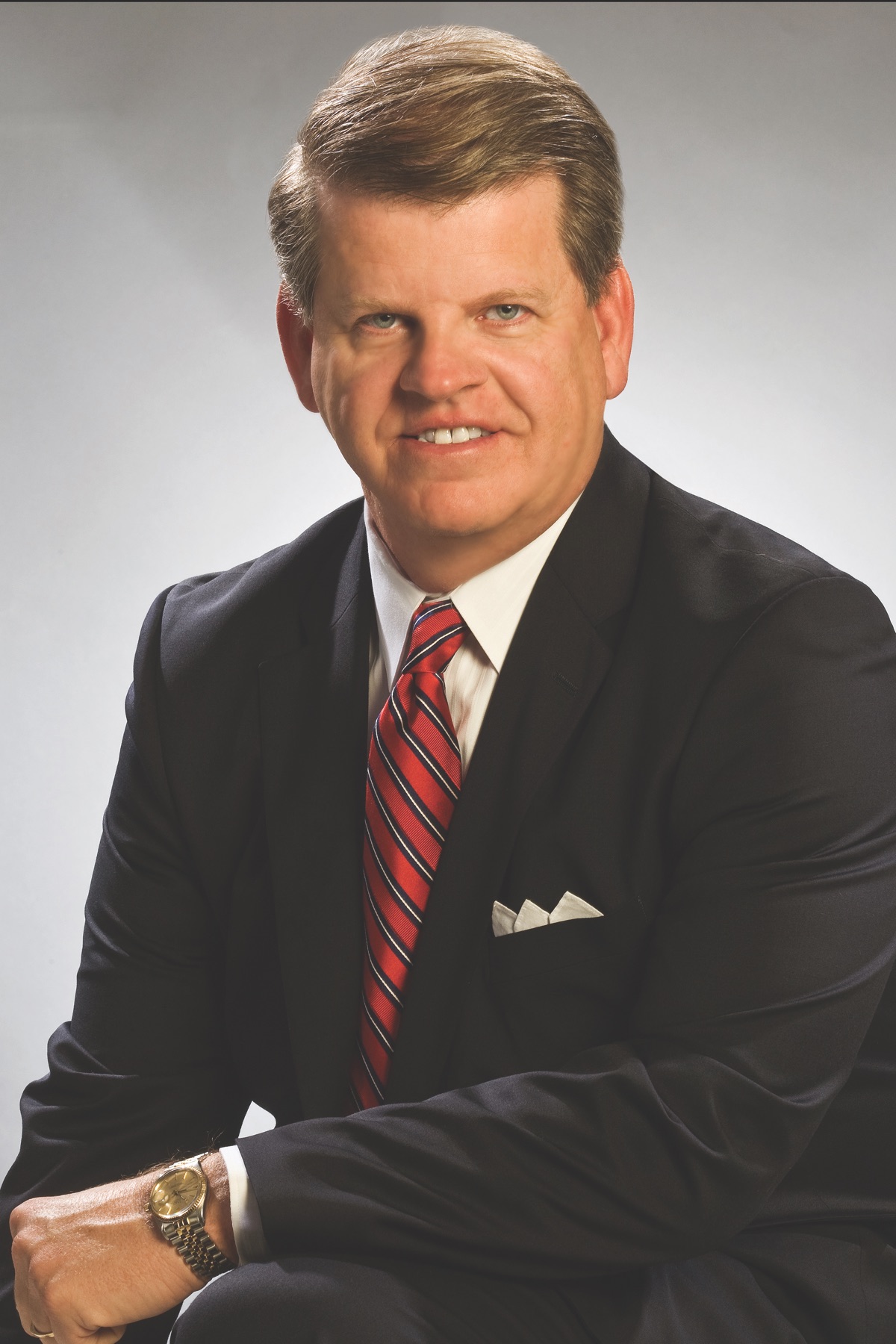
2 min read August 2019 —During times of economic prosperity, the banking sector is primed to benefit the most, but when the economy begins to slow, or a recession hits, lenders normally feel the harshest effects. This forces banks and financial institutions to be innovative and mindful of how they approach their day-to-day business. There are, of course, the outliers like Valley Bank, which, as noted on its website, has never produced a losing quarter since its founding in 1927. Invest: Greater Fort Lauderdale recently spoke with Jeffery Klink, first senior vice president and Southern Florida regional president for Valley Bank, who spoke about the bank’s efforts to ensure great customer experience, how it differentiates itself in a crowded South Florida marketplace and the biggest challenge facing the banking sector. 

How does Valley Bank ensure a community bank feel while still providing the services of a large regional bank? 

We are a community bank with a regional overlay and that is how we choose to operate. What has been really interesting is that our clients in many cases do not realize that we are a large regional bank unless they need access to loans that are $25 million to $35 million or above. Our core business clients that are looking to borrow $500,000 to $5 million still view us as a community bank because that’s the space that we operate in.

How does Valley Bank differentiate from the competition in the region? 

Being client-centric is really our main differentiating factor in banking. Valley Bank, like most regional and national banks, has a similar technology platform. These systems allow users to access their accounts remotely, and they may very rarely come into our branches. How we mitigate this so the banking experience doesn’t become impersonal is to ensure that each client has a core group of bankers who they know and who know their needs. When customers call our bank, they are actually talking to somebody who knows the client not just from a business standpoint, but also on a personal level. This personal service combined with our technology platform has really allowed us to compete from a service perspective with the community banks.

What is the biggest challenge facing the banking sector? 

The main challenge in banking is balancing interest rate movements. Throughout 2018, we saw Treasury rates increase significantly and that was allowing banks to adjust and increase the rates they were collecting on new loans. In 2019, we have seen interest rates pull back, which has been to the benefit of borrowers because rates have dropped to nearly historical lows. Banks are going to have to address and combat margin compression throughout 2019 because we are collecting less on the loan side and we are paying more than we have for close to 10 years on the deposit side of the balance sheet.


To learn more about our interviewee, visit:
 

https://www.valley.com/

Spotlight On: Brett Forman, President & CEO, Trez Forman Capital

By Max Crampton-Thomas


2 min read July 2019 — The demand for residential and commercial real estate development in Palm Beach County is at a high, and developers are jumping at the opportunity to capitalize. This spike in demand has not only been beneficial to developers but also to those who are helping fund this development. Invest: Palm Beach recently sat down with Brett Forman, President and CEO of Florida-based, commercial bridge lender Trez Forman Capital. He discussed how Palm Beach County is uniquely positioned for real estate development, and how his company is benefiting from the boom in the market.

Where are you seeing the highest demand for your services? 

We experience the highest demand from developers of condominiums or multifamily rental apartments. There are a variety of financial firms pursuing these type of deals, but we offer something slightly different. We’re competing with banks every day, and we’re competing with more traditional mezzanine players and preferred equity investors. As a result, we have to be creative and offer a unique one-stop shop, including higher proceeds than the banks and non-recourse options. 

How is Palm Beach County a unique market for real estate development? 

Palm Beach County is home to some of the most expensive residential real estate in the world. On the opposite end of the spectrum, it’s also home to some of the poorest areas. So when you talk about Palm Beach real estate, you’re talking about a very diverse asset mix.

Trez Forman is more or less asset-agnostic; we lend against residential real estate, whether it’s apartment communities for rent, single-family houses for rent or condominiums for sale. We don’t necessarily construct homes, but we finance the lot on which developers do the horizontal development. 

What differentiates Trez Forman Capital from a traditional bank? 

It’s very easy to understand what differentiates us from the banks, since the banks are highly regulated. They have to do things according to what the regulatory agencies prescribe, and their leverage is usually much lower and typically requires recourse. What we’re offering is a much higher loan-to-cost solution. Trez Forman basically can take what the bank and the preferred equity investor offers and combine it to provide our clients with a one-stop solution that has surety of execution. We like to under-promise and over-deliver. We can fund a deal in 30 to 45 days, unlike a bank that may not be able to lend in that timeframe.


To learn more about our interviewee, visit its website:

https://www.trezforman.com/

Miami Banks Leading Tech Charge

By Yolanda Rivas

July 2019

2 min read  — Advances in technology are having a dramatic influence in the banking sector across the globe. Innovations are impacting the delivery of products and services, making the banking process faster, easier and more reliable. Customer satisfaction and increased competition are driving the tech push, and there is more on the horizon.

“We are changing our core banking system and investing more than $25 million to make that change. It’s an important step for us because we know technology will be the driving force to our growth in the future,” Fernando Beyruti, CEO of Itau Private Bank, told Invest:. 

An article from Bank Innovation explains that banks are spending more than $100 million to replace their aging core systems. Advances in blockchain technology, IoT, fintech, online banking and robotics have helped many financial institutions improve efficiency and accessibility. 

The investment isn’t just to make banking easier now, it is also part of the future. Technology is an integral part of City National Bank’s five-year plan. “We will invest over $15 million in digital transformation for the organization. This will ensure that we continue to be innovative as well as impactful through improving our client experience,” President and CEO Jorge Gonzalez told Invest:.  

Many financial institutions are also partnering with financial technology (fintech) groups to improve their offerings. According to a 2017 report from multinational professional services network PwC, 82% of financial leaders expect to increase fintech partnerships in the next three to five years. 

Cybersecurity and fraud detection are other areas where technology is playing a key role. “When we invest in technology we are also investing in strengthening our cybersecurity,” Gonzalez stated. The investment is not just in the technology, but also in bringing in the right people who have the experience and talent to be able to instill their knowledge throughout the organization,” he said. 

In that regard, First American Bank recently created a senior-level position — information security officer — whose role is to train employees and allocate resources in preparation for possible cyberattacks. “Security threats are on the rise, forcing us to be mindful that our information can be compromised at any time. Through back-room investments and increased training, we are taking the necessary precautions to reduce risk by educating our employees as well as our customers,” Brian Hagan, Florida Market President for First American Bank, told Invest:. 

Although technology adoption can be a challenge for some financial institutions, especially smaller banks that do not have the financial capacity to keep up with the latest innovations, ultimately it can provide a cost-savings. “I think all of us as a banking community in Miami are saddled with compliance concerns. But I think that, with technology, those kinds of costs can be reduced gradually while still maintaining the kind of vigilance that we have to have. There’s a good opportunity for our industry here,” G. Frederick Reinhardt, Chairman and CEO of Brickell Bank, stated in an Interview with Invest:. 

To learn more about our interviewees, visit their websites:

Itau Private Bank: http://www.itauprivatebank.com/

City National Bank: https://www.citynationalcm.com/home/home 

First American Bank: https://www.firstambank.com/personalbanking/ 

Brickell Bank: https://brickellbankmiami.com/ 

PwC: https://www.pwc.com/ 

Bank Innovation: https://bankinnovation.net/ 

Community focus

Community focus

Wells Fargo South Florida Region President Joe Atkinson discusses the importance of community for large banks and small business alike

What are the notable growth trends in South Florida?
Small business is the engine that drives South Florida, and we are excited to be part of what’s happening here. Over 90 percent of businesses in this market are small and medium enterprises (SMEs). For Wells Fargo – a leading bank in South Florida in terms of deposits held, as well as the number-one small business association (SBA) lender of loans under $100,000 – the importance of SMEs to our bottom line cannot be overstated.
 The sectors exhibiting the most growth in this mar-ket are hospitality, construction, and those providing products and services to Latin America. In South Florida, Wells Fargo has been growing in small business banking – this is where we have been hiring the most personnel. We are also paying attention to a number of up-and-coming areas. For instance, we are seeing great growth potential in Doral and looking to expand our reach to that market.
 Miami-Dade is a highly dense market, and understanding that dynamic is key. If you drive by any one of our streets you will see small businesses clustered together in a fairly small space. That is a good indicator of both the professional and community growth that has led to a very large and stable deposit base in South Florida from a community and retail banking perspective.
 
How has post-recession lending reduced risk, while still providing adequate financing for homebuyers?
We have learned a lot from the Great Recession. We are better capitalized today and more cautious when it comes to mortgages, where in the past we may have been too aggressive. To do this we have had to remain close to our customers to make sure we understand their needs. Moreover, we have invested greatly in ensuring greater adherence to compliance procedures.
We also recognize that the density and growth of the market is a challenge to affordable housing and that we need to be proactive in helping provide housing options through community partnerships. For example, Wells Fargo has provided a significant investment to finance a 158-unit, low-income affordable housing project in Overtown.
 
What innovations have area banks implemented to adapt to an increasingly digital marketplace?
We hear that brick-and-mortar banking is dying, but the reality is that it is not going to go away. From this perspective, we are looking at developing technologically functional, eco-friendly neighborhood branches that integrate online, text and mobile banking technologies that can provide access to customers when they need their money, when they want to borrow and when they want advice, outside of normal business hours.