Face Off: Miami-Dade ripe with opportunity

Face Off: Miami-Dade ripe with opportunity

By: Max Crampton Thomas

4 min read July 2020 While the ongoing pandemic has been nothing short of a gut punch to what was set up to be another monumental year for economic growth, real estate development and investment has continued to adapt and move forward through a somewhat uncertain landscape. Invest: recently spoke with two Miami-Based leaders within these spaces. Real estate investor Jeronimo Hirschfeld, chairman, founder and CEO of One Real Estate Investment (OREI), and commercial real estate developer Bernardo Rieber, president and CEO of Rieber Developments, both spoke to the immediate effect and changes the pandemic has created for their projects and industry, as well as why they continue to believe in the Miami-Dade marketplace regardless of the roadblocks thrown up by COVID-19. 

What advantages does the Miami marketplace offer to your business operations?

Bernardo Rieber: I think that Miami is one of the greatest cities in the world. I travel a lot, especially in recent years, and it is hard to find a city like Miami where everything works. It’s new, beautiful, with great weather most of the year. People are amazing, and the properties in general are still less expensive than in other major urban centers. The airport is one of the top in the nation and they have done a great job of expanding to meet the need. I think that Miami will continue to grow. Money will continue to be invested here.

In the commercial segment, I also see a strong market, for several reasons. In particular, more and more people are moving to South Florida. It might be because of low taxes, and the fact that it is becoming more of a global city, compared to 40 years ago when it was beaches and malls. Now, we are a culinary center, with new cultural centers, museums, a lot of great things happening. People move here from the East Coast, from South America and Europe. There are a lot of young professionals in areas such as Brickell. There is great demand for offices because a lot of international companies in the financial world are doing business here.

But there has also been a situation related to traffic, in which smaller municipalities, like Aventura, have been developing more commercial infrastructure to accommodate the people who live there and don’t want to commute into Downtown Miami. More offices are needed, and that’s fueled the market. In my particular case, as I am a developer of mostly medical spaces, I see Miami as a tremendous hub for medical tourism. I am right next to the Aventura Hospital and Medical Center, which is a level two trauma center, with 500 beds. I am finishing an extended stay hotel next door, and a total of 80,000 square feet of offices.

Jeronimo Hirschfeld:  In today’s market, especially in the asset class that OREI operates in, which is multifamily, I believe there are going to be many opportunities here. In previous years, there were a lot of developers and investors deploying money into these investments, but as more uncertainty surrounding the real estate sector becomes apparent, opportunities begin to arise for firms like One Real Estate Investment.  What we are seeing today is that these investors are now realizing that their strategy and their returns are not what they expected, so they are turning around and selling.

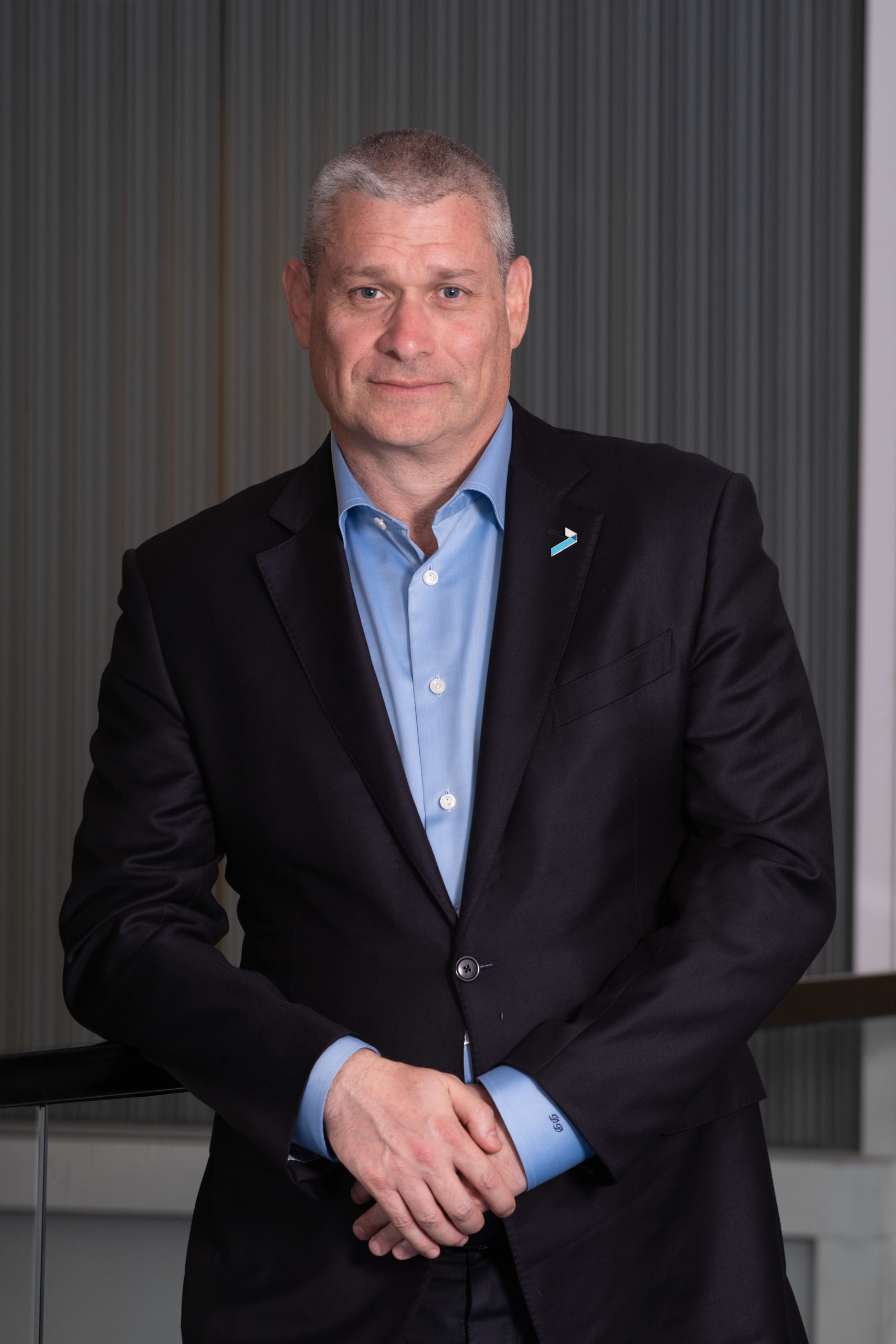
Bernardo Rieber

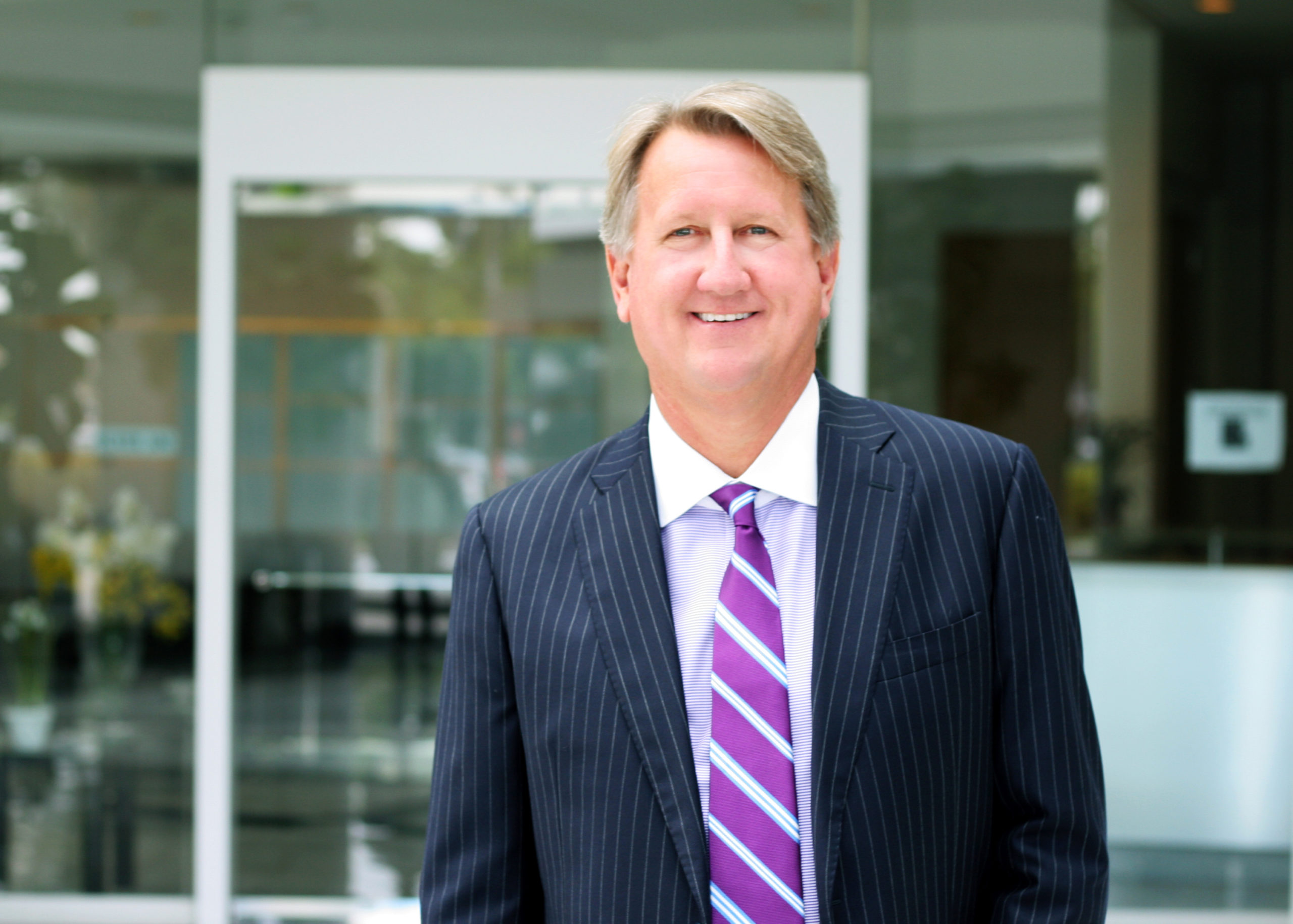
Jeronimo Hirschfeld


Multifamily assets are commonly tiered in A, B, C, and D categories based on the asset, location, and tenant base. In the market where I play, which is typically workforce housing in the B+ to C+ space, the assets tend to have a level of insulation from macro market drivers and economic factors. This is because when there’s a crisis and we see unemployment increase, many people begin to downsize to a living space that is more economically practical and feasible. So, when looking in multifamily real estate, you’ll see renters that were previously paying $4,000 in rent coming down to $3,000, and so on. Looking at the assets I invest in, the rents average between $750 and $1,200. These assets tend to perform in times of crisis because, as I mentioned, when people adjust their lifestyle, rent is usually a major expense that can be altered. As individuals who were once living in the Class A and B apartments begin to see a decrease in income, they will make the shift to a B or C class apartment. Ironically, I’ve seen the occupancy of my properties across the board tends to increase during a crisis between 1 to 2% because in addition to the individuals downsizing, many tenants who currently reside at our properties work blue collar jobs that aren’t drastically affected by a downturn. We feel very good about where we sit and what we are doing. Our competitive advantage is showcased through finding the right opportunity, taking advantage of the right deals and making sure we put the appropriate debt structure in place. Multifamily is an asset that sustains itself and performs very strongly during these times.


Where do you see the real estate market in Miami going over the next couple of years?

Rieber: We are mostly focused now on selling office condominiums in the medical sector, and there’s been a great response. We are sold out at our project Ivory 214 and we broke ground on our 12|12 Aventura mixed-use development in early 2020. We demolished the previous structure, prepared the land, started piling, and we are now about to start the foundations. We are on schedule to be up and running by the first quarter of 2022. Of course, since the COVID-19 situation began, we have had to adjust our sales process, but we continue to have interest in our offering and I expect to fully rebound.

Hirschfeld: In terms of neighborhoods, Wynwood is pretty hot, and you have nearby Allapattah, which is also a growing area with a lot of opportunities. It is still industrial, but as population and developments move up north, all these industrial neighborhoods will start changing into places where people are going to be living, playing and working. That’s what we saw with Wynwood. OREI is still very much in acquisition mode, as we are consistently sourcing new deals, while bringing in new equity groups and private investors who are interested in the multifamily space. 

How has the fallout from the COVID-19 pandemic altered your developments at least for the near term?

Rieber: It’s been a shock from a business perspective. We are monitoring the situation daily. Of course, there have been ripple effects because Miami-Dade County’s building department closed, and you cannot call for inspections, which you need to continue building, and permits are delayed, but everyone is powering through and adjusting as best as possible during this unprecedented time. I truly believe that this short-term pain does not compare to the long-term potential of this community. 

Hirschfeld: (With  more people working from home in the future) there are a lot of things that we are implementing. We are implementing USB outlets in new projects, to make sure people can connect their devices directly. We are also implementing smart thermostats that you can control remotely through your phone, making it more efficient because you can set it up to emit minimal power every time you leave and to start cooling five, 10 minutes before you return to the apartment. In our Wynwood project, we have a large bike space at the street level.

To learn more about our interviewees, visit:

http://www.rieberdevelopments.com/

https://www.onerealestateinvestment.com/

Decatur Driving Global COVID-19 Response

Decatur Driving Global COVID-19 Response

Written by: City of Decatur 

2 min read June 2020 As the world seeks answers to the devastating impact of COVID-19, many of the most critical questions about the virus and how to eradicate it are being routed through Decatur. And while the CDC certainly plays an outsized role in this equation and generates most of the attention, The Task Force for Global Health in Downtown Decatur is quietly using its infrastructure to drive solutions.


“When it comes to our work, we take pride in operating mostly behind-the-scenes and shining the light on our partners rather than ourselves,” said Bill Nichols, executive vice president and COO for The Task Force for Global Health.


Behind the scenes or not, The Task Force has been a crucial force in the worldwide response to the coronavirus pandemic, including coordinating the distribution of 1.4 million pieces of personal protection equipment to hundreds of hospitals and healthcare facilities around the country, strengthening epidemiological and lab skills through training 14,000 individuals around the world, and hosting monthly teleconferences for health officials worldwide to connect and share best practices and treatments. 


Additionally, The Task Force is coordinating critical collaborations between the public and private sectors, aligning the contact tracing efforts of tech giants like Apple and Google with health officials around the world.


“This pandemic has clearly changed the way our country thinks about global health, and it’s up to all of us to ensure we don’t lose focus on this critical issue in the future,” said Nichols. “Being properly prepared for a pandemic requires billions of dollars, but it’s an investment worth making as an ‘insurance policy’ to protect against the type of economic fallout we are experiencing.”


While the coronavirus pandemic has thrust discussions about vaccines into the mainstream, The Task Force regularly works on coordinating the vaccine safety efforts related to epidemics affecting areas and regions that are often overlooked. Having this infrastructure in place has allowed the organization to continue its lifesaving work in underserved regions around the globe while also addressing COVID-19, including through its Brighton Collaboration, a worldwide network of over 5,000 vaccine researchers that ensures vaccine safety, and the Partnership for Influenza Vaccine Introduction (PIVI), a program that works with low and middle-income countries around the world to develop their influenza vaccine delivery infrastructure, which will better prepare them for when a COVID-19 vaccine becomes available.


“Now more than ever, our location in Decatur serves as a major asset when you consider how closely we are working with the CDC, Emory and other Atlanta-based institutions to address the pandemic,” added Nichols. “It also allows us to give back, as we are sharing our global expertise with the Dekalb County Coronavirus Task Force to guide our own community through a safe reopening in the days, weeks and months ahead.”


To learn more about this, visit: https://www.decaturga.com/


Florida and Pennsylvania unemployment claims level off as economies slowly reopen

Florida and Pennsylvania unemployment claims level off as economies slowly reopen

By: Beatrice Silva 

3 min read June 2020 — As of June 5, most of Florida has taken the next step of reopening the economy that was devastated by COVID-19. Unemployment figures are starting to level off as businesses slowly start to open up again. On June 6, the U.S. Department of Labor saw its lowest figure for new unemployment claims since March 26. However, the sunshine state’s economy isn’t in the clear just yet. Florida has the fourth highest unemployment claims in the U.S. To make matters worse, some Floridans are still struggling to collect their unemployment benefits. 


 Since March 15, the Florida Department of Economic Opportunity (DEO) has paid out $1.5 billion in state claims and another $4.6 billion in federal unemployment benefits. Approved applicants should be getting $600 per week from federal benefits plus the state’s additional $275 weekly benefits. Unfortunately, issues resulting from an influx of people filing for benefits has caused the Florida DEO’s website to crash on multiple occasions. On April 15, Gov. Ron DeSantis placed Jonathan Satter, Florida Department of Management Services secretary, in charge of fixing the state’s unemployment benefits system. As a result, a new mobile-friendly website was born. People can now submit an application on the new website if they don’t currently have an open unemployment benefits claim on file. 


Different markets were hit particularly hard by the COVID related economic slowdown. The transportation and hospitality sectors are expected to take the longest to get back on their feet.

“There are a couple of key industries that will be greatly impacted the longer this goes, especially tourism and real estate. On the positive side, there is a significant number of secondary markets in Florida. Traveling overseas will likely not be as popular in the next couple of years, speaking well for these secondary markets. Challenges do drive opportunities and developers might take cues from the latter. Hospitality and tourism will continue to suffer and will likely require continuous stimuli the longer this continues,” said Blain Heckaman, CEO for Kaufman Rossin in an interview with Invest: Miami. 


Florida isn’t the only state feeling economic pressure as a result of COVID-19. Northeastern regions of the United States that were hit particularly hard by the virus, like Pennsylvania and New York, have also started reopening nonessential businesses in an effort to jumpstart the economy. Since March 15, the Unemployment Compensation department has paid over $16.4 billion in state and federal unemployment compensation benefits, according to Pennsylvania’s government website. The state is also preparing to activate an unemployment program that would extend benefits for up to 13 more weeks for eligible individuals. The last time Pennsylvania initiated the extended benefits program was during the fallout from the Great Recession in 2009.


Pennsylvania Gov. Tom Wolf is taking a three-phase, regional approach to reopening the state. The system consists of red, yellow and green phases that are then applied to individual counties. Red is the most restrictive and green is the least. On June 5, Wolf allowed 34 counties to transition into the green phase. Although most restrictions are lifted during this final phase, people are encouraged to follow CDC guidelines. Businesses like gyms, hair salons and indoor recreation centers that remained closed in the yellow phase can start to reopen at 75 percent occupancy. There are still 33 Pennsylvania counties in the yellow phase, which serves the purpose of slowly powering up the economy while still trying to contain the spread of COVID-19. 


Gov. Wolf has publicly voiced his desire for Pennsylvania to reopen. However, he warns business owners not to open up too early. “By opening before the CDC evidence suggests you’re taking undue risks with the safety of your customers. That’s not only morally wrong, it’s also really bad business. Businesses that do follow the whims of local politicians and ignore the law and the welfare of their customers will probably find themselves uninsured because insurance does not cover things that happen to businesses breaking the law,” Wolf said during a press conference. 


To learn more visit…


https://kaufmanrossin.com/


https://www.baynews9.com/fl/tampa/news/2020/06/15/florida-unemployment-benefits-update


https://www.miamiherald.com/news/business/article243450076.html?


https://www.pa.gov/guides/unemployment-benefits/


Florida’s phase 2 reopening and what it means for South Florida

Florida’s phase 2 reopening and what it means for South Florida

By: Beatrice Silva 

2 min read June 2020 On June 3, Gov. Ron DeSantis announced his plans to transition the majority of the state into the second phase of its recovery plan. However, the three southeast counties hit hardest by COVID-19 — Miami-Dade, Broward, and Palm Beach — will not be included in the reopening. 


 “We’ll work with the three southeast Florida counties to see how they’re developing and whether they want to move into phase 2,” DeSantis said during a news conference in Orlando on June 3. “They’re on a little bit of a different schedule.”


Gov. DeSantis will allow the three southeast counties to enter phase 2 under certain circumstances. The county mayors or county administrators will have to seek approval to enter phase 2 with a written request. Palm Beach County Mayor Dave Kerner and County Administrator Verdenia Baker wasted no time sending their request letter to DeSantis. 


“Palm Beach County is ready to go into ‘phase 2,” said Kerner at a news conference on Friday afternoon. “But we want to do it with some particular carve-outs that are necessary for the unique nature of Palm Beach County.” The county’s public officials are waiting for approval from Gov. DeSantis. 


As for Miami-Dade, their previous reopening date was pushed back by protests against police brutality. Miami-Dade Mayor Carlos Gimenez lifted the countywide curfew on June 8, and approved the reopening of gyms and fitness centers under Amendment 2 to Miami-Dade County Emergency Order 23-20. Although the city isn’t officially included in the initial phase 2 reopening date, Gimenez says he is working with the state on reopening locations very soon. 


Upon approval, restaurants may allow bar-top seating with appropriate social distancing. Bars will be able to operate at a 50 percent capacity inside and full capacity outside. Retail stores are going to be allowed to operate at full capacity and entertainment venues like movie theaters and bowling alleys will be able to welcome back guests at a 50 percent capacity. Residents who do decide to venture out will still have to follow CDC guidelines like wearing a mask, social distancing, and frequently washing their hands.


Although the north and south regions of Florida are on different opening schedules. State universities will have to submit their blueprints by Friday. The State University System of  Board of Governors recommends things like social distancing, disinfecting, face masks and student’s desks being as far away from one another as possible. School districts on the other hand, will be given the final say on their own social distancing protocols. It is expected that students will have a much different learning experience upon returning to the classroom. 


“We have a great opportunity to get back on good footing,” DeSantis said. “I know our kids have been in difficult circumstances. … Getting back to the school year is going to be really, really important to the well-being of our kids.”


Broward County school districts are in the process of surveying parents to gauge what they would like their child’s school to look like this coming fall. “We will have schools open. We will have teachers in schools. We will have students in schools … including hybrid models that some parents are rightfully demanding,” said Alberto Carvalho, superintendent of Miami-Dade County Public School, at Wednesday’s school board committee meeting. 


Within the past four months, there have been 70,971 confirmed COVID-19 cases and 2,877 related deaths in Florida, according to the Florida Health. 


For more information visit: 


https://floridahealthcovid19.gov/#latest-stats/


https://www.miamiherald.com/news/local/education/article243464791.html


https://miami.cbslocal.com/2020/06/11/governor-ron-desantis-plans-reopening-schools-fall/


https://www.abcactionnews.com/news/state/florida-state-universities-must-submit-fall-reopening-plans-by-friday


Let’s get virtual: Six must-read tips for engaging online

Let’s get virtual: Six must-read tips for engaging online

By: Abby Melone

It’s a brave new world for everyone. Quarantine, lockdown, self-isolation and sheltering in place characterize the new normal imposed by COVID-19, the illness caused by the new coronavirus. In a virtuous cycle, people depend on strong businesses, which depend on a strong economy, which depends on strong businesses that depend on people.


The fact is that people, businesses and the economy shouldn’t just stop, even in such unprecedented times, and perhaps more so because of this crisis. Fortunately, this is also the era of high technology, and there is no time like the present to show just what that technology is capable of, especially in business dealings.


As the pandemic stretches on, more businesses are turning to virtual meetings to get things done. Skype, Zoom … these are the most vital tools for business today. But as everyone has intimately discovered, when an in-person meeting becomes virtual, much can be lost, and the road to disaster can be perilously short when you’re online. We all want to be as effective as if we were physically there, but how do we stay engaging and charming and avoid as many distractions, hiccups and potential disasters as possible?


Like any good professional, you need to know the tricks of the trade. Here are some tips to help:


Positioning of the camera. A wacky camera angle can be extremely distracting. Who wants to see directly into the inside of your nose? Pull down your computer screen slightly to make sure the camera is dead on rather than pointing upward, which most likely is your more natural way to position the screen.


Background noise. There is no better way to turn off the person you are meeting with than some distracting noise. Be conscious of your surroundings, especially now that you are most likely working from home: clanking jewelry, dog barking, roommate or significant other also working from home. 


Distracting background. Make sure you do not give the person you are meeting with the opportunity to focus on a picture of the sports team you love but they hate. Position yourself against an empty wall or something non-distracting.


Don’t look at yourself in the video. Very few of us can resist glancing, or even staring, at our own camera window. Don’t! The person you are meeting can see you are distracted by you and not them. Also, you miss loads of cues from the other person when you are staring into your own eyes. Is the person you are meeting with interested? Engaged? Bored? Distracted? You won’t know unless you are looking at them.


Try to maintain a dialog. It’s easy to steal the “conversation” and talk and talk and talk. Be sure to make time in your presentation to see where the other person is, do they have questions, are they following along?


Know your demo tools: both the functionality of the platform as well as the material you will be showing. The person on your computer screen is watching your every move, so the more comfortable you are with your tools, the more flawless (and therefore impressive) you come across in your meetings. Close out all windows you would not want someone to see before your meeting starts (email, social media, YouTube). Remember: when technology goes wrong, it can take you from being competent and impressive to the alternative in seconds.

Home sweet office: How to make your home office work

Home sweet office: How to make your home office work

By: Max Crampton- Thomas

4 min read March 2020 The COVID-19 health pandemic has upended daily life in unprecedented ways amid calls from the government for people to social distance and stay home as much as possible. Many businesses have had to close their doors and ask their employees to work from home. While some individuals may be accustomed to working from a home office setting, for a large majority of the working world this is uncharted waters that could benefit from some guidance. Invest: offers some need-to-know tips for working from home during this time of crisis. 


Constant Communication 

Working in an office setting, you often take for granted the ease of communication between you and your colleagues. Situations that could have been resolved by simply walking to someone’s desk now require more effort via other methods of communication. The key is to establish a consistent flow of communication that starts with a daily understanding of what your employees’ schedules will look like on any given day. This can be easily accomplished by having them send out their daily schedules and workload in a quick email at the start of every business day. Communication can then be maintained based around this schedule and productivity can be more easily managed as well. For more direct communication in regard to smaller issues that may not require a phone call, office communication applications like Slack can help facilitate these quick discussions. 

Maintain a Daily Routine 

For almost any working person, maintaining a daily routine becomes second nature. When unforeseen circumstances like COVID-19 interrupt this daily routine, it can throw a person off course quite rapidly, which can result in less productivity and a decrease in focus. The key is to adapt and maintain your daily routine to the changing environment as much as possible. Something as simple as getting dressed in business clothing can seem unnecessary when working from home, especially when staying in pajamas all day may sound a lot more appealing, but maintaining this daily activity can be key in starting your work day off on the right foot and retaining as much normalcy as possible. Make the effort to try and stick to your normal work schedule throughout the day, including taking breaks as you would in the office, eating lunch around the same time you normally would and trying to stick to your typical working hours as best as possible. 

Maintaining Posture (Physical & Mental) 

There are many arguments in favor of the benefits of working from home but maintaining your posture, both physical and mental, is probably not high on that list. From a physical standpoint, in an office setting you are usually sitting in a proper desk chair with a relatively straight back or even standing straight up thanks to standing desks. The same cannot normally be said for a home office setting. In an interview with CBS, New York chiropractor Dr. Joseph D. Salamone said, “Everybody’s going to be in sitting postures, having text neck.These people really need to make precautions and live a healthier lifestyle while we’re in this quarantine state.” He recommended that those who find themselves working from home should practice regular stretching to help maintain posture. For those who have the means and access to the proper resources it would also be advisable to create a proper workstation, not unlike the one you are accustomed to in your own office, as opposed to trying to work from a slouched posture on a bed or couch.
Maintaining posture also relates to mental health as much as physical well-being. Going from working in a sociable setting like an office with other people to unexpectedly working by yourself at home can be quite jarring for the mind. It is vitally important to maintain the social connections that you have grown accustomed to in a normal workday, like lunch with coworkers. This social time does not have to be lost as technology has made it so you can use your lunchtime from home to speak with or even video call with coworkers and friends. There is also the underlying issue of potential for increased anxiety during this time of isolation, especially with the influx of nonstop news about COVID-19. It’s crucial that individuals limit the daily amount of time they spend consuming this news, and instead focus their attention on other matters like work, family and the home. 

Creating A Proper Workspace

A proper home workspace may help in maintaining posture but it is also important in helping to facilitate as normal a daily routine as possible. In theory, this workspace is where an individual will spend the majority of their eight-hour working day, so it is crucial that this space is not only comfortable but also practical for achieving daily tasks. Find somewhere in the house that you can maintain your workstation without much interruption, and if possible, somewhere that has access to natural light. Working from home can also be tricky as the lines become blurred between workspace and home space, resulting in it becoming harder to “switch off” after a full working day. It is important to try and establish this workspace in a section of the home that allows you to “step into” work at the beginning of the day and “step out” of work at the end. 

To learn more, visit:

https://www.cbsnews.com/news/coronavirus-health-tips-working-from-home-stretching-stress-anxiety/


https://www.themuse.com/advice/coronavirus-work-from-home-tips

For up-to-date advice on the Coronavirus response, you can check the CDC website here.  For Florida-specific information, click here 


Face Off: Understanding Unforeseen Change

Face Off: Understanding Unforeseen Change

By: Max Crampton- Thomas

4 min read March 2020 With the global economy in a state of flux caused by COVID-19, it is important that both the community and industry leaders work together to not only flatten the curve of coronavirus but also help to understand its impact on the various sectors of the economy. It is just as vital to continue looking to the future, post-COVID-19, at what other continuing or emerging trends could have an impact on a specific industry throughout 2020 and beyond. In regard to real estate, Invest: Miami spoke with two of the region’s industry leaders in real estate, David Diestel, regional president, south for FirstService Residential, and Michael Fay, principal and chairman of the U.S. Capital Market Executive Committee for Avison Young. While they work in two seperate areas of real estate, both discuss how the coronavirus has affected their industry, other factors that will continue to spur change and trends they are keeping a close eye on in 2020. 

David Diestel 

How is the coronavirus outbreak impacting your industry?

Dave Diestel: The outbreak of the coronavirus has brought the country to a screeching halt. I don’t know if anyone was prepared for something of this magnitude that has impacted basically every industry. As the leader in property management in North America, it’s our job to provide support to the board members and residents of the communities we manage. We immediately formed task forces throughout the organization, continuously monitored reliable information from the CDC, World Health Organization, as well as local authorities and health agencies. And the key to our support: communication. On everything from preventing the spread of the virus to working with boards to enhance cleaning and sanitation at our properties to working with attorneys to discuss any change in community rules and regulations. This situation has helped cement the importance of communication during a crisis – to report facts and to keep people calm. And to let our customers know that we’re in this together.

Michael Fay: We are such an international city at this point that we need to look at how we fit on the geopolitical stage, as well as how the virus will shape how we live in the future. We are always looking at the Latin-American influence within our market, as well as the European, Asian and Canadian influences, given Miami has become such a major, global city. When I first did this interview, the COVID-19 virus was just an Asian problem and not a global pandemic.  I truly believe the two asset classes that will provide opportunity and stability as we move through this will be real estate and well-positioned stocks. With Miami being such a global city, and having been through many other crises, we tend to bounce back quickly with resilience. We will continue to see strength in the multifamily sector as well as the industrial sector as we understand new, global supply chain issues. Retail and hotel will see weakness as we move through this pandemic and new way of life for the foreseeable future. There is more capital in the marketplace overall, outside of opportunity funds, with lots of mezzanine equity, loans and regular equity creating a sizable amount of capital. The interest rate environment we are in is the lowest we have seen in the United States. Distressed will have a new meaning.  

Michael Fay

What other factors will continue to spur or change your market’s growth? 

Diestel: The demographic shift in this region is challenging our communities to keep up with the times. New owners and residents are challenging those communities to invest more in technology and in amenities. People are looking for investment back into their community,  and also looking for investment into community spaces. These demographics do not just want the standard gym or card room, they want thoughtful programming, focusing on wellness and convenience. One of the drivers of real estate values ultimately comes down to a building’s reputation. When people feel good about living where they live, realtors know people feel good about it and there is a great sense of community. This all drives property values up.

Fay: I’ve been in this business for 36 years. When it’s good, it’s good for everybody, but when it’s bad, it’s great for us. We are highly cognizant of inflexions and disruptions in the marketplace. We built a major business on understanding the bad times better than the good times. We understand how to operate in a bad market better than others. Anybody can be good in a winning streak. Year in, year out, decade after decade, issue after issue, we spot early, watch early and see how things are going. In my own opinion, we will be seeing a recession; however, I believe it will be short-lived because of the strength of the economy going into the crisis.  On the negative side, we saw a 14% rise in the homeless population in 2019. The lion’s share of this increase is coming in from other cities in the Midwest. Absent thoughtful solutions, it can really hurt the city. Also, we need to take care of our environment. Global warming is a slippery slope if we do not understand it and deal with it by making rash decisions. Sea rise needs to be studied further. If we have any narrative of investors, owners or companies leaving Miami due to sea rise, our city will have a major issue. We need to think about ways to mitigate it and work around it. 

What is a trend in your industry that you are keeping a close eye on moving forward? 

Diestel: Short-term rentals are a hot topic throughout Miami, especially in Miami Beach. It’s also constantly talked about in the Florida legislature. Investors are looking to own real estate with the purpose of using it as a short-term rental. Innovations like Airbnb aren’t going away. In fact, communities built for short-term rental are starting to pop up. We are actually in talks to manage two of these types of properties. This is a trend that will continue to evolve. Some cities are not quite there yet in terms of understanding it. We are very active in Tallahassee because there are bills being introduced in regard to short-term rentals. Our position, as both FirstService Residential and as the industry, is to allow the homeowner association the right to govern as they were set up to do. We are educating the legislature and are working to help protect the rights of an individual community.

Fay: The Opportunity Zones will come into much more focus in 2020, and we will gain a real understanding of how it fits into the market. In 2019, many guidelines and an interpretation of the tax code were not available. When Opportunity Zones were laid out initially, they were based on basic census tracking, with governors approving wherever that might be. Several developers were left in the dark and as a result, lots of Opportunity Zone funds slowed raising capital given the uncertainty. There is a lot more clarity now, which is key. The new guidelines issued will have much more effect going forward and an increase of funds and transactions.

To learn more about our interviewees, visit:

https://www.fsresidential.com/corporate

https://www.avisonyoung.com/

Face Off: Bringing More Energy to the Bay

Face Off: Bringing More Energy to the Bay

By: Max Crampton Thomas

4 min read February 2020 As the Tampa Bay region continues to grow both in population size and new developments, the need for access to more energy and cleaner energy solutions grows with it. Invest: spoke with the leaders of two of the main sources of energy for the region and their innovative approach to creating cleaner energy solutions. T.J. Szelistowski serves as the president for Peoples Gas, which has provided Florida residents and businesses with reliable, environmentally-friendly, economical natural gas products and service since 1895. Nancy Tower leads Tampa Electric as its president and CEO. The utility has served the Tampa Bay area for 120 years, with more than 5,000MW of generating capacity. 

How is your company innovating in terms of technology?

T.J. Szelistowski: The last time we spoke, we discussed implementing gas-fired heat pumps that use natural gas instead of electricity for air conditioning. We are working with several customers on installations of this technology.  Additionally, we have installed the technology in three of our facilities and have been pleased with the performance.  

In terms of other technologies, we are targeting farming and waste facilities that release methane into the air. Our environmental solution is to capture that methane and clean it up to reinject it into the system. This not only provides a cleaner form of natural gas but also reduces methane emissions. We look forward to announcing some significant projects with this technology in the near future.

Nancy Tower: We believe battery storage is a part of our energy future. The technology is new, and we’re not ready to deploy that on a large scale until we figure out the true impact it will have on our system. We have put in place a battery storage project this year near our Big Bend solar project, which will give us really good information on how solar and battery storage interacts with our system. We’re really looking at how we can integrate battery storage into the complexity of the renewable energy ecosystem.

In other technologies, we are also in the middle of a large-scale installation of smart meters, which provide a lot more information and allow us to provide customers with superior service. 

T.J. Szelistowski

Why has investment in cleaner, more renewable energy and environmental sustainability been such a focus for your company?

Szelistowski: Natural gas is the perfect partner to renewable solar energy to provide capacity when the sun is not shining and to ensure energy is available to customers around the clock. Additionally, natural gas can provide great environmental benefits by replacing diesel fuel usage in large vehicles, such as buses and waste-management trucks.   

 A variety of ships are starting to convert to natural gas because of changing environmental regulations, specifically IMO 2020, which slashes permissible levels of sulfur permitted in fuel for seaborne vessels to minimal levels and opens the door for liquefied natural gas (LNG) as an alternative.

Tower: The biggest factor is that customers want it. When thinking back over the last few years, the number of people focused on a cleaner environment has increased exponentially. This is symbolic of the focus citizens and our customers have on environmental stewardship, and that is not going away. We are very happy with our progress.

I think it’s our obligation on behalf of customers to demonstrate that clean energy is not only our responsibility in terms of an environmental perspective, but also from a cost perspective. We are focused on both of those things simultaneously. As the entity generating electricity, we have the responsibility of doing that in the most responsible way.

Nancy Tower

How would you respond to the argument that clean energy is not yet cost-effective or readily available?  

Szelistowski: Natural gas interstate transmission pipelines are relatively new to Florida compared with the Northeast, having been introduced only in the 1950s. In addition, natural gas is a primary source of space heating in many parts of the country. With limited space heating in Florida, natural gas is primarily used for cooking, water heating and clothes drying in addition to industrial uses. We see a great desire for natural gas by people who have moved from other parts of the country and have enjoyed using natural gas in the past.  

In terms of misconceptions, people do not realize the widespread availability of natural gas in Florida. Additionally, they may not realize the affordable nature of home and business use of natural gas. With low and steady gas prices, natural gas provides a great alternative to both business and homes.  

Tower: It is our job to ensure that our generation portfolio is the most cost-effective for customers. Over the long term, we have carried out extensive cost modeling to ensure we can meet these expectations. In the next number of years, we will add more solar capacity and our generation will include more small-scale methods combined with battery storage. This doesn’t come without hard work and we need to find the right ways to keep costs low. This involves finding the right land close to our transmission infrastructure, ensuring suppliers are providing competitive prices and efficient cost management. Costs have come down, but we need to ensure we tightly manage this.

To learn more about our interviewees, visit:

https://www.tampaelectric.com/

https://www.peoplesgas.com/

Miami’s Top 5 Fantastic Food Festivities

Miami’s Top 5 Fantastic Food Festivities

By: Max Crampton Thomas

4 min read February 2020 This weekend on Miami Beach there are guaranteed to be three things – food, wine and good times. While this is the recipe for most memorable times had in one of Miami’s top tourist destinations, this weekend in particular is heightened by the annual The Food Network & Cooking Channel South Beach Wine & Food Festival. In most markets, a festival like this would be an outlier as the premier food and beverage event for that year, but Miami is not most markets. The fact is, Miami-Dade is home to an onslaught of premier food and beverage festivities that would make any culinary connoisseur’s mouth water. Invest: explores five of the top foodie festivities in the Miami-Dade region. 

South Beach Seafood Festival  

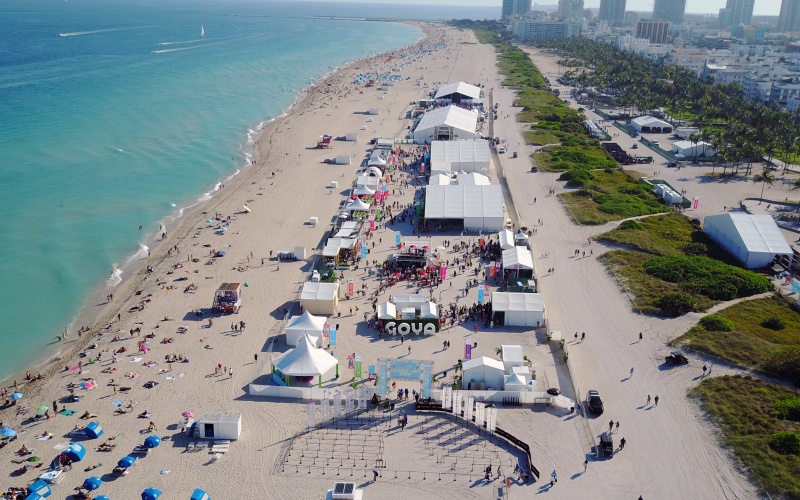
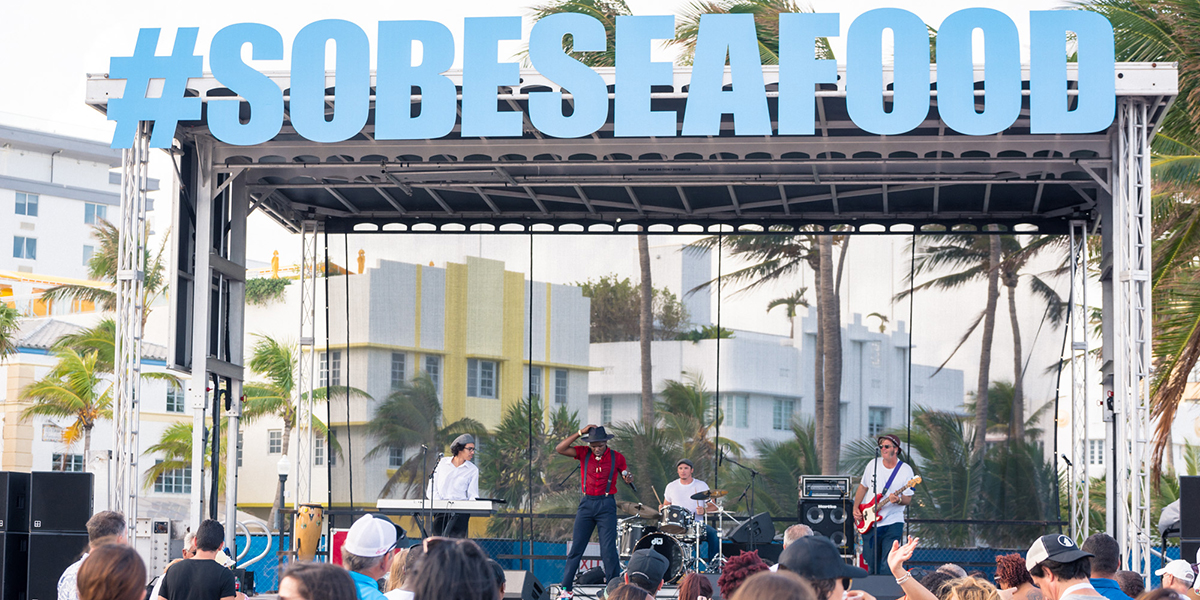
To be considered a Top 5 Speciality Festival by USAToday, listed by Forbes as a Top 5 thing to do in fall and recognized by Travel Channel as the best seafood festival in the United States is no small accomplishment. This four-day festival features three nights of culinary events that lead up to the ultimate seafood festival experience. These preliminary events include an exclusive VIP experience, An Evening at Joe’s, brought to life by food from the historic Joe’s Stone Crab, a cocktail hour-type event called Crabs, Slabs and Cabs featuring Surf N Turf favorites paired with various cabernets, and finally the VIP Chef Showdown, which showcases 14 of the best local chefs cooking up their greatest culinary creations. All of these lead into the big event on the fourth day that spans over four blocks of Miami Beach, features 30 bars, music, culinary demonstrations and enough delicious seafood to please the over 15,000 attendees. This event takes place from Oct. 21-24, 2020. 

For more, visit: https://sobeseafoodfest.com/


Seed Food & Wine Week 

Plant-based diets may not be for everyone, but this four-day event features culinary dishes and experiences that could make even the most devout carnivores consider incorporating more meat-alternatives into their meal plan. Spanning the course of four days, this event touts itself as more of an experience than just a festival as it features a plant-based burger battle, a plant-based pitch off, taco tailgate party, rise and shine yoga experience and meditation, and finally the big event: Seed Festival Day Tasting Village. This vegan-inspired week is also unique in that its events are not centralized and take place in various spots around Miami-Dade, including Wynwood and Downtown Miami. The event runs from Nov. 7-10. 

To learn more, visit: https://www.seedfoodandwine.com/

Doral Food & Wine Festival 

This food and wine festival is going on its fourth year, and while the event has grown significantly since its inception in 2016, this year promises to be bigger, better and even tastier. Over the course of two days, families are encouraged to come out to Doral Central Park and experience live entertainment and live cooking demonstrations. While wine may be in the title, the event is geared toward the entire family, with free entry for kids and an entire area, referred to as the Kids Zone, dedicated to fun activities and games for the little ones. Taking place over March 21 and 22, this year’s event looks to attract over 10,000 people. 

For more, visit: https://doralfoodandwinefestival.com/

South Florida’s Taste of the Nation

This culinary adventure is a one-night experience that is not only delicious and fun, it also supports a great cause. Described as an elegant evening with some of South Florida’s greatest chefs and mixologists, Taste of the Nation offers guests a chance to try food and drinks from over 50 different South-Florida based restaurants and bars. While normally the best parts of these events are the food and drink, it is actually the impact of dollars collected from the night that is most significant as 100% of local proceeds support the No Kid Hungry campaign’s work to bring an end to childhood hunger in Florida. The event takes place the night of May 16, 2020. 

For more information, visit: https://events.nokidhungry.org/events/south-floridas-taste-nation/

The Food Network & Cooking Channel South Beach Wine & Food Festival (SOBEWFF) 

SOBEWFF is a five-day gathering of “who’s who” in the culinary world, over 100 different festival events and over 65,000 people in total attendance. This world-renowned festival has an event for everyone, from the casual food and wine fan to the highest class of food critic. While many of these events could be considered the “big event,” perhaps most well-known is the Goya Foods’ Grand Tasting Village showcasing offerings from more than 50 restaurants and a variety of wines and spirits as well as a closing cooking demonstration by well-known celebrity chef Guy Fieri. The festival is in full swing Feb.19-23. 

To learn more, visit: https://sobewff.org/