Spotlight On: Alan Zuckerman, Managing Shareholder & COO, Flaster Greenberg PC

By: Max Crampton Thomas

2 min read February 2020 — Flaster Greenberg’s South Jersey attorneys are bringing in new talent to hone and increase the services they offer their mostly business and high-net-worth clientele, which include everything from M&A to succession work, while preparing to face challenges such as the impending legalization of cannabis in the state, the nationwide PFAS environmental problem and the changes to retirement planning contained in the SECURE Act,. Invest: spoke with Flaster Greenberg PC’s Managing Shareholder & COO Alan Zuckerman. 


What sets Flaster Greenberg apart from other law firms in the South Jersey market?


We are a midsized commercial law firm specializing in pretty much every practice that businesses and high-net-worth individuals, our primary clientele, would need. Most of our lawyers have come from large Philadelphia firms. We pride ourselves in doing the same type and quality of work as the larger firms, but at lower rates and more efficiently.


Most recently, we have done a tremendous amount of deals and merger and acquisition work. We have also had some very large bankruptcy cases. Regarding M&A, it has been all over the industry. Most of our clients have usually been closely-held businesses, even some very large ones. At some point, some of those businesses have to be passed on to the new generation, or they are sold. As a result, we have been seeing a tremendous amount of activity in the sale market, and we have been representing a lot of companies in all business sectors that are selling, in many cases to private equity firms. Private equity firms have been the most active buyers in the transactions we have been representing.


Is there any legislation, local or federal, that could have an impact on the way you or your clients do business?


There are two significant pieces of legislation, one at the national and another at the state level. There are environmental laws coming in that could mean a lot of environmental litigation. The others are, on a national level, the SECURE Act, which really impacts retirement plans, in particular, the amount and period of time in which people with 401k retirement plans will be allowed to take money out of their retirement plans and defer paying taxes. This new law substantially changes those rules and shortens the period of time for withdrawals. For many people who have done planning on their retirement plans, that is all going to have to be revamped.


There is also the pending legalization of cannabis in the state of New Jersey. We have some businesses gearing up for it, although there has not been a whole lot of demand just yet.


What are the main challenges facing firms and their clients in the South Jersey area?


One of the challenges is rate pressure, as our clients are cost-sensitive to legal work, as they should be, and that requires lawyers to be more efficient in their work. From a local standpoint, the opportunity we find in the South Jersey market is that office spaces are much less expensive compared to Philadelphia, which is only a few miles away. Although we have seen most of our growth over the last few years in Philadelphia and expect to see more, we made the decision last year to renew our lease here in South Jersey because the occupancy cost is less expensive.


One of the downsides in South Jersey we face for that decision is the lack of transportation infrastructure. We get into Philadelphia but that is about it. There is no local transportation for the most part. From a statewide perspective, taxes are very high, both income and property taxes, which make it harder for businesses to stay or relocate here.


What are the company’s main areas of focus for 2020?


Our focus is to continue to be able to be a full-service firm with very efficient and quick response to our clients. To do that, we feel that we need to continue to grow, bringing new attorneys into our firm. In addition to a six-lawyer firm we have already brought into the fold, we have expanded our footprint into the western Philadelphia suburbs with the opening of our Conshohocken, PA, office last June. Most recently, we grew our intellectual property department by welcoming an 11-member patent team headquartered in the firm’s Philadelphia office.


To learn more about our interviewee, visit:


https://www.flastergreenberg.com/


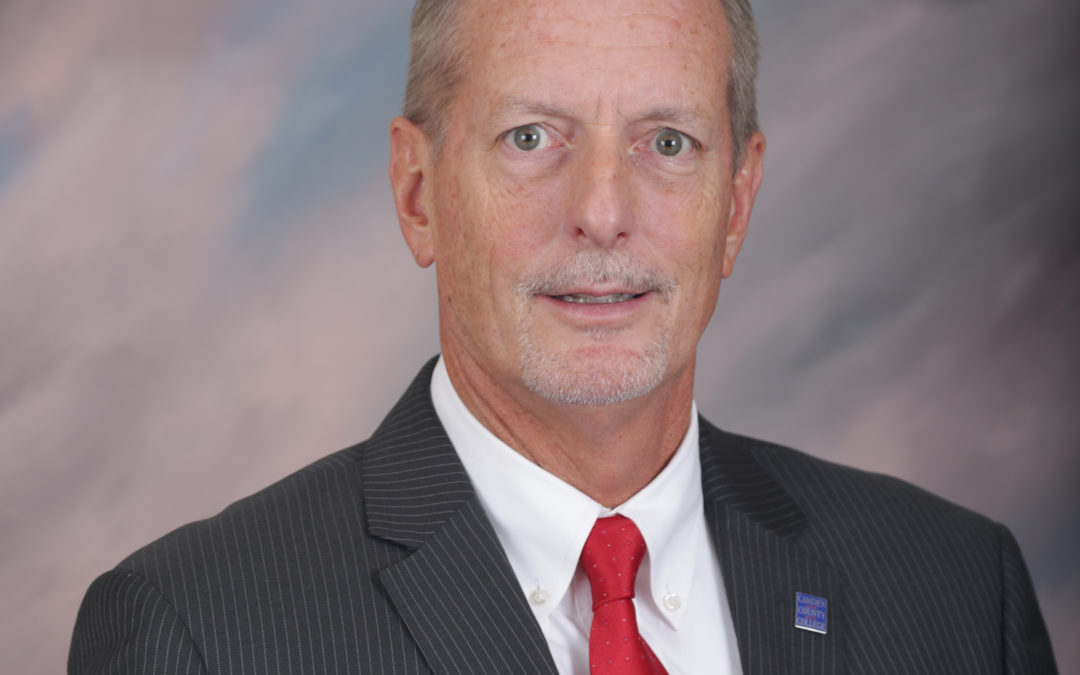
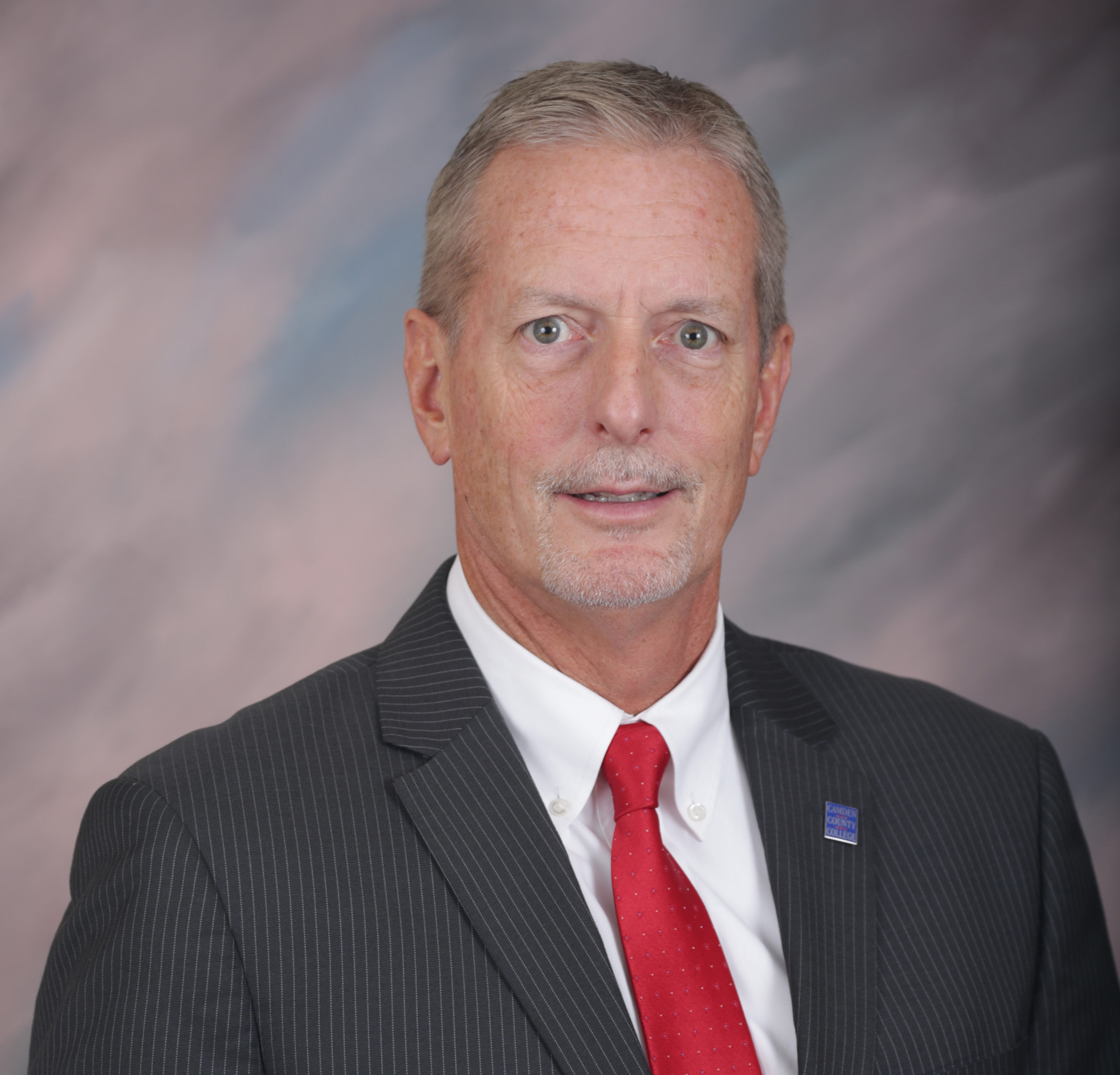
Spotlight On: Donald Borden, President, Camden County College

Spotlight On: Donald Borden, President, Camden County College

By: Yolanda Rivas

2 min read December 2019 — Beyond typical degree programs, South New Jersey’s Camden County College is challenged to keep up with demand for certifying students like automobile technicians and machinists. The school is attracting increased involvement from local business and the industrial community to tailor its courses to the market’s demands. The Invest: team recently spoke with Camden County College President Donald Borden, who highlighted the areas of growth for the college and the region’s workforce.

Which of the college’s programs are experiencing more demand?


We have the most certification programs in southern New Jersey. In terms of what is in demand, we can’t keep our machinists on the floor. Companies come to hire them as soon as they become proficient. Students trained in robotics, automobile tech and optometry all find work after graduating. We offer some of those programs that are not traditionally seen as higher ed, but they have been in very high demand. We also continue to graduate students in the areas of business and education, as well as criminal justice, to name a few. The important factor is to have the connections that provide students with opportunities, such as the police academy, which we oversee here in Camden County.


As the college’s 2017-2020 strategic plan winds down, what factors will be central to the next plan?


We are already working on our next strategic plan. What is encouraging is that much of the focus in our town halls or when talking to our stakeholders is making sure our strategic plan includes partnering with business and industry. We have really increased the number of businesses and industries on our advisory boards, and my view is that we have to be servants to those individuals. It used to be that higher education was a “take it or leave it” proposition, but now we need to understand what the business community needs from our graduates. They have an opportunity to weigh in on our curricula and program development. As a result, when our graduates enter the local business community it helps them, it helps the business community and industry, and it helps the community in general.

What impact is technology having on education?


It is not just instructional. When you talk about automobile techs, I don’t think they can be called mechanics anymore. They are technicians who are very involved in the computer technology business. I think that is true in almost any area. How does that affect us? Instructionally, we need to be meeting the needs of those businesses and industries, which is where the advisory boards and partnerships come in.  We need to know what kind of equipment our students need to be trained on. That is true of both certification programs and degree programs.


In addition, sometimes we need to rely on those partners to help us with equipment, because of financial issues. But even beyond that, our students live in that world on a day-to-day basis, so we try to help them. More students are simply living their education through technology. We are also expanding our online programs, which is an area of focus as we work to have more degree options available online.


What main challenges is the college and the education sector in South Jersey dealing with?


One of the main challenges for all of us is fewer traditional students graduating from high school. That population is diminishing and that makes it more competitive for all the institutions that serve those students. 


Another challenge that we face, and which is very typical in public institutions, is state and federal funding. Our county has been extremely generous. Most recently, the community college opportunity grant has had an influence on how we do business. It provides every student making $65,000 or less in combined yearly family income with free tuition at local community colleges.


To learn more about our interviewee, visit:

Camden County College: https://www.camdencc.edu/ 

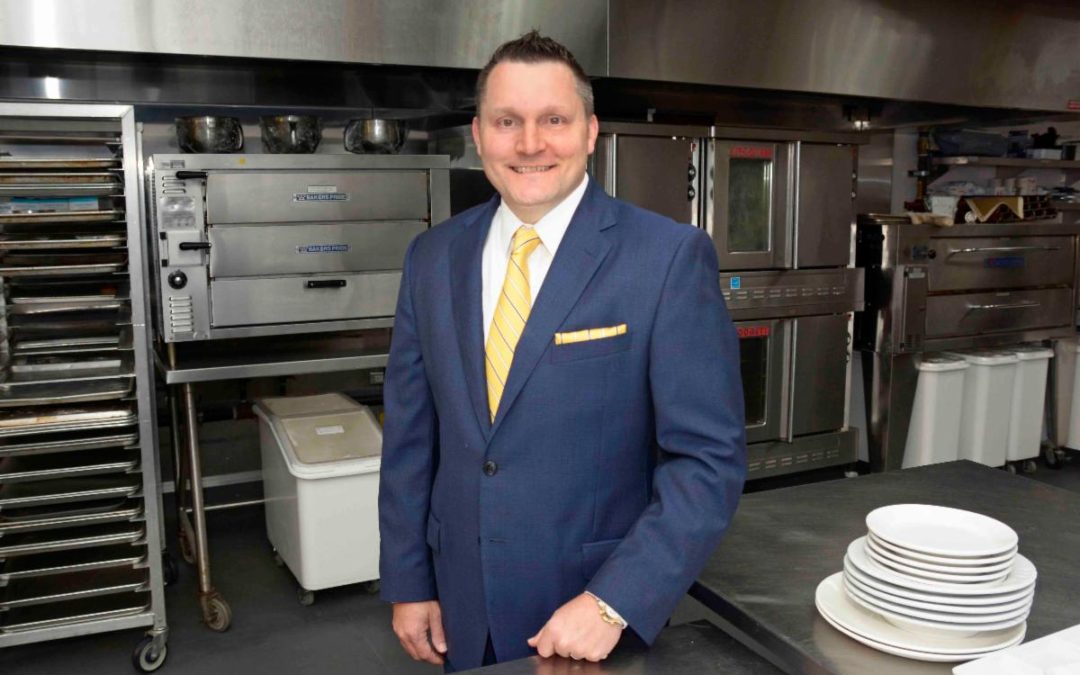
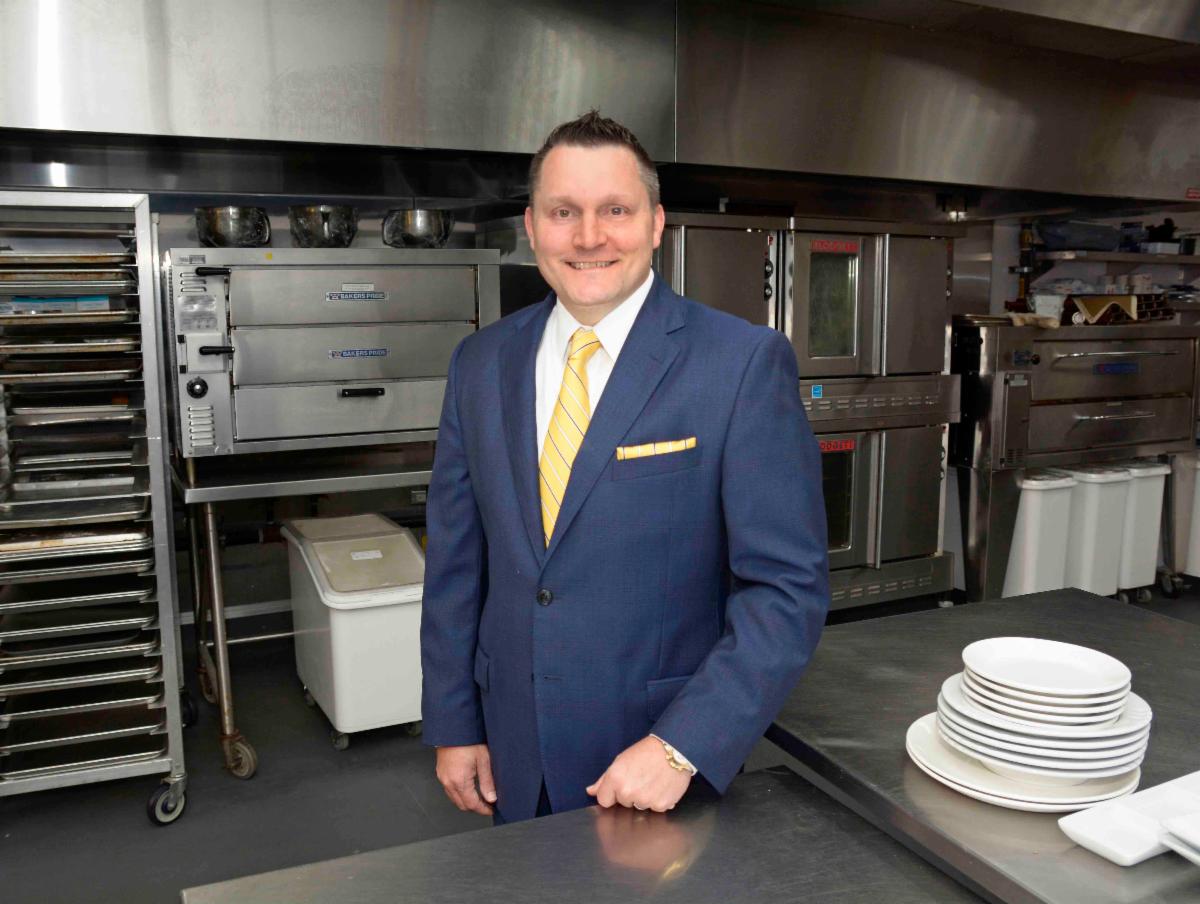
Spotlight on: James Michael Burkett, President, Florida Technical College

Spotlight on: James Michael Burkett, President, Florida Technical College

By: Yolanda Rivas

Since 1982, Florida Technical College (FTC) has been meeting the needs of students and the job marketplace. At times of low unemployment rates across the nation, educational institutions like FTC play a significant role in providing students the necessary skills businesses are looking for. In an interview with Invest: Orlando, FTC’s President James Michael Burkett discussed the most in-demand programs and how they support the local workforce.

What differentiates Florida Technical College from other educational institutions in the area?


We support people who want to acquire technical job skills that can get them into the job market more quickly. That is one of our main advantages. Our locations in Central Florida have seen unprecedented growth, particularly in our hospitality program because many of the positions in these fields require the technical skills we help students acquire, rather than a traditional four-year degree. Another big advantage for the school is our Spanish language vocational and technical programs. These programs have allowed us to assist the Spanish-speaking population that has migrated to Central Florida over the last few years.

What are some of your efforts to attract and retain talent in Orlando?

We partner with several chambers to make sure that employers in the area understand what we have to offer. That has been a great advantage to both students and employers. We are seeing unprecedentedly low unemployment rates and one of the main challenges employers are facing is finding qualified talent. We communicate with local businesses from different industries to ensure our students have the skills they need. 

Which Florida Technical College programs are seeing the most growth?

Electrical has been one of the fastest-growing programs at Florida Technical College. We have been able to scale that program quickly to meet demand and by the beginning of next year it will be available at most of our campuses. Construction trades and the Spanish language vocational programs also have been areas of growth for us and we expect that to continue in 2020. There is also a big need for culinary skills and we are expanding our capacity for that program as well. With numerous restaurants and hotels opening in the region, we are looking to provide the talent pipeline they need.

To learn more about our interviewee, visit:

Florida Technical College: http://www.ftccollege.edu/