An influx of affordable housing is coming to Orlando

An influx of affordable housing is coming to Orlando

By: Beatrice Silva 

2 min read September 2020  — Affordable housing has been a major cause for concern in Florida for decades. Homes in the sunshine state are overpriced by almost 20%, the highest level in eight years, according to a study done by Florida Atlantic University. The pandemic has served as a reminder of just how fragile the line between having a place to live and experiencing homelessness is for families. This past year, Central Florida added seven affordable rental options for low-income households, which has raised the total count to 20, in an effort to subdue this crisis.  

On Dec. 17, 2019, Orange County commissioners signed off on a 10-year plan to create new affordable housing projects, injecting $160 million into a fund with a goal to build 30,300 units by 2029. Among other grants and strategies, developers and nonprofits can seek financial help to build or upgrade low-income properties. “In the end, all those things are going to help, but they are going to have to have dedicated resources,” Shannon Nazworth, CEO of Jacksonville-based Ability Housing, previously told Orlando Business Journal. “There have been communities like Los Angeles that have gotten permission from their populous to do a bond issue to develop affordable housing and meet the need, and if Orange County were to do that, I think the return on investment would be demonstrative.”

Residential Communities LLC and New South Residential LLC are the most recent developments to undertake an affordable apartment complex. Construction on the 77,473-square-foot senior housing facility is set to begin in early September at 5800 S. Rio Grande Ave, according to Orlando Business Journal. This project is one of the many that are needed to help bring more affordable housing options to the region. Families are struggling, perhaps now more than ever, to simply pay rent. To put things into perspective, a minimum-wage worker in Florida makes around $445 per month while the average one bedroom apartment costs around $1,027 per month, according to the National Low Income Housing Coalition. Rent at that price point is simply out of reach even for median-waged workers like nursing assistants, janitors and cashiers. 

While paying rent is difficult, for some people owning a home may seem unfathomable. However, renting a single-family home provides the experience of owning without the costly fees and obligations associated with purchasing a property. As a result, the single-family rental sector is booming in Orlando. “If you can find single-family housing that you can rent that’s within close proximity of multifamily housing, the single-family housing is going to beat it out every time,”  Brad Hunter, managing director of real estate consulting firm RCLCO, told Orlando Business Journal

The rise of rentals could be another form of relief for low-income families. The increase in occupancy will eventually lead to more single-family rental communities being built that then provide more affordable housing options. However, when it comes down to it, the majority of the responsibility to help reduce the burdens of housing costs and minimum wages falls on elected officials. Without the support of the local and state government, deploying a plan to promote affordable housing is left in the hands of developers and the community. 

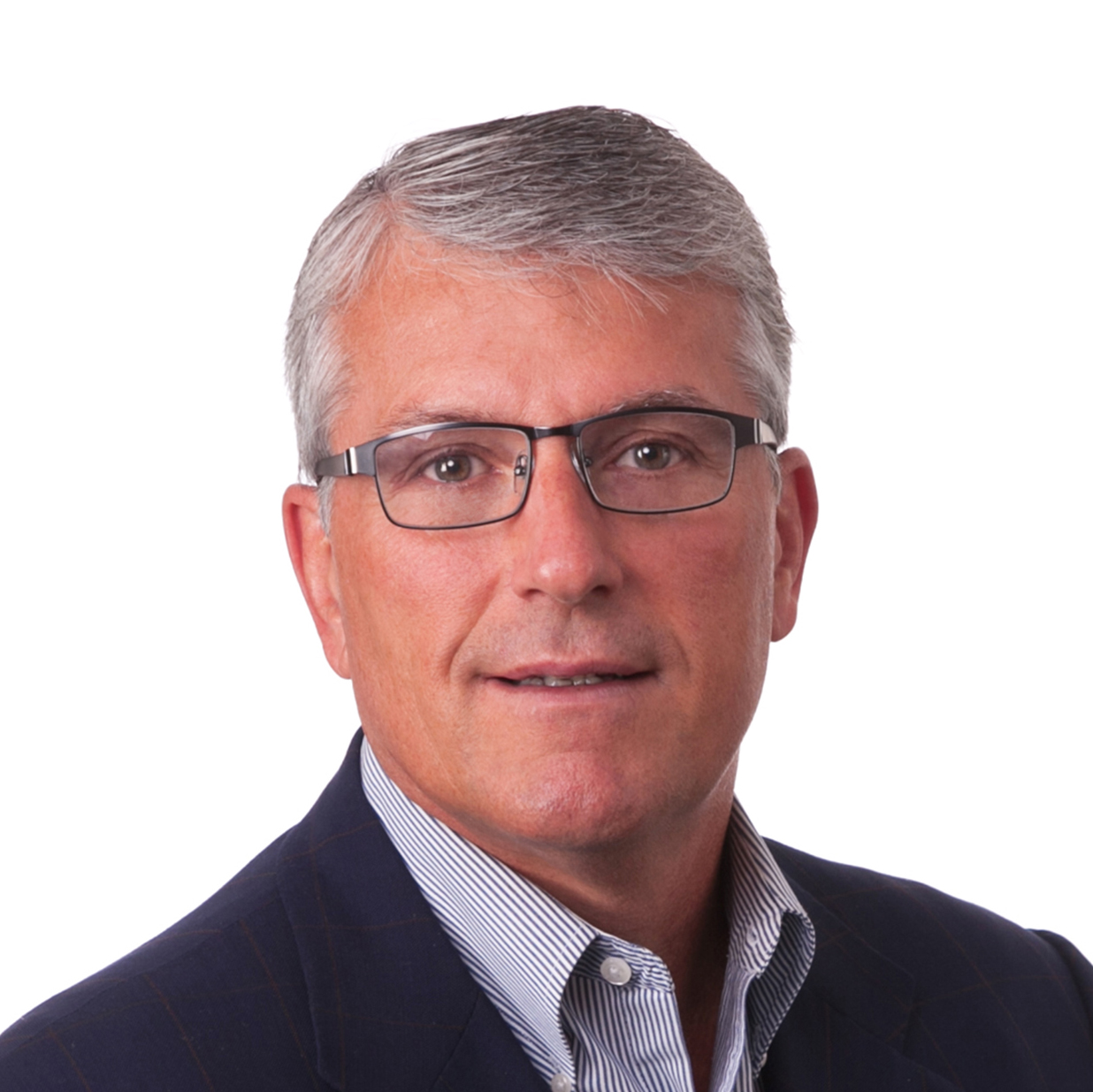
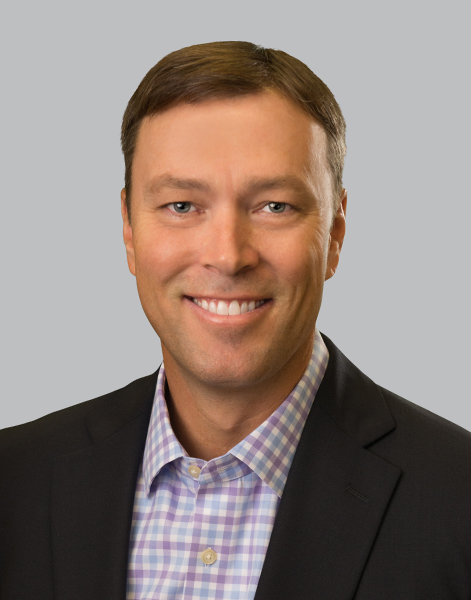
Spotlight On: Tom Slagle, CEO, Rasmussen College

Spotlight On: Tom Slagle, CEO, Rasmussen College

By: Max Crampton Thomas

2 min read June 2020 —With a history spanning more than 119 years, Rasmussen College is well-positioned and experienced in adjusting to unforeseen circumstances like the current pandemic the world is working to eradicate. CEO Tom Slagle spoke to Invest: Orlando about the school’s advantage as a leader in online education for over 20 years. He also spoke about the school being welcomed by the community in Orlando as one of the newest entrants into the local higher education sector. 


How is Rasmussen College positioned in Florida?

Rasmussen has been around since 1900. Rasmussen College acquired Webster College with campuses in Holiday and Ocala, Florida, in 2004. These campuses were merged into the Rasmussen College system in 2007. Later, the college expanded into Fort Myers, Tampa and Orlando. Overall, we have campuses in six states and a national online team serving more than 17,000 students. Healthcare education is a strength for the college, particularly licensure-required fields such as nursing. We are the largest producer of ADN (first licensure) nurses in the country and also offer a bachelor’s (BSN) and master’s in nursing (MSN) and soon a doctoral (DNP). We pride ourselves on providing affordable degrees and a student support network with individualized services. Our primary target market is the adult learner seeking to advance or change their career, more so than the traditional high-school graduate. 


What role does the school play in the Orlando education sector?

We are excited about our new campus in Orlando. We believe we pinpointed some real gaps in the local education market. Our healthcare portfolio is a great fit, and our offerings in business, technology and social services are also in strong demand. The opportunity to provide affordable and relevant credentials that employers are seeking from graduates is where we excel. Our goal is always to be deeply engaged in the communities in which we live and work, this is why we believe in our local campus network. Our programs offer tremendous flexibility with many fully online, but they also provide the campus-based learning environments necessary for labs and simulations. We have been welcomed by the employer community in Orlando and have developed strong relationships with the local healthcare institutions, which support our graduating students with employment opportunities. We want Orlando to become one of our larger campuses in Florida over the next three to five years.


How has COVID-19 impacted the college?

We have been an online leader in education for almost 20 years, so we know how to educate students in an online environment. It is not always simple to incorporate the proper content, curriculum, experience and assessment criteria on a digital platform, but fortunately, we have a lot of experience in that field. As an example, all of our nursing simulation, which typically takes place on campus or at clinical sites, was moved to an online environment, allowing no disruption to our nursing students’ educational journey or graduation. Also, we have seen that individuals displaced by the current environment want to build on their knowledge and competencies to better prepare themselves for the current and future workforce. We made the decision to support our communities by providing our eRasmussen Professional Certificates portfolio (eRasmussen.com) at no cost. We’ve had nearly 9,000-course registrants for the professional certificates so far. We have also sought ways to support our communities by donating much of our PPE to local healthcare organizations to ensure their readiness during this pandemic.


Which industries are driving the strongest demand for educational programs in Orlando right now?

Healthcare is probably top of the list, but we are also seeing strength in areas like technology and other business-related programs. Many applicants are looking for short-term certification to improve their options once they rejoin the workforce. Our Early Childhood Education portfolio also continues to perform well. Our model allows us to serve a segment of the population that has traditionally been underserved by other institutions. We are tremendously optimistic about the breadth of opportunities in the Orlando market.


What does the future hold for Rasmussen College in Florida?

With the economy potentially moving into a short-term recession, education tends to be countercyclical. As individuals are out of work, they look for ways to position themselves in a competitive market with enhanced skills to get a better job. There are also many people looking to make career changes, and we can help with that and make our local communities stronger. Our enrollment rate has continued to grow, and we believe that demand for our programs will remain strong given the unique experience Rasmussen provides our students. 


To learn more about our interviewee, visit: 

https://www.rasmussen.edu/


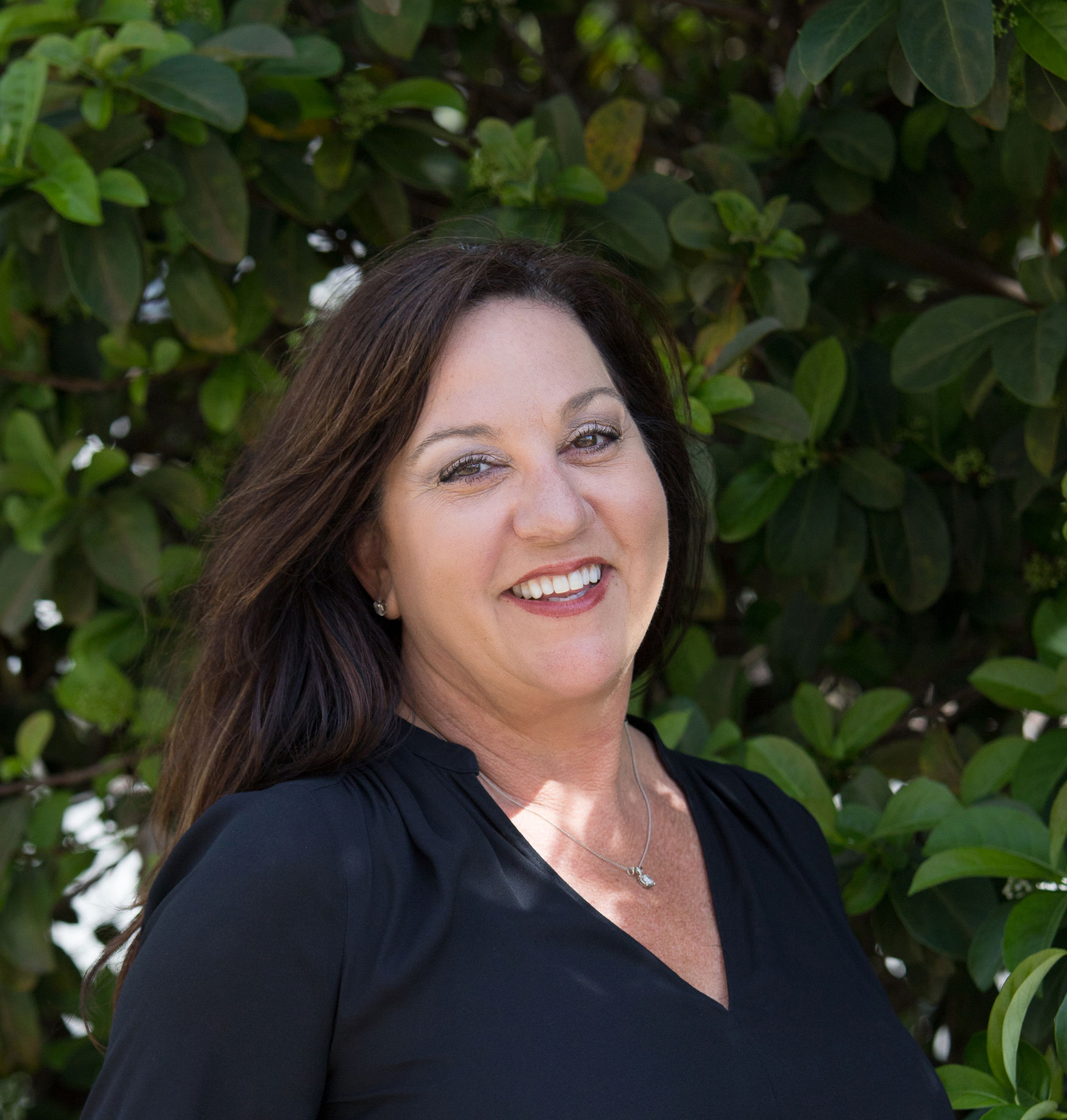
Spotlight On: Sandi Bargfrede, Managing Partner, ACRE Commercial Real Estate

Spotlight On: Sandi Bargfrede, Managing Partner, ACRE Commercial Real Estate

By: Max Crampton-Thomas

2 min read May 2020 — The real estate market will know a before and after COVID-19 as soon as activities resume. Sandi Bargfrede, managing partner of ACRE Commercial Real Estate, talks to Invest: about what to expect from Orlando’s market as the pandemic unfolds. 


How did ACRE Commercial Real Estate close 2019? 

2019 was a stellar year as not only did we see a tremendous increase in volume, but we also saw an impressive uptick in new retail concepts entering the Central Florida/Orlando market. ACRE specializes in retail third-party leasing, property management and tenant representation and we had never seen such a stronger increase in all aspects of our business than we did in 2019. In addition to strong growth in tenant representation, in the last year we also secured a significant stronghold in the Downtown and surrounding area in the mixed-use sector. 

How does your company capitalize on being an all-female commercial real estate firm? 

Women provide a different perspective on retail as we are typically the shoppers and we usually plan the family social activities. We are able to use this to our advantage as we can bring a different point of view to a project. ACRE did not set out to be an all-female firm. That said, we are all-female-owned but we are always open to hiring exceptional professionals, male or female. My business partner and I have been in this business for 20-plus years each and we have witnessed the industry evolve with more 

professional women entering the historically male-dominated field now more than ever. We believe this trend will continue and we will continue to provide the required mentorship platform for all in the business looking to thrive. 

What unique business opportunities does Orlando offer to your business and operations? 

Seventy-two million people per year visit Orlando, bolstering a strong service and hotel industry, where retail spaces are required to provide for these visitors. The retail opportunities are therefore exponential. We are seeing a significant wave of people moving here due to recent job growth figures, with close to 12 percent overall job growth in Orlando itself. With all of this growth, we are seeing a surge in new development from shopping centers to urban mixed-use communities. These new developments provide ACRE the opportunity to use our experience to work with developers before they break ground. Utilizing our extensive background in leasing, tenant representation and development allows us to create a project with not only the proper infrastructure but also the ability to create the synergistic tenant mix required for a project to be successful for the retailer and developer alike. 

What is your assessment of Orlando’s commercial real estate market? 

It is very strong as there are many vibrant areas that are growing in the Metro Orlando market, such as Hamlin, Lake Nona, Apopka, Clermont and downtown to name a few. We are seeing a housing boom in Orlando and these areas are all creating retail destinations for services and amenities along with community-driven gathering spaces for their residents and visitors. 

How has the COVID-19 outbreak altered the Central Florida real estate market? 

We do not believe it will resemble the 2008 crash, especially if we can get back to work sooner than later. It will definitely change the landscape considering the ever-changing social distancing guidelines and measures. These will certainly have a lasting effect on retail and restaurant margins. However, it will also open the door for reinvention and creativity toward preservation. 

We have always been outside-the-box thinkers. Recession-proof and Amazon-resistant have been part of our vocabulary and now we added pandemic and social distancing to the mix. We will find new ways to create tenant mixes that reflect the changes in our “new normal.” We offer consulting and advisory services to our clients and believe these services will be more valuable than ever to assist with navigating this new unknown landscape together. We have always treated our projects like they are our own and will continue to do so. 

What is your outlook for 2020-21? 

There will be a slight correction in the retail portion of the commercial real estate landscape. This will translate into greater inventory of second generation space available, which will most likely result in a reduction of rental rates until the absorption of inventory is stabilized. We do have a positive outlook as we head into 2021 and businesses start to recover. That said, it is difficult to predict as the COVID-19 effect is still unknown. All in all, we believe there is room for a fast recovery and in the end, Orlando will be stronger than before. 


To learn more about our interviewee, visit: 

https://www.acrefl.com/

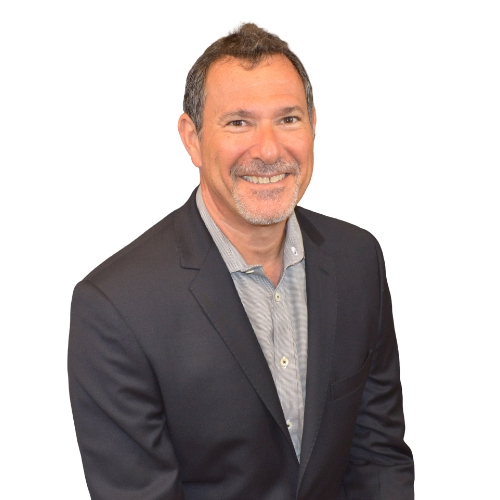
Spotlight On: Kenneth Rosenfield, Managing Partner, Rosenfield & Company PLLC

Spotlight On: Kenneth Rosenfield, Managing Partner, Rosenfield & Company PLLC

By: Max Crampton-Thomas

2 min read May 2020 — In a crowded accounting and consulting services marketplace, it can be hard to differentiate from the masses. Kenneth Rosenfield, managing partner of Rosenfield & Company PLLC, is accomplishing this by putting a greater investment into his people and by creating a culture that is strong enough to be listed among the “Best Places to Work” for CPA firms last year. He also speaks to his firm’s adaptability as being key to navigating the COVID-19 pandemic, and while most businesses have seen a major slowdown in activity, his firm is experiencing an influx of demand as it works to process SBA loans for its clients.


How is the Orlando market conducive to your firm’s success? 

 Orlando’s economy has been doing really well and has been a great place to work. The workforce is plentiful and the universities here are fantastic. We are lucky to have access to the largest university  in Florida, which has been really great for recruiting to our firm. UCF has been fantastic to work with. The manufacturing industry, which is one of our core industries, has been doing really well in Orlando as well. A lot of people have the perception that Orlando is Disney World, but that is actually the third-largest industry in this region behind healthcare and manufacturing. We are big in the automotive retail industry, and Central Florida is the third-largest automotive market in the country. We have a variety of car dealerships in Orlando, including some of the largest in the country, which are all clients of ours, and is one reason our headquarters is located in Orlando. The automotive retail sector is usually the first to go into a recession and the first to come out of it. 


In searching for a new office space, what have you identified in regard to vacancies in the Downtown area?

 Downtown is challenged due to the consolidation of space. There are a lot of vacancies in Downtown Orlando. A lot of this is caused by banks and law firms downsizing in that area. I’m not sure what the exact cause is because everybody seems to be doing well. I believe this could be because the thought process has changed. Everyone used to want a big office, but now everyone is going more toward a collaborative workspace, which takes up a lot less space. That has created a big hole in the market and it has caused the rate per square foot to come down. So much space is now available.


How do you remain competitive with firms of your size and the larger national firms? 

 We compete with the big national firms for staff and clientele. We have to offer the same level and more creative types of compensation while also offering a completely different work atmosphere that those firms don’t supply. We also have to be different from all the firms our size and price competitive with the large firms. Ultimately, this leads us to making a greater investment in our people. We don’t have the “grind them up and chew them out” environment that the big firms have. We also have made the investment with the local colleges to acquire the best available interns. We have to maintain a really great intern program that allows them to do exciting things and also receive practical work experience. If you don’t provide that environment, you won’t get to participate in that talent pool. Having a great work environment leads to more productivity and ability to serve our clients better. We are really proud to have won, Best Places to Work for CPA firms last year. We also invested heavy into technology over the years, and we are much more efficient than our competitors in serving our clients. 


How has the COVID-19 pandemic affected your operations? 

 Today, we are extremely inundated with processing SBA loans for our clients. Other people had also heard about us doing this, so if they are big enough we have algorithms to figure out the best method to accomplish this. We then put together loan packages and submit them to the banks. We have already completed over 150 of them and these are big SBA loans valued at over half a million dollars, at least. Tax filings were pushed back, so we are still working on those but not as much as we are working on these SBA loans. We also do SEC work, so we have a lot of quarterly and annual filings coming up that we are still working on. Our audit team is very busy. We are going to see a lot of merger and acquisition activity in the coming months, which we are also proficient at. 


To learn more about our interviewee, visit: 

https://www.rosenfieldandco.com/

Spotlight On: Clay Worden, Office Managing Partner, RSM US LLP

Spotlight On: Clay Worden, Office Managing Partner, RSM US LLP

By: Max Crampton-Thomas

2 min read April 2020 — Accounting and consultancy firm RSM’s Orlando practice had little problem migrating its operation to remote after the COVID-19 pandemic hit the state. The company’s managing partner for the Central Florida city’s practice, Clay Worden, shares his views on how his company and small business will adapt and learn from the contingency.

What specific markets does your Orlando office focus on?

Hospitality and real estate are key components of the Central Florida economy, and we spend quite a bit of energy serving these sectors. Food and beverage is also an important sector for us. Agriculture is one of the key economic drivers in the state and we serve a lot of Ag-based organizations.


We also serve SEC clients, nonprofit organizations and manufacturing companies. Our tax practice is incredibly robust and growing. We seem to be firing on most cylinders.


Which area of your practice has seen the largest demand in recent years?

We are seeing a lot of demand related to digital transformation. Organizations, even before the COVID-19 situation, are looking at their systems, especially their legacy systems and saying, “Hey, is this the platform that is going to get us where we need to be?” From a technology consulting standpoint, I think that is one of the areas where we’ve had some exponential growth.


Another area where we continue to see organizations focusing on is the internal audit and risk advisory functions. When the economy is robust and companies are generally profitable, they want to make sure their systems, controls and policies are functioning as designed to safeguard their assets.


What challenges has the firm faced in dealing with the effects of the COVID-19 pandemic?

We recognize that our younger folks embrace technology and want to use technology. With that in mind, our audit practice and consulting practice has been primarily remote for the past several years. We visit clients and still have to access systems and software to be able to work, but we were pretty much prepared for the fact that we might not be at the office and prepared to work from home.


Our tax practice was traditionally people going to the office and to some client locations, so it was important to have the technology that provides them with access and to give them the tools they need, which included a little more bandwidth in the system to get to their tools. We started that process and were quickly able to get it to them. For us, it really hasn’t changed much. You still have access to all the data and everything we need to serve our clients.


One of the opportunities that we are seeing from this is that we are helping businesses access the stimulus that is being offered, making sure they qualify, follow the rules, and are taking advantage of the tax benefits that are available today. We’ve quickly mobilized people who are or are becoming experts in helping clients navigate these government programs.


Another area where we are seeing some changes is travel. We were to hold a firmwide leadership meeting with about 100 firm leaders going to Chicago in April. Instead, we held that meeting virtually. From my perspective it was very effective. We missed the reception and cocktail hour to talk face to face with some of our colleagues we have not connected with for a while, but in terms of disseminating information and communicating, it was very effective.


What is your outlook for the Orlando area in the near term?

My cup is always half full. I am confident that our firm and Orlando, Florida, and the country as a whole will come out of this stronger and more equipped than we were going in.


I think that certainly the pain is going to be probably worse, and longer, than most people would like. When you live in Central Florida, which is primarily built on hospitality and entertainment, I don’t know how quickly people are going to hop back on a plane and come right back.


I do have some serious concerns for the smaller businesses. I don’t know that the smaller businesses, like restaurants, have the capital to withstand being with limited customers for an extended period of time. Big and small,  companies are going to have to rethink how they do business in the future.


To learn more about our interviewee, visit: 

https://rsmus.com/

Spotlight On: Tony Jenkins, Market President – Central Florida, Florida Blue

Spotlight On: Tony Jenkins, Market President – Central Florida, Florida Blue

By: Max Crampton-Thomas

2 min read April 2020 — Florida Blue is part of the Blue Cross and Blue Shield Association, providing insurance products to individuals and businesses. Market President – Central Florida Tony Jenkins told Invest: about the company’s actions to tackle the COVID-19 crisis, assistance for policyholders and its experience holding virtual job fairs during the pandemic.

What accommodations to your network of primary care doctors and specialists did you have to make to handle the influx of patients due to the COVID-19 outbreak? 

Our network of providers has quickly adapted to offer more virtual care options to their patients during the COVID-19 health crisis. This allows individuals to chat with their doctor in the safety of their own home. 


Florida Blue has taken several measures to increase virtual care options for our members. We added free access to Teladoc for our Medicare Advantage members, and we’ve waived the Teladoc copay for all Affordable Care Act members and most employer group plan members. Teladoc provides 24/7 bilingual virtual care via phone, video or mobile app. 


We also are allowing our primary care doctors and specialists, including behavioral health providers, to treat patients virtually at their normal office visit rates during the crisis. We’re even allowing those with our Florida Blue Dental plans to seek emergency virtual care from a dentist at no cost. 


Sanitas Medical Centers, which exclusively serves Florida Blue members, has designated select facilities as sites for patients with respiratory issues while other sites are treating other health concerns to reduce the chance of exposure of patients who need to seek care for non-respiratory issues. Sanitas is also providing free bilingual virtual care to its current patients via its mySanitas Chat website and mobile app. 


Our GuideWell Emergency Doctors, which provide high-acuity urgent care, are also offering virtual visits via phone or video. They will even come out to your car and administer testing in their parking lot, so you do not have to enter the clinic. 


What kind of out-of-pocket cost waivers have you implemented as a result of the coronavirus?

In addition to waiving copays for Teladoc sessions during the crisis, we waived cost-sharing through June 1 for any members who must undergo treatment for COVID-19 for our Affordable Care Act, Medicare Advantage and other individual plans (excluding Medicare Part D drug plans), as well as all fully insured employer group health plans. We also are waiving cost-sharing for medical testing for COVID-19. 


Tell us about your initial investment of $2 million to address urgent health and safety needs in communities across Florida. What is the vision for this initiative?

Florida Blue made an initial investment of $2 million to address food security for seniors and children, support hourly workers, behavioral health needs and other crisis priorities in local communities. $500,000 was set aside specifically to support Central Florida communities. 


With those funds, we’ve provided 300,000 meals to Second Harvest Food Bank, donated $75,000 to senior organizations across the region offering Meals on Wheels and other in-home support to seniors, and funded free childcare at the two area YMCAs for the children of healthcare workers, first responders and other essential frontline workers. We also worked with four Central Florida school districts to ensure children will continue to receive free meals while they are taking classes from home, in addition to supporting crisis relief funds for our local United Way chapters, which are aiding our neighbors in need. 


How is the company dealing with the transition to remote work?

Our IT team did a phenomenal job ramping up quickly so we could transition more than 95 percent of our workforce across the nation to work remotely. We have only a few hundred individuals who are working on site in an office or medical clinic because they serve essential roles that cannot be performed elsewhere. We’ve taken extra precautions to address their health and safety. 


We asked a lot of our employees with this transition and they showed unbelievable resilience as some had to adapt to working from home for the first time or sharing a makeshift workstation with their spouse or child. 


Despite all the added obstacles, our team has truly stepped up and is delivering on our mission to help people and communities achieve better health. They continue to be innovative and adaptable to ensure we’re keeping our members at the center of everything we do.  


You recently held a virtual job fair. What was that experience like? 

We are currently hosting virtual job fairs for roughly 300 Member Care Specialist roles here in Orlando and across the state. These roles have a unique teacher-like schedule where employees get three months of paid leave with full benefits during the summer months. Training for these roles will get underway in mid-June. 


We have transitioned all our recruiting and hiring to virtual meetings and interviews right now. We have several other positions open in several fields, including IT, analytics, sales, Medicare, training and more. 


To learn more about our interviewee, visit: 

https://www.floridablue.com/

Spotlight On:  Grant Cornwell, President, Rollins College

Spotlight On: Grant Cornwell, President, Rollins College

By: Max Crampton-Thomas

2 min read April 2020 — Rollins College is a 135-year-old private liberal arts institution. President Grant Cornwell discusses how the school has adapted in the face of the COVID-19 pandemic and how faculty and staff are adjusting to the crisis, including moving to a fully online delivery of courses and one on one meetings. 

How has the transition to all online classes and education been for your university, both for students and faculty?  


In early March, Rollins started making plans to shift to virtual, synchronous teaching. Our faculty and staff immediately switched gears, canceling many spring break plans to modify their lesson plans and maximize utilization of WebEx, the internet-based meeting platform the College adopted campus-wide.  By the start of remote classes on March 23 they were fully prepared to support our students.

I have been so impressed by our creative, innovative and resilient faculty and staff who are committed to providing our students with the best and most meaningful education, even under these exceptional circumstances. Across the board, departments have stepped up to serve our students from afar. Our librarians serve as consultants, our tutors are demonstrating their online coaching skills at our Writing and Tutoring Center, one-on-one office hours are being conducted via WebEx, our health center has transitioned to telemedicine and counseling – and the list goes on and on. The Rollins community has confronted this challenge by conceiving and executing innovative approaches that continue our educational mission. 

The feedback from students has been largely positive. They are doing their part to complete the semester remotely and are eager to learn more about COVID-19 from all aspects so that they can contribute to solutions. 


How is the university working to assist the student body and faculty in mitigating the challenges and impact from the COVID-19 pandemic?  

Our Endeavor Center for Faculty Development has been working closely with our IT department to ensure that everyone has the resources they need to both teach and learn in this new environment. 

Our communication channels are open and transparent as the pandemic evolves. We created and continually update an FAQ on the College’s COVID-19 response webpage to help address questions from our various audiences and stakeholders. Regular updates are communicated through newsletters to students, faculty and staff, parents, alumni and others.  

At first, the information was largely operational, demonstrating the proactive steps we were taking to ensure the health and safety of our community. As we have stabilized and successfully developed new systems for operating remotely, we are also sharing the positive stories about the contributions the Rollins community is making to help others navigate the negative effects of COVID-19. 


Do you feel higher education is receiving enough state and federal support in this time of need?  What can the state and federal governments be doing better in this regard?  

We are grateful for the funds dedicated to higher education from the CARES Act.  Every bit is helpful as colleges and universities look to deal with budget challenges. State-funded institutions already receive government funding and that’s certainly acceptable as that is their operating model. What’s important, however, is that private colleges and universities are like private business. We run our institutions based on private revenue and, ideally, that should be accounted for if there is a future funding bill from the federal government.


As higher education adjusts to the current situation, what opportunities and innovation do you see carrying over post-COVID-19?  

This experience has emphasized that we can indeed deliver our mission to our students in a new way. In fact, remote classes should be made available to those who are ill or unable to attend a class for other reasons. Post-COVID-19, our culture will need to change to make remote accommodations for those who are vulnerable or ill.

Because the Rollins mission is so focused on community engagement, we are finding other ways to help our communities not only during these difficult days of isolation but in the future, as our country recovers. The tenets of a Rollins education community engagement, responsible leadership and global citizenship  are needed now more than ever.  


What would your message be to the university’s student population and faculty that is sheltering in place and waiting for a return to normalcy? 

Stay calm, stay home and carry on. We all have to do our part to keep moving forward to the best of our ability. Finish the semester strong and find ways to be a light to others. Keep in your sights the Rollins motto, FIAT LUX, “Let there be light.” 

To learn more about our interviewee, visit: 

https://www.rollins.edu/

Spotlight On:  Babette Hankey, President & CEO, Aspire Health Partners

Spotlight On: Babette Hankey, President & CEO, Aspire Health Partners

By: Max Crampton-Thomas

2 min read April 2020 — Aspire Health Partners is Florida’s largest behavioral health nonprofit. Here, President and CEO Babette Hankey discusses the organization’s surge planning and its efforts to ensure the safety of its workforce in the face of the COVID-19 outbreak that has gripped the world. 

What accommodations is your system making to handle the influx of patients due to the COVID-19 outbreak? 

We have established Surge Plans for all of our campuses, and have made sure that every campus, team member, and individual unit is trained, prepared and equipped to absorb any surge of patients we may experience. We have isolation capacity on every unit and have identified additional units that can be used if necessary. We are also partnering with others within the community for contingency planning. 


How is Aspire Health working to ensure that patients and healthcare professionals alike are maintaining a safe environment?

The health, well-being and safety of our patients and team members are of paramount importance. We have established a single point of access for each of our facilities. We are screening everyone that enters, and only patients receiving services and staff providing those services are allowed access to our facilities. Additionally, we have initiated tele-health, tele-medicine, tele-group and tele-visit services throughout our system of care wherever appropriate to maintain social and physical distancing. We have established enhanced Infection Control processes and have established daily updates that are communicated to all staff.   Personal Protection Equipment (PPE) is provided to our staff when warranted and as new information is released from the WHO, the CDC and the DOH protocols are updated as necessary.   


How can the community best assist the local healthcare providers in this time of need?

Obviously, stay at home, practice standard precautions, and don’t go out (self-quarantine) if you are sick or have any symptoms of COVID-19 or the flu. It is important that we all stay connected for maintaining positive mental health.  Call your family, friends and neighbors and check on them. Make the connection, even if it can’t be physical. Let them know you care. Listen to them. If you begin to experience problems, physical or emotional, reach out to your healthcare provider or to a company like Aspire that has trained professionals 24/7 to assist with anxiety, depression and other feelings of despair. Aspire has a dedicated COVID-19 line for people to call: 407.875-3700 and push 2. Together, we will get through this.


What would your message be to the local community that is sheltering in place and waiting for a return to normalcy?

First and most importantly, I encourage all those who can to please stay home and adhere to the stay at home orders issued by our governor. If we all adhere to that, we can flatten the curve.  Secondly, stay informed, but don’t obsess on the news coverage. Take care of yourself, your family and your neighbors, both physically and emotionally. Take time to de-stress by walking, exercising and spending time with your family, while ensuring that all CDC guidelines of social distancing are being followed. We are all in this together and we will get through this together. We will be a stronger community in the end.


Do you feel you are receiving enough state and federal support for items you are in need of? What can the state and federal governments be doing better in this regard?

The state and federal government are doing their best to assist. We understand that this is something we have never seen before and are learning together in these unprecedented times.  While resources are limited, all levels of government have demonstrated a high level of commitment to ensuring that all available resources are tapped and committed to this effort. Our greatest challenge, which is nationwide, is having adequate PPE for our front-line healthcare workers. Our community is responding by making masks for our team members, for which we are forever grateful. As we see increased cases and have to quarantine our staff and patients, we are looking at ways to have a healthy workforce so that we can continue to meet the needs of some of our most vulnerable citizens at a time when they need us the most. 


It is imperative that we fight this as a united front and recognize the efforts that are being made throughout our nation as we navigate through these uncharted times. It is important that our leaders acknowledge the public’s heightened level of anxiety, provide reassurance and consistent messaging.  Prioritizing getting supplies, getting people well, back to their daily lives and back to work is our common goal and working together, as communities, states and a nation we will achieve this. The efforts at hand are about saving lives and coming together for a healthy and stronger community and nation.  


To learn more about our interviewee, visit: 

https://aspirehealthpartners.com/

Spotlight On: Steven McCraney, President & CEO, McCraney Property Company

Spotlight On: Steven McCraney, President & CEO, McCraney Property Company

By: Yolanda Rivas

2 min read April 2020 —  The strength of the commercial real estate sector relies on the major roadways that run in and around Orlando, Steven McCraney told Invest:. He also notes that the location of Orlando is a great anchor to position his business as it provides ease of access to everywhere the company needs to be, as well as how the primary growth of his company has clearly been the warehouse and distribution space. 

How connected is the strength of the commercial real estate market to the major roadways in Orlando? 

The strength of the commercial real estate sector relies on the major roadways that run in and around Orlando. The last 50 years in Florida were all about the I-95 corridor, from Jupiter to Coral Gables. If you were to drive that route today there is not an available parcel of land on the roadway. We believe the next 50 years for Florida are going to be primarily focused on the I-4 corridor, from Tampa Bay to Lakeland to Orlando and onto Daytona Beach. While Daytona has not started to pop yet, the thing that we know is that there are two major roadways in Daytona, I-4 and I-95, which leads us to believe that it will be a good market at some point in the near future.


Why is Orlando the most ideal location for your operations? 

The Orlando economy continues to thrive. It’s attracting new residents, it’s generating new jobs and the increased interest is driving industrial users into the market because of the ability to distribute out of the state of Florida from the region on a one-day basis. We relocated to Orlando because the area places us right in the middle of the state. We operate throughout the Southeast and Orlando, which anchors us in the middle of everywhere that we need to be. It also provides the ability to move easily throughout the Southeast because of the region’s dynamic airport.


In regard to your business operations, where have you seen the most growth?

We are industrial developers. That is our mainstay and focus. This is complemented by third-party property management. As of late, the growth has clearly been the warehouse and distribution space. The total industrial space in Orlando is 123 million square feet, which breaks down into roughly 100 million square feet of warehouse distribution, 13 million square feet of manufacturing and the remainder is made up of office, flex space and distribution product. Here’s what we know: warehouse is the new retail. If a person is ordering online, whether it’s products,  clothing or food, the merchandise is likely not coming from a store, it is almost certainly coming from a warehouse. This is attributed to e-commerce growth and third-party logistics. Over the next few years, we are going to see the markets continuing to change and expand. From an industry perspective, I believe we have a trajectory that is at least 15 years long. While the product may continue to change, that product is coming from somewhere and that somewhere is a warehouse. As social distancing is ever more important and various markets are now under a “shelter in place” order, it is clear that suppliers, like Amazon, are still delivering essentials through package products to each and every home.


What market trends have had an effect on your business? 

We are always looking for ways to leverage technology in our business. Whether it’s roofing systems, lighting or super-flat floors, we want a logistics facility to be plug and play for a customer. The biggest challenge in recent years is rising costs. This can be broken down into the rising labor cost and the cost of materials. For example, the cost to build out a 1,500-2,000-square-foot office space within a warehouse space today can easily run around $250,000. That number exceeds $100 per square foot. At the same time, we have seen strong rent growth and because of that we have been able to keep pace. As we presently enter an economic downturn due to this pandemic, one would expect the cost of goods – both labor and material – will correct. Most of us in the industry went through the last recession and we know how debilitating it was. Moving forward, we have to be cautiously optimistic as we enter this challenging economic cycle and be mindful of our leverage, occupancy, quality of tenancy and our construction exposure.  


To learn more about our interviewee, visit: 

https://www.mccraneyproperty.com/