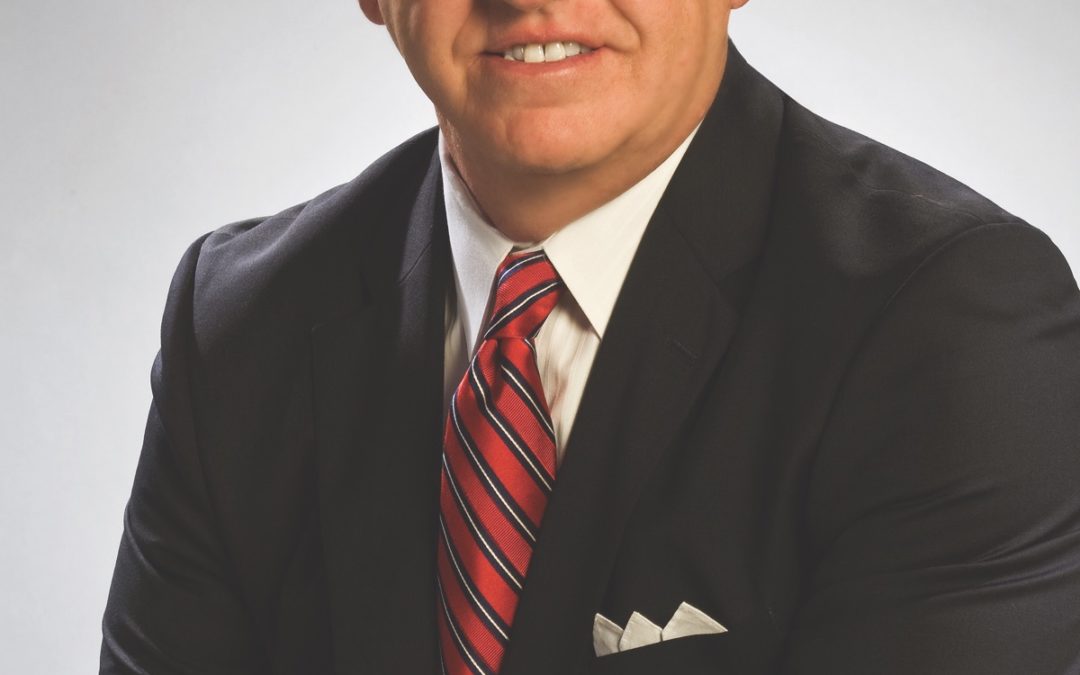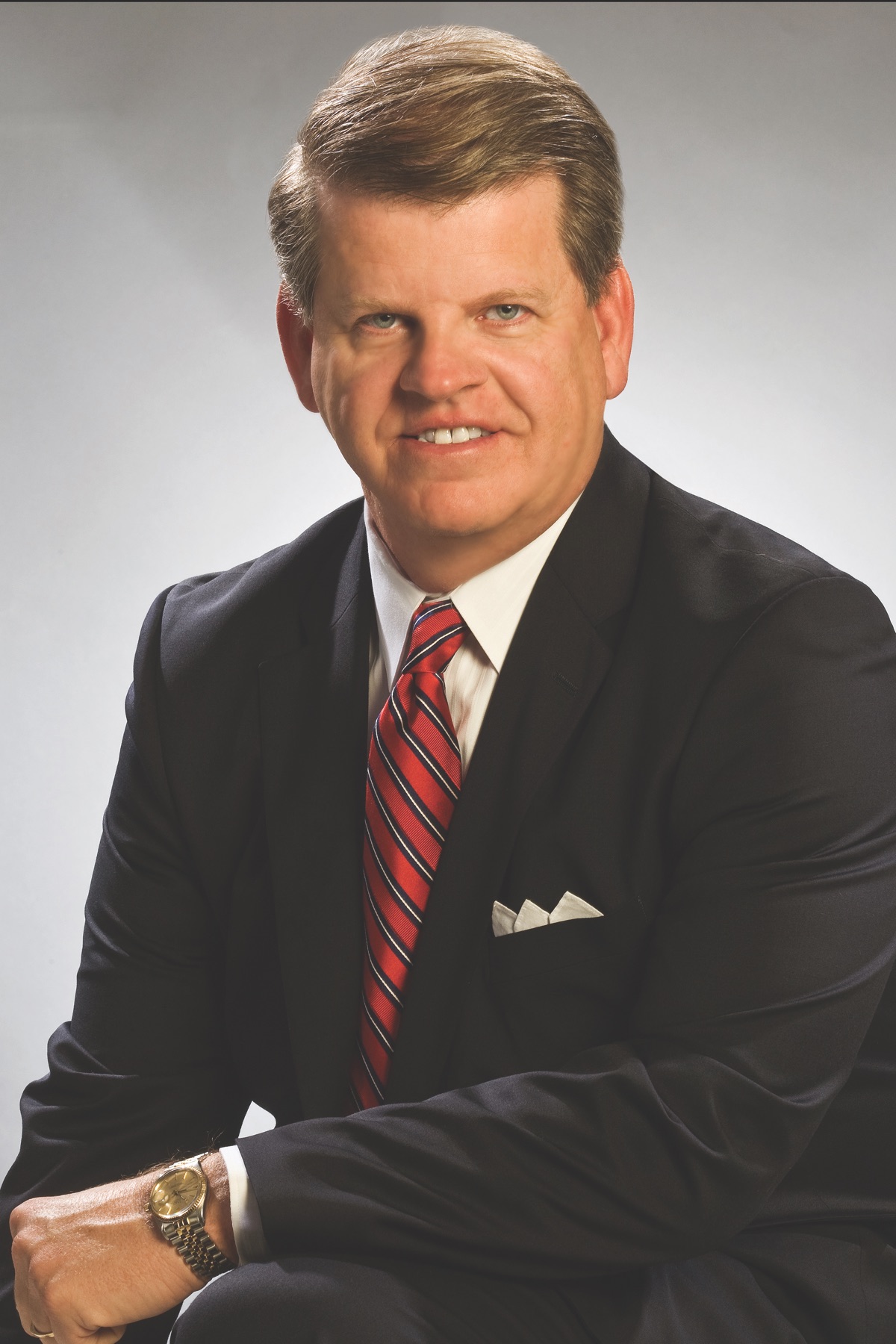
Spotlight On: Lisa Scott-Founds, President & CEO, Winterfest Inc

Spotlight On: Lisa Scott-Founds, President & CEO, Winterfest Inc

By Max Crampton-Thomas

2 min read October 2019 — The Broward County community is spoiled for choice when it comes to events in the area, as there is seemingly something happening every week, even in winter. The seventh-largest spectator event in Florida is the Seminole Hard Rock Winterfest Boat Parade, to be held this year on Dec. 12. Invest: spoke with President and CEO of Winterfest Inc Lisa Scott-Founds about the importance of innovation to the event, how they ensure safety and the role the Boat Parade plays in the tourism economy of Broward County. 

How important is consistent innovation to the success of the event?

We always want to integrate the newest technology into our event, like the use of holograms, which we hope is a real possibility for this year. As a nonprofit organization, we are always searching for unique additions to our event that are not cost-prohibitive. We are always asking people, “What is something that you’ve never seen us do before?” We take their suggestion, develop a budget to execute the idea and bring it to our board and possible sponsors to help with underwriting the “new wow-factor idea.” It’s amazing what can happen when you bring together creative minds and supporters in the business community. The entertainment value is the most important element for our success to ensure we continue to be the “Greatest Show on H2O” and the seventh-largest spectator event in the state of Florida.

How do you ensure safety at an event like Seminole Hard Rock Winterfest Boat Parade?

We work with all our law enforcement officials the United States Coast Guard, Broward County Sheriff’s Office, Fort Lauderdale Marine Patrol, Fort Lauderdale Police Department and the Fire Department. When putting on an event of this caliber, safety is the No. 1 priority. Those who participate in the parade are educated on all our safety procedures. We send them messages on a daily basis to always be conscious of how important it is to keep safety first when you are on the water. As a parade on water, Winterfest needs to have proper procedures in place. Unlike a land parade; you can’t just hit a brake on a boat to stop. Spectators within our Grandstand viewing area see signs directed toward their safety as well.

What role does the Boat Parade play in the tourism market within Broward County?

There is nothing like the Seminole Hard Rock Winterfest Boat Parade in the entire world. The beginning of December is a little slower for tourism, as opposed to other months when tourism in South Florida sees a boom, so we feel a responsibility to bring people into the region and put heads in beds. Our success is due to collaboration with organizations like our Greater Fort Lauderdale Convention and Visitors Bureau and working with area hotels. Tourists should experience a Winterfest weekend, a show at the Broward Center for the Performing Arts, eat at our restaurants and immerse themselves in our community. There is just so much to do in Fort Lauderdale, and in Broward County for that matter.


To learn more about our interviewee, visit: 

 

https://winterfestparade.com/

Spotlight On: Asi Cymbal, President & Owner, Cymbal Developmentf

Spotlight On: Asi Cymbal, President & Owner, Cymbal Developmentf

By Max Crampton-Thomas

2 min read October 2019 — Fort Lauderdale’s real estate development market is in its prime and if there was ever a time to capitalize on that, it’s now. The successful developers are those who truly understand the market, can create an innovative product and have the foresight to protect themselves if this hot market goes cold. Asi Cymbal is the president and owner of Cymbal Development, a development and construction company that is working on a new innovative development along the water called Marina Lofts. Cymbal discusses the key differences he has identified in Broward and Miami-Dade’s real estate development markets, market trends and how vital the financing market is to how real estate development performs. 

What can be expected for your development of Marina Lofts? 

We have a significant interest in Downtown Fort Lauderdale, and we own a six-acre site along the water where we are building The Marina Lofts. We brought in Bjarke Ingels, an amazing architect, to design the project. Marina Lofts will be a multi-use project with residential, marine and retail, and a possible hotel and condo component as well. We have waited for the market to come to us, and we believe this is happening now with all the activity that is happening south of the river. It is primarily a rental market on the river and we think there is an opportunity to create something spectacular and cost-efficient along the waterfront.

How do the markets in Miami-Dade and Broward County differ? 

Miami and Broward are quite different, although they are so close in proximity. Fort Lauderdale strives to be a city that seems closer in line to the bigger cities in the Midwest, while Miami strives to be a city that is more closely aligned with Eastern cities like New York. They have slightly different demographics as well, but both are attractive cities in different ways, which I believe adds to their appeal for various types of renters or buyers. An issue we are dealing with in both places is construction costs, and we are emphasizing efficiency in design more than ever. To be successful in these markets, we need to be a lot more cost-conscious than we have been in the past.


Where do you see development trends gravitating as we move into 2020? 

There will continue to be strong demand for multifamily units. I believe retail will take a hit even though there are some interesting innovations happening in that space. There is an opportunity for growth in office space and there is more of an emphasis on an environmentally friendly product. Our housing tenants expect to see more of this emphasis, so we do design with an eye toward energy conservation, green efficiency and things of that sort that appeal to this demographic. Overall, we are cautiously optimistic through 2020, and our company will remain in significant expansion mode.


How dependent is real estate development on the financing market? 

The financing market helps check the type of real estate product and the quantity of product being developed in South Florida. Regulation is a lot more strict today than it was right before the Great Recession. Having a stronger financial backing for projects is what keeps the region from over-building and there is a lot more hesitation and thought going into what is developed in South Florida. During the Great Recession, we saw opportunities to develop, but it was difficult to find financing. By the time we were mid-cycle everyone wanted to finance, but the opportunity was diminished. Now, we are toward the end of the cycle and there is financing, but you need to create your own opportunities.


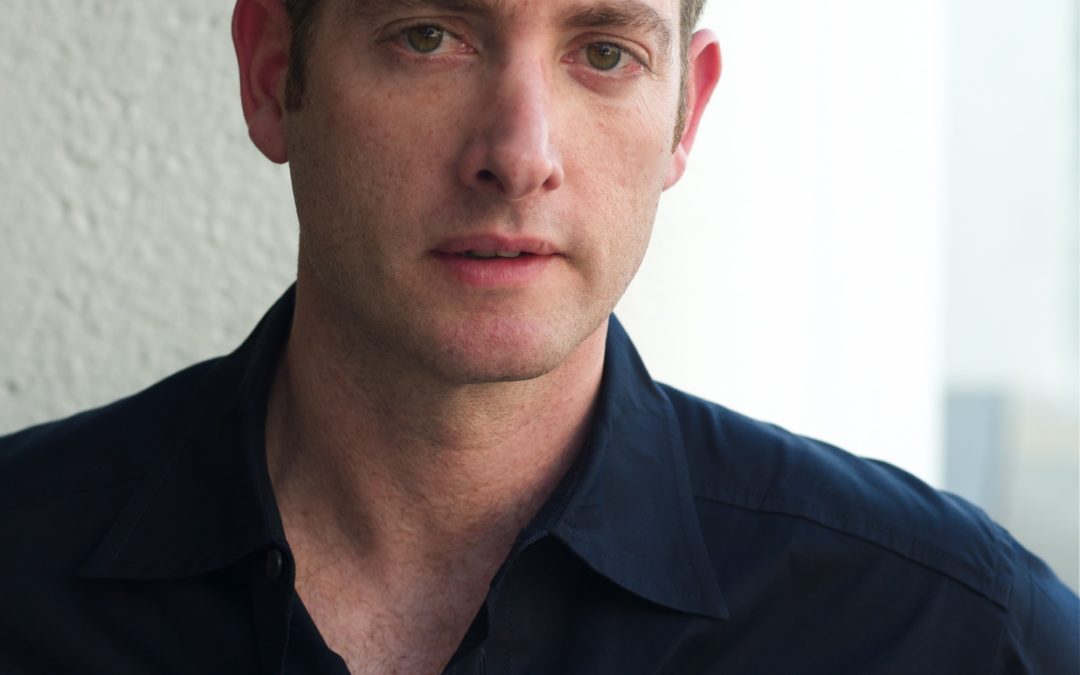
To learn more about our interviewee, visit: 
 

http://cymbaldevelopment.com/

Spotlight On: Sal Saldana, General Manager, Town Center at Boca Raton

Spotlight On: Sal Saldana, General Manager, Town Center at Boca Raton

By Max Crampton-Thomas


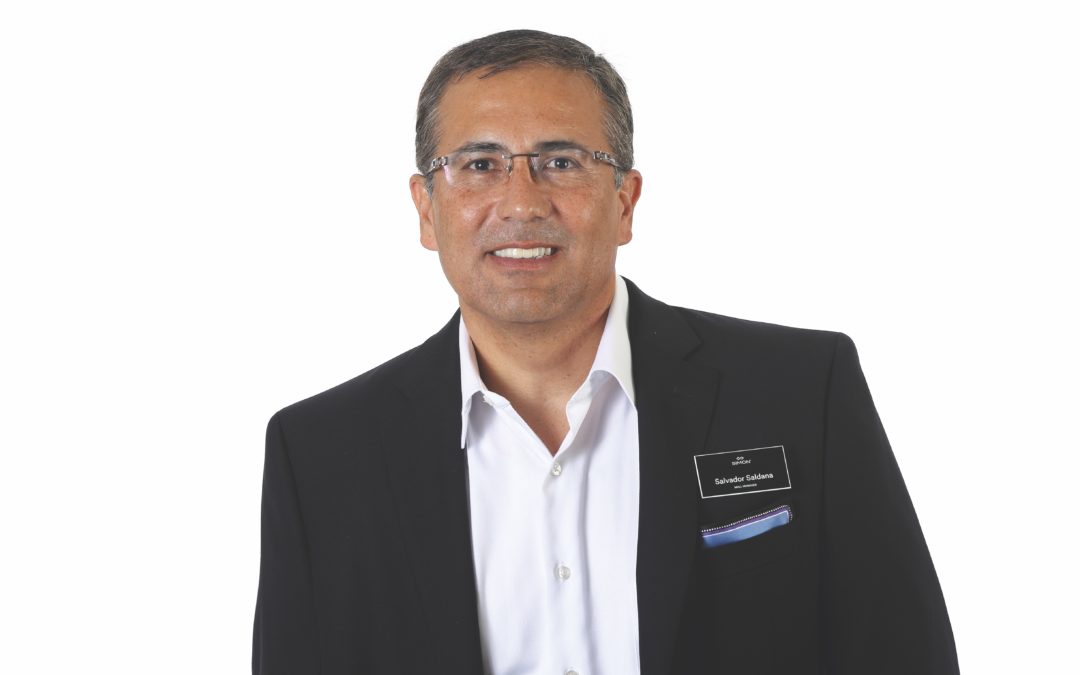
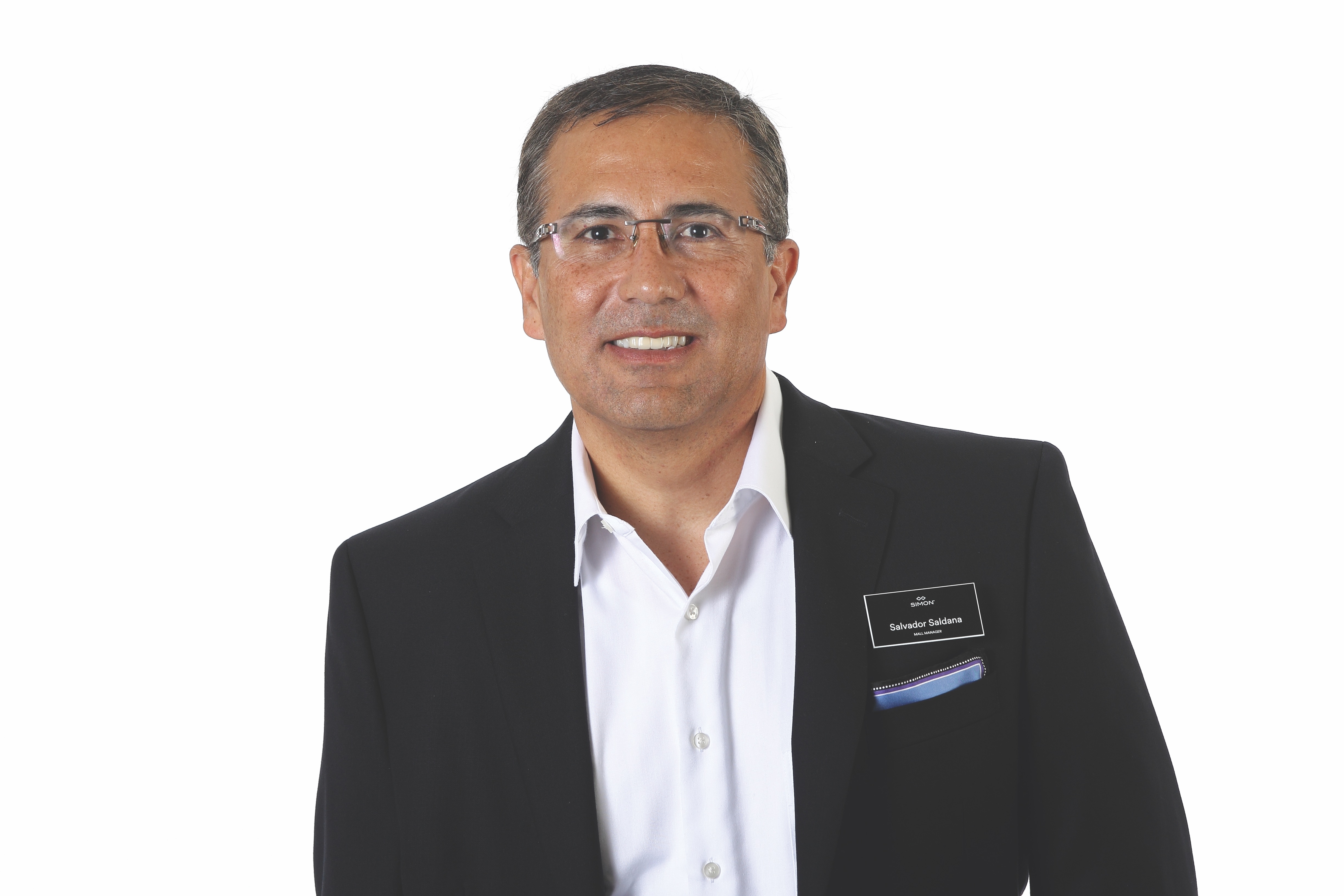
2 min read October 2019The world is changing rapidly thanks to technology. For certain segments of business this means changing with the times or risk falling into obscurity. The traditional mall has become one of these segments, and with the rising popularity of e-commerce, the need for innovation is at an all-time high. One of the malls that recognized this early on was Town Center at Boca Raton, whose General Manager Sal Saldana spoke to Invest: about the mall’s successful longevity in the market, how it is handling the challenge of evolving customer demands and how it is innovating its business model to become much more than just a shopping center. 

How is Town Center at Boca Raton a staple for Palm Beach County? 

This mall is a regional shopping center that is owned by Simon Property Group. It has been in the Palm Beach County area for a number of decades, and over that period of time there has always been an emphasis on making sure it always meets the quality and brand recognition of Boca Raton and Palm Beach County. The mall is an extension of Boca Raton, which is known for its beauty, quality of life and wealth. It also has an international flavor because it houses some of the most widely recognized and regarded retail shops. Overall, the mall is an important asset to the community, and will continue to be for the foreseeable future. 

What has been the key to Town Center’s longevity and success in the wake of an e-commerce-centric world? 

Simon Property Group is an amazing company and has a phenomenal group of shopping centers nationwide. We have been able to really cater to the community and meet its needs and demands from a domestic and international standpoint. We also have the resources to continue improving our operations and attractions. What we do is make sure that we are meeting and surpassing the expectations of a traditional mall. We maintain a very high standard of what we are because we are not only a shopping center, we are also an entertainment destination. 

What challenges is Town Center facing, and how are you mitigating those challenges? 

We are always looking to see how we can improve customer experience, and in this business there is the challenge of keeping up with the times while making sure that we meet customers’ demands. Our competition now comes in many forms, whether that is the internet or a direct competitor in the region. We always want to be projecting new and improved, and this isn’t always necessarily a challenge, but more of an opportunity. To be successful, we have to have a team that is always thinking of what we can do next to make sure that we are staying ahead of the curve. For instance, we are adding a 1,600-square-foot recreational space called PLAY that will feature a combination of seating and interactive play elements inspired by local waterways and waterfronts. Everybody that we work with has to be on the same team and have a philosophy of approaching this shopping center as a five-star resort.


To learn more about our interviewee, visit:

https://www.simon.com/mall/town-center-at-boca-raton

Spotlight On: Kevin Rogers, Regional President, Seaside National Bank & Trust

Spotlight On: Kevin Rogers, Regional President, Seaside National Bank & Trust

By Max Crampton-Thomas

2 min read October 2019 — Seaside National Bank & Trust may be considered a newer entry into the market, having first opened its doors in 2006, but since then it has become a prominent force in the banking community. Invest: Greater Fort Lauderdale recently spoke with Kevin Rogers, the regional president of Seaside National Bank & Trust’s South Florida operations. During the discussion, he spoke on the importance of cybersecurity to a bank like Seaside, how Seaside handles the challenge of competition in South Florida and his approach to finding the right employee candidates. 

How are you protecting your clients in regards to cybersecurity? 

Cybersecurity is a huge topic, not only at our bank, but also across the financial services industry. We tell our people all the time that we’re a small bank, and if we took a $2 million to $3 million hit it would substantially hurt us. Our people are on guard every minute. We have an incredible onboarding process, and we not only know who we’re banking with, but we also know who are clients are dealing with as well. If you ask what keeps me up at night more so than hitting balance sheet goals, it’s cybersecurity and being hit with a loss.

The amount of money that the bank spends on cybersecurity is incredible, but you have to stay ahead of the game. We conduct a lot of training on the subject. I even do a communication call twice a month with our South Florida employees, and one of the main topics is cybersecurity. We want to make sure that everybody is on guard, that they know who their clients are and that they’re asking the right questions. You have to ask the tough questions to make sure you protect the bank.


What is the biggest challenge in the market for a small to midsize bank like Seaside, and how do you overcome it?

I think the biggest challenge is always going to be the competition. Banks of our size do not have the brand recognition that a Bank of America does, so the question is how do we sell Seaside Bank? We have to go out and talk to our clients about who we are and what we specialize in. We drive home the fact that we are able to provide the same products and services that the big banks do but in a community bank setting. We’ve taken a lot of clients away from these big banks. If you look at what’s going on in the big banks right now, it’s all about sales process management and managing their people to numbers that, a lot of the time, mean selling products and services that the clients really don’t need. We don’t subscribe to this notion and instead focus more on listening to our clients and making sure that they get what they want and need. We’re not for everybody; there will never be a time when you’ll see a Seaside branch on every street corner like you do Bank of America. If a customer is looking for that then we’re not the bank for them. If they’re looking for a single point of contact to deal with on a consistent basis then we are a perfect bank for them.


How difficult is it to find professional, hard-working talent in the Palm Beach County market? 

It is very hard, and I find that I’m always looking for people. I’m constantly asked the question when I’m out at a meeting or at a networking event, “Are you looking for bankers?” I always say, “I’m never looking, but I’m always looking” because I’m trying to find the right person who will fit into our culture. 

It’s also very hard to recruit a good banker who is working at a big bank because they already have an established book of business and a continuous flow of referrals. At a smaller bank like ours we don’t have that, and you have to be an aggressive calling officer and business developer to be able to be successful here. We have to be careful about whom we hire because we don’t want to set anybody up to fail. Some of the best people I’ve recruited are from big banks and who want to try something else because they’re at a  time in their lives when they want to scale down. A smaller bank like ours is attractive to these people because of our incentive plan and how we operate.

To learn more about our interviewee visit: 

https://www.seasidebank.com/

Spotlight On: Chuck Cross, Executive Vice President & Commercial Banking Executive, Seacoast Bank

Spotlight On: Chuck Cross, Executive Vice President & Commercial Banking Executive, Seacoast Bank

By Max Crampton-Thomas


2 min read October 2019 – With over 30 years in the banking industry, Chuck Cross has witnessed seismic changes in the way the banking sector conducts business. Currently serving as the executive vice president and commercial banking executive for Seacoast Bank, Cross has a unique perspective on the prominent growth of the banking sector in the past couple of years. He recently sat with Invest: Palm Beach to discuss how Seacoast has sustained continuous growth, why the business ecosystem in Palm Beach County is a benefit for banks and some of the reasons he attributes to the overall growth of Palm Beach County. 

How has Seacoast Bank sustained continuous growth? 

Seacoast Bank has been growing organically by hiring people and building relationships with customers since the recession, but we augment that organic growth with strategic M&A activity as well. We acquired Palm Beach Community Bank in November 2017, expanding our branch locations in the county from three to five and getting access to new customers. We also have  two commercial offices in the market, which is another catalyst for growth.


Why is Palm Beach County a conducive business environment for the banking sector? 

From a macro perspective, when you have a half million people relocating to Florida and a good amount of that coming to Palm Beach County, it drives the kind of growth we hope to see for the next couple of years. From a financial services perspective, Palm Beach is a great place to be operating and providing service.

Palm Beach County has really grown over the past decade. Dense population provides great opportunities for banks. Palm Beach is growing like the whole state of Florida is growing. Everyone wants to move to Florida either for the weather or for some of the changes in the tax reform, and people have always wanted to retire here. Palm Beach also has great infrastructure in terms of education. In addition, there’s a lot of oceanfront property that attracts high-net-worth individuals, which in turn attracts retail, recreation and service jobs.


To what do you attribute the growth of the local economy in Palm Beach County?

The Business Development Board of Palm Beach County has done a great job of attracting a lot of wealth management and private equity firms where the owners can live on the island and operate their companies from there. In the northern part of the county, there are also some aerospace companies, and there are healthcare technology companies like Max Planck and Scripps that are providing higher-level jobs as well. Hopefully this will help attract other types of high-level businesses.


To learn more about our interviewee, visit:

https://www.seacoastbank.com/

Spotlight On: Joseph Cox, President & CEO, Museum of Discovery and Science

Spotlight On: Joseph Cox, President & CEO, Museum of Discovery and Science

By Max Crampton-Thomas

2 min read September 2019 — To be considered a staple within the growing economic landscape of Broward County is no small accomplishment, especially as new options seem to become available to the public on a weekly basis. There has to be a real sense of connection and purpose formed with the public, as well as being an established economic driver, for a business or institution to achieve this status. Invest: Greater Fort Lauderdale had the opportunity to speak with Joseph Cox, the President & CEO of one of the staples of Broward County the Museum of Discovery and Science. Throughout the course of the discussion Mr. Cox made note of how the museum is working to address the lack of STEM workforce in Broward, how they are using new technology to their benefit, the counties support of institutions like the museum and the museum’s important role as an economic driver in the region.

How is the museum helping to address the lack of STEM workforce in Broward County? 

South Florida is powered by industries that thrive on a strong, vibrant STEM workforce. From aviation to tech, there is a unique voice in the local workforce of innovators, tinkerers and problem-solvers.  The Museum of Discovery & Science plays a crucial role in the community by introducing children of all ages to the exciting opportunities offered by careers in STEM. We recently opened The Leighton Family Hangar, our innovative Makerspace exhibit, a hands-on collaborative experience that fosters the learning of new skills, creating products and sharing ideas. Through partnerships with corporations, universities, technical colleges and, of course, our local school system, we will be offering an exciting range of programs and events that allow students to gain valuable skills for their future and ultimately our community’s future. The Hangar will inspire new generations to embrace the engineering design process as they develop, innovate and problem-solve.


How important is the adaptation of new technologies to a science museum?  

One of our goals at MODS is to connect people to inspiring science, and this includes state-of-the-art technology. Technology at the Museum is powered by our most vital resource: our staff and their creativity. Innovative technology is one of the tools our staff uses to help bring the exhibitions and programs to life. We are experimenting with the integration of augmented and mixed reality in exhibits and educational programs, as it truly is an opportunity to contribute to a new path of learning in museums. We are thrilled to have strong partnerships with Broward-based technology companies such as Citrix, Florida Power & Light and Magic Leap that allow us to drive innovation and technology forward in an accessible and meaningful way.


What is your view of the county’s support for arts and cultural institutions?

The Broward County Cultural Division clearly champions the arts in our community. The Cultural Division’s ongoing investment in cultural programming, public art and capital projects reflects the value attributed to the arts by the County.  We are fortunate to have an incredibly vibrant cultural community where collaboration is celebrated. The Museum considers the Cultural Division a partner as we work together to strengthen local cultural offerings, from exciting exhibits and award-winning education programs to breathtaking IMAX documentaries.


How is the museum an economic driver in the Broward County region? 

Beyond the cultural impact of the Museum, we also play a role in the local economy, with 150 employees and more than 400,000 visitors annually. A recent Americans for the Arts survey estimated our economic impact to be more than $22 million. The Museum purchases goods and services locally, hires and trains staff and supports many social service agencies with free and reduced admission. Whether having lunch in the neighborhood or traveling from out of town for the weekend, our visitors help drive the local economy and, with over 15% of our visitors coming from overseas, we are supporting the diverse offerings of our destination.


To learn more about our interviewee, visit:
https://mods.org/

Spotlight on: Gary Jonas, President & Principal, The HOW Group

Writer: Yolanda Rivas

2 min read AUGUST 2019 — Philadelphia’s real estate market has been growing steadily over the last few years. Many international and national investors are targeting the sector, where rents are affordable, when compared to surrounding markets, and there are numerous low-risk investment opportunities. This week’s “Spotlight On,” with Gary Jonas, president and principal of the The HOW Group, illustrates the landscape for the city’s real estate industry, including the most in-demand services, top neighborhoods and the trends in the sector.

What HOW Group business lines are seeing the most growth in Philadelphia today? 

The two divisions that are seeing the most growth are construction and real estate. We attribute that to the hole in the market between companies working for themselves and building a small number of units and companies building hundreds of units. There is a spot in the middle where people need contractors to build 50 to 100 units. It is hard to find companies to fill that space because of the labor shortage. It is also hard to find companies that are capitalized enough to work in that space. Because we are able to fill that gap, we have seen significant growth in our construction division over the last year. There is a huge need for that type of work.

Our real estate company does a lot of new construction sales, which speaks to the Philadelphia market. We expect this division to double its business this year. We made a big investment three to five years ago to launch this division, and now we are seeing significant growth. Between those two companies, we are going to do north of $100 million this year.   


What areas of Philadelphia are most in demand in residential real estate?

There is a huge growth opportunity in neighborhoods where you can provide housing that is in the $300,000 to $400,000 range. That is an underserved market and there is a lot of development starting to happen in that price range. For example, Mantua is a neighborhood right on the edge of Schuylkill Yards, education centers and the development going on in the area, and it is a great place for these types of projects. University City has a 17% to 20% homeownership rate, but it’s the second-biggest job hub and there is a need for affordable housing in the area. The edges of University City are primed for significant growth. There is a neighborhood next to Grays Ferry, known as the forgotten bottom, which is another great area for development because of its location and access to major highways. We also expect to see growth in south Philly. 


What are some trends in Philly’s real estate sector?

We are seeing people who want to do co-living spaces. We are seeing a lot more buildings that provide a product similar to Airbnb. We are also starting to see more micro units because affordability is starting to become an issue. As construction and land costs continue to rise, we are seeing unit size starting to decrease and become a popular option. Because of the inadequate labor pool, we are also starting to see more manufacturing stock like modular and prefab units being placed.

We are always looking to create advancements within the construction division. We are working with manufactured housing developers to figure out ways to use technology to build in a more efficient and cost-effective way. We are working with foundation companies that use proprietary systems and build foundation walls that are more energy efficient and cost-effective than concrete. We are doing these things to differentiate our products.


How does The How Group impact the community?

Our charity division, HOW Charities, supports underserved families with homeownership and financial literacy. We want to get people to financial freedom and this year, we are donating two houses. We are working with the Building Industry Association of Philadelphia (BIA) to figure out ways to duplicate this effort on a broader scale. Along with the BIA, we are looking at solutions with the private sector toward affordable housing and job placement within the industry. There is a lot of momentum because of how great the sector and the city are performing.


To learn more about our interviewee, visit:
The HOW Group: https://howgroup.com/