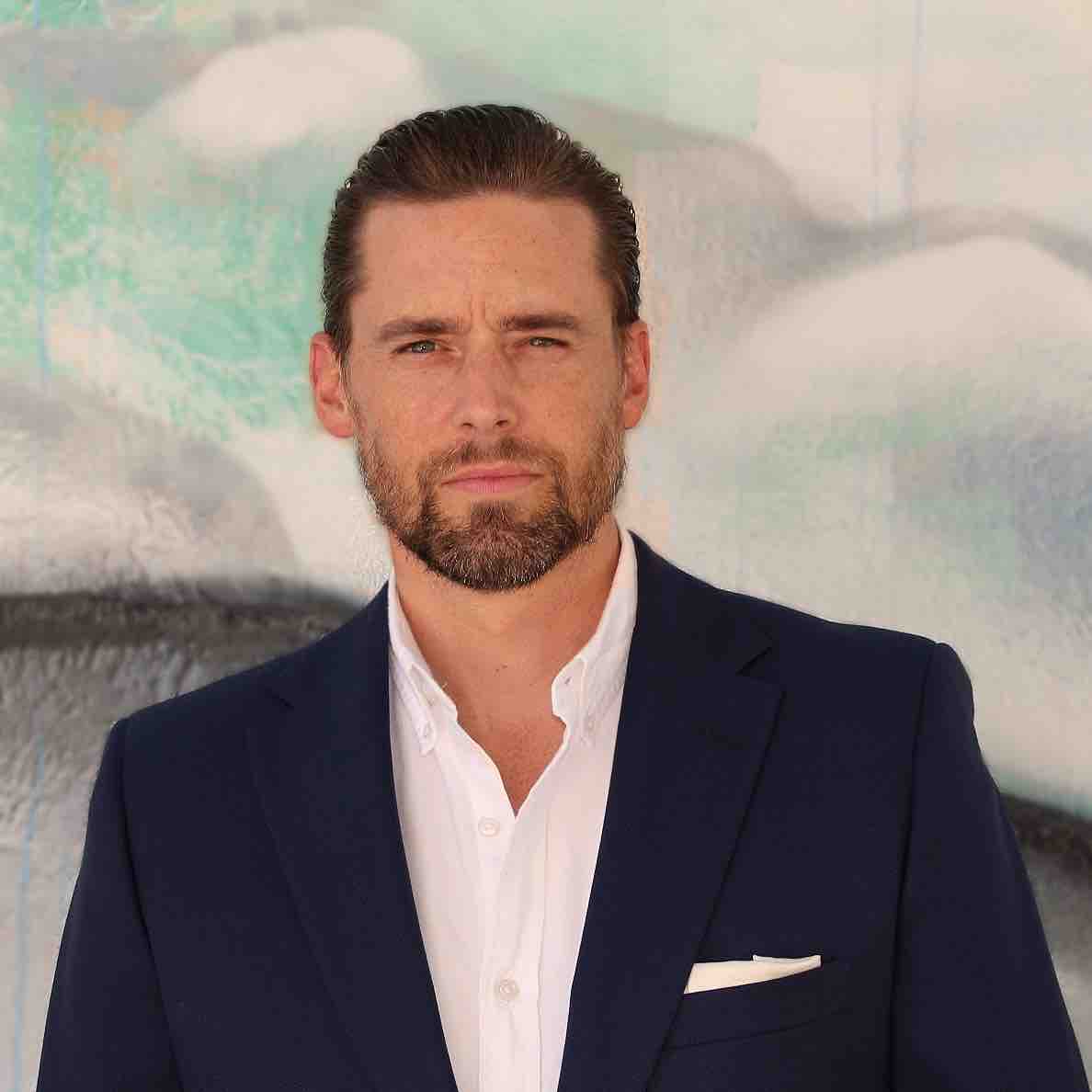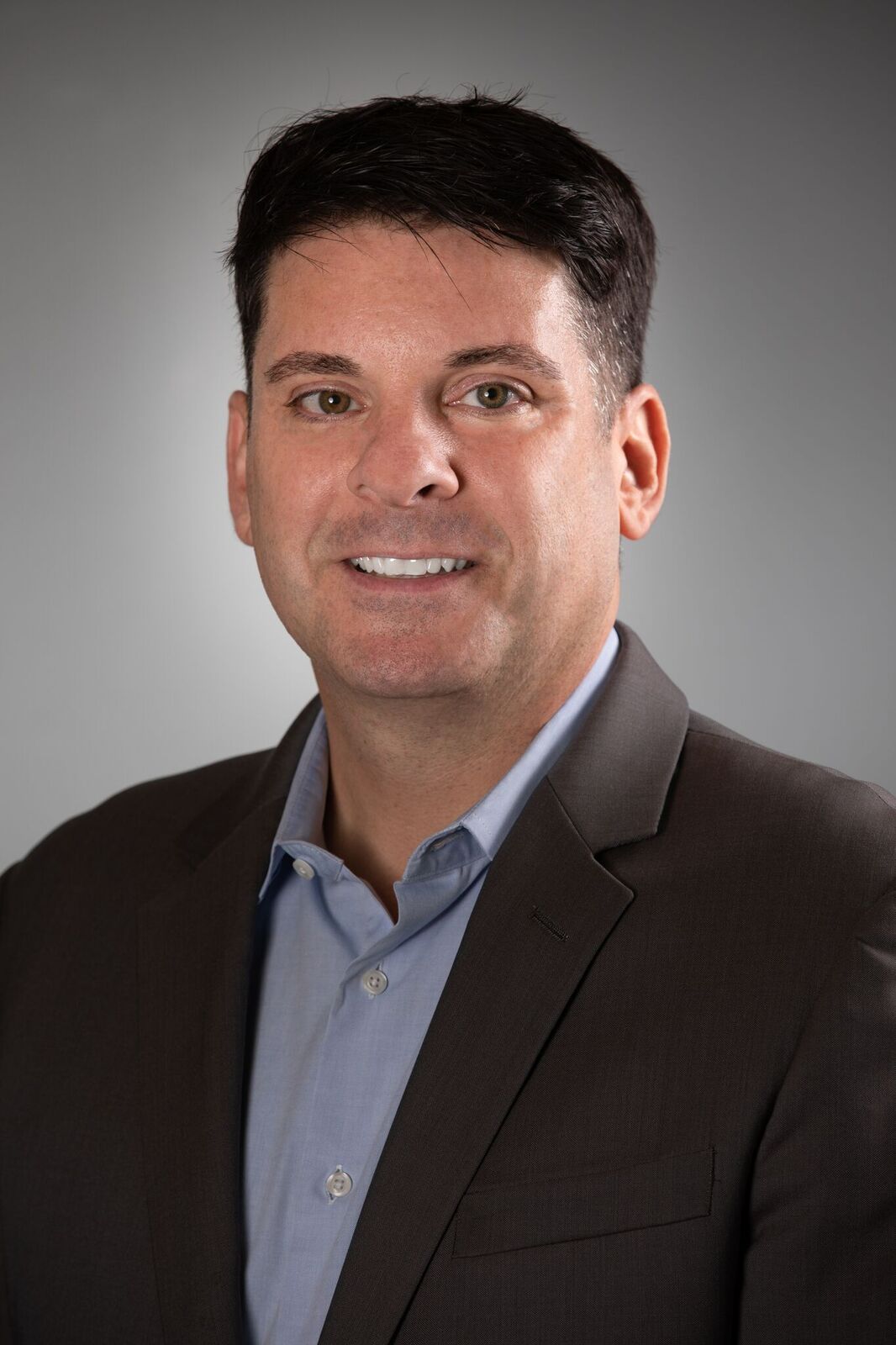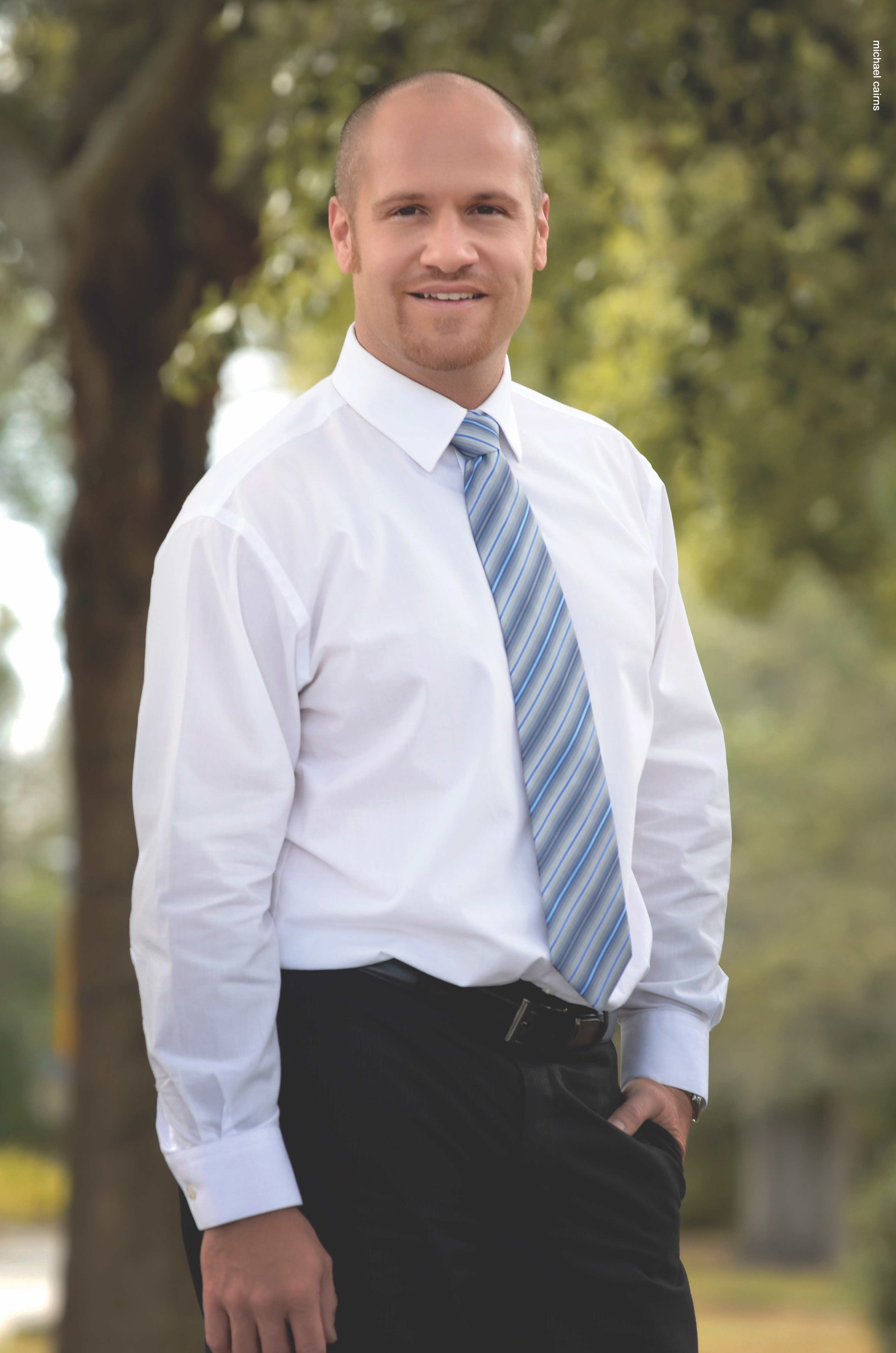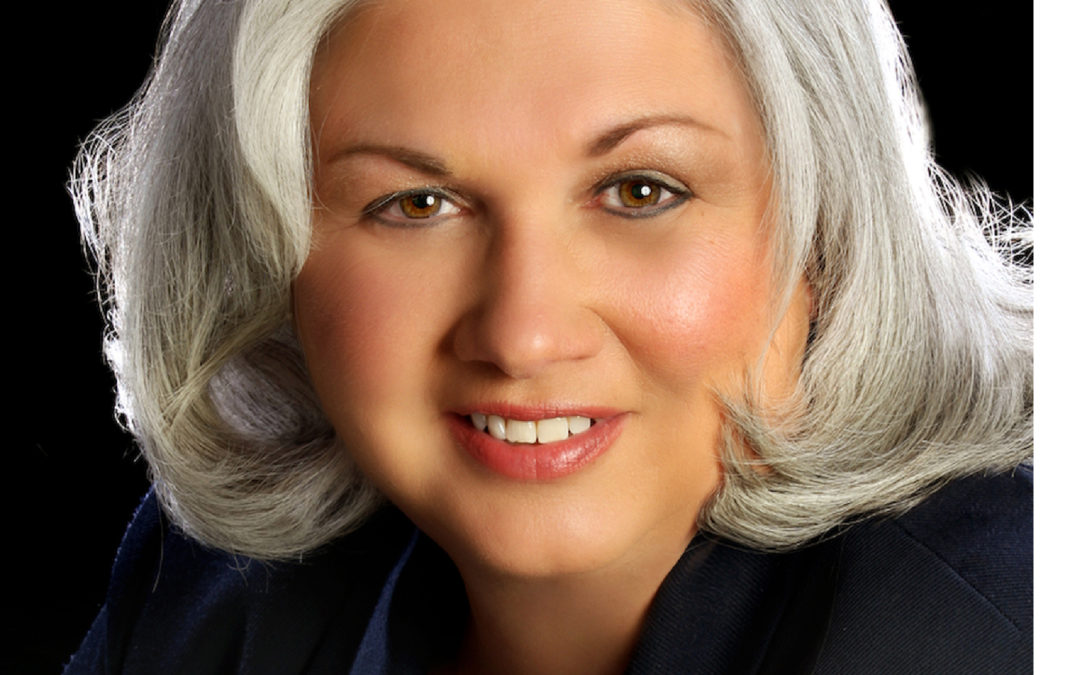
Spotlight On: Lynn Stoner, Mayor, City of Plantation

Spotlight On: Lynn Stoner, Mayor, City of Plantation

By: Max Crampton-Thomas

4 min read December 2019 — To move a city forward both economically and community-wise, it takes a leadership with the forethought to develop for the future and individuals with their finger on the community’s pulse. The Mayor of the City of Plantation Lynn Stoner recently sat down with Invest: and discussed her first year as mayor, the key challenges her city faces, and how customer service has become the buzz phrase for her administration and how it deals with the community.


What has been a key focus of your first year as mayor of Plantation?


One of the many components that I chose to focus on is our transportation corridor. Plantation’s population is approximately 94,000 residents, 22 square miles and it’s right in the middle of the county, 10 minutes away from the Port Everglades and 15 minutes away from the airport. About 70% of the pass-through traffic on University Drive does not originate in Plantation, so one of my priorities was to be on the Board of Broward County’s Metropolitan Planning Organization. As a result, we will have adaptive lighting installed on University Drive starting in 2020. The following year, we will start the project on Pine Island, and we are in conversation regarding the bridge from Midtown across the river to State Road 84. These are hugely important and beneficial initiatives. Another major city initiative stems from 2016 when our citizens approved a $60-million bond issue. We are working now to complete these projects in the areas of public works, public safety, and parks and recreation. These projects will provide tangible improvements for residents, visitors, and businesses. 


We have people arriving to Plantation every day, calling or visiting to explore areas and opportunities, which has us absolutely thrilled. Being a strong mayor, I am trying to retain our hometown feel. I’ve lived here since 1970. I went to high school here and my three children and granddaughter are still in town. I understand the family component of Plantation. And keeping with this hometown feel, our first Light Up City Hall event was held on Dec. 7 and we anticipate making this as an annual event. 


What makes Plantation attractive to new businesses?


There was a time when Plantation was the golden city of the county. Now, many of the people that were raised here, are coming back . They have fond memories of where they used to fish, ride their bikes and go to our parks. They want to come back to raise their children in a similar environment.


We are focusing on maintaining that hometown feeling amid the development. We are now putting the finishing touches on our Midtown district, which was created in 1980 to be high density. We are handling the traffic in a manner that you feel comfortable coming here, taking a walk, riding a bike or taking a shuttle. We are focused on finding the right balance for our residents, visitors and businesses.


How is Plantation focused on government as a customer service?


As a contractor, I understand when people talk about their project costs. I understand their financial constraints when trying to put a project together. The city has codes that must be complied with but there is a way to present that information in a more palatable manner. City staff needs to understand the business consequences of their comments and we as a city need to understand the impacts of our rules and regulations and take a balanced approach. We are also striving to streamline business processes with a goal of transitioning to online plan review and permitting over the next several years as part of our “Paperless Plantation” initiative. This particular initiative is part of an overall effort through strategic planning that will focus on providing greater customer service across all 16 city departments. The City of Plantation believes in continuous improvement and every day we look for ways to better serve our stakeholders.


What are the main challenges that the city is facing as it grows economically?


Coming from the private sector, I always want things done a little faster. Still, when I look back over the last year, we’ve come a long way. Traffic and transportation are the main challenges, as well as sustainability. Along with our partners, Broward County, FDOT and MPO, our transportation initiatives together with Midtown upgrades will continue to offer a welcoming hometown feel that everyone will enjoy.


For more on our interviewee, visit:
http://www.plantation.org/

Spotlight On: Jeff Burns, Founder & CEO,  Affiliated Development

Spotlight On: Jeff Burns, Founder & CEO, Affiliated Development

By: Max Crampton-Thomas

4 min read November 2019 — To be a successful developer in today’s real estate climate, a company must not only be professional but also in tune with regional and global trends as well as stewards for fulfilling a community’s needs. Affiliated Development focuses on building mixed-use multifamily developments in underserved areas of the market. Invest: spoke with CEO and Co-Founder Jeff Burns who provided his insights on the company’s approach to Opportunity Zones and their potential in Broward County, as well as highlighting the regions that have the most demand for multifamily development.


What are the most interesting highlights for Affiliated Development over the last year?


We have been working on projects in Broward County and we have also made some fairly aggressive moves into Palm Beach County. In Broward, we just topped out the construction of our 142-unit mixed-use apartment building in Downtown Fort Lauderdale, named The Six13. We are going to start leasing efforts for The Six13 in spring 2020, and delivering apartments on June 1. We are also in the beginning stages of additional projects in three other Broward cities, including another in Fort Lauderdale.  In Palm Beach County, we got underway on a 230-unit apartment project on Dixie Highway in Lake Worth Beach called The Mid. We are also moving on other opportunities in Lake Worth Beach. In May, we closed on the purchase of a 20-parcel assemblage in Downtown West Palm Beach, a couple of blocks from the Virgin Trains station to construct a 289-unit mixed-income workforce housing project called The Grand. My partner and I are very proud of what our Affiliated team has accomplished this year. We are workaholics and have had a busy year, but are focused on keeping the momentum going into 2020.


How have you leveraged the new Opportunity Zones in the state and what is their potential in Broward?


In April (prior to the IRS posting its regulations) we closed our The Six13 project with Qualified Opportunity Zone (QOZ) funding. We are one of the first companies to implement QOZ financing for a project of this kind in the state of Florida. These zones are definitely getting a lot of thrust, but there are more people talking about it than implementing it. The QOZs are definitely going to have an impact, but it is becoming more challenging to find sites that make sense due to unrealistic landowners and sellers.  There might be a reality check setting in with landowners who found themselves in a QOZ and have priced their land ridiculously high. It could have the adverse effect of preventing projects from happening in some areas because of false expectations.


Our philosophy is to remain disciplined. If we strip away the QOZ benefit, is this still a deal we’d do? If the answer is yes, we’ll take an aggressive position. Some people are doing deals that they would not otherwise pencil-out (without the QOZ rules). The program was intended to incentivize investment into these areas, not make a bad deal good. 


Which areas of the region have the most demand for multifamily developments? 


Fortunately for us, all of South Florida is booming. More and more people are moving here from the Northeast and other high-tax states because our business climate is favorable and our quality of life is second to none. Certain markets have experienced a tremendous amount of urban growth during this latest cycle, such as the Flagler Village submarket in Downtown Fort Lauderdale. We are getting a lot of people who are moving to Fort Lauderdale from Miami to avoid the chaos, but who still want the benefits of a big city lifestyle.


We made a major investment in Lake Worth Beach, which is a perfect example of a place in close proximity to the largest employment center in Palm Beach County (West Palm Beach), which is about 10 to 15 minutes up the road. Lake Worth Beach historically has not seen much development or investment, but it is starting to happen because not everybody wants to live in a major downtown metropolis (and pay the rents these markets demand). In some places, it is getting a little bit too crowded and some people are moving into tertiary markets that are near where they work but that maintain their character and are less hectic.


How important is it to be able to offer affordable and workforce housing to the region?


It’s critical. Our region is one of the most cost-burdened places in the entire country when comparing the cost of living to income. It’s necessary to offer a high quality of life for our current residents, many of whom support our area’s largest industry, tourism. It’s necessary for economic development and to attract and maintain major employers and high-quality talent.


Many companies are moving here from the Northeast, looking to locate their offices into these urban areas. I think the days of large office parks in the suburbs are becoming fewer and fewer because companies understand that to attract top-tier employee talent they need to offer an atmosphere that caters to the young workforce who graduate from school and prefer urban living. Younger professionals don’t want cars; they want to be close to where the activities are. I believe that to be able to attract a high-quality workforce, urban living is key. But in areas like Fort Lauderdale, every landowner knows what they are sitting on, and it is very challenging to find any reasonably priced land where you can build anything that is not going to be very expensive.


We focus very heavily on being close to employment centers. In Palm Beach and Broward County, the average workforce renter commutes 30 minutes in each direction each day for work. People get in their cars and do that because they can’t afford to live near their workplaces. Meanwhile, as some of these cities keep growing, people are starting to complain about traffic. If these cities can offer housing that the workforce can afford, we’ll see a lot more people walking around, utilizing public transportation and a lot less traffic congestion. I also see great opportunities in cities like Lake Worth Beach and Boynton Beach (Palm Beach County), Pompano Beach, Hollywood and Hallandale (in Broward) that are a few minutes away and are becoming really nice options. 


What are the prospects for the real estate business in the area looking into 2020?


We are obviously at the top of the cycle. I think most developers realize that. Thus, we will be measured in our approach and watch market indicators very closely. As 2020 is an election year, we will no doubt see some volatility. Affiliated is going to continue to stick to our core competency, which includes attainably priced luxury rental housing. There is so much need for that here that we could build thousands of units over the next couple of years and only scratch the surface.  


For more on our interviewee visit:


http://affiliateddevelopment.com/

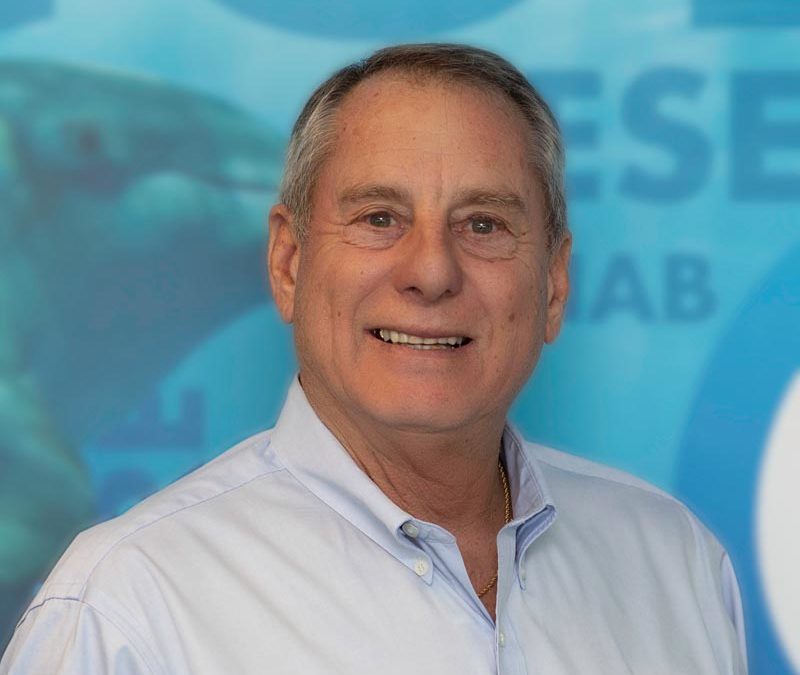
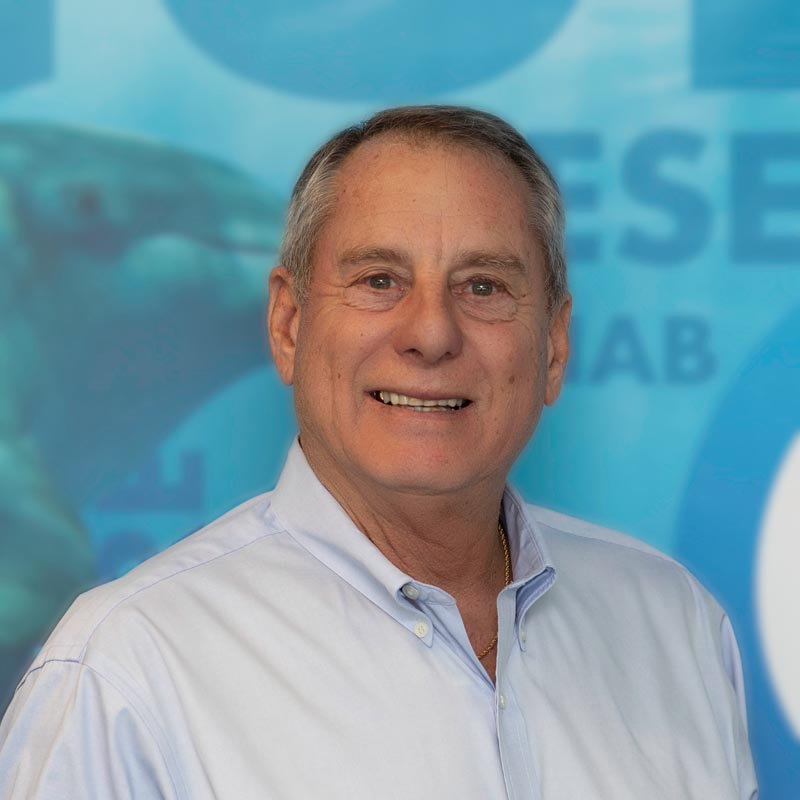
Spotlight On: Frank Dame, EVP & COO , Clearwater Marine Aquarium

Spotlight On: Frank Dame, EVP & COO , Clearwater Marine Aquarium

By: Max Crampton-Thomas

2 min read November 2019 — The city of Clearwater has a lot of enticing offerings within its borders, ranging from the No. 1 beach in the United States to a multitude of arts and cultural options. One of the most widely recognizable features of the city is the Clearwater Marine Aquarium. As a staple of marine conservation and education as well as the filming location for both Dolphin Tale feature length films, the aquarium has adapted its business model to remain strong after all these years. Invest: spoke with Executive Vice President and COO for the aquarium Frank Dame, about adapting its business practices to stay competitive, the renovations being made to the aquarium, the challenges from last year’s red tide and maintaining Clearwater’s No. 1 beach status. 


 How have you adapted your business to stay competitive?

Before the movie Dolphin Tale came out, we implemented a new philosophy and strategy. Although we are a nonprofit, we decided we would run the aquarium like a for-profit company and develop a business model that could fund the operations of Clearwater Marine Aquarium with minimal donations. We would then use donations to expand the business and for our various initiatives. We set this business model in place, and then expanded the gift shop, improved the guest experience and enhanced our food service. This started to drive revenue, and between 2006 and 2010, we grew attendance from 75,000 a year to about 220,000 just before the movie was released. The year after the movie was released in 2012, our attendance went from 220,000 to over 740,000. 

What can be expected for Clearwater Marine Aquarium’s new facilities? 

We are under construction. This is an $80-million project that is being supported by the city, county and the state. We were awarded $26 million from Visit St. Petersburg/Clearwater, while the city of Clearwater gave us $5 million, plus the land where we are located. The state of Florida also donated another $3 million in a grant, and we have an ongoing capital campaign to raise another $15 million. Overall, we have had a tremendous amount of support from the community. When we open the doors to our new facility, sometime next year, we are going to have almost four times the guest space we have now. We are also building five new dolphin pools. Currently, between all our facilities we have about 985,000 gallons of water, and these five new dolphin pools will add another million and a half gallons. We are really ramping up our ability to rescue more animals and provide a better living environment for our dolphins, as well as drastically improve the guest experience.

How much of an adverse effect did last year’s red tide have on the region? 

A year or so ago when the red tide came through the region, it had an extremely adverse effect on the local economy. We should commend Pinellas County because they tried to get in front of this issue by hiring boats to collect the dead fish and debris offshore before it ever hit the beaches. Our city was out there at 4:30 in the morning raking the beaches to make sure that tourism was not too badly impacted by it. While we were impacted somewhat, it could have been a lot worse. That red tide probably resulted from the runoff from storm water and other waste that goes into our waterways. This is damaging not only to the water environment itself, but to the tourism sector and the local economy, so human impact should always be something that we are conscious of. 

How can Clearwater Beach maintain its title as No. 1 beach in the nation? 

We need to focus on maintaining our recognition as the No. 1 beach in the nation, and we can’t accomplish this by just promoting ourselves as No. 1. The mission now is to make us the No. 1 beach because we are ocean friendly. We can do this by eliminating trash and doing things like stopping the use of single-use plastics. At the aquarium, we have gotten rid of all plastic bottles. Our water bottles now are all biodegradable and our spoons are all made of bamboo as opposed to plastic. We are trying to be an example of an environmentally responsible organization, and teaching people the right way to live in a model of environmental sustainability. 


To learn more about our interviewee, visit: 
https://www.seewinter.com/


James Fox, President, Maddox Group

James Fox, President, Maddox Group

By Max Crampton-Thomas


2 min read October 2019 — To be successful in the construction industry, a company needs to be flexible and cognizant about the sector’s constant state of change. A construction company also needs to be wary that even with new technologies in the market, at the end of the day, there is no way to control unforeseen issues and challenges. James Fox, president of Maddox Group in Boca Raton, discussed these ideas with Invest: as well as how his company is ensuring it remains as recession proof as possible in preparation for an eventual economic dip. 

With which business sectors are your services most in demand?


The sector where we’re seeing the most demand is, first and foremost, corporate interiors. Second would be medical offices, then industrial and finally retail. The demand for medical offices seems pretty self-explanatory: retired people relocate to Florida and enjoy the weather, which ultimately increases the need for more medical services. In regards to the demand for more corporate offices, the trend seems to be going toward Palm Beach County due to the simple fact that, in comparison to Miami, there’s more land and more opportunity here now.


How have you seen the demand for office types change? 


Traditionally a typical build-out would consist of new ceilings, new flooring, new lighting and specified work stations. Today’s young entrepreneur is building offices that aren’t really offices; rather, they are 360-degree workspaces where there isn’t an emphasis on a desk or workspace belonging to any one individual.


How has new technology changed the construction industry? 


In our industry there are always new technologies popping up to make construction quicker, but at the end of the day it’s still construction. The fact is that you’re building things, and issues are going to arise that are out of anyone’s control. What we do is tell our clients that this is our schedule and barring any unforeseen challenges you’ll be able to move in by this date. But like I said, things happen, and technology can’t always help avoid them.


How do you best protect your business in the case of another economic slowdown? 


Everybody wants to talk about when things are going to come back to reality in the construction market. People can theorize but no one actually knows. My thought process is to stay recession proof. Doing interior build-outs has been the key to this. When the economy dips, businesses don’t have the capital to relocate and build a new office; instead, they will take the space they are working out of and change the interior. Instead of going out into the market and claiming we do 20 different things, we focus our efforts on interiors and it works for us.


To learn more about our interviewee, visit:

https://maddoxgc.com/

Spotlight On: Courtney Orr, Ybor Development Manager, Ybor City Development Corporation

Spotlight On: Courtney Orr, Ybor Development Manager, Ybor City Development Corporation

Writer: Max Crampton-Thomas

2 min read October 2019 — Founded in the late 1800s, Ybor City is not only a staple in the Tampa Bay region but in the entire state of Florida. While it is not geographically large, Tampa Bay’s National Historic Landmark District has quite a large economic impact on the region. Invest: Tampa Bay recently spoke with Courtney Orr, the Ybor development manager for Ybor City Development Corporation, who discussed the impact of changing demographics on the district, respecting Ybor City’s history in light of ongoing development and the vital role young professionals play in the future of Ybor. 


How have the changing demographics of the region impacted Ybor City? 

The dynamics of Ybor City are shifting as we see an increase in the residential population, office users and one-of-a-kind restaurants and retailers. What’s most notable though is the influx of residents wanting to call Tampa’s National Historic Landmark home. Ybor has long been known strictly as an entertainment district and that mindset is changing with the current progressive shift underway. 

How are you working to improve Ybor City for the future while still respecting its history? 

Safeguarding Ybor’s historic features and history, especially the cigar industry from which Ybor City was built, is fundamental to the neighborhood’s success. The city of Tampa’s Barrio Latino Commission provides oversight to historic preservation by reviewing all development projects to ensure Ybor’s charm stays intact. We participate by offering a commercial facade grant to inspire historic preservation. This grant, along with other separate ones we offer, has made a tremendous difference throughout the historic neighborhood. Altogether, it helps breed additional private investment that enhances the district and ultimately will forever maintain Ybor’s charm.

Fortunately, Ybor draws very unique restaurant concepts here. Copper Shaker is one example of a successful restaurant opening its second location on 7th Avenue by the end of the year. New establishments like it preserve Ybor’s distinct vibe and with all the new residential development online, retailers are sure to follow.

What role do young professionals play in the development of Ybor City? 

Young professionals play a big role in the overall Ybor scene. They love the area’s walkability and many are willing to forgo their cars. They tend to favor smaller living quarters, if it guarantees them a certain quality of life in a stimulating neighborhood. As more young professionals move in so will office users to gain access to that creative talent, not to mention to enjoy all that Ybor has to offer too.


To learn more about our interviewee, visit: 

https://yborcityonline.com/


Spotlight On: Gary Gagnon, President & CEO, Gagnon Development

Spotlight On: Gary Gagnon, President & CEO, Gagnon Development

Writer: Yolanda Rivas

2 min read October 2019 — Gary Gagnon’s family has been involved in the real estate industry since the 1930s. Gagnon decided to follow in his family’s footsteps by creating Gagnon Development, LLC and  Gagnon Real Estate Investments, LLC. He also specializes in commercial income producing property in Central Florida. In an interview with Invest:, Gagnon described the benefits and strength of Orlando’s real estate sector. 


How would you describe the strength of Orlando’s real estate sector today?

Orlando’s real estate sector is stronger than most, since it is somewhat in a protective bubble because of being mostly tourism-driven, though we are actively trying to attract more tech-related businesses. Our unique location and economy protects us whenever there is a slowdown or recession. With low interest rates and prices increasing for commercial and residential real estate, fear is beginning to spread and people are starting to question if it is time to sell. Luckily, if the whole country takes a hit, I think Orlando is somewhat protected and should not be as harmed as much as the rest of the country would be.


Lenders are starting to get over their fears and they are starting to have a hunger to loan but are still being cautious and require larger down-payments or cross collateralization. Development is booming and we are seeing a high amount of capital in A-class products. However, the growth of new office space in Orlando has been historically stagnant and there is not enough large office space available. Orlando has several new office projects in the works, which should help satisfy the demand for new office space. Many of our international clients are choosing to build new office space instead of renting since it is less expensive than leasing at current rates. Orlando also provides an opportunity for investors to generate high cash flow with less investment dollars when compared to other cities such as Miami and New York. 

Which markets are seeing the most demand in Orlando?

Apartments continue to see great demand. E-commerce and big chain retailers transitioning to or expanding their online sales footprint have created an increased demand for large industrial space. We usually do build-to-suit projects specifically for a client’s needs, but we recently worked on a speculative flex space project with a client. That project consisted of smaller spaces with an office and showroom in the front and warehouse in the back. Along with the client, we were able to sell five of eight units before completing construction. A trend we are seeing in industrial is the smaller the square footage you build, the faster you lease or sell it. There is a demand for flex space and we are looking to expand in that area. Warehouses are in high demand, too. Many larger investors are looking for warehouses that have rail access. Office building is just now hitting its stride. Public storage is keeping up with supply and demand but we don’t see above average growth in that sector. Overall commercial real estate in Orlando is in very high demand and there is more demand than there is supply.


To learn more about our interviewee, visit:
Gagnon Development LLC: http://www.gagnondevelopment.com/ 

Spotlight On: Daniels Ikajevs, Chairman, The Ring Workspaces

Spotlight On: Daniels Ikajevs, Chairman, The Ring Workspaces

Writer: Max Crampton-Thomas

2 min read October 2019 — As the need for office space continues unabated, innovative solutions like coworking spaces are rising to fill the gap. One such coworking space is The Ring, which is a state-of-the-art co-working space with an emphasis on health and wellness. It is based in Downtown Clearwater. The Ring held its grand opening on April 26 and is home to over 70 companies across the Tampa Bay area, with about 110 people coming to the space on a daily basis. Invest: spoke with Daniels Ikajevs, chairman of The Ring Workspaces, about his innovative approach to office space, its collaboration with Harvard University and why Clearwater is the perfect location for The Ring Workspaces. 

Why was it important to construct The Ring to WELL standards? 

WELL standards are still fairly new, but they are becoming more commonplace. There is some similarity with LEED building standards, but WELL is more human-centric, and it looks at what is important for people inside the physical space, such as quality of the air, nutrition inside the space, access to daylight, biophilia and other health and wellness-related aspects. It also focuses on everything that LEED emphasizes, like quality of the materials, energy efficiency, and so forth. There is only one WELL-certified co-working space in the world and that is in Boston. We are in the process of getting our certification, and unlike in Boston where they have silver-level certification, we are going for the platinum level. 

What are some ways The Ring is working to help promote and foster the startup and tech ecosystem in the region? 

One of the ways we are doing this is through a collaboration The Ring entered with Harvard University T.H. Chan School of Public Health to pilot their innovation and sustainable technology program in Tampa Bay. This will be the first U.S.-based location for this program. It will happen over the course of two years, and will consist of a first and second round in which the university professors will teach young startups how to bring their ideas into reality. They will provide a blueprint on what investors are looking for when they go out and try to raise money. At the end of the program, people who are successful in funding their ideas will receive a certificate of completion from Harvard University T.H Chan School of Public Health. 

How is Clearwater the perfect match for a coworking space like The Ring?

When we were looking at locations for The Ring, we looked at what makes Clearwater a more attractive market for startups. Clearwater offers lower real estate costs in comparison to similar Tampa and St. Petersburg markets. We are geared more toward the startup culture, and because the cost of doing business in Clearwater is less than anywhere else in Tampa Bay, we thought we could use this environment to attract more startups. As a startup you try to save money every step of the way until you reach the maturity stage of the business, so real estate is one of the biggest values that Clearwater can offer. The overall business environment in Clearwater is also in line with the four principles of The Ring, which are health, innovation, sustainability and productivity.

What does the future of coworking spaces look like? 

Coworking spaces will continue on an upward trend, especially as more startups emerge all around the Tampa Bay region. In this fast-moving business environment it is very difficult for these startups to predict the amount of space they will need in the near future, so coworking spaces like The Ring that offer flexible memberships where these businesses can upgrade or downgrade with ease are a huge benefit. Flexibility is key for startups, which is why big players in the coworking space, like Spaces, are expanding quickly to address the growing demand. It will also be interesting to see how the coworking concept works in a down market, as this has not been properly tested yet. There is no doubt in my mind that there will be a down market in real estate in the near future, so we will pay special attention to see how this market adjusts and operates when this happens. 


To learn more about our interviewee, visit: 

http://theringworkspaces.com/


Spotlight On: Brian Katz, CEO & Founder, Katz Capital

Spotlight On: Brian Katz, CEO & Founder, Katz Capital

Writer: Max Crampton-Thomas

2 min read October 2019 —There has never been a more perfect time to invest in Tampa Bay then the present. With seemingly all sectors of the economy in expansion mode, it is not a surprise that both foreign and domestic investment has been streaming into the Bay area at a rapid rate. Invest: Tampa Bay spoke with Brian Katz, the CEO and founder of Katz Capital whose business is headquartered in Tampa Bay  and focused on investing in the real estate and financial services sectors. Katz covered the advantages of being headquartered in the region, keeping his company’s growth sustainable and what makes Tampa Bay resilient in the face of real estate market changes.  

What makes Tampa Bay a conducive environment for your business? 

From a pricing standpoint, although nationally we are in a low interest rate environment, Tampa relative to Orlando, South Florida or places like Atlanta is still an affordable market. My personal feeling is that we are soon going to have negative interest rates. Six months ago, the collective mindset was that we would be in a rising rate environment, but that is simply not the case. A good analogy for what Tampa Bay is in terms of the scope of the market is that the region is a value stock. As a real estate and financial services private equity firm, this is a really great time for us to be in this market.

How does a business like Katz Capital sustain its growth in Tampa Bay’s business environment? 

Our various businesses employ different investment strategies for us to be able to remain sustainable. When I think of being an investor, I view the business world in terms of hunting and farming, so psychologically I am more of a farmer and all of these businesses are my crops that I can reap the benefits of on a regular basis. The problem with a hunter mentality is you can get the big kill, but it can be a long time before getting another kill, which is risky. To remain sustainable in this business environment, it’s better to diversify your business so that you’re not reliant on one source of income.

How susceptible is Tampa Bay to fluctuations in the real estate market? 

The fact that real estate pricing in Tampa is still relatively attractive versus other markets, I believe insulates Tampa Bay to a degree from real estate sector cycles and general market cycles. This is the opposite of South Florida, where there tends to be more dependency on these market cycles. When the South Florida market is hot, there is tons of money pouring in and prices push up. Although it’s increasingly on investors’ radar, Tampa Bay still has a lower modulation in these cycle waves. The big concern is that asset values keep rising. If we look at real estate development in the region, land values are up, labor costs are up and material prices are up. That means to achieve the same return for the amount of risk an investor is taking, you have to raise the exit price. This is going to be one constraint that Tampa Bay is going to face, and will have to figure out how to navigate that. 


To learn more about our interviewee, visit:

https://katzcapital.com/

Healthcare Sector Rapidly Expanding in Orlando

Healthcare Sector Rapidly Expanding in Orlando

Writer: Yolanda Rivas

2 min read October 2019 — Orlando’s population has increased rapidly over the last few years, making it one of the fastest-growing metro areas in the United States. As the city continues to grow, local healthcare organizations are immersed in numerous expansion and improvement efforts.


The region’s main health providers have been expanding their partnerships, free-standing emergency rooms (ER), specialized centers and hospitals. The Invest: team recently met with Daryl Tol, president and CEO of AdventHealth Central Florida Region, who pointed out some of the fastest-growing areas of service and care in Orlando. 

“We have added quite a number of free-standing locations with doctors and emergency services in areas of need, instead of having to build a whole hospital. We are growing in our academic work around community cancer research. The cardiovascular institute is seeing high demand as well. We are also redefining our primary care model to include virtual care, which will allow patients to connect via video or text messages with their doctor,” Tol said.  

AdventHealth opened the Waterford Lakes ER on Sept. 27, which is its fourth free-standing ER in the area. The hospital also announced plans to build an 18,400-square foot, 24-bed hospital-based emergency department in Port Orange for adults and children, and has the Oviedo ER set to open in the next few weeks. AdventHealth has also partnered with​​ Moffitt Cancer Center to improve cancer care and establish a clinical research facility and chemotherapy/immunotherapy infusion program at AdventHealth Celebration.

Orlando Health is also deploying a high amount of capital in expansions and new developments. The $3.8 billion not-for-profit healthcare organization recently opened Orlando Health Emergency Room and Medical Pavilion – Lake Mary. The 25-room ER can manage a majority of emergencies, from minor trauma to broken bones. The adjacent medical pavilion will offer several specialties including, pulmonology, pediatrics, obstetrics and gynecology, urology, orthopedics, general surgery, cardiology, and cardiac rehab. The second phase of this campus is already in development with the construction of a hospital expected to begin in the spring of 2020. Orlando Health has a total of six free-standing ERs either under construction or completed in Central Florida. 

The community-based network of hospitals also opened the Orlando Health UF Health Cancer Center last summer, bringing advanced cancer treatment to residents of Osceola County.

Tennessee-based healthcare provider HCA Healthcare also opened its third free-standing ER in Millenia on Sept. 18. According to an Orlando Business Journal article, HCA plans to build a 12-bed emergency department in Davenport, which is expected to open in 2020. HCA has also partnered with the University of Central Florida to build the UCF Lake Nona Medical Center, which is expected to open in the fourth quarter of 2020. 

As Orlando’s population continues to rise and the healthcare sector remains highly competitive, it is expected to continue to see a high amount of healthcare-related construction and development in the region. 

To learn more about our interviewees, visit:

AdventHealth: https://www.adventhealth.com/ 

Orlando Health: https://www.orlandohealth.com/ 

HCA Healthcare: https://hcahealthcare.com/