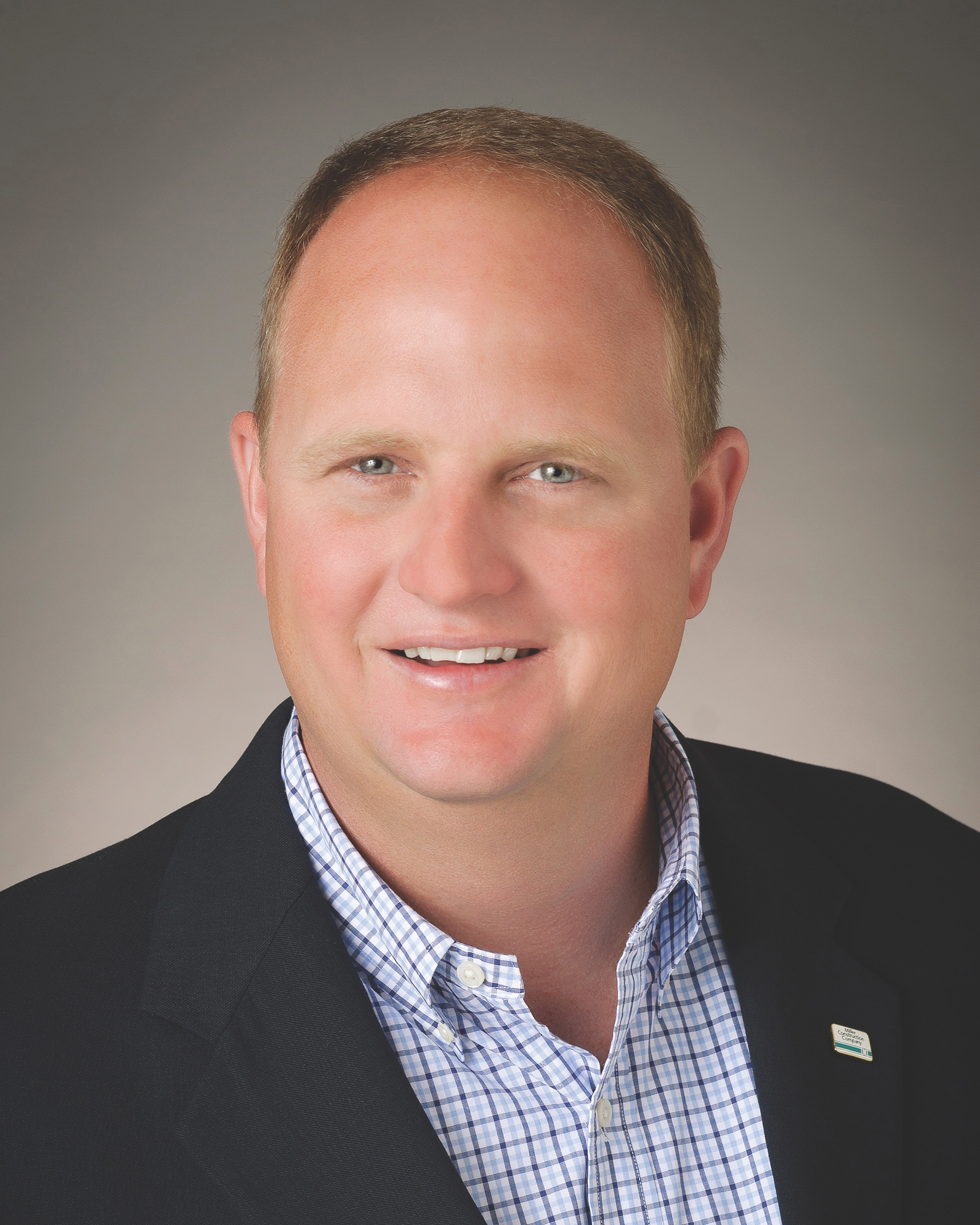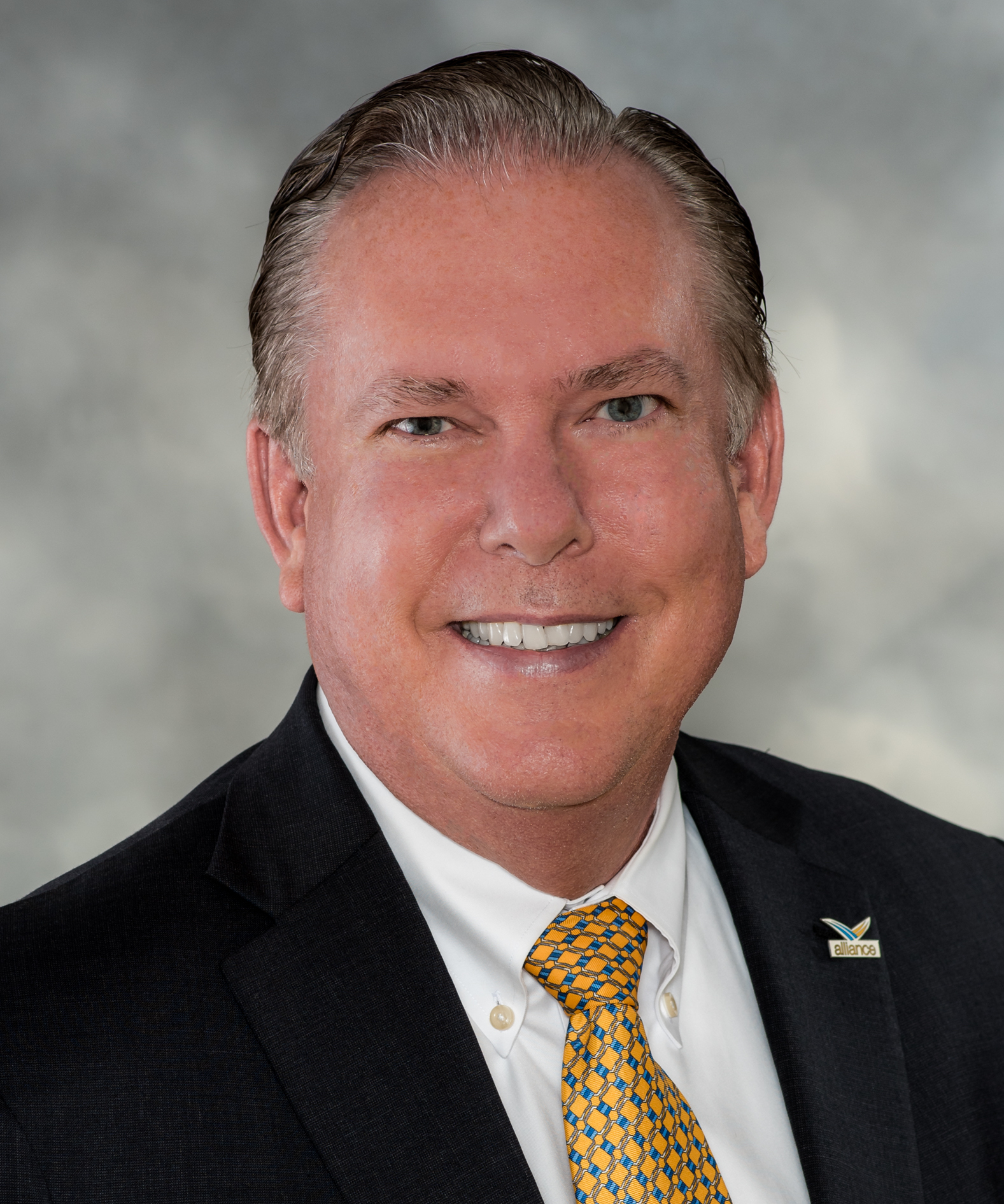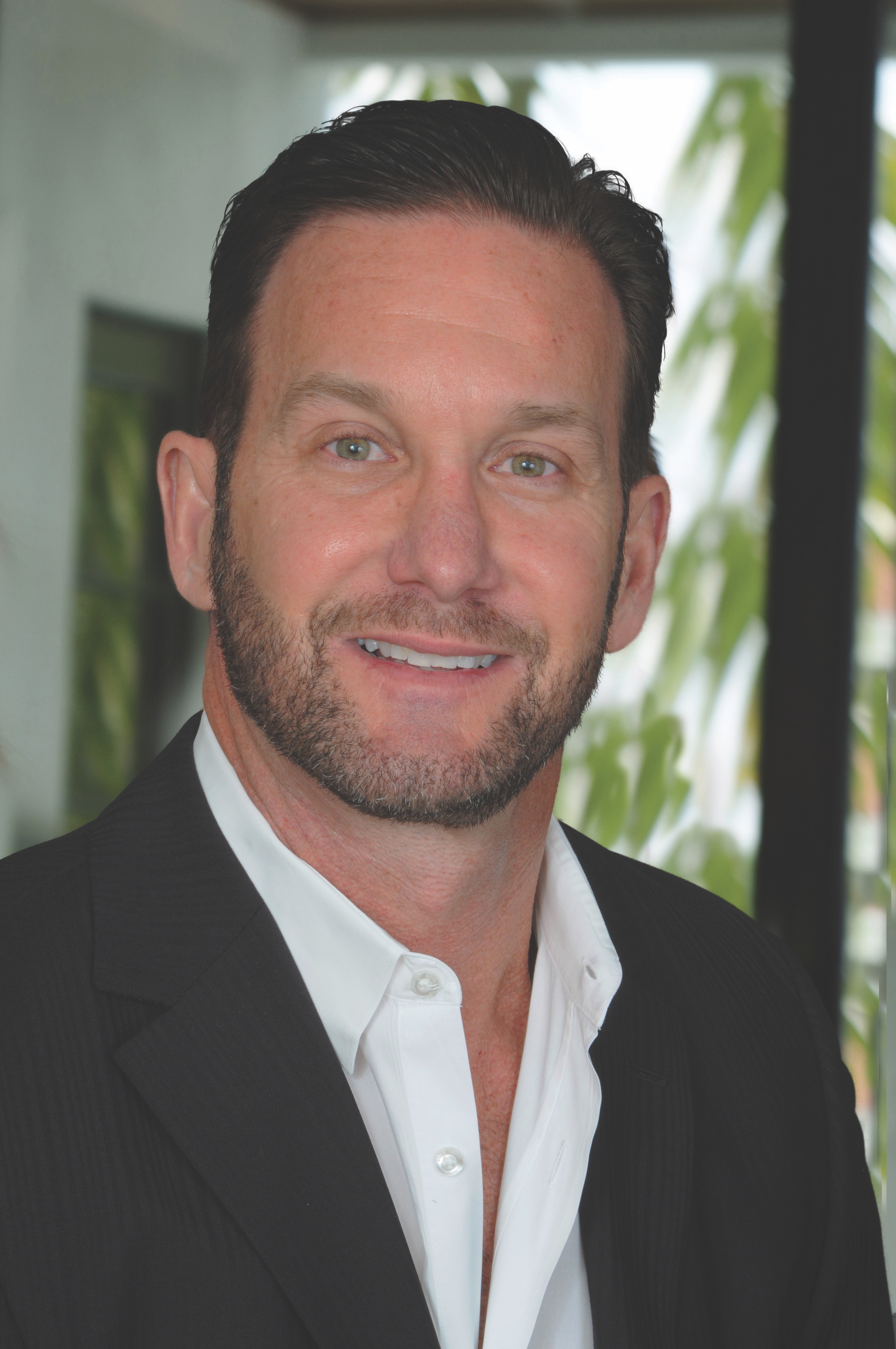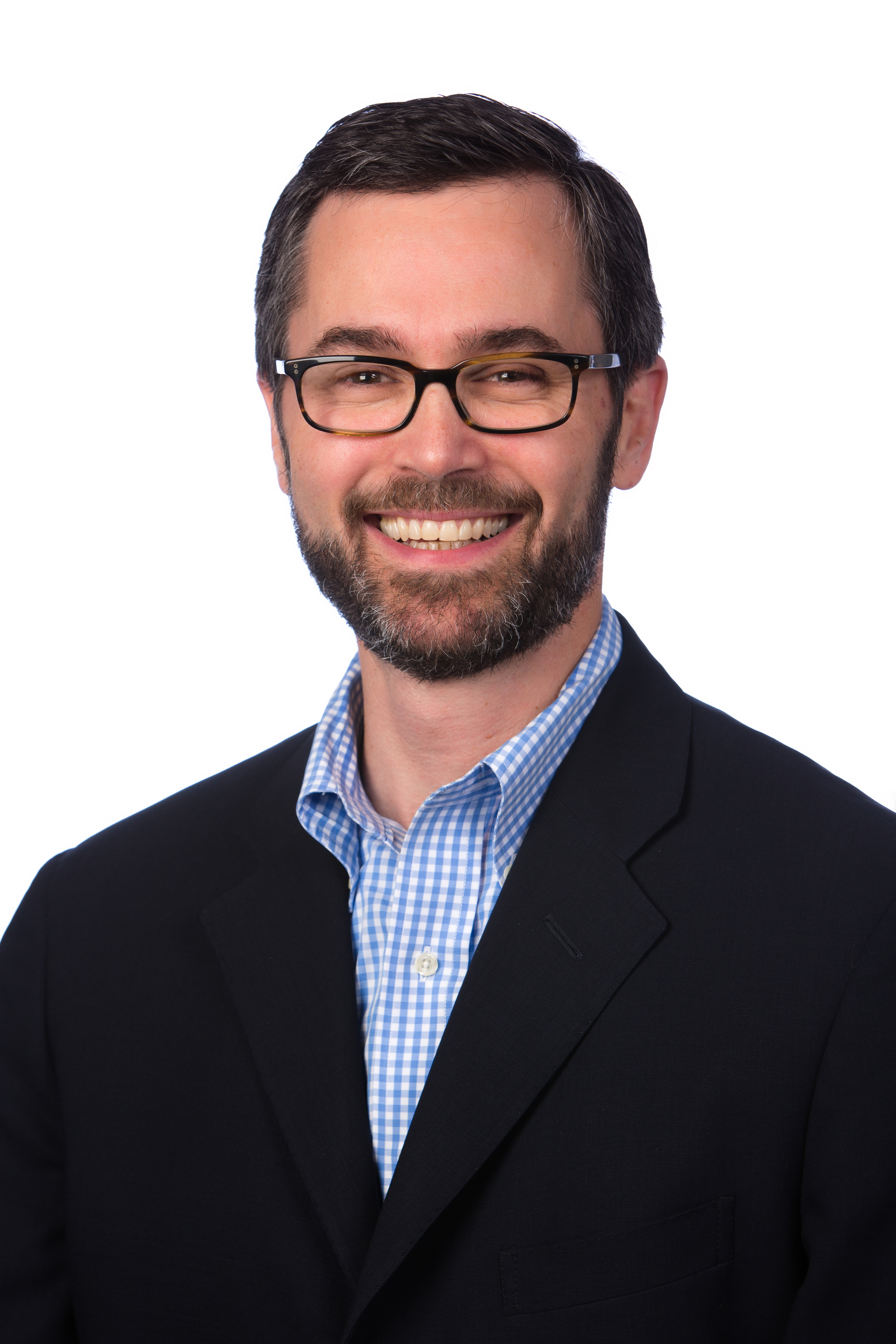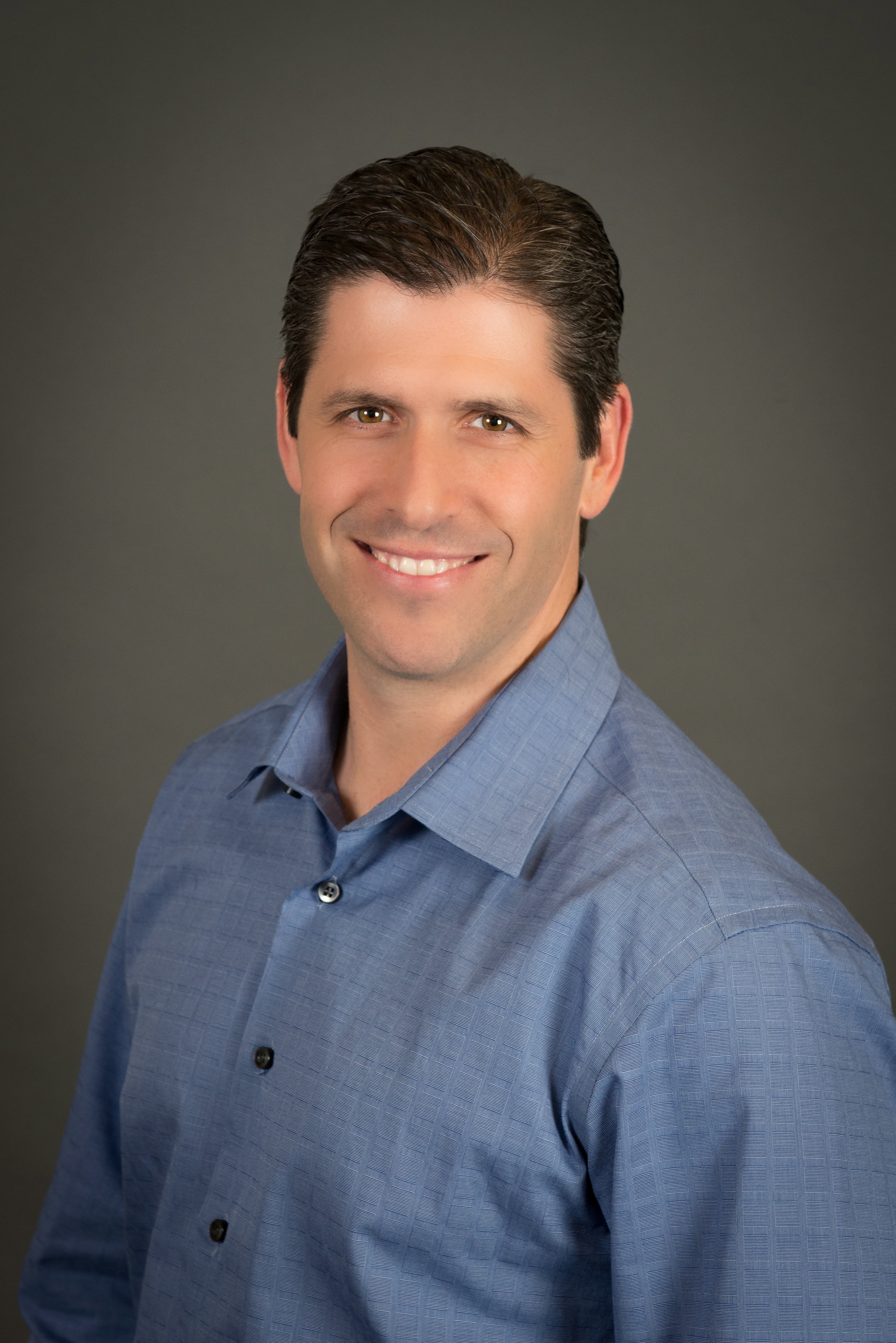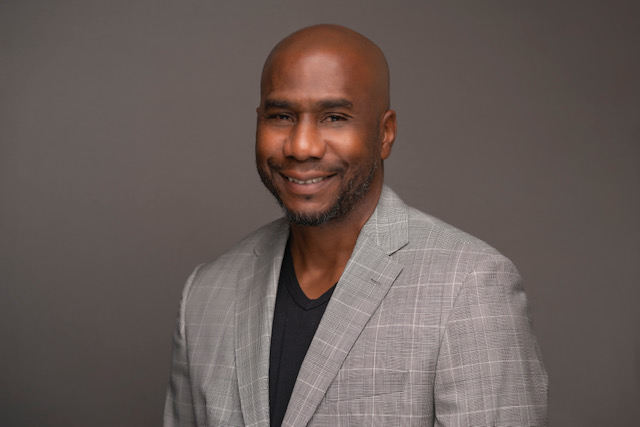
Spotlight On: Ronnie Felder, Mayor, City of Riviera Beach

Spotlight On: Ronnie Felder, Mayor, City of Riviera Beach

By Max Crampton-Thomas


2 min read September 2019 — When Ronnie Felder won the runoff race for mayor in March, he had campaigned on the idea of revitalizing the city of Riviera Beach. Invest: Palm Beach sat down the mayor to discuss how he is encouraging economic revitalization and development in the city by rebuilding relationships with the local business community, specific industries he is targeting as part of his economic development plan and what the next few years will look like for Riviera Beach.

How are you working to strengthen the city’s relationship with local businesses? 

One of our goals is to meet with every business in this city to become more familiar with the organizations that are out there and their needs. We are learning through these relationships that a lot of these companies want to hire individuals from Riviera Beach but there is a lack of experienced workforce. We want Riviera residents to know that these job opportunities exist, and as the mayor, I feel it is my responsibility to make sure that happens. In past years, Riviera Beach did not have this established dialogue with the business community. For us to progress as a city and to have the trust of the business community, we must continue to build and strengthen this dialogue.


What are some industries you are targeting to help grow the city’s economy? 

We need more hotels and restaurants, which is a significant way for us to begin to push this city into the future. We do not have enough hotels to accommodate a large influx of tourism, which is impeding our growth. We have to be aggressive in our development efforts. I want to see cranes throughout Riviera Beach because when you see cranes in the city, that means economic growth, it means we are tapping into our potential and other businesses will see this and also want to be part of our city.


What are your short-term goals for the city’s economic development? 

We want to see exponential growth in the next two years. We will be working with businesses to encourage them to hire our young people when they graduate so we can retain some of that local talent. We have to begin to address the long-neglected infrastructure improvements and redevelopment of our public facilities like city hall, the police station and our schools. Everyone from the private and the public sectors should start seeing the benefits from our efforts to grow the local economy.


To learn more about our interviewee, visit:

http://www.rivierabch.com/

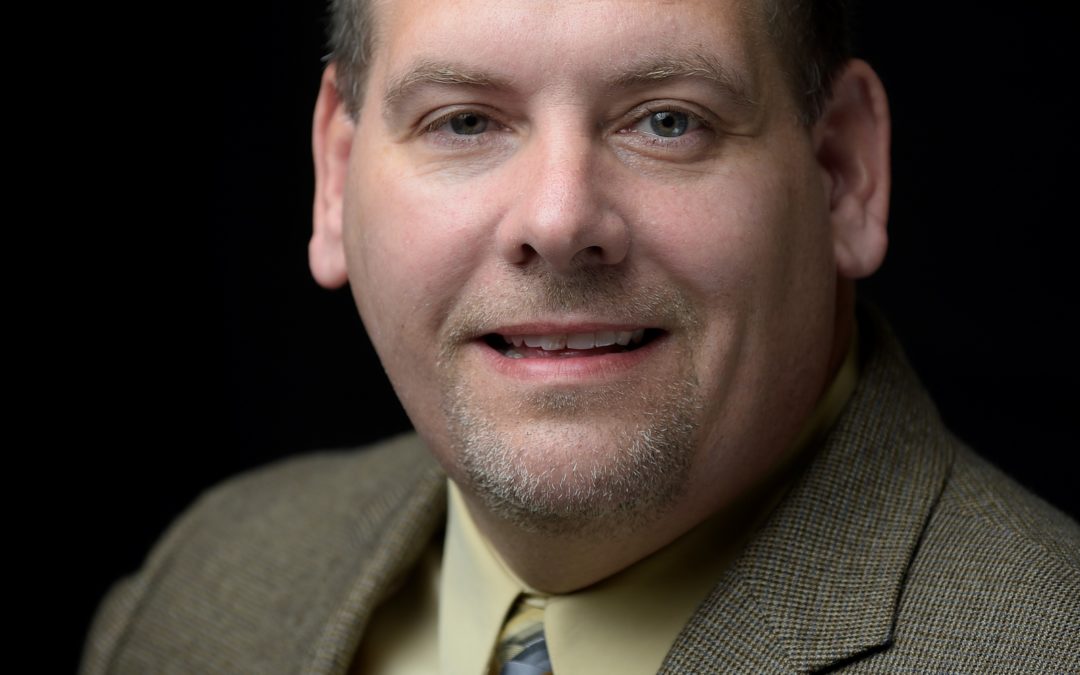
Spotlight On: Mark Hardy, Vice President & Regional Manager, Universal Engineering Sciences

Spotlight On: Mark Hardy, Vice President & Regional Manager, Universal Engineering Sciences

Writer: Max Crampton-Thomas

2 min read August 2019 — Growth in the Tampa Bay construction industry has not only benefited construction and real estate development companies in the area, it has also been a massive plus for engineering firms. Quality development and construction is dependent upon the availability of highly professional and proficient engineers, and demand can quickly outweigh supply. Invest: Tampa Bay recently sat down with Mark Hardy, vice president and regional manager for Universal Engineering Sciences’s Tampa Bay office. Among the many topics covered, Hardy discussed the growth in demand for building inspection services, a growing focus on environmental sustainability and what the next year will hold for his office.

Which of your services are seeing the most growth in demand? 

We are seeing tremendous growth in demand for our building inspection services. A new law signed by Gov. DeSantis, allows companies like ours to provide plan review and inspections that municipalities would normally conduct. While the private provider option has been available since 2002, the new law reduces the time frame and cost that this would normally entail. As a private firm we can help accelerate the process during a time when municipalities are overwhelmed.


How much of a focus is environmental sustainability to your clients? 

As new projects get underway, they are hitting some roadblocks because they are infringing on wetlands. We have hired an individual who specializes in wetlands and endangered species so we can better assist clients in finding the balance between being able to do a new development and still remain cognizant of those environmental areas. Another area where we are seeing a lot of expansion is renewable energy projects, like solar farms; we are getting frequent calls to provide expertise on how to get them planned and constructed.


What does the next 12 months look like for your office? 

We have a lot of projects on the books that haven’t started yet but are on the horizon for the new year. This includes a new performing arts center and new contracts with Pasco County Schools, Hillsborough County Public Schools and Hillsborough County for infrastructure improvements. This year, we surpassed 100 employees at this office and we will look to build off that momentum. The remainder of 2019 and 2020 are shaping up to be really great years for the company.


To learn more about our interviewee, visit:
https://universalengineering.com/

Face Off: Broward’s Construction Boom

Face Off: Broward’s Construction Boom

By Max Crampton-Thomas


4 min read September 2019 It seems like more cranes are dotting the downtown Fort Lauderdale skyline every week as new developments emerge from the ground at a record rate. Invest: Greater Fort Lauderdale recently had the opportunity to speak with two of the leading constructors in South Florida, Ryan Romanchuk, the Fort Lauderdale business unit leader for DPR Construction, and Brian Sudduth, the president of Miller Construction. The wide-ranging conversations touched on trends in the sector and how their companies are adapting to these, along with the challenges the industry faces.

What emerging trends are impacting the construction industry and how are you adapting to these?

Ryan Romanchuk: There is a strong movement toward prefabrication similar to what we’ve seen in other parts of the world outside of the United States. It is a movement to become smarter as an industry as our labor costs go up and we move more into a manufacturing environment. We are looking for different components that we can prefabricate off-site, which in turn helps to limit the amount of manpower needed on-site, making our project safer and resulting in a higher quality product. One of the constraints of prefabrication is that it requires a certain level of repeatability to make economic sense for a project. However, as our technological tools get more sophisticated we are going to start to push toward digital fabrication. It’s the idea that every project can be unique but still be prefabricated based on building it virtually first.

Brian Sudduth: Office space construction has been slower over the past several years, but we are now starting to see more opportunities for development and redevelopment of office space. The need for construction in hospitality has continued to offer opportunities, and there is still heavy demand for our services in the industrial market. The residential, multifamily market is slowing down, but we have not typically participated in these sectors. I think this is part of the reason why we are seeing opportunities for Miller Construction growing and why 2020 will be just as good if not better for our business.

What is an ongoing challenge the construction industry faces?

Romanchuk: We are working to incorporate data-driven decision-making into all aspects of the business and really moving toward predictive analytics. Every construction project produces so much data but at the same time every project is so unique, which makes it challenging to harness the data produced. Our ability to harness our data as an industry will make us more predictable and at the end of the day that is what most if not all our clients want: predictable outcomes.

Sudduth: The challenge of finding labor in construction is not limited to just identifying people for management roles; it is also finding quality craftsmen to work on these jobs. There are more opportunities than available workers in the marketplace. People leaving Florida and leaving the industry all together during the recession was one factor, but we also have a skills gap because for the last decade, high-school students were encouraged to go to college rather than consider vocational training for things like electrical, plumbing and welding. Those programs are finally seeing a resurgence, but that gap has had an effect on available labor.

What are the factors that contribute to the longevity of your company?

Romanchuk: DPR is and always has been a self-performing general contractor. It really centers around the belief that we are builders at heart and our central belief as a company to respect the individual. This is why we don’t believe in “piece work” and believe in a fair and honest hourly wage and benefits such as health, 401K and paid care leave for all our craft employees.  We have had high levels of retention and are investing in training our employees to make sure they continue to grow their skillset and have upward mobility within DPR. Being a self-performing contractor requires additional resources, time and capital, but we control our own destiny, carry forward respect for the individual and can be part of our industry working to solve the labor gap. 

Sudduth: The longevity of our company is attributed to our business model of always putting our clients first. We never try to chase a revenue number or a product type. Instead, we focus our efforts on quality clients, and through the years we have done a good job of selecting clients that are looking for a long-lasting partnership. We always look out for their best interests, and in return people appreciate that and come back to us whenever they have new projects. We have never been a company that tries to be the biggest. Our goal has always been to be the best construction company.

To learn more about our interviewees, visit:

https://www.millerconstruction.com/

https://www.dpr.com/

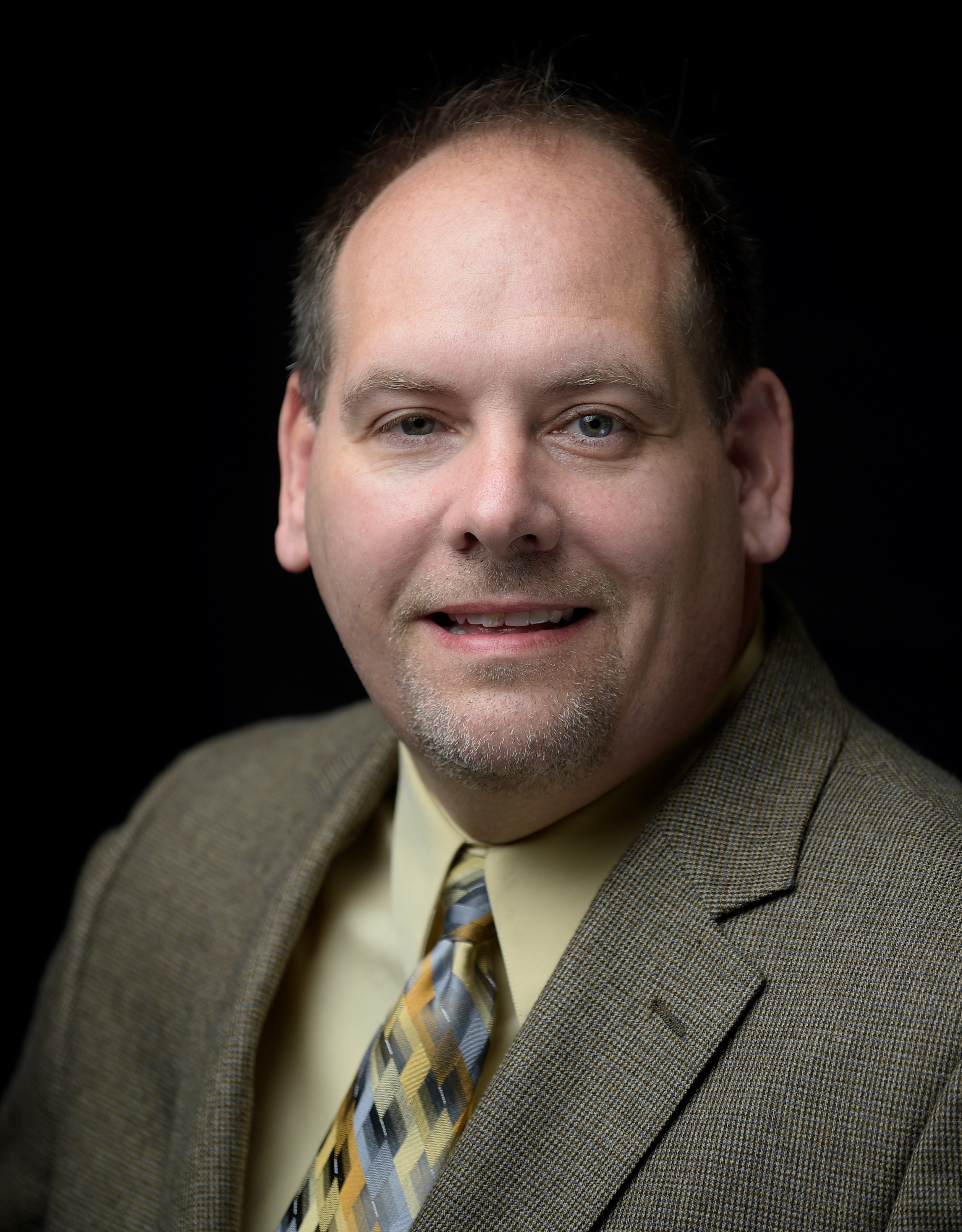
Spotlight On: Rick Gonzalez, AIA, President, REG Architects, Inc.

Spotlight On: Rick Gonzalez, AIA, President, REG Architects, Inc.

By Max Crampton-Thomas


2 min read August 2019 — Development of commercial and residential facilities is reliant upon well-thought-out and deliberate architecture and design. In a region like Palm Beach County, where there is a flurry of development and redevelopment happening, architectural and design firms like REG Architects, Inc. are in increasingly higher demand. REG Architects specializes in architecture, historic preservation, interior design and community planning, and Invest: Palm Beach had the opportunity to speak with company President Rick Gonzalez. He spoke to Invest: about the firm’s growth, its approach to design work, services that are in the highest demand and emerging trends due to the influx of young professionals into Palm Beach County.

What were some highlights for REG Architects in the past year?


One of the highlights was the celebration of our 30th anniversary last spring. We have been awarded some nice projects, like the campus for the Seacoast Utility Authority in Palm Beach Gardens, and we have also been doing new residential work. Last year was probably the best year in a decade, when we had the big recession, and 2019 has started very well.

What are some unique qualities that set REG Architects apart from other firms in the area?


Besides our longevity, our approach to design work sets us apart. We do a lot of historic preservation in our office; we like to use historic context when designing to be inspired by a historical place. For example, we worked on Mar-a-Lago for President Trump. We used the design of the place as inspiration. We try to use that in all of our projects, whether it is commercial, residential, equestrian, historic or mixed use. Most companies today tend to focus on cutting-edge or modern architecture, and I think there’s a good place for modern architecture, but we like to have a tie to the community.


Which of the firm’s services are seeing the most demand today?


We have a healthy balance between commercial, residential and governmental projects. In terms of design services, we do all our work now in Revit, which is a robust architectural design and documentation software application with a 3D modeling system. Animation is now important for clients and it is seeing high demand. We are also known for our design preservation work, and we get a lot of requests in those areas as well. 


Have you seen any emerging trends with more young professionals moving to the area?


People are picking the place first, and then they’re looking for the job. They want to come to exciting, invigorating places like downtown West Palm Beach or downtown Boca Raton — cities that are unique and well-positioned, where they can live, work, play and study in the same area. People also want to work in interconnected, open office spaces, and they want to live in smaller units with diverse community features, such as outdoor areas, swimming pools, decks, restaurants, shops and easy ways to get around town.


To learn more about our interviewee, visit:
http://www.regarchitects.com/

Universal’s Epic Orlando Investment

by Sara Warden

2 min read AUGUST 2019 – The theme park industry in Orlando is about to get an Epic addition. Comcast NBCUniversal, parent company of Universal Studios, announced a fourth theme park to add to its Orlando portfolio. Although it is keeping its cards close to its chest, the company has made no secret of the significant economic opportunities Epic Universe will open up for the entire state of Florida.

“Our new park represents the single-largest investment Comcast NBCUniversal has made in its theme park business and in Florida overall,” said Brian L. Roberts, chairman and CEO of Universal’s parent company Comcast Corporation.  “It reflects the tremendous excitement we have for the future of our theme park business and for our entire company’s future in Florida.”

According to the World Travel & Tourism Council, for every $1 spent on travel and tourism, $3.2 are returned to the economy. An economic impact study for Universal conducted by UCF economics professor Sean Snaith found that construction of the new park alone will inject around $11.5 billion in direct and indirect economic benefit into the Florida economy.

In particular, Universal will fund 50% of the Kirkman Road extension, which will allow access to the area where the new park will be located. “The Kirkman extension will improve transportation through a busy and growing portion of our county and open up the entire area for additional development, including an important expansion of our Convention Center,” said Orange County Mayor Jerry Demings.

According to research by WeSwap, the average daily spend by real travellers in Orlando comes in at around $144 per day, with $52 spent on eating out, $66 on entertainment, $27 on transport and $43 on shopping.

Although no concrete details have been announced on capacity, the new park will be built on a 750-acre site. As of July 2019, the current Universal theme park covered 840 acres, meaning this new development has the potential to almost double the theme park’s current 75-million capacity.

Taking just a conservative estimate of an additional 25 million visitors per year, that’s still a whopping $3.6 billion in income for the park. According to Universal, it contributes more than $302 million in annual state and local taxes, a number that will nearly double when the new theme park opens.

Universal Orlando’s combined direct and indirect economic benefit to the Florida economy since Universal Studios opened in 1990 is $73 billion, and the industry continues to grow. In 2018, the theme park segment of Comcast’s balance sheet came in at $5.7 billion, up 4.4% on 2017.

The direct investment being made by Universal is substantial in itself, but the knock-on effects for the economy are undeniable. The new theme park will increase the 25,000-strong staff at the theme park by another 14,000, significantly boosting quality of life and opportunities in the area and allowing the region to flourish.

“The investment Universal is making in our community and the benefit all of us will see is substantial,” said Demings. “This will benefit nearly every segment of our economy, from tourism to high-tech.”

Face Off: The Development of Fort Lauderdale

By Max Crampton-Thomas

4 min read August 2019 — Home to more than 180,000 people and growing, Fort Lauderdale continues to work tirelessly to position itself as the premier economic powerhouse in South Florida. This growth and economic development of the city has not happened by chance, but rather, has been a result of well thought out, deliberate and collaborative initiatives from both the local government and community organizations. Two of the leaders driving this development are the independent taxing district known as the Fort Lauderdale Downtown Development Authority and the primary economic development organization for the city, the Greater Fort Lauderdale Alliance. Invest: Greater Fort Lauderdale had the good fortune to speak with both Bob Swindell, the president and CEO of the Greater Fort Lauderdale Alliance, and Jenni Morejon, the president and CEO of the Fort Lauderdale Downtown Development Authority. The conversations explored how the community is addressing climate resiliency, challenges facing development in the city and ultimately how they are working to help Fort Lauderdale achieve its true potential.


How have you seen the business community address resiliency as it pertains to climate change?

Jenni Morejon: Nearly 10 years ago, South Florida became a national and global leader in addressing climate change by developing the Southeast Florida Regional Climate Compact made up of Monroe, Miami-Dade, Broward and Palm Beach counties. Following this sophisticated public sector collaboration, the compact engaged the business community to explain why economic resiliency should be on their agenda. Now, groups like the Greater Fort Lauderdale Chamber of Commerce, the Alliance and the Broward Workshop, and their private sector members, better understand the importance of climate change and why investments in resiliency today will have an ROI and long-term tangible benefit.

Bob Swindell: One of our partner organizations, the Broward Workshop, hosted a scientist from Holland. The Dutch have been dealing with this issue for years, and if you look at their coastal cities, many are below sea level. Our limestone foundation is a little different from what they have in Holland and there are definite differences in geographic qualities, but they have been working to solve flooding issues for years. People in Broward County want to talk about solutions now because they understand that this is a real threat when they see high tides and king tides causing flooding. We really need to think about solutions and how we can work block by block to mitigate this threat. The reality is that it’s going to take more thought to identify the science that will build a system that truly works.

What are some of the most significant challenges facing Fort Lauderdale?

Morejon: Housing affordability is one of the most important issues affecting the present and long-term prosperity of our community. Increasing the supply of housing units in the urban core has been the traditional focus of the Fort Lauderdale DDA. With 5,000 new units under construction in Downtown Fort Lauderdale, this legacy issue requires a more complex and comprehensive solution, incorporating higher-paying jobs and better mass transit to reduce the cost of living. Last year, Broward County voters approved an Affordable Housing Trust Fund and the DDA is now advocating for the use of public land and local financial contributions from the Trust Fund to incentivize new subsidized housing.

Swindell: One challenge we talk about frequently, and this is where publications like Invest: are a real asset, is encouraging investment in Greater Fort Lauderdale. This is not necessarily a problem right now because we still have investment dollars flowing into the area, but I think reinforcing that this community is a good investment destination is vital to our sustainability. As a region, we must be reinforcing and supporting what companies like Stiles are doing when they make a private investment in Fort Lauderdale to create office space inventory, which we can use to attract new companies to the area. Stiles is building the first new corporate commercial high-rise building in 10 years, The Main. That is a great example of creating additional inventory, and I believe that our job is to try to help fill that building. It is important to have that inventory available.

What is the outlook for Greater Fort Lauderdale for the rest of 2019 and into 2020?

Morejon: Over the past 18 years, close to 6.8 million square feet of office, retail, multifamily and hotel space has been built in Downtown Fort Lauderdale. Today, another 6.2 million square feet is under construction with 4,600 new residential units, 600 hotel rooms, and two new Class A office buildings. A combined 400 floors of development are being added to the skyline, effectively doubling the scale of Downtown in just a handful of years. This new critical mass of people will help support the growing retail and restaurant scene and provide a range of housing options to attract a diverse workforce. We’ll also see progress on three important civic projects. The City of Fort Lauderdale and Broward County will be moving forward on the development of a new joint government campus, the site for a new Federal Courthouse will be determined, and with the recent passage of a $200 million parks and open space bond, the city and DDA will be kicking off investments in our Downtown public realm.

Swindell: We conduct an annual poll of chief executives in the region and it came back very positive. South Florida tends to enter a downturn or recession a little bit after the rest of the country has already felt the effects, and we tend to exit these situations quicker. A lot of that is due to international investment, and we do not see that slowing down this year. Based on the construction leasing rates that I’m seeing, the demand is there. With some of the federal tax law changes and what you can deduct for state income tax and state sales tax, there have been some additional opportunities created for the region through people seeking lower tax environments. We have branded our community for many years as providing a “Life. Less taxing.” Florida has been well-managed financially, we don’t have unfunded pension obligations and our state has a surplus every year. South Florida will continue to have another strong year.

To learn more about our interviewees, visit:

https://www.gflalliance.org/

https://www.ddaftl.org/

Spotlight On: Andrew Verzura, Principal, VCM Builders, Inc.

By Max Crampton-Thomas


2 min read August 2019 — The amount of construction in a region is almost always an effective gauge of how the local economy is doing. Broward County is among those regions that has become synonymous with an abundance of ongoing and future construction projects, which speaks volumes to its strong and growing economy. Invest: Greater Fort Lauderdale recently spoke with Andrew Verzura, Principal of VCM Builders, Inc, one of the construction companies benefiting from the strong market in Broward County. Verzura discussed trends in the market, how Broward County compares to other markets and what the future of the construction industry in Broward County may look like.

What trends are emerging in the renovation projects VCM is working on?

In construction, we have to constantly regroup because the market changes. In recent years, our company decided to focus on renovations. Some of the trends we are seeing call for cleaner designs because people want to get away from heavy woods and marble, which don’t hold up well. We are seeing more porcelain, lighter colors, fewer moldings and more technology-based demands. Most of these condo buildings that were built 15 years ago did not have the technology we have today, so I’m challenged in every condo building with elevator integration, security integration and package rooms. Millennials want the ability to run almost everything off their phones, and we have to try and meet that demand. 

How does Broward County compare with the other markets you work in? 

The difference with Broward County is that it’s a very small, close-knit community. You can meet the commissioners, public officials or the building official and they all remember you. They are extremely friendly to do business with because they have a set of rules and regulations they follow. Whenever we have issues, I can go speak with somebody. I would say that over the last 15 years, I’ve been able to work with the city to solve 95% of the problems we’ve had. People are coming here because the business environment is so friendly.

How have rising construction costs affected your business? 

Construction costs are very expensive, and they have not gone down. Compared to when we started building spec houses in 2013 to where we are now, construction costs are up 30%. Construction costs are deal breakers for a lot of projects that we are looking at because they just do not make financial sense. The banks are not going to finance projects when the numbers do not make sense and will not work. We have seen many of the large rental communities being funded by pension funds. Most of these projects, which are primarily funded by pension and real estate funds, have been looking for a 6% return.

How does the next year look for the construction industry in Broward County? 

My outlook for Broward is still very strong. There is competition but that is a good thing. I believe we will still see people buy properties here. We have a friendly environment for developing and a government that is pro development. As long as we have builders and developers continuing to focus on sensible building, then we should be in good shape for the next year. We have to be very careful and look at deals that make sense because there are a lot of inflated deals out there right now. People all think their property is worth so much money but in reality it is only worth as much as people are willing to pay for it. The market is leveling off, which is not a bad thing, and it will be interesting to see how the market accepts all the new rental buildings in downtown. 


To learn more about our interviewee, visit:

http://vcmbuilders.com

Spotlight On: Angelo Bianco, Managing Partner, Crocker Partners

By Max Crampton-Thomas


2 min read August 2019 — There are a multitude of reasons why people choose to relocate to Florida including a beneficial tax climate, ideal weather, and a bevy of real estate opportunities. Perhaps nowhere is that more evident than in Palm Beach County, and developers of commercial real estate in the region are reaping the benefits. Invest: Palm Beach recently spoke with Angelo Bianco, Managing Partner for one of the premier owner-operator and developers of commercial real estate in the region, Crocker Partners, who also happen to be the largest office landlord in Florida. Mr Bianco discussed with Invest: the impact Crocker Partners has in Palm Beach County, benefits of practicing commercial real estate in the county and what is on the horizon for investment within commercial real estate.

What impact does Crocker Partners have in Palm Beach County and South Florida? 

In the state of Florida, we are currently the largest office landlord. In Boca Raton, we are the largest office owner. We own thirty percent of all the office space in Boca Raton. We usually buy assets that have something wrong; for example, they are often poorly occupied and haven’t been operated the way that we would at Crocker Partners. We will perform renovations, reposition the assets and find new tenants. Then we either sell or re-capitalize the project to someone who wants to own more stable, secure assets. 


What are some of the benefits of practicing commercial real estate in Palm Beach County?

The best part of real estate in Palm Beach County is that people want to be here. Every year, more people move here. Because of our tax policies, Florida is an attractive place for the wealthy, and they tend to gravitate towards certain areas such as Palm Beach County. It’s fantastic because whenever you’re in a place where a lot of people aspire to be, they require office buildings and homes, so in turn there’s demand for new construction. Then the economy expands; people need to have rentals, apartments, storage and stores. It’s a great place to invest because, from one peak of the market cycle to the next, there’s always growth here. 


What trends are on the horizon for commercial real estate investment and growth in Palm Beach County?

Office development should be muted in the coming year. The reason is that a good majority of those moving here are wealthier people; they don’t drive a lot of demand in office space as most of them have hedge funds or family offices that do not require a lot of space; plus it costs so much to build new office buildings. You will have some projects, but it’s not going to be like it was in the past when there would be a tremendous number of cranes in the sky. But when it comes to multi-family development, we will continue to see growth. There will be a lot more rentals than we have had in the past. The United States by large is turning into more of a rental market than it has been, which doesn’t mean that single family homes are gone; it just means that people are much more comfortable renting.


To learn more about our interviewee, visit:
https://crockerpartners.com/

Spotlight on: Gary Jonas, President & Principal, The HOW Group

Writer: Yolanda Rivas

2 min read AUGUST 2019 — Philadelphia’s real estate market has been growing steadily over the last few years. Many international and national investors are targeting the sector, where rents are affordable, when compared to surrounding markets, and there are numerous low-risk investment opportunities. This week’s “Spotlight On,” with Gary Jonas, president and principal of the The HOW Group, illustrates the landscape for the city’s real estate industry, including the most in-demand services, top neighborhoods and the trends in the sector.

What HOW Group business lines are seeing the most growth in Philadelphia today? 

The two divisions that are seeing the most growth are construction and real estate. We attribute that to the hole in the market between companies working for themselves and building a small number of units and companies building hundreds of units. There is a spot in the middle where people need contractors to build 50 to 100 units. It is hard to find companies to fill that space because of the labor shortage. It is also hard to find companies that are capitalized enough to work in that space. Because we are able to fill that gap, we have seen significant growth in our construction division over the last year. There is a huge need for that type of work.

Our real estate company does a lot of new construction sales, which speaks to the Philadelphia market. We expect this division to double its business this year. We made a big investment three to five years ago to launch this division, and now we are seeing significant growth. Between those two companies, we are going to do north of $100 million this year.   


What areas of Philadelphia are most in demand in residential real estate?

There is a huge growth opportunity in neighborhoods where you can provide housing that is in the $300,000 to $400,000 range. That is an underserved market and there is a lot of development starting to happen in that price range. For example, Mantua is a neighborhood right on the edge of Schuylkill Yards, education centers and the development going on in the area, and it is a great place for these types of projects. University City has a 17% to 20% homeownership rate, but it’s the second-biggest job hub and there is a need for affordable housing in the area. The edges of University City are primed for significant growth. There is a neighborhood next to Grays Ferry, known as the forgotten bottom, which is another great area for development because of its location and access to major highways. We also expect to see growth in south Philly. 


What are some trends in Philly’s real estate sector?

We are seeing people who want to do co-living spaces. We are seeing a lot more buildings that provide a product similar to Airbnb. We are also starting to see more micro units because affordability is starting to become an issue. As construction and land costs continue to rise, we are seeing unit size starting to decrease and become a popular option. Because of the inadequate labor pool, we are also starting to see more manufacturing stock like modular and prefab units being placed.

We are always looking to create advancements within the construction division. We are working with manufactured housing developers to figure out ways to use technology to build in a more efficient and cost-effective way. We are working with foundation companies that use proprietary systems and build foundation walls that are more energy efficient and cost-effective than concrete. We are doing these things to differentiate our products.


How does The How Group impact the community?

Our charity division, HOW Charities, supports underserved families with homeownership and financial literacy. We want to get people to financial freedom and this year, we are donating two houses. We are working with the Building Industry Association of Philadelphia (BIA) to figure out ways to duplicate this effort on a broader scale. Along with the BIA, we are looking at solutions with the private sector toward affordable housing and job placement within the industry. There is a lot of momentum because of how great the sector and the city are performing.


To learn more about our interviewee, visit:
The HOW Group: https://howgroup.com/