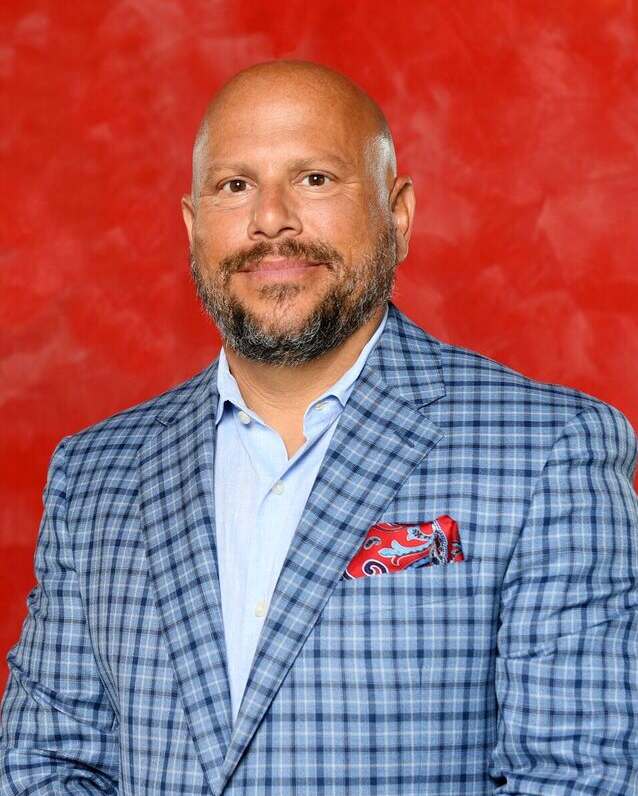
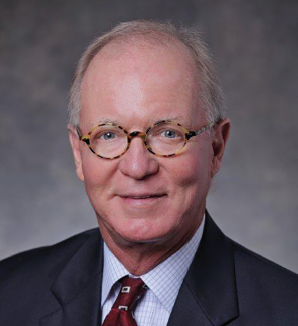
Spotlight On: Brett Forman, President & CEO, Trez Forman Capital

By Max Crampton-Thomas


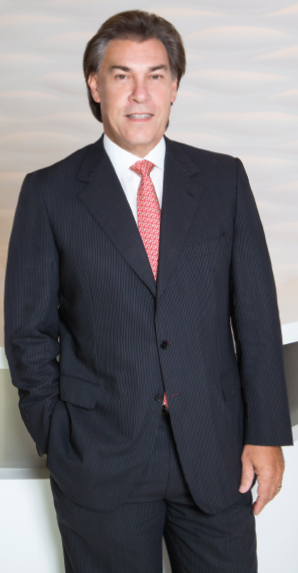
2 min read July 2019 — The demand for residential and commercial real estate development in Palm Beach County is at a high, and developers are jumping at the opportunity to capitalize. This spike in demand has not only been beneficial to developers but also to those who are helping fund this development. Invest: Palm Beach recently sat down with Brett Forman, President and CEO of Florida-based, commercial bridge lender Trez Forman Capital. He discussed how Palm Beach County is uniquely positioned for real estate development, and how his company is benefiting from the boom in the market.

Where are you seeing the highest demand for your services? 

We experience the highest demand from developers of condominiums or multifamily rental apartments. There are a variety of financial firms pursuing these type of deals, but we offer something slightly different. We’re competing with banks every day, and we’re competing with more traditional mezzanine players and preferred equity investors. As a result, we have to be creative and offer a unique one-stop shop, including higher proceeds than the banks and non-recourse options. 

How is Palm Beach County a unique market for real estate development? 

Palm Beach County is home to some of the most expensive residential real estate in the world. On the opposite end of the spectrum, it’s also home to some of the poorest areas. So when you talk about Palm Beach real estate, you’re talking about a very diverse asset mix.

Trez Forman is more or less asset-agnostic; we lend against residential real estate, whether it’s apartment communities for rent, single-family houses for rent or condominiums for sale. We don’t necessarily construct homes, but we finance the lot on which developers do the horizontal development. 

What differentiates Trez Forman Capital from a traditional bank? 

It’s very easy to understand what differentiates us from the banks, since the banks are highly regulated. They have to do things according to what the regulatory agencies prescribe, and their leverage is usually much lower and typically requires recourse. What we’re offering is a much higher loan-to-cost solution. Trez Forman basically can take what the bank and the preferred equity investor offers and combine it to provide our clients with a one-stop solution that has surety of execution. We like to under-promise and over-deliver. We can fund a deal in 30 to 45 days, unlike a bank that may not be able to lend in that timeframe.


To learn more about our interviewee, visit its website:

https://www.trezforman.com/

Top 5 Trendiest Neighborhoods in Fort Lauderdale

By Max Crampton-Thomas


2 min read July 2019 The growth of the Fort Lauderdale area is a true testament to the collaborative efforts of the city’s private and public sectors. The positive effects of this growth can be witnessed in the development, redevelopment and preservation of the city’s neighborhoods. 

Here, Invest: Greater Fort Lauderdale explores Fort Lauderdale’s five trendiest and up-and-coming neighborhoods.

Victoria Park: A beautiful mix of traditional “Florida” homes and new development, Victoria Park has long been a staple neighborhood in Fort Lauderdale. The revitalization of the area is thanks to its close proximity to Fort Lauderdale Beach, Las Olas Boulevard and cultural centers like the Broward Center for the Performing Arts. 

Invest: Greater Fort Lauderdale spoke with Doron Broman, managing partner of Moderno Development Group, about its investment in the development within Victoria Park. “We are tapping into the near downtown areas because more people are seeking to live in more walkable areas, where they need to spend less time commuting to work and experience a more urban lifestyle,” Broman said. “We are building very modern, urban townhouse rental communities in trendy Victoria Park.”

Tarpon River District: Located just north of Davie Boulevard and west of Andrews Avenue, Tarpon River District is a neighborhood whose appeal is thanks to its proximity to downtown Fort Lauderdale and emphasis on family life. With a recent influx of mixed-income homes and apartments, access to some of the cities best parks and the locally famous Tarpon River Brewing company, this neighborhood will continue to be a top choice of young families. 

“We are keen on Tarpon River District, which we believe is the new cool work-live-play hub, located right in the center of Fort Lauderdale,” Broman told Invest:. 

Flagler Village: Twenty years ago, this neighborhood was a rundown warehouse and residential district. Today, Flagler Village is one of the trendiest areas in Fort Lauderdale. The collaboration between artists and developers has transformed the neighborhood into a premier arts district with offerings of luxury rental apartments, restaurants and arts and culture. The Village is also home to the Brightline train station, which supplies a steady flow of traffic into the neighborhood daily. 

“Many developers have looked to the beach and Flagler Village areas in Fort Lauderdale. We are also invested in Flagler Village,” Broman said

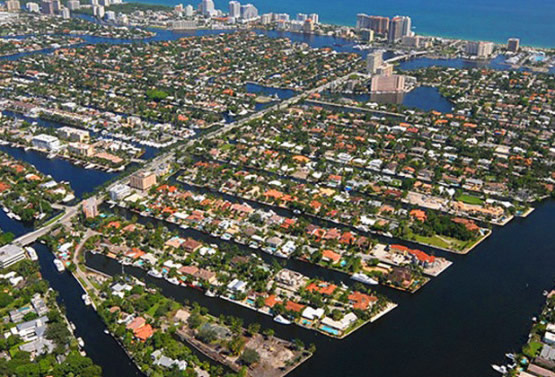
Las Olas Isles: Due to its proximity to Las Olas Boulevard and Fort Lauderdale Beach, Las Olas Isles is the perfect mix of retail, restaurants and a coastal lifestyle. Luxury living like this comes with a hefty price tag. Homes in the area range from $1 million to $40 million and rental units are in the thousands. 

Colee Hammock: Not only is this one of the oldest neighborhoods in Fort Lauderdale, it is also one of the most diverse and eco-conscious in the city. Situated next to the Intercoastal Highway and the New River, Colee Hammock offers residents a wide variety of homes and walkability to theaters, restaurants, retail and entertainment venues. This eclectic neighborhood is home to a wide demographic, from the working class to the wealthy. 

Invest: Greater Fort Lauderdale discussed development in Colee Hammock with Andrew Verzura, principal of VCM Builders, Inc. “We are working on a residential project in Colee Hammock, a historic neighborhood in Fort Lauderdale established in 1913. We are constructing a home that is being built around some of the area’s oldest and mature foliage. This is a neighborhood that has a special relationship and respect for the nature within it.” 


For more information visit:

http://vcmbuilders.com/

https://www.modernodev.com

Orlando Welcomes Mixed-use University City

by Sara Warden

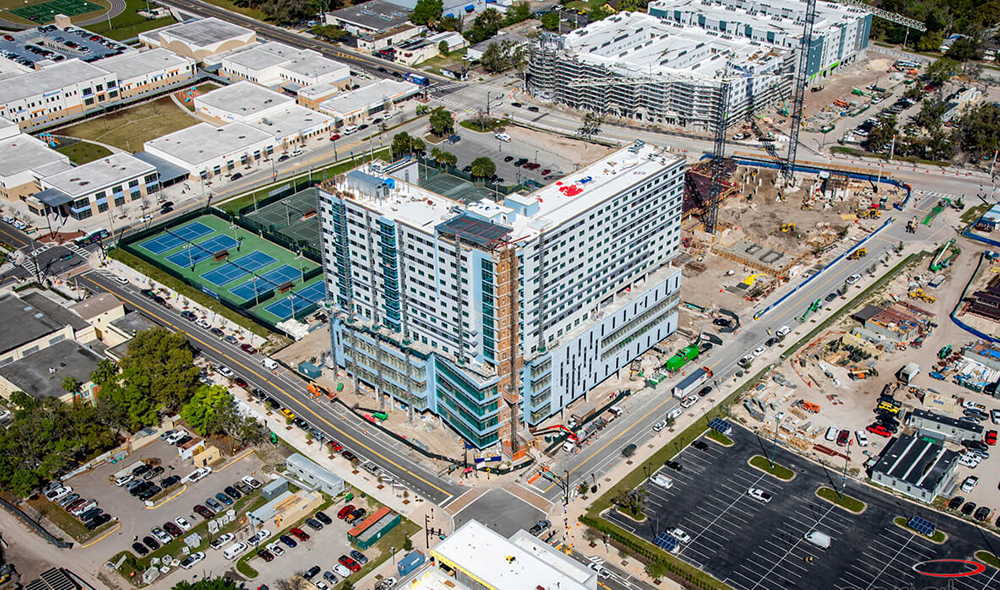
2 min read July 2019Right now, students all over the world are enjoying a long summer break. But when summer ends in the fall, 7,700 UCF and Valencia College students will be returning to classes at a new state-of-the-art 68-acre development called Creative Village.

A $1-billion public-private partnership, Creative Village is designed to become a minicity in the heart of Orlando’s downtown. The campus will host more than 20 UCF academic programs, including communication, digital media, legal studies, healthcare technology and healthcare management. Valencia College will offer programs in digital media, health information technology, culinary studies and hospitality.

The centerpiece of the campus will be the Dr. Phillips Academic Commons, designed by architects Robert AM Stern and SchenkelSchultz. UK-based contractor Skanska is responsible for the development of the $66 million building. The 580-space, four-story, $14.6 million parking garage will be installed with license plate recognition technology and electric charging stations. State-of-the-art student accommodation will be provided by Ustler Development and DEVEN in the form of UnionWest, a 15-story building with over 600 beds and retail spaces.

The new campus has been in the works for the last four years but it is not just students who should be interested in the development. For local companies, the business of education can be a lucrative one. Not only will Creative Village host the campus, but it will eventually become a massive mixed-use district with 1.2 million office spaces, 1,500 residential units and 225 hotel rooms.

According to the Assistant Vice President of the new campus, Mike Kilbride, the goal was to offer students integration, convenience and walkability. “You go to the legal studies example and we’re just a five-, six-minute walk to the courthouse. So, students have the opportunity to intern while they’re in their courses,” he told Click Orlando.

Sunrail and Lynx buses have established a partnership with the campus, allowing students and staff to ride free of charge. “That allows students with their student IDs to ride Lynx buses for free, so there’s a lot of great options for our students and faculty and staff to connect with this campus if they want to leave their car at home,” Kilbride said.

As the campus becomes more walkable, the need for convenient retail outlets becomes more pressing. According to Wells Fargo research, the average spend of students per year on basics like accommodation, books, transport, clothes and food comes to around $14,960. When considering the students alone, that’s a $150-million gold mine for local vendors just waiting to be tapped into.

Just last week, UCF Downtown announced sushi restaurant Vera Asian would be joining the ranks of Dunkin’, Qdoba, Subway and many more as vendors at the campus. The development will also generate jobs for hundreds more custodial workers, security guards, maintenance workers, IT support workers and others.

“We’re not just talking about transforming a city, we’re talking about transforming lives,” said City Commissioner Regina Hill, who represents west downtown Orlando, at a meeting with the Florida Board of Governors.

“It’s terribly exciting to have 7,000 students in our downtown. That’s going to change the complexion of downtown forever for the better,” Orlando Mayor Buddy Dyer told News 6.

No Slowdown in Sight for Miami Construction

By Yolanda Rivas

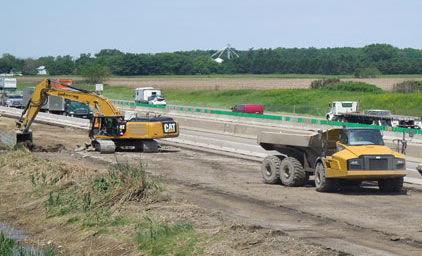
2 min read JULY 2019— Employment in the U.S. construction sector continued to trend upward last month, with the addition of 21,000 new jobs, according to data from the U.S. Bureau of Labor Statistics (BLS). The strength in the sector, reflected also in the latest Miami regional data, suggest the industry is not slowing as quickly as projected.

According to the most-recent BLS data for Miami, the construction industry added 5,100 jobs in May, a 3.7% year-on-year increase and above the 2.8% national figure for that month. The numbers aren’t surprising, given the amount of development in the Miami area.

“What has been impressive to me over the last year is the number of projects we have under construction,” Andrew Burnett, senior principal at Stantec Architecture, told Invest:. “We have around 26 to 30 projects that are either in construction or looking to start construction next year. A large percentage of them are mixed-use residential, and we’re not only providing architecture and interior design services but often engineering and MEP (Mechanical, Electrical and Plumbing) as well.”

As stated in Invest: Miami 2019, residential development remains the top driver of construction in Miami. Although there has been a slight slowdown in the condo market, some experts expect the strong performance to continue.

“I see the right projects and developments continuing to thrive,” Manny Varas, president and CEO of MV Group, told Invest:. “Buyers are taking their time to make better decisions. They’re seeking out developers with strong track records as well as the quality of interiors and finishes that they’re looking for and can count on,” he said.  

In 2018, Miami ranked among the Top 10 U.S. metropolitan areas for commercial and multifamily construction starts, according to Dodge & Data Analytics. The construction in Miami’s residential real estate is characterized by the trend of continued foreign investment in high-profile luxury condos.

Another area with strong demand is infrastructure construction, according to Luis Lugo, Hill International’s senior vice president and regional manager for the Southeast U.S. and Latin America. For example, Miami International Airport and Fort Lauderdale International Airport, will soon start major expansion and modernization projects and the Miami-Dade Transit SMART program is expected to start construction activity soon. 

“We also do a lot of work with the hospitality industry. We’re building about a dozen hotels throughout the region. That’s a big market for us, and it’s a space in which we excel,” Lugo said. 

Despite speculation about a national economic slowdown, the outlook for Miami’s construction sector is positive. “The market will continue to be strong. A little slowdown is expected, but construction is going to pick up in 2019 and beyond,” Lugo said. 

To learn more about our interviewees, visit their websites:

Stantec Architecture: https://www.stantec.com/en/services/architecture-interior-design 

MV Group: https://www.mvgroupusa.com/ 

Hill International: https://www.hillintl.com/en 

Hard Rock Hotel Ready to Play New “Guitar”

By staff writer

June 2019

2 min. read

The sky is truly the limit for Seminole Hard Rock Hotel and Casino’s $1.5 billion expansion, which is epitomized by the new 450-foot guitar-shaped hotel that residents of Broward County have seen rise from the ground over the past two years. The sprawling resort is set to open on Oct. 24, 2019.

The hotel will house three towers: the world’s first guitar-shaped building, with 638 luxury rooms; the Oasis Tower, which will consist of 168 luxury rooms overlooking a new “Bora Bora Experience” pool-lagoon area; and the classic Hard Rock Hotel that is a long-established staple in South Florida. This resort is shaping up to be unique in many aspects, including the size of the over 800 new rooms at 515 square feet, a significant upgrade from the average industry standard of 400 square feet.

The resort’s new amenities rival that of any luxury resort found in places like Las Vegas or Dubai. Guests will have access to the private “Bora Bora Experience” that is reminiscent of the region for which it is named, including private villas, personal butler service and a pool-lagoon landscape. The resort will also offer a new 42,000 square foot space that includes a 3,200 square foot fitness center, salon, barber shop, and countless spa services. The primary staple of the Seminole Hard Rock Hotel is its casino, which is also undergoing some major renovations and upgrades with the addition of 200 table games, 3,100 slot machines and a newly constructed 45-table poker room. Finally, the new 6,500-seat Hard Rock Live venue is expected to draw tourists and musical acts alike to the South Florida region. The venue will be kick-started a day after the grand opening with an inaugural concert by Maroon 5.

The massive expansion is already having a positive economic impact on the South Florida region. The resort has been in the process of hiring over 1,200 new employees for full-time, part-time and on-call positions, while the expansion required over 2,000 construction employees. The almost completed guitar-shaped tower is already a landmark on the South Florida skyline and is attracting more attention to the city of Hollywood, where the resort is located.

Long a major economic driver in Broward County, the refurbished Seminole Hard Rock Hotel and Casino is ready for its debut and set to play a major role in all of South Florida.

For more information on Seminole Hard Rock Hotel and Casino visit:

https://www.seminolehardrockhollywood.com/


New Frontiers

New Frontiers

Fortune International Group President and CEO Edgardo Defortuna discusses Miami-Dade’s complex zoning landscape and the impact on luxury real estate development


One of your major projects at the moment is JADE Signature, located in Sunny Isles. What advantages does Sunny Isles offer to developers?

Oceanfront property has become increasingly scarce in South Florida. Sunny Isles is one of the few remaining areas where a developer can secure large parcels of land with a water view. Our Jade Signature project – designed by Herzog & de Meuron – the architects that created the Perez Art Museum Miami (PAMM) – sits on 2.5 acres of land right on the beach.

Sunny Isles is attractive to developers because it allows the space for creativity – literally. There are no other locations on the beach that permit you to build structures up to 650 feet tall. That sparks innovative thinking in design and presents an exciting opportunity for developers like Fortune International Group to have a significant impact on the skyline.


How would you describe the landscape for zoning and other regulations affecting real estate development?

The regulatory landscape in the region is complex, and in Miami, it is as diverse as the city itself. Twenty years ago when Fortune began developing here, there were zoning and land use guidelines in Miami and in Dade County. Over time, many smaller towns and municipalities started to form independent governments, each with its own set of zoning regulations.

For example, today the zoning rules in North Miami and Key Biscayne are different, just as they are in the Broward County cities of Hollywood and Hallandale. From a developer’s point of view – that kind of change significantly impacts your business strategy. You must be extremely knowledgeable of the area and the regulatory nuances from project to project.

In the City of Miami, where development now is fairly limited, you have one set of zoning guidelines, Miami 21, which is quite favorable to commercial developers because it is primarily a business district. However, it is challenging to find waterfront sites within the city. While in Miami Beach, the challenges arise due to the various historic designations and related restrictions. In many areas, existing structures cannot be demolished to make room for new development. You can refurbish a historic building, but you must maintain the existing structure.


How does this fragmentation impact development? Do you see the situation changing in the near future?

It’s important to understand that the main revenue stream for all of the cities and counties in South Florida today is real estate tax. The municipalities thought that taxes were unfairly distributed when they were concentrated into one place, so I don’t see the situation changing. There might be some agreements made between one area and another, but it would be difficult to create a unified government; if anything, more areas are going to break apart and try to generate their own pockets of zoning.

Not having a strong unified effort for infrastructure, transportation and other services needed for a major city like Miami to function presents a challenge. Hopefully the public sector can integrate a little bit more, and really create comprehensive plans for the major needs of the city as a whole so as to support the growth we are experiencing.


What are some of the comparative advantages Miami offers when it comes to real estate?

Prices here are competitive when compared to other major cities in the U.S. and the world. Prices in New York are three or four times what it is here, and the same goes for San Francisco and Los Angeles. From a U.S. investment proposition, Miami is still very attractive to outside investors, which is why we are seeing the high volume of individual buyers, as well as funds and groups, willing to invest equity in the different projects being developed here.

Miami has much to offer culturally as well. The museums have done marvels to the city. Art Basel has significantly changed the cultural aspect of Miami, as have the Adrienne Arsht Performing Arts Center and the New World Symphony. If you like sporting events, you have The HEAT and the Dolphins, and hopefully David Beckham can bring soccer here.

All of these things impact the overall perception of the city. Previously, higher-end Latin Americans would say, “Yes, I love Miami. I spend a few days there, but my apartment is in New York.” Now, they might still have their apartment in New York, but they are spending a significant amount of time in Miami, and they all want an apartment here.


What risks are present within the real estate market?

People talk about bubbles all the time, but it’s really a question of managing supply and demand, and the timing of when you launch the supply. As a developer, it’s important to be disciplined and mindful of what the market is like before moving forward.

Today, most prudent developments are supported by 50 percent deposits from the buyer; you don’t start construction until you have a significant number of presales. With all the money the buyers have put into the construction, it’s very difficult for them not to close at the end, which is what happened in the past when they were speculating with 10 percent or 20 percent.

As long as we keep this structure in place, we should avoid some major risks. But now that financing is becoming more available, this could create a temptation for developers to require reduced deposits of, say, 30 percent and get the remaining 70 percent from the bank. That’s when problems could potentially start.


How has the consumer profile for luxury properties changed in the current building cycle? 

In the past, the market was dominated by Latin Americans responding to the political and economic situations in their home countries. Today Europe is becoming a very strong player – England especially – because the exchange rate makes Miami prices attractive. Investment from the Asian market, which was previously almost nonexistent, is starting to pick up as well.

Brazil and Argentina continue to be key markets for us – as they have been for a long period of time – for different reasons. Brazil has been doing well for the past five years, while Argentina’s economy has been going the other way. People are attracted to Miami when their countries are either doing very well or very poorly. If they’re doing very well, then they’re diversifying and buying in Miami and if they’re doing poorly, then they’re taking the money out of their countries and buying in Miami. We’re also looking at Mexico because of the growth and wealth creation happening there.

I’m particularly excited about our new relationships in London because the market is so vibrant there. People are making significant amounts of money there and they all love the natural conditions of Miami. They just need to get more exposure to this type of product because they’re used to buying in Orlando or in the islands and they are just now really discovering Miami.

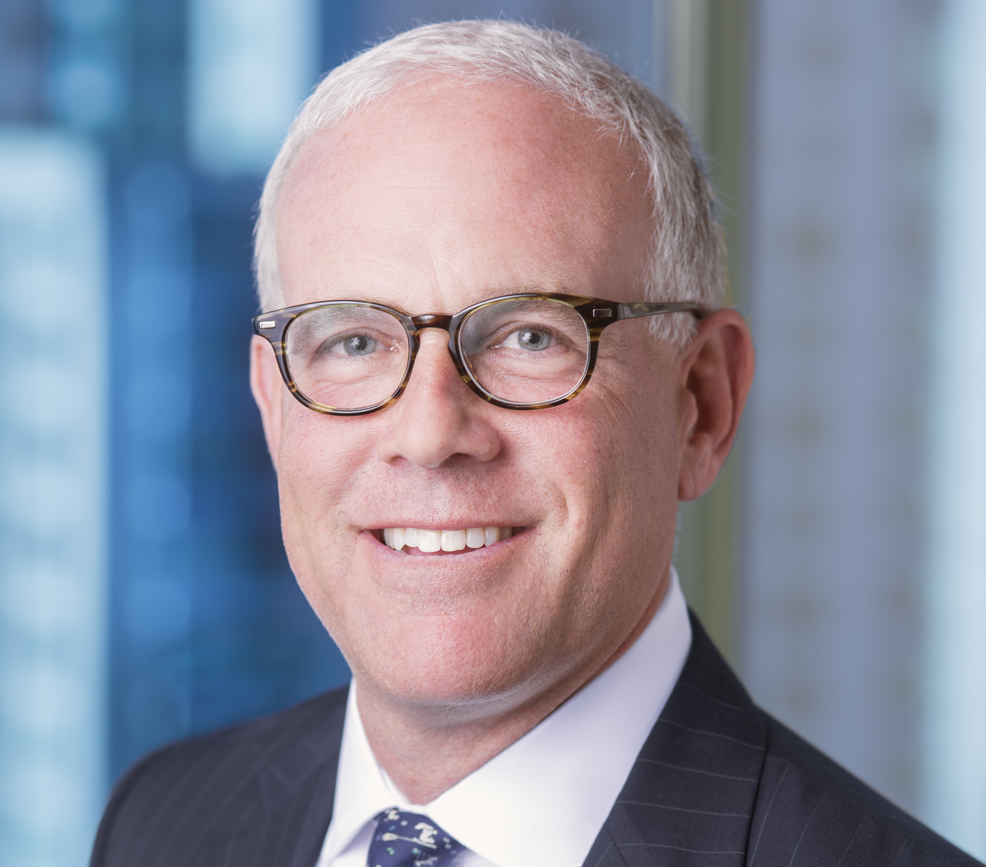
 

Invest: Miami speaks with Armando Codina, Chairman, Codina Partners

Invest: Miami speaks with Armando Codina, Chairman, Codina Partners

Alex Wertheim
Doral’s growth story is linked to the growth story of Miami-Dade. The highest employment concentration in Miami-Dade County is Airport West, the area where Doral lies. Carnival Corporation is headquartered in Doral, along with major media companies like Miami Herald and Univision, as well as the Federal Reserve, U.S. Southern Command, and a thriving logistics sector. Employment opportunities have brought an influx of residents into the city – as have greater affordability and a strategic location – both foreign and domestic. In recent years, Venezuelans, fleeing political and economic crises in their country, have come to Miami-Dade and settled in Doral. For them, and for many Latin Americans, the proximity to the airport is a great attraction and a reason to buy homes and start businesses here.
If Doral was to become a great city, it needed a heart, and a downtown is the heart of any city. This is why we’re building Downtown Doral. Doral is the first city in Dade County that offered the opportunity to build a core – a downtown – from the ground up, and for a developer, this is truly special. We are creating a master-planned community that includes high-end shopping, dining and living options, as well as the supporting infrastructure – bike paths, sidewalks, public green spaces etc. With so many businesses that also call Doral home, we have taken special care in developing the new office space that will be included in the project, creating a modern campus feel.
This project also features a great example of a public-private partnership (PPP) – Downtown Doral’s collaboration with Miami-Dade County Public Schools to build a charter school. In this arrangement, developers provide the land and finance the construction, while the school board administers the school. Private sector execution allows for greater efficiency, while public sector management allows all parties to benefit from the expertise and accomplishments of the county’s award-winning school board. The new school will be an added draw for prospective residents seeking an affordable community with strong infrastructure, while it allows the county to earn additional revenue from operating the school.

Growing rapidly and steadily

Growing rapidly and steadily

Alex Wertheim

Invest: Miami speaks with Alex Wertheim, President, SPACiO Design Build

What demand is currently driving design services?

Over the years, we have seen significant growth in residential demand. Developers can execute large-scale projects, as the cost per square foot in South Florida is still much less expensive to buyers than in many other major cities within the U.S. This region offers a competitive cost of living as well as an advantageous tax structure. Growth in the residential segment has caused growth in the commercial segment as well, to the point that we are seeing more activity in the commercial real estate sector than in the residential market when it comes to construction in Miami.

What are the main profile trends of the client base for contractor and design services in Miami?

There was an important change in the profile of the clients after the crisis of 2009. We have started to see more Latin American clients reaching out to us to build-out their recently purchased high-end condos since then. This is expected to continue, as Miami is a melting pot for Latin Americans. However, in the past few years, we have begun to see an increase in the number of clients from the U.S. retaining our services, which makes me think the domestic market is coming back. Miami is attracting many retirees from the Northeast that are looking to take advantage of the lower cost of living. We have also seen an increase from international clients from other regions of the world such as Asia and Europe.

Miami is growing rapidly and continuously. In 2017, we will continue to see such growth driven by international and American buyers. We are also going to keep seeing continuous repositioning of real estate properties. As we run out of developable land, developers are rapidly buying up existing Class B and Class C properties in up-and-coming neighborhoods to turn them into Class A properties, from hotels to retail space. As a full-service general contractor, we are seeing – and we will continue to see in 2017 – an increase in retail space construction. We are currently involved in building out Breitling and very soon Swarovski in Brickell City Centre. The demand is a direct result of Miami’s evolution as a high-end shopping and dining destination.

Which sectors are expected to be the growth engines for design and contracting services the upcoming years?

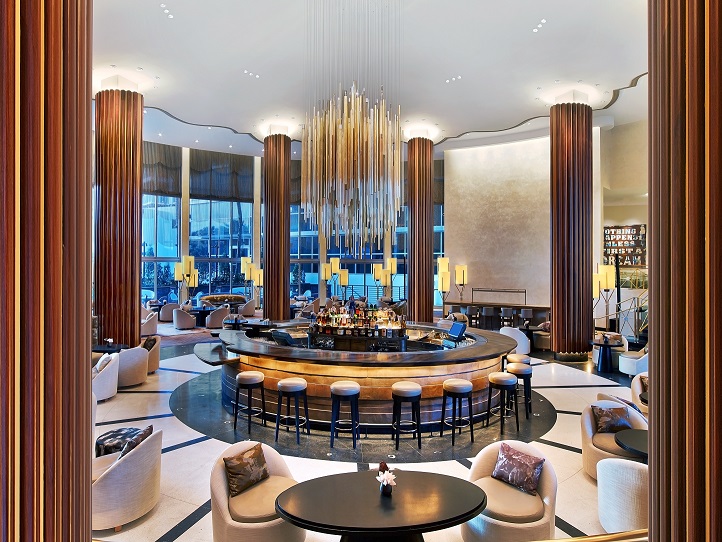
Even though both residential and commercial sectors are growing simultaneously, commercial will start to see an important increase in the hospitality sector, especially restaurants. Miami has developed its culinary offerings extensively over the past couple years.  These new restaurants have made significant investments in design services because they understand the importance of aesthetics for their businesses. The Nobu restaurant in Miami Beach is a perfect example. Chef Nobu Matsuhisa sought the “best of the best” to build out the space.  For example, the stone flooring was imported from Italy, the oak flooring from Denmark and many other finishes are derived from around the world. Nobu truly adds an extra level of sophistication to the iconic Eden Roc. We were very fortunate to work under Chef Matsuhisa’s leadership building out that amazing space. Hotels – both new and existing – have also made important investments in design with an important emphasis on quality and that will continue to happen in Miami

What would you identify as the current major challenges in construction?

From a business perspective, one of the main challenges for the developers is making sure they hire the right architect and designer. Doing all the correct due diligence and pre-construction work is extremely important. Not many people realize the amount of work that goes into pre-construction and its importance. When done poorly, this ends up being a problem for developers as they execute their projects. The way to tackle this issue is by making sure their pre-construction work is handled by highly qualified professionals.  Another challenge is finding qualified construction workers, especially when you are working on high-end projects. We make sure we take good care of our people because we see value in loyalty and having an A team that we can move from job to job.

For more information on Spacio Design Build, visit: http://spaciodb.com

 A new urban retail

 A new urban retail

Swire Properties President Stephen Owens discusses the evolution of the urban retail experience in Miami-Dade

How will Brickell City Centre contribute to Miami-Dade’s retail landscape?
Brickell City Centre will transform the retail industry in Miami by offering something that does not yet exist. Currently, there is no place downtown where young people can come together and get a full retail experience that includes shopping, dining and nightlife. Brickell City Centre will introduce an urban mall to the area.
Another innovation we are bringing is integrating our building with public transportation. With Brickell City Centre, we are developing three blocks of retail and connecting all of it using bridges above and below the street that allow people to move more easily within the area, without taking any land away from the public or blocking any streets. At the same time, we keep consumers immersed in the retail experience as we will be placing different vendor experiences those walkways. We have also utilized underground parking, which will be well-lit so shoppers feel safe, and situated the project next to the Metromover to facilitate easy access. Our goal is to make the retail experience a positive one that seamlessly integrates with the urban lifestyle.
 
Swire Properties is based in Hong Kong. What features of the Asian retail experience is Swire bringing to Miami? 
Hong Kong is similar to Miami in that both cities are high-density and nearly all development happens near the water. We have applied a number of features prominent in our Hong Kong and mainland China developments, particularly when it comes to our focus on vertical transportation (elevators) and integrating retail and commerce with public transit. We have one of the highest ratios of vertical transportation of any project ever built in the U.S. – and that is about getting people up and down quickly, safely and comfortably.
How will mixed-use developments contribute to the evolution of Miami-Dade’s retail landscape?
In the U.S. mixed-use developments have been around for 30 to 40 years, but are taking off in Miami recently, as witnessed by the emergence of Brickell City Centre. One factor is simply the population growth of downtown – more and more young professionals have moved in and they tend not to use cars. The current retail centers in the county are in suburban malls; there is nothing to speak of within the urban centers. In part, this gap existed because of the relatively low number of residents in the urban core. Eventually, we had Bayside Marketplace – though that catered primarily to tourists – and then Aventura Mall, Lincoln Road and Bal Harbour Shops started to take off, as well, bringing luxury brands into this market. Yet we were still lacking a strong retail offering in the center of the urban core and because of the density, a mixed-use development made the most sense.