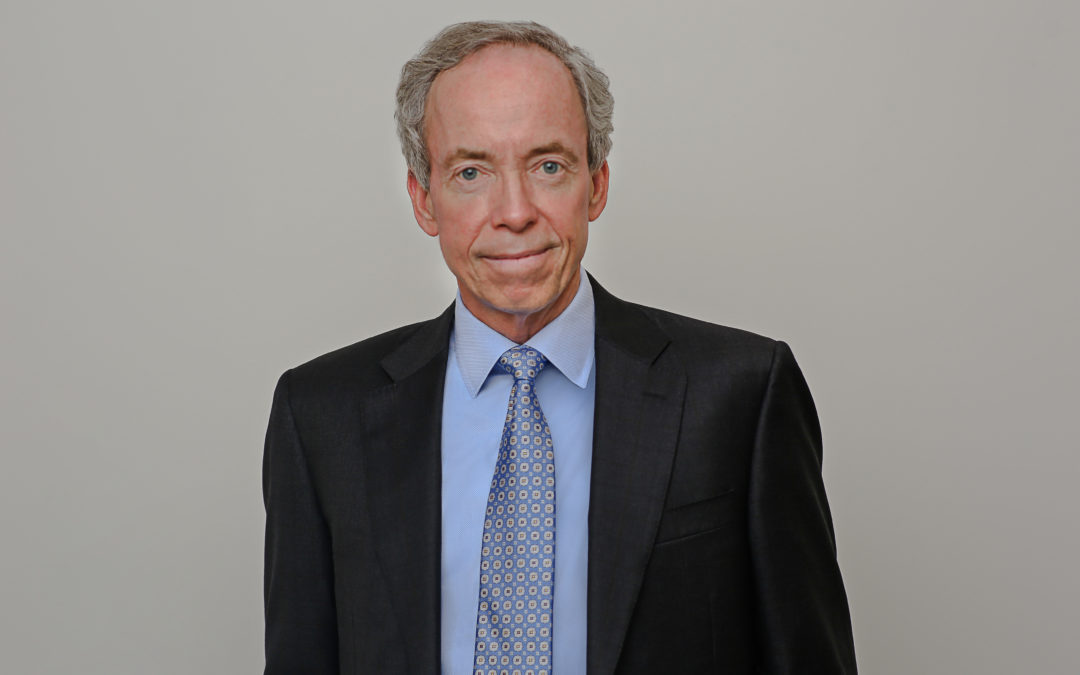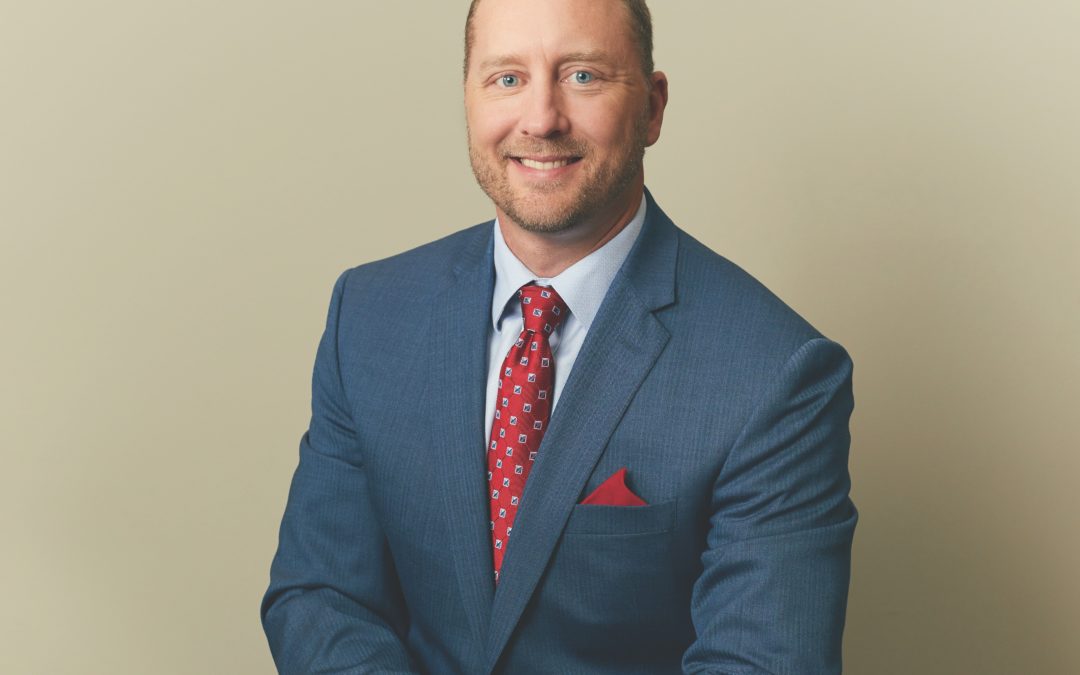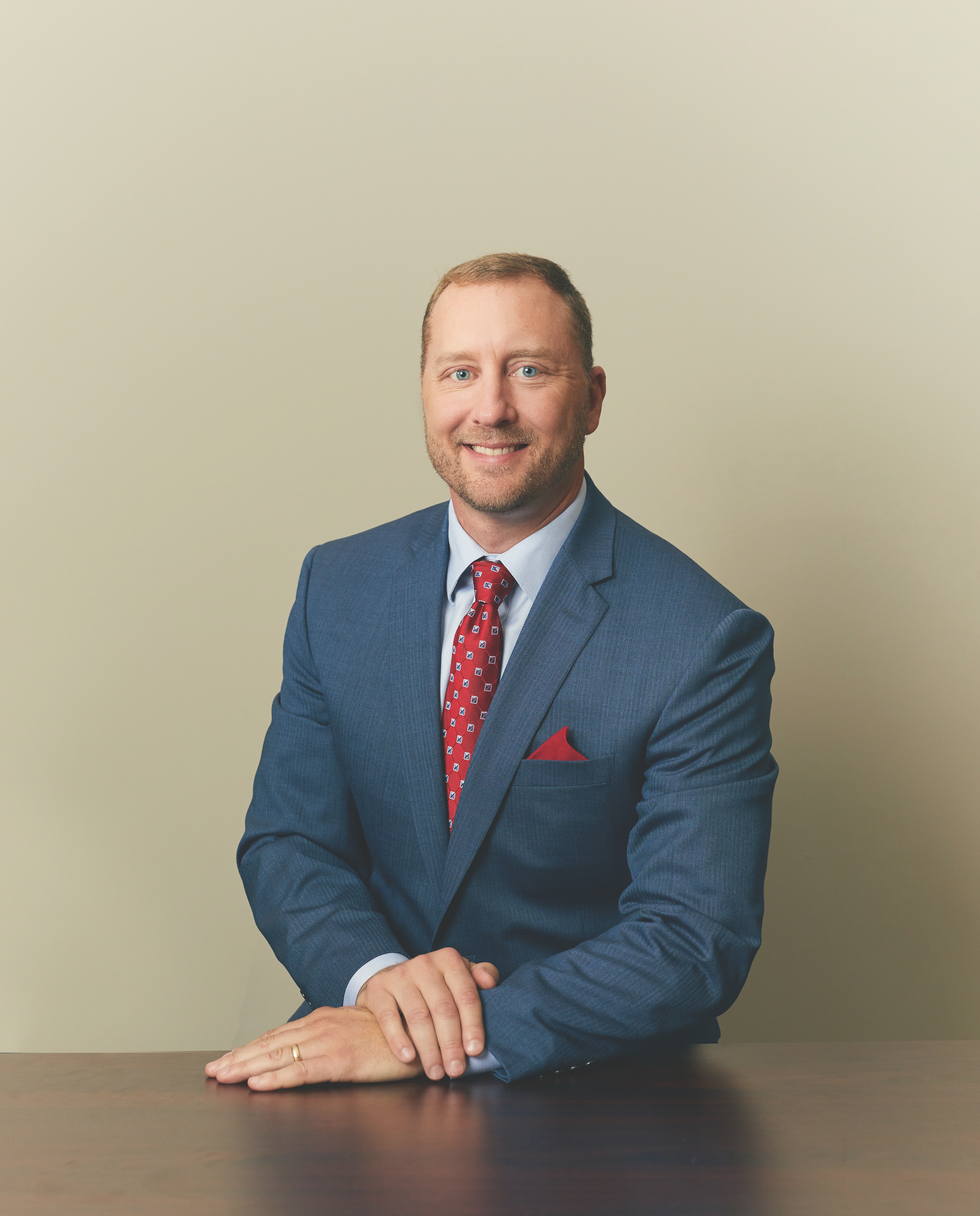
Spotlight On: Douglas Zaren, CEO, Memorial Regional Hospital South

Spotlight On: Douglas Zaren, CEO, Memorial Regional Hospital South

By: Max Crampton-Thomas

2 min read December 2019 — As the population continues to grow, the need for specialized healthcare follows suit. For Memorial Regional Hospital South, the focus is on being able to adapt and grow areas that will benefit the future of post-acute care. Invest: spoke with CEO Douglas Zaren about how the hospital is adapting its practices to meet increased demand while also being open and flexible when it comes to adopting new technology into the hospital. 


What differentiates Memorial Regional Hospital South from the other hospitals in the region? 

As the home of the Memorial Rehabilitation Institute, Memorial Regional Hospital South is made unique by our focus on post-acute care. One of our rehabilitative programs is Determination Drive, where we have created a community with an ATM, grocery store, library, park and a MINI Cooper. We use these environments to help patients re-learn different skills in realistic scenarios. By practicing everyday tasks under the supervision and guidance of our therapists, our patients will be ready to leave our hospital with confidence. We also take pride in our Adaptive Sports program, which helps our disabled patients reach their maximum potential. Different activities, such as wheelchair basketball, adaptive bowling and adaptive cycling help our patients gain confidence as they adapt to life with a disability. Our patients are the center of all that we do, and we strive to help them recover both physically and emotionally. 

As the population in Broward County continues to grow, how is the hospital preparing for the increased demand? 

As our population grows, it is important for us to be able to adapt and grow the areas that will be necessary for the future of post-acute care. This need to adapt is further exacerbated by pressures to provide more efficient care. As a result, we focus on the entire continuum of post-acute care, going beyond inpatient rehab to outpatient rehab, home health and Memorial Manor, our Skilled Nursing Facility. By expanding the capabilities to these providers, more patients are able to receive appropriate care. An example of this dedication to growth is the expansion of our electronic medical records technology to Memorial Manor, which will allow the caregivers to easily see the patient’s medical history. Our expansions of outpatient rehab and home health services allow more patients to receive care outside of the hospital setting, in the comfort of their home and on their schedule. Finally, our continued focus on excellent quality in our hospital still gives those patients with higher needs the care they need through our inpatient rehabilitation services, 

How are you implementing new technology to better serve your patients and physicians. 

Technology is advancing rapidly in all aspects of life, including patient care. We have a strong commitment to leverage this expanding technology to provide our patients with the most modern and innovative care in the market. An example of this is our recent acquisition of a C-mill treadmill, which utilizes virtual reality technology to simulate realistic environments for patients. This allows patients to get acclimated to walking in environments they would see outside the hospital, while still being in a safe, monitored situation. In addition, we help our patients become accustomed to using technology in their everyday life. By training our patients with an Amazon Alexa smart home system, they will be able to use these tools in their homes after discharge to help with tasks, such as turning on the lights and controlling the TV, that may be difficult for them as they continue their recovery. 

For more on our interviewee, visit:

https://www.mhs.net/locations/memorial-south

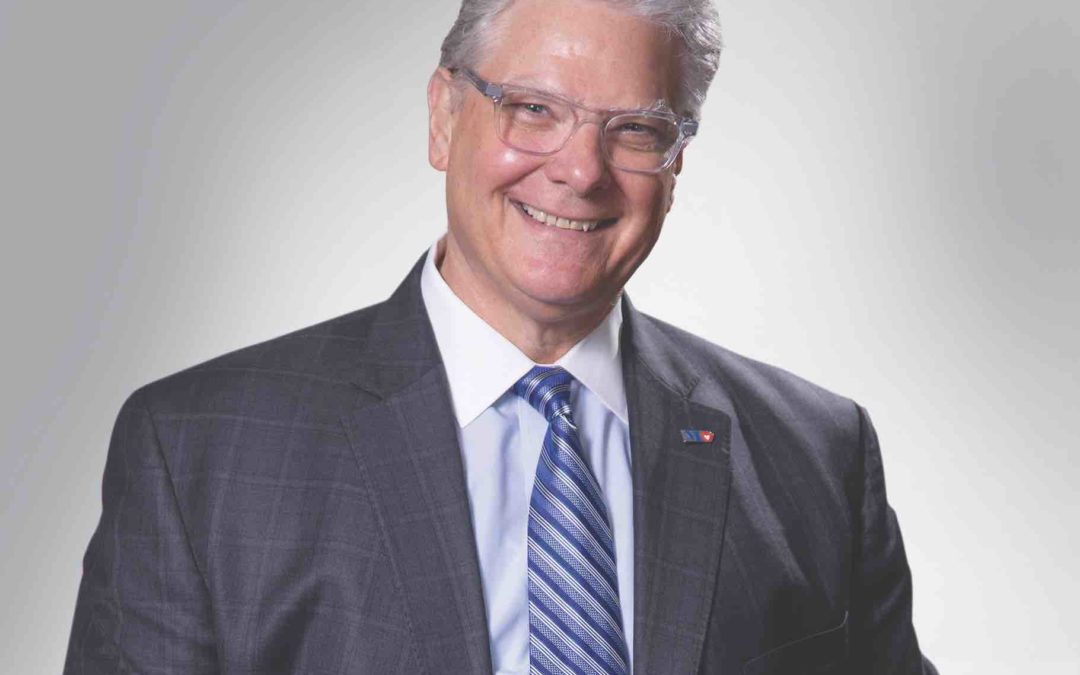
Spotlight On: Lynn Stoner, Mayor, City of Plantation

Spotlight On: Lynn Stoner, Mayor, City of Plantation

By: Max Crampton-Thomas

4 min read December 2019 — To move a city forward both economically and community-wise, it takes a leadership with the forethought to develop for the future and individuals with their finger on the community’s pulse. The Mayor of the City of Plantation Lynn Stoner recently sat down with Invest: and discussed her first year as mayor, the key challenges her city faces, and how customer service has become the buzz phrase for her administration and how it deals with the community.


What has been a key focus of your first year as mayor of Plantation?


One of the many components that I chose to focus on is our transportation corridor. Plantation’s population is approximately 94,000 residents, 22 square miles and it’s right in the middle of the county, 10 minutes away from the Port Everglades and 15 minutes away from the airport. About 70% of the pass-through traffic on University Drive does not originate in Plantation, so one of my priorities was to be on the Board of Broward County’s Metropolitan Planning Organization. As a result, we will have adaptive lighting installed on University Drive starting in 2020. The following year, we will start the project on Pine Island, and we are in conversation regarding the bridge from Midtown across the river to State Road 84. These are hugely important and beneficial initiatives. Another major city initiative stems from 2016 when our citizens approved a $60-million bond issue. We are working now to complete these projects in the areas of public works, public safety, and parks and recreation. These projects will provide tangible improvements for residents, visitors, and businesses. 


We have people arriving to Plantation every day, calling or visiting to explore areas and opportunities, which has us absolutely thrilled. Being a strong mayor, I am trying to retain our hometown feel. I’ve lived here since 1970. I went to high school here and my three children and granddaughter are still in town. I understand the family component of Plantation. And keeping with this hometown feel, our first Light Up City Hall event was held on Dec. 7 and we anticipate making this as an annual event. 


What makes Plantation attractive to new businesses?


There was a time when Plantation was the golden city of the county. Now, many of the people that were raised here, are coming back . They have fond memories of where they used to fish, ride their bikes and go to our parks. They want to come back to raise their children in a similar environment.


We are focusing on maintaining that hometown feeling amid the development. We are now putting the finishing touches on our Midtown district, which was created in 1980 to be high density. We are handling the traffic in a manner that you feel comfortable coming here, taking a walk, riding a bike or taking a shuttle. We are focused on finding the right balance for our residents, visitors and businesses.


How is Plantation focused on government as a customer service?


As a contractor, I understand when people talk about their project costs. I understand their financial constraints when trying to put a project together. The city has codes that must be complied with but there is a way to present that information in a more palatable manner. City staff needs to understand the business consequences of their comments and we as a city need to understand the impacts of our rules and regulations and take a balanced approach. We are also striving to streamline business processes with a goal of transitioning to online plan review and permitting over the next several years as part of our “Paperless Plantation” initiative. This particular initiative is part of an overall effort through strategic planning that will focus on providing greater customer service across all 16 city departments. The City of Plantation believes in continuous improvement and every day we look for ways to better serve our stakeholders.


What are the main challenges that the city is facing as it grows economically?


Coming from the private sector, I always want things done a little faster. Still, when I look back over the last year, we’ve come a long way. Traffic and transportation are the main challenges, as well as sustainability. Along with our partners, Broward County, FDOT and MPO, our transportation initiatives together with Midtown upgrades will continue to offer a welcoming hometown feel that everyone will enjoy.


For more on our interviewee, visit:
http://www.plantation.org/

Face Off: Hot Hotel Market to Remain Steadfast Into 2020

Face Off: Hot Hotel Market to Remain Steadfast Into 2020

By: Max Crampton-Thomas

4 min read December 2019 Hospitality may be one of the most competitive industries in Florida, and in an economically thriving region like Tampa Bay the competition is only heightened. To rise to the top of this crowded market takes leadership that not only understands the local market and can easily adapt to change, but can also create a work culture that attracts the best and brightest. Invest: explored what it takes to be successful in this market with the general managers for two of the region’s most highly regarded hotels, Kevin Scott with The Epicurean Hotel and David Rowland with The Westshore Grand.

How do you ensure you are attracting and retaining the highest quality employees?

David Rowland: When we hire what we call our associates, we do not hire based on technical ability. We hire friendly individuals who we can train on the technical aspects. Every associate meets with me and usually I only ask them a couple of personality-based questions, like what they do for fun or about their worst day at work and how they overcame it. This is first and foremost a customer service business and you must have a personality that fits that.

Kevin Scott: Employee turnover in this industry is an ongoing challenge that does not have a clear-cut resolution, especially in Tampa where new hotels and restaurants are opening on a weekly basis. Our key to navigating this issue is to ensure that we create a safe environment where employees are encouraged to speak their minds, give feedback and relay their input without the threat of it affecting their jobs. We work to empower our leaders to lead by example and foster great relationships between their departments. We are also in a sweet spot because we are a midsized hotel with a staff that consists of around 150 people, which means that if one person suddenly calls off or quits, it is not the end of the world.

Do you believe the demand curve will stay strong enough to support the new inventory of hotels coming online in the region?

Rowland: I do, because the market is so strong right now. Tampa Bay is a great area and it is still growing rapidly. The airport is consistently ranked among the Top 5 airports in the United States, and the international hub that they are building is going to bring even more business into the region. We are a city where you can host massive meetings, relocate large businesses into and start a business within. The ability to get in and out of the city quickly is also a significant factor in keeping this new supply sustainable. Tampa has done a good job of making sure the infrastructure and the supply of hotel and businesses is grown at the same pace. The only danger is a hotel worrying about all the new supply so they drop their rates just to be competitive. If one person does that, it causes a ripple effect in the industry where we now all have to drop our prices.

Scott: Tampa as a market needs more hotel rooms to attract bigger conventions that bring more people to town. The challenge is that we are capped off at a certain number right now, which limits how many people we can bring into the city, but with so many new hotel rooms coming into the market in the next year or so, there is an opportunity to steal some share from Orlando, Miami and Fort Lauderdale for these conventions. It is the perfect time to capitalize on this opportunity; the updated urban planning is now in play, and the city has never been laid out better than it is now.

How is your hotel primed for continued growth within the region?  

Rowland: We are a part of the Marriott Tribute Portfolio, which is considered its luxury tier, but we get to act as an independent boutique hotel. The hotel has 325 rooms, over 15,000 square feet of meeting space and 14 meeting rooms where people can work, network and convene. We are known for having the flexibility to tailor events in our event space to a customer’s needs. The nice part about being independent is we have a lot of leeway and wiggle room to do what we want to make our customers’ meetings the most successful they can be. We are also very fortunate that we sit inside the Urban Center building. We are the primary hotel for the over 2,000 tenants that rent office space in the building.

Scott: To stay economically sustainable in this business, especially in the instance of another recession, we focus on attracting more groups and business travel. We want people to be aware of our offerings whether they are our neighbors in Tampa or looking for a destination from across the country. Our advantages are that we are centrally located, and people will always love food and wine. Even in a recession, wine, beer and alcohol are always in demand, so we are ready to ride that wave when it happens. Overall, we feel strong about where the Epicurean stands as a hotel and historical landmark that Tampa can be proud of.

To learn more about our interviewees, visit:

https://epicureanhotel.com/

https://westshoregrand.com/

Top 5 Thanksgiving ‘To Do’s’ in the Bay

Top 5 Thanksgiving ‘To Do’s’ in the Bay

By: Max Crampton-Thomas

4 min read November 2019 Thanksgiving season has once again descended upon the Tampa Bay region. While the holiday is traditionally known for the three F’s, food, family and football, there are other options available to those in the Tampa Bay region who are looking to break traditions and start new ones. These options range from activities that will help work up an appetite for the big meal to options that completely change course from the normal fixings of a Thanksgiving meal. Invest: explores five of the best alternatives for those looking to shake up their Thanksgiving experience.

 Turkey Trots

A traditional Thanksgiving meal is known for two things: oversupply and overconsumption. There may be no better way to prepare the body for this endeavour than participating in one of the variety of “turkey trots” and “fun runs” available to the public on Thanksgiving Day. These exercise-driven events include the Goody Goody Turkey Gobble, which starts at 7 a.m. in front of the Amalie Arena and features options like a 5K, 8K or 1-mile course to be walked or ran. There is also the Clearwater-based Tampa Bay Times Turkey Trot, which has become the largest running event in the Tampa Bay area with an annual average of participation from over 17,000 runners. 


Thanksgiving Cruises

Breaking tradition can be difficult, but a Thanksgiving dinner on a yacht may make that change a bit easier to digest. The company Yacht StarShip offers an opportunity to feast on traditional Thanksgiving foods in a completely nontraditional fashion. With options to sail in either Clearwater or Tampa, the promise of no meal preparation or cleanup, and the chance to truly relax for the holiday, a yacht cruise for the night could be a welcomed change from the norm. 

To read more, visit: https://www.yachtstarship.com/event/thanksgiving-cruises/

Wonderland Of Lights And Santa’s Village

Besides being a day to enjoy a nice meal with family, for some, Thanksgiving also signifies the official countdown to Christmas Day. In the Tampa Bay region, residents can begin this countdown with a visit to the Wonderland Of Lights And Santa’s Village. This holiday theme park becomes available to the public Thanksgiving Day and runs until Jan. 5. Theme park visitors can partake in the amusement rides, camel rides, over a mile of light displays and everything else this park has to offer. This is a great option for those looking to not completely break tradition, as the park offers the opportunity to enjoy all its amenities at night, giving time for the traditional Thanksgiving meal at home beforehand. 

For more, visit: www.thewonderlandoflights.com/

13th Annual ThanksVegan Feast

It may be a holiday best known for a feast centered around poultry, but that does not mean that there aren’t options in the region for those who prefer veggies over meat. For the last 13 years, Florida Voices for Animals has been holding their annual ThanksVegan Feast that features zero animal products or byproducts. Held at the Unitarian Universalist Church of Tampa, this potluck dinner encourages those attending to bring a vegan dish to contribute to the holiday feast. The event runs from 1:30 p.m.-5:30 p.m. and includes a raffle with prizes. 

For more information, visit: https://www.floridavoicesforanimals.org/thanksvegan

Black Friday Shopping

While technically starting the day following Thanksgiving, some Black Friday deals become available to the public the night of the 28th. For some, it has become a tradition to go straight from their Thanksgiving meal to waiting overnight in lines that sometimes stretch multiple blocks, all with the intention of cashing in on mega savings. Thankfully for the residents of Tampa Bay, the region not only offers access to all of the big box retailers, it is also home to a variety of world-class shopping malls like International Plaza and Bay Street, Hyde Park Village and many others. 

Spotlight On: Jeff Burns, Founder & CEO,  Affiliated Development

Spotlight On: Jeff Burns, Founder & CEO, Affiliated Development

By: Max Crampton-Thomas

4 min read November 2019 — To be a successful developer in today’s real estate climate, a company must not only be professional but also in tune with regional and global trends as well as stewards for fulfilling a community’s needs. Affiliated Development focuses on building mixed-use multifamily developments in underserved areas of the market. Invest: spoke with CEO and Co-Founder Jeff Burns who provided his insights on the company’s approach to Opportunity Zones and their potential in Broward County, as well as highlighting the regions that have the most demand for multifamily development.


What are the most interesting highlights for Affiliated Development over the last year?


We have been working on projects in Broward County and we have also made some fairly aggressive moves into Palm Beach County. In Broward, we just topped out the construction of our 142-unit mixed-use apartment building in Downtown Fort Lauderdale, named The Six13. We are going to start leasing efforts for The Six13 in spring 2020, and delivering apartments on June 1. We are also in the beginning stages of additional projects in three other Broward cities, including another in Fort Lauderdale.  In Palm Beach County, we got underway on a 230-unit apartment project on Dixie Highway in Lake Worth Beach called The Mid. We are also moving on other opportunities in Lake Worth Beach. In May, we closed on the purchase of a 20-parcel assemblage in Downtown West Palm Beach, a couple of blocks from the Virgin Trains station to construct a 289-unit mixed-income workforce housing project called The Grand. My partner and I are very proud of what our Affiliated team has accomplished this year. We are workaholics and have had a busy year, but are focused on keeping the momentum going into 2020.


How have you leveraged the new Opportunity Zones in the state and what is their potential in Broward?


In April (prior to the IRS posting its regulations) we closed our The Six13 project with Qualified Opportunity Zone (QOZ) funding. We are one of the first companies to implement QOZ financing for a project of this kind in the state of Florida. These zones are definitely getting a lot of thrust, but there are more people talking about it than implementing it. The QOZs are definitely going to have an impact, but it is becoming more challenging to find sites that make sense due to unrealistic landowners and sellers.  There might be a reality check setting in with landowners who found themselves in a QOZ and have priced their land ridiculously high. It could have the adverse effect of preventing projects from happening in some areas because of false expectations.


Our philosophy is to remain disciplined. If we strip away the QOZ benefit, is this still a deal we’d do? If the answer is yes, we’ll take an aggressive position. Some people are doing deals that they would not otherwise pencil-out (without the QOZ rules). The program was intended to incentivize investment into these areas, not make a bad deal good. 


Which areas of the region have the most demand for multifamily developments? 


Fortunately for us, all of South Florida is booming. More and more people are moving here from the Northeast and other high-tax states because our business climate is favorable and our quality of life is second to none. Certain markets have experienced a tremendous amount of urban growth during this latest cycle, such as the Flagler Village submarket in Downtown Fort Lauderdale. We are getting a lot of people who are moving to Fort Lauderdale from Miami to avoid the chaos, but who still want the benefits of a big city lifestyle.


We made a major investment in Lake Worth Beach, which is a perfect example of a place in close proximity to the largest employment center in Palm Beach County (West Palm Beach), which is about 10 to 15 minutes up the road. Lake Worth Beach historically has not seen much development or investment, but it is starting to happen because not everybody wants to live in a major downtown metropolis (and pay the rents these markets demand). In some places, it is getting a little bit too crowded and some people are moving into tertiary markets that are near where they work but that maintain their character and are less hectic.


How important is it to be able to offer affordable and workforce housing to the region?


It’s critical. Our region is one of the most cost-burdened places in the entire country when comparing the cost of living to income. It’s necessary to offer a high quality of life for our current residents, many of whom support our area’s largest industry, tourism. It’s necessary for economic development and to attract and maintain major employers and high-quality talent.


Many companies are moving here from the Northeast, looking to locate their offices into these urban areas. I think the days of large office parks in the suburbs are becoming fewer and fewer because companies understand that to attract top-tier employee talent they need to offer an atmosphere that caters to the young workforce who graduate from school and prefer urban living. Younger professionals don’t want cars; they want to be close to where the activities are. I believe that to be able to attract a high-quality workforce, urban living is key. But in areas like Fort Lauderdale, every landowner knows what they are sitting on, and it is very challenging to find any reasonably priced land where you can build anything that is not going to be very expensive.


We focus very heavily on being close to employment centers. In Palm Beach and Broward County, the average workforce renter commutes 30 minutes in each direction each day for work. People get in their cars and do that because they can’t afford to live near their workplaces. Meanwhile, as some of these cities keep growing, people are starting to complain about traffic. If these cities can offer housing that the workforce can afford, we’ll see a lot more people walking around, utilizing public transportation and a lot less traffic congestion. I also see great opportunities in cities like Lake Worth Beach and Boynton Beach (Palm Beach County), Pompano Beach, Hollywood and Hallandale (in Broward) that are a few minutes away and are becoming really nice options. 


What are the prospects for the real estate business in the area looking into 2020?


We are obviously at the top of the cycle. I think most developers realize that. Thus, we will be measured in our approach and watch market indicators very closely. As 2020 is an election year, we will no doubt see some volatility. Affiliated is going to continue to stick to our core competency, which includes attainably priced luxury rental housing. There is so much need for that here that we could build thousands of units over the next couple of years and only scratch the surface.  


For more on our interviewee visit:


http://affiliateddevelopment.com/

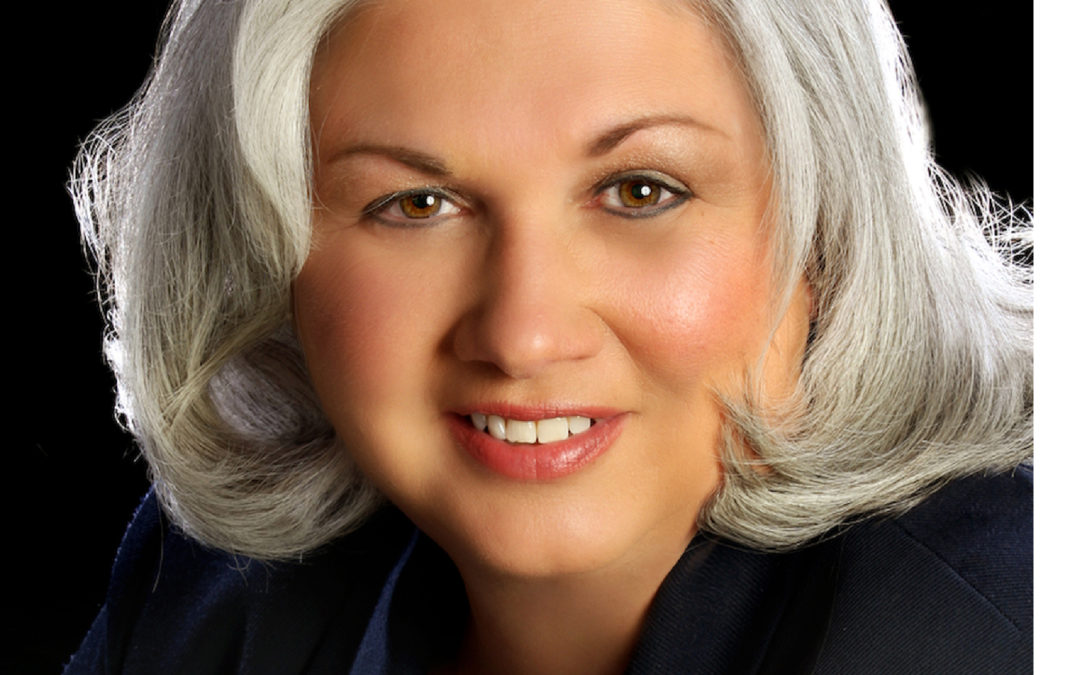
Spotlight On: Keith Koenig, CEO & Chairman, City Furniture/Broward Workshop

Spotlight On: Keith Koenig, CEO & Chairman, City Furniture/Broward Workshop

By: Max Crampton-Thomas

4 min read November 2019 — Acting as both the CEO of his company City Furniture and the Chairman of the Broward Workshop, Keith Koenig provides a unique perspective and insight on various facets of business and progress being made in Broward County. He not only discusses how the Workshop is working to address the  effects of climate change on the county, but also the progress it has made on the goals set forth last year. In regards to his business, Koenig reveals his key to longevity in the marketplace as well as what today’s consumers are looking for when choosing where to shop. 


How is the Broward Workshop addressing the issues related to climate change in Broward County?

Wherever anyone stands on the science of climate change, one issue is undeniable, and that’s the economics of resiliency. Smart people in the insurance world believe that our risks and insurance costs will go up in the years to come if we do not get ahead of resiliency. Broward Workshop members understand that issue and want to lead a public, private effort to improve the resiliency not only of South Florida, but to create opportunities for coastal communities around the world to partner and learn. We are still in the process of setting our priorities for our annual goals, but in all likelihood they will include supporting the Army Corps of Engineers’ $20-million research project. In addition, our members are supporting Broward County’s efforts to jump-start our resiliency efforts. We will also be supporting South Florida water management efforts to finish phase two of the C-59 reservoir, which is an important step forward in our resiliency efforts. 

What progress has been made on the goals set by the Broward Workshop last year?

When we look back over the last year, we have really moved all our goals forward. At the top of the list was addressing homelessness. A little over a year ago, we had a major encampment of close to 100 homeless in Downtown Fort Lauderdale and they were in an area right next to the library. Earlier this year, we worked to help place these homeless people into more permanent housing. The best way to end homelessness is to provide people with housing that is respectful and valuable. Our second goal revolved around education, particularly K-12 education in Broward County. When Superintendent Bob Runcie arrived in 2011, the Broward County school system was in disarray. Members of the school board had been accused of improprieties, morale was low and we were facing over $20 million in fines for not meeting state-mandated class size. Runcie has worked diligently to address those issues and to move our Broward County school system forward. The good news is that our school system has improved greatly with higher graduation rates and higher rated schools. Broward County Public School System nearly achieved an overall A rating in 2018 and they are working to continue to improve. We set a goal to support the Broward County public schools and our measure of success was to make sure Bob Runcie stayed as superintendent. I’m proud to say Bob Runcie is still our superintendent today.

The third big goal was the transportation sales tax initiative. Last year, county leaders put this sales tax increase on the ballot to fund transportation initiatives. It was a major initiative and members of Broward Workshop fell on both sides, but like any good organization we listened to the majority. We put our support behind it and the sales tax initiative passed. The last goal we set was around tourism. Tourism is Broward County’s biggest industry, and the biggest need we have is an expansion of our convention center and to build a convention center hotel. We were active both on the forefront and behind the scenes, and the expansion and the convention center hotel are going forward. 

How has City Furniture maintained its longevity in the market? 

The key to City Furniture’s longevity in the Broward County marketplace has been reinvesting back into our business. We operate financially conservative, meaning that we are careful and never try to bite off more than we can chew. That being said, growth has been a cornerstone of our business. If you do not have growth as a cornerstone strategy for your business, you can’t attract the talent you need or want. For instance, millennials all want to see opportunity to advance, grow and succeed, so they are attracted to companies that embody that vision. In our case, we just opened up big stores in Orlando, and we are planning to open in Tampa over the next few years. The other key to this business has been private ownership. We are able to invest for the long-term benefit of our associates, our customers and our community. 

How have you seen priorities shift in regards to consumers making a decision on where to shop?  

Retail needs to be more of an experience. What will drive you to a store as opposed to buying online is the experience. When the consumer is given a choice, they prefer to do business with local companies that genuinely support the local communities that they are in and companies that move in a direction of sustainability toward a carbon neutral footprint. Mostly, our shoppers and customers learn that City Furniture does these things after they come to our stores. It becomes a better value proposition for them to do business with us. All of these elements are aimed at tilting the customer experience factor a little more in our favor. 


To learn more about our interviewee, visit:
 

https://www.cityfurniture.com/


https://www.browardworkshop.com/

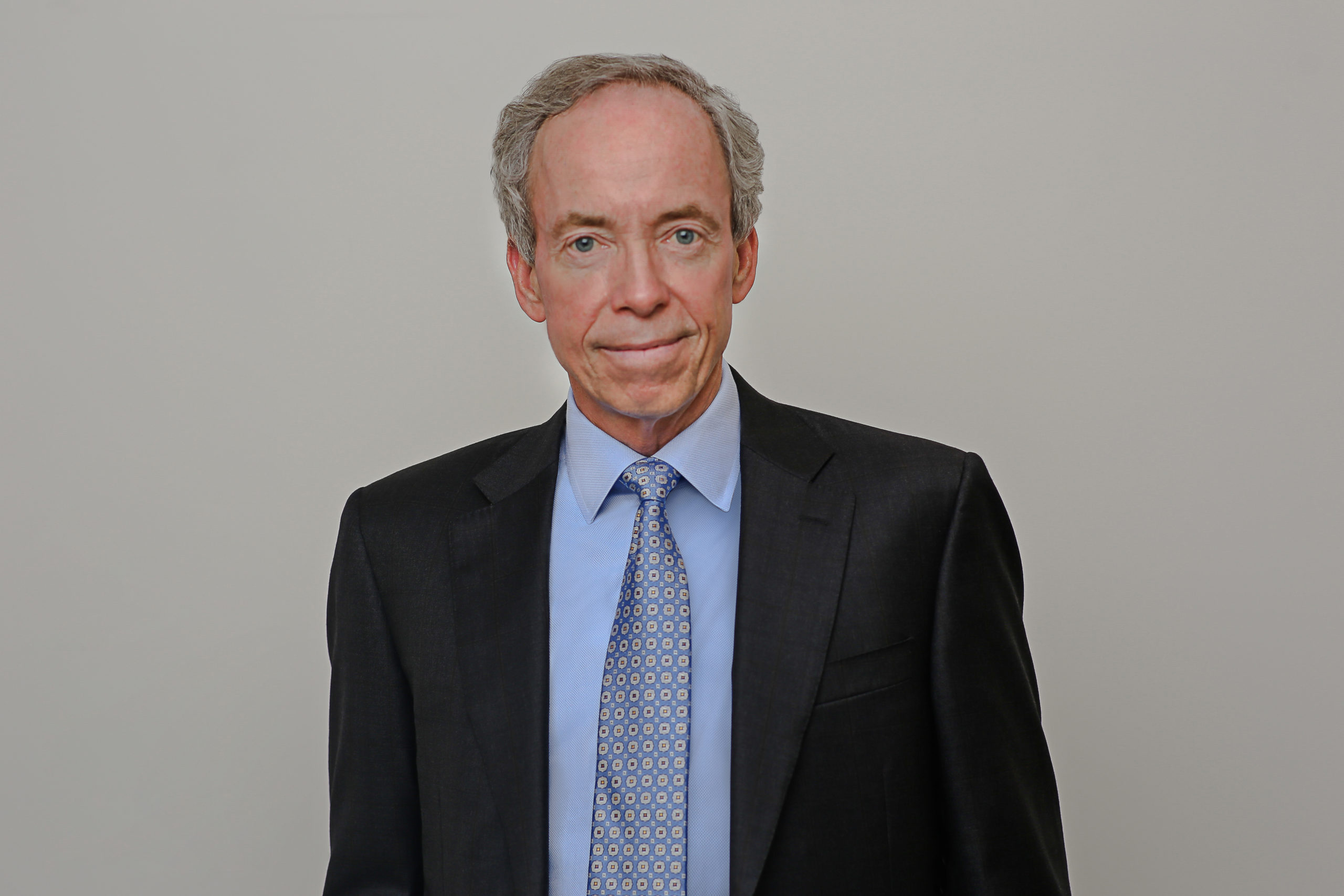
Spotlight On: Tansy Jefferies, Principal, International Tax Services, RSM US LLP

Spotlight On: Tansy Jefferies, Principal, International Tax Services, RSM US LLP

By: Max Crampton-Thomas

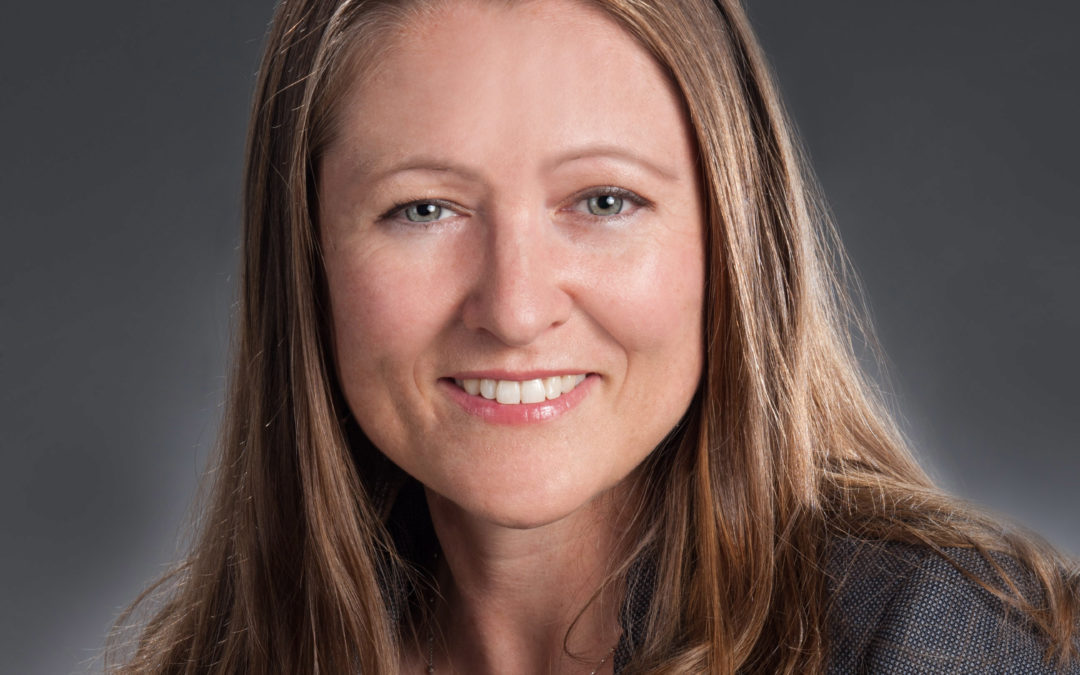
2 min read November 2019 — In today’s tight labor market, companies are feeling the pressure more than ever to stand out as leaders both in their industry and in their community. This includes efforts to promote diversity and inclusion within their organizations. Tansy Jefferies, principal for international tax services at RSM US LLP, spoke with Invest: about how RSM is leading the way in shattering the gender barriers in the accounting industry with 30 percent female ownership within the company, and the firm’s efforts to empower their employees with constant investment into enhancing the employee experience. 


How is RSM tackling gender challenges in the accounting industry?


We are proud to report that RSM in South Florida is leading the charge and breaking the proverbial glass ceiling with 30 percent female ownership in an industry where the average is approximately 16 percent. RSM places a high emphasis on coaching and mentoring our high-performing women to retain and accelerate them into leadership positions. We also want to increase diversity and inclusion more broadly throughout our organization. Culture, diversity and inclusion are strategic business drivers and have shown to be great catalysts for business growth. Our mission is to be the first choice adviser to middle market companies globally and to do that, we need a workforce that is as diverse as our clientele. This is the best way to truly deliver the power of being understood. 


How is RSM finding the talent it needs, given the county’s low unemployment rate?


We have found that our focus on culture, diversity and inclusion has also differentiated us from other firms when it comes to recruiting and retaining talent. RSM places a great deal of emphasis on delivering the power of being understood, not only to our clients but to our people as well. Through the RSM talent experience, we empower each other to enhance our value and build successful careers. We build rich, enduring relationships based on a profound understanding of each other, our goals and our aspirations. Because when we feel truly understood, we are empowered to move forward with confidence, both personally and professionally. RSM is constantly enhancing the talent experience by investing in and implementing new training, tools and resources. Specifically related to recruiting, we align with the State’s top universities to bring students into our internship programs. We also drive recruitment through diverse professional organizations, such as the National Association of Black Accountants (NABA) and the Association of Latino Professionals for America (ALPFA), which aligns with our goals of building a diverse workforce for the future.


In what areas is RSM seeing the greatest demand for its services?


As a specialist in transfer pricing, I have seen an uptick in services that affect multinational, middle market organizations. From tax reform to changes across the broader global tax landscape, there has been a significant impact on international companies. We have also seen a rise in enquiries from investors on the tax programs related to Opportunity Zones. On the assurance side, there have been increased activities related to implementing the new revenue recognition and lease accounting standards for public, private and government entities. Our financial advisory services practice has also been growing, as the economic outlook makes it a favorable market for buying and selling businesses. As for RSM’s consulting services, our cybersecurity, blockchain, infrastructure, managed IT services, and risk consulting practices are all growing at a rapid pace.


What is enticing investors into the Broward market?


South Florida is an enticing climate for a multitude of reasons, including the federal tax changes and incentives that have fostered an interest from our clients determined to keep jobs and intellectual property in the United States. One of the usual challenges for inbound foreign investors is understanding the complexity of U.S. tax law, because of the different layers of taxation at the federal, state and local levels. Fortunately, for businesses seeking relocation into Broward County, those layers are not quite as complex as in other parts of the country, which makes Broward a favorable option. From an economic perspective, Broward has a high quality of life, strong economic growth, and is dedicated to investing in infrastructure and the community, all of which are great reasons for businesses to invest in our community. 


To learn more about our interviewee, visit: 
 

https://rsmus.com/

Face Off: Two Legal Leaders on Growth, Talent and Tech

Face Off: Two Legal Leaders on Growth, Talent and Tech

By: Max Crampton-Thomas

4 min read November 2019 Seemingly every industry in the Tampa Bay region is firing on all cylinders as the area continues to exceed expectations in terms of economic growth. In concurrency with this growth is increased demand from businesses and individuals for legal services and counsel. Law firms in the region have taken notice and are acting swiftly to establish or reestablish themselves as prominent figures in this space. Invest: spoke with Michael Lundy, the managing and founding partner of Older, Lundy & Alvarez, and Kevin Johnson, a shareholder of Johnson Jackson, about the role of Tampa Bay in their businesses, navigating the lingering challenge of labor and the importance of technological advancements in the legal sector. 


How is the setting of Tampa Bay conducive to your business and legal practice?

Michael Lundy: The Tampa Metro Area is growing rapidly in about every sector. I think that the local political climate is conducive to this growth. We are seeing development driven by businesses that want to operate in Tampa, as well as an influx of outside capital investment from sophisticated sources that see the area as ripe for growth. It seems as though all the pistons are firing at the same time.

My personal practice is marital and family law, but Older, Lundy & Alvarez handles real estate transactions and litigation, commercial litigation, tax work and corporate counsel. With so much local development and population growth, we have benefited greatly because there is a higher demand for the many services that we provide. It is our goal to provide legal services for every aspect of one’s life, or what we call “the ultimate representation.”

Kevin Johnson: For our business, Tampa is a great location for a multitude of reasons. One is that it is extremely easy to reach the entire state from this region. We are only a couple hours from Naples, Jacksonville and Tallahassee. We also have a terrific airport. Most significant would be the strong business climate in the region. Tampa has done a lot of things well over the last 20 years in regards to establishing a conducive environment for businesses in the region. We have been lucky because this city has had a string of progressive and insightful mayors who have gone to great lengths to really improve the business environment. 

Has your firm been challenged in navigating the tight labor pool for legal professionals in the region? 

Lundy: Recruiting talent has not been a challenge. We have been able to recruit incredible lawyers. Tampa has a large pool of amazing legal talent. Tampa is a great place to live. It is an area that has had undervalued real estate, especially in the Downtown area, and that has attracted a lot of development. There has been a steadily growing young population. It has become a city where we talk about technology all the time. Local leadership has had a great positive impact in the area as well. The county commissioners and past and present mayors have had their eyes on the future and have worked very hard to develop a true vision for Tampa. Also, we do not have an income tax in the state of Florida, which is an attractive factor on top of all the amenities Tampa has to offer.

Johnson: The labor pool for legal staff is tight, but we are happy with the people we have on our team. We have found that there are good people out there who you can hire, but there is obviously a lot of competition for them. As a smaller firm, we have to work harder to find those right people, and it really depends on finding the right recruiter to help with that process. It is also very much about the type of work environment we can offer potential candidates. Culture is truly the big driver behind this. We made a commitment to create the kind of culture where people would enjoy working for us. Not only do we offer competitive pay and good benefits, but they also have a lot of freedom in terms of being flexible with their work time to meet family obligations. We also offer legal staff the opportunities to learn and grow so that they can adapt to new skills and new positions. It is all about creating an environment where people really enjoy coming to work and where work doesn’t feel like a job.

How important is new technology to the future success of the legal sector in Florida? 

Lundy: We have embraced technology. We are completely electronic, especially in our research and court filing. We are also all mobile and can work remotely when needed. We embraced technological improvements faster than other law firms and will continue to do so. It will be interesting to see how artificial intelligence will change law practices. Historically, the manner in which legal services were delivered has been very old school, but that is changing.

Johnson: The Florida Bar has been quite progressive when it comes to technology. The Florida Bar is really taking a leadership role and we are seen as the national leader in introducing lawyers to new technology and helping them deal with the effects as technology takes over their practices. We are fortunate to have such a progressive Bar in that respect. Our Supreme Court also has done a good job of trying to figure out where our rules should be so that it is easier for us to deal with the challenges that we face as lawyers. These elements combined make Florida a pretty good environment to practice in.

To learn more about our interviewees, visit:

https://www.olalaw.com/

https://www.johnsonjackson.com/


Spotlight On: David Druey, South Florida Regional President, Centennial Bank

Spotlight On: David Druey, South Florida Regional President, Centennial Bank

By: Max Crampton-Thomas

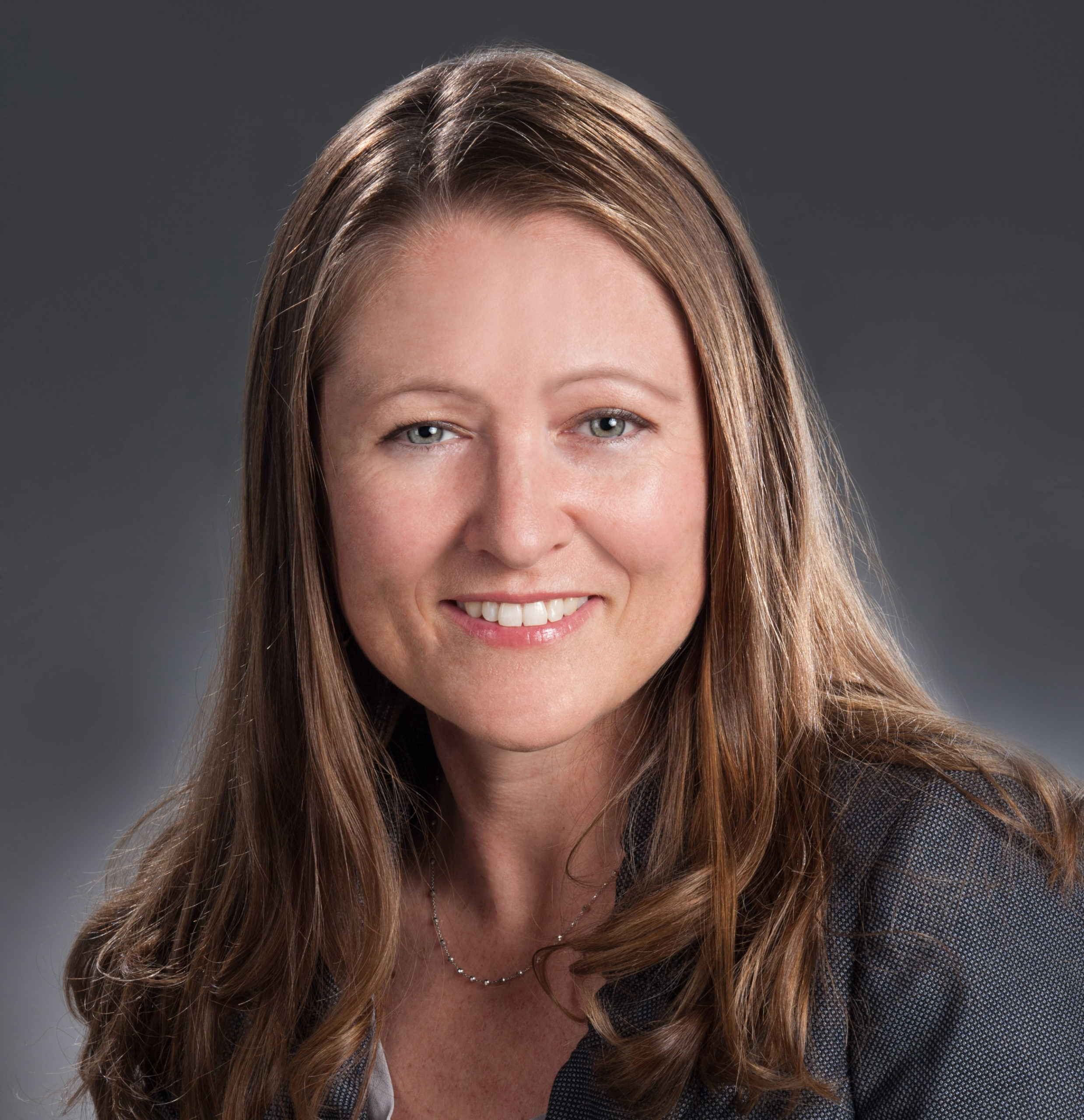
2 min read October 2019 — Connectivity to the community is the key differentiator when it comes to the variety of banks in the region, David Druey, South Florida regional president for Centennial Bank, told Invest:. He also raised some significant points about determining the right talent fit for a role in his bank, and how millennials could benefit from understanding and appreciating the significant advantages that having a human relationship with their bank can bring. 


How does your bank differentiate itself in a crowded financial market? 

Whether it is a large, regional, super-regional or community bank, the key difference is the connectivity the bank has to the community. Typically, larger banks have a tendency not to focus on small business. They look for large corporations that take out massive loans. They underserve the communities that they have branches in and use their branches for deposit gathering rather than actually servicing the customer’s needs on both the loans and deposits sides. While we are a $15 billion organization, we have allowed each branch to go with what I call their bend, which is allowing them to do the kind of work that they will succeed in. For instance, if there is a need for construction lending in their market, then they should be doing construction lending. This allows our branches to be in the markets on a much more granular level, and not a large-scale or silo level like some of the other larger banks.

How do you determine the right talent to hire from a tight labor pool? 

Talent must have the finesse to understand financial statements, business models, clients, people and be good enough to get all the details correct in order to have loan documentation approved. There is a very small group of people who can do this job extremely well, and those who do it well are in high demand. The key is to court them to come work for you, and entice them to come over based on whatever it is that they are not getting at their current institution. When identifying these people, we also look at their reputation and overall if they are a high-quality individual. 

Have you observed any significant changes in demand for your services with the influx of millennials into South Florida?

Millennials have a tendency to do everything on their phone, which is fine and we appreciate that technology, but they are missing out on the human component of a banking relationship. Having a relationship with one’s bank is vitally important to their financial well-being. When that relationship solely exists on technology, there is no connection with the financial institution. Millennials are missing out on the connectivity and relationships with banking professionals that could ultimately help them with whatever they may need. The positive trend we are observing is that as these millennials age, they are starting to realize that to start a business or buy a home they need to have some connectivity and relationship with their bank. They are migrating more toward having relationships with financial advisers and banks because they need them as a service provider.

Due to the strict regulatory banking environment, have you seen a trend of people looking at more nontraditional lenders?

In South Florida, we are always competing against two things, cash and nontraditional financing. South Florida has quite a few nontraditional financing options, but these options typically charge for the nontraditional financing through fees and a higher interest rate. This idea is comparable to the convenience store versus a chain grocery-store mentality. A convenience store may be easier to access but you will pay $6 for a gallon of milk, while a chain grocery store may be a bit more effort to access but will result in a savings of $2 for the same product. The same idea applies for lending from a traditional source like a bank versus a nontraditional lender.


To learn more about our interviewee, visit: 
 

https://www.my100bank.com/