Top 5 Haunted Happenings in Tampa Bay

Top 5 Haunted Happenings in Tampa Bay

Writer: Max Crampton-Thomas

4 min read October 2019 The month of October is known for seasonal change, pumpkin-spiced everything and the nationally celebrated horror day, Halloween. While the actual day is regarded as a time for candy, treats and Halloween scares, the weeks leading up to it have been appropriately dubbed “spooky season.” This is an exciting time for thrill seekers and Halloween enthusiasts in the Tampa Bay area as there are a variety of haunted happenings and spooky activities to experience. The following are five of the best and scariest events and places to make this Halloween a memorable one. 


Tampa Theatre

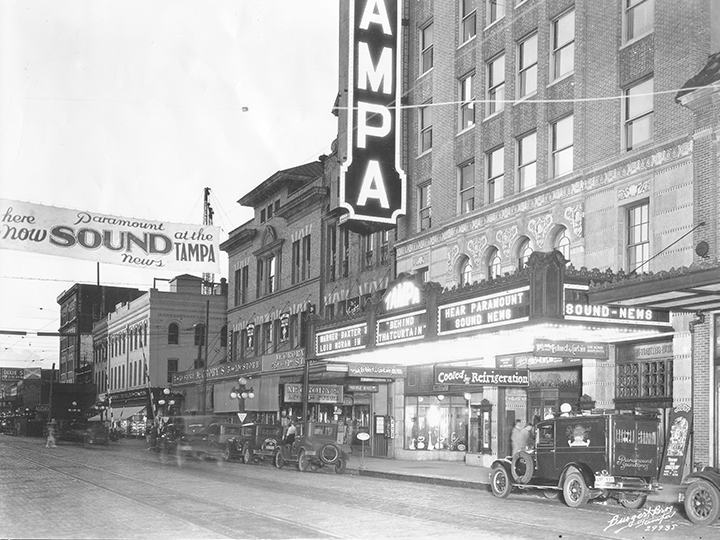
Regarded as Tampa’s most historic and most haunted movie palace, the Tampa Theatre has embraced its haunted lore for this year’s spooky season. The theater is known for haunted happenings involving former employees whose spirits seem to have never left the theater, like the theater’s old projectionist Foster “Fink” Finley whose footsteps are thought to still be heard from time to time. Not only has the theater showcased 14 nights of frightening films from Oct. 18th until Oct. 31, it is also featuring ghost tours and a special Halloween-themed happy hour event called PAUSE-O-WEEN on Oct. 31. 

For more on Tampa Theatre visit: https://tampatheatre.org/

 

Howl-O-Scream

Carrying the title as Tampa Bay’s No.1 haunted attraction, Howl-O-Scream at Busch Gardens Tampa Bay has been a staple of the community for 20 years. Not only does the event offer horror-heads the opportunity to walk through terrifying “scare zones,” it also features multiple haunted houses, access to many other twisted terrors and some of Busch Gardens most iconic rides. This weekend event runs from Sept. 20 to Nov, 2, and promises to “twist daydreams into nightmares.” 

To read more about Howl-O-Scream visit: https://buschgardens.com/tampa/events/howl-o-scream/
Undead in the Water

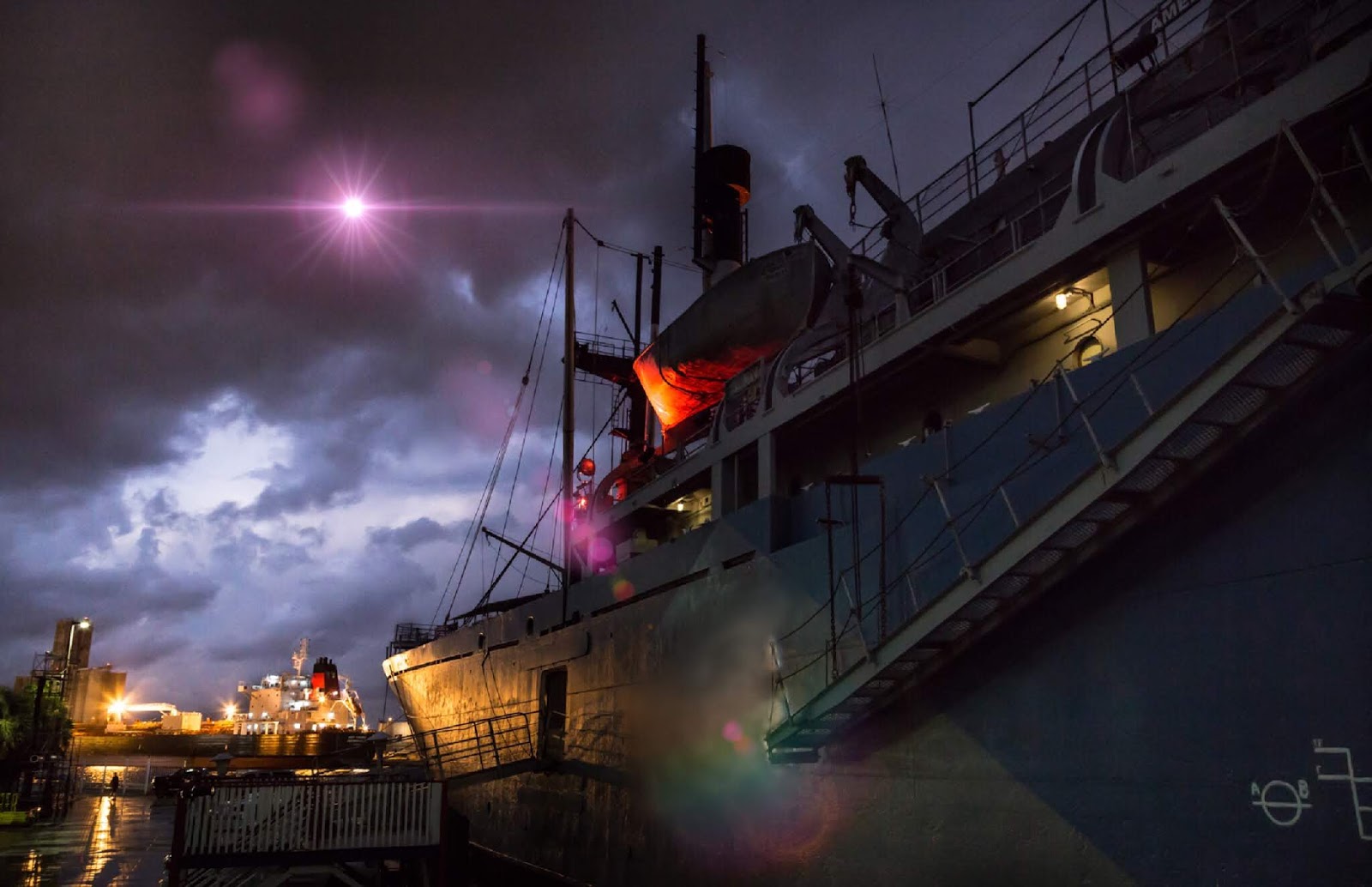
Undead in the Water is an annual haunted house with a twist. It is the only authentic nautical haunted attraction in the region and takes place on the historically famous 1945 WWII vessel the American Victory Ship. Thrill seekers will rejoice in the challenge of venturing through the multiple decks of this historic vessel as they avoid consumption by an infected zombie hoard onboard the ship. Undead in the Water is infamous for being one of the scariest annual attractions that the region has to offer. This event runs every weekend from the beginning of October until Nov. 2. 

For more on Undead in the Water visit: https://www.undeadinthewater.com/

Ybor City Ghost Tour

While it is known for being a National Historical Landmark District in Tampa Bay and one of the preeminent spots for tourists and residents to frequent, Ybor City is also known as one of the top destinations for hauntings. With a deep rooted history in the development and emergence of the Tampa Bay region, Ybor City has seen its fair share of diverse demographics settling in the region and calling it home. According to urban legend some of these souls just decided to never leave, which is why Ybor City is home to the critically acclaimed Ybor City Ghost Tour. Rated as the No. 1 haunted tour in the United States by US City Traveler and rated in USA Today’s 10 best lists, this tour promises an informative and scary walk through the ghostly history of Ybor City. 

For more information on the Ybor City Ghost Tour visit: http://www.yborghosttour.com
Cuban Club

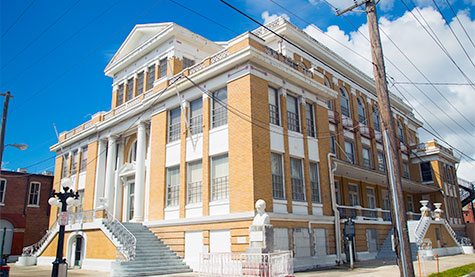
Located in Ybor City, the historic Cuban Club has a history that spans over a century and includes shows by world-renowned entertainers, weddings, parties and the occasional haunting. The club itself is a wonderful multipurpose rental facility with amenities like a grand ballroom, theater and courtyard. With numerous reports of ghostly sightings and paranormal activity, it is not a surprise that this location was named by The Travel Channel as one of its Top 10 most haunted places. The Club leaves it up to guests to decide whether they believe it to be haunted or not as stated in the FAQ on its website: “We are reputed to be haunted, but we will let you make up your own mind on this subject…”

To see more on the Cuban Club visit: http://cubanclubybor.com/

Spotlight On: Lisa Scott-Founds, President & CEO, Winterfest Inc

Spotlight On: Lisa Scott-Founds, President & CEO, Winterfest Inc

By Max Crampton-Thomas

2 min read October 2019 — The Broward County community is spoiled for choice when it comes to events in the area, as there is seemingly something happening every week, even in winter. The seventh-largest spectator event in Florida is the Seminole Hard Rock Winterfest Boat Parade, to be held this year on Dec. 12. Invest: spoke with President and CEO of Winterfest Inc Lisa Scott-Founds about the importance of innovation to the event, how they ensure safety and the role the Boat Parade plays in the tourism economy of Broward County. 

How important is consistent innovation to the success of the event?

We always want to integrate the newest technology into our event, like the use of holograms, which we hope is a real possibility for this year. As a nonprofit organization, we are always searching for unique additions to our event that are not cost-prohibitive. We are always asking people, “What is something that you’ve never seen us do before?” We take their suggestion, develop a budget to execute the idea and bring it to our board and possible sponsors to help with underwriting the “new wow-factor idea.” It’s amazing what can happen when you bring together creative minds and supporters in the business community. The entertainment value is the most important element for our success to ensure we continue to be the “Greatest Show on H2O” and the seventh-largest spectator event in the state of Florida.

How do you ensure safety at an event like Seminole Hard Rock Winterfest Boat Parade?

We work with all our law enforcement officials the United States Coast Guard, Broward County Sheriff’s Office, Fort Lauderdale Marine Patrol, Fort Lauderdale Police Department and the Fire Department. When putting on an event of this caliber, safety is the No. 1 priority. Those who participate in the parade are educated on all our safety procedures. We send them messages on a daily basis to always be conscious of how important it is to keep safety first when you are on the water. As a parade on water, Winterfest needs to have proper procedures in place. Unlike a land parade; you can’t just hit a brake on a boat to stop. Spectators within our Grandstand viewing area see signs directed toward their safety as well.

What role does the Boat Parade play in the tourism market within Broward County?

There is nothing like the Seminole Hard Rock Winterfest Boat Parade in the entire world. The beginning of December is a little slower for tourism, as opposed to other months when tourism in South Florida sees a boom, so we feel a responsibility to bring people into the region and put heads in beds. Our success is due to collaboration with organizations like our Greater Fort Lauderdale Convention and Visitors Bureau and working with area hotels. Tourists should experience a Winterfest weekend, a show at the Broward Center for the Performing Arts, eat at our restaurants and immerse themselves in our community. There is just so much to do in Fort Lauderdale, and in Broward County for that matter.


To learn more about our interviewee, visit: 


https://winterfestparade.com/

Top 5 Family-Friendly Destinations in the Tampa Bay Region

Top 5 Family-Friendly Destinations in the Tampa Bay Region

Writer: Max Crampton-Thomas

4 min read October 2019 With almost 1,000 people moving into Florida every day, the appeal of the state is quite apparent. From our favorable tax climate to ideal weather and everything in between, Florida is the hotspot in the southeast. The Tampa Bay region has been a beneficiary of this population boom, as represented in the more than 51,000 people that moved into the region last year. One of the major appeals for Florida, and more specifically the Tampa Bay MSA, is the welcoming, family-friendly environment that has been cultivated throughout the state. Supporting this are the multitude of family-friendly activities and destinations available throughout the region. With so much choice, Invest: thought it would be fun to narrow it down. Here are five of the best family-friendly destinations in the Tampa Bay region.

Florida State Fairgrounds

Known for their title event, the Florida State Fair, the Fairgrounds are also a destination for festivals, trade shows, conventions and outdoor shows. The 12-day Florida State Fair is the premier family-oriented event in the Tampa Bay region. The emphasis on family fun is cultivated in the Fair’s various offerings like rides, animal interactions, fair food, and activities and shows for children. Cheryl Flood, executive director for the Florida State Fair, spoke to Invest: about just how significant this family-friendly event is to the region. “We are known for our 12 days of family fun during the annual state fair festivities, when families from across the state gather to celebrate agriculture, education and community. Annually, we boast 500,000 visitors who generate over $152 million dollars in sales throughout the state of Florida. The Florida State Fair is the first state fair of the year throughout the entire country. As a result, we set the trends of what the fair industry and fairgoers can expect nationally. We think of ourselves as a catalyst for innovation within this niche industry.”

For more information on the next Florida State Fair & the Fairgrounds visit: https://www.floridastatefair.com/

Museum of Science and Industry

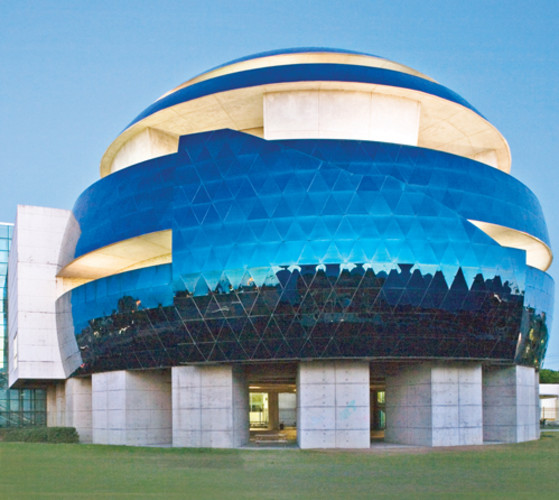
Tampa’s Museum of Science and Industry (MOSI) is not the typical museum destination that some may be accustomed to. Instead of taking a more traditional approach to teaching principles of STEM and STEAM, this museum prides itself on being a scientific playground that offers more than 100 different hands-on activities for parents and children alike. The museum was not always known for its innovative approach, but after a restructuring and renovation in November 2017, they have been working to change that narrative. Julian Mackenzie, president and CEO of MOSI, elaborated on this deliberate effort, “In our second year of ‘new MOSI,’ after the completion of our restructuring and renovation in November of 2017, our reputation in the community was re-established. Prior to our reopening, the venue had a reputation for outdated exhibits that in some cases just simply didn’t work as they should. Our main focus for MOSI since then has been to re-engage the community with expanded participation in popular public events. In this fashion, it put our No. 1 asset in full view, that being our staff and the passion they have for making science real for all ages and demographics. Also, it has been about the exhibit path experience. Guests can now count on a dynamic experience at MOSI with hands-on activities and exhibits that not only function as they should, they also entertain, educate and inspire.”

To see all of MOSI’s offerings visit: https://www.mosi.org/

Glazer Children’s Museum 

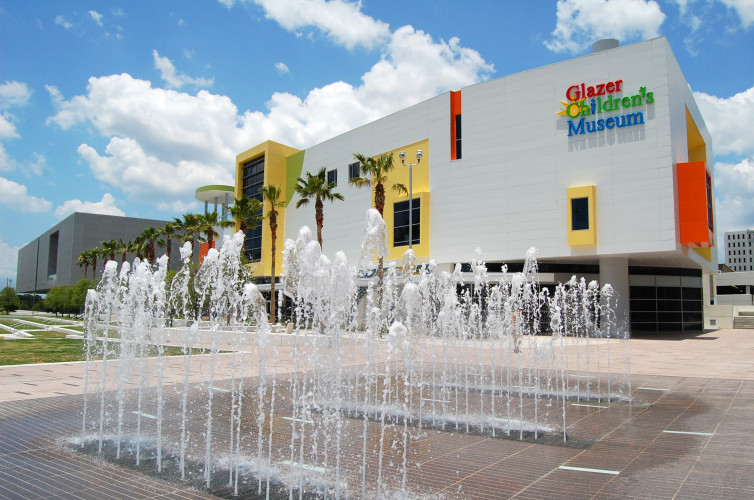
The Glazer Children’s Museum is a prime example of a family-friendly destination that is using innovation and inclusivity to rise above the variety of options in the region. The museum, which saw its third-busiest year on record in 2018, understands the importance of being a viable option for all different types of families and children. Sarah Cole, the president and CEO of Glazer Children’s Museum, expounded upon this to Invest:. “At the Glazer Children’s Museum, we believe that all children deserve the opportunity to play with purpose. We strive to provide accessible and inclusive programs, events, and exhibits to serve the diverse needs of our guests. For families with special needs, we offer programs like our monthly Sensory-Friendly Sunshine Sundays and Autism-Friendly Camps. When families visit the museum, they have access tools, from an experience book to plan their visit to sound-blocking headphones, sensory kits, accessibility chairs, and more. We are proud to be designated an Autism-Friendly business for eight years running through the Center for Autism and Related Disabilities and we were recently named Employer of the Year by the Mayor’s Alliance for People With Disabilities.”

For more on Glazer Children’s Museum visit: https://glazermuseum.org/

Clearwater Marine Aquarium

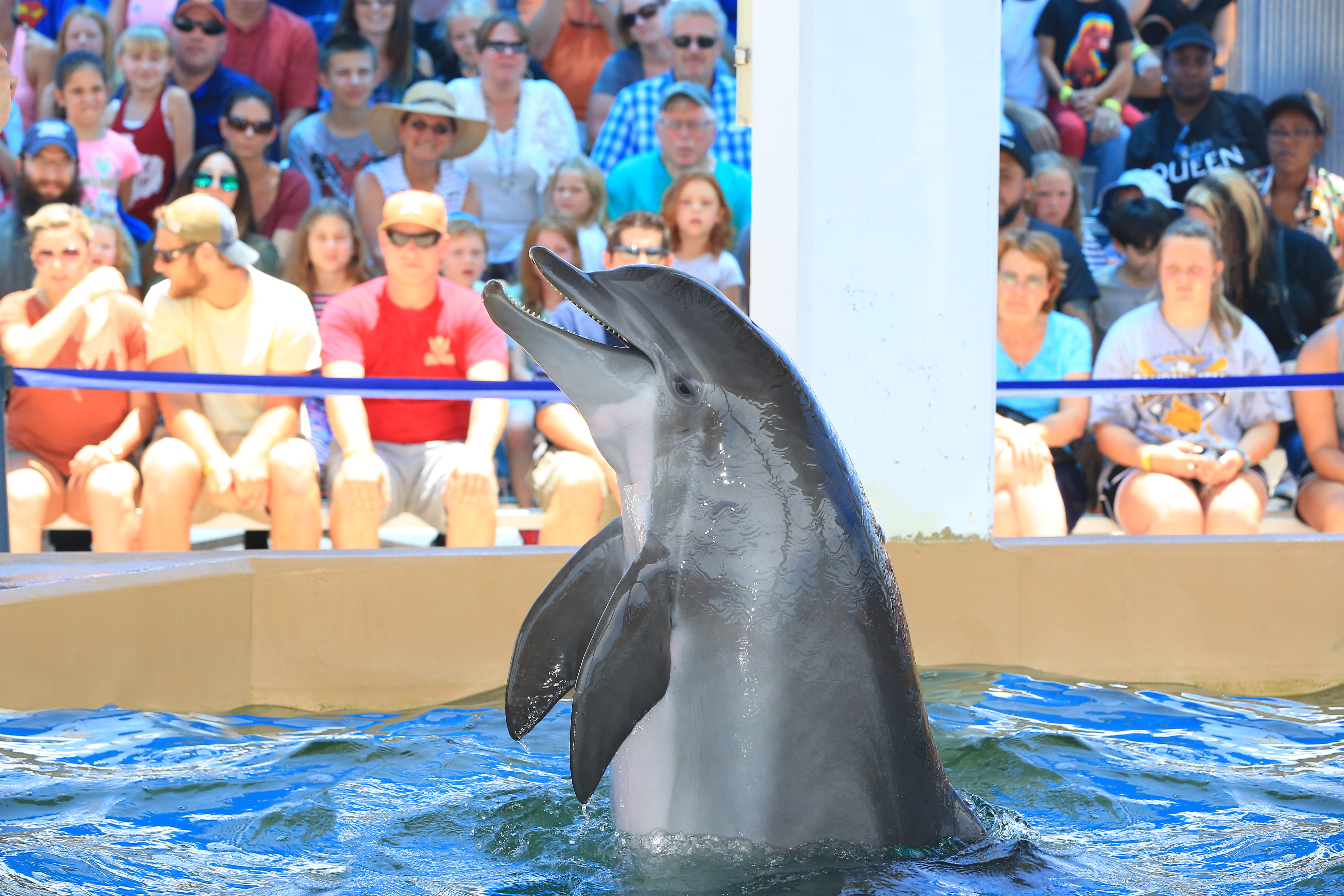
In the case of the Clearwater Marine Aquarium, being a family-fun destination is only part of who they are. The Aquarium, which was the backdrop for the films Dolphin Tale 1 & 2, serves as both a family-friendly destination to observe marine life in an interactive and educational manner as well as a marine research and rehabilitation sanctuary. They are currently under major construction as they work to not only improve their facilities for guests but also for their marine rescue and rehabilitation efforts. Frank Dame, executive vice president and chief operating officer for Clearwater Marine Aquarium, spoke to Invest: about what could be expected from the new facilities, “When we open the doors to our new facility, sometime next year, we are going to have almost four times the guest space we have now. We are also building five new dolphin pools. Currently, between all our facilities we have about 985,000 gallons of water, and these five new dolphin pools will add another million and a half gallons. We are really ramping up our ability to rescue more animals and provide a better living environment for our dolphins, as well as drastically improve the guest experience.”

To read more about Clearwater Marine Aquarium’s aquatic initiatives visit: https://www.seewinter.com/

Clearwater Beach

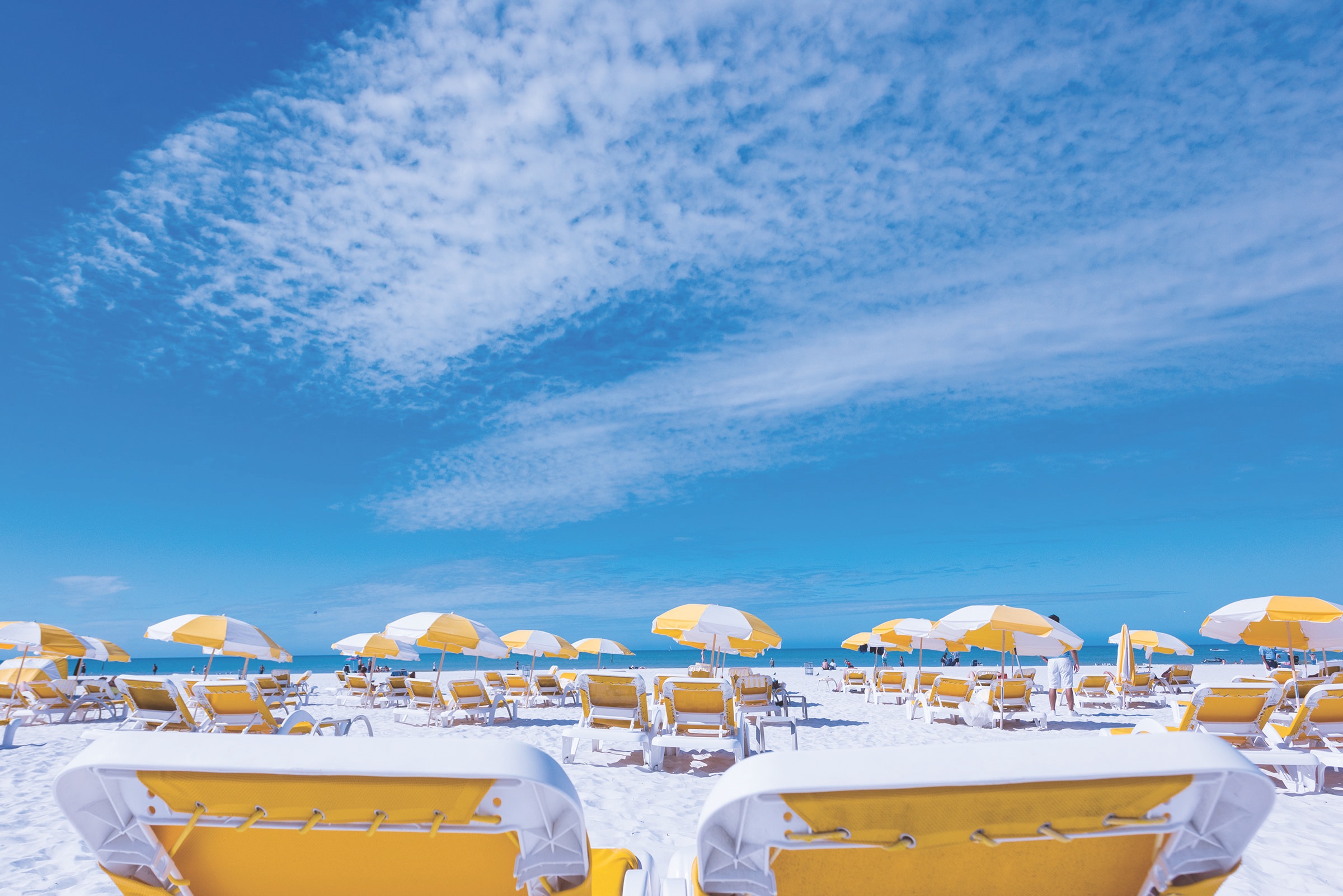
To be named the No. 1 beach in the country is no small accomplishment, so the significance of Clearwater Beach being dubbed this title two years in a row by TripAdvisor cannot be understated. From in-water activities to fun festivals to simply sunbathing on the white sands, this family-friendly destination has something for everyone to enjoy. Sights are now set on retaining this title for the foreseeable future, and Frank Dame of the Clearwater Marine Aquarium weighed in on how to best accomplish this. “We need to focus on maintaining our recognition as the No. 1 beach in the nation, and we can’t accomplish this by just promoting ourselves as No. 1. The mission now is to make us the No. 1 beach because we are ocean-friendly. We can do this by eliminating trash and doing things like stopping the use of single-use plastics,” he told Invest:. 

For more on the #1 Beach in the nation visit: https://www.visitstpeteclearwater.com/communities/clearwater-beach

Spotlight On: Asi Cymbal, President & Owner, Cymbal Developmentf

Spotlight On: Asi Cymbal, President & Owner, Cymbal Developmentf

By Max Crampton-Thomas

2 min read October 2019 — Fort Lauderdale’s real estate development market is in its prime and if there was ever a time to capitalize on that, it’s now. The successful developers are those who truly understand the market, can create an innovative product and have the foresight to protect themselves if this hot market goes cold. Asi Cymbal is the president and owner of Cymbal Development, a development and construction company that is working on a new innovative development along the water called Marina Lofts. Cymbal discusses the key differences he has identified in Broward and Miami-Dade’s real estate development markets, market trends and how vital the financing market is to how real estate development performs. 

What can be expected for your development of Marina Lofts? 

We have a significant interest in Downtown Fort Lauderdale, and we own a six-acre site along the water where we are building The Marina Lofts. We brought in Bjarke Ingels, an amazing architect, to design the project. Marina Lofts will be a multi-use project with residential, marine and retail, and a possible hotel and condo component as well. We have waited for the market to come to us, and we believe this is happening now with all the activity that is happening south of the river. It is primarily a rental market on the river and we think there is an opportunity to create something spectacular and cost-efficient along the waterfront.

How do the markets in Miami-Dade and Broward County differ? 

Miami and Broward are quite different, although they are so close in proximity. Fort Lauderdale strives to be a city that seems closer in line to the bigger cities in the Midwest, while Miami strives to be a city that is more closely aligned with Eastern cities like New York. They have slightly different demographics as well, but both are attractive cities in different ways, which I believe adds to their appeal for various types of renters or buyers. An issue we are dealing with in both places is construction costs, and we are emphasizing efficiency in design more than ever. To be successful in these markets, we need to be a lot more cost-conscious than we have been in the past.


Where do you see development trends gravitating as we move into 2020? 

There will continue to be strong demand for multifamily units. I believe retail will take a hit even though there are some interesting innovations happening in that space. There is an opportunity for growth in office space and there is more of an emphasis on an environmentally friendly product. Our housing tenants expect to see more of this emphasis, so we do design with an eye toward energy conservation, green efficiency and things of that sort that appeal to this demographic. Overall, we are cautiously optimistic through 2020, and our company will remain in significant expansion mode.


How dependent is real estate development on the financing market? 

The financing market helps check the type of real estate product and the quantity of product being developed in South Florida. Regulation is a lot more strict today than it was right before the Great Recession. Having a stronger financial backing for projects is what keeps the region from over-building and there is a lot more hesitation and thought going into what is developed in South Florida. During the Great Recession, we saw opportunities to develop, but it was difficult to find financing. By the time we were mid-cycle everyone wanted to finance, but the opportunity was diminished. Now, we are toward the end of the cycle and there is financing, but you need to create your own opportunities.


To learn more about our interviewee, visit: 


http://cymbaldevelopment.com/

Rays’ Sights Set on Game 5

Rays’ Sights Set on Game 5

Writer: Max Crampton-Thomas

2 min read October 2019 Tampa Bay can be called a lot of things: a tech hub, a thriving economic ecosystem, an arts and culture destination. After last night’s 4-1 win over the Houston Astros, let’s add the true epicenter of baseball in the state of Florida. Now only one win away from advancing to the American League Championship Series, the Tampa Bay Rays are looking to capitalize on the momentum of this successful season. 

Before the 2019 season began, expectations were tempered. The Rays entered the season with the second-worst fan attendance in Major League Baseball, the lowest player payroll at about $60 million and having not reached the postseason since 2013 when they lost to the Boston Red Sox in the American League Division Series. These factors coupled with the ongoing trouble of finding the right location in the Tampa Bay region for their new stadium, left most fans wondering what this season might hold in store. 

It was not all bad though, as there were quite a few positives entering the season, including having three Rays players listed among Sports Illustrated’s Top 100 MLB players of 2019. These players were Blake Snell, Charlie Morton and Tommy Pham, who had the first home run of the game against the Astros last night. Even with the uncertainty swirling around their future home in the region, there was a shared desire expressed by the team to keep Tampa Bay their base for the long term. Brian Auld, the club’s president, expressed this desire to Invest: when he spoke with us earlier in the season. “We’ve been forthright with the community that we want to be here in Tampa Bay for generations to come. That’s the most important thing to us at this moment. It’s also what keeps me up at night because in order to make that happen we will need a new facility,” Auld told Invest:. He continued: “Tropicana Field is among the oldest facilities in all of Major League Baseball, especially without major renovations. We have to figure out where we can put a new ballpark and how we’re going to fund it in such a way that our attendance increases and we become more of a sustainable enterprise.”

Fast forward to the end of the regular season, and the Rays would finish with a record 96 wins against 66 losses. This would be enough to propel them into the Wild Card game against the Oakland Athletics at the A’s home field. The game itself scored record-setting attendance for a wild card game with over 54,000 people. The Rays would ultimately parlay their success from the regular season into a dominant 6-1 win over the A’s. 

After last night, the series against the Astros, who are only two years removed from winning the 2017 World Series, is tied 2-2. While this series started with the Rays giving up the first two games to the Astros, they have swung the momentum and are coming off back-to-back wins to even the series. Sights are now set on a winner take all Game 5 to be played on Oct. 10. The winner of this series will face the New York Yankees in the American League Championship Series. 

No matter the outcome, this is a season that the Tampa Bay Rays can look back on with pride. They have not only exceeded expectations and provided a glimpse into what promises to be a great future, but have also brought excitement back to baseball in Florida. 

To learn more about our interviewee, visit:

https://www.mlb.com/rays

Spotlight On: Kevin Rogers, Regional President, Seaside National Bank & Trust

Spotlight On: Kevin Rogers, Regional President, Seaside National Bank & Trust

By Max Crampton-Thomas

2 min read October 2019 — Seaside National Bank & Trust may be considered a newer entry into the market, having first opened its doors in 2006, but since then it has become a prominent force in the banking community. Invest: Greater Fort Lauderdale recently spoke with Kevin Rogers, the regional president of Seaside National Bank & Trust’s South Florida operations. During the discussion, he spoke on the importance of cybersecurity to a bank like Seaside, how Seaside handles the challenge of competition in South Florida and his approach to finding the right employee candidates. 

How are you protecting your clients in regards to cybersecurity? 

Cybersecurity is a huge topic, not only at our bank, but also across the financial services industry. We tell our people all the time that we’re a small bank, and if we took a $2 million to $3 million hit it would substantially hurt us. Our people are on guard every minute. We have an incredible onboarding process, and we not only know who we’re banking with, but we also know who are clients are dealing with as well. If you ask what keeps me up at night more so than hitting balance sheet goals, it’s cybersecurity and being hit with a loss.

The amount of money that the bank spends on cybersecurity is incredible, but you have to stay ahead of the game. We conduct a lot of training on the subject. I even do a communication call twice a month with our South Florida employees, and one of the main topics is cybersecurity. We want to make sure that everybody is on guard, that they know who their clients are and that they’re asking the right questions. You have to ask the tough questions to make sure you protect the bank.


What is the biggest challenge in the market for a small to midsize bank like Seaside, and how do you overcome it?

I think the biggest challenge is always going to be the competition. Banks of our size do not have the brand recognition that a Bank of America does, so the question is how do we sell Seaside Bank? We have to go out and talk to our clients about who we are and what we specialize in. We drive home the fact that we are able to provide the same products and services that the big banks do but in a community bank setting. We’ve taken a lot of clients away from these big banks. If you look at what’s going on in the big banks right now, it’s all about sales process management and managing their people to numbers that, a lot of the time, mean selling products and services that the clients really don’t need. We don’t subscribe to this notion and instead focus more on listening to our clients and making sure that they get what they want and need. We’re not for everybody; there will never be a time when you’ll see a Seaside branch on every street corner like you do Bank of America. If a customer is looking for that then we’re not the bank for them. If they’re looking for a single point of contact to deal with on a consistent basis then we are a perfect bank for them.


How difficult is it to find professional, hard-working talent in the Palm Beach County market? 

It is very hard, and I find that I’m always looking for people. I’m constantly asked the question when I’m out at a meeting or at a networking event, “Are you looking for bankers?” I always say, “I’m never looking, but I’m always looking” because I’m trying to find the right person who will fit into our culture. 

It’s also very hard to recruit a good banker who is working at a big bank because they already have an established book of business and a continuous flow of referrals. At a smaller bank like ours we don’t have that, and you have to be an aggressive calling officer and business developer to be able to be successful here. We have to be careful about whom we hire because we don’t want to set anybody up to fail. Some of the best people I’ve recruited are from big banks and who want to try something else because they’re at a  time in their lives when they want to scale down. A smaller bank like ours is attractive to these people because of our incentive plan and how we operate.

To learn more about our interviewee visit: 

https://www.seasidebank.com/

Face Off: The Bay’s Banking Bosses

Face Off: The Bay’s Banking Bosses

Writer: Max Crampton-Thomas

4 min read September 2019 The health of the banking sector is a great way to gauge the overall health of the economy, so when the banking sector is prospering it is normally on par with a healthy economy. This remains true in Tampa Bay as the local economy has been experiencing a long and healthy growth that is also shared by the banking sector in the region. Invest: Tampa Bay recently spoke with David Call, Florida regional president of Fifth Third Bank, and Allen Brinkman, region president for Seacoast Bank, two of the premier banks in the Tampa Bay region. Discussions with both banking institutions covered their view of the current state of the market in Tampa Bay, how emerging technologies are impacting their banking practices, and ways to keep growth in the sector and Tampa Bay sustainable for the future.

What is your view of the local market in light of the burgeoning economy in the region?

David Call: Everything is moving at a fast pace in the Tampa Bay region, and from my perspective there is not one particular sector or segment of the market that is doing better than another. Our bank has five lines of business in the region: commercial, small business, retail, wealth and mortgage. All five of those lines are doing well and we are still seeing strong momentum. We have seen this growth for the last four years, and while we are prepared for any kind of slowdown, we haven’t seen any sign of that for the near future.

Allen Brinkman: As long as the economy does well and as the spirit of Tampa Bay continues to rise, the market will remain prosperous. There is a growing sense of pride in the city. This pride is creating opportunities for new businesses to start, established businesses to expand and investments into the business market to remain lucrative. It has been a great market for quite some time, and outside of a global economic issue, Tampa Bay is going to continue to do well. I believe that even if the global economy slows down, Tampa Bay is somewhat insulated because it is a place that people want to be, for both a younger and older demographic. There is almost nowhere else in Florida that is as cost-effective, beautiful and offers as many cultural and economic opportunities as Tampa Bay.

With the prominence of emerging technologies in the financial sector, how can banks find the balance to still deliver a personal experience?

Call: Technology has not taken the place of our physical centers, but everything that we do around technology has definitely taken off. Whether that is depositing a check or checking an account balance, all of these uses are being adopted at a much quicker pace than how technology was adopted in the past. That being said, we believe at least 60% of our clients still want to come to a branch and bank with a human being. That does not mean that they do not want technology, because they do, so it is a balancing act. We are still building branches in the state of Florida, and we will have more branches in the Tampa Bay area too. We want to offer all these various channels for people to use because ultimately we need to stay in line with the voice of the customer and keep them at the center of what we do.

Brinkman: The online and digital experience is more of a convenience vehicle than it is an alternative to all banking. Simple transactions like depositing a check or finding a branch can be accomplished with technology,  but more complicated transactions are usually going to involve an interaction with a banker. Banks are somewhat of a commodity today, and the only way to set yourself apart from other banks is by the advice you give. Our bankers are trained and spend a lot of time on their consultative approach. For example, in the past, we knew that the mortgage business was about borrowing as much as you could to get the biggest house, and hopefully everything worked out. Today, bankers give a little more advice and guidance on what is a responsible financial decision for a customer to make. This type of personal interaction could not be accomplished by technology.

What are some ways to keep banking sector growth and that of Tampa Bay sustainable and recession resilient?

Call: When we adapt to this influx (of high-net-worth investors), it has a positive affect on our business, and this is true for all of Tampa Bay, not just our bank. There are a lot of businesses and people bringing money to Tampa Bay because they see the growth. Outside investment is a huge part of keeping this growth sustainable because we need an infrastructure that matches the influx of people coming to Tampa Bay. In regards to our bank, we are investing our time and resources into making sure that we are a part of the change so we can help our communities thrive.

Brinkman: We are quite conservative in terms of our approach to lending, which some could misinterpret as not offering loans. However, we do offer loans just as much as most banks, we just tend to be conservative in how we advise our customer. Our bankers sit down with customers to understand why they need a loan, what the purpose is and inform the customer of whatever risk elements are out there that they may not have thought of. When a loan is done with Seacoast, a relationship is formed. We make the decision jointly versus just providing a loan that may not be right for the customer. Our role as a bank is to protect the customer, which creates a greater sense of responsibility to really develop a product that’s customized to their needs. If there is another recession, we believe we will fair well because of this practice.

To learn more about our interviewees, visit:

https://www.seacoastbank.com/

https://www.53.com/

Face Off: Tampa’s Transportation Task Forces

Writer: Max Crampton-Thomas

4 min read September 2019 Whether it is Hillsborough, Pasco or Pinellas County, transportation issues seem to plague the entirety of this growing region. Mitigating these challenges requires innovative thinking and collaboration between the community, local government and both public and private organizations. Invest: Tampa Bay recently spoke with Beth Alden, executive director for the Hillsborough Metropolitan Planning Organization, and Whit Blanton, executive director of Forward Pinellas. These two organizations, whose primary focus is addressing the transportation and transit issues in the Tampa Bay region, discussed how they are gauging community needs in regards to these issues, facilitating better transit options and how they are turning dollars into solutions.

How do you gauge the community’s needs in regards to new transportation options?

Beth Alden: We have been engaging the public with an online survey, which is an interactive, gamified survey to ask folks about their priorities in regards to transportation. We received 5,200 responses, and it is amazing how many people are saying that they want a better rapid transit system. We have also discovered that they are very interested in reusing the freight rail tracks. That would require an agreement with CSX, which owns those tracks, but it’s a very underutilized asset. There’s no freight rail track between Downtown Tampa, the airport and the Westshore Business District, and it will take some extra steps to create that.

Whit Blanton: Our challenge in Pinellas County is that we are not growing like Pasco, Hillsborough, or Manatee County. We are expected to add about 90,000 people by the year 2045, which is a small fraction of what the other counties are expected to have. We have to plan and think differently. We have a situation here where the average new worker in Pinellas County is almost 50 years old, so we are not attracting young workers, except maybe in St. Petersburg, but most young people can’t afford to live there. Our strategy is really aimed at the future of our workforce, how do we draw talent and how do we retain this talent. We believe the solution is investing in housing and better mass transit services.

How are you facilitating better transit options?

Alden: In regards to transit, having some form of passenger rail system or rapid transit system would be one way we could do that. The important point with a rapid transit system is that we provide a way for it not to get stuck in traffic, so we need to provide some space for it to run and get out of traffic. We can do this with our bus system by providing special bypass lanes for buses where there is room on major roads. The walk and bicycle infrastructure is really important as well. People do not realize how many trips they make that are less than two miles long. If there are safe ways to walk or bicycle, then they do not necessarily have to be putting another car on the road to make that short trip. This also relates to our Vision Zero project, which is the vision of zero traffic deaths in Tampa Bay.

Blanton: ITS (Intelligent Transportation Systems) 2.0 is our plan for moving toward more intelligent transportation systems. Since the early 2000s, we’ve done a good job of implementing smart signals for moving traffic, responding to hot spots of congestion and facilitating traffic flow.  ITS 2.0 is intended to reimagine what the next phase of that investment is going to look like, which will focus more on real-time information and also ensuring the safety of bicycling and walking. Our advanced traffic management system has been focused on moving cars through intersections and keeping the flow going, but the next phase will include recognition of pedestrians at crosswalks. We also have an integrated transit fare payment system, called Flamingo Fares, that has been under development for a couple of years. That should go live in the next year. It will be a one-fare payment that can be used all over the region, whether someone is in Hillsborough or Pinellas County.

What specific plans are being implemented to move transportation development forward?

Alden: We will start with the essentials: resurfacing, safety and smart traffic signal projects. Almost half (the new Hillsborough transportation tax) is for transit, starting with expanding the bus service so it runs on evenings, weekends and often enough that you do not have to spend an hour waiting for a transfer. This is an amazing opportunity to implement the changes we have been planning for years. There are many more exciting projects in the pipeline. We finally have the resources to make the changes that the community wants to see in Tampa Bay.

Blanton: The Gateway District is our economic engine in Pinellas County. It is where the St. Pete-Clearwater International Airport is located, and there are a significant number of manufacturing and office jobs in that area. The challenge is that it is a loose and segregated type of development that is in need of an update. The Gateway is in four different jurisdictions, so it can be hard to design a cohesive plan for that area. We asked all four local governments, Pinellas Park, St. Petersburg, Largo and Pinellas County, to contribute $100,000. Forward Pinellas then put in $100,000 and the Department of Transportation put in another $500,000. With all this funding, we were able to put together a million-dollar master plan that is about to be finished. It is a reimagining of how the Gateway will develop in the future and focus on sustainable development because a lot of the gateway is in a coastal, high hazard, flood-prone area where businesses and potential development are vulnerable. The plan addresses how we are looking at higher density development to support transit in that area because we need to get our workers between the counties.


To learn more about our interviewees, visit:

http://forwardpinellas.org/

http://www.planhillsborough.org/

Spotlight on: Kenneth Lawrence Jr., Commissioner, Montgomery County

Writer: Yolanda Rivas

2 min read AUGUST 2019 — Montgomery County is the third-most populous county in Pennsylvania and the state’s the No.1 county for manufacturing. With an extensive trail network, the largest indoor mall in the country, a growing population and diverse economy, Montco presents unique opportunities for businesses among several industries. Commissioner Kenneth Lawrence recently spoke with Invest: about the county’s efforts to grow its economy, attract businesses and embrace sustainability.

What were some highlights for Montgomery County over the last 12 to 18 months?

Montgomery County had its AAA bond status restored by Moody’s. We are working hard on our transportation and infrastructure, repairing our roads and bridges, and making sure these are in good, working condition. We implemented a parental leave policy for our employees. The new policy is not gender-specific and employees can get six weeks off for the birth, adoption or guardianship of a child. We believe that will spur area companies to implement similar initiatives. Montgomery County has the best trail network in the region. We have over 90 miles of trails, including the Schuylkill River Trail, which is the most popular trail in the region, and we are working on expansion, improvements and new connections for many of our trails.

What are some business opportunities unique to Montgomery County, in relation to other counties in the region?

Montgomery County is the No. 1 county in Pennsylvania for manufacturing. We have more manufacturing jobs than any of the 67 counties in the state. There are numerous opportunities in manufacturing, especially in the biotech and pharmaceutical industries. For example, Thomas Jefferson University recently opened the Jefferson Institute for Bioprocessing in Lower Gwynedd, which is a specialized education and training institute for biopharmaceutical processing. Upper Merion is the third-largest employment hub in this region, following Center City and University City. We are working with SEPTA (Southeastern Pennsylvania Transportation Authority) on King of Prussia Rail to connect University City, Center City, and Upper Merion with public transportation. This is a 10-year project, but we are working very hard to connect the three major employment hubs in the region.

The pharma and healthcare sectors keep growing in the county. Tourism in Montgomery County is a $1.2 billion industry. Valley Forge National Historical Park gets over 2 million visitors a year. King of Prussia Mall is the largest shopping mall on the East Coast.

What is the county doing to develop sustainable operations?

Sustainability is very important for us as a county government and we want to take a leadership role. We recently announced a wind energy purchase that will power all of the county’s electrical accounts. The commissioners also made a commitment to transition to

renewable energy for heating all county-owned buildings and powering all county-owned vehicles by 2050. Another major project is a new justice center, which is part of six individual construction projects in downtown Norristown to address service, operational and energy inefficiencies and modernize county buildings for the future. We are taking every step possible to make sure that sustainability is a major part of that project so that we’re not increasing our energy footprint. We are also working with our municipalities across the county to explore options for sustainability.


To learn more about our interviewees, visit:

Montgomery County: https://www.montcopa.org/