Top 5 Tourism Drivers for The Palm Beaches

Top 5 Tourism Drivers for The Palm Beaches

By Max Crampton-Thomas
4 min read October 2019 —  With more than 8 million visitors to Palm Beach County in 2018, it’s no secret that tourism is the driving force behind the economy in The Palm Beaches. Last year, these visitors generated $7.4 billion in economic impact and are the reason for over 70,000 tourism jobs. While the appeal of a relaxing beach vacation may seem like the obvious tourist magnet, there are so many different and unique facets of the county that drive the economic behemoth that is the tourism sector. Here is the Invest: Top 5 tourism drivers for The Palm Beaches

BEACHES

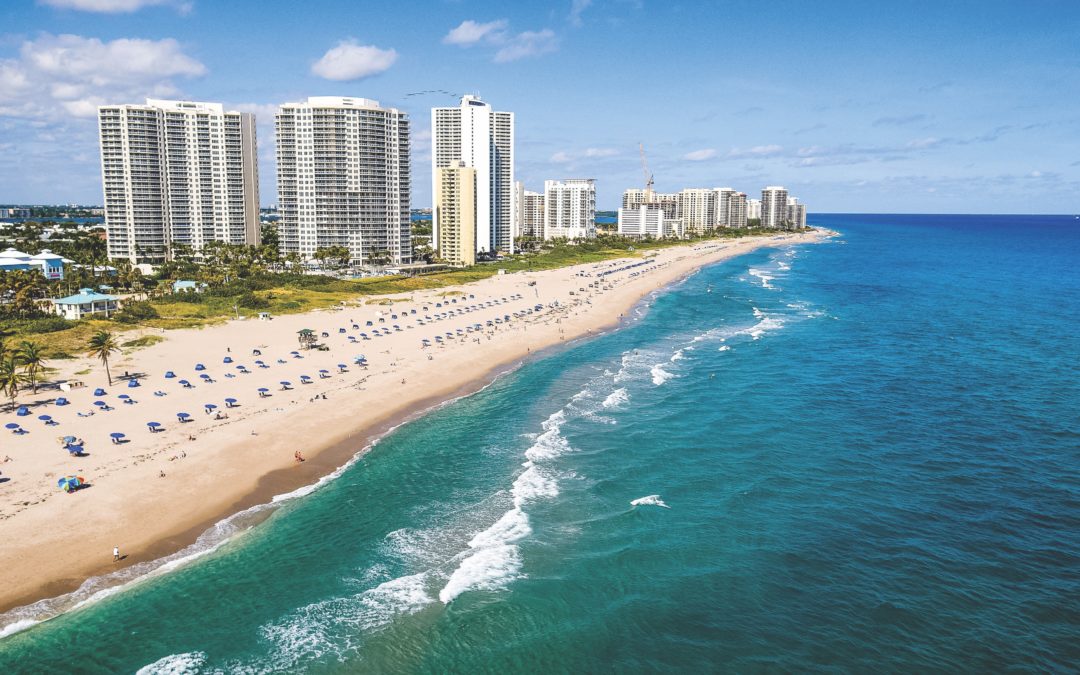
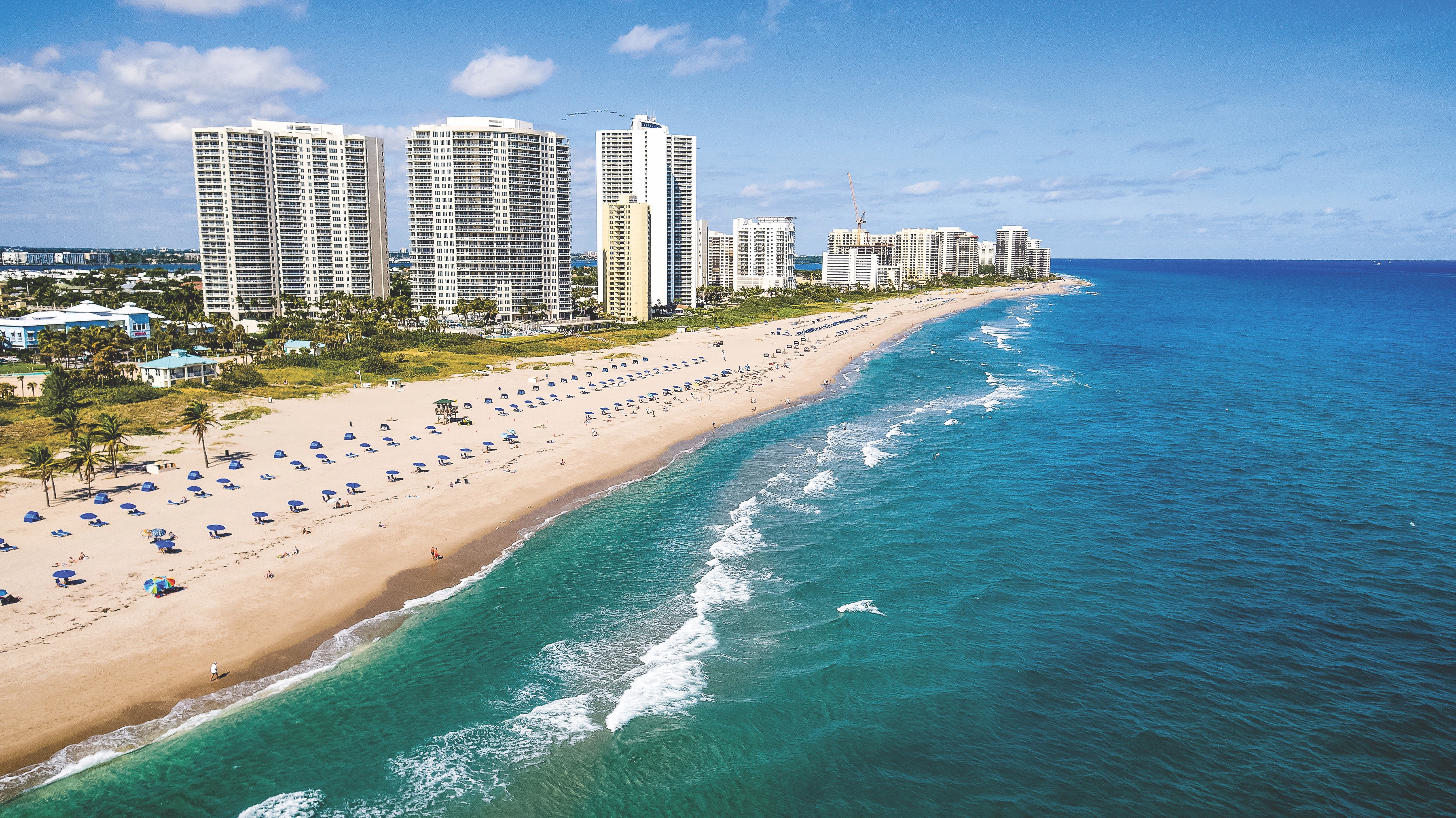
Palm Beach County is bordered by 47 miles of Atlantic coastline that offer some of the state’s most attractive beaches. These include Boynton Beach Ocean Park, Coral Cove Park, Juno Beach Park and many more, with a large portion of these beaches offering resort amenities and marine activities. The Palm Beach County coastline was also nicknamed Florida’s Gold Coast after gold was recovered from Spanish galleons that sank off its shores. A fitting nickname for beaches that are like gold to the Florida economy. Invest: spoke with Jorge Pesquera, president and CEO of Discover The Palm Beaches, who touched on the importance of the beaches to the tourism industry in the county. “Leisure remains the most crucial tourism driver for The Palm Beaches, with meetings and conventions continuing to gain momentum. Within the leisure tourism market, our beaches are the biggest draw for not only those seeking to relax and rejuvenate, but also those interested in activities such as boating, fishing, scuba diving, kayaking and paddleboarding,” Pesquera told Invest:. 

You can learn more about the county’s best beaches here: https://www.thepalmbeaches.com/blogs/best-beaches-are-palm-beaches
ARTS & CULTURE

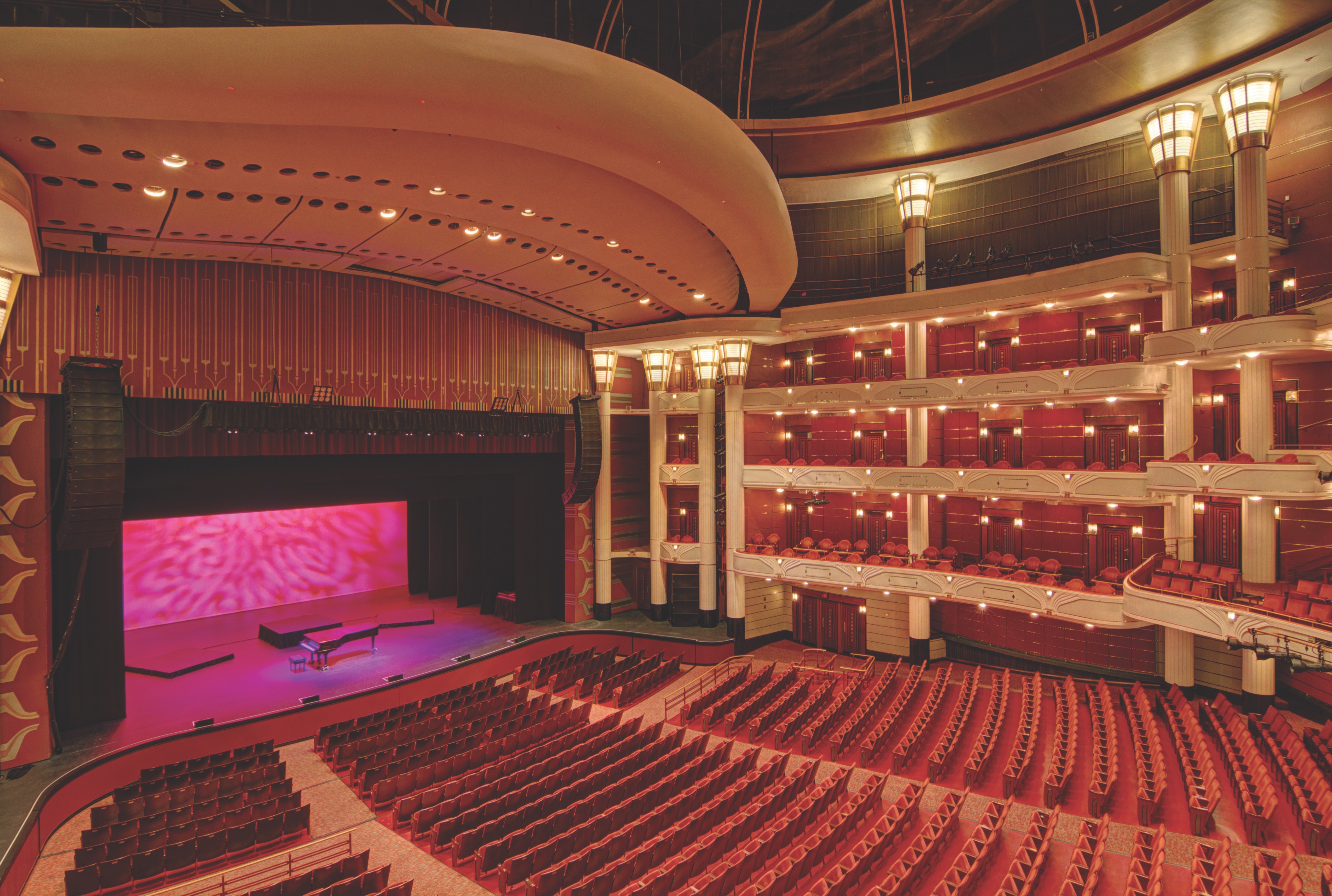
Home to cultural institutions like the Kravis Center for the Performing Arts, The Palm Beaches are an arts and culture hub that drives many cultural travelers to the area. Invest: discussed with Judith Mitchell, CEO for the Kravis Center, how this increased interest from out-of-town visitors has positively affected her business as well as those in the surrounding area. “Our strong programming and marketing teams ensure that we continue to bring the best of Broadway and other diverse performances that attract audiences from outside the state and from cities north and south of the Center. In 2018-2019, the Center saw an increase in out-of-county audience members by nearly 50%. This also has a positive economic impact on the surrounding hotels, restaurants and shops as these nonresident guests choose to dine, shop and stay overnight before or after attending a performance.” 

For more on the various arts and culture destinations in the county, visit: https://www.palmbeachculture.com/
SPORTS

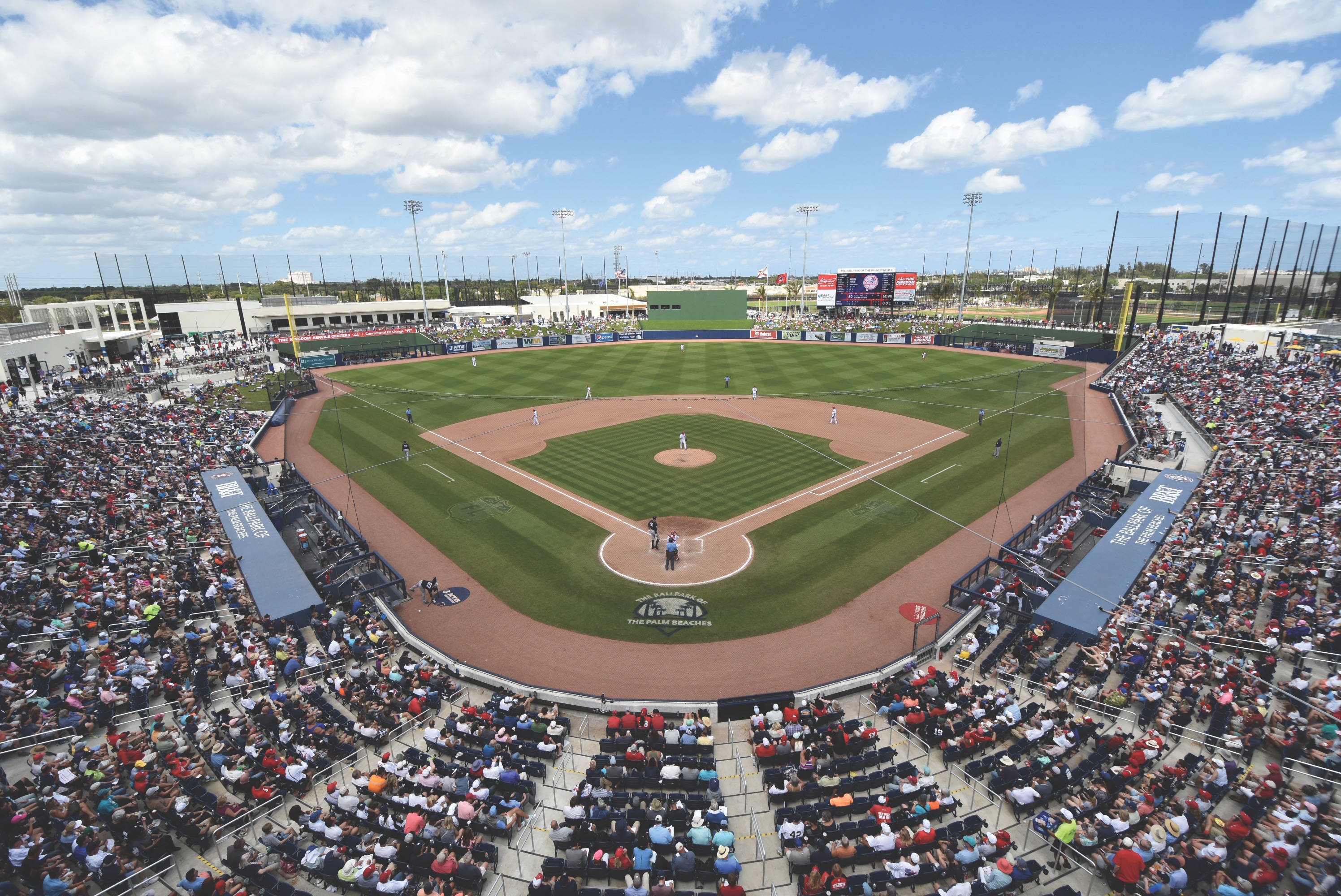
For an area that doesn’t have a major professional sports franchise, the county’s tourism market has a strong driver in the sports tourism market. It helps that among Palm Beach County’s various monikers, one of the titles held most proudly is “The Golf Capital of Florida,” boasting more than 150 public and private golf courses. It also doesn’t hurt that Major League Baseball teams, namely the Houston Astros, Washington Nationals, Miami Marlins and St. Louis Cardinals, call Palm Beach County their home during spring training. For those who prefer alternative sports, The Palm Beaches are also the location of polo and equestrian events, including a variety of International Polo Club tournaments. 

Interested in learning more about sports offerings in The Palm Beaches? Visit: https://www.palmbeachsports.com/
ECO-TOURISM

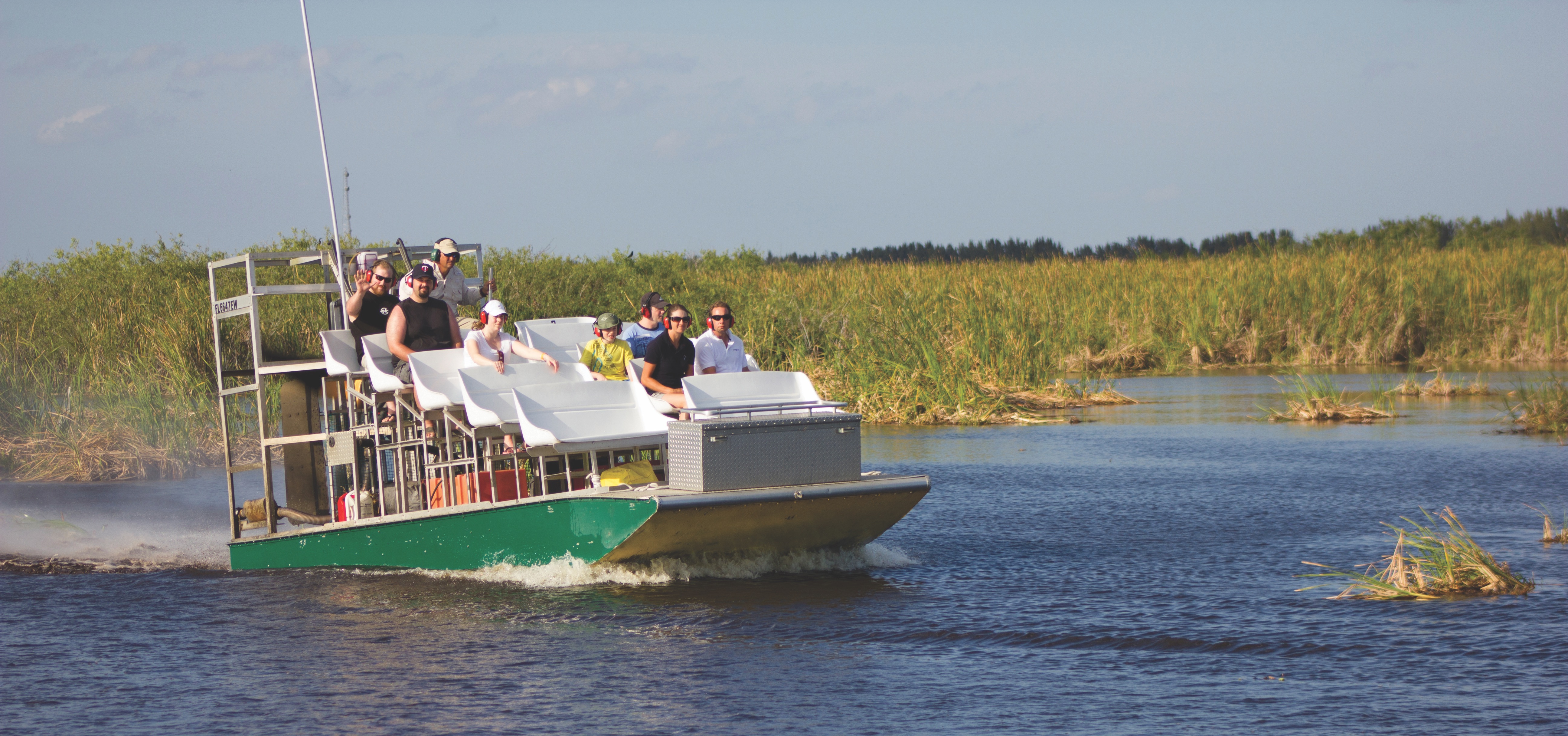
When a county boasts 110 parks and recreation facilities paired with 35 natural areas that make up more than 31,000 acres of environmentally sensitive lands, it is bound to attract eco-tourists. This form of tourism may seem obscure from an outside perspective, but it not only can provide visitors with a memorable experience, it also provides health benefits as well. Invest: recently sat down with Deborah Drum, department director of Palm Beach County Environmental Resources Management, who spoke to this tourism driver and its benefits. “We have conducted economic studies of our natural areas. We have over 300,000 visitors just to the natural areas in our county. These are remote areas that offer more passive types of recreation, including hiking, fishing or bird-watching. We have done a study with the University of Florida on this passive connection and we have determined that these visitors are coming for that purpose. There have also been a number of studies about the connection between mental health and time spent in natural areas or spent outside. There is a positive relationship between the reduction in mental health issues with more time spent out in nature,” Drum explained. 

Check out more on Palm Beach County’s Natural Areas Map: http://discover.pbcgov.org/erm/Pages/Natural-Areas-Map.aspx
MEETINGS & CONVENTIONS

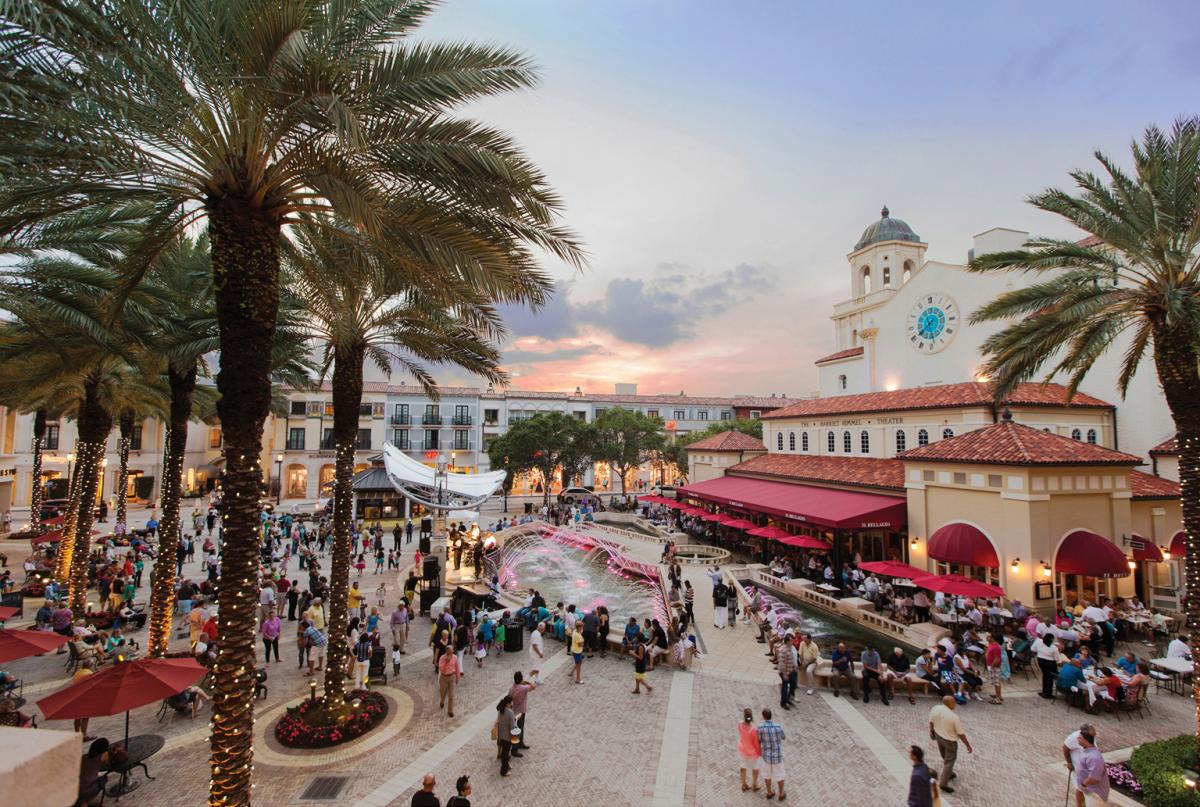
There is a direct correlation between the increase in business tourism to The Palm Beaches and the economic and business growth that the county is enjoying. The beneficiaries from this driver of tourism are a wide range of business types, from hotels to restaurants and even retail. Discover The Palm Beaches’ Pesquera highlighted just how significant this is to the tourism market. “On the meetings front, we’ve seen a 567-percent increase over the last several years in groups booked at the Palm Beach County Convention Center. Unlike our good friends in Miami and Fort Lauderdale — where there is a clear and established epicenter of tourism activity — The Palm Beaches are truly a collection of midsize to small cities and towns that altogether deliver an exceptional vacation or meeting experience,” Pesquera told Invest:.

For more on this and the tourism industry in Palm Beach County, visit: 
www.thepalmbeaches.com/

How Broward is Solving its Transportation Troubles

How Broward is Solving its Transportation Troubles

By Max Crampton-Thomas

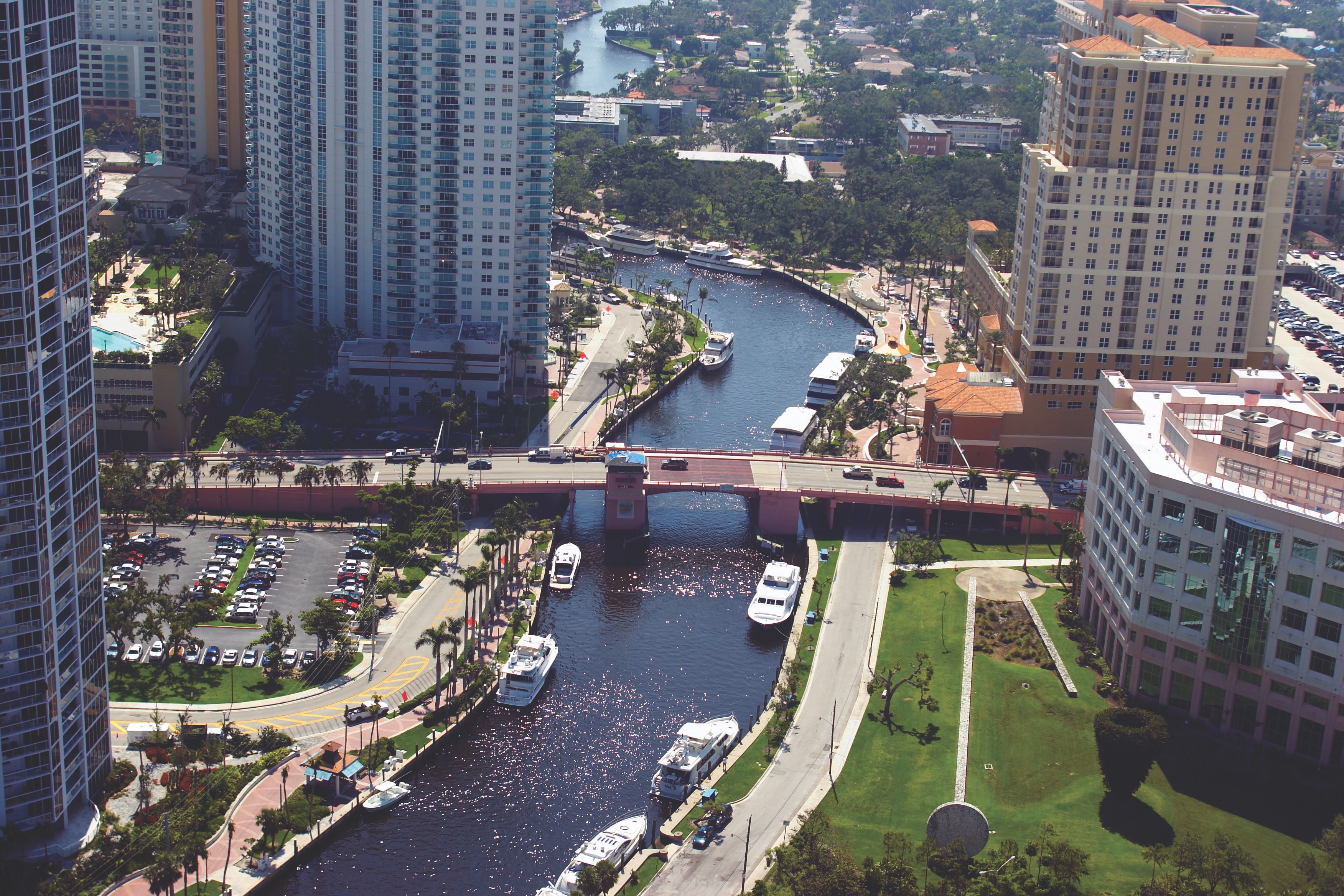
4 min read October 2019 —  For over a century, the car has been America’s top transportation choice when getting from point A to point B. As the population in the United States has grown exponentially year over year, so has the dependency on these vehicles, which has led to worsening transportation issues like congested roads, air pollution, traffic accidents and in some cases fatalities. Throughout South Florida, in this case Broward County, the negative effects of the population’s dependency on single-occupancy vehicles are rampant throughout the region. While these issues pose a major challenge to Broward, there is hope as the younger generations are looking to avoid the stress of car ownership, and many community leaders and organizations are making a push toward better mass transit and alternative transportation options.

While these are not all new ideas, in the last couple of years the emphasis for Broward has become truly exploring and executing these ideas. This starts with the  30-year Penny For Transportation Surtax that was passed last November and is set to generate billions of dollars toward improving transportation and mass transit options throughout the county. Invest: recently spoke with Monica Cepero, deputy county administrator for Broward County, who discussed what the community could expect from the revenues generated by the tax. “This sales tax is set to generate about $16 billion over the next 30 years, and will be used in the more immediate future to improve and modernize public transit services. Our long-term plan for those funds is focused on creating connectivity, extending roadway capacities, multimodal improvements and improving transportation facilities and service.”

Invest: also spoke with Gregory Stuart, executive director of Broward MPO, about the near-term changes that could be expected from the revenues collected from the tax. “Realistically, the immediate changes aren’t going to result in construction; we are focusing on enhancing the traffic signalization program. This includes a coordination between the traffic lights, people’s vehicles and installing smart communication equipment. Another immediate change that has happened already but which we’re not going to notice for about another year, is the county transit agency’s purchase of another 130 buses. Considering they are operating a fleet of about 300 buses right now, this is a one-third expansion and a significant increase in the bus system,” he told Invest:

While the tax is going to be a huge benefit for transportation in the region, a change in mindset is another factor impacting how people get around. One option is the Tri-Rail, which is celebrating its 30th year servicing the South Florida community. Tri-Rail Executive Director Steven Abrams spoke about how it is benefiting from the changing mindset toward mass transit in the area. “South Florida is a tourist and service-related economy, and these individuals, like waiters or construction workers, cannot work from their homes. We have people coming from all over the world who are used to rail transportation in their countries, and they are feeding into our system. Our roads are also just becoming so congested. It used to be that our ridership would principally, and almost exclusively, fluctuate with gas prices, but now that  gas prices are stable and dropping, we still have people riding our system because ultimately it is the overabundance of cars on the road that is urging them to seek alternative transportation.”

Abrams also spoke to how Tri-Rail has improved and updated its operations over the years to encourage use by a larger population. “Over those 30 years, we have improved our service, added more trains, added weekend and holiday service and added connections to the three airports. We are a transportation system that has become popular over time and we have really embedded ourselves in the tri-county area.” 

The other popular train in South Florida is also the newest mass transit option for the region, Virgin Trains USA. Running through the three counties of Miami-Dade, Broward and Palm Beach, the train is looking toward the future by connecting the three counties with Orlando and an eventual Tampa Bay stop as well. 

Patrick Goddard, president for Virgin Trains USA, discussed with Invest: how it wants to be a catalyst for transit change in South Florida. “We are reinventing train travel in America, so there are always going to be challenges, but none that we have not been able to overcome so far. The advent of this project has awakened a desire and a curiosity within the municipalities to recognize the full potential for mass transit in South Florida. We are solving the challenge in Florida of medium-haul travel. Airlines take care of long trips, while rideshare, motorized scooters and buses take care of short ones. There has always been this gap with the 200- to 300-mile distances that are too short to fly and too long to drive. By introducing an option like this, it encourages people to leave their cars at home and start using a more environmentally sustainable means of transit.” 

A key factor in remaining economically sustainable is having good transportation and mass transit options. As Broward County continues to develop into an economic powerhouse so to must its transportation, and with changing mindsets and push from community leaders the future looks bright. 

To learn more about our interviewees, visit:

https://www.tri-rail.com/

http://www.browardmpo.org/

https://www.gobrightline.com/

https://www.broward.org/

Business is Booming for Deerfield Beach

Business is Booming for Deerfield Beach

By Max Crampton-Thomas

2 min read September 2019 — When discussing growth in Broward County, the conversation would typically center around the economic hub that is the city of Fort Lauderdale. While it may be the most universally recognized city in Broward, it is certainly not the only one in the county experiencing an economic boom.

Located at the northernmost point of Broward County is Deerfield Beach, a city whose growth cannot be understated or overlooked. Home to over 80,000 individuals, this beach community has capitalized on the economic prosperity and ever-increasing migration of individuals to the South Florida region. Invest: Greater Fort Lauderdale spoke with Bill Ganz, the mayor of Deerfield Beach about the city’s major developments in the last year. “We have had a lot of growth in the city in the last 12 months, including over 11,000 building permits that total nearly a billion dollars in new construction. We have new residential developments under construction from some of the top developers in the area, such as Lennar, Toll Brothers, Ram Realty and Weingarten Realty. One of the finest organizations in Broward County is also located in our city, JM Family Enterprises. They are working on a $176 million expansion of their corporate headquarters,” he told Invest:. 

The growth of Deerfield has not just been predicated on the development of new construction projects for the private sector. The city has recognized the importance of reinvesting in itself to better serve its residents. This is apparent in the ongoing construction of a new 12,000-square-foot community center, which is a revitalization of the old Tigner Community Center. When completed, it will be one of the largest community centers in Deerfield Beach. 

Successful economic growth of an area in Broward County is also dependent on addressing future threats to that growth. Ganz made a point of talking to Invest: about how the city is addressing the looming threat of sea level rise and its efforts toward environmental resilience. “We have been working on these issues for several years, starting with the West Wellfield project, which helps to solidify the water system in Deerfield Beach, so we are much better protected against salt water intrusion. We have taken the initiative to become LEED certified with some of our city projects that have recently finished, including the new pier and facilities on the beach.” 

He continued to speak on how he hopes Deerfield will serve as a positive example on these issues for other areas of Broward County. “We have a new Siemens Energy Efficiency Program that we hope can be used as an example for other municipalities to address these issues. The city has also been working on an Emergency Preparedness and Response Plan. We don’t want to just talk about sea level rise, but really address it from a safety standpoint, especially in the event of another hurricane.” 

The advancement of Deerfield Beach has not been by chance, and can be attributed to well-thought-out and deliberate initiatives and actions taken by the city’s public and private sectors. There is a recognition that to sustain the economic growth, the city must continue to present unique opportunities to businesses in the area. 

One of the ways the city is doing this is by recognizing the need to retain a strong workforce within the city, as highlighted by Ganz: “We want to make sure that we provide them with a wide variety of opportunities, not just entertainment, but business opportunities as well. We also are trying to make sure that we are appealing to all generations of the workforce. One of the ways we hope to accomplish that is with some of the new residential construction that is being built. We have worked with these developers to make sure they are keeping the new buildings attractive to all segments of the workforce in the city. We are also fortunate to have the most beautiful beaches in all of Broward County, and these people can really take advantage of this being a nautical destination.” 

While it has been a successful year for the city, local government and the business community will continue to focus on sustaining this growth for the foreseeable future. 

To learn more about our interviewee, visit:

http://www.deerfield-beach.com

The Future is Now for FATVillage

By Max Crampton-Thomas


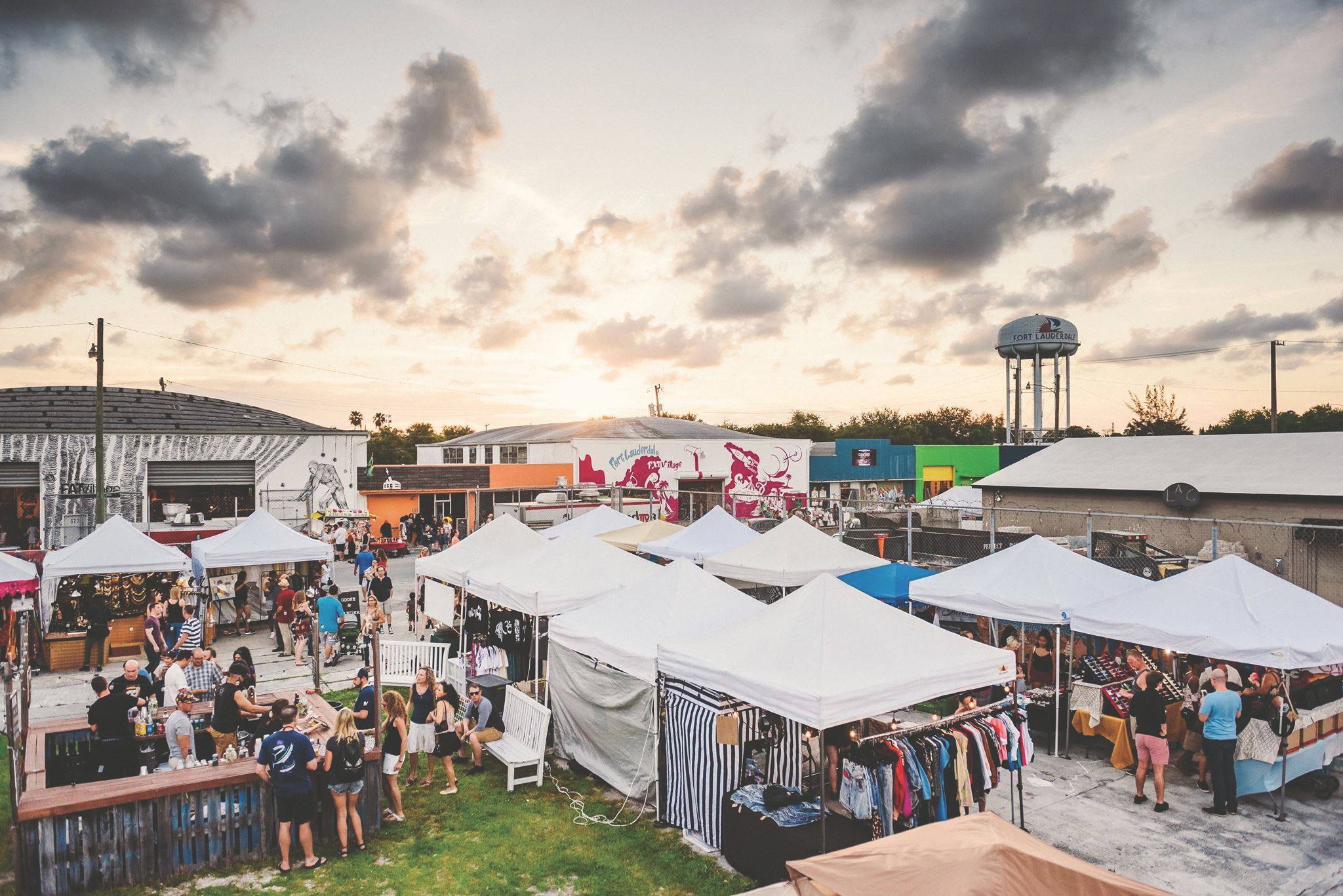
3 min read August 2019 — Fort Lauderdale’s FATVillage makes up for what it lacks in size with a treasure trove of arts, cultural and technological offerings. Founded in the late 1990s by Doug McCraw, the four-block historic warehouse district has developed into an arts hub to rival the most established arts districts in South Florida. While the area was originally founded as a way to rally philanthropic support around the artistic community in Fort Lauderdale, it is now transitioning into the premier destination for artists, small-business owners, technologists and arts enthusiasts.

The emergence of FATVillage has been a thoughtful and deliberate process of encouraging smart development that never diverts from the emphasis on art as the main part of the neighborhood’s DNA. This stands true for the introduction of more mixed-use development into the area, as McCraw highlighted in a recent interview with Invest: Greater Fort Lauderdale, discussing how that development is not only a new concept but also positively affecting the surrounding neighborhoods. “FATVillage has consistently been a significant economic driver in the Broward County region. It has acted not only as an arts community but also as a nucleus for a lot of the development in Flagler Village. What we are doing in terms of using art as a driver of mixed-use development is still a new concept, and not many developers are integrating product development with a creative community in the same way that we are,” McCraw told Invest. 

He also acknowledged that while FATVillage is undergoing a transition to focus on developing its status as an economic driver in the region, the reason for the district’s success has been the deliberate and careful process of deciding who can lease inside the area. “FATVillage is at a transition point. We are very focused on developing FATVillage to make it a treasure for Fort Lauderdale. We have aggregated various types of coworking spaces with different disciplines, all of which are major components of FATVillage. We have a curated process and we do not just lease to the first person who walks in the door. Our focus on art as an integrated part of the DNA of FATVillage makes us a unique component of Fort Lauderdale’s culture,” McCraw said

Helping to achieve this vision for the future of FATVillage, while also remaining true to its arts identity, is Urban Street Development, which has been involved with the district from the beginning. Invest: recently had a conversation with the Co-Founder Alan Hooper about what the next phase of development for FATVillage will look like. “In August, we intend to deliver a plan that will take the FATVillage Art District in downtown Fort Lauderdale into an exciting era that will combine food with art and technology (FAT) and develop a neighborhood where people and businesses of all sizes can find a place to live, create, collaborate, and socialize. The 5- acre-plus plan fully embraces the arts and elevates the opportunities for artists and creative businesses alike. Positioned inside the downtown core, the Opportunity Zone, and a block from Brightline, the options for community building are endless,” Hooper told Invest:. “We want to help FATVillage evolve into the place it should be. A place that is attractive to creative businesses while maintaining the artists who made us a well-known destination. We want to build some affordable housing for artists and local creative people, as well as really cool workspaces for start-up businesses that might represent art in another way, through video or audio, the art of the word, or the art of food. A place like this will be very attractive to businesses that benefit from hiring within a congregation of talent. In the end, we are creating a village that all people can grow with, be a part of and enjoy.” 

Arts and culture is a major key in Florida’s economy, and even more so in Broward County. Areas like FATVillage play a vital role in keeping arts in the county, and acting as a significant economic driver for the region. FATVillage has long been an attractive destination in Fort Lauderdale, but it is now on the cusp of a major transition into a true arts and economic staple in Broward County. 


To learn more about our interviewees, visit:

https://www.fatvillage.com/

http://www.urbanstreetdevelopment.com/

Record Numbers Flock to Philly, Again

by Yolanda Rivas


2 min read AUGUST 2019 — Greater Philadelphia experienced its ninth straight year of record tourism in 2018. Public and private organizations in the sector are making multiple efforts to elevate tourism to the city and maintain its record-setting pace. 

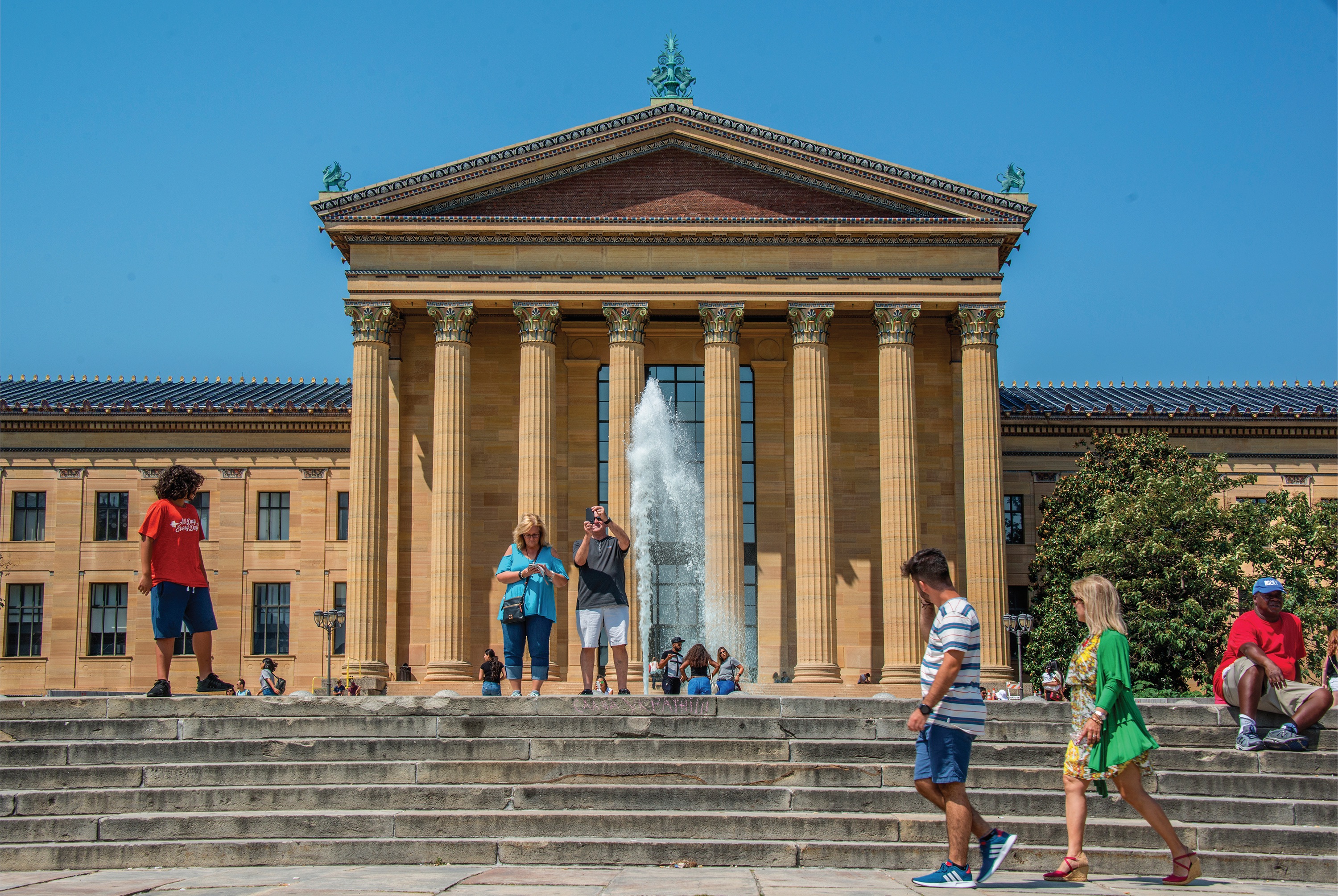
Enhancements to the city’s historical, cultural and dining options, such as the Pennsylvania Convention Center, the stadiums in South Philadelphia, the Philadelphia Museum of Art renovations and a number of new hotels on the horizon are some of the examples of improvements to the city’s offerings. 

“We’re working on a partnership to significantly grow our brand globally while also making a further commitment in Philadelphia with a new project that will dramatically enhance the architectural canvas for residential real estate,” Larry Korman, president of luxury extended-stay brand AKA Hotel Residences, told Invest:. 

Philadelphia’s weekend occupancy rate remains in the low- to mid-90%, also record highs, as the city of brotherly love attracts both business and leisure travelers. Local hotels, such as the Cambria Hotel Philadelphia Downtown, are committed to highlighting and complementing the communities where they operate through area-inspired decor and modern design.  

“We have locally commissioned art in our hotel, and since we sit on the Avenue of the Arts, our decor is themed with a nod to arts and music. We sourced most of the art and decor from local artisans, vendors and companies to ensure that we are supporting the community in every way possible,” Jerry Rice, General Manager at Cambria Hotel Philadelphia Downtown, said in an interview with Invest:.

To meet the demands of those who want a unique and intimate experience, some local brands are making the transition to boutique hotels. That is the case of former Courtyard by Marriott, which has been reborn as The Notary Hotel. According to the hotel’s general manager, Jim McSwigan, some of the elements of renovation include reimagined rooms, public workspaces for guests, a new shower experience in all rooms and a modern fitness center. 

“We have maintained an element of history with 1920s-inspired decor and furnishings, while introducing a modern feel. We offer the latest and greatest when it comes to providing guests with a great space, not only for business meetings, but for social events, weddings and any type of celebration,” McSwigan said.  

Another main driver for visitors and a key economic developer is the arts sector, and Philadelphia’s world-class music institutions are putting the city in the global spotlight. Such is the case of Opera Philadelphia and its Festival O, for example, which has had a  local, national and international impact. David Devan, general director and president of Opera Philadelphia, pointed out in an interview with Invest: the importance of the festival in creating local, enlarged artistic partnerships and developing a new, mostly young audience. “That is the biggest impact; we now have more customers than five years ago. We work with Visit Philadelphia, PHL Convention and Visitors Bureau, and other agencies that promote the city and create local pride,” he said.

“Because we do so much new work, what we are doing is affecting the field of opera nationally in terms of the field celebrating and participating in contemporary art activity. Internationally, we have become recognized as one of the most innovative opera companies in the United States,” Devan stated.

This year, Philly’s official tourism marketing agency VISIT PHILADELPHIA is focusing on opportunities in the multicultural market, specifically Latinx, LGBTQ and African American audiences. 


To learn more about our interviewees, visit:

AKA Hotel Residences: https://www.stayaka.com/ 

Opera Philadelphia: https://www.operaphila.org/ 

Cambria Hotel Philadelphia Downtown: https://www.choicehotels.com/pennsylvania/philadelphia

The Notary Hotel: https://www.marriott.com/hotels/travel/phlak-the-notary-hotel-autograph 

VISIT PHILADELPHIA: https://www.visitphilly.com/