Spotlight On: Ian Richman, Senior Managing Director | Southern New Jersey, Colliers International

Spotlight On: Ian Richman, Senior Managing Director | Southern New Jersey, Colliers International

By: Yolanda Rivas

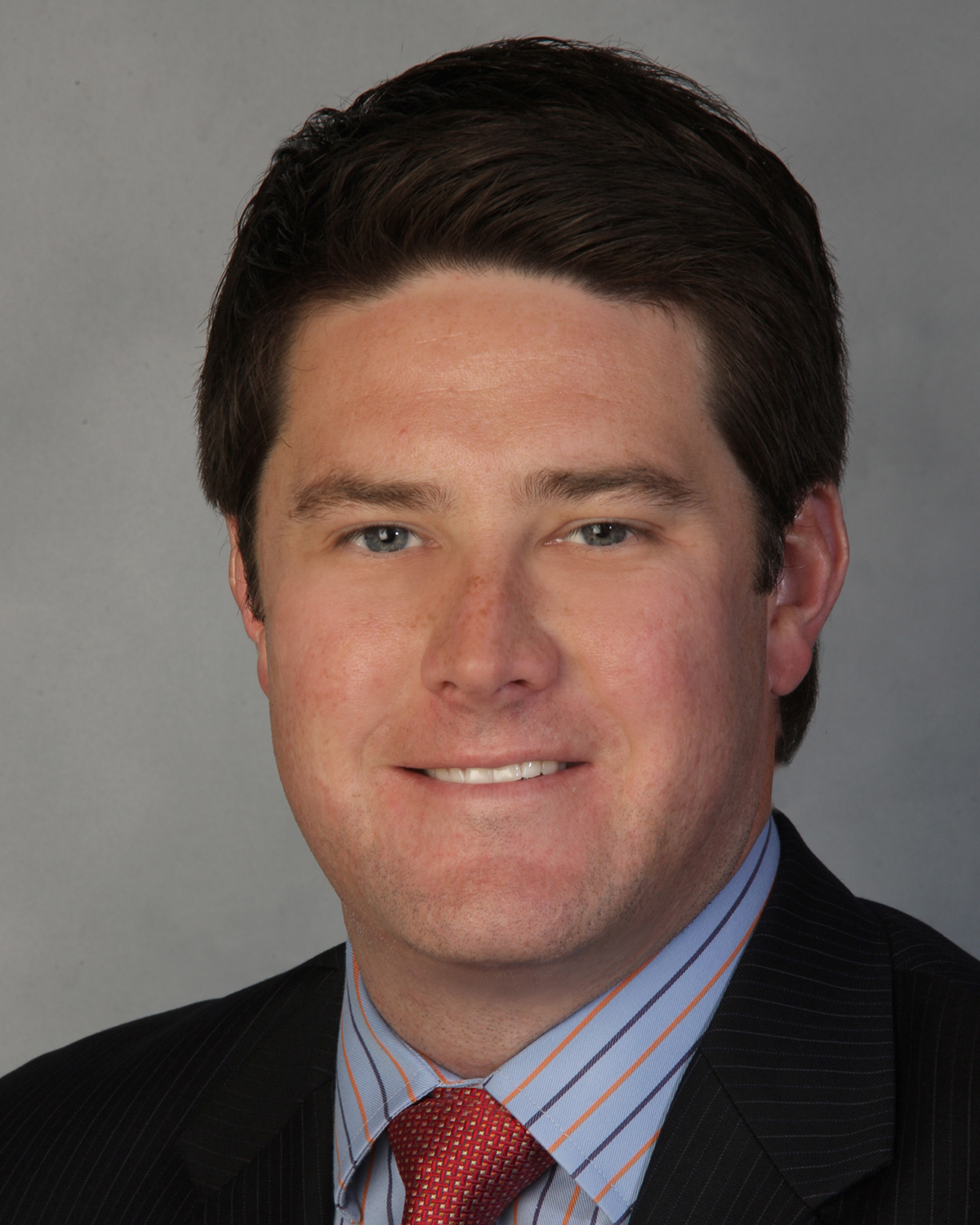
2 min read March 2020 — The Southern New Jersey region’s low real estate costs and strategic location near major highways is bolstering demand in the industrial market. Ian Richman, senior managing director in the Southern New Jersey at Colliers International, specializes in the leasing and sale/acquisition of commercial and industrial properties in Southern New Jersey. In a recent interview with Invest:, Richman shared the trends in the market and the possible disruptions that could take place in the face of COVID-19.  

How are you preparing to face a possible economic downturn?

We haven’t seen signs of a slowdown yet. Construction is still going on and demand has been outpacing supply to an extent. But with the development of COVID-19, we are expecting to see disruptions in the supply chain and people are starting to get nervous about the impact on the economy. Companies that import raw materials or have their products manufactured in China or elsewhere overseas expect to see a lag in production, delay in delivery or in the extreme case, a stoppage of manufacturing in certain factories altogether. This is uncharted waters and a global pandemic will have ripple effects throughout all industries, not just real estate. 


How strong is the industrial market in South Jersey?

The demand in the industrial market has continued to increase over the last 12 months. One of the biggest drivers has been our rental rates and sale prices on a price per square foot basis relative to neighboring areas such as Northern New Jersey and the New York metropolitan area. A significant part of our activity has been coming down the New Jersey Turnpike from these northern-based tenants, owner-user purchasers and investors. 


What market trends are emerging?

The Philadelphia Port is one of the largest, if not the largest, food port in the country. We see a lot of demand from food-related companies looking for warehouse/distribution facilities or manufacturing facilities. This is not a new trend but rather one sector that has been increasingly growing from a demand perspective in Southern New Jersey. Additionally, the overall demand for warehouse space has continued to remain strong, especially with the uptick in e-commerce and the expectation by the consumer to have goods in their hands as quickly as possible. When Amazon Prime was introduced, two days for delivery seemed fast and quickly became the norm. We are now finding that next-day delivery, if not same-day delivery, is an integral part of the supply chain That is driving a lot of companies to look for warehouse space in South Jersey. 


The new speculative and build-to-suit development in our market has been mostly in the northern parts of Burlington County and the southern parts of Gloucester County, 


How do you expect the market to evolve in the near future?

We expect more companies to continue to consider South Jersey as a home. The prices are what is really driving most of the activity and that is a trend that we will continue to see. We are now seeing a lot of multi-generational family-owned real estate companies starting to sell some of their properties to more institutional owners. We are also seeing the presence of more institutional owners and large regional owners with real estate holdings in our market. Some of that is attributed to the development of large distribution centers and some of this is attributed to the merger and consolidation of ownership groups. 


To learn more about our interviewee, visit:

Colliers International: www.colliers.com


Spotlight On: Stan Lifsey, Co-Owner, The Current Hotel

Spotlight On: Stan Lifsey, Co-Owner, The Current Hotel

By: Max Crampton-Thomas

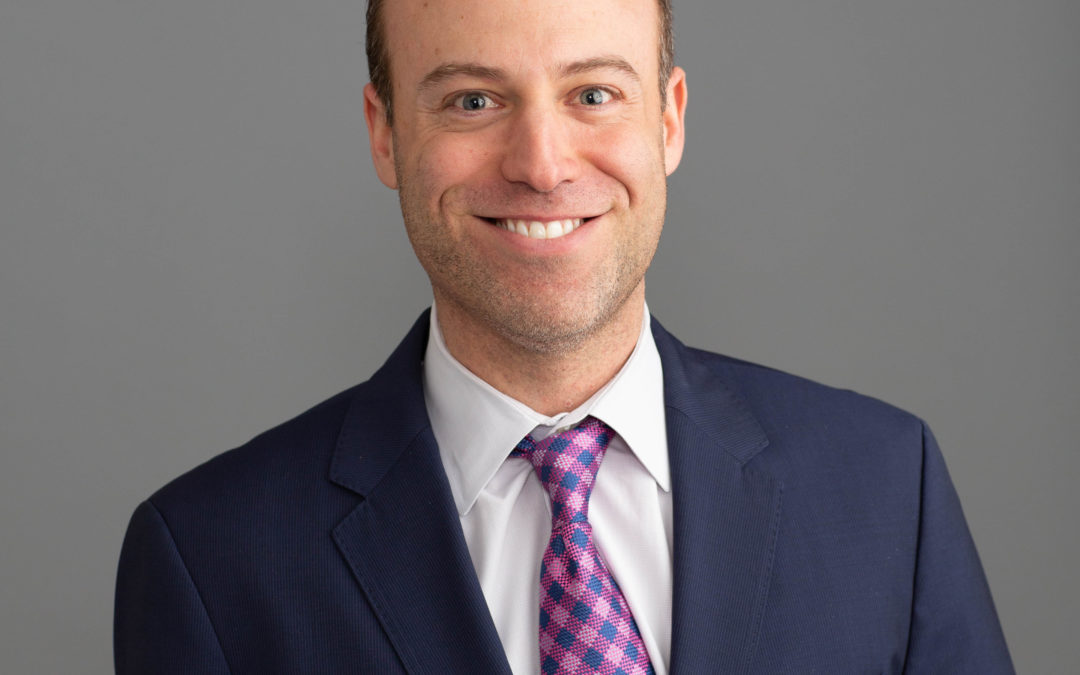
2 min read January 2020 — In 2020, creating experiences and innovation are two of the main keys to success in the hospitality industry. Stan Lifsey, the co-owner of The Current Hotel, recognized this and used it to help develop one of the newest hotel offerings in the Tampa Bay region. After receiving an initial positive reception, Lifsey is looking to continue capitalizing on the momentum while also pushing the hotel’s innovative approach to hospitality as customer demands continue to change. 


 How are visitors and residents in the Tampa Bay community reacting to the newest addition to the hotel scene? 


We wanted to take advantage of our strategic location on the water, so all 180 rooms have a waterfront view. We also wanted to partner with the best local brands in Tampa Bay and feature them, along with other local artists, in our hotel. This hotel is a one of a kind product and in a one of a kind location. We have been open for a short while, but so far we are very happy with how we have been received by the local community and the visitor turnout to the hotel. The customer feedback from both locals and visitors has been extremely positive, especially regarding the unique brand and design we have brought to Tampa Bay. We built this hotel with the idea to break the mold and cookie-cutter box that the hospitality sector in this region seemed to be stuck in with regards to architecture, interior design and concept.


Do you believe the demand curve will support the multiple new hotels coming online this year in the region? 


I believe the demand curve will be able to support all the new hotel inventory coming online, but that is with a caveat. I’d be interested to see how many of the current deals actually end up being built because of rising construction costs. Construction costs are at an all-time high, construction labor is incredibly tight and land is expensive. We were fortunate enough to have built when we did, but this market is becoming increasingly challenging. It requires a lot of equity to get these deals done and built.


Having all this new supply of rooms in the market is providing positive momentum and growth to the Tampa Bay Region and certainly makes entities like Visit Tampa Bay and the Tampa Bay Sports Commission’s jobs a little easier. Being able to offer this type of innovative product that is coming online really speaks to the evolution of the Tampa Bay hospitality market. We have been an undervalued market for quite a while, but with all the free press that Tampa Bay is receiving thanks to massive development’s like Water Street Tampa, it is driving more people into the region, which increases the demand for more hotels. All of which is ultimately great for the economy of the entire region.


How have you seen the hospitality industry adapt to changing customer demands? 


The overall hospitality market is moving more toward unique guest experiences. Guests want a different vibe and experience whenever they visit a new hotel. This is where the hospitality market is going not only for leisure travelers but also for corporate travelers. The upfront cost may be more to developers and owners but on the back end, your rate and the desire of people wanting to frequent your hotel is much greater.


The idea when building this hotel was that we didn’t want to adapt to anything. We wanted to be  contrarian and blaze our own path. When we started this whole process, we had to engage a branding company and we went through about nine months of branding. Current was not just something that we landed on. The Current name is to do with the fact that we are on the water. It is also a nod to our wave ceiling inside the hotel lobby rotating art gallery and that we want to always be current and innovative in our approach. We always want our brand to shine through in everything we do, which ultimately benefits the customer experience.


To learn more about our interviewee, visit: 

https://www.marriott.com/hotels/travel/tparo-the-current-hotel-autograph-collection/