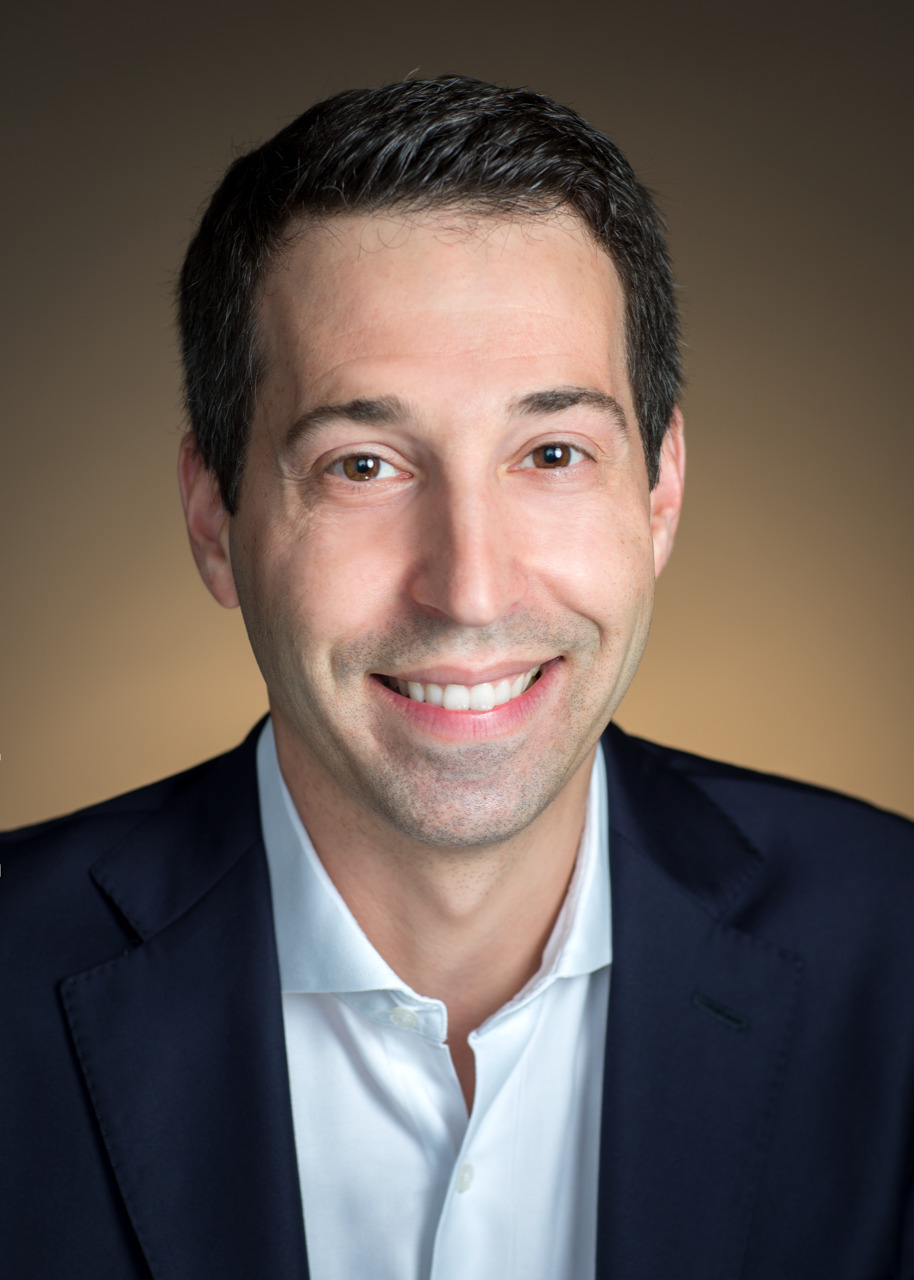
Spotlight On: Daniels Ikajevs, Chairman, The Ring Workspaces

Spotlight On: Daniels Ikajevs, Chairman, The Ring Workspaces

Writer: Max Crampton-Thomas
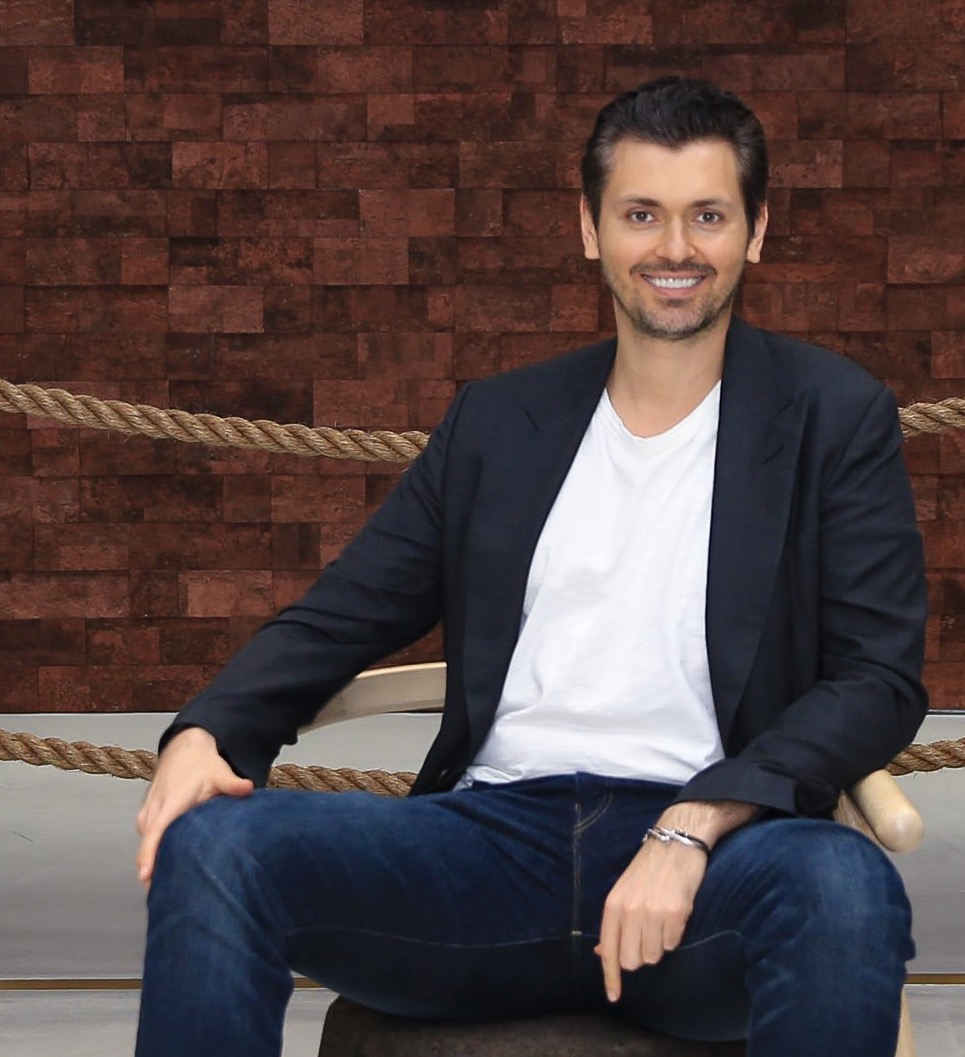
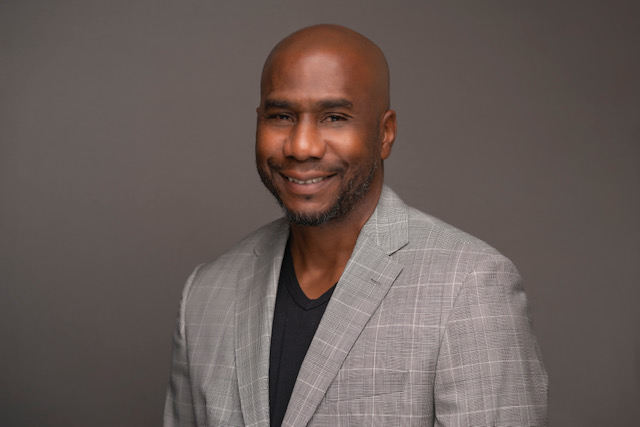
2 min read October 2019 — As the need for office space continues unabated, innovative solutions like coworking spaces are rising to fill the gap. One such coworking space is The Ring, which is a state-of-the-art co-working space with an emphasis on health and wellness. It is based in Downtown Clearwater. The Ring held its grand opening on April 26 and is home to over 70 companies across the Tampa Bay area, with about 110 people coming to the space on a daily basis. Invest: spoke with Daniels Ikajevs, chairman of The Ring Workspaces, about his innovative approach to office space, its collaboration with Harvard University and why Clearwater is the perfect location for The Ring Workspaces. 

Why was it important to construct The Ring to WELL standards? 

WELL standards are still fairly new, but they are becoming more commonplace. There is some similarity with LEED building standards, but WELL is more human-centric, and it looks at what is important for people inside the physical space, such as quality of the air, nutrition inside the space, access to daylight, biophilia and other health and wellness-related aspects. It also focuses on everything that LEED emphasizes, like quality of the materials, energy efficiency, and so forth. There is only one WELL-certified co-working space in the world and that is in Boston. We are in the process of getting our certification, and unlike in Boston where they have silver-level certification, we are going for the platinum level. 

What are some ways The Ring is working to help promote and foster the startup and tech ecosystem in the region? 

One of the ways we are doing this is through a collaboration The Ring entered with Harvard University T.H. Chan School of Public Health to pilot their innovation and sustainable technology program in Tampa Bay. This will be the first U.S.-based location for this program. It will happen over the course of two years, and will consist of a first and second round in which the university professors will teach young startups how to bring their ideas into reality. They will provide a blueprint on what investors are looking for when they go out and try to raise money. At the end of the program, people who are successful in funding their ideas will receive a certificate of completion from Harvard University T.H Chan School of Public Health. 

How is Clearwater the perfect match for a coworking space like The Ring?

When we were looking at locations for The Ring, we looked at what makes Clearwater a more attractive market for startups. Clearwater offers lower real estate costs in comparison to similar Tampa and St. Petersburg markets. We are geared more toward the startup culture, and because the cost of doing business in Clearwater is less than anywhere else in Tampa Bay, we thought we could use this environment to attract more startups. As a startup you try to save money every step of the way until you reach the maturity stage of the business, so real estate is one of the biggest values that Clearwater can offer. The overall business environment in Clearwater is also in line with the four principles of The Ring, which are health, innovation, sustainability and productivity.

What does the future of coworking spaces look like? 

Coworking spaces will continue on an upward trend, especially as more startups emerge all around the Tampa Bay region. In this fast-moving business environment it is very difficult for these startups to predict the amount of space they will need in the near future, so coworking spaces like The Ring that offer flexible memberships where these businesses can upgrade or downgrade with ease are a huge benefit. Flexibility is key for startups, which is why big players in the coworking space, like Spaces, are expanding quickly to address the growing demand. It will also be interesting to see how the coworking concept works in a down market, as this has not been properly tested yet. There is no doubt in my mind that there will be a down market in real estate in the near future, so we will pay special attention to see how this market adjusts and operates when this happens. 


To learn more about our interviewee, visit: 

http://theringworkspaces.com/


Atlanta’s Entertainment Pull Buoys Hospitality Industry

Atlanta’s Entertainment Pull Buoys Hospitality Industry

By Sara Warden


2 min read October 2019 — With 130 new hotel constructions planned across Metro Atlanta, the city now ranks fifth in the country for new hotel construction. The momentum generated from this year’s Super Bowl seems to have continued as the city now looks to attract other major sporting events, such as World Cup 2026 after it made the shortlist as a potential host city.

“Atlanta’s standing as a preferred site for major sporting events has been enhanced by the 2017 opening of the state-of-the-art, $1.6-billion Mercedes-Benz Stadium, as well as the opening of SunTrust Park and the conversion of Turner Field into the new Georgia State Football Stadium,” said a report by the Hotel Valuation Index (HVI).

And Atlanta doesn’t just draw visitors for sporting events. Hotels are now incorporating convention centers as standard to provide the greatest value to customers. “In recent years, the city’s large amount of meeting and event space at competitive price points has advanced Atlanta’s position in citywide convention cycles and has improved the city’s standing in relation to other large convention markets,” said the HVI report. “Increasing convention demand will continue to be supported by the ongoing $55-million expansion of the Georgia World Congress Center (GWCC) and the 2019 announcement of a 1,000-room Signia Hilton convention hotel to be located adjacent to the GWCC.”

Of the 107 projects tracked by real estate firm CBRE, 15 are located in downtown Atlanta, 14 are in Gwinnett County, 11 are in Cobb County and a further 13 are located along the corridor of the GA-400 freeway.

As the competition heats up, hotels need to evaluate their offering to ensure they are in the best position to attract new clientele. Most recently, luxury hotel chain Kimpton jumped on the bandwagon and partnered with developer Portman Holdings and leading hospitality firm IHG to build new properties in Atlanta and Houston. The 216-room Kimpton Buckhead hotel is slated to open in the second half of 2020 and will feature a restaurant and bar, courtyard, private pool and a rooftop lounge.

“We’re thrilled to expand our presence with a second Kimpton hotel in the Atlanta market,” Mike DeFrino, Kimpton Hotels & Restaurants’ CEO, said in a statement. “The partnership with Portman Holdings allows us the perfect opportunity to bring Kimpton to the stylish Buckhead neighborhood and to continue consolidating our presence in the Southeast at-large.”

Developers in Buckhead also are targeting what they describe as the hotel market’s “white space,” or those customers willing to pay $250-300 per night for a room. While luxury hotels in Atlanta command an average of $227 per night, other neighborhoods can attract rates of more than $350 per night. “So, the white space occurs between that $350 and the $225 rate that is prevalent in all of the other hotels in Buckhead,” Regent Partners President Reid Freeman told Bisnow. “There’s $125 worth of white space that no one is capturing.”

Next month, the company is expected to break ground on a $90 million boutique hotel in the Buckhead Village district, to be operated by Thompson Hotels. Buckhead is also a target for Songy Highroads, which is planning a $75 million Hyatt boutique hotel targeted to millennials. “The experiential factor is becoming more prominent. You have different segments of travelers, from millennials to people aging into retirement. They are looking for an experience and place that is a reflection of the surrounding community,” Songy Highroads CEO David Songy told Bisnow.

To learn more about our interviewees, visit:

https://www.hvs.com/article/8460-2019-european-hotel-valuation-index

https://www.cbre.us/

https://www.ihg.com/kimptonhotels/hotels/us/en/reservation

https://www.regentpartners.com/

https://www.portmanholdings.com/

https://www.thompsonhotels.com/

http://songyhighroads.com/

https://www.gwcca.org/georgia-world-congress-center/

https://www.hilton.com/en/signia-hilton/

It’s Go Big or Go Home for Miami’s OZs

It’s Go Big or Go Home for Miami’s OZs

Writer: Sara Warden

2 min read October 2019- When the Opportunity Zones (OZs) were created by the federal government in the 2017 Tax Cuts and Jobs Act, they were focused on 8,764 across the 50 states covering almost 35 million Americans. The program was designed to direct investment to regions with an average poverty rate over 32%, compared with the national average of 17%.

“We anticipate that $100 billion in private capital will be dedicated toward creating jobs and economic development in Opportunity Zones,” said US Treasury Secretary Steve Mnuchin in a press release. “This incentive will foster economic revitalization and promote sustainable economic growth, which was a major goal of the Tax Cuts and Jobs Act.”

Florida is home to 427 of these OZs and Miami-Dade houses 68 of them. “The creation of these new Opportunity Zones provides new investment opportunities for some of Miami’s economically distressed areas,” said Michael Finney, president and CEO of the Miami-Dade Beacon Council, in another press release. “This means greater consideration will be given to investing and providing jobs in areas of the county where they are needed most.”

The program works on the basis of deferral of taxes until either the property is sold or Dec. 31, 2026, whichever comes first. Investors can claim a 15% tax reduction if they invest over the entire 10-year period.

But the program is still new, and many investors are struggling to work out the best way to obtain returns. “Every real estate developer in the country is trying to figure out their Opportunity Zone strategy,” Reid Thomas, principal at NES Financial, told the Miami Herald. “Some are deciding it’s not worth the hassle, (and) that they’re not going to bother doing this kind of development.”

But those that do bet are betting big. Developer Russell Galbut closed a deal for the final piece of acreage from Northeast 29th to 32nd streets, and Northeast Second Avenue to Biscayne Boulevard. The $4.9 million purchase of 2901 Northeast Second Avenue brings Galbut’s total investment in the project to over $37 million. The site will house a major mixed-use development built by Galbut’s company Crescent Heights. It plans to build 800 residential units and use over 600,000 square feet for retail and office space.

Galbut told Miami-based real estate magazine The Real Deal that the OZ incentive was “some of the smartest legislation that has come out of Congress in a long time,” adding that his company is buying properties in all markets across the OZs.

But some investors saw the virtues in the Miami real estate market before the OZs arrived, and now there’s an added bonus to their investments. Developer BH3 invested $60 million in a retail and showroom and the space happened to be placed in one of Miami’s OZs. “The fundamentals, economics, and merits must stand on their own, whereby the tax benefits are purely an added bonus. A bad deal with good tax benefits is still a bad deal,” Greg Freedman, principal and founder of BH3, told the Miami Herald.

Although some are sceptical that the OZs will provide tangible benefits to anyone other than the investors, Neisen Kasdin, managing partner at law firm Akerman LLP, told the Miami Herald the zones are still in their infancy. “At the end of the day, these neighborhoods will benefit the most when people invest money in them,” he said. “Whether it’s a real estate development, or a capital-intensive project or businesses…You have to start with the assumption that investment in neighborhoods [that have] only seen disinvestment is a good thing.”


To learn more about our interviewees, visit their websites: 

https://www.miamigov.com/Home

Spotlight On: Brian Katz, CEO & Founder, Katz Capital

Spotlight On: Brian Katz, CEO & Founder, Katz Capital

Writer: Max Crampton-Thomas

2 min read October 2019 —There has never been a more perfect time to invest in Tampa Bay then the present. With seemingly all sectors of the economy in expansion mode, it is not a surprise that both foreign and domestic investment has been streaming into the Bay area at a rapid rate. Invest: Tampa Bay spoke with Brian Katz, the CEO and founder of Katz Capital whose business is headquartered in Tampa Bay  and focused on investing in the real estate and financial services sectors. Katz covered the advantages of being headquartered in the region, keeping his company’s growth sustainable and what makes Tampa Bay resilient in the face of real estate market changes.  

What makes Tampa Bay a conducive environment for your business? 

From a pricing standpoint, although nationally we are in a low interest rate environment, Tampa relative to Orlando, South Florida or places like Atlanta is still an affordable market. My personal feeling is that we are soon going to have negative interest rates. Six months ago, the collective mindset was that we would be in a rising rate environment, but that is simply not the case. A good analogy for what Tampa Bay is in terms of the scope of the market is that the region is a value stock. As a real estate and financial services private equity firm, this is a really great time for us to be in this market.

How does a business like Katz Capital sustain its growth in Tampa Bay’s business environment? 

Our various businesses employ different investment strategies for us to be able to remain sustainable. When I think of being an investor, I view the business world in terms of hunting and farming, so psychologically I am more of a farmer and all of these businesses are my crops that I can reap the benefits of on a regular basis. The problem with a hunter mentality is you can get the big kill, but it can be a long time before getting another kill, which is risky. To remain sustainable in this business environment, it’s better to diversify your business so that you’re not reliant on one source of income.

How susceptible is Tampa Bay to fluctuations in the real estate market? 

The fact that real estate pricing in Tampa is still relatively attractive versus other markets, I believe insulates Tampa Bay to a degree from real estate sector cycles and general market cycles. This is the opposite of South Florida, where there tends to be more dependency on these market cycles. When the South Florida market is hot, there is tons of money pouring in and prices push up. Although it’s increasingly on investors’ radar, Tampa Bay still has a lower modulation in these cycle waves. The big concern is that asset values keep rising. If we look at real estate development in the region, land values are up, labor costs are up and material prices are up. That means to achieve the same return for the amount of risk an investor is taking, you have to raise the exit price. This is going to be one constraint that Tampa Bay is going to face, and will have to figure out how to navigate that. 


To learn more about our interviewee, visit:

https://katzcapital.com/

How Broward is Solving its Transportation Troubles

How Broward is Solving its Transportation Troubles

By Max Crampton-Thomas

4 min read October 2019 —  For over a century, the car has been America’s top transportation choice when getting from point A to point B. As the population in the United States has grown exponentially year over year, so has the dependency on these vehicles, which has led to worsening transportation issues like congested roads, air pollution, traffic accidents and in some cases fatalities. Throughout South Florida, in this case Broward County, the negative effects of the population’s dependency on single-occupancy vehicles are rampant throughout the region. While these issues pose a major challenge to Broward, there is hope as the younger generations are looking to avoid the stress of car ownership, and many community leaders and organizations are making a push toward better mass transit and alternative transportation options.

While these are not all new ideas, in the last couple of years the emphasis for Broward has become truly exploring and executing these ideas. This starts with the  30-year Penny For Transportation Surtax that was passed last November and is set to generate billions of dollars toward improving transportation and mass transit options throughout the county. Invest: recently spoke with Monica Cepero, deputy county administrator for Broward County, who discussed what the community could expect from the revenues generated by the tax. “This sales tax is set to generate about $16 billion over the next 30 years, and will be used in the more immediate future to improve and modernize public transit services. Our long-term plan for those funds is focused on creating connectivity, extending roadway capacities, multimodal improvements and improving transportation facilities and service.”

Invest: also spoke with Gregory Stuart, executive director of Broward MPO, about the near-term changes that could be expected from the revenues collected from the tax. “Realistically, the immediate changes aren’t going to result in construction; we are focusing on enhancing the traffic signalization program. This includes a coordination between the traffic lights, people’s vehicles and installing smart communication equipment. Another immediate change that has happened already but which we’re not going to notice for about another year, is the county transit agency’s purchase of another 130 buses. Considering they are operating a fleet of about 300 buses right now, this is a one-third expansion and a significant increase in the bus system,” he told Invest:

While the tax is going to be a huge benefit for transportation in the region, a change in mindset is another factor impacting how people get around. One option is the Tri-Rail, which is celebrating its 30th year servicing the South Florida community. Tri-Rail Executive Director Steven Abrams spoke about how it is benefiting from the changing mindset toward mass transit in the area. “South Florida is a tourist and service-related economy, and these individuals, like waiters or construction workers, cannot work from their homes. We have people coming from all over the world who are used to rail transportation in their countries, and they are feeding into our system. Our roads are also just becoming so congested. It used to be that our ridership would principally, and almost exclusively, fluctuate with gas prices, but now that  gas prices are stable and dropping, we still have people riding our system because ultimately it is the overabundance of cars on the road that is urging them to seek alternative transportation.”

Abrams also spoke to how Tri-Rail has improved and updated its operations over the years to encourage use by a larger population. “Over those 30 years, we have improved our service, added more trains, added weekend and holiday service and added connections to the three airports. We are a transportation system that has become popular over time and we have really embedded ourselves in the tri-county area.” 

The other popular train in South Florida is also the newest mass transit option for the region, Virgin Trains USA. Running through the three counties of Miami-Dade, Broward and Palm Beach, the train is looking toward the future by connecting the three counties with Orlando and an eventual Tampa Bay stop as well. 

Patrick Goddard, president for Virgin Trains USA, discussed with Invest: how it wants to be a catalyst for transit change in South Florida. “We are reinventing train travel in America, so there are always going to be challenges, but none that we have not been able to overcome so far. The advent of this project has awakened a desire and a curiosity within the municipalities to recognize the full potential for mass transit in South Florida. We are solving the challenge in Florida of medium-haul travel. Airlines take care of long trips, while rideshare, motorized scooters and buses take care of short ones. There has always been this gap with the 200- to 300-mile distances that are too short to fly and too long to drive. By introducing an option like this, it encourages people to leave their cars at home and start using a more environmentally sustainable means of transit.” 

A key factor in remaining economically sustainable is having good transportation and mass transit options. As Broward County continues to develop into an economic powerhouse so to must its transportation, and with changing mindsets and push from community leaders the future looks bright. 

To learn more about our interviewees, visit:

https://www.tri-rail.com/

http://www.browardmpo.org/

https://www.gobrightline.com/

https://www.broward.org/

ATLNext Targets New Heights

By Sara Warden


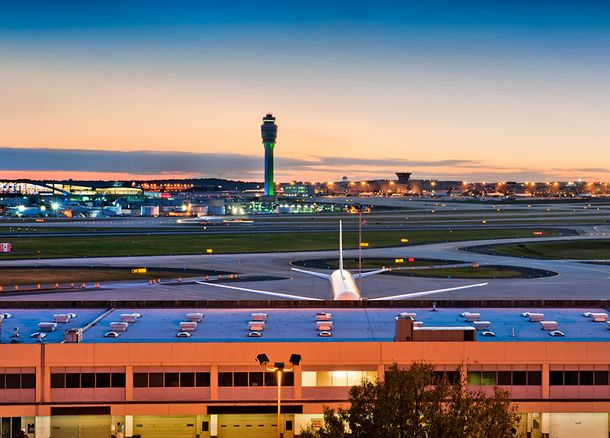
2 min read SEPTEMBER 2019 For the 21st consecutive year, Atlanta’s Hartsfield-Jackson Airport was named the world’s busiest airport this month. With passenger traffic of over 107 million in 2018, the airport continues to serve as a major economic driver of the city. Capital Analytics took a closer look at the characteristics that make the airport the world’s transport hub.

ATL is the state of Georgia’s largest employer, generating 63,000 direct on-site jobs and creating an estimated $34.8 billion economic impact for Metro Atlanta – or almost 7% of total state GDP. The 47,000-acre Hartsfield-Jackson facility has 263 concessions, 193 gates, seven concourses, five runways and the tallest control tower in North America, coming in at 121m.

“It’s a complex operation,” Airport General Manager John Selden told How Stuff Works. “One little piece going astray can cause massive chain-reaction ramifications. To keep the complexity of this operation running smoothly, it takes a village.”

But to keep operations running smoothly, the airport must constantly keep up with growing passenger numbers through more and more expansions. “As you look at passenger flow over time, it’s always trying to eliminate the bottleneck,” Tom Nissalke, the airport’s assistant general manager of planning told How Stuff Works. “Sometimes, when you fix one bottleneck then it’s another bottleneck somewhere else.” 

In 2016, the Hartsfield-Jackson Airport unveiled ATLNext, a $6 billion capital investment in the continuous expansion of existing infrastructure. By 2022, a total of $1.9 billion is to be invested in the modernization of the central passenger terminal, which will include aesthetic renovations that involve landscaping and lighting, as well as the extension of Concourse T to add five new gates and the addition of 10 new gates to Concourse G.

To accommodate growing air traffic, $1.3 billion will be invested in airfield upgrades that include a sixth runway, slated to be completed by 2034. Investments in auxiliary services such as parking and a mixed-use hotel and office space development are also planned. Air cargo facility upgrades will come in at around $200 million.

“The infrastructure has to keep up with the growth,” Selden said to Reporter Newspapers. “We cannot turn into [New York’s secondary airport] LaGuardia. My goal and my team’s goal is to do everything we can to work with everybody that we need to [in order to] ensure that Hartsfield-Jackson is not a limiting factor on the growth of the Atlanta region.”

The investment is a joint venture between the public and private sector. A consortium of three companies – CH2M Hill (since acquired by Jacobs), RohadFox and Parsons Transportation Group – won the contract to carry out the ambitious expansion. Overall, PPPs are an innovative idea in airport projects, but could be the future, allowing the public sector to free up funds for other priorities. “I think we’ll see other examples where other companies get involved. And gradually, familiarity builds, and it won’t seem outlandish at some later date when the subject of the whole airport comes up,” said Robert Poole, director of transportation policy at Reason Foundation, in an interview with the Atlanta Journal-Constitution.


To learn more about our interviewees, visit:

http://next.atl.com/

https://reason.org/

http://www.rohadfox.com/

http://www.jacobs.com/ 

https://www.parsonsgroup.co.uk/

Business is Booming for Deerfield Beach

Business is Booming for Deerfield Beach

By Max Crampton-Thomas

2 min read September 2019 — When discussing growth in Broward County, the conversation would typically center around the economic hub that is the city of Fort Lauderdale. While it may be the most universally recognized city in Broward, it is certainly not the only one in the county experiencing an economic boom.

Located at the northernmost point of Broward County is Deerfield Beach, a city whose growth cannot be understated or overlooked. Home to over 80,000 individuals, this beach community has capitalized on the economic prosperity and ever-increasing migration of individuals to the South Florida region. Invest: Greater Fort Lauderdale spoke with Bill Ganz, the mayor of Deerfield Beach about the city’s major developments in the last year. “We have had a lot of growth in the city in the last 12 months, including over 11,000 building permits that total nearly a billion dollars in new construction. We have new residential developments under construction from some of the top developers in the area, such as Lennar, Toll Brothers, Ram Realty and Weingarten Realty. One of the finest organizations in Broward County is also located in our city, JM Family Enterprises. They are working on a $176 million expansion of their corporate headquarters,” he told Invest:. 

The growth of Deerfield has not just been predicated on the development of new construction projects for the private sector. The city has recognized the importance of reinvesting in itself to better serve its residents. This is apparent in the ongoing construction of a new 12,000-square-foot community center, which is a revitalization of the old Tigner Community Center. When completed, it will be one of the largest community centers in Deerfield Beach. 

Successful economic growth of an area in Broward County is also dependent on addressing future threats to that growth. Ganz made a point of talking to Invest: about how the city is addressing the looming threat of sea level rise and its efforts toward environmental resilience. “We have been working on these issues for several years, starting with the West Wellfield project, which helps to solidify the water system in Deerfield Beach, so we are much better protected against salt water intrusion. We have taken the initiative to become LEED certified with some of our city projects that have recently finished, including the new pier and facilities on the beach.” 

He continued to speak on how he hopes Deerfield will serve as a positive example on these issues for other areas of Broward County. “We have a new Siemens Energy Efficiency Program that we hope can be used as an example for other municipalities to address these issues. The city has also been working on an Emergency Preparedness and Response Plan. We don’t want to just talk about sea level rise, but really address it from a safety standpoint, especially in the event of another hurricane.” 

The advancement of Deerfield Beach has not been by chance, and can be attributed to well-thought-out and deliberate initiatives and actions taken by the city’s public and private sectors. There is a recognition that to sustain the economic growth, the city must continue to present unique opportunities to businesses in the area. 

One of the ways the city is doing this is by recognizing the need to retain a strong workforce within the city, as highlighted by Ganz: “We want to make sure that we provide them with a wide variety of opportunities, not just entertainment, but business opportunities as well. We also are trying to make sure that we are appealing to all generations of the workforce. One of the ways we hope to accomplish that is with some of the new residential construction that is being built. We have worked with these developers to make sure they are keeping the new buildings attractive to all segments of the workforce in the city. We are also fortunate to have the most beautiful beaches in all of Broward County, and these people can really take advantage of this being a nautical destination.” 

While it has been a successful year for the city, local government and the business community will continue to focus on sustaining this growth for the foreseeable future. 

To learn more about our interviewee, visit:

http://www.deerfield-beach.com

Spotlight On: Ronnie Felder, Mayor, City of Riviera Beach

Spotlight On: Ronnie Felder, Mayor, City of Riviera Beach

By Max Crampton-Thomas


2 min read September 2019 — When Ronnie Felder won the runoff race for mayor in March, he had campaigned on the idea of revitalizing the city of Riviera Beach. Invest: Palm Beach sat down the mayor to discuss how he is encouraging economic revitalization and development in the city by rebuilding relationships with the local business community, specific industries he is targeting as part of his economic development plan and what the next few years will look like for Riviera Beach.

How are you working to strengthen the city’s relationship with local businesses? 

One of our goals is to meet with every business in this city to become more familiar with the organizations that are out there and their needs. We are learning through these relationships that a lot of these companies want to hire individuals from Riviera Beach but there is a lack of experienced workforce. We want Riviera residents to know that these job opportunities exist, and as the mayor, I feel it is my responsibility to make sure that happens. In past years, Riviera Beach did not have this established dialogue with the business community. For us to progress as a city and to have the trust of the business community, we must continue to build and strengthen this dialogue.


What are some industries you are targeting to help grow the city’s economy? 

We need more hotels and restaurants, which is a significant way for us to begin to push this city into the future. We do not have enough hotels to accommodate a large influx of tourism, which is impeding our growth. We have to be aggressive in our development efforts. I want to see cranes throughout Riviera Beach because when you see cranes in the city, that means economic growth, it means we are tapping into our potential and other businesses will see this and also want to be part of our city.


What are your short-term goals for the city’s economic development? 

We want to see exponential growth in the next two years. We will be working with businesses to encourage them to hire our young people when they graduate so we can retain some of that local talent. We have to begin to address the long-neglected infrastructure improvements and redevelopment of our public facilities like city hall, the police station and our schools. Everyone from the private and the public sectors should start seeing the benefits from our efforts to grow the local economy.


To learn more about our interviewee, visit:

http://www.rivierabch.com/

Spotlight On: Mark Hardy, Vice President & Regional Manager, Universal Engineering Sciences

Spotlight On: Mark Hardy, Vice President & Regional Manager, Universal Engineering Sciences

Writer: Max Crampton-Thomas

2 min read August 2019 — Growth in the Tampa Bay construction industry has not only benefited construction and real estate development companies in the area, it has also been a massive plus for engineering firms. Quality development and construction is dependent upon the availability of highly professional and proficient engineers, and demand can quickly outweigh supply. Invest: Tampa Bay recently sat down with Mark Hardy, vice president and regional manager for Universal Engineering Sciences’s Tampa Bay office. Among the many topics covered, Hardy discussed the growth in demand for building inspection services, a growing focus on environmental sustainability and what the next year will hold for his office.

Which of your services are seeing the most growth in demand? 

We are seeing tremendous growth in demand for our building inspection services. A new law signed by Gov. DeSantis, allows companies like ours to provide plan review and inspections that municipalities would normally conduct. While the private provider option has been available since 2002, the new law reduces the time frame and cost that this would normally entail. As a private firm we can help accelerate the process during a time when municipalities are overwhelmed.


How much of a focus is environmental sustainability to your clients? 

As new projects get underway, they are hitting some roadblocks because they are infringing on wetlands. We have hired an individual who specializes in wetlands and endangered species so we can better assist clients in finding the balance between being able to do a new development and still remain cognizant of those environmental areas. Another area where we are seeing a lot of expansion is renewable energy projects, like solar farms; we are getting frequent calls to provide expertise on how to get them planned and constructed.


What does the next 12 months look like for your office? 

We have a lot of projects on the books that haven’t started yet but are on the horizon for the new year. This includes a new performing arts center and new contracts with Pasco County Schools, Hillsborough County Public Schools and Hillsborough County for infrastructure improvements. This year, we surpassed 100 employees at this office and we will look to build off that momentum. The remainder of 2019 and 2020 are shaping up to be really great years for the company.


To learn more about our interviewee, visit:
https://universalengineering.com/