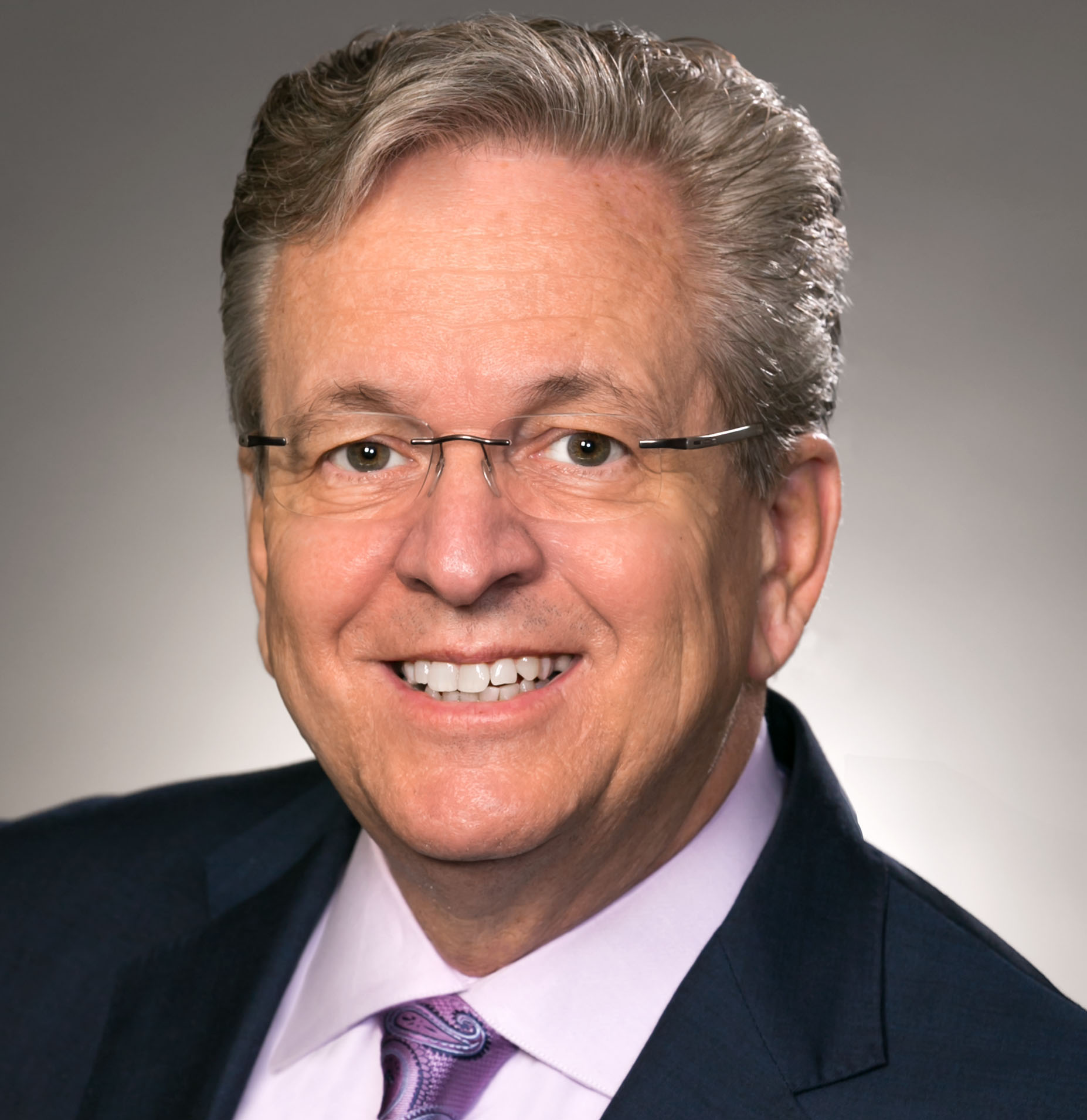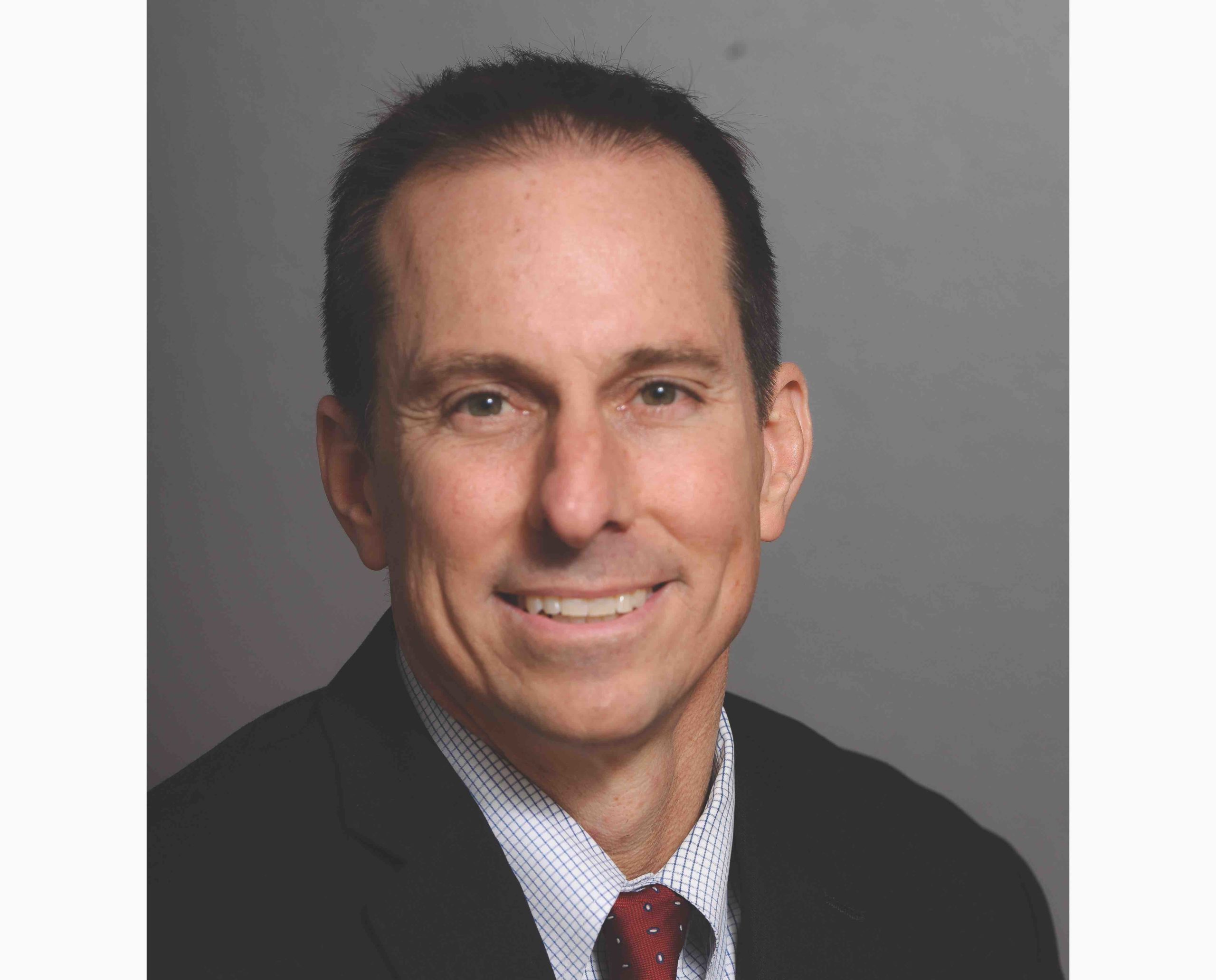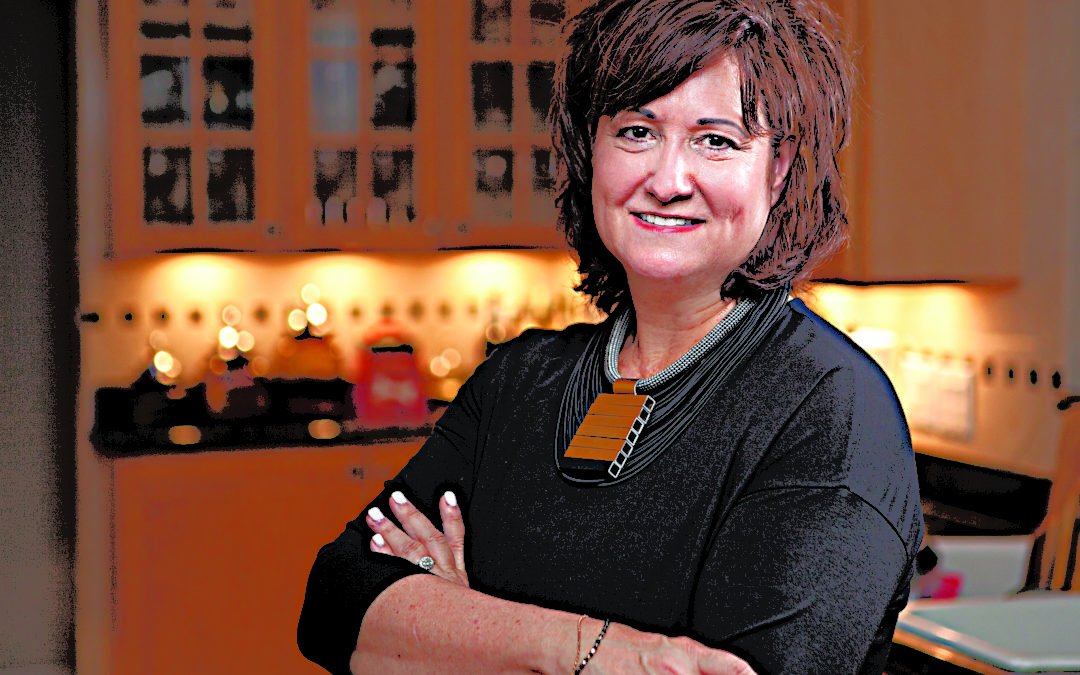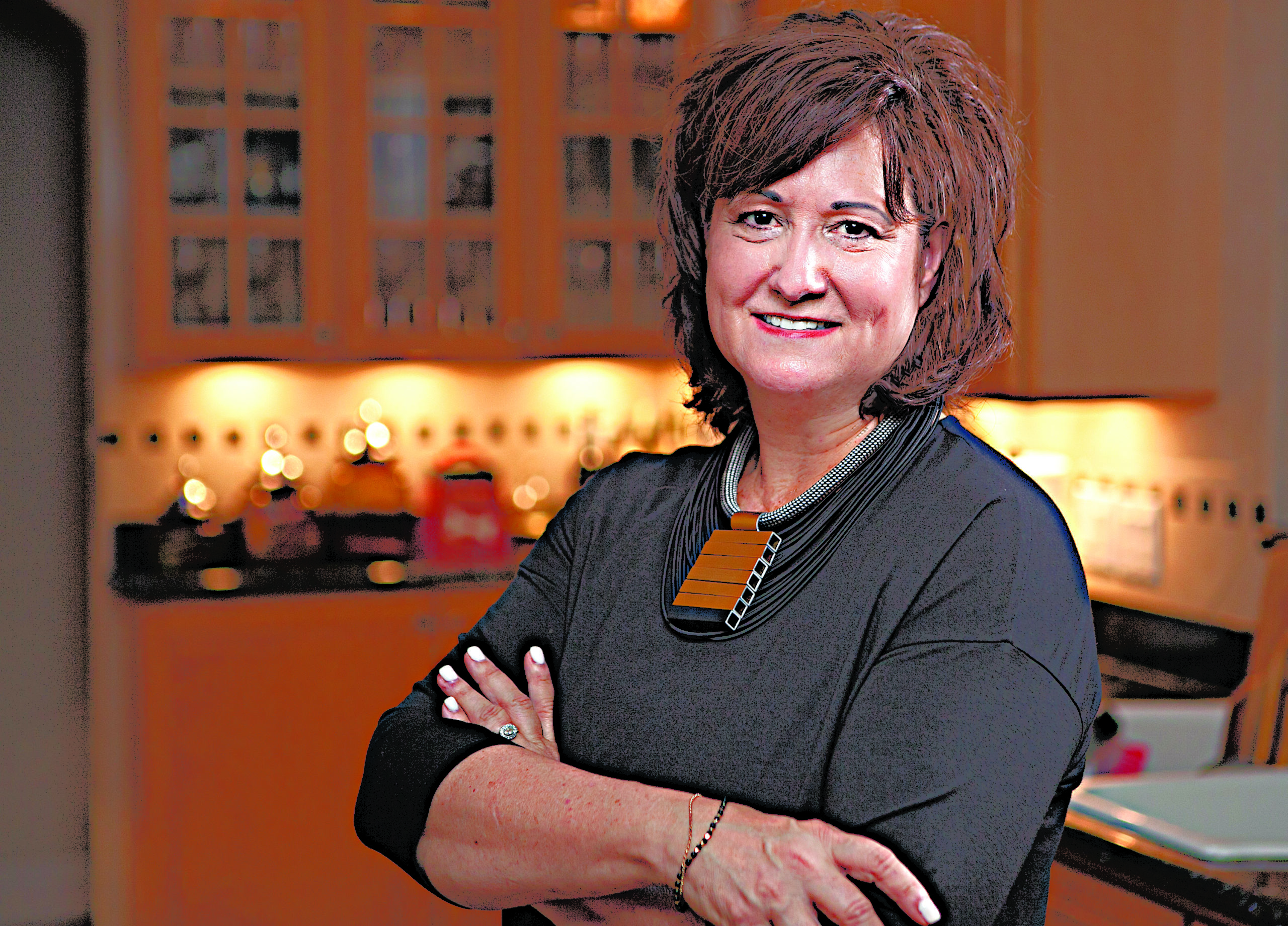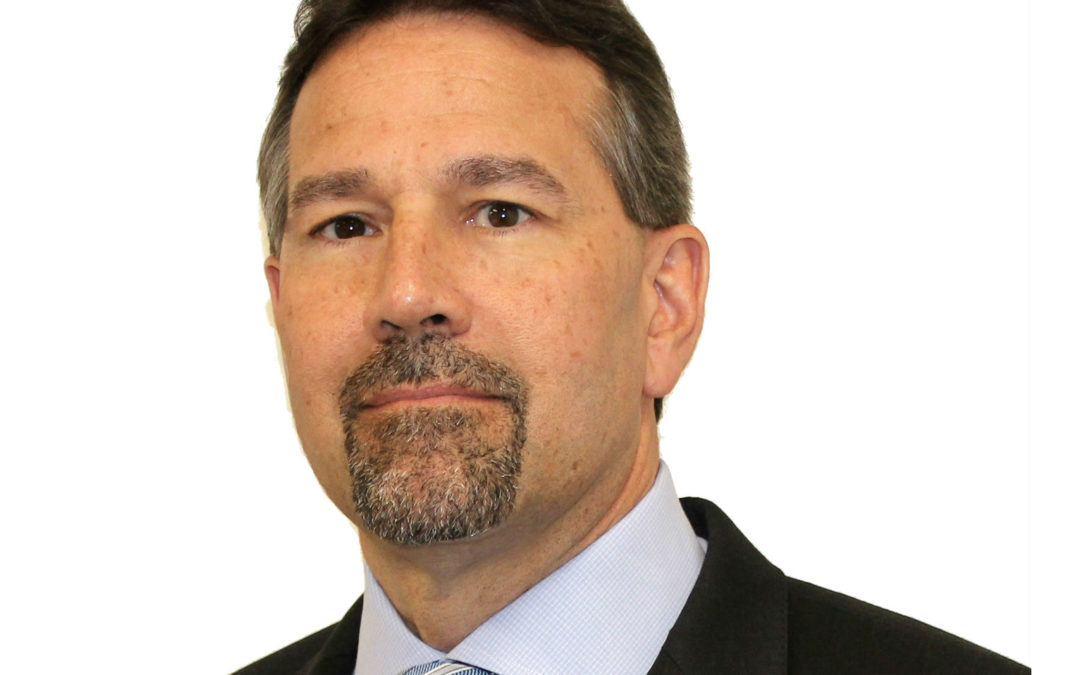
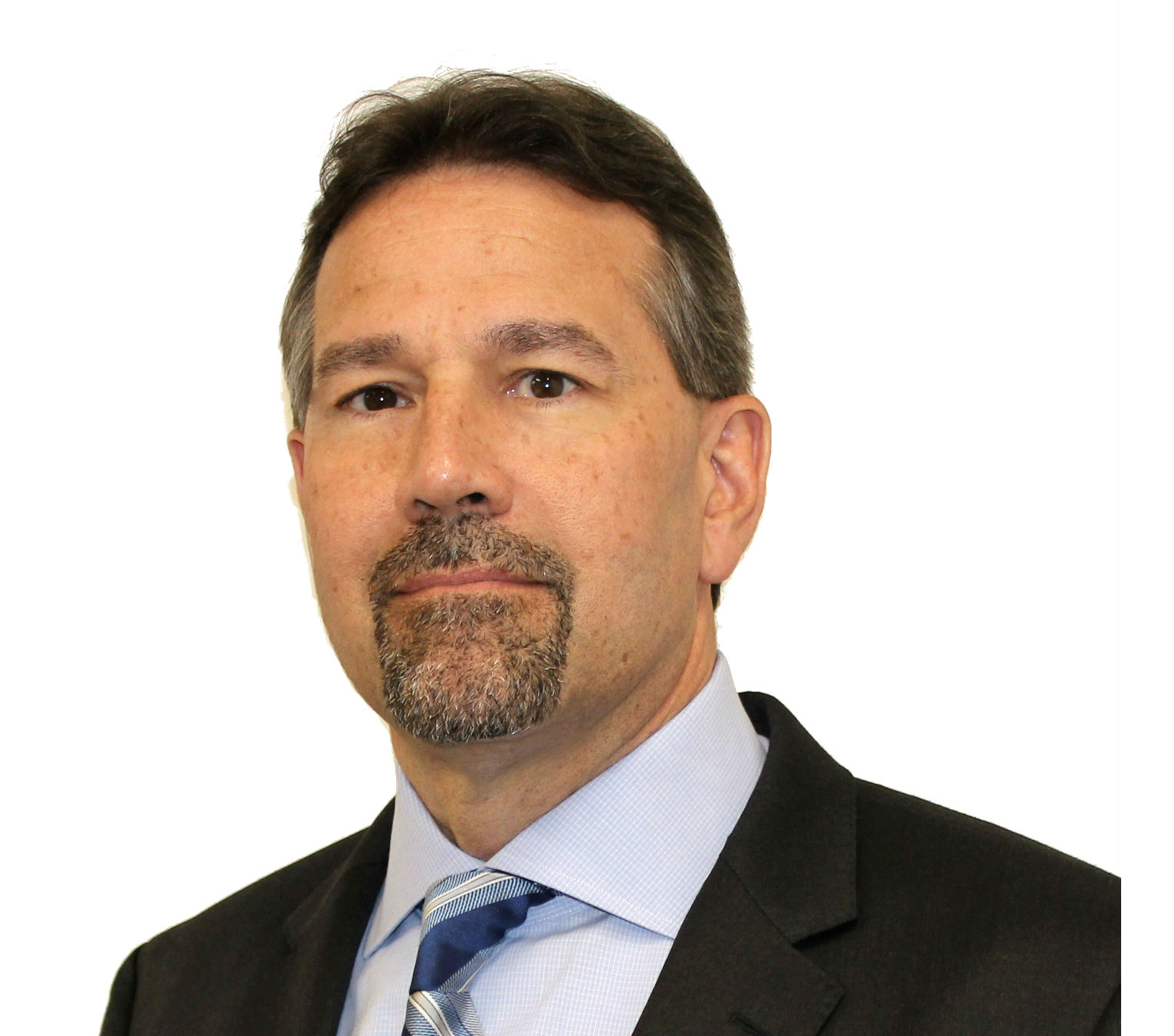
Spotlight On: Kevin Poet, Charlotte Vice President of Operations, Siemens

Spotlight On: Kevin Poet, Charlotte Vice President of Operations, Siemens

By: Felipe Rivas
2 min read AprilCompanies across sectors are fervently working to reduce emissions, switch to renewable energies and use technology to create a cleaner, greener future for the next generations. The same is true for companies directly involved in the energy industry. This year, Siemens AG. announced it will create a new company, Siemens Energy, focusing on conventional power, oil and gas, power transmission and renewable energy to position itself for the future of the industry. In an interview with Invest: Charlotte, Vice President of Operations Kevin Poet talks about the decision to create the new power and gas company, some of the challenges and opportunities in the energy industry and the near-term outlook for the industry. One of the challenges is balance, as it relates to balancing the needs and the drive to go as fast as we can to clean energy, with the need to continue to supply the demand today with the technology available

 What will be the focus of Siemens Energy?

The operations in Charlotte and Winston-Salem will be part of the new company. The largest manufacturing site in North America is in Charlotte and gives us the opportunity to focus on growing the business in new areas and markets that we have not traditionally been in. Our legacy work at the Charlotte plant is primarily large-scale, fossil-power generating equipment, and that market and demand is going down, mainly due to renewables and energy efficiency, as well as the push for decentralization and new technologies. We believe this trend will continue, and for us to thrive in a new market we have to get into different businesses and expand our portfolio. In the short term, we are looking at smaller, industrial-sized units that companies use to decentralize their power needs. In the future, we will see these units move toward hydrogen-burning technology, and potentially into new businesses altogether in the mobility, or renewables and wind areas. As a manufacturing center, we have the installed capability necessary to manufacture any of the components, products, and systems along the whole value stream. Our growth initiative aims to reshape what the future looks like as far as engineering and manufacturing.


What will the future of clean energy look like?

One of the challenges is balance, as it relates to balancing the needs and the drive to go as fast as we can to clean energy, with the need to continue to supply the demand today with the technology available today. For Siemens, we are the only site in North America that can service the large, traditional generating units that are in power plants. It will be critical for our business going forward, and for our customers, to continue to supply components and provide service for those units until they are transitioned into a cleaner form of energy, or retired altogether. Investment in the energy business is a huge challenge because of the size and scope, the length of the investment and payback. Typically, investing in a power plant is a 20- to 30-year investment. The changing landscape around technology, and what the future of energy will look like, and the volatility when it comes to policy, has a lot of people nervous about making large investments. There is a tug of war between the need to invest and innovate and concern with what the future could look like.   


How can companies take advantage of the talent based in the Charlotte region?

The Charlotte region has a developed ecosystem around providing talent. The university system in the region is superb. There is an abundance of opportunities for university partnerships in research, development and workforce training. For example, we do our apprenticeship program through Central Piedmont Community College. They helped develop the curriculum and advised on the training courses, length of time and certifications. They really helped put together a good structured approach to the needs we were trying to fill, and this is happening with other universities across the region as well. For companies looking to relocate to the region, those kinds of available relationships are a selling point.


To learn more about our interviewee, visit: https://new.siemens.com/us/en/company/siemens-in-the-usa/charlotte.html

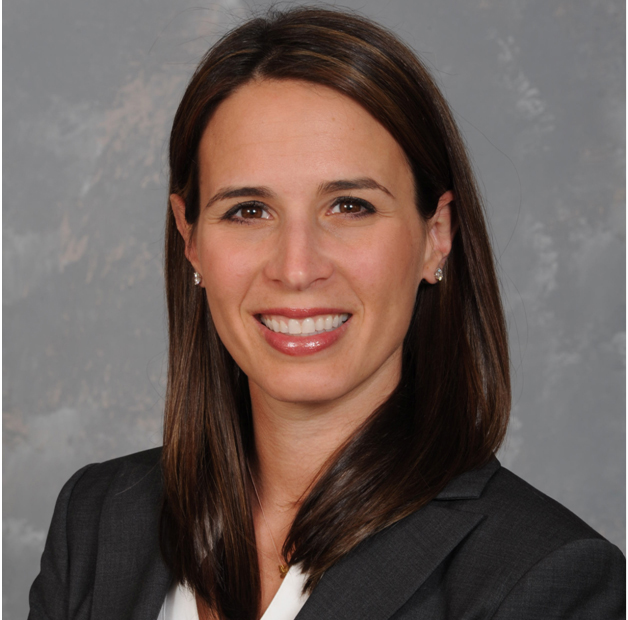


Spotlight On: Kate Saft, Partner, Greenspoon Marder

Spotlight On: Kate Saft, Partner, Greenspoon Marder

By: Max – Crampton Thomas

2 min read March 2020 — As the epicenter of the tourism and hospitality industries, Orlando affords many opportunities for businesses within those sectors and also to the service businesses outside those sectors. During her discussion with Invest:, Kate Saft, a partner with Greenspoon Marder, spoke on the opportunities the Orlando area affords her firm, the benefits of technology and how the COVID-19 crisis is affecting business as usual. 

How has the COVID-19 pandemic affected your firm? 

 We have seen consistent delays and pauses in our financing and real estate deals as a result of the COVID-19 pandemic. Some clients are anxious to complete as many pending transactions as possible given the uncertainty of what is ahead.  Others are seeing deals in which they can be competitive in light of the interest rate drop. We do anticipate some logistical issues, particularly in-person closings, which is why online notarizations are helpful.


How does the Orlando region provide opportunity for the firm? 

Orlando is the epicenter for the tourism and hospitality industries, including, specifically, the timeshare industry. Our Orlando office focuses heavily on representing timeshare clients, hotel operators and real estate developers, and that representation has led to many legal opportunities for Greenspoon Marder. 

Within the hospitality industry there are a plethora of legal issues that arise, including real estate transactional matters, marketing matters, lending and securitization transactions, consumer litigation, employment litigation, commercial litigation, and regulatory matters under various state and federal acts, including but not limited to the Fair Debt Collection Practices Act (FDCPA), the Telephone  Consumer Protection Act (TCPA), the Fair Credit Reporting Act (FCRA) and the Fair Labor Standards Act (FLSA). 

Our firm was founded with a focus on the core practice areas of real estate litigation. We have seen demand for those practices increase, not only throughout Central Florida but across the United States. We are pleased to be able to meet the needs and demands of our clients in these areas. We are consistently looking to expand our real estate, timeshare, corporate and litigation practice areas, not only in Orlando but on a national level, as well.


Is there any particular legislation that you are keeping a close eye on in 2020?

We are closely monitoring two Telephone Consumer Protection Act (TCPA) petitions pending in the Supreme Court that challenge the constitutionality of the TCPA. In particular, there is a petition pending that questions whether a single call necessarily results in injury that is concrete for the purposes of Article 3 standing and a petition that questions whether the restrictions on using an automated telephone dialing system or an artificial, pre-recorded voice violate the First Amendment. We are very interested in the results of these petitions and how they will affect our hospitality clients.


How does new technology benefit your practice and the legal sector overall? 

Technology makes it easier for us to connect with clients and reach potential new ones. All of our employees, from partners down to staff members, have access to virtual connections to safely access our clients’ information anytime and anywhere. We hold regular meetings through video conferences, sharing our expertise, so other attorneys are aware of the practice areas within our firm. In that way, we are able to utilize the specialties of all our attorneys to assist clients who present a diversified set of legal needs.

To learn more about our interviewee, visit: 

https://www.gmlaw.com/

Spotlight On: Larry Thompson, President, Ringling College of Art and Design

Spotlight On: Larry Thompson, President, Ringling College of Art and Design

By: Max Crampton-Thomas

2 min read March 2020 — While all higher education institutions operate with the purpose of preparing students for future lifelong careers, Ringling College of Art and Design is also working to shatter the myth of the starving artist, school President Larry Thompson told Invest:. He also spoke about the increased student interest in offerings from the school, positioning the college for future long-term success and identifying the issues that need to be addressed in higher education. 


What was one of the major successes for the college in 2019?

In December 2019, we opened the Sarasota Art Museum, which is a part of Ringling College. It is built on the site of a historic high school from 1926 located right in the middle of Sarasota. We took it over because the school system was trying to find a use for it and we were looking for space for a museum. We were able to turn it into a contemporary art museum and a space for continuing studies and lifelong learning. This project has been a long time in the making, so we are quite pleased to have this as part of our campus.

Where are you seeing the most growth in terms of student interest? 

We have seen growth in our virtual reality major and have launched a new major in entertainment design. We are also seeing a huge increase in the number of students who are interested in the Collaboratory. The idea of the Collaboratory is to help our students get real-world experience working with real-world clients. We invite clients to the institution and put together teams of students who work to help solve some of the problems that clients might be having. It is a wonderful tool for the clients, and it’s great for the students because they are getting to work with real people. The projects they are working on also have true meaning. I like to tell people that one of the great advantages for our students is that it helps with the recent college graduate dilemma: They can’t get a job if they don’t have experience, but they can’t get experience if they don’t have a job. The Collaboratory gives them that experience.

How is the college working to change the perception of art as a career? 

As an art and design college, we are fully committed to shattering the myth of the starving artist. Too many people have this feeling that art and design are more of a hobby than a career and that there are no real careers out there. This has never been true and it is certainly not true in today’s society. We focus on making certain that our students, when they graduate, have great careers. Over 100 national and international companies recruit here. These are corporations like Apple, Google, Pixar and Disney. The world has changed so much, having become a much more visual world. This has created more opportunities than ever before for artists and designers.

How are you positioning the college for future long-term success? 

We have to look at what the future holds, especially in this age of artificial intelligence (AI). AI is just in the early stages but many different jobs are going to be eliminated once it takes off. We also need to be looking at where the economy is headed. Everyone needs to be positioned for the next stage, which we are calling the Creative Age. In history, we have had the Agricultural Age, the Industrial Age and the Technology Age. The Creative Age is next because creativity is going to become one of the most essential skill sets people are going to need for success in the future. I believe this is already starting to be recognized on a global scale.

What do you view as the most significant challenges facing higher education? 

There are numerous challenges facing higher education, especially private nonprofit institutions. The whole basis for the business model needs to be rethought and recreated in some manner because being so tuition-dependent is not sustainable over the long term. Tuition is at such a high level that it is almost out of reach for many people, which leads to a huge issue with students having the ability to attend a school like ours. We are doing many things to mitigate this, such as offering financial aid and scholarships, which are among our greatest fundraising needs. Every college is trying to solve the problem of the business model.


To learn more about our interviewee, visit: 

https://www.ringling.edu/

Spotlight On: Joe Devine, Executive Vice President and Chief Experience Officer, Jefferson Health

Spotlight On: Joe Devine, Executive Vice President and Chief Experience Officer, Jefferson Health

By: Max Crampton- Thomas

2 min read March 2020 — The healthcare industry is poised to revolutionize how it cares for its patients through cutting-edge technology, at a time when a transition toward outpatient services is further consolidating. Executive Vice President and Chief Experience Officer at Jefferson Health Joe Devine discusses with Invest: the priorities for the group amid these new trends. 


How does Jefferson Health stand out from other healthcare players in the region?

We have a seamless care system in the region. Our location in South Jersey is less than 17 miles from the main Thomas Jefferson University Hospital in Philadelphia. We also provide services in South Jersey that have historically only been provided by Jefferson in Philadelphia, such as Magee Rehabilitation, which recently opened a service at our Cherry Hill hospital. Our technological innovations and telehealth are also sizable differentiators. Jefferson is a truly focused clinical academic medical center that combines teaching and medical care. In New Jersey, we are a teaching hospital for the Rowan University School of Osteopathic Medicine, as well as a training location for the Jefferson University Physician Assistant program. 


In what ways has technology disrupted the healthcare industry?

Technology is so advanced and outstanding that it works extremely well. For example, we have a neural flow program for patients with mental health issues that helps us with their evaluation. We also have implemented home-monitoring care technology that improves access, and we have succeeded in advancing our linear accelerator when it comes to treating cancer patients, an area that is more precision-driven. The cost of such technology is higher, but we do not transfer that cost to our patients. We are working on ways to inject further efficiencies in the process to continue providing benefits to our patients, including our telehealth program (JeffConnect), 3D mammography, 3D ultrasound, and other advancements like ABUS (Advanced Breast Ultrasound System). These have gone through substantial technological improvements, which are critical in the delivery of care. Technology will continue to be at the forefront of what we do, combined with the important humanistic aspect of providing care. We are also bolstering our smartphone app platforms to improve communication and follow-up processes with our patients. JeffConnect enables patients to receive personalized healthcare through their smartphone or computer. 


How is Jefferson Health tackling the local community’s health issues?

Every three years, we are required to undertake a community health needs assessment. What is great about this initiative is that all hospitals in Camden County work with the Departments of Health to shed light on the key health categories in which we should invest. In 2017, for example, it was primarily diabetes. We created a medical school and a district program with a comprehensive diabetes management program for Medicaid recipients, powered by telehealth services and coupled with a robust home care component. It helped improve patients’ health while minimizing their hospital visits. We are looking to continue providing innovative services, while at the same time contributing to building an effective population health model, as healthcare transitions more into outpatient services. As shown from the most recent community health needs assessment, the priority continues to be tackling metabolic diseases. We have a robust diabetes education program, as well as a very successful bariatric surgery program to assist with those needs.


How does Jefferson Health contribute to local efforts to reduce the disparities in care access?

For years, we have had family health centers, which in yesterday’s terminology were called clinics. We have two robust centers, one in Washington Township, Gloucester County, that offer comprehensive internal medicine, pediatrics and OB/GYN services. The other center is located near our Stratford hospital to service the Camden County community. We see a minimum of 20,000 patients a year in those facilities. The purpose of those centers is to serve the underserved.

We also have a partnership in South Jersey with the Food Bank of South Jersey. Any one of our 5,200 employees in New Jersey can participate in some way with the Food Bank. We encourage donations four times a year. It is tied to the health of people we serve.


What are the fastest-growing areas of care and service in the South Jersey region?

End-stage renal disease is more prominent throughout this nation for a lot of different reasons. We started a dialysis program in 1992 to attend to this growing issue with a single, six-bed station. We now have 55 stations. In this market alone, there are more than 200 stations nationwide. It is something we need to address. A close second is the opioid crisis. We do see patients come back multiple times. Unless you have the right post-care model, you cannot treat this illness. Unfortunately, it is growing. Third, is cancer care. This area is becoming increasingly robust with procedures like genetic testing and screening. We are working to put models in place so that when a patient is diagnosed with cancer, we look at the entire family. 


What is your outlook for South Jersey’s healthcare sector for 2020?

The sector in New Jersey continues to grow. We have some great hospitals here. Having served as board chair of the New Jersey Hospital Association in 2019, I can attest to these outstanding facilities. By 2025, it is likely we will see the consolidation of close to five healthcare systems across the whole region. We are going to continue to expand and develop a model that provides the ability for patients to have choices and become part of our network. We are working to become the most patient-centric organization in healthcare in the region. 


To learn more about our interviewee, visit: 

https://newjersey.jeffersonhealth.org/


Spotlight On: Mike Allen, President, Barry University

Spotlight On: Mike Allen, President, Barry University

By: Max Crampton-Thomas

2 min read March 2020 — Higher education must consistently and constantly look to innovation and diversification in order to differentiate and remain a top option for incoming students. Mike Allen, the first lay president of Miami’s Barry University, discusses how the school fosters a more diverse environment by attracting students from many different backgrounds, as well as working closely with the private sector to insert its students naturally into the workforce.


 What are Barry University’s top near-term priorities?

 If there is one area that’s really driven my time, energy and priorities, it’s our external presence as a university. This is a really impressive university in terms of our faculty, what we teach, how we teach it and the quality of experience that our students have, but not nearly enough people know about us, about how special this place is.

We have 65,000 living alumni, and they are not nearly as connected to the university as we would like them to be. That is unusual, because every time I meet some of these alumni, they are so passionate about their school, they more than like it, they love it. They had a great experience and they are excited and want to be involved, but we just haven’t had that presence out there.

Another aspect of that is our role in South Florida. Barry University is a really important part of the South Florida community. The educational institutions are pivotal to South Florida’s economy and to its families. We are working hard to increase our visibility in the South Florida community. 


How does Barry University insert itself into South Florida’s larger higher education environment?

One of the big misperceptions about Barry University and other schools like Barry, particularly in South Florida, is who we serve. People tend to think that, because we are a private institution, our students tend to be very well off financially. Certainly, some of them are, but by and large, we serve some of the most financially disadvantaged students in South Florida.

That does not say anything about their abilities. They are talented and prepared, eager to learn and bright students, but they don’t always have the financial means to fund college for themselves. We’ve become very affordable as an institution. One of the most irrelevant figures out there these days is the sticker price of admission. One hundred percent of our students get some degree of financial aid. In fact, a heavy majority of our students receive a substantial discount on their tuition, and it has become very affordable because of that.

With that, we are also able to serve one of the most diverse populations of college students that you’ll see anywhere in the country. That is a source of great pride for us. As a result, our students learn so much more than just what we teach them in the classroom. They learn from the person to their right and their left, from their roommates, because everyone is coming from such a different place.


How is Barry preparing students to enter a more demanding workforce?

One of the things that we really try to emphasize here is experiential learning. Here in Miami, I’ve been really impressed with the intentionality by which the universities and business leaders work together. I give a lot of credit to the Greater Miami Chamber of Commerce, the Beacon Council, the Executive Roundtable, among others, for a great dialogue between higher ed, industry and nonprofits about universities doing a better job in meeting the needs of employers. That is really critical to what we do.

We have a program called SMIF, the Student Managed Investment Fund, which is a group of students, led by one of our faculty members, that invests a portion of the university’s endowment. They invest almost a million dollars of our endowment every year, working alongside our investment committee and our board of trustees, as well as our professional advisers. Their earnings have mirrored or have been better than our professional advisers and this year we allocated them another $100,000 because it fits our needs in every way possible. 

We also have a really impressive media lab. The field of communications is another example of people in a liberal arts setting who want the foundations of theory but at the same time they want to be broadcasters, they want to be on the radio, on TV, reporting the news. Our media lab has a live studio, and it serves not just the “talent” folks, but also the control-room folks, putting programs on the air.

We also received a $650,000 grant from the National Science Foundation for STEM education. It provides scholarship support for students to major in STEM areas here, with the goal of increasing degree completion for low-income, high-achieving undergraduates.


To learn more about our interviewee, visit: 

https://www.barry.edu/


Spotlight On: Darryl Dewberry, CEO, The Spectrum Companies

Spotlight On: Darryl Dewberry, CEO, The Spectrum Companies

By: Felipe Rivas

2 min read March 2020 Charlotte has recently become the new headquarters for several national corporations, with tech giant Honeywell and online lender Lending Tree among those moving into the city. Goodwill on the part of the city’s officials and private sector leaders has allowed the city to promote itself more aggressively in recent years. In an interview with Invest: Charlotte, The Spectrum Companies CEO Darryl Dewberry talks about infrastructure challenges and reimagining affordable housing to make it happen.

What is making Charlotte a more attractive city for company relocations?

Over the last few years, several elements have come together to make Charlotte an even more attractive city to live and work and to help promote Charlotte in a more powerful way that includes surrounding counties as one unified region. The Charlotte Regional Business Alliance brings the region together in a new way from an economic standpoint. Charlotte Center City Partners has made changes that expanded its reach outside the CBD to both the south and north. The latest game-changer was the city creating a group headed by Tracy Dodson as an assistant city manager to focus on coordinating the private and public sectors in the recruitment of new companies to our city. 


How do you work the mixture of new-from-scratch to refurbishing older structures when looking at one of your projects?

It depends on where you are. Charlotte is not blessed with a lot of what I call the “brick and beam” stock, those older industrial buildings such as in south of Market in San Francisco that have been reimagined without being torn down. Charlotte’s South End has some of those authentic buildings, but most of what we’ve had to do as a community is create that. It takes a lot of imagination and a commitment to quality, but we are creating environments that have a soul, even without the benefit of those original brick-and-beam buildings. And while this poses some unique challenges, we’ve been successful in developing mixed-use neighborhoods and projects that have a great energy and synergy that attracts people and companies. 

Spectrum is in the mixed-use, multifamily residential and office business. We also do some hospitality. What we have found to be most powerful is bringing together multiple uses such as hospitality, office, retail, multifamily and other combinations. It makes it more complex, and it takes longer, but if you do it right and create synergies, you create soul. The projects change lives by creating special places, which is the mission behind everything we do.


What strategies are being put in place in the city to promote affordable housing?

We need a more comprehensive plan that brings together the public and private sectors locally and at the state level to address our critical lack of affordable housing. We’ve been talking as a community about building 300 truly affordable housing units a year, but we need more supply than that. The public-private effort that has raised more than $100 million for affordable housing is a good start, but it is not going to go that far.


What challenges could Charlotte start facing as it continues to grow?

Charlotte has to make sure it does not become complacent. We have transformed our public sector, adding a lot more perspectives than we had 10 years ago. It causes some friction, but overall, everybody works together really well. There is a lot of collaboration and different perspectives coming together as the community becomes more diverse, and this is producing ideas and developments that are more dynamic and attractive long term.

One of our biggest challenges is to make sure that we have the infrastructure in place: water, sewer service, electricity, and services in general. That is an area where our community has done a great job relative to competitor locations.

Another challenge, on a regional basis, is transportation. People talk about affordable housing, which is a serious need in every community, but you have to be able to get people to and from their jobs as well. We really need to step on the accelerator on developing the east-west light rail Silver Line, which would dramatically increase access to jobs. We also want to make sure that we continue to invest in our airport, which continues to be one of Charlotte’s primary economic drivers because it can easily take people anywhere in the world. 


To learn more about our interviewee, visit: https://www.spectrumcos.com/


Spotlight On: Michael Chin, General Manager and Regional Director for Eden Roc Miami Beach/Nobu Hotel Miami

Spotlight On: Michael Chin, General Manager and Regional Director for Eden Roc Miami Beach/Nobu Hotel Miami

By: Max Crampton-Thomas

2 min read March 2020 — The hospitality market in Miami-Dade may have started to feel a level of oversaturation but the market overall is still at an advantage in comparison to other large markets across the nation due to location and a friendly tax environment, Michael Chin, general manager and regional director for Eden Roc Miami Beach/Nobu Hotel Miami Beach, told Invest:. He also discussed embracing the sharing economy as an alternative rather than increased competition in the market and the difference in demographics that options like this attract. 


With new entries into the region, do you believe the hospitality market in Miami-Dade is nearing a level of oversaturation?  


Miami is in a position where some hospitality entities feel a level of oversaturation, but I don’t think we are in that kind of market yet, especially when compared to markets like New York, Chicago, Los Angeles or Las Vegas. We have a mix of boutique and local hotels, and we are starting to see developments for the larger hotels coming into the area. This includes the expansion of some larger properties in the Downtown  and Brickell areas. The demand is still there in regard to new hotels in Miami-Dade.


What is the biggest advantage to your location in Miami Beach? 


Our biggest advantage in regard to where we are located is right out our back doors: the beach. The number of properties that have direct beach access is what people come to South Beach for. Right now, some of the hotels, like in Downtown Miami, aren’t as attractive to certain visitors coming to Miami because they don’t want to be in an urban area. They do not want to just see the water, they want to be at the water. This is why our location on the beach is probably our biggest attraction for new guests. We also have an advantage thanks to our offerings in comparison to our neighbors. We thrive off of the proximity to the Fontainebleau. We may not have the capability to have a nightclub on our premises like the surrounding hotels, but the people who come in here and visit us prefer us as an alternative place to go to eat and have a different type of experience.


How do you view newer entries into the hospitality market like Airbnb and the sharing economy? 


My background comes from a corporate hospitality structure and we addressed the issue of the sharing economy on a corporate level years ago. Since then, my stance really has not changed. We cannot view services like Airbnb as competition, they are simply just an alternative. The consumer is going to stay where they want to stay. If their preference is to have longevity and a lot of space, then they are going to choose an option like Airbnb because it is something that they will not get in a hotel. People who stay at hotels, stay based on what they are looking for. Today, the demographics related to age, income and food preferences are going to determine where a person stays more than the price of a hotel or its location. The hospitality industry has corporate executives who sit in a room and  determine how they are going to capture every type of traveler out there and how they are going to define every generation, demographic and region to find a suitable hotel choice for them. At a hotel like ours, travelers are going to stay here because they want the features of convenience in regard to housekeeping, room service, amenities and entertainment. Hotels have the consistency value. You have expectations when you stay in a hotel. There are a lot of factors that go into why a person picks and chooses where they want to stay but it all comes down to preference. 


How does the hospitality sector in Miami have an advantage over other large markets across the nation? 


People still want to go to places like Orlando, Dallas or Las Vegas, but every city has its issues, whether that’s overtaxation like in California or overpopulation like in New York. We have the opportunity to attract those tourists to a new market like Miami that doesn’t have these issues. It is about us getting out there to advertise Miami as a viable option to host both tourists and business travelers. Events like the Super Bowl help strengthen this idea.


To learn more about our interviewee, visit: 

https://www.edenrochotelmiami.com/


Spotlight On: Lynda Remund, President & CEO, Tampa Downtown Partnership

Spotlight On: Lynda Remund, President & CEO, Tampa Downtown Partnership

By: Max Crampton-Thomas

2 min read March 2020 — A downtown is the city’s core and ultimately the face of any given region, so it is important to ensure that it is as strong as possible, said Lynda Remund, president and CEO of the Tampa Downtown Partnership during a conversation with Invest:. Consistent reinvestment and place-making are major keys in unlocking the full potential of what the Downtown Tampa area can be, she said.


How important is a strong downtown to the economic growth of Tampa Bay? 


If you go to any city in the United States or around the world, you will see that a strong downtown is their central core and is really the face of that region. I believe it is very important that we have that strong city center. Downtown Tampa is growing by leaps and bounds and we are excited about that. A quick look around Tampa reveals that the Downtown area is not only growing but so are the outskirts and the suburbs. This is apparent when looking at areas like Midtown and projects like those in West Shore. We are proud that Downtown is such a strong center for our city, but happy to see that the region is developing as well.


What is the Tampa Downtown Partnership’s role in developing the Downtown area? 


We do a lot of place-making in Downtown Tampa, and it is really about creating a space for people to gather and make things happen. For example, our ambassador program, which is like a concierge on the street, helps with things like directions and restaurant suggestions. The participants are feel-good ambassadors who can talk to visitors, residents and workers who are Downtown and make sure they are happy and having a good experience. We also have our litter patrol out on the street to ensure our beautification efforts are being met. We advocate for transportation solutions for the Downtown, like safer streets, pedestrian crosswalks, wayfinding signage and anything else that is going to make a person’s experience better.


One of our top priorities is reinvesting into the Downtown area. We are looking at getting involved in some small-scale capital improvement projects. We will be reinvesting in a couple of small projects that will help pedestrian safety in regard to signage, lighting and aesthetics for the Downtown. Downtown is probably the safest place in the whole city and we are working to make it even safer. We are also bringing the International Downtown Association Conference here in October 2020. That is an audience of about 1,000 people from around the world, consisting of planners, elected officials, architects and business leaders. All of these experts will be here to share best practices and we are excited to receive them.


How important is smart growth to the development of Downtown Tampa?


Smart growth is vitally important to the Downtown region. Having a strong city center is the basis for any successful city. Tampa is now being recognized as a top spot not only in Florida, but in the nation. We have hundreds of new residents moving into this region everyday. Our statistics show that housing in Downtown alone has increased 219% in the last 11 years. I believe the growth that is happening now is sustainable growth, and I do not believe that is going to change. There are more cranes Downtown than ever before and new businesses are continuously moving in here. People are making the investment into Tampa and especially Downtown. 


What would you identify as the biggest challenge facing economic development in this region?


One of our biggest challenges in this region is obviously transportation, so having a commuter system in place will help to mitigate this issue. We often hear from big companies that are looking to move here or even conventions hoping to come here that they are looking for a place where people are able to move around easily. We are starting to provide more of these options, but we have so much more work to do to become a more viable option for people.


To learn more about our interviewee, visit: 

https://www.tampasdowntown.com/

A look at American Airlines’ Charlotte operations: 700 daily departures and counting

A look at American Airlines’ Charlotte operations: 700 daily departures and counting

By: Felipe Rivas

2 min read Feb 2020From its strong headquarter relocation culture to its growing population and access to both capital and high-skilled talent, the Queen City has been flying high for several years. Undoubtedly, much of the region’s success can be directly attributed to the Charlotte Douglas International Airport (CLT) and the American Airlines hub that now serves more than 700 daily departures. 

The airport is undergoing a $3 billion makeover, modernizing and expanding its infrastructure with American at the center of the renovation efforts. In this process, the airport and American are helping recruit companies to Charlotte and training the next generation of the aviation workforce.  

This past holiday season, the airport renovation projects began to materialize as American added four gates on Concourse A to its Charlotte operations. “Charlotte 700” refers to American’s growth strategy in the Queen City and aims to serve more than 700 daily flight departures, a figure which Vice President of Operations Dec Lee said the airline surpassed. “Charlotte 700 refers to our original plan to have 700 flight departures a day, but we are actually over 700 departures a day now,” Lee told Invest: Charlotte. “Every time you want to add options for customers, you have to make sure that you can handle that and still have a great operation. We have a great collaboration with our network team and with the airport to build the right flight schedule,” he said.


The airport and American have been a vital part of the region’s economic diversification success and thriving headquarter relocation culture. “When you listen to some of the corporate announcements explaining why companies have moved here, you often hear about the ability to fly out of the hub. It is a great experience, particularly for business travelers, to be able to fly out in the morning and come back in the afternoon,” Lee said. Charlotte Mayor Vi Lyles echoed Lee’s sentiments. “We have invested heavily to make our airport a transport hub for the region with access to global businesses,” Lyles told Invest: Charlotte. 

Charlotte government officials and business leaders have been working in tandem to promote the Queen City as a business destination to local and international companies. One major target sits across the Atlantic. “This year, we will make a concerted effort to reach out to companies in Europe to let them know that Charlotte, thanks to its strong travel infrastructure, is a viable destination for their U.S. expansion,” Lyles said. 

For those interested in aviation, mechanics and engineering, American could be a potential job destination. The airline is coming to the end of a labor cycle, meaning opportunities will open for young workers. “We have a population of mechanics and pilots who are beginning to reach retirement age. That is unfortunate for us, but it is a fantastic opportunity to bring new folks into an industry that is doing so well compared to the early 2000s,” Lee said.  Overall, the future looks bright for the next generation of pilots, mechanics, and flight attendants. “You are bringing people into an industry that is growing and vibrant, and these jobs are exciting jobs.”


To learn more about our interviewees, visit: 

https://www.aa.com/homePage.do https://www.cltairport.com/

https://charlottenc.gov/Pages/Home.aspx