South Florida to Address Heavy-Hitting Priorities Ahead of Election 2020

South Florida to Address Heavy-Hitting Priorities Ahead of Election 2020

By: Sara Warden

2 min read January 2019 — With its status as one of the most important swing states in federal elections, Florida’s voting pattern generally serves as a bellweather for the overall outcome. With President Donald Trump running for re-election in November 2020, South Florida’s agenda for the year is packed with contentious issues, such as gun reform, climate change and foreign policy.


 On Dec. 23, an appeal was filed by the state government against several Florida cities, including Miami Beach, Fort Lauderdale and West Palm Beach, arguing the cities were flaunting the law by applying harsher restrictions on guns than exist on a state level. “If allowed to stand, the decision will not only invite the development of a patchwork regulatory regime in the area of firearms but also render the Legislature impotent to deter power grabs by local officials in other areas,” the brief argued. The issue of gun reform is set to remain a key issue as the 2020 election nears.

Another issue coming back to the forefront is climate change, and South Florida is disproportionately affected by rising sea levels and potable water availability. In November, Gov. Ron DeSantis appointed the state’s first chief science officer and the 2020 legislative session is expected to put more emphasis on climate issues. “State agencies are now beginning to collaborate on these important issues and gather at a leadership level to talk about resilience and how to plan for sea level rise,” Noah Valenstein, secretary of Florida’s Department of Environmental Protection, told the Herald Tribune.

But by far, one of the most headline-grabbing issues leading up to the election will be President Trump’s flagstone immigration campaign. According to the most recent census data, about 23% of the population of Palm Beach County identify as Hispanic or Latino, and the same is true for around 19% of the Fort Lauderdale population. The Democrats chose to host their first presidential debate in Miami, a city where more than 70% of the population is Hispanic, partly because of the immigration platform.

“Latinos are still seen as a monolith,” says Liz Alarcon, a Venezuelan-American Democratic activist and author of Caracas Chronicles, told TIME magazine. “Politicians as a whole still don’t get it, and that’s a problem.”

U.S. Latin America policy is expected to play a major role in the South Florida 2020 electoral result, and Trump has been largely praised by the Latin American community for his tough stance toward Venezuelan President Nicolas Maduro. “Florida elections always come down to margins,” Frank Mora, a professor of politics at Florida International University, told the New Yorker. “Foreign policy is intensely local in South Florida.” Because of the high concentration of Latinos in South Florida, foreign policy related to Latin America hits close to home.

It could also help decide who wins Florida in 2020.


To learn more, visit:

https://www.flgov.com/

https://www.caracaschronicles.com/author/lizrebeccaalarcon/

https://pir.fiu.edu/people/faculty-1/faculty/frank-mora/

https://floridadep.gov/sec


Spotlight On: William Reichel, President, Reichel Realty & Investments

Spotlight On: William Reichel, President, Reichel Realty & Investments

By: Max Crampton-Thomas 

2 min read December 2019 — The real estate market in Palm Beach County and South Florida is one that is marked with ebbs and flows, so it takes real market knowledge to be able to successfully navigate it. Invest: spoke with local market expert William Reichel, president of Reichel Realty & Investments, on all things related to commercial real estate in the county. He spoke of embracing the current regulatory environment as opposed to holding out hope it will change, his outlook for the real estate market and some significant emerging trends in the industry. 


 What challenges does Palm Beach County present in terms of the commercial real estate sector? 

Generally speaking, Palm Beach County is very pro-business, but it presents challenges as well for the commercial real estate sector. So much of business growth is dependent upon the process, and the ability to deal with the complexities, various codes and government agencies within the county and its 39 municipalities. 

I had a partner who would say, “It’s harder than it used to be, but it’s easier than it’s going to be.” That means it’s important to embrace the current regulatory environment rather than holding off in hopes it may change. We focus our 30-plus years of commercial real estate experience in this market on navigating the challenges for clients, which includes knowing which professionals to utilize in the approval process depending on where in the county the project is located. 

What do you predict for the next year in the real estate market? 

The real estate market in Palm Beach County will continue to grow, and I don’t see anything stopping it. While there will be ebbs and flows, there’s a lot of capital and tremendous wealth in the area that is driving the market. As a broker, we get paid when the transaction is completed, so we are incentivized to be engaged in the whole process, to make sure that it goes smoothly, is done properly and is as timely as possible. 

What emerging trends have you observed over the last year and how have these affected demand on the market? 

One of the large, emerging trends weve seen in commercial real estate is shared office space, which has become a national phenomenon, and it’s growing here in Palm Beach County. Another trend we‘re seeing is growth of health- and fitness-related facilities that aren’t just gyms but also incorporate other modalities such as yoga, recovery, saunas and more. As the baby boomer generation gets older, they want a quality of health and fitness, which includes exercise as well as recovery. We’re seeing an influx of those types of prospects, which we believe is a terrific fit in this market, given the demographics with significant wealth, and who are willing to spend money on their health. 

To learn more about our interviewee, visit:

https://www.reichelrealty.com/


Spotlight On: Mike Schultz, President & CEO – West Florida Division, AdventHealth

Spotlight On: Mike Schultz, President & CEO – West Florida Division, AdventHealth

By: Max Crampton-Thomas

4 min read December 2019 — AdventHealth promotes a model of healthcare based on prevention and promotion of healthier lifestyles to help keep a lid on the rising costs of medical attention. The organization is also trying to make use of technology to make it easier for patients to access healthcare even from their cellphones and make educated decisions about their wellness, said President and CEO of the West Florida Division Michael Schultz.


What has been AdventHealth’s key focus over the last year?


We worked to rebrand our healthcare business, including a name change to AdventHealth. The change was focused on bringing a new definition to healthcare. Historically, providers have been in the business of fixing health, but our philosophy is to maintain health and prevent episodes that could have been avoided through a healthy lifestyle.


Along with our rebranding as AdventHealth, we introduced the tagline, “Feel Whole,” which clearly illustrates our intent to promote a healthier lifestyle. We have been successful in the Tampa Bay market with respect to building a solid brand. Our expansion and acquisition projects are geared toward better covering the expanse of growth in the Tampa Bay market. We have a variety of things going on, from projects being completed or in the process of starting. We have also added to our list of assets, acquiring a couple of hospitals in Dade City and Ocala. 


We are also looking into partnerships to bring healthcare to the home. I believe that is the way of the future for the delivery of healthcare because you can do so many things now with high-speed Wi-Fi that helps patients avoid unnecessary trips to the hospital to get diagnosed and treated.


Why has your organization decided to focus on preventative healthcare?


One of the key aspects of preventive healthcare is our model of never discharging a patient. Historically, hospitals wheel out their patients and wave goodbye to them. We have taken the stance that we don’t ever want to discharge a patient. A visit may end, but we connect with our patients before they leave any of our facilities and ask them if we can assist them through the next level of care. That may be a follow-up visit, a better dietary regimen or access to medication. We offer 95% of our 200,000-plus annual patients access to care navigation and a large percentage of our patients accept the offer. That is a way of making sure they don’t go home and start repeating the same actions that brought them to the hospital in the first place. This helps with maintaining health, reducing cost of healthcare and gets us in a space where we are directly connected to the patient. 


We have been intentional in making sure our consumers have a wide variety of access to different sites of service based on cost. This allows them to make the smart decision and not go to an emergency room for a simple cough that could be treated at a physician’s office or an Urgent Care Center. We want to be transparent about the cost of healthcare so that consumers can make educated decisions regarding their medical needs.


We also are careful about marketing our different levels of care. One of the biggest initiatives we have begun to promote is connecting to our consumers via the way people get connected today, through their smartphones. We offer an app that helps you understand where you should and should not go for cost-effective care. We are hoping that through these types of apps we can better educate people to make decisions based on their condition and financial resources.


What challenges emerge from providing healthcare to diverse demographics, younger and older populations?


In many markets in and around Tampa Bay we are seeing a more elderly population moving in. Retirees are starting to discover the beauty of Tampa Bay. But in general Tampa Bay is a fast-growing, diverse community and it is a large geographic area. The key to addressing the healthcare needs of the diverse demographics is to ensure close to home access points, and the ability to connect anytime, anywhere.


We also believe we need to make every effort to make healthcare more affordable. Perhaps the way of the future is to help change the reimbursement model.  Currently, you pay when you are sick; a health system is incentivized to provide services to get you well. What if we changed that? For example: a health system might get $10,000 a year regardless if you are well or sick. If you get sick, and it costs the health system $25,000 to take care of you, it loses money. If the Health System keeps you well, and able to keep medical costs at $5,000 because it was proactive in looking out for your wellness, the system makes money.  


If we are going to help solve the cost problem in healthcare, we are going to have to work on aligning incentives around health.


How is the organization coping with the challenges of recruiting new healthcare talent?


First, there is a nursing shortage. At any given time, we have around 800 open positions at our seven facilities in the greater Tampa Bay market. It is difficult, particularly in Tampa, to recruit nurses because the sector is growing and there are many providers. We have developed partnerships with a number of schools to ensure that their nursing students have an opportunity to rotate through our facilities. We also have a partnership with Lincoln Memorial University and opened a nursing school at the AdventHealth Tampa campus. We started late in 2017 and our first class graduated in 2018.


Regarding the physician population, we have determined that there will be a supply shortage in the very near future. In this area, too, we have partnerships with several schools to make sure their students can do their rotations through our facilities, so they get exposed to us during their education and perhaps be invited to come work with us.


To learn more about our interviewee, visit: 

https://www.adventhealth.com/


Spotlight on: Nicholas Haines, CEO, Bromley Companies

Spotlight on: Nicholas Haines, CEO, Bromley Companies

By: Max Crampton-Thomas

The future of Tampa Bay is developing in front of our very eyes and there are a few select developers making this vision come to life. Real estate developer Bromley Companies broke ground in mid-2019 on its ambitious Midtown Tampa project. Company CEO Nicholas Haines discussed the importance of incorporating new tendencies, such as a pedestrian-focused design, and the challenges that both a proper mix of high-end and affordable housing present for the city.


What’s the status of the Midtown Tampa project?

We broke ground on the Midtown project in May 2019 and we are well under construction for the first phase. There are 11 buildings going up at the same time: three residential, two office buildings, and several retail, including a Whole Food Kitchen and True Food Kitchen, both of which are significant expansions in the market. There is also a 1,000-car parking garage that is already topped out, and we’re right on schedule. The goal is to finish it by the 2021 Super Bowl, which will be held here in Tampa Bay just a couple miles up the street. 

A lot of what we are doing now is spending a tremendous amount of time on the finishing touches of the common-space designs that create community. It is about creating an imaginative destination not just for the people working, living and shopping here, but for the neighborhood by adding public art and a feel for the place, all the things that make a space interesting and dynamic. We are building a city within a city — an entirely new district. 

What business trends are you keeping an eye on as you go ahead with this development?

Accessibility and pedestrian-friendliness. I just read about a development in Arizona, with 1,000 residential units and no parking. That is a bold thing for a non-superurban area. What we are trying to do is create one of the first, pedestrian-first mindset versus car-first developments in Tampa Bay and Florida. All the streets inside the development are private, which is a really interesting feature of Midtown Tampa. We are not constrained by the city’s rules regarding traffic and street design. For a big event like the Super Bowl, we can close the streets so that all the cars access Midtown from the periphery.

We have designed curbless sidewalks, for example, and dedicated ride-share drop-off areas. The city of Tampa is working on a number of mass transit initiatives and we are working to accommodate a mass transit stop on one of our main corridors. People are going to live, work and shop here because they want to wake up, go to a coffee shop, walk their dog at the dog park, go shopping at Whole Foods, have a drink at the hotel rooftop bar, and maybe work at one of the office buildings. They’ll also be able to ride a bike path that connects from Midtown Tampa to the Greenway Trail System, from Tampa to St. Petersburg, by crossing a 10-lane bridge at Dale Mabry.

Are there any other areas that you see as a hotspot or active as real estate developments for the moment? 

Yes, it’s really exploding. The Heights area is really interesting. St. Petersburg is incredibly exciting and a great example of a vibrant, urban place with the interplay between food and art. We are talking about a city that has transformed itself over 10 years in terms of the energy there. 

What is your outlook for the Tampa Bay region, and how do you see the region addressing its challenges? 

Regarding sustainability, it is really important to get the mix right between higher-end housing like we are building here and affordable housing. There’s a need to provide better incentives for the private sector to offer that kind of housing. You can only do so much as a city if everyone is building luxury apartments. It is an issue for all cities, but Tampa today does not have a cohesive development and zoning policy to encourage that. Tampa is still a very affordable place on a relative basis, but that affordability gap is narrowing. People who have been living here for a long time with a moderate income are being pushed further and further away from the urban core. 

Transportation is a huge thing too. In some ways, advances in mass transportation technology might help Tampa. The city might not have done it in the past, but in some ways that might not be the worst thing. Tampa might be able to take advantage of innovations in technology like self-driving buses to implement something that is very forward thinking, instead of having to put up the heavy infrastructure and the massive amounts of capital for a light rail system.

To learn more about our interviewee visit: 

https://www.bromco.com/

Decatur embraces “hipsturbia”

Decatur embraces “hipsturbia”

By: Felipe Rivas

2 min read December 2019 — Downtowns throughout the nation are popular among millennials for their walkability and myriad retail, recreation and lifestyle choices. But as millennials settle down and begin to outgrow their trendy Downtown apartments, the need to find a suburban neighborhood that is affordable, yet vibrant and walkable, has solidified itself as a trend to watch out for in 2020. Aptly described as “hipsturbia,” millennials across the nation are trading their city lifestyle for the suburbs, without losing their affinity for walkability and access to cool, a-la mode restaurants, retail and recreation options. Developers are tapping into the hipsturbia trend as seen by the proliferation of affordable, multi-use suburban communities in cities like San Francisco, Chicago and Atlanta. As a result, in October, The Urban Land Institute named “hipsturbia” one of the top emerging trends for 2020. 

In essence, “hipsturbia” suburbs are characterized by their vibrant downtowns that offer walkability, public transit and a variety of “hip” restaurants, retail and recreation. In the Atlanta Metro Area, Decatur, located In Dekalb County, is quickly embracing “hipsturbia.” Approximately one-third of Decatur residents could be considered millennials, according to the population figures on Decatur’s official website. This year, Niche.com, the neighborhood ranking and review site, rated Decatur as the No. 1 place, and suburb, to live in Georgia. Downtown Decatur offers a bevy of bars, restaurants, coffee shops, and parks, that add to its “cool” factor. The area has an urban-suburban feel that fits in with the “hipsturbia” trend. According to the Urban Land Institute, people living in communities like Decatur, are discovering that smaller communities can have the same appeal as big cities. The institute predicts that millennials will continue to move to communities that offer walkable spaces and “hip” amenities. 

Once touted as cash-strapped and debt-ridden, millennials are making an impact in the national housing market. According to the institute, “hipsturbia” is happening in major cities like San Francisco and Chicago, as well as smaller cities such as Charleston and Phoenix. As the lack of home affordability draws young families away from big cities and into the suburbs, it is possible that it will not take long for “hipsturbia” to transform from a trend into the preferred suburban development style of the future.

For more information, visit:

https://www.decaturga.com/

https://ulidigitalmarketing.blob.core.windows.net/emergingtrendspdfs/ET2020FallMeeting.pdf

Spotlight On: Lynn Stoner, Mayor, City of Plantation

Spotlight On: Lynn Stoner, Mayor, City of Plantation

By: Max Crampton-Thomas

4 min read December 2019 — To move a city forward both economically and community-wise, it takes a leadership with the forethought to develop for the future and individuals with their finger on the community’s pulse. The Mayor of the City of Plantation Lynn Stoner recently sat down with Invest: and discussed her first year as mayor, the key challenges her city faces, and how customer service has become the buzz phrase for her administration and how it deals with the community.


What has been a key focus of your first year as mayor of Plantation?


One of the many components that I chose to focus on is our transportation corridor. Plantation’s population is approximately 94,000 residents, 22 square miles and it’s right in the middle of the county, 10 minutes away from the Port Everglades and 15 minutes away from the airport. About 70% of the pass-through traffic on University Drive does not originate in Plantation, so one of my priorities was to be on the Board of Broward County’s Metropolitan Planning Organization. As a result, we will have adaptive lighting installed on University Drive starting in 2020. The following year, we will start the project on Pine Island, and we are in conversation regarding the bridge from Midtown across the river to State Road 84. These are hugely important and beneficial initiatives. Another major city initiative stems from 2016 when our citizens approved a $60-million bond issue. We are working now to complete these projects in the areas of public works, public safety, and parks and recreation. These projects will provide tangible improvements for residents, visitors, and businesses. 


We have people arriving to Plantation every day, calling or visiting to explore areas and opportunities, which has us absolutely thrilled. Being a strong mayor, I am trying to retain our hometown feel. I’ve lived here since 1970. I went to high school here and my three children and granddaughter are still in town. I understand the family component of Plantation. And keeping with this hometown feel, our first Light Up City Hall event was held on Dec. 7 and we anticipate making this as an annual event. 


What makes Plantation attractive to new businesses?


There was a time when Plantation was the golden city of the county. Now, many of the people that were raised here, are coming back . They have fond memories of where they used to fish, ride their bikes and go to our parks. They want to come back to raise their children in a similar environment.


We are focusing on maintaining that hometown feeling amid the development. We are now putting the finishing touches on our Midtown district, which was created in 1980 to be high density. We are handling the traffic in a manner that you feel comfortable coming here, taking a walk, riding a bike or taking a shuttle. We are focused on finding the right balance for our residents, visitors and businesses.


How is Plantation focused on government as a customer service?


As a contractor, I understand when people talk about their project costs. I understand their financial constraints when trying to put a project together. The city has codes that must be complied with but there is a way to present that information in a more palatable manner. City staff needs to understand the business consequences of their comments and we as a city need to understand the impacts of our rules and regulations and take a balanced approach. We are also striving to streamline business processes with a goal of transitioning to online plan review and permitting over the next several years as part of our “Paperless Plantation” initiative. This particular initiative is part of an overall effort through strategic planning that will focus on providing greater customer service across all 16 city departments. The City of Plantation believes in continuous improvement and every day we look for ways to better serve our stakeholders.


What are the main challenges that the city is facing as it grows economically?


Coming from the private sector, I always want things done a little faster. Still, when I look back over the last year, we’ve come a long way. Traffic and transportation are the main challenges, as well as sustainability. Along with our partners, Broward County, FDOT and MPO, our transportation initiatives together with Midtown upgrades will continue to offer a welcoming hometown feel that everyone will enjoy.


For more on our interviewee, visit:

http://www.plantation.org/

Spotlight On: Bill Schifino, Tampa Office Managing Shareholder, Gunster

Spotlight On: Bill Schifino, Tampa Office Managing Shareholder, Gunster

By: Max Crampton-Thomas

  2 min read December 2019 — A greater number of law firms in the Tampa Bay market may be a concern to some but for firms in the Tampa Bay region, these new legal-focused businesses are welcomed. Bill Schifino, the managing shareholder for Gunster’s Tampa Office, believes there is plenty of work for quality law firms throughout the region and that the collaborative environment between the various firms in Tampa Bay is a benefit to both his office’s practice and its clients. 


 Do you believe there is enough work to meet the increased supply of law firms in the region?


There is plenty of legal work in Tampa Bay for quality law firms and competent lawyers. I have been in this marketplace for 33 years, and the way law firms interact with one another has relatively remained the same. The law firms in this region play well together, and we refer work back and forth to one another because we sometimes have inherent conflicts in our cases. For example, if there is a business litigation case that involves multiple parties and the lawyer can’t represent them all, that lawyer will call other lawyers who may have been on the other side in a similar case in the past but who are capable and competent. So while I may have a case where I’ll see a credible law firm on the other side, one day they may be joining with me to help defend another group on a different case. 


How does Gunster’s statewide presence benefit your clients? 


One of Gunster’s attractions for me was the fact that I can offer my clients statewide coverage in all of the key markets. When I have a client with an issue, whether it be in Fort Lauderdale, Miami or Jacksonville, we can make sure they are covered because we have 200-plus lawyers around the state. It also helps that we have some of the best and brightest lawyers Florida has to offer. If I have a client with an issue-based question, and I do not have the talent here in Tampa to address it, I can consult someone from one of our other offices who has expertise in this area. This is how we handle all of our clients’ needs. Gunster also is a big believer in their lawyers serving their community, which is why you will see the firm extremely active in our respective markets.


How important is being a steward of one’s community to the success of a law firm? 


A law firm cannot attract the right talent without a commitment to community service, service to the profession and pro bono work. It is critically important that we as professionals give back to those less fortunate. Within the Florida Bar, a big focus is access to justice. In the criminal justice system, if you’re indigent then you are constitutionally entitled to a public defender, but what if you are someone that just really cannot afford a lawyer and are on the cusp of being below the poverty level? What happens if that person all of a sudden has a traumatic event in their life, and cannot get free legal service? We need to address how we as a profession can make certain that those people are being taken care of. The Florida Bar works extremely hard at addressing this issue, along with lawyers providing millions of dollars in pro bono hours to those in need throughout their community.


To learn more about our interviewee, visit: 

https://www.gunster.com/


Philly Bets Big on Biotech

Philly Bets Big on Biotech

By: Sara Warden

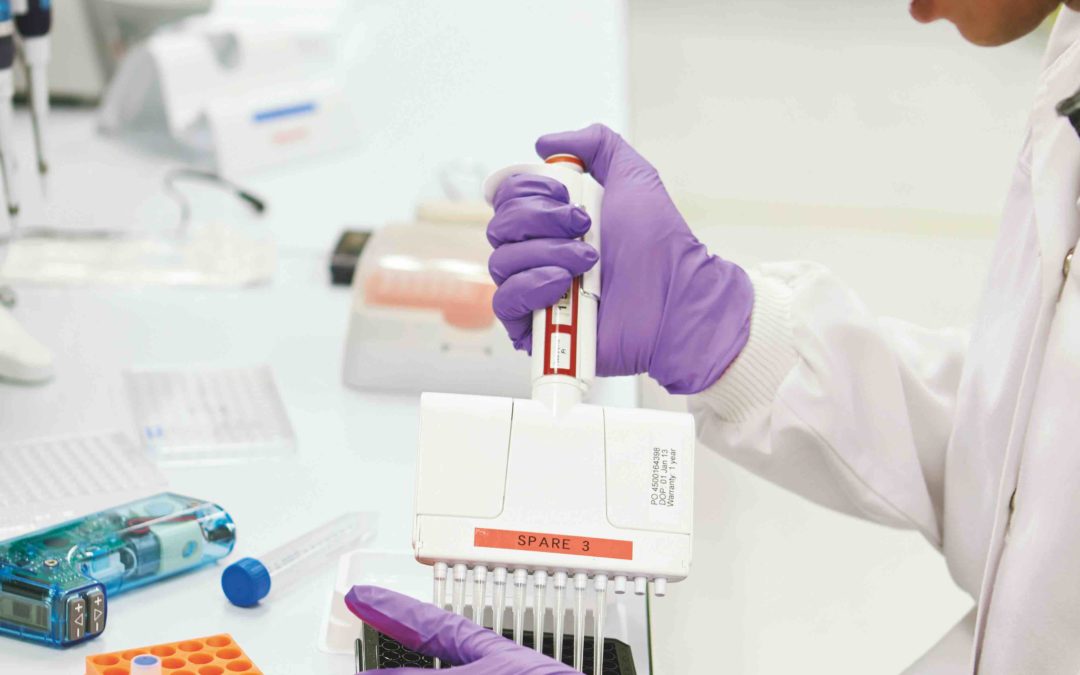
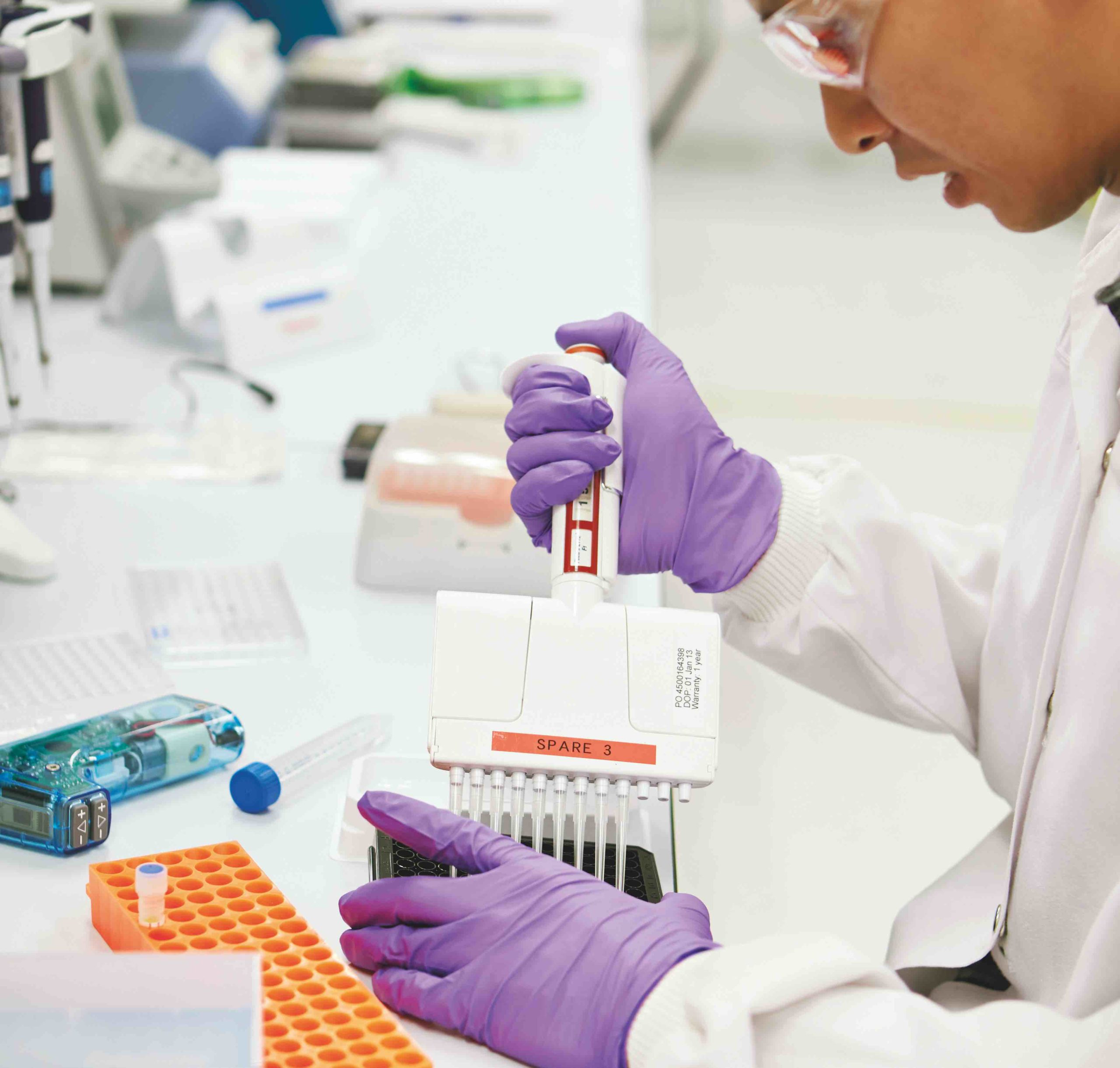
2 min read December 2019 — The biotech industry is unlike almost any other. Companies spend billions of dollars in drug development that can end in failure, generate little to no revenue but can still be worth billions of dollars. According to Toptal Finance, almost 80% of the companies listed on the Nasdaq Biotech Index (NBI) – around 150 – have no earnings, but they represent over $250 billion in market capitalization.

The average venture investment in biotech has more than doubled over the past decade, from $4.6 billion in 2005 to $12.9 billion in 2015. Why? Because when a biotech company wins, it wins big. And Philadelphia is one of the cities channeling its energies into attracting biotech investment.

“In general, we are punching below our weight,” said Dean Miller, the president of the Philadelphia Alliance for Capital and Technologies (PACT), during the Regional Biotech Conference hosted by the Pennsylvania Biotechnology Center last month.

In 2018, Philadelphia made it into the Top 10 ranking in the country in terms of most venture capital deals completed with 214, amounting to around $1.4 billion. During the first nine months of 2019, the number stood at 178. About 80% of VC is from other regions, said Miller, but “that’s not a big thing because capital is portable,” he added.

But Miller believes the $50 million Hatch BioFund life science incubator, established in July, will turn that trend around and allow Philadelphia-based companies to invest more in life sciences. “Entrepreneurs selected for the investment program will have the opportunity to be part of a highly successful ecosystem of support, resources, collaboration and knowledge sharing. We have tremendous talent and knowledge in our network, and are excited to bring the ideas and science that are incubating to the forefront of the life sciences industry,” said Vladimir Walko, CEO of Hatch Management, in a press release.

Another factor that boosts the sector is the fact that more and more companies are moving to the city daily as they can see the benefits it provides as a biotech hub. The latest to move to Philadelphia is Diverse Biotech, a biopharmaceutical company developing cannabidoil therapeutics for hard-to-treat cancers, including basal cell carcinoma, pancreatic cancer and glioblastoma.

The Pennsylvania Biotechnology Center, which opened in 2006, is one of the primary reasons why the company decided to make the move. Already home to a network of around 50 biotechnology, pharmaceutical and medical devices companies, Stella Vnook, Diverse Biotech’s CEO, said in an interview with the Philadelphia Business Journal that the center is “truly a tremendous scientific community and a perfect place for Diverse Biotech to continue its growth journey.”

Bradley Campbell, president and chief operations officer of Philadelphia-based Amicus Therapeutics, said innovation, talent and like-minded companies make the city one of the best places to set down roots for biotech companies. “We could’ve gone to Silicon Valley or to Cambridge, anywhere in the world really, but it was clear to us that we needed to be near the momentum, that spark of innovation, the entrepreneurship, the acquisitions, the medical centers — Penn, Temple, and Drexel, all right here in Philadelphia,” he told Philly Mag. “Being in proximity to so much innovation has been amazing for us.”

To learn more, visit:

https://www.toptal.com/finance

https://philadelphiapact.com/

http://www.pabiotechbc.org/

https://hatchbiofund.com/

https://diversebiotech.com/

https://www.amicusrx.com/

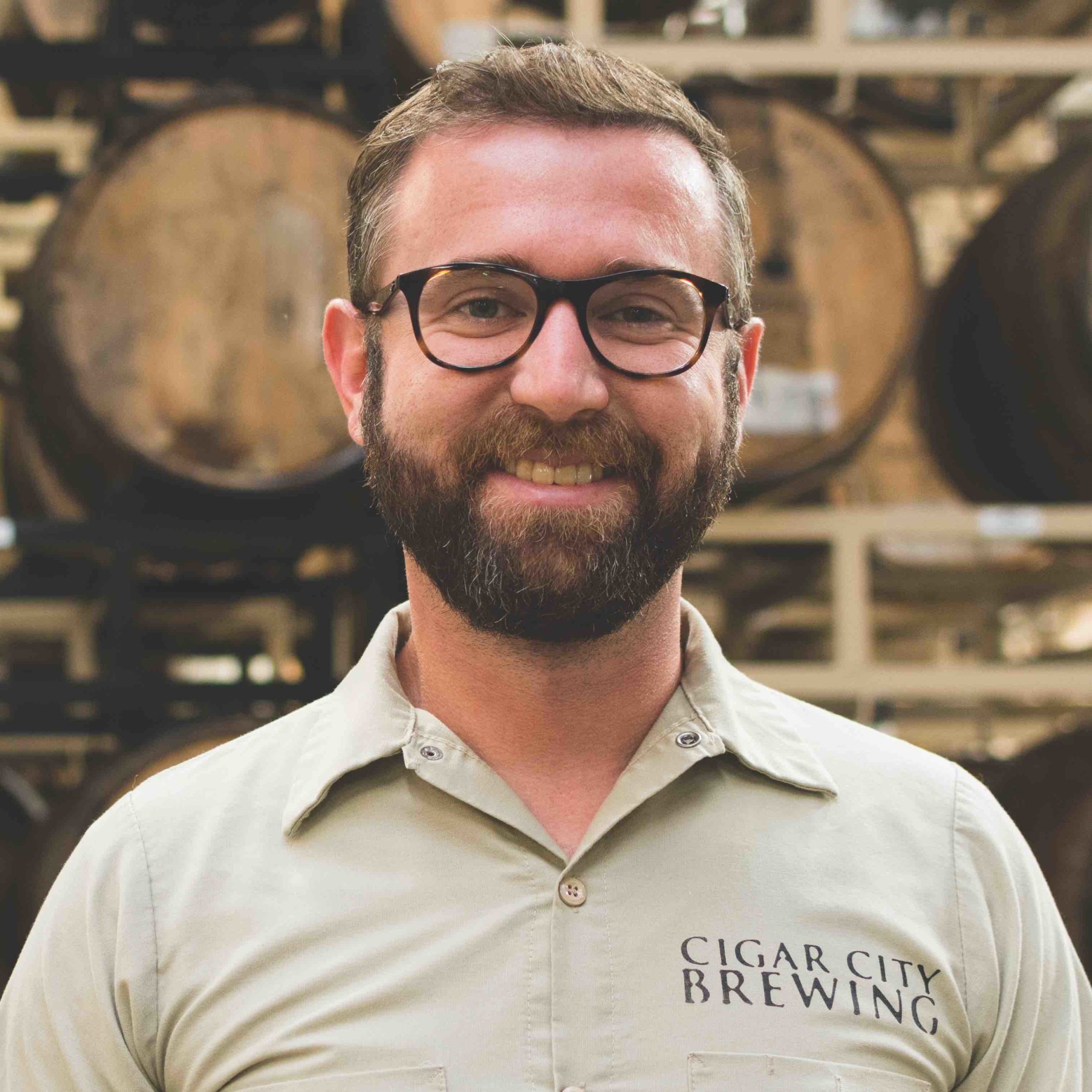
Spotlight On: Neil Callaghan, Brand Manager, Cigar City Brewing

Spotlight On: Neil Callaghan, Brand Manager, Cigar City Brewing

By: Max Crampton-Thomas

2 min read November 2019 — The Tampa Bay region is known for having and being headquarters to a wide variety of business types. While all these businesses contribute to the local economy and community in various ways, perhaps one of the most sought after and visited are the local breweries that call Tampa Bay home. One of the most well-known is Cigar City Brewing, which started as a local brand and has now expanded to become a widely recognized national presence. Invest: spoke with Brand Manager Neil Callaghan about how Tampa Bay has shaped the company, being stewards of the environment and the impact the brewery has on the local economy.


How has Tampa Bay influenced the brand and culture of your business? 


Our Brewery is unique in that so much of what we do is really influenced by the culture, the cuisine and the history of Tampa Bay. We feel like our success has really been part and parcel of the story of Tampa Bay resonating with people outside of the Florida area. We are extremely fortunate because we do get a lot of tourism to this region for a number of reasons, whether to visit family or go to the beach. Tampa Bay has really molded what we are doing as a company, from the names of our beers to how we market ourselves. This speaks to the way outsiders have responded to the culture of Tampa Bay as a whole. Tampa is still our biggest market by a long shot, and we are still growing at a double-digit rate in the Tampa Bay area, which is exceptional.


How important is consistent innovation to your business? 


The questions we constantly ask ourselves are: How do we keep people engaged? How do we keep them excited? And how do we keep that growth trajectory where it has been for the last few years? The answer is innovation. We are not a company that puts out a beer and just keeps pushing it for years. We have been incredibly fortunate with our brands like Jai Alai, which is our biggest seller, but at the same time it is the new brands, styles of beer, new ingredients and new processes that we are working with that keep people interested. Our innovation is really going to help us continue to grow for the foreseeable future. We are not just brewing the same beers that we were brewing five years ago. We always want to maintain the quality and consistency that we have never deviated from since day one, but our innovation is really where we are putting a lot of our chips these days.


How is Cigar City Brewing promoting environmental sustainability in the region? 


In the last year, one big innovation that we have worked on in regards to environmental sustainability is our move away from the clear plastic rings that hold the six-packs together. While they are sustainable, we felt like there was a better option and a better way to not only help our brand from a branding perspective but also to help the environment. We have now moved to cardboard wraps and these are much more environmentally friendly and recyclable. It has been a big project for us to literally change the whole way that we are packaging our beer, but again, it is an opportunity for us. We get more of our branding out in front of consumers because they are now looking at a box that is a lot more engaging than a collection of cans. Our vendors have a heightened focus on environmental sustainability as well. 


What is the economic impact of the brewery on the local region? 


We are employing around 70 people full time in the Tampa Bay area, and we are also employing sales teams all over the country. We are helping impact the local economy by this employment, but also by the amount of beer that we are selling. Because beer is a relatively highly taxed commodity we, along with the rest of the beer community in Tampa Bay, are helping to bring in millions of dollars in tax revenue. This goes directly to our local communities, counties and the state of Florida. Certainly, as one of the larger breweries in the area, we are proud of the direct impact that our brewery is making. At the same time we think the more compelling story is that there are now over 80 breweries in the Tampa Bay area, which is incredible because 10 years ago there were six. Our industry is helping to directly impact the local economy in a meaningful way. 


To learn more about our interviewee, visit: 

https://www.cigarcitybrewing.com/