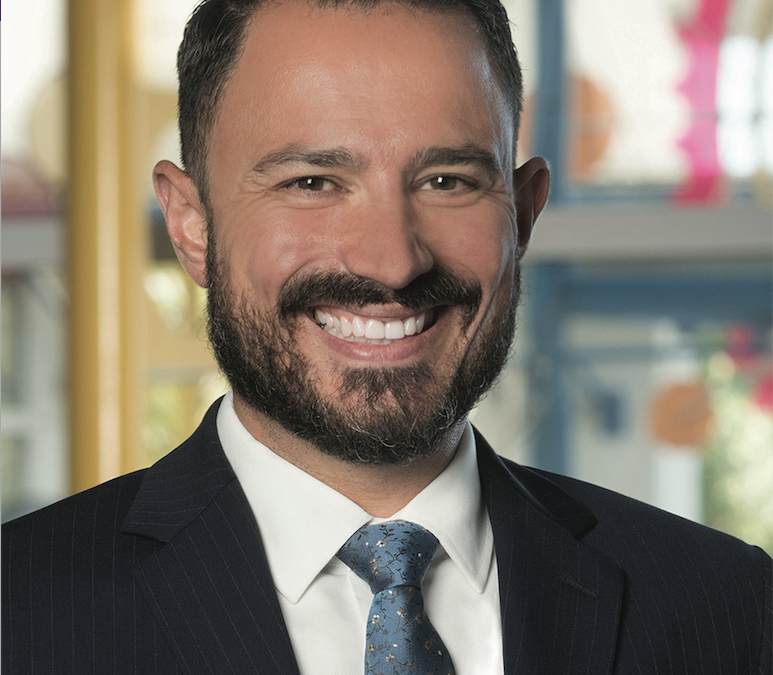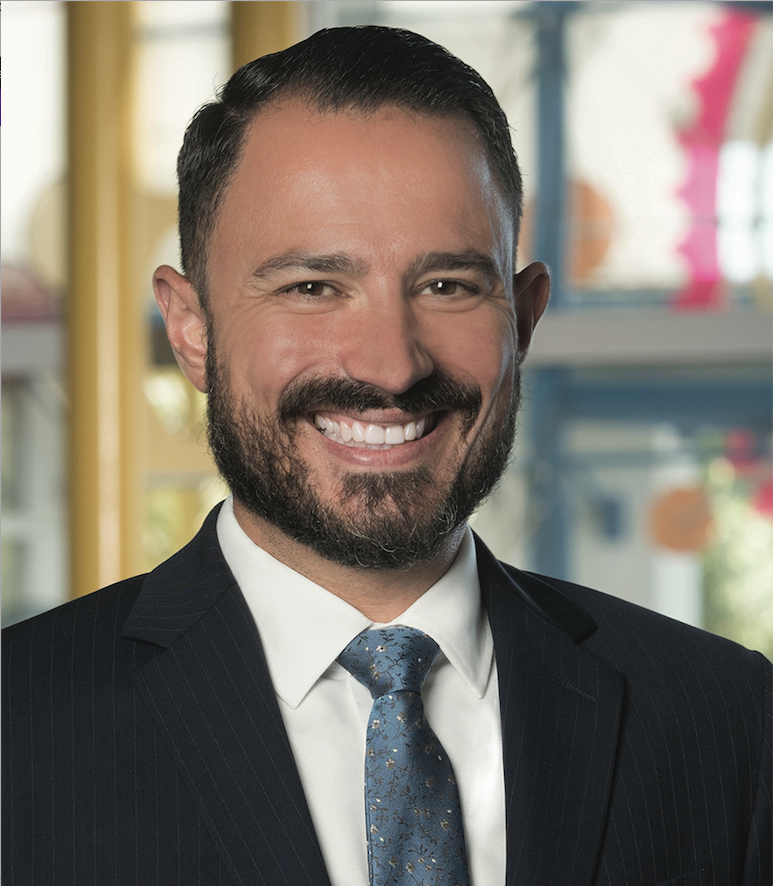
Spotlight On: Kevin Rogers, Regional President, Seaside National Bank & Trust

Spotlight On: Kevin Rogers, Regional President, Seaside National Bank & Trust

By Max Crampton-Thomas
2 min read October 2019 — Seaside National Bank & Trust may be considered a newer entry into the market, having first opened its doors in 2006, but since then it has become a prominent force in the banking community. Invest: Greater Fort Lauderdale recently spoke with Kevin Rogers, the regional president of Seaside National Bank & Trust’s South Florida operations. During the discussion, he spoke on the importance of cybersecurity to a bank like Seaside, how Seaside handles the challenge of competition in South Florida and his approach to finding the right employee candidates. 

How are you protecting your clients in regards to cybersecurity? 

Cybersecurity is a huge topic, not only at our bank, but also across the financial services industry. We tell our people all the time that we’re a small bank, and if we took a $2 million to $3 million hit it would substantially hurt us. Our people are on guard every minute. We have an incredible onboarding process, and we not only know who we’re banking with, but we also know who are clients are dealing with as well. If you ask what keeps me up at night more so than hitting balance sheet goals, it’s cybersecurity and being hit with a loss.

The amount of money that the bank spends on cybersecurity is incredible, but you have to stay ahead of the game. We conduct a lot of training on the subject. I even do a communication call twice a month with our South Florida employees, and one of the main topics is cybersecurity. We want to make sure that everybody is on guard, that they know who their clients are and that they’re asking the right questions. You have to ask the tough questions to make sure you protect the bank.


What is the biggest challenge in the market for a small to midsize bank like Seaside, and how do you overcome it?

I think the biggest challenge is always going to be the competition. Banks of our size do not have the brand recognition that a Bank of America does, so the question is how do we sell Seaside Bank? We have to go out and talk to our clients about who we are and what we specialize in. We drive home the fact that we are able to provide the same products and services that the big banks do but in a community bank setting. We’ve taken a lot of clients away from these big banks. If you look at what’s going on in the big banks right now, it’s all about sales process management and managing their people to numbers that, a lot of the time, mean selling products and services that the clients really don’t need. We don’t subscribe to this notion and instead focus more on listening to our clients and making sure that they get what they want and need. We’re not for everybody; there will never be a time when you’ll see a Seaside branch on every street corner like you do Bank of America. If a customer is looking for that then we’re not the bank for them. If they’re looking for a single point of contact to deal with on a consistent basis then we are a perfect bank for them.


How difficult is it to find professional, hard-working talent in the Palm Beach County market? 

It is very hard, and I find that I’m always looking for people. I’m constantly asked the question when I’m out at a meeting or at a networking event, “Are you looking for bankers?” I always say, “I’m never looking, but I’m always looking” because I’m trying to find the right person who will fit into our culture. 

It’s also very hard to recruit a good banker who is working at a big bank because they already have an established book of business and a continuous flow of referrals. At a smaller bank like ours we don’t have that, and you have to be an aggressive calling officer and business developer to be able to be successful here. We have to be careful about whom we hire because we don’t want to set anybody up to fail. Some of the best people I’ve recruited are from big banks and who want to try something else because they’re at a  time in their lives when they want to scale down. A smaller bank like ours is attractive to these people because of our incentive plan and how we operate.

To learn more about our interviewee visit: 

https://www.seasidebank.com/

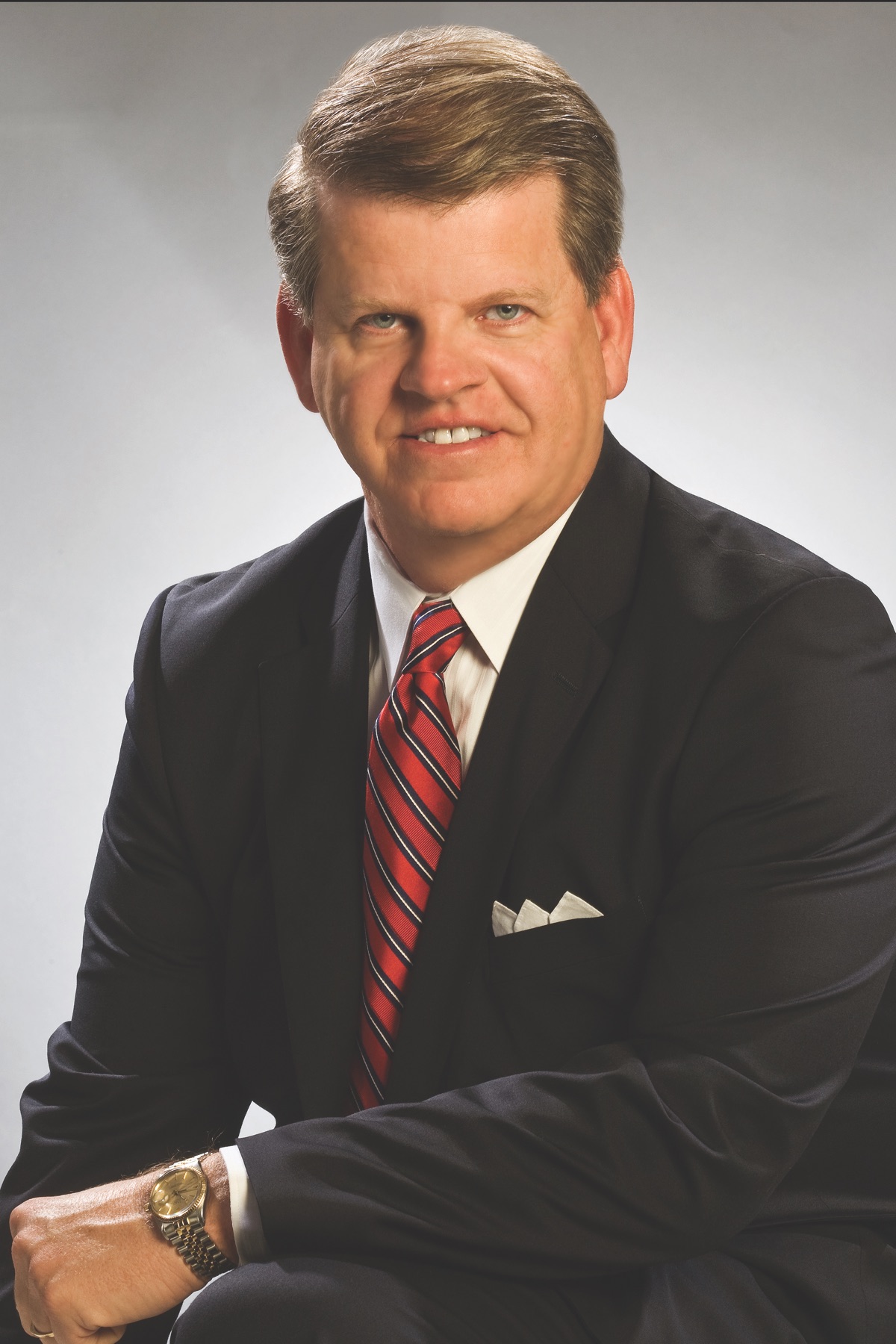
Spotlight On: Joseph Cox, President & CEO, Museum of Discovery and Science

Spotlight On: Joseph Cox, President & CEO, Museum of Discovery and Science

By Max Crampton-Thomas

2 min read September 2019 — To be considered a staple within the growing economic landscape of Broward County is no small accomplishment, especially as new options seem to become available to the public on a weekly basis. There has to be a real sense of connection and purpose formed with the public, as well as being an established economic driver, for a business or institution to achieve this status. Invest: Greater Fort Lauderdale had the opportunity to speak with Joseph Cox, the President & CEO of one of the staples of Broward County the Museum of Discovery and Science. Throughout the course of the discussion Mr. Cox made note of how the museum is working to address the lack of STEM workforce in Broward, how they are using new technology to their benefit, the counties support of institutions like the museum and the museum’s important role as an economic driver in the region.

How is the museum helping to address the lack of STEM workforce in Broward County? 

South Florida is powered by industries that thrive on a strong, vibrant STEM workforce. From aviation to tech, there is a unique voice in the local workforce of innovators, tinkerers and problem-solvers.  The Museum of Discovery & Science plays a crucial role in the community by introducing children of all ages to the exciting opportunities offered by careers in STEM. We recently opened The Leighton Family Hangar, our innovative Makerspace exhibit, a hands-on collaborative experience that fosters the learning of new skills, creating products and sharing ideas. Through partnerships with corporations, universities, technical colleges and, of course, our local school system, we will be offering an exciting range of programs and events that allow students to gain valuable skills for their future and ultimately our community’s future. The Hangar will inspire new generations to embrace the engineering design process as they develop, innovate and problem-solve.


How important is the adaptation of new technologies to a science museum?  

One of our goals at MODS is to connect people to inspiring science, and this includes state-of-the-art technology. Technology at the Museum is powered by our most vital resource: our staff and their creativity. Innovative technology is one of the tools our staff uses to help bring the exhibitions and programs to life. We are experimenting with the integration of augmented and mixed reality in exhibits and educational programs, as it truly is an opportunity to contribute to a new path of learning in museums. We are thrilled to have strong partnerships with Broward-based technology companies such as Citrix, Florida Power & Light and Magic Leap that allow us to drive innovation and technology forward in an accessible and meaningful way.


What is your view of the county’s support for arts and cultural institutions?

The Broward County Cultural Division clearly champions the arts in our community. The Cultural Division’s ongoing investment in cultural programming, public art and capital projects reflects the value attributed to the arts by the County.  We are fortunate to have an incredibly vibrant cultural community where collaboration is celebrated. The Museum considers the Cultural Division a partner as we work together to strengthen local cultural offerings, from exciting exhibits and award-winning education programs to breathtaking IMAX documentaries.


How is the museum an economic driver in the Broward County region? 

Beyond the cultural impact of the Museum, we also play a role in the local economy, with 150 employees and more than 400,000 visitors annually. A recent Americans for the Arts survey estimated our economic impact to be more than $22 million. The Museum purchases goods and services locally, hires and trains staff and supports many social service agencies with free and reduced admission. Whether having lunch in the neighborhood or traveling from out of town for the weekend, our visitors help drive the local economy and, with over 15% of our visitors coming from overseas, we are supporting the diverse offerings of our destination.


To learn more about our interviewee, visit:

https://mods.org/