Coronavirus: Gov. Roy Cooper declares state of emergency

Coronavirus: Gov. Roy Cooper declares state of emergency

By: Felipe Rivas

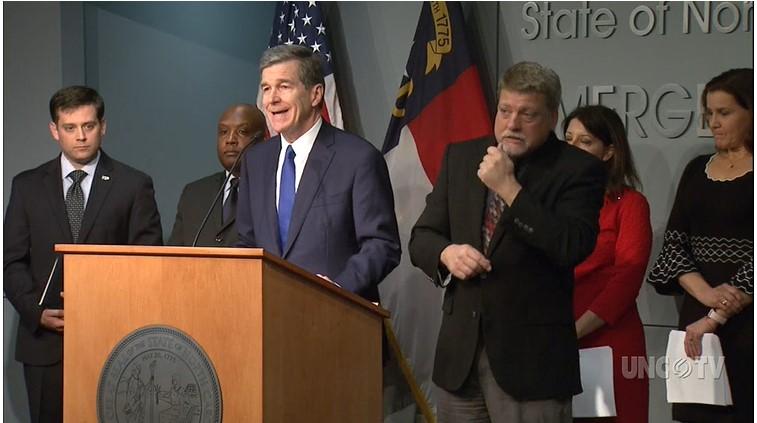
2 min read March 2020 — There are now seven confirmed coronavirus cases in North Carolina, prompting Gov. Roy Cooper to declare a state of emergency as leaders and health officials deal with the coronavirus outbreak. Of the seven people who have tested positive for COVID-19, six are from Wake County and one is from Chatham County, according to health officials. The declaration activates the Emergency Operations Center to facilitate the purchase of medical supplies, protect consumers from price gouging, and increase county health departments’ access to state funds. 

“The health and safety of North Carolinians is our top priority. We are taking the necessary steps to ensure that North Carolina is prepared and responding to this virus, and this order helps us do that,” Cooper said in a press release. “Though we are still in the early stages in North Carolina, time is a valuable resource and we must work together to slow the spread while we can.”

There are 120,944 global COVID-19 cases as of Wednesday morning, with 1,039 cases reported in the United States, according to the Center for Systems Science and Engineering (CSSE) at Johns Hopkins University. However, at this time, the risk to the general public in North Carolina is low, Mecklenburg County reported. 

As of Wednesday, Charlotte-Mecklenburg Schools is suspending all travel. The travel limitations apply to district-sponsored trips of any kind for staff or students. “The safety and care of our school family is my top priority as superintendent,” said CMS Superintendent Earnest Winston in a press release. “In situations like these, we come to a deeper understanding of how closely connected we are, and I thank you for your help in our efforts to be prepared.” 

Cleaning standards are being reinforced at schools and office buildings, while families are encouraged to keep children at home if they are sick, the school system reported. 

Similarly, American Airlines, the main carrier at Charlotte Douglas International Airport, also implemented travel limitations, cutting domestic and international flights due to decreased travel demand following the proliferation of COVID-19 cases globally. American Airlines will reduce domestic capacity in April by 7.5 percent and reduce international capacity for the summer peak by 10 percent, including a 55 percent reduction in trans-Pacific capacity. The airline is also suspending flights from CLT to Rome (FCO) and Milan (MXP), as there are over 10,000 confirmed COVID-19 cases in Italy, according to the Center for Systems Science and Engineering. 


To learn more, visit:

 https://www.mecknc.gov/news/Pages/Update-on-Novel-Coronavirus.aspx

https://governor.nc.gov/news/governor-cooper-declares-state-emergency-respond-coronavirus-covid-19

https://www.arcgis.com/apps/opsdashboard/index.html#/bda7594740fd40299423467b48e9ecf6

http://news.aa.com/news/news-details/2020/American-Airlines-Update-on-China-Flights-OPS-DIS/default.aspx


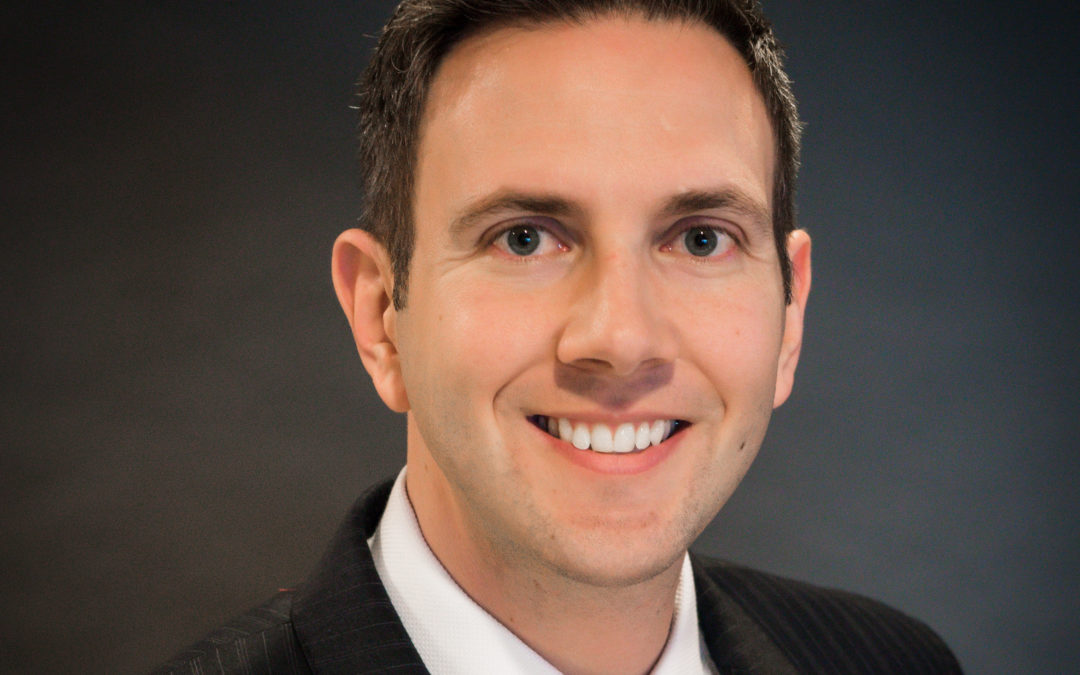
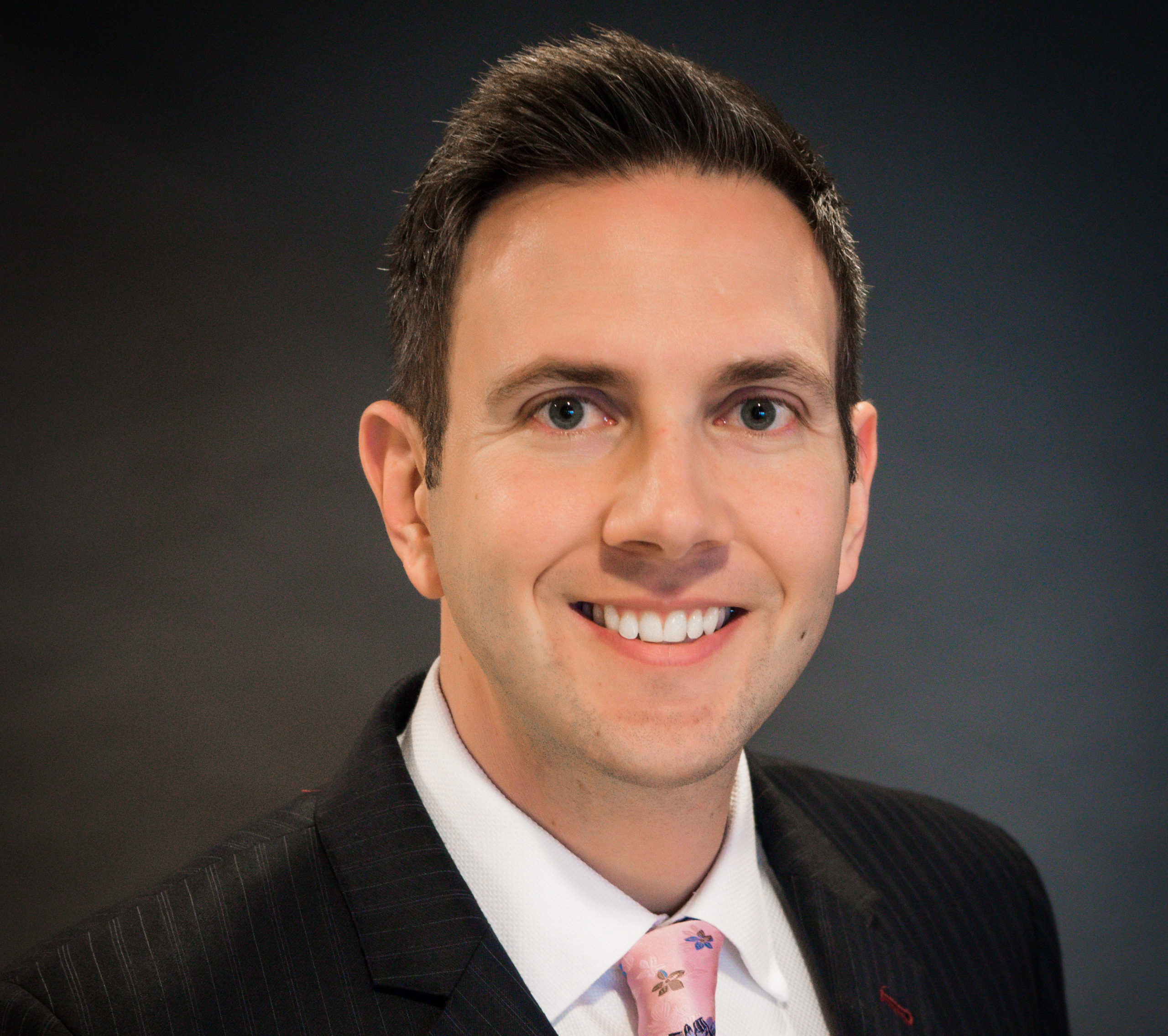
Spotlight On: Daniel Zagata, Managing Partner, Evershore Financial Group

Spotlight On: Daniel Zagata, Managing Partner, Evershore Financial Group

By: Yolanda Rivas

2 min read March 2020 — Orlando’s diversifying economy has been attracting a high amount of investment to the region. The population of high-income earners and the number of high-income jobs continue to grow, according to Daniel Zagata, managing partner at Evershore Financial Group. Zagata shared the latest market trends and changes in an interview with the Invest: team. 

How did 2019 develop for Evershore Financial?

We have multiple locations in Florida: Orlando, Boca Raton, Palm Beach Gardens and The Villages. In Orlando, we purchased our first office building in 2019 and are looking at real estate acquisitions over the next couple of years as our firm expands. Overall, as a financial services company, we have been working to help people with their concerns over the market’s 12-year bull run, which has been the longest we have ever seen. Market volatility has pushed the consumer to engage us for financial advice and financial services due to the uncertainty that is emerging. Younger clients and people just getting started in the financial game are moving toward the automated system of robo-advisers, demonstrating a more of a do-it-yourself preference. The more affluent client has been engaging financial planners because they require more dynamic, complex, and customized solutions. On top of that, wealth management has changed drastically. It is not just about ROIs anymore. There are more family dynamics, multiple marriages, divorces, legacy issues and tax issues, just to name a few.


What shifts are taking place in the financial services sector?

There is an increasing demand for customized advisory services and guidance. We have been dealing with a greater number of business owners looking to not only sell their business but also looking for succession plans. The logistics behind planning have become extremely important. Most recently, the term “fiduciary,” and being able to engage a financial planner and adviser as a fiduciary, has become paramount and top of mind with most clients. That type of advice and engagement with clients is growing in demand while several financial advisers are either not properly licensed or do not have the capacity to work as a fiduciary. It has always been a priority for our firm to engage clients on their terms at the level they need. 


What trends are emerging in retirement and succession planning?

Many business owners do not have a written, executable succession plan, and have not identified the person who will take over. The problem becomes who to transfer the business to, how to bring that person in, whether or not they have a vested interest, if they have the required resources to purchase the business and if the resources are delivered as a lump sum or serial payment. It is often said that the top concern of a business owner relating to a succession plan is the impact on employees, along with preserving the business’ reputation. We have seen several business owners resort to repossessing their business when the transition was poorly executed or did not have the intended consequences.  


What is your outlook for 2020 and what are your areas of focus?

Election years tend not to be volatile because there is pressure to keep the economy stable. However, there are always events that are unpredictable, such as the Coronavirus, that can cause immediate volatility. From the firm’s standpoint, we continue to expand. We are looking to bring in highly qualified advisers to add value to what we do. As big proponents of education, clients today want to receive advice and information that are valuable to their investment strategies. I teach retirement classes at the Rollins College STARS program and Celebration Foundation for Lifelong Learning, to name a few. Our reputation, high-quality content and transparency has many schools and universities using Evershore Financial to deliver education. We understand people, and how behavior impacts investing and life. We will continue to grow and expand our firm as we help our clients navigate life’s transitions. 


To learn more about our interviewee, visit:

Evershore Financial Group: https://www.evershore.com/

Spotlight On: Michael Chin, General Manager and Regional Director for Eden Roc Miami Beach/Nobu Hotel Miami

Spotlight On: Michael Chin, General Manager and Regional Director for Eden Roc Miami Beach/Nobu Hotel Miami

By: Max Crampton-Thomas

2 min read March 2020 — The hospitality market in Miami-Dade may have started to feel a level of oversaturation but the market overall is still at an advantage in comparison to other large markets across the nation due to location and a friendly tax environment, Michael Chin, general manager and regional director for Eden Roc Miami Beach/Nobu Hotel Miami Beach, told Invest:. He also discussed embracing the sharing economy as an alternative rather than increased competition in the market and the difference in demographics that options like this attract. 


With new entries into the region, do you believe the hospitality market in Miami-Dade is nearing a level of oversaturation?  


Miami is in a position where some hospitality entities feel a level of oversaturation, but I don’t think we are in that kind of market yet, especially when compared to markets like New York, Chicago, Los Angeles or Las Vegas. We have a mix of boutique and local hotels, and we are starting to see developments for the larger hotels coming into the area. This includes the expansion of some larger properties in the Downtown  and Brickell areas. The demand is still there in regard to new hotels in Miami-Dade.


What is the biggest advantage to your location in Miami Beach? 


Our biggest advantage in regard to where we are located is right out our back doors: the beach. The number of properties that have direct beach access is what people come to South Beach for. Right now, some of the hotels, like in Downtown Miami, aren’t as attractive to certain visitors coming to Miami because they don’t want to be in an urban area. They do not want to just see the water, they want to be at the water. This is why our location on the beach is probably our biggest attraction for new guests. We also have an advantage thanks to our offerings in comparison to our neighbors. We thrive off of the proximity to the Fontainebleau. We may not have the capability to have a nightclub on our premises like the surrounding hotels, but the people who come in here and visit us prefer us as an alternative place to go to eat and have a different type of experience.


How do you view newer entries into the hospitality market like Airbnb and the sharing economy? 


My background comes from a corporate hospitality structure and we addressed the issue of the sharing economy on a corporate level years ago. Since then, my stance really has not changed. We cannot view services like Airbnb as competition, they are simply just an alternative. The consumer is going to stay where they want to stay. If their preference is to have longevity and a lot of space, then they are going to choose an option like Airbnb because it is something that they will not get in a hotel. People who stay at hotels, stay based on what they are looking for. Today, the demographics related to age, income and food preferences are going to determine where a person stays more than the price of a hotel or its location. The hospitality industry has corporate executives who sit in a room and  determine how they are going to capture every type of traveler out there and how they are going to define every generation, demographic and region to find a suitable hotel choice for them. At a hotel like ours, travelers are going to stay here because they want the features of convenience in regard to housekeeping, room service, amenities and entertainment. Hotels have the consistency value. You have expectations when you stay in a hotel. There are a lot of factors that go into why a person picks and chooses where they want to stay but it all comes down to preference. 


How does the hospitality sector in Miami have an advantage over other large markets across the nation? 


People still want to go to places like Orlando, Dallas or Las Vegas, but every city has its issues, whether that’s overtaxation like in California or overpopulation like in New York. We have the opportunity to attract those tourists to a new market like Miami that doesn’t have these issues. It is about us getting out there to advertise Miami as a viable option to host both tourists and business travelers. Events like the Super Bowl help strengthen this idea.


To learn more about our interviewee, visit: 

https://www.edenrochotelmiami.com/


Spotlight On: Lynda Remund, President & CEO, Tampa Downtown Partnership

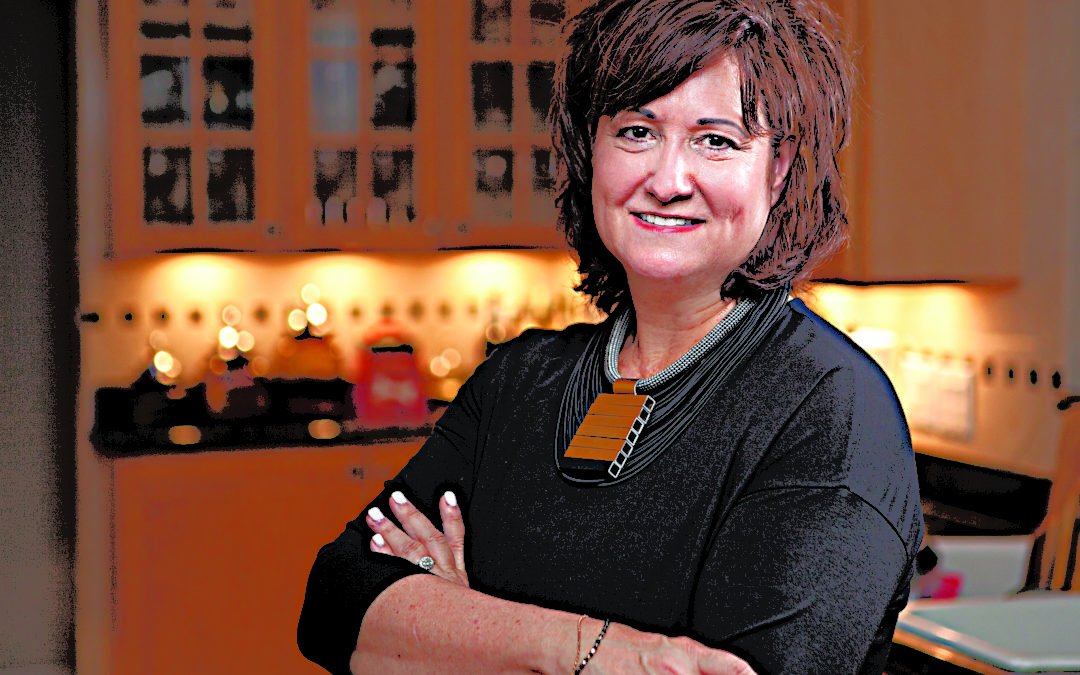
Spotlight On: Lynda Remund, President & CEO, Tampa Downtown Partnership

By: Max Crampton-Thomas

2 min read March 2020 — A downtown is the city’s core and ultimately the face of any given region, so it is important to ensure that it is as strong as possible, said Lynda Remund, president and CEO of the Tampa Downtown Partnership during a conversation with Invest:. Consistent reinvestment and place-making are major keys in unlocking the full potential of what the Downtown Tampa area can be, she said.


How important is a strong downtown to the economic growth of Tampa Bay? 


If you go to any city in the United States or around the world, you will see that a strong downtown is their central core and is really the face of that region. I believe it is very important that we have that strong city center. Downtown Tampa is growing by leaps and bounds and we are excited about that. A quick look around Tampa reveals that the Downtown area is not only growing but so are the outskirts and the suburbs. This is apparent when looking at areas like Midtown and projects like those in West Shore. We are proud that Downtown is such a strong center for our city, but happy to see that the region is developing as well.


What is the Tampa Downtown Partnership’s role in developing the Downtown area? 


We do a lot of place-making in Downtown Tampa, and it is really about creating a space for people to gather and make things happen. For example, our ambassador program, which is like a concierge on the street, helps with things like directions and restaurant suggestions. The participants are feel-good ambassadors who can talk to visitors, residents and workers who are Downtown and make sure they are happy and having a good experience. We also have our litter patrol out on the street to ensure our beautification efforts are being met. We advocate for transportation solutions for the Downtown, like safer streets, pedestrian crosswalks, wayfinding signage and anything else that is going to make a person’s experience better.


One of our top priorities is reinvesting into the Downtown area. We are looking at getting involved in some small-scale capital improvement projects. We will be reinvesting in a couple of small projects that will help pedestrian safety in regard to signage, lighting and aesthetics for the Downtown. Downtown is probably the safest place in the whole city and we are working to make it even safer. We are also bringing the International Downtown Association Conference here in October 2020. That is an audience of about 1,000 people from around the world, consisting of planners, elected officials, architects and business leaders. All of these experts will be here to share best practices and we are excited to receive them.


How important is smart growth to the development of Downtown Tampa?


Smart growth is vitally important to the Downtown region. Having a strong city center is the basis for any successful city. Tampa is now being recognized as a top spot not only in Florida, but in the nation. We have hundreds of new residents moving into this region everyday. Our statistics show that housing in Downtown alone has increased 219% in the last 11 years. I believe the growth that is happening now is sustainable growth, and I do not believe that is going to change. There are more cranes Downtown than ever before and new businesses are continuously moving in here. People are making the investment into Tampa and especially Downtown. 


What would you identify as the biggest challenge facing economic development in this region?


One of our biggest challenges in this region is obviously transportation, so having a commuter system in place will help to mitigate this issue. We often hear from big companies that are looking to move here or even conventions hoping to come here that they are looking for a place where people are able to move around easily. We are starting to provide more of these options, but we have so much more work to do to become a more viable option for people.


To learn more about our interviewee, visit: 

https://www.tampasdowntown.com/

Spotlight On: Michael Hendricks, Office Managing Partner Tampa, Frazier & Deeter

Spotlight On: Michael Hendricks, Office Managing Partner Tampa, Frazier & Deeter

By: Max Crampton-Thomas

2 min read February 2020 — Recent advancements in technology, economic uncertainty and the constantly changing needs of businesses and individuals alike have resulted in the accounting world having to expand its offerings into a multitude of advisory services. Invest: spoke with Michael Hendricks about how Frazier and Deeter, a nationally recognized CPA and advisory firm, is adapting to these changes. He also spoke about the need to attract and retain talent in an increasingly competitive talent market, and how his firm is going the extra step to make sure this young talent feels that they can have an impact on the business regardless of their tenure. 


Why is an office in Tampa Bay conducive to the overall success of the business? 


We have been in the marketplace now for five years. When identifying new opportunities, we look for areas where middle-market companies may be under-served. What attracted us to Tampa Bay was really the growth that the region has been experiencing over the past decade. We love the demographics of the region and the industries this area focuses on. We really look to get involved with the real estate, technology, distribution and manufacturing marketplaces. 


How have you seen the accounting industry evolve with recent advancements in technology?


I believe our industry is evolving quite a bit, to the point where we are going to see many tax and audit services going the way of artificial intelligence. Everything is going to be a little bit more competitive when it comes to pricing, so new ventures like consulting, back office, cybersecurity, data analytics and other consultative services is where I believe we will see our industry grow. We have been investing a lot of time into this.


What efforts have been put forth to help retain young professionals in your business? 


We have tried to keep the younger generation engaged in the business by setting up roundtable discussions and giving them a voice to present concerns to management. Every year, we pick out 10-15 individuals from our senior and supervisor levels and give them a chance to voice concerns and present ideas that they think can help resolve these issues. This activity offers an opportunity for them to grow. They are able to come to the board of partners and talk to them as a united voice. This is an ongoing process and every year we have a new group assembled. We think it is a great way to have the younger generations engage with the firm’s leadership group in a comfortable setting. The conversation can sound negative on the surface, but really it’s a great way for people to talk about what we could do better as a company. I find if you give employees at all levels a voice, they feel more invested and more ingrained in the culture, rather than just being another number in an organization.


What would you identify as the most daunting issue for your industry? 


The one issue that we consistently hear in our industry relates to talent acquisition and retention. I believe this is changing. We see a lot of students from Florida universities deciding to move to the Tampa Bay region after graduation. One of our most successful recruiting tactics has been finding people who want to live in a place like Tampa Bay but who aren’t already here. Of our last 10 hires, four have come from out of market. We offer a lifestyle in this region that is still not on everyone’s radar, and as more people find out about it, they love what it has to offer.


How can a firm like yours remain on a sustainable growth path in the case of another economic downturn? 


Planning in advance and smart decision-making is the best way to handle another economic downturn. We always look to hire good people and we will never turn down a good person if we think there is a fit. We also know our business. We are able to adapt with the range of services that we offer to our clients. We become engaged with our clients, we know the services we are offering and how they help our clients. We have to convey the value that we offer, and as long as we are doing that we should be able to withstand any downturn.


To learn more about our interviewee, visit: 

https://www.frazierdeeter.com/


Face Off: Bringing More Energy to the Bay

Face Off: Bringing More Energy to the Bay

By: Max Crampton Thomas

4 min read February 2020 As the Tampa Bay region continues to grow both in population size and new developments, the need for access to more energy and cleaner energy solutions grows with it. Invest: spoke with the leaders of two of the main sources of energy for the region and their innovative approach to creating cleaner energy solutions. T.J. Szelistowski serves as the president for Peoples Gas, which has provided Florida residents and businesses with reliable, environmentally-friendly, economical natural gas products and service since 1895. Nancy Tower leads Tampa Electric as its president and CEO. The utility has served the Tampa Bay area for 120 years, with more than 5,000MW of generating capacity. 

How is your company innovating in terms of technology?

T.J. Szelistowski: The last time we spoke, we discussed implementing gas-fired heat pumps that use natural gas instead of electricity for air conditioning. We are working with several customers on installations of this technology.  Additionally, we have installed the technology in three of our facilities and have been pleased with the performance.  

In terms of other technologies, we are targeting farming and waste facilities that release methane into the air. Our environmental solution is to capture that methane and clean it up to reinject it into the system. This not only provides a cleaner form of natural gas but also reduces methane emissions. We look forward to announcing some significant projects with this technology in the near future.

Nancy Tower: We believe battery storage is a part of our energy future. The technology is new, and we’re not ready to deploy that on a large scale until we figure out the true impact it will have on our system. We have put in place a battery storage project this year near our Big Bend solar project, which will give us really good information on how solar and battery storage interacts with our system. We’re really looking at how we can integrate battery storage into the complexity of the renewable energy ecosystem.

In other technologies, we are also in the middle of a large-scale installation of smart meters, which provide a lot more information and allow us to provide customers with superior service. 

T.J. Szelistowski

Why has investment in cleaner, more renewable energy and environmental sustainability been such a focus for your company?

Szelistowski: Natural gas is the perfect partner to renewable solar energy to provide capacity when the sun is not shining and to ensure energy is available to customers around the clock. Additionally, natural gas can provide great environmental benefits by replacing diesel fuel usage in large vehicles, such as buses and waste-management trucks.   

 A variety of ships are starting to convert to natural gas because of changing environmental regulations, specifically IMO 2020, which slashes permissible levels of sulfur permitted in fuel for seaborne vessels to minimal levels and opens the door for liquefied natural gas (LNG) as an alternative.

Tower: The biggest factor is that customers want it. When thinking back over the last few years, the number of people focused on a cleaner environment has increased exponentially. This is symbolic of the focus citizens and our customers have on environmental stewardship, and that is not going away. We are very happy with our progress.

I think it’s our obligation on behalf of customers to demonstrate that clean energy is not only our responsibility in terms of an environmental perspective, but also from a cost perspective. We are focused on both of those things simultaneously. As the entity generating electricity, we have the responsibility of doing that in the most responsible way.

Nancy Tower

How would you respond to the argument that clean energy is not yet cost-effective or readily available?  

Szelistowski: Natural gas interstate transmission pipelines are relatively new to Florida compared with the Northeast, having been introduced only in the 1950s. In addition, natural gas is a primary source of space heating in many parts of the country. With limited space heating in Florida, natural gas is primarily used for cooking, water heating and clothes drying in addition to industrial uses. We see a great desire for natural gas by people who have moved from other parts of the country and have enjoyed using natural gas in the past.  

In terms of misconceptions, people do not realize the widespread availability of natural gas in Florida. Additionally, they may not realize the affordable nature of home and business use of natural gas. With low and steady gas prices, natural gas provides a great alternative to both business and homes.  

Tower: It is our job to ensure that our generation portfolio is the most cost-effective for customers. Over the long term, we have carried out extensive cost modeling to ensure we can meet these expectations. In the next number of years, we will add more solar capacity and our generation will include more small-scale methods combined with battery storage. This doesn’t come without hard work and we need to find the right ways to keep costs low. This involves finding the right land close to our transmission infrastructure, ensuring suppliers are providing competitive prices and efficient cost management. Costs have come down, but we need to ensure we tightly manage this.

To learn more about our interviewees, visit:

https://www.tampaelectric.com/

https://www.peoplesgas.com/

Miami’s Top 5 Fantastic Food Festivities

Miami’s Top 5 Fantastic Food Festivities

By: Max Crampton Thomas

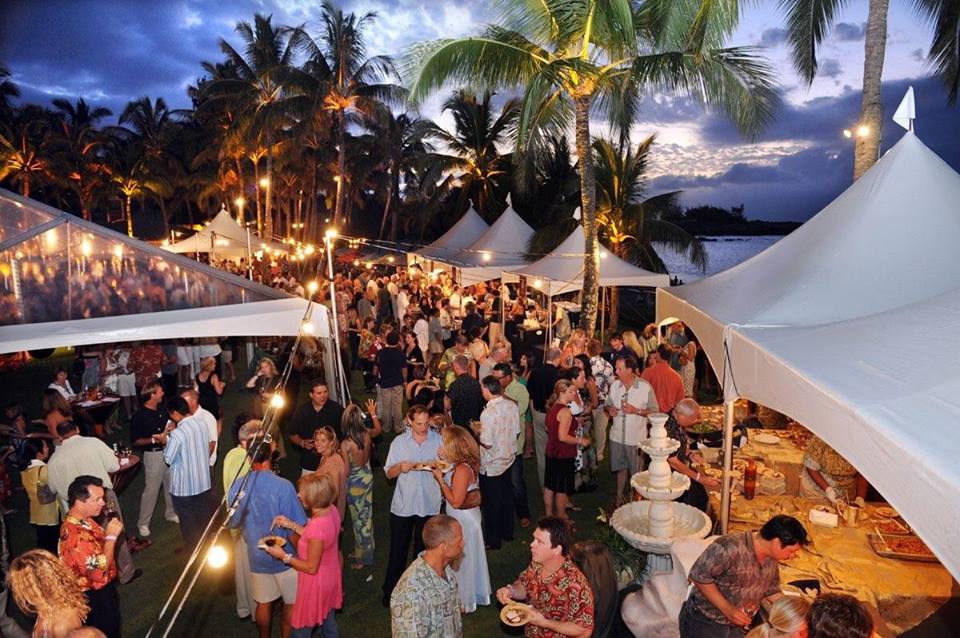
4 min read February 2020 This weekend on Miami Beach there are guaranteed to be three things – food, wine and good times. While this is the recipe for most memorable times had in one of Miami’s top tourist destinations, this weekend in particular is heightened by the annual The Food Network & Cooking Channel South Beach Wine & Food Festival. In most markets, a festival like this would be an outlier as the premier food and beverage event for that year, but Miami is not most markets. The fact is, Miami-Dade is home to an onslaught of premier food and beverage festivities that would make any culinary connoisseur’s mouth water. Invest: explores five of the top foodie festivities in the Miami-Dade region. 

South Beach Seafood Festival  

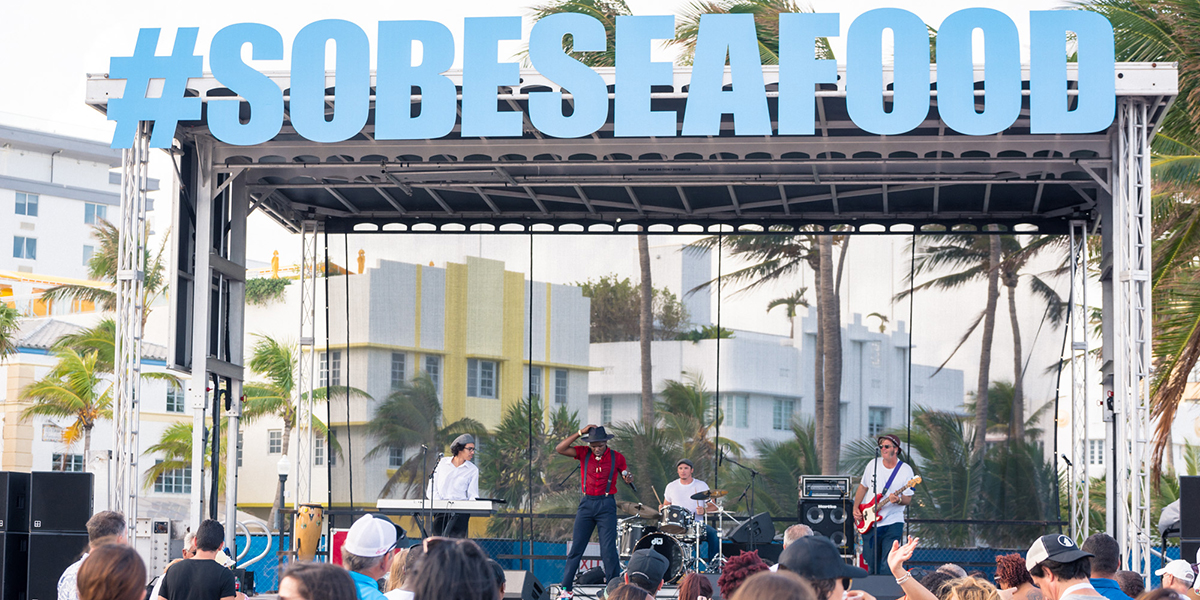
To be considered a Top 5 Speciality Festival by USAToday, listed by Forbes as a Top 5 thing to do in fall and recognized by Travel Channel as the best seafood festival in the United States is no small accomplishment. This four-day festival features three nights of culinary events that lead up to the ultimate seafood festival experience. These preliminary events include an exclusive VIP experience, An Evening at Joe’s, brought to life by food from the historic Joe’s Stone Crab, a cocktail hour-type event called Crabs, Slabs and Cabs featuring Surf N Turf favorites paired with various cabernets, and finally the VIP Chef Showdown, which showcases 14 of the best local chefs cooking up their greatest culinary creations. All of these lead into the big event on the fourth day that spans over four blocks of Miami Beach, features 30 bars, music, culinary demonstrations and enough delicious seafood to please the over 15,000 attendees. This event takes place from Oct. 21-24, 2020. 

For more, visit: https://sobeseafoodfest.com/


Seed Food & Wine Week 

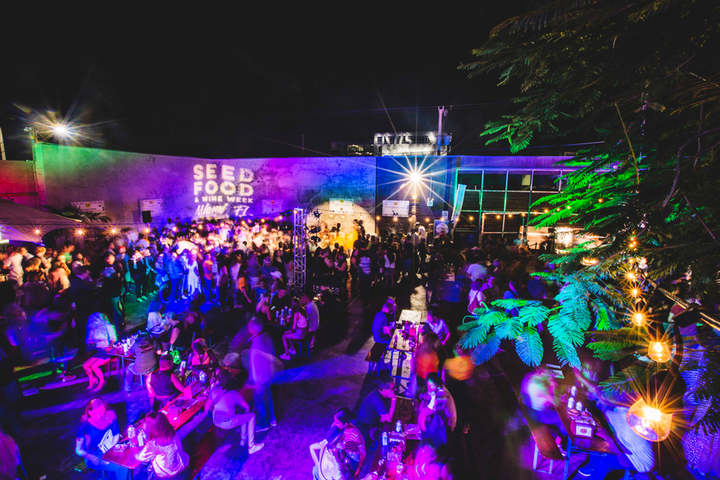
Plant-based diets may not be for everyone, but this four-day event features culinary dishes and experiences that could make even the most devout carnivores consider incorporating more meat-alternatives into their meal plan. Spanning the course of four days, this event touts itself as more of an experience than just a festival as it features a plant-based burger battle, a plant-based pitch off, taco tailgate party, rise and shine yoga experience and meditation, and finally the big event: Seed Festival Day Tasting Village. This vegan-inspired week is also unique in that its events are not centralized and take place in various spots around Miami-Dade, including Wynwood and Downtown Miami. The event runs from Nov. 7-10. 

To learn more, visit: https://www.seedfoodandwine.com/

Doral Food & Wine Festival 

This food and wine festival is going on its fourth year, and while the event has grown significantly since its inception in 2016, this year promises to be bigger, better and even tastier. Over the course of two days, families are encouraged to come out to Doral Central Park and experience live entertainment and live cooking demonstrations. While wine may be in the title, the event is geared toward the entire family, with free entry for kids and an entire area, referred to as the Kids Zone, dedicated to fun activities and games for the little ones. Taking place over March 21 and 22, this year’s event looks to attract over 10,000 people. 

For more, visit: https://doralfoodandwinefestival.com/

South Florida’s Taste of the Nation

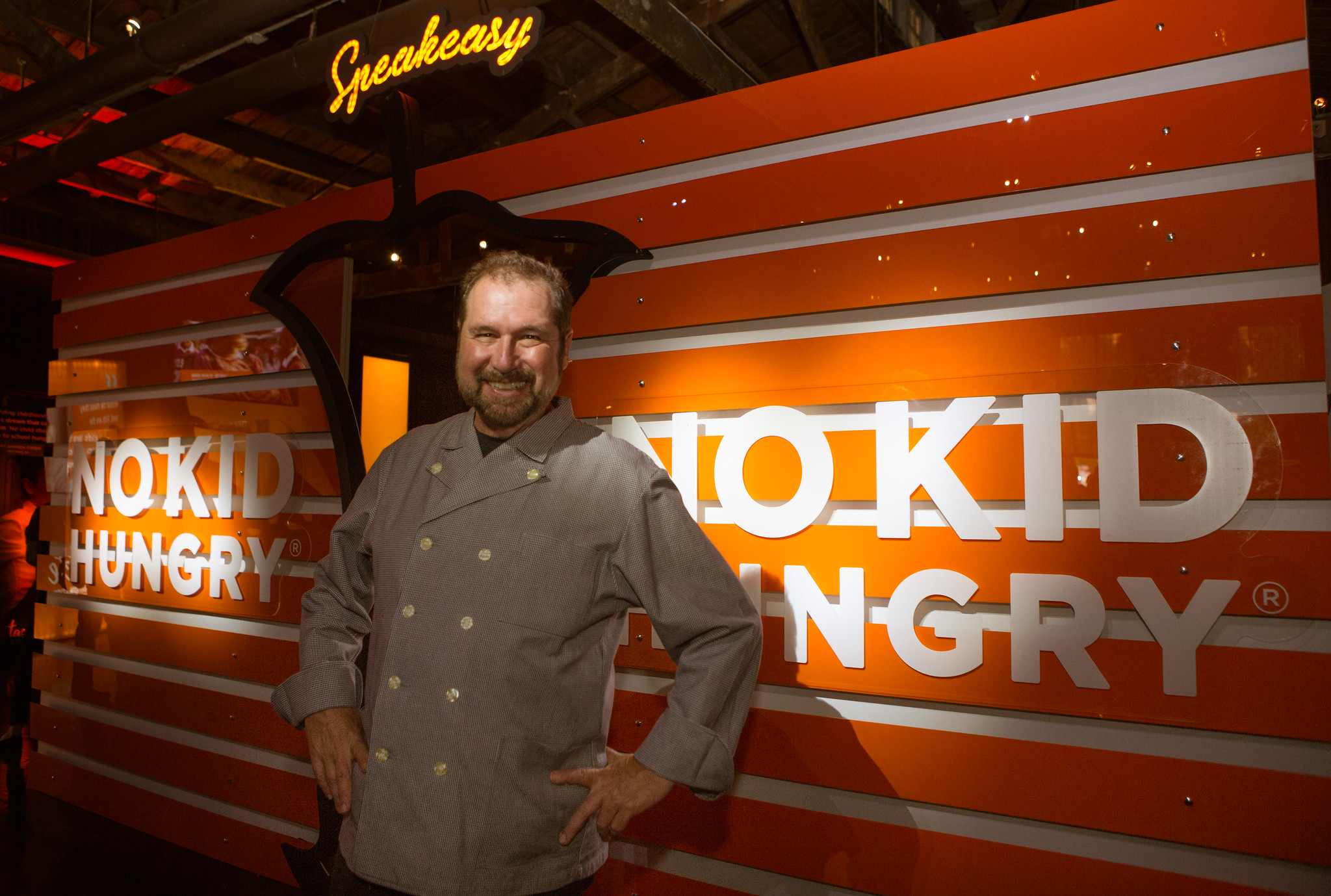
This culinary adventure is a one-night experience that is not only delicious and fun, it also supports a great cause. Described as an elegant evening with some of South Florida’s greatest chefs and mixologists, Taste of the Nation offers guests a chance to try food and drinks from over 50 different South-Florida based restaurants and bars. While normally the best parts of these events are the food and drink, it is actually the impact of dollars collected from the night that is most significant as 100% of local proceeds support the No Kid Hungry campaign’s work to bring an end to childhood hunger in Florida. The event takes place the night of May 16, 2020. 

For more information, visit: https://events.nokidhungry.org/events/south-floridas-taste-nation/

The Food Network & Cooking Channel South Beach Wine & Food Festival (SOBEWFF) 

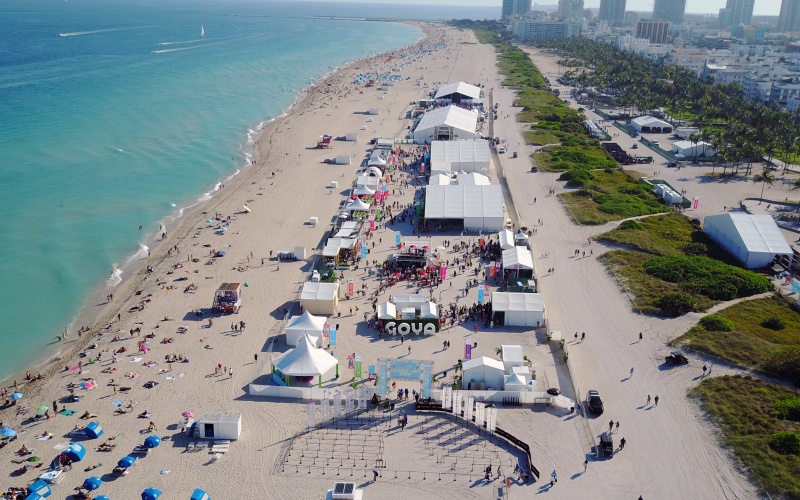
SOBEWFF is a five-day gathering of “who’s who” in the culinary world, over 100 different festival events and over 65,000 people in total attendance. This world-renowned festival has an event for everyone, from the casual food and wine fan to the highest class of food critic. While many of these events could be considered the “big event,” perhaps most well-known is the Goya Foods’ Grand Tasting Village showcasing offerings from more than 50 restaurants and a variety of wines and spirits as well as a closing cooking demonstration by well-known celebrity chef Guy Fieri. The festival is in full swing Feb.19-23. 

To learn more, visit: https://sobewff.org/

Spotlight On: Catherine Stempien, President, Duke Energy Florida

Spotlight On: Catherine Stempien, President, Duke Energy Florida

By: Max Crampton-Thomas

2 min read February 2020 — Duke Energy Florida is not just increasing the amount of renewable power it is offering customers, with several solar plants coming online, it is also looking to harden its grid to protect it from increasingly harsh storms in the southern United States, as well as in cutting-edge “self healing” technology to reduce the impact of outages, according to Catherine Stempien, the company’s president.


 What advances have been made regarding the company’s clean energy projects in the region?


We are still in the process of building 700 megawatts of solar in our system and that will be completed by 2022. We are making significant progress on that. We are either operating or in the construction phase for about half of those megawatts. We brought two new solar plants online in December, at Lake Placid and Trenton, and we have two being completed in the first half of this year in Fort White and DeBary, with two others just announced in North Florida.


The other area where we have really made progress is in battery storage. We have said that we are going to build 50 megawatts worth of battery projects, and we have made announcements for three of these projects located in Trenton, Cape San Blas and Jennings. The battery charges when the sun is up and when the sun is down the battery discharges that energy. But batteries can do much more for our system. We have been testing a lot of cases for battery use, and the projects that we are going to be doing will help improve reliability for our customers, giving them more reliable power.


How is the company ensuring customers get the energy they need?


Our customers want power, and they want that power to stay on 24/7. We are midway through deploying our self-healing grid technology. About 50% of Pinellas County is covered by this technology now. If you think about the electric grid as a highway system, when you have a traffic jam somewhere in that system you want Waze or Google Maps to redirect you around that traffic jam. The grid works the same way: if we have an outage, or a tree falls down on a line, you want to be able to redirect the power around that problem to make sure that people get their energy. This technology does that automatically. We have sensors and communications devices all over our grid that automatically reroute the power and minimizes the problem, reducing the number of customers impacted. People might see a one-minute outage and then it will go back up again. In 2019, 150,000 outages did not happen because our system was able to reroute power, and that prevented 10 million minutes of customer interruptions. 


Why is Duke Energy pushing forward with sustainable power solutions?


Duke Energy Corp, of which we are a part, decided it was going to push itself and target climate goals that we are going to hold ourselves to. By 2030, we want to reduce our carbon footprint by 50% from 2005, and by 2050 we want to be at net zero. Duke Energy Florida is going to be an important part of the enterprise goal. We have a line of sight on how we are going to meet the 2030 goal, but we don’t have an exact line of sight into how we are going to do it by 2050. We need certain technologies to advance faster, and we need the regulators to come along with us. We believe you have to set yourself aspirational goals.


How much should companies involve themselves in sustainability efforts?


Over the last number of years, we have seen an increase in the intensity and the characteristics of storms hitting the United States. Florida is at a higher risk of getting hit by those storms. We believe we need to plan for storm events. In 2018, two major storms hit our service territory, one in Florida and one in North Carolina. Hurricane Michael was a Category 5 storm that devastated the areas it hit. We had to completely rebuild the distribution system and 34 miles of transmission lines. But it left pretty quickly. 


Another storm, Hurricane Florence, hit the Carolinas. It was a water storm that stalled over the eastern part of North Carolina and dumped rain for days, causing extreme flooding, which makes it difficult to access substations and lines. It is hard to predict these kinds of events, so we are looking to constantly improve our response, making sure we have the right crews, with the right equipment, available to restore power.


The Florida legislature recognized these challenges and passed legislation in 2019 to encourage utilities to invest in hardening their grids for storms. It cleared the regulatory path for us to work on storm hardening, from making poles stronger, undergrounding certain parts of the grid, and replacing lattice towers with monopole towers. All of this work is part of a 10-year plan to harden our system so we are prepared.


To learn more about our interviewee, visit: 

https://www.duke-energy.com/home


Spotlight On: Alan Zuckerman, Managing Shareholder & COO, Flaster Greenberg PC

By: Max Crampton Thomas

2 min read February 2020 — Flaster Greenberg’s South Jersey attorneys are bringing in new talent to hone and increase the services they offer their mostly business and high-net-worth clientele, which include everything from M&A to succession work, while preparing to face challenges such as the impending legalization of cannabis in the state, the nationwide PFAS environmental problem and the changes to retirement planning contained in the SECURE Act,. Invest: spoke with Flaster Greenberg PC’s Managing Shareholder & COO Alan Zuckerman. 


What sets Flaster Greenberg apart from other law firms in the South Jersey market?


We are a midsized commercial law firm specializing in pretty much every practice that businesses and high-net-worth individuals, our primary clientele, would need. Most of our lawyers have come from large Philadelphia firms. We pride ourselves in doing the same type and quality of work as the larger firms, but at lower rates and more efficiently.


Most recently, we have done a tremendous amount of deals and merger and acquisition work. We have also had some very large bankruptcy cases. Regarding M&A, it has been all over the industry. Most of our clients have usually been closely-held businesses, even some very large ones. At some point, some of those businesses have to be passed on to the new generation, or they are sold. As a result, we have been seeing a tremendous amount of activity in the sale market, and we have been representing a lot of companies in all business sectors that are selling, in many cases to private equity firms. Private equity firms have been the most active buyers in the transactions we have been representing.


Is there any legislation, local or federal, that could have an impact on the way you or your clients do business?


There are two significant pieces of legislation, one at the national and another at the state level. There are environmental laws coming in that could mean a lot of environmental litigation. The others are, on a national level, the SECURE Act, which really impacts retirement plans, in particular, the amount and period of time in which people with 401k retirement plans will be allowed to take money out of their retirement plans and defer paying taxes. This new law substantially changes those rules and shortens the period of time for withdrawals. For many people who have done planning on their retirement plans, that is all going to have to be revamped.


There is also the pending legalization of cannabis in the state of New Jersey. We have some businesses gearing up for it, although there has not been a whole lot of demand just yet.


What are the main challenges facing firms and their clients in the South Jersey area?


One of the challenges is rate pressure, as our clients are cost-sensitive to legal work, as they should be, and that requires lawyers to be more efficient in their work. From a local standpoint, the opportunity we find in the South Jersey market is that office spaces are much less expensive compared to Philadelphia, which is only a few miles away. Although we have seen most of our growth over the last few years in Philadelphia and expect to see more, we made the decision last year to renew our lease here in South Jersey because the occupancy cost is less expensive.


One of the downsides in South Jersey we face for that decision is the lack of transportation infrastructure. We get into Philadelphia but that is about it. There is no local transportation for the most part. From a statewide perspective, taxes are very high, both income and property taxes, which make it harder for businesses to stay or relocate here.


What are the company’s main areas of focus for 2020?


Our focus is to continue to be able to be a full-service firm with very efficient and quick response to our clients. To do that, we feel that we need to continue to grow, bringing new attorneys into our firm. In addition to a six-lawyer firm we have already brought into the fold, we have expanded our footprint into the western Philadelphia suburbs with the opening of our Conshohocken, PA, office last June. Most recently, we grew our intellectual property department by welcoming an 11-member patent team headquartered in the firm’s Philadelphia office.


To learn more about our interviewee, visit:


https://www.flastergreenberg.com/